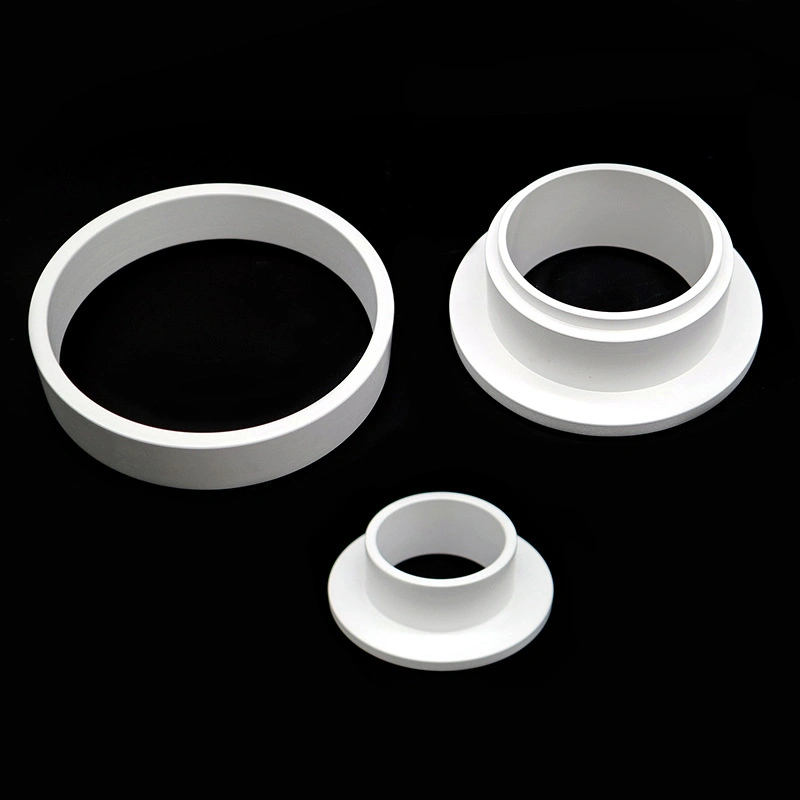
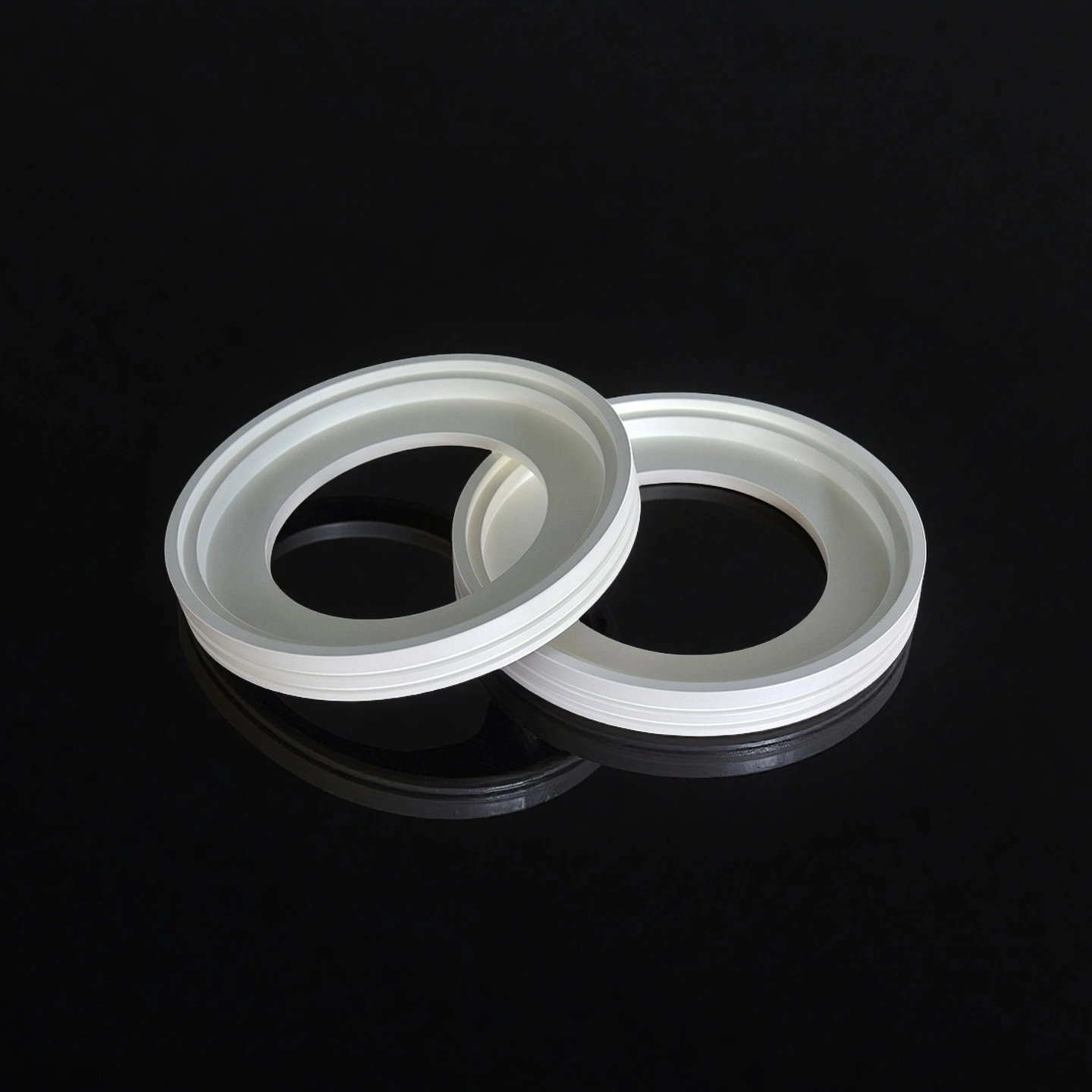
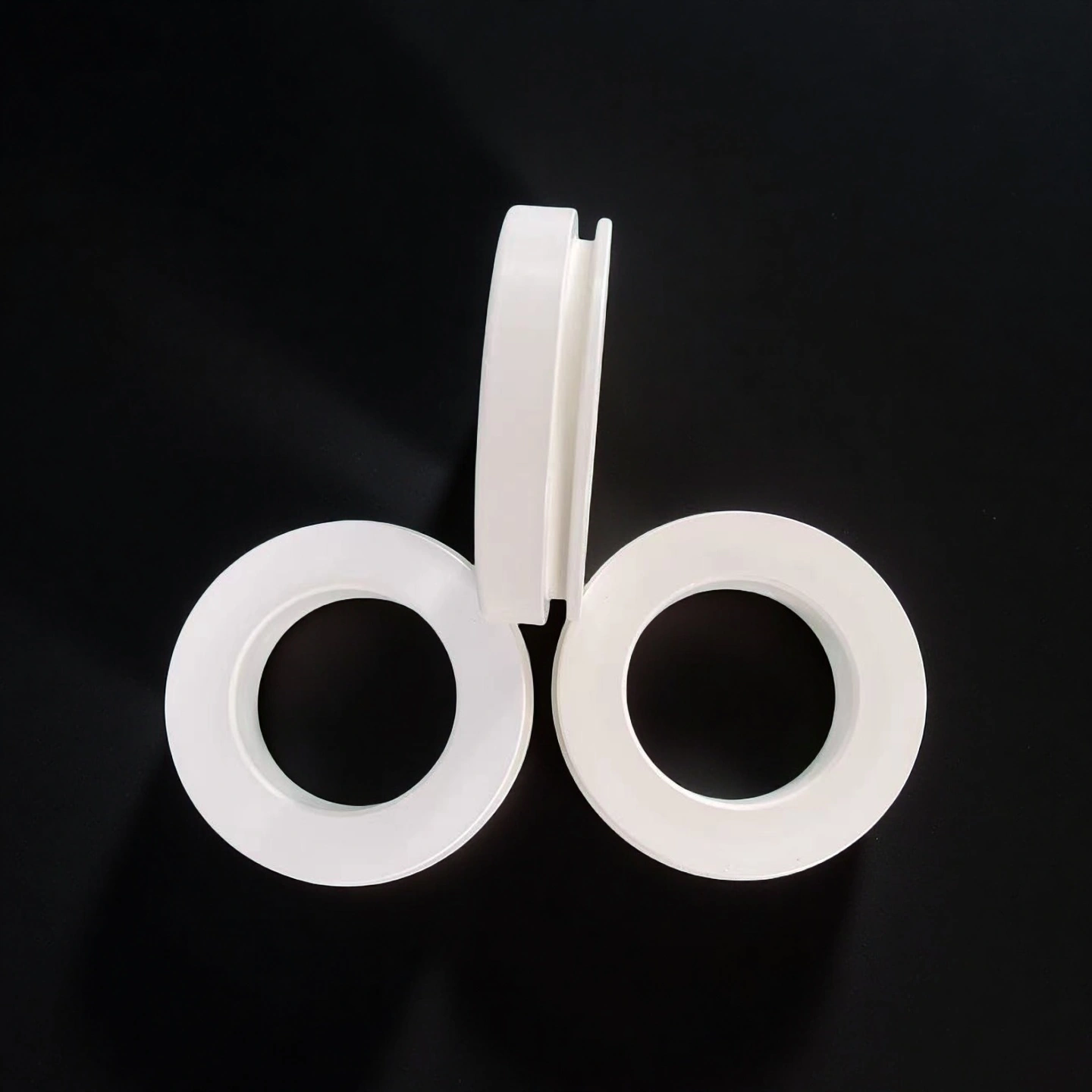
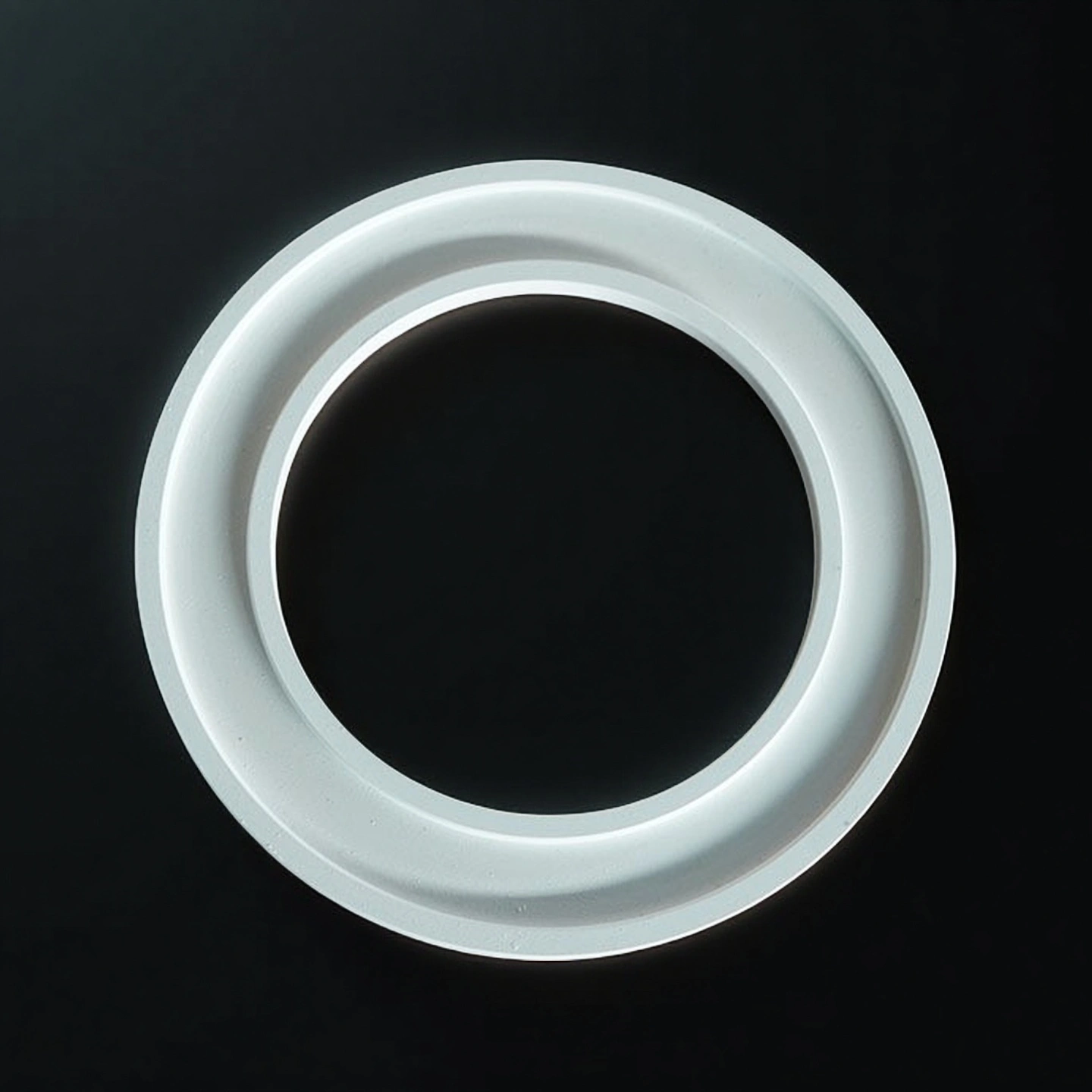
Custom Hot-Pressed Hexagonal Boron Nitride Ring for High-Temperature Equipment

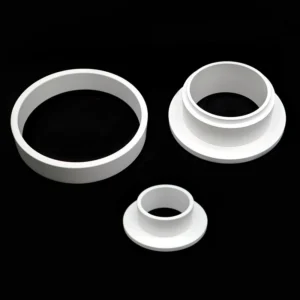
ADCERAX supplies custom hot-pressed hexagonal boron nitride rings for high-temperature insulation, non-wetting metal contact and clean interface support in furnace, casting, glass and quartz processing equipment.

Each hBN ceramic ring can be machined to drawing-based OD, ID, thickness, chamfer, step, groove, split-ring and mounting requirements. Before quotation, our team reviews the working temperature, atmosphere, mating material, load condition and installation clearance to confirm whether hot-pressed BN is suitable for your design.

Catalogue No. AT-BN-H1001
Material Boron Nitride
Tolerance ±0.1 mm (OD/ID)
Use in Air Lower temperature use; final limit depends on BN grade and exposure time.
Vacuum /Inert Gas Use Up to around 1800–2000°C, depending on grade and operating conditions.
Engineering RFQ Review
Small-Batch Custom Support
Factory-Direct Manufacturing
Drawing & Process Review

What Is a Hexagonal Boron Nitride Ring?

A hexagonal boron nitride ring is a precision-machined ceramic ring made from hot-pressed hBN ceramic. It is used as an insulating spacer, non-wetting interface, locating ring or support component in high-temperature equipment where metal adhesion, electrical leakage, graphite wear or thermal cycling can create process instability.

Compared with alumina, graphite or metal rings, hot-pressed boron nitride offers a useful combination of electrical insulation, machinability, low thermal expansion and low wettability to many molten non-ferrous metals. This makes it suitable for vacuum furnaces, atmosphere furnaces, aluminum handling systems, glass processing fixtures and custom thermal equipment assemblies.

Why Use Hot-Pressed hBN for High-Temperature Rings?

Hot-pressed hexagonal boron nitride is selected when the ring must insulate, separate, locate or protect parts inside a high-temperature assembly without sticking to molten metal or reacting strongly with sensitive process materials.

The material is especially useful where graphite is too conductive, alumina is too difficult to machine into complex ring features, or metallic spacers may oxidize, deform or contaminate the process. Because hBN ceramic can be machined into custom OD, ID, thickness, chamfers, steps, grooves and split-ring formats, it is often used for equipment retrofits and drawing-based replacement parts.

Hexagonal Boron Nitride Ring Benefits

  • High-temperature electrical insulation with usable thermal conductivity
    The hexagonal boron nitride ring combines high electrical resistivity with thermal conductivity in a practical range, allowing it to insulate electrodes and supports while still distributing heat within furnace or casting assemblies.

  • Non-wetting interface to molten aluminum and non-ferrous alloys
    The BN ceramic ring shows low wettability toward molten aluminum and similar alloys, which helps reduce metal adhesion on nozzles, launder components and crucible lips, and supports longer intervals between cleaning operations.

  • Machinable geometry and tight OD/ID tolerances
    Hot-pressed hBN is machinable, so the ring can be produced with tight OD, ID and thickness tolerances, allowing it to locate graphite parts, feedthroughs and crucibles accurately without extensive on-site machining.

  • Low thermal expansion and good thermal shock resistance
    The hexagonal boron nitride ring has a low coefficient of thermal expansion and good thermal shock performance, which supports repeated heating and cooling cycles without excessive cracking when the mechanical design is appropriate.

  • Low contamination for metal, glass and materials processing
    High-purity BN material offers low reactivity with many molten metals and glass compositions, supporting clean processing where surface contamination, inclusion formation or discolouration must be controlled.


Key Properties of Hot-Pressed Boron Nitride Rings

Property Unit PBN Reference Material Hot-Pressed BN Plate Material
Purity 99.99% 99.50%
Density g/cm³ 2.15-2.19 1.96-2
Hardness HV0.5 651 62
Volume resistivity Ohm*cm 2*1014 1.2*1014
Dielectric strength kV/mm 55 76
Maximum working temperature 1000 (air), 2300 (vacuum) 900 (air), 1850 (vacuum)
Bending strength MPa 173 (A direction) 310
Thermal conductivity W/m*K 60 (A direction) 55
Tensile strength MPa 112 (A direction) 110
Thermal expansion coefficient /℃ 6*10-7 1.8*10-6
Compressive strength MPa 154 (A direction) 120

Actual performance depends on BN grade, atmosphere, temperature, mechanical loading, surface finish and contact material. ADCERAX reviews the application conditions before quotation to help confirm whether hot-pressed BN, another BN grade or an alternative ceramic material is more suitable.

HBN Ring Specifications

Hexagonal BN Insulating Ring
Item No. Outer Diameter(mm) Inner Diameter(mm)
AT-BN-H1001 Customize


Packaging for Custom Hexagonal Boron Nitride Rings

Each hexagonal boron nitride ring is packed to reduce edge damage, surface contamination and dimensional mix-up during international transport. Thin-wall rings, polished faces and custom-matched sets are separated with soft protective materials, and dimension labels can be added when multiple sizes are shipped together.

For fragile or precision-machined BN rings, ADCERAX recommends keeping the parts in the original packaging until installation and avoiding direct stacking of bare ring surfaces.
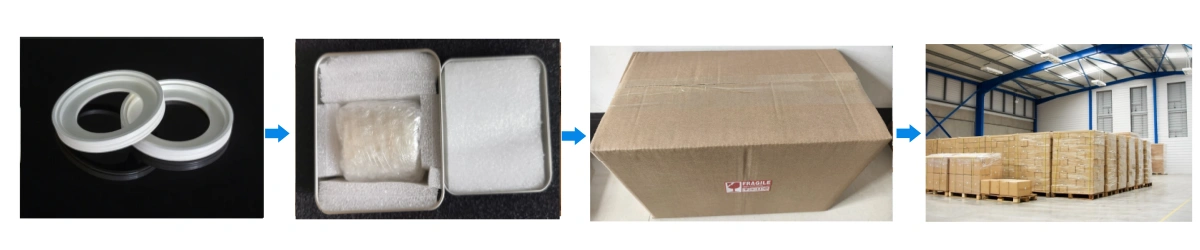

Hexagonal Boron Nitride Ring Packaging

Application Areas for Hexagonal Boron Nitride Rings

Vacuum Furnace and Atmosphere Furnace Insulation

In vacuum and atmosphere furnaces, hexagonal boron nitride rings are used around electrode feedthroughs, graphite fixtures, insulating stacks, crucible seats and hot-zone interfaces. The ring helps provide electrical isolation while maintaining a machined ceramic interface between graphite, metal and other high-temperature components.

For this application, buyers usually care about insulation stability, outgassing behavior, dimensional fit, thermal cycling and clearance design. ADCERAX can machine hBN rings with controlled OD, ID, thickness, chamfers and seating features to match existing furnace hardware.

Aluminum and Non-Ferrous Metal Casting Interfaces

In aluminum and non-ferrous metal handling systems, hBN ceramic rings can be used as non-wetting interface parts around launder sections, nozzles, tundish components, crucible lips or heater-adjacent fixtures. The low-wetting behavior of boron nitride helps reduce metal adhesion and makes the ring easier to clean than many oxide ceramic or metallic contact parts.

For casting applications, the design review should consider molten metal contact, thermal shock, installation clearance, mechanical support and whether the BN ring is used only as an interface component or also exposed to clamping force.

Glass and Quartz Processing Support Fixtures

In glass and quartz processing equipment, hexagonal boron nitride rings can serve as support, guide or spacing components where a clean, low-adhesion ceramic contact surface is required. The material helps reduce sticking and surface marking in heated zones when the part design and contact pressure are properly controlled.

This application is especially relevant for specialty glass, fused silica, optical material processing and custom furnace fixtures where surface cleanliness, thermal stability and part alignment are important.

Usage Instructions for Hexagonal Boron Nitride Ring

  • Installation

    1. Verify that the hexagonal boron nitride ring dimensions match the mating graphite or metal components, including OD, ID and height tolerances.
    2. Handle the BN ring with clean gloves and avoid point loading on edges; support the full ring on soft pads during assembly.
    3. Align the BN ring concentrically with the feedthrough, crucible or launder section and gently seat it into the counterbore or recess without forcing.
    4. For assemblies with differential expansion, allow a small radial clearance according to your engineering design to prevent stress buildup during thermal cycling.

  • Operation

    1. Ramp temperature according to your furnace or casting process, avoiding extremely steep thermal ramps on first use; BN material is tolerant of thermal shock but assemblies may contain other more sensitive parts.
    2. Maintain operating temperature within the recommended range for the selected BN grade and atmosphere, for example up to around 1800–2000°C in vacuum / inert and lower limits in oxidizing atmospheres as specified by your process.
    3. Avoid direct mechanical impact on the BN ring during loading and unloading operations, especially when hot, to prevent chipping at edges or corners.

  • Storage

    1. Store hexagonal boron nitride rings in dry, clean conditions, ideally in their original protective trays or cartons.
    2. Avoid long-term exposure to high humidity or corrosive vapors that could affect surface cleanliness or moisture pick-up before installation.
    3. Keep different dimension sets labeled separately to facilitate traceability between individual rings and their corresponding equipment positions.

  • Cleaning

    1. After use, allow the BN ring to cool gradually to room temperature before handling.
    2. Remove loose deposits using soft brushes or non-metallic scrapers; avoid aggressive mechanical grinding that could change thickness or flatness.
    3. If necessary, use mild, compatible cleaning agents and ensure the ring is fully dried before reinstalling into high-temperature service.

  • Common Misuse and Corrective Actions

    1. Over-constrained fit causing cracks
    Misuse: Forcing a hexagonal boron nitride ring into a tight bore with no thermal expansion allowance.
    Fix: Adjust design clearances or revise tolerances to maintain a small radial gap at room temperature, considering the CTE of all mating materials.

    2. Operation beyond recommended temperature in oxidizing atmosphere
    Misuse: Running BN rings at or above 1000°C in air for extended periods, which may accelerate oxidation.
    Fix: Limit operating temperature in air according to grade data, or run the process in vacuum /inert gas where higher temperatures are acceptable, and replace parts that show severe surface degradation

    3. Using the BN ring as a structural load-bearing member without verification
    Misuse: Applying heavy mechanical loads or clamping forces without checking compressive or flexural strength.
    Fix: Recalculate load paths; use BN ring mainly as an insulating and interface component, and assign major structural loads to metallic or graphite supports designed for that purpose

FAQ – Hexagonal Boron Nitride Ring

  1. Q: What is a hexagonal boron nitride ring used for?
    A: A hexagonal boron nitride ring is used as an insulating spacer, non-wetting interface, locating ring or support component in high-temperature equipment. Common applications include vacuum furnace feedthroughs, graphite fixture interfaces, molten aluminum handling systems, glass processing supports and custom thermal equipment assemblies.
  2. Q: Why choose hot-pressed hBN instead of alumina, graphite or metal rings?
    A: Hot-pressed hBN provides a useful balance of electrical insulation, machinability, low thermal expansion and low wettability to many molten non-ferrous metals. Graphite is conductive, alumina is harder to machine into complex features, and metal rings may oxidize, deform or contaminate the process at elevated temperatures.
  3. Q: Can a hexagonal boron nitride ring be used with molten aluminum?
    A: Yes, hot-pressed boron nitride is often selected for aluminum and non-ferrous metal contact because it has low wettability and can help reduce metal adhesion. The final design should still consider working temperature, contact time, alloy composition, mechanical load and cleaning method.
  4. Q: What temperature can an hBN ceramic ring withstand?
    A: The usable temperature depends on BN grade and atmosphere. Hot-pressed BN generally performs better in vacuum or inert gas than in oxidizing air. For accurate selection, ADCERAX reviews the operating temperature, atmosphere, heating cycle and loading condition before recommending a suitable BN grade.
  5. Q: Can ADCERAX machine custom OD, ID and thickness for BN rings?
    A: Yes. ADCERAX can machine custom hexagonal boron nitride rings according to drawings, samples or equipment interface requirements. OD, ID, thickness, chamfers, steps, grooves, counterbores, holes and split-ring designs can be reviewed for manufacturability.
  6. Q: What information should I provide for a custom HBN ring quotation?
    A: Please provide the drawing or sample photo, OD, ID, thickness, tolerance requirement, surface finish, operating temperature, atmosphere, mating material, quantity and application position. If the ring contacts molten metal or supports a load, include those details as well.
  7. Q: Is a boron nitride ring suitable for heavy structural loading?
    A: Boron nitride rings are usually used as insulating, spacing, locating or interface components rather than primary structural load-bearing parts. If the design includes clamping force, vibration or heavy mechanical loading, ADCERAX should review the load path before quotation.

Design Factors Before Ordering a Custom HBN Ring

A custom hexagonal boron nitride ring should be designed according to the real equipment interface, not only by outer diameter and inner diameter. Before production, the following factors should be reviewed to reduce cracking, chipping, poor fit or unsuitable material selection.

Design Factor Why It Matters
Working Atmosphere BN performs differently in air, vacuum and inert gas.
Maximum Temperature Service temperature should be matched to material grade and atmosphere.
Mating Material Graphite, steel, alumina, quartz and molten metal create different interface risks.
Clearance Design Tight fits may crack the ring during thermal expansion.
Mechanical Load BN should not be used as a heavy structural load-bearing part without review.
Edge Geometry Chamfered edges reduce handling and installation damage.
Surface Contact Flatness and finish matter for sealing, spacing or sliding contact.
Drawing Accuracy OD, ID, thickness and tolerance notes improve quotation speed.
customize size

Custom HBN Ring Specifications and Machining Options

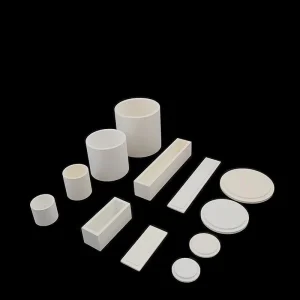
ADCERAX manufactures custom hexagonal boron nitride rings according to drawings, samples or equipment interface requirements. Common customization options include OD, ID, axial thickness, wall section, chamfers, counterbores, stepped seats, grooves, split-ring layouts, fixing holes and surface finish control.

Before machining, our team reviews the ring’s installation position, mating material, operating atmosphere, maximum temperature, clearance requirement and expected mechanical load. This helps avoid over-constrained fits, edge chipping, thermal stress and unsuitable use of BN as a heavy structural load-bearing component.

  • Outer Diameter (OD) Range
    From miniature rings under 20 mm OD for lab assemblies to large industrial rings above 300–350 mm OD; oversized blanks available on request.

  • Inner Diameter (ID) & Wall Thickness
    Fully customizable ID and wall sections with machining tolerances typically achievable at ±0.05–0.1 mm, depending on size and geometry.

  • Ring Height /Axial Thickness
    Adjustable overall height to match the mating graphite, ceramic or metal flange depth; precision-matched stacking heights available for multi-ring assemblies.

  • Face Geometry Options
    Flat faces, recessed seats, step cuts, counterbores, chamfers on ID/OD edges, or shallow grooves for alignment or gas flow control.

  • Fit with Mating Components
    Slip-fit, light press-fit or engineered clearance fits tailored for graphite sleeves, heater blocks, metallic housings or crucible necks.

  • Surface Finish Levels
    As-machined surfaces for general insulation use, fine-machined surfaces for sealing interfaces, or lightly lapped surfaces where improved flatness is required.

  • Holes & Machined Features
    Fixing holes, bolt-circle patterns, dowel/alignment pin holes, radial slots or distributed gas passages integrated into the ring body.

  • Segmented /Split-Ring Designs
    Single-piece or segmented/split-ring formats available for retrofit installations where the ring must be assembled around existing furnace or casting components.

  • Material Grade Selection
    Choice of BN grades optimized for vacuum, inert atmospheres, molten aluminum contact, or glass/quartz processing conditions.

Related Products

ADCERAX - Your Trusted Advanced Ceramics Manufacturing Partner

Direct factory manufacturing with comprehensive ceramic materials expertise and global supply capabilities

China-Based Manufacturer

ADCERAX supplies ceramic components for overseas OEMs, equipment builders, and labs.

Custom Drawing Support

We review drawings, dimensions, materials, and application conditions before quotation.

Ceramic Process Control

Forming, sintering, machining, grinding, and finishing are arranged by part requirements.

Pre-Shipment Inspection

Dimensional checks, visual inspection, and packaging review help reduce procurement risk.

Get in Touch with Us

Our team will be happy to respond to you in less than 24 hours.

Pingxiang Factory — Silicon carbide, silicon nitride, high-temperature ceramics

Quick Quotation

*Our team will answer your inquiries within 24 hours.

*Your information will be kept strictly confidential.

Ready to Solve Your Engineering Challenge?

Partner with ADCERAX for reliable, high-performance advanced ceramic solutions. Our engineers are ready to discuss your project.

E-mail

info@adcerax.com

Phone

+(86) 0731-74427743 | WhatsApp: +(86) 19311583352

Response Time

Within 24 hours

Quick Quote

The more details you provide, the faster we can quote.

*We respond within 24 hours. All inquiries are confidential.

Get Your Custom Solution

The more details you provide, the faster we can respond.

customize size

*We respond within 24 hours. All inquiries are confidential.

Download Catalog