Silicon Carbide Plates: Firing Support, Structural & Wear-Resistant SiC Plates
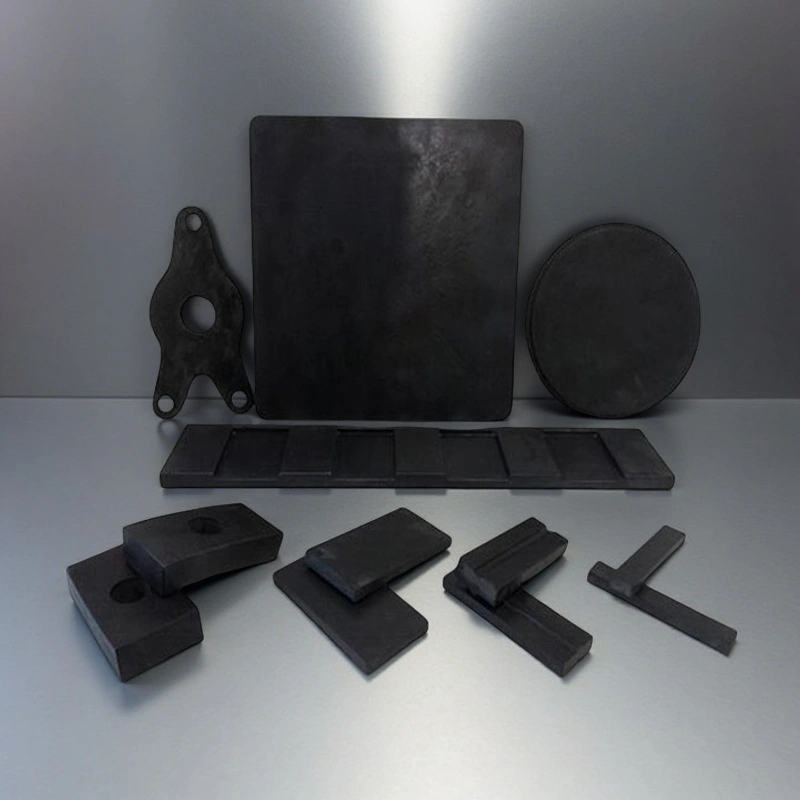
ADCERAX manufactures custom silicon carbide plates — kiln shelves, setter plates, batts, wear liners and structural or thermal plates — in SSiC, RBSiC/SiSiC, RSiC and NBSiC routes for kilns and sintering furnaces, electronic-ceramic and powder-metallurgy firing, wear and corrosion equipment, heat-treatment fixtures and power thermal management.
Every plate is matched to your size, load, temperature, thermal cycling and atmosphere through an Engineering Review Before Quotation, backed by low MOQ, machined-to-drawing production, DDP delivery and direct engineering contact.
0.10 mm
Flatness Control
What Is a Silicon Carbide Plate?
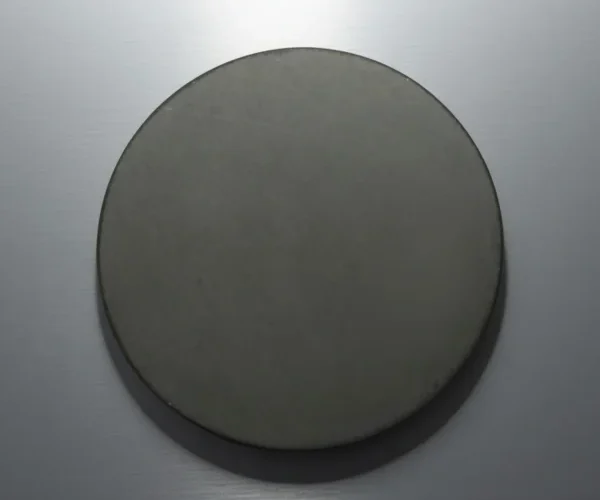
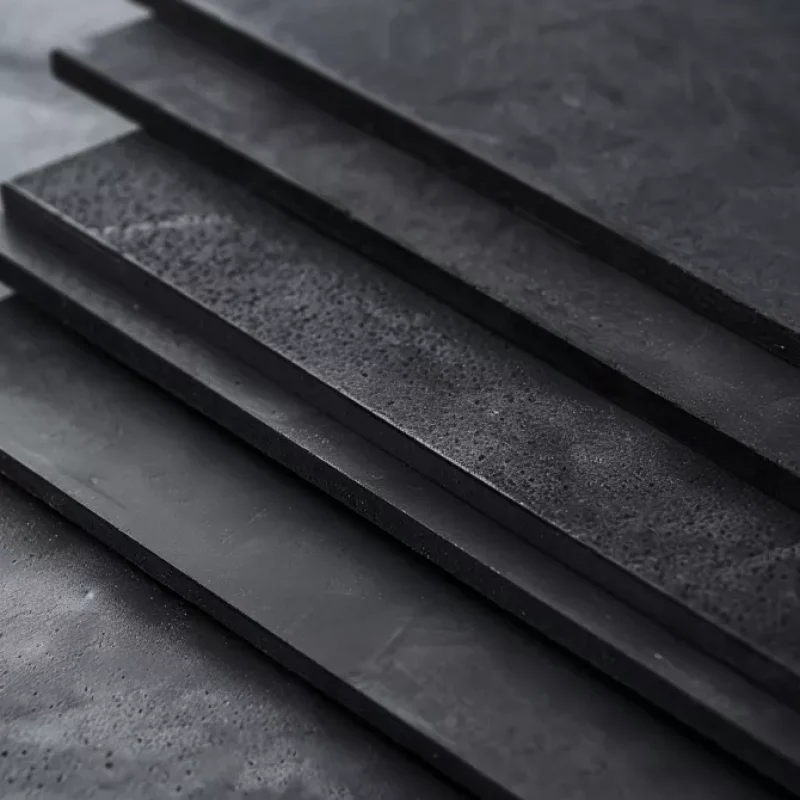
A silicon carbide plate — also called a SiC plate, SiC sheet or flat SiC plate — is a dense ceramic plate made from silicon carbide, mainly by the sintered (SSiC) or reaction-bonded (RBSiC / SiSiC) route; recrystallized (RSiC) and nitride-bonded (NSiC) routes are evaluated per project. Each route differs in density, strength, thermal conductivity and temperature limit, so the right plate depends on plate type (firing support, structural, or wear/chemical), size, thickness and working condition — not on the material name alone.
Technical Specification of Silicon Carbide Plate
Reliable engineering design requires consistent material parameters for sizing, thermal estimation, and structural evaluation. The values below represent typical performance ranges used by furnace designers, chemical-process engineers, and power-electronics manufacturers.
| Property | Typical Engineering Specification |
|---|---|
| Material Type | RBSiC (Reaction-Bonded SiC) / SSiC (Sintered SiC) |
| Density | 2.95–3.20 g/cm³ |
| Maximum Operating Temp. | 1300–1500°C (atmosphere-dependent) |
| Thermal Conductivity | 170 – 200 W/m·K |
| Thermal Expansion Coefficient | <4.5×10⁻⁶/K |
| Flexural Strength | >300 MPa |
| Compressive Strength | >2000 MPa |
| Porosity | Closed porosity or controlled micro-porosity |
| Corrosion Resistance | High resistance to acids, alkalis, salts, gases |
Firing & kiln support
Setter plates, batts and kiln shelves for sintering and firing lines.
Typical routes
RSiC
NBSiC
RBSiC
Structural, wear & corrosion
Structural, wear-lining and chemical plates where metal or common ceramic fails too fast.
Typical routes
SSiC
RBSiC
Silicon Carbide Plate Product Series
Each ADCERAX silicon carbide plate is built for a specific job and SiC route. Pick the closest below, or send a drawing for an engineering review.
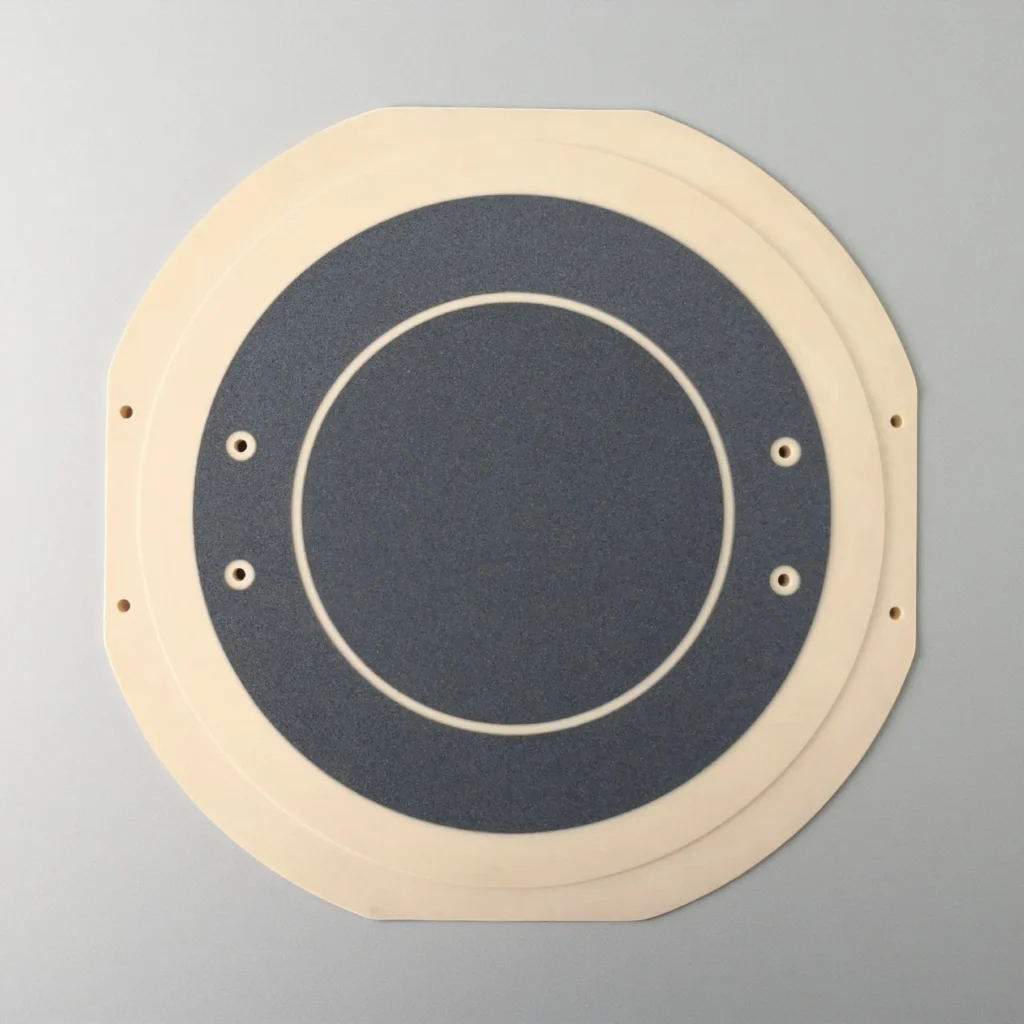
Vacuum holding uniformity is achieved through a controlled porous SiC microstructure.
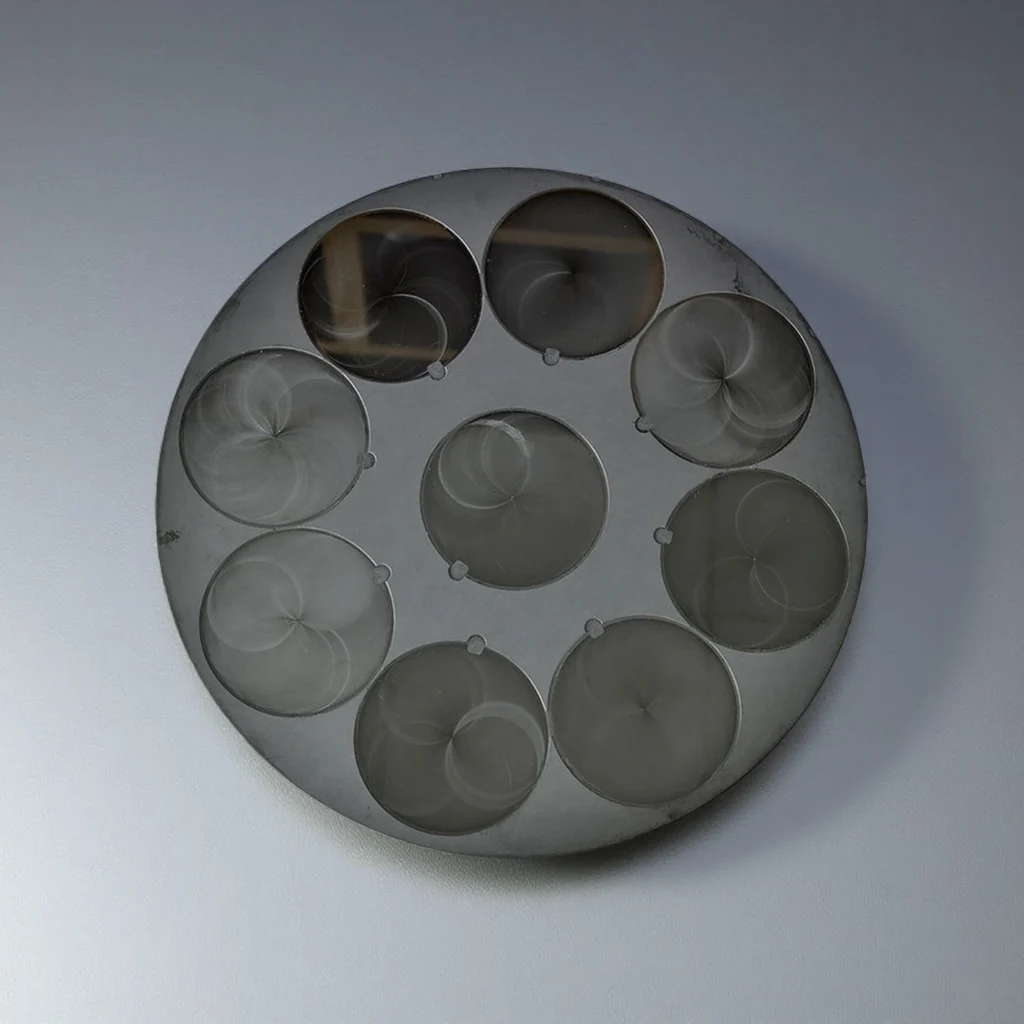
Thermal uniformity is supported through multi-pocket architecture and high SiC conductivity.
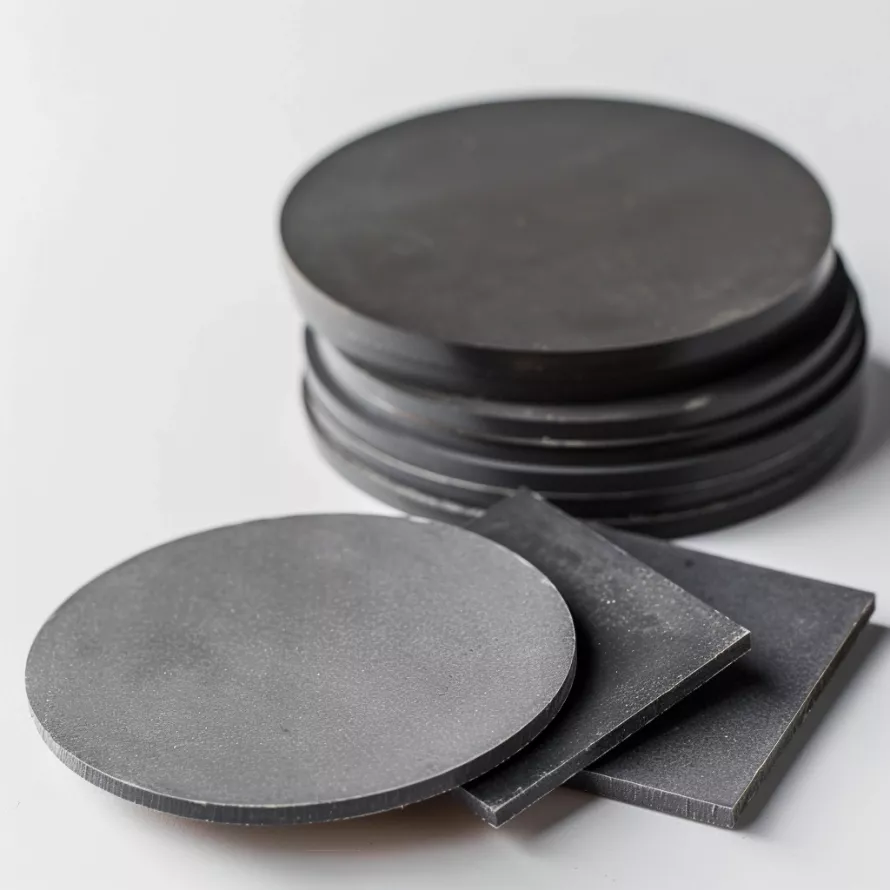
High-temperature load capacity is sustained through dense SiC microstructural integrity.
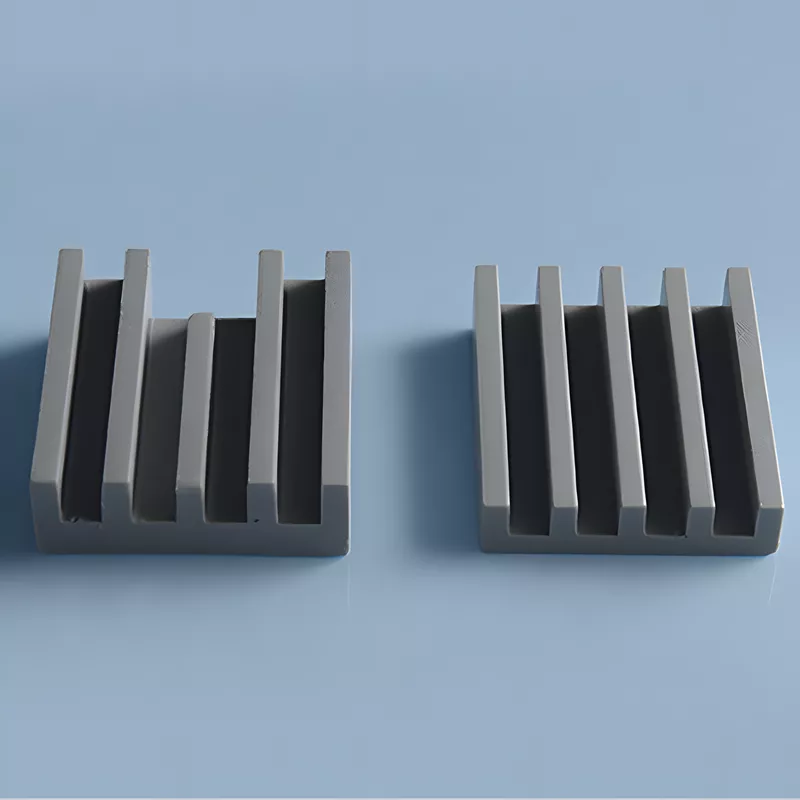
Heat dissipation efficiency is provided through advanced SiC conduction properties.
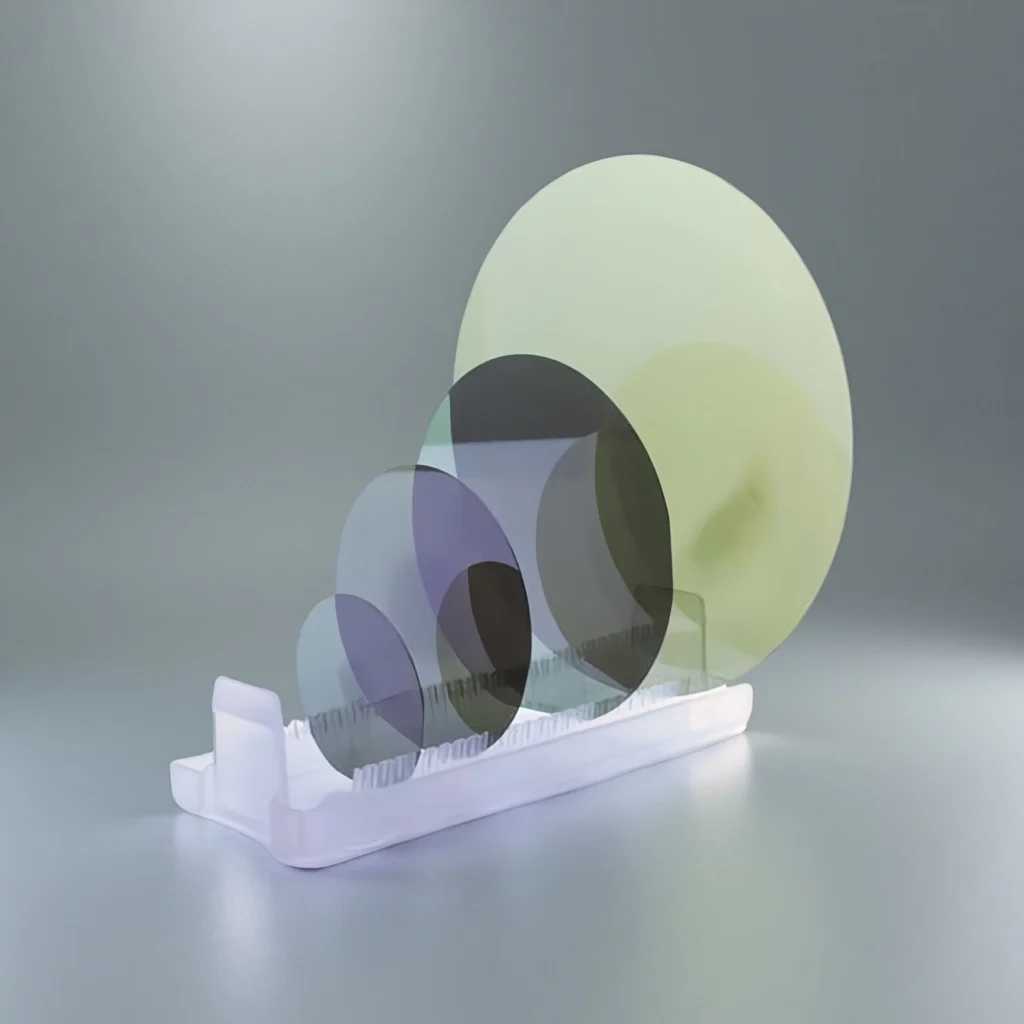
Wide-bandgap behavior is ensured through high-purity 4H/6H SiC substrates.
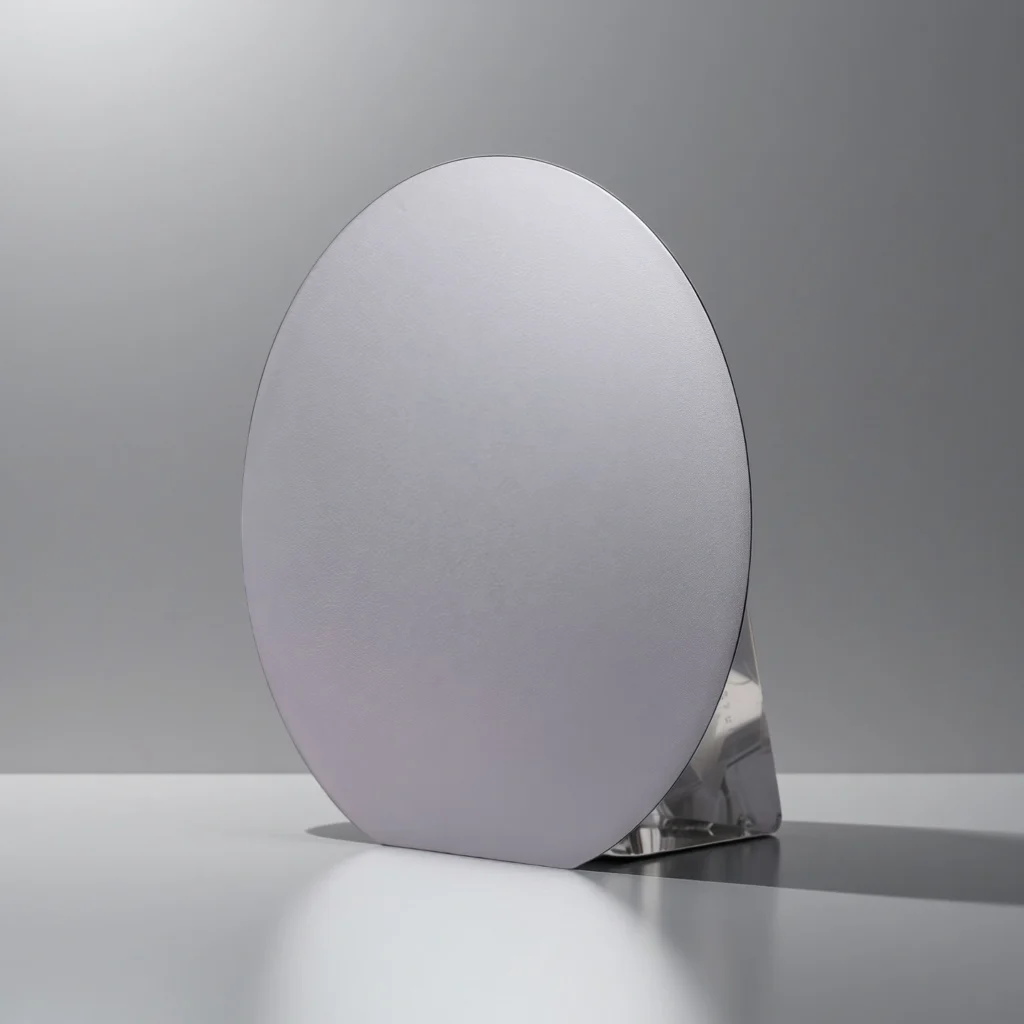
Crystalline reliability is maintained through controlled PVT growth and precision finishing.
Industrial Applications of Silicon Carbide Plate
The usage of SiC Plate components spans multiple high-demand industrial sectors where temperature, corrosion, load, and dimensional precision define operational limits.
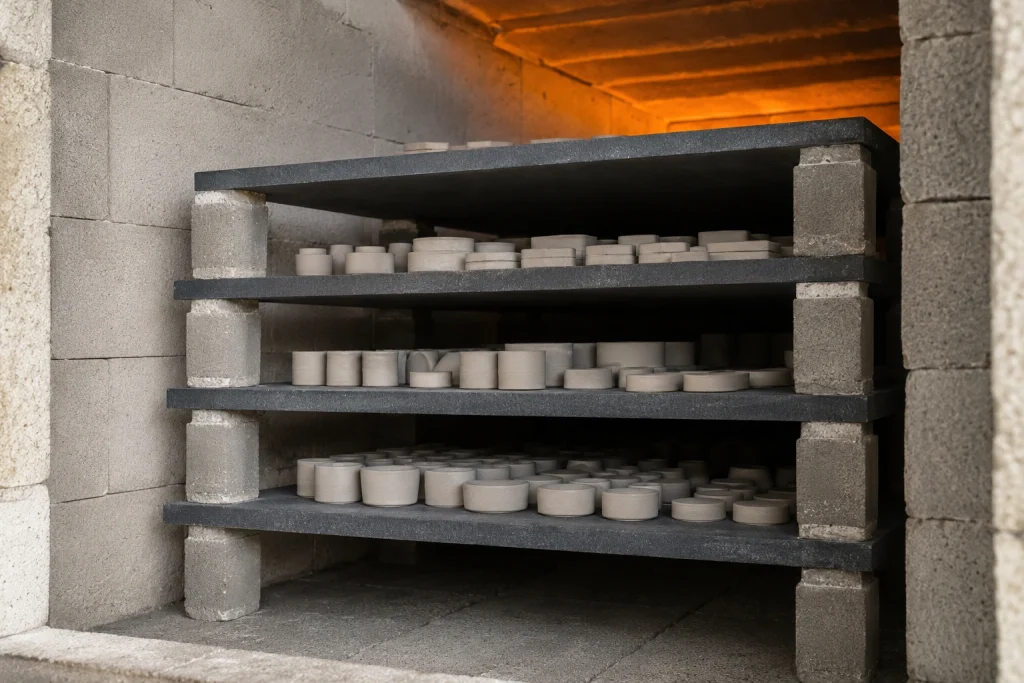
Kilns & sintering furnaces
Setter plates, batts and kiln shelves that hold flatness through repeated firing cycles.
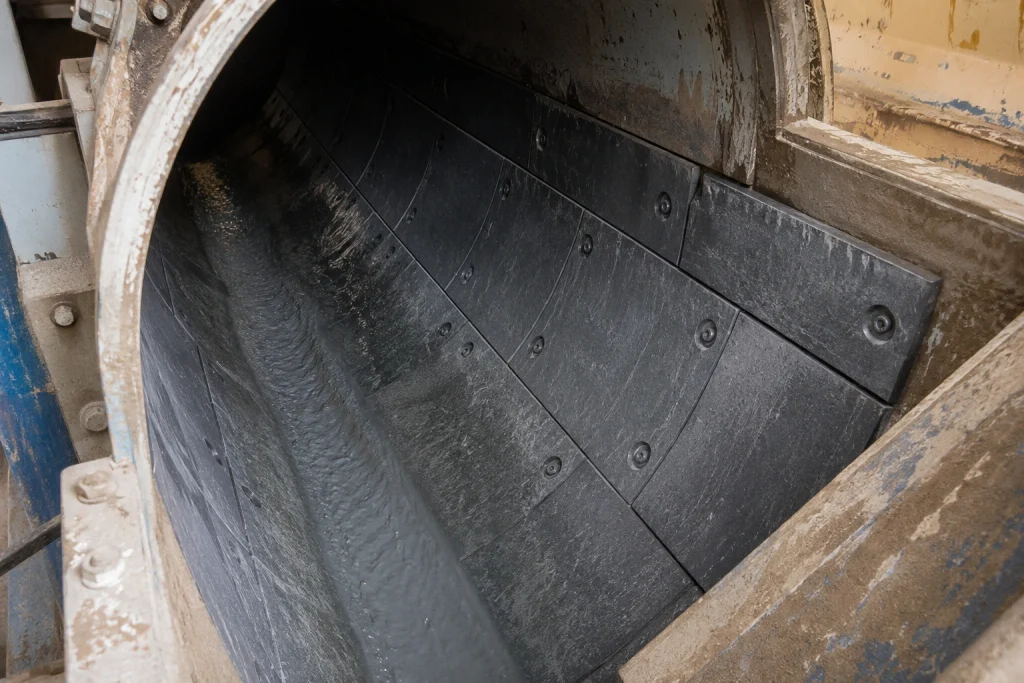
Wear & corrosion equipment
Wear liners and chute or cyclone plates for slurry, abrasion and chemical service.
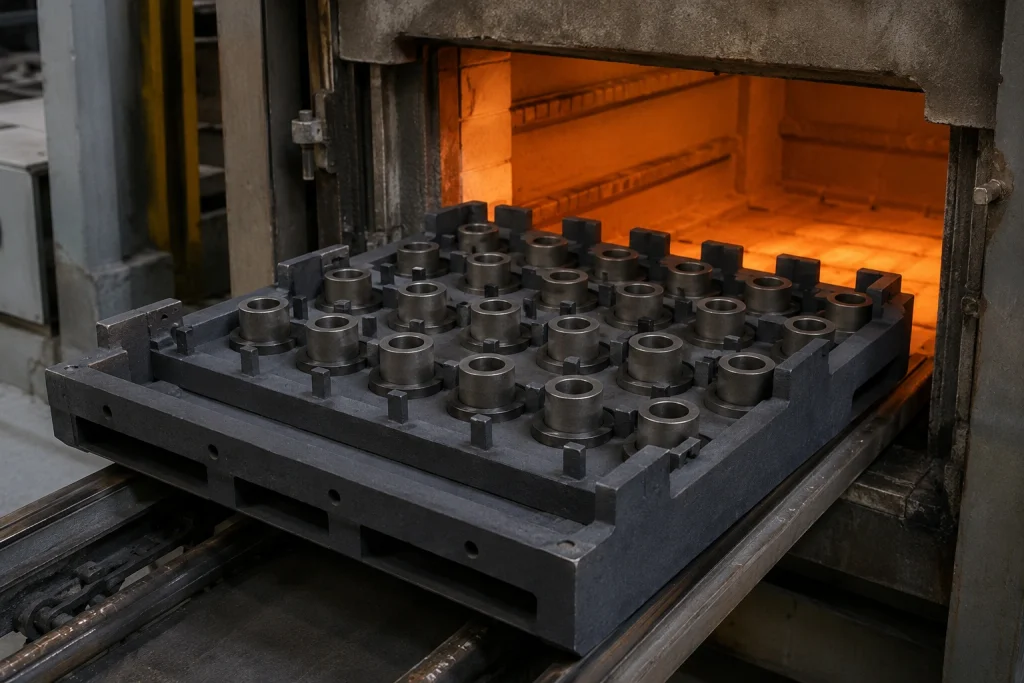
Heat-treatment fixtures
Loading plates and furnace fixtures for heat-treatment and thermal-processing lines.
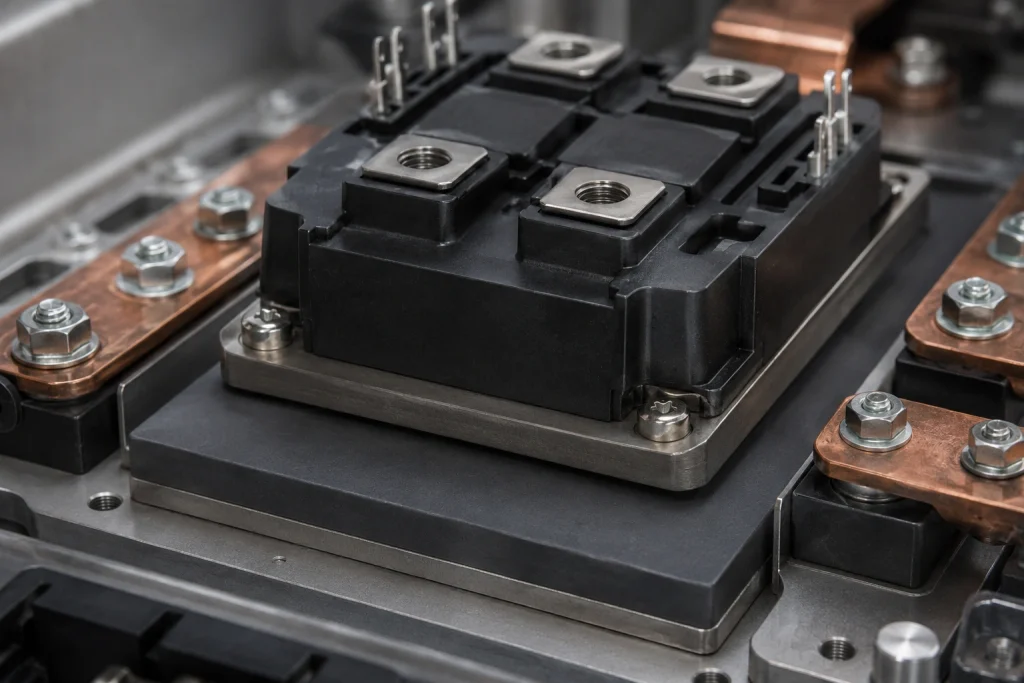
Power-electronics thermal management
Heat-spreader and sink plates with high conductivity and low thermal expansion.
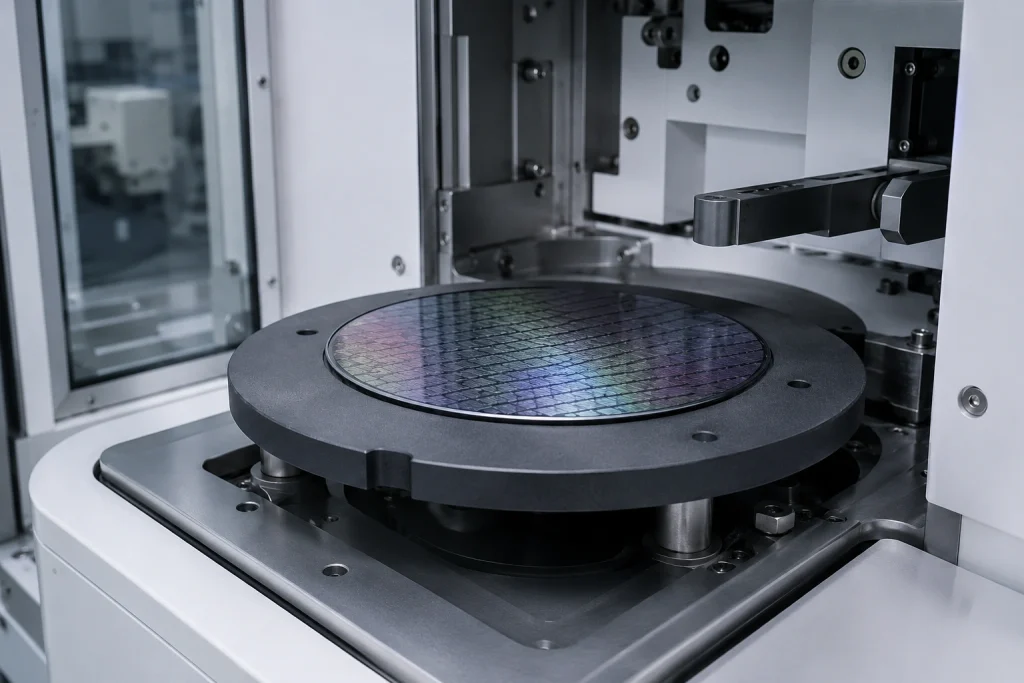
Semiconductor equipment hardware
Susceptors, carriers and support plates as equipment hardware for wafer-handling tools.
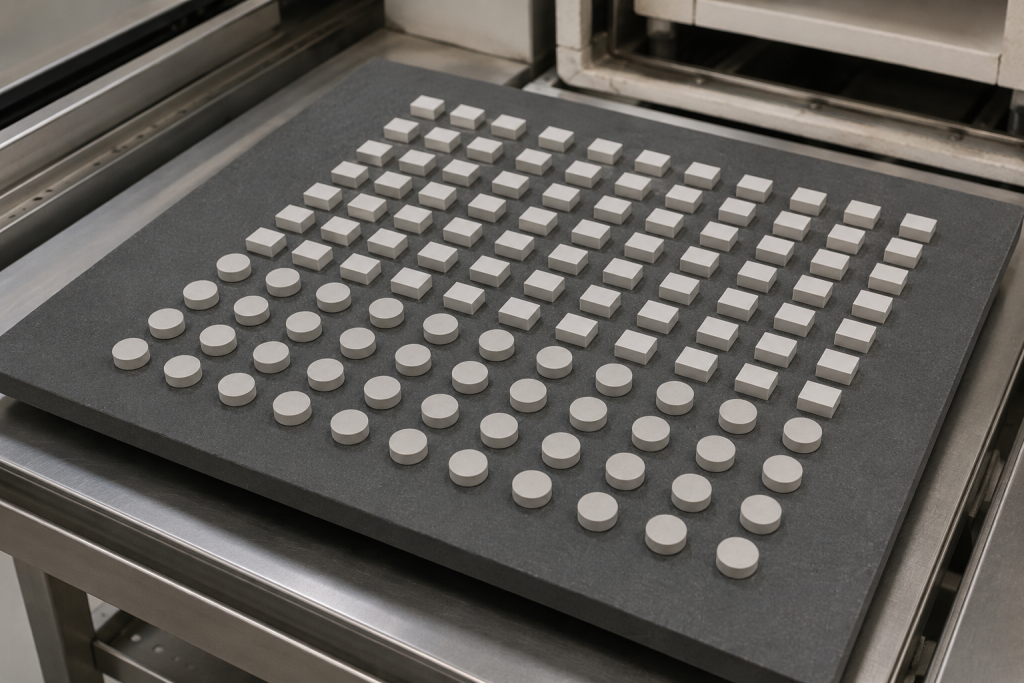
Electronic ceramics & powder metallurgy
Low-contamination firing support for technical ceramics and metal-powder sintering.
Not sure which silicon carbide plate or SiC route fits your line?
Send your drawing, an old plate photo, or just the working conditions — plate type, size and thickness, furnace temperature, thermal cycling, atmosphere, load and wear or corrosion media.
Custom Silicon Carbide Plates — Machined to Your Drawing
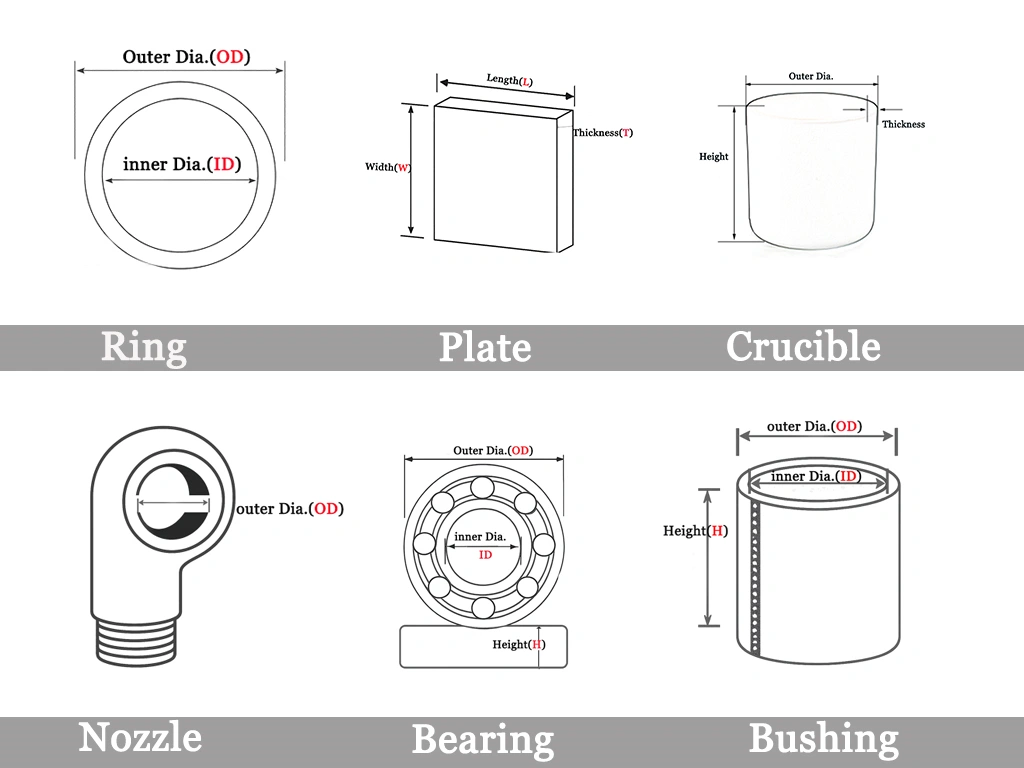
We specialize in customizing silicon carbide plates with special sizes, tight tolerances, and complex features. OEM and small-batch support available.
Customization Options
Extra-large / Extra-small diameters, non-standard thicknesses, and ultra-long / ultra-short lengths.
Provide higher - level dimensional accuracy and concentricity control than the standard.
Flanges, steps, threads, drilling holes, grooves, etc.
Adjust the material according to the application requirements.
Polish and grind the surface to achieve a specific surface roughness.
Customization Process
Send us your drawing, CAD file, or physical sample with material grade, dimensions, tolerances, and quantity. Our engineers will evaluate the design and provide a detailed quotation with lead time and pricing.
Once the quote is approved, we proceed with sample prototyping (1–50 pcs) if needed, for testing and validation.
After sample approval or direct confirmation, we begin batch manufacturing using CNC machining, sintering, and polishing. All parts undergo dimensional checks, material purity testing, and surface finish inspection.
Finished products are securely packed and shipped via DHL/FedEx/UPS or your preferred method. We support global delivery with full documentation.
One-stop engineering & supply capability
ADCERAX handles custom silicon carbide plates end to end — from engineering review to delivery — so you avoid tolerance mismatch, unstable lead time and weak engineering support.
-
Engineering review & route matching:
Your conditions and drawing become a manufacturable plate and the right SiC route. -
Precision shaping & tolerance control:
CNC and calibrated sintering hold flatness and dimensions across firing cycles. -
Testing & traceability:
Mechanical, thermal and dimensional checks with documentation. -
Export packaging & DDP delivery:
Protected shipping to your door.


Enhanced Manufacturing Strength for SiC Plate Production
The production infrastructure supporting SiC Plate manufacturing integrates high-temperature sintering furnaces, multi-axis machining centers, professional metrology equipment, and standardized global shipping protocols.
| Manufacturing Capabilities Overview | |||
|---|---|---|---|
| Capability Item | Technical Specification / Performance | Engineering Value | |
| Large-Format SiC Sintering Capacity | 1800–2200°C controlled kilns (RBSiC / SSiC) | Supports stable densification for oversized SiC plates | |
| Sintering Shrinkage Control | ±0.25% lot-to-lot variation | Prevents warpage and improves assembly interchangeability | |
| CNC Machining Accuracy | Thickness tolerance ±0.05 mm; Flatness <0.10 mm | high-precision furnace and processing platforms | |
| Metrology Instruments | CMM + optical interferometer + ultrasonic densitometer | Guarantees high-precision validation of critical dimensions | |
| High-Temperature Cycling Test | 300–800 cycle validation at 1300–1500°C | Ensures durability for long-term furnace operation | |
FAQs on Silicon Carbide SiC Plate
A SiC Plate typically operates reliably between 1300–1500°C in continuous thermal cycling. Its high bending strength and low thermal expansion reduce crack initiation under rapid heat-up rates. At temperatures approaching the upper limit, microstructural stability prevents deformation and preserves load-bearing capability. This stability makes the material suitable for kilns, chemical reactors, and high-flux thermal modules.
A polished SiC Plate provides low surface roughness that reduces particle shedding and local friction during precision loading. This uniform finish contributes to improved flatness control, which is critical in wafer handling, thermal spreading, and vacuum-chuck contact. The enhanced smoothness minimizes micro-scratches, supporting higher yield in semiconductor-adjacent or optical processes.
A recrystallized Silicon Carbide SiC Plate features high porosity and excellent permeability that reduce internal thermal gradients. This structure improves shock resistance when the furnace cycles frequently between ambient and 1500°C. The material’s self-bonded grains maintain integrity without additives, preventing contamination of ceramic or powder-metallurgy parts during firing.
A sintered Silicon Carbide Plate provides extremely low open porosity, which minimizes chemical penetration in acidic or alkaline environments. The dense SSiC matrix delivers high abrasion resistance when exposed to slurry, abrasive powders, or metal particulates. This material grade maintains strength over prolonged exposure, reducing unplanned shutdowns in chemical, metallurgical, or material-handling systems.
A SiC Plate requires diamond-tool machining under controlled feed rates to prevent crack propagation. Coolant-assisted grinding maintains thermal stability along the cut zone, avoiding local overheating. Multi-axis CNC finishing ensures edge integrity to meet flatness, parallelism, and dimensional consistency for high-precision assemblies.
Low thermal expansion and stable grain bonding limit the bowing and warping that can occur with some alumina or cordierite plates, so SiC plates stay flatter through repeated firing. Per-part warpage still depends on size, thickness and support, and is confirmed on review.
The extremely hard SiC lattice prevents abrasive erosion even under high-velocity slurry or particulate impacts. Its chemical inertness avoids surface thinning caused by acids, alkalis, or hot gases. This stability prolongs equipment life and reduces replacement frequency in reactors, mixers, or mineral-processing systems.
High thermal conductivity spreads heat evenly and low expansion keeps stable contact, which helps manage temperature in power modules such as EV and industrial inverters. Actual thermal performance depends on the module and assembly, confirmed by your design data.
The route follows the job. SSiC suits high-purity, high-strength support and structural plates; RBSiC/SiSiC suits large or complex kiln plates; RSiC suits thin high-temperature kiln furniture; NBSiC suits thermal-shock kiln batts. ADCERAX confirms the available route by your drawing, size, temperature, atmosphere and load before quoting.
What to Send for a Silicon Carbide Plate Quote
For a fast engineering review, please share:
- Plate type — setter, kiln shelf, batt, wear liner, structural or thermal plate
- Size, thickness and hole pattern (with flatness / tolerance target)
- Furnace temperature, thermal cycling and atmosphere
- Load and support span
- Wear or corrosion media, and current material + failure mode
- Drawing, photo or old plate — PDF, DXF, STEP or image
Plus quantity — prototype or production. Our engineers confirm the SiC route, feasibility and typical lead time by review before quotation.
*Our team will answer your inquiries within 24 hours.
*Your information will be kept strictly confidential.
info@adcerax.com
Tel:+86-0731-84428843
WhatsApp:+86 19311583352
Within 24 hours