
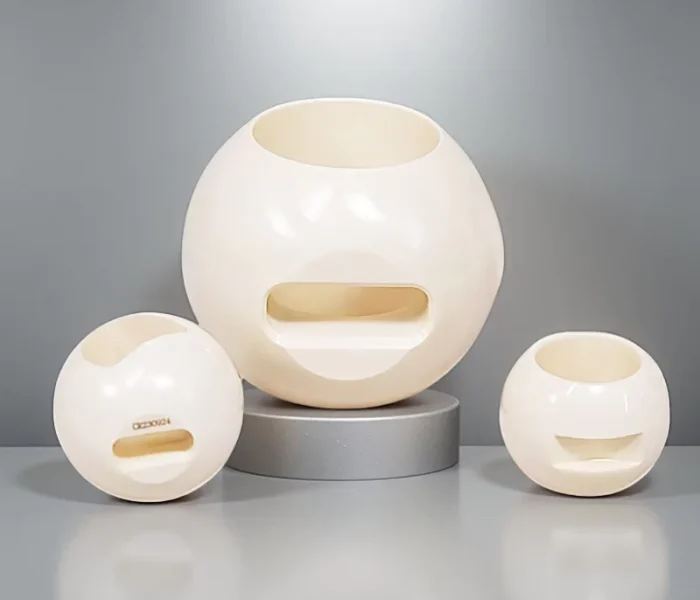
Ceramic Valve Components| Balls, Seats, Internal Trim & Lined Valve Parts
ADCERAX manufactures ceramic valve components for severe service — precision balls, seats, discs, trim, sleeves, gates and liners in alumina, zirconia, silicon carbide and silicon nitride — plus ceramic-lined valve solutions reviewed per project. Made to your drawing or old-part photos for abrasive slurry, FGD, mining, chemical and powder-handling duty, with an engineering review of media, particle load and pressure drop before quotation.
What is Ceramic Valve?
A ceramic valve is an industrial valve (or a valve with ceramic wear parts) that uses ceramic components at the key wear and sealing zones—such as the seat, ball, liner, or disc—to handle abrasive, particle-laden, or chemically aggressive media.
It is commonly selected for slurry lines and corrosive chemical service because the ceramic contact surfaces help slow erosion at sealing edges, maintain more stable shutoff, and reduce leakage growth and unplanned downtime compared with conventional all-metal constructions in the same duty.
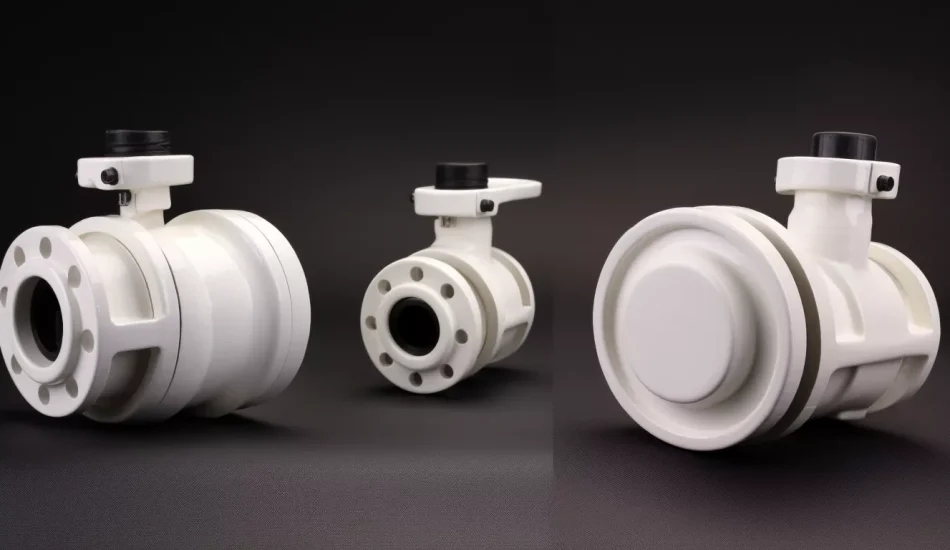
Find Your Ceramic Valve — by Application, Material & Type
| Application / Duty | Typical Media | Ceramic Route | Valve / Part Type |
|---|---|---|---|
| Abrasive slurry transfer (mining, tailings, aggregate) | Mineral slurry, sand | Alumina or silicon carbide | Ceramic-lined ball valve; knife-gate valve; ceramic ball and seat |
| FGD and ash handling (power) | Limestone/gypsum slurry, ash | Alumina or silicon carbide | Knife-gate valve; ceramic liner or gate |
| Corrosive chemical transfer (acids, alkalis, salts) | Acids, alkalis, chlorides | Zirconia or silicon carbide | Ceramic ball valve; ceramic seat and ball trim |
| High-solid or throttling service (crystals, pigments, catalysts) | Crystallizing or high-solid slurry | Zirconia or alumina | V-port ceramic ball valve; ceramic-lined ball valve |
| Pulp and paper stock or coating | Fiber and filler slurry | Alumina | Ceramic ball valve; knife-gate valve; ceramic disc and seat trim |
| Impact, cycling, or high mechanical load | High-load cycling duty | Zirconia or silicon nitride | Ceramic ball and seat; ceramic disc |
Not listed, or replacing a worn part? Send your drawing or old-part photo with media, particle size, temperature, pressure/ΔP, and failure mode — we’ll confirm the ceramic route and type in an engineering review.
High Quality Ceramic Valve Products
Choose a ceramic valve by duty—on/off isolation, throttling control, slurry handling, or corrosive service—then match alumina, zirconia, silicon carbide, or silicon nitride to your media, solids loading, temperature, and wear risk. ADCERAX supplies ceramic valve products and trim sets for industrial service.
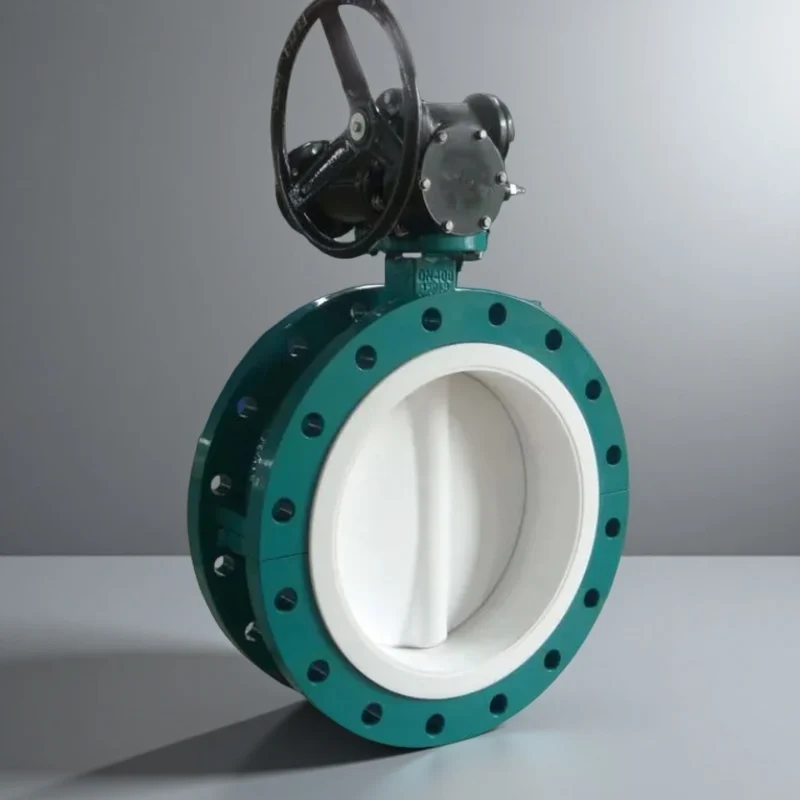
alumina ceramic valve
Cost-effective hardness for everyday abrasion and corrosion — the default, proven wear trim for seats and balls.
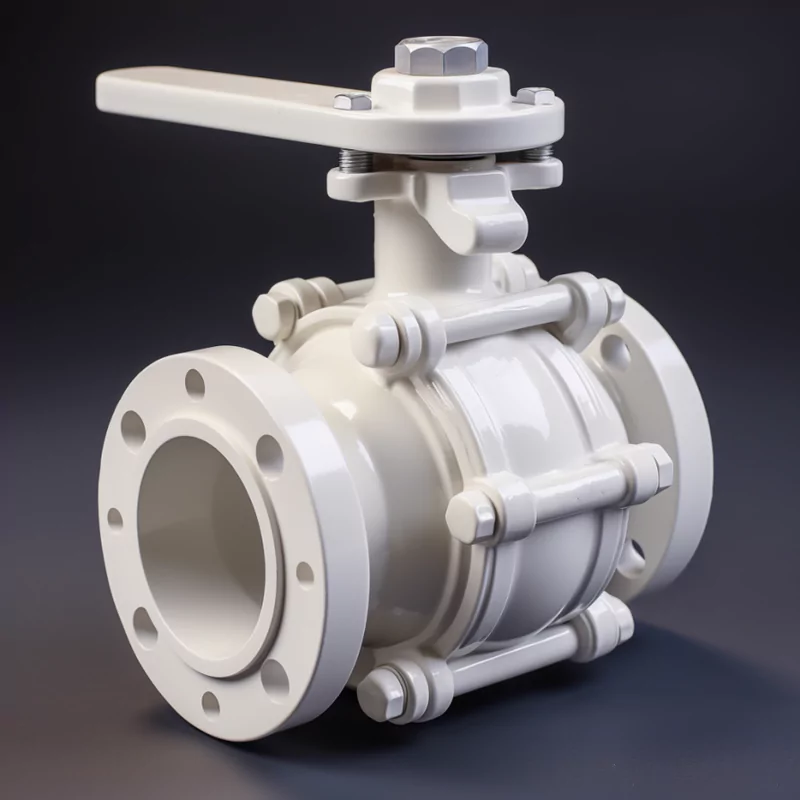
zirconia ceramic valve
Tough against chipping — survives impact and repeated cycling where alumina cracks.
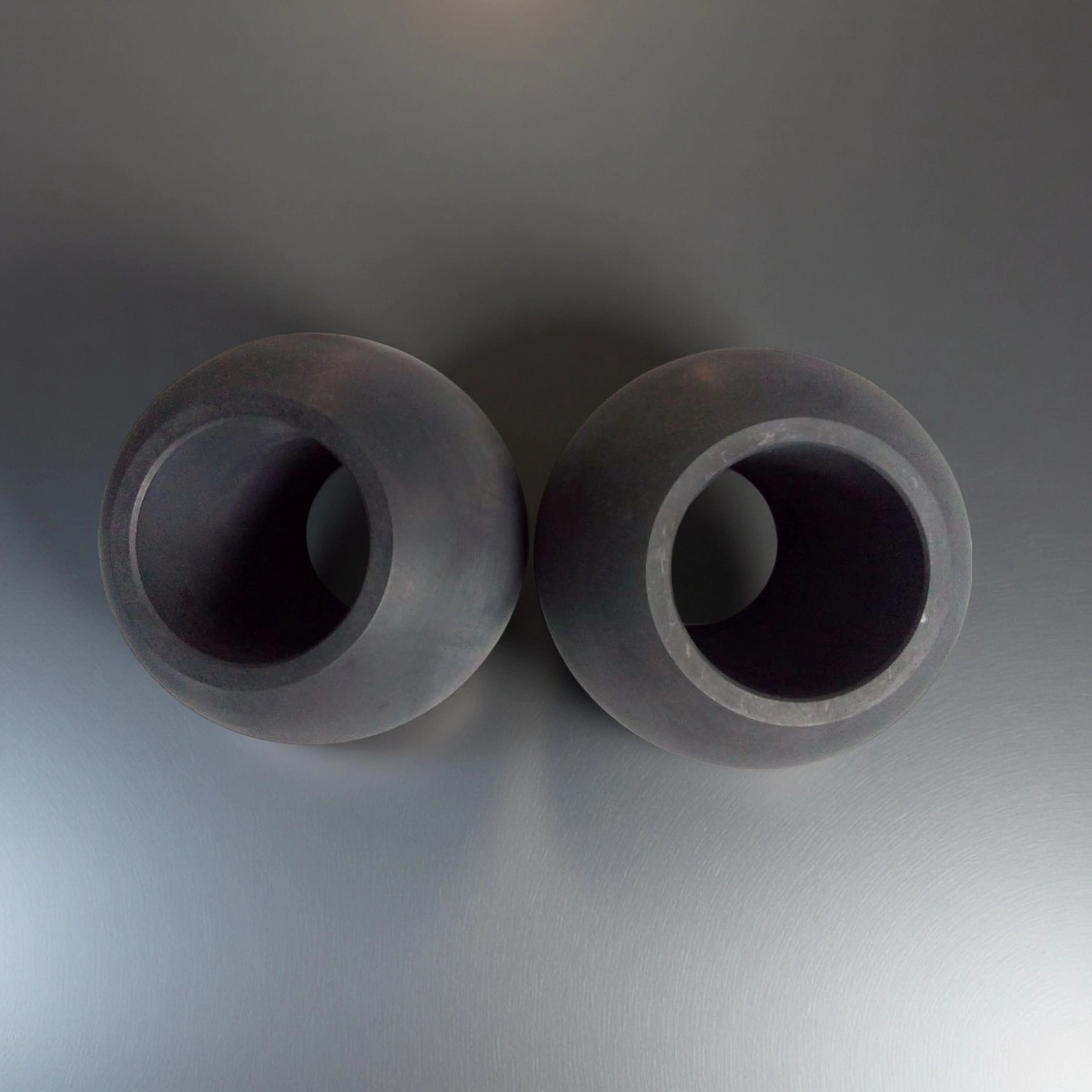
silicon carbide Ceramic Valve
Extreme hardness + corrosion resistance — for erosion and chemical attack together.
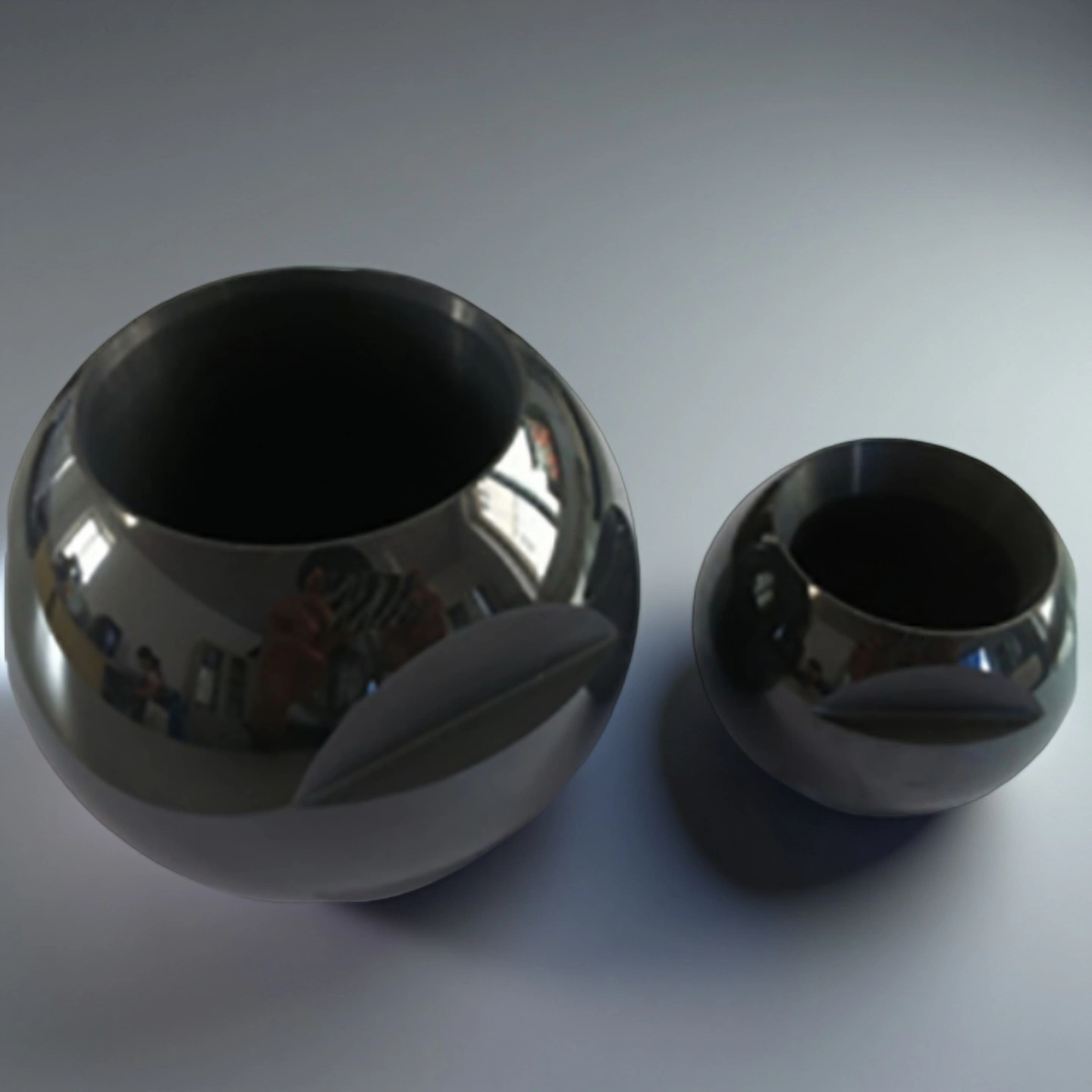
Silicon nitride Ceramic valve
High strength + thermal-shock resistance — for high load and rapid temperature swings.
Ceramic Ball Valve
Tight on/off shutoff with fast quarter-turn switching.

ceramic butterfly valves
Compact, low-torque control for larger lines.
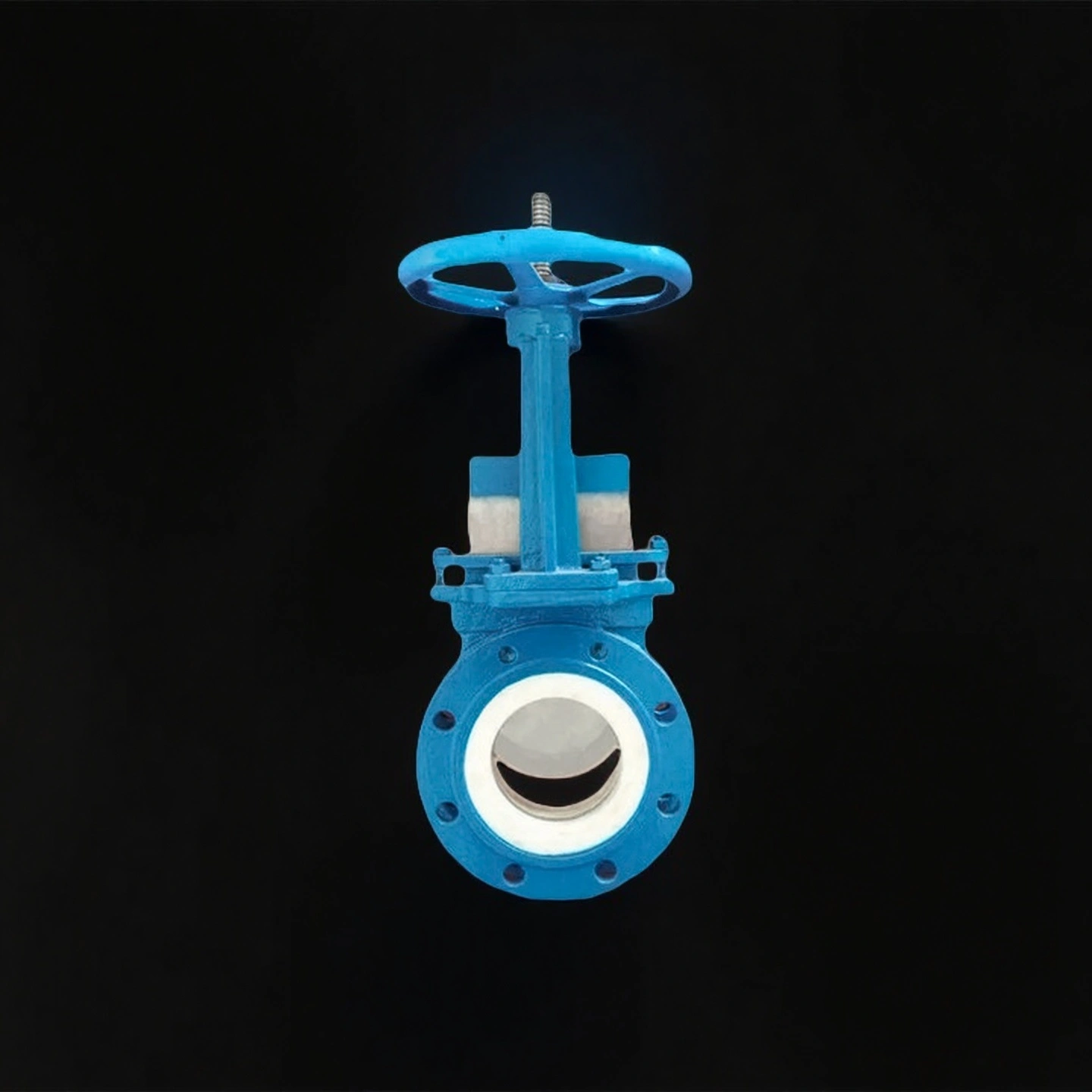
ceramic gate valves
Full-bore isolation for slurry and solids-handling duty.
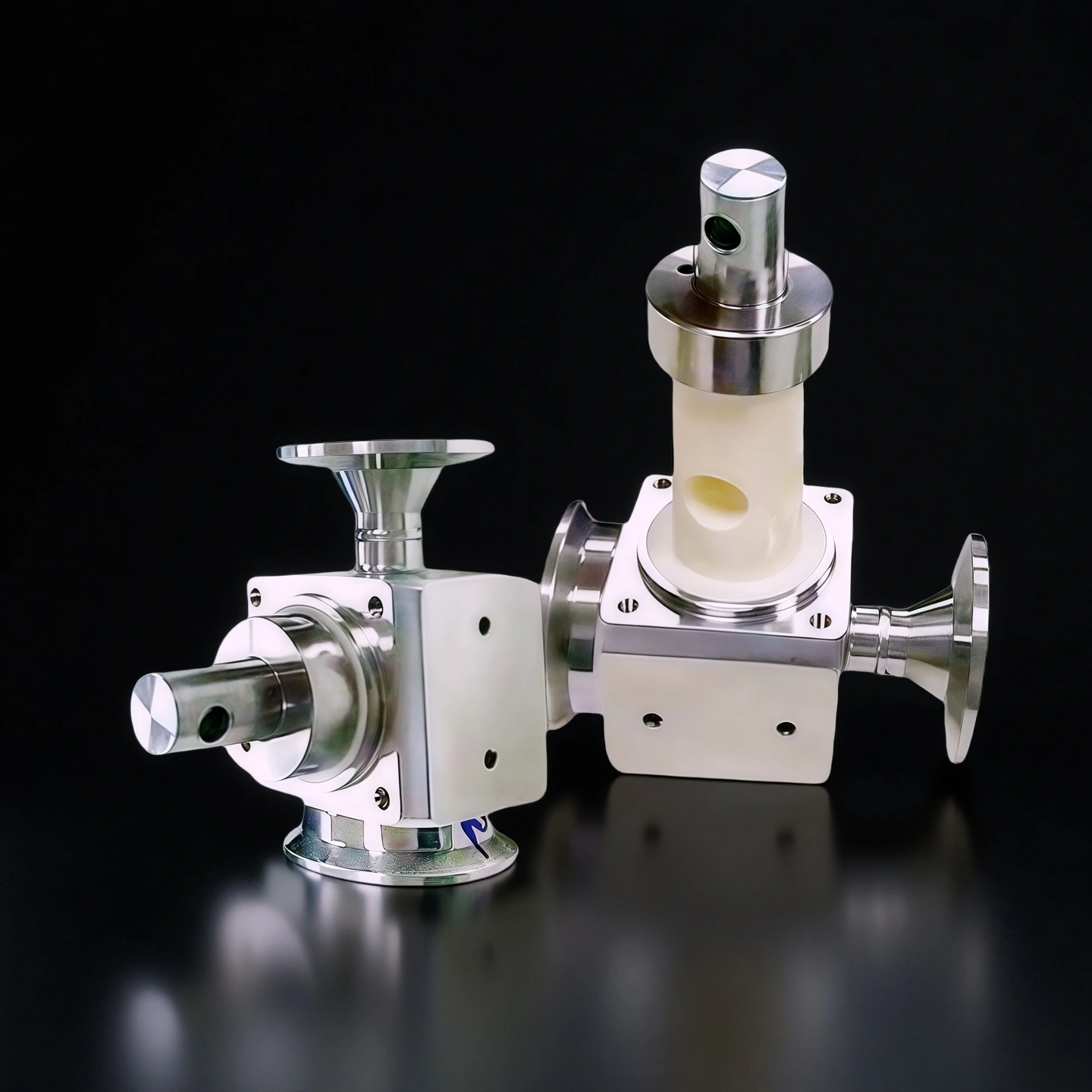
Ceramic Filling Valve
Repeatable dosing and filling accuracy under wear.
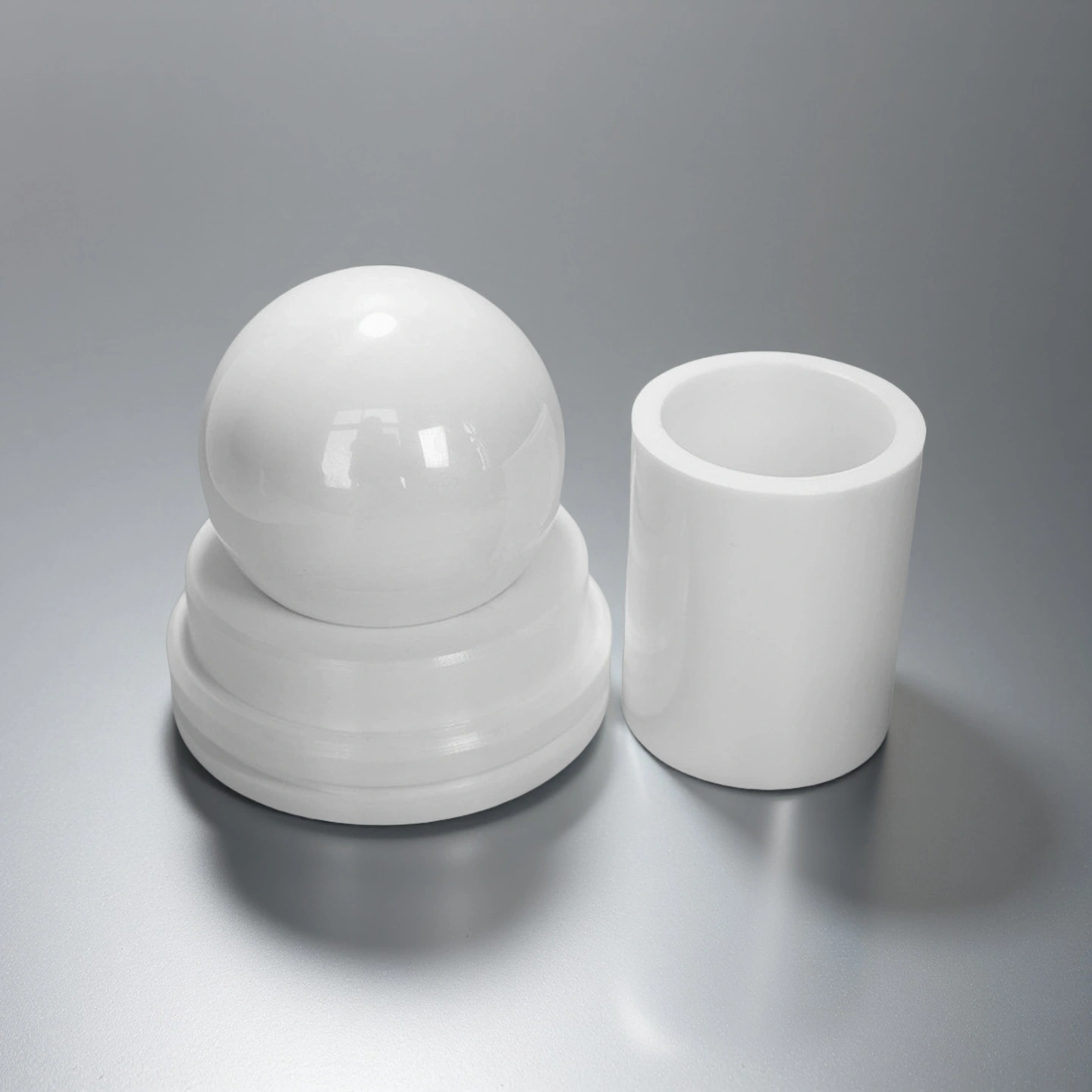
Ceramic Valve Ball
Wear-resistant ceramic ball trim for tight, lasting shutoff.
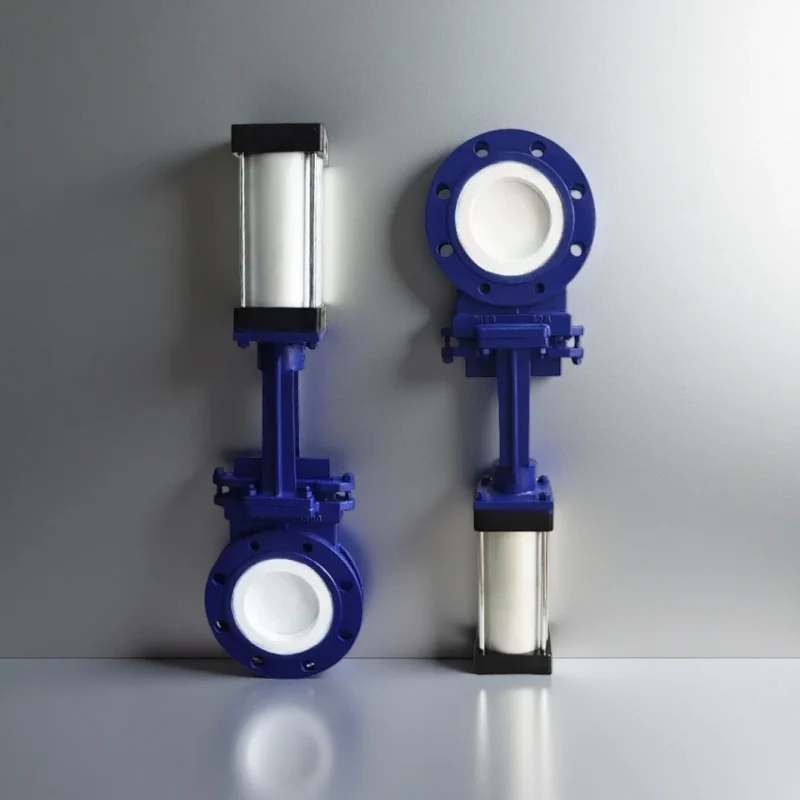
Pneumatic Knife Gate Valve
Fast automatic slurry isolation, air-actuated.
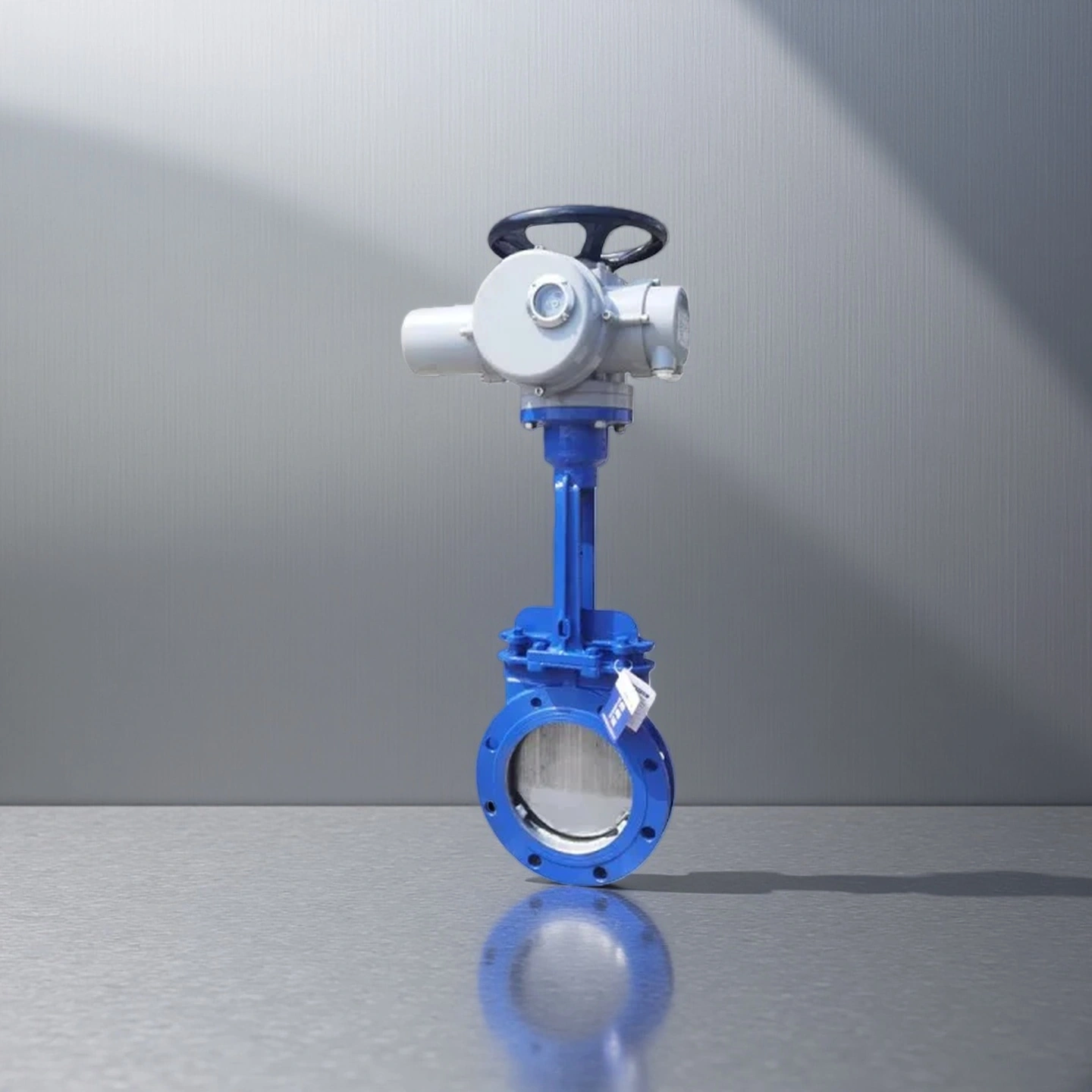
Electric Actuated Knife Gate Valve
Precise, remote-controlled slurry isolation.
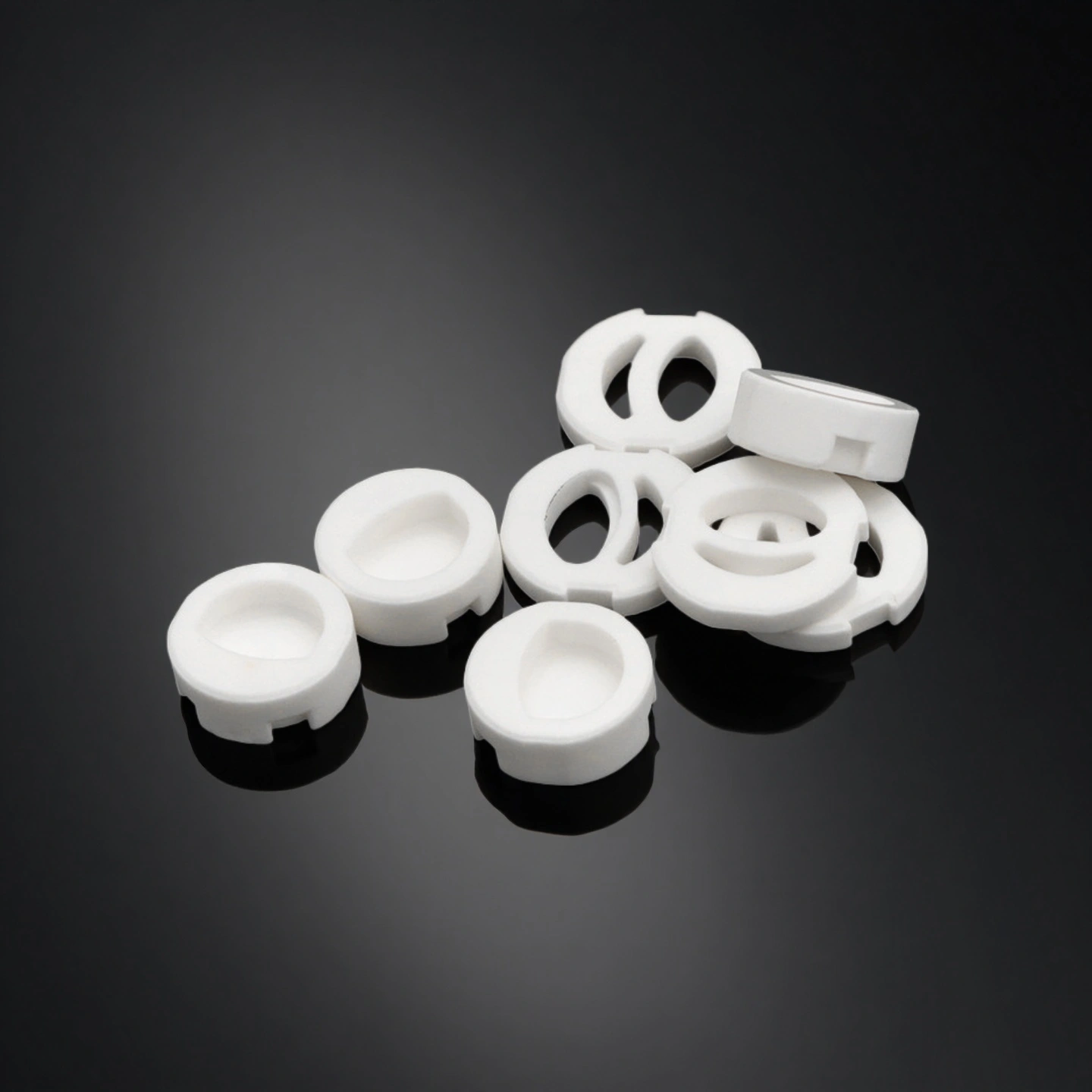
ceramic valve discs
Erosion-protected disc trim for butterfly and knife-gate valves.
Ceramic Valve Material Properties
Ceramic valves help maintain stable shutoff and predictable wear in particle-laden or chemically aggressive flows by protecting key sealing and erosion zones. Use the table below to compare material options and select a valve lining/trim combination that fits your pressure drop, cycling rate, and service environment.
| Property | Alumina (Al₂O₃) | Zirconia (ZrO₂) | Silicon Carbide (SiC) | Silicon Nitride (Si₃N₄) |
|---|---|---|---|---|
| Hardness (GPa) | 15–24 | 14–17 | 26–28 | 15 |
| Flexural strength (MPa) | 260–346 | 700–1200 | 250–380 | 300–320 |
| Toughness / chip resistance | Moderate | High | Low–Moderate | High |
| Corrosion resistance | Good | Very good | Excellent (pH 2–12) | Good |
| Max. use temperature (°C) | 1450-1800 | 900–1200 | ≤1600 | 1100–1200 |
| Density (g/cm³) | 3.6–3.9 | 3.0-6.0 | 3.0–3.1 | 3.2–3.5 |
| CTE (10⁻⁶/°C) | 7.5–7.6 | 8.0–9.5 | 4.1–4.5 | 3 |
| Best for | Cost-effective wear | Impact and cycling | Erosion and corrosion | High load and thermal shock |
- Alumina — best value for everyday abrasion
- Zirconia — highest toughness for impact and cycling
- Silicon carbide — hardest, with the best corrosion resistance
- Silicon nitride — highest thermal-shock resistance for high-load, high-temperature duty
Ceramic Valve Applications
Where valves fail on abrasive slurry, FGD, powder and corrosive service — worn seats, balls, liners and gates. Here's what fails in each industry and the ceramic trim we supply for it.
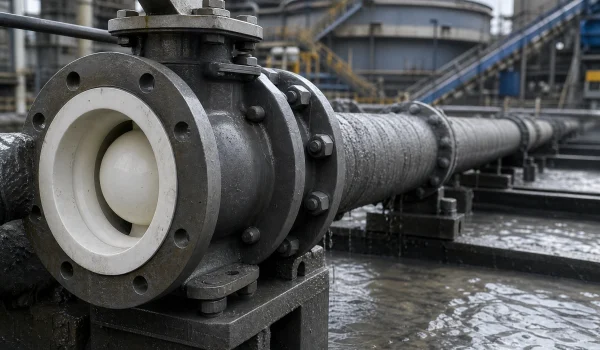
Mining & Mineral Processing
- Where it fails: seats, balls, liners, and gates eroded by high-solids slurry — leakage and frequent shutdowns.
- What we supply: Ceramic-lined ball & knife-gate valves, plus ball + seat trim in alumina or SiC.
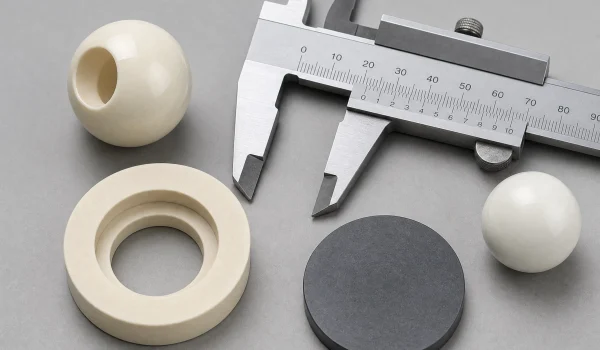
Pump / Valve / Seal OEM
- Where it fails: OEM ball, seat, sleeve, and disc trim that must repeat batch to batch.
- What we supply: Custom trim to your drawing — alumina, zirconia, SiC, or Si₃N₄, batch-inspected.
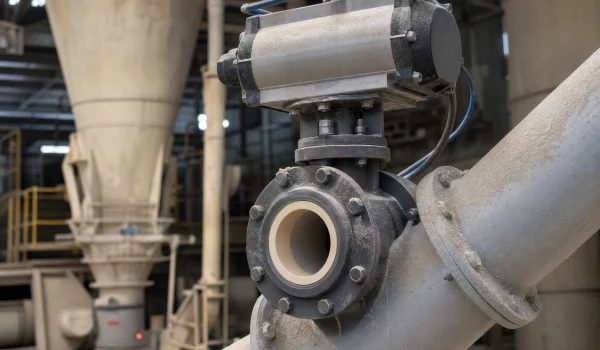
Powder & Pneumatic Conveying
- Where it fails: abrasive powder scours valve plates, seats, and liners in conveying lines.
- What we supply: ceramic-lined valve parts and gate/seat trim in alumina or silicon carbide.
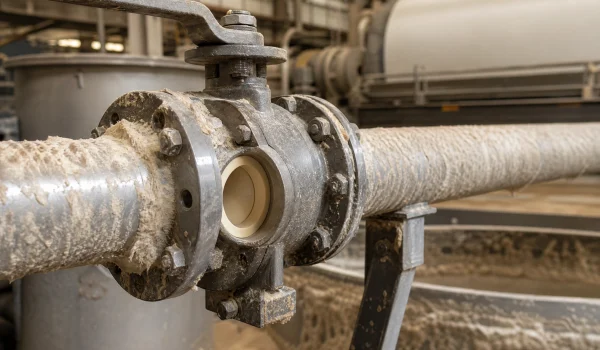
Pulp & Paper (stock & coating)
- Where it fails: fibers and fillers lodge in sealing zones — sticking and repeated maintenance.
- What we supply: ceramic ball valves, knife-gate valves, and disc + seat trim in alumina.
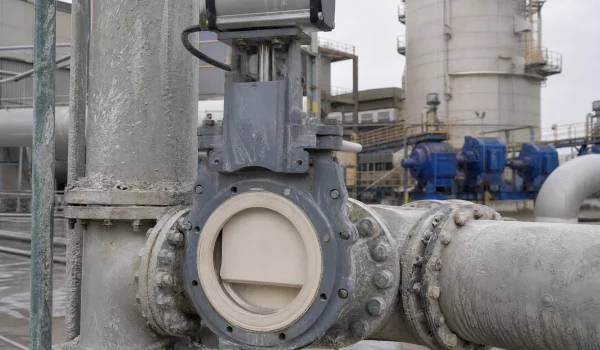
Power — FGD & Ash Handling
- Where it fails: knife-gate and isolation points cut by limestone/gypsum slurry and abrasive ash.
- What we supply: ceramic gate/liner sets and knife-gate trim in alumina or silicon carbide.
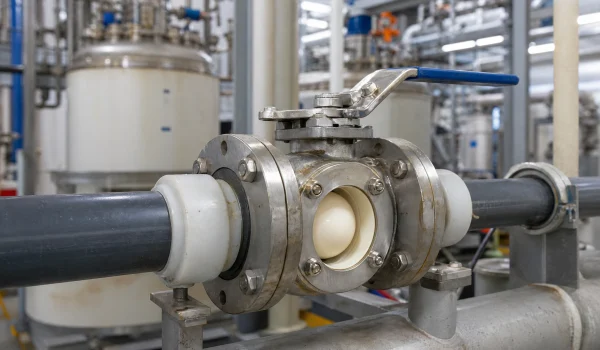
Chemical Processing
- Where it fails: seats and balls where chemical attack and wear hit together — leakage and short service life.
- What we supply: Ceramic ball valves plus seat + ball trim in zirconia or SiC, matched to your media and pH.
Custom Ceramic Valve & Component Manufacturer
ADCERAX custom ceramic valves and ceramic valve components are made to your drawing or sample, including key interfaces, seat/ball or disc fit, lining coverage, flow-path geometry, and sealing details for stable shutoff. Typical customization lead time is 2–9 weeks, depending on material choice, tolerances, and complexity.
Customization Options
Seat, ball, disc, gate, liner, sleeve, plunger/core, wear plate, or a matched trim set — supplied as solid ceramic, ceramic-lined metal body, or a retained ceramic insert
Alumina (95 / 99 / 99.7%), zirconia (PSZ / ZTA for toughness), silicon carbide (RBSiC / SSiC), or silicon nitride — grade chosen to balance wear, impact, corrosion, and cost.
Full-bore, reduced-bore, O-port, or V-port / characterized port for throttling and a defined flow curve — port geometry tuned to your media and control needs.
Ceramic-to-ceramic hard seal or ceramic-to-soft (PTFE / graphite) seat; lapped ball-and-seat pairs, sealing-land width, and a target leak class for tight, low-torque shutoff.
OD/ID, face-to-face, seat pocket, sealing land, chamfers (chip resistance), holes, slots, keyways, stem interface, and flange/connection fit.
Machined tolerance from ±0.05 mm (tighter on request); controlled ball sphericity, seat/disc flatness, bore concentricity, and lapped sealing faces to your mating parts.
Send your Drawing or Old Part with the Critical Dimensions and Tolerances you Need
Why ADCERAX — Manufacturing Built for Ceramic Valve Trim
Over 20 years in advanced ceramics, we take ceramic valve components from drawing review to finished, inspected parts — with the precision machining that holds the sealing fits a ceramic valve actually needs.

forming, sintering, precision machining, finishing, and inspection.
face-to-face, seat pockets, ball/disc fit, and sealing lands ground for stable shutoff (our core strength).
material and geometry matched to your duty; interfaces confirmed before machining.
the same fit on every reorder; traceable for OEM supply.
small batches and complex geometries, scaling to steady volume.
chip-safe packing and export documents, with fast response to your drawings and conditions.
FAQs About Ceramic Valve
A Ceramic Ball Valve uses a spherical ceramic ball for on/off control and is ideal for rapid operation.
A Ceramic Disc Valve employs a rotating ceramic disc for fine flow regulation and frequent adjustments.
Choose ceramic when failure is driven by erosion at sealing edges, scoring, leakage growth, or chemical attack that repeatedly damages metal trims and forces frequent maintenance.
If your main problem is isolation under slurry, knife gate or gate styles are common; if you need tight shutoff and switching, ball-valve configurations are typical; for larger line sizes with compact geometry, butterfly styles are frequently used. The correct choice depends on solids loading, particle size, and cycle frequency.
Common modes include edge chipping at sealing zones, scoring from hard particles, loss of shutoff due to seat wear, and sticking when solids pack into clearances. Correct fit, sealing geometry, and media-aware flow-path design reduce these risks.
Focus on the sealing interface: specify seat/ball or seat/disc fit, define sealing land geometry, and align surface finish requirements to reduce scoring. Also consider whether purge/flush features or protected edges are needed at the highest-velocity zones.
Send the valve type and size, media description, solids %, particle size range, temperature, pressure/ΔP, cycle rate, connection standard, and your drawing or sample. If you have a failure photo or wear pattern, it helps confirm where erosion is concentrated.
High-frequency customization targets include valve seats, valve balls, valve discs, liners, sealing lands, and interface features that control fit and repeatable shutoff. Many customers customize trim first to improve performance without redesigning the whole system.
Ceramic valves usually cost more upfront than regular metal or elastomer-seated valves because they target erosion and corrosion at sealing zones. In abrasive slurry or corrosive duty, they often lower total cost by extending service intervals and reducing downtime; in clean, low-wear fluids, regular valves are typically the better value.
ADCERAX supplies ceramic valve components from China — balls, seats, discs, trim and liners for ball, knife gate and control valve assemblies — with custom-to-drawing machining, an engineering review of your media and duty before quotation, and export-ready delivery. Send your valve size, media data and drawing to start the review.
Ceramic valve pricing depends on your failure mode and how you control it—solids loading, particle hardness, ΔP, and cycle frequency set the wear intensity, while sealing-fit targets set the manufacturing complexity. Share your media and interfaces, and ADCERAX can recommend the right wear-focused solution instead of over-specifying cost.
Yes. ADCERAX supplies ceramic valve components — balls, seats, discs, trim and liners — to U.S. buyers, including valve OEMs, plant maintenance teams and repair shops. Orders ship with export documentation, and DDP delivery terms can be reviewed per project. Send your drawing or old-part photos with the media data to start the engineering review.
Ceramic solutions are chosen when erosion and corrosion drive unpredictable maintenance—especially when sealing edges wear and leakage grows over time. If you’re replacing valves too often or fighting shutoff instability, send your wear photos or symptoms and ADCERAX will match a ceramic valve/trim approach to your duty.
Ceramic Valve RFQ Checklist
Include these with your drawing or old-part photo so engineering review is fast and the quote is accurate:
- Part — seat, ball, disc, liner, sleeve, gate, trim set, or complete valve
- Drawing, sample, or old-part photo — add a worn-area photo if you have one
- Valve type — ball / butterfly / gate / knife-gate / control / check
- Media — slurry, tailings, limestone/gypsum, ash, powder, or corrosive fluid
- Particle size, solids %, and flow speed
- Temperature and pressure / ΔP
- Failure mode — erosion, leakage, scoring, sticking, or corrosion
- Size, connection standard, and key sealing-face tolerances
- Material route (if known) — alumina / zirconia / SiC / Si₃N₄
- Quantity and stage — prototype / small batch / repeat OEM
A drawing or an old part alone is enough to get started; the rest is confirmed during engineering review.
*Our team will answer your inquiries within 24 hours.
*Your information will be kept strictly confidential.
info@adcerax.com
Tel:+86-0731-84428843
WhatsApp:+86 19311583352
Within 24 hours
