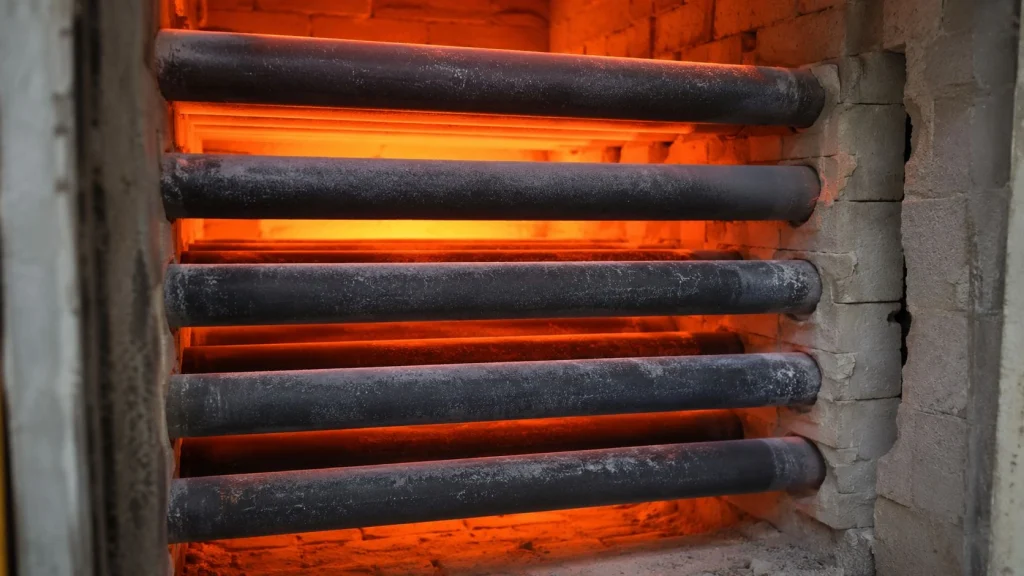
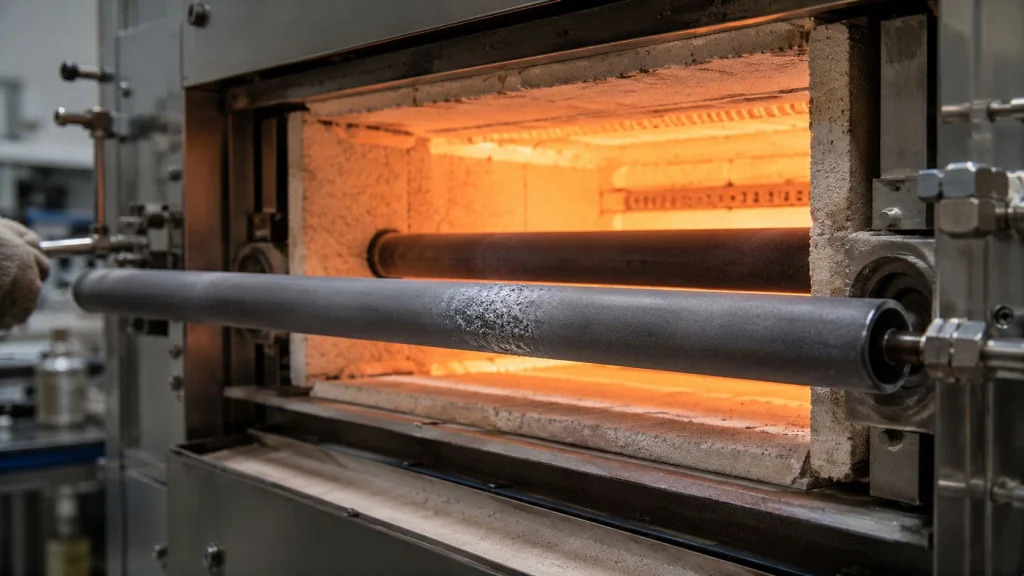
Silicon Carbide Tubes (SiC) Kiln Rollers, Protection Tubes & Heat Exchangers
ADCERAX supplies silicon carbide (SiC) tubes for industrial furnaces, kilns and corrosive process lines — thermocouple protection tubes, radiant tubes, roller and beam tubes, and shell-and-tube heat-exchanger tubes — in SSiC, RBSiC/SiSiC and RSiC routes. Where metal tubes creep and oxidize, and where alumina or quartz crack on thermal shock or soften, SiC tubes hold high-temperature strength while adding high thermal conductivity, thermal-shock and corrosion resistance.
1600°C
High-Temp Stability
What Is a Silicon Carbide Tube?
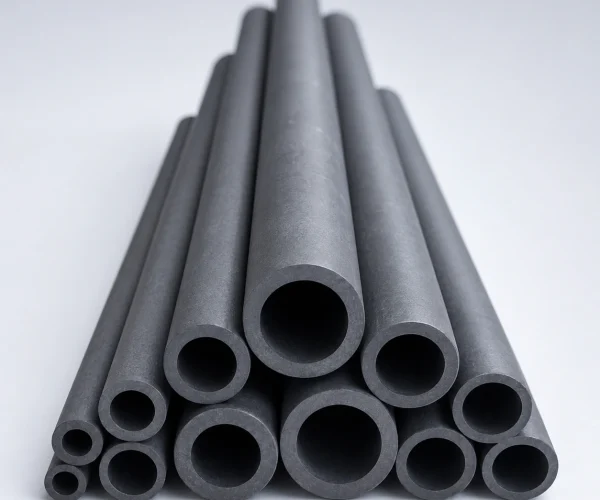
A Silicon Carbide Tube is a high-performance ceramic component designed for thermal, mechanical, and corrosive environments found in industrial systems. The material enables stable operation across repeated heating cycles without compromising dimensional accuracy.
In applications requiring long-term reliability, SiC ceramic tubes provide consistent performance under extreme temperatures and corrosive media. As a non-metallic, dense ceramic material, sic silicon carbide tubes support precise integration into high-temperature process equipment.
Also specified as silicon carbide pipes in process-industry drawings, these tubes are supplied straight, closed-end or flanged to the same engineering review.
ADCERAX Silicon Carbide Tube Product Range
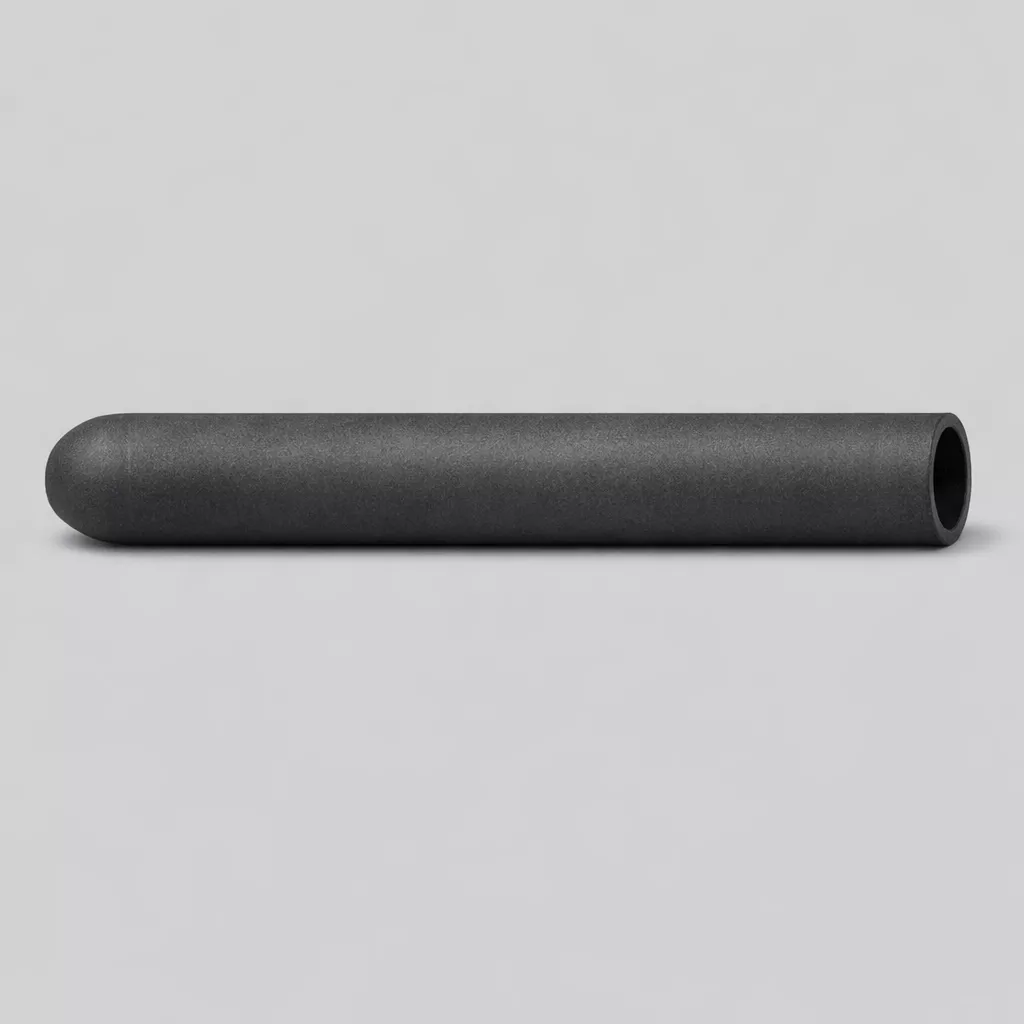
It shields thermocouples and sensors in molten-metal and corrosive atmospheres.
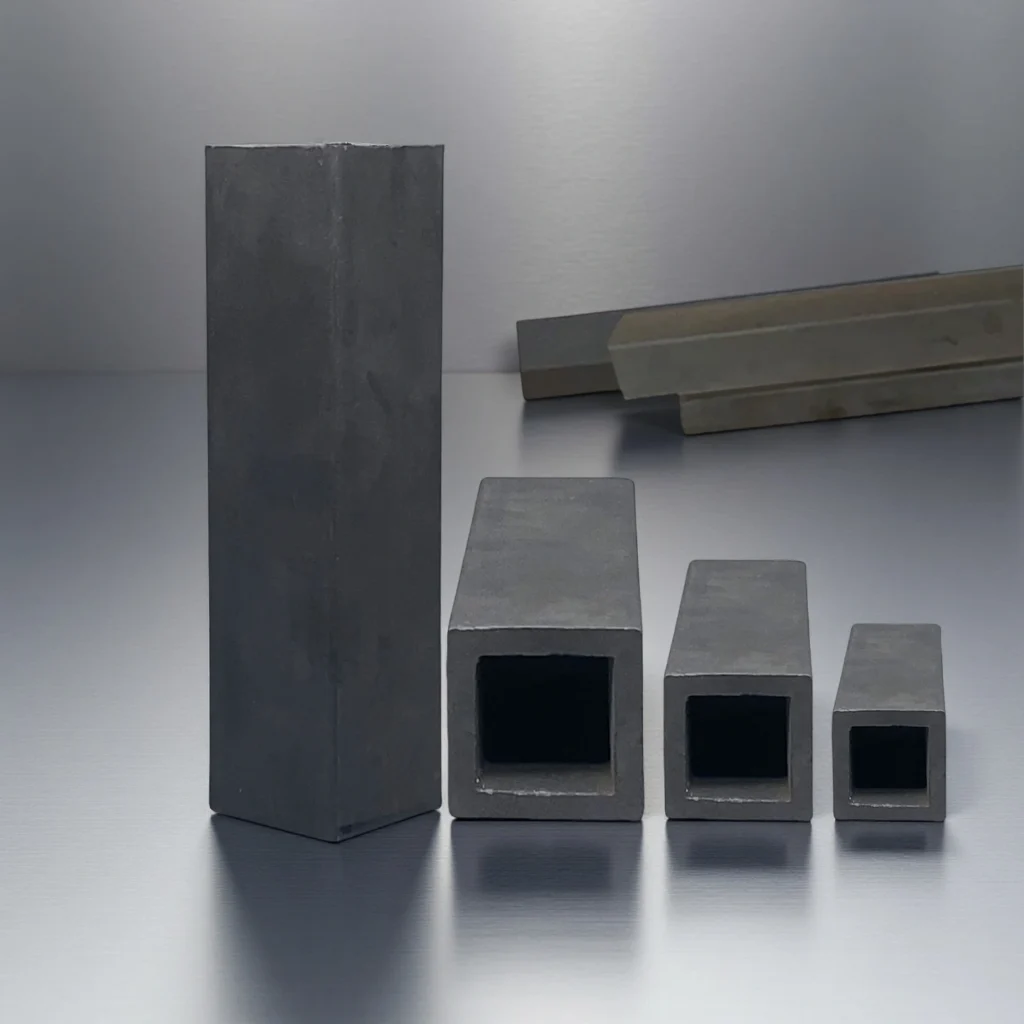
They support kiln cars under continuous high-temperature mechanical loading.
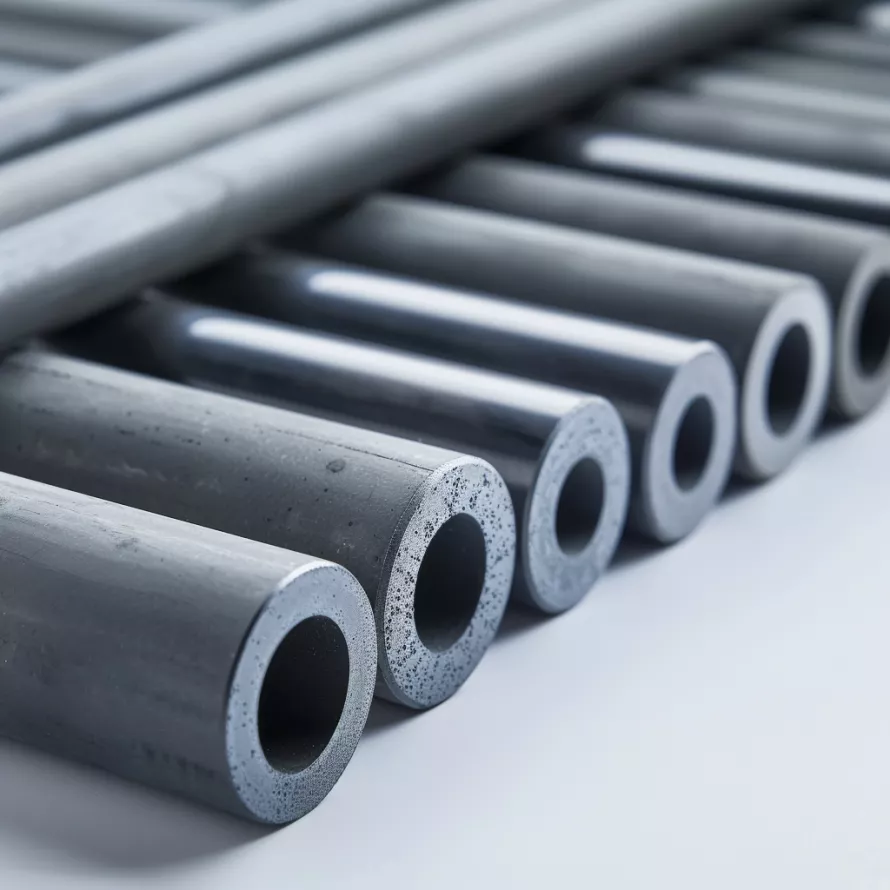
It ensures stable transport of ceramic and powder materials in roller-hearth kilns.
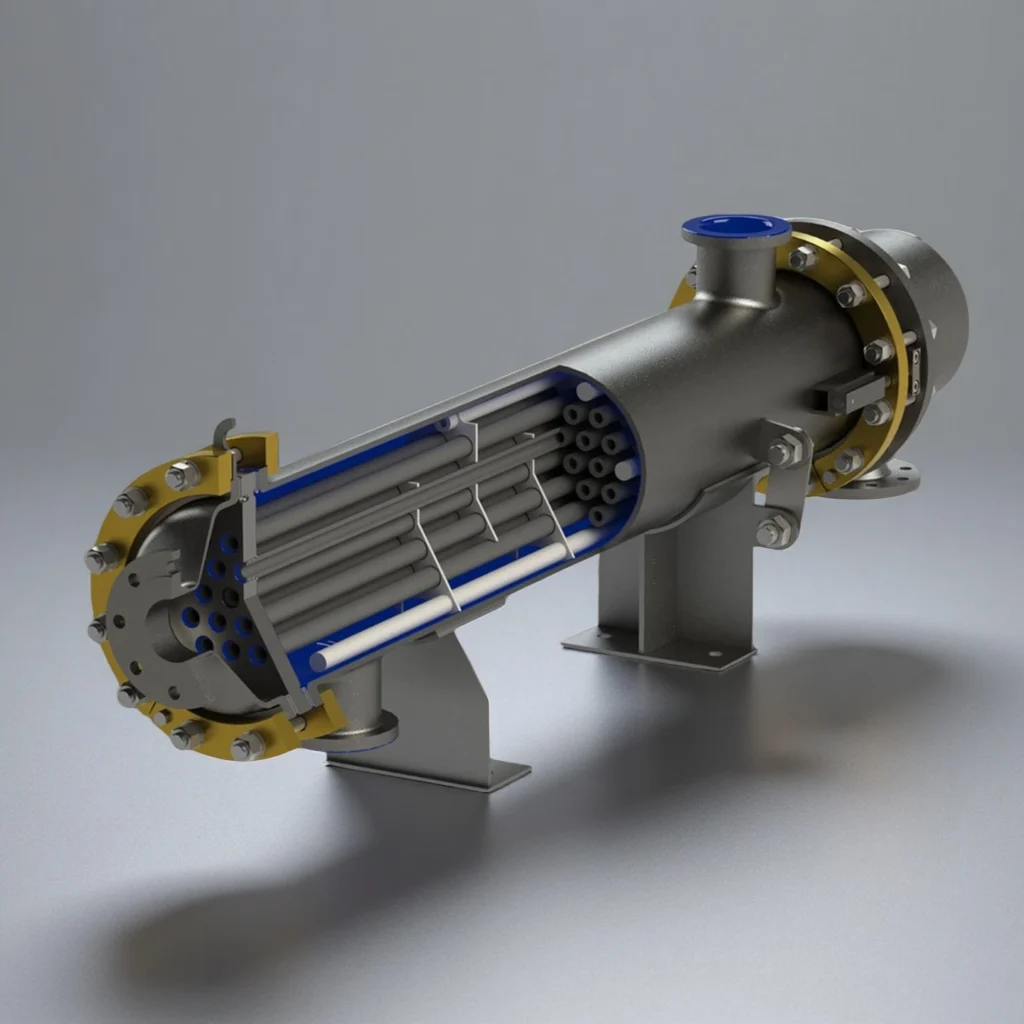
They handle corrosive chemical media and high-heat transfer loads in process industries.
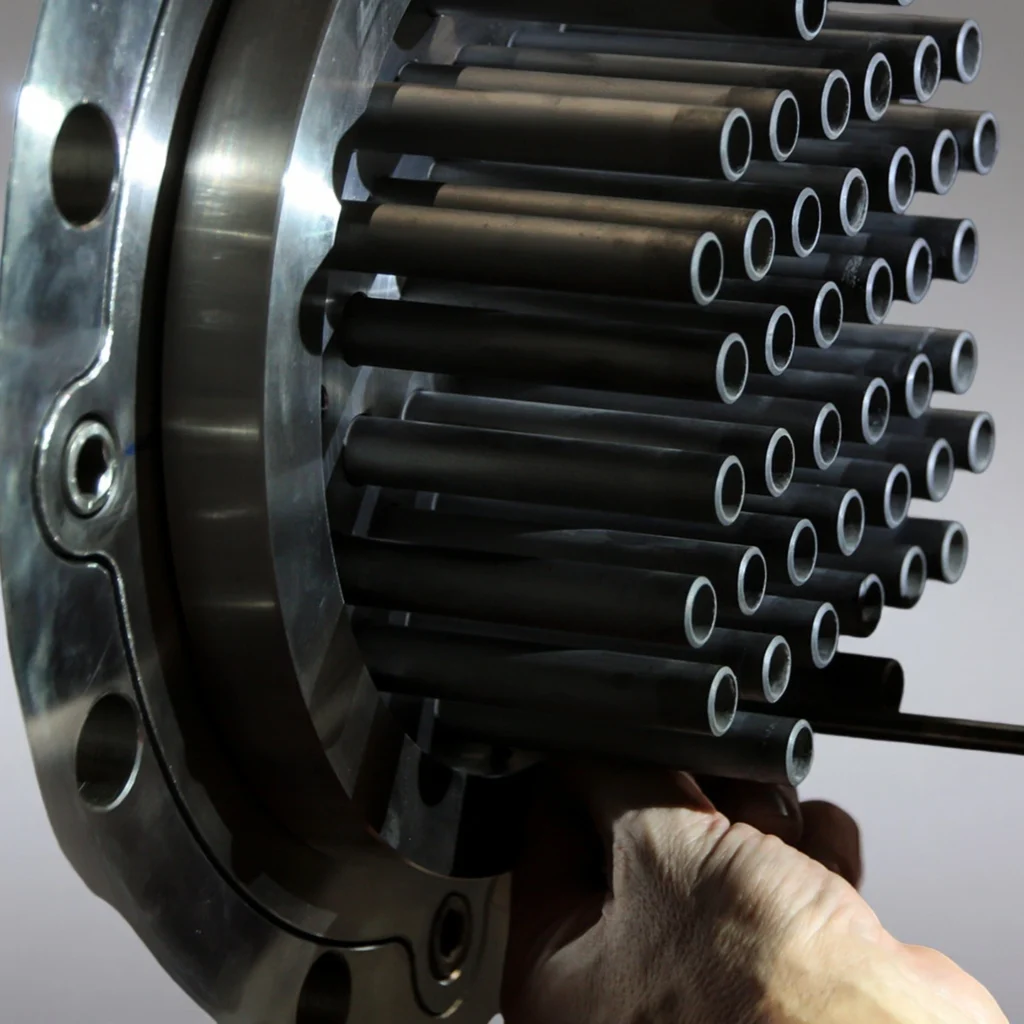
Its structure withstands aggressive chemical, thermal, and particulate conditions.
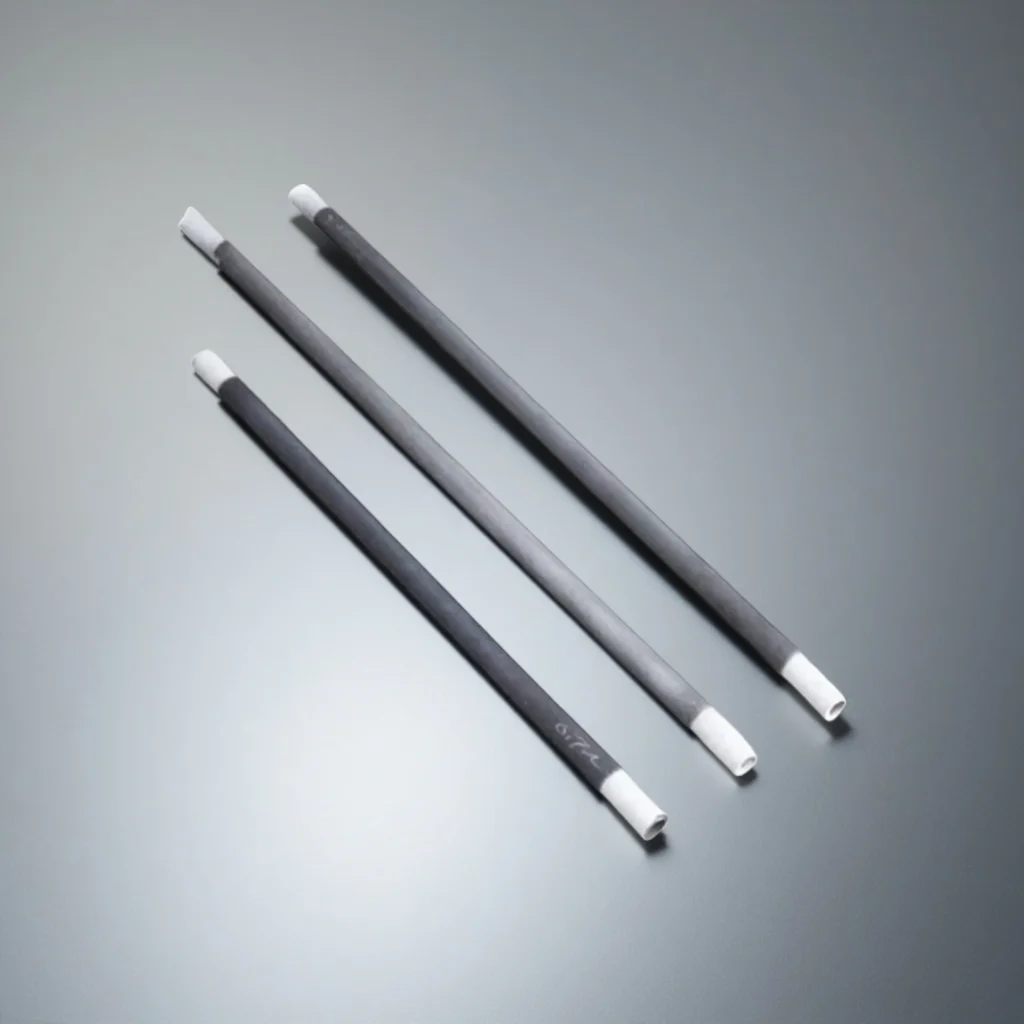
It delivers rapid temperature response for industrial high-heat electric systems.
Standard Silicon Carbide Tubes in Stock — Fast Dispatch
The following sizes are available for fast dispatch. Custom sizes are quoted promptly after engineering review of duty, grade and drawing.
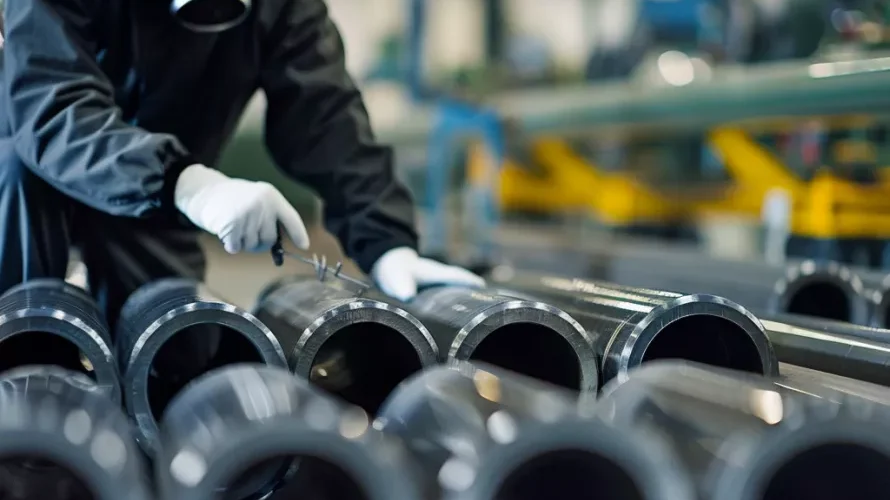
| OD × ID × Length (mm) | Grade | Stock Status |
|---|---|---|
| Ø20 × Ø14 × 300 | RBSiC | ✅ In Stock |
| Ø25 × Ø18 × 400 | RBSiC, SSiC | ✅ In Stock |
| Ø30 × Ø22 × 500 | RBSiC | ✅ In Stock |
| Ø40 × Ø30 × 600 | RBSiC, SSiC | ✅ In Stock |
Kiln Rollers
Need a custom size, length, or end configuration?
Custom SiC tubes typically run 3–7 weeks depending on grade and complexity, confirmed per order.
| OD × ID × Length (mm) | Grade | Stock Status |
|---|---|---|
| Ø30 × Ø20 × 2000 | RBSiC | ✅ In Stock |
| Ø40 × Ø30 × 2500 | RBSiC, SiSiC | ✅ In Stock |
| Ø50 × Ø38 × 3000 | RBSiC | ✅ In Stock |
Silicon Carbide Tubes Are the Best Choice When:
| Your Application Requirement | Why SiC Tubes Excel | Recommended Grade |
|---|---|---|
| Kiln rollers (battery cathode, ceramics) | Thermal cycling 20-1380°C; no creep deformation; alkali resistance for LFP | RBSiC or SiSiC |
| Thermocouple protection tubes | Shields sensors from molten metal; Outlasts metal sheaths in molten-metal duty | SSiC or RBSiC |
| Heat exchanger tubes (corrosive media) | Resists HCl, HBr, mixed acids; Higher thermal conductivity than common exchanger alloys | SSiC (highest density) |
| Radiant tubes / heating elements | Rapid temperature response; Long radiant service life at high temperature | SiSiC |
| Furnace muffle tubes | High thermal conductivity for uniform heating; dimensional stability | RBSiC or SSiC |
| Burner tubes / flame tubes | Oxidation resistant; withstands combustion atmospheres | RBSiC |
| Semiconductor/photovoltaic processing | Dense, chemically stable route for equipment hardware and structural furnace parts | SSiC (dense route; purity per RFQ) |
| Extreme thermal shock environments | Tolerates ΔT 250-300°C; low CTE (4.0-4.5×10⁻⁶/K) | Any SiC grade (best among ceramics) |
Beyond these three mainstream grades, recrystallized silicon carbide (RSiC) is a fourth route for kiln-furniture duty: a porous, lightweight structure that serves higher-temperature support roles (≈1650 °C-class reference) such as beams and rollers where gas-tightness is not required. If your drawing calls for recrystallized SiC tubes, we review it under the same engineering process — RSiC is not used for pressure-bearing or gas-tight heat-exchanger service.
When to Choose Silicon Carbide Tubes for Your Application?
Choose silicon carbide tubes when high temperature meets thermal shock, oxidation, corrosion or high heat-transfer — where metal creeps and oxidizes and quartz or lower-conductivity ceramics fall short. Use the guide below to match your application to a route (SSiC, RBSiC/SiSiC or RSiC) and tube type; final values are set at engineering review, not a generic spec.
When Silicon Carbide Tubes May Not Be Optimal
For material selection assistance, explore our advanced ceramics guide or contact our engineers.
SiC is semi-conductive; consider al2o3 tubes
consider refractory metals or graphite
consider alumina for lower-temp applications
contact us for compatibility assessment
Typical Properties of ADCERAX Dense SiC Grades
Silicon carbide tubes are available in different grades based on the manufacturing process. Each grade offers distinct advantages:
💡 Quick Selection Guide:
- Need max temperature (>1400°C) or best chemical resistance → SSiC
- Need heating elements or radiant tubes → SiSiC
- Need lowest porosity for corrosive liquids → SSiC
| Property | AD-SIC-RB (RBSC / SiSiC) | AD-SIC-SS (SSiC) |
|---|---|---|
| SiC (wt%) | 85 nominal | ≥99 |
| Free Si | ~15% | None |
| Density (g/cm³) | ≥3.02 | 3.10 typical |
| Open porosity | ≤0.1% | <0.1% |
| Flexural strength (MPa) | 250 @20°C; 280 @1200°C | 380 |
| Compressive strength (MPa) | — (not listed in TDS) | ≥2600 |
| Young’s modulus E (GPa) | 330 @20°C; 300 @1200°C | 420 |
| Thermal conductivity (W/(m·K)) | 45 @1200°C (RT not listed) | 100–120 |
| Application-temperature ceiling (°C) | 1380 | 1600 |
Not Sure Which Silicon Carbide Tube You Need?
Different duties need different routes — dense SSiC for corrosion-critical service, RBSiC/SiSiC for radiant and roller tubes, RSiC for high-temperature kiln furniture. Send your temperature, atmosphere, media and size, and our engineers confirm the right route and tube type — including replacements for failed metal or ceramic parts.
Key Silicon Carbide Tube Applications Across Industrial Systems
SiC tubes serve four main duties — furnace heating, corrosive chemical handling, advanced-materials firing, and molten-metal measurement. Pick your environment below.
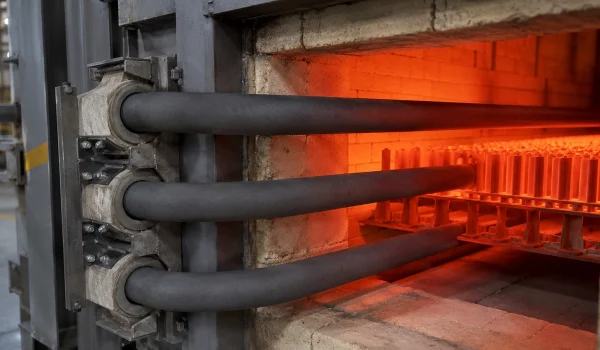
Furnace Thermal Systems
- Survives repeated furnace heating and cooling without creep
- Shields thermocouples and radiant heating from oxidation and molten metal
- High thermal conductivity spreads heat evenly for uniform firing
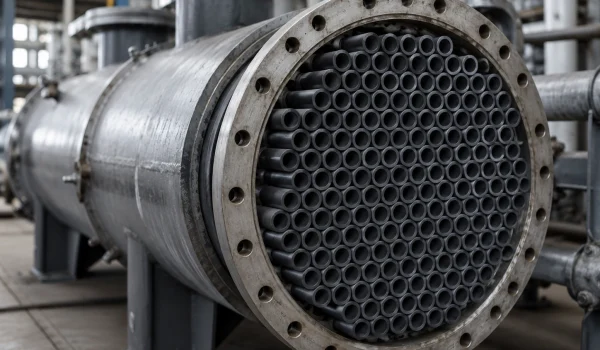
Corrosive Media & Acid Handling
- Resists acids, alkalis and mixed acids that thin metal tubes — reviewed vs your material
- Holds strength in hot corrosive service where metal and graphite fail
- Dense SSiC blocks infiltration and media absorption
Advanced Materials Production
- Holds dimensions better than metal supports through firing and cooling (application-dependent)
- Low thermal expansion keeps shape through rapid cycling
- Stable support under long high-temperature loading
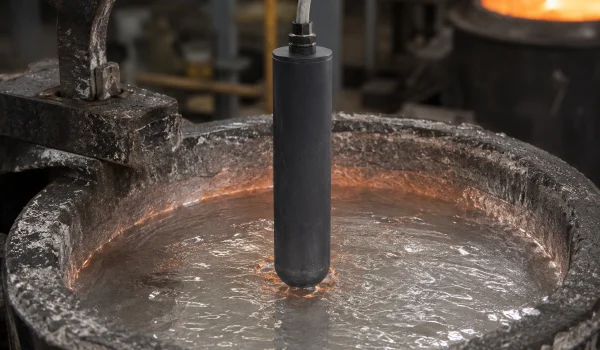
Molten-Metal Measurement
- Protects immersion sensors in molten metal, cutting burnout vs bare or metal-sheathed probes
- Low thermal expansion limits thermal-shock cracking
- Holds strength under turbulent high-temperature flow
Customized Silicon Carbide Tubes Supplier
We specialize in customizing silicon carbide tube with special sizes, tight tolerances, and complex features. OEM and small-batch support available.
Customization Options
Extra-large / Extra-small diameters, non-standard thicknesses, and ultra-long / ultra-short lengths.
Provide higher - level dimensional accuracy and concentricity control than the standard.
Flanges, steps, threads, drilling holes, grooves, etc.
Adjust the material according to the application requirements.
Polish and grind the surface to achieve a specific surface roughness.
Customization Process
Send us your drawing, CAD file, or physical sample with material grade, dimensions, tolerances, and quantity.
Once the quote is approved, we proceed with sample prototyping (1–50 pcs) if needed, for testing and validation.
CNC machining, sintering, and polishing. All parts undergo dimensional checks, material purity testing, and surface finish inspection.
Finished products are securely packed and shipped via DHL/FedEx/UPS or your preferred method. We support global delivery with full documentation.
One-Stop Silicon Carbide Tube Supplier for Integrated Industrial Requirements
A complete silicon carbide tube supply chain is supported through coordinated engineering, machining, inspection, and export logistics under the unified structure of ADCERAX®.
A consolidated workflow reduces project delays, minimizes compatibility issues, and ensures stable performance across thermal, chemical, and material-processing environments.
-
End-to-End Engineering Coordination:
Consolidated engineering control reduces tolerance deviation and prevents assembly inconsistency. -
Integrated Manufacturing & Quality Control:
Unified forming and inspection keep long silicon carbide tube bodies within <1.0 mm straightness deviation. -
Stable Lead-Time & Supply Continuity:
Synchronized production scheduling keeps lead times stable and confirmed per order, avoiding the delays of fragmented multi-vendor supply chains. -
High-Reliability Components for Harsh Environments:
Integrated material screening reduces failure risk and prevents furnace downtime losses.


Advanced Manufacturing Capability for Industrial-Grade Silicon Carbide Tube Production
The production system of ADCERAX® integrates high-precision forming, sintering, and inspection technologies to support consistent manufacturing of silicon carbide tube components. A factory-level workflow ensures reliable batch repeatability and dimensional stability across demanding thermal, chemical, and mechanical applications.
| Manufacturing Capabilities Overview | |||
|---|---|---|---|
| Category | Capability Description | ||
| High-Precision Forming Systems | Isostatic pressing up to 250 MPa, supporting long-body SiC tubes with wall thickness stability within ±0.3–0.5 mm. | ||
| Automated Sintering & Reaction Furnaces | RBSiC reaction furnaces handling 3,000+ tubes/month; SSiC sintering lines achieving peak stability at 2,000 °C. | ||
| CNC Machining & End-Face Processing | Multi-axis CNC centers with machining tolerance control of ±0.02 mm for interfaces, grooves, threads, and flange seats. | ||
| Dimensional Metrology & Inspection | CMM measurement and straightness verification for long tubes ensuring deviation below 1.0 mm/m. | ||
| Material Reliability & Microstructure Testing | Batch density monitoring achieving RBSiC ≥ 2.95 g/cm³; porosity consistently maintained below 17% for industrial applications. | ||
One-Stop Engineering & Supply Capability by ADCERAX
From route selection through forming, sintering, precision machining, inspection and export, ADCERAX runs your silicon carbide tubes under one roof — so tolerances, quality and delivery stay consistent across batches.
FAQs About Silicon Carbide Tube
A silicon carbide tube keeps its strength up to about 1,500–1,600°C (route-dependent), while metal alloys often soften or creep above ~1,000°C. Its low thermal expansion reduces thermal-shock cracking and its stable oxide layer resists scaling and contamination. In oxidizing high-temperature service this typically gives longer service life than stainless steel or nickel alloys, with the exact margin depending on temperature, atmosphere, tube geometry and duty cycle.
A Silicon Carbide Tube shields sensors from molten metal, carburizing atmospheres, and high-velocity particulates. The dense microstructure eliminates chemical interaction that would distort readings over long cycles. Stable thermal conductivity supports accurate response times. As a result, calibration drift is significantly reduced across repeated thermal cycles.
A Silicon Carbide Tube offers exceptional chemical inertness in chloride-, bromide-, and acid-rich conditions. The covalent bonding structure prevents ion diffusion and surface degradation. Unlike graphite, the tube does not absorb liquid or develop microcracks. This enables long service periods in acid coolers, corrosive reactors, and flue-gas systems.
A Silicon Carbide Tube features a low CTE (4.0–4.5×10⁻⁶/K) and high thermal conductivity, enabling rapid heat dissipation. This prevents crack propagation when exposed to sudden temperature jumps. Thermal shock cycles exceeding ΔT 250–300 °C are commonly tolerated. This stability is critical for roller kilns, high-speed firing lines, and rapid heating furnaces.
The straightness of a Silicon Carbide Tube depends on forming pressure, uniform sintering, and precise machining. Reaction-bonded microstructures minimize warping during firing. Dimensional inspection typically maintains deviation below 1.0 mm per meter. This consistency is essential for roller systems, heat exchanger bundles, and long process tubes.
Premature failure occurs when porous material grades are used for high-velocity corrosive gases. A dense Silicon Carbide Tube prevents erosion of internal channels. Microstructure uniformity reduces pitting and oxidation layer peeling. Long-term degradation is avoided when gas velocity and chemical concentration are within SiC thresholds.
A Silicon Carbide Tube provides flexural strength in the range of 150–350 MPa, depending on grade and geometry. This strength allows the tube to support furnace loads without creep deformation. High stiffness ensures minimal deflection during long-span support applications. Mechanical reliability contributes to long operational cycles in high-load kilns.
Thermal conductivity of a Silicon Carbide Tube (typically 45–120 W/m·K) depends on purity, porosity, and sintering technique. Dense SSiC and infiltrated SiSiC structures transfer heat efficiently through continuous SiC grain pathways. High conductivity reduces temperature gradients in process chambers. Improved heat uniformity shortens firing or reaction cycles.
Both are high-temperature ceramic tubes, but they serve different applications:
| Decision Factor | Choose SiC Tubes When... | Choose Alumina Tubes When... |
|---|---|---|
| Thermal conductivity | Need rapid heat transfer (45-120 W/m·K) | Heat transfer not critical (20-30 W/m·K) |
| Thermal shock | Severe thermal cycling; rapid heating/cooling | Controlled heating/cooling acceptable |
| Electrical properties | Semi-conductivity acceptable or desired | Electrical insulation required |
| Temperature range | Up to 1600°C (SSiC) | Up to 1730°C (99.7% alumina) |
| Cost | Higher (justified by performance) | Lower |
Bottom line: Use SiC tubes when thermal conductivity, thermal shock resistance, or chemical resistance to acids/alkalis is critical. Use alumina tubes when electrical insulation is needed or for cost-sensitive applications.
What to Send for a Silicon Carbide Tube Quote
To quote a SiC tube, send what you have:
- Tube type: protection / radiant / roller-beam / heat-exchanger tube
- Material route if known: SSiC / RBSiC-SiSiC / RSiC
- OD, ID and length
- Wall thickness
- End design: open both ends / closed one end / flange
- Straightness or tolerance (if critical)
- Operating temperature and atmosphere
- Media or corrosion (acids, alkalis, molten metal, gases)
- Load and span (roller and beam tubes)
- Drawing, sketch or photo of the old part
- Old-part material and failure mode (for replacement)
- Quantity and target lead time
Send what you have — even a drawing or an old-part photo is enough to start. Our engineers confirm route, material and feasibility before quoting.
*Our team will answer your inquiries within 24 hours.
*Your information will be kept strictly confidential.
info@adcerax.com
Tel:+86-0731-84428843
WhatsApp:+86 19311583352
Within 24 hours