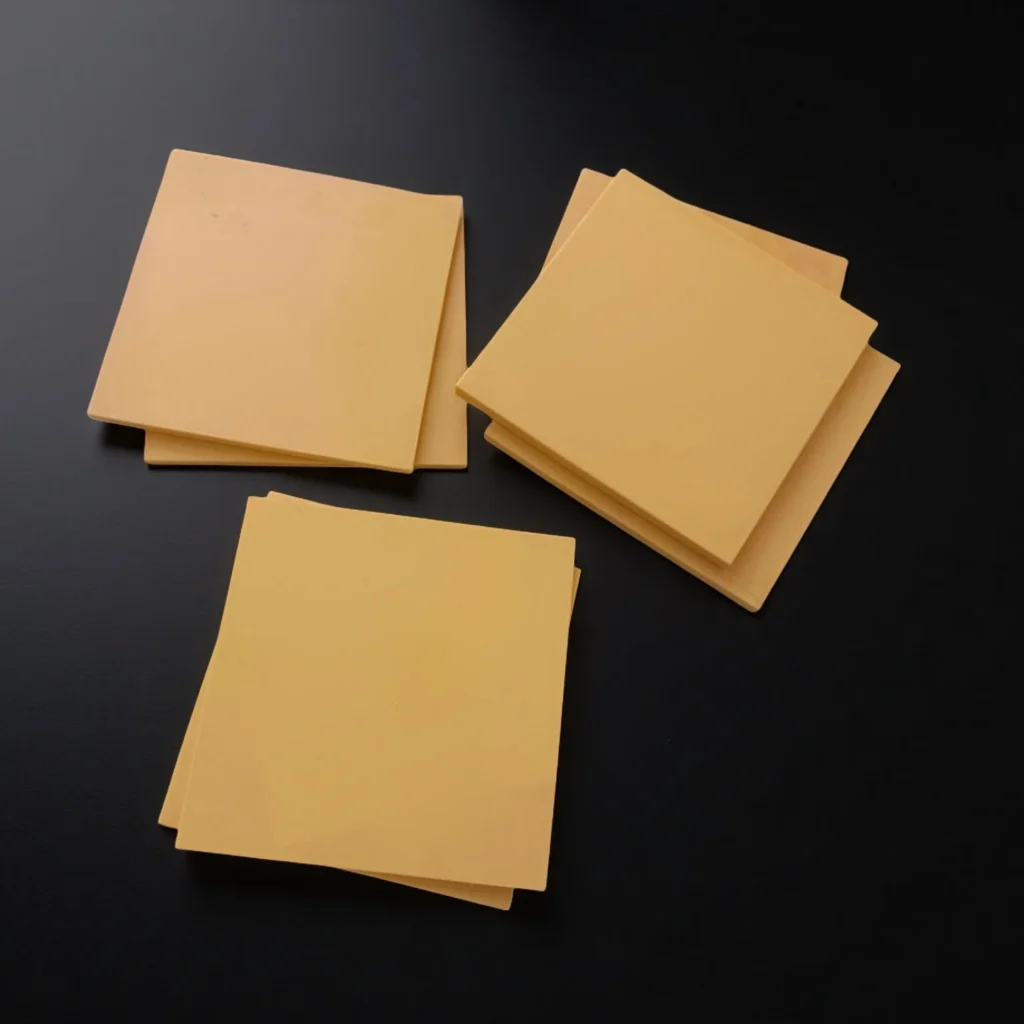
Engineering-Grade Magnesia Stabilized Zirconia MSZ Ceramic by ADCERAX
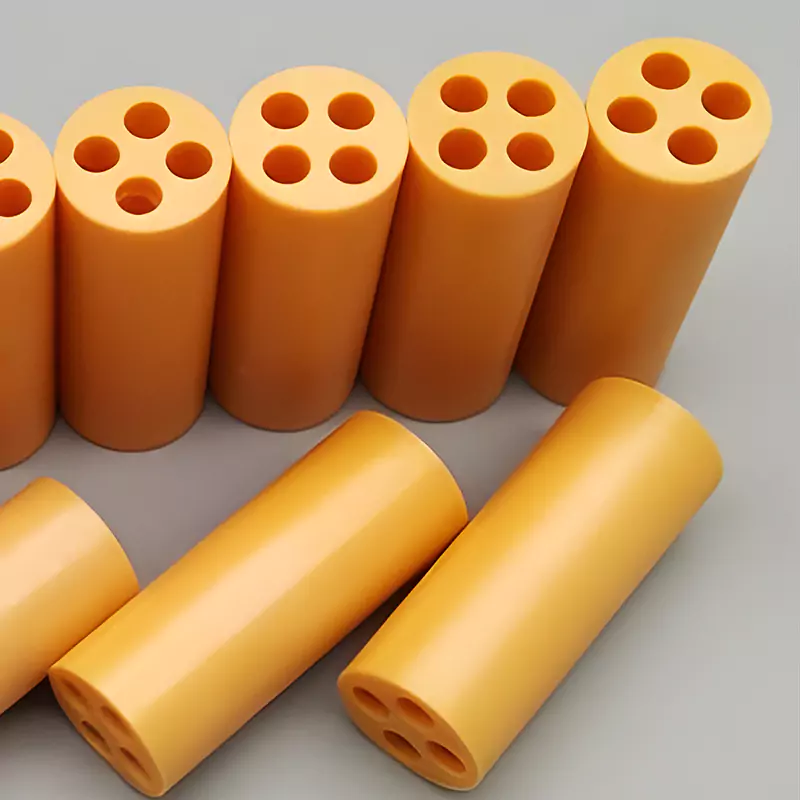
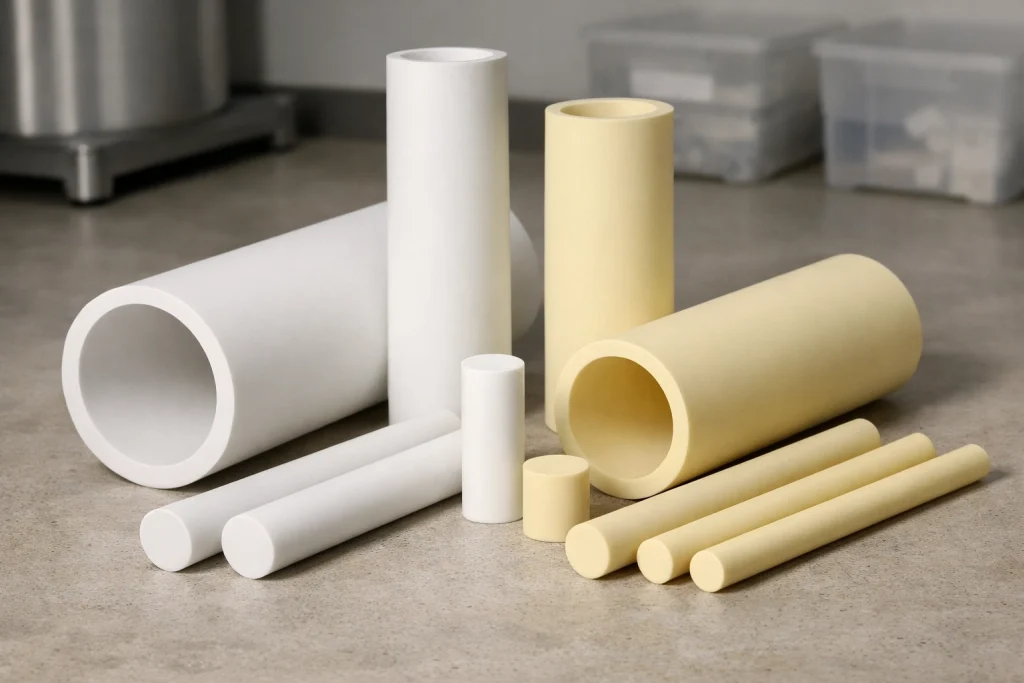
ADCERAX is a China-based advanced ceramics manufacturer that makes Magnesia Stabilized Zirconia (MSZ) components — tubes, rings, sleeves, valve balls and seats, pistons, plates, crucibles and custom parts — for industrial OEMs, equipment builders and repair clients worldwide.
Most engineers reach for MSZ when a metal, alumina or YSZ part keeps failing by thermal shock, corrosion, wear or dimensional drift. We start from that failure: first confirming whether an MSZ route actually suits your working condition, then producing the part to your drawing or old-part photo — small batches and prototypes included.
Send your component, current material, failure mode, temperature, medium and load, and our engineers will come back on material route and form feasibility.
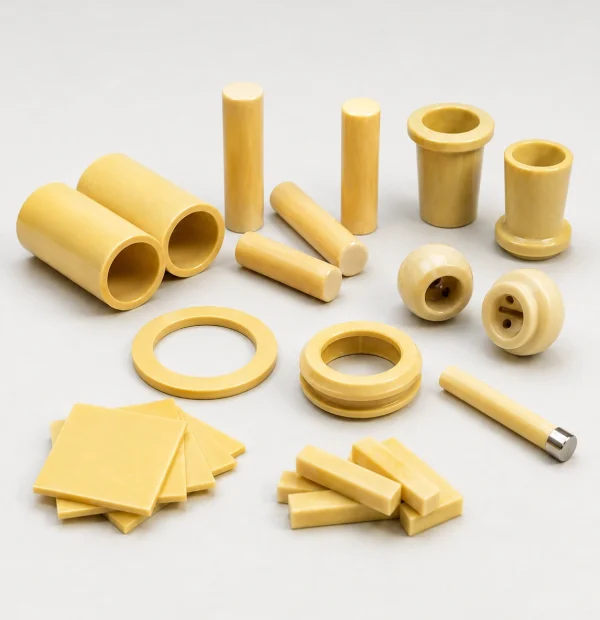
What is Magnesia Stabilized Zirconia (MSZ) Ceramic?
Magnesia Stabilized Zirconia (MSZ, or Mg-PSZ) is stabilized with magnesia (MgO) for strong thermal-shock resistance and dimensional stability.
Engineers pick it for parts that crack under thermal cycling, drift out of tolerance, or wear in service — tubes, pump and valve parts, and high-temperature fixtures. Tell us the failure you’re solving and we’ll confirm the right form for your condition.
high compressive and flexural strength typical of dense Mg-PSZ
Mg-PSZ is known for good thermal-shock behavior vs Y-TZP
high electrical resistivity typical of stabilized zirconia
low corrosion attack in many media; confirmed per medium
Choose Your MSZ Component Form
Select the form that matches your part; each links to its component page and RFQ fields.
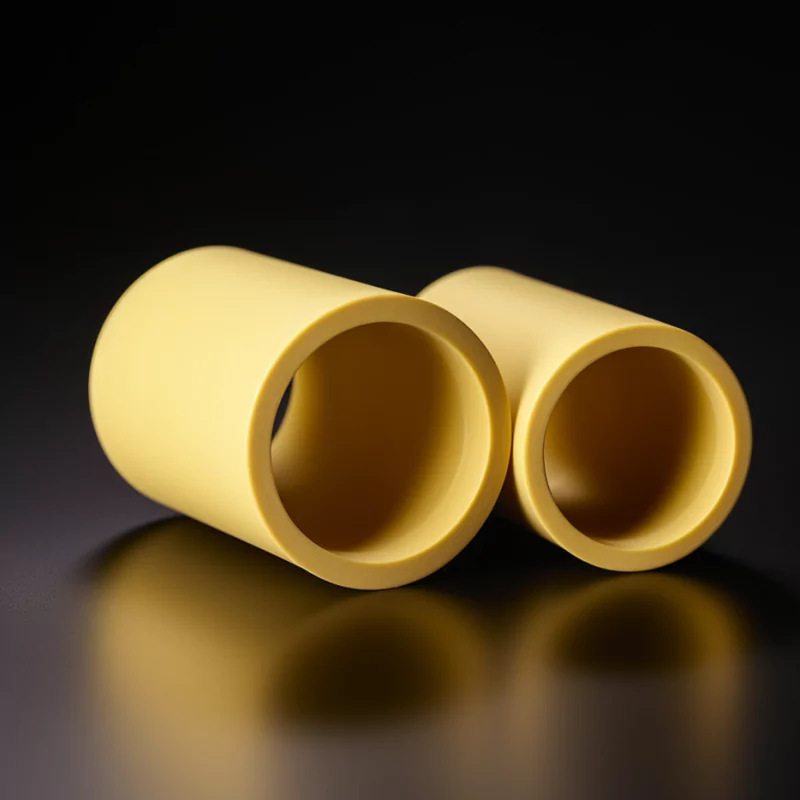
Precision tubular geometry enabling stable thermal flow control.
– Reviewed for high-temp gradient cycling
– Stable thermal expansion behavior
– Low corrosion attack in many media
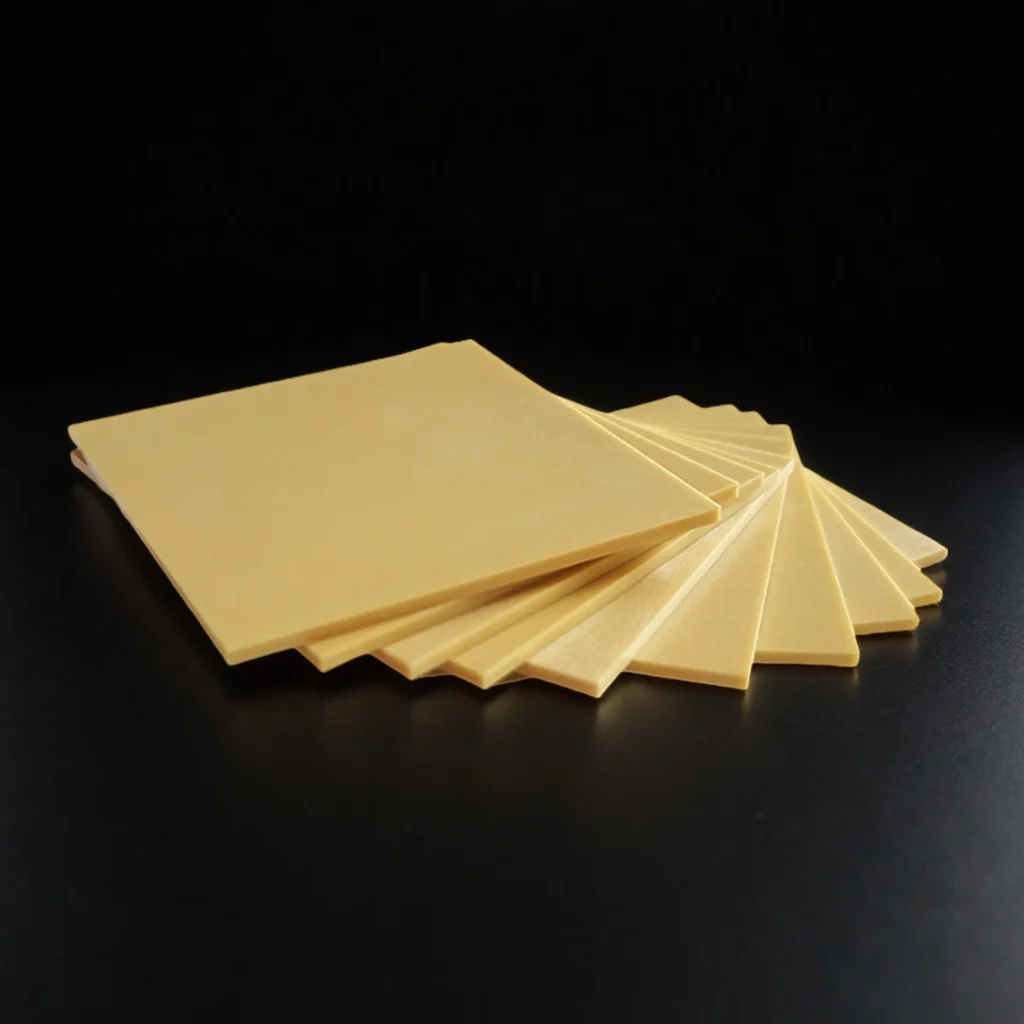
Flat MSZ plate engineered for thermal and structural stability.
– Low creep at high temperature
– Holds flatness under thermal load
– Clean, stable support surface
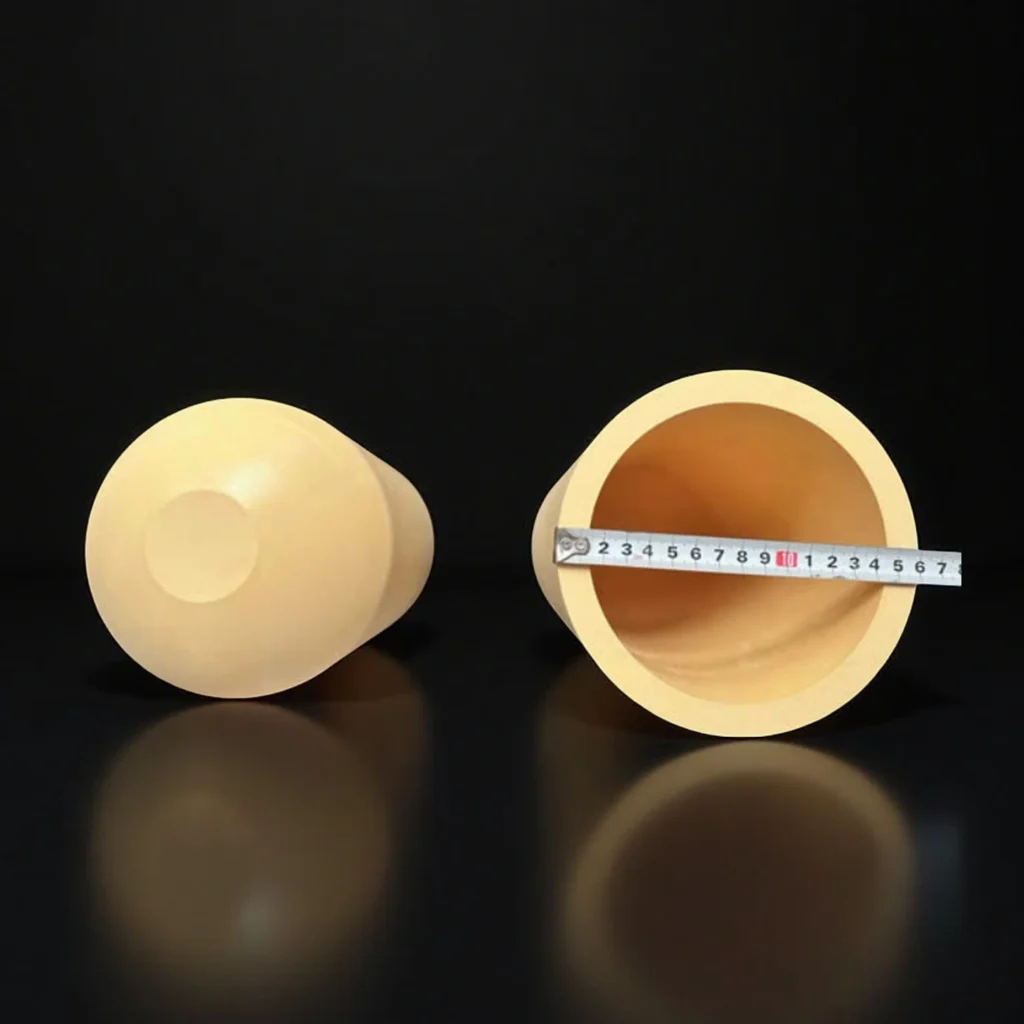
High-temperature cavity designed for corrosive melt processes.
– Reviewed for molten-metal contact
– Withstands aggressive thermal cycling
– Controls contamination in hot zones
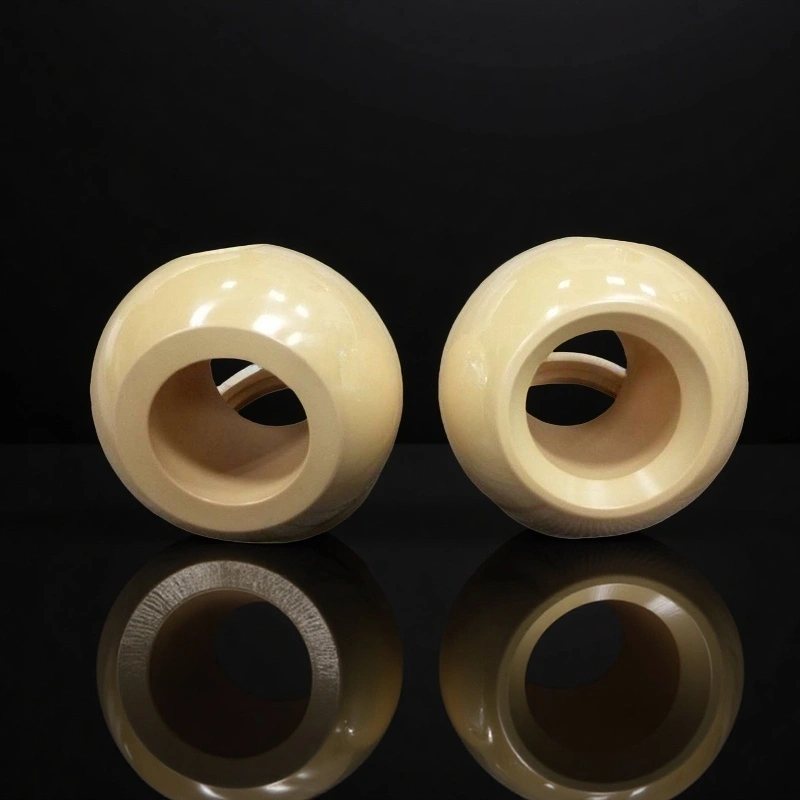
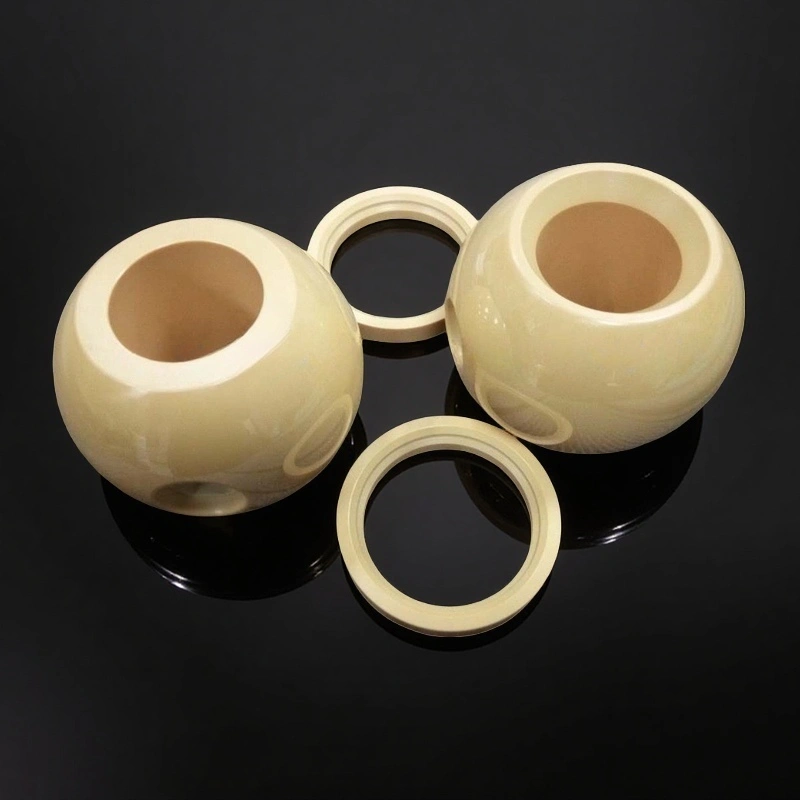
Durable flow-control assembly for corrosive fluid operations.
– Resists surface abrasion in cycling flow
– Maintains sealing geometry under heat
– Reviewed for long-cycle duty
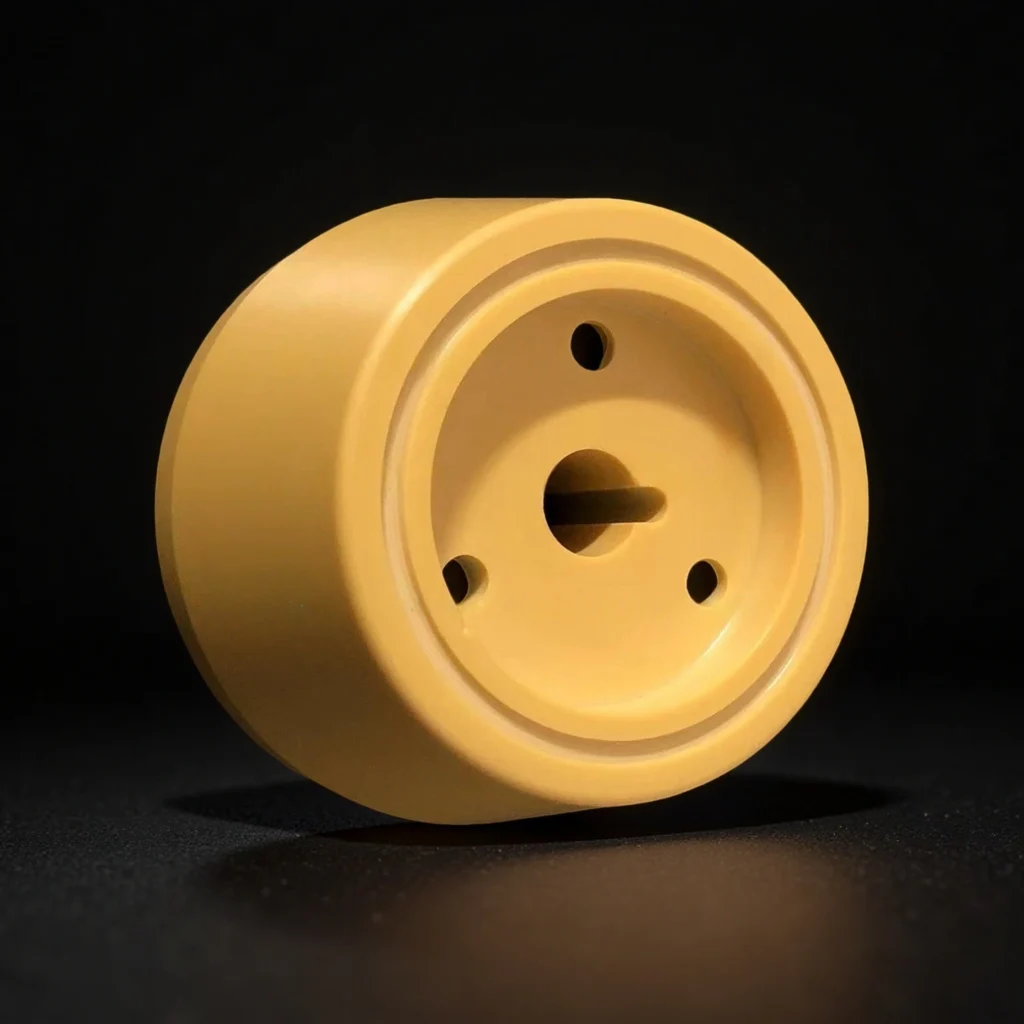
Chemical-resistant valve body for aggressive industrial media.
–Reviewed for acid/alkali service
– Supports long-cycle pressure duty
– Helps limit dimensional drift under heat
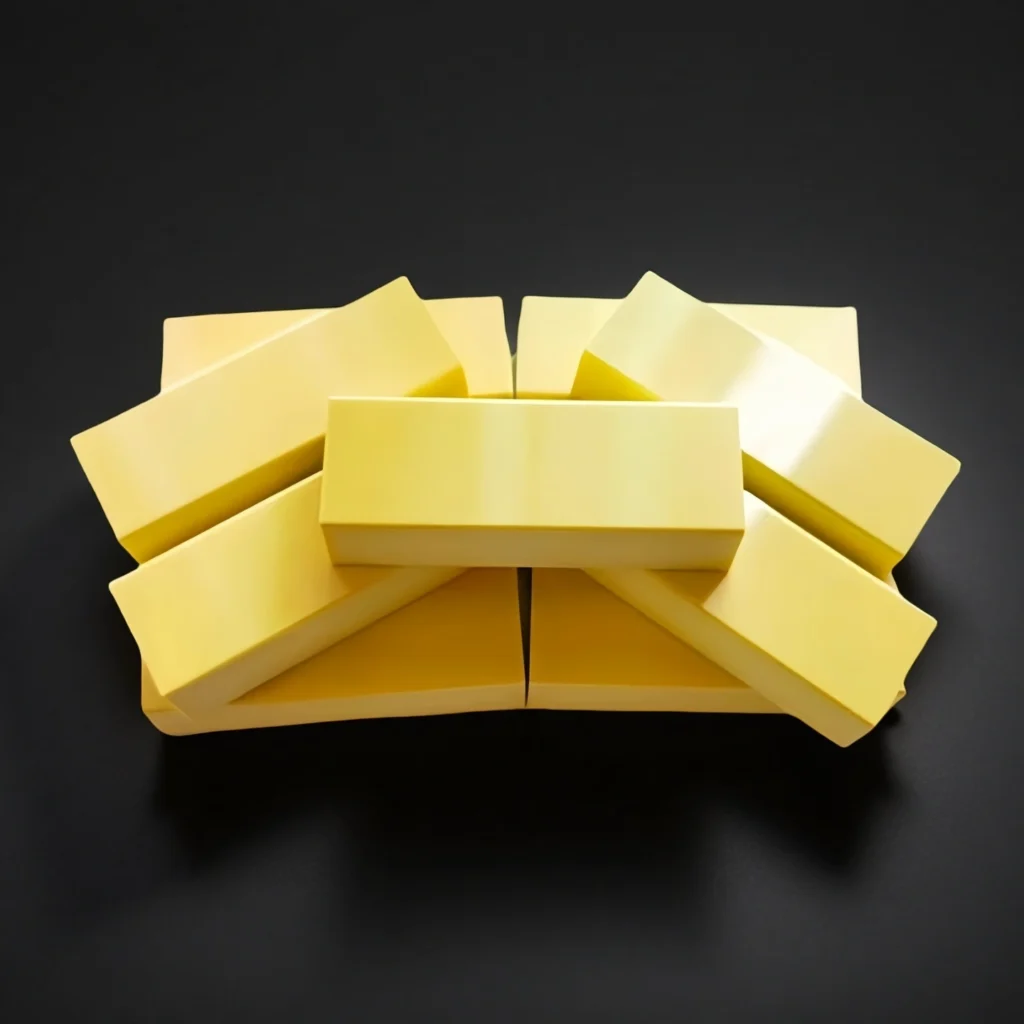
Precision reference block offering stable dimensional accuracy.
– Good thermal dimensional stability
– Holds calibration over long cycles
– Resists wear from repeated handling
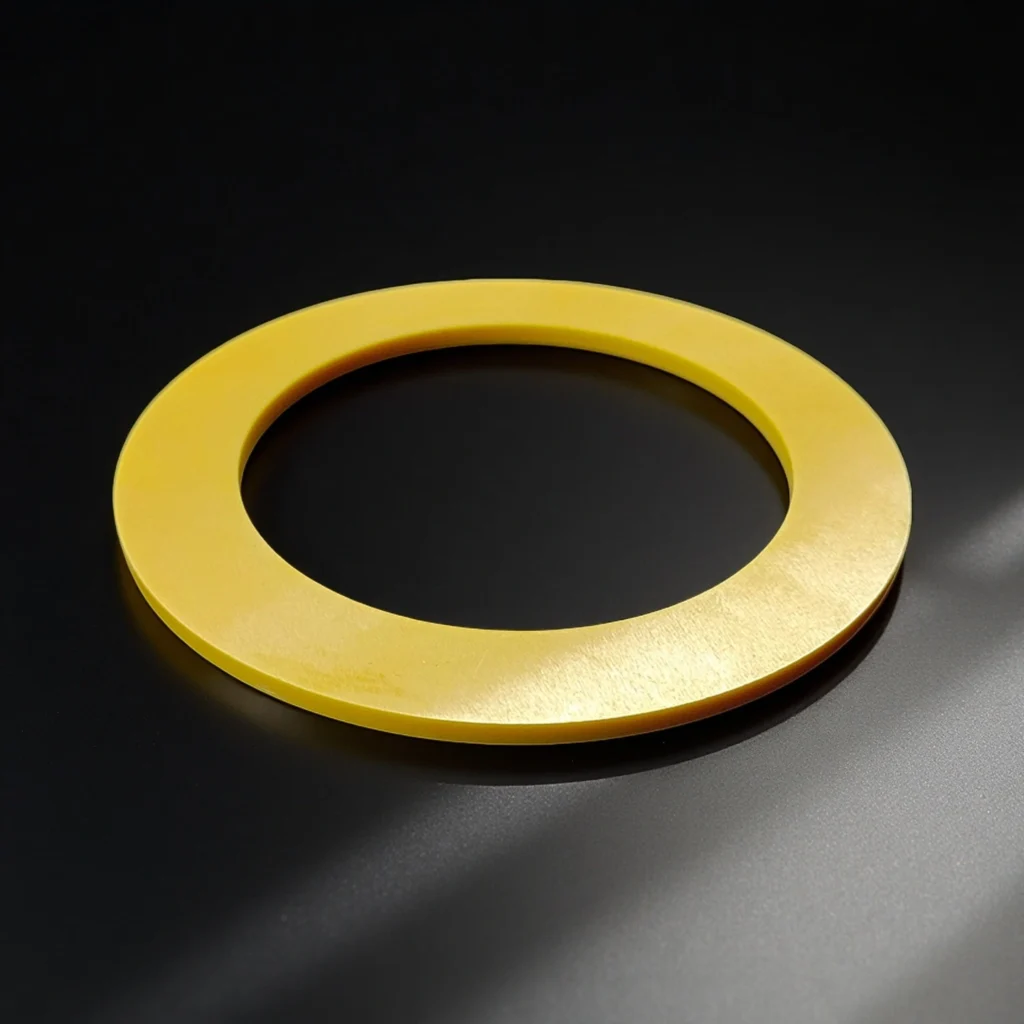
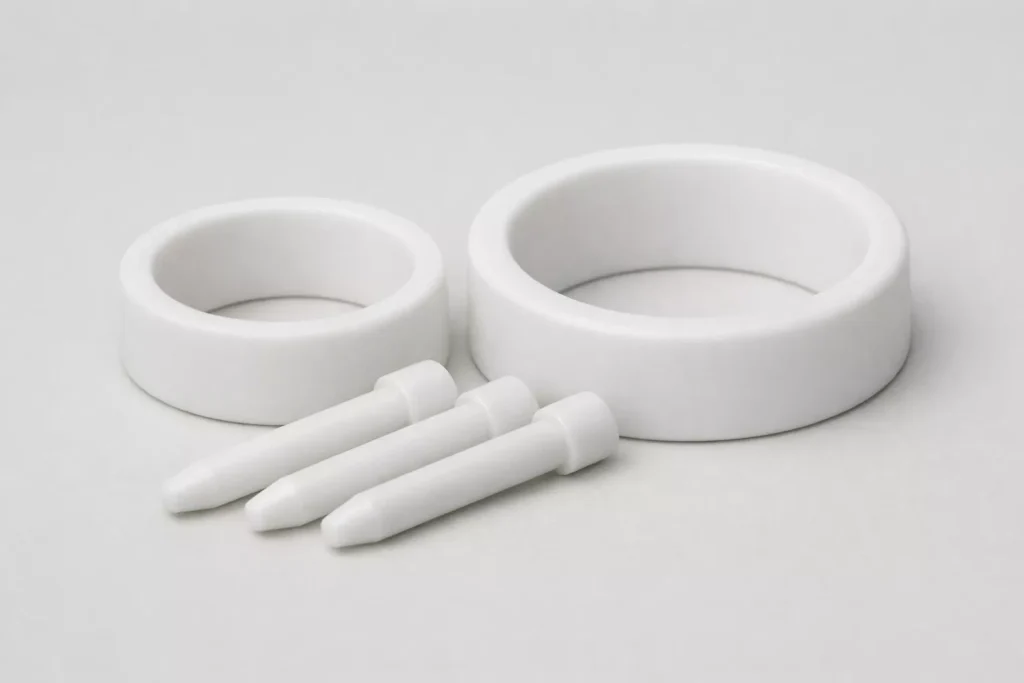
Structural ring geometry for load-bearing mechanical interfaces.
– Holds form under cyclic pressure
– Consistent thermal expansion behavior
– Good abrasion resistance
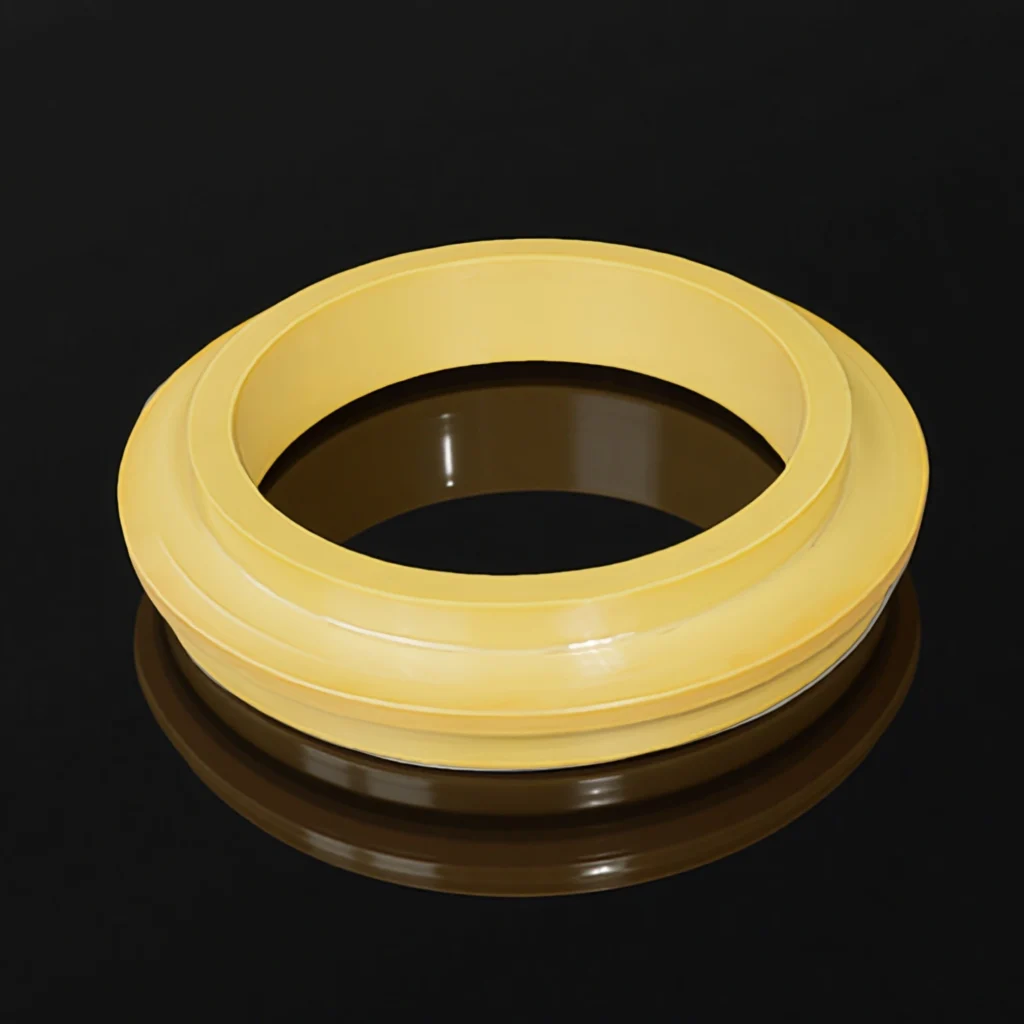
High-integrity sealing ring for corrosive and heated systems.
– Maintains sealing force under load
– Resists acid and alkali attack
– Controls wear in dynamic contact
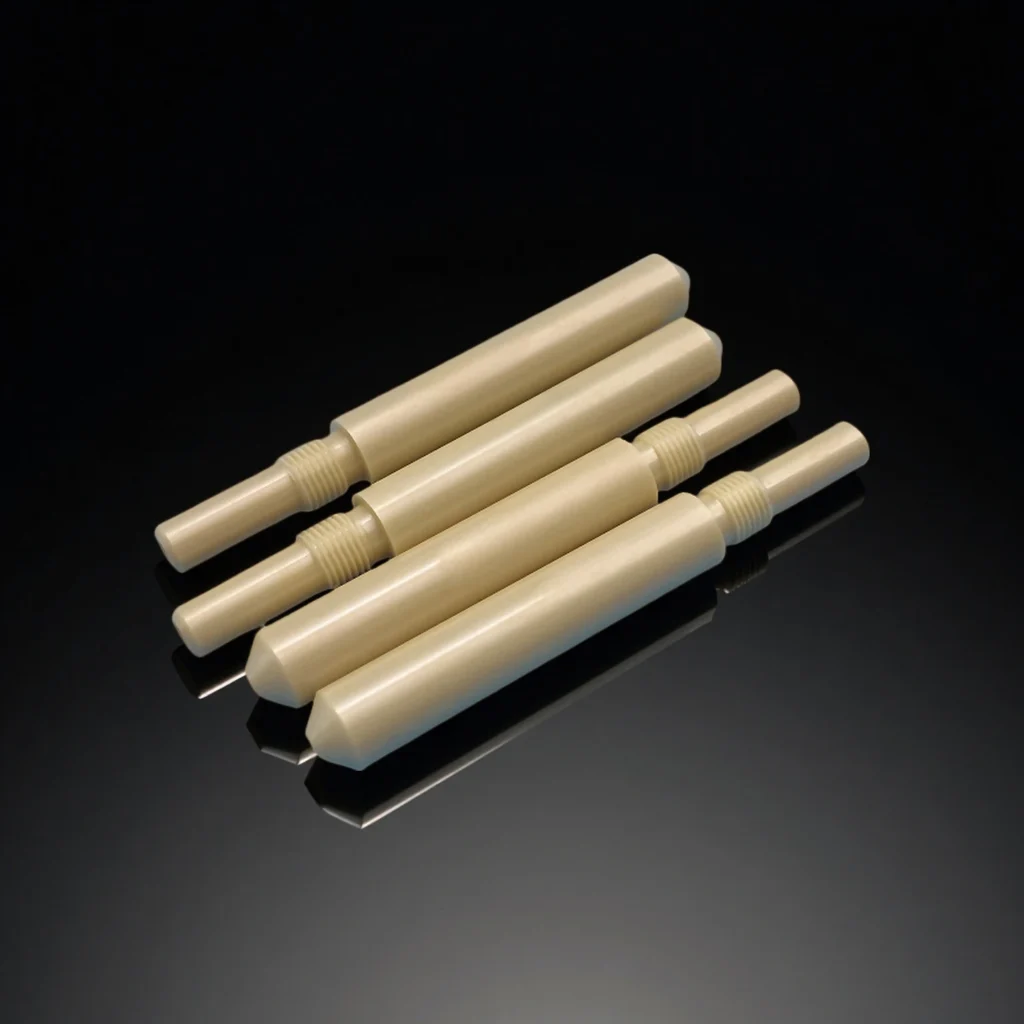
Precision pin designed for repetitive positioning stability.
– Supports impact-tolerant alignment cycles
– Good anti-wear performance
– Holds geometry during heat exposure
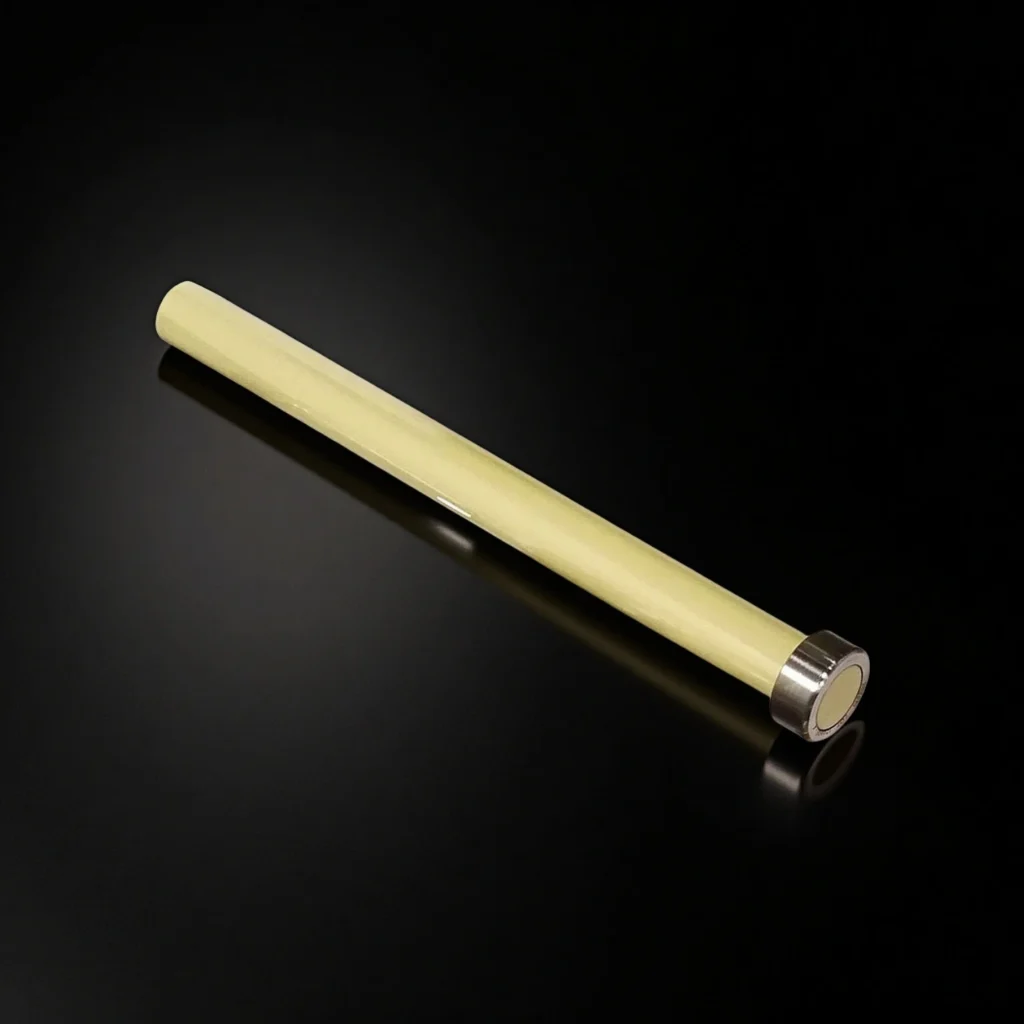
High-strength piston optimized for high-frequency actuation.
– Low-friction contact behavior
– Consistent compression force
– Reviewed for high-temperature fluid systems
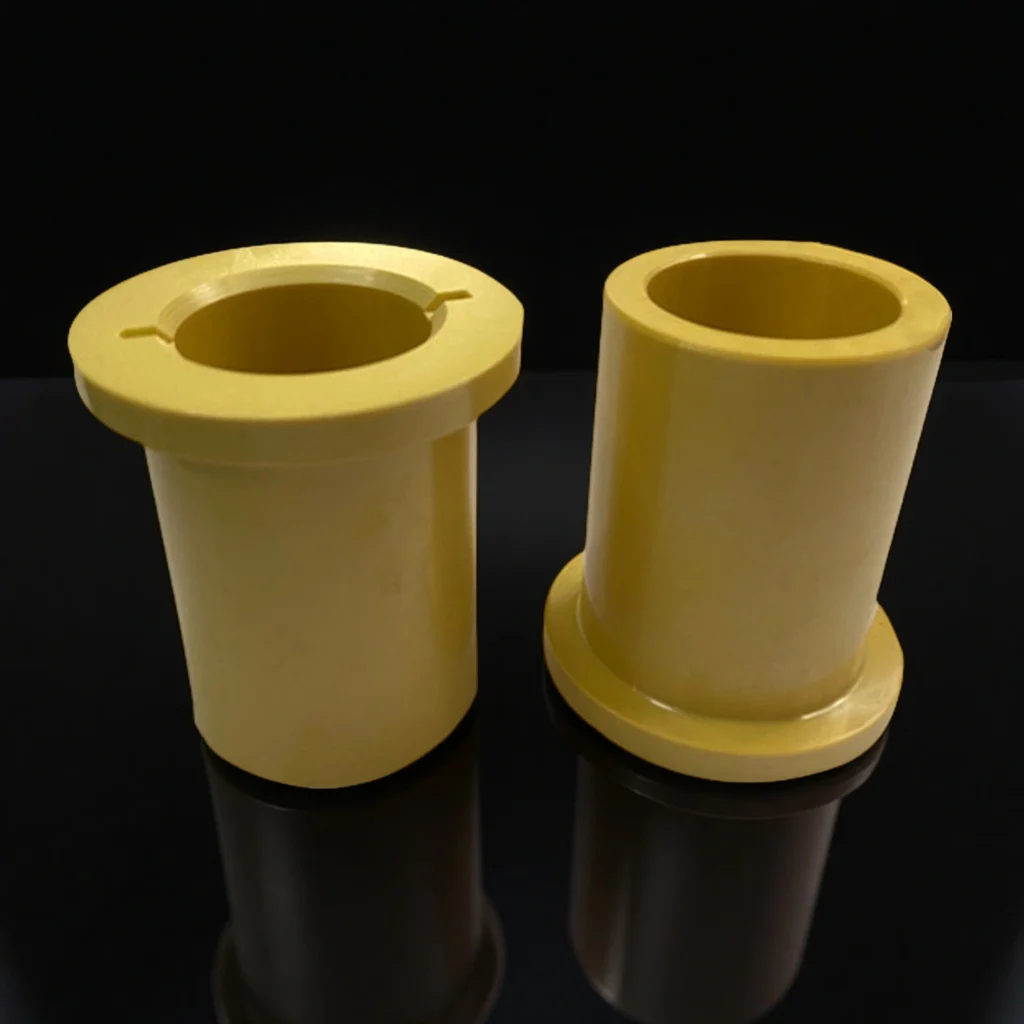
Protective insulating sleeve for thermo-mechanical isolation.
– High compressive-strength reliability
– Reduced surface wear
– Dimensional stability under heat
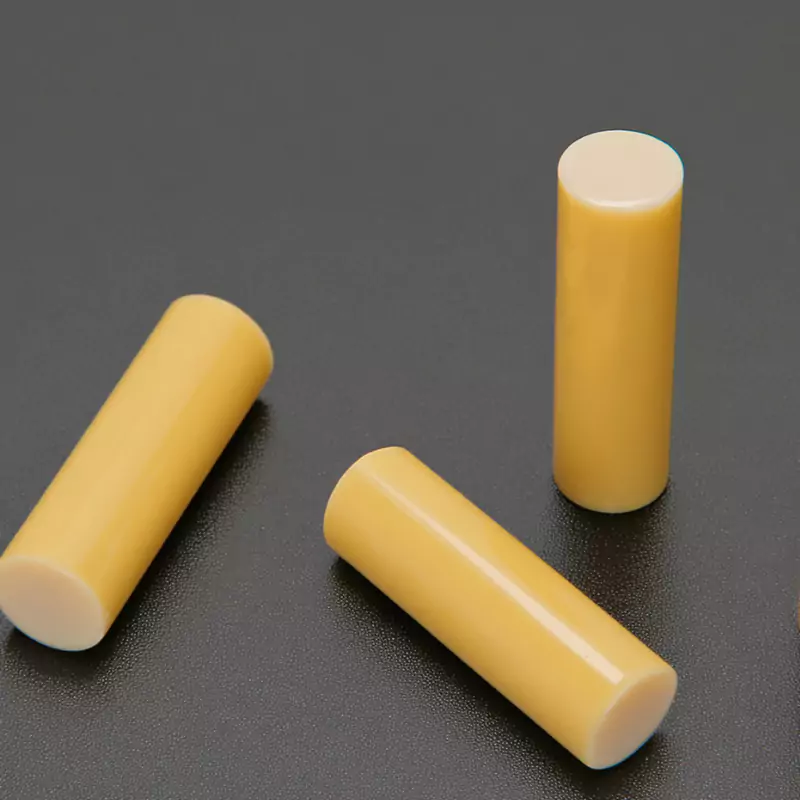
Dense structural rod optimized for repeated mechanical loading.
– High compressive strength reliability
– Reduced surface wear progression
– Dimensional stability under heat
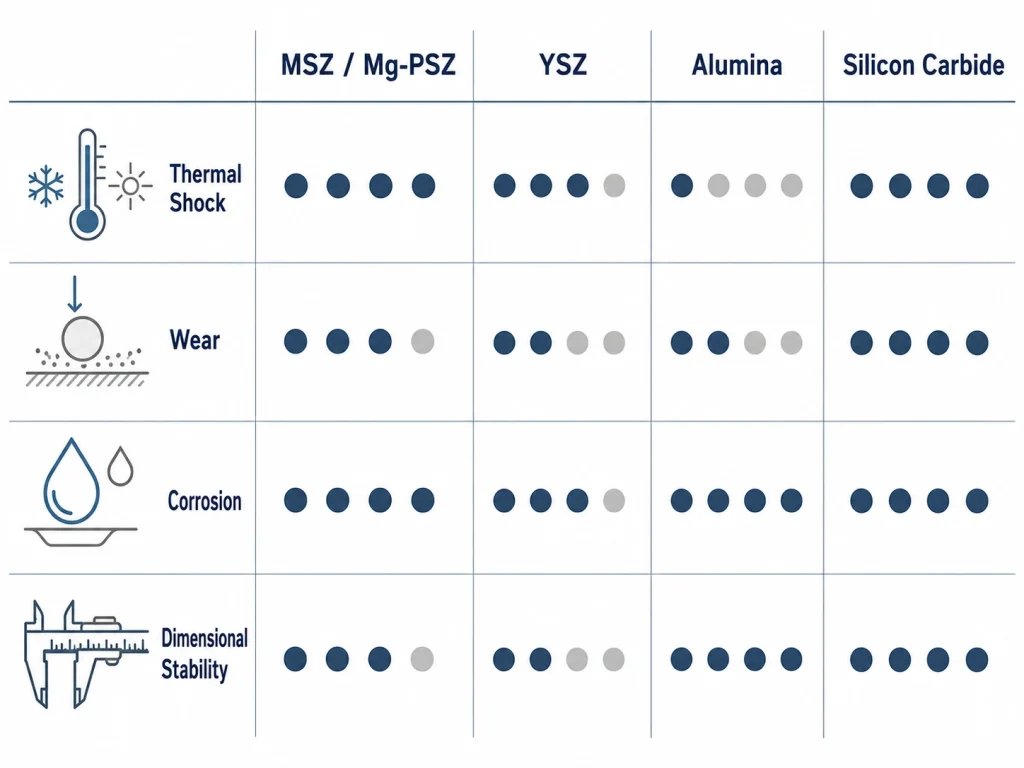
Typical material selection guidance for sintered ceramics; not an ADCERAX guaranteed spec. Final choice confirmed by Engineering Review.
| Condition | MSZ / Mg-PSZ | YSZ / Y-TZP | Alumina / SiC |
|---|---|---|---|
| Thermal shock & cycling | Strong fit — good thermal-shock behavior | Possible; lower thermal-shock margin | SiC when thermal conductivity dominates |
| Wear & contact | Good fit for valve, piston and ring parts | Strong where high strength / fine grain is needed | Alumina when cost or hardness dominates |
| Corrosion / medium | Inert to many media (confirm per medium) | Inert to many media (confirm per medium) | Confirm per medium |
| Dimensional stability under load / heat | Good fit | Good fit | Case by case |
| Max strength / toughness | Good toughness, not the highest strength | Often higher strength / toughness | Lower toughness (alumina) |
MSZ vs YSZ, Alumina and SiC: How to Choose
MSZ is not a universal replacement for every zirconia. The right material depends on the failure mode and working condition. Each option below suits different conditions; the final choice needs your medium, temperature, load and drawing.
| Category | Property | Typical Mg-PSZ value | Why it matters |
|---|---|---|---|
| Thermal | Thermal-shock resistance | Strong (Mg-PSZ) | Resists cracking under repeated heating and cooling — MSZ’s main strength |
| Max service temperature | By grade and atmosphere | High-temperature capable; confirmed per grade and gas environment | |
| Thermal expansion (CTE) | 10.5 × 10⁻⁶/K (40–80°C) | Affects fit and sealing with mating parts | |
| Thermal conductivity | 2.5 W/(m·K) (20°C) | Low — tends to insulate rather than conduct heat | |
| Mechanical | Flexural strength | 500–755 MPa (20°C) | Load-bearing capacity |
| Compressive strength | 2100 MPa (20°C) | High compressive capacity for pressure and structural parts | |
| Fracture toughness (KIC) | 6–12 MPa·m½ (20°C) | Resists crack growth — key for thermal-cycling parts | |
| Hardness (Vickers) | 11.5 GPa | Wear and contact resistance | |
| Wear resistance | Good | Suits valve, piston, ring and sleeve contact parts | |
| Chemical | Acid / alkali corrosion | Low loss in many media | Confirm per medium, concentration and temperature |
| Molten-metal contact | Compatible with many metals | Confirm per metal and condition | |
| Physical / Electrical | Density | 5.7–5.8 g/cm³ | Indicates a dense, consistent body |
| Volume resistivity | >10¹⁴ Ω·cm at 20°C | Electrically insulating; exact value by grade |
Magnesia Stabilized Zirconia (MSZ) Properties
Magnesia Stabilized Zirconia (Mg-PSZ) brings together thermal-shock resistance, toughness, wear resistance and chemical stability in one material. The figures here are typical for sintered Mg-PSZ and vary by grade — for the values that matter to your part, ask for an Engineering Review.
Parts Keep Cracking or Seals Keep Leaking? Get a Custom Solution from Our Engineers.
Send your drawing or photos of the failed part. We’ll review the failure and operating conditions, recommend a suitable material and replacement design, and provide a custom quote.
Chemical Pump & Valve Parts for Corrosion and Wear
- MSZ ceramic valves and seats for corrosive-media duty
- MSZ ceramic ball valves for chloride-rich, abrasive streams
- MSZ ceramic sleeves and rings for long-cycle pump operation
Metering & Dosing Components for Pumps and Valves
Dosing and metering parts wear under constant reciprocating motion. Low-wear MSZ surfaces support consistent metering; suitability is confirmed per duty, stroke and medium.
- MSZ ceramic pistons and plungers for chemical dosing
- MSZ ceramic pins for stable alignment in metering heads
- MSZ ceramic sleeves to cut friction under metering loads
High-Temperature & Molten-Metal Components
- MSZ ceramic crucibles for alloy and metal melting (confirm per metal)
- MSZ ceramic plates for heat-treatment support fixtures
- MSZ ceramic rods for thermal-mechanical loading
Wear & Structural Parts and Old-Part Replacement
- MSZ ceramic tubes and sleeves for abrasive or reactive flow paths
- MSZ ceramic seal rings for sealing interfaces under cyclic load
- MSZ ceramic parts re-made from your old-part photo or drawing
Magnesia Stabilized Zirconia Ceramic Applications
MSZ earns its place where corrosion, wear, thermal shock or dimensional drift cuts the life of metal, alumina or YSZ parts — most often in chemical pumps and valves, metering and dosing systems, high-temperature and molten-metal equipment, and wear-prone structural parts. Tell us your part and working condition, and we'll confirm whether MSZ fits.
Customized Magnesia-Stabilized Zirconia MSZ Ceramics
ADCERAX makes MSZ components to your drawing or sample. Geometry, tolerance and fit are reviewed against your working condition before production.
Customization Options
Tubes, rings, sleeves, plates, rods and valve parts in non-standard OD, ID, thickness and length, made to your drawing.
Ground and lapped surfaces for tolerance, flatness, roundness and sealing faces, confirmed per part.
Flanges, steps, bores, grooves, holes and stepped profiles per drawing.
MSZ / Mg-PSZ grade matched to your condition — or compared with YSZ, alumina and SiC.
Failed metal, alumina or ceramic parts re-made from your drawing or old-part photo.
Customization Process
For the fastest quote, send a drawing or old-part photo with your component, current material, dimensions, tolerance, quantity and working condition.
drawing/CAD/sample + material grade, dimensions, tolerance, quantity, working conditions.
engineering review, then quotation with lead time and price.
1–50 pcs for testing and validation.
CNC machining, sintering, polishing; dimensional, purity, and surface inspection.
secure packing, DHL/FedEx/UPS or your forwarder, with documentation.
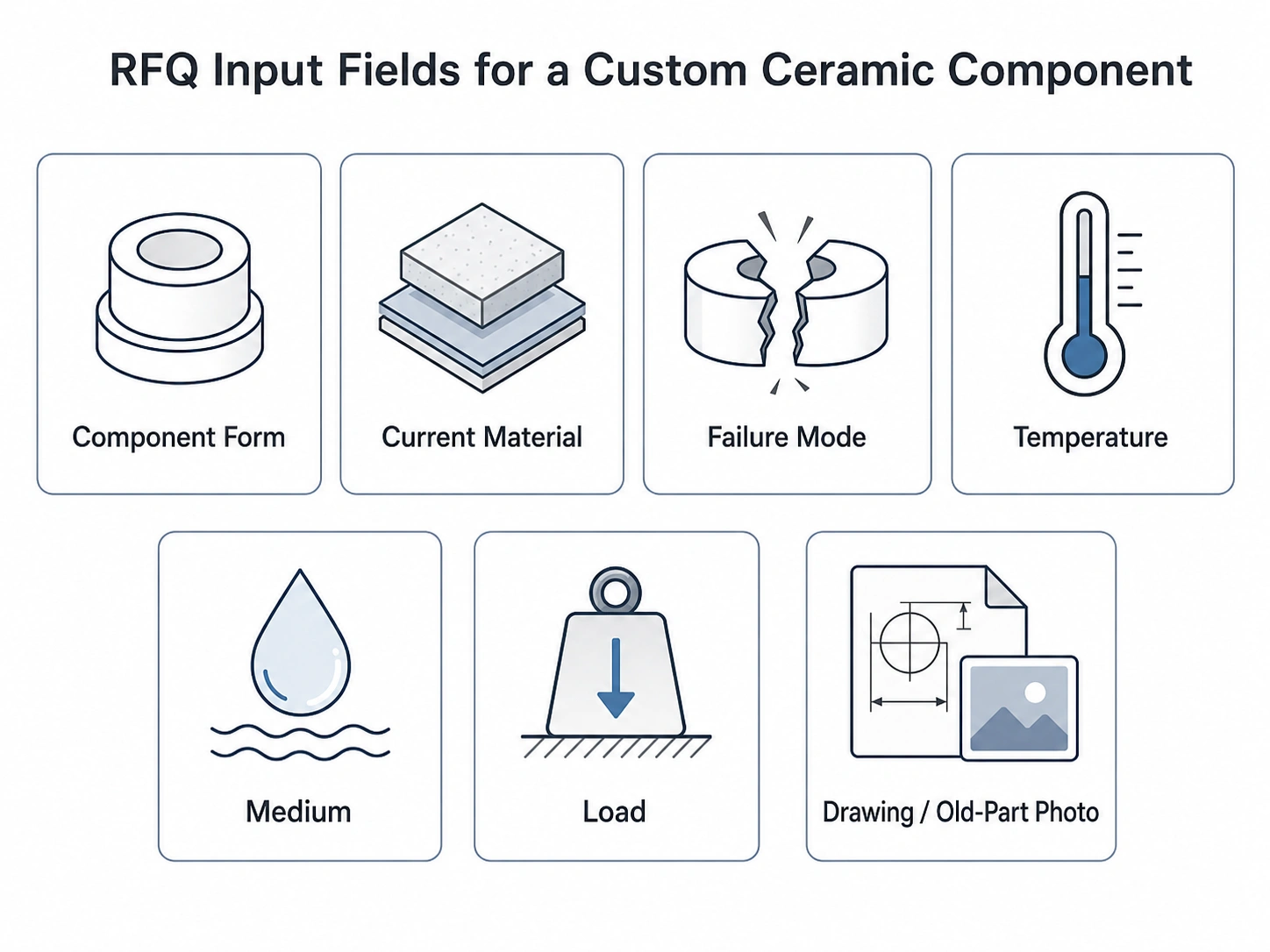
What to send for an MSZ Engineering Review:
- Target component (tube / ring / sleeve / valve ball / seat / piston / plate / pin / crucible / custom)
- Why MSZ is being considered (thermal shock / corrosion / wear / dimensional / molten metal / high load / old-part failure)
- Current material and failure mode
- Temperature range and thermal-cycling rate
- Atmosphere / contact medium (and concentration)
- Mechanical load / pressure / speed
- Mating material / seal / contact condition
- Drawing or old-part photo
- Required tolerance / surface / geometry
- Quantity and whether trial or production
Why Choose ADCERAX for Your MSZ Zirconia Ceramic Needs?
Choosing the right advanced ceramic supplier is crucial for the success of your industrial projects. ADCERAX stands out as a reliable and competitive partner.
In-house powder-to-polishing, strict QC, drawing-based machining — no middlemen.
help with material selection, drawing review, and form feasibility for working condition.
from small/prototype runs to volume, with complex geometries and tight tolerances.
24-hour response; standard items dispatched quickly, lead time confirmed per order.
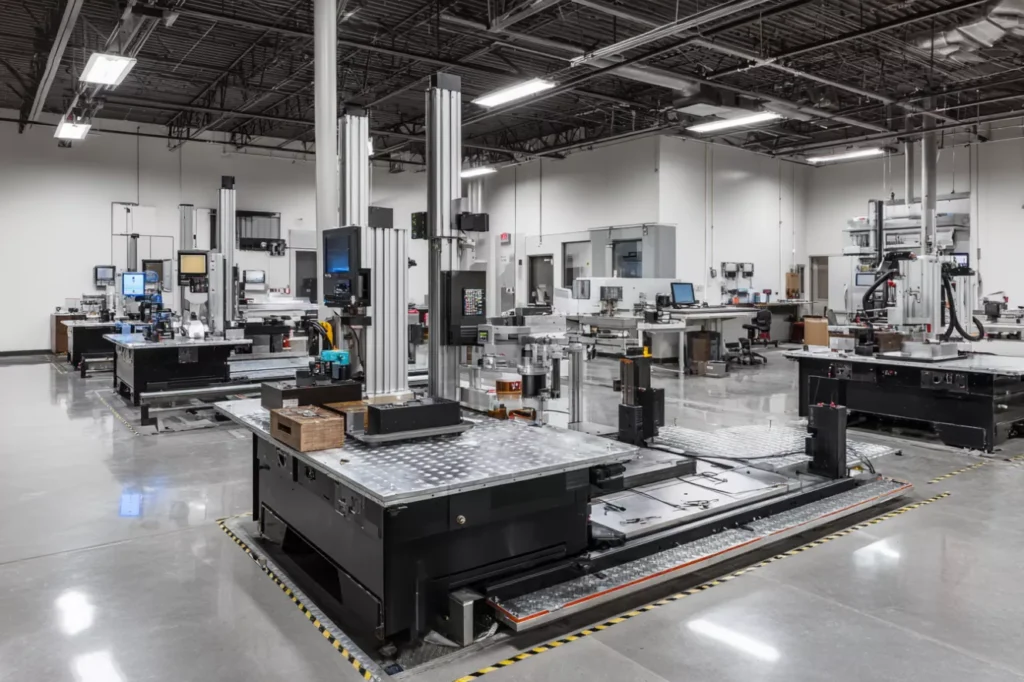
One-Stop MSZ Ceramic Manufacturing Services
ADCERAX delivers a unified manufacturing workflow for Magnesia Stabilized Zirconia (MSZ) Ceramic components, ensuring precision control from material preparation to final inspection.
High-consistency powder formulation and controlled granulation.
Pre-sinter shaping ensuring uniform geometry retention.
Precision thermal cycles for repeatable mechanical strength.
Multi-axis grinding achieving stable precision dimensions.
Mirror-level surfaces enabling reliable sealing performance.
Documentation framework supporting industrial audit needs.
Capabilities for MSZ Ceramic Manufacturing
ADCERAX combines engineering consultation, drawing optimization, and rapid-response technical communication with a full suite of advanced machining assets dedicated to MSZ Zirconia Ceramic fabrication. This hybrid capability ensures both engineering depth and production reliability for demanding industrial sectors.
| Capability Category | Equipment / Specification | Engineering Value Provided |
|---|---|---|
| Precision CNC Grinding | grinding to ±0.01 mm on suitable features | Stable tolerances for rods, sleeves, rings |
| Ultra-Fine Polishing | Automated polishing lines (Ra <0.05 µm) | High-seal surfaces for pistons and valves |
| Isostatic Pressing | Cold isostatic press up to 200 MPa | Uniform density for MSZ tubes and plates |
| High-Temp Sintering | 1600–1750°C programmable furnaces | Controlled microstructure and mechanical strength |
| Metrology & Inspection | CMM, roundness testers, profilometers | Batch consistency and dimensional certification |
Magnesia Stabilized Zirconia (MSZ) Ceramic FAQ
Consider MSZ when thermal shock and dimensional stability drive the failure. YSZ may be better where maximum strength or toughness is needed, and alumina or SiC where cost, hardness or thermal conductivity dominate. The right route depends on your medium, temperature and load.
It is a common route for valve balls, seats, sleeves, rings, pistons, crucibles and furnace fixtures in corrosive, wear or thermal-cycling conditions. Suitability depends on medium, load and temperature, so we review each part rather than promise a fixed service life.
MSZ is inert to many acids, alkalis and molten or industrial media, but resistance depends on the medium, concentration and temperature. Send your medium and we will review compatibility — we do not claim inertness to every medium.
With multi-stage diamond polishing, sealing and contact faces can reach Ra <0.05 µm; the final finish is confirmed per part.
Send the component form, current material, failure mode, temperature, medium, load, and a drawing or old-part photo. Any form — tube, ring, sleeve, valve part, piston, plate or crucible — can be reviewed for feasibility.
Get in touch with us
We believe that Adcerax will become your best partner!
Please fill in your contact information in the form or call us.
info@adcerax.com
Tel.:+86-0731-84428843
WhatsApp:+86 19311583352
Within 24 hours
*Our team will answer your inquiries within 24 hours.
*Your information will be kept strictly confidential.