
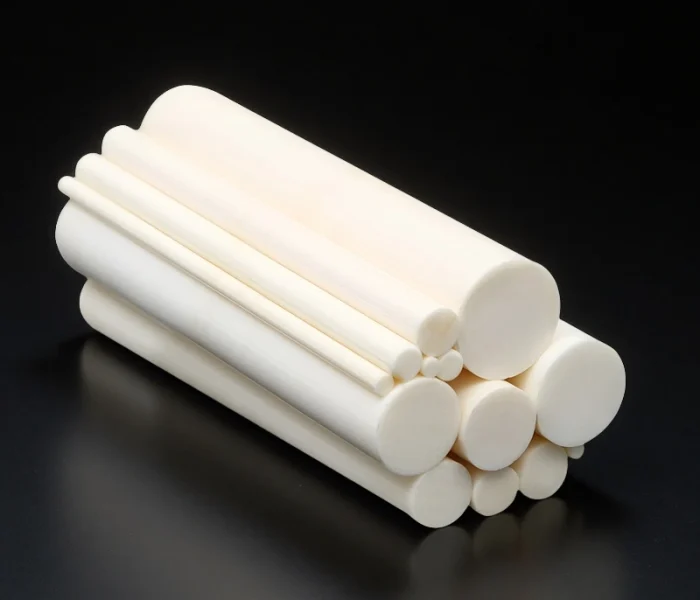
Ceramic Rods & Bars: Alumina, Zirconia, SiC & Si₃N₄ for Furnace Support, Insulation, Guides & Wear
ADCERAX manufactures industrial ceramic rods & bars for furnace fixtures, electrical insulation, guides, wear parts and chemical-processing equipment, in high-purity alumina, zirconia, silicon carbide, silicon nitride and machinable glass-ceramic.
We keep selected rod stock and round-bar blanks in common diameters for quick cut-to-length supply, and produce custom ceramic rods with ground or polished surfaces, controlled tolerances and special features to your drawings and operating conditions.
What is Ceramic Rod?
Ceramic rods are straight engineered components used as supports, guides, standoffs and wear parts in industrial equipment. Made from alumina, zirconia, silicon nitride, silicon carbide and machinable ceramics, they offer high-temperature stability, electrical insulation and resistance to corrosion and abrasion. With suitable material, diameter and finish, rods can be matched to furnace fixtures, heaters, automation systems, chemical lines and laboratory devices.
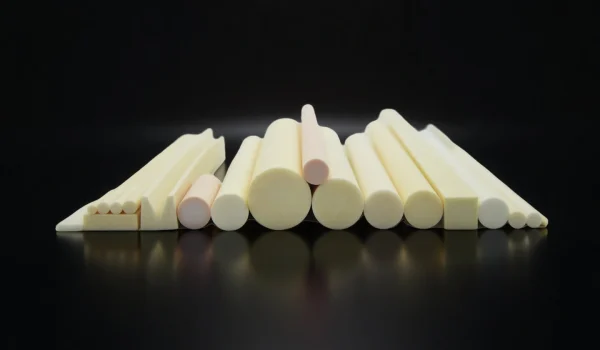
How to Choose Your Ceramic Rod — Quick Decision Guide
Use this quick guide to match your ceramic rod to real operating conditions. Start with your application to narrow material and shape, then confirm your maximum temperature to finalize the grade for stable performance and long service life.
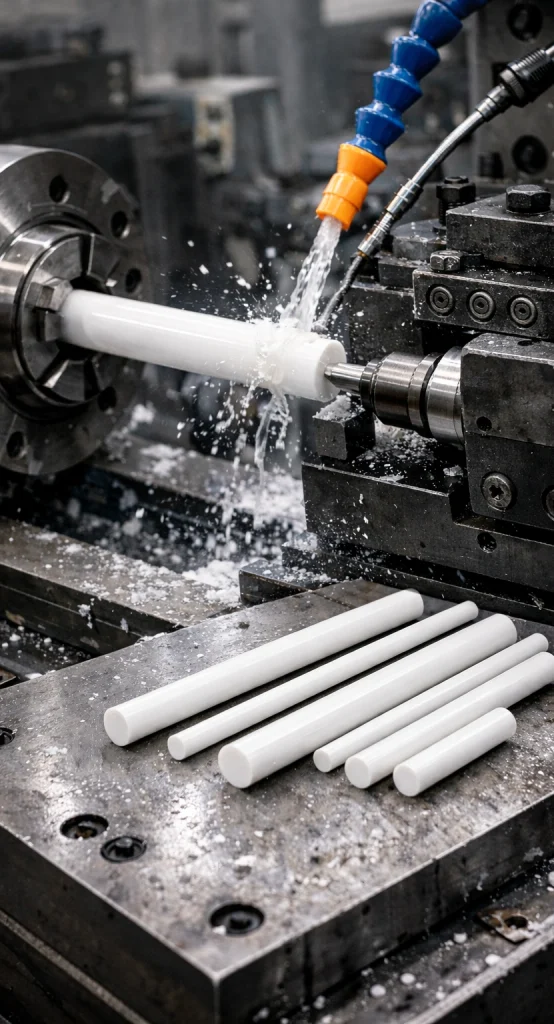
📌Step 1: What Is Your Application?
| Application | Recommended Material | Recommended Shape |
|---|---|---|
| Furnace supports / kiln furniture | Alumina (99%+) | Round / Square |
| Electrical insulation standoffs | Alumina (99%+) | Round |
| High load guides / alignment pins | Zirconia | Round |
| Abrasive / corrosive environments | Silicon Carbide | Round |
| Rapid thermal cycling | Silicon Nitride | Round |
| High-temp fastening | Alumina (99%+) | Threaded |
| Gas diffusion / wicking | Alumina (porous) | Porous |
| Molten metal contact | Boron Nitride | Round |
Step 2: What Is Your Maximum Temperature?
| Temperature Range | Recommended Material | Notes |
|---|---|---|
| ≤1000°C | Machinable Ceramic, Alumina (96%) | Cost-effective for moderate temperatures |
| ≤1400°C | Alumina (96–99%), SiC (RBSiC) | Most common industrial range |
| ≤1600°C | Alumina (99%), SiC (SSiC) | High-purity grades required |
| ≤1800°C | Alumina (99.99%) | Ultra-high-purity alumina; confirm load and atmosphere by engineering review |
| ≤2300°C (vacuum/inert) | Boron Nitride | Non-oxidizing atmosphere only |
🧩Ceramic Rod vs Ceramic Tube — When to Use Which?
🌟 Ceramic Rod
- Structure: Solid cross-section
- Strength: Higher (solid body)
- Weight: Heavier (solid)
- Best for: Structural supports, guides, standoffs, alignment pins
- Typical uses: Furnace fixtures, insulating posts, wear pins, locating elements
🌟Ceramic Tube
- Structure: Hollow with defined wall thickness
- Strength: Lower (depends on wall thickness)
- Weight: Lighter (hollow)
- Best for: Wire protection, gas flow, thermocouple sheaths, sealed chambers
- Typical uses: Furnace tubes, thermocouple protection, insulating sleeves
Quick rule: Use rod for solid structural support, insulation, or wear resistance. Use tube to protect wires, pass gas, or create a sealed/isolated chamber.
Properties of Ceramic Rod
Ceramic rods are produced from high-purity alumina, with additional options in zirconia, silicon nitride, silicon carbide and boron nitride. These materials combine strength, thermal shock resistance, electrical insulation and chemical stability for demanding furnace, heater, guide and process-line duties.
Alumina Ceramic Rod
Higher alumina purities improve density, hardness, dielectric strength and maximum use temperature, while lower grades offer more cost-effective performance for general supports and fixtures.
| Property | Unit | 96% Al₂O₃ | 99% Al₂O₃ | 99.5% Al₂O₃ | 99.7% Al₂O₃ | 99.99% Al₂O₃ |
|---|---|---|---|---|---|---|
| Density | g/cm³ | 3.6–3.75 | 3.83 | 3.89 | 3.92 | 3.98 |
| Flexural strength | MPa | 260 | 300 | 340 | 346 | 365 |
| Max use temperature (no load) | °C | 1450 | 1680 | ≤1750 | 1760 | 1800 |
| Hardness | GPa | 14.5 | 17 | 17 | 24 | 30 |
| Thermal conductivity | W/m·K | 20 | 31 | 31 | 31–33 | 31–35 |
| Dielectric strength | kV/mm | 15 | 19 | 16.9 | 23.4 | 24 |
| Thermal shock resistance ΔT | °C | – | – | – | 223 | 228 |
Values confirmed by ADCERAX for standard alumina rod grades. Elastic modulus, compressive strength, CTE, volume resistivity and full datasheet available on request. Certified values for a specific part are confirmed after engineering review.
Zirconia Ceramic Rod
Zirconia rod offers high fracture toughness and strong wear resistance, ideal for stressed guides and positioning parts that must hold tight tolerances under load.
| Property | Specification |
| Maximum Working Temperature | 1500 °C continuous use |
| Density | 5.65 g/cm³ |
| Thermal Expansion Coefficient | 10.3 × 10⁻⁶/K (25–1000 °C) |
| Thermal Conductivity | 2.2 W/m·K at 1000 °C |
| Chemical Stability | 0.08% mass loss after 24 h acid/alkali exposure at 1200 °C |
| Flexural Strength | 900 MPa at room temperature |
| Fracture Toughness | 8 MPa·m½ |
| Hardness (Vickers) | 12 GPa |
| Elastic Modulus | 210 GPa |
Silicon Carbide Rod
Silicon carbide rod provides high hardness, wear and corrosion resistance, maintaining shape and surface integrity in hot, abrasive or chemically aggressive process conditions.
| Property | Specification |
|---|---|
| Material System | RBSiC (80% SiC, 20% free Si) / SSiC (≥99% SiC) |
| Maximum Operating Temperature | ≤1380°C (RBSiC) / ≤1600°C (SSiC) |
| Bulk Density | 3.02 g/cm³ (RBSiC) / 3.10 g/cm³ (SSiC) |
| Open Porosity | <0.1% |
| Flexural Strength (20°C) | 250 MPa (RBSiC) / 380 MPa (SSiC) |
| Flexural Strength (1200°C) | 280 MPa (RBSiC) / 400 MPa (SSiC) |
| Compressive Strength | 1000–2200 MPa |
| Elastic Modulus | 330 GPa (RBSiC) / 420 GPa (SSiC) |
| Thermal Conductivity | 45 W/m·K (RBSiC) / 74 W/m·K (SSiC) |
| Thermal Expansion Coefficient | 4.1–4.5 ×10⁻⁶/K |
| Hardness | 2600–2800 kg/mm² |
| Chemical Stability Range | pH 2–12 |
| Oxidation Stability | <1% microstructural oxidation after 50 cycles (1000°C → RT) |
Silicon Nitride Rod
Silicon nitride rod combines high flexural strength with outstanding thermal shock resistance, staying reliable under rapid heating and cooling in demanding mechanical or thermal cycling applications.
| SiN4 Type | Gas pressure sintering Si3N4 | Hot pressing sintering Si3N4 | High thermal conductivity Si3N4 |
|---|---|---|---|
| Density (g/cm³) | 3.2 | 3.4 | 3.5 |
| Texture strength (MPa) | 300 | 300-320 | 300-320 |
| Young Modulus | 300 | 300 | 300 |
| Poisson’s ratio | 0.25 | 0.25 | 0.25 |
| Hardness (GPa) | 15 | 15 | 15 |
| Maximum working temperature (°C) | 1100 | 1200 | 1200 |
| Thermal expansion coefficient (Mm/m·K) | 3 | 3 | 3 |
| Thermal conductivity (W/m·K) | 15 | 15 | 15 |
| Thermal shock resistance (ΔT °C) | 550 | 580 | 600 |
Ceramic Rod Material Comparison — Quick Reference
| Material | Max Temp | Key Strength | Best For |
|---|---|---|---|
| Alumina (Al₂O₃) | 1450–1800°C | Best cost/performance, high insulation | General furnace supports, insulation standoffs |
| Zirconia (ZrO₂) | 900-1200°C | Highest toughness, wear resistance | High-load guides, alignment pins, stressed positions |
| Silicon Carbide (SiC) | 1380–1600°C | Extreme hardness, corrosion resistance | Abrasive environments, chemical processes |
| Silicon Nitride (Si₃N₄) | 1100–1200°C | Best thermal shock resistance | Rapid heating/cooling, mechanical stress |
| Boron Nitride (BN) | 2300°C (vacuum) | Non-wetting, easy machining | Molten metal contact, vacuum processes |
| Aluminum Nitride (AlN) | 1100°C | High thermal conductivity + insulation | Heat-spreading supports in electronics |
Most common choice: High-purity alumina (99%+) covers 70%+ of ceramic rod applications due to its balanced cost, temperature capability, and insulation performance.
Ceramic Rod & Bar Products
Wear-resistant ceramic rods are selected by material, profile and duty. Here you can compare alumina, zirconia, silicon nitride, silicon carbide and other industrial ceramic rods—round, square, threaded or porous—for furnace fixtures, insulating supports, guides and process equipment.
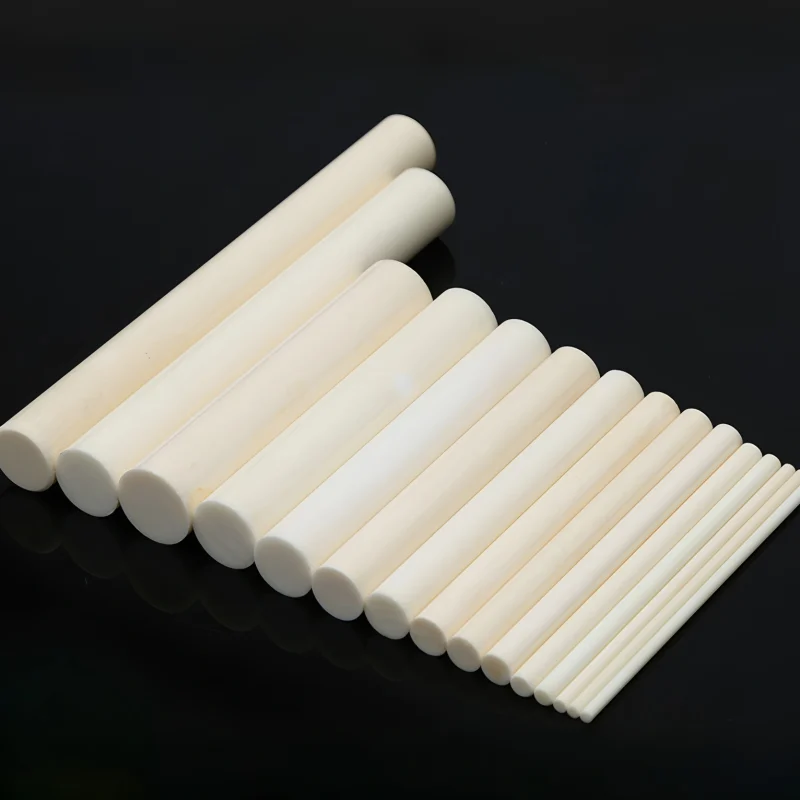
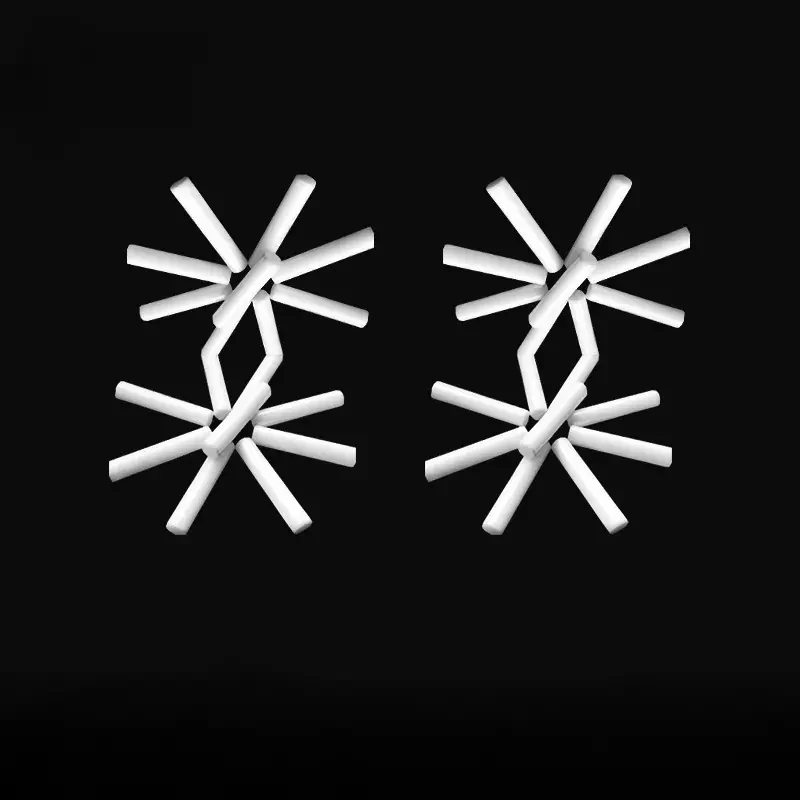
alumina ceramic rod
Alumina rod for high-temperature insulation and support, with stable dimensions, strong dielectric strength and clean surfaces.
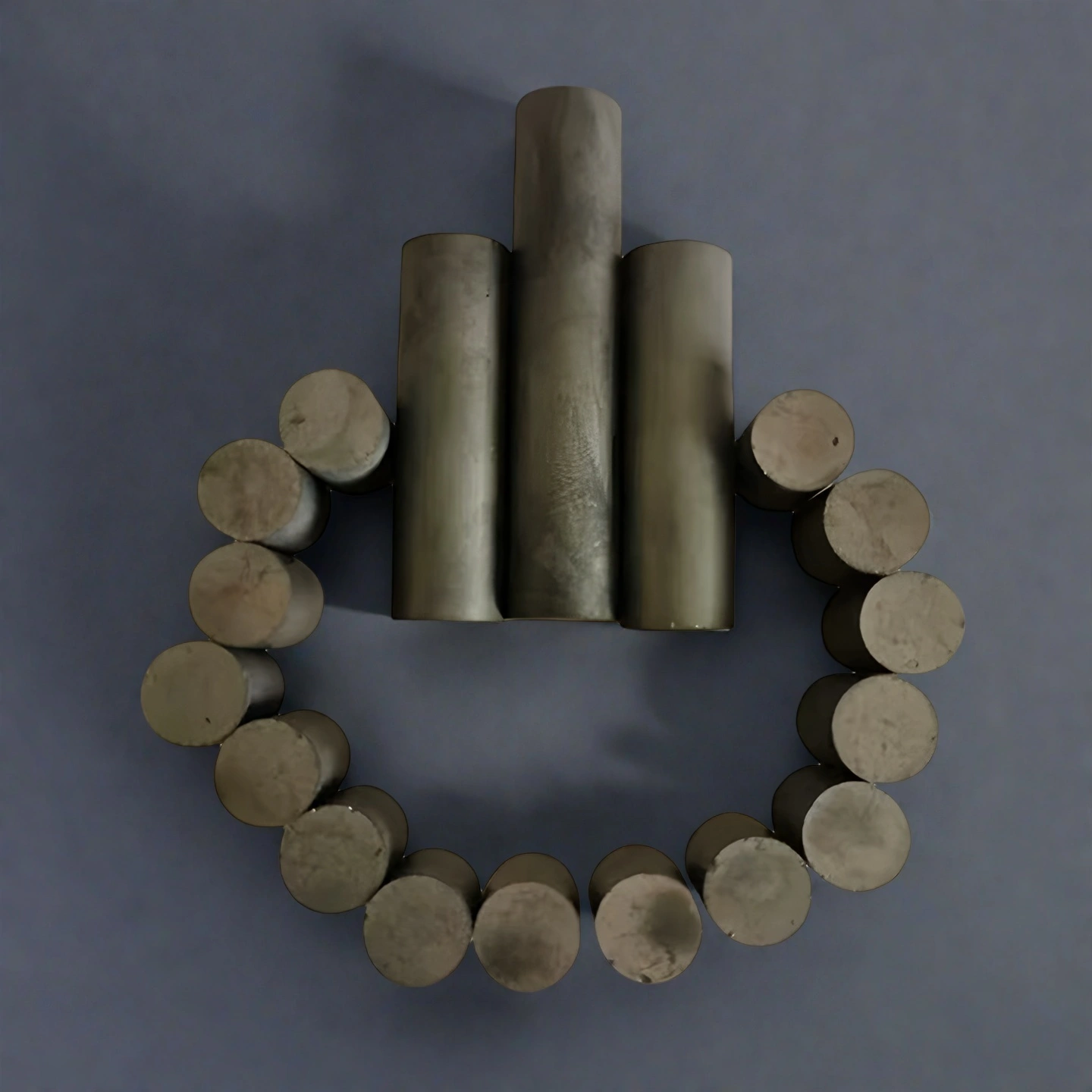
zirconia ceramic rod
Tough ZrO₂ rod for stressed positions, combining high fracture strength, tight tolerances and reliable thermal stability in service.
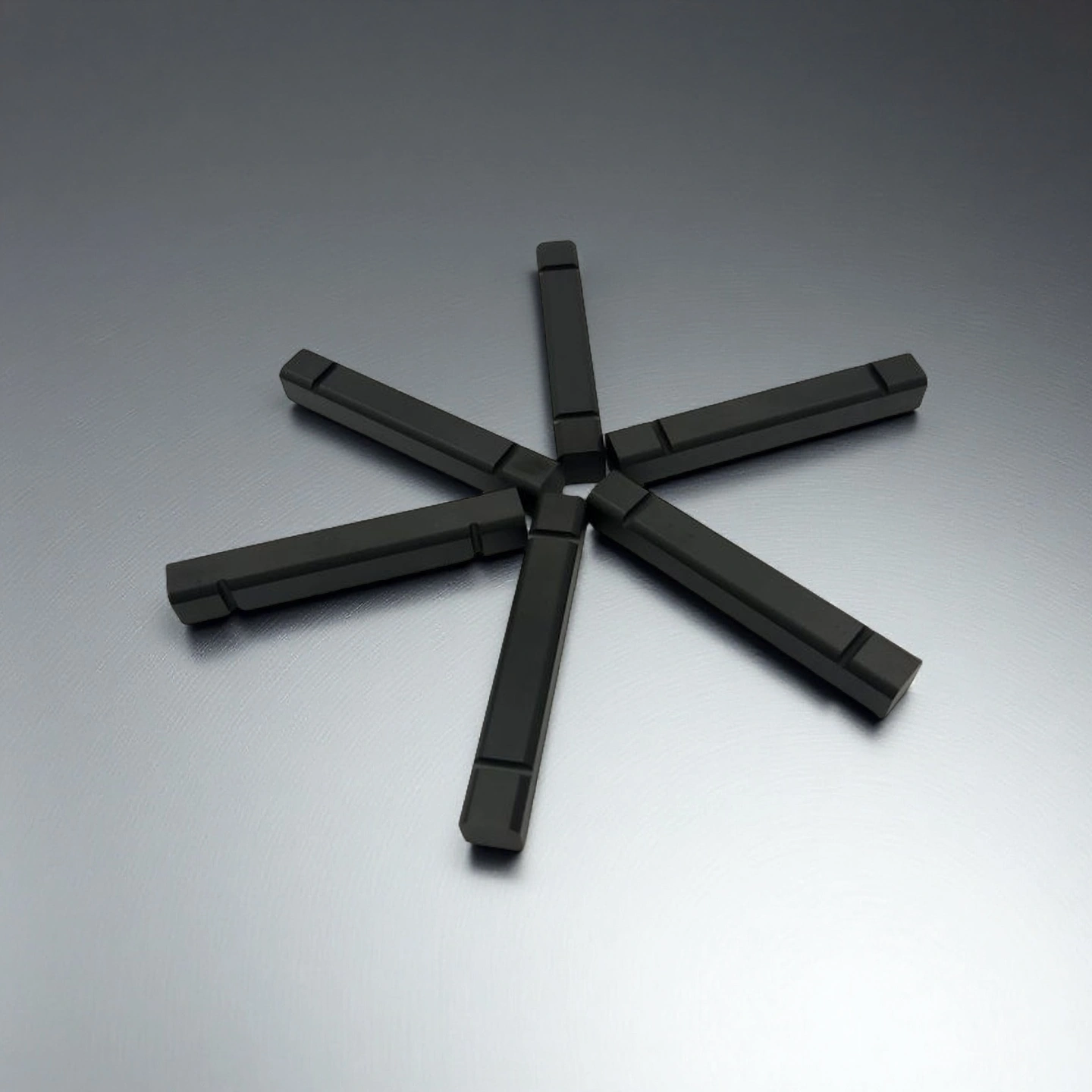
silicon carbide ceramic rod
Silicon carbide rod with high hardness and wear resistance, limiting chipping, abrasion and profile loss in service.
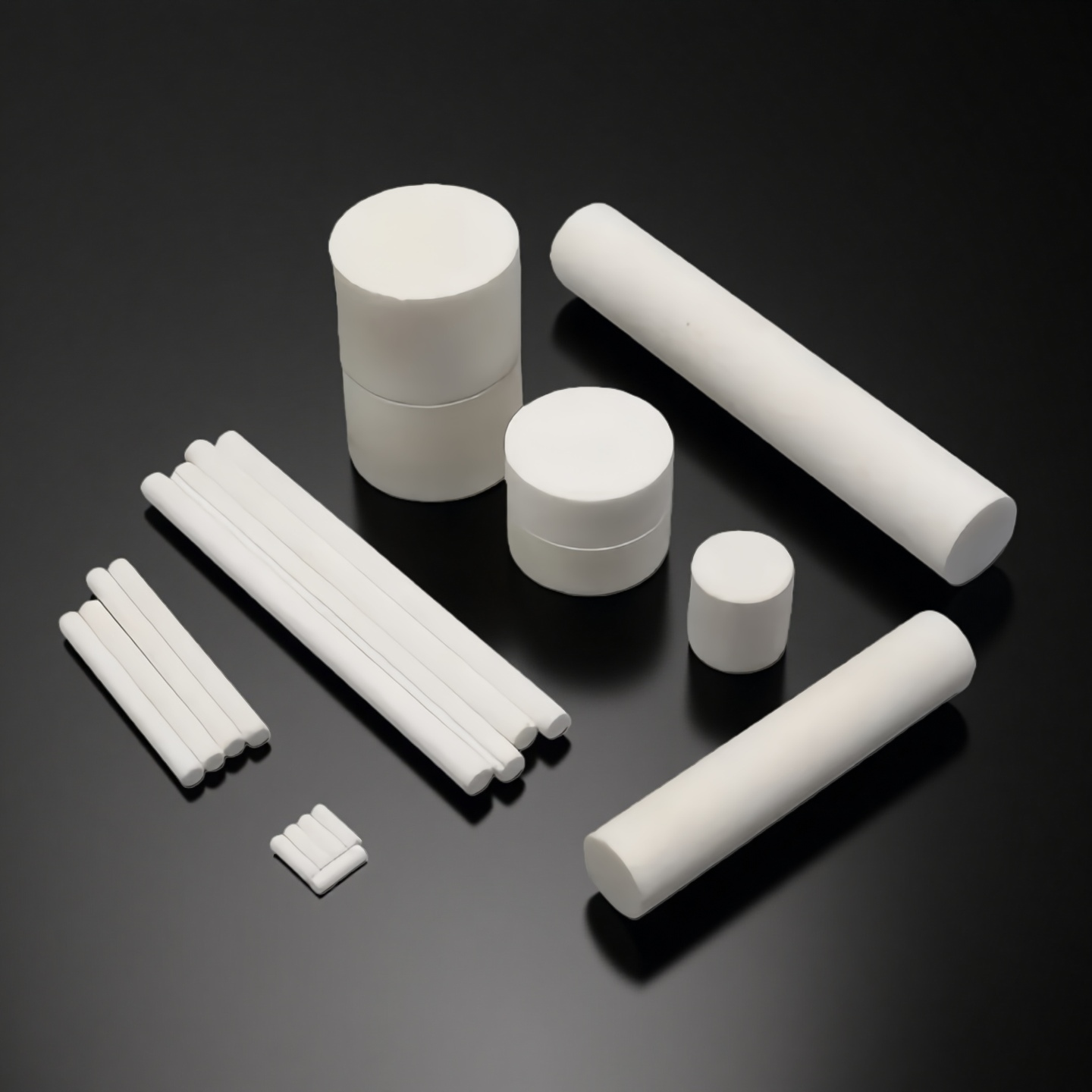
silicon nitride ceramic rod
Silicon nitride rod for extreme heat and rapid cycling, offering excellent thermal shock resistance and mechanical strength.
machinable ceramic rod
Easily machined rod for fast prototypes and fixtures, with good insulation, dimensional stability and clean surfaces.
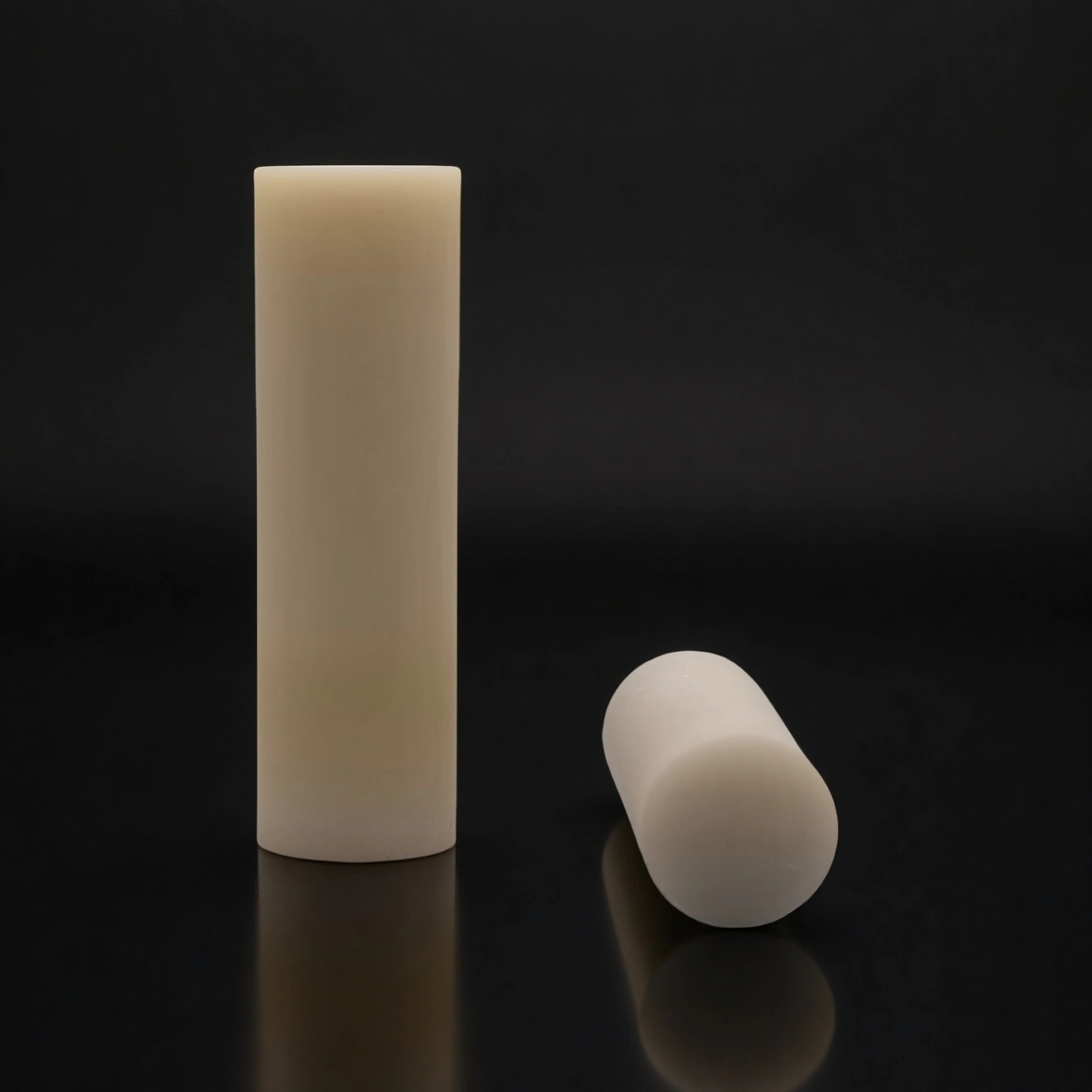
Aluminum Nitride Rod
Aluminum nitride rod with high thermal conductivity and insulation, suited to heat-spreading supports in compact power assemblies.
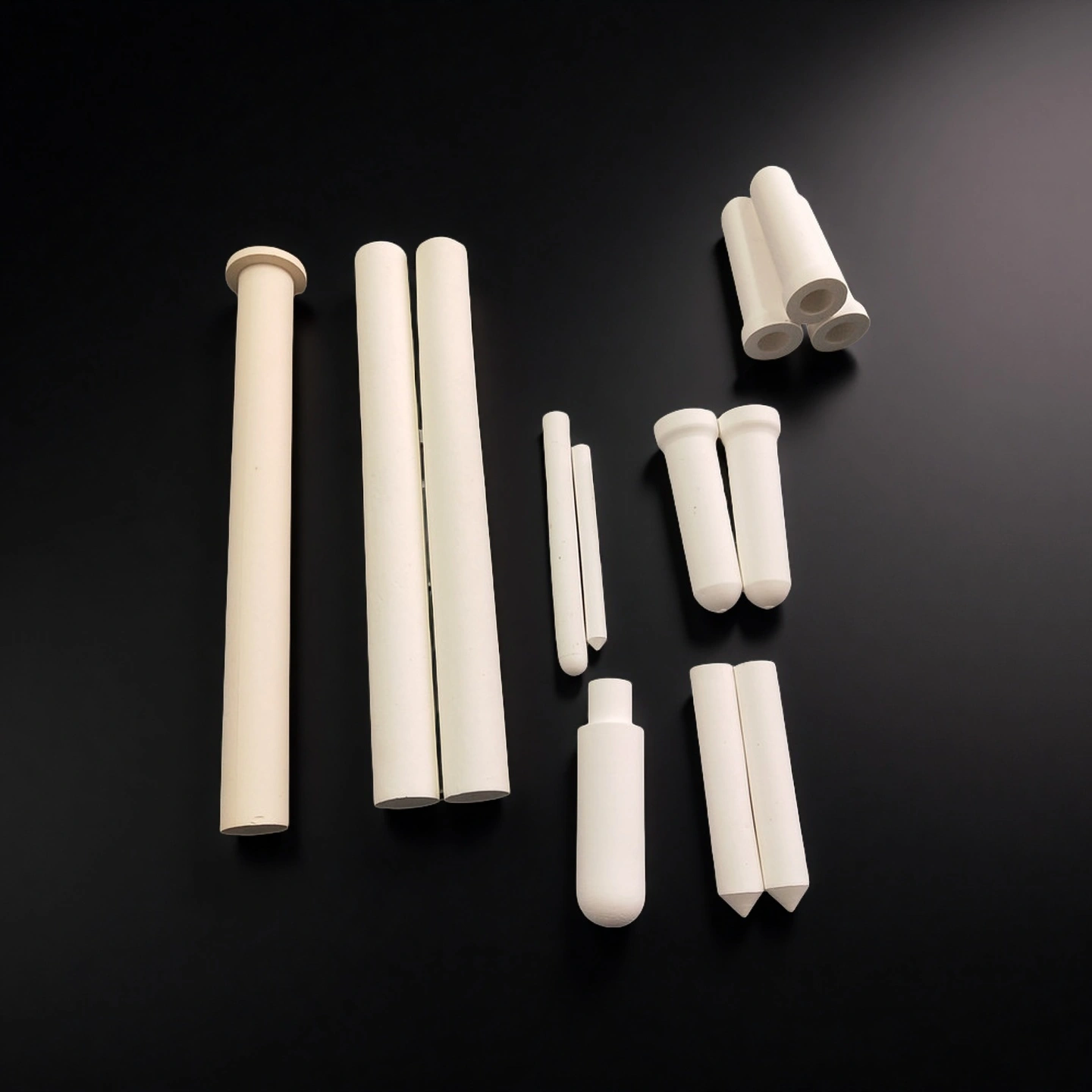
Boron Nitride Rod
Boron nitride rod with non-wetting behavior and thermal shock resistance for release-friendly supports in molten metal tooling.
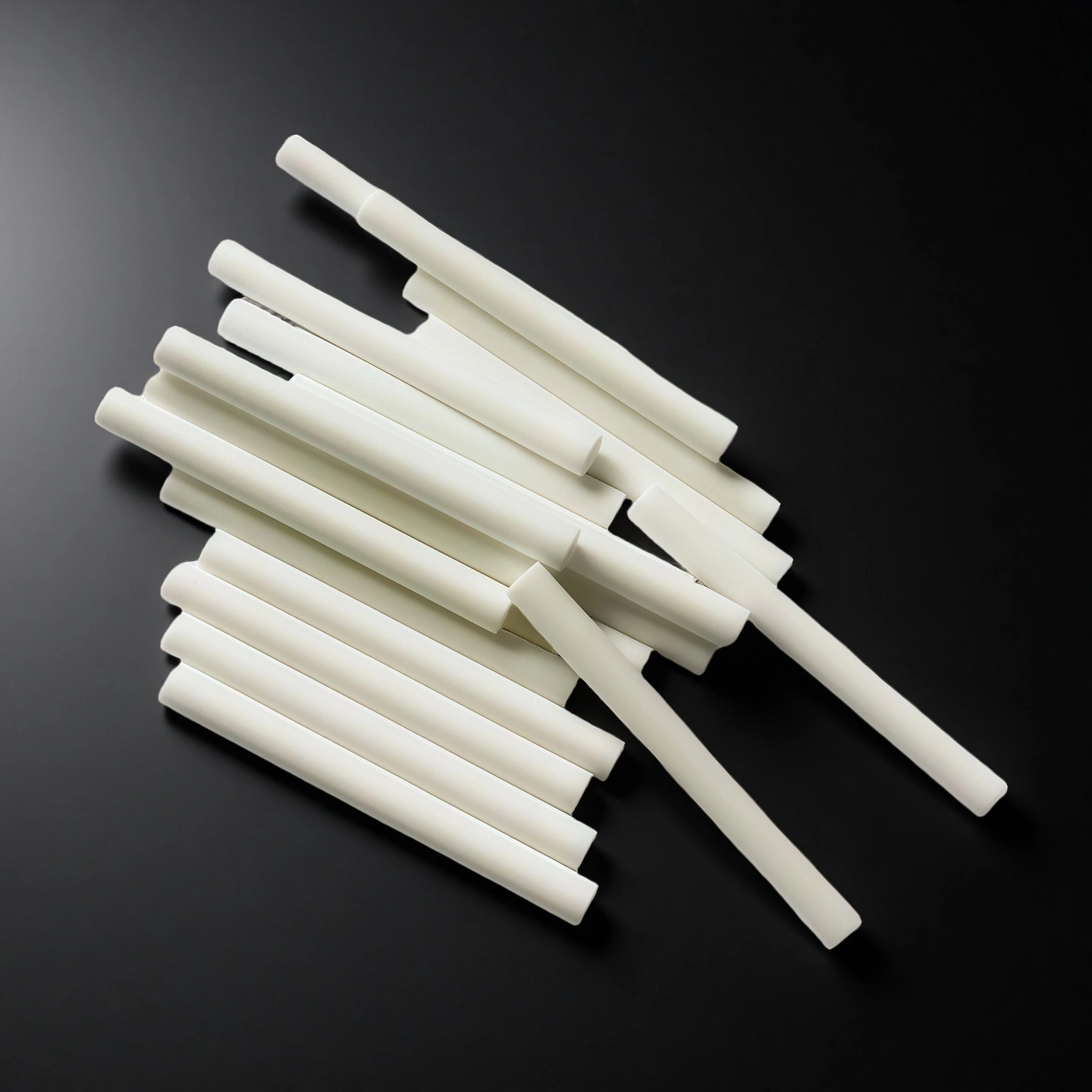
Beryllium Oxide Rod
Beryllium oxide rod combining very high thermal conductivity with strong insulation for specialist ports and compact power parts.
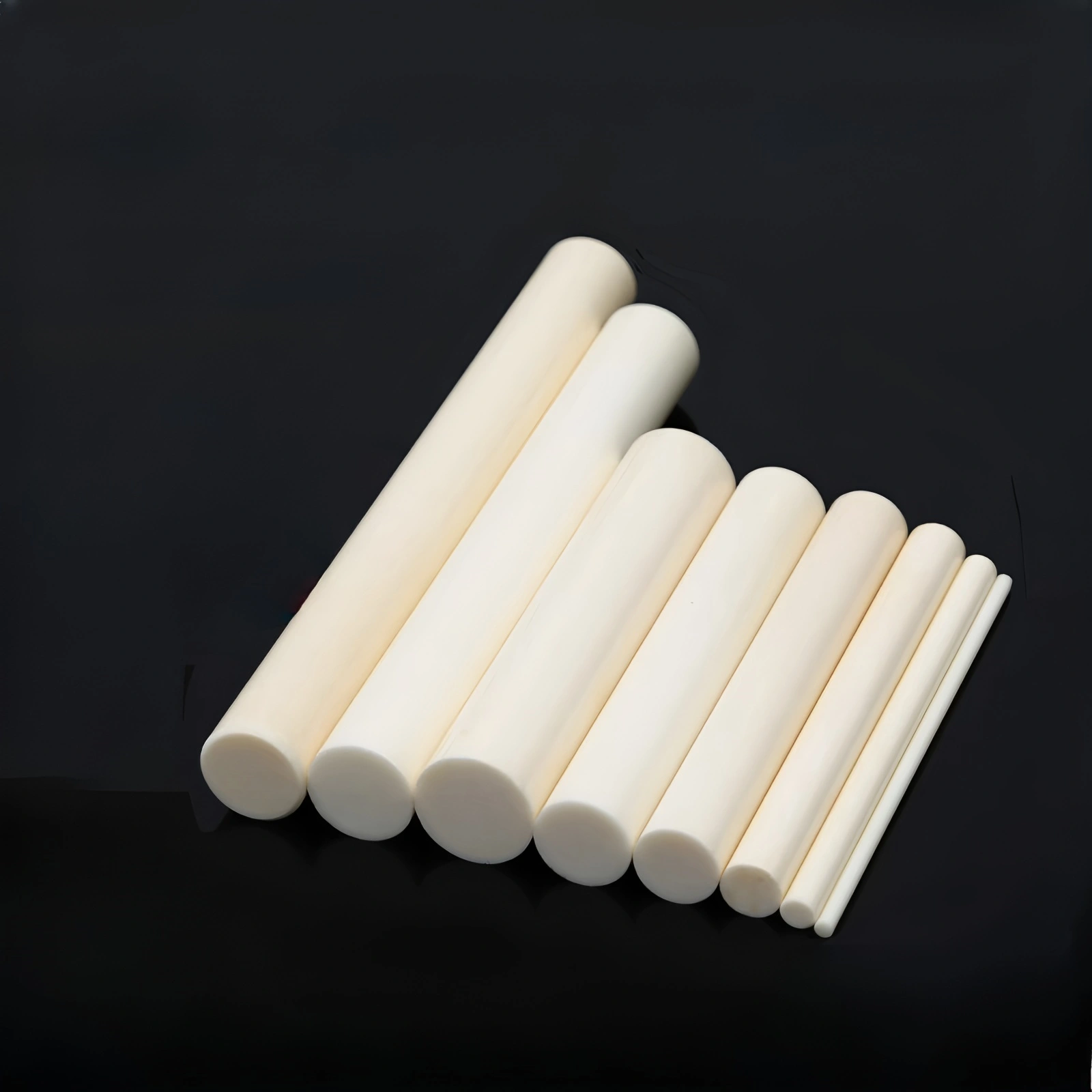
ceramic round bar
Round ceramic bar for general supports, guides and machining stock, offering smooth alignment and easy cutting to length.
square ceramic rod
Square ceramic rod with flat faces for anti-rotation mounting and stable clamping in structural or insulating assemblies.

ceramic threaded rod
Ceramic threaded rod for fastening and adjustment, maintaining electrical isolation in hot or corrosive zones.
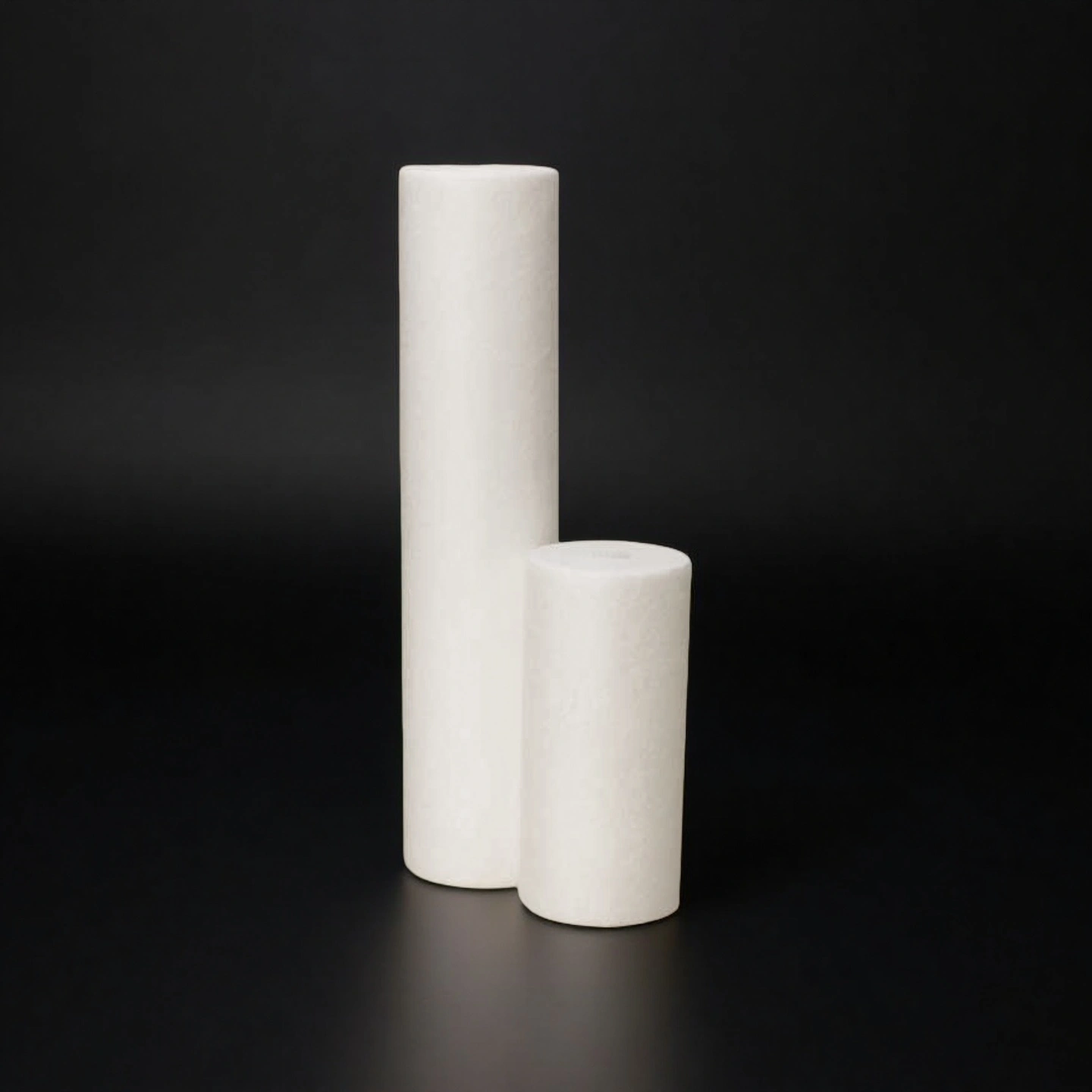
porous ceramic rod
Porous ceramic rod with permeability for wicking, gas diffusion or filtration under thermal or chemical stress.
One source for alumina, zirconia, silicon nitride, and silicon carbide rods—stock bars to custom machined parts
Share your drawing and key conditions—temperature, atmosphere, media and duty cycle—and we’ll recommend the most suitable ceramic rod material and geometry, ready for repeatable production.
Industrial Ceramic Rod Applications
Ceramic rods are used when metal or plastic rods cannot handle heat, wear, corrosion or electrical insulation. Choose an application below to match material, shape and RFQ details.
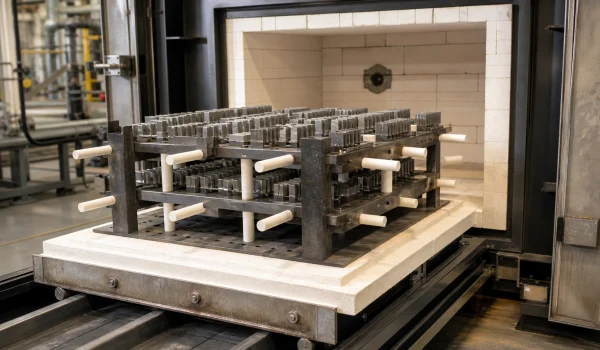
Furnace Support and Kiln Fixtures
Ceramic rods are used as support pins, heater standoffs, hangers and carrier rods in furnaces, kilns and heat-treatment equipment.
Alumina
Silicon Carbide
Silicon Nitride
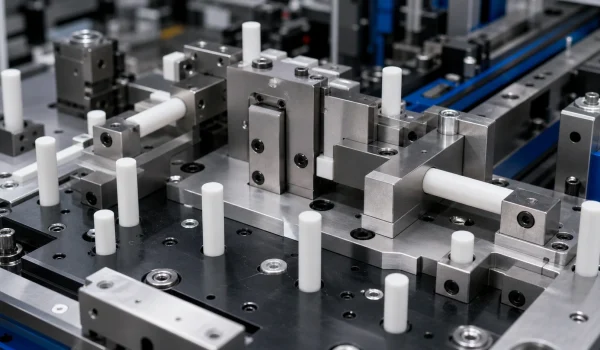
Automation and Fixture Components
Ceramic rods are used as positioning pins, guide parts, spacers and support rods in automation equipment, fixtures and precision assemblies.
Alumina
Zirconia
Silicon Nitride
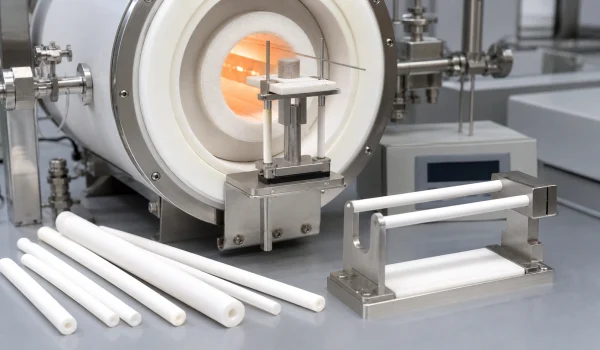
Laboratory, Heating and Thermal Fixtures
Ceramic rods are used in laboratory furnaces, heating fixtures, tube furnace supports, sample holders, sensor supports and small thermal assemblies.
Alumina
Boron Nitride
Silicon Carbide
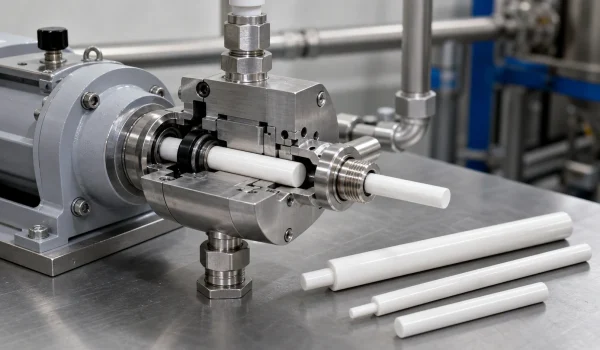
Chemical, Pump and Fluid Handling Parts
Ceramic rods are used as plungers, metering pins, valve parts and corrosion-resistant components in pumps, dosing and chemical handling equipment.
Alumina
Zirconia
Silicon Carbide
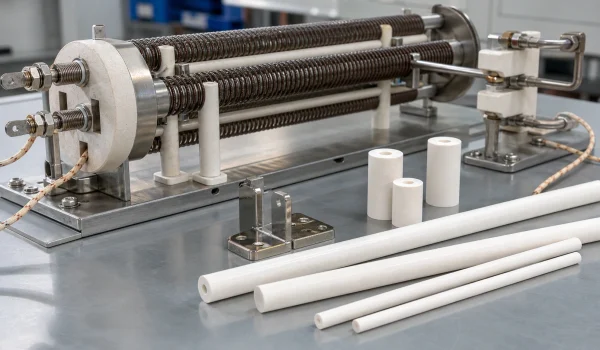
Electrical Insulation
Ceramic rods are used as insulating supports, spacers, cores and standoffs in heaters, sensors, electrical equipment and high-temperature assemblies.
Alumina
Zirconia
Machinable Ceramics
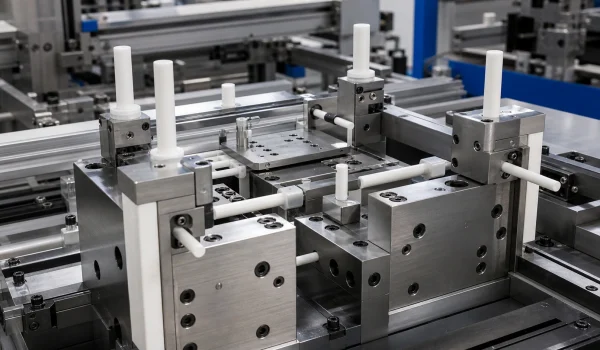
Guide Pins, Shafts and Wear Parts
Ceramic rods can work as guide pins, shafts, plungers, positioning pins and wear-resistant components where metal parts wear too fast or risk contamination.
Zirconia
Silicon Nitride
Alumina
Custom Ceramic Rod Manufacturing and RFQ Review
ADCERAX supports drawing-based ceramic rods and bars from prototype review to repeat production. Before quotation, our engineers check the material route, diameter, length, straightness, end features, machining risk and working conditions. This helps avoid choosing a rod material that looks correct on paper but fails in temperature, load, wear, electrical or chemical service.
Customization Options
Extra-large / Extra-small diameters, non-standard thicknesses, and ultra-long / ultra-short lengths.
Provide higher - level dimensional accuracy and concentricity control than the standard.
Flanges, steps, threads, drilling holes, grooves, etc.
Adjust the material according to the application requirements.
Polish and grind the surface to achieve a specific surface roughness.
Customization Process
Send us your drawing, CAD file, or physical sample with material grade, dimensions, tolerances, and quantity. Our engineers will evaluate the design and provide a detailed quotation with lead time and pricing.
Once the quote is approved, we proceed with sample prototyping (1–50 pcs) if needed, for testing and validation.
After sample approval or direct confirmation, we begin batch manufacturing using CNC machining, sintering, and polishing. All parts undergo dimensional checks, material purity testing, and surface finish inspection.
Finished products are securely packed and shipped via DHL/FedEx/UPS or your preferred method. We support global delivery with full documentation.
ADCERAX Ceramic Rod Manufacturing & Supply Capability
ADCERAX has been engaged in advanced ceramics for over 20 years, with more than 2,000 types of high-temperature ceramic components developed for industrial users. For ceramic rods, we support material selection, forming, sintering, precision finishing and export supply to more than 50 countries.
Factory-direct coordination helps control material quality, production process, inspection and export delivery for standard and custom ceramic rods.
Our team reviews application conditions, drawings, tolerances and material options before quotation, helping buyers choose a workable ceramic rod solution.
ADCERAX supports sampling, small-batch orders and repeat production for ceramic rods with controlled diameter, length, straightness and surface finish.
We provide 24-hour response, 24-hour dispatch for available standard items, and typical 3-7 week lead time for custom orders after drawing and material review.
How ADCERAX Controls Ceramic Rod Quality
Dimension Control
Diameter, length, straightness and end-face accuracy are checked to support stable assembly, clearance control and repeatable fit.
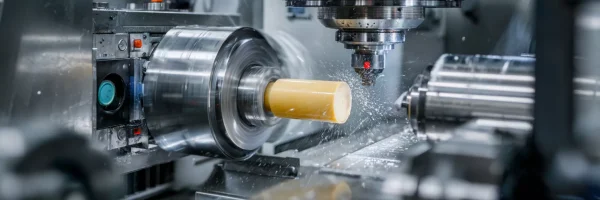
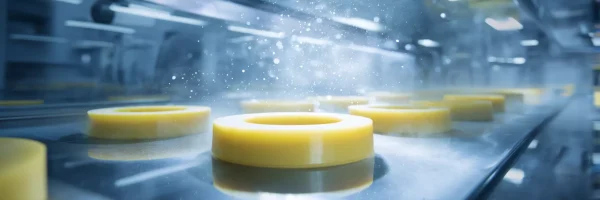
Surface and Edge Finishing
Rod surfaces, chamfers and edges can be refined to reduce chipping, contamination risk and assembly damage during handling or use.
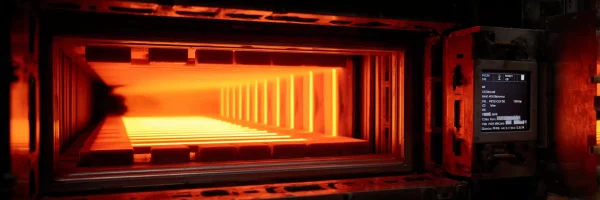
Sintering and Material Stability
Controlled sintering profiles help ceramic rods reach the required density, strength and thermal-shock resistance for their material and application.
FAQs About Ceramic Rods & Bars
Industrial ceramic rods are used as furnace support pins, heater standoffs, electrical insulating rods, guide pins, ceramic shafts, plungers, spacers and wear-resistant structural parts. The right material depends on temperature, load, atmosphere, wear, corrosion, insulation and machining requirements.
Use alumina for cost-effective insulation and furnace support, zirconia for high-toughness guide pins or plungers, silicon nitride for thermal shock and mechanical stress, silicon carbide for abrasive or corrosive conditions, and boron nitride only for suitable vacuum, inert or non-wetting applications.
ADCERAX should review the working conditions before final material selection.
Yes, ceramic rods can be manufactured or finished with threads, holes, slots, chamfers, tapers and steps when the material, diameter, length and tolerance allow it.
Send a drawing or old-part photo so the machining risk can be checked before quotation.
Please provide material if known, diameter, length, tolerance, straightness, end features, surface finish, quantity, working temperature, atmosphere, media, load, voltage if relevant, and a drawing, CAD file or old-part photo.
Many alumina and selected technical ceramic rods provide electrical insulation, but the final choice depends on grade, temperature, voltage, surface condition and assembly design. Silicon carbide and other materials may not be suitable when electrical insulation is the main requirement.
Cracking may come from thermal shock, unsupported span, mechanical load, fast heating or cooling, wrong material choice, atmosphere, impact, or a machining feature that creates stress concentration. Share the furnace temperature, atmosphere, support span and failure photos for review.
ADCERAX can support selected standard rod sizes and drawing-based custom rods, depending on material, dimensions, tolerance, features and quantity. Availability and lead time should be confirmed after engineering review.
Ceramic Rod RFQ Checklist
Include these with your drawing or old-part photo for a fast, accurate quote:
- Material or current part material
- Diameter, length and cross-section
- Tolerance, straightness, roundness and surface finish
- End shape: chamfer, thread, hole, slot, step or taper
- Application and working temperature
- Atmosphere, media, voltage, load and motion condition
- Quantity, prototype or repeat production need
- Drawing, CAD file, old-part photo or failed sample photo
A drawing or an old part alone is enough to get started; the rest is confirmed during engineering review.
*Our team will answer your inquiries within 24 hours.
*Your information will be kept strictly confidential.
info@adcerax.com
Tel:+86-0731-84428843
WhatsApp:+86 19311583352
Within 24 hours
