Advanced Silicon Nitride Ceramic Manufacturer— Designed for Strength, Thermal Shock & Long Service Life
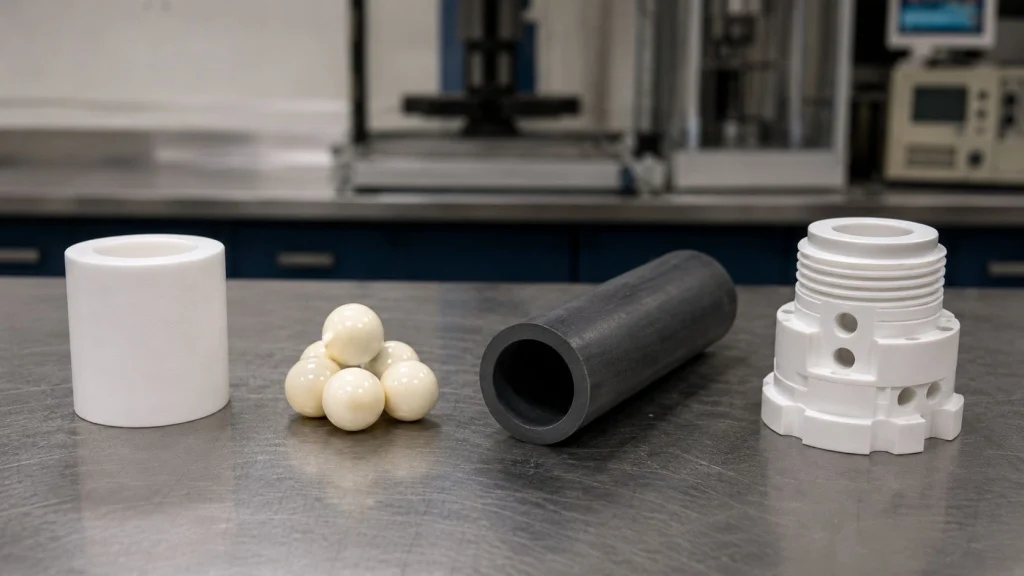
ADCERAX is a manufacturer of silicon nitride ceramics, supplying standard and custom Si₃N₄ parts such as thermocouple protection tubes, riser tubes, ceramic bearing balls, heater sleeves, substrates, and precision-machined components.
This is the Silicon Nitride (Si₃N₄) ceramic material hub. Use it to match your part shape, grade, and operating condition (temperature, media, load), then route to the right Si₃N₄ product — tubes, substrates, bearings, balls, rings, or custom parts. Send a drawing or an old-part photo and our engineers will screen feasibility before quoting.
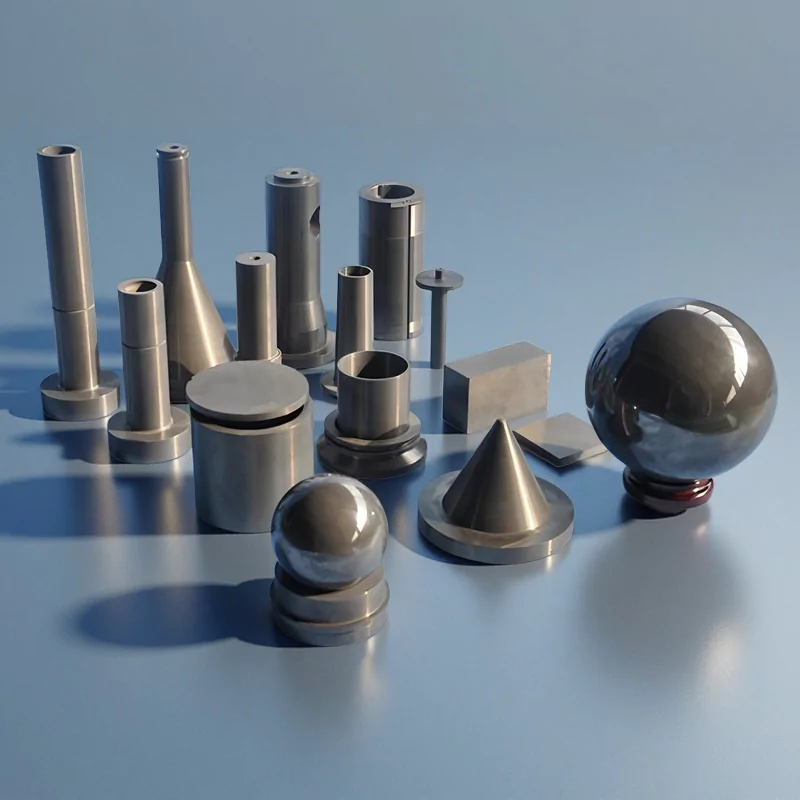
Is Silicon Nitride (Si3N4) a Ceramic?
Yes — silicon nitride (Si₃N₄) is an advanced non-oxide ceramic, built from silicon and nitrogen atoms in a covalently bonded crystalline lattice. This gives it high hardness, high-temperature stability, electrical insulation, high strength and fracture toughness, excellent thermal shock resistance, and non-wetting behavior to molten aluminum — so engineers choose it where metals, quartz, or alumina fail.
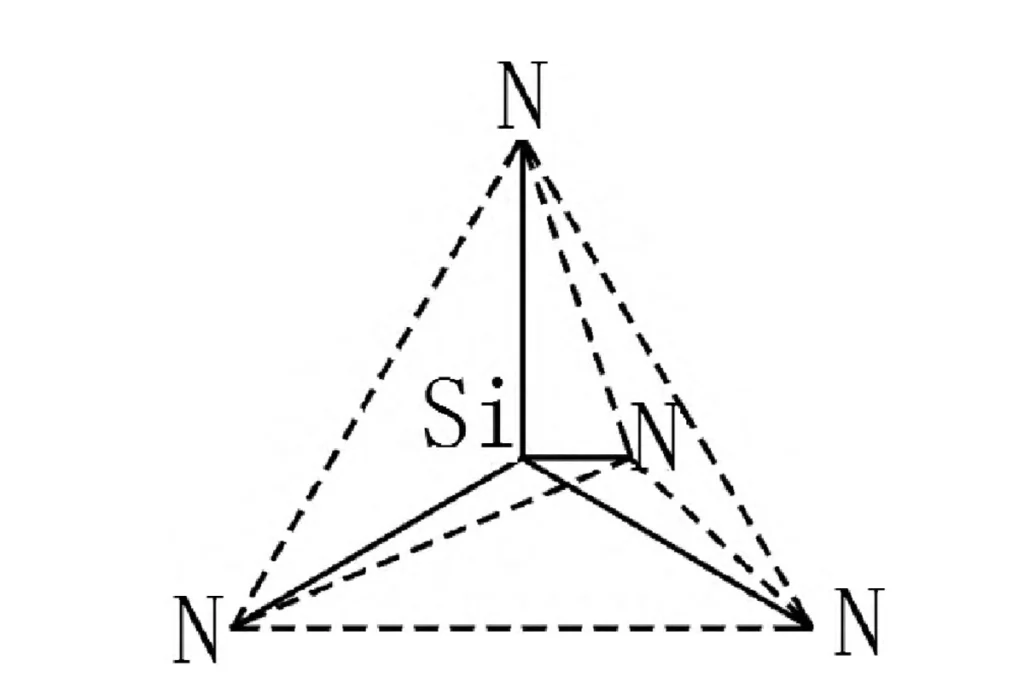
What are Silicon Nitride (Si3N4) Ceramics?
Advantages of Silicon Nitride Ceramics
Resists cracking and impact in high-load and high-speed systems such as bearings, turbines, and cutting tools..
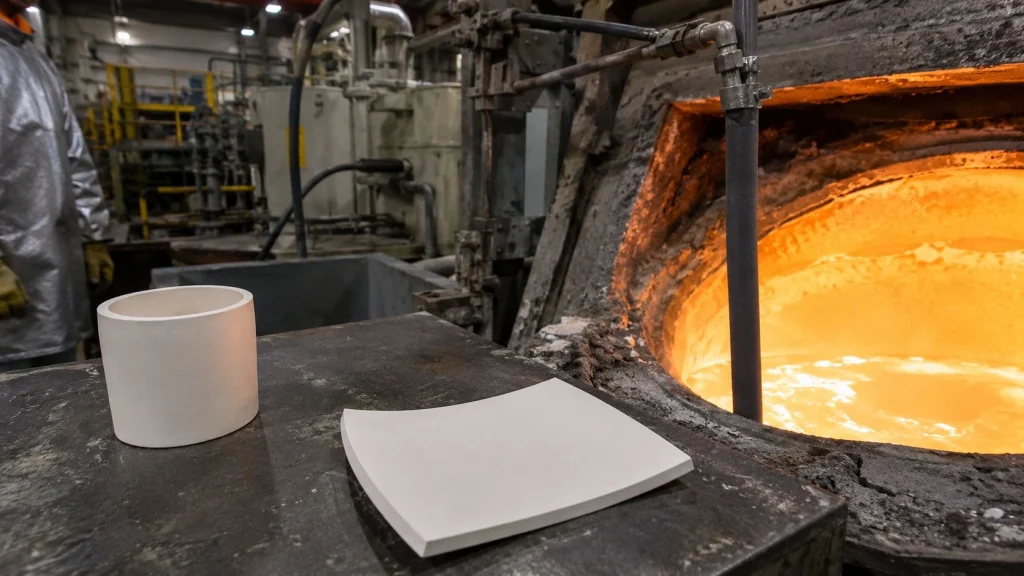
Maintains strength even during rapid heating and cooling, ideal for molten aluminum, engines, and thermal processing.
Non-wetting to aluminum and magnesium; prevents corrosion and contamination in casting and metal handling.
Lower weight than steel yet highly wear-resistant, improving efficiency and reducing maintenance in rotating parts.
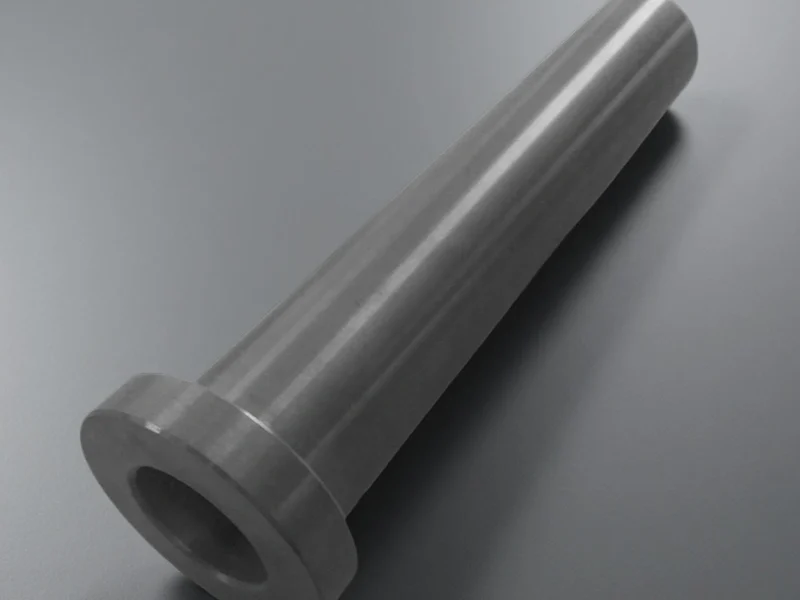
Silicon Nitride Tube
Used for molten metal handling, furnace thermocouples, and high-temperature delivery where thermal shock and corrosion resistance matter.
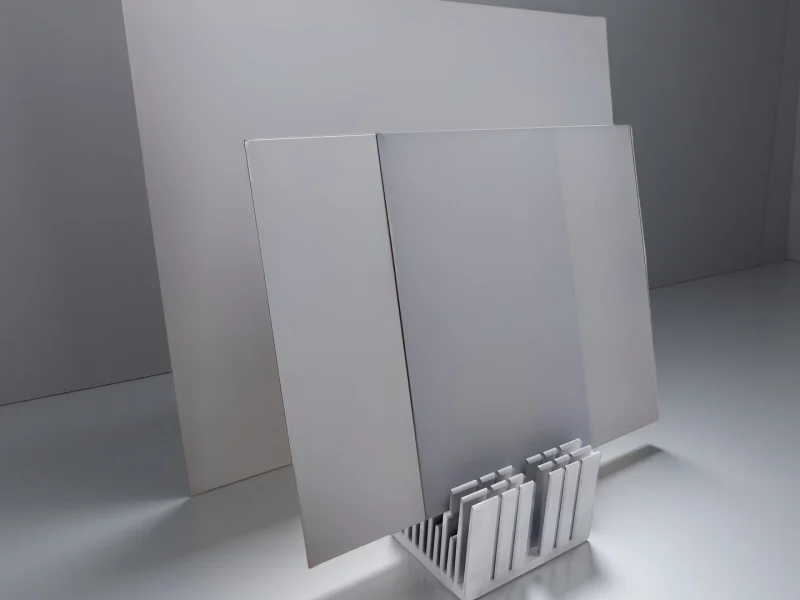
Silicon Nitride Substrate
Si3N4 substrates combine mechanical strength, low thermal expansion, and heat cycling stability for power modules, IGBT packaging, and inverter systems.
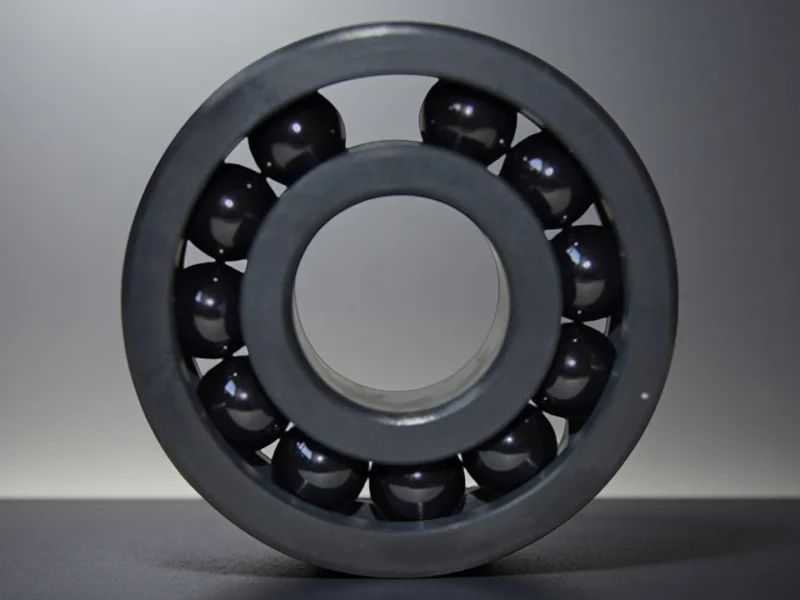
Silicon Nitride Bearing
Bearing balls and races for high-speed rotating equipment where low friction, electrical insulation, and wear resistance are needed.
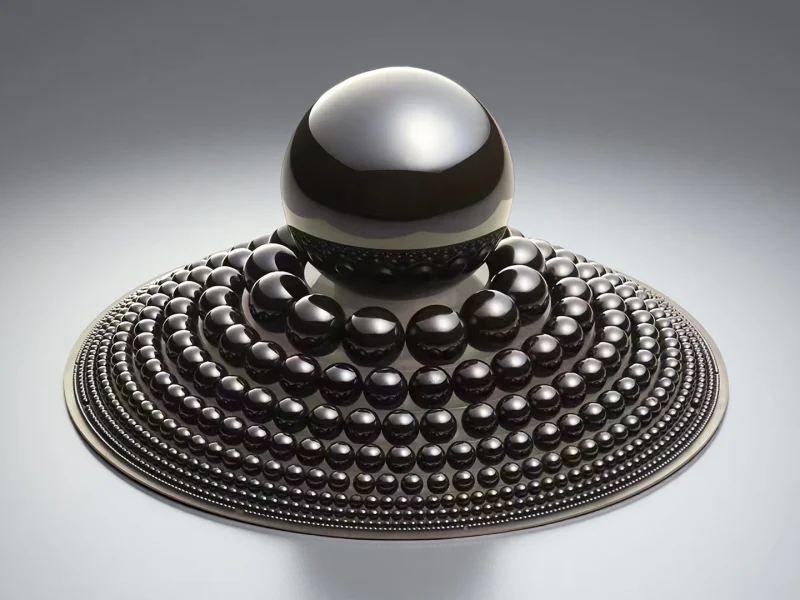
Silicon Nitride Ball
Precision Si3N4 balls for hybrid bearings, machine tool spindles, wind turbines, and other high-speed or high-load assemblies.
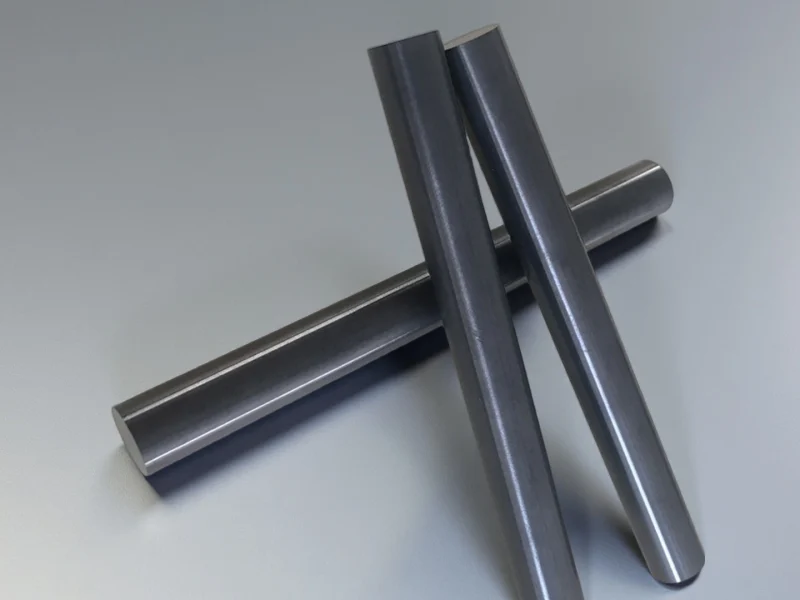
Custom Si3N4 rods and shafts machined to required OD, length, and tolerance for high-temperature, wear, or insulation applications.
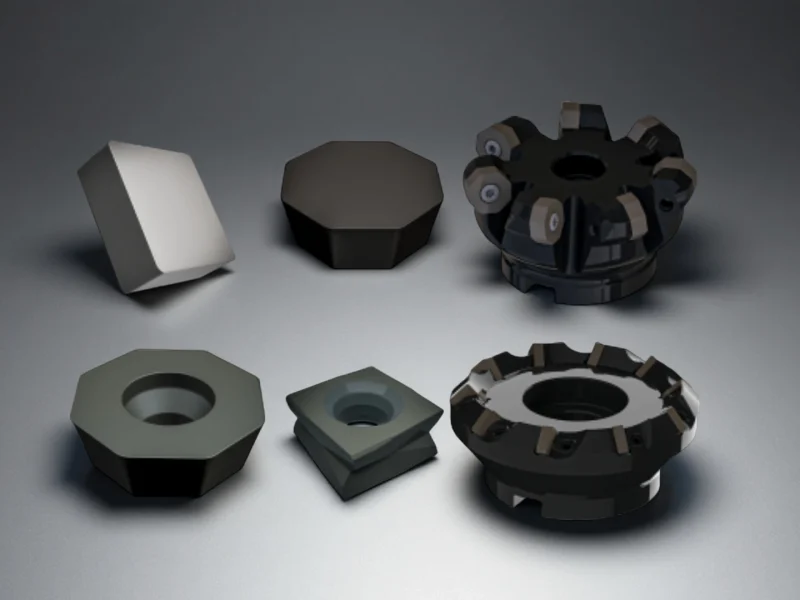
Silicon Nitride Crucible
Si3N4 crucibles for molten metal or reactive materials where thermal shock resistance and chemical stability are required.
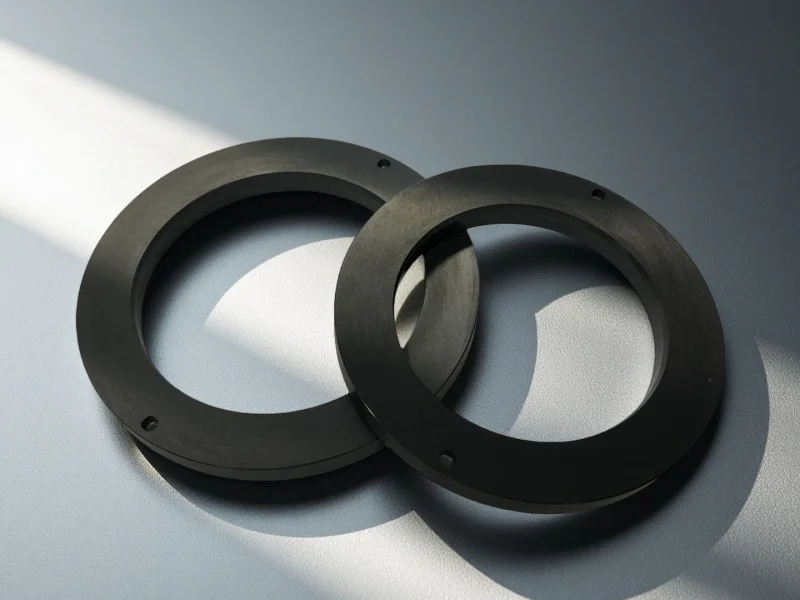
Silicon Nitride Ring
Custom rings and seal rings for pump parts, valve seats, mechanical seals, and rotating interfaces exposed to wear or corrosion.
Silicon Nitride Parts
Custom Si3N4 parts made to drawing for applications involving heat, wear, electrical insulation, or corrosion resistance.
China Silicon Nitride Ceramic Products
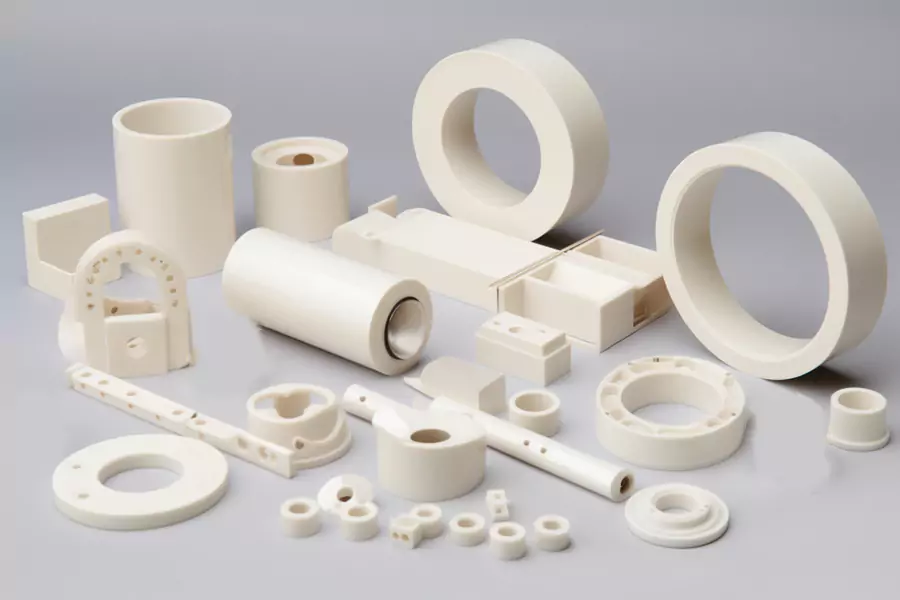
ADCERAX manufactures a full range of silicon nitride (Si₃N₄) ceramic products, including tubes, plates, rings, balls, bearing components, and custom structural parts. Each product is engineered for high-temperature strength, thermal shock resistance, and compatibility with molten metals and corrosive environments.
| Property | Unit / Condition | Structural Ceramic — AD-SIN-ST | Bare Thermal Substrate — AD-SIN-SUB80 |
|---|---|---|---|
| Product Form | Sintered ceramic | Tubes, rotors, rings and machined structural parts | Thin bare ceramic sheet |
| Primary Applications | Material selection | Wear components, molten-metal handling and insulation | Electrical isolation and substrate heat spreading |
| Bulk Density | g/cm³ | 3.2 — typical | ≥3.2 |
| Flexural Strength | MPa | 700 — selection value | ≥700 |
| Fracture Toughness | MPa·m½; method-dependent | 6.5 | ≥6.5 |
| Thermal Conductivity | W/(m·K) | 20 — preliminary ambient selection | ≥80 — at 25 °C |
Silicon Nitride (Si3N4) Ceramics Properties
Silicon nitride ceramics are manufactured by different sintering processes—RBSN, SSN, GPSN, HPSN, and HIP Si₃N₄—each producing unique density, strength, and thermal properties. These process variations determine performance levels, from cost-efficient porous parts to fully dense, high-strength structural ceramics.
Not sure which silicon nitride part fits your application?
Send your drawing, operating temperature, medium, quantity, and tolerance. Our engineer will review the suitable Si3N4 option.
Find your silicon nitride part by operating condition
Choose the right material
Thermal shock + load together, or molten-aluminum contact
General high-temp insulation, lower cost
Max toughness / wear, moderate temperature
Extreme hardness, abrasion, corrosive hot gas
Choose the right silicon nitride part & material
Match your operating condition to the right Si₃N₄ form, or compare with another ceramic — in under a minute.
Aluminum & Magnesium Casting
📍Application: Riser tubes, thermocouple protection tubes, filter pipes in molten aluminum/magnesium handling.
🧩 Key Advantages of silicon nitride ceramic in Casting :
- Non-wetting to molten aluminum (<0.1 mm adhesion after 72h at 750 °C), preventing clogging and oxide buildup.
- Maintains strength up to 1,000 °C without deformation while quartz or alumina fail after 600–700 °C thermal cycling.
- Service life 3–5× longer than alumina tubes (8–12 weeks vs 2–3 weeks in continuous casting lines).
🔹Problem Solved:
- In aluminum and magnesium casting, switching alumina or quartz riser and protection tubes to Si₃N₄ typically extends service intervals and reduces unplanned downtime, because Si₃N₄ resists thermal shock and is non-wetting to molten aluminum, which limits adhesion and dross buildup. Actual service life depends on alloy, temperature cycle, and immersion condition — confirmed per application.

Bearing / Wind Turbine / CNC Spindle
📍Application: Si₃N₄ bearing balls, hybrid bearings, spindle support rings.
🧩 Key Advantages of ceramic silicon nitride in bearing and CNC spindle :
- Density 3.2 g/cm³ (40% lighter than steel), reducing spindle vibration and lowering frictional heat generation.
- Survives >10,000 rpm and 300 °C without lubrication failure, while steel bearings seize above 150 °C.
- Anti-electrical pitting — 10⁸ Ω·m insulation prevents EDM damage in motorized spindles and wind turbines.
- In high-speed spindles, wind turbines, and hybrid bearings, Si₃N₄ balls and rings run cooler and more stable than steel because they are lighter, electrically insulating, and wear-resistant, reducing friction heat and the risk of electrical pitting. Bearing life and speed limits depend on load, lubrication, and assembly — confirmed per application.
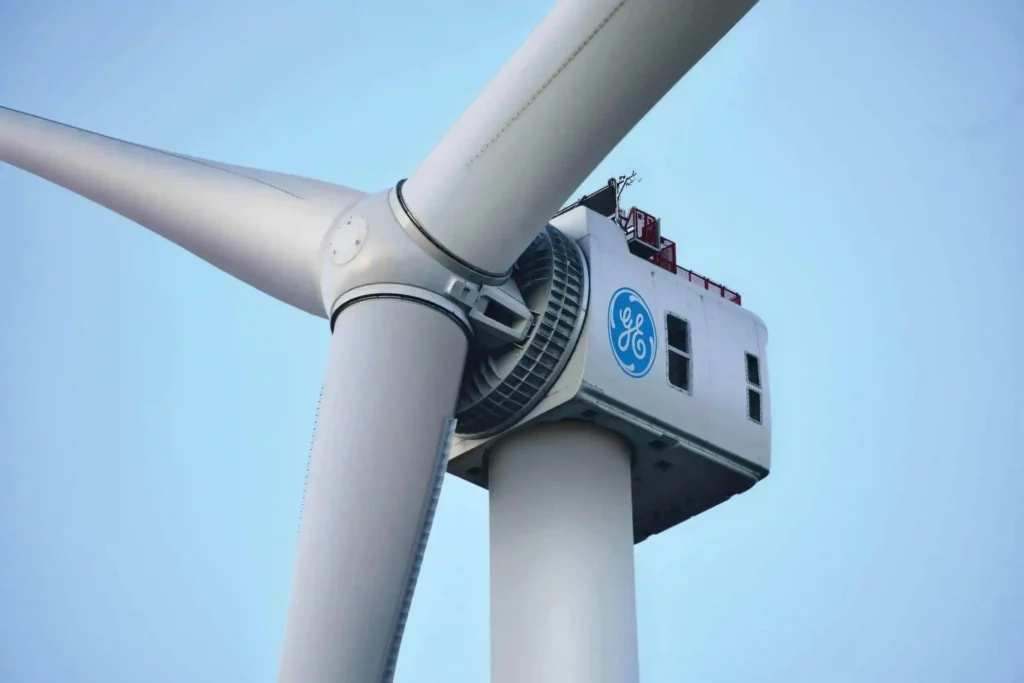
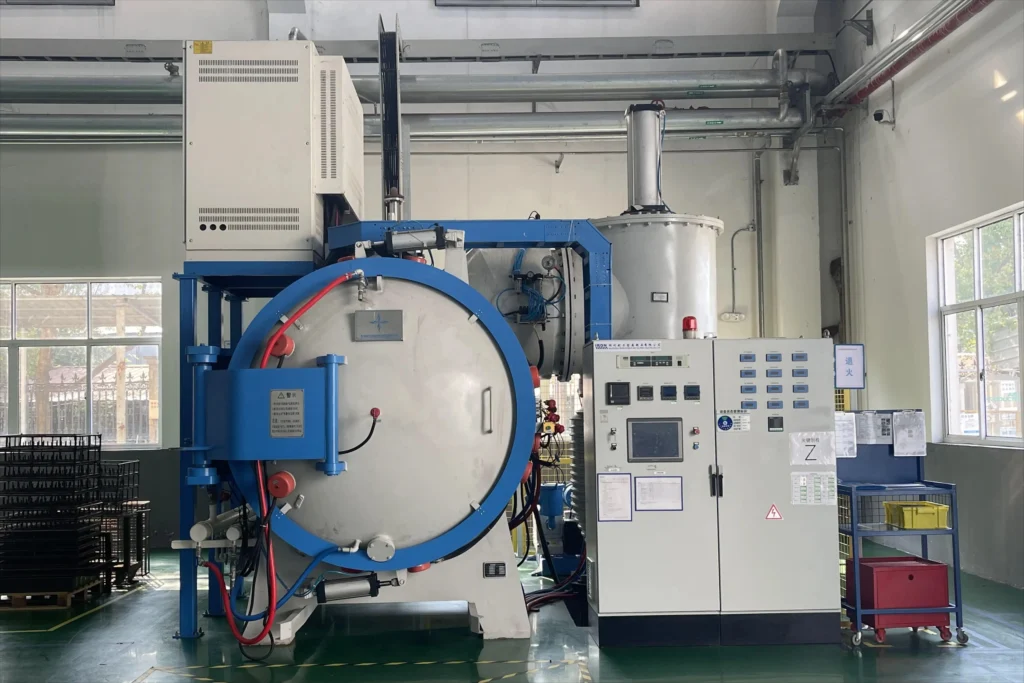
Industrial Furnace & Heating Systems
📍Application: Heater protection tubes, kiln furniture, support plates in carburizing furnaces and thermal processing equipment.
🧩 Key Advantages of ceramic si3n4 in high-temperature industrial:
- Withstands rapid thermal shock: >800 °C to room temperature water quench for 20 cycles with no cracks.
- Low thermal expansion (2.8 × 10⁻⁶/K) prevents warping or sealing failures during heating-cooling cycles.
- 2–3× longer lifespan than alumina protection tubes in high-carbon atmospheres or salt-bath furnaces.
- In industrial furnaces and heating systems, Si₃N₄ heater protection tubes and supports withstand rapid heating and cooling better than alumina, lowering crack-driven replacement and shutdowns. Service life depends on temperature, atmosphere, and cycle rate — confirmed per application.
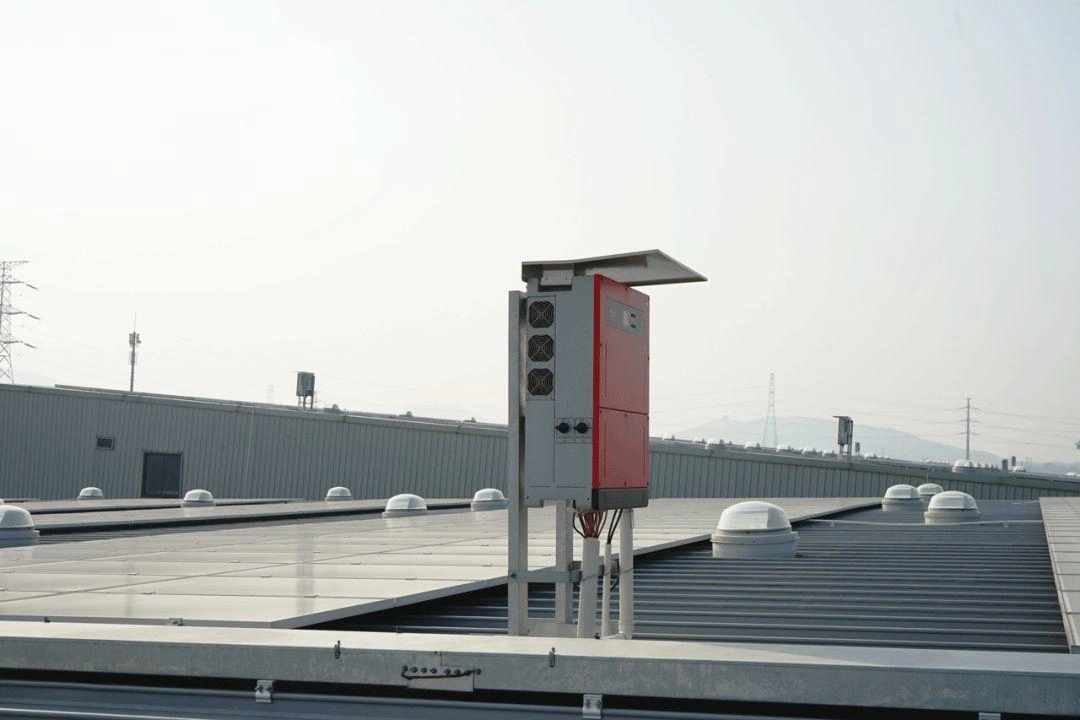
Power Electronics / IGBT / EV Inverters
📍Application: Si₃N₄ AMB / DBC substrates for IGBT, SiC MOSFET, EV inverter modules.
🧩 Key Advantages of silicon nitride ceramic si3n4 in power electronics field:
- Thermal conductivity up to 90 W/m·K (with metallized layers), 3× higher than alumina substrates.
- Fracture toughness >7 MPa·m½ reduces substrate cracking during ultrasonic wire bonding or thermal cycling.
- CTE closely matches silicon chips (2.8 × 10⁻⁶/K), reducing solder fatigue and extending module lifespan.
🔹Problem Solved:
- In power electronics, Si₃N₄ AMB/DBC substrates combine high thermal conductivity with high fracture toughness and a CTE close to silicon, improving heat spreading and thermal-cycling reliability in IGBT and EV inverter modules. Achievable thermal-cycle life depends on module design and bonding process — confirmed per application.
Silicon Nitride Ceramics Applications
Silicon nitride (Si₃N₄) is used where parts face heat, thermal shock, high speed, wear, or molten metal contact. Common uses include casting tubes, bearing parts, furnace components, and power electronics substrates.
Custom Silicon Nitride (Si3N4) Ceramic Manufacturer
ADCERAX manufactures custom silicon nitride (Si₃N₄) ceramic components based on your drawings or samples, including complex geometries, tight tolerances, stepped bores, threaded sections, and assembly-ready parts.
Customization Options
Tubes, rods, plates, sleeves, rings, bushings, nozzles, and structural parts based on your drawing or sample.
Machined OD/ID, flatness, parallelism, stepped bores, threads, slots, and assembly-ready fitting surfaces.
Grooves, shoulders, flanges, holes, thin walls, non-standard profiles, and multi-step ceramic components.
Silicon nitride material route, density, strength, wear resistance, and temperature requirements reviewed per RFQ.
Grinding, polishing, lapping, and surface finish requirements confirmed according to the application and mating parts.
Customization Process
For a faster quote, include your drawing or sample, material grade if known, dimensions, tolerance, quantity, working temperature, wear condition, mating parts, and application environment.
Send drawing, sample, dimensions, tolerance, quantity, working temperature, wear condition, and application environment.
Our team reviews geometry, material route, machining difficulty, inspection needs, lead time, and quotation.
Optional small-batch samples can be arranged for fit check, wear test, or assembly validation.
Parts are machined and inspected according to the confirmed drawing, tolerance, surface finish, and RFQ requirements.
Parts are packed for ceramic protection and shipped with required inspection or order documents.
Why Choose ADCERAX for Silicon Nitride Ceramic Production?
ADCERAX supports Si3N4 ceramic parts from forming and sintering to CNC finishing, inspection, and shipment. Our focus is stable processing, drawing-based review, and consistent quality for industrial applications.
In-House Processing
Forming, sintering, machining, finishing, and inspection are managed in one production workflow.
Si3N4 Process Routes
RBSN, SSN, GPSN, HPSN, and HIP routes can be reviewed according to part structure and performance needs.
CNC Finishing
Grinding, lapping, polishing, and hole machining support tighter dimensions after sintering.
Quality Inspection
Key dimensions, surface finish, appearance, and drawing requirements are checked before shipment.
24-Hour Response
24-hour response with dedicated support for global customers.
Application Support
Experience with casting, bearing, furnace, power electronics, and wear-resistant ceramic parts.
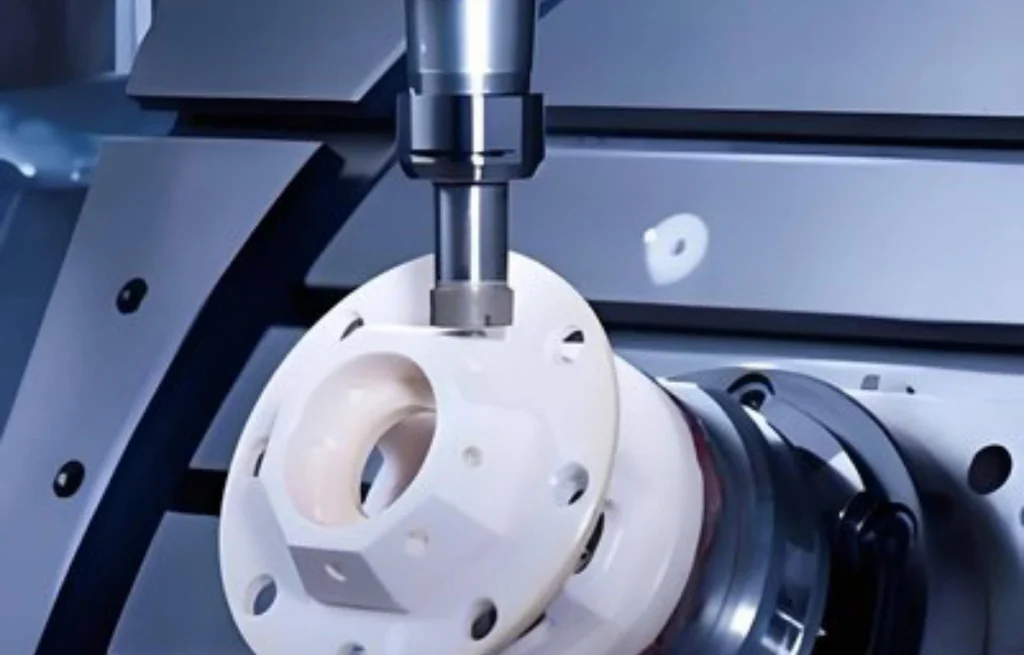
Si3N4 Ceramic Processing Capacity
🔷 Forming & Sintering: Suitable forming and sintering routes are selected based on density, strength, cost, and part structure.
🔷 CNC Machining: Post-sintering machining supports holes, slots, profiles, and tighter dimensional control.
🔷 Surface Finishing: Grinding, lapping, and polishing can be reviewed according to assembly fit, friction, and surface needs.
Production Risk Control for Si3N4 Parts
-
Machining Allowance Review
Allowance is checked before sintering to reduce post-machining risk. -
Tolerance Risk Check
Critical holes, thin walls, edges, and mating surfaces are reviewed before production. -
Inspection Point Confirmation
Key dimensions and surfaces are confirmed before shipment.
FAQ
Silicon nitride (Si3N4) combines high fracture toughness (about 6-7 MPa·m1/2), low thermal expansion (about 3.2 x10⁻⁶/K), and outstanding thermal shock resistance, so it can take rapid temperature changes and high mechanical load at the same time.
Its maximum use temperature is typically about 1200°C in oxidizing and about 1300°C in inert atmospheres (typical by grade and atmosphere; confirm by RFQ).
Compared with alumina (Al2O3), which is hard and very stable but more brittle, and zirconia (ZrO2), which is dense and tough but has higher thermal expansion, Si3N4 is preferred where thermal shock and mechanical load occur together — such as molten-metal tubes, high-speed bearings, and power-electronics substrates. Values are typical by grade; request an engineering review for certified values.
Silicon nitride is made by powder metallurgy: powder preparation with sintering additives, shaping (pressing, injection molding, or slip casting), sintering in a controlled nitrogen or vacuum atmosphere to densify the part, and post-processing such as diamond grinding and polishing. Advanced routes include hot pressing (HPSN), gas pressure sintering (GPSN), and hot isostatic pressing (HIP) for higher density and strength.
Yes. Active silver-copper brazing, metallization (Mo-Mn), or direct/active metal bonding (DCB/AMB) can join Si₃N₄ to metals or copper layers in electronic modules. Proper surface treatment and thermal-expansion matching are required to avoid cracking.
Different routes change density, strength, porosity, and cost.
- Reaction-bonded silicon nitride (RBSN) has medium density and lower cost for burner and furnace parts.
- Pressureless sintered silicon nitride (SSN) has high density and good strength for general structural and wear parts.
- Hot-pressed silicon nitride (HPSN) gives high strength for cutting tools and seals.
- Gas-pressure sintered silicon nitride (GPSN) reaches very high density for bearing balls and riser tubes.
- Hot isostatic pressed silicon nitride (HIP) gives the highest density, toughness, and durability for high-performance bearings, turbine components, and precision spindle parts.
In general, higher densification means higher strength and longer service life, while lower densification is lower cost for simpler or non-load-bearing parts.
Yes — ADCERAX supports both prototypes and batch production. We accept 2D drawings (PDF, DWG) and 3D models (STEP, STP, IGS). Custom shapes such as stepped tubes, threaded rings, slotted plates, nozzles, and bearing housings are machinable to drawing. Lead time is confirmed per project after engineering review of geometry, grade, tolerance, and quantity.
You can buy silicon nitride ceramics directly from ADCERAX, a China-based manufacturer of Si₃N₄ tubes, rings, balls, substrates, and custom parts. We offer factory-direct supply, precision machining to your drawings, and materials suited to molten metals, thermal shock, and continuous high-heat service. Send your requirements or CAD files for a tailored solution and quotation.
Send your drawing or specifications (size, tolerances, quantity, application, and operating condition). Our engineering team reviews the design and provides pricing and lead time. For batch quantities, volume-based pricing can be reviewed per RFQ.
ADCERAX is a China-based silicon nitride ceramic manufacturer supplying custom Si₃N₄ tubes, balls, rings, substrates, and components, with engineering support, drawing evaluation, and application guidance for casting, bearings, and thermal systems.
Yes. ADCERAX exports silicon nitride ceramics to North America, Europe, Japan, and other industrial markets. We provide export packaging, customs documentation, HS codes, and shipping via DHL/FedEx or freight forwarders for bulk orders.
What to send for a fast Si₃N₄ quote:
To quote a silicon nitride part, please send:
- Application / where it is used
- Target product shape
- Material grade (or "advise route")
- Working temperature
- Media / atmosphere
- Load
- Drawing or old-part photo
- Quantity / destination / required documents (e.g. COA)
Tip: an old-part photo plus operating condition is enough for a first feasibility screen.
*Our team will answer your inquiries within 24 hours.
*Your information will be kept strictly confidential.
info@adcerax.com
Tel.:+86-0731-84428843
WhatsApp:+86 19311583352
Within 24 hours