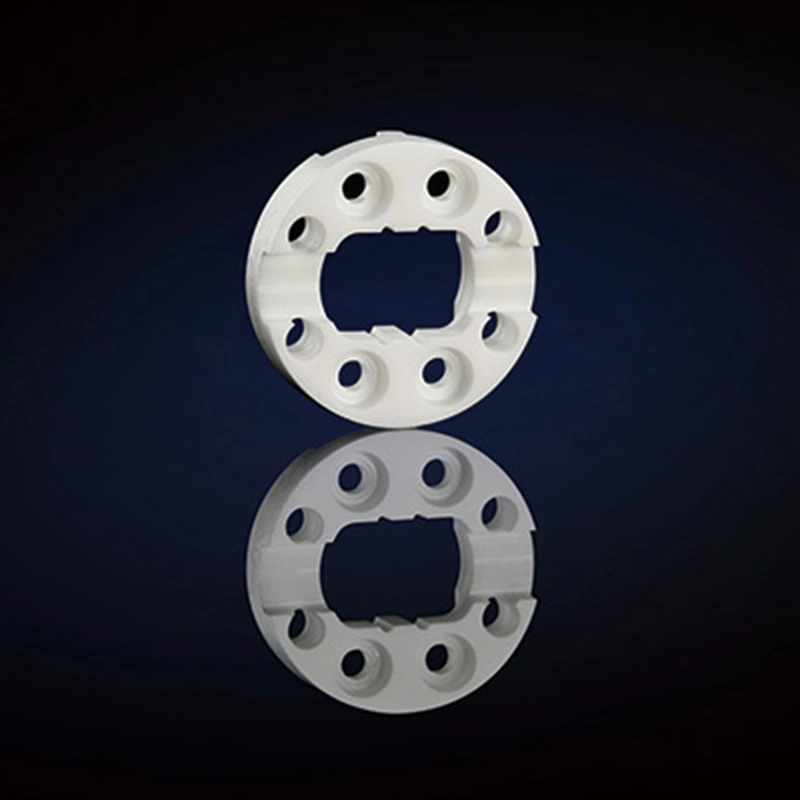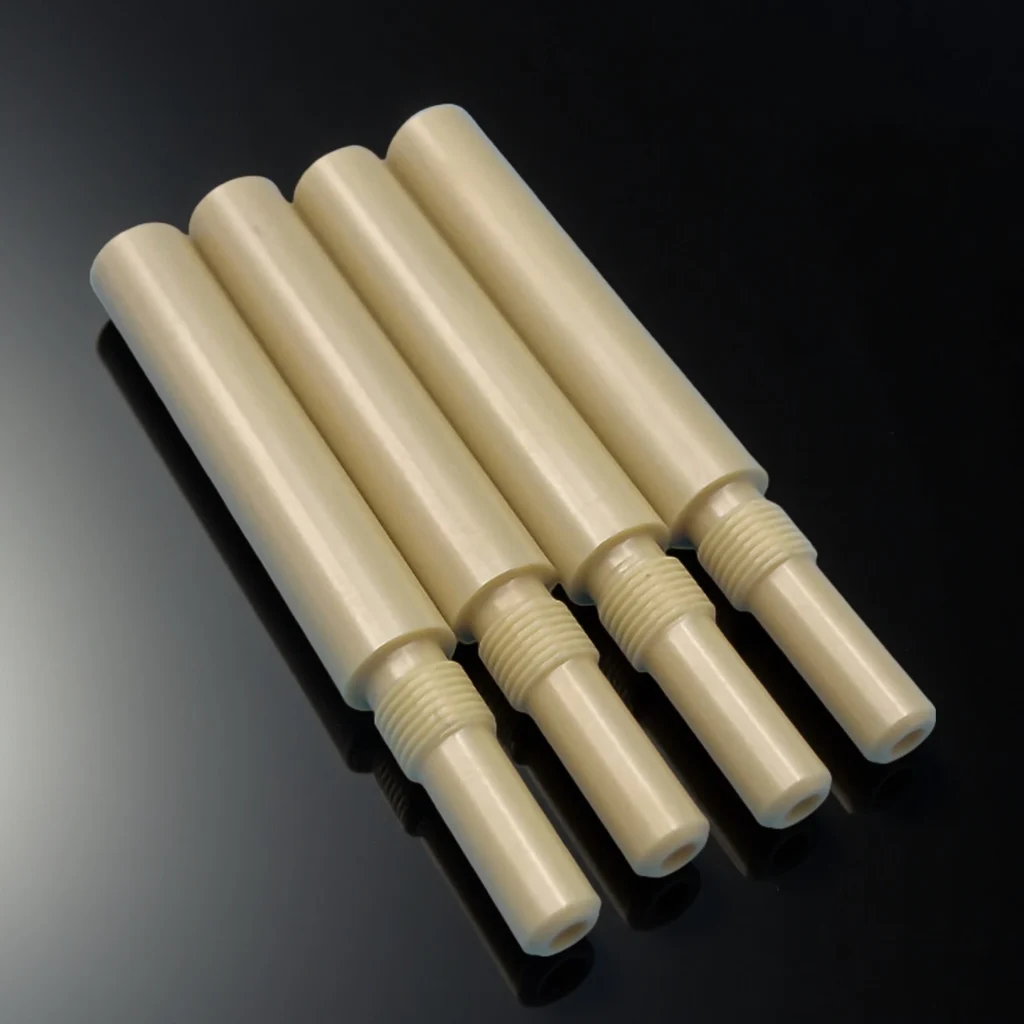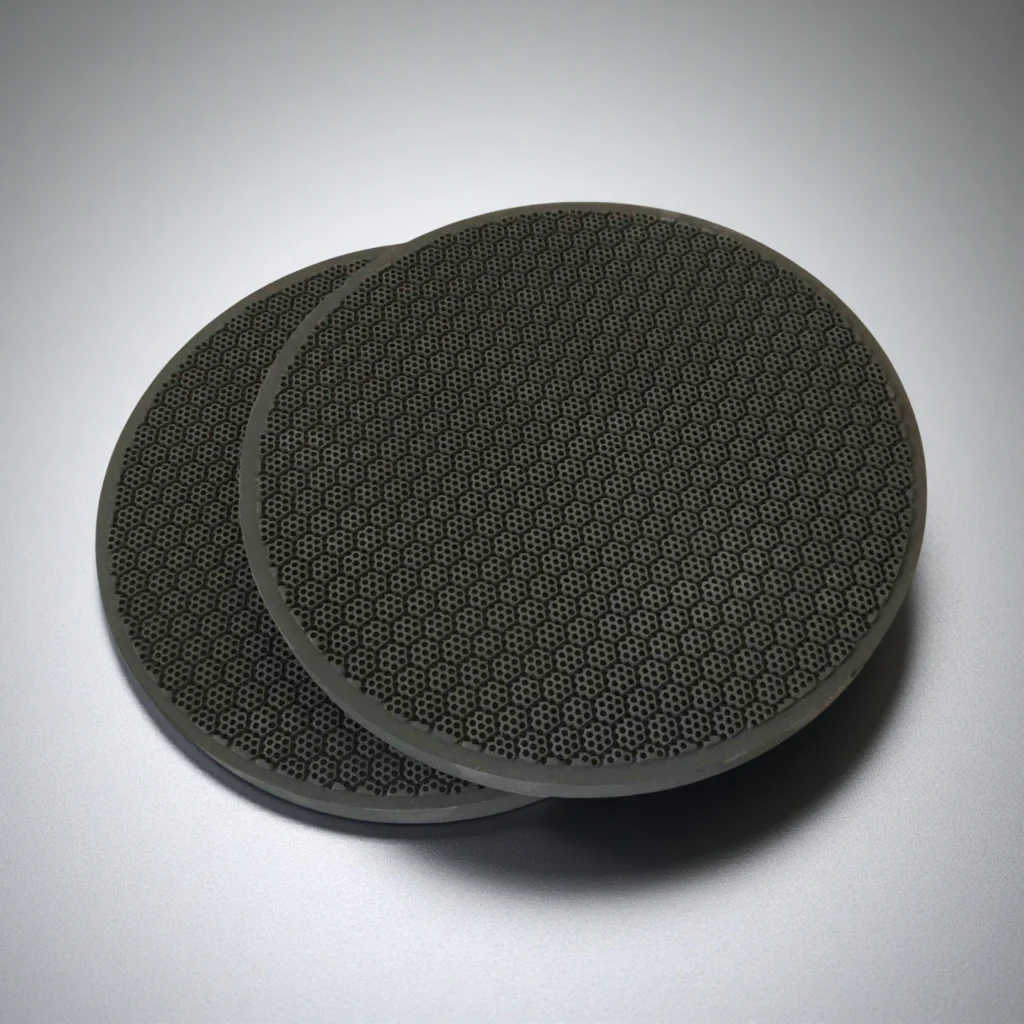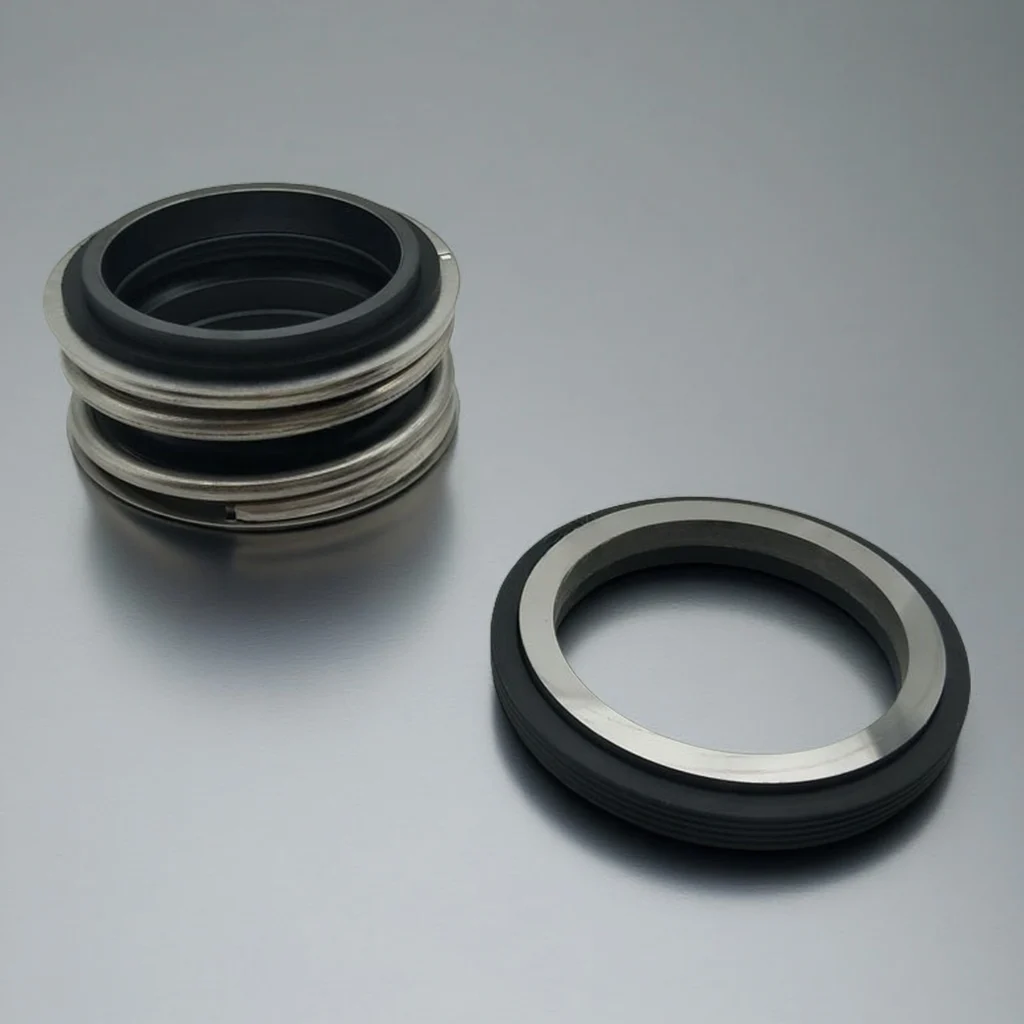
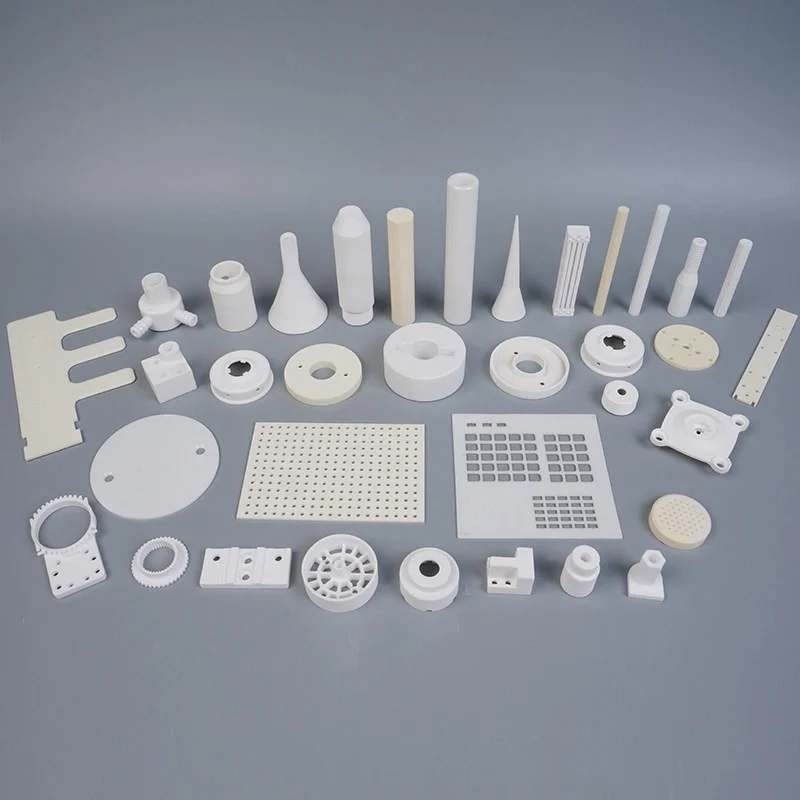
Custom Ceramic Parts from Your Drawing, Sample or Duty Conditions

ADCERAX is a ceramic parts manufacturers in China, supplying alumina, zirconia, and silicon carbide components for wear, heat, and corrosion-critical assemblies. Core products include ceramic wear parts, ceramic insulation parts, precision ceramic parts, and ceramic pump parts, built to address abrasion loss, chemical attack, thermal distortion, and electrical isolation failures that shorten service life in industrial equipment.

Send a drawing, a sample or old-part photo, or the operating conditions you need the part to handle. Material, geometry, finish, inspection and production route are confirmed through engineering review before quotation.

What is a Ceramic Parts

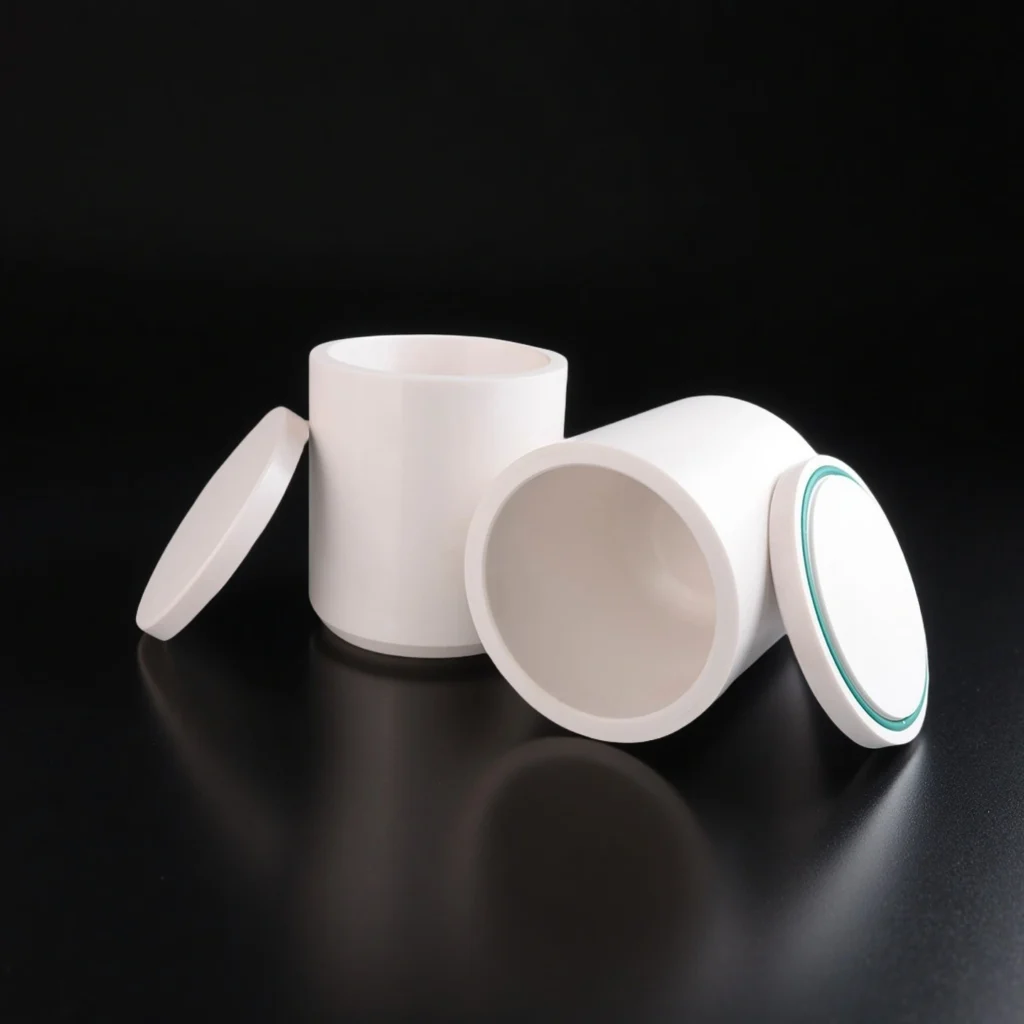
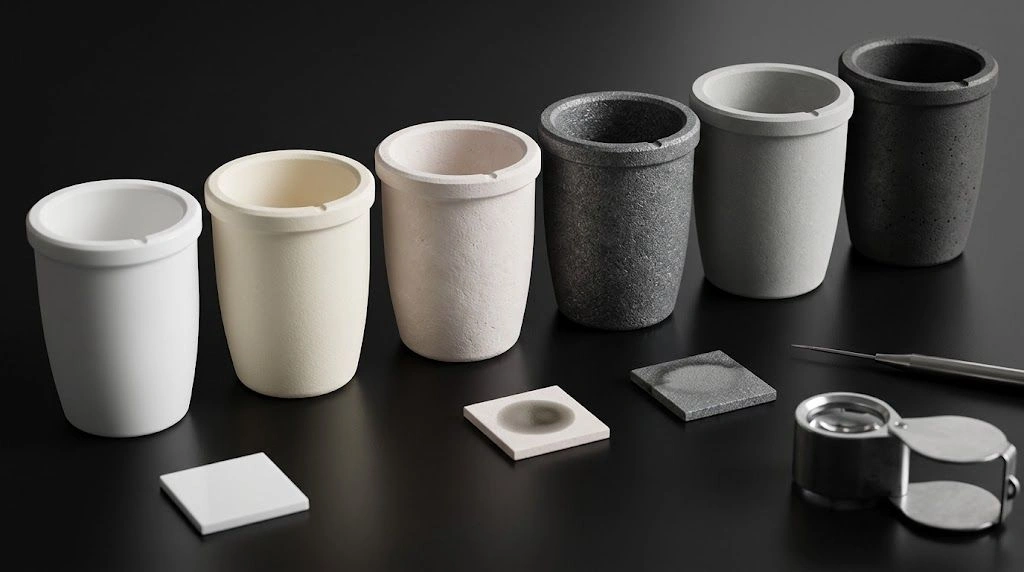
Ceramic components are functional, engineered parts made from technical ceramics that serve a defined role within an assembly—such as wear control, electrical insulation, sealing interfaces, or dimensional stability under heat and chemicals.

In engineering usage, ceramic parts are specified by system-level function and performance requirements (duty conditions, tolerances, surface finish, and material grade) to ensure reliable, repeatable operation in industrial equipment.

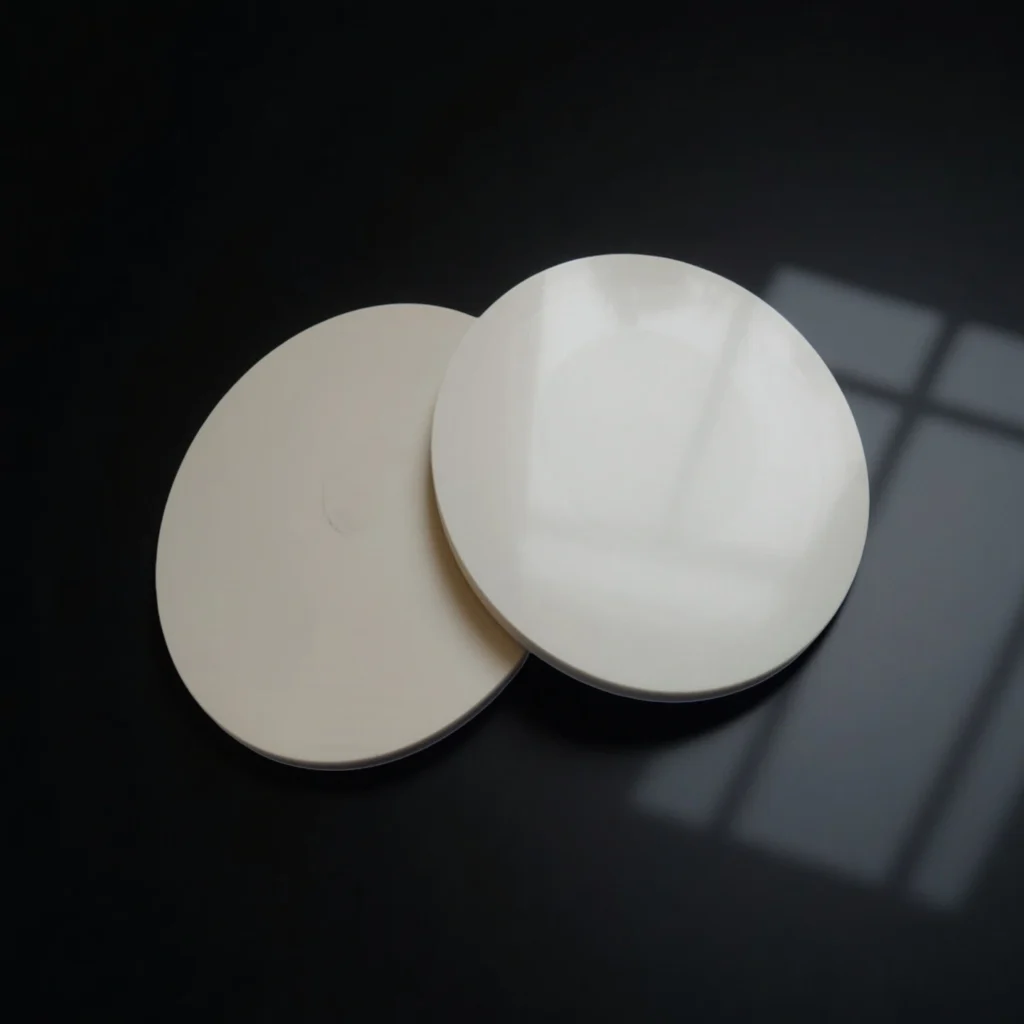
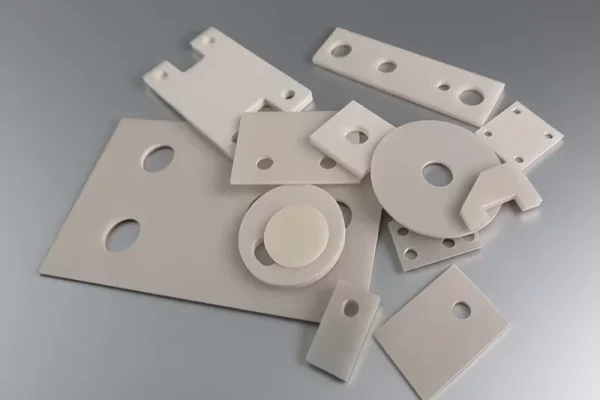
AlN Precision Parts

Ceramic Parts & Component Properties

Precision ceramic parts deliver stable performance where metals drift or wear. High hardness and low wear support longer service life, while heat and chemical resistance reduce deformation and corrosion in harsh duty.

Alumina Ceramic Parts

Alumina ceramic parts combine high hardness, strong wear resistance, and reliable electrical insulation. They stay dimensionally stable in hot, corrosive environments, so they work well as general industrial wear and insulation components.

PropertyUnit99% Al₂O₃99.5% Al₂O₃99.6% Al₂O₃99.7% Al₂O₃99.8% Al₂O₃99.9% Al₂O₃99.99% Al₂O₃
Alumina content%9999.599.699.799.899.999.99
Densityg/cm³3.883.893.913.923.933.943.98
Flexural strengthMPa360379312313314315320
HardnessGPa13.514.1 2324252630
Thermal conductivityW/m·K30–353532–3733–3834–3935–4036–42
Thermal shock resistance ΔT°C200–222223224225228
Maximum use temperature (no load)°C≤1700≤175017551760176517701800
Coefficient of thermal expansion10⁻⁶/°C8.28.4–––––
Melting point°C≈2050≈2050≈2050≈2050≈2050≈2050≈2050

Zirconia Ceramic Parts

Zirconia ceramic parts offer very high strength and fracture toughness compared with most ceramics. They keep smooth, low-wear surfaces under load, making them ideal for precision structural, screw and sealing elements.

PropertySpecification
Maximum Working Temperature1500 °C continuous use
Density5.65 g/cm³
Thermal Expansion Coefficient10.3 × 10⁻⁶/K (25–1000 °C)
Thermal Conductivity2.2 W/m·K at 1000 °C
Chemical Stability0.08% mass loss after 24 h acid/alkali exposure at 1200 °C
Flexural Strength900 MPa at room temperature
Fracture Toughness8 MPa·m½
Hardness (Vickers)12 GPa
Elastic Modulus210 GPa

Silicon Carbide Ceramic Parts

Silicon carbide ceramic parts provide extreme abrasion resistance, high thermal conductivity, and excellent chemical stability at high temperature. They are preferred for nozzles, seal faces, and other parts exposed to hot, fast-moving, or abrasive media.

PropertySpecification
Material SystemRBSiC (80% SiC, 20% free Si) / SSiC (≥99% SiC)
Maximum Operating Temperature≤1380°C (RBSiC) / ≤1600°C (SSiC)
Bulk Density3.02 g/cm³ (RBSiC) / 3.10 g/cm³ (SSiC)
Open Porosity<0.1%
Flexural Strength (20°C)250 MPa (RBSiC) / 380 MPa (SSiC)
Flexural Strength (1200°C)280 MPa (RBSiC) / 400 MPa (SSiC)
Compressive Strength1000–2200 MPa
Elastic Modulus330 GPa (RBSiC) / 420 GPa (SSiC)
Thermal Conductivity45 W/m·K (RBSiC) / 74 W/m·K (SSiC)
Thermal Expansion Coefficient4.1–4.5 ×10⁻⁶/K
Hardness2600–2800 kg/mm²
Chemical Stability RangepH 2–12
Oxidation Stability<1% microstructural oxidation after 50 cycles (1000°C → RT)

Silicon Nitride Ceramic Parts

Silicon nitride ceramic parts offer high strength, low density, and excellent thermal-shock resistance. They suit high-speed, high-temperature equipment where weight reduction and efficient heat dissipation are critical.

PropertyDescriptionNotes
Density≈ 3.2 g/cm³About 60% lighter than bearing steel, reducing centrifugal force at high speed
Hardness≈ 1,500 – 1,700 HVHigh surface hardness limits indentation and slows wear under rolling contact.
Elastic Modulus≈ 300 – 320 GPaMaintains stiffness under load, supporting stable geometry at high RPM.
Thermal Expansion Coefficient≈ 3.0 × 10⁻⁶ /KMuch lower than steel, helping control preload and internal clearance as temperature changes.
Thermal Shock ResistanceHighHandles rapid temperature changes with lower cracking risk.
Electrical InsulationExcellent (non-conductive)Effectively blocks electrical discharge damage (EDM) in VFD-driven motors.
Corrosion ResistanceExcellent in most acids, alkalis, and humid environmentsResists rust, pitting, and chemical attack that degrade steel.

Alumina Ceramic Parts

Alumina ceramic parts combine high hardness, strong wear resistance, and reliable electrical insulation. They stay dimensionally stable in hot, corrosive environments, so they work well as general industrial wear and insulation components.

PropertyUnit99% Al₂O₃99.5% Al₂O₃99.6% Al₂O₃99.7% Al₂O₃99.8% Al₂O₃99.9% Al₂O₃99.99% Al₂O₃
Alumina content%9999.599.699.799.899.999.99
Densityg/cm³3.883.893.913.923.933.943.98
Flexural strengthMPa360379312313314315320
HardnessGPa13.514.1 2324252630
Thermal conductivityW/m·K30–353532–3733–3834–3935–4036–42
Thermal shock resistance ΔT°C200–222223224225228
Maximum use temperature (no load)°C≤1700≤175017551760176517701800
Coefficient of thermal expansion10⁻⁶/°C8.28.4–––––
Melting point°C≈2050≈2050≈2050≈2050≈2050≈2050≈2050

Zirconia Ceramic Parts

Zirconia ceramic parts offer very high strength and fracture toughness compared with most ceramics. They keep smooth, low-wear surfaces under load, making them ideal for precision structural, screw and sealing elements.

PropertySpecification
Maximum Working Temperature1500 °C continuous use
Density5.65 g/cm³
Thermal Expansion Coefficient10.3 × 10⁻⁶/K (25–1000 °C)
Thermal Conductivity2.2 W/m·K at 1000 °C
Chemical Stability0.08% mass loss after 24 h acid/alkali exposure at 1200 °C
Flexural Strength900 MPa at room temperature
Fracture Toughness8 MPa·m½
Hardness (Vickers)12 GPa
Elastic Modulus210 GPa

Silicon Carbide Ceramic Parts

Silicon carbide ceramic parts provide extreme abrasion resistance, high thermal conductivity, and excellent chemical stability at high temperature. They are preferred for nozzles, seal faces, and other parts exposed to hot, fast-moving, or abrasive media.

PropertySpecification
Material SystemRBSiC (80% SiC, 20% free Si) / SSiC (≥99% SiC)
Maximum Operating Temperature≤1380°C (RBSiC) / ≤1600°C (SSiC)
Bulk Density3.02 g/cm³ (RBSiC) / 3.10 g/cm³ (SSiC)
Open Porosity<0.1%
Flexural Strength (20°C)250 MPa (RBSiC) / 380 MPa (SSiC)
Flexural Strength (1200°C)280 MPa (RBSiC) / 400 MPa (SSiC)
Compressive Strength1000–2200 MPa
Elastic Modulus330 GPa (RBSiC) / 420 GPa (SSiC)
Thermal Conductivity45 W/m·K (RBSiC) / 74 W/m·K (SSiC)
Thermal Expansion Coefficient4.1–4.5 ×10⁻⁶/K
Hardness2600–2800 kg/mm²
Chemical Stability RangepH 2–12
Oxidation Stability<1% microstructural oxidation after 50 cycles (1000°C → RT)

Silicon Nitride Ceramic Parts

Silicon nitride ceramic parts offer high strength, low density, and excellent thermal-shock resistance. They suit high-speed, high-temperature equipment where weight reduction and efficient heat dissipation are critical.

PropertyDescriptionNotes
Density≈ 3.2 g/cm³About 60% lighter than bearing steel, reducing centrifugal force at high speed
Hardness≈ 1,500 – 1,700 HVHigh surface hardness limits indentation and slows wear under rolling contact.
Elastic Modulus≈ 300 – 320 GPaMaintains stiffness under load, supporting stable geometry at high RPM.
Thermal Expansion Coefficient≈ 3.0 × 10⁻⁶ /KMuch lower than steel, helping control preload and internal clearance as temperature changes.
Thermal Shock ResistanceHighHandles rapid temperature changes with lower cracking risk.
Electrical InsulationExcellent (non-conductive)Effectively blocks electrical discharge damage (EDM) in VFD-driven motors.
Corrosion ResistanceExcellent in most acids, alkalis, and humid environmentsResists rust, pitting, and chemical attack that degrade steel.

Precision Ceramic Part Products & Types

Explore our main precision ceramic part families by material and use. From alumina and zirconia to SiC and Si₃N₄, these examples show typical screws, bushings, spacers, fixtures, nozzles and other wear or insulating parts that can be adapted to your own designs.

precision ceramic parts material
alumina ceramic element parts

Alumina ceramic parts

Go-to option for cost-effective insulating parts in furnaces, kilns and lab equipment—keep fixtures clean, stable and easy to replace.
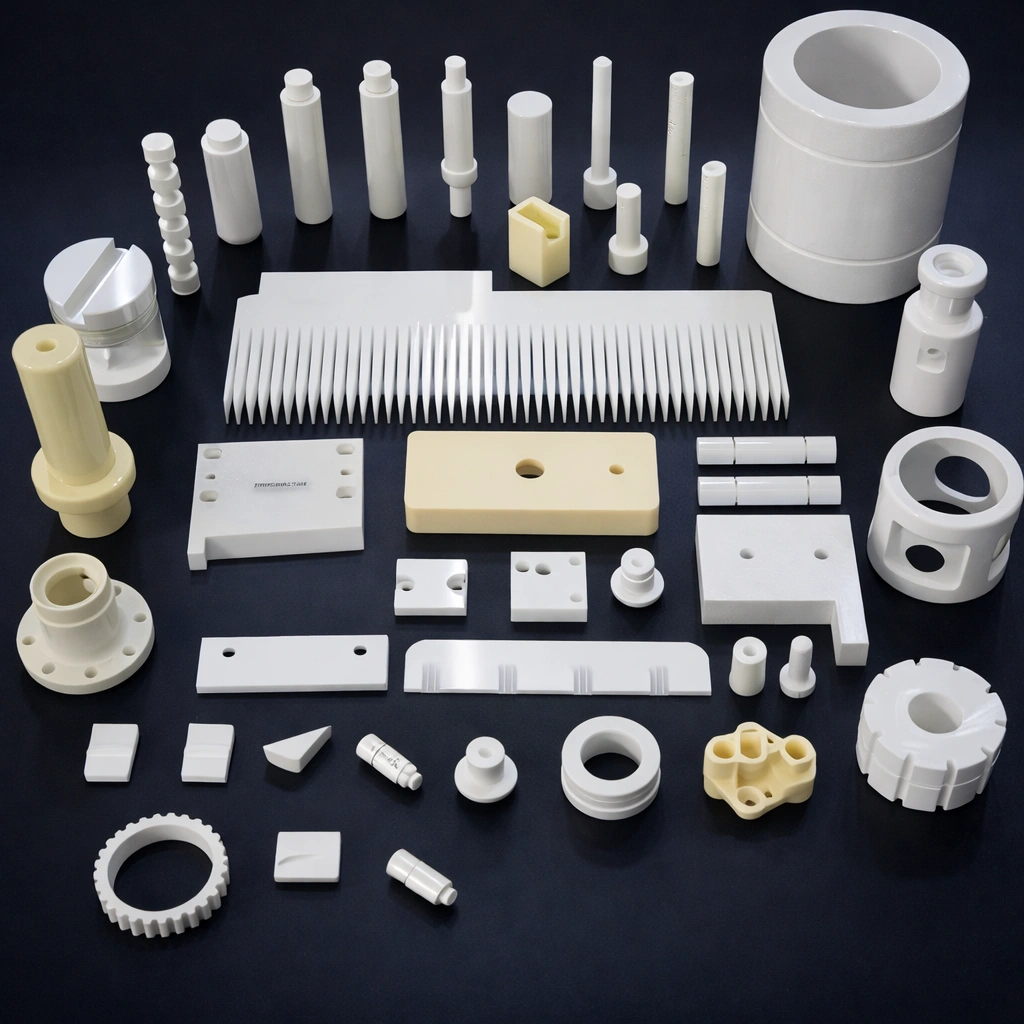
custom zirconia ceramic parts

zirconia ceramic parts

Chosen for compact mechanisms that see high load or impact—precision guides, bushes and wear inserts that must stay tight and run longer.
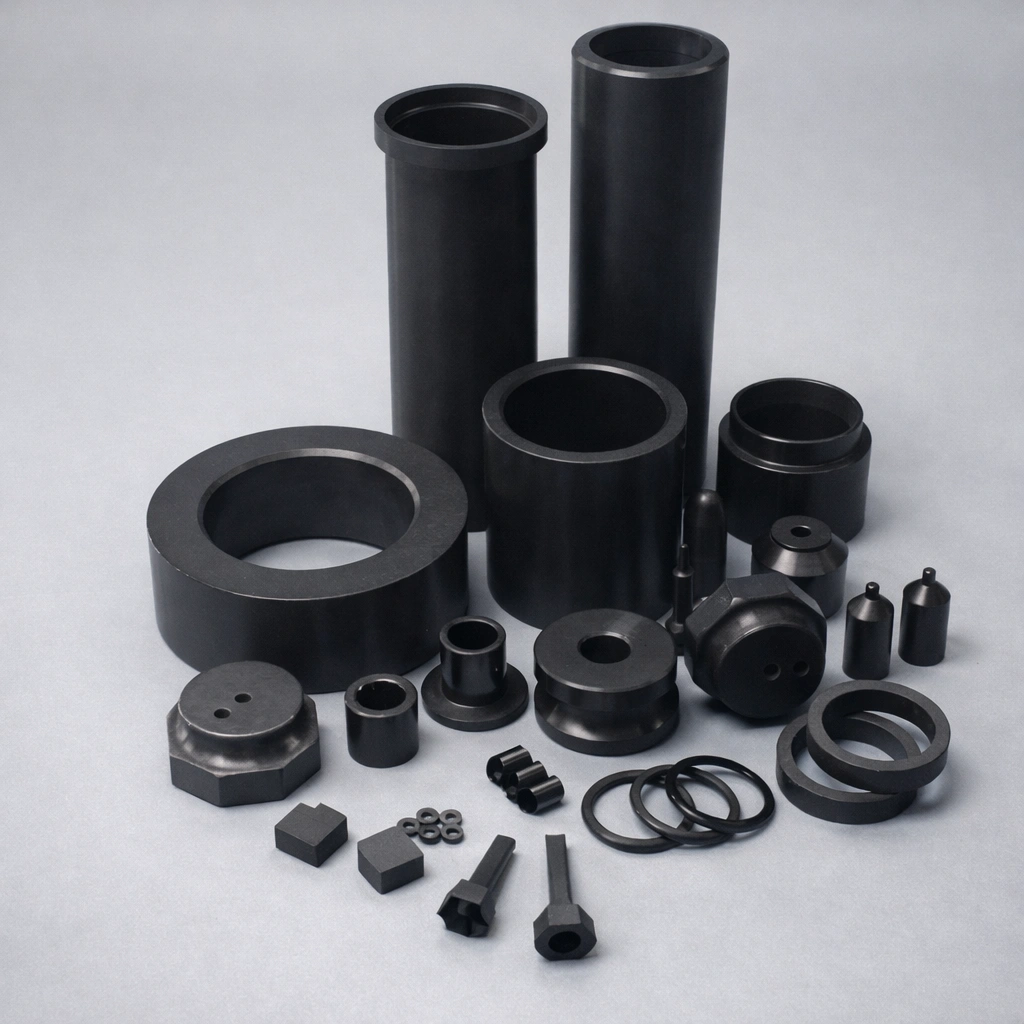
Silicon Nitride components

Silicon Nitride Parts

Preferred in high-speed or thermal-shock service—rotor parts, rollers and tooling where lower mass and long service life cut downtime.
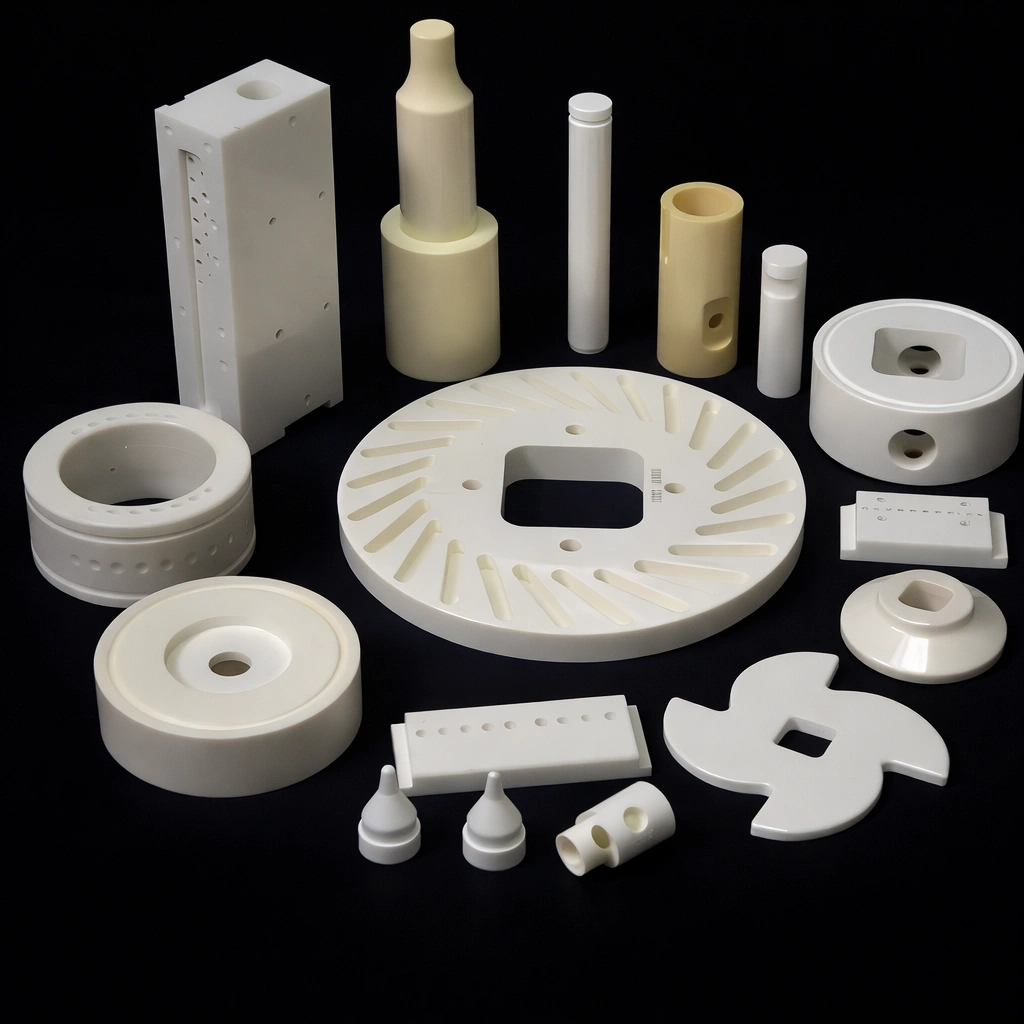
ZTA ceramic components

ZTA ceramic components

Best suited to abrasive slurries, hot gas and corrosive liquids—nozzles, seal faces and flow components that need stable clearance in harsh media.
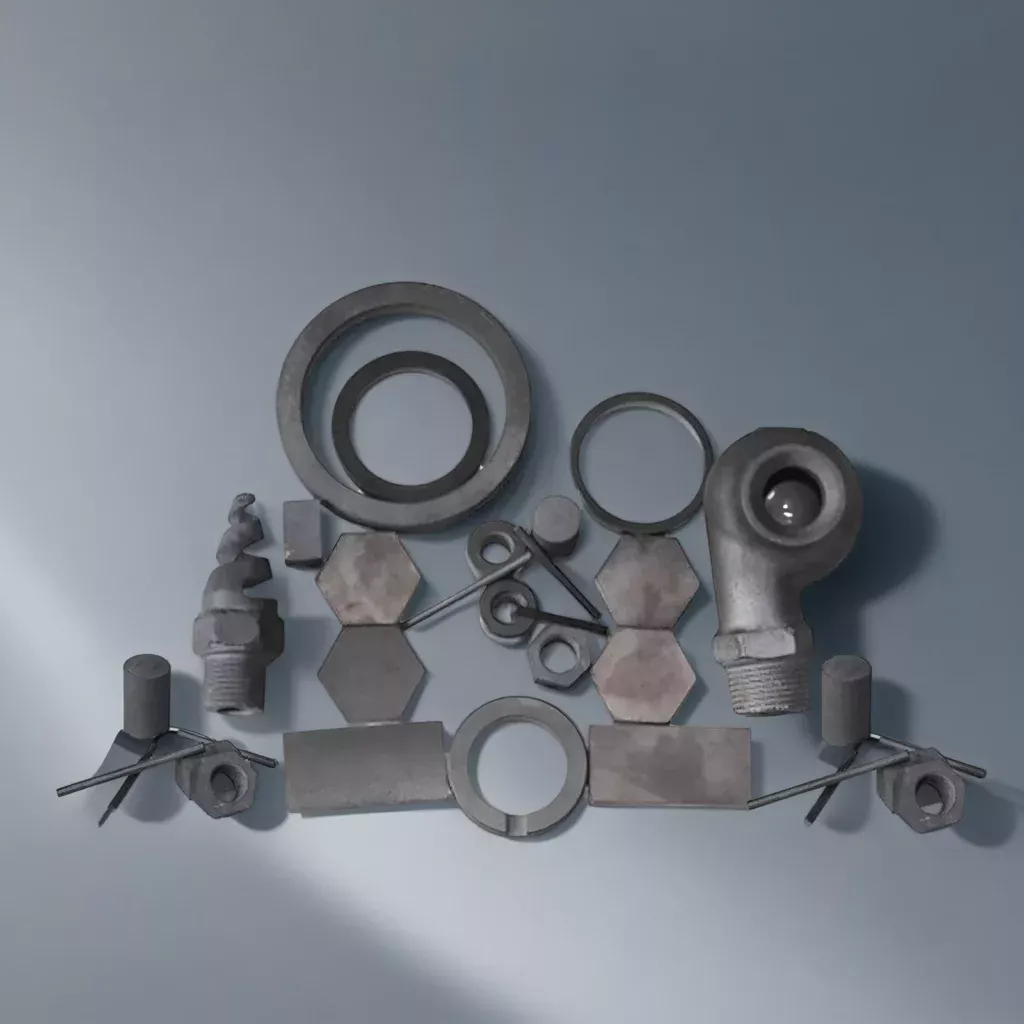
Silicon Carbide SiC Ceramic Built for High-Temperature Environment

silicon carbide ceramic parts

Good choice for slurry pumps, burners and kiln hardware—keep clearances stable in abrasive, high-load process lines.
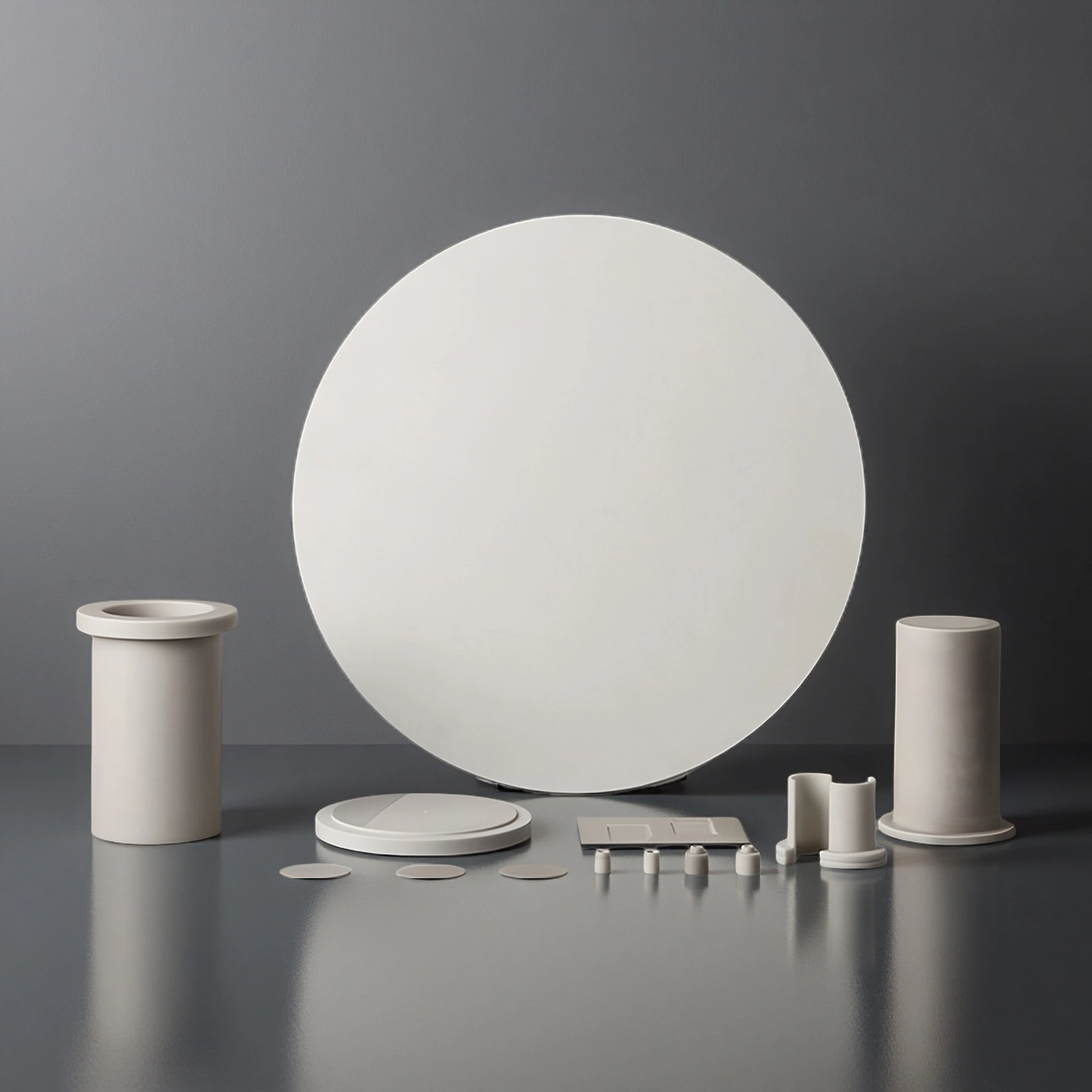
aluminum nitride ceramic parts

aluminum nitride ceramic parts

Go-to option for heat-focused electronics and fixtures—support compact layouts where fast heat spreading keeps devices safe.
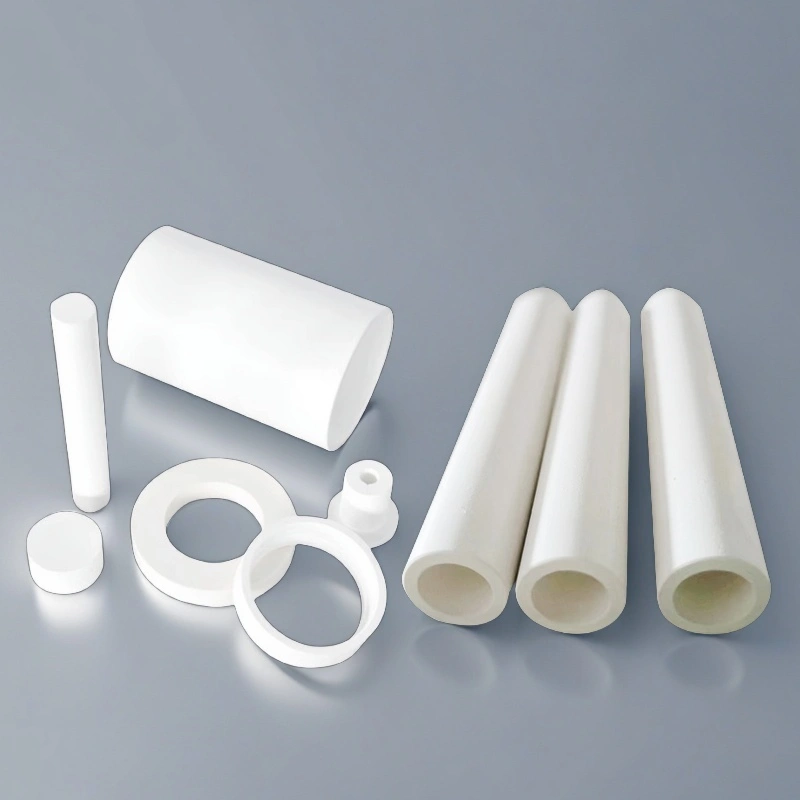
Boron Nitride (BN) Ceramic parts

Boron Nitride Ceramic Parts

Ideal for vacuum, molten metal and inert-gas tooling—make release plates, nozzles and shields that simplify clean changeovers.
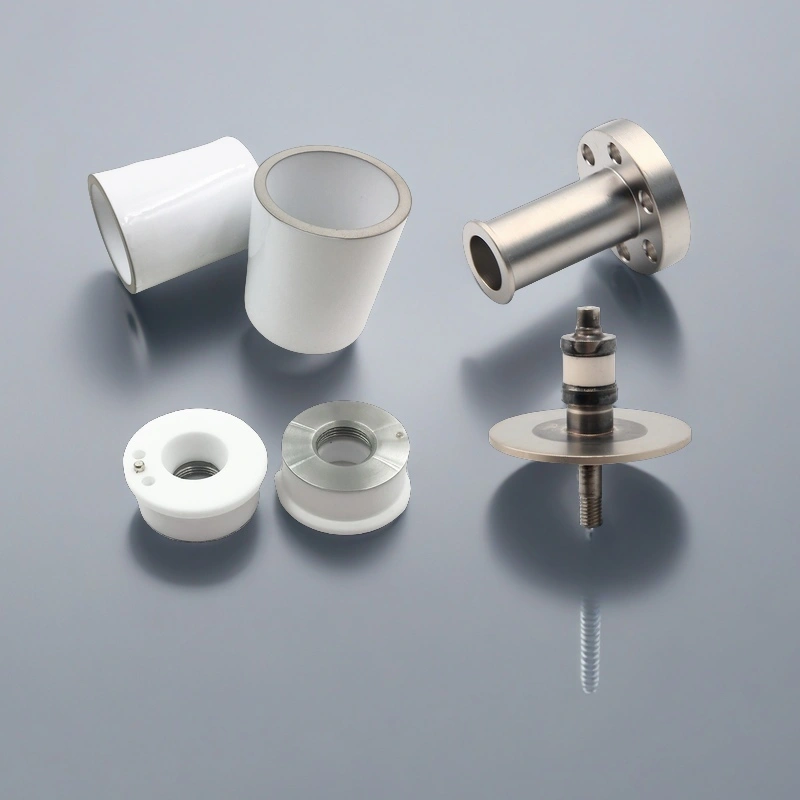
Metallized ceramics from adcerax

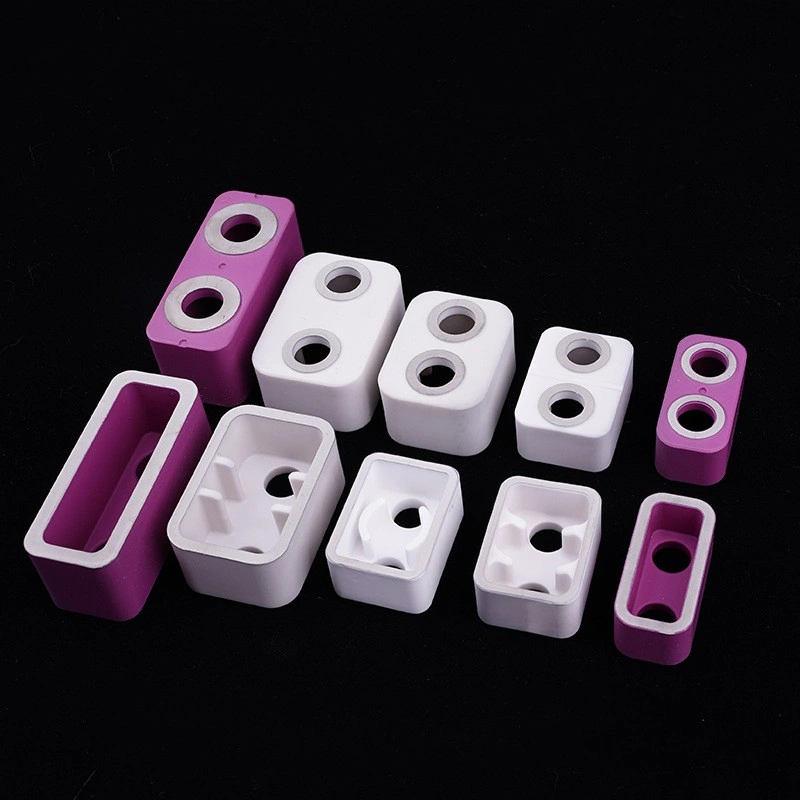
Metalized Ceramics Parts

Used for hermetic feedthroughs, sensor housings and power modules—join reliably to metal hardware while keeping circuits protected.
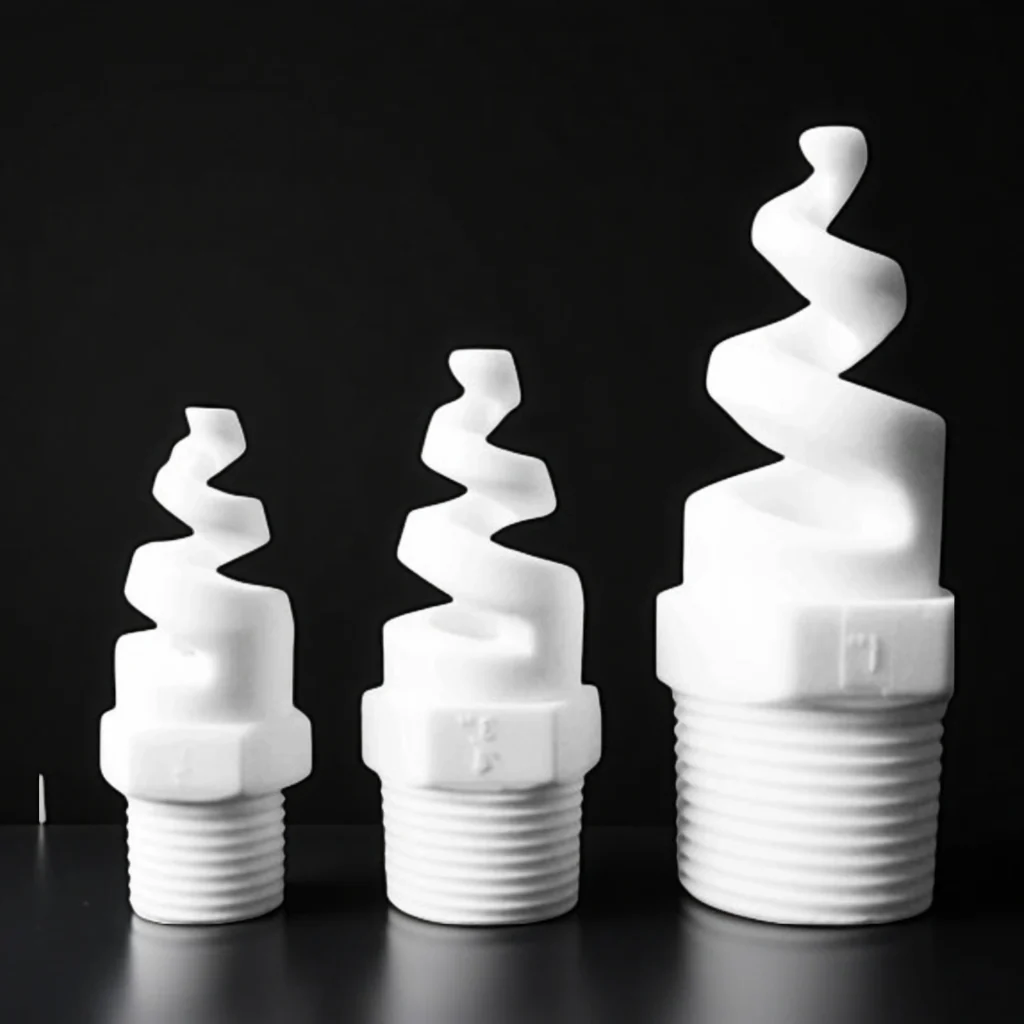
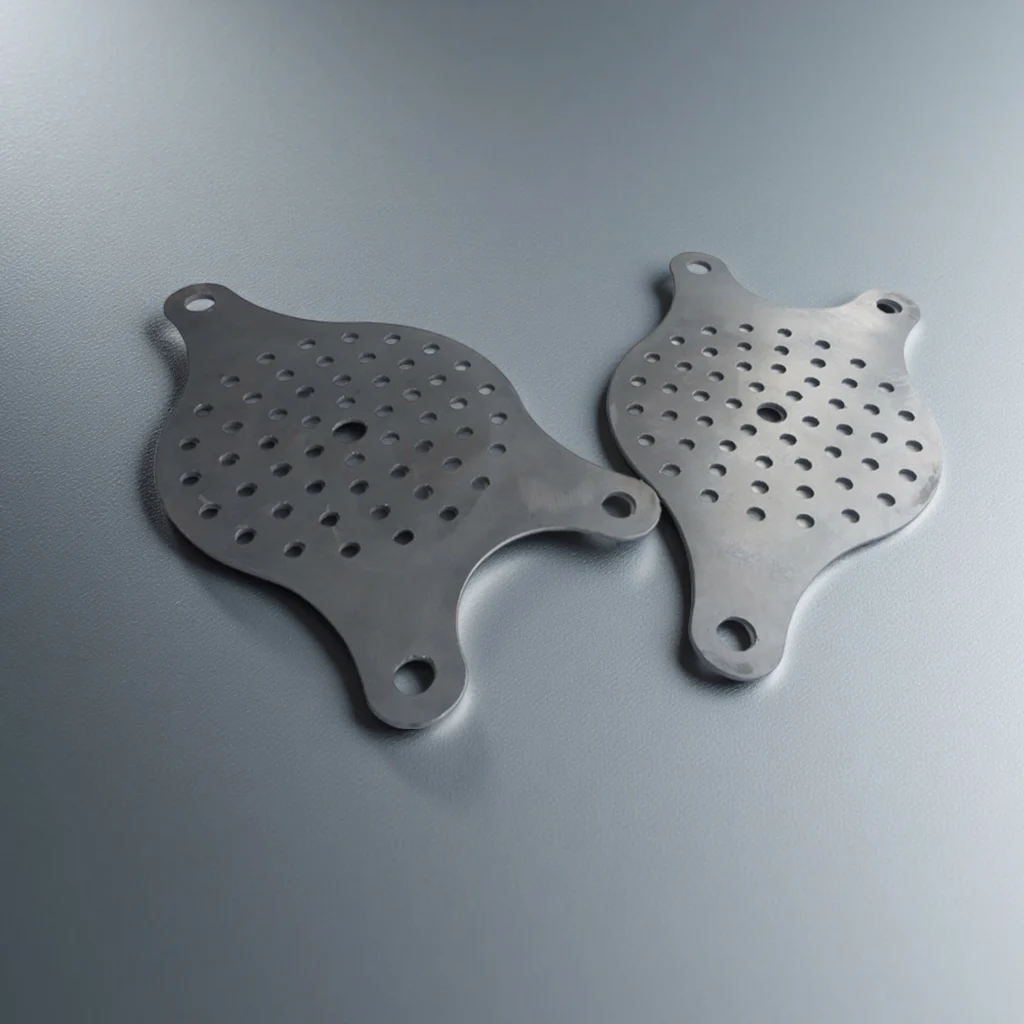
advanced ceramic components types

Industrial Ceramic Parts

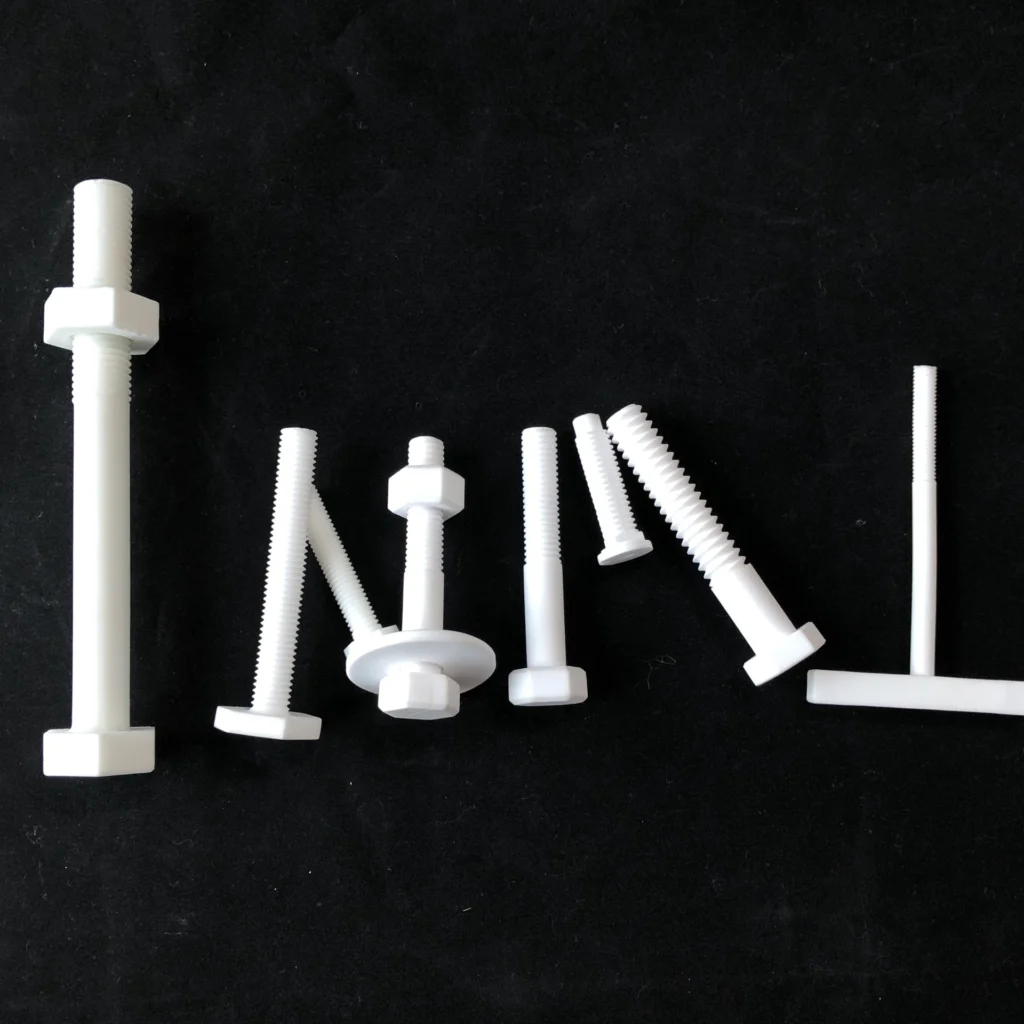
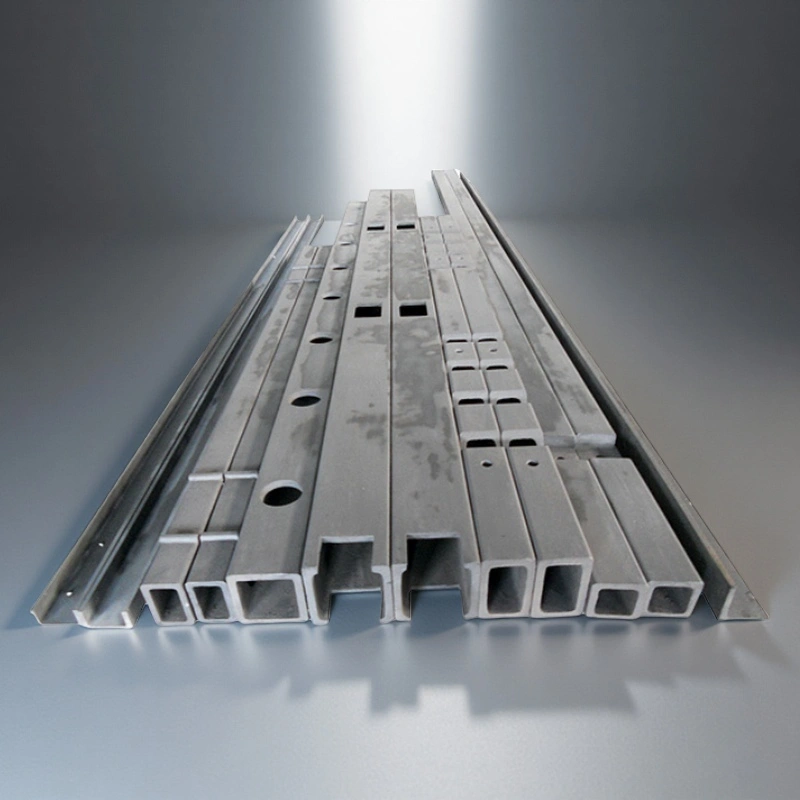
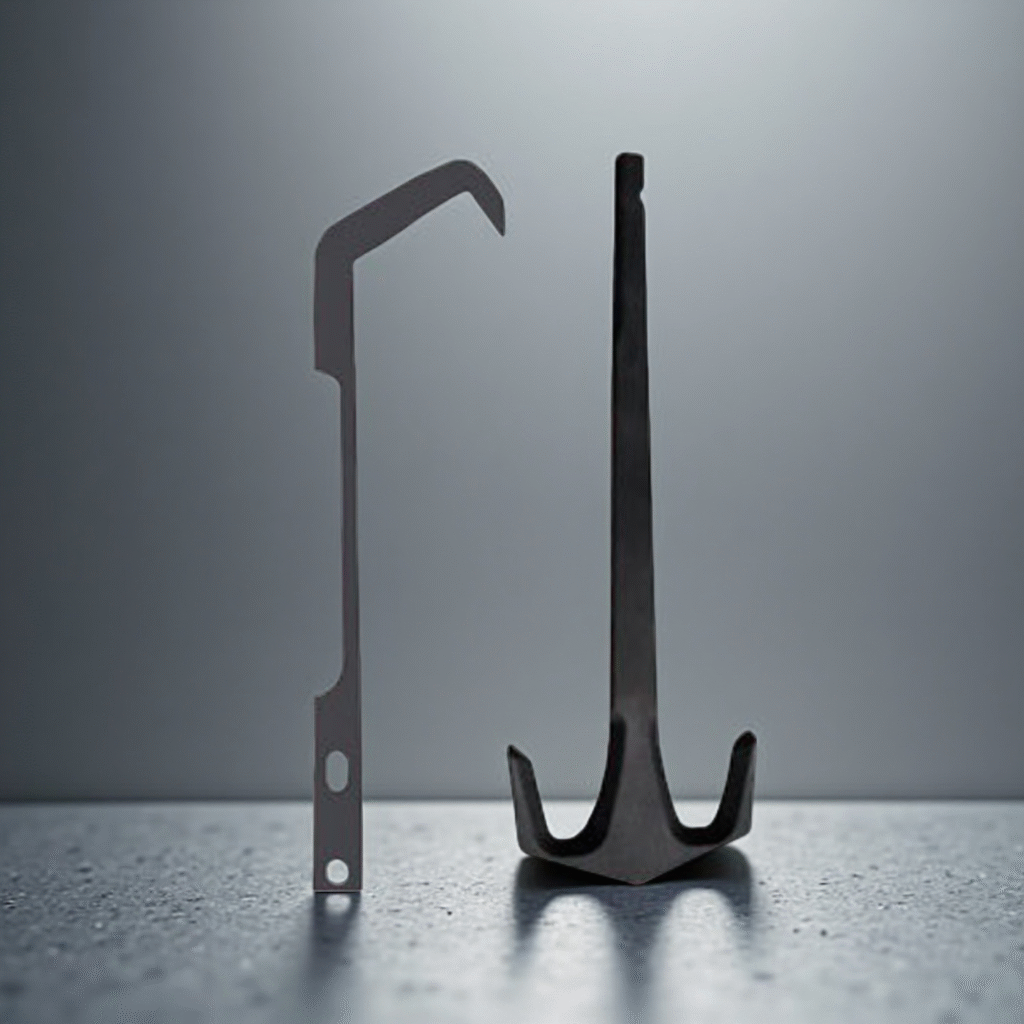
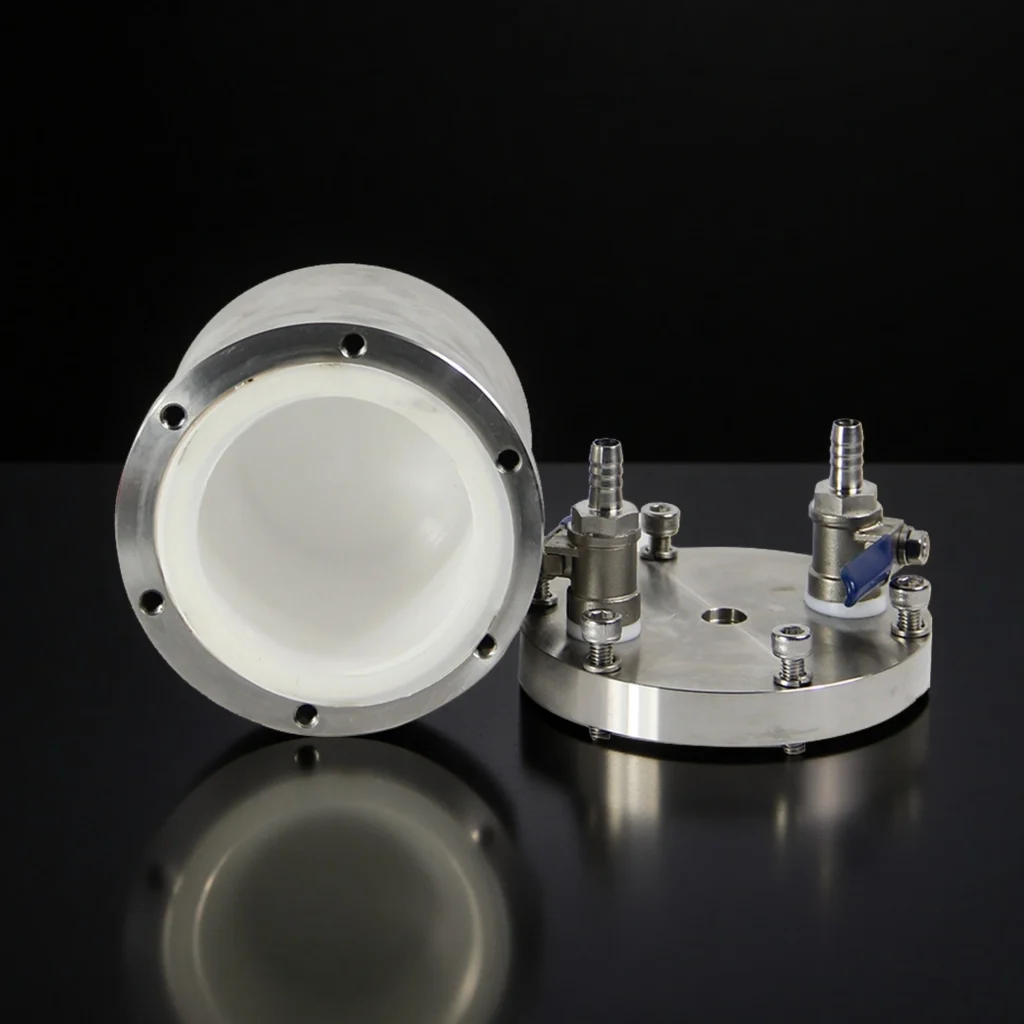
Industrial ceramic components are precision-machined components made from technical ceramics, offering high wear resistance, thermal stability, and electrical insulation. Available in nozzles, kiln plates, screw with nut, beam,hook and custom structures.

Ceramic Machine Parts

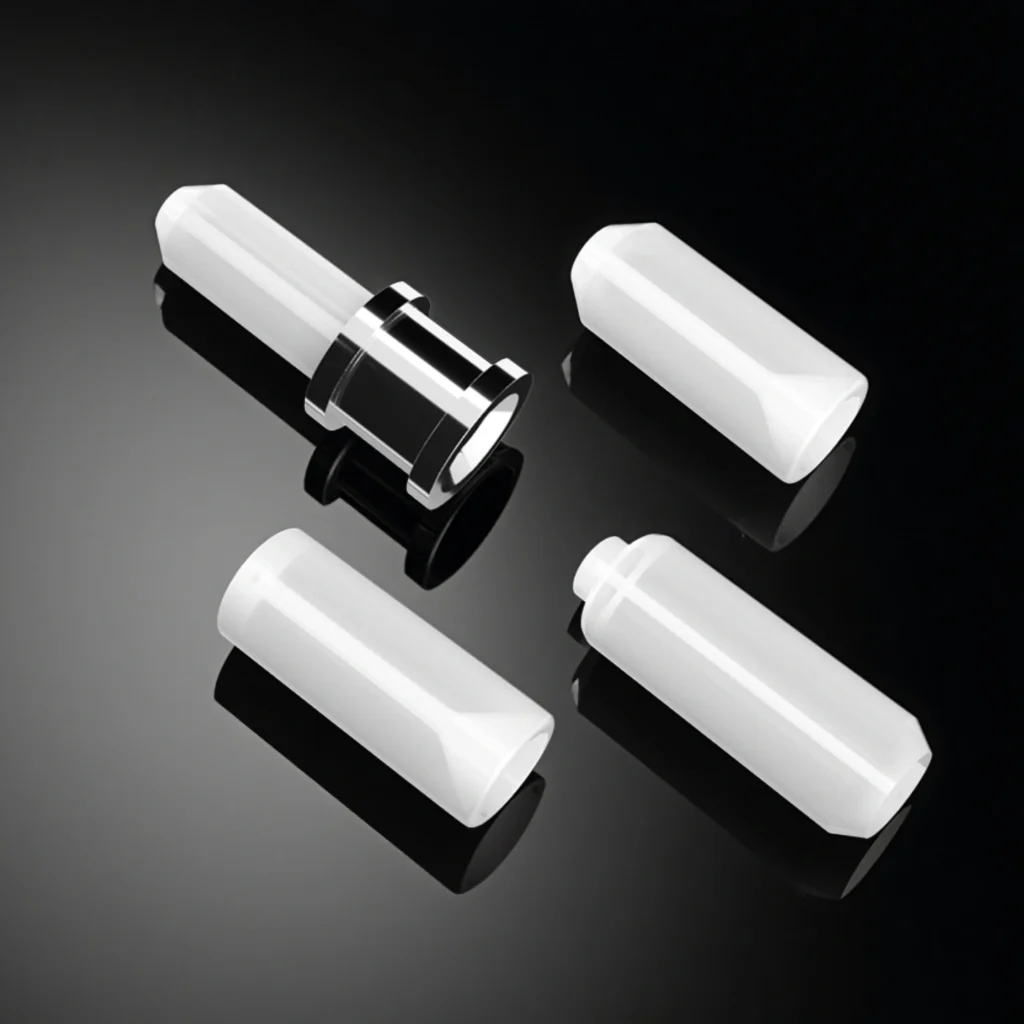
Ceramic Machine Parts are precision ceramic components used to hold alignment and fit in demanding mechanical assemblies. Pins, sleeves, bushings, and custom locators are made to tight tolerances for stable geometry and repeatable positioning.

Semiconductor Ceramic Parts

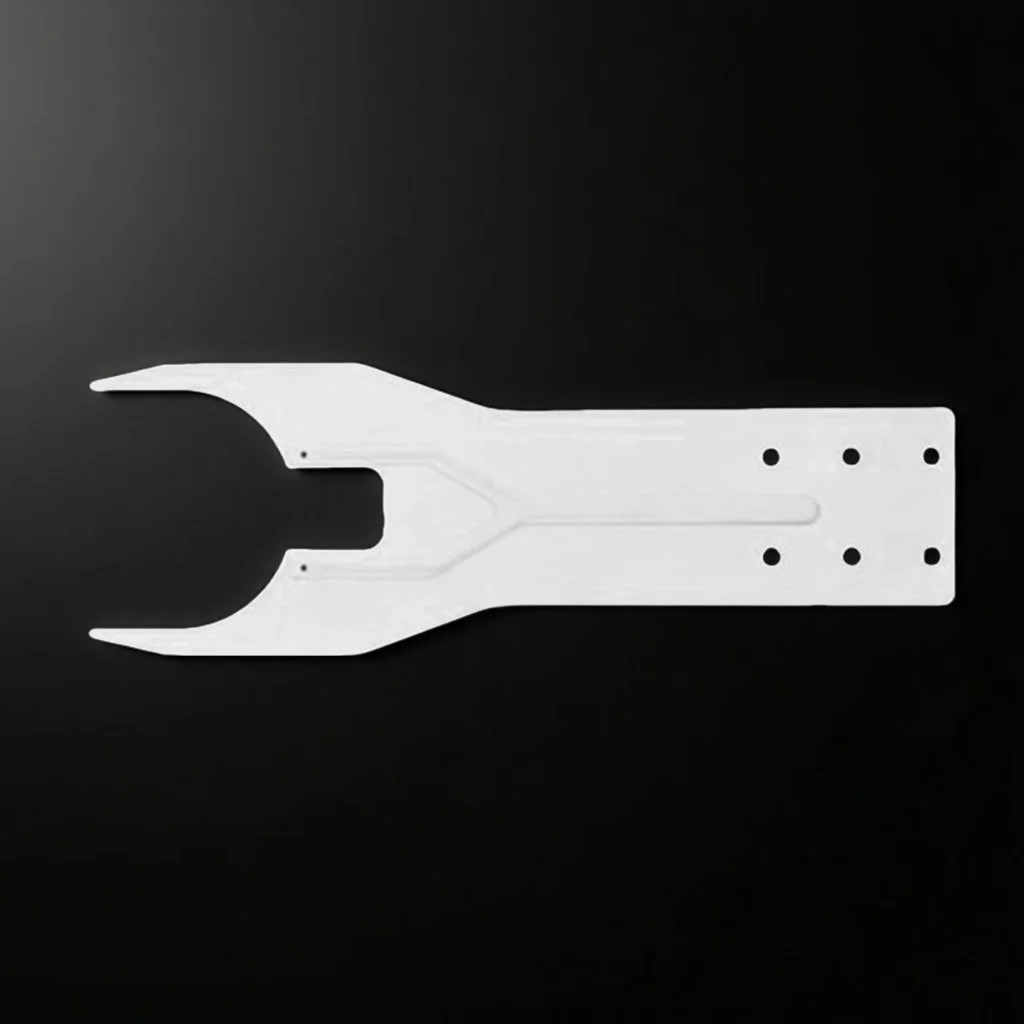
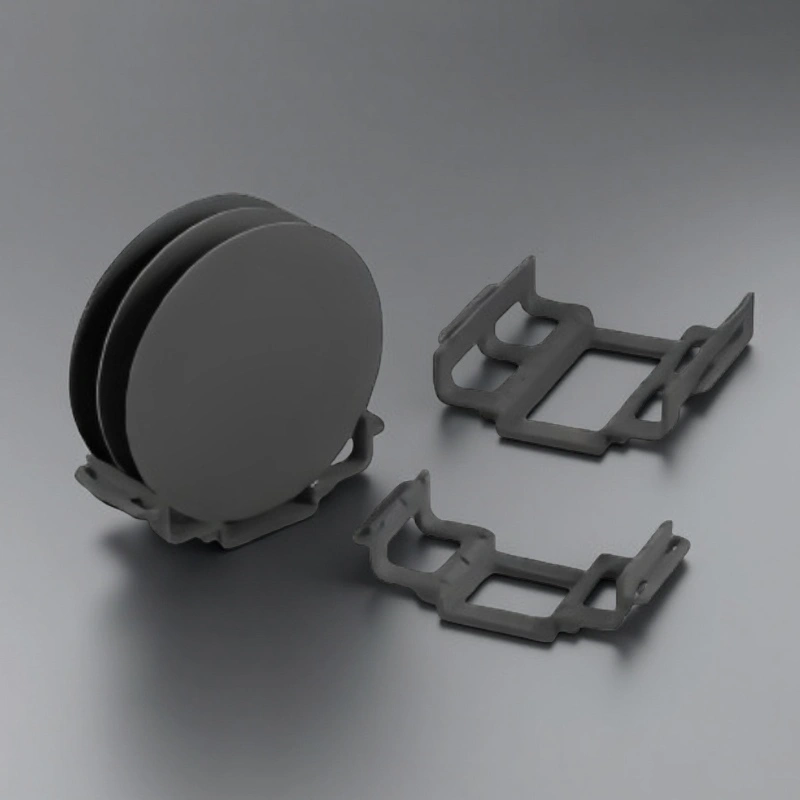
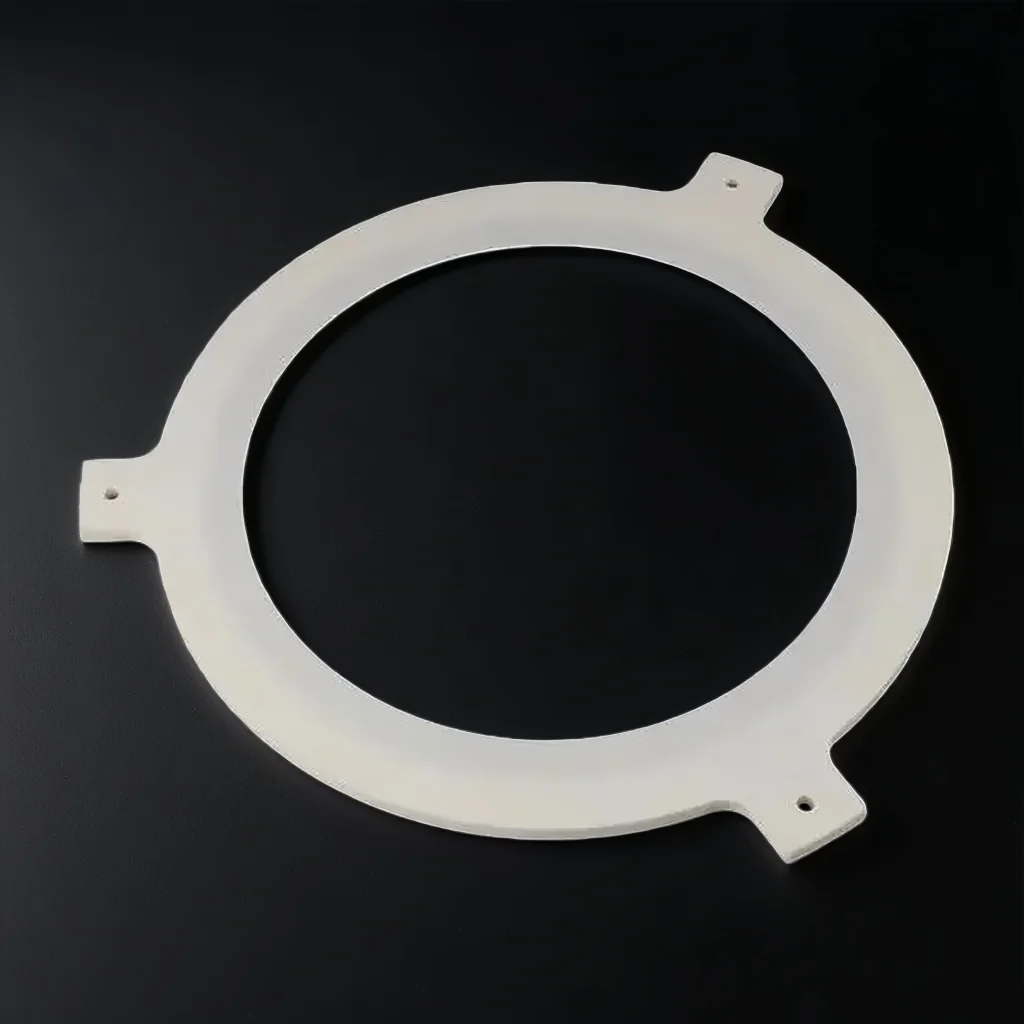
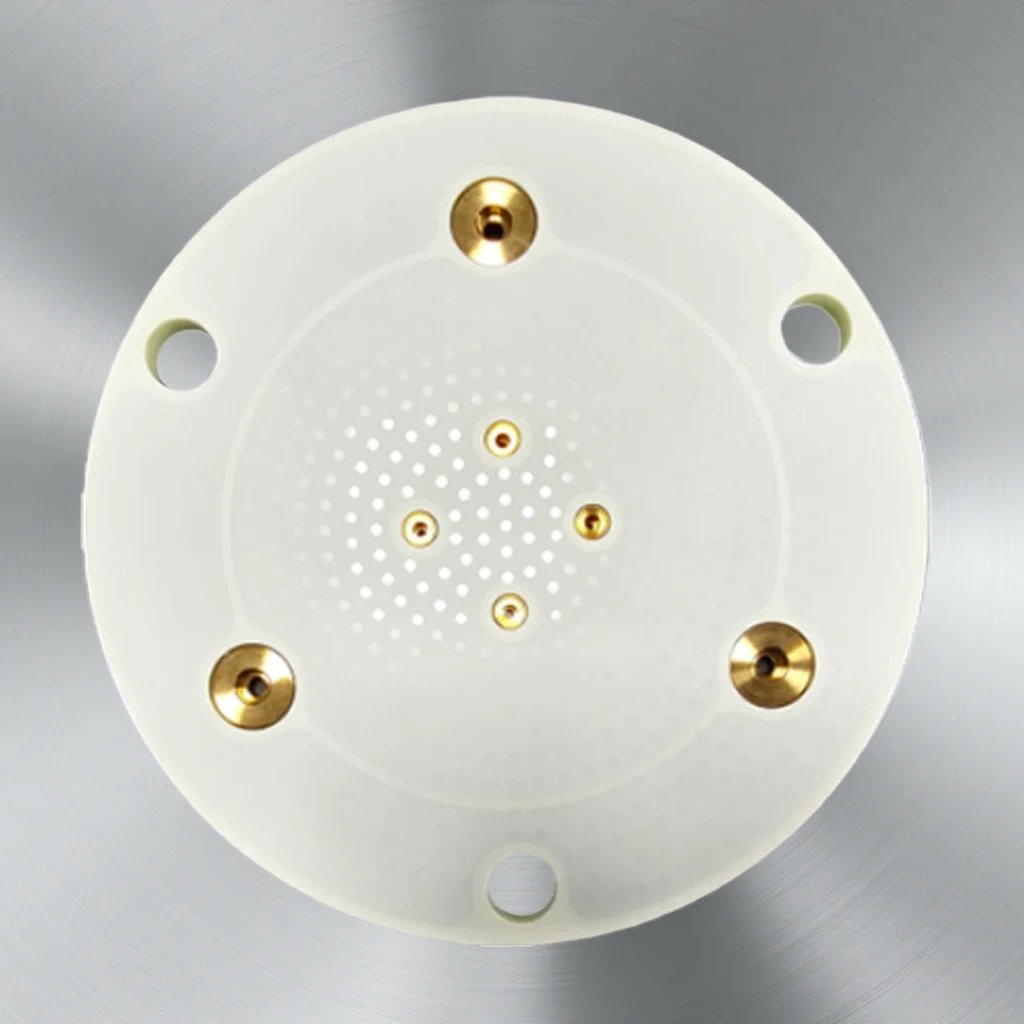
Semiconductor ceramic parts are high-purity, tight-tolerance components built for clean, stable handling in process equipment. Typical parts include wafer boats, slotted plates, insulating rings, electrostatic chuck ceramics, and polishing plates with controlled surface finish and consistent geometry.

Electronic Ceramic Components

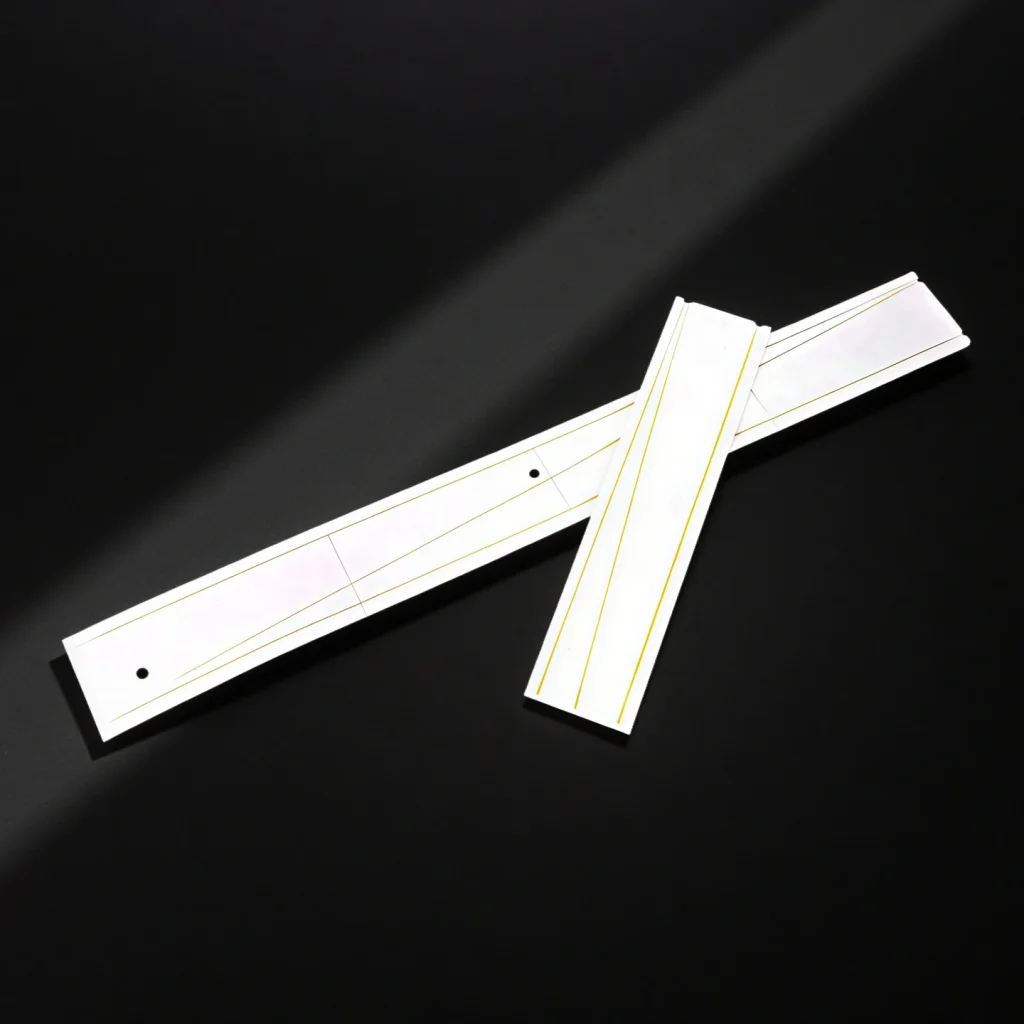
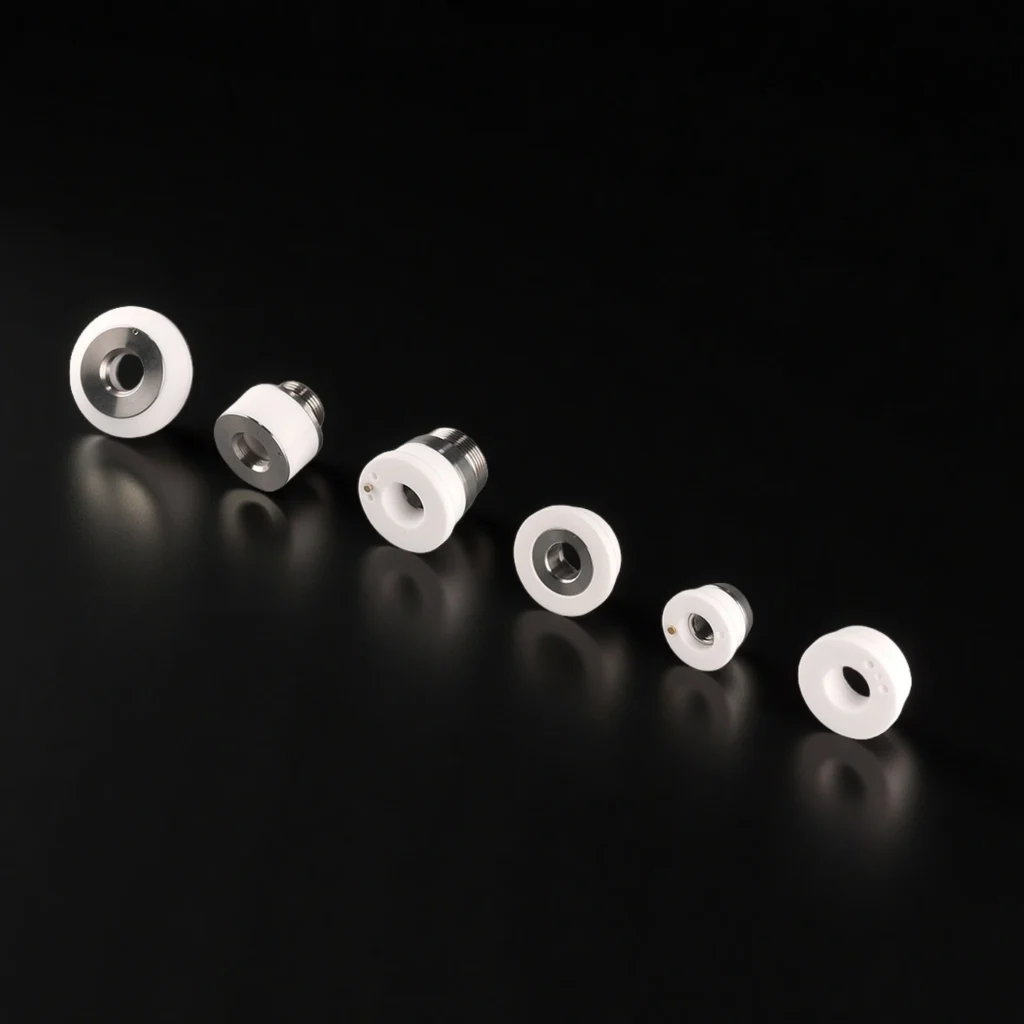
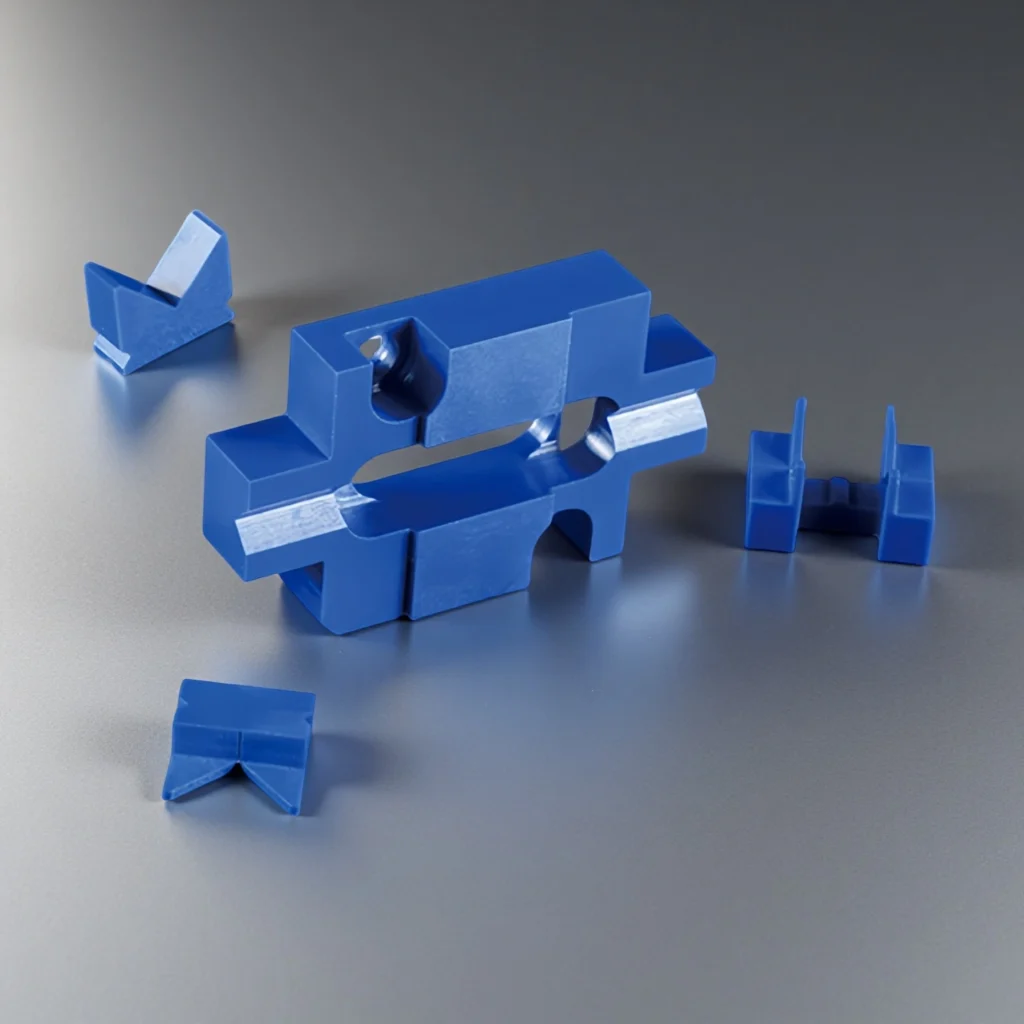
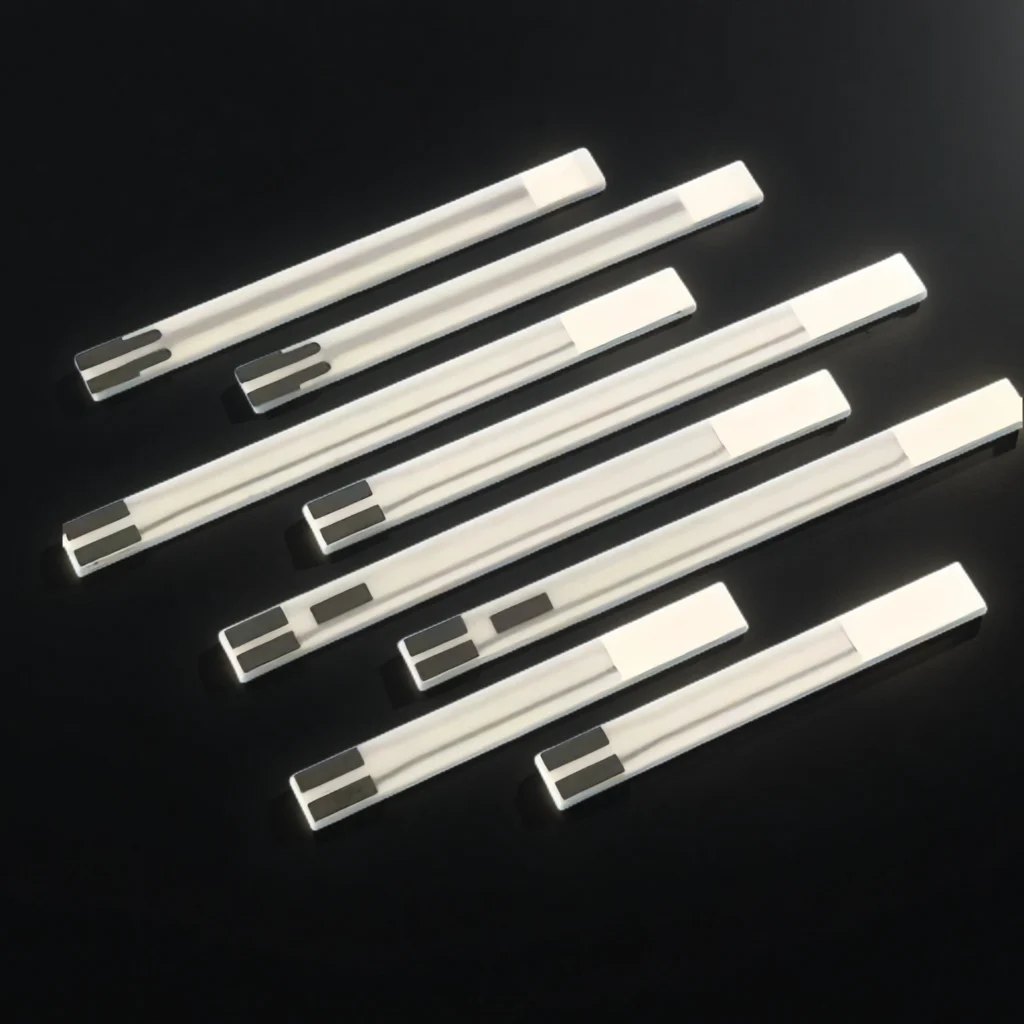
Electronic Ceramic Components are precision technical-ceramic parts used to control insulation, alignment, and thermal stability in electronic assemblies. Typical items include laser cutting heads, sensor chips, V-grooves, ferrules, and relay housings for consistent fit and repeatable performance.

Other Ceramic Components

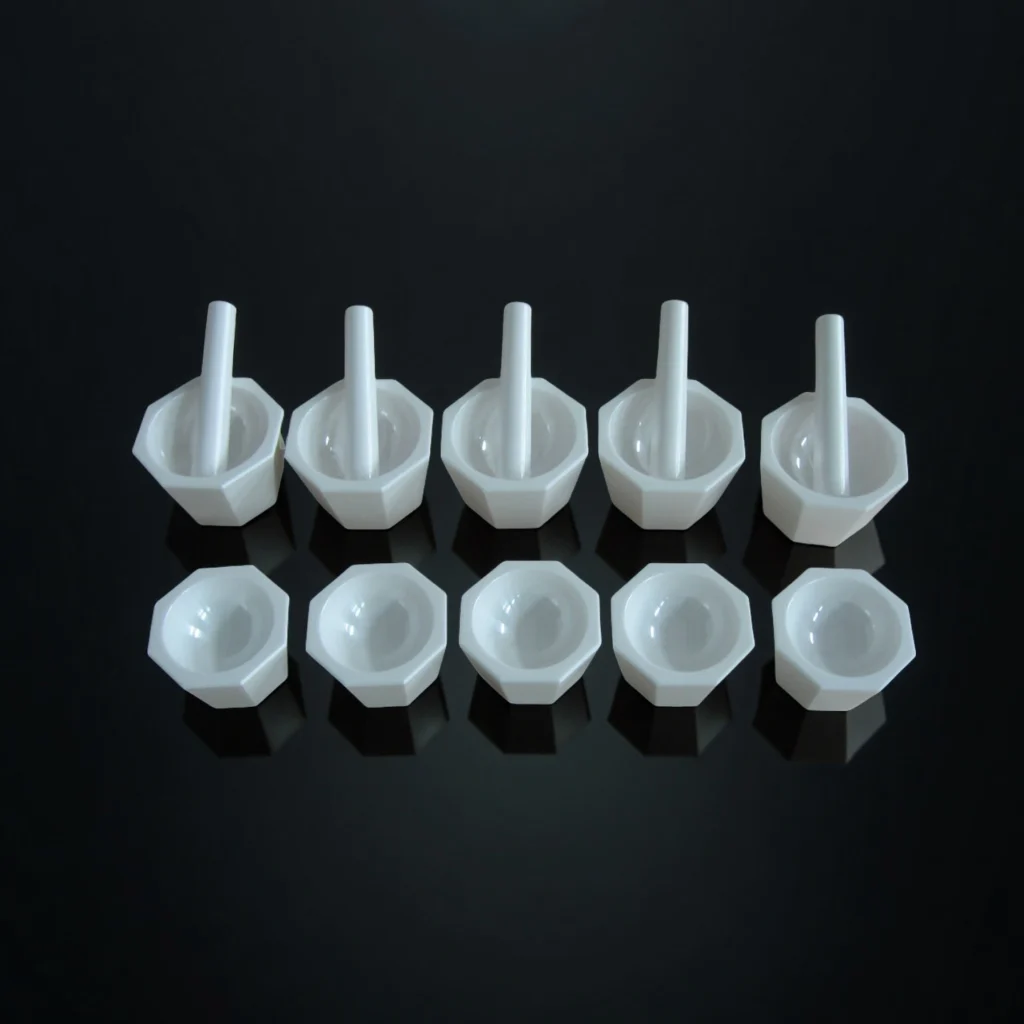
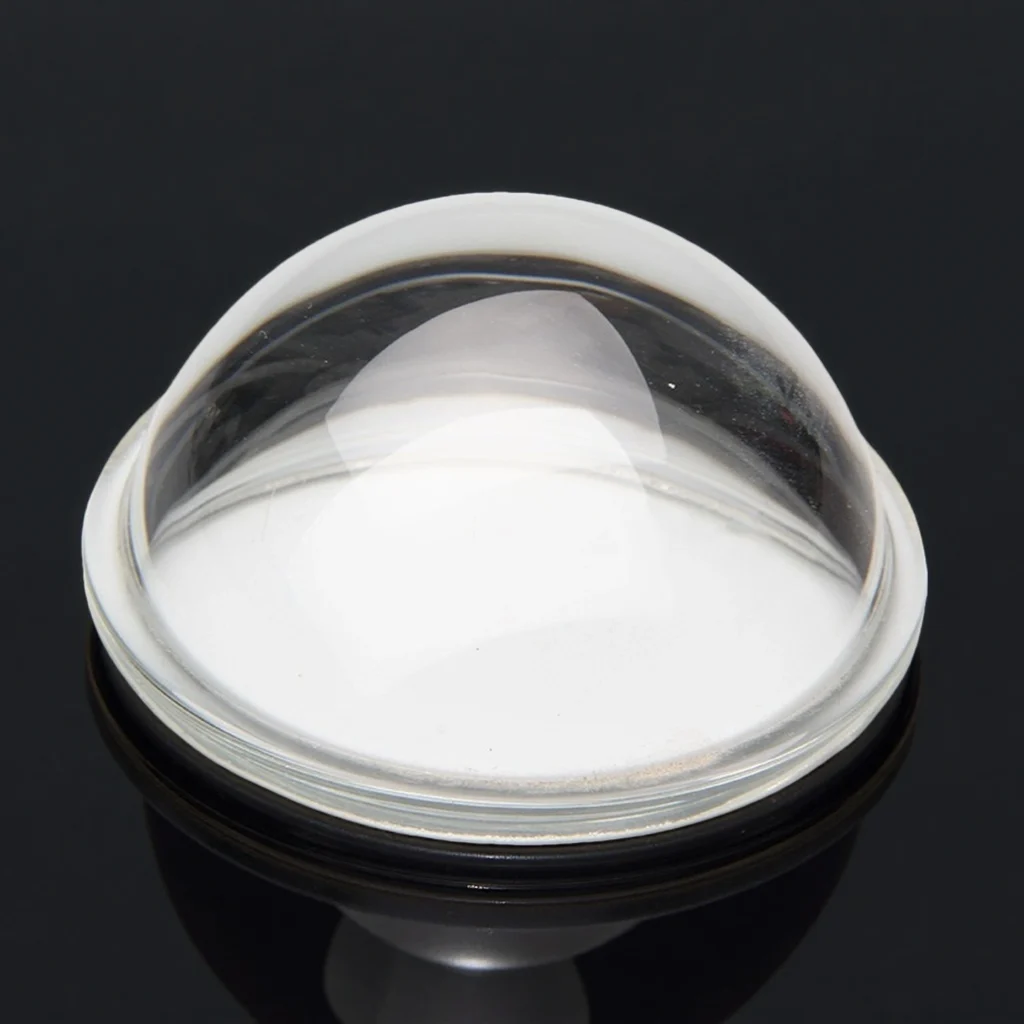
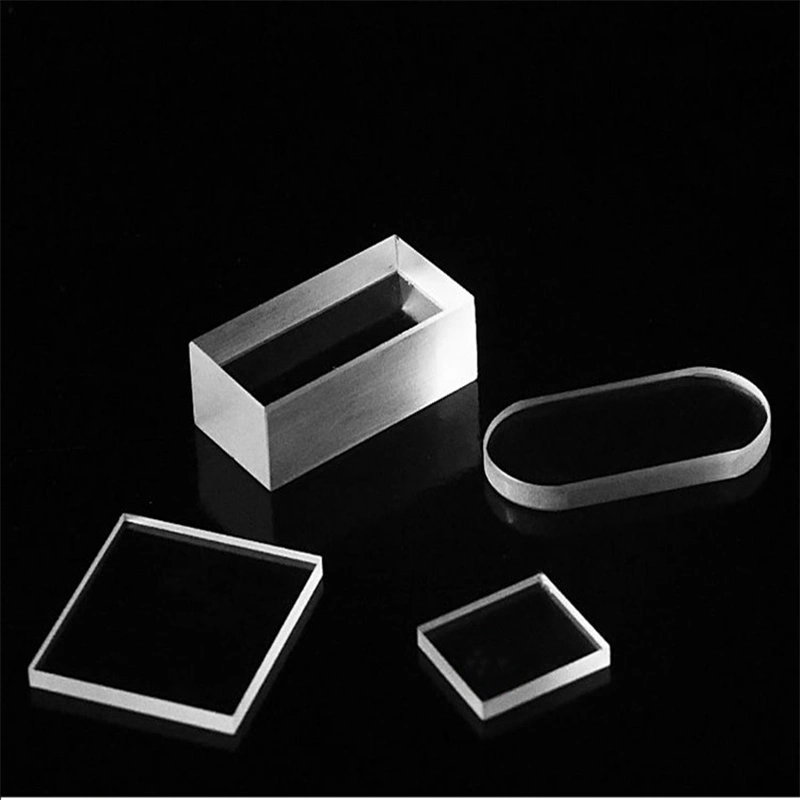
Other Ceramic Components cover specialized and non-standard ceramic parts made for unique geometries, materials, or surface requirements. This category includes custom labware, optical ceramic parts, grinding and milling components, and application-specific pieces produced to drawing or sample.

Shortlist Materials for Ceramic Parts by Duty Conditions

Material selection depends on the full part design, including geometry, load, temperature, media, electrical or thermal function, surface finish and inspection requirements. Use this table as a starting route; the final material is confirmed during engineering review.

Application Need Materials to Review Send With the RFQ
Wear, sliding or abrasive contact Alumina, zirconia, silicon carbide, silicon nitride Counterface, load, speed, lubrication, particles and current failure
Corrosive or process media Alumina, zirconia, silicon carbide Medium, concentration, temperature, pressure and cleaning cycle
High-temperature support or furnace duty Alumina, silicon carbide, silicon nitride, boron nitride Peak/continuous temperature, atmosphere, load and cycle
Electrical insulation Alumina, aluminum nitride, machinable ceramics Voltage, frequency, creepage/clearance, temperature and geometry
Thermal conduction with electrical isolation Aluminum nitride and other reviewed options Heat source, heat flux, interface, flatness and electrical requirement
Machinable prototype or low-complexity insulating part Macor, Shapal and other reviewed options Drawing, quantity, operating limits and finish
Strength, toughness or impact-sensitive geometry Zirconia, silicon nitride and geometry-dependent options Load mode, impact, edges, wall sections and failure location
These are starting routes, not guaranteed material selections or finished-part property values. Final suitability depends on the confirmed grade, manufacturing route, geometry and service conditions.

Where Custom Ceramic Parts Fit in Equipment

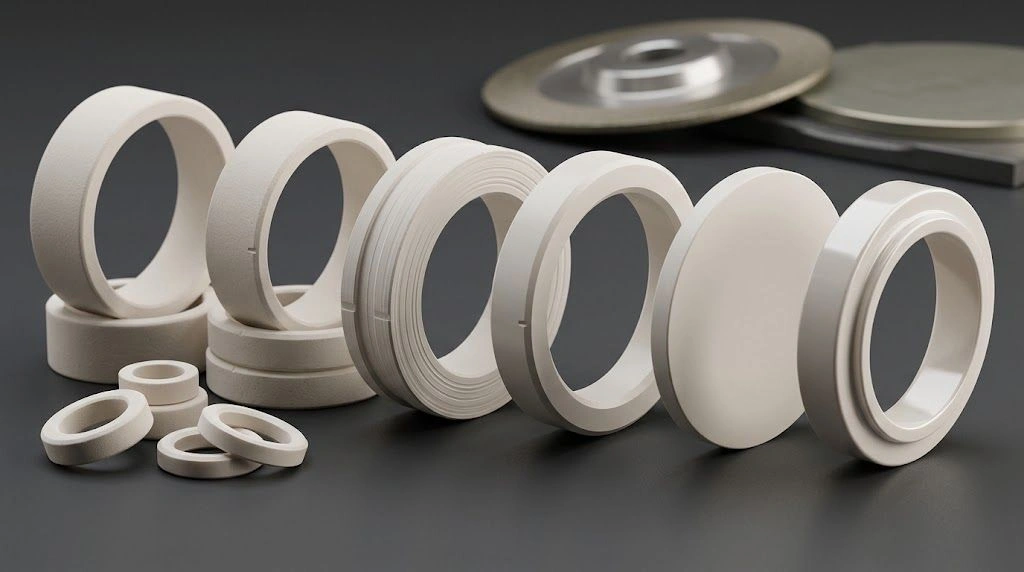
Precision ceramic components can be integrated into equipment where wear resistance, electrical isolation, thermal control, chemical compatibility, or dimensional stability is required. The examples below describe common functional positions
Motion, Guiding & Locating

Motion, Guiding & Locating

Used at moving, sliding, guiding, or positioning interfaces where alignment and dimensional stability affect equipment operation.

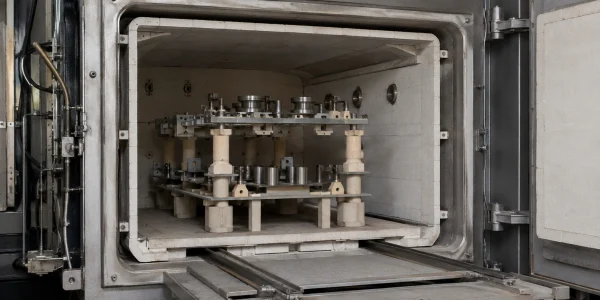
Furnace & Thermal Process Equipment

Furnace & Thermal Process Equipment

Used as supports, guides, fixtures, or structural interfaces around elevated-temperature and thermal-cycling equipment.

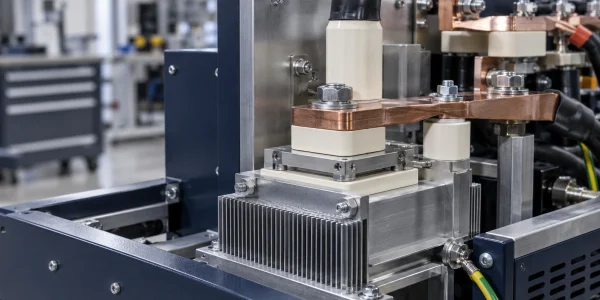
Electrical Isolation & Thermal Interfaces

Electrical Isolation & Thermal Interfaces

Used between electrical, thermal, and mechanical assemblies where insulation, heat transfer, mounting geometry, or interface stability must be considered together.

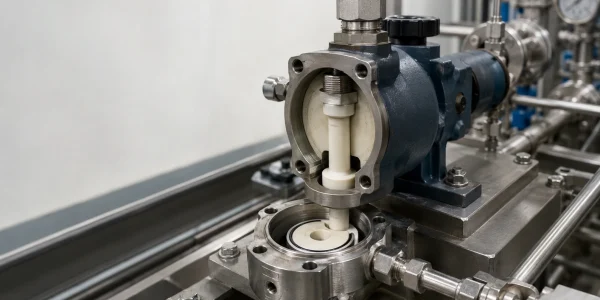
Flow Control & Media Handling

Flow Control & Media Handling

Used around controlled-flow, dosing, pumping, sealing, or process-media interfaces where component geometry and exposed surfaces must match the operating environment.

CUSTOMIZATION PROCESS

From Drawing, Sample, or Existing Part to Manufacturability Review

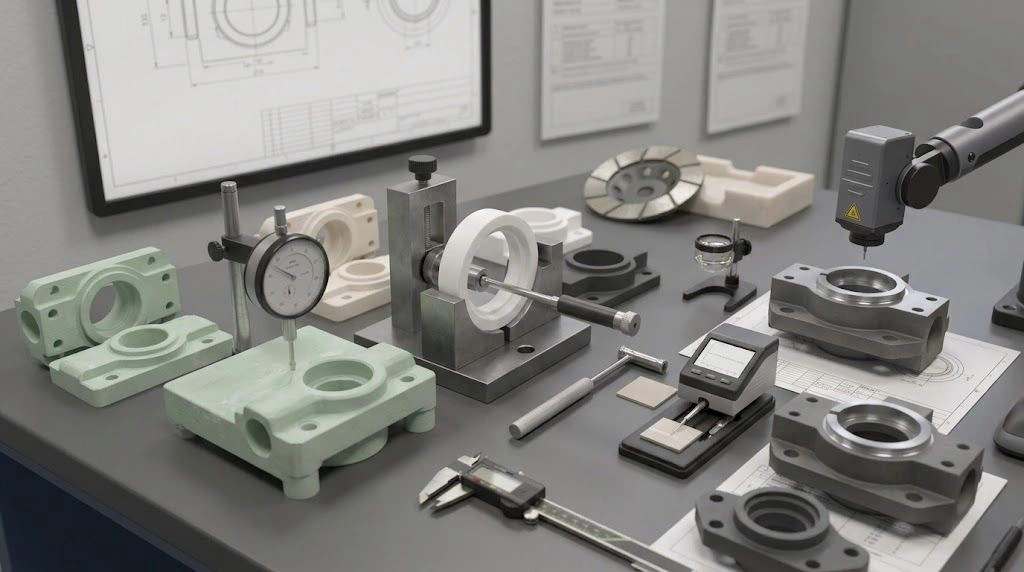
Begin with the information currently available. ADCERAX reviews the part definition, critical interfaces, inspection needs, and open technical questions before quotation.

Material, tolerance, surface finish, and inspection requirements are confirmed for the specific part during engineering review.

Drawing or CAD Model

Share available dimensions, tolerances, mating interfaces, surface requirements, material notes, and expected quantity.

Sample or Existing Part

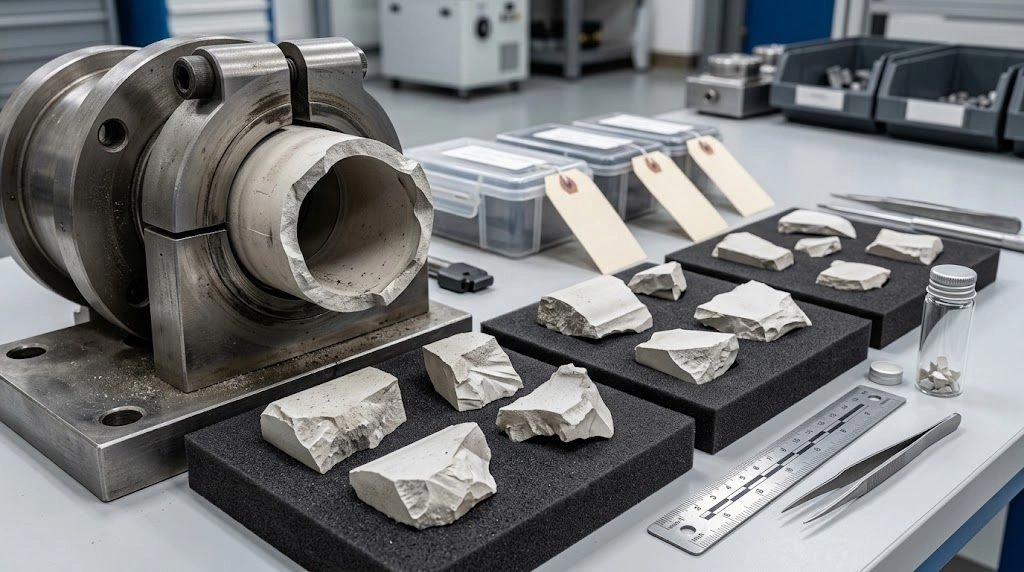
Provide photographs, overall measurements, assembly position, known failure location, and features that must remain unchanged.
Duty Conditions or Assembly Context

Describe the load, motion, temperature, process media, electrical or thermal function, contact surfaces, and operating cycle.
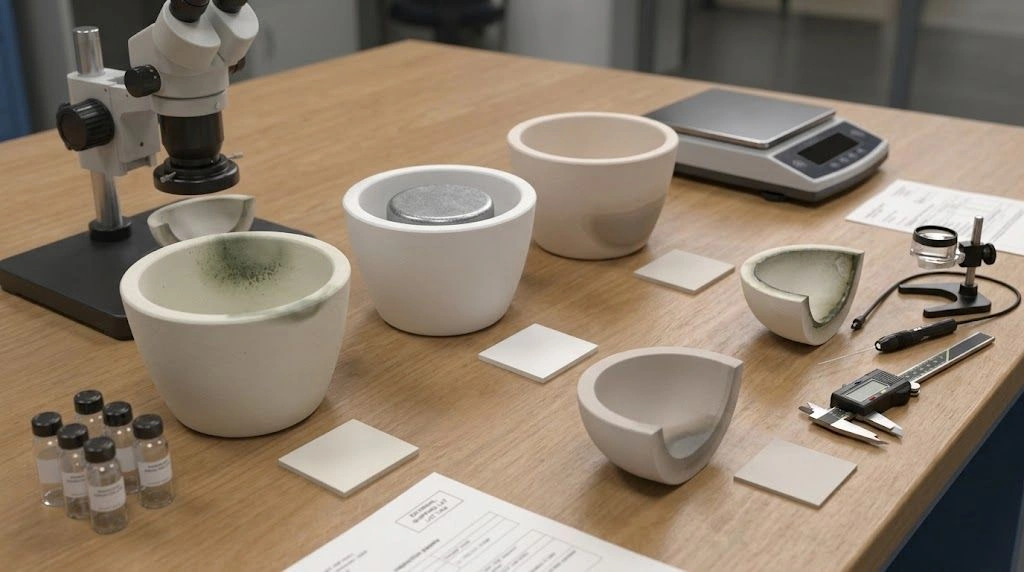
How the Part Is Reviewed

01

Review Inputs

Check files, photographs, sample information, quantity, and delivery destination.

02

Identify Requirements

Separate critical dimensions, interfaces, surfaces, and inspection points.

03

Assess Manufacturability

Review geometry, material options, process routes, finishing, and inspection feasibility.

04

Confirm Scope

Resolve open questions and confirm the proposed supply scope before quotation.

ADCERAX: A Trusted China Ceramic Parts & Components Supplier

ADCERAX is a ceramic parts manufacturer in china, supplying precision ceramic parts with controlled production and batch inspection for consistent dimensions, surface finish, and fit. Fast engineering support helps confirm drawings, tolerances, material grade, and lead time for reliable assembly and repeatable replacements.

Factory Direct & Competitive Pricing

Competitive pricing with strict quality control from raw material sourcing to final delivery

Expert Engineering Support

Professional team providing comprehensive technical support and collaborative design

Flexible Small Batch Customization

Small batch orders to large-scale production with complex geometries and tight tolerances

Rapid Response & Efficient Delivery

24-hour response and 24-hour dispatch for standard items, 3-7 weeks for custom orders.

ADCERAX Ceramic Component Manufacturer

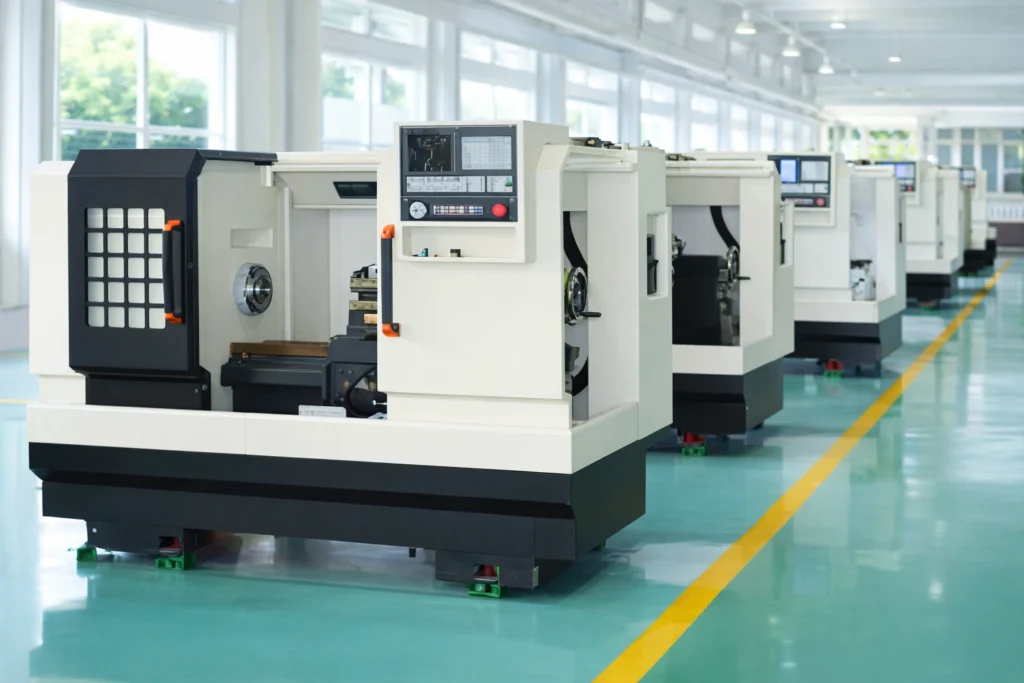
CNC PROCESS

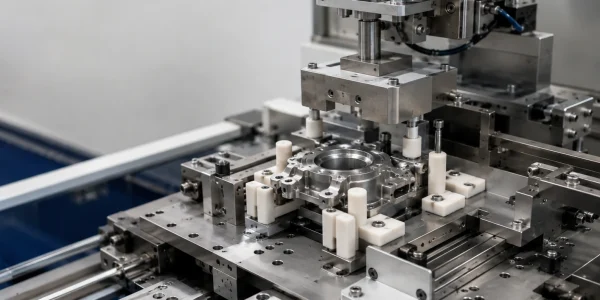
HUNAN ATCERA CO.,LTD. supports custom precision ceramic components with manufacturing operations dating to 2010. For each project, the proposed material, forming and finishing route, critical features, inspection method, records and packing are reviewed against the drawing, quantity and duty conditions.

Ceramic Parts Quality & Certifications

FAQs About Ceramic Components & Parts

Choose by dominant failure mode.

  • Alumina (Al₂O₃): Offers a cost-performance balance for insulation, wear, and chemical stability in many industrial duties and is commonly considered for general precision ceramic parts.
  • Zirconia (ZrO₂): Provides higher toughness and impact tolerance for fit-critical components where chipping risk is a concern.
  • Silicon carbide (SiC): Is considered for abrasive wear and many corrosive or thermal environments where stiffness and thermal stability matter.
  • Silicon nitride (Si₃N₄): Provides high strength and fatigue resistance for dynamic mechanical components and motion-related parts.

Share the media, temperature, pressure, particle conditions, and mechanical loading so the material options can be reviewed for the specific part.

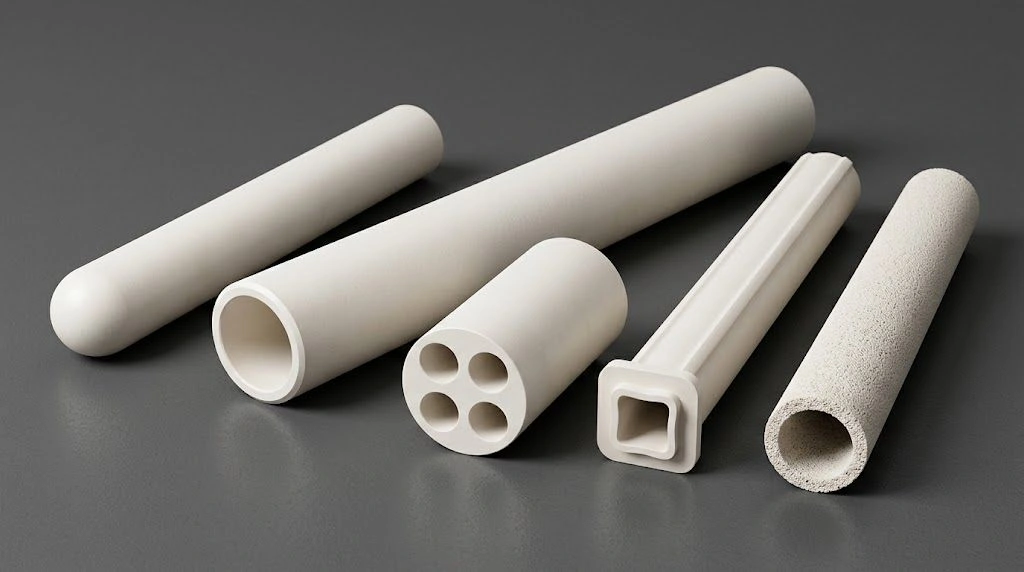
Ceramic parts are first made as a “green body” by shaping ceramic powder with binders, then densified by debinding and high-temperature sintering. The green body can be formed by dry or isostatic pressing (simple blocks, rings, discs), extrusion (tubes, rods, profiles), injection molding (small, complex parts), or casting / 3D printing (special geometries). In practice, the choice of forming method is driven by part geometry, tolerances, and production volume, because these factors control tooling cost, unit price, and achievable precision.

Yes. ADCERAX can review machining requirements in the green state and after sintering using appropriate tooling and processes.
Operations may include grinding, drilling, slotting, lapping, and polishing, depending on the material, geometry, feature accessibility, surface requirements, and inspection method.
Send the drawing with the critical dimensions, tolerances, and surface-finish requirements so machinability can be reviewed for the specific part.

Achievable tolerances depend on material, part size, geometry, manufacturing route, feature accessibility, finish and inspection method. Mark critical features on the drawing so they can be reviewed for the specific part.

Send the drawing if available, the part function, critical dimensions and tolerances, surface-finish or flatness requirements, material preference, duty conditions, quantity, destination and required documents. If a drawing is not available, clear photos and the old part or sample information can start the review.

Yes. Clear photos, a sample or old-part information can be used to start a replacement review. Mating features, service conditions and critical dimensions still need to be confirmed before quotation and production.

Get in touch with us

We believe that Adcerax will become your best partner!
Please fill in your contact information in the form or call us.

E-mail

info@adcerax.com

Phone

Tel.:+86-0731-84428843
WhatsApp:+86 19311583352

Response Time

Within 24 hours

*Our team will answer your inquiries within 24 hours.

*Your information will be kept strictly confidential.

Related Blogs

Get Your Custom Solution

The more details you provide, the faster we can respond.

customize size

*We respond within 24 hours. All inquiries are confidential.

Quick Quote

The more details you provide, the faster we can quote.

*All inquiries are confidential.

Download Catalog