Silicon Nitride (Si3N4) Balls — Precision Bearing Balls & Low-Contamination Grinding Beads
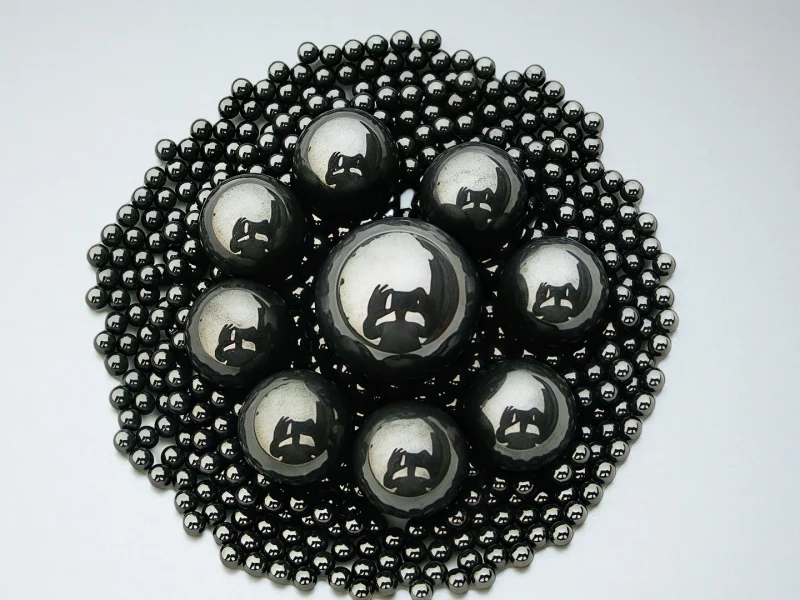
Silicon nitride (Si₃N₄) balls are dense black ceramic spheres — about 3.2 g/cm³, ~60% lighter than steel, insulating and corrosion-resistant. Two lines:
Si₃N₄ Bearing Balls — loose precision rolling elements, Ø2–25 mm, specified by diameter and grade, not by bearing model. For duties where steel balls fail from shaft-current pitting, speed or corrosion. No default grade assigned.
Si₃N₄ Grinding Beads — low-contamination media for battery, semiconductor and high-purity slurries, where metal pickup from steel or zirconia media limits the process. Sized to your slurry, mill type and contamination limit.
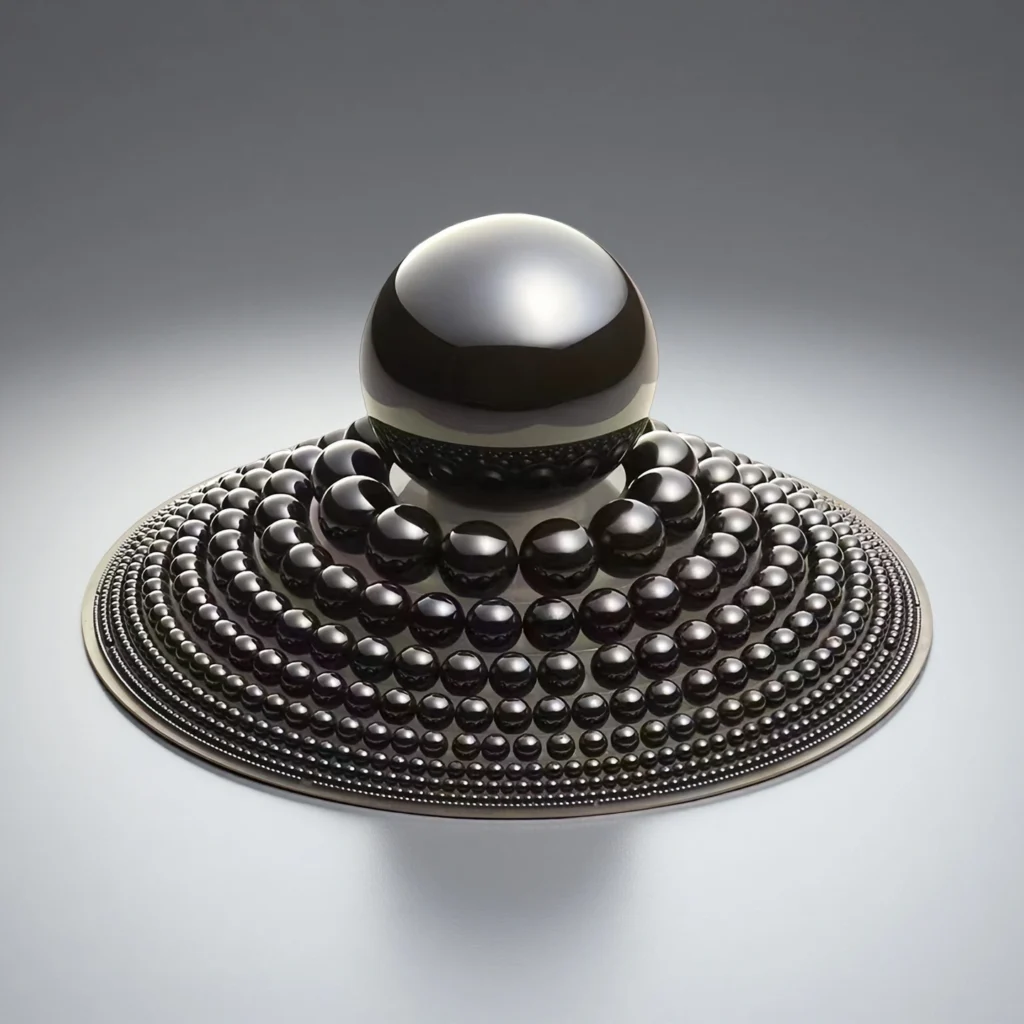
What are Silicon Nitride Ceramic Balls?
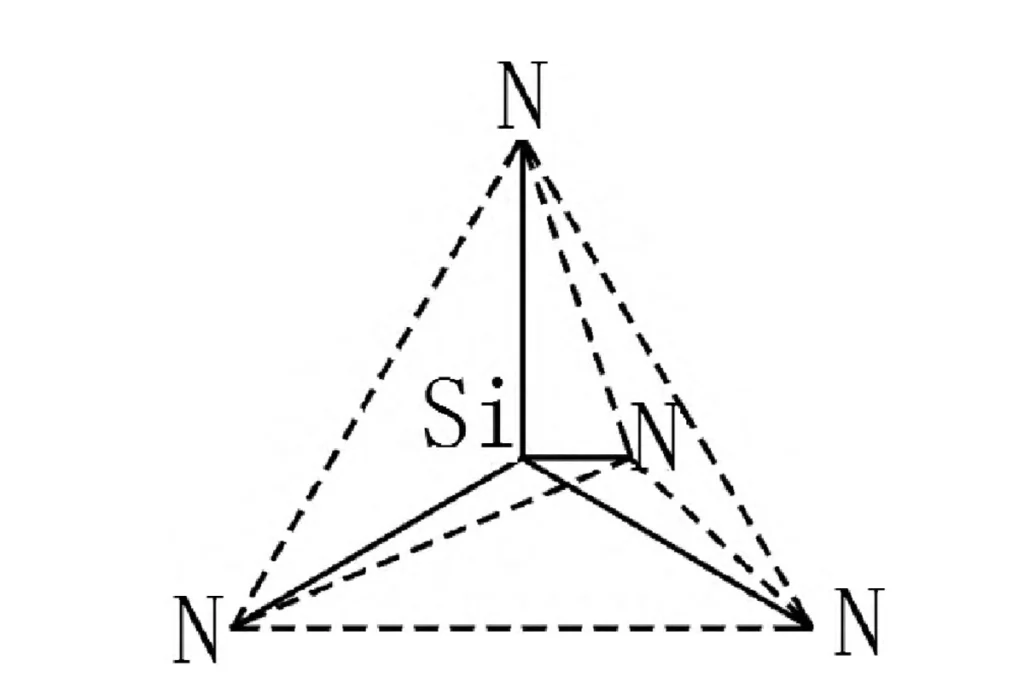
Silicon nitride (Si₃N₄) balls are sintered from high-purity powder into a dense, fine-grained ceramic. The interlocking β-Si₃N₄ grain structure gives them high fracture toughness relative to most technical ceramics — the reason a ceramic ball survives rolling contact and high-energy milling instead of chipping.
Typical composition is >90 wt% Si₃N₄ with 4–8 wt% sintering additives (Y₂O₃, Al₂O₃ or MgO).Exact grade and additive package are confirmed per order.
Si₃N₄ Ball Products — Choose Bearing Balls or Grinding Beads
Both lines are the same material. The specification route is completely different — pick the one that matches your process.
Loose precision rolling elements for hybrid and full-ceramic bearings.
Choose this line if you are replacing steel or zirconia balls in a bearing, or building hybrid bearings where shaft-current pitting, speed or corrosion is the limit.
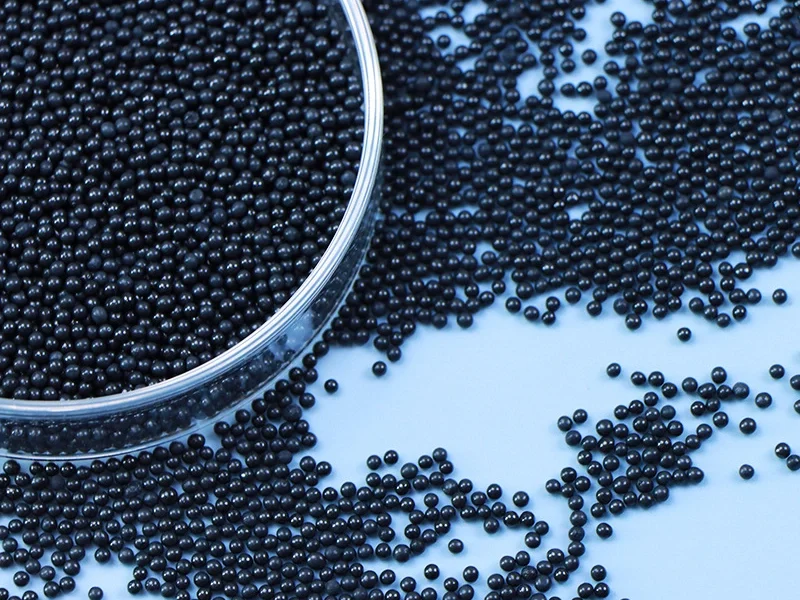
Low-contamination milling media for wet grinding and dispersion.
Choose this line if metal pickup from steel, zirconia or alumina media is limiting your slurry — common in battery, semiconductor and high-purity powder processing.
Silicon Nitride (Si3N4) Balls Properties
Si₃N₄ properties depend on the sintering route. Bearing balls are typically hot-pressed or HIP-processed for maximum density and toughness; grinding beads are typically gas-pressure sintered. The reference values below apply to the material, not to a specific grade or lot.
| Property | Unit / Condition | AD-SIN-ST |
|---|---|---|
| Bulk Density | g/cm³; typical | 3.2 |
| Flexural Strength | MPa; material-selection value | 700 |
| Fracture Toughness | MPa·m½; method-dependent | 6.5 |
| Rockwell A Hardness | HRA; typical | 92–94 |
| Thermal Conductivity | W/(m·K); preliminary ambient selection | 20 |
| Poisson’s Ratio | Dimensionless; typical | 0.25 |
| Apparent Porosity | vol%; sintered structural body | <0.3 |
Silicon Nitride vs. Steel and Zirconia
Compare material properties before reviewing the requirements for your bearing or milling application. Values apply to the stated material grades; finished-product performance requires separate qualification.
| Property | Silicon Nitride (Si₃N₄) | Steel Balls | Zirconia (ZrO₂) |
|---|---|---|---|
| Density (g/cm³) | ~3.2 | ~7.8 | ~6.0-6.8 |
| Hardness (HV) | 1400–1700 | 700–800 | 1100–1200 |
| Flexural Strength (MPa) | 700 | 2000+ (hardness falls above ~200 °C) | 800–1000 at 20 °C |
| Thermal Conductivity (W/m·K) | 20 | 50+ | 3 at 20 °C |
| Thermal Expansion (×10⁻⁶/K) | 3.2 | 12 | 11 |
| Electrical Conductivity | Insulating | Conductive | Insulating |
| Corrosion Resistance | Excellent | Poor | Good |
| Temperature Limit (°C) | ~1200 (oxidising, typical) | Below 300 | ~600 |
| Weight Efficiency | 60% lighter than steel | — | 30% lighter |
Values are typical published reference figures for material comparison, not guaranteed ADCERAX specifications. Grade, tolerance and class are confirmed per order.
Selecting Si₃N₄ Balls for Bearing Applications
Define the operating conditions, electrical requirements and precision needed for your bearing assembly.
Specify rotational speed, radial and axial loads, lubrication, operating temperature and duty cycle.
Confirm electrical isolation requirements and define operating conditions and acceptance criteria for the bearing assembly.
Specify ball diameter, dimensional grade, surface finish, defect inspection and required load or life-test criteria.
Selecting Si₃N₄ Grinding Beads
Match the grinding media to your slurry, equipment, particle-size target and contamination limits.
Provide the processed material, liquid medium, additives and operating temperature for compatibility review.
Identify restricted elements and allowable contamination. Confirm media wear and material pickup under your milling conditions.
Share the mill type, permitted bead-size range, separator requirements and operating settings.
Define the starting and target particle size, milling time and acceptable media wear. Confirm performance through an application trial.
Bead selection depends on your slurry chemistry, mill type, target particle size and contamination limit — send these four and we will tell you whether Si₃N₄ is the right media.
Reduce Downtime. Control Wear and Contamination.
Frequent bearing failures or excessive grinding-media wear can drive up production costs. Share your application, ball size and operating conditions—we’ll help identify suitable Si₃N₄ grades and precision requirements.
What Are Silicon Nitride Balls Used For?
Si₃N₄ balls serve two different duties. As bearing rolling elements they solve speed, insulation and corrosion problems that steel cannot. As grinding media they solve contamination problems that steel, zirconia and alumina cannot.
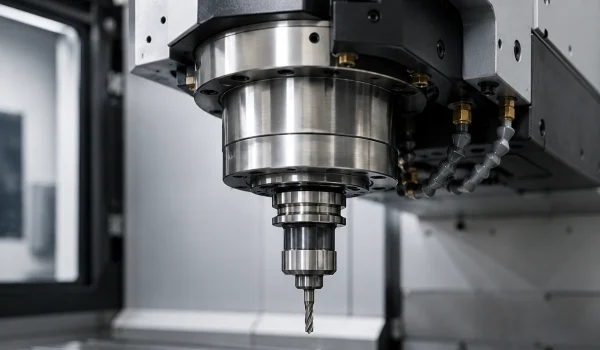
Bearings & Spindles
Machine-tool spindles, high-speed motors, wind drivetrains and aerospace shafts — as rolling elements in hybrid bearings.
- 60% less centrifugal load — 3.2 g/cm³ against 7.8 for steel, so higher dn without the heat.
- Clearance holds under heat — expansion 3.2 ×10⁻⁶/K, about a quarter of steel.
- Survives thin-film lubrication — 1500 HV and chemically inert, where steel would scuff.
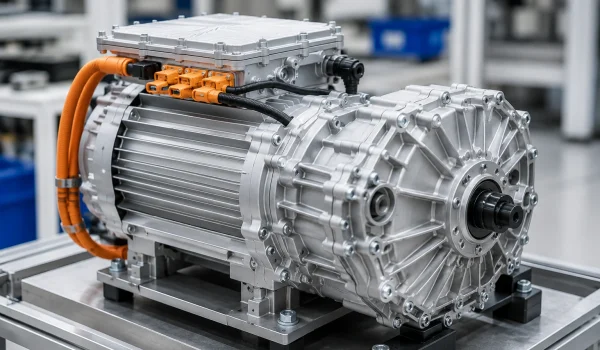
EV & Motors
EV traction motors and e-axles, inverter-driven industrial motors, generators and rail traction — in insulated or hybrid bearings.
- Breaks the current path — resistivity above 10¹² Ω·m, so shaft currents cannot arc across the bearing.
- Non-magnetic — no drag, no ferrous debris pickup.
- 60% less centrifugal load — matters as e-axle speeds keep rising.
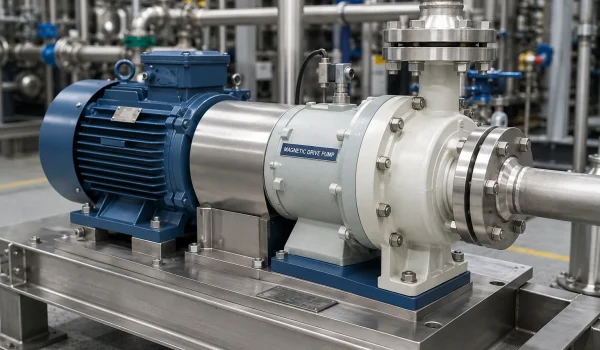
Pumps & Chemical
Magnetic-drive and canned pumps, vacuum pumps, compressors and chemical process equipment — in wet or corrosive duty.
- Inert to most process media — resists the acids and solvents that pit bearing steel. HF and hot strong alkali are the exceptions.
- Runs product-lubricated — and survives short dry runs.
- Non-magnetic — will not disturb a magnetic coupling.
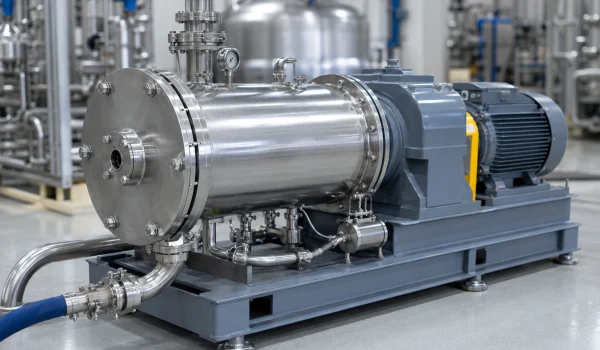
Slurry Milling
Bead mills, attritors and basket mills running battery, semiconductor, pigment and high-purity ceramic slurries.
- No Fe, Cr or Zr from the media — though total pickup still depends on your mill and run time.
- Low wear at high tip speed — 1500 HV with 5–8 MPa·m½ toughness resists both abrasion and fines generation.
- Less heat than zirconia — 3.2 g/cm³ against ~6.0, protecting sensitive binders and solvents.
Custom Silicon Nitride Ceramic Balls Manufacturer
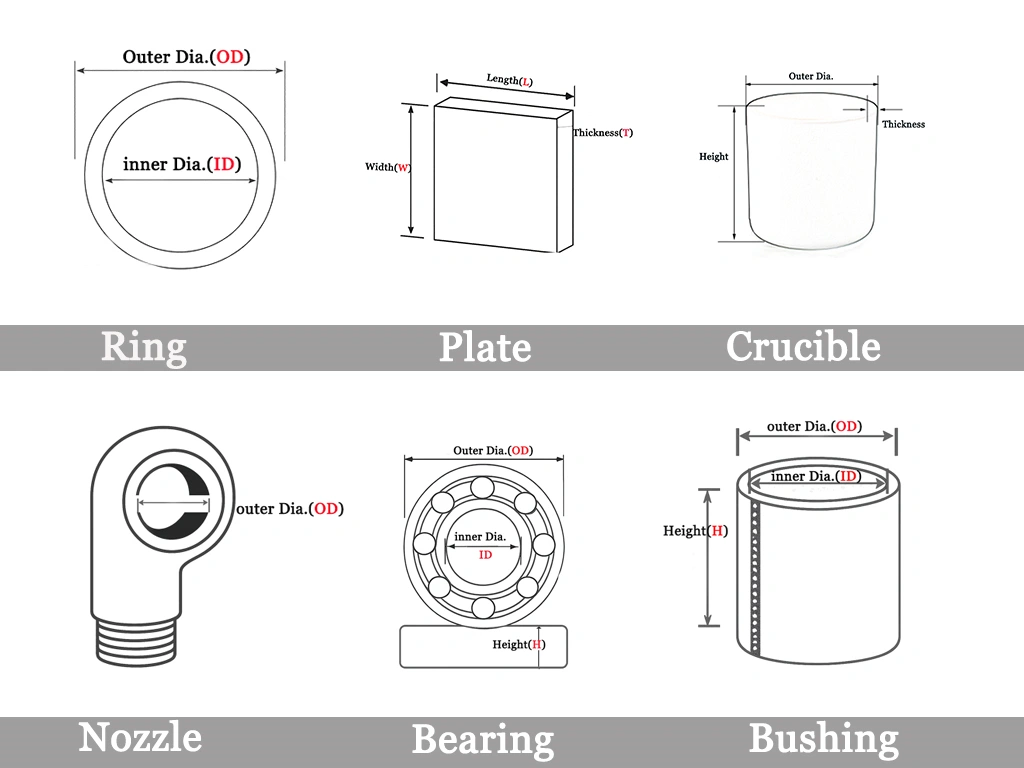
ADCERAX specializes in custom silicon nitride balls (Si₃N₄) engineered to meet your drawings and precision requirements. We support non-standard diameters, specific G-grades (G5–G20), special clearances, and custom surface finishes for hybrid or full-ceramic bearing applications. Each Si₃N₄ ceramic ball is precision-ground, inspected, and sorted to verified tolerances, ensuring stable performance and consistent batch quality.
Customization Options
Extra-large / Extra-small diameters, non-standard thicknesses, and ultra-long / ultra-short lengths.
Provide higher - level dimensional accuracy and concentricity control than the standard.
Flanges, steps, threads, drilling holes, grooves, etc.
Adjust the material according to the application requirements.
Polish and grind the surface to achieve a specific surface roughness.
Customization Process
Send us your drawing, CAD file, or physical sample with material grade, dimensions, tolerances, and quantity. Our engineers will evaluate the design and provide a detailed quotation with lead time and pricing.
Once the quote is approved, we proceed with sample prototyping (1–50 pcs) if needed, for testing and validation.
After sample approval or direct confirmation, we begin batch manufacturing using CNC machining, sintering, and polishing. All parts undergo dimensional checks, material purity testing, and surface finish inspection.
Finished products are securely packed and shipped via DHL/FedEx/UPS or your preferred method. We support global delivery with full documentation.
ADCERAX — Silicon Nitride Ball and Bead Manufacturer
ADCERAX is a Si₃N₄ factory in China, supplying bearing balls and grinding media to OEMs, equipment builders and process plants worldwide.
Forming, sintering, grinding, lapping, cleaning and inspection all run under one roof — batch variation is controlled in one place, not across subcontractors.
We check your diameter and grade, or bead size, mill and slurry, against what we can actually make — before quoting, not after the order.
Trial quantities and second-source qualification are accepted, not only volume production — useful when you need a supplier approved before you need volume.
Specified against the same international references established suppliers use, priced on engineering merit rather than on brand.
ADCERAX Si3N4 Ball Manufacturing Strengths
| Capability Item | Typical Value / Description |
| Material Grades | Hot-pressed or gas-pressure sintered Si₃N₄ ceramic balls with fine and dense microstructure. Hardness >1500 HV, fracture toughness > 6 MPa·m½, and density ≈ 3.2 g/cm³ — ideal for high-speed, wear-resistant, and corrosive bearing environments. |
| Precision Machining | CNC grinding and lapping achieve diameter tolerances within ±0.002 mm and roundness ≤ 0.1 µm. Mirror surface finish up to Ra ≤ 0.02 µm ensures low friction and stable rotation in hybrid and full-ceramic bearings. |
| Forming & Shaping | Isostatic pressing and precision pre-sintering allow for custom sizes and grades (G5–G20). Tailored geometry supports non-standard diameters and specific bearing configurations. |
| Flatness & Dimensional Control | Controlled sintering eliminates porosity and guarantees uniform density and sphericity for balanced rotation under high speed and load conditions. |
| Surface Finishing | Final lapping and ultrasonic cleaning deliver a defect-free surface with uniform gloss and no contamination. Each batch is sorted by grade and inspected for surface integrity and size uniformity. |
How ADCERAX Makes and Controls Si₃N₄ Balls and Beads
ADCERAX is a Si₃N₄ factory in China, supplying bearing balls and grinding media to OEMs, equipment builders and process plants worldwide. Forming, sintering, grinding, lapping and inspection all run in-house, so batch variation is controlled in one place, not across subcontractors.
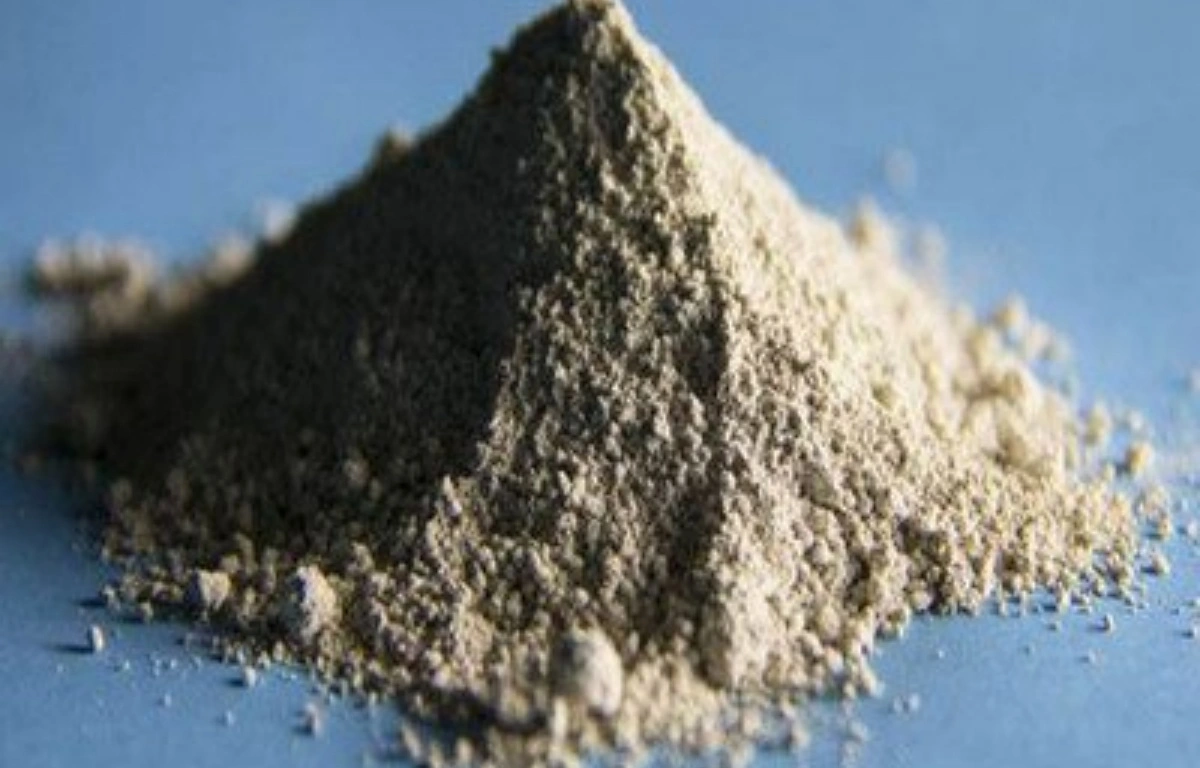
Selection and blending of high-purity Si₃N₄ powder with Y₂O₃ and Al₂O₃ additives to ensure fine, uniform composition and stable sintering performance.
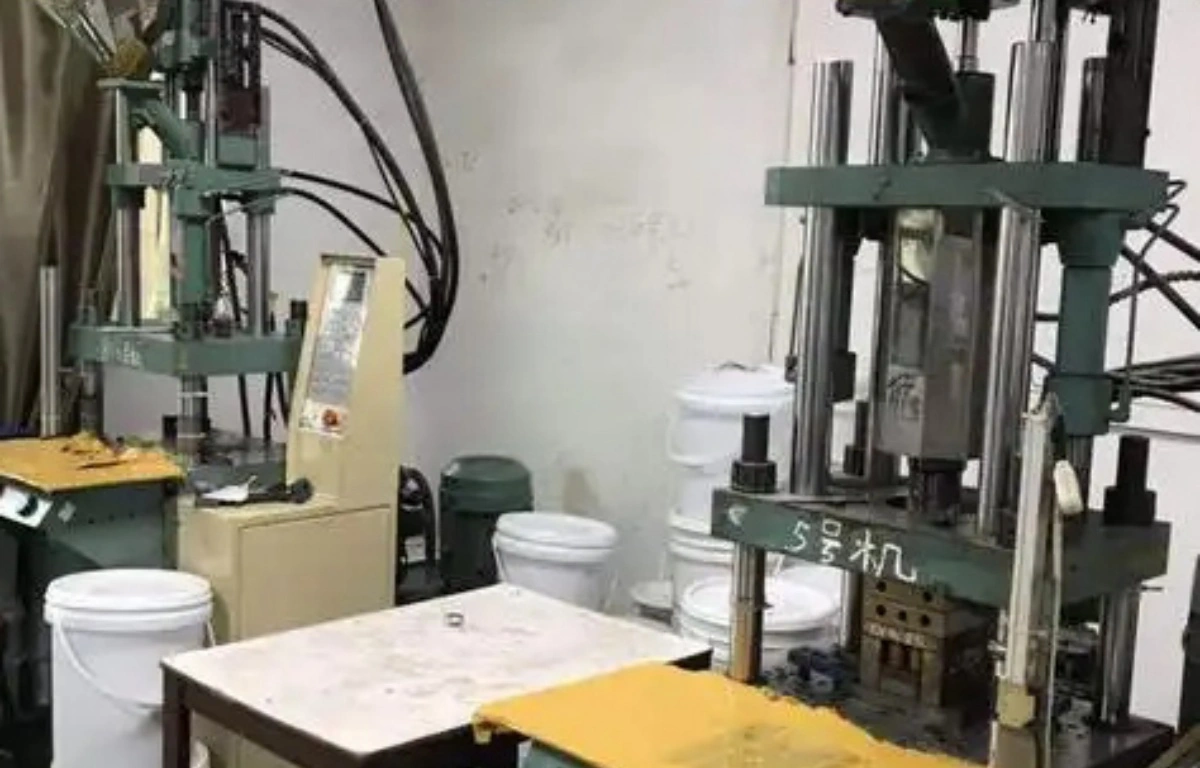
Compacting the prepared powder into spherical blanks through isostatic or precision pressing, maintaining uniform density before firing.
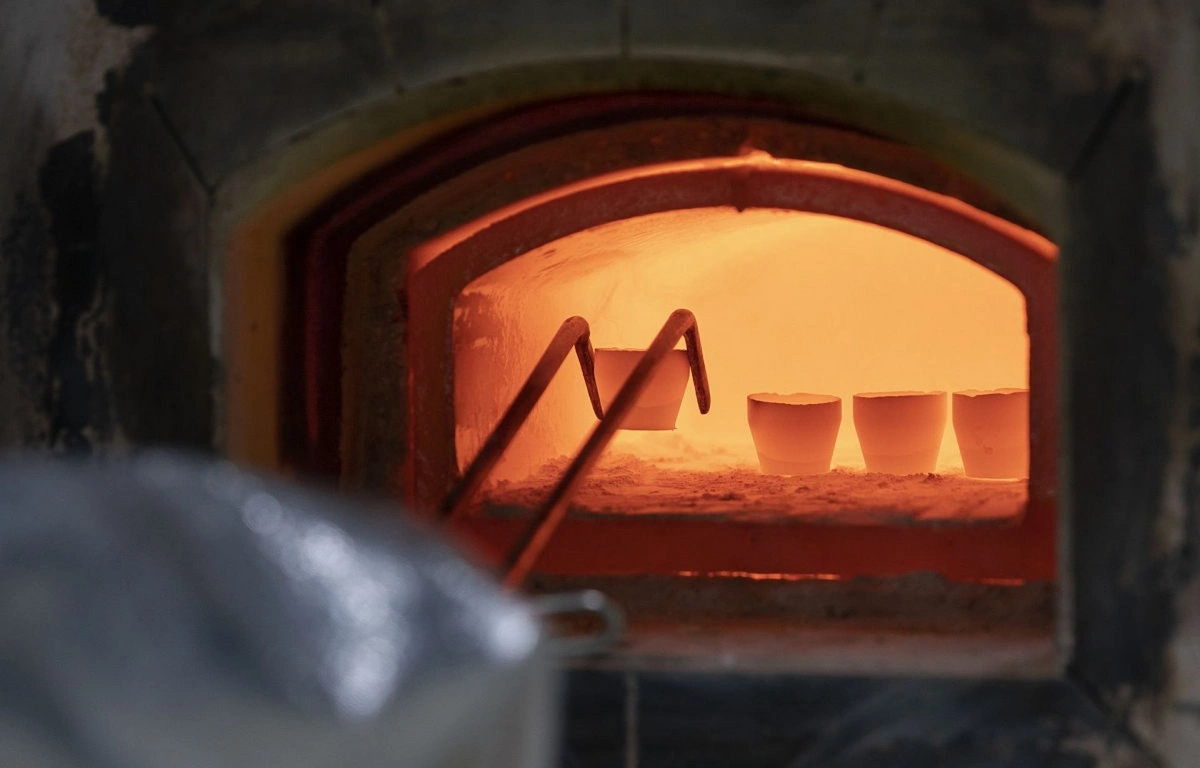
Densification under 1650–1800 °C in nitrogen atmosphere, followed by Hot Isostatic Pressing (HIP) to remove pores and achieve >99% theoretical density.
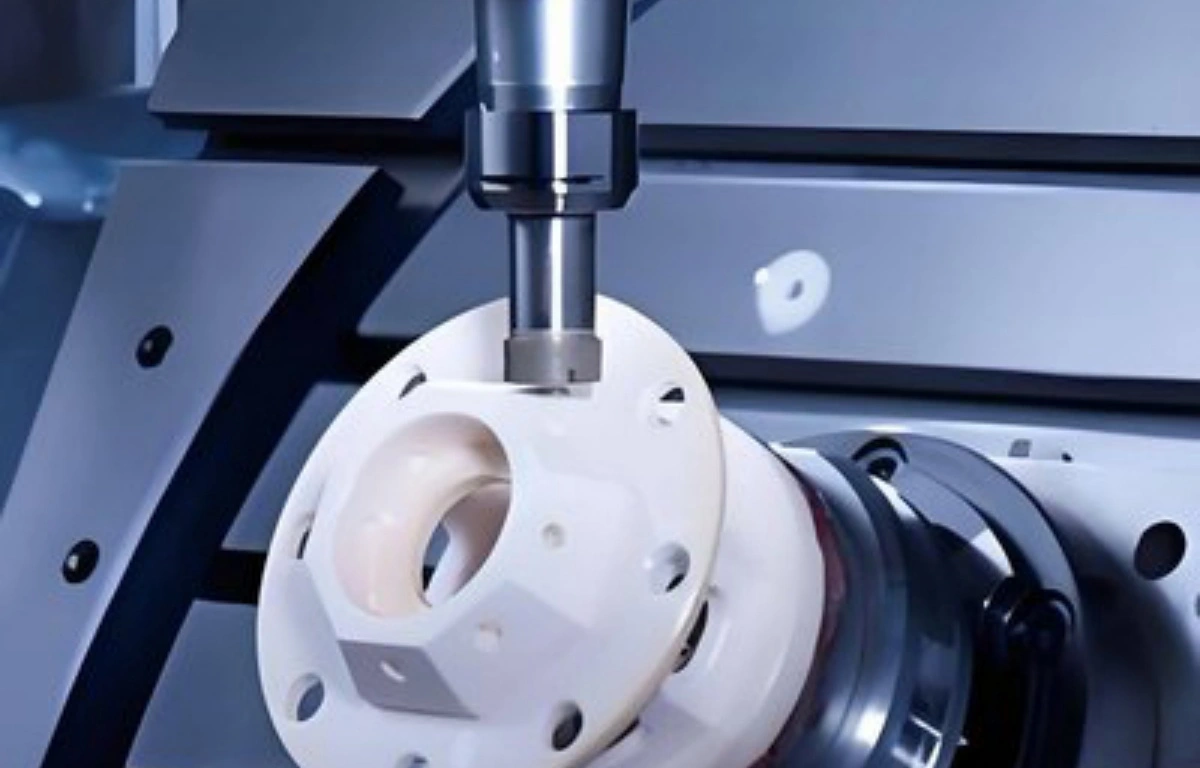
Multi-stage diamond grinding and lapping process to reach precise diameter tolerance, smooth surface finish, and bearing-grade roundness.
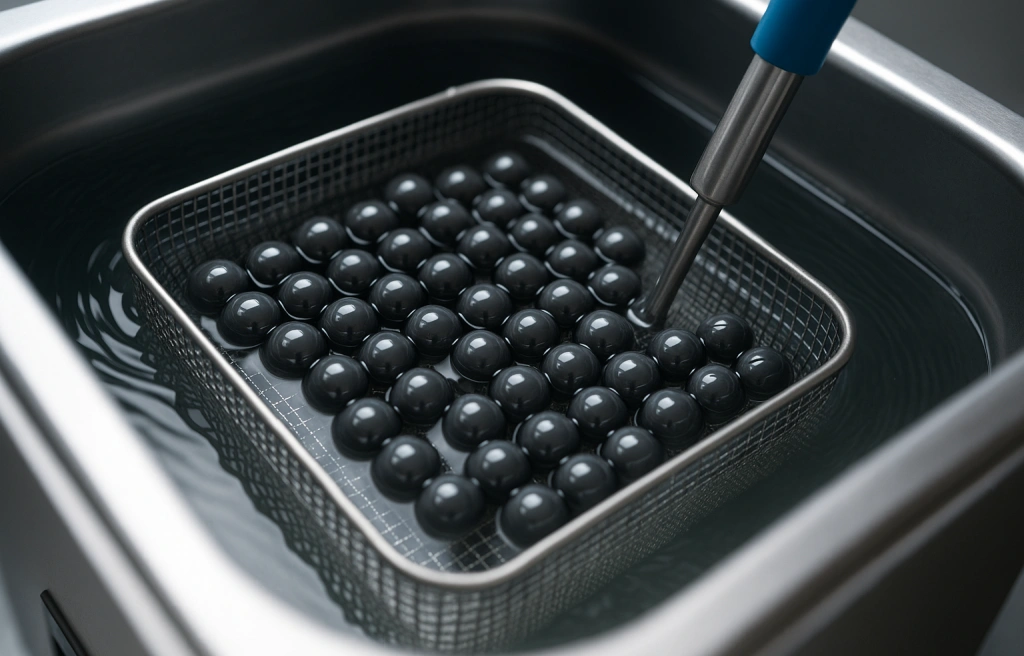
Ultrasonic cleaning removes all residues; each ball is sorted by size, grade, and surface integrity to ensure uniform batch quality.
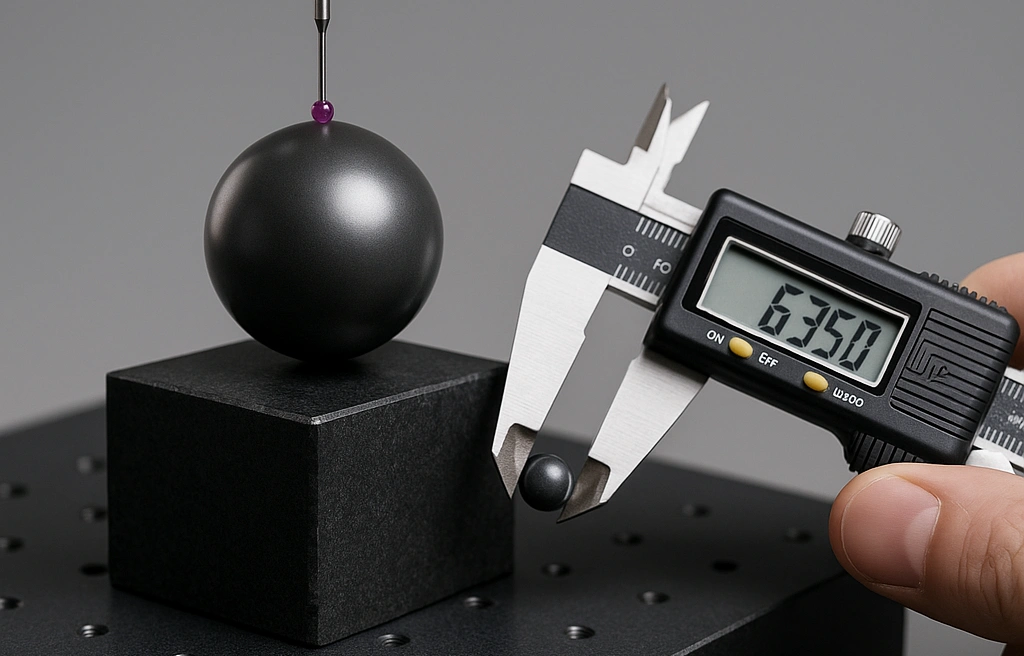
Final roundness, hardness, and density inspection using optical and ultrasonic systems, then vacuum or tray-packed for safe international shipment.
FAQ about Silicon Nitride Balls
Silicon nitride balls are about 60% lighter than steel, harder, electrically insulating, non-magnetic and corrosion-resistant, which suits high-speed and electrically stressed bearings where steel balls wear or pit early. Steel is cheaper and tougher under shock, so whether Si3N4 is worth switching to depends on the load, speed and failure mode - reviewed case by case.
Ceramic ball precision is commonly expressed with G-grades such as G3, G5, G10 and G20, which describe roundness, surface finish and dimensional tolerance. The grade is a specification you request rather than a default we assign - the achievable grade and any ASTM F2094 class reference for your part are confirmed at engineering review.
As a typical material reference, silicon nitride is around 14-18 GPa (about HV1500) in hardness with a density near 3.2 g/cm3 - roughly 60% lighter than steel and harder than most bearing-grade zirconia. These are reference values; the exact figures depend on grade and test method and are confirmed per RFQ.
Yes. We review custom Si3N4 balls from your drawing or specification. Bearing balls are commonly in the 1.588-25.4 mm range by G-grade and grinding beads in the 0.2-20 mm range; non-standard sizes are assessed by engineering review rather than promised for any size in advance.
ADCERAX manufactures and exports silicon nitride bearing balls and grinding beads from China, supporting custom and small-batch orders as well as backup supply for existing programs. Sample and pre-production orders are supported for evaluation.
Bearing balls are commonly in the 1.588-25.4 mm range by G-grade, while grinding beads are typically in the 0.2-20 mm range by weight. The right size for your case depends on the bearing type or the slurry and mill, and is confirmed at RFQ.
Send your diameter and grade (for bearing balls) or bead size, slurry and mill type (for grinding beads), plus quantity and application. Quotations are engineering-reviewed so the price reflects the correct grade, tolerance and finishing rather than a generic list figure.
Yes. ADCERAX exports silicon nitride balls and grinding beads worldwide, including the UK, EU, North America and Asia, on DDP terms with direct engineering support. Lead time and shipping are confirmed at order.
ADCERAX is a China-based manufacturer of Si3N4 bearing balls and grinding beads with engineering review before quotation, custom and small-batch capability and backup-supply options. Share your ball or bead specification for a reviewed response rather than a default catalog match.
Silicon nitride is much lighter (about 3.2 vs ~15 g/cm3), electrically insulating and non-magnetic, which suits high-speed and electrically sensitive bearings; tungsten carbide is far denser, very hard and conductive, better suited to heavy static load and wear where weight is not a concern. The choice is reviewed against your load, speed and environment.
Typical checks include dimensional and roundness inspection against the requested G-grade, surface-finish and visual/defect inspection, with additional checks agreed per application. Specific acceptance criteria and any class references are set at RFQ rather than assumed by default.
What to Send for a Si₃N₄ Ball or Bead Quote
Send what you have — our engineers confirm feasibility before quoting.
- For Si₃N₄ bearing balls:
- Diameter, plus grade or tolerance from your bearing drawing
- Bearing type, speed, load and lubrication method
- Current ball material and how it fails — pitting, scuffing, seizure or corrosion
- Quantity; prototype or repeat production
- For Si₃N₄ grinding beads:
- Bead size or size distribution, and mill type
- Slurry or powder, solids content and solvent
- Target particle size (D50 / D90) and contamination limit by element
- Current media and what is limiting it — wear, metal pickup or heat
Drawing, photo or a failed part — always helpful, never required to start
*Our team will answer your inquiries within 24 hours.
*Your information will be kept strictly confidential.
info@adcerax.com
Tel:+86-0731-84428843
WhatsApp:+86 19311583352
Within 24 hours