Zirconia Toughened Alumina (ZTA)— Advanced Composite Ceramics for Wear & Structural Applications
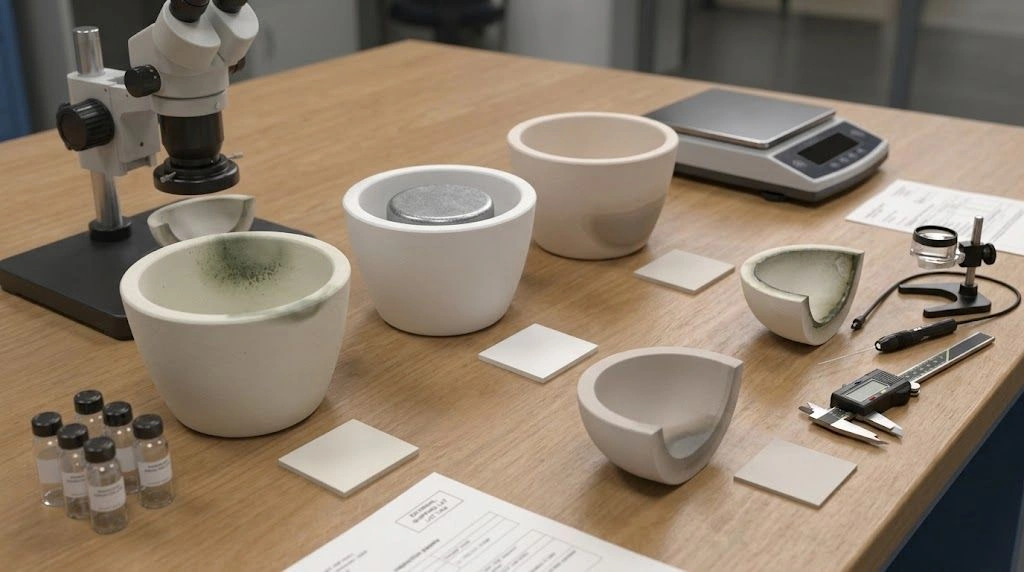
ADCERAX is a China-based advanced ceramics manufacturer of custom zirconia toughened alumina (ZTA) parts. For pump, valve, seal, slurry, wire-guide and metal-forming components that chip, wear, leak or corrode, we screen the material route by failure mode, media and load and machine engineering-grade ZTA parts from your drawing — with an engineering review before any quote.
What is Zirconia Toughened Alumina (ZTA) Ceramic?
Zirconia toughened alumina (ZTA) is a composite ceramic: an alumina (Al₂O₃) matrix toughened by zirconia (ZrO₂) particles, typically 10–20% ZrO₂. The zirconia adds transformation toughening — under crack-tip stress, zirconia particles transform and expand, helping arrest cracks. The result is a material that keeps much of alumina’s hardness and wear resistance while resisting chipping and impact far better than plain alumina.
ZTA is not the same as ATZ. ATZ (alumina toughened zirconia) is the reverse — a zirconia matrix reinforced with alumina. Choose by failure mode: if your alumina part chips or fractures, ZTA usually fits; if you need maximum toughness regardless of cost, full zirconia or ATZ may fit. Use the selection guide below.
ZTA Composition by Application
| Application | Alumina (Al₂O₃) % | Zirconia (ZrO₂) % | Key Performance Driver |
|---|---|---|---|
| Cutting Tools & Inserts | 85% – 95% | 5% – 15% | Maximum Hardness & Wear Resistance: High alumina content ensures cutting edge retention at high speeds. |
| Pump Seals & Impact Parts | 80% – 85% | 15% – 20% | Maximum Toughness & Reliability: Higher zirconia content resists chipping and fracture under cyclic and impact loads. |
| Wear-Resistant Parts | 80% – 90% | 10% – 20% | Balanced Toughness & Wear: A versatile composition for parts needing both abrasion resistance and impact strength. |
| Nozzles & Drawing Dies | 85% – 95% | 5% – 15% | High Hardness & Dimensional Stability: Prioritizes wear resistance to maintain precise orifice dimensions. |
| Semiconductor Parts | > 90% | < 10% | Hardness, Rigidity & Insulation: Focuses on wear resistance and minimal deformation, with just enough toughness to prevent chipping. |
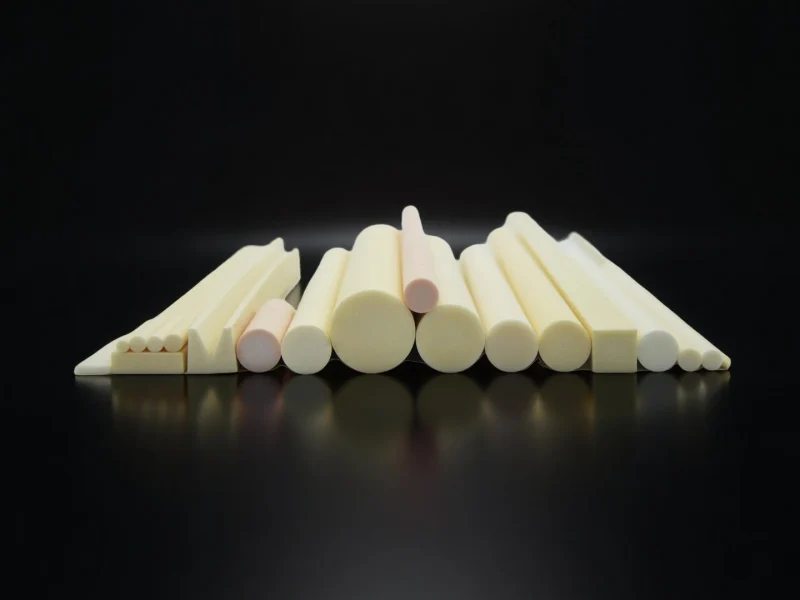
Zirconia toughened alumina rods combine rigidity and fracture toughness, ideal for shafts and insulation pins.
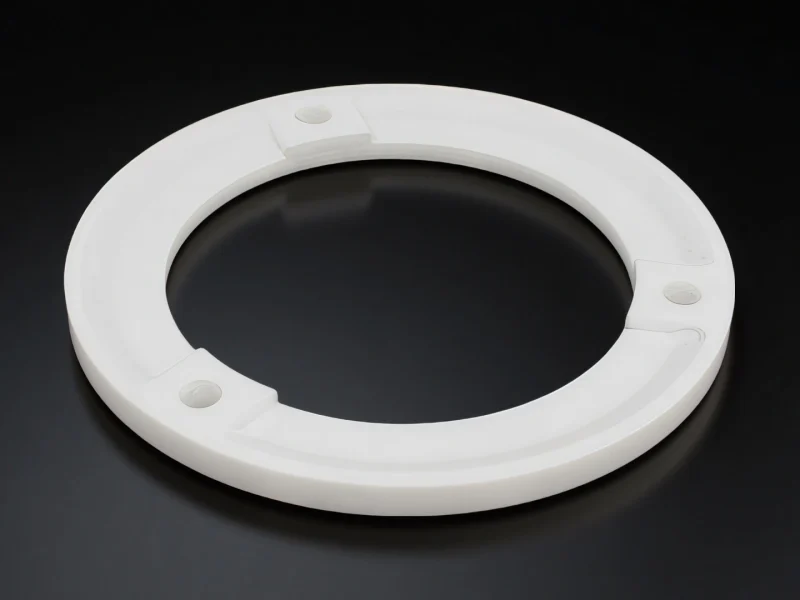
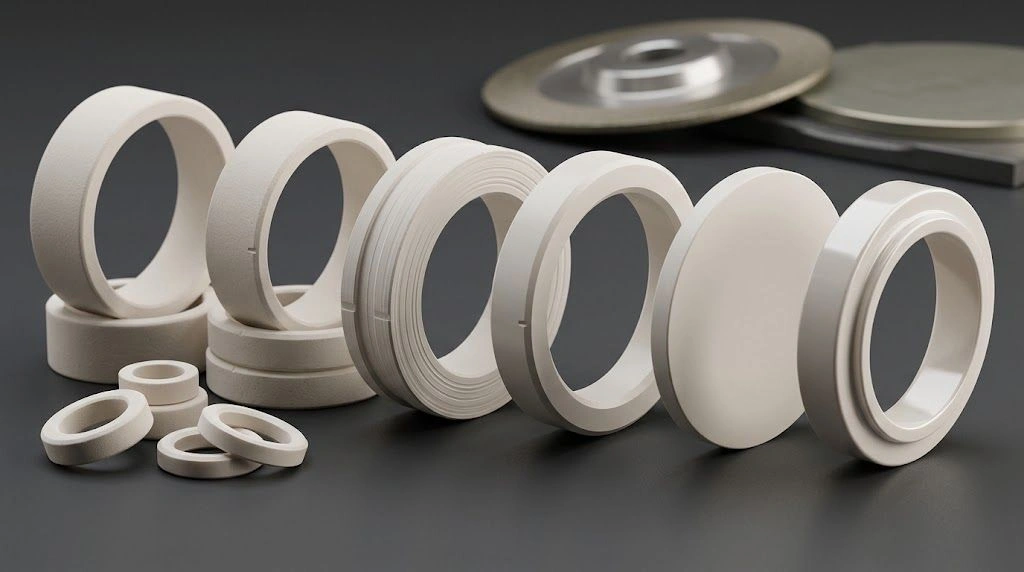
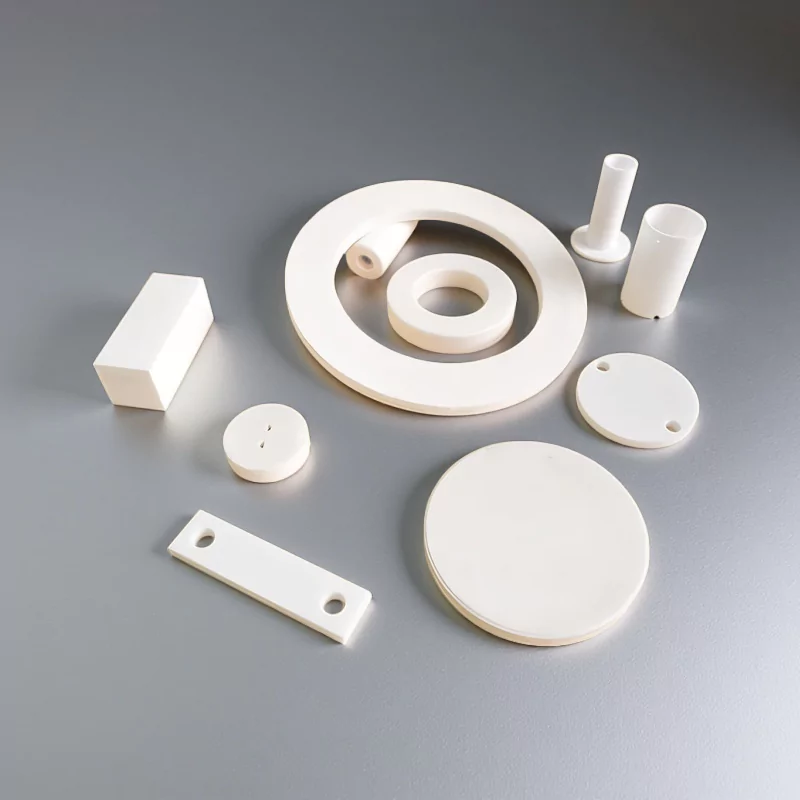
Zirconia toughened alumina rings provide strong sealing and structural reliability under thermal stress.
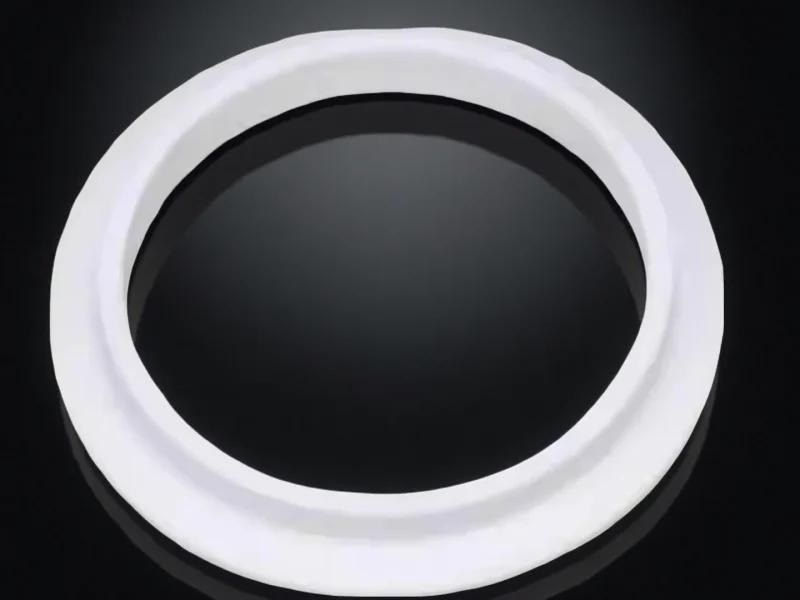
Zirconia toughened alumina seal rings offer exceptional wear and leak resistance for pumps and valves.
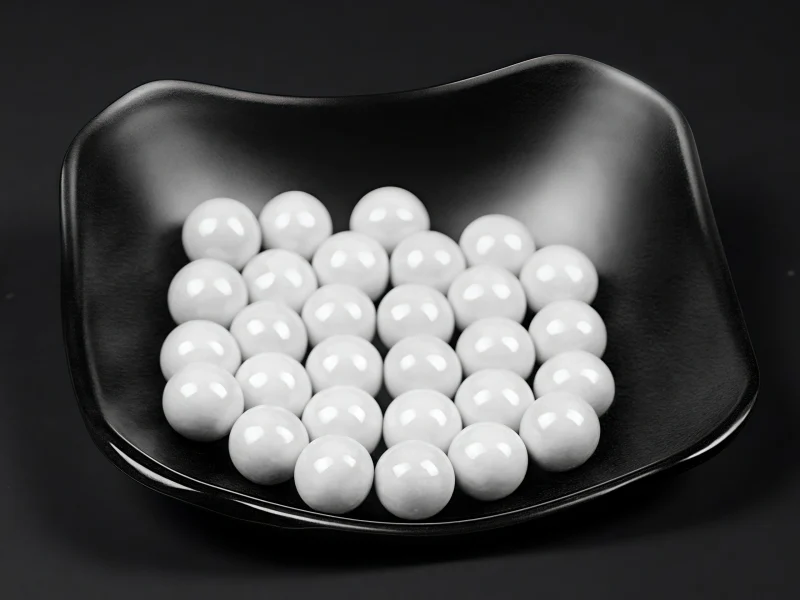
Zirconia toughened alumina balls deliver excellent hardness and wear resistance for grinding and bearing systems.
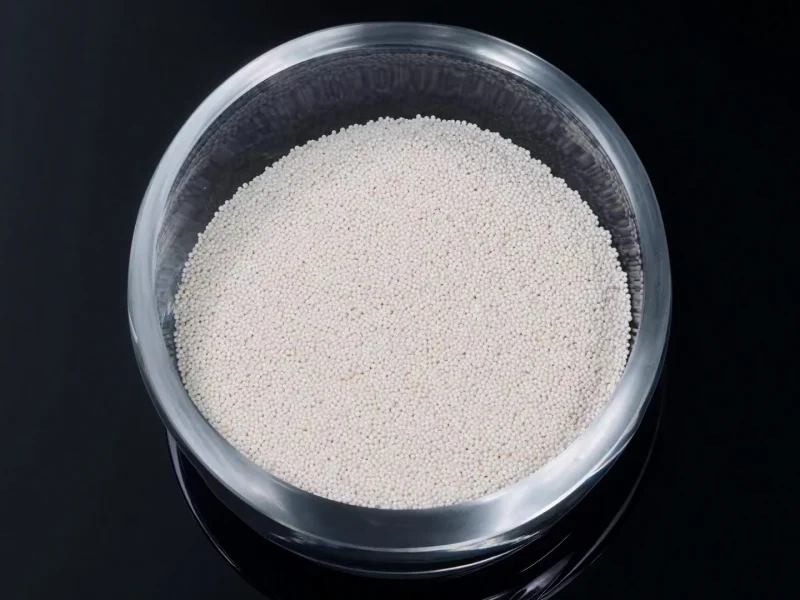
Zirconia toughened alumina grinding beads ensure efficient dispersion and minimal contamination.
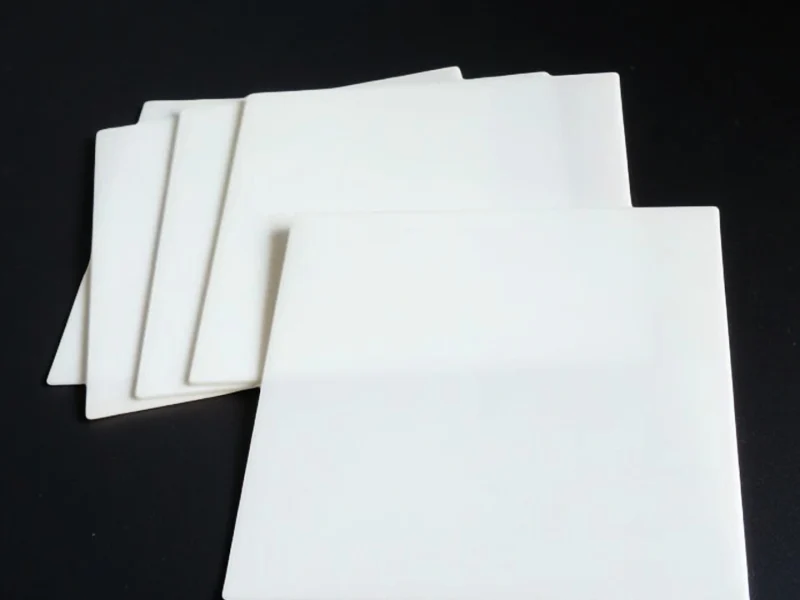
Zirconia toughened alumina substrates combine electrical insulation with mechanical durability.
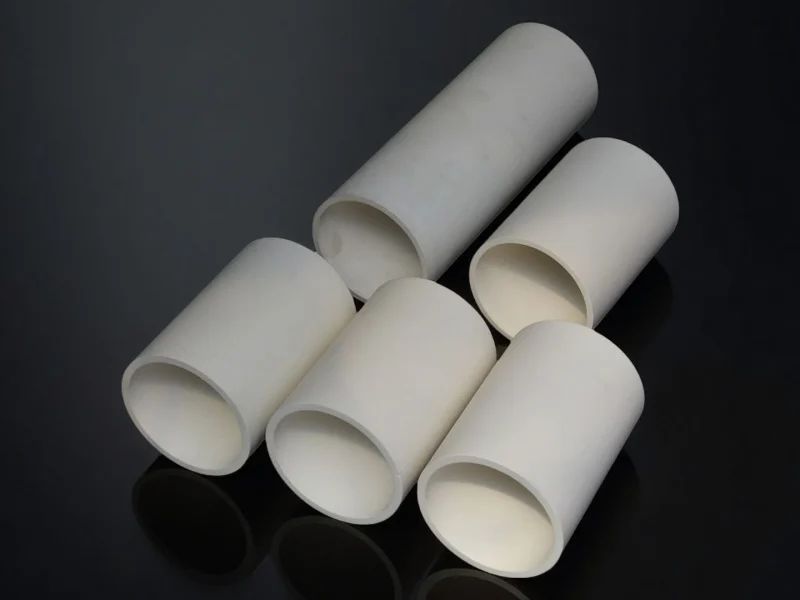
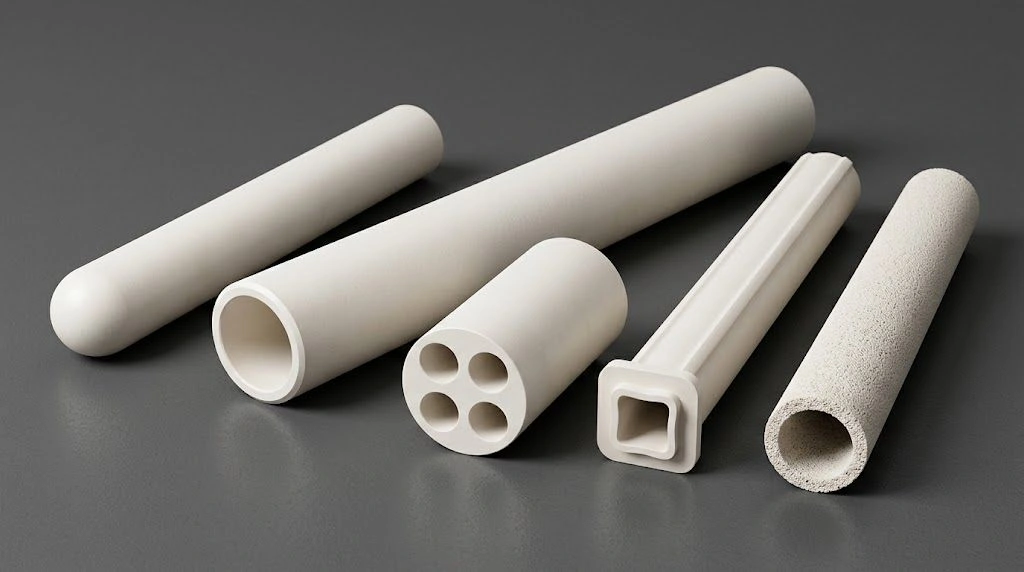
Zirconia toughened alumina tubes offer high strength, wear resistance, and stability under extreme heat and pressure.
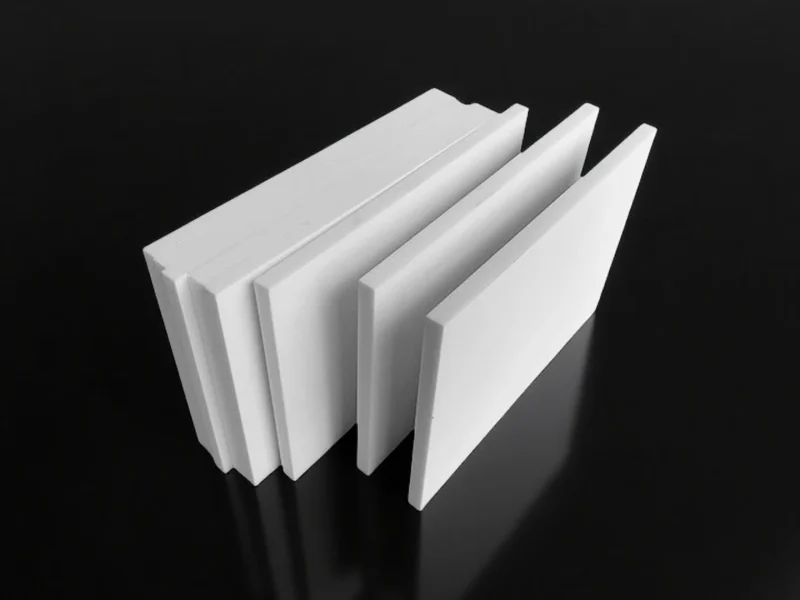
Zirconia toughened alumina plates provide enhanced strength and stability for load-bearing and insulation applications.
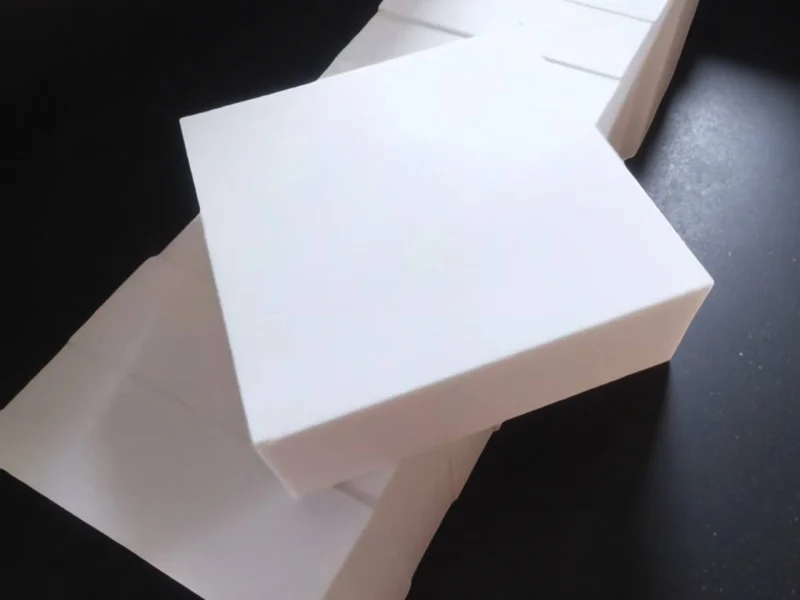
Zirconia toughened alumina lining boards protect process equipment from wear and chemical attack.
ZTA Ceramic Parts We Supply
ADCERAX supplies standard and custom ZTA tubes, rods, plates, rings, balls, liners, and seal parts, with material-route review based on your drawing and working conditions.
When to Choose Zirconia Toughened Alumina (ZTA) Ceramics?
Choose ZTA when plain alumina chips, cracks, or wears too fast. Share the failure mode, media, load, and drawing; ADCERAX will confirm whether a higher-toughness or higher-hardness ZTA route fits your part.
ZTA Is the Best Choice When
| Your Application Requirement | Why ZTA Excels | Recommended Product |
|---|---|---|
| Grinding media (battery slurry, pigments, ceramics) | 3x tougher than alumina; resists chipping under impact; lower wear debris | ZTA Grinding Beads |
| Pump seals and valve components | Excellent wear + chemical resistance; withstands thermal cycling | ZTA Seal Rings |
| Semiconductor wafer handling | Low particle generation; stable insulation; precise dimensions | ZTA Substrates |
| Mining and material handling wear liners | Impact + abrasion resistance; longer service life than steel in many abrasive-wear cases | ZTA Lining Boards |
| High-temp furnace components | Stable to 1600C; thermal shock resistant; low thermal expansion | ZTA Tubes |
| Precision bearings and bushings | Combines wear resistance with fracture toughness; smooth surface | ZTA Balls |
| Cutting tools and wear inserts | Edge retention + chip resistance; lower cost than pure zirconia | Custom ZTA parts |
| Budget optimization vs pure zirconia | 30-50% lower cost than Y-TZP with excellent toughness | Various ZTA products |
When ZTA May Not Be Optimal?
Not sure which material is right? Explore our materials comparison guide or contact our engineers.
consider pure alumina (99.7%)
pure zirconia (Y-TZP)
conside alumina or SiC
consider standard alumina
Quick Guide: What Zirconia Purity Do You Need?
The zirconia content determines the balance between hardness and toughness. The following zirconia content ranges, key advantages, and application suitability can help you choose the right ZTA material.
5-10%
- Key Advantage:Max hardness + moderate toughness boost
- Best For:Cutting tools, nozzles, semiconductor parts
10-15%
- Key Advantage:Balanced hardness and toughness
- Best For:Wear parts, grinding media, general industrial
15-20%
- Key Advantage:Max toughness + good hardness
- Best For:Impact applications, pump seals, valve components
Rule of Thumb: More ZrO2 = More toughness (crack resistance). More Al2O3 = More hardness (wear resistance).
ADCERAX can customize the ratio to match your specific requirements.
Zirconia Toughened Alumina Properties
ZTA combines alumina hardness with zirconia toughening. The values below are industry-typical ranges; final properties depend on grade, geometry, and RFQ review.
| Property | Typical ZTA Range | Why It Matters |
|---|---|---|
| ZrO₂ content | 10-20% typical | Balances hardness and fracture toughness |
| Density | 4.0-4.8 g/cm³ | Helps compare weight and replacement fit |
| Hardness | 1400-2000 HV | Supports wear resistance in guides, seals, and liners |
| Fracture toughness | 5-8 MPa·m^0.5 | Helps reduce chipping and cracking vs plain alumina |
| Flexural strength | 500-900 MPa | Supports structural and load-bearing parts |
| Max use temperature | 1400-1500°C typical; structural parts often ≤1000°C under load | Helps screen high-temperature fit before RFQ |
| Chemical resistance | Stable in many acids and slurries; strong alkali, HF, and molten salts need review | Prevents over-claiming media compatibility |
| Electrical behavior | Insulating ceramic; dielectric values confirmed by grade | Useful for fixtures, supports, and insulating parts |
💥 Fewer Replacements. Higher Uptime. Greater Precision— ZTA Delivers
With ADCERAX ZTA ceramics, every component means less maintenance, more stability, and measurable performance gains for your operation.
Zirconia Toughened Alumina Applications
Zirconia toughened alumina ceramics are widely used in semiconductor tools, analytical instruments and precision machinery as bearings, spacers, substrates, fixtures, and insulating components, ensuring long-term reliability in chemical, vacuum, and high-temperature environments.
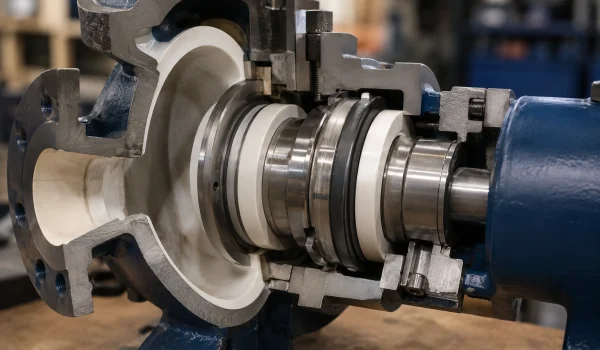
Pump / Valve / Seal wear
Use ZTA for valve seats, seal rings, pump sleeves, and fluid-contact parts where abrasion, chipping, or sealing-face wear causes leakage or downtime.
ADCERAX reviews the media, pressure, speed, sealing surface, tolerance, and drawing before confirming whether ZTA is the right route.
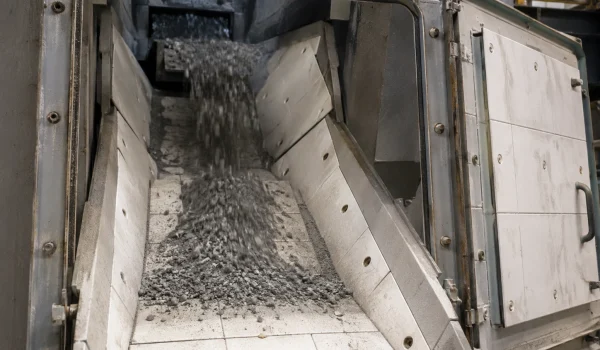
Abrasive Lining & Impact Wear
Use ZTA for liners, wear plates, chute inserts, and protective tiles where particles, powder, or slurry repeatedly strike the ceramic surface.
ADCERAX reviews the impact angle, particle size, flow speed, backing structure, and current wear pattern before confirming the ZTA route.
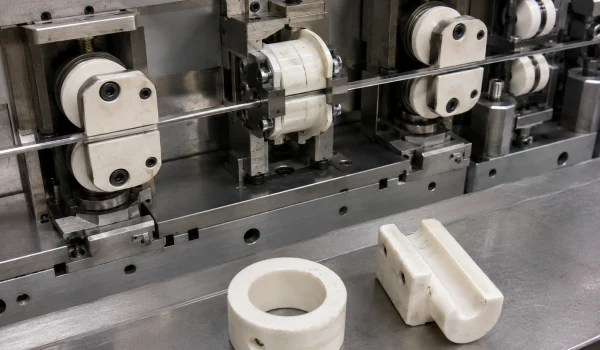
Guide / Forming Wear
ZTA is suitable for guides, rollers, bushings, and forming-contact parts that need wear resistance with better edge toughness than plain alumina.
Send the load, contact pattern, drawing, and current failure mode for material-route review.
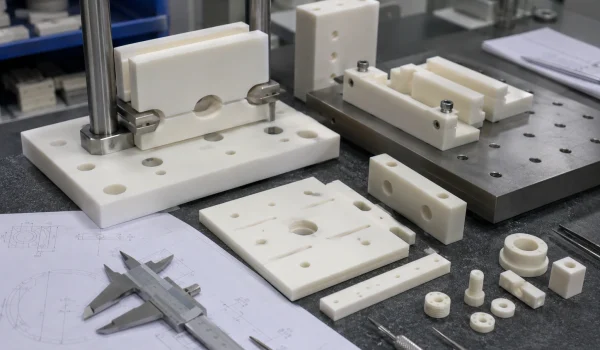
Precision Fixtures & Labware
ZTA may be used for fixtures, plates, substrates, supports, and laboratory components where dimensional stability, insulation, and wear resistance matter.
Cleanliness, certification, and special process requirements must be confirmed before use in high-control environments.
Customize Zirconia Toughened Alumina Supplier
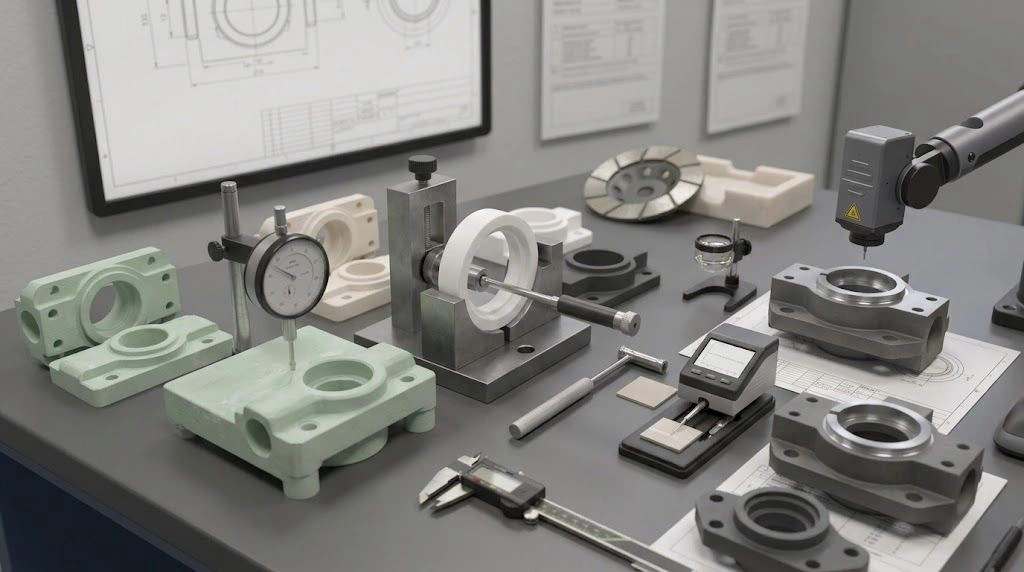
ADCERAX manufactures custom ZTA ceramic parts from drawings or samples, including complex shapes, tight-tolerance components, and material routes adjusted for wear, toughness, or sealing needs.
Customization Options
Tubes, rings, plates, liners, bushings, and wear parts made from your drawing or sample.
Bore size, sealing face, flatness, and surface finish reviewed by part use.
Chipping, abrasion, leakage, edge wear, or cracking checked before material choice.
Zirconia content and ZTA grade matched to wear, impact, media, and load.
Lead time, inspection items, and documents confirmed after drawing and quantity review.
Customization Process
For faster review, send the part drawing or sample, current failure mode, working media, load, temperature, tolerance, surface finish, quantity, and any inspection or document needs.
Drawing, sample, part type, dimensions, tolerance, quantity, media, load, and failure mode.
ADCERAX checks whether ZTA, alumina, zirconia, or another ceramic route fits the working condition.
Prototype, sample, or small-batch trial is confirmed by geometry, tolerance, quantity, and application risk.
Forming, sintering, machining, surface finishing, dimensional inspection, and document review.
Secure packing and shipment by express, air, sea, or your forwarder, with required documents.
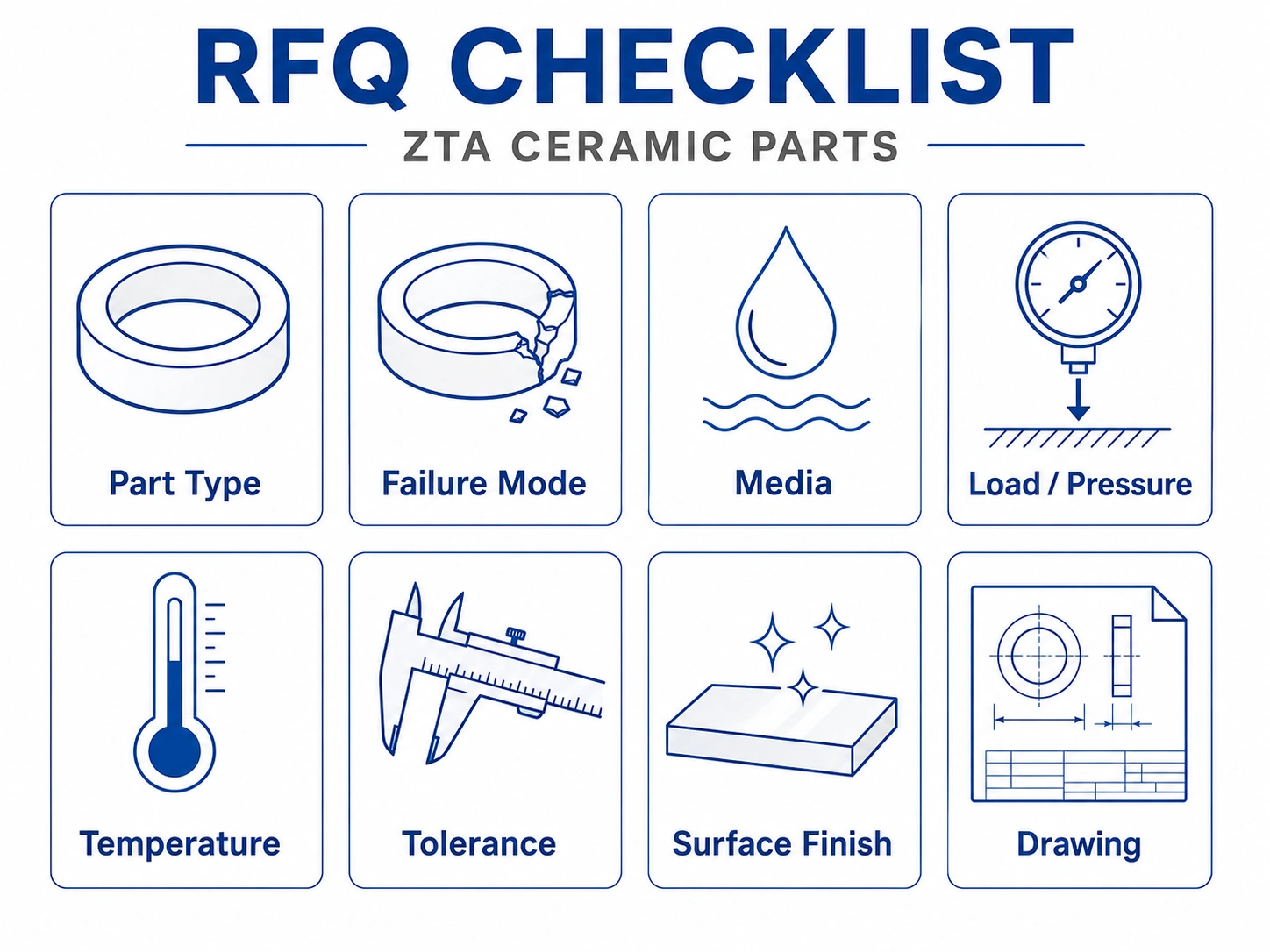
What to Send for a ZTA Ceramic RFQ
- Part type (seal ring, liner, guide, tube, rod, plate, bushing, custom part)
- Current failure mode (chipping, cracking, abrasion, leakage, edge wear, corrosion)
- Working media (slurry, powder, chemical liquid, gas, water, or dry contact)
- Load, pressure, speed, or impact condition
- Size and thickness
- Operating temperature and thermal cycling
- Drawing, sample, or old part photo
- Key dimensions, tolerance, bore size, wall thickness, and sealing surface
- Surface finish or flatness requirement, if critical
- Quantity, target lead time, and inspection/document needs
ADCERAX – Precision ZTA Supplier from China
ADCERAX is a trusted zirconia toughened alumina manufacturer in China, providing standard and customized ZTA components for global OEM clients. We also offer both wholesale and custom ZTA solutions, ensuring reliable performance and cost efficiency for industrial applications worldwide.
in-house ZTA ceramic production with controlled quality and factory-direct communication.
help with material selection, failure review, and application fit before quotation.
from prototype trials to batch orders, with support for standard and custom ZTA parts.
24-hour response; standard items dispatched quickly, custom orders typically 3–7 weeks.
ADCERAX integrates design, machining, quality control, and logistics into one seamless manufacturing workflow. Our one-stop approach for zirconia toughened alumina ceramics streamlines coordination, shortens lead time, and ensures stable quality from prototype to mass production.
-
Precision Machining Assurance:
Each ZTA product is precisely processed according to customer drawings, with dimensional accuracy up to ±0.05 mm, ensuring a perfect fit and stable assembly in complex mechanical or electronic systems. -
Batch Quality Consistency:
Every production batch of ZTA components undergoes strict QC on density, toughness, and surface finish to guarantee uniform performance across high-stress and high-temperature applications. -
Technical Engineering Support:
ADCERAX engineers assist OEM clients with material optimization, tolerance design, and surface engineering, helping enhance part reliability and extend service life in demanding industrial environments.


ADCERAX specializes in the production of zirconia toughened alumina ceramics, combining advanced forming technologies with precision CNC machining and strict quality control. Each ZTA product is engineered for superior toughness, dimensional stability, and long-term reliability across demanding industrial applications.
| Manufacturing Capabilities Overview | |||
|---|---|---|---|
| Capability Item | Typical Value / Description | ||
| Material Grades | Zirconia-toughened alumina (ZTA) composites with zirconia content typically 10–30%, achieving excellent toughness, hardness > 1,500 HV, and flexural strength up to 800 MPa. | ||
| Dimension Range | Custom ZTA parts from small precision insulators to large structural components, with machining tolerances of ±0.05–0.2 mm depending on geometry. | ||
| Forming Methods | Isostatic pressing, CNC machining, fine grinding, and hot sintering ensure uniform microstructure, high density, and repeatable dimensional accuracy. | ||
| Processing | Controlled sintering up to 1,700 °C achieves full densification; optional precision lapping and polishing enhance surface quality and component fit. | ||
| Surface Finish | Polished ZTA surfaces can reach Ra < 0.2 µm, providing low friction, smooth sealing contact, and stable performance in high-stress environments. | ||
ZTA Ceramic: Frequently Asked Questions
Technical answers to help you specify, source, and use ZTA ceramics effectively.
ZTA stays dimensionally stable to roughly 1,500 °C depending on grade, atmosphere and load, and its low thermal expansion reduces cracking during rapid temperature changes. For continuous use above ~1,500 °C, alumina or SiC is usually the better route.
ZTA is usually machined with diamond grinding, lapping, polishing, laser cutting, or ultrasonic machining, depending on the part shape and tolerance. Because ZTA is hard and tough, machining is normally planned after sintering and must be reviewed by drawing, hole size, wall thickness, sealing surface, and quantity.
For flat surfaces, bores, rings, rods, and sealing faces, diamond grinding and polishing are commonly reviewed. For small holes, slots, thin features, or complex profiles, laser or ultrasonic machining may be considered. Final method, tolerance, surface finish, and cost are confirmed after RFQ review.
Key Factors Influencing ZTA Lifespan:
1️⃣ Operational Load Type
Continuous Impact Loads (e.g., mining crusher plates):
Risk: Microcracks develop faster under repetitive impacts exceeding 50 MPa.
Solution: Design ZTA components with ≥5 mm thickness to absorb energy.Static/Pressure Loads (e.g., valve seats):
Advantage: ZTA maintains integrity under constant pressure up to 300 MPa.
2️⃣ Temperature Cycling Range
Rapid Quenching (e.g., from 1,200°C to 25°C in seconds):
Limit: ≤3 cycles/day to avoid grain boundary stress accumulation.Steady High Temp (e.g., 1,000°C furnace parts):
Lifespan: 5-8 years due to ZTA’s phase stability.
3️⃣ Abrasion Intensity
Sliding Abrasion (e.g., pump seals vs. sand slurry):
Wear Rate: 0.02 mm³/N·m (ZTA) vs. 0.15 mm³/N·m (pure alumina).Particle Size Impact:
Tip: Pair ZTA with <100 μm abrasive media to reduce surface pitting.
Proven Strategies to Extend ZTA Durability:
Surface Optimization:
A finer surface finish (down to Ra <0.1 μm) lowers friction on precision bearing and sealing faces, helping reduce wear.Edge Design:
Round sharp edges (radius >0.5 mm) to prevent chipping in cutting tools.Environmental Control:
Add protective coatings if used in pH <2 or >12 environments.
ZTA vs. Other Ceramics: Comparison Table for Material Selection,see all materials.
| Property | ZTA | Silicon Carbide (SiC) | Silicon Nitride (Si3N4) | Y-TZP Zirconia |
|---|---|---|---|---|
| Hardness | High (18-20 GPa) | Very High (25-28 GPa) | Moderate (14-16 GPa) | Moderate (12-14 GPa) |
| Toughness | Excellent (6-8 MPa√m) | Low (3-4 MPa√m) | High (6-7 MPa√m) | High (10-12 MPa√m) |
| Thermal Resistance | Up to 1,500°C | Extreme (1,600°C+) | High (1,400°C) | Moderate (800-1,200°C) |
| Wear Resistance | Excellent (Abrasive) | Extreme (Sliding/Erosive) | Good (Impact) | Good (Low Friction) |
| Thermal Conductivity | Low | Very High | Low | Very Low |
| Corrosion Resistance | Strong (Acid/Alkali) | Moderate (Weak in strong bases) | Good (Oxidation) | Excellent (Bio-inert) |
| Cost | $$ (Moderate) | $$$ (High) | $$$$ (Very High) | $$$ (High) |
| Key Applications | Industrial wear parts, valves | High-temp kilns, heat exchangers | Bearings, engine components | cutting tools |
How to Choose Based on Your Needs:
Pick ZTA If You Need:
Balanced cost-performance for abrasive wear or thermal shock resistance (e.g., mining equipment, pump seals).
Hydrothermal stability in wet/steam environments.
Choose Silicon Carbide (SiC) If You Need:
Extreme heat resistance + thermal conductivity (e.g., semiconductor furnaces, rocket nozzles).
Budget is less critical.
Opt for Silicon Nitride (Si3N4) If You Need:
High impact strength for dynamic loads (e.g., ball bearings, turbocharger rotors).
Select Y-TZP Zirconia If You Need:
Maximum flexural strength + aesthetics (e.g., dental crowns, decorative components).
Summary:
Cost-Saving + Toughness → ZTA.
Extreme Heat + Conductivity → SiC.
Impact Loads → Si3N4.
Strength + Aesthetics → Y-TZP.
Zirconia Toughened Alumina (ZTA) vs. Alumina vs. Zirconia
| Property / Aspect | Alumina (Al₂O₃) | Zirconia Toughened Alumina (ZTA) | Zirconia (ZrO₂) |
|---|---|---|---|
| Fracture Toughness | Low (≈3 MPa·m½) | ⭐ Medium–High (6–8 MPa·m½) | Very High (8–12 MPa·m½) |
| Hardness (HV) | Very High (≈1800 HV) | High (≈1600 HV) | Medium (≈1200 HV) |
| Wear Resistance | Excellent in dry conditions | ⭐ Superior under impact or abrasion | Good but lower hardness |
| Thermal Stability | Up to 1700 °C | ⭐ Up to 1600 °C | Limited (~1000 °C) |
| Electrical Insulation | Excellent | ⭐ Excellent | Moderate |
| Corrosion Resistance | Excellent | ⭐ Excellent | Good |
| Cost Level | Low | ⭐ Medium | High |
| Best For | General insulators, plates, crucibles | ⭐ High-stress, precision, or hybrid applications | High-toughness structural parts |
| Typical Industries | Laboratory • Furnace • Electronic insulation | ⭐ Semiconductor • Analytical • Machinery | Bearing • Valve systems |
ZTA bridges the performance gap between alumina and zirconia — combining alumina’s hardness and insulation with zirconia’s toughness.
It’s ideal when alumina is too brittle or zirconia is too expensive or soft for your application.
Often, after a drawing and use-condition review. ZTA is typically considered when alumina is too brittle or when pure z
Yes. ADCERAX offers zirconia toughened alumina for sale directly from our advanced production facility in China. As a professional zirconia toughened alumina factory, we provide both standard and custom parts with short lead times, ensuring consistent quality and cost efficiency for OEM and industrial buyers.
Yes. We support ±0.05–0.2 mm tolerance, mirror finish (Ra < 0.2 µm), and geometry optimization for bearings, spacers, liners, substrates, and fixtures.
Get in touch with us
We believe that Adcerax will become your best partner!
Please fill in your contact information in the form or call us.
*Our team will answer your inquiries within 24 hours.
*Your information will be kept strictly confidential.
info@adcerax.com
Tel.:+86-0731-84428843
WhatsApp:+86 19311583352
Within 24 hours