Aluminum Nitride Rod for High-Power Thermal Management and Electrical Insulation

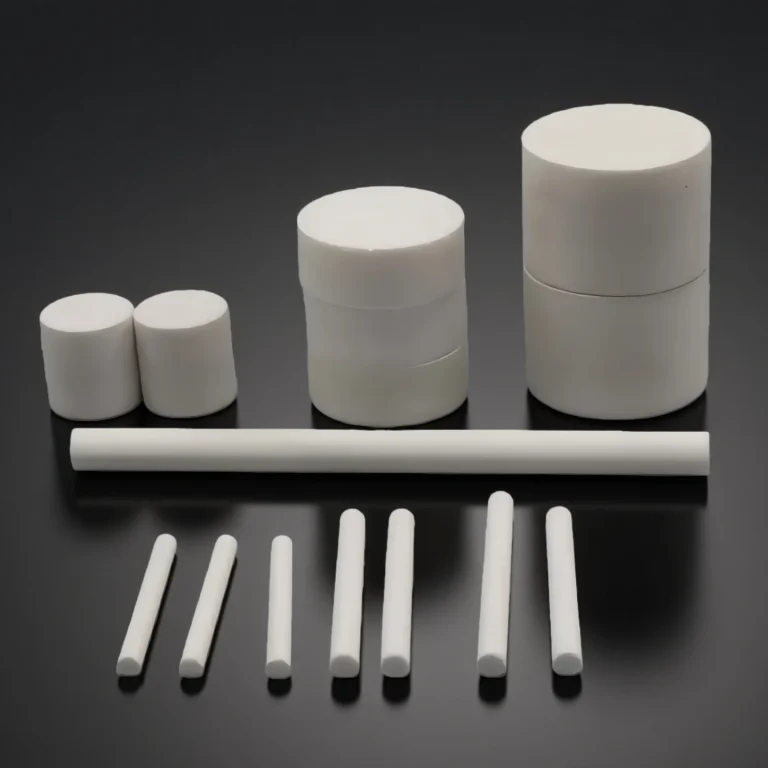
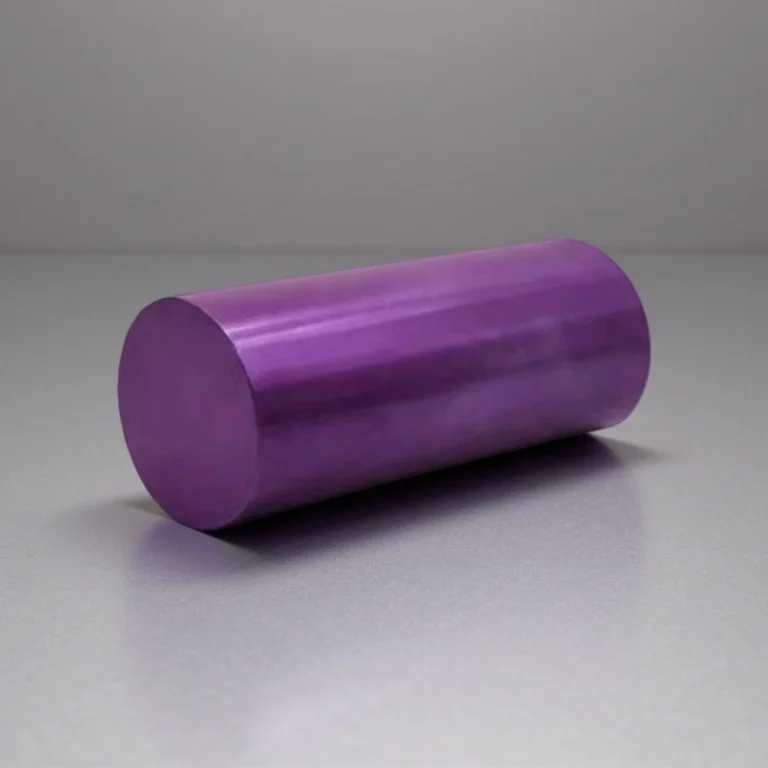
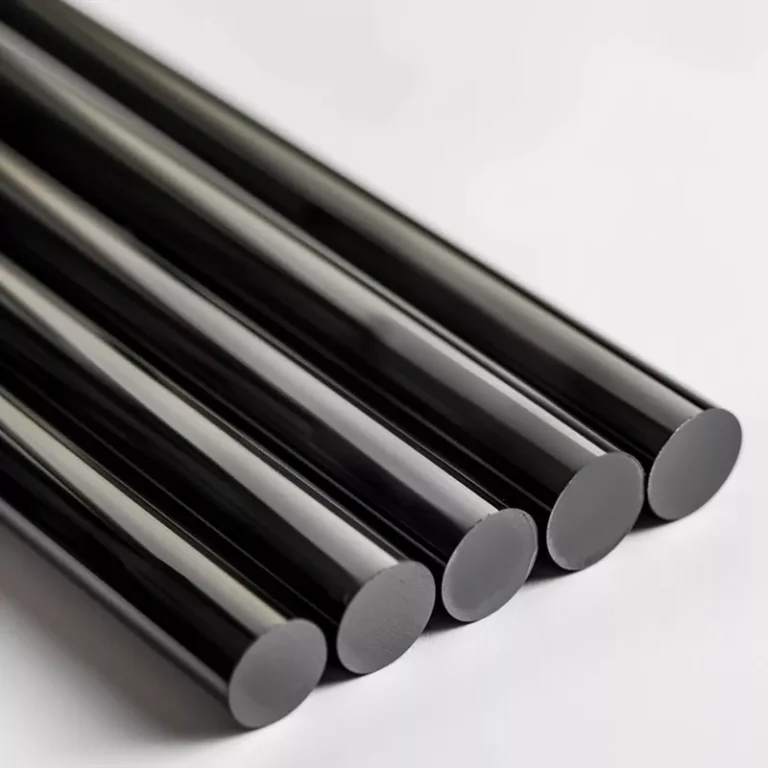
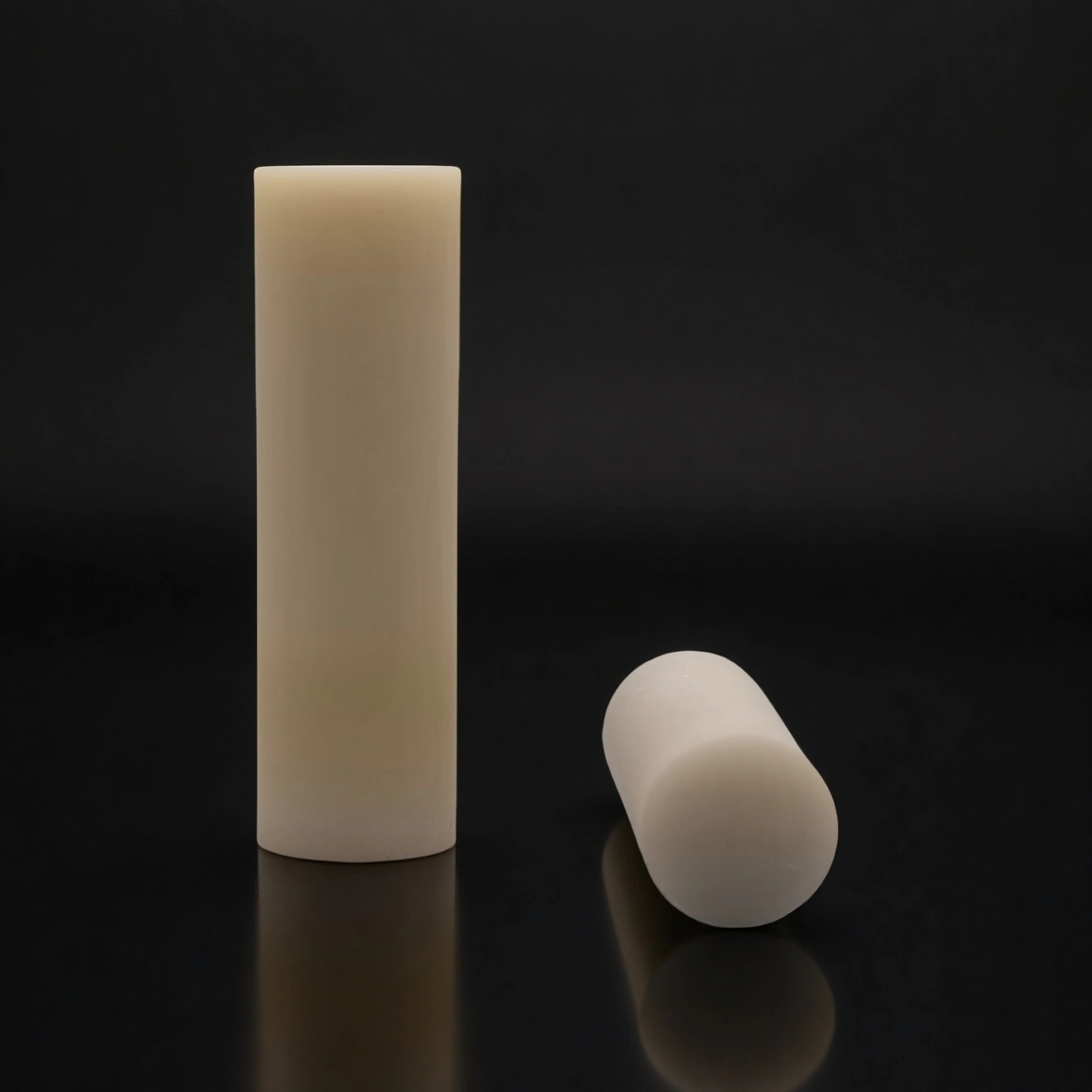
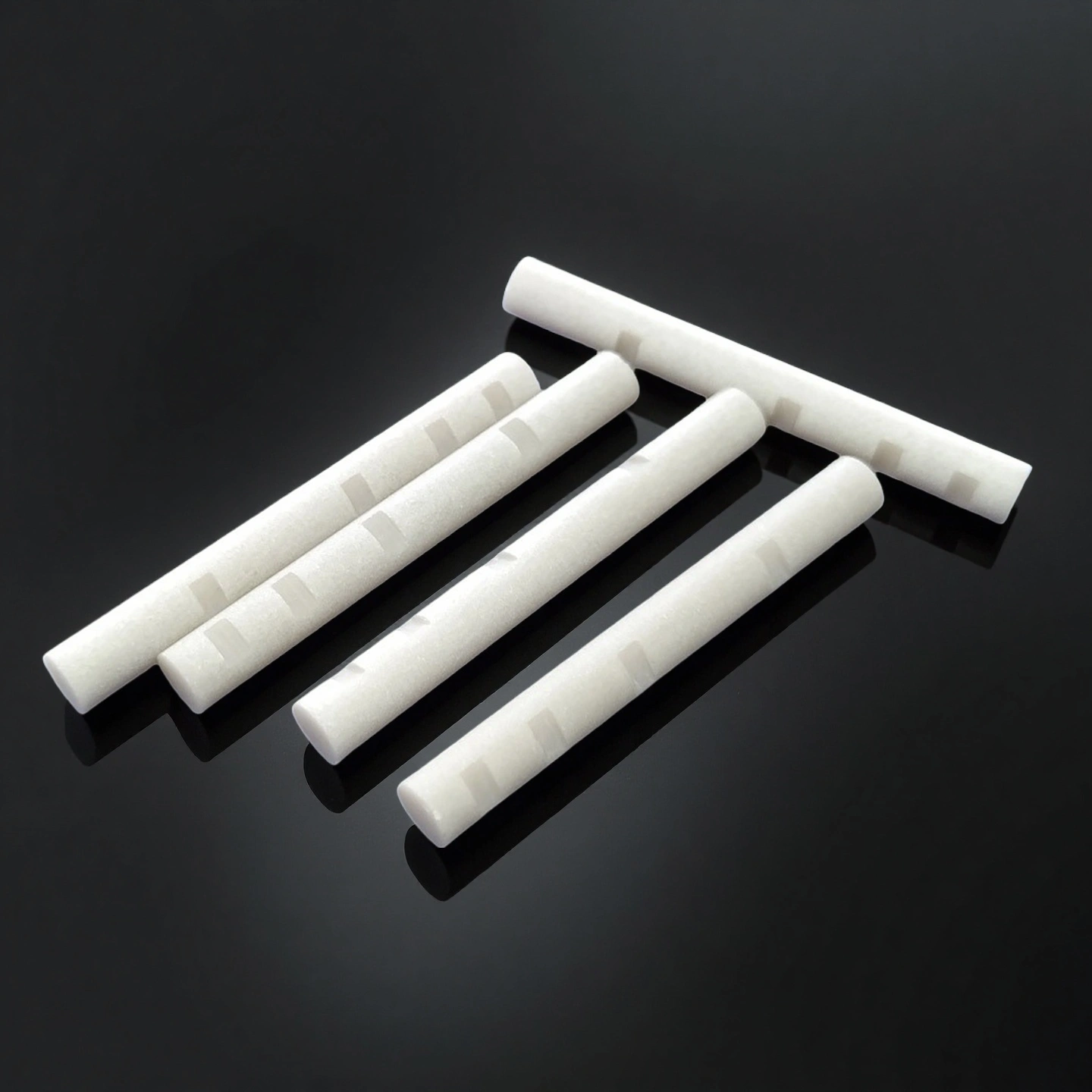
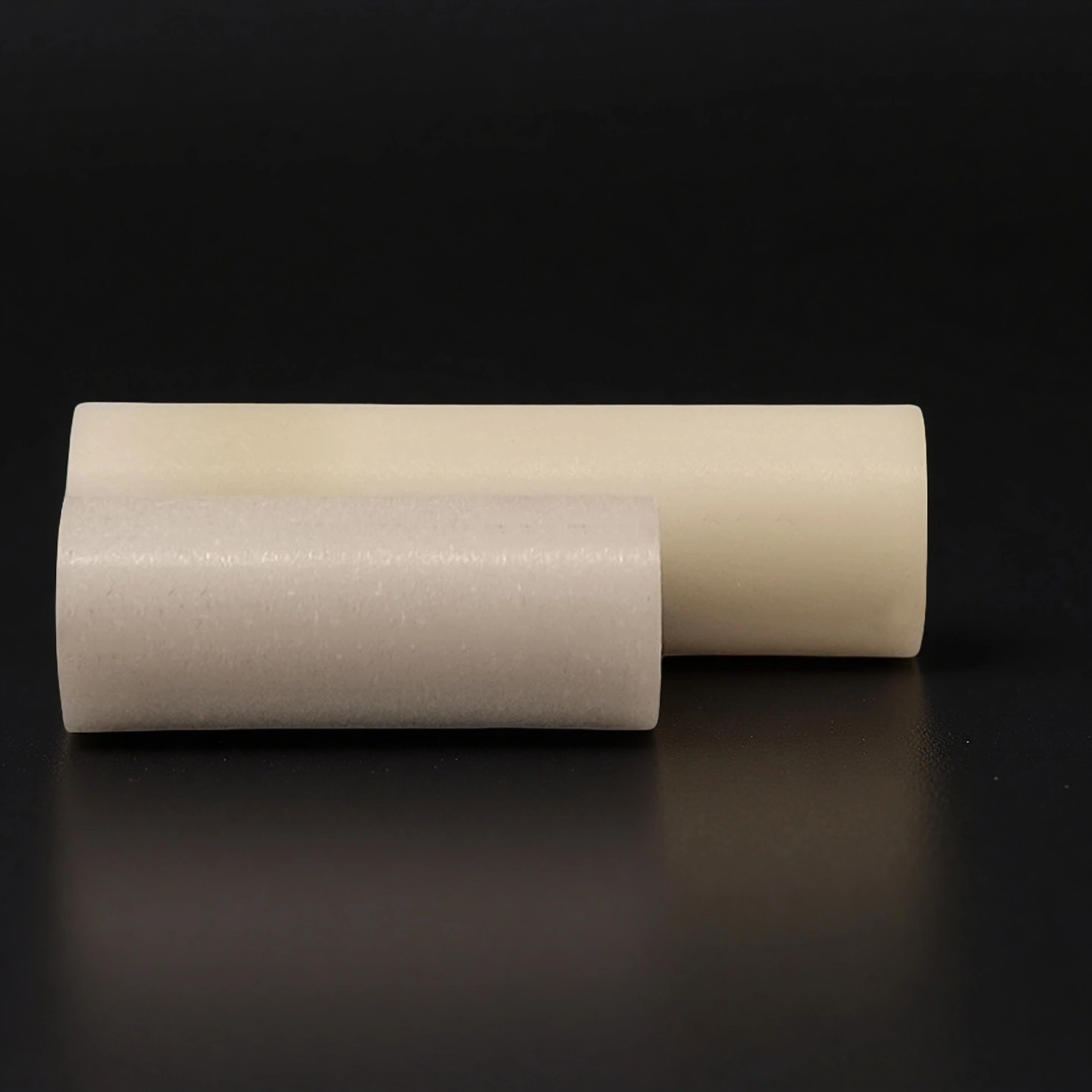
Aluminum nitride rod is a dense AlN ceramic rod with high thermal conductivity and electrical insulation, supplied in diameters from about 3 mm to 30 mm and lengths up to around 300 mm, with custom aluminum nitride rod machining available according to customer drawings for semiconductor equipment, power electronics and high-temperature furnace projects.

Catalogue No. AT-ALN-B1001
Material  Aluminum Nitride
Thermal Conductivity approx. 170–190 W/m·K
Coefficient of Thermal Expansion approx. 4.5–5.5 × 10⁻⁶ /K
Flexural Strength typically ≥ 300 MPa
24H Standard Dispatch
Small Batch Support OEM
Factory Direct
Expert Engineering Support

An aluminum nitride rod is a dense ceramic rod made from aluminum nitride (AlN), designed to combine high thermal conductivity with high electrical insulation in a single component. Compared with common alumina rods, an aluminum nitride rod can transfer heat much more efficiently while still acting as a dielectric insulator, so it is often used close to power devices, heaters and electronic components that generate significant heat.

Aluminium Nitride Rod Benefits

  • High heat dissipation along the rod length
    Aluminum nitride ceramic rod combines high thermal conductivity with electrical insulation, suitable for carrying heat away from power devices while keeping circuits insulated.

  • Dimensional precision for engineered assemblies
    Machined AlN rod can be produced with tight diameter and length tolerances, which helps minimize assembly misalignment in semiconductor tools and fixtures.

  • Thermal expansion closer to Si and SiC devices
    The coefficient of thermal expansion of aluminum nitride rod is closer to semiconductor materials than alumina, helping reduce thermal stress in bonded or clamped structures.

  • High strength and fracture resistance in slim geometries
    A dense AlN ceramic rod can maintain mechanical strength even in smaller diameters, which supports slender support rods and probe shafts in high-temperature or vacuum conditions.

  • Stable insulation at elevated temperatures
    Aluminum nitride ceramic rods keep high electrical resistivity at operating temperatures used in many power electronics and furnace environments, which supports safe insulation design.

Aluminum Nitride Ceramic Rod Properties

Property Content Unit Unit ALN-170 ALN-200 ALN-230
Basic Properties Color gray light yellow light yellow
Density g/cm³ 3.2-3.3 3.2-3.3 3.2-3.3
Surface Roughness μm 0.2-0.75 0.2-0.75 0.2-0.8
Camber length ‰ ≤3‰ ≤3‰ ≤3‰
Hardness HV 1100 1100 1100
Thermal Properties Max Operating Temperature °C 1100 1100 1100
Thermal Conductivity W/m·K 170-190 190-220 220-230
Coefficient of Thermal Expansion 10⁻⁶/K(20-400°c) 4-5 4-5 4-5
Coefficient of Thermal Expansion 10⁻⁶/K(400-800°c) 5-6 5-6 5-6
Mechanical Properties Flexural Strength MPa 300-400 350-450 400-500
Tensile Strength MPa 200-300 250-350 280-380
Compressive Strength MPa 2000-3000 2200-3200 2500-3500
Electrical properties Dielectric Constant at 1MHz 8-9 8-9 8-9
Dielectric strength KV/mm ≥15 ≥15 ≥15
Volume resistivity 20℃ Ω.cm ≥1014 ≥1014 ≥1014


Aluminum Nitride Rod Specifications

Aluminium Nitride Rod
Item No. Diameter(mm) Length (mm)
AT-ALN-B1001 0.38 120
AT-ALN-B1002 0.5 120
AT-ALN-B1003 0.635 120
AT-ALN-B1004 1.0  120
AT-ALN-B1005 1.5  120
AT-ALN-B1006 2.0  120
AT-ALN-B1007 4.0  50
AT-ALN-B1008 5.0  50
AT-ALN-B1009 7.5  100
AT-ALN-B1010 7.5  50
AT-ALN-B1011 16.0  51
AT-ALN-B1012 18.5  60
AT-ALN-B1013 22.0  50
AT-ALN-B1014 22.0  67
AT-ALN-B1015 28.0  120
AT-ALN-B1016 31.0  120
AT-ALN-B1017 32.0  120
AT-ALN-B1018 34.0  120
AT-ALN-B1019 45.0  120
AT-ALN-B1020 47.0  120


AlN Rod Packaging

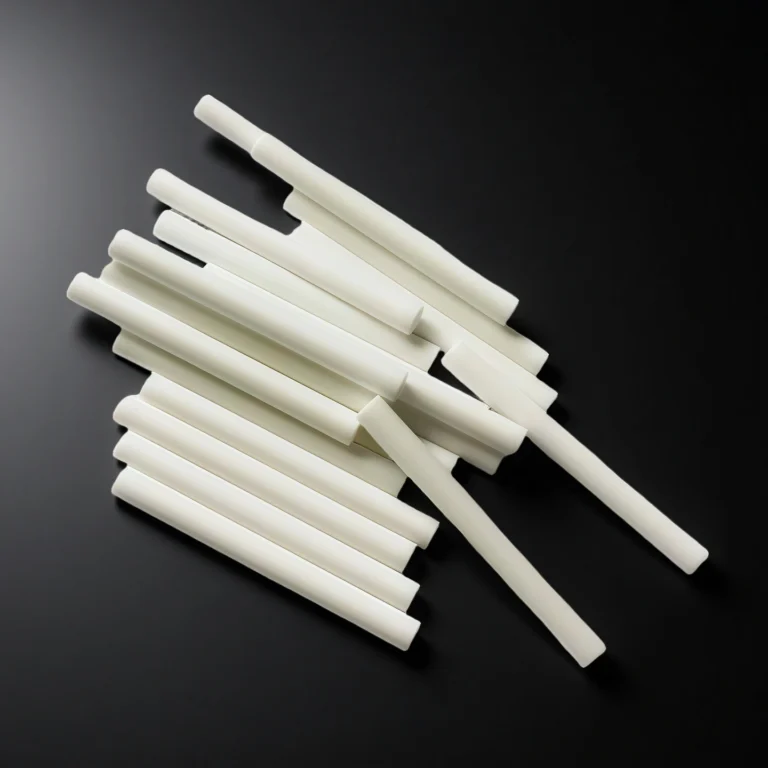
  • Each aluminum nitride ceramic rod is individually wrapped or separated with soft spacers to avoid hard contact between rods.
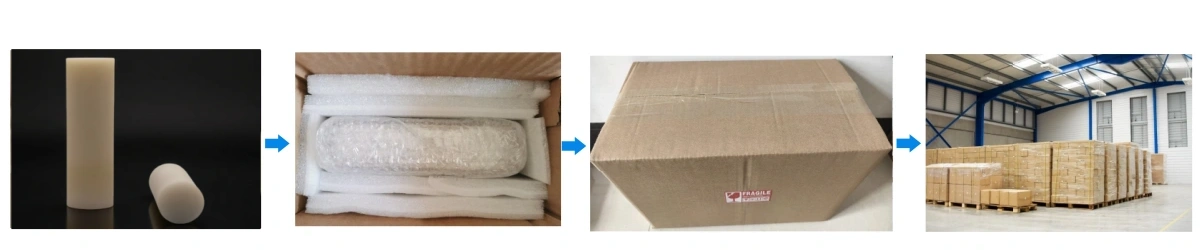

AlN Rod Packaging

Aluminum Nitride Rod  Applications

  • High Temperature Furnaces and Vacuum Systems

    ✅Key Advantages

    1. Stable support in high-temperature chambers: Aluminum nitride rod maintains mechanical strength and insulation in vacuum or controlled atmosphere chambers used in wafer processing.
    2. Heat conduction away from local hot spots: The high thermal conductivity of the AlN rod helps move heat from heaters or plasma-exposed parts to cooler structures.
    3. Dimensional stability over many process cycles: Thermal expansion behaviour and stiffness of AlN rod support consistent alignment in wafer carriers, chuck supports and internal fixtures.

    ✅ Problem Solved

    A semiconductor equipment builder used aluminum nitride rods as insulating supports around a heater assembly that cycles up to several hundred degrees Celsius. With previous alumina rods, local temperature non-uniformity led to distortion and periodic re-alignment. After switching to AlN rods with higher thermal conductivity and better thermal expansion matching, the temperature variation across the assembly dropped, and fixture alignment remained stable over repeated cycles, which reduced adjustment work and improved process consistency for each tool set.

  • Aluminum Nitride Rod for Power Electronics and EV Modules

    ✅Key Advantages

    1. Thermal path inside compact power modules: Aluminum nitride rod provides a conduction path to spread heat in dense layouts where extra copper or metal volume is limited.
    2. High insulation at operating voltage: The ceramic rod maintains high electrical resistivity while carrying heat away from components under continuous load.
    3. Compatibility with Si and SiC devices: The thermal expansion behavior of AlN rod reduces stress at interfaces when devices operate with frequent thermal cycling.

    ✅ Problem Solved

    A power electronics company upgraded a DC/DC converter platform that previously used alumina-based spacers to separate conductive structures. At higher power levels, temperature gradients increased and the spacers occasionally cracked. Aluminum nitride rods were introduced as insulating supports with higher thermal conductivity and suitable strength. The new design kept the device case temperature within the project’s target range and reduced spacer failure during accelerated thermal cycling, which helped the design pass qualification with fewer re-builds.

  • Aluminum Nitride Rod in Vacuum Furnaces and High-Temperature Systems

    ✅Key Advantages

    1. Mechanical support for heating elements and fixtures: Aluminum nitride ceramic rod can support heaters or trays in high-temperature or vacuum environments that require both stiffness and insulation.
    2. Heat spreading in thermal zones: The high thermal conductivity of AlN rod helps equalize temperature within a limited region of the furnace structure.
    3. Reduced dimensional drift at service temperature: The ceramic rod shows limited creep and maintains dimensions over furnace operating cycles.

    ✅ Problem Solved

    An industrial vacuum furnace builder used aluminum nitride rods as support elements close to the hot zone to reduce temperature gradients that affected a sensitive fixture. Previously, supports with lower thermal conductivity created cooler spots near contact points, which produced local distortion of the fixture. After adopting AlN rods with specified dimensions and tolerances, the builder measured a more uniform temperature distribution in that zone and reduced fixture warping over repeated thermal cycles, which improved consistency of treated parts and reduced rework.

AlN Ceramic Rod Usage Instructions

  • Installation

    1. Check that the aluminum nitride rod dimensions and tolerances match the current drawing before installation.
    2. Avoid forcing the rod into misaligned holes or clamps; use clean, smooth mating surfaces to reduce stress concentration.
    3. When clamping the AlN rod, apply uniform pressure with suitable contact pads instead of point contacts or sharp edges.

  • Operation and Handling

    1. Bring assemblies with aluminum nitride rods up to temperature according to the equipment heating profile, avoiding shock heating where possible.
    2. Avoid direct mechanical impact, bending loads or torsion on slender rods, especially when they are at high temperature.
    3. Keep metallic particles, abrasives and corrosive vapors away from the rod surface when feasible, or evaluate compatibility in advance.

  • Storage

    1. Store aluminum nitride rods in dry, clean packaging, separated from hard metal parts to prevent scratches and chips.
    2. Keep rods labeled by size and project to avoid mixing similar dimensions that are not interchangeable.
    3. Avoid stacking heavy items on top of AlN rod boxes.

  • Cleaning

    1. Remove loose dust with clean compressed air or a soft brush.
    2. If a liquid cleaning step is required, use a compatible solvent or deionized water and dry thoroughly before re-use.
    3. Do not use aggressive mechanical abrasion on critical contact surfaces of the rod.

  • Common Issues and Suggested Solutions

    1. Issue: The aluminum nitride rod cracks during installation.
    Possible reasons: misaligned holes, excessive press-fit, or sharp metal edges.
    Suggested solution: review hole alignment, reduce interference fit or change to smoother contact surfaces before installing a new AlN rod.

    2. Issue: The rod shows chipping at the ends after several maintenance cycles.
    Possible reasons: repeated direct impact with tools or hard fixtures.
    Suggested solution: introduce chamfering of sharp corners in the design, and use soft pads or guided fixtures during assembly and disassembly.

    3. Issue: The aluminum nitride rod shows unexpected discoloration after high-temperature use.
    Possible reasons: reaction with furnace atmosphere or process gases.
    Suggested solution: check gas composition, adjust process parameters, or discuss whether a different AlN grade or protective design is required.

FAQ — Aluminum Nitride Rod

  1. Q: What is an aluminum nitride rod used for in industrial applications?
    A: An aluminum nitride rod is a dense AlN ceramic rod used as a structural and insulating component in semiconductor tools, power electronics assemblies and high-temperature furnace fixtures where both heat transfer and electrical insulation are required.
  2. How does an aluminum nitride rod compare with an alumina rod in thermal performance?
    A: An aluminum nitride rod has significantly higher thermal conductivity than a typical alumina rod, which helps carry heat away from hot components while still providing insulation, particularly in high-power devices.
  3. Q: Can aluminum nitride rods be customized by diameter and length?
    A: Yes, aluminum nitride rods can be customized for diameter, length and tolerances, and many projects rely on custom AlN ceramic rods rather than standard stock sizes to match their mechanical envelope.
  4. Q: What tolerances can typically be achieved on an aluminum nitride ceramic rod?
    A: For many applications, aluminum nitride rods are supplied with controlled diameter and length tolerances suitable for sliding fits or precise stack heights, and critical dimensions can be further refined after reviewing the drawing.
  5. Q: Is aluminum nitride rod suitable for use in vacuum and inert atmospheres?
    A: Aluminum nitride ceramic rod is frequently used in vacuum and inert atmospheres because the material is stable at elevated temperature and does not outgas like many polymer or composite materials.
  6. Q: Does an aluminum nitride rod provide enough electrical insulation for high-voltage modules?
    A: A properly specified aluminum nitride rod offers high electrical resistivity and can be used as an insulating support in many high-voltage or high-power modules, provided that creepage distances and clearances are respected in the design.

Aluminum Nitride Rod Reviews

  • ⭐️⭐️⭐️⭐️⭐️
    We used aluminum nitride rods from ADCERAX in a high-temperature test rig. The thermal behaviour of the assembly became easier to control, and the tight tolerances helped us avoid repeated fixture adjustments during commissioning.
    -- Daniel K., Senior Process Engineer, NovaTherm Systems
  • ⭐️⭐️⭐️⭐️⭐️
    Our team sourced custom aluminum nitride ceramic rods from ADCERAX for a new converter platform. The drawing review process was clear, and the supplied AlN rods matched the specified dimensions, which simplified incoming inspection.
    -- Maria L., Purchasing Manager, ElectroDrive Power Modules
  • ⭐️⭐️⭐️⭐️⭐️
    For a prototype laser system we needed small-diameter aluminum nitride rods to support optics near a hot zone. The AlN rods provided the thermal path and insulation we were looking for, and we could keep the support design compact.
    -- Hiroshi S., R&D Scientist, OptiBeam Laser Technologies
  • ⭐️⭐️⭐️⭐️⭐️
    The aluminum nitride rods we used as supports in a vacuum furnace project helped reduce distortion in a sensitive fixture. Once we switched to these AlN rods, dimensional stability improved across several test cycles.
    -- Liam P., Mechanical Designer, Apex Vacuum Furnaces
customize size

Custom AlN Rod Supplier

ADCERAX can customize the rod’s diameter, length, tolerances, end geometry and surface finish according to your drawing, including stepped sections, rounded ends, grooves and polished areas for a precise fit and assembly.

1. Rod Geometry

  • Outer diameter range (e.g. approx. 3–30 mm, smaller or larger on request)
  • Length from short segments (10–30 mm) up to extended rods (≈300 mm or project-based)
  • Straight rod, stepped rod, or rod with local shoulders

2. End Details

  • Flat ends with specified chamfer or radius
  • Partial or full rounding of one end for contact or sliding
  • Grooves, recesses or simple features for clips and brackets

3. Tolerances

  • Diameter tolerance for press-fit or sliding fit
  • Length tolerance for stack height control
  • Straightness and run-out where rotation or precise alignment is needed

4. Surface Finish

  • As-sintered or fine-ground aluminum nitride rod surface
  • Polished surface for specific contact or sealing zones
  • Lightly sandblasted surface where better wetting or coating adhesion is required

5. Material and Grade Options

  • Standard high thermal conductivity AlN rod grade
  • Higher purity or tailored density grade for sensitive environments
  • Optional compatibility with subsequent metallization or brazing steps (discussed case-by-case)

Related Products

ADCERAX - Your Trusted Advanced Ceramics Manufacturing Partner

Direct factory manufacturing with comprehensive ceramic materials expertise and global supply capabilities

Direct Factory Manufacturing

China-based ceramic materials production facility with state-of-the-art equipment

Engineering Team

Experienced professionals in advanced ceramics applications and custom design

Quality Control

Strict quality control standards for technical ceramics manufacturing and quality management

Global Supply Chain

Serving customers worldwide with technical ceramics and rapid response

24/7 Technical Support

Round-the-clock support for ceramic components inquiries and technical assistance

500+ Satisfied Customers

Trusted by global customers for advanced ceramic materials and precision components

Get in touch with us

Our team will be happy to respond to you in less than 24 hours.

Adcerax's factory

Quick Quotation

*Our team will answer your inquiries within 24 hours.

*Your information will be kept strictly confidential.

Ready to Solve Your Engineering Challenge?

Partner with ADCERAX for reliable, high-performance advanced ceramic solutions. Our engineers are ready to discuss your project.

E-mail

info@adcerax.com

Phone

+(86) 0731-74427743 | WhatsApp: +(86) 19311583352

Response Time

Within 24 hours

Quick Quote

The more details you provide, the faster we can quote.

*We respond within 24 hours. All inquiries are confidential.

Download Catalog

Get Your Custom Sulution

The more details you provide, the faster we can respond.

customize size

*We respond within 24 hours. All inquiries are confidential.

Download Catalog