High Thermal Conductivity Aluminum Nitride Ceramic Sheet with Low CTE

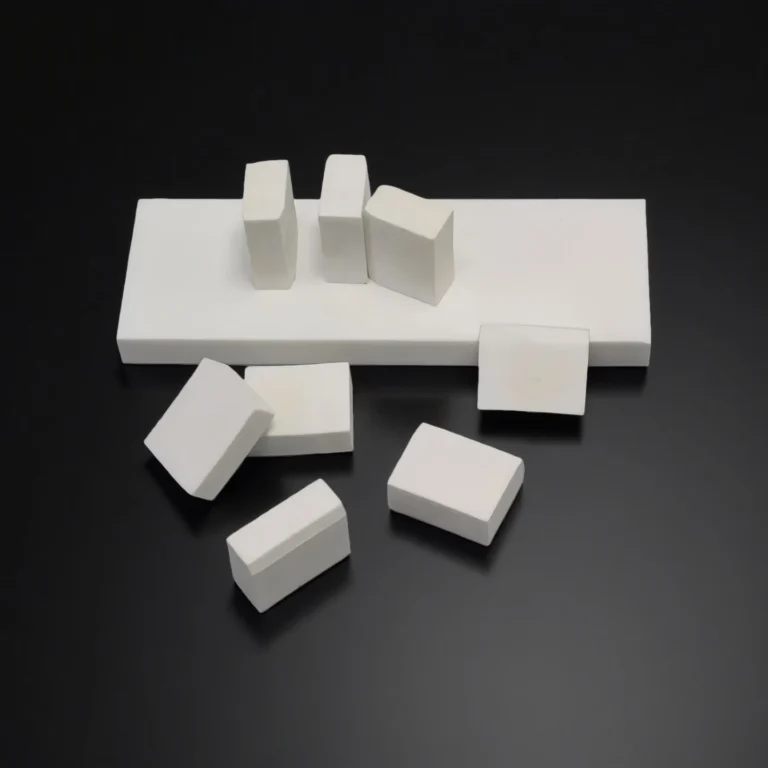
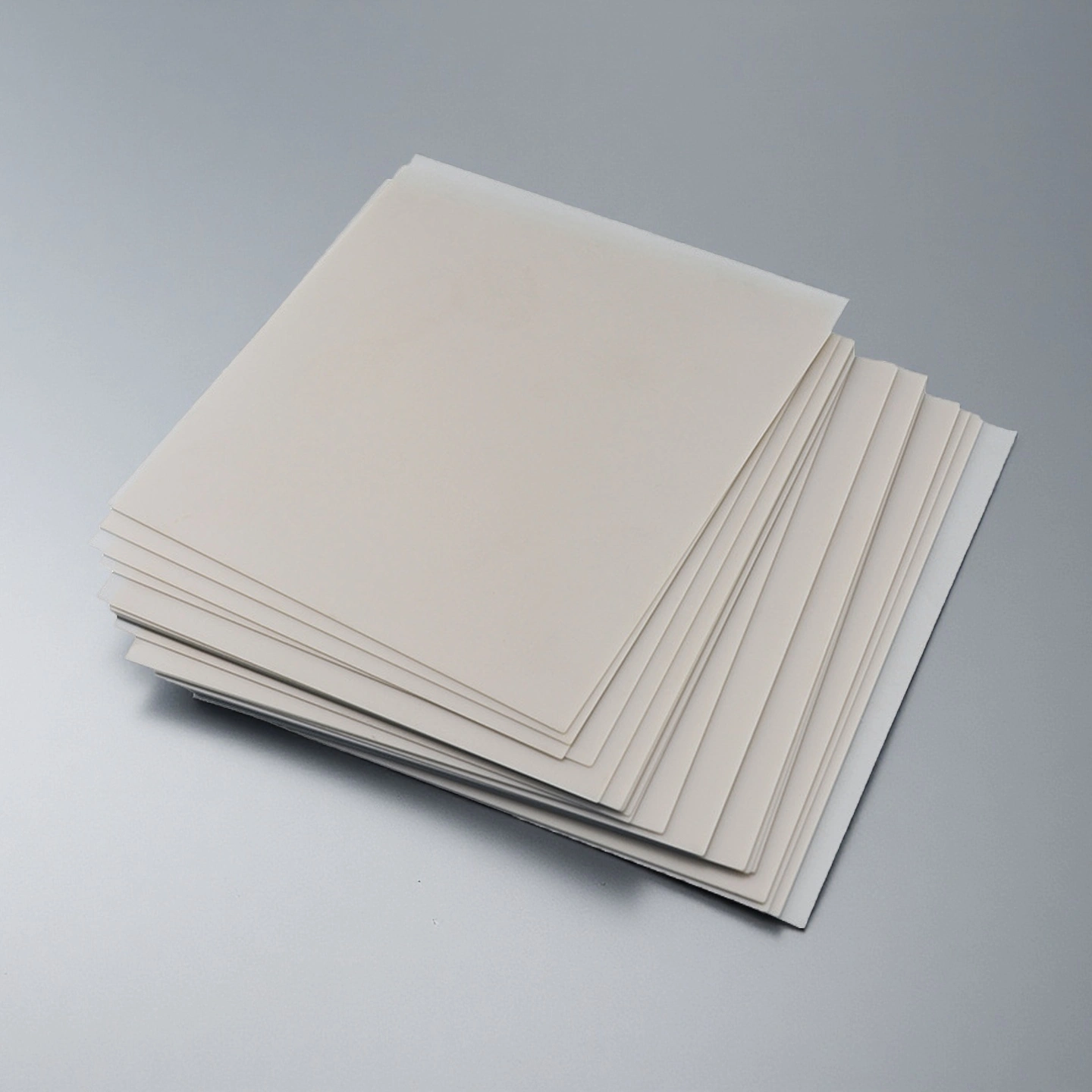
Aluminum nitride sheet is a high thermal conductivity ceramic sheet material used as an electrically insulating, thermally efficient base for power, LED, RF and optical modules. ADCERAX supplies aluminum nitride sheets in standard sizes and custom-cut formats, with thickness typically from 0.3 mm to 2.0 mm and dimensional tolerances tailored to customer drawings.

Catalogue No. AT-AIN-YP0001
Material  Aluminum Nitride
Thermal Conductivity ≥170 W/m·K
Dielectric strength ~15–17 kV/mm at room temperature
Coefficient of thermal expansion (CTE) ~4.3–4.8 × 10⁻⁶ /K (room temp–400 °C)
24H Standard Dispatch
Small Batch Support OEM
Factory Direct
Expert Engineering Support

An aluminum nitride sheet is a flat, plate-like ceramic component made from aluminum nitride (AlN) that is used as a thermally conductive, electrically insulating base in electronic and optoelectronic assemblies.

Aluminum Nitride Sheet  Benefits

  • High heat dissipation for compact designs
    Aluminum nitride ceramic sheet provides thermal conductivity in the 140–180 W/m·K range, enabling higher power density and lower junction temperature compared with alumina substrates.

  • Electrical insulation with silicon-matched expansion
    The AlN ceramic sheet combines high dielectric strength with a coefficient of thermal expansion close to silicon, supporting reliable chip attachment and thermal cycling in demanding applications.

  • Stable properties at elevated temperature
    Aluminum nitride sheet maintains mechanical strength, insulation resistance and thermal performance at operating temperatures commonly required in power electronics and LED drivers.

  • Precision machining for complex layouts
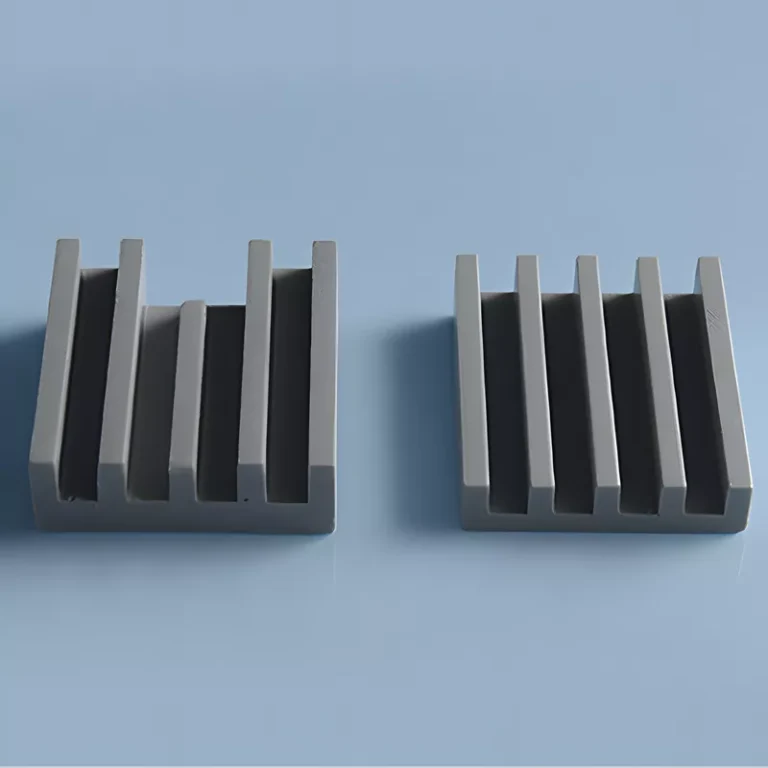
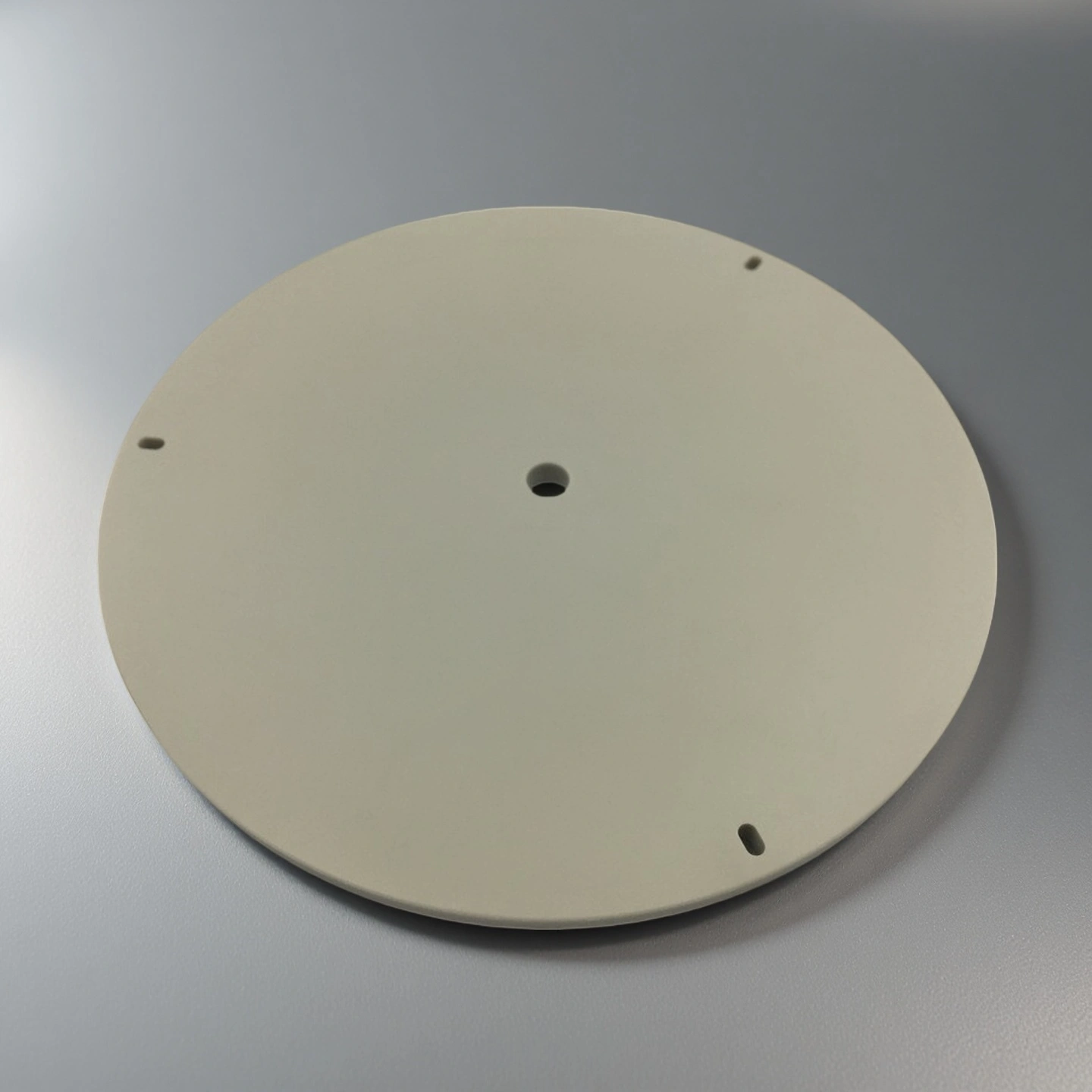
    ADCERAX can supply aluminum nitride sheets with precision grinding, drilled holes, slots and complex outer profiles to follow customer module layouts.

  • Suitable for multiple high-value industries
    The same AlN ceramic sheet platform can be used across power conversion, LED and UV curing, RF modules and optical communication packages, allowing standardization of materials across product lines.

Aluminium Nitride Ceramic Sheet Properties

Property Content Unit Unit ALN-170 ALN-200 ALN-230
Basic Properties Color gray light yellow light yellow
Density g/cm³ 3.2-3.3 3.2-3.3 3.2-3.3
Surface Roughness μm 0.2-0.75 0.2-0.75 0.2-0.8
Camber length ‰ ≤3‰ ≤3‰ ≤3‰
Hardness HV 1100 1100 1100
Thermal Properties Max Operating Temperature °C 1100 1100 1100
Thermal Conductivity W/m·K 170-190 190-220 220-230
Coefficient of Thermal Expansion 10⁻⁶/K(20-400°c) 4-5 4-5 4-5
Coefficient of Thermal Expansion 10⁻⁶/K(400-800°c) 5-6 5-6 5-6
Mechanical Properties Flexural Strength MPa 300-400 350-450 400-500
Tensile Strength MPa 200-300 250-350 280-380
Compressive Strength MPa 2000-3000 2200-3200 2500-3500
Electrical properties Dielectric Constant at 1MHz 8-9 8-9 8-9
Dielectric strength KV/mm ≥15 ≥15 ≥15
Volume resistivity 20℃ Ω.cm ≥1014 ≥1014 ≥1014


AlN Sheet Specifications

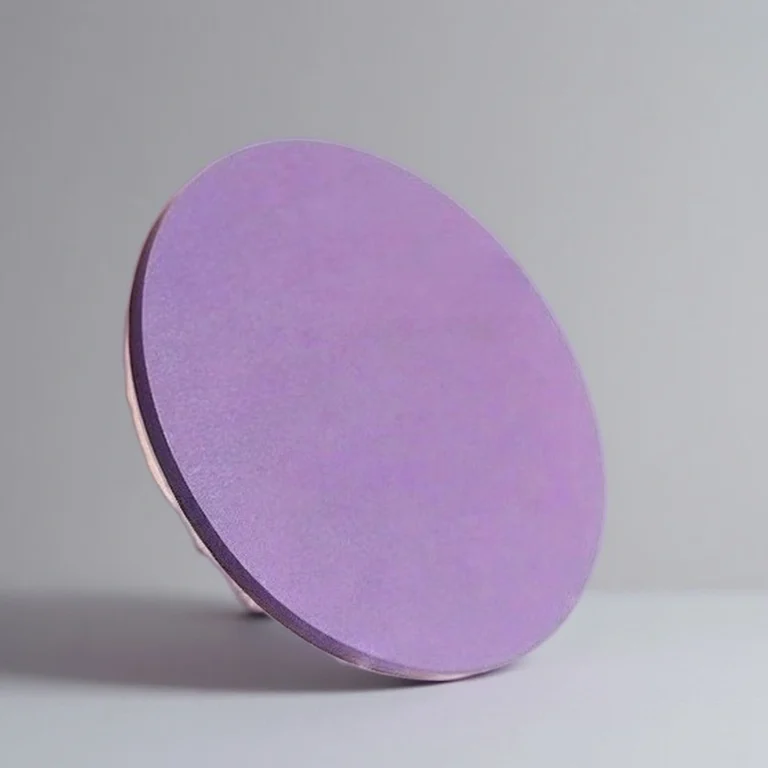
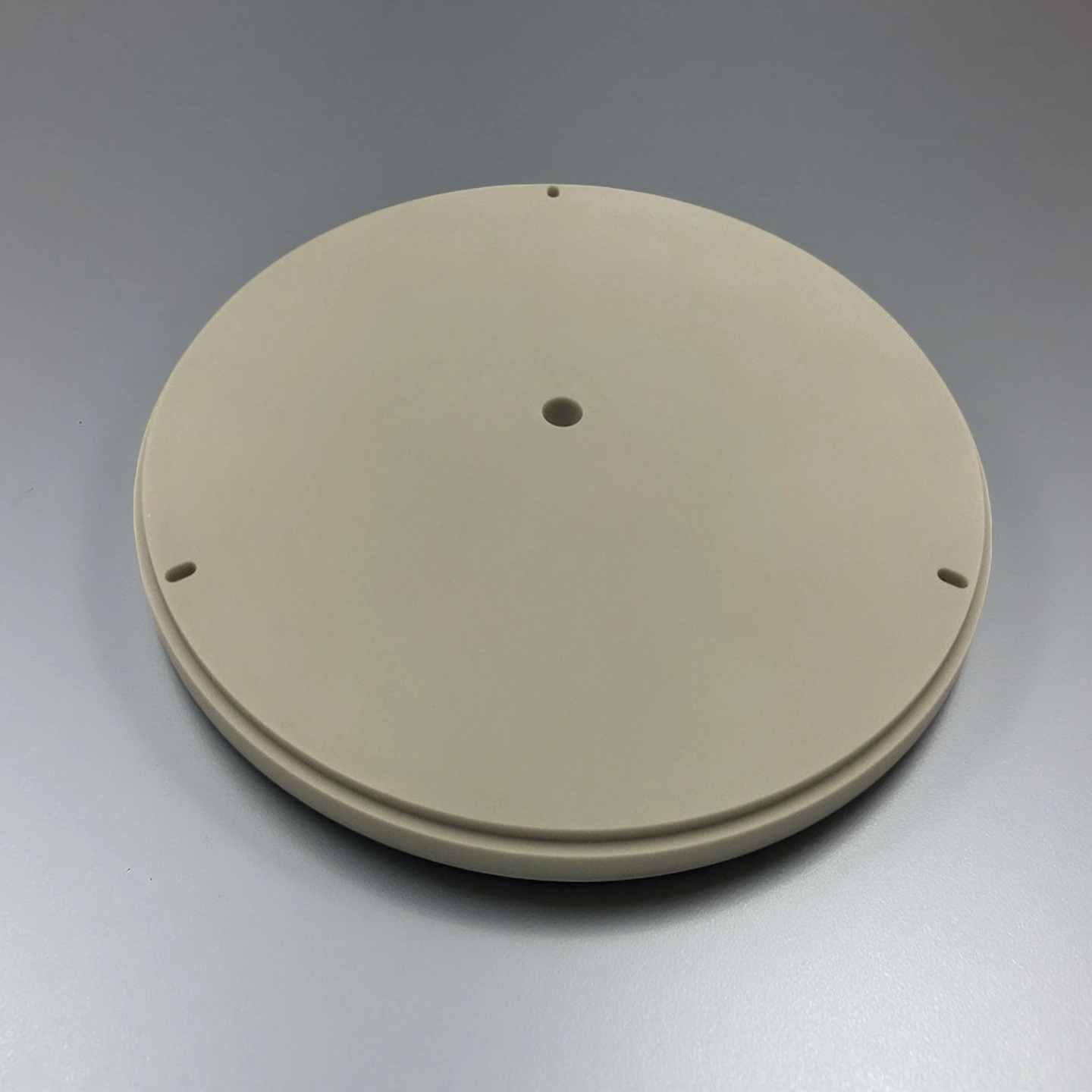
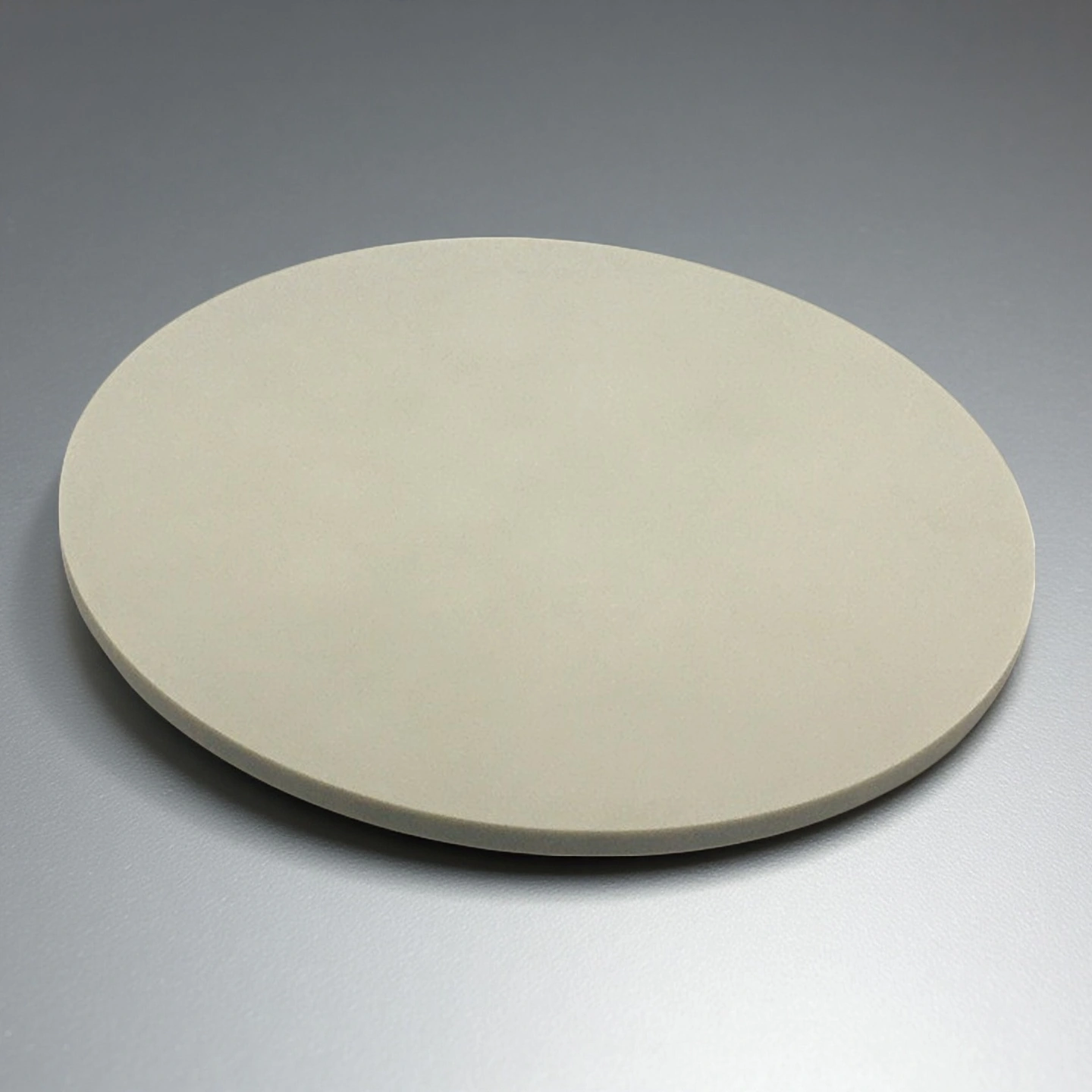
Type 1: AlN Sheet Round
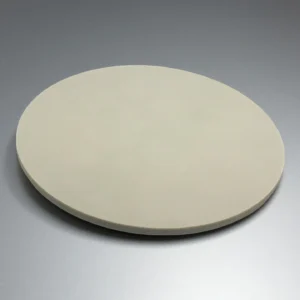
Machined Aluminum Nitride sheet with Holes

AlN Sheet Round
Item No. Diameter (mm) Thickness(mm) Thermal conductivity(W/m.k) Purity(%)
AT-AIN-YP0001 100 2 170-230 92-99.5
AT-AIN-YP0002 100 2.5 170-230 92-99.5
AT-AIN-YP0003 100 4 170-230 92-99.5
AT-AIN-YP0004 100 5 170-230 92-99.5
AT-AIN-YP0005 100 5.5 170-230 92-99.5
AT-AIN-YP0006 100 8 170-230 92-99.5
AT-AIN-YP0007 100 10 170-230 92-99.5
AT-AIN-YP0008 100 20 170-230 92-99.5
AT-AIN-YP0009 200 2 170-230 92-99.5
AT-AIN-YP0010 200 2.5 170-230 92-99.5
AT-AIN-YP0011 200 4 170-230 92-99.5
AT-AIN-YP0012 200 5 170-230 92-99.5
AT-AIN-YP0013 200 5.5 170-230 92-99.5
AT-AIN-YP0014 200 8 170-230 92-99.5
AT-AIN-YP0015 200 10 170-230 92-99.5
AT-AIN-YP0016 200 20 170-230 92-99.5
AT-AIN-YP0017 300 2 170-230 92-99.5
AT-AIN-YP0018 300 2.5 170-230 92-99.5
AT-AIN-YP0019 300 4 170-230 92-99.5
AT-AIN-YP0020 300 5 170-230 92-99.5
AT-AIN-YP0021 300 5.5 170-230 92-99.5
AT-AIN-YP0022 300 8 170-230 92-99.5
AT-AIN-YP0023 300 10 170-230 92-99.5
AT-AIN-YP0024 300 20 170-230 92-99.5
AT-AIN-YP0025 350 4 170-230 92-99.5
AT-AIN-YP0026 350 5 170-230 92-99.5
AT-AIN-YP0027 350 5.5 170-230 92-99.5
AT-AIN-YP0028 350 8 170-230 92-99.5
AT-AIN-YP0029 350 10 170-230 92-99.5
AT-AIN-YP0030 350 20 170-230 92-99.5
AT-AIN-YP0031 400 5 170-230 92-99.5
AT-AIN-YP0032 400 5.5 170-230 92-99.5
AT-AIN-YP0033 400 8 170-230 92-99.5
AT-AIN-YP0034 400 10 170-230 92-99.5
AT-AIN-YP0035 400 20 170-230 92-99.5
AT-AIN-YP0036 450 5 170-230 92-99.5
AT-AIN-YP0037 450 5.5 170-230 92-99.5
AT-AIN-YP0038 450 8 170-230 92-99.5
AT-AIN-YP0039 450 10 170-230 92-99.5
AT-AIN-YP0040 450 20 170-230 92-99.5


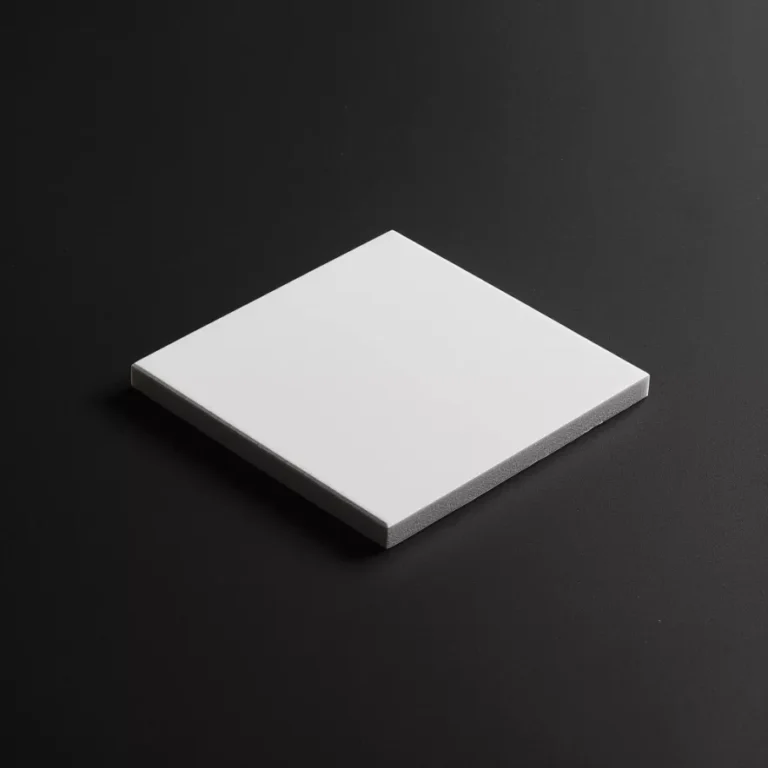
Type 2: AlN Sheet Square

Aluminum Nitride Sheet for Power Modules

AlN Sheet Square
Item No. Length (mm) Width (mm) Thickness (mm) Thermal conductivity Purity(%)
AT-AIN-FP0001 10 10 2-5 170-230 92-99.5
AT-AIN-FP0002 20 20 2-5 170-230 92-99.5
AT-AIN-FP0003 50 50 2-5 170-230 92-99.5
AT-AIN-FP0004 65 65 2-5 170-230 92-99.5
AT-AIN-FP0005 80 80 2-5 170-230 92-99.5
AT-AIN-FP0006 70 20 2-5 170-230 92-99.5
AT-AIN-FP0007 100 50 4-10 170-230 92-99.5
AT-AIN-FP0008 130 85 4-10 170-230 92-99.5
AT-AIN-FP0009 170 110 10-20 170-230 92-99.5
AT-AIN-FP0010 200 130 10-20 170-230 92-99.5
AT-AIN-FP0011 260 200 10-20 170-230 92-99.5
AT-AIN-FP0012 320 180 10-20 170-230 92-99.5
AT-AIN-FP0013 340 240 10-20 170-230 92-99.5
AT-AIN-FP0014 350 130 10-20 170-230 92-99.5
AT-AIN-FP0015 360 170 10-20 170-230 92-99.5


Aluminum Nitride Ceramic Sheet Packing

  • Each aluminum nitride sheet is separated in rigid plastic trays or cavity blister packs to prevent edge chipping and surface contact.


Aluminum Nitride Ceramic Sheet Packing

Aluminum Nitride Ceramic Sheets Applications

  • Power Electronics Modules — Aluminum Nitride Sheet for High-Density Power Conversion

    ✅Key Advantages

    1. Higher power density at stable junction temperature
    Aluminum nitride sheet with 140–180 W/m·K thermal conductivity can reduce device junction temperature by 10–20 °C compared with alumina substrates at similar power levels, supporting more compact power modules.

    2. Improved thermal cycling reliability
    The CTE of the AlN ceramic sheet is close to silicon, which helps limit solder fatigue and cracking under repeated thermal cycles in IGBT, SiC or MOSFET modules.

    3. High insulation for elevated bus voltages
    Dielectric strength around 15–17 kV/mm allows aluminum nitride sheets to support higher bus voltages with reduced creepage length compared to lower-grade insulators.

    ✅ Problem Solved

    A European industrial drive manufacturer migrated from alumina substrates to aluminum nitride sheets in a 1.2 kV power module platform. After redesigning the layout on AlN sheets, thermal tests showed an average junction temperature reduction of 12–15 °C at the same load, and field failure analysis indicated module failure rates dropping from about 0.8% to below 0.3% over a one-year production run. The improved thermal margin allowed the customer to increase rated output current by approximately 10% without enlarging the module footprint.

  • LED and UV LED Packaging — Aluminum Nitride Ceramic Sheet for High-Power Emitters

    ✅Key Advantages

    1. Stable light output at high drive current
    Aluminum nitride ceramic sheet provides efficient heat spreading under LED and UV LED chips, enabling higher drive current while keeping junction temperature within the design window.

    2. Uniform thermal distribution for multi-die layouts
    The high in-plane thermal conductivity of the AlN sheet supports more uniform temperature across multi-chip arrays, which helps reduce luminous flux imbalance between emitters.

    3. Longer lifetime in UV-C and high-power white LED modules
    Better thermal control at the sheet level slows down lumen depreciation and color shift, extending the useful lifetime of high-power LED systems.

    ✅ Problem Solved

    A UV curing system integrator upgraded its 365–405 nm LED module from an alumina-based substrate to a 0.5 mm thick aluminum nitride sheet. Thermal measurements at full drive current showed that board surface temperature dropped by around 11 °C and junction temperature was reduced sufficiently to extend L70 lifetime projections from 10,000 h to roughly 18,000 h. At the same time, the customer reported that bin-to-bin brightness variation decreased, which reduced the number of modules requiring rework during incoming inspection.

  • RF and Optical Communication Modules — AlN Ceramic Sheet for Stable Signal Performance

    ✅Key Advantages

    1. Thermally stable base for RF amplifiers
    AlN ceramic sheet offers high thermal conductivity with a dielectric constant typically around 8–9, supporting RF amplifier designs where both thermal and electrical behavior must remain stable.

    2. Controlled CTE for laser and optical transceivers
    The CTE of aluminum nitride supports dimensional stability under temperature swings in laser diode and optical transceiver modules, helping maintain optical alignment.

    3. Insulation for compact high-voltage sections
    High dielectric strength and resistivity allow RF and high-speed optical modules to combine signal paths, bias circuits and ground planes on compact AlN sheets without compromising isolation.

    ✅ Problem Solved

    An RF power amplifier module supplier used aluminum nitride sheets as the carrier for its new 5G band amplifier line. Thermal testing showed that device case temperature under peak load dropped by approximately 9 °C. At the same time, long-term RF performance testing over 1000 thermal cycles demonstrated stable gain and output power without noticeable drift attributed to substrate movement. In a separate optical transceiver project, the same supplier adopted thin AlN sheets for laser packages and reported a reduction in realignment rework by roughly 30% during module assembly.


Aluminum Nitride Sheet Usage Instructions

  • Installation

    1. Verify that aluminum nitride sheets are free of visible cracks, edge chips outside the agreed limits, and contamination before assembly.
    2. Handle sheets with clean gloves or finger cots to avoid fingerprints and particles on functional surfaces.
    3. Place the AlN ceramic sheet on a flat reference surface or fixture before bonding chips or soldering leads.
    4. Use compatible solders, brazes or adhesives that match the thermal expansion of aluminum nitride and connected materials.
    5. Avoid local point loads on corners or edges when installing screws, clamps or spring contacts.

  • Operation

    1. Ensure that the aluminum nitride sheet is always used together with a controlled thermal interface material between the sheet and the heat sink or baseplate.
    2. Respect the specified maximum operating temperature and power dissipation limits of the module; do not rely solely on the substrate margin.
    3. Monitor device temperatures during initial prototype runs to verify that the thermal design assumptions are met.

  •  Storage

    1. Store AlN ceramic sheets in their original trays and bags in a clean, dry environment.
    2. Avoid high humidity, condensation and rapid temperature swings that might lead to corrosion on metalized or attached parts.
    3. Keep sheets separated from hard metal parts and sharp tools to prevent accidental chipping.

  •  Cleaning and Handling

    1. Blow off light particles with filtered, oil-free compressed air or nitrogen.
    2. For more persistent contamination, use compatible solvents or deionized water with soft, lint-free wipes; avoid abrasive pads.
    3. Do not subject aluminum nitride sheets to strong mechanical shocks, bending or twisting during cleaning or inspection.

  • Common Mistakes and How to Address Them

    1. Excessive clamp force on edges
    Issue: Over-tightening clamps on the edges of the aluminum nitride sheet can cause micro-cracks.
    Solution: Use torque-limited fasteners or spring elements, and clamp closer to zones with mechanical support underneath.

    2. Uneven thermal interface under the sheet
    Issue: Incomplete or uneven thermal interface material coverage leads to hotspots and higher junction temperature.
    Solution: Apply controlled TIM thickness, verify contact with thermal imaging or temperature mapping during validation.

    3. Using generic solder pastes without checking compatibility
    Issue: Solder alloys with very different thermal expansion behavior or insufficient wetting may crack during cycling.
    Solution: Select solder systems with proven compatibility to AlN and the device metallization, and qualify the process through thermal cycling tests before mass production.

FAQ – Aluminum Nitride Sheet

  1. Q: What is an aluminum nitride sheet used for?
    A: Aluminum nitride sheet is used as a thermally conductive, electrically insulating ceramic base in power modules, LED and UV LED packages, RF amplifiers and optical communication modules where compact size and efficient heat spreading are required.
  2. Q: What thickness range is typical for aluminum nitride ceramic sheets?
    A: Typical aluminum nitride ceramic sheets are supplied in thicknesses from 0.3 mm to about 2.0 mm, with standard preferred values such as 0.32 mm, 0.38 mm, 0.50 mm and 1.0 mm. Thicker or thinner formats can be discussed based on design needs and mechanical constraints.
  3. Q: What thermal conductivity can I expect from an AlN ceramic sheet?
    A: Dense aluminum nitride sheet materials commonly provide thermal conductivity in the 140–180 W/m·K range, with some specialized grades reaching even higher values according to published material data.
  4. Q: Can aluminum nitride sheets be supplied with precision-ground surfaces?
    A: Yes, aluminum nitride sheets can be delivered with one-sided or two-sided precision ground surfaces to defined roughness and thickness tolerances, which is important for soldering, die attach and thermal interface control.
  5. Q: Is it possible to machine holes and complex contours in an aluminum nitride sheet?
    A: Aluminum nitride sheet can be machined with laser cutting, grinding and other ceramic machining processes to add holes, slots and complex outer contours, within limits defined by sheet thickness, minimum feature size and mechanical strength.
  6. Q: Can aluminum nitride sheet replace beryllium oxide substrates?
    A: Aluminum nitride sheet is often used as an alternative to beryllium oxide substrates in the electronics industry because it offers high thermal conductivity and electrical insulation without the same level of health concerns during machining and handling.
  7. Q:  How can I get the aluminum nitride sheet price?
    A: To receive an accurate aluminum nitride sheet price from us, simply share your dimensions, thickness, tolerance range and any machining details such as holes, slots or required surface finish. If you have a drawing, even a simple sketch is enough for us to evaluate. Pricing is based on the material grade, thermal conductivity requirement and expected order quantity. Once we have these details, we can provide a clear quotation, and for standard sizes we can usually confirm the price right away.

Customer Reviews – Aluminum Nitride Ceramic Sheet

  • ⭐️⭐️⭐️⭐️⭐️
    We introduced aluminum nitride sheets into our new inverter platform to increase power density. After switching from alumina, junction temperatures dropped enough to support a higher current rating without changing the housing. Dimensional consistency and flatness of the AlN ceramic sheets helped us stabilize solder thickness across the module.
    -- Michael L., Power Module Engineering Manager, Industrial Drives OEM, Germany
  • ⭐️⭐️⭐️⭐️⭐️
    Our UV curing lamps use aluminum nitride ceramic sheets as the base for high-power LED arrays. The thermal behavior has been predictable across multiple batches, and that made it easier to keep intensity and lifetime within the targets we set for industrial customers.
    -- Sarah P., Product Manager, LED UV Systems Manufacturer, USA
  • ⭐️⭐️⭐️⭐️⭐️
    In a new RF amplifier project we chose AlN sheets for the carrier because of their thermal conductivity and dielectric properties. The substrate performance allowed us to keep the footprint small while still meeting the thermal margin specified by our reliability team.
    -- Kenji T., RF Design Lead, Communication Equipment Company, Japan
  • ⭐️⭐️⭐️⭐️⭐️
    From a sourcing perspective, aluminum nitride ceramic sheets have become a standard item for several product lines. Once we locked down the key dimensions and tolerances, repeat orders have been straightforward and helped us keep a stable material cost structure.
    -- Daniel R., Purchasing Supervisor, Power Electronics Supplier, Canada
customize size

Customize Aluminum Nitride Sheets

ADCERAX focuses on custom aluminum nitride ceramic sheets manufactured to drawing, covering size, thickness, precision grinding and machined features for power, LED, RF and optical packages.

1. Outer length and width

  • Typical range: from 5 × 5 mm samples up to around 100 × 100 mm sheets
  • Dimensional tolerance down to ±0.05–0.10 mm depending on size

2. Thickness and thickness tolerance

  • Common thickness: 0.30 / 0.38 / 0.50 / 0.635 / 1.0 / 1.5 / 2.0 mm
  • Thickness tolerance typically ±0.02–0.05 mm for ground surfaces

3. Hole and slot features

  • Through-holes for mounting or wire feed-through
  • Slots, cut-outs, chamfers and corner reliefs
  • Minimum hole diameter and edge distance are defined by design and strength requirements

4. Edge and corner details

  • Straight edges, chamfered edges or radius edges to reduce stress concentration
  • Deburring and controlled edge chipping limits for assembly safety

5. Surface finish

  • As-fired surfaces for cost-sensitive applications
  • One-sided or two-sided precision ground surfaces with controlled roughness

6. Flatness requirements

  • Flatness grades adapted to module size and soldering process

Related Products

ADCERAX - Your Trusted Advanced Ceramics Manufacturing Partner

Direct factory manufacturing with comprehensive ceramic materials expertise and global supply capabilities

Direct Factory Manufacturing

China-based ceramic materials production facility with state-of-the-art equipment

Engineering Team

Experienced professionals in advanced ceramics applications and custom design

Quality Control

Strict quality control standards for technical ceramics manufacturing and quality management

Global Supply Chain

Serving customers worldwide with technical ceramics and rapid response

24/7 Technical Support

Round-the-clock support for ceramic components inquiries and technical assistance

500+ Satisfied Customers

Trusted by global customers for advanced ceramic materials and precision components

Get in touch with us

Our team will be happy to respond to you in less than 24 hours.

Adcerax's factory

Quick Quotation

*Our team will answer your inquiries within 24 hours.

*Your information will be kept strictly confidential.

Ready to Solve Your Engineering Challenge?

Partner with ADCERAX for reliable, high-performance advanced ceramic solutions. Our engineers are ready to discuss your project.

E-mail

info@adcerax.com

Phone

+(86) 0731-74427743 | WhatsApp: +(86) 19311583352

Response Time

Within 24 hours

Quick Quote

The more details you provide, the faster we can quote.

*We respond within 24 hours. All inquiries are confidential.

Download Catalog

Get Your Custom Sulution

The more details you provide, the faster we can respond.

customize size

*We respond within 24 hours. All inquiries are confidential.

Download Catalog