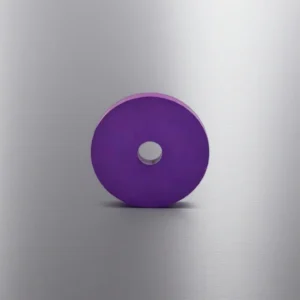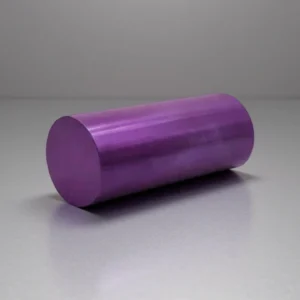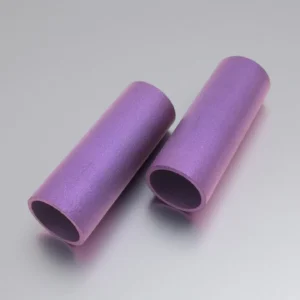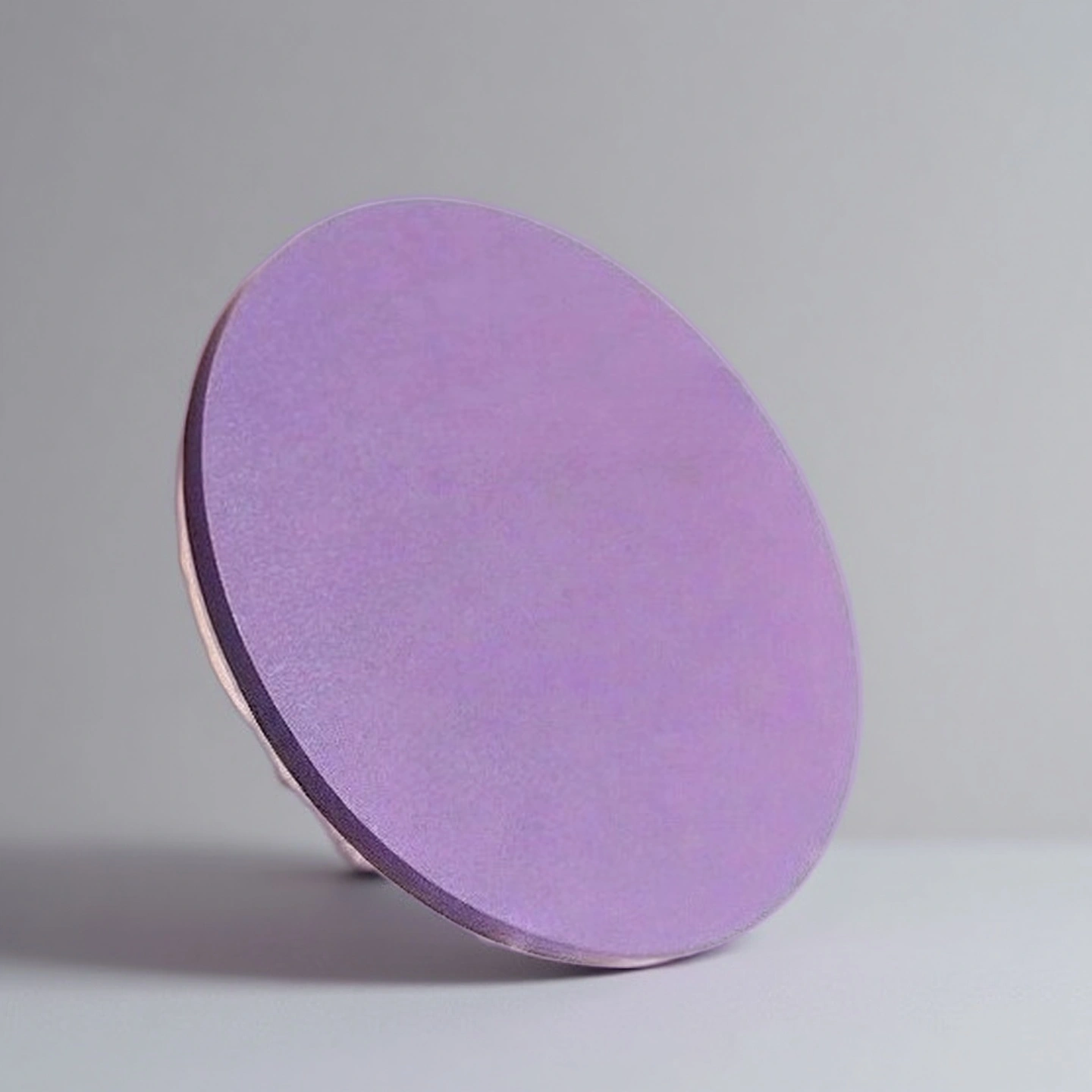
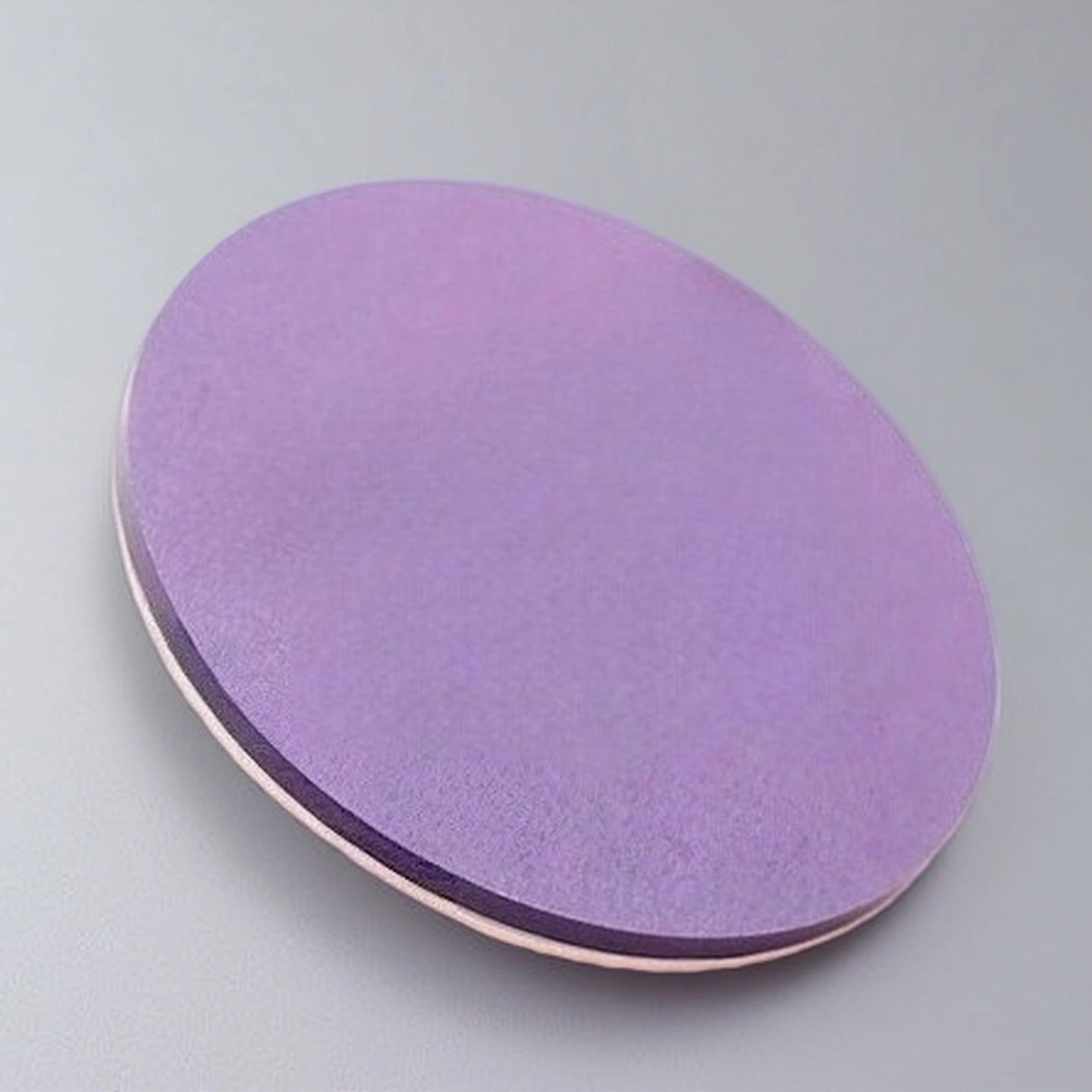
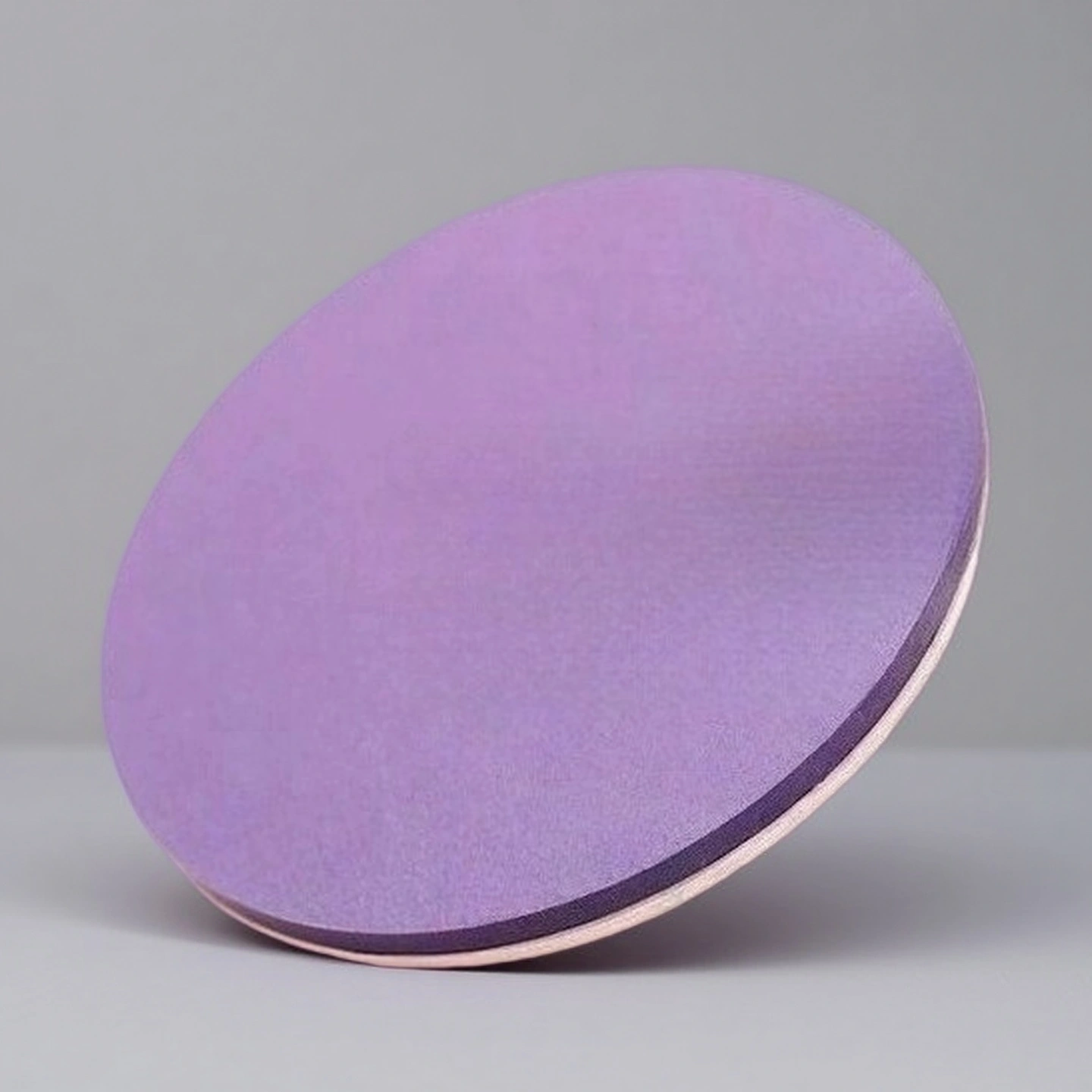
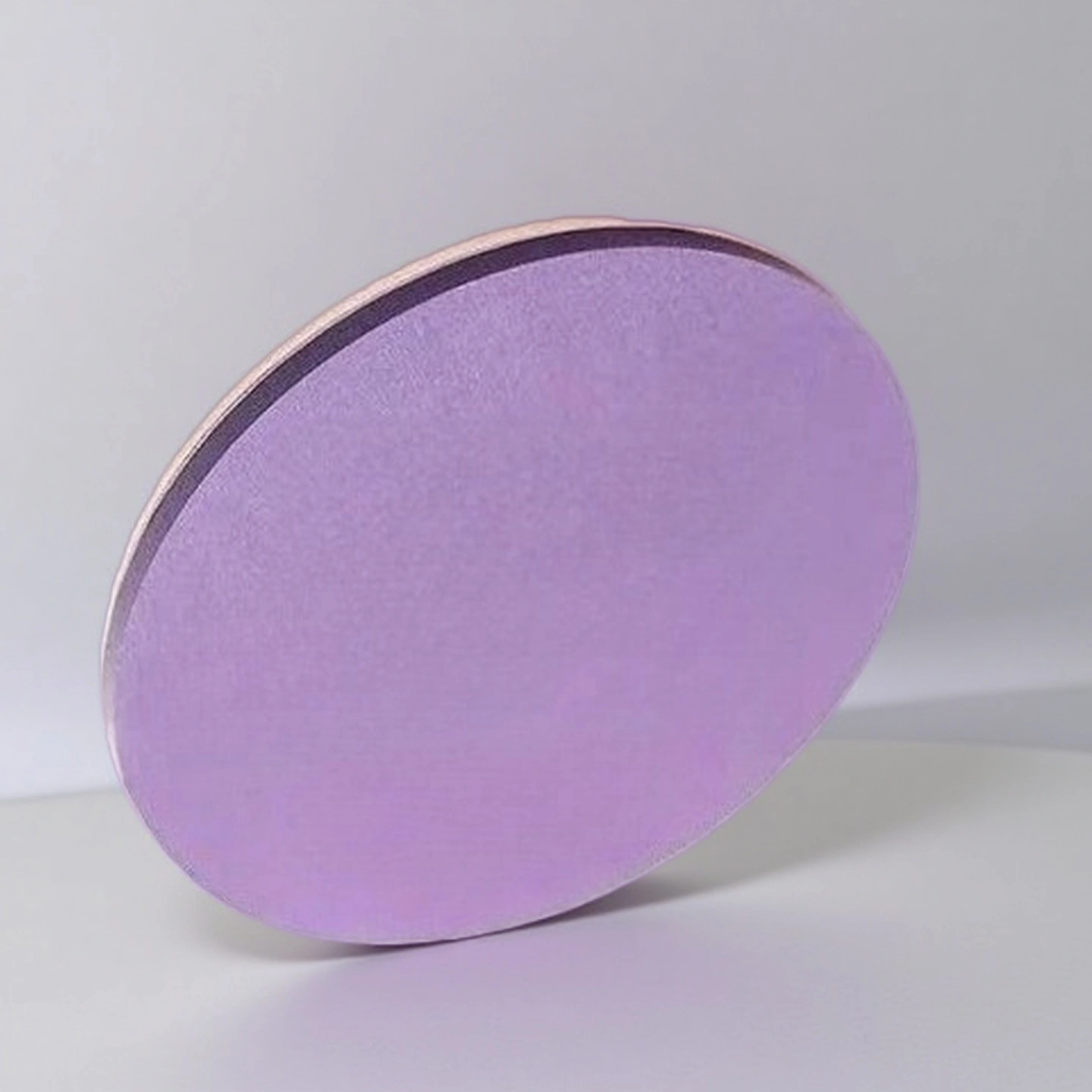
Custom LaB6 Plate for Electron Source Components

ADCERAX supplies custom Lanthanum Hexaboride Plate, also known as LaB6 plate, for electron-source components, cathode inserts, emitter plates and vacuum conductive ceramic parts. Each plate can be reviewed according to drawing requirements, holder interface, thickness, flatness, surface finish, edge condition and vacuum operating conditions.

ADCERAX supports custom dimensions, holes, slots, chamfers, polished faces and protected packaging to help reduce fitting problems, edge chipping and contamination risk during assembly and shipment.

Catalogue No. AT-LB-A2001
Material LaB6
Melting Point ≈2528 K / about 2250 °C
Work Function ~2.6–2.8 eV
Density ~4.7 g/cm³
Engineering RFQ Review
Small-Batch Custom Support
Factory-Direct Manufacturing
Drawing & Process Review

A Lanthanum Hexaboride Plate (LaB6 plate) is a dense boride-ceramic plate used as a machinable blank or functional component in thermionic electron emission assemblies. It is machined into electron-gun cathode/emitter parts, where controlled thickness, flatness, surface finish, and edge integrity support stable emission in high-vacuum, high-temperature operation.

Why Choose ADCERAX Lanthanum Hexaboride Plate

LaB6 plate is not usually purchased as a simple flat ceramic sheet. It is often part of an electron-source design where small differences in thickness, surface finish, edge condition or holder contact can affect installation and operating stability. ADCERAX focuses on the practical details that matter during machining, assembly, inspection and repeat purchasing.

  • Controlled plate geometry for assembly fit: Thickness, flatness and parallelism can be reviewed according to the drawing, helping the plate seat properly in holders or fixtures without excessive rework.
  • Functional surface preparation: Ground, fine-ground or polished surfaces can be specified for contact faces, seating areas or emission-related surfaces where surface condition may influence operation.
  • Edge protection for fragile ceramic parts: Chamfers, edge breaks or small radii can reduce corner chipping during handling, shipment and mechanical clamping.
  • Single-crystal and polycrystalline options: Single-crystal LaB6 can be reviewed when crystal orientation and emission consistency are important, while polycrystalline LaB6 may be suitable for test builds, replacement parts or non-orientation-critical applications.
  • Drawing-based repeatability: Dimensions, datum faces, surface finish and marking rules can be documented to support repeat orders and future replacement programs.

Lanthanum Hexaboride Plate Properties

Lanthanum Hexaboride Ceramics (LaB6)
Property Typical Value / Range Performance Highlights / Notes
Melting Point ≈ 2528 K (about 2250 °C) Refractory ceramic that remains structurally stable at very high temperatures.
Density ~4.7 g/cm³ Compact, robust ceramic body suitable for small high-power cathodes and inserts.
Thermal Conductivity ~47–60 W/m·K at 20 °C Efficiently spreads heat across the emitter, reducing local hot spots.
Thermal Expansion (CTE) ~6.2–6.5 ×10⁻⁶ /K (20–900 °C) Good thermal shock resistance and predictable expansion for brazed or clamped assemblies.
Electrical Resistivity ~15 μΩ·cm at 20 °C High electrical conductivity, ideal for thermionic cathodes and other electron-emitting parts.
Typical Operating Temperature (Cathode) ~1400–1800 °C in vacuum Provides strong electron emission while maintaining long-term structural stability.
Emission Current Density ~20–50 A/cm² at 1400–1800 °C Delivers high beam brightness for electron microscopes, X-ray sources and plasma devices.
Work Function ≈ 2.6–2.7 eV Low work function enables high emission at lower temperatures than conventional tungsten cathodes.

Lanthanum Hexaboride Plate Specifications

Lanthanum Hexaboride Plate
Item No. Size / Thickness
AT-LB-A2001 Customize

LaB6 Plate Packaging

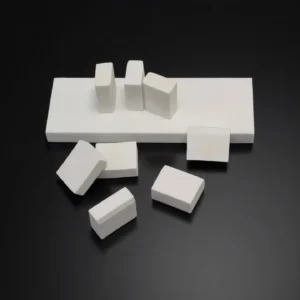
  • Individual compartment protection to prevent plate-to-plate contact.
  • Cushioned shock isolation around corners and edges, which are the highest chip-risk areas.
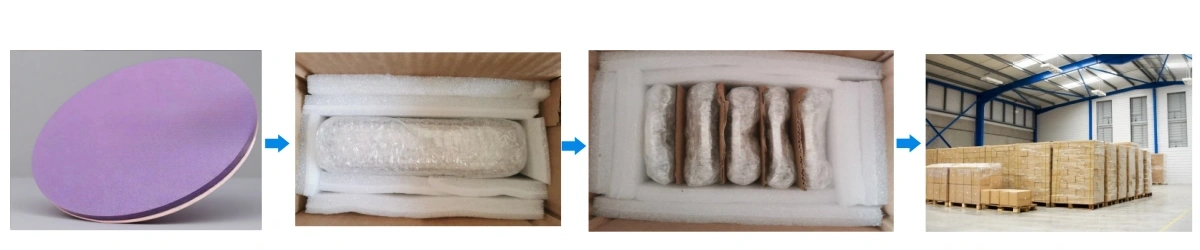
Separated protective packaging for LaB6 plate shipment

Lanthanum Hexaboride Plate Applications

Electron Gun Cathode and Emitter Plate Blanks

LaB6 plates can be machined into cathode inserts, emitter faces or conductive ceramic elements for electron-gun designs. Buyers choose Lanthanum Hexaboride when low work function, high-temperature stability and vacuum-compatible emission behavior are required. The final part should be reviewed together with the holder design, heater contact, surface finish and conditioning process.

SEM, TEM and EPMA Electron Source Refurbishment

For refurbishment programs, LaB6 plate blanks may be used to replace worn or damaged emitter-related components in existing electron-source assemblies. In this application, the plate must match the original holder geometry, thickness requirement and surface condition so that installation can proceed without repeated fitting adjustments.

X-Ray Source and Electron Beam Components

Lanthanum Hexaboride plates may be reviewed for selected X-ray source and electron beam components where stable conductive ceramic behavior is needed under vacuum or controlled atmosphere. ADCERAX focuses on the drawing features that affect alignment, contact, surface cleanliness and safe packaging before shipment.

Plasma Source and Vacuum Discharge Components

In plasma source or vacuum discharge test systems, LaB6 plate components may be selected when metal parts may deform, evaporate or contaminate the working zone. The plate design should be reviewed together with clamping method, heat-up rate, contact material and vacuum condition to reduce cracking or unstable operation.

Electron-Source Prototype Development

Research and development teams may use LaB6 plates to test emitter geometry, plate thickness, functional face finish or heating-interface design. Custom plate blanks help engineers compare different design versions while keeping the material type and inspection baseline consistent across prototype runs.

Usage Instructions for LaB6 Plate

Installation

  1. Handle each LaB6 plate with clean gloves, ceramic tweezers, or dedicated non-contaminating tools.
  2. Check the thickness, flatness, edge condition, and orientation mark before installation.
  3. Make sure the holder contact surface is clean, smooth, and free from burrs, particles, or metal debris.
  4. Avoid point loading, uneven clamping, and direct sharp metal contact against the plate edge.
  5. Tighten clamps or screws gradually and symmetrically if mechanical fixation is used.

Operation

  1. Follow the equipment manufacturer’s vacuum and conditioning procedure before full-power operation.
  2. Increase temperature in controlled steps to reduce thermal shock risk.
  3. Monitor heater power, emission current, and vacuum condition during initial operation.
  4. Avoid vibration, impact, or mechanical adjustment while the LaB6 plate is hot.
  5. Record operating parameters for each replacement plate to support future batch comparison.

Cleaning and Handling

  1. Do not touch polished or functional faces directly.
  2. Use clean and lint-free materials when dust removal is required.
  3. Avoid abrasive wiping, metal scraping, or aggressive mechanical cleaning unless controlled rework is planned.
  4. If solvent cleaning is allowed by your internal process, use high-purity solvent and dry the plate completely before vacuum installation.
  5. Inspect edges and corners under magnification after cleaning or handling.

Storage

  1. Store LaB6 plates individually in clean compartments or protective trays.
  2. Do not stack plates directly against each other.
  3. Keep unused plates away from oil, moisture, dust, solvents, and strong chemical vapors.
  4. Label each package with material type, part number, drawing number, or batch code when repeat ordering is expected.

Lanthanum Hexaboride Plate FAQ

  1. What is a Lanthanum Hexaboride plate used for?
    A Lanthanum Hexaboride plate is used as a machinable blank or functional ceramic component for electron-source assemblies, cathode inserts, emitter faces, electron-gun parts and selected vacuum conductive ceramic components. It is chosen when low work function, high-temperature stability and vacuum-compatible electron emission behavior are required.
  2. Can a LaB6 plate replace a tungsten emitter or cathode component?
    A LaB6 plate may replace selected tungsten-based emitter components when the equipment design, heating method, vacuum condition and holder geometry support LaB6 operation. It should not be treated as a direct drop-in replacement without reviewing operating temperature, contact design, surface condition, conditioning procedure and contamination risk.
  3. Should I choose single-crystal or polycrystalline LaB6 plate?
    Single-crystal LaB6 plate is usually preferred when crystal orientation, emission uniformity and reproducible conditioning behavior are important. Polycrystalline LaB6 plate may be suitable for refurbishment, test builds or non-orientation-critical parts where cost, availability and machinable geometry are the main concerns.
  4. What drawing details are needed for a custom LaB6 plate?
    A useful drawing should include length, width, thickness, tolerances, flatness, parallelism, functional faces, edge requirements, holes, slots, datum references and marking rules. If the plate will be clamped or heated through a specific holder, the drawing should also show the contact area and any surfaces that must remain polished or protected.
  5. How does surface finish affect LaB6 plate performance?
    Surface finish affects seating, heater contact, thermal distribution, contamination behavior and emission conditioning. A ground or polished functional face may help improve contact stability, while uncontrolled scratches, pits or abrasive marks can create local stress points or unstable emission areas.
  6. Why do LaB6 plates crack or fail during use?
    Common causes include edge chipping during handling, point loading from a rough holder, over-tightened clamps, rapid temperature changes, contamination before vacuum operation and uneven thermal contact. Proper drawing review, edge protection, clean handling and controlled heat-up can reduce these risks.
  7. How should LaB6 plates be packaged and stored?
    LaB6 plates should be stored individually in clean, dry and labeled compartments. Polished faces and sharp edges should be protected from contact, dust, oil and vibration. Direct stacking should be avoided because hidden micro-chips may later grow into cracks during assembly or heating.
customize size

Custom Lanthanum Hexaboride Plate

ADCERAX provides drawing-based customization for Lanthanum Hexaboride Plate / LaB6 plate, matching geometry, crystal type, and surface condition to your electron-source assemblies and fixtures. Custom work focuses on the details that affect fit, conditioning behavior, and repeatability.

  • Length / Width / Thickness:
    Clear finished dimensions, stock allowance if required, and global or local thickness tolerances for the LaB6 plate.
  • Plate Type:
    Single crystal LaB6 plate or polycrystalline LaB6 plate, with options to note density level or porosity limits when these influence emission design.
  • Crystal Orientation & Marking:
    Orientation such as <100> and the way it is referenced on the Lanthanum Hexaboride Plate, including engraved symbols, edge marks, or drawing-based orientation marks.
  • Profile Machining:
    Rectangular plates, discs, stepped profiles, alignment flats, notches, keyways, tabs, and other outline features defined in your LaB6 plate drawing.
  • Holes / Slots / Recesses:
    Mounting holes, relief slots, countersinks, shallow pockets, and alignment features positioned to match your existing cathode holder or fixture.
  • Surface Finish:
    Ground, fine-ground, or polished working faces with optional Ra target. Opposing faces can be specified separately when only one side is functional.
  • Edge and Corner Details:
    Chamfer size, corner radius, edge break requirement, chip allowance limit, and any edges that must remain sharp for location purposes.
  • Geometric Control:
    Flatness, parallelism, edge squareness, run-out against a defined datum, and any functional datums used for assembly alignment.
  • Inspection & Documentation:
    Dimensional inspection report for critical features, visual inspection criteria, incoming QC photos, and part identification rules linked to your print number.

Related Products

ADCERAX - Your Trusted Advanced Ceramics Manufacturing Partner

Direct factory manufacturing with comprehensive ceramic materials expertise and global supply capabilities

China-Based Manufacturer

ADCERAX supplies ceramic components for overseas OEMs, equipment builders, and labs.

Custom Drawing Support

We review drawings, dimensions, materials, and application conditions before quotation.

Ceramic Process Control

Forming, sintering, machining, grinding, and finishing are arranged by part requirements.

Pre-Shipment Inspection

Dimensional checks, visual inspection, and packaging review help reduce procurement risk.

Get in Touch with Us

Our team will be happy to respond to you in less than 24 hours.

Pingxiang Factory — Silicon carbide, silicon nitride, high-temperature ceramics

Quick Quotation

*Our team will answer your inquiries within 24 hours.

*Your information will be kept strictly confidential.

Ready to Solve Your Engineering Challenge?

Partner with ADCERAX for reliable, high-performance advanced ceramic solutions. Our engineers are ready to discuss your project.

E-mail

info@adcerax.com

Phone

+(86) 0731-74427743 | WhatsApp: +(86) 19311583352

Response Time

Within 24 hours

Quick Quote

The more details you provide, the faster we can quote.

*We respond within 24 hours. All inquiries are confidential.

Get Your Custom Solution

The more details you provide, the faster we can respond.

customize size

*We respond within 24 hours. All inquiries are confidential.

Download Catalog