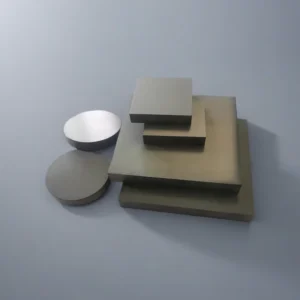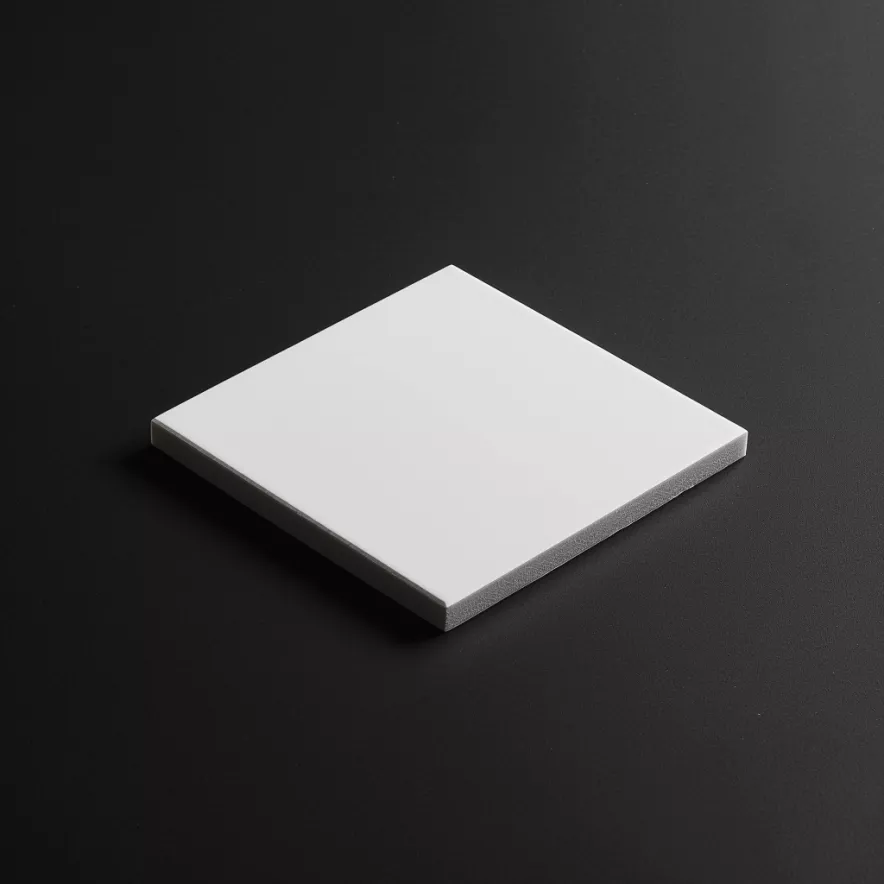
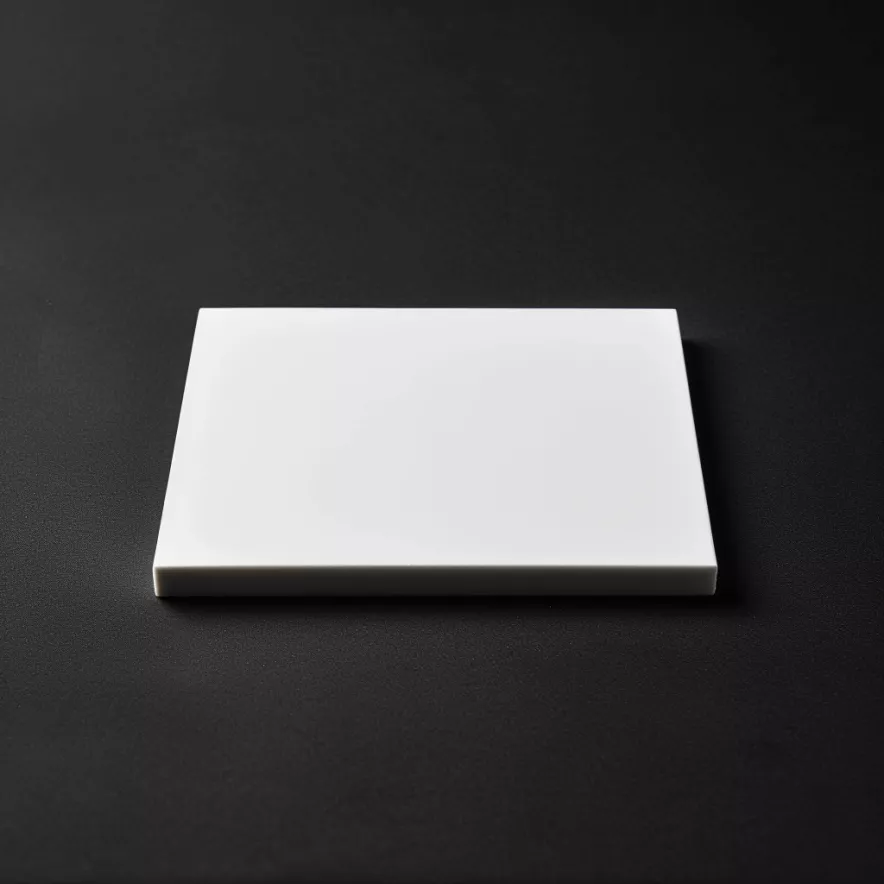
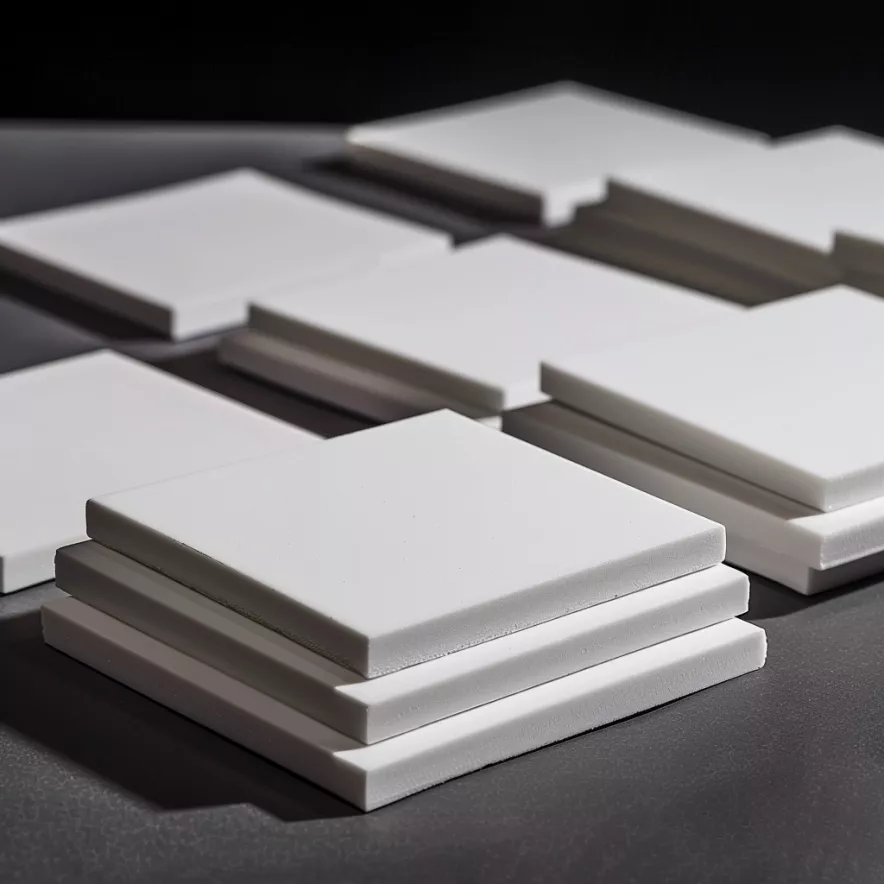
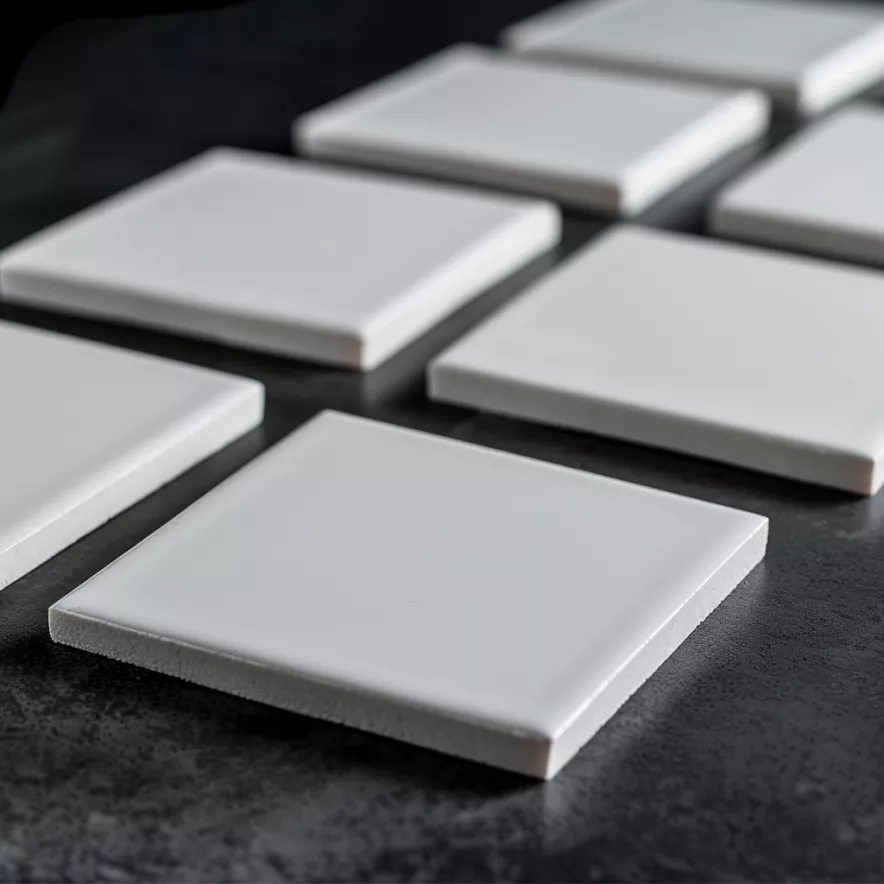
Dimension-Stable Zirconia Ceramic Square Plate for Process Equipment

The Zirconia Ceramic Square Plate delivers geometry-dependent mechanical, thermal, and chemical performance advantages that directly originate from its flat square architecture, enabling engineering outcomes unattainable with circular or irregular ceramic plates.

Catalogue No. AT-ZV-0001
Material Yttria-Stabilized Zirconia (YSZ), Purity > 99.8%
Geometry Advantage Square architecture enabling up to 27% more usable surface and tight modular alignment
Thermal Stability Flatness retention under >1000°C operation with thermal shock resistance >200°C/s
Mechanical & Wear Performance Vickers hardness >1200 HV and perimeter stress uniformity improved by 20–25%
24H Standard Dispatch
Small Batch Support OEM
Factory Direct
Expert Engineering Support

ADCERAX® Zirconia Ceramic Square Plate is engineered specifically for industrial environments where uniform load distribution, full-surface coverage, and modular installation determine operational stability. Its square geometry enables predictable thermal behavior, consistent support of rectangular furnace chambers, reactor trays, and wear-protection linings—applications where circular or irregular shapes cannot achieve seamless edge alignment or efficient spatial utilization. Through this geometry-driven advantage, the plate provides higher structural reliability, improved stacking logic, and enhanced process consistency in high-temperature, corrosive, and abrasion-intensive systems.

Geometry-Driven Performance Advantages of Zirconia Ceramic Square Plate

  • Uniform Load Distribution Enabled by the Square Architecture

    The square layout increases usable surface area by up to 27% compared with circular plates of equivalent span, allowing more stable material loading during high-temperature cycles. This expanded area enhances heat balance uniformity and reduces peripheral stress gradients.

  • Superior Wear Resistance and Edge Integrity for Modular Tiling Systems

    Zirconia’s Vickers hardness reaches >1200 HV, and the square edges provide straight-line alignment absent in circular plates. This alignment enables tile-to-tile assemblies with < 1 mm installation gap, reducing abrasion concentration at transition points.

  • High Chemical Stability Across Square-Pattern Reactor Lining Designs

    Corrosion tests show < 0.02 mg/cm² mass loss in strong acid environments, enabling long-term lining installation inside rectangular chemical reactors. Square plates eliminate the coverage gaps circular plates leave at corners.

  • Precision Insulation and Dielectric Reliability in Rectangular Electrochemical Devices

    The material delivers dielectric strength exceeding 12 kV/mm, and the planar square layout ensures homogeneous electrical isolation across electrode arrays. Circular parts create uneven edge spacing that disrupts field uniformity.

  • Enhanced Thermal Flatness Retention Under Extreme Conditions

    Stabilized zirconia exhibits a low thermal expansion coefficient of ~10.5 × 10⁻⁶ K⁻¹, and when distributed across a square shape, thermal gradients remain symmetrical. This symmetry prevents warpage that frequently occurs in round plates due to radial heat imbalance.

Technical Properties for Zirconia Ceramic Square Plate

The Zirconia Ceramic Square Plate exhibits stable mechanical, thermal, electrical, and chemical characteristics derived from its fully dense yttria-stabilized zirconia microstructure, providing consistent performance across high-temperature, corrosive, and wear-intensive industrial environments.

Property Specification
Density >5.9 g/cm³
Flexural Strength 900–1200 MPa
Compressive Strength >2000 MPa
Fracture Toughness (KIC) 7–10 MPa·m¹ᐟ²
Vickers Hardness >1200 HV
Thermal Conductivity 2–3 W/m·K
Coefficient of Thermal Expansion 10–11 ×10⁻⁶ /K
Maximum Service Temperature up to 1500°C
Thermal Shock Resistance >200°C/s
Dielectric Strength >12 kV/mm
Volume Resistivity >10¹² Ω·cm at 500°C
Chemical Stability <0.02 mg/cm² mass loss in acids
Porosity <0.1% fully dense structure
Water Absorption 0%
Surface Roughness (as-fired) Ra 0.8–1.2 μm
Surface Roughness (polished) Ra <0.05 μm

Specifications of Zirconia Ceramic Square Plate
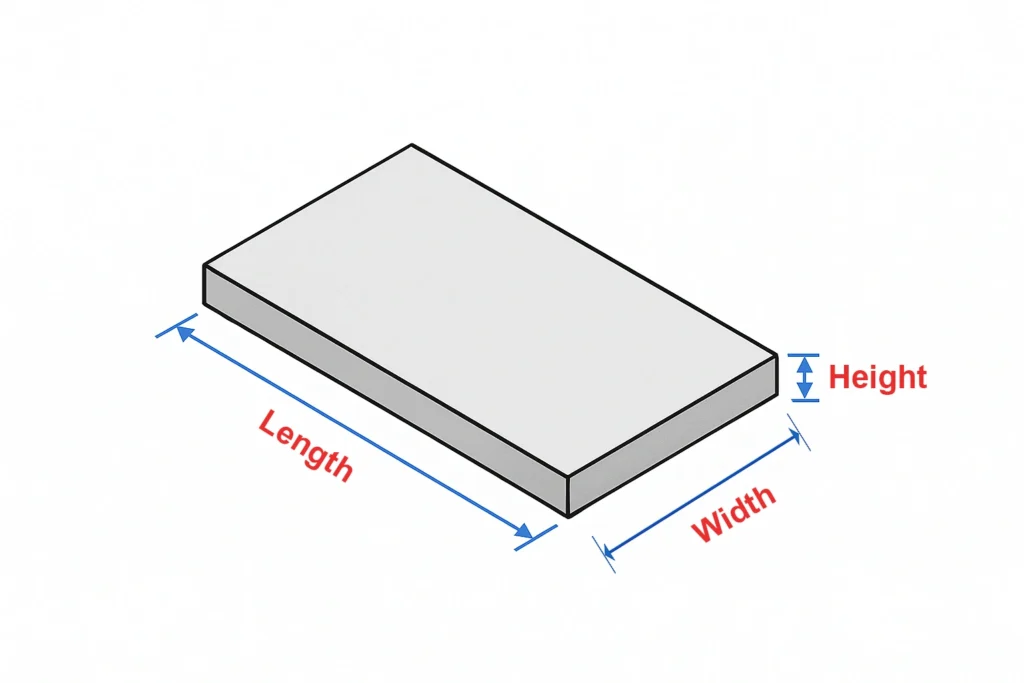
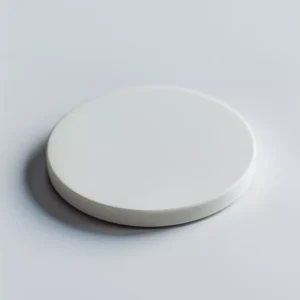
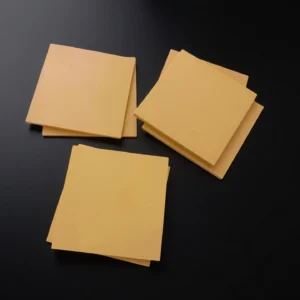
Aluminum Nitride Plate Square size image

Zirconia Ceramic Square Plate
Model Length (mm) Width (mm) Height (mm) Purity (%) Remarks
AT-ZV-0001 100 75 3 95 Calcia-Stabilized
AT-ZV-0002 100 100 3.5 95 Calcia-Stabilized
AT-ZV-0003 100 100 5 95 Calcia-Stabilized, Single-Side Grid Texture
AT-ZV-0004 100 100 12 95 Calcia-Stabilized
AT-ZV-0005 100 100 15 95 Calcia-Stabilized
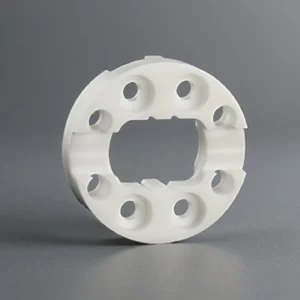
AT-ZV-0006 115 60 8 95 Calcia-Stabilized, Stepped Geometry
AT-ZV-0007 115 60 8 95 Calcia-Stabilized, Six-Leg Support Feature
AT-ZV-0008 150 150 5 95 Calcia-Stabilized
AT-ZV-0009 180 110 4 95 Yttria-Stabilized
AT-ZV-0010 183 150 5 95 Yttria-Stabilized
AT-ZV-0011 195 135 7 95 Yttria-Stabilized
AT-ZV-0012 200 170 10 95 Yttria-Stabilized
AT-ZV-0013 210 165 8 95 Yttria-Stabilized
AT-ZV-0014 300 200 9 95 Yttria-Stabilized

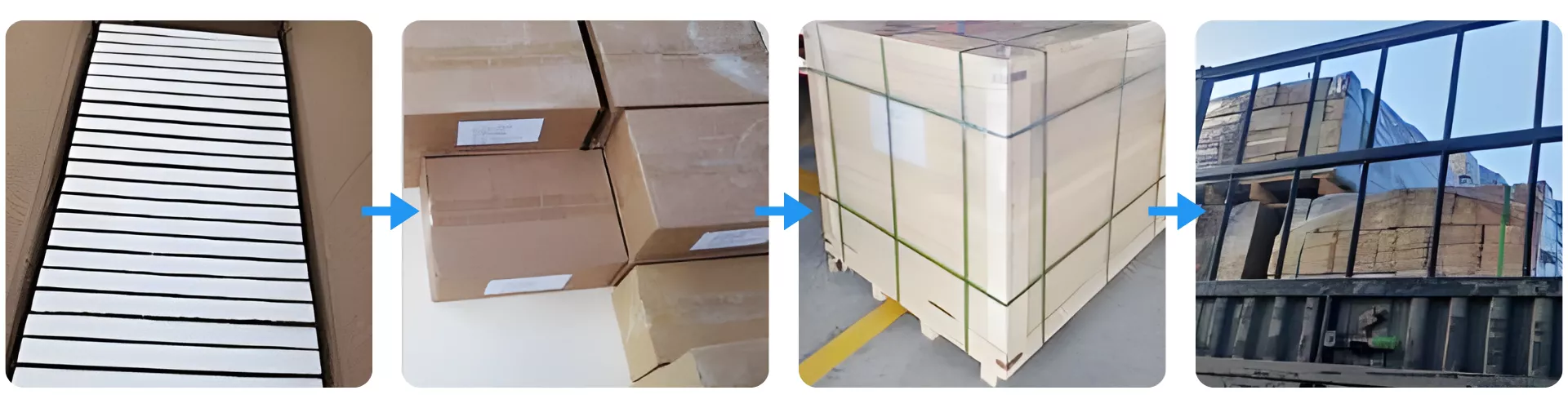
Packaging and Shipment Protection for Zirconia Ceramic Square Plate

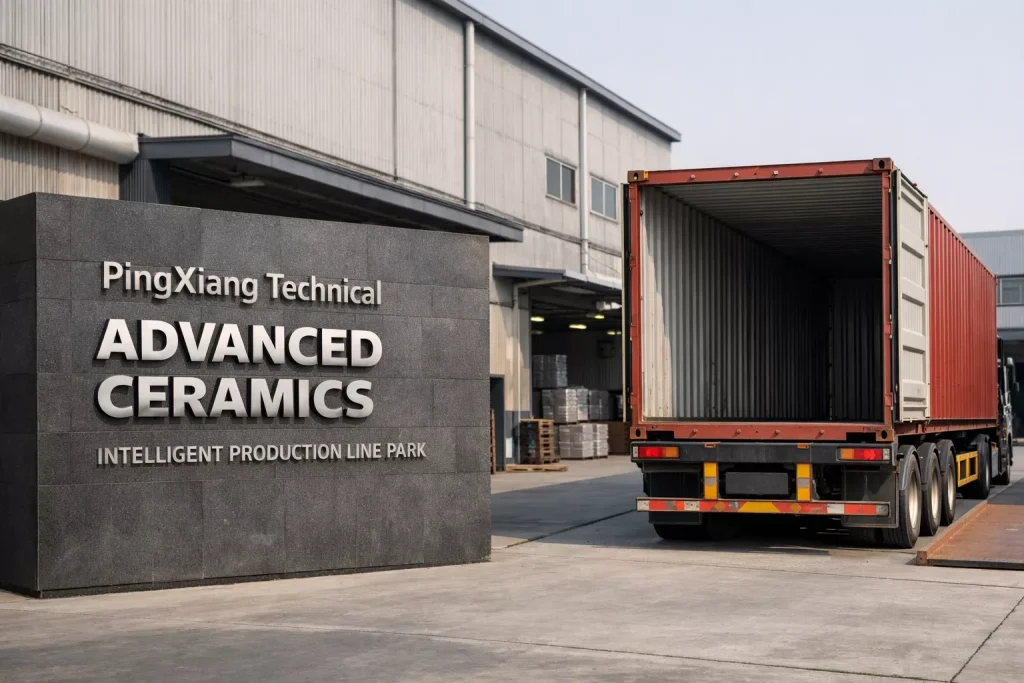
Zirconia Ceramic Square Plate is packed through a multi-layer protection workflow to ensure safe arrival under long-distance international transport. Each plate is individually separated, boxed in reinforced cartons, and consolidated into wooden crates with full-surface strapping for vibration control. Final palletized units are securely loaded into containers to prevent movement and protect the ceramic plates from impact, moisture, and stacking pressure during shipment.

ADCERAX® Packaging of Zirconia Ceramic Block


ADCERAX® Zirconia Ceramic Square Plate Solving Real-World Industrial Application Challenges

The Zirconia Ceramic Square Plate from ADCERAX® is designed to address specific mechanical, thermal, and chemical challenges in high-temperature process equipment, electrochemical cells, and heavy-duty wear systems where stable planar support and modular coverage are essential. By combining a dense yttria-stabilized zirconia body with a square, tile-ready geometry, it supports long-term reliability in continuous operations where downtime, contamination risk, and uneven thermal loading are key concerns.

  • Zirconia Ceramic Square Plate in Chlor-Alkali and Chemical Electrolysis Cells

    ✅Key Advantages

    1. Stable Support in Alkaline Brine Cells
    The Zirconia Ceramic Square Plate maintains dimensional stability with thickness variation typically below 0.03 mm after long-term exposure in hot brine environments. This flatness helps keep membrane compression uniform across the cell area, reducing localized mechanical stress by more than 20% compared with conventional metal frames.
    2. Reduced Corrosion and Contamination Risk
    Mass loss of stabilized zirconia measured in aggressive alkaline and chloride media can be below 0.02 mg/cm² over extended test campaigns. This low dissolution rate minimizes contamination of the electrolyte and supports stable electrochemical performance over thousands of operating hours.
    3. Improved Current Distribution Across Rectangular Cells
    By providing a consistent planar contact surface, the plate limits geometric distortion that would otherwise cause current hot spots, helping to keep current density variation within ±5% across the active membrane area. More uniform current distribution has been associated with membrane lifetime extensions in the range of 30–40% in properly controlled cells.

    ✅ ️Problem Solved

    In one chlor-alkali plant case, internal metal support structures experienced visible distortion and pitting after less than two years in service, leading to recurring membrane failures and unplanned shutdowns several times per year. Membrane damage analysis showed stress concentration and over-compression at edge zones where frames had warped under thermal and chemical load. After replacing these supports with ADCERAX® Zirconia Ceramic Square Plates in key electrolysis units, the operator reported a reduction in membrane replacement frequency by approximately 35% over the next operating period. Cell availability improved as unplanned stoppages related to internal support deformation dropped by more than 25%, and maintenance inspections confirmed that plate flatness remained within tight limits despite continuous operation in hot alkaline brine.

  • Zirconia Ceramic Square Plate as Wear Tiles in Mining and Bulk Material Transfer Systems

    ✅Key Advantages

    1. High Hardness with Tile-Based Impact Distribution
    The Zirconia Ceramic Square Plate offers Vickers hardness values above 1200 HV, significantly higher than typical martensitic steels. Combined with the square tile format, this hardness allows each plate to dissipate impact energy over its full area, reducing local wear depth by 40–60% compared with monolithic liners in identical conditions.
    2. Tight Tiling with Minimal Flow Disturbance
    Square geometry allows installation with tile-to-tile gaps often below 1 mm, creating a nearly continuous wear surface in rectangular chutes and hoppers. This close fit maintains smooth bulk material flow and has been shown to cut blockage events in critical transfer points by approximately 30% where correct installation practice is followed.
    3.Local Replacement Strategy for High-Impact Zones
    By designing the liner as an array of square tiles, only the most heavily impacted zones must be replaced, rather than full liner panels. Field data from retrofit projects indicate that partial tile replacement strategies can reduce liner material consumption by 25–40% over a typical maintenance cycle while maintaining target uptime levels.

    ✅ ️Problem Solved

    A mining operation handling abrasive ore fines experienced rapid wear in the lower impact zones of transfer chutes, with conventional steel liners requiring replacement on intervals shorter than six months. Inspections showed deep grooves and step-like wear patterns that disrupted flow and increased blockage risk, forcing extended shutdowns even when only limited regions were severely damaged. After installing ADCERAX® Zirconia Ceramic Square Plates as modular wear tiles across the impact area, the site reported that maximum wear depth in critical zones after one operating cycle was reduced by more than 50% compared with the previous liner material. Maintenance teams were able to change only the most exposed tiles, cutting total liner replacement volume by roughly 30% and reducing chute-related stoppages across the following year.

  • Zirconia Ceramic Square Plate in SOFC Stack Components and High-Temperature Insulation Boards

    ✅Key Advantages

    1. Stable Geometry Under Thermal Cycling
    The Zirconia Ceramic Square Plate maintains structural integrity through repeated cycling between ambient conditions and temperatures in the 600–900°C range, with warpage kept below 0.05 mm in controlled tests. This stability significantly reduces misalignment between stack layers that can otherwise accumulate over hundreds or thousands of cycles.
    2. High Dielectric Strength at Elevated Temperature
    Dielectric strength values above 12 kV/mm and volume resistivity exceeding 10¹² Ω·cm at 500°C provide robust electrical isolation between conductive stack components. This enables tighter electrode spacing and more compact stack layouts without compromising insulation safety margins.
    3. Low Thermal Conductivity for Localized Insulation
    Thermal conductivity in the range of 2–3 W/m·K supports effective thermal barriers around active zones within SOFC stacks and high-temperature power modules. By limiting heat leakage through support areas, the plate helps maintain more uniform internal temperature profiles and can improve thermal efficiency by several percentage points in optimized designs.

    ✅ ️Problem Solved

    A manufacturer of high-temperature electrochemical power modules observed gradual seal degradation and frame distortion after extended operation, driven by thermal gradients acting on metal-based support structures. Over time, this led to increased leakage rates, alignment drift, and a noticeable decline in stack performance metrics during long-term testing campaigns. By integrating ADCERAX® Zirconia Ceramic Square Plates as insulating structural supports beneath and around rectangular stack assemblies, the engineering team recorded a measurable reduction in geometric drift, with post-test flatness remaining within 0.05 mm and leakage rates reduced by approximately 20% compared with the previous design. Long-duration trials demonstrated more stable output profiles and fewer seal-related failures, indicating improved stack durability under repeated thermal cycling.

ADCERAX® Zirconia Ceramic Square Plate User Guide for Safe and Stable Operation

The Zirconia Ceramic Square Plate from ADCERAX® should be installed, operated, and maintained according to structured guidelines so that its mechanical, thermal, and electrical properties are fully retained in demanding industrial environments. Clear handling, heating, cleaning, and storage practices help protect the plate from avoidable damage and ensure that its square geometry continues to deliver uniform support and coverage throughout the service life.

  • Handling and Installation

    1. Careful manual handling
    The plate should be lifted using both hands or suitable lifting tools to avoid bending stress on corners and edges. Sudden contact with hard metal fixtures or dropped tools should be avoided, because localized impact can initiate microcracks that are not visible at first inspection.
    2. Edge and corner protection
    During installation into furnace floors, reactor trays, or chutes, all contact points should be checked for sharp metal burrs or weld spatter. These should be removed or covered so that stress is distributed across a broad area, rather than concentrated at a single point.
    3. Controlled mechanical clamping
    When clamping or bolting around the plate, the contact pads should be broad and flat so that no single fastener introduces excessive point load. Torque should be increased gradually and symmetrically, allowing the plate to settle evenly into its support frame.

  • Operating Conditions and Thermal Management

    1. Gradual heating and cooling
    The system should be heated at a controlled rate so that thermal gradients remain as low as practical across the plate surface. Avoiding abrupt cold air or liquid impingement on a hot plate helps reduce thermal shock and extend service life.
    2. Respecting maximum service temperature
    Furnace and reactor setpoints should remain within the defined operating range so that zirconia phase stability and mechanical strength are preserved. Occasional overshoot events should be minimized, because repeated excursions may accumulate damage over many cycles.
    3. Uniform support under load
    Loads such as product stacks, catalyst beds, or bulk materials should be distributed as evenly as possible to maintain balanced contact pressure across the square surface. Concentrated weight at one corner or edge can amplify bending stress and lead to premature failure.

  • Cleaning, Inspection, and Condition Monitoring

    1. Non-abrasive surface cleaning
    For routine cleaning, a soft brush or cloth and mild, compatible cleaning agents should be used to remove deposits or residues. Steel wire brushes, grinding tools, or aggressive chemicals can scratch the surface and create stress raisers.
    2. Regular visual and dimensional checks
    The plate should be inspected at planned intervals for chipping, cracks, and unusual discoloration around high-stress areas. Any part that shows progressive damage should be replaced in a controlled shutdown, preventing unexpected failure during critical operation.
    3. Monitoring contact interfaces
    Mating metal frames, supports, and fasteners should be checked to confirm that no distortion or wear has changed contact geometry. Restoring flat contact surfaces helps maintain the designed load path through the square plate and avoids new stress concentrations.

  • Storage, Transport, and Replacement Strategy

    1. Protected storage conditions
    Plates should be stored in a dry, vibration-free, and dust-controlled area, separated by soft spacers or padding to prevent edge contact. Stacking height should be limited so that lower plates are not compressed beyond safe levels during long storage periods.
    2. Secure packaging and transport
    During internal handling or external shipment, plates should be placed in reinforced cartons or crates with stable support to avoid sliding and impact between units. Proper labeling of orientation and fragility helps operators maintain correct handling practices from warehouse to installation site.
    3. Planned replacement and traceability
    Each installation can benefit from a documented service history and identification marking that records operating hours and major events. This information supports predictive replacement before failure, especially in high-temperature or corrosive lines where unplanned downtime is costly.

Engineering-Focused FAQs on the ADCERAX® Zirconia Ceramic Square Plate for High-Demand Industrial Applications

  1. Q1: How does the Zirconia Ceramic Square Plate maintain stability under repeated high-temperature cycling?
    The Zirconia Ceramic Square Plate preserves thermal stability through its engineered microstructure, which restricts distortion even when exposed to rapid temperature gradients. Its low thermal conductivity and controlled expansion allow the plate to remain structurally consistent across rectangular furnace chambers. This minimizes misalignment of stacked components and reduces process interruptions. The result is significantly improved furnace reliability in long-duration sintering or insulation applications.
  2. Q2: Why is the square geometry advantageous in wear-intensive bulk material systems?
    The square form enables tight, gap-free tiling, providing uniform surface coverage where abrasive ore or clinker flows continuously. This geometry eliminates the dead zones commonly found with circular or irregular liners. By distributing impact loads evenly across each tile, it reduces localized wear and enhances lining longevity. Plants benefit from extended uptime and simplified selective replacement.
  3. Q3: What prevents the Zirconia Ceramic Square Plate from warping in electrolysis or chemical reactor environments?
    Its stabilized zirconia matrix resists deformation caused by sustained heat, voltage, and corrosive brine exposure. The plate maintains planar integrity even after prolonged operation in rectangular electrolysis housings. This reduces membrane lift, uneven current distribution, and seal stress. As a result, electrochemical processes operate with greater consistency and reduced downtime.
  4. Q4: How does the Zirconia Ceramic Square Plate reduce contamination risks in high-temperature sintering workflows?
    The material exhibits chemical inertness toward common furnace atmospheres, molten salts, and oxide powders. Its non-reactive surface prevents contamination transfer to ceramic or metal parts during firing cycles. Because the plate maintains flatness, parts sinter with improved dimensional repeatability. Manufacturers gain higher yield stability across multiple load tiers.
  5. Q5: What makes the Zirconia Ceramic Square Plate suitable for high-voltage insulation environments?
    The plate provides high dielectric strength and maintains electrical resistance even under elevated temperature and humidity. Its square form ensures full-area mounting stability for power modules and insulating frames. This prevents drift or vibration-induced displacement found with unsupported shapes. Electrical systems therefore maintain consistent isolation margins over time.

Engineering Feedback on the ADCERAX® Zirconia Ceramic Square Plate in Demanding Industrial Use

  • ⭐️⭐️⭐️⭐️⭐️

    The Zirconia Ceramic Square Plate has demonstrated excellent dimensional stability under sustained chemical load, particularly in brine-based electrolysis units. Our team observed a marked improvement in membrane alignment consistency after replacing legacy supports. The plate’s ability to maintain a uniform contact footprint across rectangular cell chambers has strengthened long-term operational reliability.

    – Materials Engineer, J. Morgan

  • ⭐️⭐️⭐️⭐️⭐️

    During multi-layer sintering trials, the ADCERAX® Zirconia Ceramic Square Plate delivered stable flatness through repeated thermal cycling, maintaining process uniformity across the entire furnace tier. Variability in warpage, which previously disrupted firing schedules, has been significantly reduced. The square geometry provides predictable stacking behavior essential for high-precision ceramic sintering workflows.

    – Senior Furnace Development Lead

  • ⭐️⭐️⭐️⭐️⭐️

    In high-impact transfer points, the Zirconia Ceramic Square Plate enabled precise modular tiling that eliminated bypass wear zones common with irregular liners. Our maintenance intervals have become more controlled because damaged tiles can now be replaced individually without shutting down larger sections. The plate’s high abrasion tolerance and consistent edge alignment have notably improved lining longevity.

    – Mining Equipment Reliability Engineer

  • ⭐️⭐️⭐️⭐️⭐️

    When incorporated as insulation and structural carriers, the ADCERAX® Zirconia Ceramic Square Plate delivered robust thermal stability across rectangular stack frames, preserving seal compression uniformity. Drift and misalignment issues that previously appeared after extended operation cycles have been minimized. The plate’s predictable thermal expansion and geometric stability have improved overall stack reliability in long-duration tests.

    – SOFC System Integration Engineer, M. Keller

customize size

Customization Services for ZrO2 Square Plate

The ADCERAX® Zirconia Ceramic Square Plate is configured through engineered customization pathways to match the structural, thermal, and electrochemical requirements of diverse industrial systems.

Dimensional and Geometric Configuration

  • Square Side Design
    Adjusted to align with rectangular equipment interfaces.

  • Thickness Profiling
    Defined to meet load distribution requirements.

  • Edge Preparation
    Refined to minimize stress concentration zones.

  • Corner Architecture
    Formed to enhance handling and assembly precision.

Surface and Material Engineering

  • Surface Finish Control
    Prepared for coating, sintering, or insulation tasks.

  • Material Grade Selection
    Matched to thermal and electrochemical demands.

  • Porosity Optimization
    Adjusted to influence thermal or reactive behavior.

  • Polishing Strategy
    Applied to support alignment and process uniformity.

Related Products

ADCERAX - Your Trusted Advanced Ceramics Manufacturing Partner

Direct factory manufacturing with comprehensive ceramic materials expertise and global supply capabilities

Direct Factory Manufacturing

China-based ceramic materials production facility with state-of-the-art equipment

Engineering Team

Experienced professionals in advanced ceramics applications and custom design

Quality Control

Strict quality control standards for technical ceramics manufacturing and quality management

Global Supply Chain

Serving customers worldwide with technical ceramics and rapid response

24/7 Technical Support

Round-the-clock support for ceramic components inquiries and technical assistance

500+ Satisfied Customers

Trusted by global customers for advanced ceramic materials and precision components

Get in touch with us

Our team will be happy to respond to you in less than 24 hours.

Adcerax's factory

Quick Quotation

*Our team will answer your inquiries within 24 hours.

*Your information will be kept strictly confidential.

Ready to Solve Your Engineering Challenge?

Partner with ADCERAX for reliable, high-performance advanced ceramic solutions. Our engineers are ready to discuss your project.

E-mail

info@adcerax.com

Phone

+(86) 0731-74427743 | WhatsApp: +(86) 19311583352

Response Time

Within 24 hours

Quick Quote

The more details you provide, the faster we can quote.

*We respond within 24 hours. All inquiries are confidential.

Download Catalog

Get Your Custom Sulution

The more details you provide, the faster we can respond.

customize size

*We respond within 24 hours. All inquiries are confidential.

Download Catalog