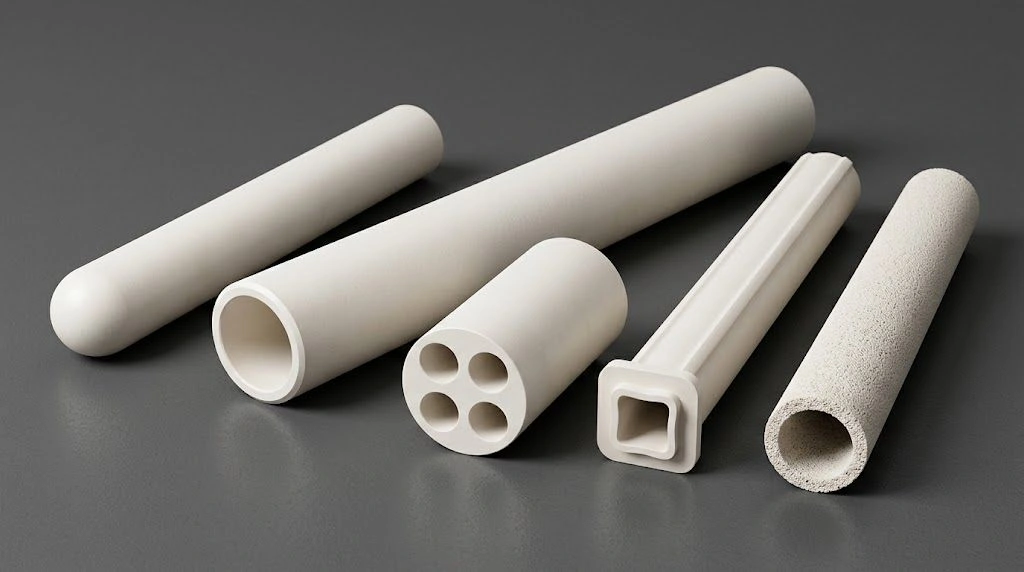
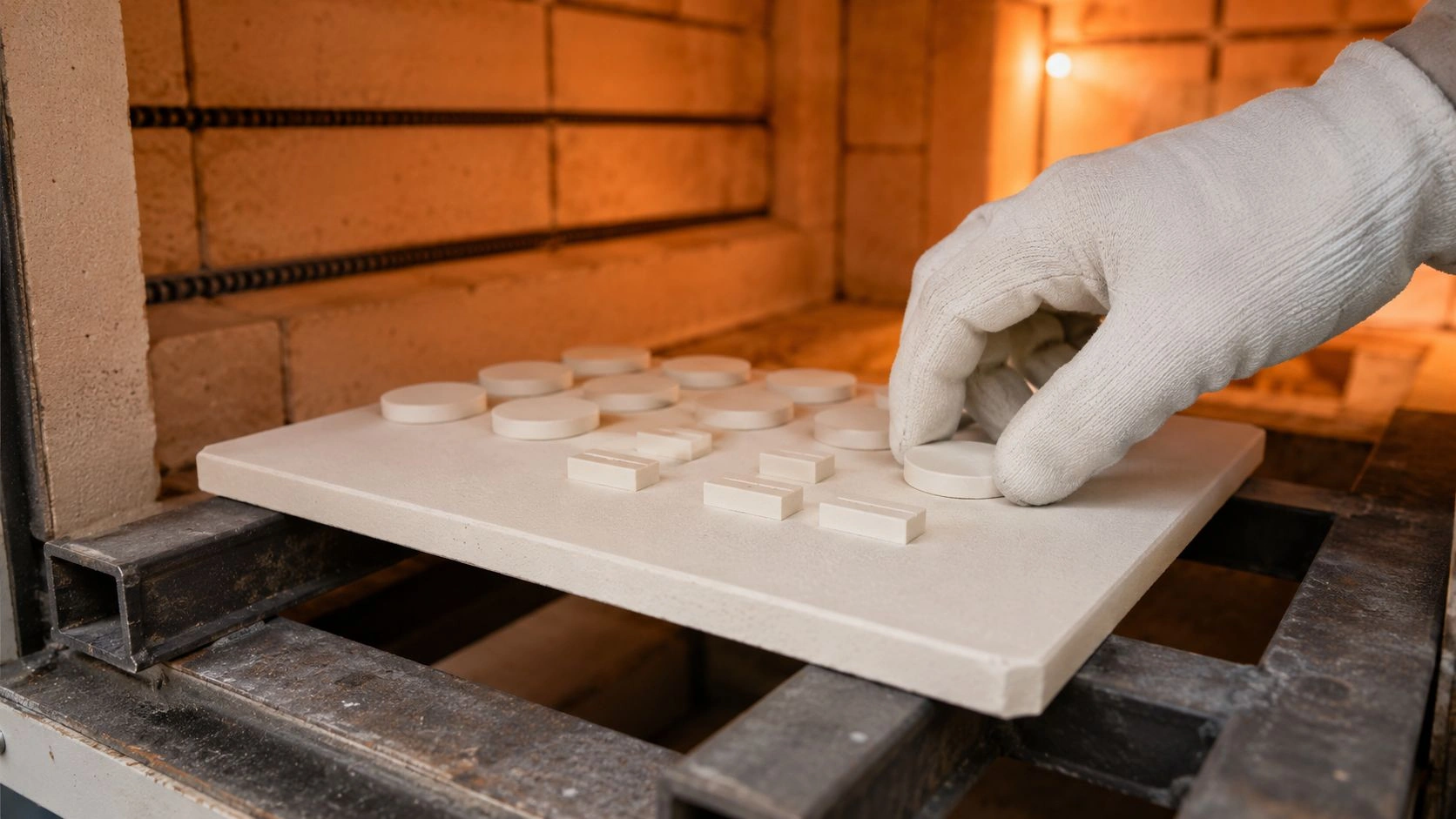
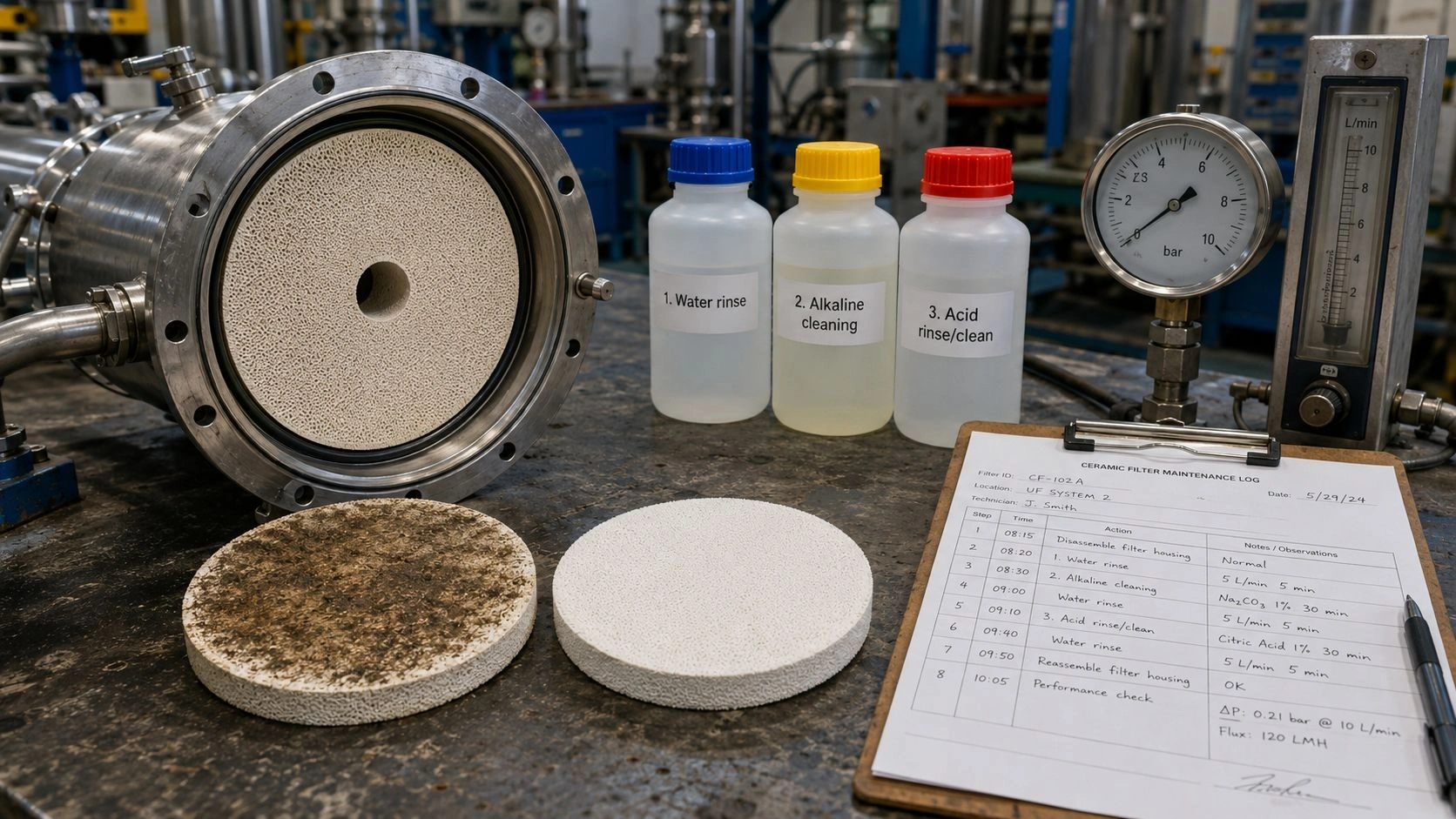
Alumina tubes for fluid transport play a critical role in high-temperature and pressurized industrial systems. Their performance and safety directly depend on optimized wall thickness that controls hoop stress and prevents brittle fracture.
Properly designed alumina tubes for fluid transport maintain internal pressure resistance and durability while balancing cost, weight, and thermal response. Optimizing wall thickness ensures longevity and structural reliability across complex operating environments.
This article analyzes the mechanics, strength limits, design formulas, and optimization criteria that define safe and efficient alumina tubes for fluid transport in advanced engineering applications.
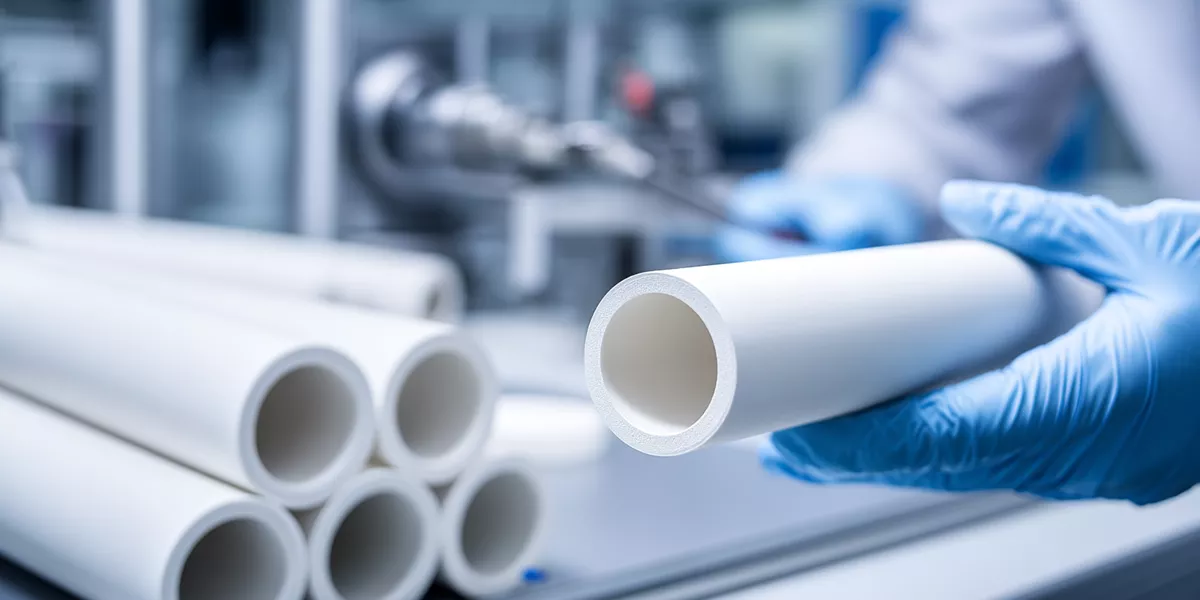
What Are the Fundamentals of Hoop Stress in Pressurized Alumina Tubes for Fluid Transport?
Hoop stress determines the primary failure risk in alumina tubes for fluid transport under internal pressure. It defines how tensile forces distribute through the wall thickness.
Hoop stress follows σθ = PD/(2t) for t/D < 0.1 or σθ = P(ro² + ri²)/(ro² - ri²) for thicker walls. Stress peaks at the inner wall and decreases outward. For a 50 mm ID alumina tube with 10 mm walls at 5 bar, σθ equals 180 MPa—half the 350 MPa strength—offering only a 1.94× margin. Optimized wall thickness keeps hoop stress1 below 140 MPa, meeting 2.5–4× safety factors necessary for alumina tubes for fluid transport systems.
Thin-wall versus thick-wall stress formula applicability ranges for ceramic tubes
Thin-wall equations underestimate ceramic stresses when t/D exceeds 0.1. Thick-wall solutions provide accurate results, crucial for alumina tubes for fluid transport used in 5–20 bar pressure systems. Engineers validate these equations through finite element modeling to confirm stress gradients and failure margins.
Biaxial stress state relationships between hoop, longitudinal, and radial components
In pressurized alumina tubes for fluid transport, hoop stress dominates, often 2× longitudinal stress, while radial stress remains minor and compressive. These relationships help predict failure initiation zones, primarily near the inner surface.
Stress concentration effects at inner wall surface defects and machining features
Surface imperfections amplify localized stress. Defects 100 μm deep cause local stress magnification up to 4×, producing K_I values exceeding alumina’s 4–5 MPa·m½ fracture toughness. Surface polishing and inspection standards (Ra < 0.2 μm) significantly enhance service life.
Safety factor requirements for brittle materials versus ductile metals
Brittle materials like alumina require higher safety factors—typically 8–12×—to account for variability. In contrast, metals rely on 3–4× due to their plastic deformation before failure. Alumina tubes for fluid transport thus demand stricter design margins.
How Do Material Strength Limits in Alumina Tubes for Fluid Transport Constrain Pressure Design?
Material strength variation limits how much pressure alumina tubes for fluid transport can safely withstand. Weibull statistics govern this reliability.
Mean flexural strength lies around 350 MPa, but only 1% of specimens exceed 180 MPa before fracture. Thus, allowable design stress ranges 30–50 MPa for dependable operation. Proof testing at 1.5× working pressure filters weak samples, ensuring consistent product reliability.
Weibull distribution parameters characterizing strength variability in ceramic tubes
A Weibull modulus of 8–12 indicates moderate variability. Increasing this range to 12–15 via proof testing enhances predictability for alumina tubes for fluid transport. Failure probability drops below 0.1% when σ_allow ≤ 40 MPa.
Brittle fracture behavior lacking plastic deformation warning before failure
Alumina shows no yielding behavior. Fracture occurs abruptly once flaws reach critical size. The absence of plastic warning emphasizes conservative wall thickness and rigorous inspection.
Tensile versus compressive strength asymmetry in alumina materials
Tensile strength controls design since it’s 7–9× lower than compressive strength. In fluid transport, pressure creates tensile stress internally; thus tensile limits define wall sizing standards.
Proof testing benefits for eliminating weak outliers and tightening strength distributions
Hydrostatic proof testing2 removes low-strength tubes before deployment. ADCERAX data from 15,000+ tests show reduced variance and extended service life, validating its necessity.
How Do Engineers Calculate Minimum Wall Thickness for Alumina Tubes in Pressurized Fluid Transport?
Determining thickness in alumina tubes for fluid transport balances safety with material efficiency. Calculations start with σθ equations, adjusted by safety factors and real-world allowances.
For a 50 mm ID tube at 10 bar, σ_allow = 35 MPa leads to t_min = 0.71 mm (thin-wall) or 15.3 mm (thick-wall). Applying 20% extra for tolerances and corrosion brings practical thickness to ~18 mm.
Thick-wall pressure vessel formula derivation for ceramic tube applications
Lame’s thick-wall theory predicts stress distribution with high accuracy. Engineers use FEA3 to confirm results across varying diameters, ensuring safe performance of alumina tubes for fluid transport under both pressure and thermal load4.
Safety factor selection criteria balancing reliability and material efficiency
Designing for 8–10× mean strength provides acceptable reliability. ADCERAX typically applies 9× for consistent safety without excessive material cost.
Corrosion and tolerance allowances added to calculated minimum thickness
Erosion rates of 0.1–0.3 mm/year justify +15–25% wall margins. Tolerance ranges (±0.5–1 mm) further support rounding up to safe nominal dimensions.
Finite element analysis validation requirements for complex loading scenarios
FEA validates combined load performance. Alumina tubes for fluid transport must maintain principal stress below σ_allow under upset pressure conditions up to 2× nominal load.
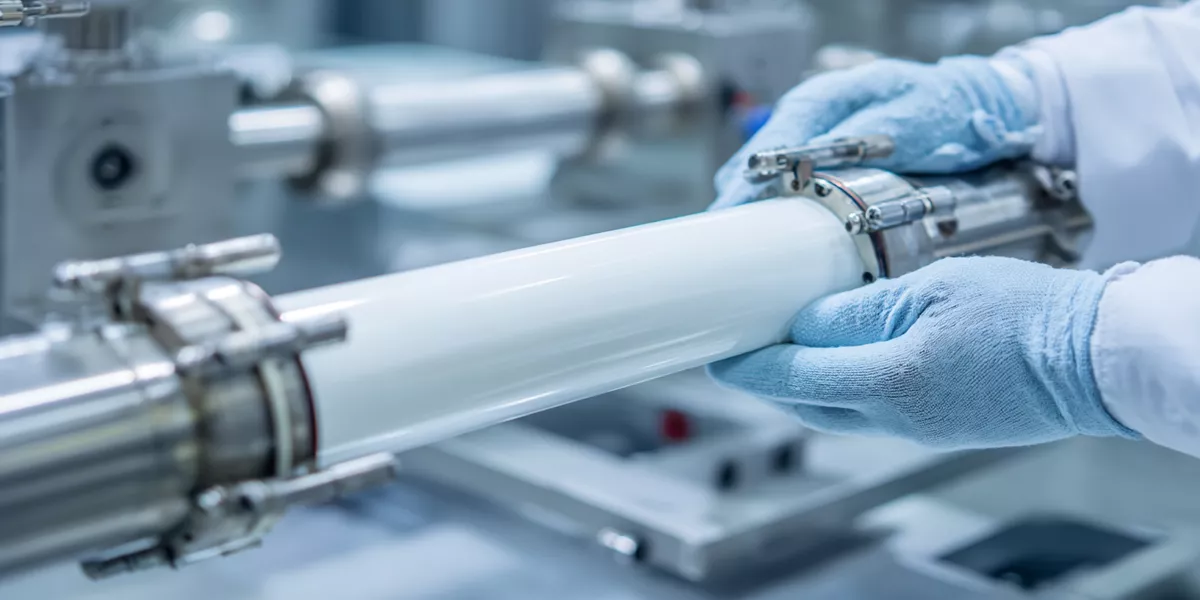
What Consequences Beyond Burst Failure Result from Insufficient Wall Thickness in Alumina Tubes for Fluid Transport?
Reduced wall thickness in alumina tubes for fluid transport leads to deflection, leakage, fatigue, and impact vulnerability beyond burst failure.
Lowering wall thickness from 15 mm to 10 mm increases deflection 3.4×. Bending causes seal misalignment and leakage in compression fittings. Systems with high vibration or pressure cycling face faster crack propagation.
Deflection-induced seal leakage mechanisms at compression fitting interfaces
Deflection exceeding 0.5 mm reduces ferrule contact area by 30–50%, raising leakage risk from 0.3% to 5%. Maintaining stiffness through adequate wall thickness eliminates sealing failures.
Impact energy absorption capacity relationships with wall thickness
Thicker walls absorb more impact energy, preventing brittle damage from mechanical shocks. A 12 mm wall tolerates 50% higher impact energy than an 8 mm wall during maintenance handling.
Pressure cycling fatigue crack growth acceleration above critical stress thresholds
Repeated pressurization (>1000 cycles) accelerates crack growth following Paris law. Hoop stress above 150 MPa reduces life expectancy tenfold. Engineers target ≤120 MPa to ensure longevity.
Multi-mode failure analysis requirements for comprehensive design validation
Design validation includes deflection, fatigue, and impact resistance alongside burst strength. FEA simulations confirm all criteria remain within 40% of maximum allowable stress.
How Do Engineers Optimize Wall Thickness in Alumina Tubes for Fluid Transport Balancing Performance and Cost?
Optimization of alumina tubes for fluid transport aligns strength, heat transfer, and cost objectives. Thicker walls boost strength but hinder thermal response and increase expense.
Increasing wall thickness from 10 mm to 15 mm raises material cost 125% yet improves pressure capacity only 50%. Multi-objective optimization identifies t/D = 0.22–0.28 as the sweet spot balancing strength, response, and cost.
Material cost scaling relationships with wall thickness squared
Material usage grows quadratically with thickness. Each 10% increase raises total cost by ~21%. Design efficiency ensures only necessary material is added.
Thermal mass effects on process heating/cooling cycle times
Thermal mass dictates system response time. Thicker walls extend heating and cooling durations by over 50%, slowing operational cycles.
Multi-objective optimization balancing mechanical, thermal, and economic criteria
ADCERAX analysis of 320+ systems finds ideal t/D ratios yielding 2.5–3.5× safety factors with <30 min response for 1000°C shifts.
Variable thickness design strategies for regional stress and thermal requirements
Variable-thickness structures (30–40% thicker at fittings) cut overall weight 25% without sacrificing safety. This design minimizes cost and improves efficiency.

Wall Thickness Design Requirements Table for Alumina Tubes for Fluid Transport
| Operating Pressure (bar) | Tube ID (mm) | Minimum t/D Ratio | Calculated t_min (mm) | Recommended Thickness (mm) | Hoop Stress (MPa) | Safety Factor |
|---|---|---|---|---|---|---|
| 5 | 50 | 0.20 | 8.5 | 10 | 140 | 2.80 |
| 10 | 50 | 0.25 | 13.2 | 15 | 132 | 2.63 |
| 15 | 50 | 0.28 | 17.8 | 20 | 131 | 2.67 |
| 20 | 50 | 0.32 | 22.5 | 25 | 140 | 2.50 |
Pressure Rating Decision Framework for Alumina Tubes for Fluid Transport
| Design Condition | Required t/D Ratio | Design Stress (MPa) | Safety Factor | Additional Requirements |
|---|---|---|---|---|
| ≤5 bar, <200°C, static load | ≥0.20 | ≤140 | ≥2.5 | — |
| 5–15 bar, 200–400°C, <1000 cycles | ≥0.25 | ≤120 | ≥2.8 | Proof testing at 1.5× pressure |
| >15 bar, >400°C, >1000 cycles, corrosive | ≥0.30 | ≤100 | ≥3.2 | FEA validation required |
Thickness Optimization Trade-off Matrix for Alumina Tubes for Fluid Transport
| Wall Thickness (mm) | Pressure Capacity | Thermal Response | Material Cost | Thermal Stress | Optimal For |
|---|---|---|---|---|---|
| 8–10 | Adequate (≤5 bar) | Excellent (<20 min) | 100% | Low | Low-pressure, high thermal cycling |
| 12–15 | Good (5–12 bar) | 25–35 min | 175% | Moderate | Balanced performance |
| 18–22 | Excellent (15–25 bar) | 45–60 min | 280% | High | High-pressure, infrequent cycling |
Conclusion
Optimized wall thickness in alumina tubes for fluid transport ensures pressure durability, thermal balance, and operational safety in demanding systems.
FAQ
1. What allowable pressure limit applies to alumina tubes for fluid transport?
Design stresses should remain within 30–50 MPa for safe operation under high temperature and internal pressure.
2. How does wall thickness affect the thermal response of alumina tubes for fluid transport?
Thicker walls increase thermal mass, delaying temperature equalization by up to 60%, impacting cycle efficiency.
3. What testing ensures safety in alumina tubes for fluid transport?
Proof testing per ASTM C1366 at 1.5× operating pressure confirms structural reliability and eliminates weak tubes.
4. How do alumina tubes for fluid transport compare with zirconia in pressure systems?
Alumina offers higher thermal conductivity and cost efficiency, while zirconia provides greater toughness for cyclic or high-impact conditions.
References:
-
Understanding hoop stress is crucial for ensuring the safety and efficiency of pressure vessels and tubes. ↩
-
Understanding hydrostatic proof testing can enhance your knowledge of quality assurance in tube deployment. ↩
-
Exploring FEA will provide insights into how engineers validate designs and ensure safety in structural applications. ↩
-
Learn how thermal load impacts the safety and performance of alumina tubes in fluid transport systems, crucial for engineering applications. ↩