Precision Ceramics for Industrial Equipment
Precision ceramic components for insulation, sealing, wet milling, dry classification, locating and optical parts. Match the component’s job to a product route, or start a drawing-based review.
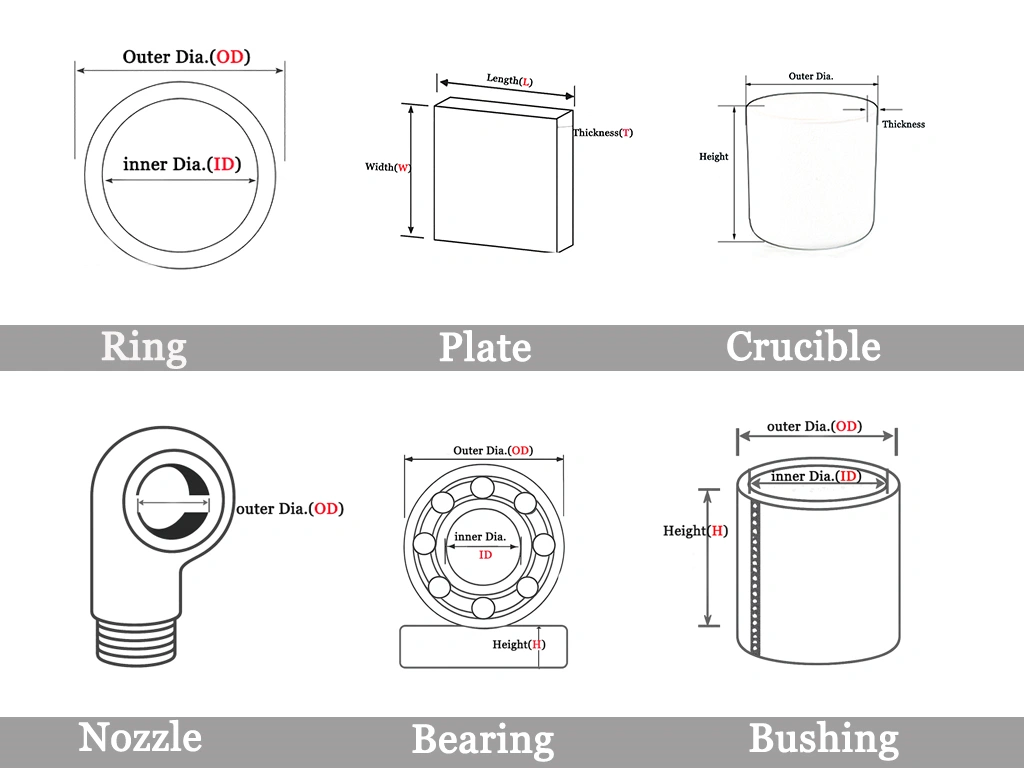
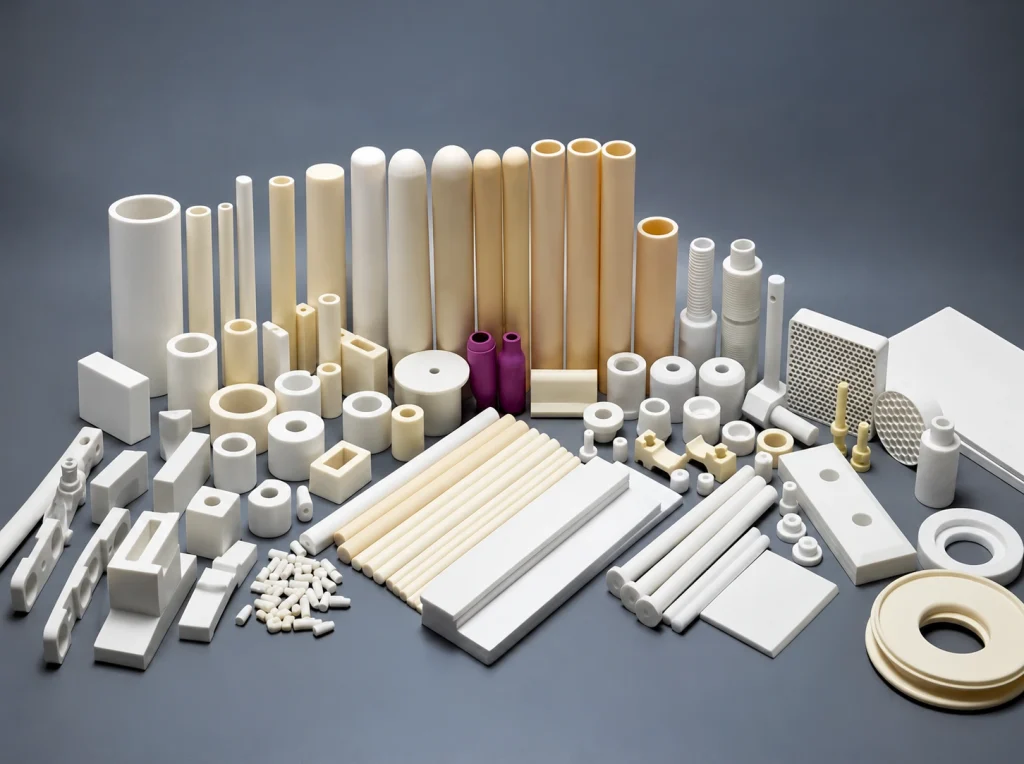
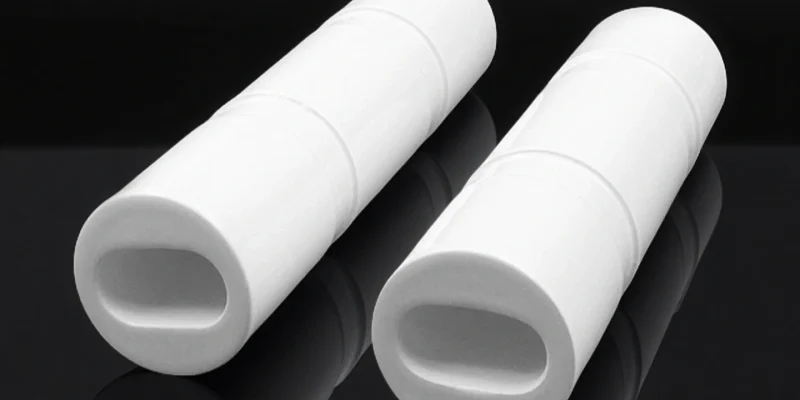
Part forms: rings, sleeves, bushings, shafts, plungers, tubes, plates, discs, nozzles, liners and custom geometries.
What Are Precision Ceramics?
Precision ceramics are technical ceramic parts made for a defined engineering function. Material grade, dimensions, mounting interfaces and functional surfaces are selected together, then controlled through the part drawing and agreed inspection requirements.
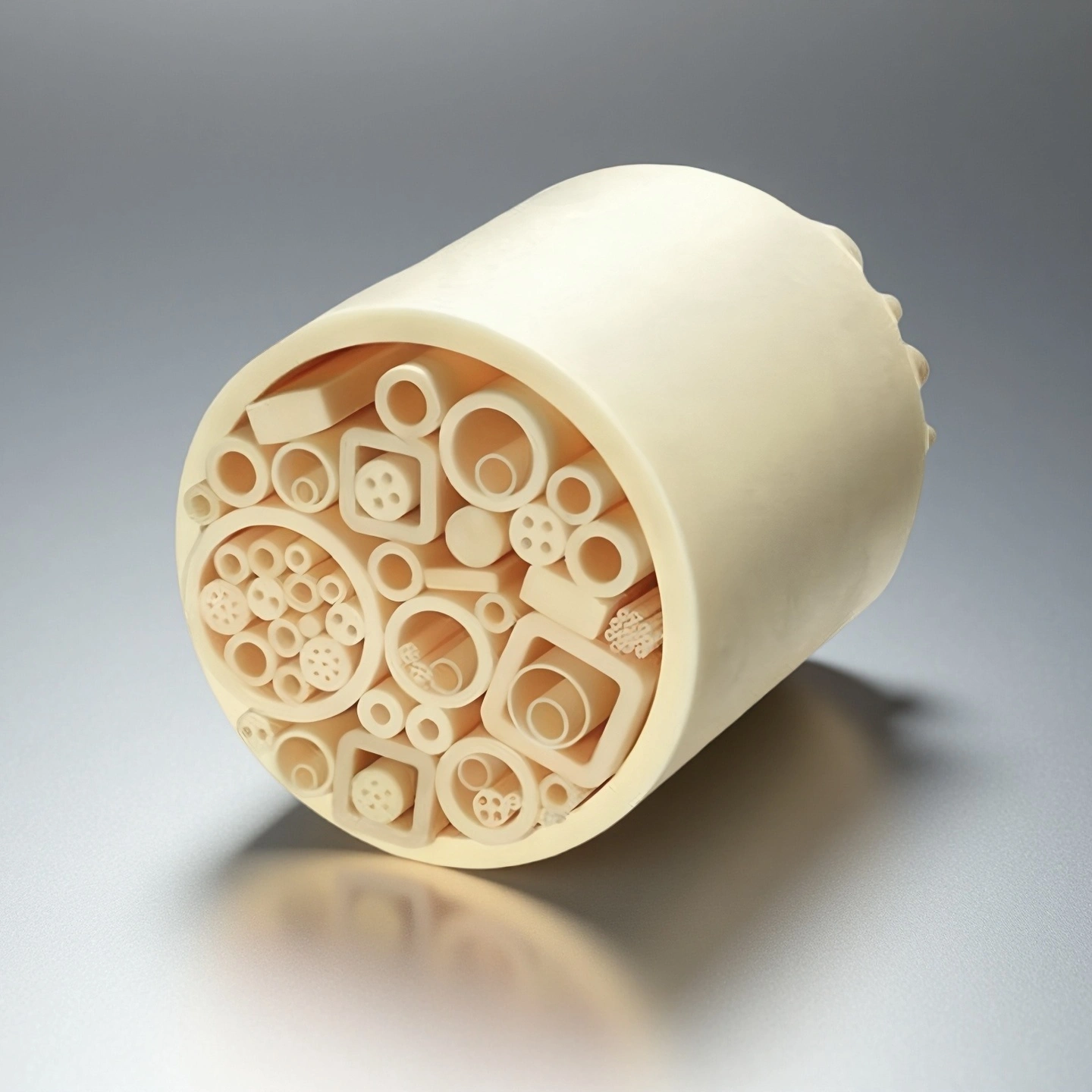
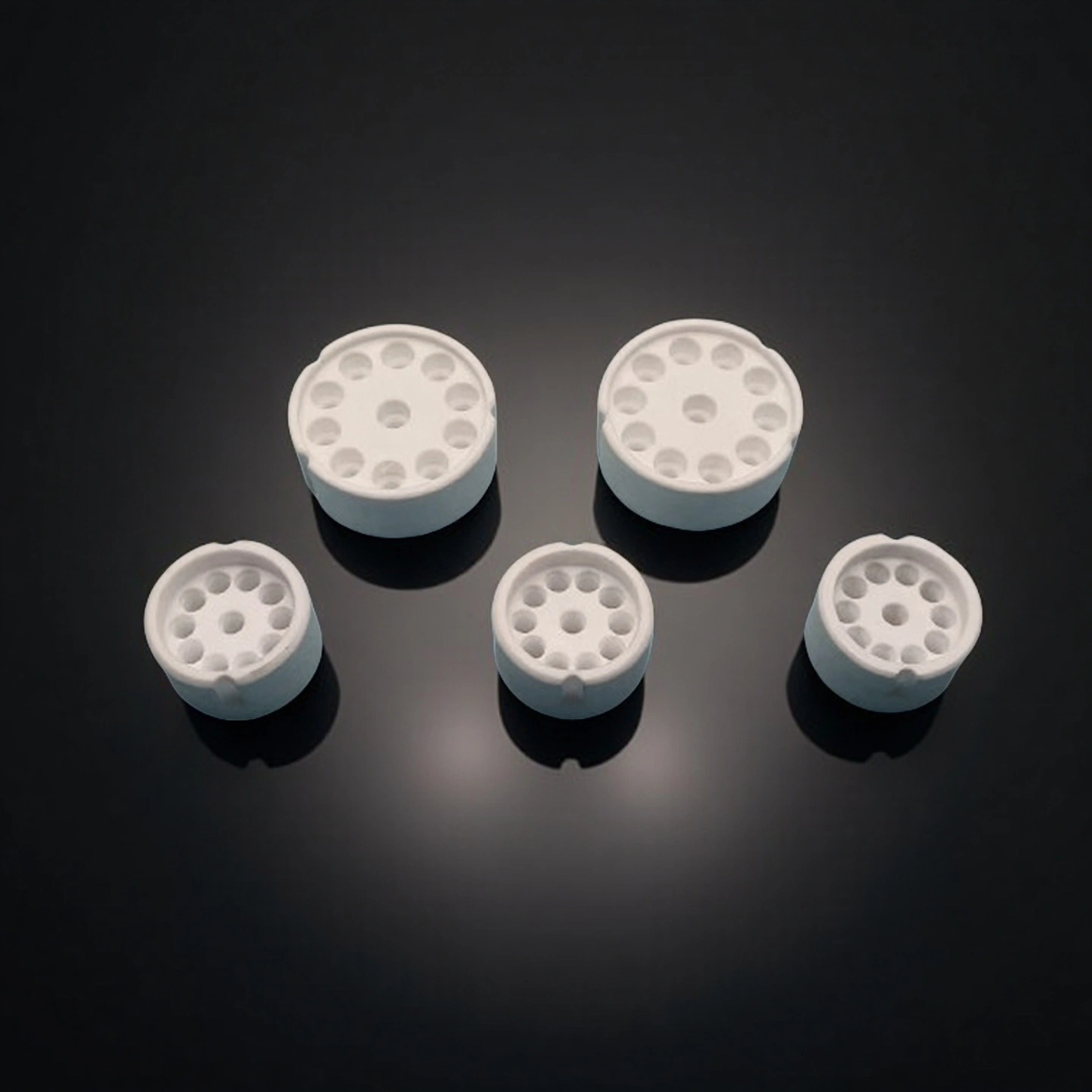
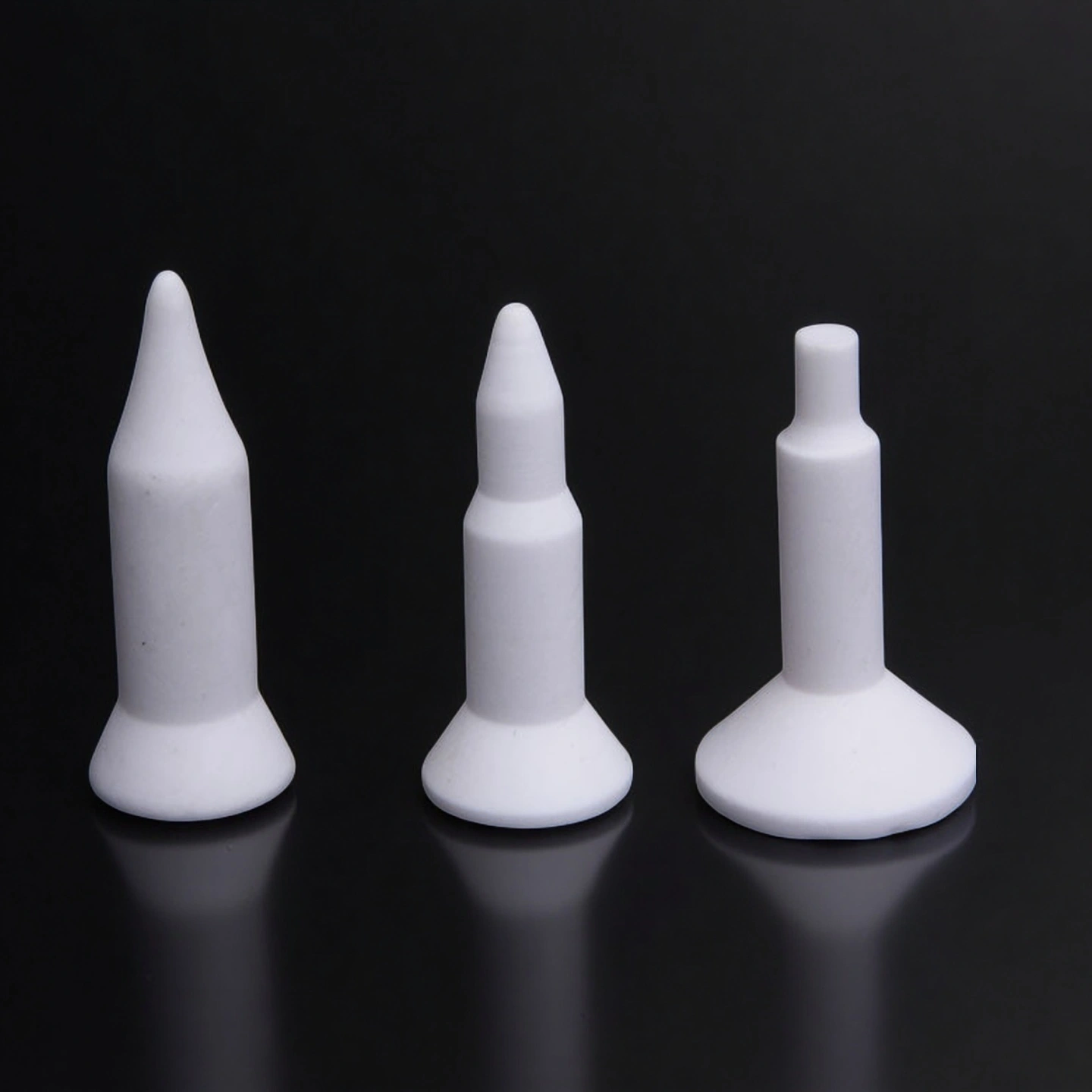
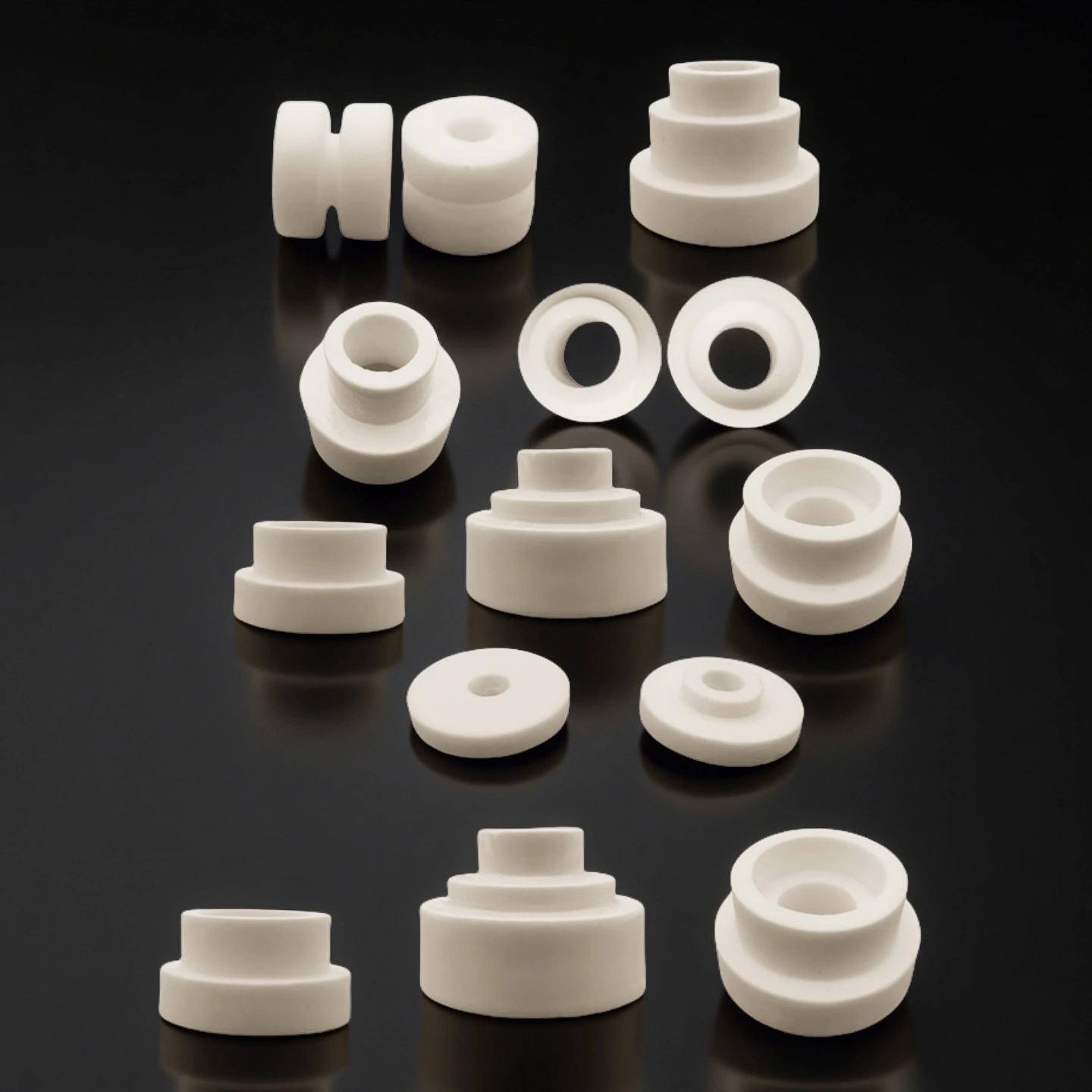
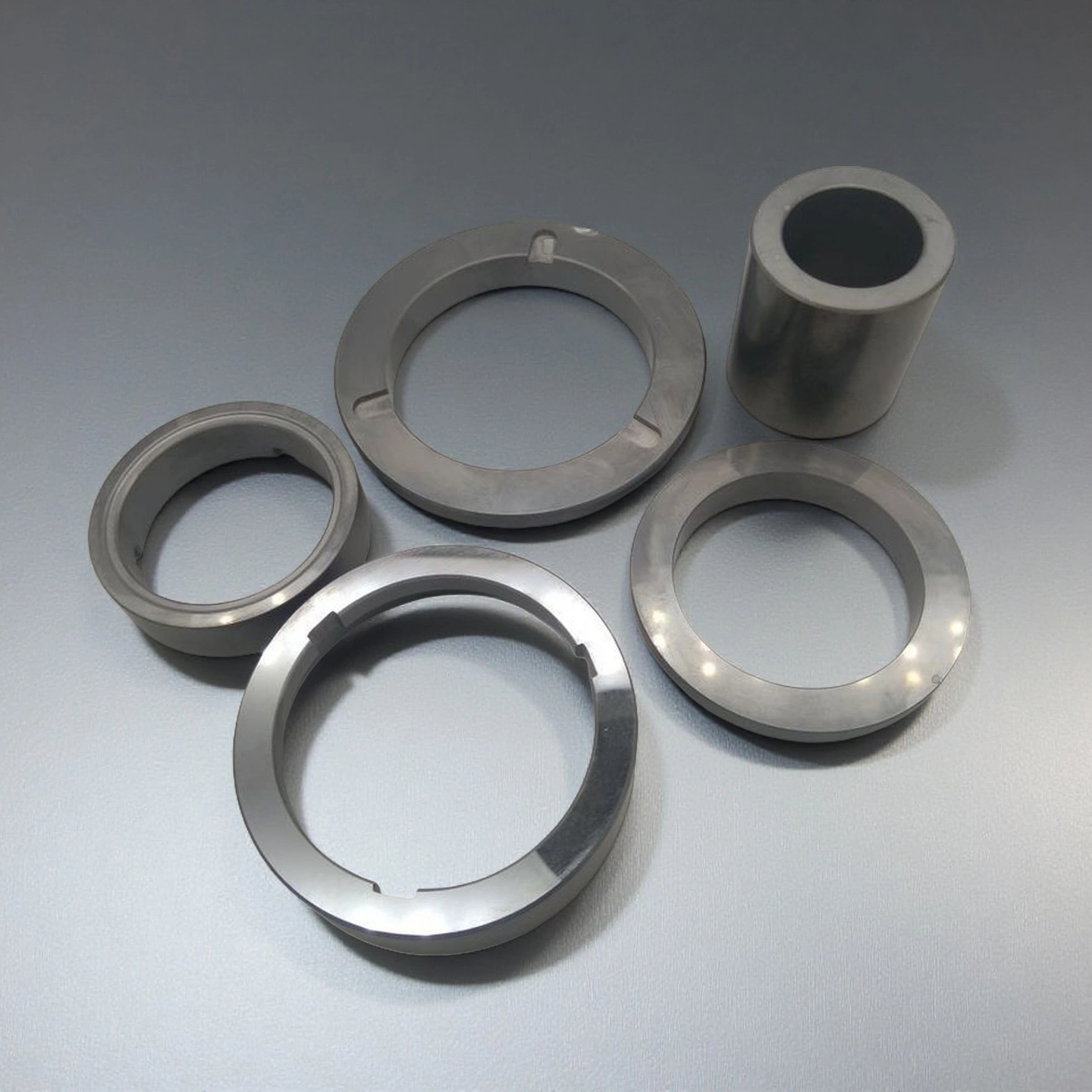

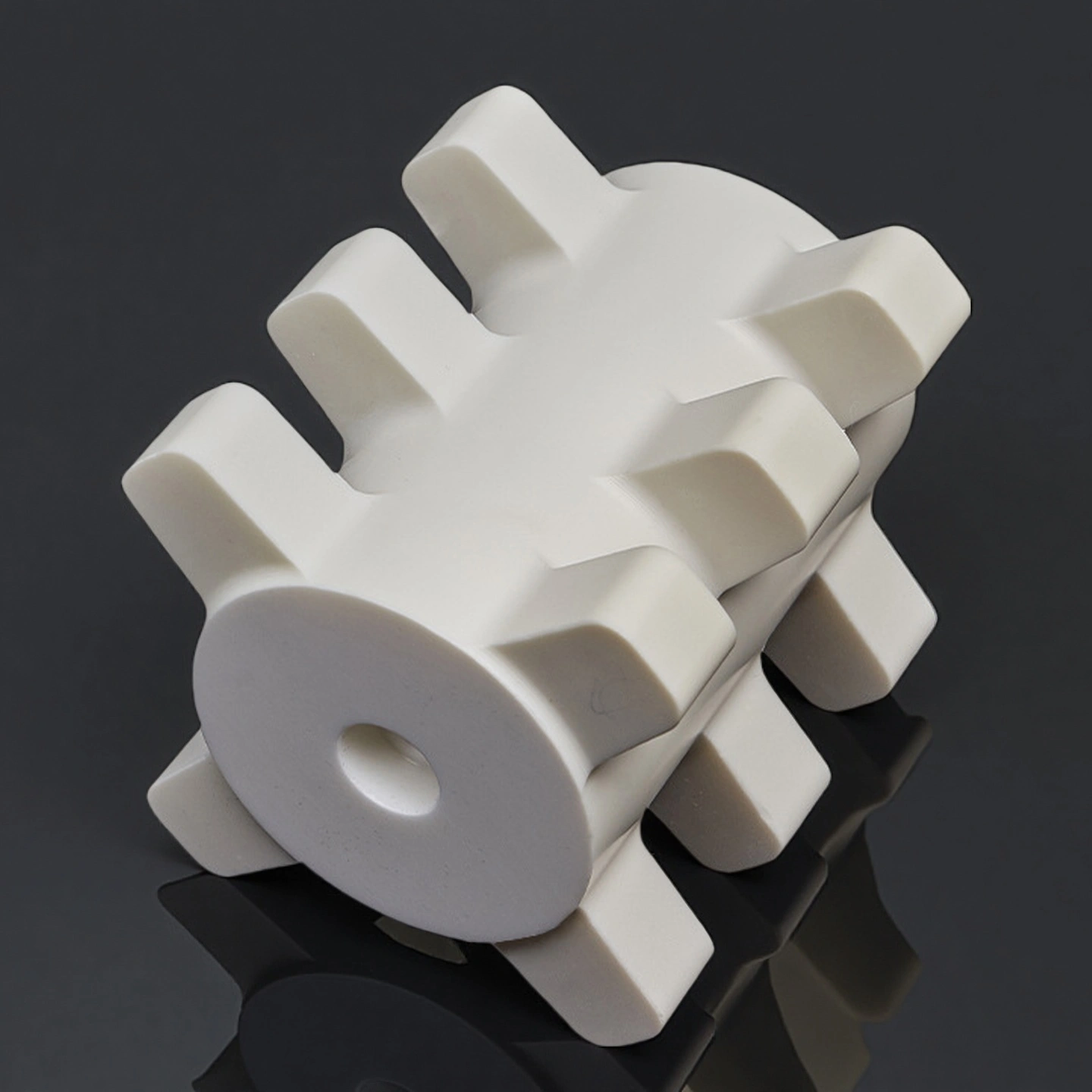
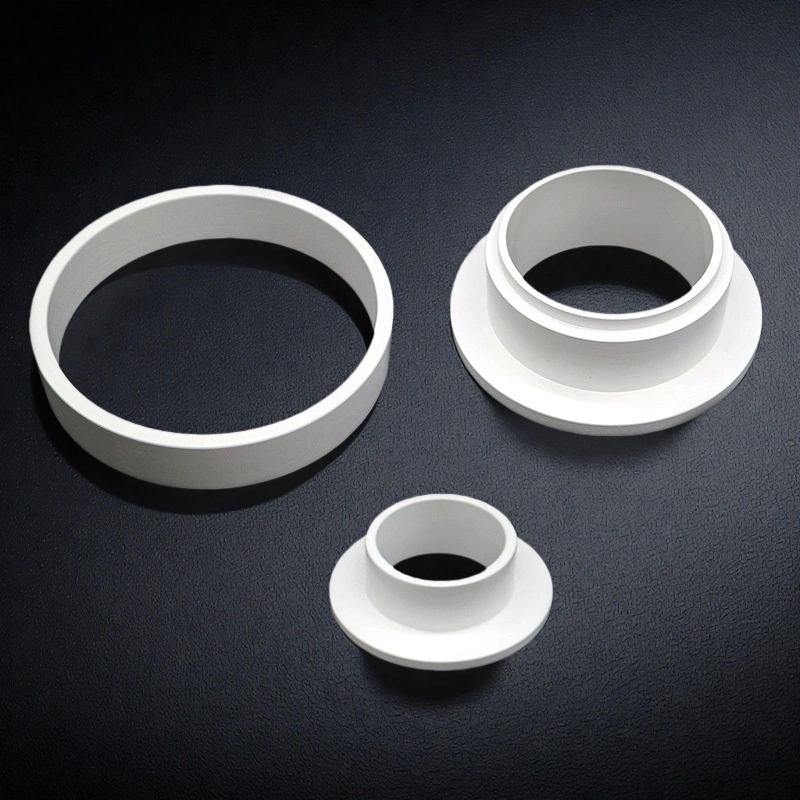
Precision Ceramic Products by Equipment Task
These are representative product routes. For shafts, plungers, tubes, nozzles, liners or other custom geometries, explore drawing-based ceramic parts.
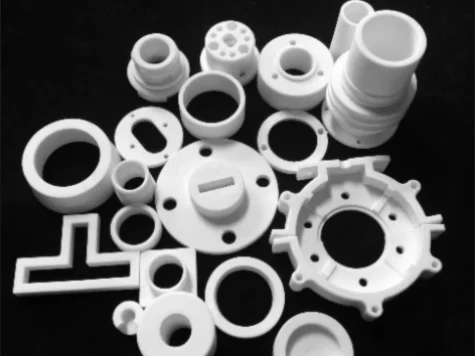
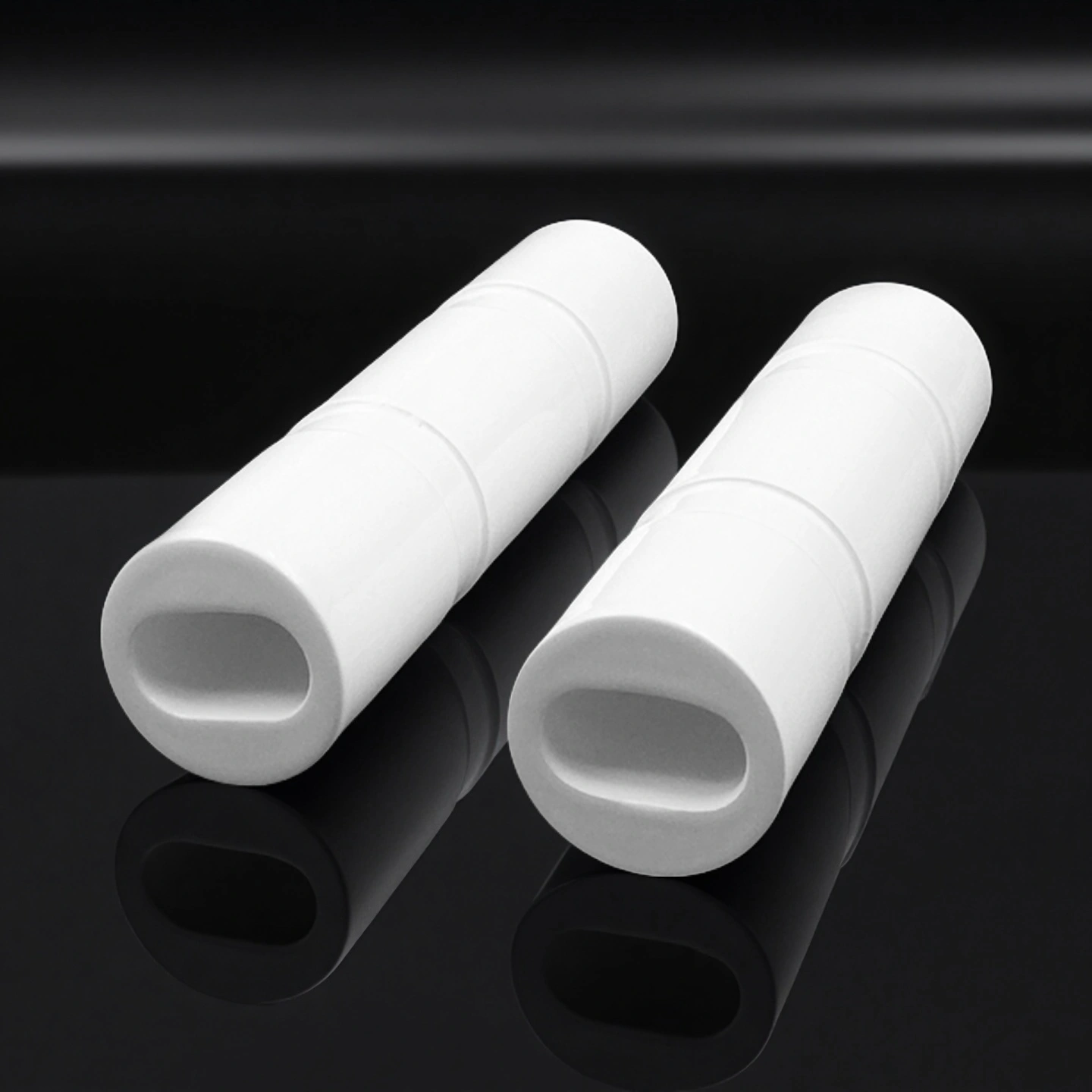
Electrical insulation and housings
Insulating part, ceramic housing or the specified component within an assembly; interface, voltage and temperature
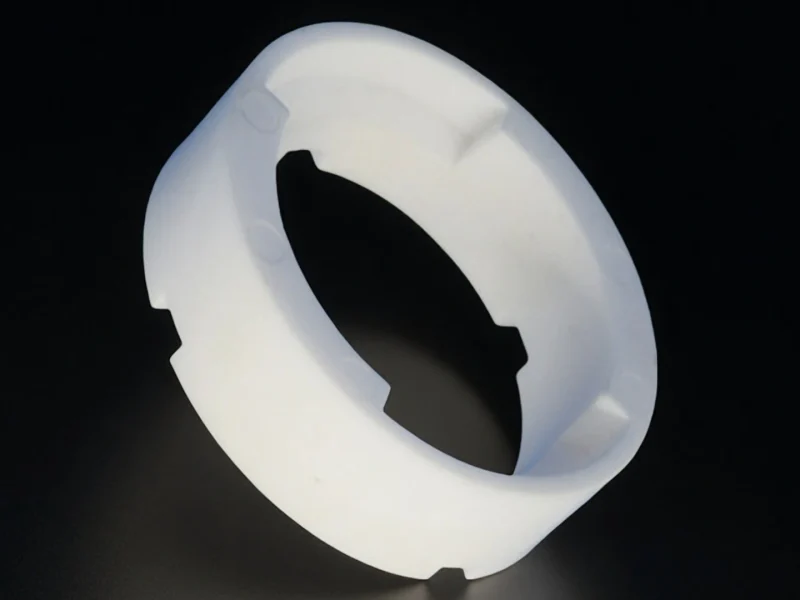
Sealing and fluid handling
Ring, seal face or connection component; mating part, fluid, temperature and pressure
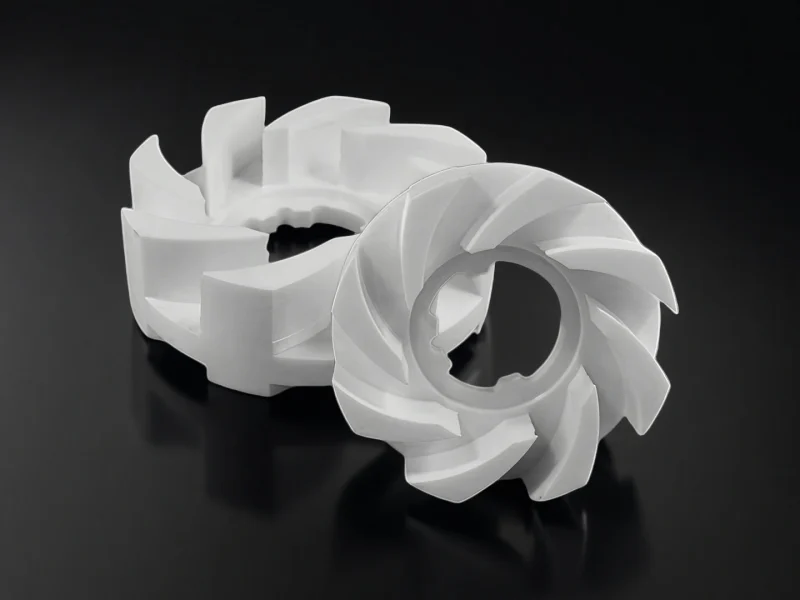
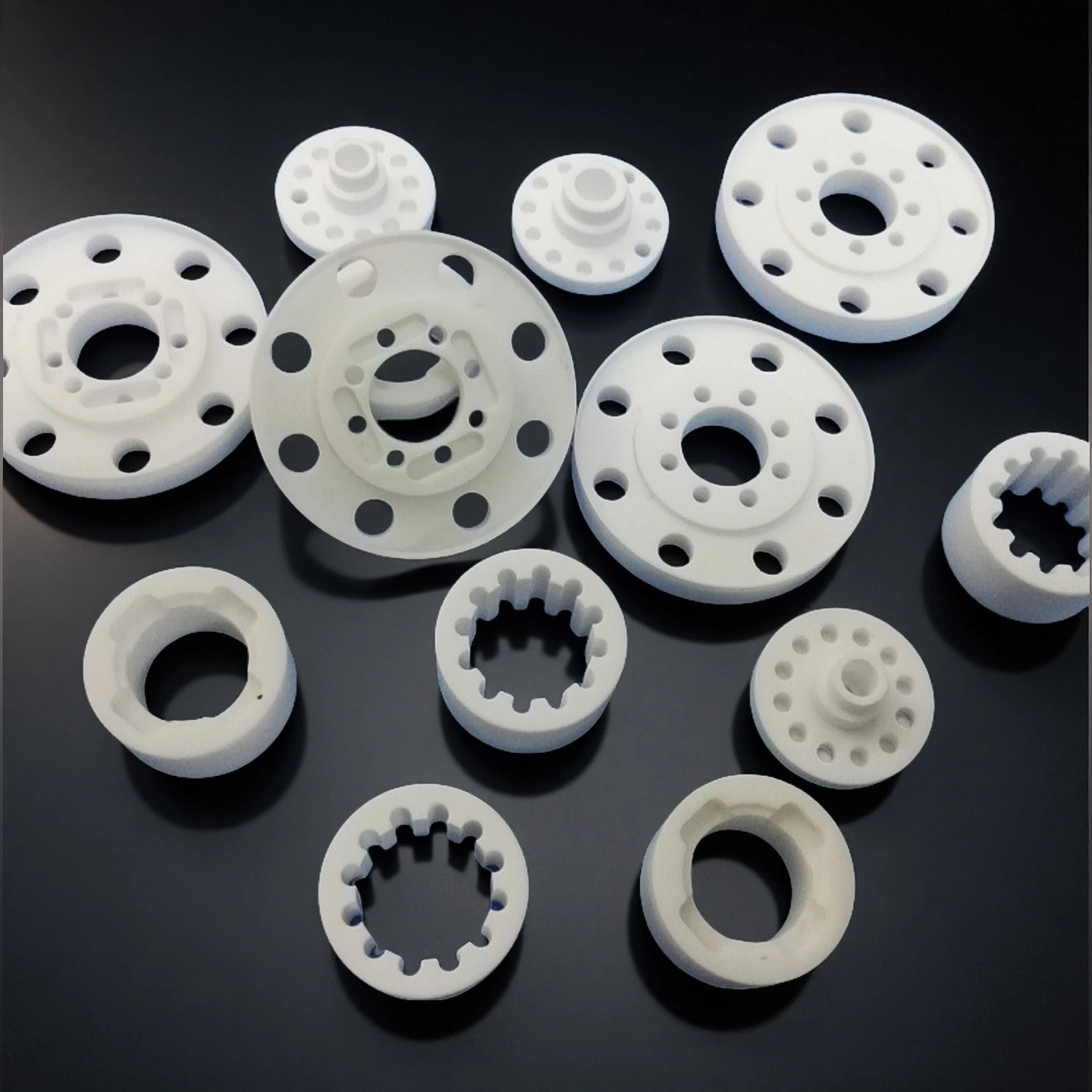
Wet milling: rotating parts
Disc or rotor; shaft interface, part position, rotational speed, slurry and grinding media
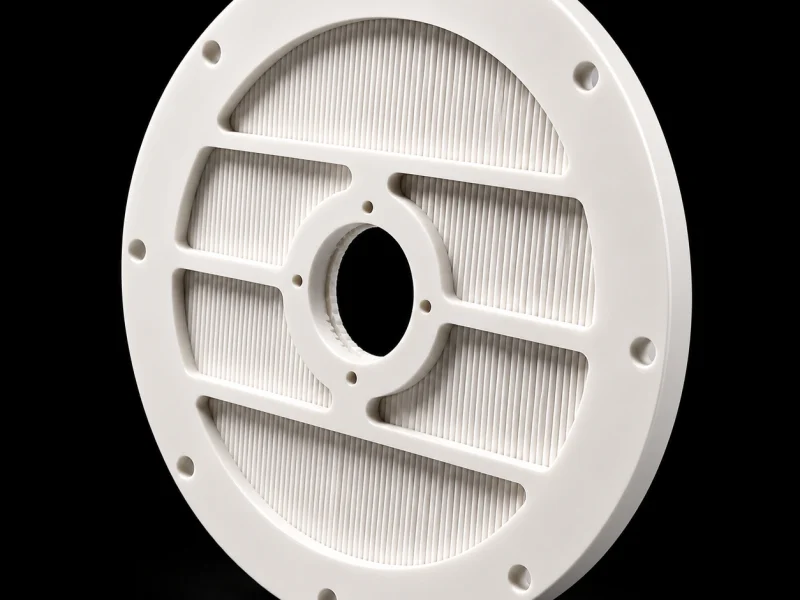
Wet milling: bead retention
Slotted screen; minimum in-service bead size, opening requirement, flow and mounting interface
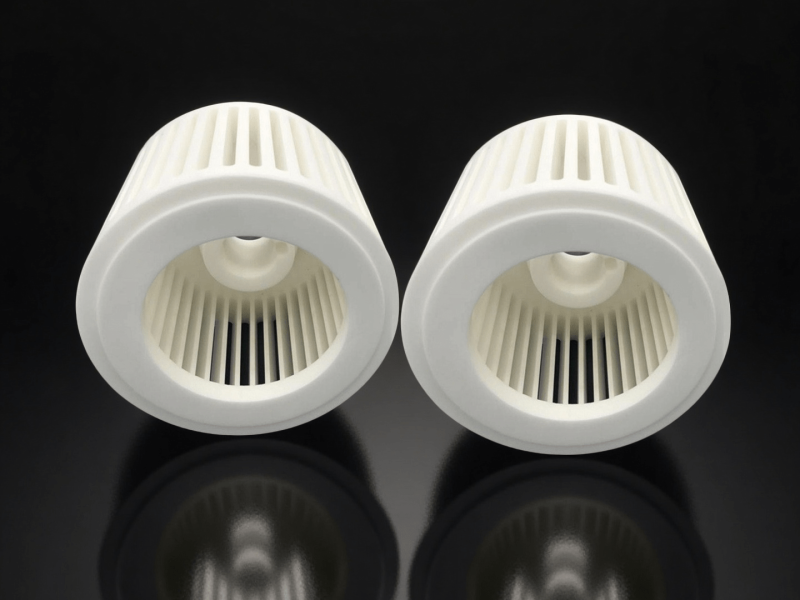
Dry powder classification
Classifier wheel; wheel and hub geometry, shaft fit, rotational speed, powder and balance requirements
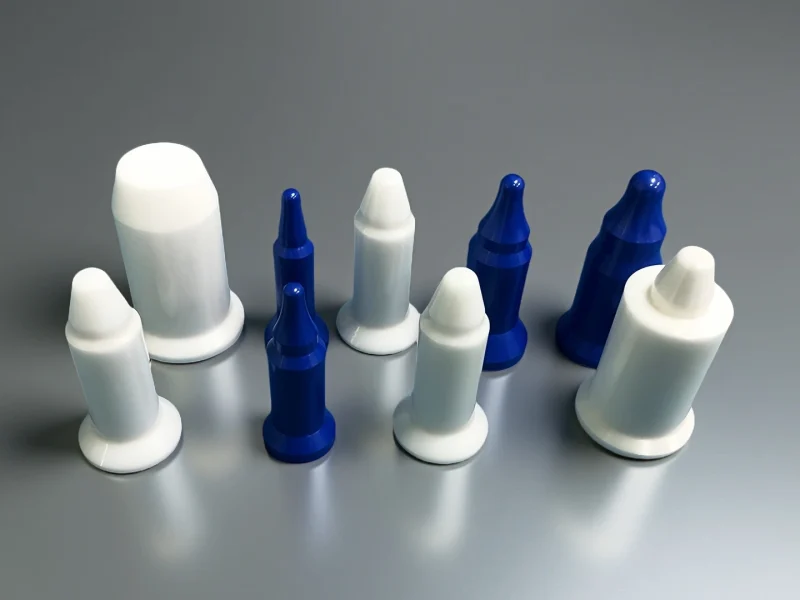
Locating, guiding and fixtures
Pin, fixture component or ceramic plate; locating datum, mating hole, load and assembly arrangement
Optical parts
- Reflector geometry, wavelength, surface requirements and optical acceptance
Laboratory Preparation Tools
Choose a mortar and matched pestle by sample medium, bowl size and cleaning requirements.
| Existing product route | Preparation task | Available selection features |
|---|---|---|
| Agate Mortar and Pestle | Grinding small powder batches, mixing additives and preparing laboratory or R&D test samples | Smooth bowl interior and pestle head for cleaning between samples; multiple cup diameters with matched pestles; stable bowl geometry and wall design for the worktop |
| Glass Mortar and Pestle | Gentle powder grinding, reagent dissolution and mixing liquid–solid suspensions | Transparent bowl for observing dispersion, sediment and colour; smooth interior and rounded pestle head for rinsing; multiple capacities with matched pestles and a stable flat base |
How to Select a Precision Ceramic
Send the information you already have. Anything missing can be completed during drawing review.
Wear or sliding contact
Define
Contact: medium, particles, mating material, load, motion and critical surfaces
Decide by:
Grade, contact geometry and the wear acceptance under the working duty
Material route
Define: Voltage and test method, temperature, geometry, clearances and environment
Decide by:
The part and assembly insulation requirement, not the material spec alone
Fluid contact or sealing
Define:
Fluid composition, temperature, pressure, seal-face geometry and mating part
Decide by:
Material compatibility, fit, and the agreed leakage or wear test
Thermal or optical duty
Define:
Temperature cycle and atmosphere, or wavelength and optical surface requirement
Decide by:
Grade, structure and the test for that specialist component
Positioning or mounting
Define:
Datums, fits, contact faces, load, cycling and fastening method
Decide by:
Critical geometry and the inspection or assembly check
More than one function?
Note : Where two functions compete — a part that seals and also insulates, for example — state both on the drawing. The stricter requirement sets the material, and the other one is checked against it.
Fast route — if you already know the job
Insulation, spacers, general wear plates
Seal faces, pins, plungers under impact
High temperature with thermal cycling
Insulate and conduct heat at once
Bearings and rolling contact
Narrow the material family
Six families cover most of this collection. Each line gives what the family is used for and where it stops being the right answer — the second part is what usually decides the project.
Alumina
Al₂O₃
General purpose
- Use it for
- Insulators, wear plates, liners, tubes and pump parts. It insulates well, resists abrasion and costs less than the tougher grades.
- Watch for
- Brittleness at thin walls, sharp internal corners and edge impact.
Zirconia
Al₂O₃
Highest toughness
Use it for
Seal faces, positioning pins and plungers that see impact, bending or tight fits.
- Watch for
Heavier than alumina, and more sensitive to rapid temperature change — a poor fit for parts that see repeated thermal shock.
ZTA
Al₂O₃ + ZrO₂
Balanced
- Use it for
Seal rings, wear plates and structural rings. More strength and wear resistance than plain alumina, better thermal behavior and lower cost than pure zirconia. - Watch for
It sits between the two. When the project needs the extreme of either, another family is the answer.
Silicon carbide
SiC
Hot and abrasive
- Use it for
Heat-exchanger tubes, burner nozzles, kiln furniture and slurry pump parts. High temperature, thermal cycling and abrasion at the same time. - Watch for
Hard to machine into fine features, so simple, open geometry suits it better than thin ribs or deep slots.
Silicon nitride
Si₃N₄
Rolling contact
- Use it for
Bearing balls and rollers, seal components and parts that heat and cool quickly. - Watch for
Costs more than alumina, so it is usually reserved for rolling contact or severe thermal cycling.
Aluminum nitride
AlN
Insulate + conduct
- Use it for
Substrates, heat spreaders and insulating interfaces in power and RF assemblies. - Watch for
It is not a wear material. Choose it for electrical and thermal function, not for abrasion.
Precision Ceramic Applications
Precision ceramics are used across chemical processing, lab analysis, new energy lines and automation systems wherever long-life wear, sealing and insulation components are required.

Chemical and process equipment.
🔹Applications
- Wear and corrosion protection for dosing pumps, chemical injection systems and process valves.
- Stable internals for flow meters, sampling devices and analyzers.
- Ceramic plungers, seats and nozzles designed to handle aggressive media.
 Why choose precision ceramic components: they keep dimensions and sealing performance stable in corrosive, mixed-chemical environments where metals and polymers degrade quickly.

Precision Ceramics for Pumps, Valves & Fluid Handling
🔹Applications
- Seal rings, bushings and thrust elements to reduce leakage and extend overhaul intervals.
- Valve balls and seats that retain tight shutoff after long exposure to slurry or chemicals.
- Components that maintain clearances and precision ceramic parallel surfaces at operating temperature.
Why choose precision ceramics: they deliver longer service life and more predictable leakage rates, reducing unplanned downtime and maintenance cost on critical flow circuits.
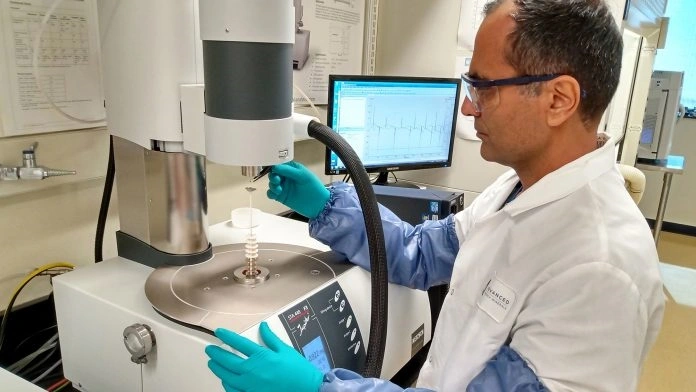
Precision Ceramics for Analytical & Laboratory Instruments
- Crucibles, boats and fixtures for thermal analysis and materials testing.
- Insulating supports for high-temperature furnaces and kilns.
- Precision tubes and plates that minimize contamination and background signal.
Why choose precision ceramic parts : they provide clean, low-contamination surfaces and stable geometry, helping labs obtain repeatable measurements and protect sensitive samples. 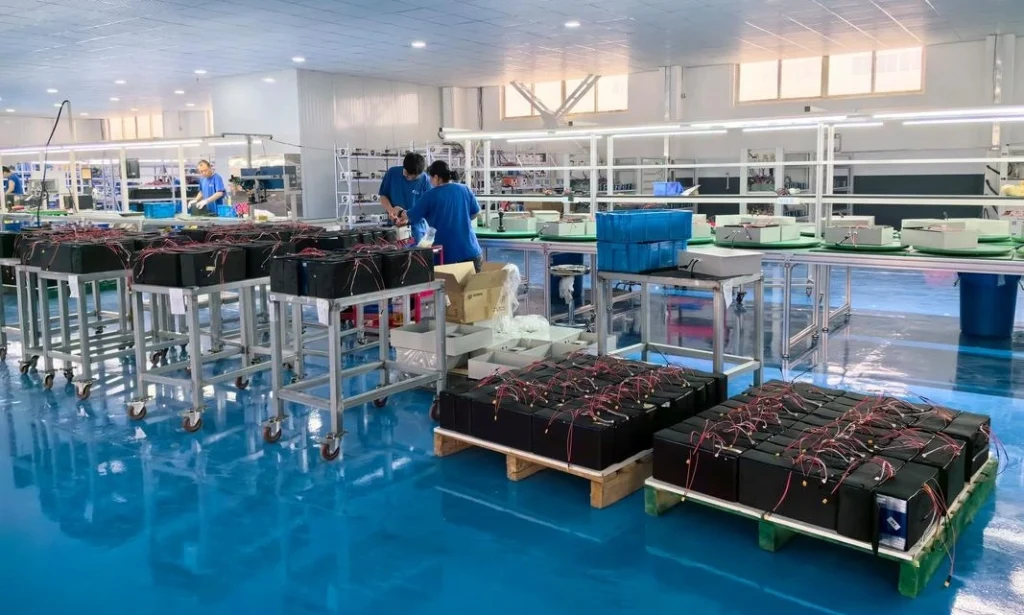
Precision Ceramics for New Energy & Battery Materials Equipment
🔹Applications
- Wear liners and grinding elements for slurry preparation and dispersion.
- Flow components for electrolyte handling and chemical dosing.
- Fixtures and carriers used in drying, calcination and sintering processes.
Why choose precision ceramics: they withstand abrasive slurries and reactive chemistries, supporting longer campaign runs and more consistent material quality in production lines. 
Precision Ceramics for Mechanical Automation & Motion Components
🔹Applications
- Guide elements, positioning stops and wear strips in automated machinery.
- Precision bushings and bearings where lubrication is limited.
- Components that maintain tolerances over long cycles and temperature variations.
Why choose precision ceramics: they keep positioning accuracy and clearances stable over millions of cycles, even when lubrication is poor or temperatures fluctuate. Custom Precision Ceramics: Drawing Review and Sample Approval
Most parts in this collection start from a drawing. The review checks that the geometry can be made repeatably in the chosen material, then fixes the sample and inspection plan before production starts.
Customization Options
Diameters, wall thickness and length, including non-standard sizes. Mark what controls the fit.
Datums, fit, position, flatness or concentricity on the features that control function.
Flanges, steps, threads, holes, grooves and other drawing-defined features.
State the grade, or the operating conditions it has to meet. Material records on request.
Ground, lapped or polished. State the finish on sealing and sliding faces.
Customization Process
Send Your Requirement
A drawing, a 3D model or a part we can measure, plus the material or working conditions, quantity and destination.
The review checks geometry, tolerances and surfaces against the material, then returns a quotation with the schedule and open questions.
Where a sample is needed, quantity and inspection scope are agreed first, so the sample is judged against a defined standard.
Batches follow the approved drawing revision. Inspection, packing and transport are confirmed in the quotation.
Why Choose ADCERAX as Your Precision Ceramic Manufacturer
ADCERAX is a China-based precision ceramic manufacturer producing parts to customer drawings in alumina, zirconia, ZTA, silicon carbide, silicon nitride and aluminum nitride. Hard machining of fired blanks, documented inspection and one approved drawing revision are what keep repeat batches consistent.
Rings, tubes, plates, plungers and custom shapes are machined after sintering with diamond tooling, so final dimensions are cut rather than shrunk into.
Geometry, tolerances and surfaces are checked against the material before pricing, so manufacturability questions come up at RFQ and not after the order.
Flexible fixtures and quick-change tooling support prototype and low-volume runs, through to repeat production on the same approved drawing.
CMM, optical measurement and dedicated jigs check the features that control fit, with the report defined in the quotation.
Precision Ceramic Products by Equipment Task
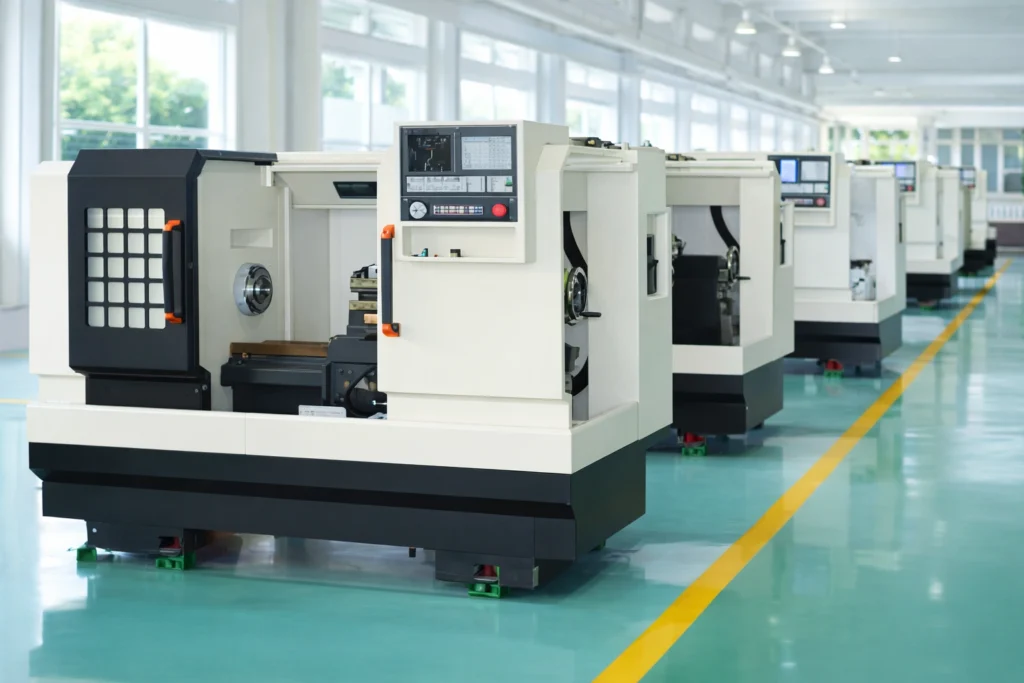
ADCERAX works across alumina, zirconia, ZTA, silicon carbide, silicon nitride and aluminum nitride, producing rings, tubes, plates, plungers, spacers, connectors and drawing-defined custom shapes for industrial and laboratory equipment.
Each order runs against one approved drawing revision. Forming, sintering, machining, grinding and finishing are arranged by part requirement, and dimensional, visual and packing checks are completed before shipment.
Precision Ceramic Machining
These are the machining operations available for precision ceramic parts, and what each one controls on the finished component. Mark the features that depend on them and the review will confirm what can be held.
| Operation | Equipment | What it controls on your part |
|---|---|---|
| CNC turning and milling | Vertical and horizontal machining centers, diamond and CBN tooling | Outside and inside diameters, lengths, steps and custom profiles on rings, tubes, plates and plungers |
| Precision grinding and lapping | Surface grinders, cylindrical grinders, diamond wheels, lapping fixtures | Flatness, parallelism and surface finish on sealing, bearing and locating faces |
| Holes, slots and threads | CNC drilling, tapping, thread milling, small-diameter tooling | Hole size and position, grooves and threads for spacers, connectors and hardware interfaces |
| Prototype and small-batch runs | Flexible fixture systems and quick-change tooling | Sample parts and low-volume orders without dedicated tooling |
| Inspection | CMM, optical measurement systems, gauges and dedicated jigs | The critical dimensions and surfaces recorded in your inspection report |
FAQs About Precision Ceramics
Precision ceramics are technical ceramics that have been taken several steps further in terms of dimensional control and consistency. They differ from standard technical ceramics in that:
-
Tolerances are tighter and repeatable – key diameters, flatness and parallelism are ground and lapped to precise limits rather than left as-fired.
-
Features are fully engineered – grooves, threads, slots and sealing faces are designed and machined for specific assemblies, not just generic shapes.
-
Process control is stricter – forming, sintering, machining and inspection are all tied to documented routes so each batch behaves the same in service.
In short, standard technical ceramics provide the material performance, while precision ceramics add the dimensional accuracy and consistency needed for critical industrial components.
We supply rings, sleeves, bushings, plungers, shafts, tubes, plates, discs, nozzles, liners and custom-shaped precision machined ceramics for industrial and laboratory equipment.
Yes. Our precision ceramic machining team works directly from your 2D/3D drawings or verified samples, reviewing tolerances and features to ensure the design can be manufactured repeatably.
We need drawings, material or application description, tolerance and surface-finish targets, annual usage, batch sizes and any special inspection or documentation requirements.
Yes. We regularly provide prototype and small-batch runs so you can validate designs and test performance before committing to full-scale production.
Our engineers can suggest radii, wall thickness, datum schemes and tolerance splits that make the part easier to machine, more robust in service and more economical to produce.
Ceramics are hard and brittle, so we use diamond tooling, lighter cuts, stable fixturing and grinding/lapping instead of heavy conventional cutting, focusing on avoiding microcracks and edge chipping.
1. Wear and sealing components in pumps and valves
Precision ceramics are widely used as seal rings, valve seats, bushings and plungers in chemical, dosing and slurry pumps, as well as control valves. Their wear and corrosion resistance keeps leakage and clearances stable over long service intervals.
2. Flow-control elements and nozzles
In dosing, spraying, coating and jet systems, precision ceramic nozzles, orifices and restrictors help maintain consistent flow rates and spray patterns. Dimensional stability under pressure and temperature changes improves process repeatability.
3. Insulating tubes, spacers and housings
Where electrical insulation or thermal isolation is critical, precision ceramic tubes, sleeves, stand-offs and housings are used around heaters, sensors, electrodes and feedthroughs. They provide reliable dielectric strength and low thermal expansion.
4. Wear-resistant plates, discs and liners
Mixers, mills, classifiers, chutes and hoppers often use precision ceramic plates, discs and liner tiles in high-wear zones. These parts protect steel structures from abrasion and chemical attack, extending equipment life and reducing downtime.
5. Positioning, guiding and motion components
In automation and motion systems, precision ceramic guides, stops, bushings and support elements keep positioning accuracy and clearances stable over many cycles, especially where lubrication is limited or temperatures fluctuate.
6. Fixtures, supports and carriers for high-temperature processes
Precision ceramic fixtures, pins, supports and carriers hold parts in place during drying, calcination, sintering or thermal treatment. Their dimensional stability at elevated temperatures helps maintain geometry and process consistency.
Yes. ADCERAX is a China-based precision ceramic manufacturer exporting regularly to industrial users in the US, Canada, Germany, the UK, France and other mature manufacturing markets. We are familiar with export packing, customs documentation and common Incoterms, and communicate in English for drawings, RFQs and technical reviews, so overseas customers can source precision ceramic parts from China with predictable lead times and low logistics risk.
Sometimes, but not always. In simple cases a precision ceramic ring, sleeve or plate can drop into an existing metal design with only minor adjustments. However, ceramics are hard and brittle with different thermal expansion and mounting needs, so many parts work better with small redesigns (fillets, clearances, support surfaces, fixing method). The safest approach is to share your current metal drawing and operating conditions so we can confirm where a direct swap is feasible and where geometry changes are needed for a reliable conversion to precision ceramics.
Start with the job the part has to do. Alumina covers most insulation and general wear parts at the lowest cost. Zirconia and ZTA are chosen for sealing faces, pins and plungers that see impact or bending. Silicon carbide suits high temperature and thermal cycling, silicon nitride is used for bearings and rolling contact, and aluminum nitride is used where a part must insulate and conduct heat. Confirm the grade data for the exact part before release.
Get in touch with us
We believe that Adcerax will become your best partner!
Please fill in your contact information in the form or call us.

*Our team will answer your inquiries within 24 hours.
*Your information will be kept strictly confidential.
info@adcerax.com
Tel:+86-0731-84428843
WhatsApp:+86 19311583352
Within 24 hours
Related Products
Browse by material family: alumina ceramics · zirconia ceramics · ZTA ceramics · silicon carbide ceramics · silicon nitride ceramics · aluminum nitride ceramics
Common component types: ZTA ceramic seal rings · zirconia positioning pins · alumina insulating parts · alumina agitator discs · zirconia classifier wheels · zirconia jigs and fixtures