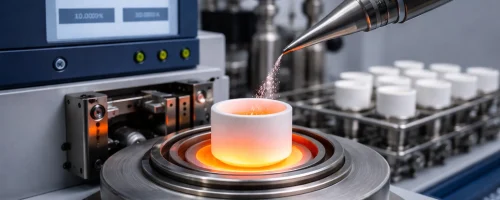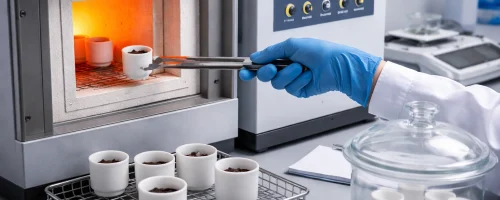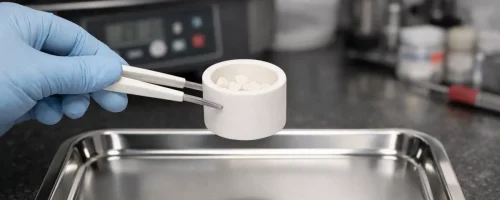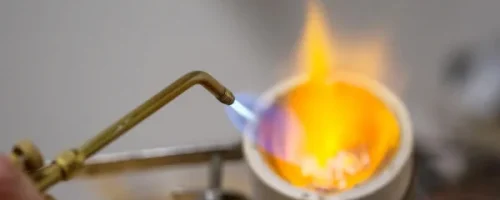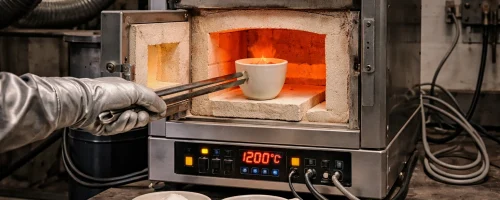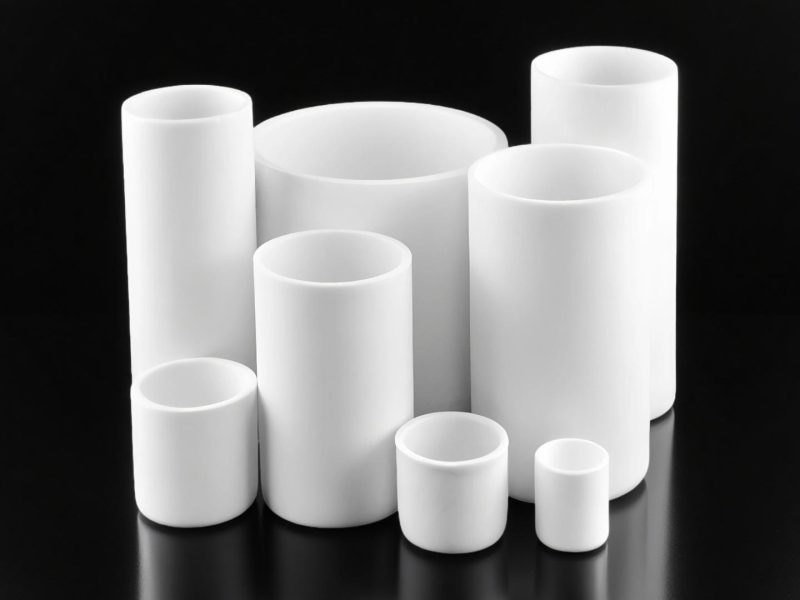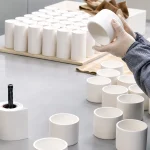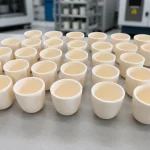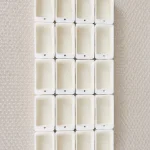
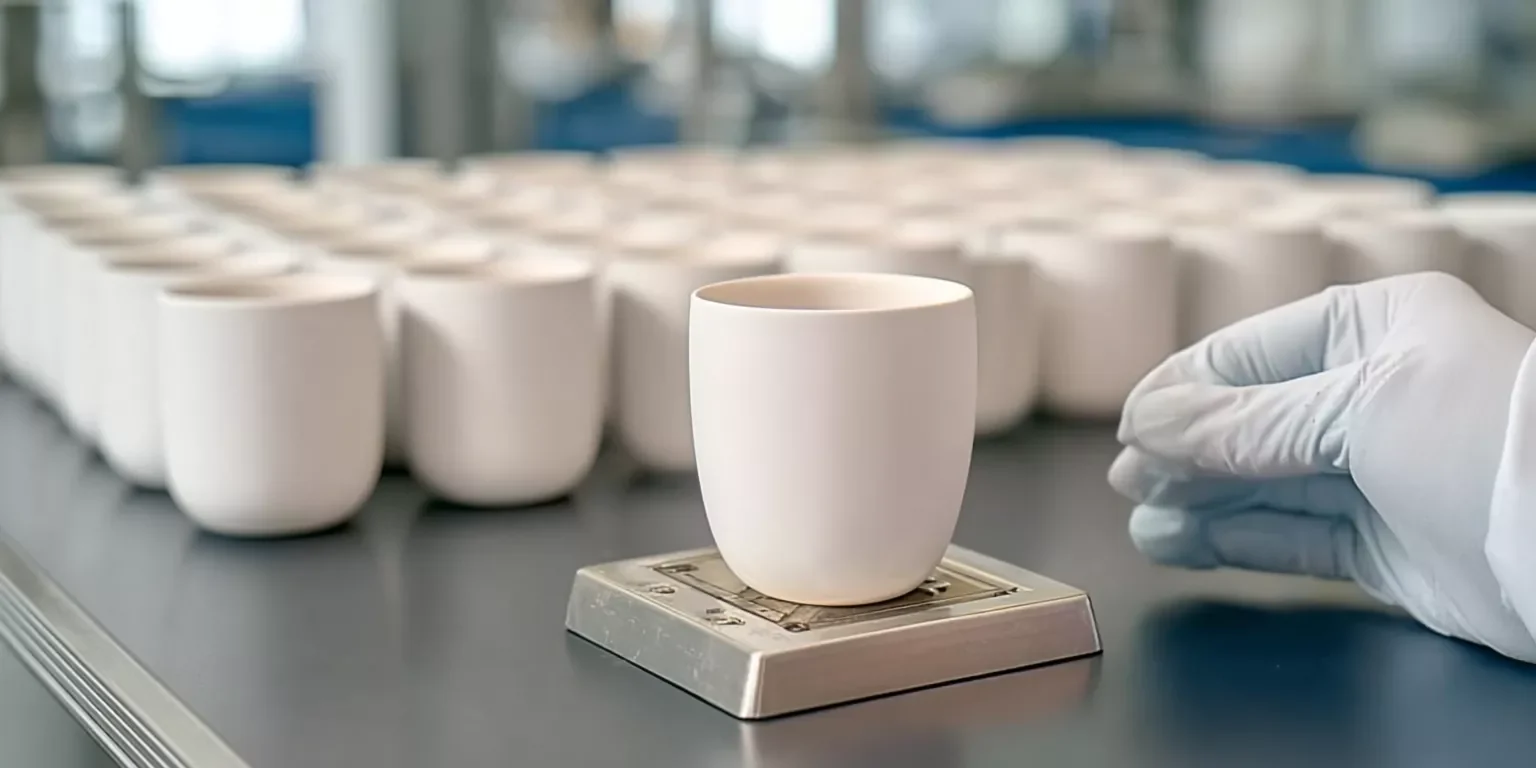
adcerax offer ceramic crucible for melting silver 0

Ceramic Crucibles for Laboratory, Furnace and Melting Review

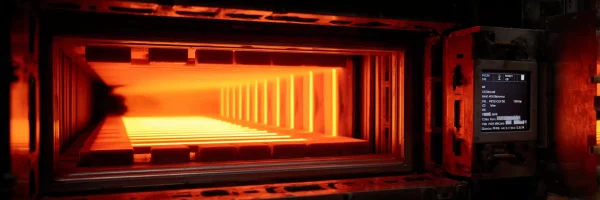
ADCERAX is a China-based advanced ceramics manufacturer specializing in custom ceramic crucibles for laboratory analysis, furnace processing, calcination, sintering and selected metal-melting applications.

Choose from alumina, zirconia, silicon carbide, boron nitride and quartz, with custom sizes, lids, spouts, holes and ceramic boat forms matched to your temperature, atmosphere, process chemistry and equipment.

What Is a Ceramic Crucible?

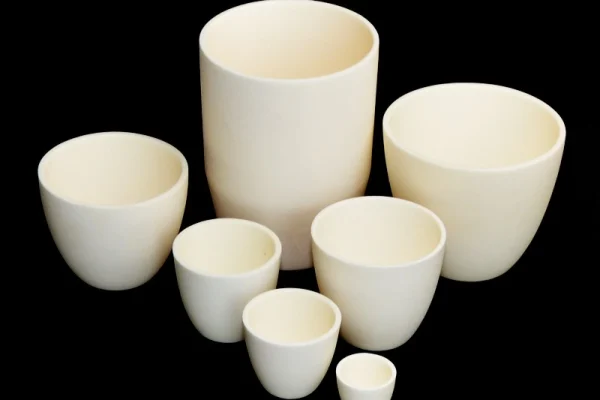
A ceramic crucible is a refractory container made from engineering ceramics such as alumina, zirconia, boron nitride or silicon carbide, designed to hold solids or melts during high-temperature treatment. Compared with metal vessels, a ceramic crucible offers excellent resistance to heat, corrosion and thermal shock, while keeping metal ions and other impurities away from your sample.

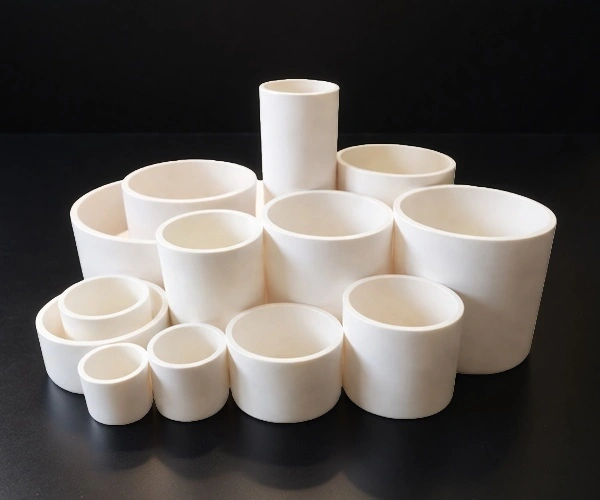
Standard Size Arc-shaped Alumina Crucibles for Labs

How to Choose Your Ceramic Crucible — Quick Decision Guide

Answer these questions to quickly identify the right ceramic crucible material and shape for your application:

Step 1: What Is Your Maximum Operating Temperature?

Maximum operating temperature is the first key factor in crucible selection. It helps narrow the best material based on heat resistance, purity needs, thermal shock, and contact environment.

Temperature RangeRecommended MaterialLink
≤1700°C (general lab/furnace)Alumina (99-99.7%) — best cost/performanceAlumina Crucibles →
≤1800°C (ultra-high purity)Alumina (99.99%) — lowest contaminationAlumina Crucibles →
≤2200°C (precious metals)Zirconia (ZrO₂) — Pt, Pd, Au meltingZirconia Crucibles →
≤1600°C (rapid cycling)Silicon Carbide (SiC) — best thermal shockSiC Crucibles →
≤2300°C (vacuum, molten metal)Boron Nitride (BN) — non-wetting to metalsBN Crucibles →

Step 2: What Is Your Primary Application?

Crucible selection should also consider the dominant process requirement. Use the table below to compare which material and shape best fit each application.

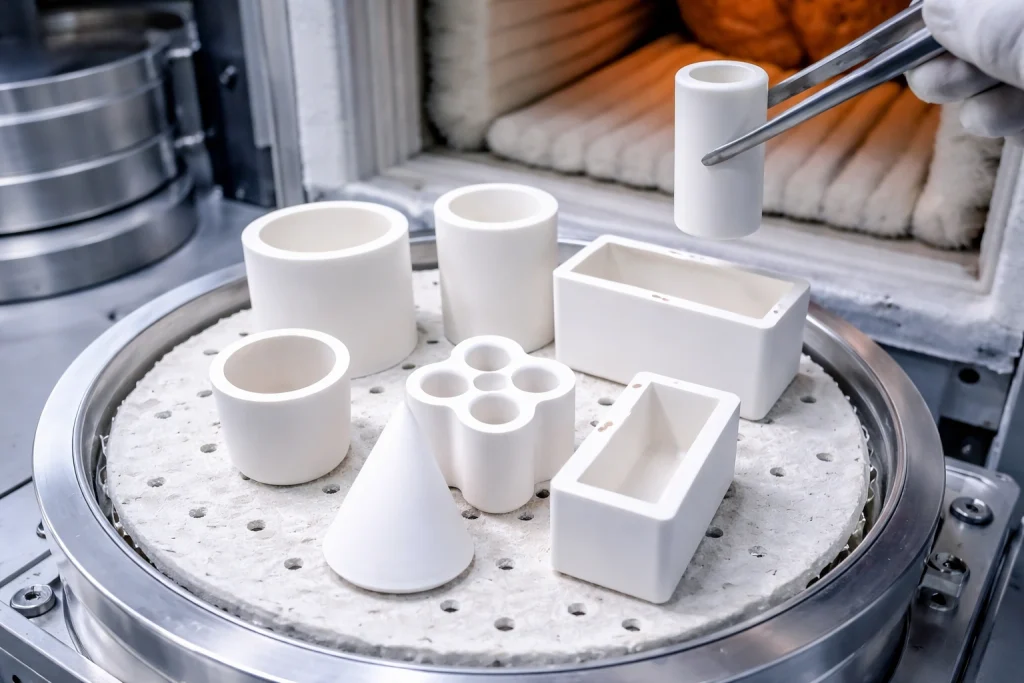
Custom-Geometry Alumina Crucible for High-Temperature Materials Research

Still not sure? Share your temperature, atmosphere, sample type and furnace details — our engineers will recommend the optimal ceramic crucible.

ApplicationBest MaterialBest Shape
TGA / DSC thermal analysisAlumina (99.7%+) or ZirconiaSmall cylindrical (70-250 μl)
Ashing / LOI analysisAlumina (99%+)Cylindrical or rectangular
calcination/sinteringAlumina (99%+)Rectangular or trapezoid
Precious metal melting (Pt, Pd, Au)ZirconiaCylindrical
Reactive metal melting (Ti, Zr)Boron NitrideCylindrical
Metal pouring / castingSiC or AluminaWith spout
Tube furnace / combustionAluminaBoat
C/S analyzerAlumina (high purity)Small cylindrical (standard sizes)
Silicon ingot / solarBoron NitrideCustom shape

Ceramic Crucible Material Comparison — Quick Reference

Compare key properties across all ceramic crucible materials at a glance:

Alumina crucible with chemical inertness and thermal shock resistance

Max Temp (°C):1700-1800
Thermal Shock: Good (ΔT 200-228°C)
Molten Metal Contact: Limited (some metals)
Chemical Inertness: Excellent
Electrical Insulation: Excellent ⭐
Cost:
Low⭐
Best For:
General lab, calcination, ashing
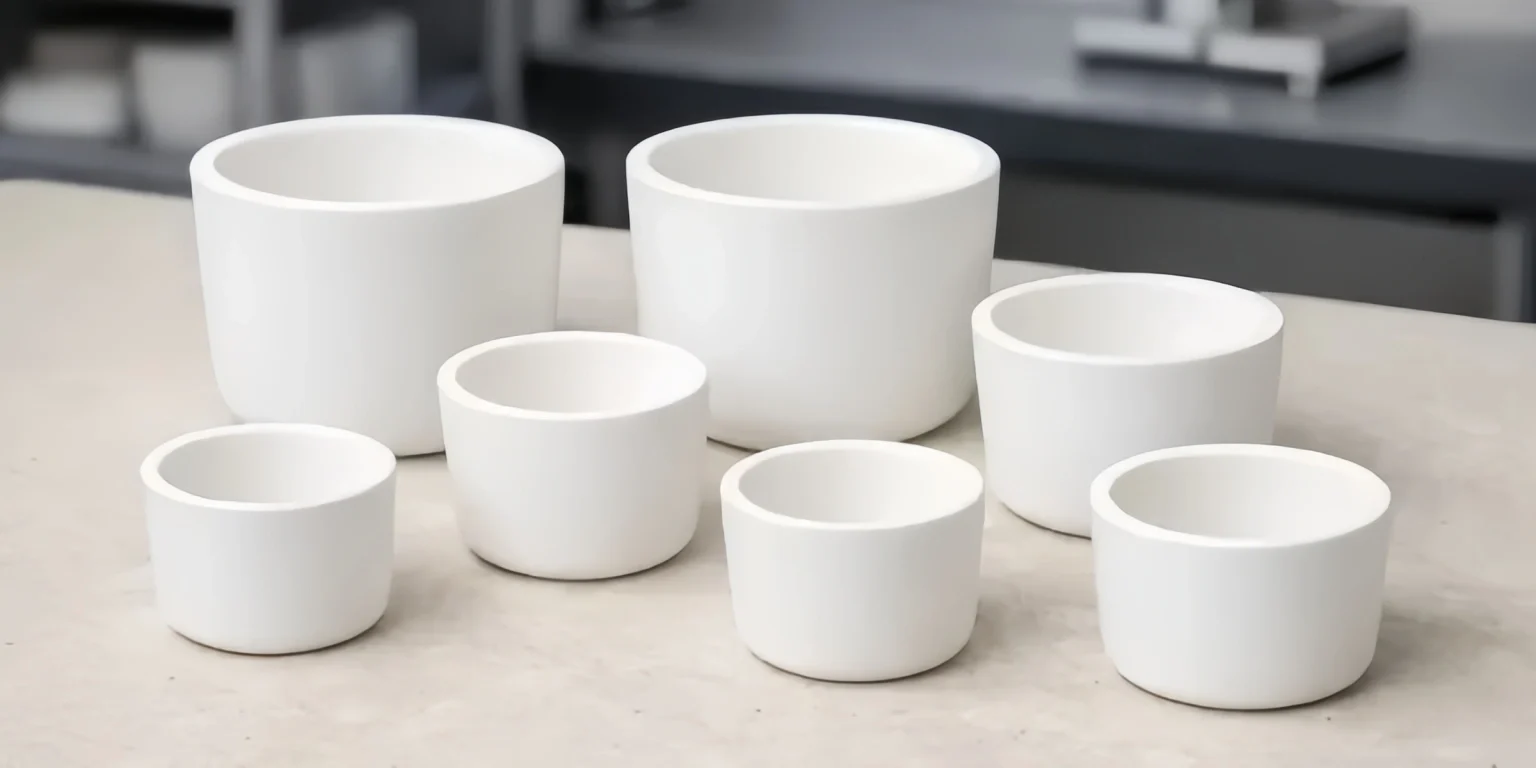
Zirconia ceramic crucibles for laboratory furnace and high-temperature material testing

Max Temp (°C): 2200 ⭐
Thermal Shock: Excellent
Molten Metal Contact: Good (Pt, Pd, Au) ⭐
Chemical Inertness: Excellent
Electrical Insulation: Good
Cost: High
Best For:
Precious metal melting, TGA
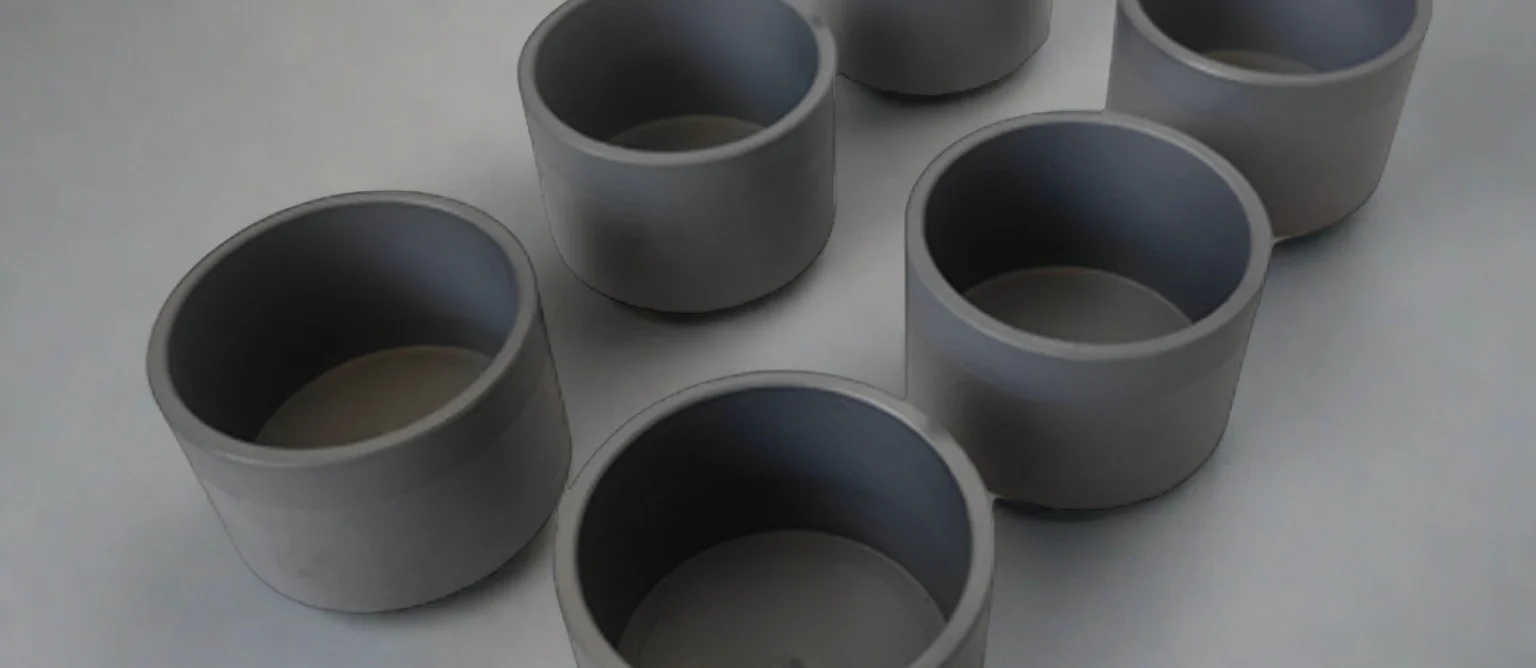
SiC Crucibles with Lids for Controlled Atmosphere

Max Temp (°C): 1380-1600
Thermal Shock: Excellent ⭐
Molten Metal Contact: Good 
Chemical Inertness: Excellent
Electrical Insulation: Semi-conductive
Cost: Medium-High
Best For:
Rapid cycling, metal melting
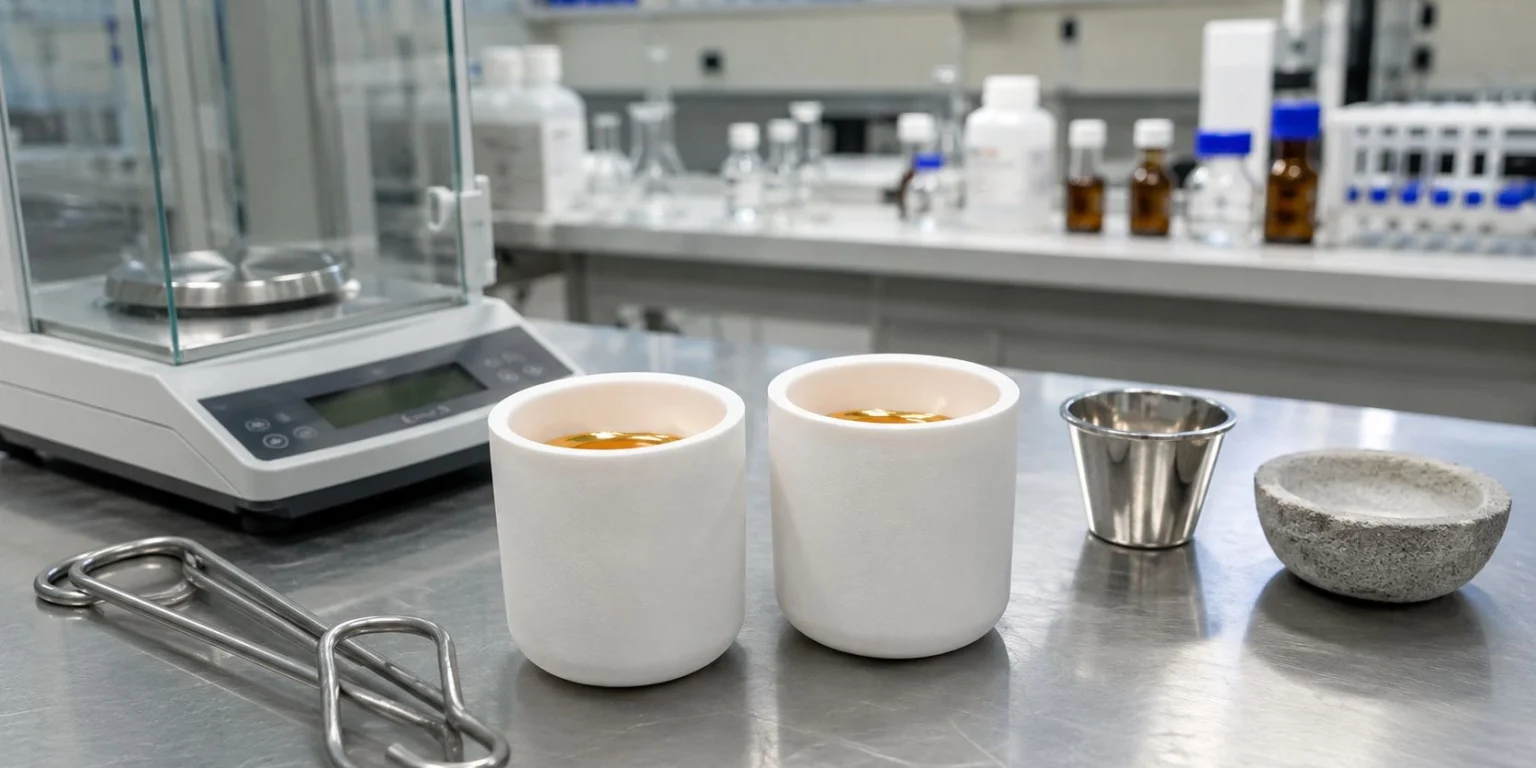
BN boron nitride crucible precious metal gold silver palladium recovery laboratory clean melting low contamination

Max Temp (°C): 1000 (air) / 2300 (vacuum) ⭐
Thermal Shock: Excellent ⭐
Molten Metal Contact: Excellent (non-wetting)⭐ 
Chemical Inertness: Excellent
Electrical Insulation: Excellent⭐
Cost: Very High
Best For:
Reactive metals, silicon, vacuum
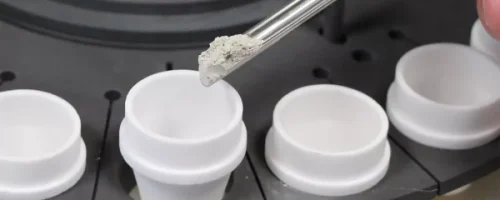
Common Ceramic Crucible Sizes — Quick Reference

Crucible size should be selected based on process volume, loading method, and furnace limitations. Use the table below as a practical starting reference.

Application — Alumina Boat for Combustion Analysis & Thermal Testing
TGA / DSC

Typical Capacity: 70-250 μl
Common Dimensions: Ø5-7mm × 2-4mm H

Laboratory carbonsulfur analysis in action
C/S Analyzer

Typical Capacity: 5-10 ml
Common Dimensions: Ø20-25mm × 15-20mm H

Lab ashing process in muffle furnace
Lab ashing / LOI

Typical Capacity: 10-100 ml
Common Dimensions: Ø30-50mm × 25-40mm H

Powder shedding inspection during zirconia sintering crucible handling
Powder calcination

Various rectangular/cylindrical

Laboratory & R&D Furnaces
Metal melting (small batch)

Typical Capacity: 50-500 ml
Common Dimensions: Ø40-80mm × 50-100mm H

High-temperature lab work in progress in Industrial furnace
Industrial furnace

Typical Capacity: 500-5000+ ml
Common Dimensions: Custom sizes

Properties of Ceramic Crucibles

Ceramic crucibles made from advanced ceramics such as alumina, zirconia, boron nitride and silicon carbide offer a combination of high hardness and wear resistance, excellent chemical stability and strong resistance to oxidation at elevated temperatures.

Alumina Ceramic Crucible

Alumina ceramic crucibles (Al₂O₃) combine high hardness, excellent chemical stability, good thermal shock resistance and reliable electrical insulation at elevated temperatures.

PropertyUnit99% Al₂O₃99.5% Al₂O₃99.6% Al₂O₃99.7% Al₂O₃99.8% Al₂O₃99.9% Al₂O₃99.99% Al₂O₃
Alumina content%9999.599.699.799.899.999.99
Densityg/cm³3.883.893.913.923.933.943.98
Flexural strengthMPa360379312313314315320
HardnessGPa13.514.1 2324252630
Thermal conductivityW/m·K30–353532–3733–3834–3935–4036–42
Thermal shock resistance ΔT°C200222223224225228
Maximum use temperature (no load)°C≤1700≤175017551760176517701800
Coefficient of thermal expansion10⁻⁶/°C8.28.4
Melting point°C≈2050≈2050≈2050≈2050≈2050≈2050≈2050

Zirconia Ceramic Crucible

Zirconia ceramic crucibles (ZrO₂) provide higher maximum temperature capability, superior thermal shock resistance and greater fracture toughness than standard alumina, together with low thermal conductivity and strong corrosion resistance at elevated temperatures.

PropertySpecification
Maximum Working Temperature1500 °C continuous use
Density5.65 g/cm³
Thermal Expansion Coefficient10.3 × 10⁻⁶/K (25–1000 °C)
Thermal Conductivity2.2 W/m·K at 1000 °C
Chemical Stability0.08% mass loss after 24 h acid/alkali exposure at 1200 °C
Flexural Strength900 MPa at room temperature
Fracture Toughness8 MPa·m½
Hardness (Vickers)12 GPa
Elastic Modulus210 GPa

Boron Nitride Ceramic Crucible

Boron nitride ceramic crucibles (BN) offer excellent thermal shock resistance, high-temperature stability, very low wettability to metals and molten silicon, along with good chemical inertness and electrical insulation.

PropertyUnitPyrolytic Boron NitrideHot Pressed Boron Nitride
Purity%99.99%99.50%
Densityg/cm³2.15–2.191.96–2
HardnessHVO.565162
Volume resistivityOhm·cm2×10¹⁴1.2×10¹⁴
Dielectric strengthkV/mm5576
Maximum working temperature°C1000 (air), 2300 (vacuum)900 (air), 1850 (vacuum)
Bending strengthMPa173 (A direction)310
Thermal conductivityW/m·K60 (A direction)55
Tensile strengthMPa112 (A direction)110
Thermal expansion coefficient1/°C6×10⁻⁷1.8×10⁻⁶
Compressive strengthMPa154 (A direction)120

Silicon Carbide Ceramic Crucible

Silicon carbide ceramic crucibles (SiC) feature high thermal conductivity, excellent mechanical strength and strong thermal shock resistance, together with good oxidation and wear resistance at elevated temperatures.

PropertySpecification
Material SystemRBSiC (80% SiC, 20% free Si) / SSiC (≥99% SiC)
Maximum Operating Temperature≤1380°C (RBSiC) / ≤1600°C (SSiC)
Bulk Density3.02 g/cm³ (RBSiC) / 3.10 g/cm³ (SSiC)
Open Porosity<0.1%
Flexural Strength (20°C)250 MPa (RBSiC) / 380 MPa (SSiC)
Flexural Strength (1200°C)280 MPa (RBSiC) / 400 MPa (SSiC)
Compressive Strength1000–2200 MPa
Elastic Modulus330 GPa (RBSiC) / 420 GPa (SSiC)
Thermal Conductivity45 W/m·K (RBSiC) / 74 W/m·K (SSiC)
Thermal Expansion Coefficient4.1–4.5 ×10⁻⁶/K
Hardness2600–2800 kg/mm²
Chemical Stability RangepH 2–12
Oxidation Stability<1% microstructural oxidation after 50 cycles (1000°C → RT)

Types of Ceramic Crucibles

Ceramic crucibles are chosen by both material, shape and use. Here you can quickly compare alumina, zirconia, BN, SiC and multiple forms—cylindrical, rectangular, boat, conical and others—to match your furnace, sample size and process.

Ceramic Crucible Material

Cylindrical alumina crucible, high-form, 100 ml

Alumina Ceramic Crucible

Matched sets with consistent wall and rim geometry, making it easy to scale from tiny lab tests to larger furnace batches.
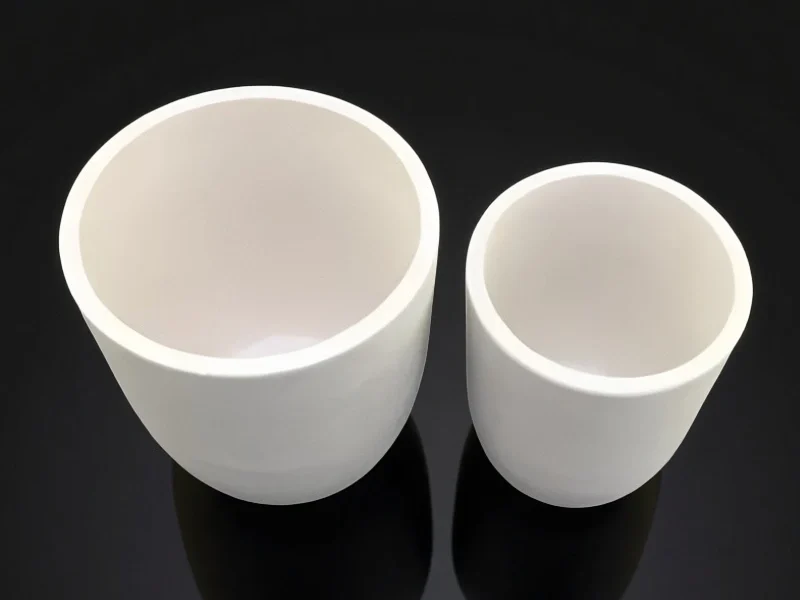
zirconia crucibles

Zirconia Ceramic Crucible

Extra-tough rims and bodies tolerate tighter clamping and frequent handling in demanding R&D or pilot lines.
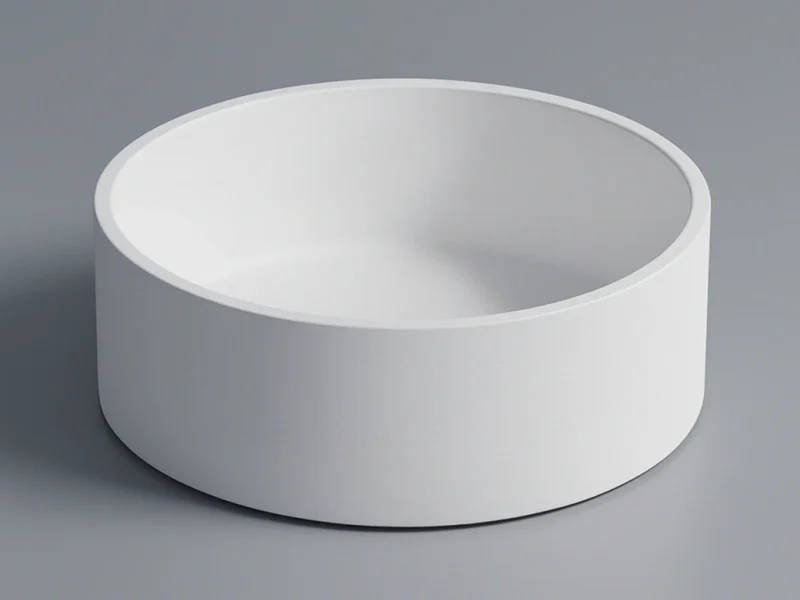
quartz-ceramic-crucible-fused-quartz-melting-lab-industrial

Quartz Ceramic Crucible

Ultra-smooth inner surface and precise flat base give clean release, clear observation and accurate fill control.
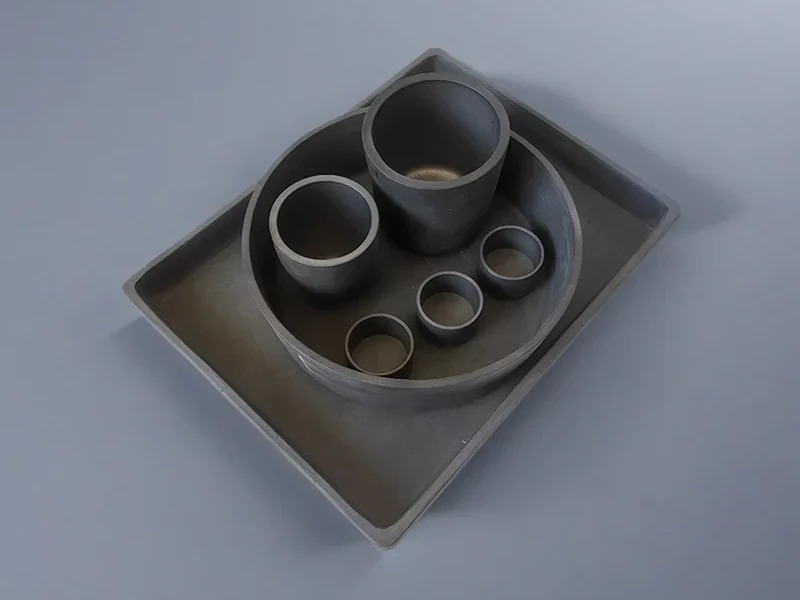
silicon carbide crucibles silicon carbide ceramic

Silicon Carbon Ceramic Crucible

Rigid thin-wall design helps shorten heat-up and cool-down time while keeping the crucible stable over repeated cycles.
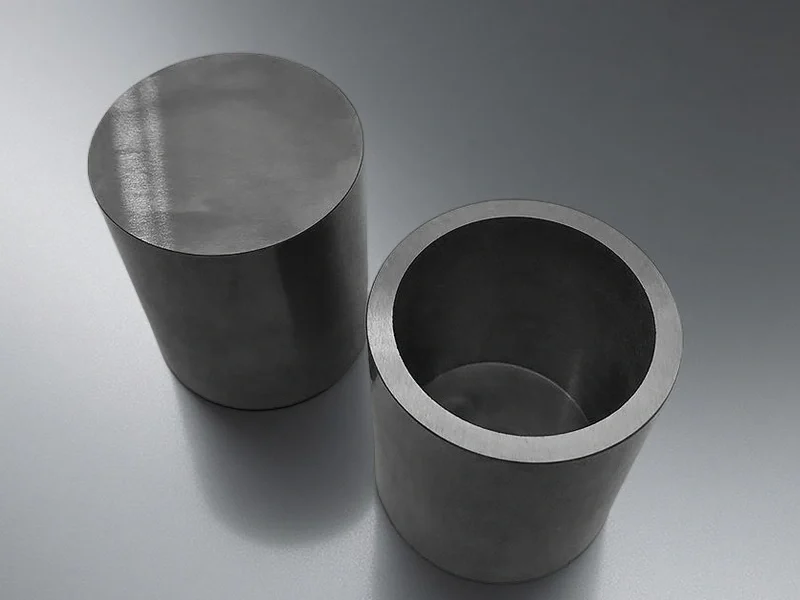
si3n4 ceramic crucible

Silicon Nitride Ceramic Crucible

Lightweight but strong bodies reduce furnace thermal mass and make manual loading and unloading easier.
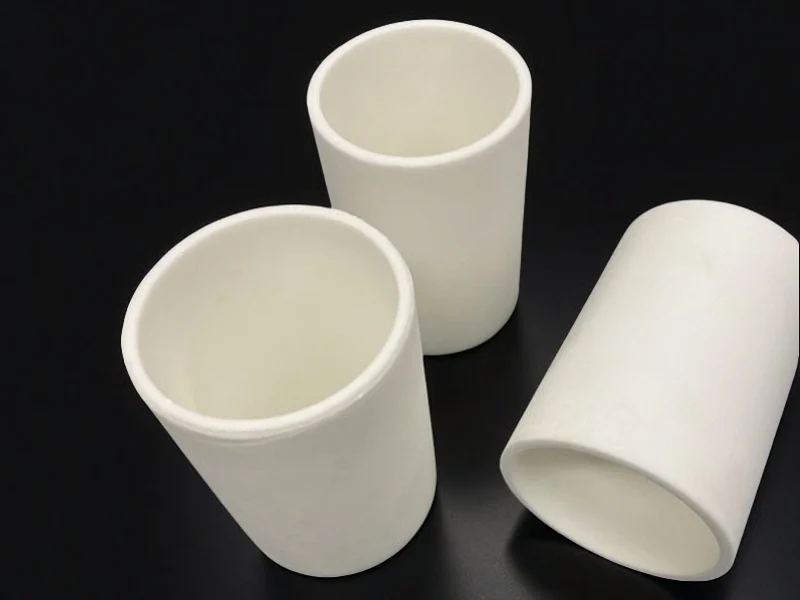
MgO crucible for alkaline melts and specialty glass trials

Magnesia Ceramic Crucible

Optimised for basic oxide and slag environments, helping maintain crucible shape and volume over long campaigns.
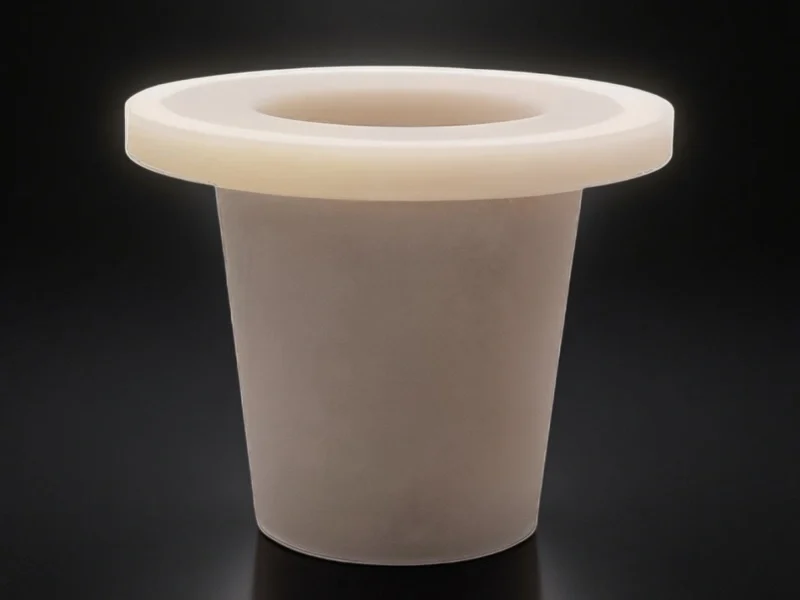
AIN ceramic crucible

Aluminum Nitride Ceramic Crucible

Wide locating flange and high heat-spreading body help keep temperature uniform across the whole melt zone.
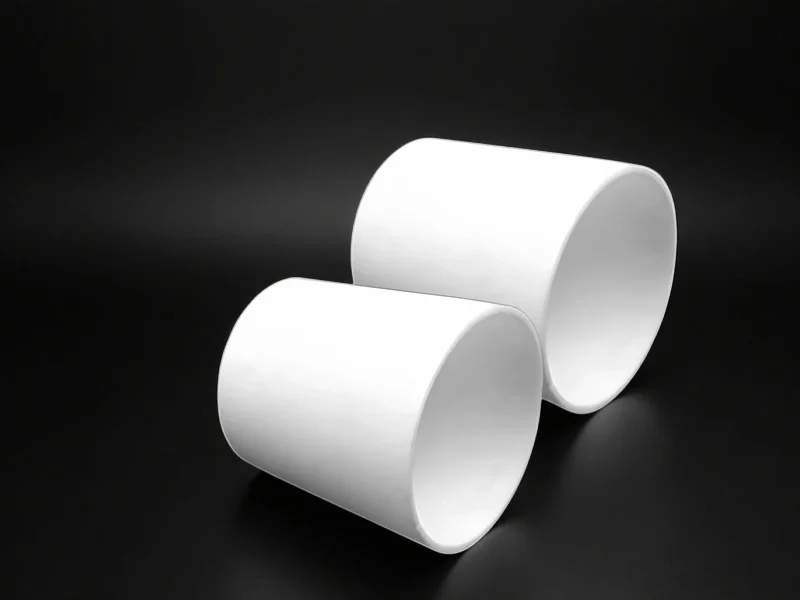
beryllium-oxide-crucible-ADCERAX

Beryllium Oxide Ceramic Crucible

Slim, light walls with very high heat transfer minimise thermal gradients in compact high-power test setups.
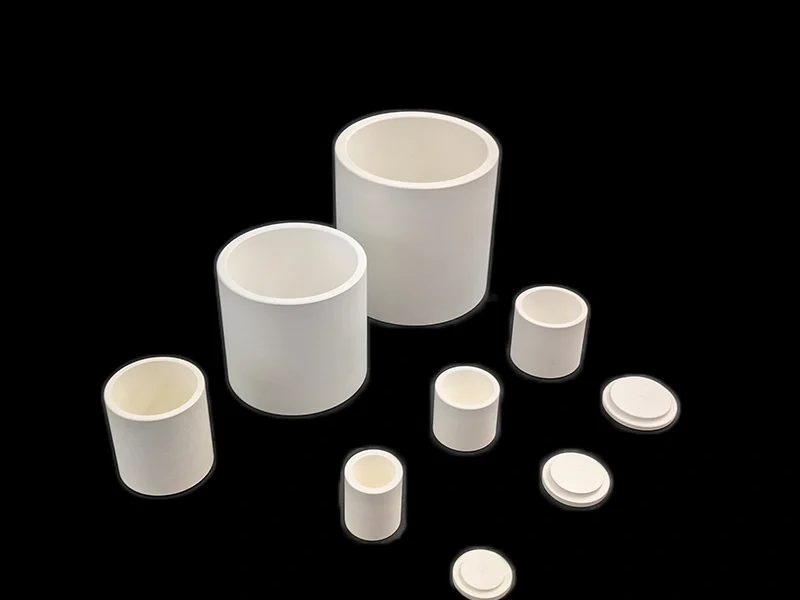
Boron Nitride Cylindrical Crucible

Boron Nitride Ceramic Crucible

Naturally non-wetting inner surface lets melts release cleanly, cutting scrap and simplifying post-process cleaning.
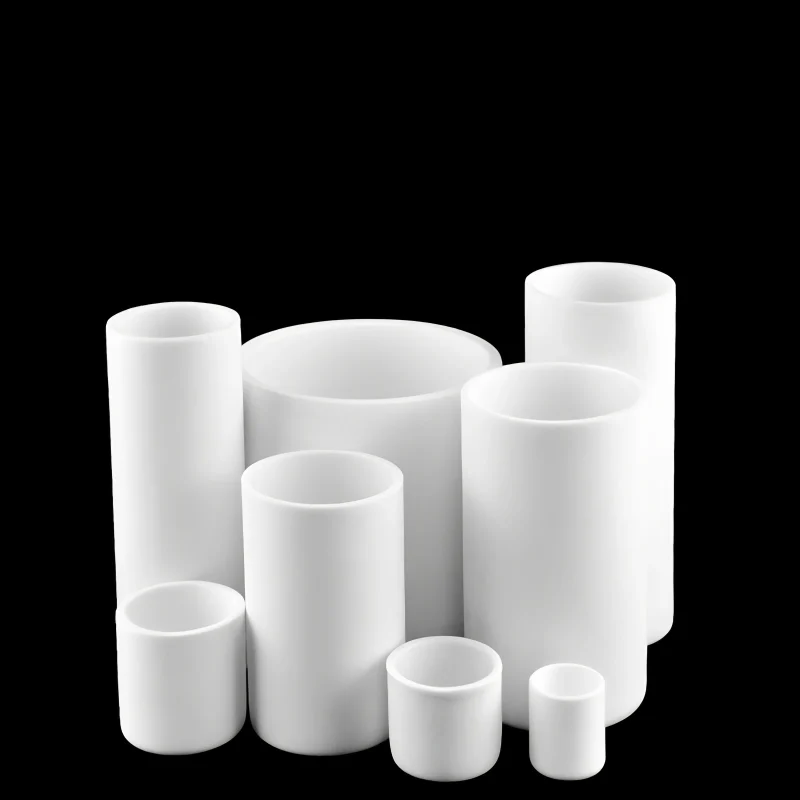
Ceramic Crucible Shape

50 ml 99.7 percent cylindrical alumina crucible for high-temperature lab furnace use

Cylindrical Ceramic Crucible

Symmetrical walls give even heating and strong mechanical support, while straight sides make tongs handling simple and repeatable.

Rectangular alumina crucibles with cover for laboratory and pilot furnace use

Ceramic Rectangular Crucible

Flat bottoms and long straight walls maximise usable surface area, ideal for spreading powders or aligning parts in rows.

Trapezoid alumina crucibles for laboratory ash analysis

Trapezoid Ceramic Crucible

Tapered sides make loading, scraping and pouring easier, and allow crucibles to nest compactly to save furnace space.

Customize 99%-99.6% Purity (Al₂O₃ )Alumina Crucible with Mouth&spout

Ceramic Crucible with Spout

Curved lip focuses flow into a narrow stream, giving smoother, drip-free pouring into moulds or vials.

close-up of round bottom radius and laser ID on alumina boat

Semicircular Ceramic Crucible

Shallow, rounded profile spreads material in a thin layer, making heating uniform and scraping or sampling very easy.

Customize Point Bottom Alumina Crucible -Process As the Drawings or Samples

Point Bottom Ceramic Crucible

Shallow, rounded profile spreads material in a thin layer, making heating uniform and scraping or sampling very easy.
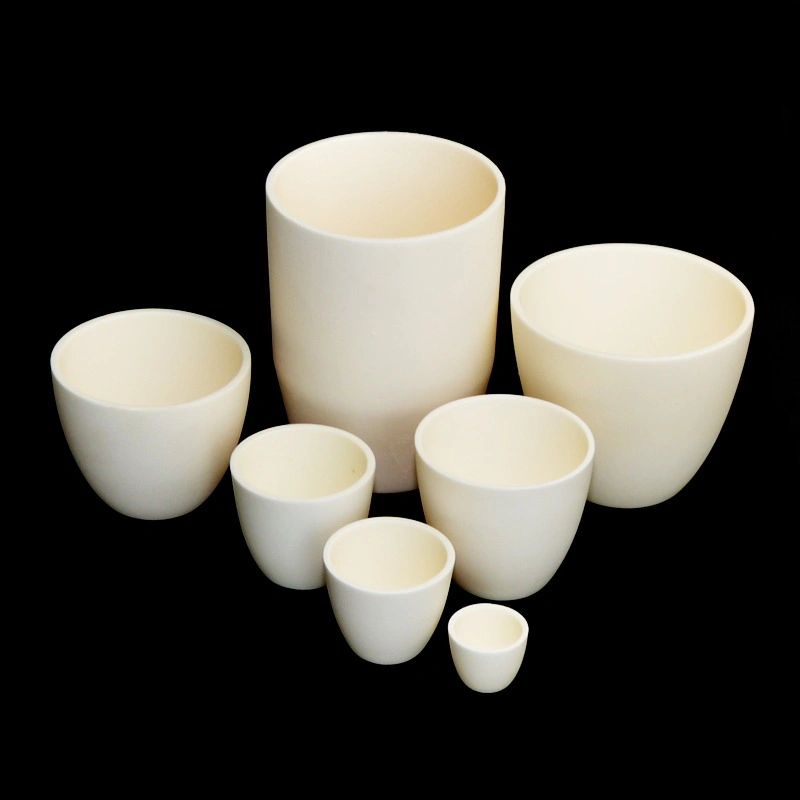
Conical alumina crucible, tapered wall, 100 ml

Alumina Conical Crucible

Tapered walls concentrate material at the bottom, improving heat focus and making complete pouring and scraping easier.

customized alumina ceramic boat deep cavity for combustion

Ceramic Boat Crucible

Elongated, shallow channels spread powders in a thin bed, giving very uniform gas contact along the furnace path.
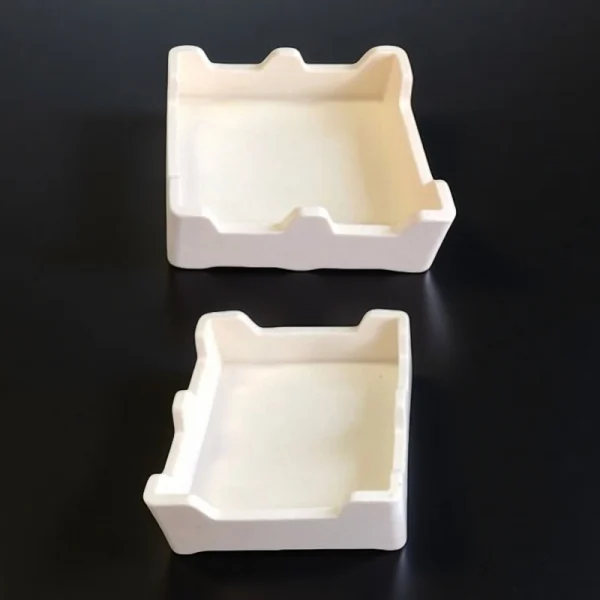
Ceramic Flat Crucible

Ceramic Flat Crucible

Reinforced corners and low profile support heavier loads while keeping parts stable during stacking and conveyor handling.

Ceramic Crucible Uses

supply tga alumina crucible wholesalers

TGA Ceramic Crucible

Used in thermogravimetric analyzers to hold tiny powder or film samples securely so mass change can be tracked through controlled heating.

dsc alumina crucibles 70 µL flat-bottom pan with lid

DSC Ceramic Crucible

Used in thermogravimetric analyzers to hold tiny powder or film samples securely so mass change can be tracked through controlled heating.
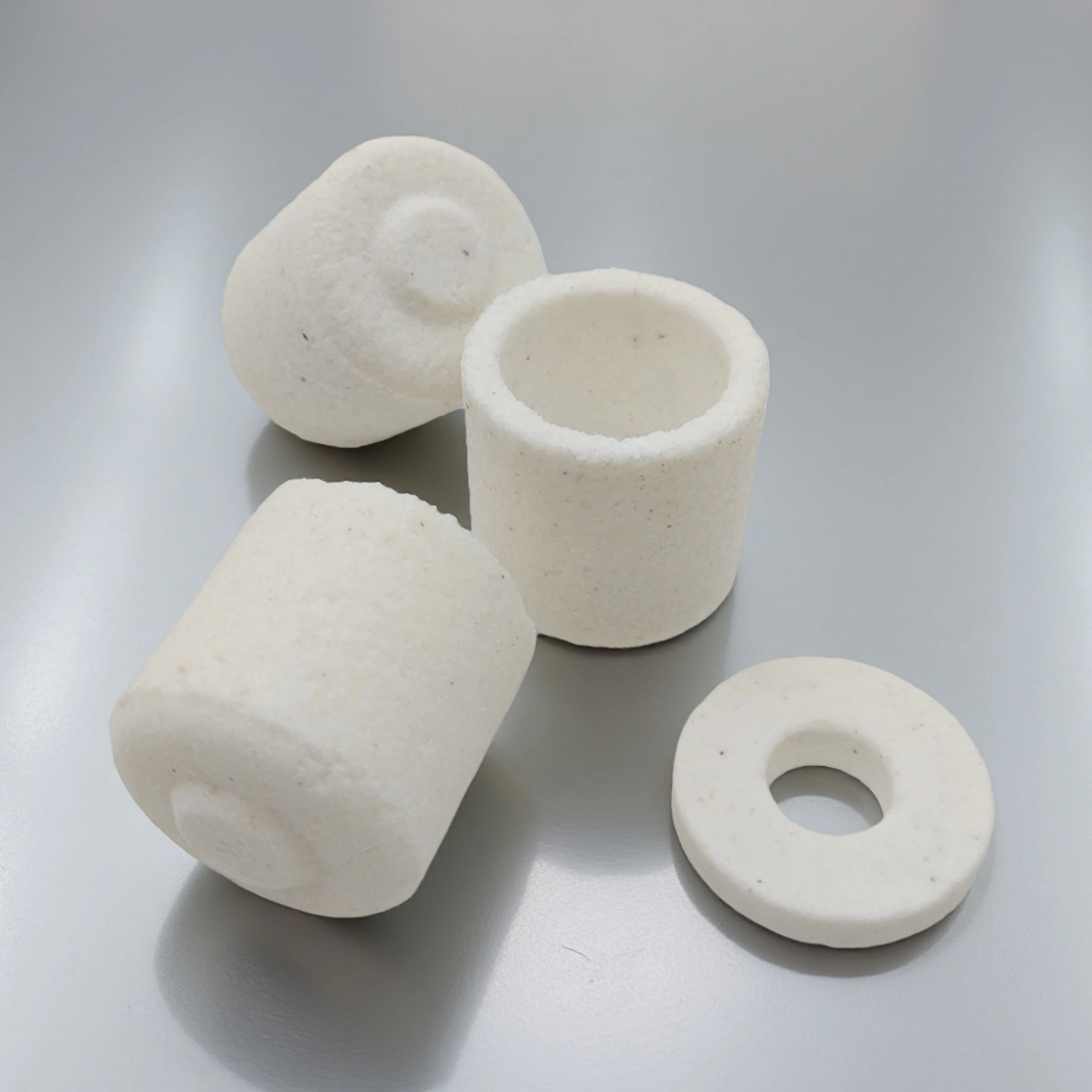
Standard sizes of carbon sulfur ceramic crucible for autosampler seating consistency

Ceramic Crucible for C/S Analyzer

Matched to carbon/sulfur analyzers where its porous, shaped body promotes complete combustion of steel, alloy or coal samples for C/S determination.
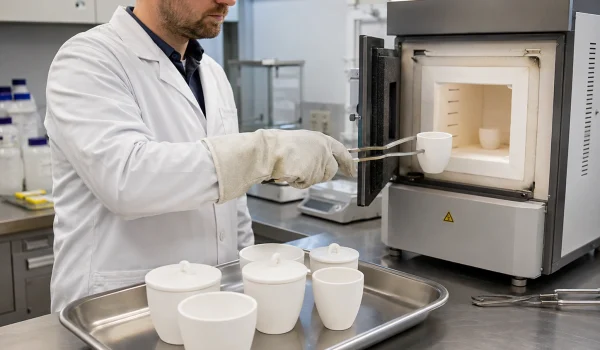
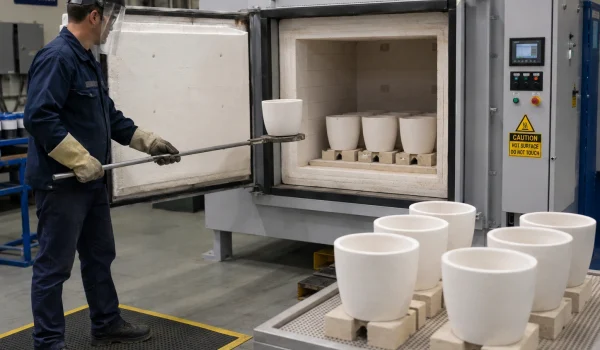
❓ Not Sure Which Ceramic Crucible Fits Your Process?

Share your drawing and operating conditions—temperature range, furnace type, atmosphere, chemistry and batch volume—and we’ll recommend the most suitable ceramic crucible material and design, together with a manufacturable solution you can qualify and repeat.

Applications of Ceramic Crucible

Ceramic crucibles support laboratory analysis, powder processing, melting and industrial furnace operations. Each application requires the material and shape to be matched to temperature, atmosphere, process chemistry, thermal cycle and equipment fit.

Alumina ceramic crucibles used for laboratory ashing and analytical testing

Laboratory & Analytical Testing

Small ceramic crucibles are used for TGA, DSC, carbon and sulfur analysis, ashing, LOI and other laboratory heating procedures. Selection should consider instrument compatibility, sample chemistry, purity, lid requirements and the heating program.

Large alumina ceramic crucibles loaded into an industrial electric box furnace

Industrial Furnace Processing

Ceramic crucibles support repeated thermal processing in tube, muffle, box and other industrial furnaces. Confirm furnace dimensions, loading and support method, working atmosphere, heating cycle, required capacity and handling conditions.

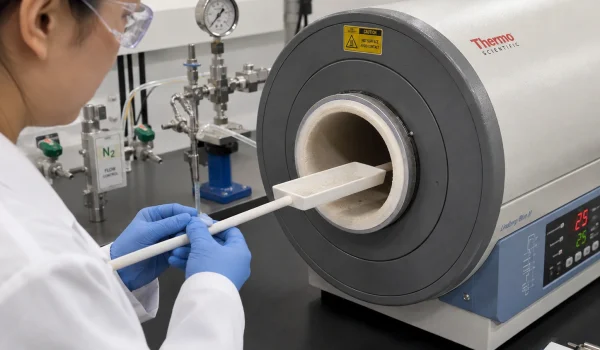
Alumina ceramic boat carrying powder into a horizontal tube furnace

Powder Processing

Cylindrical, rectangular and boat-shaped crucibles are used for powder calcination, sintering and heat treatment. Key considerations include sample depth, gas flow, atmosphere, thermal cycling and possible reactions between the powder and ceramic.

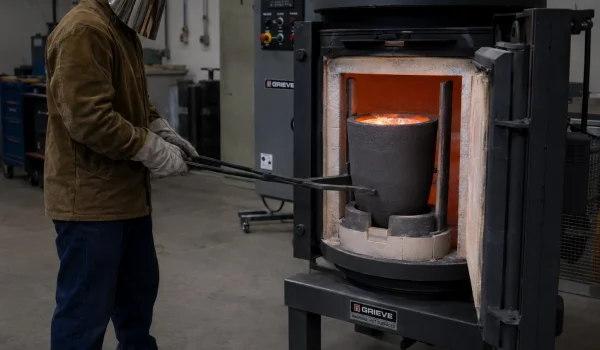
Silicon carbide crucible used for small-batch non-ferrous metal melting

Metal & Glass Melting

Alumina, zirconia, silicon carbide and boron nitride crucibles serve different metal and glass melting conditions. Material selection depends on melt chemistry, flux, atmosphere, temperature, holding time, wetting behavior and contamination limits.

Custom Ceramic Crucibles for Your Process

ADCERAX reviews ceramic crucible material, shape, capacity, wall thickness, lids, spouts, holes and furnace fit against your drawing and operating conditions. Send a drawing, existing-part photo or target dimensions to begin a manufacturability review.

Customization Options

Special Dimension

Extra-large / Extra-small diameters, non-standard thicknesses, and ultra-long / ultra-short lengths.

Precision Tolerance

Provide higher - level dimensional accuracy and concentricity control than the standard.

Complex Shapes

Flanges, steps, threads, drilling holes, grooves, etc.

Special Purity

Adjust the material according to the application requirements.

Surface Finish

Polish and grind the surface to achieve a specific surface roughness.

Customization Process

Requirement Submission

Send us your drawing, CAD file, or physical sample with material grade, dimensions, tolerances, and quantity. Our engineers will evaluate the design and provide a detailed quotation with lead time and pricing.

Confirm Order & Prototype

Once the quote is approved, we proceed with sample prototyping (1–50 pcs) if needed, for testing and validation.

Mass Production & Quality Control

After sample approval or direct confirmation, we begin batch manufacturing using CNC machining, sintering, and polishing. All parts undergo dimensional checks, material purity testing, and surface finish inspection.

Packaging & Global Delivery

Finished products are securely packed and shipped via DHL/FedEx/UPS or your preferred method. We support global delivery with full documentation.

How We Manufacture Ceramic Crucibles for Your Process

ADCERAX manufactures standard and custom ceramic crucibles in alumina, zirconia, silicon carbide, boron nitride and other technical ceramics. Each request is reviewed from material selection and forming feasibility through sintering, finishing, dimensional inspection and repeat-production requirements.

Material and Application Review

We review operating temperature, atmosphere, sample or melt chemistry, thermal cycle and contamination requirements before recommending a ceramic material route.

Forming and Custom Geometry

Drawings, existing-part samples or target capacities can be reviewed for cylindrical, rectangular, lidded, spouted, holed and ceramic boat forms, including wall, rim and equipment-fit requirements.

Sintering and Finishing

The forming and sintering route is selected according to the ceramic material and crucible geometry. Deburring, machining, glazing or polishing is applied only where the material and application require it.

Inspection and Repeat Supply

Dimensions, wall and rim condition, lid fit and visible defects are checked against the confirmed drawing or specification to support consistent repeat orders.

Professional Ceramic Crucible Factory-ADCERAX

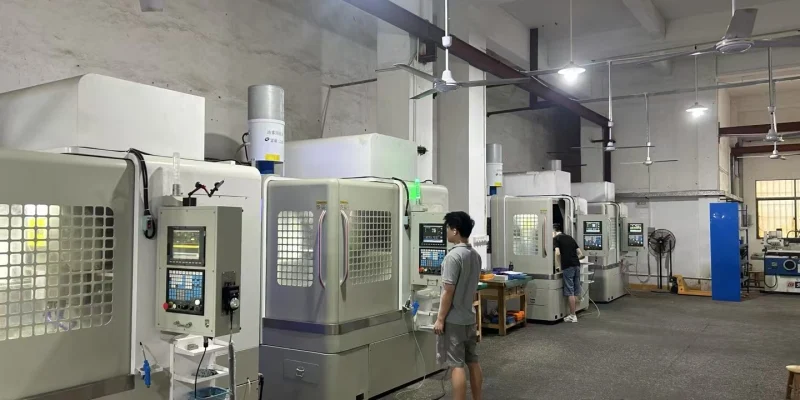
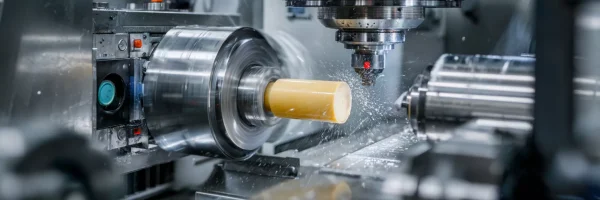
Our in-house CNC machining workshop ensures high-precision alumina ceramic production with fast turnaround.

ADCERAX has been engaged in advanced ceramics for over 20 years and has developed more than 2,000 types of high-temperature components, with a strong focus on ceramic crucibles made from alumina, zirconia, boron nitride, silicon carbide, aluminum nitride and related materials.

We supply both custom and standard ceramic crucibles for laboratory use, muffle and box furnaces, metal and glass melting and other thermal processes, exporting to more than 50 countries and supporting industrial users and OEMs that require stable, low-contamination and long-life crucible performance.

Ceramic Crucible Processing Strength

ADCERAX completes every step, from forming to diamond machining, to keep crucible walls and rims consistent. Tuned sintering profiles and 100% visual checks for cracks or chipping give you strong, thermal-shock-resistant crucibles that run reliably over many furnace cycles.

CNC Forming Stability & Wall Thickness Control

Dimensional accuracy for ceramic crucible bowl is achieved through CNC-assisted forming and machining, keeping wall thickness, roundness and base flatness within tight, repeatable tolerances for reliable furnace loading.

Wall Thickness Consistency

Holding crucible wall variation within ±0.2 mm for stable heating and cooling.

Roundness & Flatness Control

Controlling mouth roundness and base flatness to ensure smooth stacking and contact with supports.

Lid and Crucible Fit Matching

Machining rims so lids and bodies mate correctly, improving sealing and handling strength.

CNC Grinding Stability & Micron Tolerance

Clean, Low-Contamination Surface Finishing

Internal and external crucible surfaces are refined to reduce residue build-up, minimise contamination and limit micro-cracks, helping each firing cycle stay stable and easy to clean.

Refined Inner Surface

Optimised Ra reduces sample adhesion while preserving suitable wetting in melts and slurries.

Edge & Rim Deburring

Removing sharp rims and micro-chips to lower breakage risk during loading and tongs handling.

Optional Glazing or Polishing

Applying selected finishes where lower porosity or easier cleaning is required.

Sub-Micron Polishing for Functional Surfaces

Sintering for Service Life & Thermal Shock Resistance

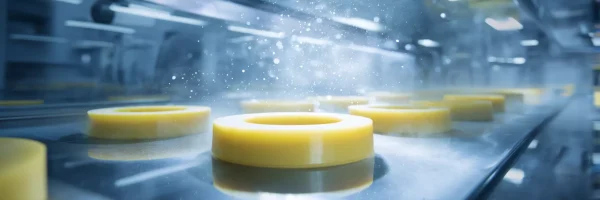
Microstructure density and strength in ceramic crucibles are developed through controlled high-temperature sintering cycles, tuned to each material system for long life under repeated firing.

Programmable Kiln Profiles

Matching soak times and peak temperatures to alumina, zirconia, BN or SiC crucible materials.

Thermal Shock Optimisation

Managing ramp and cool-down rates to balance strength, density and resistance to cracking.

High-Density Fired Bodies

Low open porosity improves chemical stability and cuts contamination over many cycles.

High-Temp Sintering for Microstructure Integrity

FAQs About Ceramic Crucibles

Start with the operating temperature, atmosphere, sample or melt chemistry, flux, thermal cycle and contamination limits. Alumina, zirconia, silicon carbide, boron nitride and quartz each suit different operating conditions.

There is no single maximum temperature for every ceramic crucible. The usable temperature depends on the material grade, atmosphere, dwell time, load, geometry and process chemistry.

A ceramic crucible is the broader high-temperature container family. A ceramic boat is generally shallow and elongated for tube furnaces, combustion analysis and thin powder layers.

A lid can help reduce splashing, evaporation and external contamination, but it does not create a sealed atmosphere. A spout supports controlled pouring and must be matched to the melt chemistry and crucible geometry.

Yes, selected ceramic materials can be used for metal, alloy or glass melting. Selection depends on the melt, flux, atmosphere, temperature, holding time, wetting behavior and contamination requirements rather than the material name alone.

Ceramic crucibles are commonly considered for oxidizing or contamination-sensitive processes. Graphite offers high thermal conductivity and thermal-shock resistance but may oxidize in air at elevated temperatures.

Common causes include rapid heating or cooling, local hot spots, incompatible sample or melt chemistry, penetration by molten material, mechanical impact and unstable furnace support.

Allow the crucible to cool gradually and use a cleaning method compatible with both the ceramic and the residue. Avoid quenching, hard impact and aggressive grinding, and do not reuse a crucible with cracks, chips or persistent contamination.

Ceramic Crucible RFQ Checklist

Include the following details for a more accurate material, manufacturability and quotation review:

A drawing, existing-part photo or basic dimensions are enough to get started. We can confirm the remaining details during the review.

*Our team will answer your inquiries within 24 hours.

*Your information will be kept strictly confidential.

E-mail

info@adcerax.com

Contact us

Tel:+86-0731-84428843
WhatsApp:+86 19311583352

Response Time

Within 24 hours

Get Your Custom Solution

The more details you provide, the faster we can respond.

customize size

*We respond within 24 hours. All inquiries are confidential.

Quick Quote

The more details you provide, the faster we can quote.

*We respond within 24 hours. All inquiries are confidential.

Download Catalog