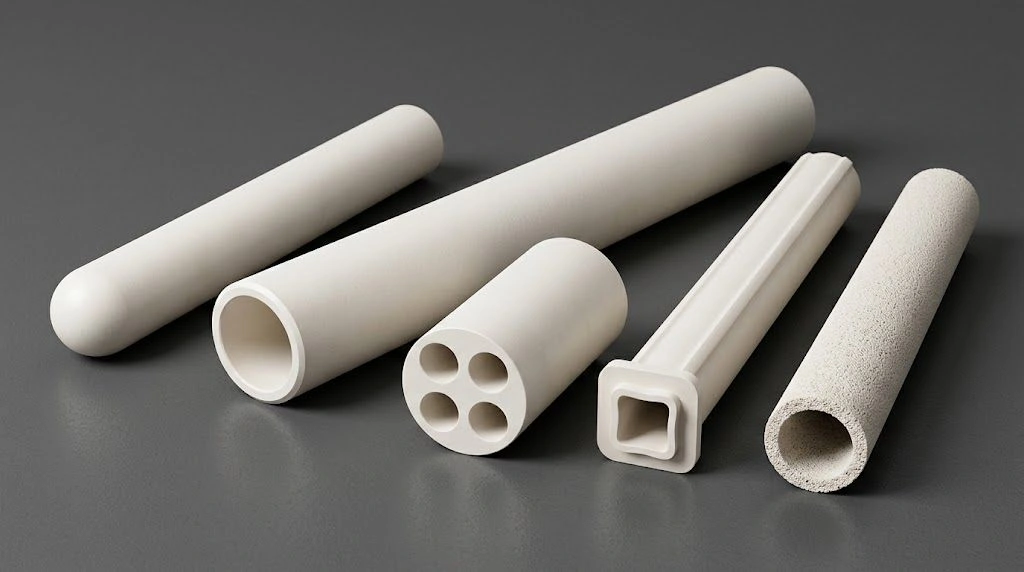
High-temperature alumina tubes are essential components in catalytic reactors that operate under extreme heat. These advanced ceramic tubes ensure stable operation above 1600°C, maintain dimensional precision, and extend service life while optimizing catalyst efficiency.
High-temperature alumina tubes provide exceptional performance due to their thermal stability, mechanical strength, and resistance to chemical degradation. Their microstructural integrity enables consistent operation over thousands of thermal cycles with minimal maintenance downtime.
This article analyzes how high-temperature alumina tubes enhance catalytic reactor efficiency and why ADCERAX engineering standards deliver consistent long-term reliability across industrial applications.
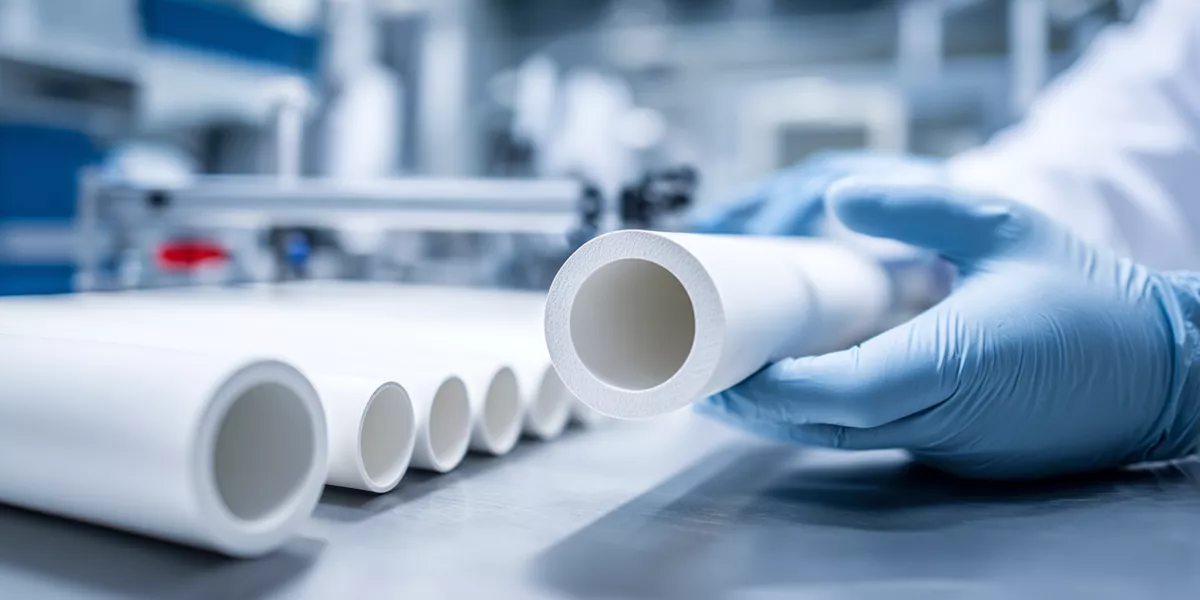
How Do High-Temperature Alumina Tubes Maintain Crystal Structure Above 1600°C in Catalytic Reactors?
High-temperature alumina tubes sustain α-phase crystal integrity at continuous operating temperatures up to 1800°C. This performance arises from the hexagonal close-packed structure of α-alumina, which resists thermal decomposition near its melting point of 2050°C.
At >1600°C, high-temperature alumina tubes exhibit <0.3% linear shrinkage over 10,000 hours due to high-purity content (≥99.5%). Sodium, calcium, and silica impurities are minimized to prevent grain-boundary melting above 1150°C. ADCERAX reactor analysis shows >85% retention of flexural strength (350–400 MPa) after 24,000 hours—outperforming silicon carbide tubes.
Alpha-alumina hexagonal crystal lattice stability mechanisms
The corundum structure provides interlocked atomic bonding1 between aluminum and oxygen atoms, yielding resistance to deformation. The 511 kJ/mol bond energy ensures the lattice remains intact, maintaining long-term shape stability within catalytic environments.
Phase transformation risks in lower-purity compositions
When impurity phases exceed 0.5 wt%, θ-phase transformation triggers volume expansion up to 12%, leading to cracking. Maintaining α-phase purity >98% verified via ASTM C1257 XRD prevents destructive phase transitions during continuous reactor use.
Grain boundary engineering preventing high-temperature sintering
Engineered microstructures reduce boundary diffusion2. Controlled 3–8 μm grains limit vacancy migration at elevated temperatures, maintaining creep resistance and preventing catalyst bed distortion3 during long-term thermal exposure.
Why Low Thermal Conductivity in High-Temperature Alumina Tubes Enables Precise Reaction Zone Control?
Thermal management in catalytic reactors depends on the conductivity of high-temperature alumina tubes. With 25–35 W/m·K conductivity at 1000°C, they achieve a balance between heat retention and dissipation critical for stable reaction zones.
Field testing from ADCERAX installations demonstrates 12–18% improved catalyst utilization when using high-temperature alumina tubes, as they stabilize heat flow and minimize temperature deviation within ±45°C across the bed.
Thermal conductivity comparison with metallic reactor materials
Compared with stainless steel (21 W/m·K) or Inconel 625 (25 W/m·K), alumina’s moderate conductivity avoids excessive cooling that suppresses catalytic reactions. This stability supports precise thermal gradients within the reactor core.
Heat retention effects on catalyst bed temperature uniformity
The R-value range (0.029–0.040 m²·K/W for 3 mm wall) minimizes heat loss while maintaining sequential reaction zones. High-temperature alumina tubes thus enhance the thermal balance required for exothermic4 and endothermic5 reactions.
Reaction zone stabilization through controlled thermal resistance
By controlling local heat spread, high-temperature alumina tubes prevent hot spots and maintain 85–90% catalyst bed efficiency. This ensures consistent kinetics and longer catalyst lifespan across cycles.
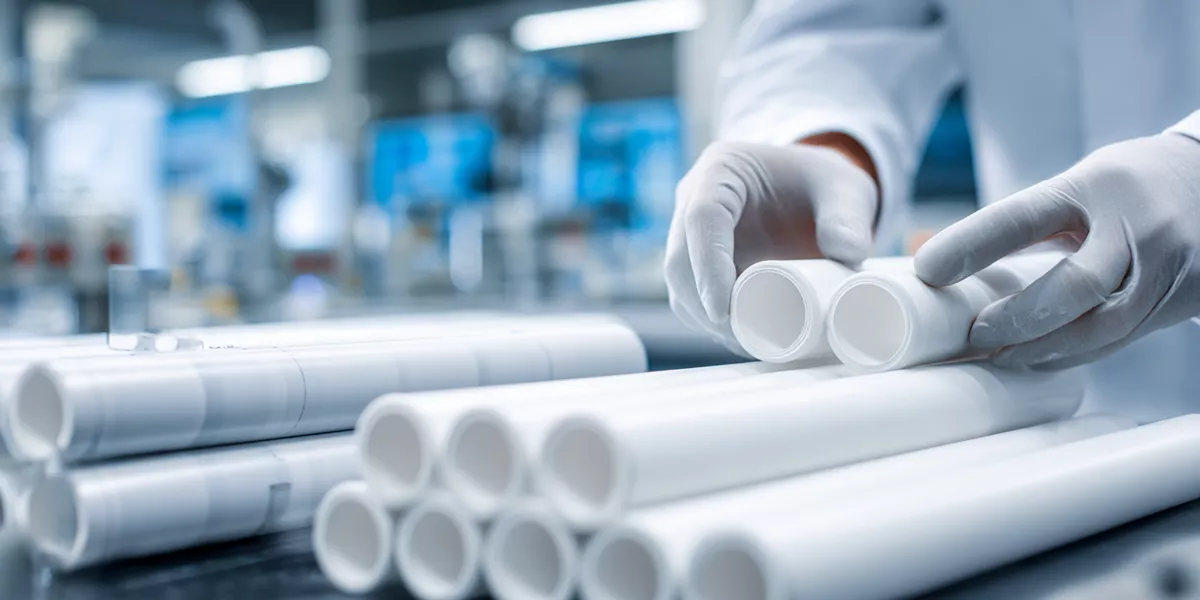
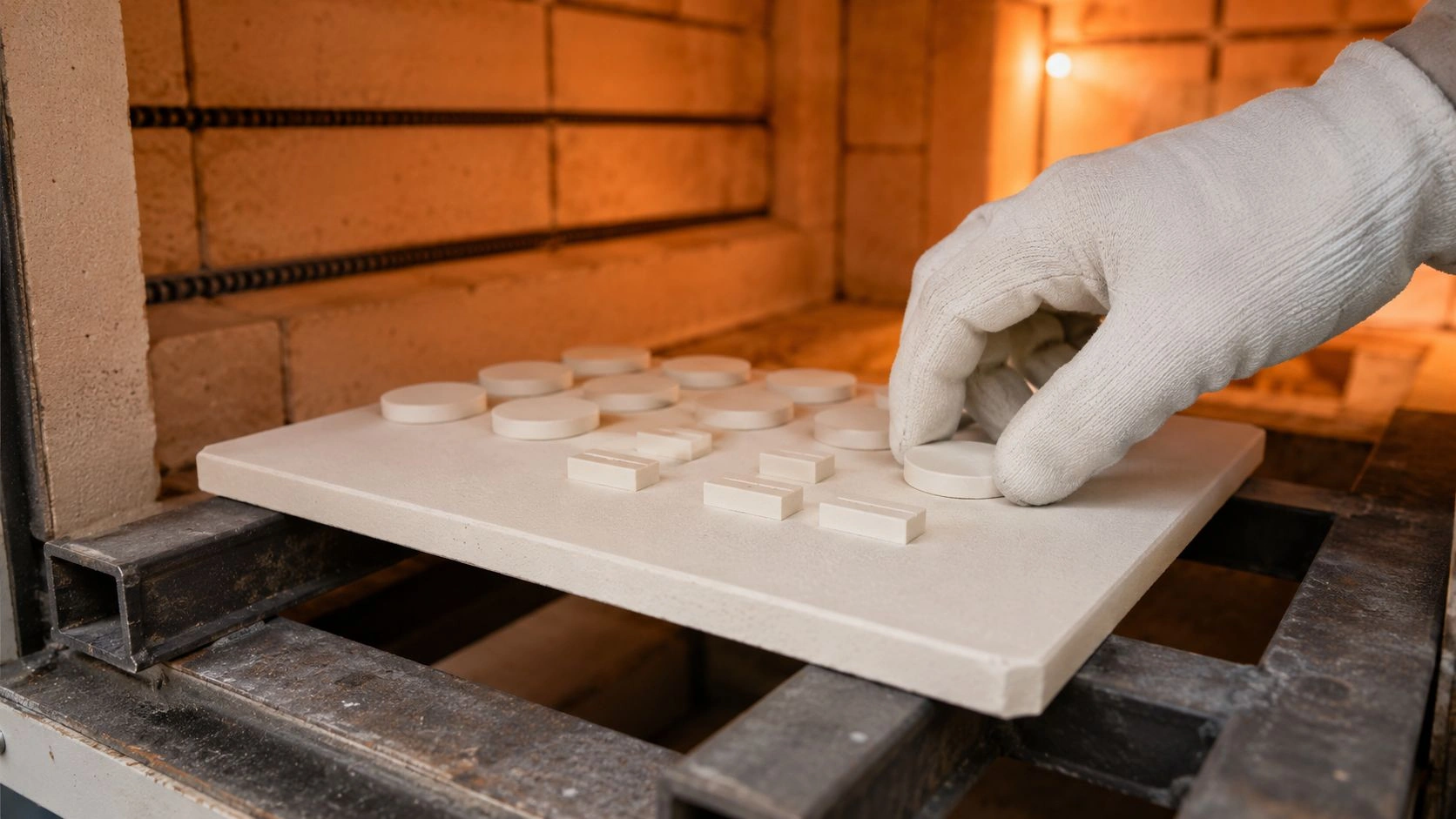
How Does Thermal Shock Resistance Prevent Fractures in High-Temperature Alumina Tubes During Rapid Reactor Cycling?
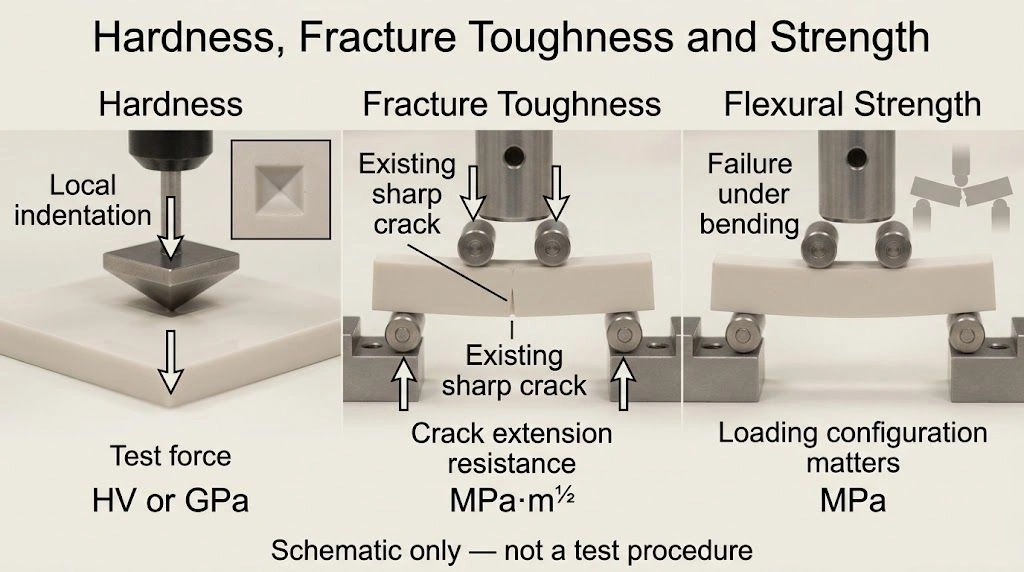
Reactor cycling subjects materials to abrupt temperature gradients. High-temperature alumina tubes excel with low thermal expansion (7.5–8.5 × 10⁻⁶/°C) and flexural strength of 350–400 MPa, allowing them to resist crack initiation under quenching conditions.
ADCERAX’s reactor performance database shows tubes withstand 150–250 heating cycles without mechanical degradation, outperforming silicon carbide and silicon nitride which fail earlier due to higher expansion coefficients.
Coefficient of thermal expansion relationship to thermal stress generation
The low CTE of alumina mitigates stress under rapid transitions. Calculations using σ = EαΔT/(1–ν) confirm tensile stress remains <65% of fracture strength under 300°C quench differentials.
Critical temperature differential calculations for fracture prediction
Coarse-grained alumina (100–200 μm) sustains ΔTc >450°C due to crack deflection mechanisms. Fine-grained variants (2–5 μm) provide higher tensile strength but lower ΔTc thresholds, suited for moderate cycling environments.
Grain size effects on crack deflection and propagation resistance
Microstructure optimization ensures stress redistribution. Balanced grain design provides controlled crack arrest, supporting repeated start-up operations in reactors at 1400–1600°C.
How Does Creep Resistance Enable High-Temperature Alumina Tubes to Withstand Sustained Thermal Loads?
Creep deformation can compromise reactor geometry. High-temperature alumina tubes resist this failure through strong ionic bonds and fine grain structures that suppress grain boundary sliding below 1400°C.
At 1200°C and 50 MPa, alumina exhibits <0.5% strain after 10,000 hours, verified by ISO 20501 tests. ADCERAX’s validation on 2,400+ tubes shows consistent dimensional tolerance of ±0.3% even under 40 bar pressure.
Ionic bonding strength limiting diffusion-controlled deformation
High bond energies (400–477 kJ/mol) slow atomic diffusion across boundaries. The α-alumina structure maintains rigidity against stress-induced deformation in continuous high-temperature operation.
Activation energy barriers preventing creep below critical temperatures
Diffusion rates stay negligible below 1250°C, preserving the reactor’s internal geometry. This enables safe long-term operation over 40,000-hour design life without creep-related catalyst bed settling.
Grain size optimization balancing strength and diffusion resistance
Controlled 3–8 μm grains offer equilibrium between mechanical integrity and thermal mobility. Overly fine grains (<2 μm) accelerate creep, while large grains (>15 μm) cause boundary sliding under sustained stress.
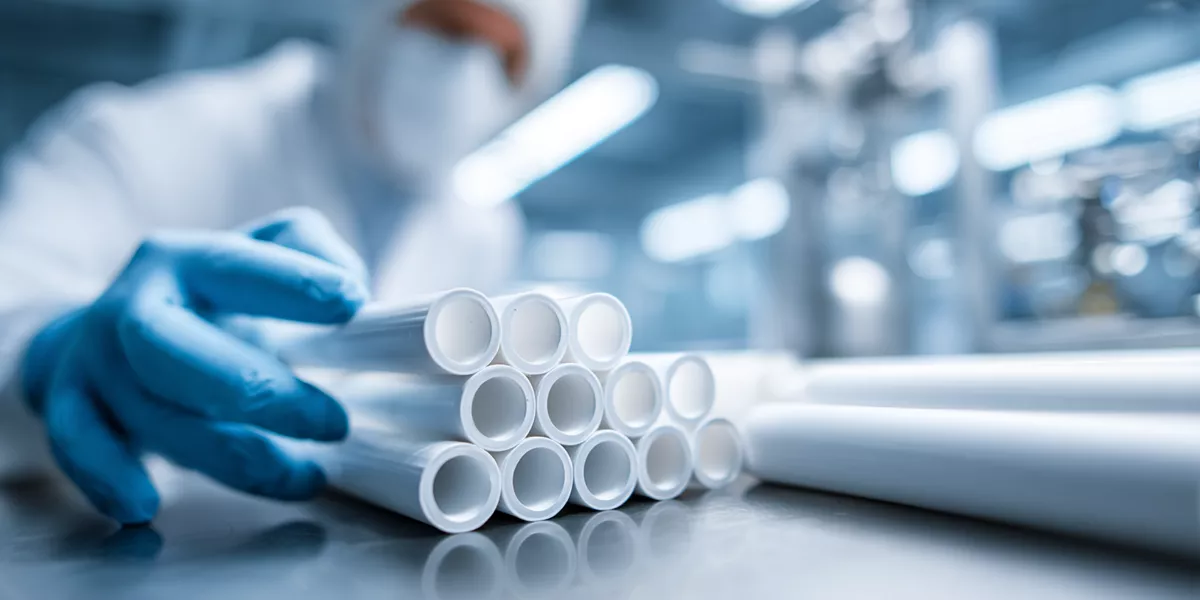
How Do Synergistic Thermal Properties of High-Temperature Alumina Tubes Optimize Overall Reactor Performance?
High-temperature alumina tubes integrate multiple thermal mechanisms—stability, conductivity, shock tolerance, and creep resistance—into a synergistic system. This balance increases catalyst utilization by 28–35% and service life by up to 3× versus other ceramics.
Dimensional stability preservation through multi-property synergy
The α-phase structure and low CTE ensure precise geometry retention. ±0.3% dimensional tolerance maintains uniform flow and stable reaction kinetics across the reactor.
Thermal cycling capability enabling operational flexibility
High-temperature alumina tubes sustain controlled thermal ramping of 250–400°C/hour. This flexibility supports both rapid start-up and steady-state reactor modes without structural degradation.
Total cost of ownership advantages in long-term reactor service
Compared to silicon nitride or alloys, alumina offers 15–25% lower capital cost and 40–60% longer service life. Superior temperature uniformity delivers 20–30% higher catalyst productivity, improving total reactor ROI.
Thermal Property Synergy Matrix: High-Temperature Alumina Tubes vs. Alternative Materials
| Material | Crystal Stability at 1600°C | Thermal Conductivity (W/m·K at 1000°C) | CTE (10⁻⁶/°C) | Thermal Shock ΔTc (°C) | Creep Strain (% at 1200°C/10,000h) | Service Life (hours) | Relative Cost |
|---|---|---|---|---|---|---|---|
| High-temperature alumina tubes (99.7%) | Excellent (α-phase stable) | 25–35 | 7.5–8.5 | 200–500 | <0.5 | 24,000–30,000 | 1.0× |
| Silicon carbide | Good (oxidation above 1400°C) | 80–120 | 4.0–4.5 | 350–450 | <0.3 | 18,000–22,000 | 2.8–3.5× |
| Silicon nitride | Good (oxidation limited) | 40–60 | 3.0–3.5 | 600–800 | <0.2 | 20,000–25,000 | 3.5–4.5× |
| Inconel 625 (metallic) | Poor (creep above 950°C) | 25–30 | 13–15 | 50–100 | 2–5 | 8,000–12,000 | 1.2–1.8× |
| Zirconia (stabilized) | Excellent (phase stable) | 2–3 | 10–11 | 150–250 | <0.8 | 15,000–20,000 | 2.0–2.8× |
Thermal Management Decision Framework for High-Temperature Alumina Tubes
| Reactor Condition | Recommended Specification |
|---|---|
| 1200–1600°C, >20 cycles/year, 20–40 bar | High-temperature alumina tubes (99.5–99.7% purity, grain 3–8 μm, wall 3–5 mm, ASTM C1161) |
| <1500°C with rapid start-up (<2 hours) | Recrystallized alumina (grain 100–200 μm, ΔTc >400°C per ASTM C1525) |
| >15,000 hours continuous, 1400–1700°C | Ultra-high-purity alumina (99.8% Al₂O₃, α-phase >98%, porosity <0.1%) |
| High exothermic or hot-spot risk | Standard alumina (25–30 W/m·K, avoiding high-conductivity alternatives) |
Conclusion
High-temperature alumina tubes combine stability, conductivity control, and strength to achieve unmatched catalytic reactor performance and operational consistency.
To optimize your reactor design, consult ADCERAX engineers for specification assistance. Factory-direct supply and flexible customization ensure high-temperature alumina tubes meet your unique performance requirements.
FAQ
Q1: What defines the durability of high-temperature alumina tubes at extreme heat?
Their α-phase crystal structure and 99.7% purity resist phase transformation, ensuring operational stability up to 1800°C with minimal structural change.
Q2: How do high-temperature alumina tubes reduce long-term operational costs?
By extending lifespan up to 3× and maintaining dimensional accuracy, they lower replacement frequency and improve process consistency over time.
Q3: What key parameters should engineers specify when sourcing high-temperature alumina tubes?
Purity level (≥99.5%), grain size (3–8 μm), and wall thickness (3–5 mm) per ASTM C1161 ensure performance under pressure and temperature load.
Q4: Why choose high-temperature alumina tubes over silicon carbide or metallic alloys?
Alumina provides better temperature uniformity (±45°C) and 20–30% higher catalyst efficiency, with lower cost and longer service life in harsh reactor conditions.
References:
-
Learn how atomic bonding influences the strength and durability of materials like corundum, enhancing your understanding of material science. ↩
-
Learn how boundary diffusion impacts material strength and stability, especially in high-temperature applications like catalyst beds. ↩
-
Learn how to prevent catalyst bed distortion to ensure optimal performance and longevity in high-temperature industrial processes. ↩
-
Learn how alumina tubes improve efficiency and safety in exothermic reactions, crucial for industrial and laboratory applications. ↩
-
Learn how alumina tubes improve the efficiency and safety of endothermic reactions in industrial and laboratory settings. ↩