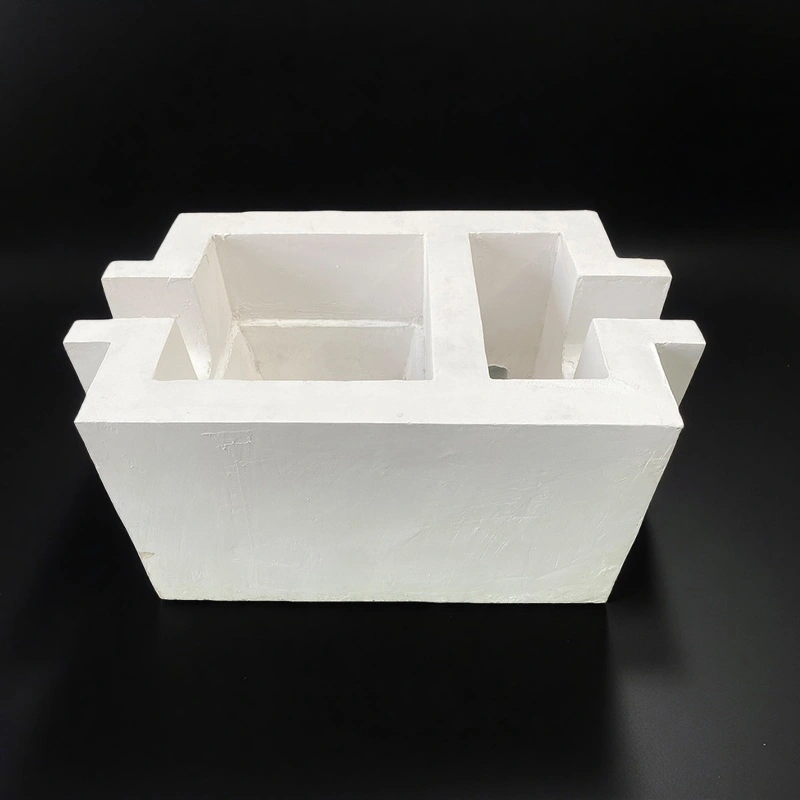
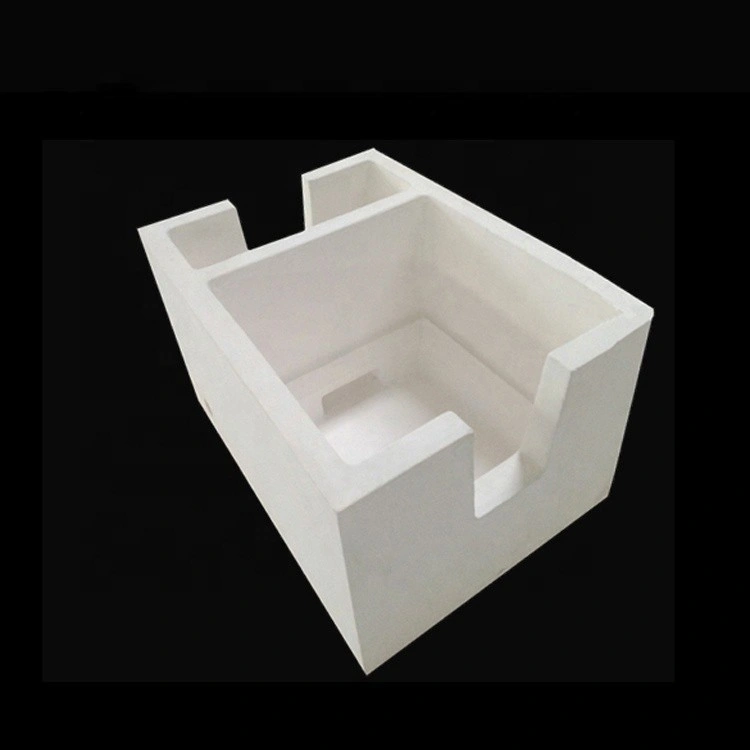
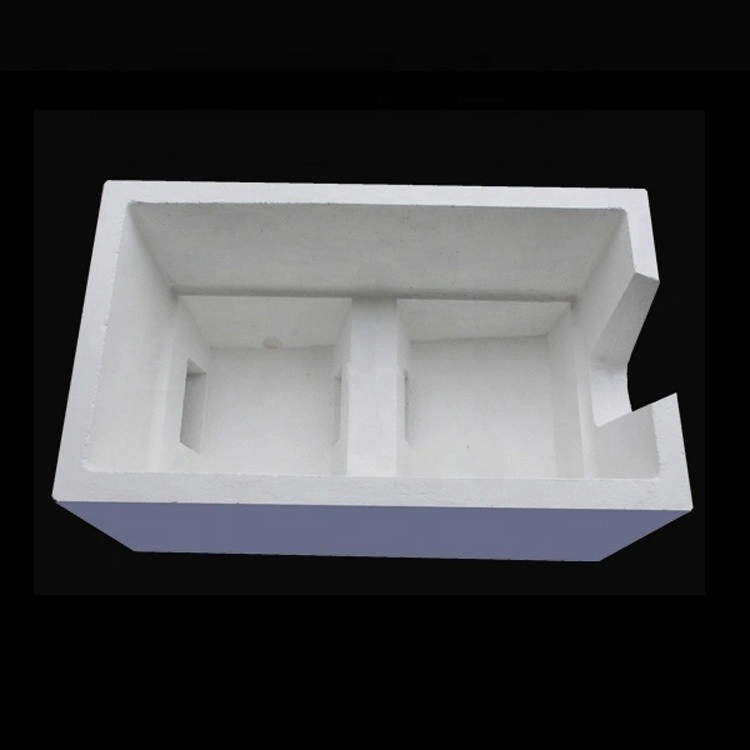
Aluminum Silicate Filter Box with Low Thermal Loss and Stable Flow Control

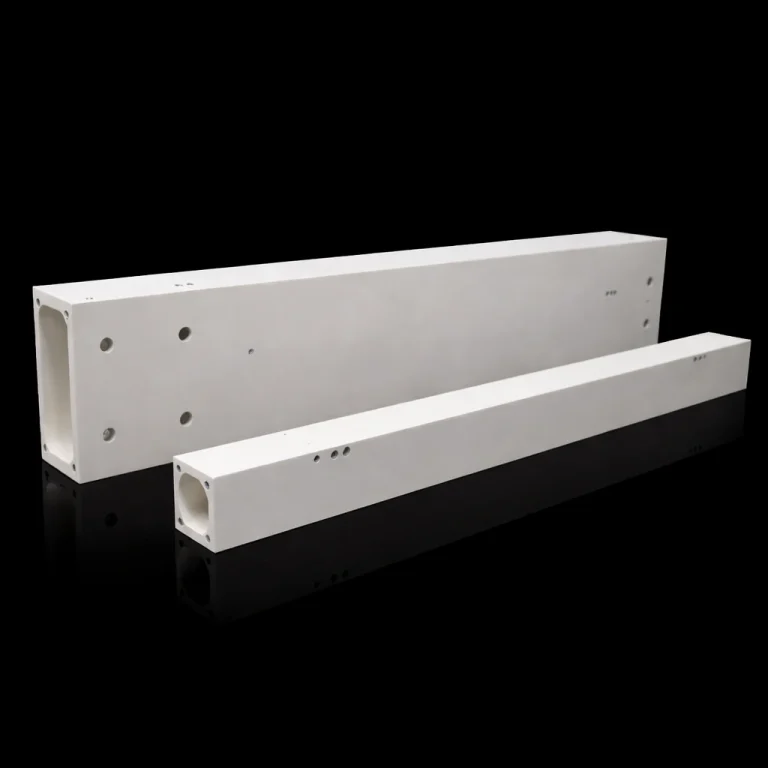
The aluminum silicate filter box can be supplied with standard internal footprints matched to common CFF sizes, while its overall dimensions are customized to suit different launders, casting machines and molten aluminium flow rates.

Catalogue No. AT-GSL-GL1001
Material Al2O3+SiO₂
Recommended Continuous Service Temperature 1000–1100 °C
Thermal Conductivity at 1000 °C ≈ 0.18 W/m·K
Al₂O₃ + SiO₂ Content of Fiber Liner ≥ 96 %
24H Standard Dispatch
Small Batch Support OEM
Factory Direct
Expert Engineering Support

The aluminum silicate filter box is a prefabricated molten aluminium filtration vessel made from aluminum silicate ceramic fiber and inorganic refractory materials, matched with a steel shell when required. It is designed to house a ceramic foam filter plate and create a stable filter chamber for molten aluminum and aluminum alloy streams in extrusion billet, slab casting and foundry lines.

Aluminum Silicate Filter Box Benefits

  • Stable Filter Cavity Geometry
    The aluminum silicate filter box provides a rigid, dimensionally stable cavity for the ceramic foam filter plate, helping maintain consistent metal head and flow distribution across the filter surface.

  • High Thermal Shock and Mechanical Resistance
    The aluminum silicate ceramic fiber lining withstands rapid temperature changes and metal impact when filling, reducing cracking and spalling compared with traditional dense bricks or castables in many casthouse applications.

  • Low Thermal Conductivity, Improved Temperature Control
    The low thermal conductivity of aluminum silicate ceramic fiber minimizes heat loss through the filter box wall, helping keep molten aluminium close to casting temperature and reducing energy demand in the launder system.

  • Non-Stick Aluminium Working Surface
    Properly designed aluminum silicate filter boxes exhibit non-wetting behavior toward molten aluminium, reducing buildup on the working surface and limiting refractory inclusions detaching into the metal stream.

  • Integration with Fibre Launders and Degassing Systems
    Aluminum silicate filter boxes can be combined with aluminum silicate launders and degassing boxes to form a complete molten aluminum filtration and treatment line, providing a compact and consistent flow path from furnace to mould.


Aluminium Silicate Filter Box Properties

Aluminum Silicate Ceramic
Parameter Typical Value Notes / Industrial Relevance
Material Composition Al₂O₃–SiO₂ Silicate-based refractory matrix
Working Temperature 1000–1400°C Depends on density & grade
Bulk Density 200–400 kg/m³ Lower density = better insulation
Thermal Conductivity 0.08–0.22 W/m·K Measured at 600–1000°C
Linear Shrinkage ≤ 2% at 1000–1300°C Ensures dimensional stability
Cold Crushing Strength 0.6–1.2 MPa Resistance to mechanical load
Thermal Shock Resistance High Suitable for rapid heating cycles
Water Absorption Low Supports clean installation
Available Thickness 10–75 mm Custom thickness on request
Available Forms Boards, blocks, custom-machined shapes Supports OEM engineering designs


Aluminium Silicate Filter Box Specification

Item Length(mm) Width(mm)
AT-GSL-GL1001 178 178
AT-GSL-GL1002 230 230
AT-GSL-GL1003 305 305
AT-GSL-GL1004 381 381
AT-GSL-GL1005 432 432
AT-GSL-GL1006 508 508
AT-GSL-GL1007 584 584
AT-GSL-GL1008 635 635
AT-GSL-GL1009 660 660


Aluminum Silicate Ceramic Filter Box Packaging

  • Each aluminum silicate filter box is typically packed in a reinforced wooden crate with internal supports at non-working surfaces to avoid damage to the ceramic fiber liner.
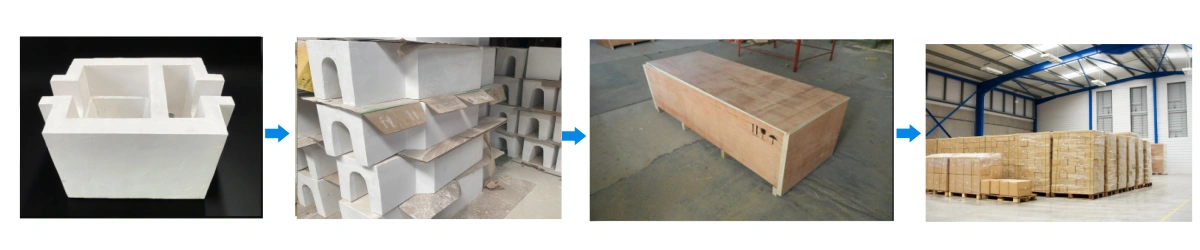

Aluminum Silicate Ceramic Filter Box Packaging

Applications of Aluminum Silicate Filter Box

  • Extrusion Billet Casthouse – Aluminum Silicate Filter Box in Billet Casting

    ✅Key Advantages

    1. Improved Billet Cleanliness
    Aluminum silicate filter boxes combined with ceramic foam filters help reduce non-metallic inclusions reaching the billet mould, supporting scrap reductions in the range of 20–40 % for inclusion-related defects when properly designed and maintained.

    2. Stable Metal Head and Flow Distribution
    A correctly sized aluminum silicate filter box maintains a consistent metal head above the filter plate, improving flow uniformity across the filter and supporting more uniform billet structure.

    3. Lower Heat Loss Between Furnace and Casting Machine
    Thanks to low thermal conductivity, the aluminum silicate filter box limits metal temperature drop across the filtration step, often reducing temperature loss by several degrees compared with traditional dense refractories under similar conditions.

    ✅ Problem Solved

    A mid-size extrusion plant casting 6–8 inch billets experienced frequent surface pick-up and inclusion streaks, leading to scrap rates of 3–4 % on certain alloys. By introducing an aluminum silicate filter box with a properly matched ceramic foam filter in front of the billet mould, inclusion-related scrap was reduced by around 30 %, and the plant was able to run longer casting campaigns before cleaning the mould and launder system.

  • Rolling Slab Casting and Sheet /Foil Producers – Aluminum Silicate Filter Box in Slab Lines

    ✅Key Advantages

    1. Enhanced Slab Quality for Downstream Rolling
    When used ahead of rolling slab moulds, the aluminum silicate filter box improves the removal of oxide films and larger inclusions, enabling more stable hot rolling and reducing downstream strip surface conditioning.

    2. Support for High Casting Speeds
    The combination of lightweight aluminum silicate lining and optimized cavity geometry provides stable flow at typical slab casting speeds, minimizing turbulence that could re-entrain inclusions.

    3. Temperature Control for Thin-Gauge Products
    Low thermal conductivity in the aluminum silicate filter box helps keep the metal temperature within a narrow window before entering the mould, which is critical for slab quality destined for thin-gauge foil and can stock.

    ✅ Problem Solved

    A sheet and foil producer targeting can-stock and thin foil products faced periodic strip surface streaks and pinholes traced back to upstream inclusions. After upgrading to an aluminum silicate filter box with optimized metal level control and ceramic foam filter sizing, the plant reported a noticeable drop in inclusion-related rolling issues and fewer coil rejections, supporting their move into more demanding end-use segments.

  • Secondary Aluminium and Automotive Foundries – Aluminum Silicate Filter Box in Recycling and Alloy Casting

    ✅  Key Advantages

    1. Better Handling of Variable Scraps
    Secondary aluminium casthouses dealing with mixed scrap streams benefit from aluminum silicate filter boxes that provide a stable chamber for ceramic foam filters, improving inclusion removal even when input cleanliness varies.

    2. Resistance to Chemical Attack and Erosion
    Aluminum silicate ceramic fiber linings show good resistance to molten aluminium and slag when properly specified, extending the time between relinings compared with some conventional linings under similar conditions.

    3. Support for High-Integrity Automotive Castings
    Consistent filtration through an aluminum silicate filter box and foam filter combination helps reduce internal inclusions that can limit the performance of automotive structural and safety-critical parts.

    ✅  Problem Solved

    An automotive foundry casting suspension and safety-relevant components struggled with X-ray failures linked to inclusions. By introducing an aluminum silicate filter box unit on each furnace line feeding the casting machines, together with stricter maintenance of filter plate replacement, the foundry recorded a reduction in internal-defect scrap and gained more predictable quality for high-integrity castings.


Usage Guide – Aluminum Silicate Filter Box

  • Installation

    1. Place the aluminum silicate filter box on a level, load-rated foundation aligned with the launder and casting machine.
    2. Check that all lifting lugs, anchor points and expansion gaps between liner and shell (if present) are free from transport damage.
    3. Install the aluminum silicate liner into the steel shell according to the assembly drawing when shipped separately, ensuring all joints are tight and free of loose debris.Alibaba+2zyceram.com+2
    4. Position the ceramic foam filter plate in the filter cavity on the dedicated support ledges, with the correct flow direction marking and recommended sealing gasket.Tap Out Cone+2alalloycasting+2
    5. Seal the inlet and outlet connections with suitable refractory gaskets or fiber paper to avoid metal leakage.

  • Preheating and Start-Up

    1. Close the cover or lid and use burners or electric heaters to preheat the aluminum silicate filter box according to a defined temperature ramp, typically bringing the lining above 650–700 °C before introducing molten aluminium.
    2. When preheating through the filter, follow the filter supplier’s recommendations to avoid thermal shock of the ceramic foam filter plate.
    3. Confirm that all drain plugs and safety weirs are in the planned position before filling with metal.

  • Operation

    1. Maintain a stable metal head above the ceramic foam filter in the aluminum silicate filter box to keep flow velocity within the recommended range.
    2. Avoid sudden large changes in metal throughput that could cause turbulence, air entrainment or erosion of the liner.
    3. Monitor metal temperature at the inlet and outlet; a small temperature drop across the aluminum silicate filter box is expected due to its insulating properties.
    4. Replace the ceramic foam filter plate according to casting tonnage or time-based schedules defined for each alloy and cleanliness level.

  • Shut-Down, Cleaning and Storage

    1. When stopping casting, lower the metal head in a controlled way and drain the aluminum silicate filter box if required by local practice.
    2. After cooling to a safe temperature, remove residual solid metal from the outlet region and around the filter cavity using non-metallic tools to avoid damaging the liner.
    3. Inspect the aluminum silicate liner for cracks, spalls or heavy buildup; repair small defects with compatible refractory patch material.
    4. If the aluminum silicate filter box is stored for a prolonged period, keep it dry and protected from mechanical impact.

  • Common Misuse and Corrective Actions

    1. Misuse: Filling the Aluminum Silicate Filter Box from Ambient Temperature with Hot Metal
    Issue: Excessive thermal shock to the aluminum silicate liner and the ceramic foam filter plate.
    Fix: Implement a controlled preheating schedule and verify the lining temperature before first metal contact.

    2. Misuse: Oversized Flow Rate Through a Single Aluminum Silicate Filter Box
    Issue: High velocity through the filter, turbulence in the cavity and reduced filtration efficiency.
    Fix: Recalculate metal throughput per filter area, adjust head height or add additional filter capacity.

    3. Misuse: Operating With Heavy Metal Buildup on the Liner
    Issue: Reduced effective volume, disturbed flow and higher risk of refractory inclusions breaking free.
    Fix: Include regular cleaning of the aluminum silicate filter box in maintenance schedules and remove buildup with proper tools and procedures.

FAQ – Aluminum Silicate Filter Box

  1. Q: What temperature range can an aluminum silicate filter box handle?
    A: The aluminum silicate ceramic fiber liner in an aluminum silicate filter box typically supports continuous operation around 1000–1100 °C, which is suitable for most molten aluminium filtration duties.
  2. Q: How does an aluminum silicate filter box improve metal cleanliness?
    A: The aluminum silicate filter box controls the flow path through the ceramic foam filter, increasing contact time between molten aluminium and the filter channels so inclusions can be captured and retained, often reducing inclusion-related defects when correctly sized and maintained.
  3. Q: Is an aluminum silicate filter box only used with ceramic foam filters?
    A: Aluminum silicate filter boxes are primarily designed for ceramic foam filters, but they can also be configured for other filter media or multi-stage filtration systems depending on the casthouse design.
  4. Q: What is the difference between an aluminum silicate filter box and a dense castable filter well?
    A: An aluminum silicate filter box uses a lightweight ceramic fiber liner with low thermal conductivity and good thermal shock resistance, while a dense castable filter well is heavier, stores more heat and may be more sensitive to thermal cycling in some operating modes.
  5. Q: Can the dimensions of an aluminum silicate filter box be customized?
    A: Yes, aluminum silicate filter boxes are usually custom-built, with internal cavity size, inlet and outlet geometry and steel shell dimensions specified according to the customer’s launder layout, filter plate size and casting equipment.
  6. Q: How long does an aluminum silicate filter box typically last in service?
    A: Service life of an aluminum silicate filter box depends on alloy type, metal cleanliness, thermal cycling and mechanical handling; under typical casthouse conditions, the liner is designed for repeated casting campaigns and is replaced when erosion, cracking or buildup reaches defined limits.

Aluminum Silicate Filter Box Reviews

  • ⭐️⭐️⭐️⭐️⭐️
    After switching to an aluminum silicate filter box and matching ceramic foam filters, we saw a clear improvement in billet surface cleanliness and a reduction in inclusion-related scrap on our 6000 series alloys.
    -- Mark Jensen, Casting Process Engineer, EuroCast Billet Plant
  • ⭐️⭐️⭐️⭐️⭐️
    The aluminium silicate ceramic filter box design integrated smoothly into our slab casting line. Metal temperature is more stable across the filtration step, and our rolling team has reported fewer strip surface issues linked to upstream inclusions.
    -- Laura Martínez, Operations Manager, Atlantic Aluminum Rolling Mill
  • ⭐️⭐️⭐️⭐️⭐️
    Working with the ADCERAX factory on a custom aluminium silicate ceramic fibre filter box allowed us to adapt the inlet and outlet to our existing launders. The fit to our process was accurate and helped stabilize casting of critical automotive parts.
    -- Daniel Hughes, Technical Director, Northlake Alloy Foundry
  • ⭐️⭐️⭐️⭐️⭐️
    ADCERAX supplied several aluminum silicate filter boxes as part of a wider casthouse upgrade. Dimensional consistency and liner quality have been good, and the units have performed as expected under continuous casting conditions.
    -- Soo-jin Kim, Procurement Manager, Hanseong Casthouse Equipment
customize size

Customize Aluminum Silicate Filter Box

Aluminum silicate filter boxes are typically supplied as customized units to match each casthouse layout, ceramic foam filter size and molten aluminium throughput. Custom aluminum silicate filter box designs can be configured around the target filter plate size, launder geometry and casting machine interface.

1. Internal Cavity Dimensions

  • Length, width and depth of the filter chamber matched to the ceramic foam filter plate, with typical dimensional tolerances of ±2–3 mm depending on overall size.

2. Filter Plate Size and Position

  • Footprint for standard CFF sizes (e.g. 17–26 inches) or fully custom plates, including support ledges and sealing arrangements.

3. Inlet and Outlet Configuration

  • Inlet launder height and angle, outlet spout position, and connection faces to upstream launders or downstream tundishes or head boxes.

4. Shell and Liner Construction

  • Steel shell thickness, lifting points and mounting brackets, plus selection of aluminum silicate fiber board or vacuum-formed bodies for the liner.

5. Working Surface Coatings

  • Optional anti-erosion or non-wetting coatings at the metal contact surface to increase erosion resistance in high-velocity or high-superheat applications.

6. Access Covers and Observation Points

  • Removable lids, inspection ports, preheating burner openings and thermocouple entry points to suit local operating practice.

Related Products

ADCERAX - Your Trusted Advanced Ceramics Manufacturing Partner

Direct factory manufacturing with comprehensive ceramic materials expertise and global supply capabilities

Direct Factory Manufacturing

China-based ceramic materials production facility with state-of-the-art equipment

Engineering Team

Experienced professionals in advanced ceramics applications and custom design

Quality Control

Strict quality control standards for technical ceramics manufacturing and quality management

Global Supply Chain

Serving customers worldwide with technical ceramics and rapid response

24/7 Technical Support

Round-the-clock support for ceramic components inquiries and technical assistance

500+ Satisfied Customers

Trusted by global customers for advanced ceramic materials and precision components

Get in touch with us

Our team will be happy to respond to you in less than 24 hours.

Adcerax's factory

Quick Quotation

*Our team will answer your inquiries within 24 hours.

*Your information will be kept strictly confidential.

Ready to Solve Your Engineering Challenge?

Partner with ADCERAX for reliable, high-performance advanced ceramic solutions. Our engineers are ready to discuss your project.

E-mail

info@adcerax.com

Phone

+(86) 0731-74427743 | WhatsApp: +(86) 19311583352

Response Time

Within 24 hours

Quick Quote

The more details you provide, the faster we can quote.

*We respond within 24 hours. All inquiries are confidential.

Download Catalog

Get Your Custom Sulution

The more details you provide, the faster we can respond.

customize size

*We respond within 24 hours. All inquiries are confidential.

Download Catalog