What Is a High Purity Alumina Insulating Base?
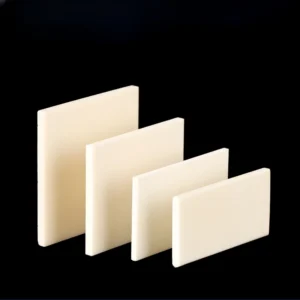
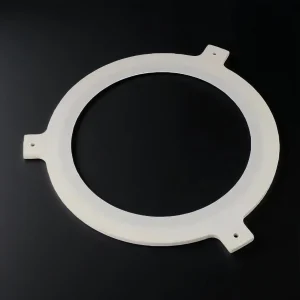
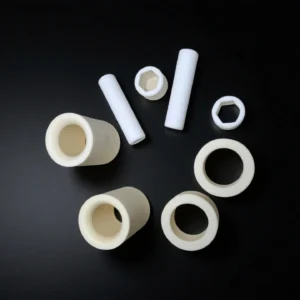
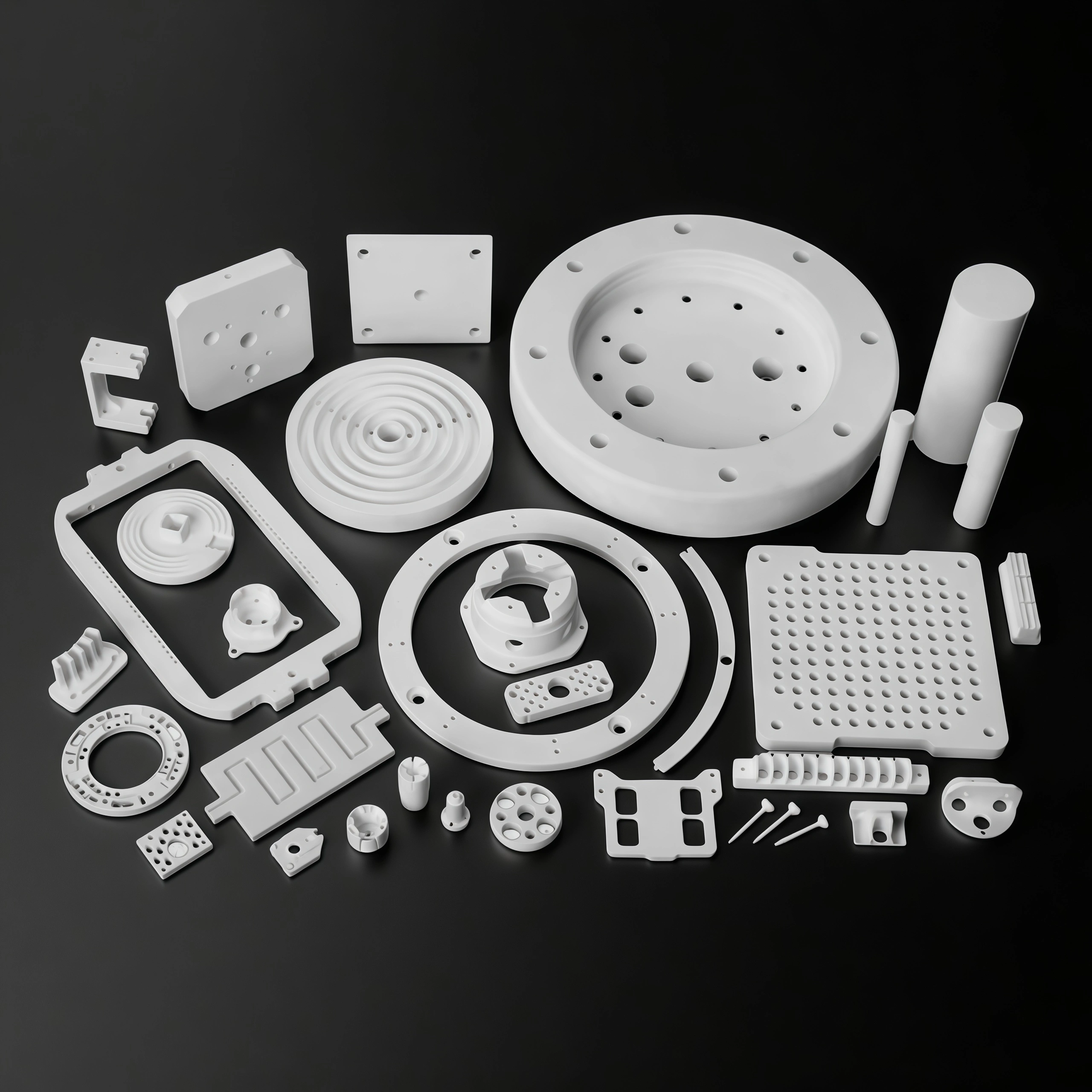
A high purity alumina insulating base is a dense Al₂O₃ ceramic support used to separate conductive parts, carry fixture loads and maintain stable mounting alignment in high-temperature or electrically active assemblies. It is commonly machined as a plate, block, spacer or pedestal base with bolt holes, slots, countersinks, locating steps and ground reference faces.
Compared with metal supports, alumina ceramic provides electrical insulation, heat resistance and non-conductive separation. Compared with many polymer or mica-based insulators, it offers better dimensional stability, higher rigidity and cleaner ceramic contact in furnace, heater, vacuum and industrial equipment environments.
Why Engineers Use Alumina Ceramic Insulating Bases
1. Stable Electrical Isolation
High volume resistivity helps reduce leakage paths between conductive components, especially in heater assemblies, test fixtures and furnace support structures where voltage and heat exist at the same time.
2. Reliable Mounting Geometry
Machined holes, slots, steps and datum faces help the ceramic base fit the existing fixture without field drilling, shimming or unstable positioning during assembly.
3. High-Temperature Dimensional Stability
Dense alumina ceramic keeps better rigidity than many polymer insulation parts when the equipment operates under repeated heating and cooling cycles.
4. Ground Face and Edge Control
Ground seating faces, controlled flatness and defined chamfers help reduce rocking, point loading and edge chipping during installation.
5. Cleaner Ceramic Interface
High purity Al₂O₃ is suitable when the equipment requires a dense ceramic support with low contamination risk, stable insulation and consistent ceramic-to-metal separation.
High Purity Alumina Insulating Base Properties
| Property | Typical Reference | Why It Matters |
|---|---|---|
| Material | High purity Al₂O₃ ceramic | Provides electrical insulation, heat resistance and stable mechanical support. |
| Alumina Purity | 98%–99.99% available by requirement | Higher purity can be selected for cleaner interfaces or stricter process environments. |
| Volume Resistivity | ≥1×10¹⁴ Ω·cm, depending on grade and condition | Helps reduce leakage current across the ceramic body. |
| Dielectric Loss | Low-loss grade can be reviewed when needed | Relevant for AC-driven components or alternating electric fields. |
| Maximum Use Temperature | Grade and load dependent | Must be reviewed with atmosphere, load, fixture design and thermal cycling. |
| Surface Finish | As-sintered, ground or fine-ground surfaces | Ground faces improve seating stability and reference alignment. |
| Machining Features | Holes, slots, steps, countersinks, chamfers, datum faces | Allows the part to match real equipment mounting interfaces. |
| Inspection Focus | Key dimensions, hole position, flatness, visual edges | Helps reduce fitting problems during installation. |
High Purity Alumina Insulating Base Specifications
| High Purity Alumina Insulating Base | ||
| Item No. | Geometry | Thickness (mm) |
| AT-HP-JYJ01 | Plate, block, spacer or stepped base | Customize |
High Purity Alumina Insulating Base Packaging
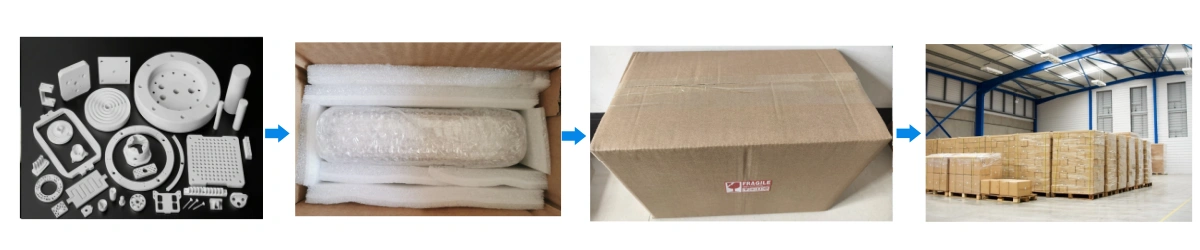
- Individual part protection: Each insulating base is separated to prevent edge-to-edge contact and chipping during transit.
- Shock buffering: Foam or moulded inserts support corners and reference faces to reduce micro-chips.