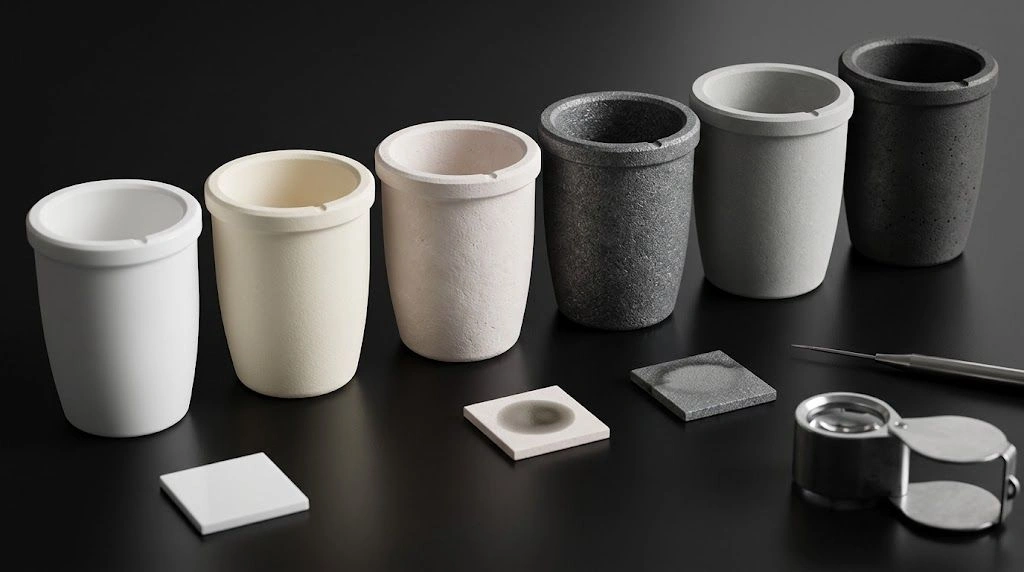
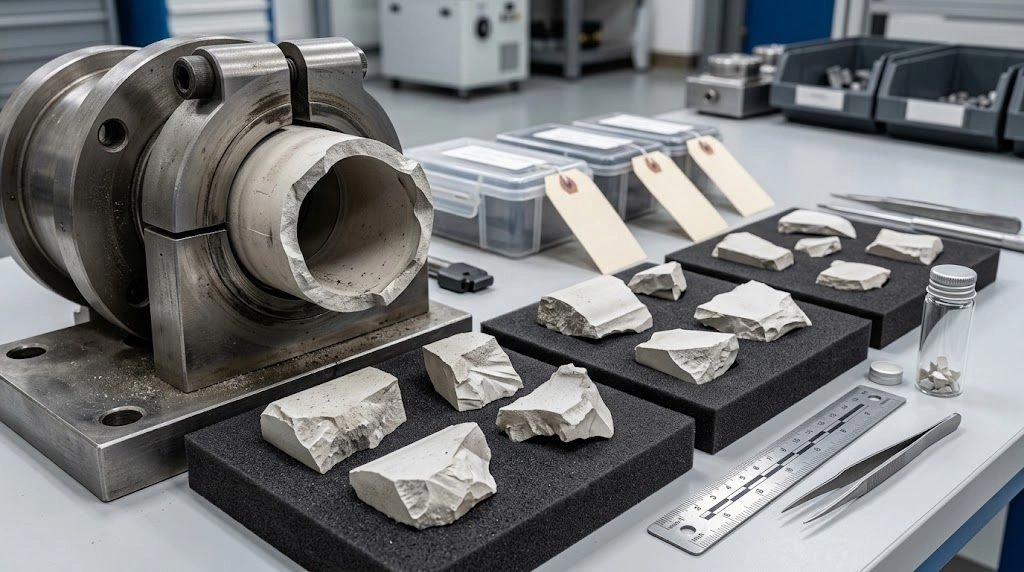
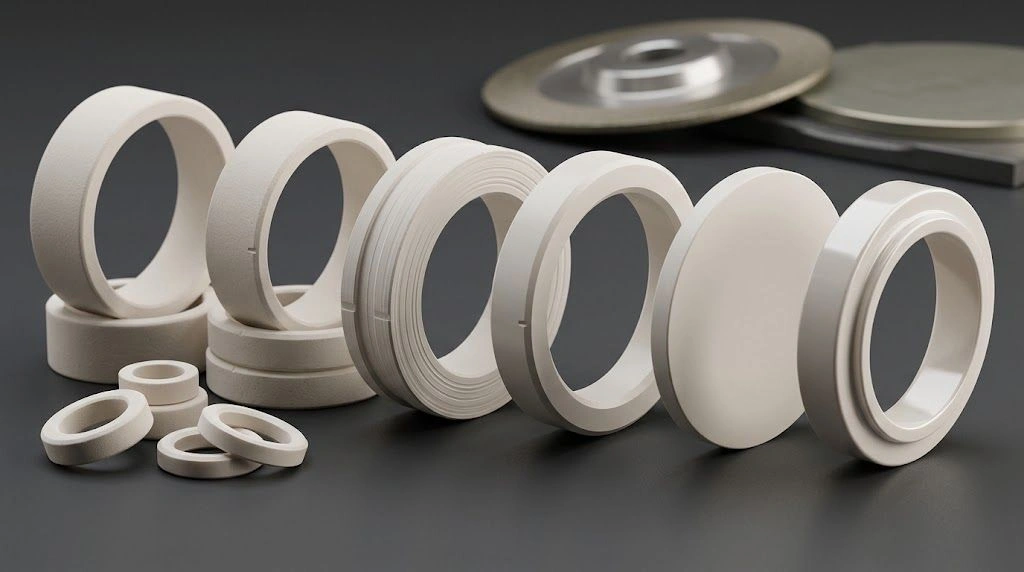
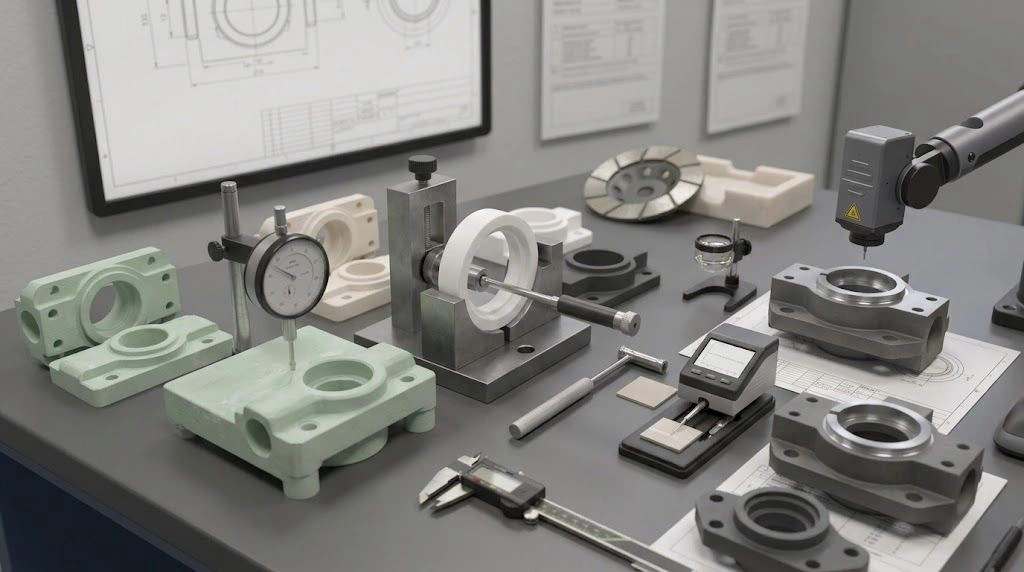
High-temperature systems frequently fail when heat transfer assumptions deviate from real material behavior, particularly once ceramics are expected to perform both thermal and structural functions under sustained load.
This article consolidates quantitative data, material mechanisms, and engineering implications of zirconia ceramic thermal conductivity, clarifying how stabilized zirconia behaves across temperature, microstructure, and application conditions relevant to real industrial systems.
As thermal transport rarely acts in isolation, the discussion progresses from measurable conductivity values toward stabilizer chemistry, temperature evolution, microstructural causality, and structural insulation performance, forming a coherent decision framework grounded in materials science.
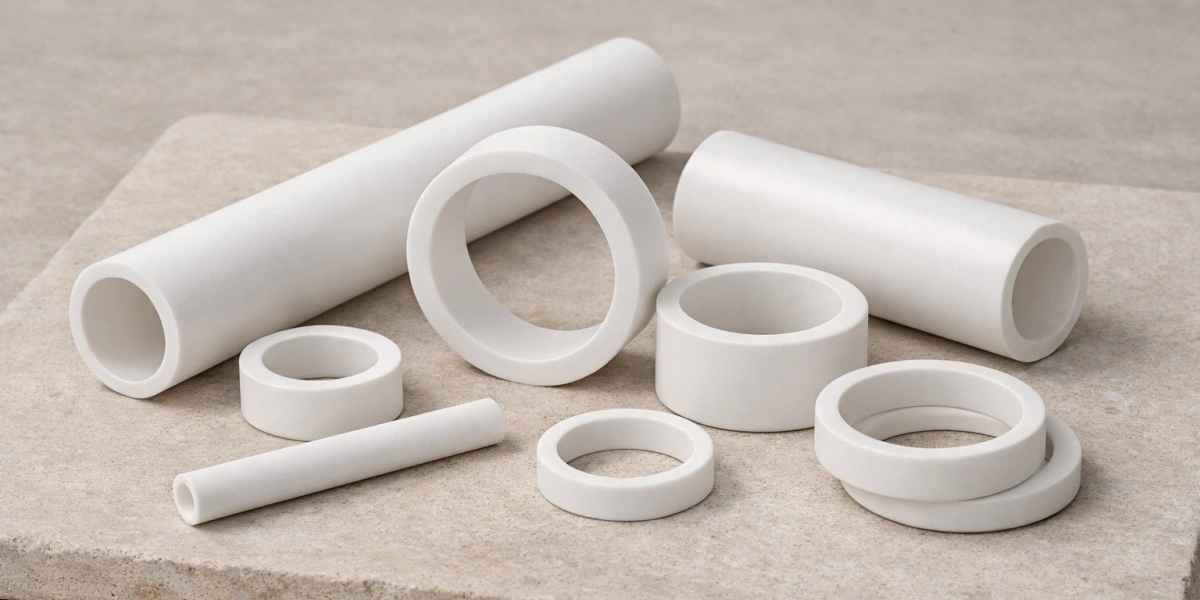
Although zirconia ceramics are widely specified for thermal isolation, uncertainty often arises when numerical conductivity values must be reconciled with operating environments. Accordingly, a clear starting point lies in establishing credible value ranges before deeper interpretation becomes meaningful.
Zirconia Ceramic Thermal Conductivity Value Ranges Across Conditions
Across engineering literature and industrial testing reports, zirconia ceramic thermal conductivity is consistently positioned at the lower end among dense structural ceramics, yet reported values often appear scattered. Consequently, understanding where these numbers originate and how they compare to alternative oxides becomes essential for avoiding design-level misinterpretation.
At the same time, conductivity values must be anchored to realistic conditions rather than abstract descriptors. Therefore, this section establishes quantitative baselines, comparative magnitudes, and the origins of variability that influence how zirconia conducts heat in practice.
Reported Thermal Conductivity Ranges At Ambient Conditions
At room temperature, dense stabilized zirconia ceramics typically exhibit thermal conductivity values between 2.0 and 3.0 W/m·K, depending on stabilizer type, grain structure, and residual porosity. Laboratory-grade 3 mol% yttria-stabilized zirconia often clusters near 2.2 W/m·K, whereas partially stabilized compositions may approach 2.8–3.0 W/m·K under comparable density conditions.
In controlled measurements using laser flash analysis, fully dense YSZ specimens with porosity below 0.5% repeatedly demonstrate values near 2.3 W/m·K at 25 °C, with standard deviations commonly below ±0.15 W/m·K. Such narrow dispersion indicates that zirconia ceramic thermal conductivity is intrinsically stable at ambient temperature when microstructure is well controlled.
Under applied engineering scenarios, components manufactured for insulation–structure hybrid roles frequently retain conductivity values within this same band, provided that machining-induced microcracks remain below 10 µm in characteristic length. Consequently, deviations outside this range usually signal processing artifacts rather than intrinsic material behavior.
Comparative Magnitude Versus Alumina And Silicon Carbide
When contrasted with other common technical ceramics, zirconia occupies a distinct thermal transport regime. Dense alumina ceramics typically exhibit room-temperature conductivity values between 22 and 30 W/m·K, exceeding zirconia by nearly an order of magnitude. Silicon carbide extends this contrast further, with values ranging from 120 to over 200 W/m·K, depending on purity and crystal form.
This quantitative gap explains why zirconia ceramic thermal conductivity is frequently classified as “low” despite zirconia being fully dense and mechanically robust. In practical terms, a zirconia component transfers heat approximately one-tenth as efficiently as alumina and less than one-fiftieth as efficiently as silicon carbide under identical geometric constraints.
Such magnitude differences fundamentally alter thermal gradient formation within assemblies. In systems where alumina rapidly equalizes temperature across a component thickness of 5–10 mm, zirconia under the same conditions sustains gradients exceeding 50–80 °C, directly influencing stress distribution and thermal shielding effectiveness.
Sources Of Variability In Published Thermal Conductivity Data
Despite broadly consistent ranges, published values for zirconia ceramic thermal conductivity often display noticeable scatter, especially across different data sources. One primary contributor lies in stabilizer concentration, where increases from 3 mol% to 8 mol% yttria can reduce conductivity by approximately 15–25% at room temperature.
Microstructural features further amplify variation. Grain sizes below 0.5 µm increase phonon scattering at grain boundaries, while residual closed porosity above 1% can depress effective conductivity by an additional 10–18%, even when bulk density appears comparable. These effects accumulate rather than cancel.
Measurement methodology also plays a role. Steady-state guarded hot plate methods tend to report values 5–10% higher than transient laser flash techniques for the same material, primarily due to contact resistance assumptions. Consequently, discrepancies across literature rarely contradict material behavior; instead, they reflect differences in composition, microstructure, and experimental boundary conditions.
Summary Of Ambient Zirconia Ceramic Thermal Conductivity Ranges
| Material System | Thermal Conductivity At 25 °C (W/m·K) |
|---|---|
| 3Y-TZP (Dense) | 2.1–2.4 |
| 8YSZ (Dense) | 1.9–2.2 |
| Partially Stabilized Zirconia | 2.6–3.0 |
| Alumina (99.5%) | 22–30 |
| Silicon Carbide (SSiC) | 120–200 |
Because numerical conductivity values alone rarely explain performance differences, attention naturally shifts toward compositional factors embedded within zirconia itself. In particular, stabilizer chemistry governs lattice disorder, defect density, and phonon transport efficiency, all of which reshape how heat migrates through the ceramic body.
Zirconia Ceramic Thermal Conductivity Dependence On Stabilizer Chemistry
Across stabilized zirconia systems, thermal transport does not arise solely from the ZrO₂ lattice, but from how stabilizing oxides disrupt that lattice at the atomic scale. Consequently, variations in yttria, magnesia, or calcia content introduce measurable differences in conductivity that persist across temperature ranges relevant to industrial service.
At the same time, stabilizer-driven phase constitution alters phonon pathways in ways that cannot be inferred from density or mechanical strength alone. Therefore, this section examines how different stabilizer chemistries systematically reshape zirconia ceramic thermal conductivity from a materials science perspective.
Yttria Stabilized Zirconia And Phonon Transport Suppression
Yttria-stabilized zirconia exhibits some of the lowest thermal conductivity values among dense structural ceramics due to pronounced phonon scattering. At yttria contents between 3 and 8 mol%, oxygen vacancies1 introduced for charge compensation disrupt lattice periodicity, reducing phonon mean free paths to the order of 10–30 nm.
Experimental studies consistently report that increasing yttria concentration from 3 mol% to 8 mol% lowers room-temperature conductivity from approximately 2.4 W/m·K to 2.0 W/m·K, representing a reduction of nearly 17%. This decline persists across elevated temperatures, with 8YSZ remaining below 2.5 W/m·K even at 800 °C under dense microstructural conditions.
In long-term thermal cycling environments exceeding 500 cycles between 25 °C and 900 °C, YSZ components maintain stable conductivity values provided phase composition remains fully tetragonal or cubic. Accordingly, zirconia ceramic thermal conductivity in YSZ systems is dominated by intrinsic lattice disorder rather than extrinsic damage accumulation.
Magnesium And Calcium Stabilized Zirconia Heat Transfer Differences
Magnesia-stabilized and calcia-stabilized zirconia systems introduce a different balance between defect density and lattice coherence. Typical MSZ compositions containing 8–10 mol% MgO exhibit conductivity values around 2.8–3.2 W/m·K at room temperature, noticeably higher than comparable YSZ grades.
This increase arises because Mg²⁺ and Ca²⁺ ions generate fewer oxygen vacancies per stabilizer ion than Y³⁺, resulting in lower point-defect scattering density. As a result, phonon transport remains partially coherent across grain interiors exceeding 1 µm, allowing more efficient heat transfer despite similar bulk density.
Under elevated temperatures near 1000 °C, MSZ and CSZ conductivity often converges toward 3.5–4.0 W/m·K, narrowing the gap with alumina-based ceramics in certain regimes. Consequently, zirconia ceramic thermal conductivity cannot be treated as a uniform property across stabilized systems when high-temperature insulation performance is critical.
Phase Constitution Effects On Zirconia Heat Transport
Beyond stabilizer identity, phase constitution exerts a decisive influence on thermal transport behavior. Fully tetragonal zirconia typically demonstrates lower conductivity than cubic zirconia at equivalent stabilizer content, with differences on the order of 10–15% at room temperature.
This contrast originates from anisotropic lattice distortion in the tetragonal phase, which enhances phonon scattering relative to the more symmetric cubic structure. In partially stabilized zirconia, coexistence of tetragonal and cubic phases introduces additional interphase boundaries, further reducing effective conductivity by approximately 0.2–0.4 W/m·K.
When exposed to prolonged thermal exposure above 1100 °C, phase redistribution toward cubic dominance may slightly increase conductivity, although values rarely exceed 4.0 W/m·K in dense stabilized zirconia. Thus, zirconia ceramic thermal conductivity remains fundamentally constrained by phase-driven lattice disorder rather than densification alone.
Summary Of Stabilizer Effects On Zirconia Ceramic Thermal Conductivity
| Stabilizer System | Typical Stabilizer Content (mol%) | Thermal Conductivity At 25 °C (W/m·K) |
|---|---|---|
| 3Y-TZP | 3 Y₂O₃ | 2.2–2.5 |
| 8YSZ | 8 Y₂O₃ | 1.9–2.2 |
| MSZ | 8–10 MgO | 2.8–3.2 |
| CSZ | 8–12 CaO | 3.0–3.5 |
As stabilizer chemistry establishes baseline conductivity, temperature introduces a second layer of complexity that directly influences system reliability. Heat transport mechanisms evolve as phonon populations shift and radiative contributions emerge, making temperature dependence a decisive factor in real operating environments.
Zirconia Ceramic Thermal Conductivity Evolution With Temperature
In zirconia-based ceramics, thermal conductivity does not remain constant as temperature rises, yet it also does not degrade in a linear or intuitive manner. Instead, competing mechanisms govern heat transfer across low, intermediate, and high temperature regimes, shaping how zirconia performs under sustained thermal exposure.
Accordingly, evaluating temperature-driven conductivity evolution is essential for assessing whether zirconia ceramic thermal conductivity remains functionally stable within specific operating windows rather than at isolated reference points.
Thermal Conductivity Trends From Room Temperature To Mid Range Heating
Between room temperature and approximately 600 °C, stabilized zirconia generally exhibits a gradual increase in thermal conductivity. For dense 3Y-TZP, values commonly rise from 2.3 W/m·K at 25 °C to approximately 2.8–3.0 W/m·K at 600 °C, reflecting a relative increase of 20–30%.
This trend is primarily attributed to reduced phonon–phonon scattering as dominant low-frequency phonon modes become thermally populated. In this regime, lattice defects introduced by stabilizers continue to limit mean free paths, preventing abrupt conductivity escalation despite rising temperature.
In practical thermal cycling scenarios involving repeated exposure up to 500–600 °C, zirconia components demonstrate repeatable conductivity behavior with cycle-to-cycle variation typically below ±5%, provided microstructural integrity remains intact. Consequently, zirconia ceramic thermal conductivity in this range is considered predictably stable rather than volatile.
High Temperature Heat Transfer Behavior In Stabilized Zirconia
Above 700–800 °C, additional heat transfer mechanisms gradually contribute to effective conductivity. Radiative heat transfer across grain boundaries and pores becomes increasingly significant, particularly in ceramics with grain sizes exceeding 2 µm or closed porosity above 1%.
Experimental data indicate that fully dense 8YSZ exhibits conductivity values near 3.2–3.6 W/m·K at 1000 °C, while MSZ and CSZ systems may approach 4.0–4.5 W/m·K under similar conditions. Despite this increase, zirconia remains substantially less conductive than alumina, which often exceeds 12 W/m·K at 1000 °C.
In prolonged high-temperature exposure extending beyond 1000 hours at 1000 °C, stabilized zirconia shows limited conductivity drift, typically within ±8%, unless phase redistribution or grain coarsening exceeds critical thresholds. Therefore, zirconia ceramic thermal conductivity at high temperature remains constrained by intrinsic lattice disorder rather than uncontrolled heat flow.
Consequences For Thermal Gradient Formation And Stress Accumulation
Temperature-dependent conductivity directly shapes thermal gradient profiles within zirconia components subjected to uneven heating. In sections with thicknesses of 5–15 mm, gradients exceeding 60–120 °C can persist under steady-state conditions at elevated temperature, especially when external cooling is asymmetric.
Such gradients influence thermal stress accumulation, as zirconia’s low conductivity delays heat dissipation while its elastic modulus, typically 190–210 GPa, resists rapid strain accommodation. Finite element analyses2 frequently reveal tensile stress concentrations approaching 60–70% of flexural strength near surface regions during rapid heating ramps above 10 °C/min.
Nevertheless, the same low conductivity that amplifies gradients also protects underlying assemblies by limiting heat penetration depth. Consequently, zirconia ceramic thermal conductivity plays a dual role, simultaneously elevating local thermal stress while preserving system-level thermal isolation when gradients are properly managed.
Summary Of Temperature Effects On Zirconia Ceramic Thermal Conductivity
| Temperature (°C) | 3Y-TZP Thermal Conductivity (W/m·K) | 8YSZ Thermal Conductivity (W/m·K) |
|---|---|---|
| 25 | 2.2–2.5 | 1.9–2.2 |
| 600 | 2.8–3.0 | 2.4–2.7 |
| 800 | 3.0–3.3 | 2.8–3.1 |
| 1000 | 3.4–3.8 | 3.2–3.6 |
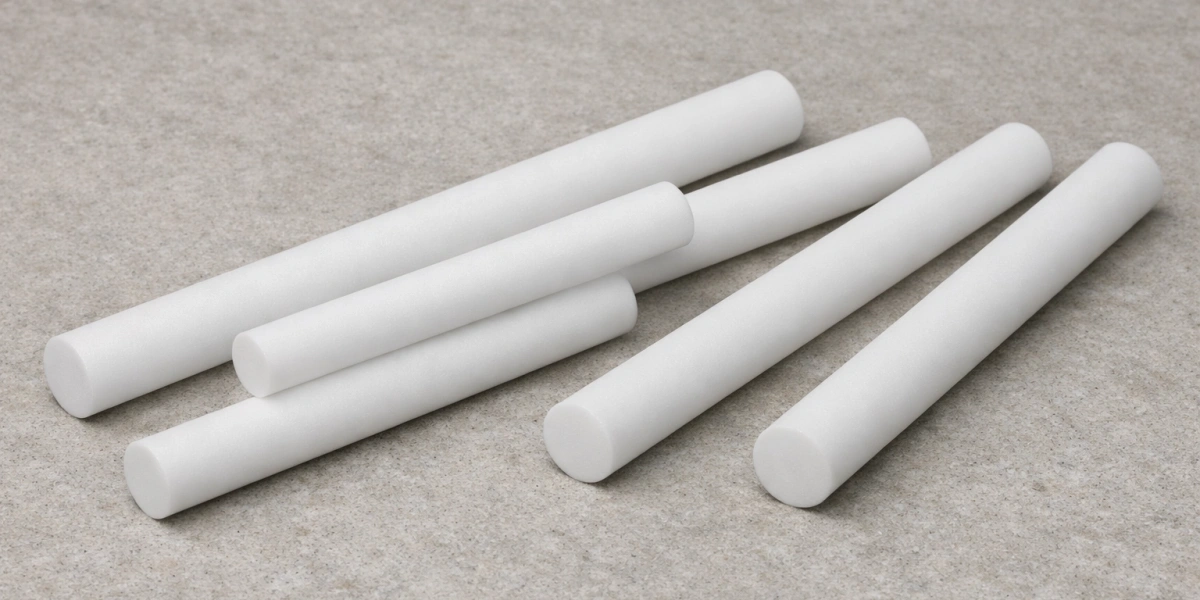
Once temperature-dependent trends are established, a deeper explanation becomes necessary to avoid treating conductivity as an empirical coincidence. Heat transport in zirconia originates from microstructural features that systematically govern phonon movement, making internal architecture as influential as composition or temperature.
Zirconia Ceramic Thermal Conductivity Mechanisms At The Microstructural Level
Thermal conduction in stabilized zirconia is controlled by how effectively lattice vibrations propagate through a defect-rich crystal framework. Consequently, grain boundaries, point defects, and porosity do not merely modify conductivity marginally; they define its upper and lower bounds across service conditions.
By examining microstructural mechanisms directly, conductivity trends observed across stabilizer systems and temperatures can be traced back to reproducible material features rather than abstract averages.
Lattice Disorder And Point Defect Scattering Effects
Stabilized zirconia contains a high density of oxygen vacancies introduced to maintain charge neutrality, typically on the order of 10²⁶ vacancies per cubic meter for 8YSZ. These vacancies act as strong phonon scattering centers, shortening phonon mean free paths to below 20 nm at room temperature.
Neutron scattering and thermal diffusivity studies demonstrate that increasing defect concentration by only 1 mol% Y₂O₃ can reduce phonon lifetime by approximately 8–12%, directly lowering effective thermal conductivity. This relationship remains active across temperatures up to 1000 °C, indicating that defect scattering persists even as intrinsic phonon populations increase.
In engineering components exposed to long thermal dwell times, defect distributions remain largely immobile below 1200 °C, preserving conductivity stability over thousands of operational hours. Therefore, zirconia ceramic thermal conductivity is fundamentally defect-governed rather than grain-governed at the atomic scale.
Grain Size And Grain Boundary Thermal Resistance
Beyond point defects, grain boundaries introduce additional thermal resistance that becomes increasingly significant as grain size decreases. For zirconia ceramics with average grain sizes below 0.7 µm, grain boundary density can exceed 1.5×10¹² boundaries per square meter, substantially impeding phonon transport.
Experimental comparisons reveal that reducing grain size from 1.5 µm to 0.4 µm lowers room-temperature thermal conductivity by approximately 12–18%, even when density remains constant above 99.5% theoretical. This effect is attributed to mismatched vibrational spectra across grain interfaces.
In service environments involving thermal cycling, fine-grained zirconia maintains stable conductivity because grain growth remains limited below 1100 °C. Consequently, grain boundary resistance offers a predictable mechanism for tuning zirconia ceramic thermal conductivity without compromising structural integrity.
Porosity And Closed Pore Contributions To Effective Conductivity
Porosity introduces a third microstructural control lever, although its influence depends strongly on pore morphology. Closed porosity below 1% by volume typically reduces effective conductivity by 5–10%, while interconnected porosity can amplify this reduction beyond 20% due to disrupted heat flow continuity.
Image-based finite element models show that spherical closed pores with diameters under 5 µm primarily increase phonon scattering without creating macroscopic heat sinks. In contrast, elongated or interconnected pores redirect heat flux lines, lowering apparent conductivity disproportionately to porosity fraction.
In structural insulation components, controlled closed porosity allows zirconia ceramic thermal conductivity to be reduced intentionally while preserving flexural strength above 600 MPa, provided pore size distributions remain narrow. Thus, porosity acts as a secondary but engineerable factor in thermal transport control.
Summary Of Microstructural Influences On Zirconia Ceramic Thermal Conductivity
| Microstructural Feature | Typical Range | Impact On Thermal Conductivity |
|---|---|---|
| Oxygen Vacancy Density | ~10²⁶ m⁻³ | Strong phonon scattering |
| Grain Size | 0.3–2.0 µm | 12–18% variation |
| Closed Porosity | 0.3–1.0 vol% | 5–10% reduction |
| Interconnected Porosity | >1.0 vol% | >20% reduction |
With microstructural mechanisms clarified, the discussion can now move beyond intrinsic material behavior toward functional performance within real assemblies. In many applications, zirconia is specified not only to restrict heat flow but also to sustain mechanical loads, creating a coupled thermal–structural design space.
Zirconia Ceramic Thermal Conductivity In Load Bearing Insulation Roles
In contrast to passive insulation materials, zirconia ceramics frequently operate as structural elements that simultaneously experience thermal gradients and mechanical stress. As a result, thermal conductivity must be interpreted in conjunction with stiffness, strength, and constraint conditions rather than as an isolated parameter.
This dual-function role introduces design trade-offs that are rarely visible in tabulated data alone. Therefore, understanding how heat flow interacts with load-bearing behavior becomes essential for predicting long-term reliability in demanding environments.
Structural Ceramics Compared With Passive Insulating Materials
Passive insulators such as fibrous alumina or microporous silica typically exhibit thermal conductivity values below 0.5 W/m·K, yet their compressive strengths rarely exceed 5–10 MPa. Zirconia, by comparison, maintains flexural strengths above 700 MPa while exhibiting conductivity values near 2–4 W/m·K, positioning it within a fundamentally different performance envelope.
This contrast explains why zirconia ceramic thermal conductivity cannot be evaluated using criteria developed for insulation-only materials. Instead of minimizing heat flow absolutely, zirconia moderates heat transfer while preserving dimensional stability under loads exceeding 50–100 MPa, a regime inaccessible to traditional insulators.
In mechanically constrained systems, this balance enables zirconia components to act as thermal choke points rather than thermal barriers, shaping heat distribution without structural collapse. Consequently, zirconia occupies a unique category where partial heat transfer is not a drawback but a controlled design feature.
Heat Flow Regulation Under Mechanical Constraint
When zirconia components are mechanically constrained, effective thermal conductivity may differ from free-standing measurements due to contact resistance and stress-induced microstructural effects. Experimental assemblies applying compressive stresses of 30–80 MPa demonstrate apparent conductivity reductions of 5–12%, primarily due to altered contact interfaces rather than intrinsic lattice changes.
Finite element simulations incorporating both thermal and mechanical fields reveal that load-bearing zirconia elements often redistribute heat laterally, reducing peak heat flux by 15–25% relative to unconstrained geometries. This redistribution delays heat penetration into adjacent metallic structures, lowering interface temperatures during transient heating events.
Under sustained load at elevated temperature, zirconia maintains stable conductivity provided creep strain remains below 0.2%, a condition typically satisfied below 1200 °C for stabilized grades. Accordingly, zirconia ceramic thermal conductivity remains a reliable design parameter even when mechanical stress is present.
Failure Pathways When Thermal And Mechanical Functions Intersect
Failure in load-bearing thermal applications rarely originates from excessive heat flow alone. Instead, failures often arise from thermal stress concentration when steep gradients coincide with geometric discontinuities. In zirconia components, critical tensile stresses may reach 300–500 MPa near sharp corners during heating ramps exceeding 15 °C/min.
Despite these stresses, zirconia’s fracture toughness, typically 6–10 MPa·m¹ᐟ², provides a significant margin against catastrophic failure compared to alumina-based ceramics. However, if thermal gradients exceed 120 °C across 10 mm, localized microcracking may initiate, subtly increasing effective conductivity over time.
Such interactions highlight that zirconia ceramic thermal conductivity plays an indirect role in failure evolution by governing gradient magnitude rather than absolute temperature. Therefore, successful application depends on aligning geometry, loading, and heating profiles with the material’s coupled thermal–mechanical limits.
Summary Of Load Bearing Implications For Zirconia Ceramic Thermal Conductivity
| Parameter | Typical Range | Engineering Implication |
|---|---|---|
| Flexural Strength (MPa) | 700–1200 | Enables structural insulation |
| Compressive Load (MPa) | 30–100 | Minimal conductivity drift |
| Thermal Gradient (°C/10 mm) | 60–120 | Stress-driven design limit |
| Apparent Conductivity Change (%) | −12 to +5 | Geometry and contact dependent |
After examining intrinsic mechanisms and coupled thermal–mechanical behavior, broader context becomes necessary to position zirconia within the landscape of technical ceramics. Comparative evaluation clarifies where zirconia ceramic thermal conductivity offers unique advantages and where alternative oxides may be more appropriate.
Zirconia Ceramic Thermal Conductivity Compared With Other Oxide Ceramics
Zirconia occupies an intermediate position between highly insulating ceramics and highly conductive structural ceramics. Its thermal behavior must therefore be interpreted relative to other oxide systems that are commonly specified under similar thermal and mechanical constraints.
Rather than treating conductivity values in isolation, meaningful comparison emerges by examining how heat transport aligns with strength, stability, and service temperature across oxide families.
-
Alumina Ceramic Systems
Dense alumina typically exhibits room-temperature thermal conductivity values between 22 and 30 W/m·K, decreasing to approximately 10–15 W/m·K at 1000 °C. This high conductivity enables rapid heat equalization but limits alumina’s effectiveness in thermal isolation roles. In assemblies requiring both electrical insulation and heat spreading, alumina favors thermal dissipation rather than gradient preservation, which contrasts sharply with zirconia’s behavior. -
Mullite Based Ceramics
Mullite ceramics present lower conductivity than alumina, generally ranging from 4 to 6 W/m·K at room temperature and declining modestly at elevated temperature. While mullite offers improved thermal shock resistance compared to alumina, its flexural strength typically remains below 300 MPa, restricting its use in load-bearing insulation roles where zirconia maintains a significant advantage. -
Spinel And Complex Oxide Ceramics
Magnesium aluminate spinel exhibits conductivity values around 6–8 W/m·K, coupled with moderate mechanical strength and good optical properties. Although spinel outperforms zirconia in thermal transport, it lacks the defect-driven phonon suppression that allows zirconia ceramic thermal conductivity to remain low and stable across wide temperature intervals. -
High Temperature Oxide Insulators
Porous alumina and zirconia-based composites engineered for insulation may achieve conductivity below 1.0 W/m·K, yet their compressive strengths often fall below 50 MPa. Such materials function effectively as insulation layers but cannot replace zirconia where structural continuity and load transfer are required.
Taken together, these comparisons illustrate that zirconia does not compete directly with conventional insulators or heat spreaders. Instead, zirconia ceramic thermal conductivity enables a hybrid function that balances restricted heat flow with high mechanical reliability under demanding conditions.
Summary Of Oxide Ceramic Thermal Conductivity Comparison
| Ceramic Material | Thermal Conductivity At 25 °C (W/m·K) | Typical Flexural Strength (MPa) |
|---|---|---|
| Zirconia (YSZ) | 2.0–2.5 | 700–1200 |
| Alumina (99.5%) | 22–30 | 300–450 |
| Mullite | 4–6 | 150–300 |
| Spinel | 6–8 | 200–300 |
| Porous Oxide Insulators | <1.0 | <50 |
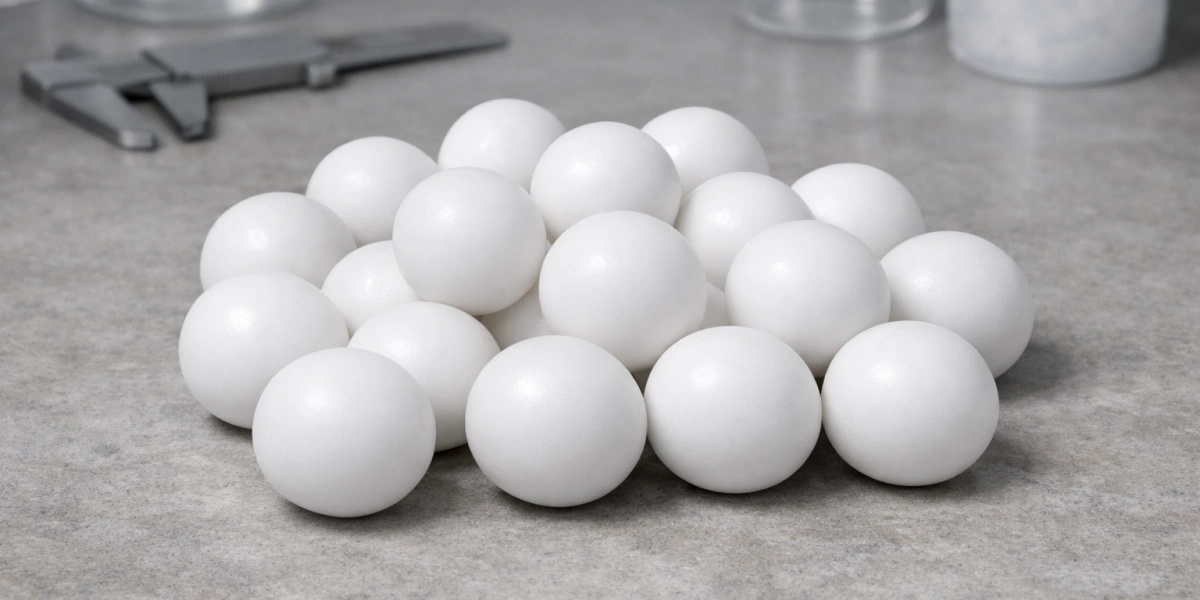
As comparative context clarifies zirconia’s position among oxide ceramics, system-level interpretation becomes essential for translating material behavior into reliable thermal design. Engineering outcomes depend less on isolated conductivity values and more on how heat transport interacts with geometry, constraints, and service conditions.
Engineering Implications Of Zirconia Ceramic Thermal Conductivity Selection
Zirconia ceramic thermal conductivity influences system behavior through controlled heat flow rather than rapid dissipation. Consequently, its engineering value emerges most clearly when thermal management objectives must coexist with mechanical reliability, dimensional stability, and long-term performance under cyclic exposure.
-
Thermal Gradient Management In Compact Assemblies
In densely packed systems, zirconia components routinely sustain temperature differentials exceeding 80–120 °C across 10 mm without structural collapse. Such gradients would be rapidly equalized in alumina-based parts, often transferring unwanted heat into adjacent components. By contrast, zirconia restricts heat penetration depth, allowing localized high-temperature zones to remain spatially confined. As a result, thermal shielding can be achieved without introducing compliant insulation layers that compromise stiffness. -
Balancing Insulation And Structural Continuity
Engineering configurations requiring continuous load paths often cannot accommodate soft insulators or multilayer barriers. Zirconia ceramic thermal conductivity enables partial heat isolation while maintaining elastic moduli near 200 GPa and compressive strength well above 1.5 GPa. This combination allows components to function simultaneously as spacers, supports, and thermal buffers. Accordingly, zirconia fills a design niche where structural continuity outweighs absolute minimization of heat flow. -
Long Term Stability Under Coupled Thermal And Mechanical Stress
In sustained service environments, predictable conductivity behavior is often more valuable than minimal conductivity. Stabilized zirconia demonstrates conductivity drift typically below ±10% over exposure durations exceeding 1000 hours at 900–1000 °C, provided phase stability is preserved. This stability reduces uncertainty in thermal modeling and limits progressive changes in stress distribution. Therefore, zirconia ceramic thermal conductivity supports long-term reliability rather than short-term thermal isolation alone.
Taken together, these implications underscore that zirconia should be selected when controlled heat flow, mechanical robustness, and dimensional precision must be preserved concurrently. This perspective naturally leads into broader system-level conclusions regarding material selection and design integration.
Summary Of Engineering Implications Linked To Zirconia Ceramic Thermal Conductivity
| Engineering Aspect | Typical Quantitative Range | Design Outcome |
|---|---|---|
| Sustainable Thermal Gradient (°C/10 mm) | 60–120 | Localized heat confinement |
| Elastic Modulus (GPa) | 190–210 | Structural continuity |
| Conductivity Drift Over Time (%) | < ±10 | Predictable thermal modeling |
| Compressive Strength (GPa) | >1.5 | Load-bearing insulation capability |
Conclusion
Zirconia ceramic thermal conductivity represents a controlled heat transfer regime rather than an extreme insulating or conductive limit. Quantified values, stabilizer chemistry, temperature evolution, and microstructural mechanisms collectively explain why zirconia sustains predictable thermal gradients while maintaining high mechanical integrity. When interpreted as part of a coupled thermal–structural system, zirconia enables designs that confine heat spatially, stabilize stress distribution, and preserve dimensional accuracy under prolonged exposure. Such behavior positions zirconia as a functional thermal moderator rather than a passive insulator, offering reliability advantages that emerge only when conductivity data are evaluated in full material and system context.
FAQ
Does Zirconia Ceramic Thermal Conductivity Change Significantly At High Temperature
Zirconia ceramic thermal conductivity increases gradually with temperature rather than abruptly. For stabilized grades, values typically rise from approximately 2.2 W/m·K at room temperature to 3.2–3.8 W/m·K near 1000 °C. Despite this increase, zirconia remains substantially less conductive than alumina across the same range, preserving its thermal isolation role.
Why Is Zirconia Less Thermally Conductive Than Other Dense Ceramics
Low conductivity originates from lattice disorder and high oxygen vacancy density introduced by stabilizers. These defects scatter phonons effectively, reducing mean free paths to nanometer scales. As a result, zirconia ceramic thermal conductivity remains low even when density and mechanical strength are comparable to other oxide ceramics.
Can Zirconia Function As Both A Structural And Thermal Component
Zirconia routinely operates in combined load-bearing and thermal isolation roles. With flexural strength exceeding 700 MPa and elastic modulus near 200 GPa, zirconia supports mechanical loads while sustaining thermal gradients above 80 °C per 10 mm. This dual capability distinguishes it from passive insulation materials.
How Does Stabilizer Type Influence Thermal Conductivity Selection
Yttria-stabilized zirconia generally exhibits the lowest thermal conductivity, often below 2.3 W/m·K at room temperature, while magnesia- and calcia-stabilized systems show higher values near 3.0 W/m·K. Stabilizer choice therefore influences heat flow magnitude, particularly in high-temperature environments, and must align with system-level thermal management objectives.
References:
-
Oxygen vacancies are point defects introduced by aliovalent dopants, playing a central role in ionic conductivity and phonon scattering in stabilized zirconia. ↩
-
Finite element analysis is a numerical simulation method widely used to model coupled thermal and mechanical behavior in complex geometries. ↩