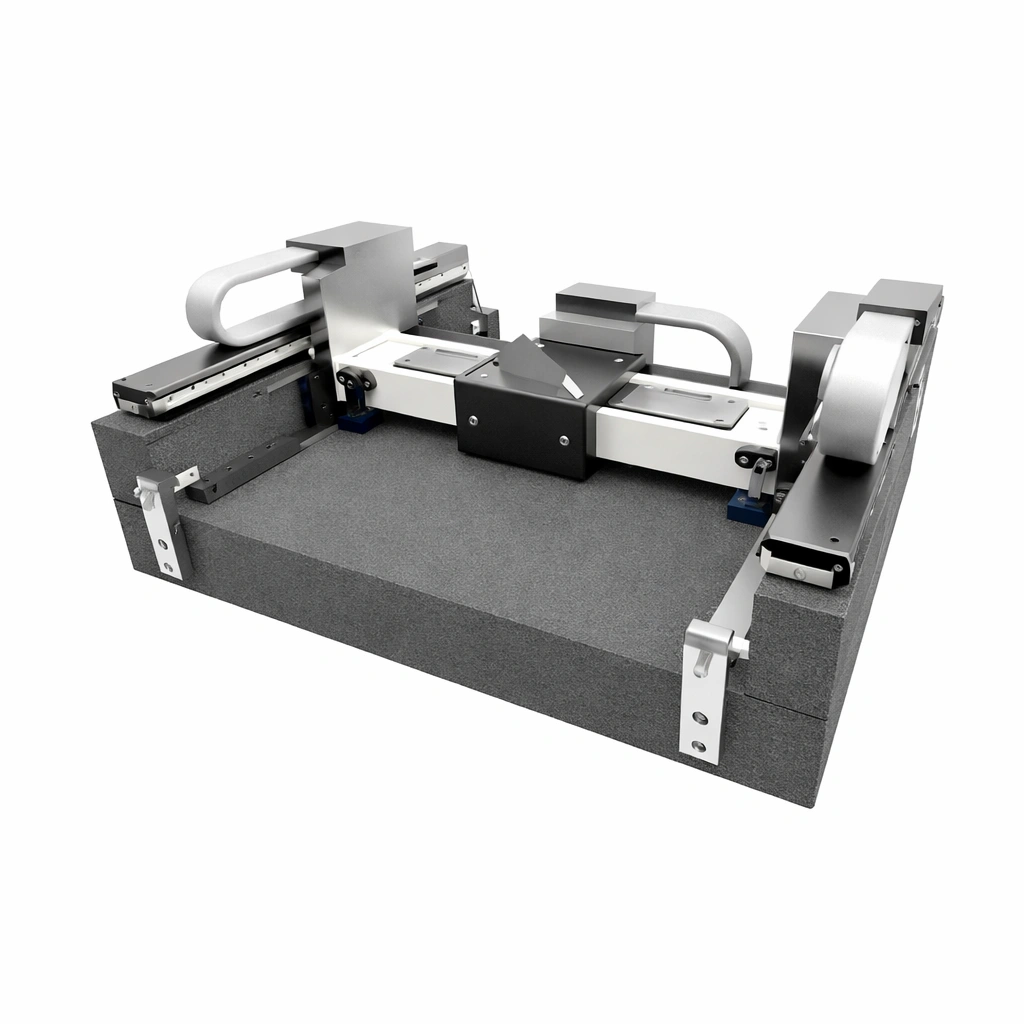
Precision Air-Bearing Multi-Axis Motion Platform for Metrology Alignment & Scanning

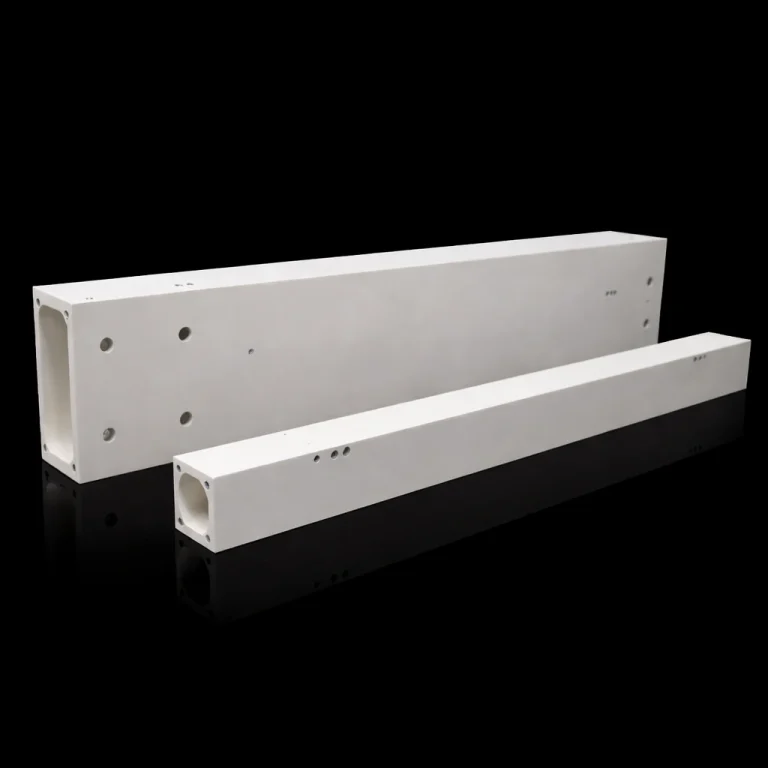
Standard modules are available, with drawing-based customization for envelopes and strokes. Typical overall length is 300–2000 mm (longer by evaluation). You can specify XY/XYZ/XYθ/XYZθ, travel per axis, payload limits, datum faces, mounting patterns, air ports/manifolds, and motor/encoder interface surfaces.

Catalog No. AT-JYI
Repeatability (multi-axis) ±0.1 μm (typical, configuration-dependent)
Travel Range  300–2000 mm
Air Supply Requirement pressure / flow / filtration (bar, L/min, μm filter; project-defined)
Surface Roughness Ra ≤0.2 μm


24H Standard Dispatch
Small Batch Support OEM
Factory Direct
Expert Engineering Support

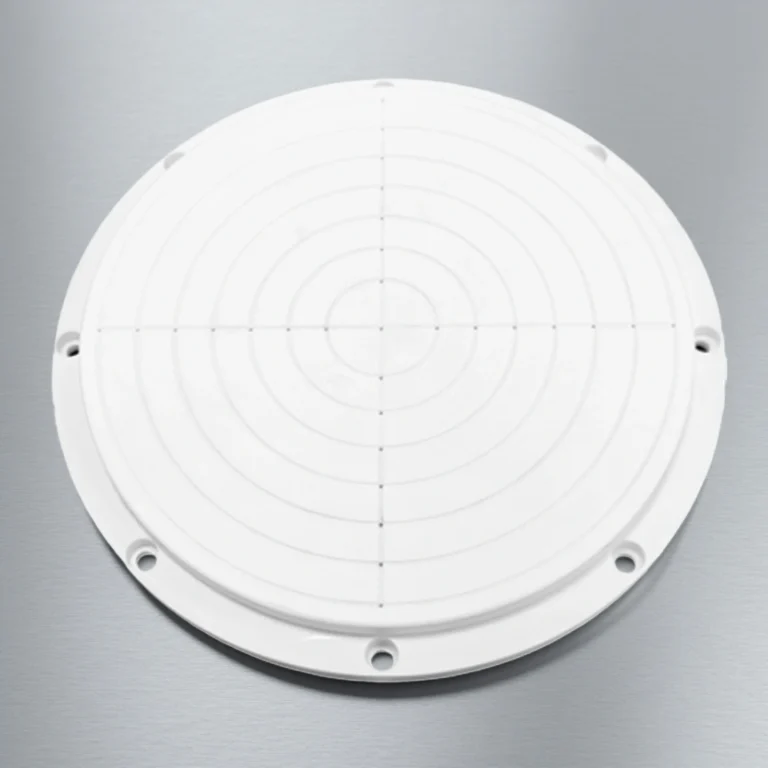
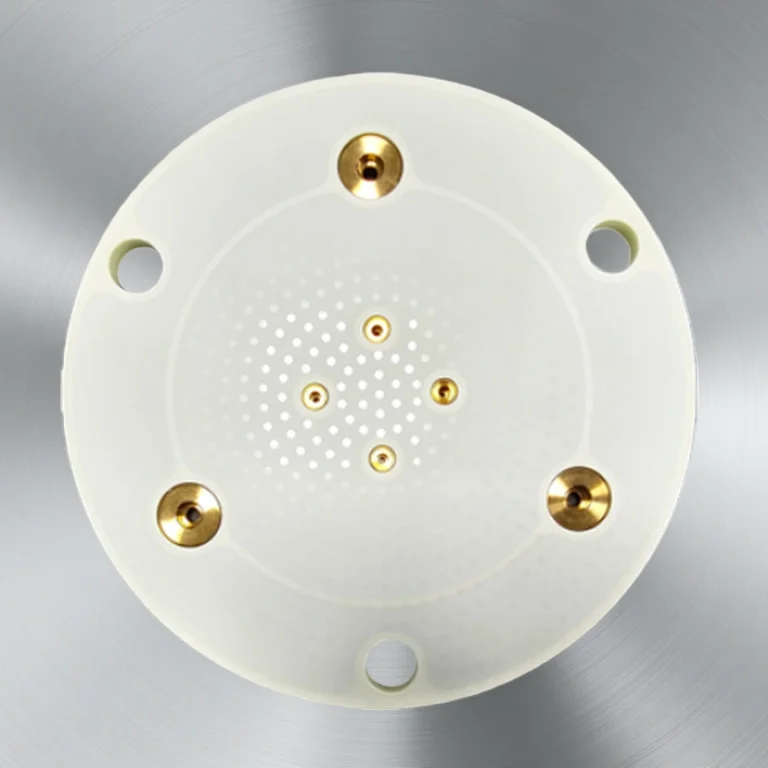
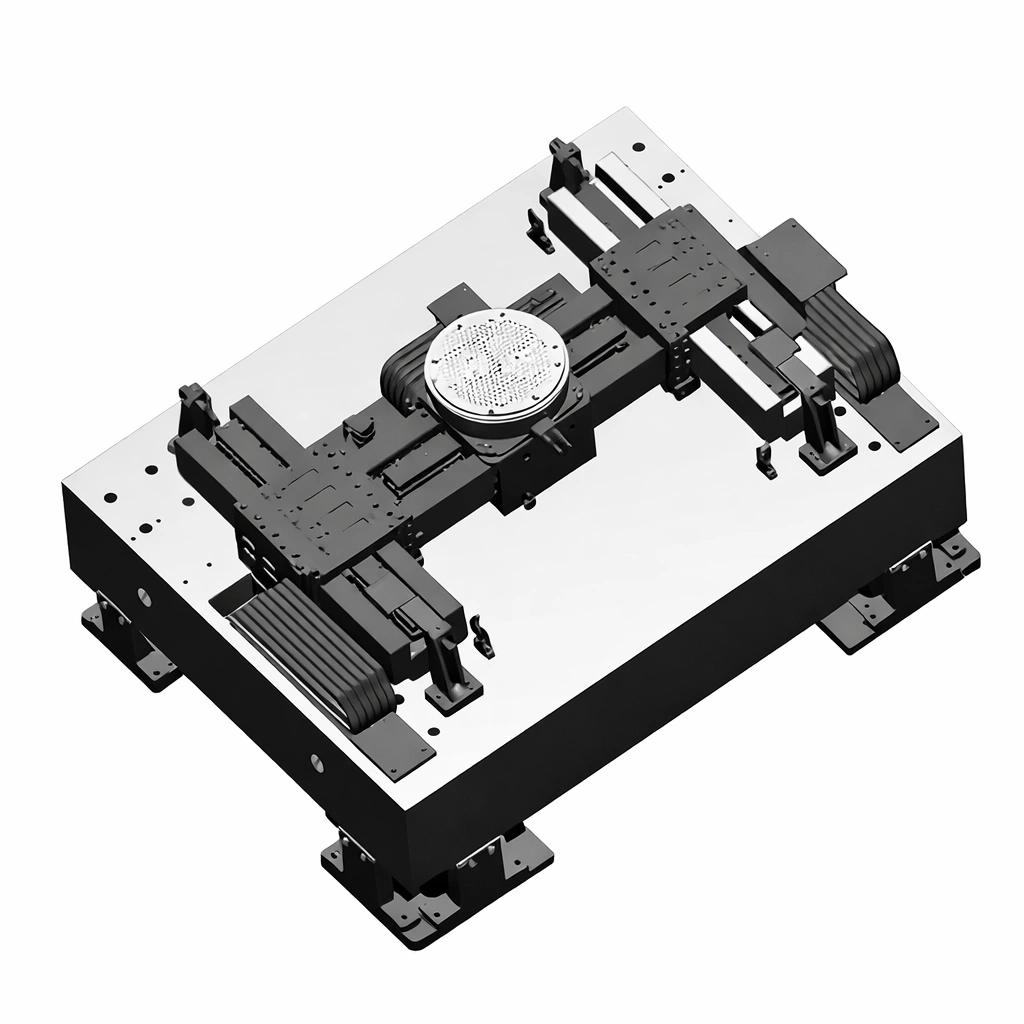
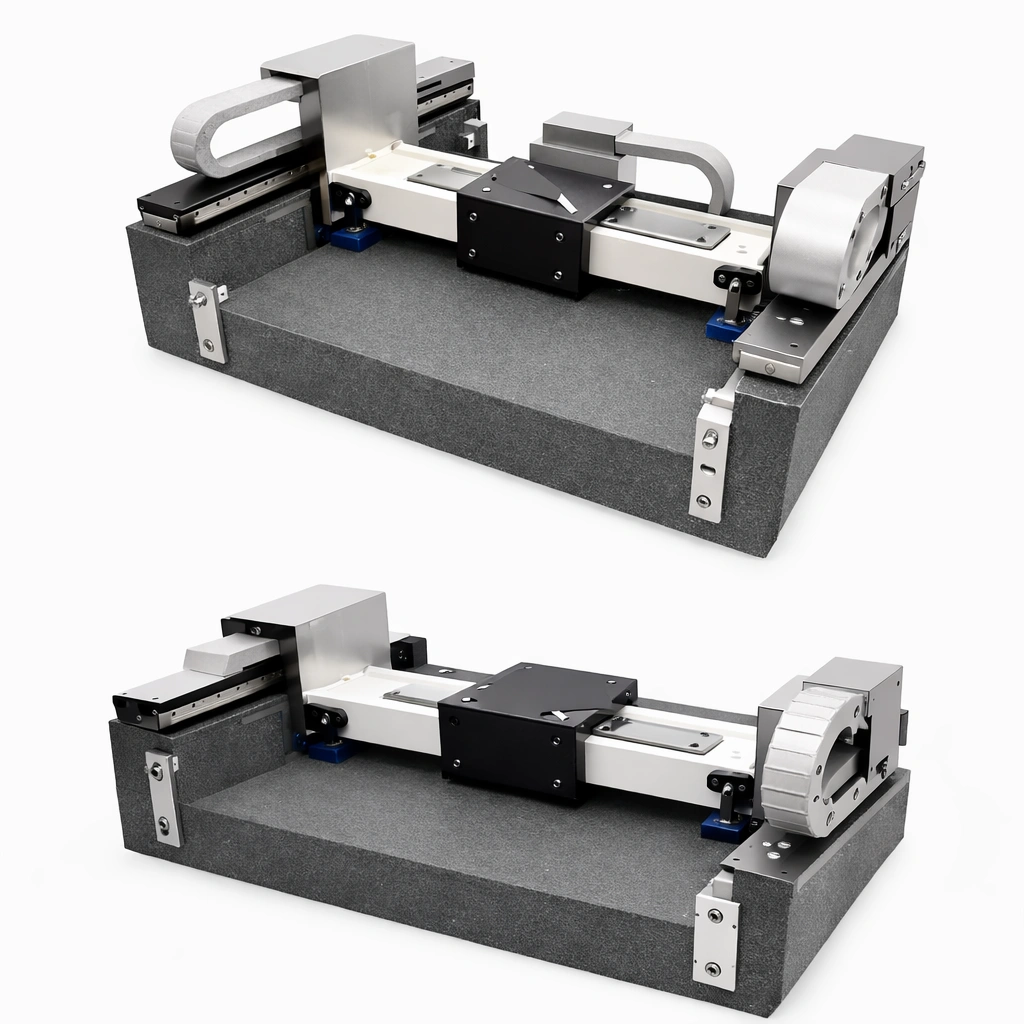
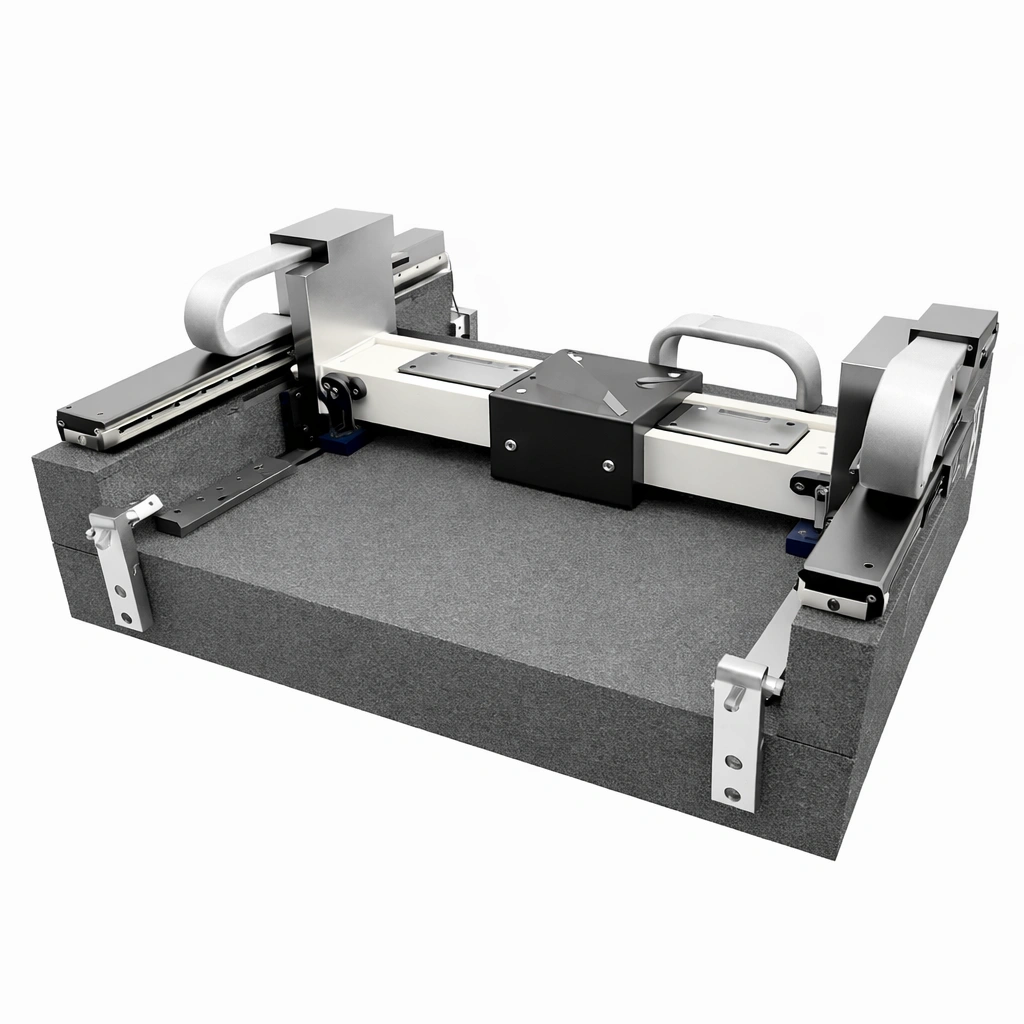
A Precision Air-Bearing Multi-Axis Motion Platform is a multi-axis positioning stage that floats on a thin pressurised air film, creating near-zero friction, non-contact motion. This structure eliminates stick-slip and mechanical wear so that the platform can maintain stable positioning performance with sub-micron repeatability during scanning, alignment, or pick-and-place routines. It is commonly integrated into metrology systems, optical inspection tools, laser processing equipment, and other precision automation machines where vibration control and motion smoothness directly affect yield and measurement uncertainty.

Precision Air-Bearing Multi-Axis Motion Platform Benefits

  • Ultra-Low Friction Air Bearings
    Non-contact air film eliminates stick-slip and mechanical wear, keeping motion smooth across long duty cycles.
    Ideal for scanning, alignment, and precision positioning where motion ripple and micro-vibration affect results.

  • Customizable Dimensions & Axis Layouts
    Platform length, stroke, axis stack (XY / XYZ / XYθ / XYZθ), and stage envelope can be defined to match your machine bay and tooling.
    Cross-sections, datum faces, and mounting patterns can be built around your fixture strategy and metrology references.

  • High Stability, Stiffness & Payload Control
    Designed to maintain positioning stability under off-centre loads and changing payload conditions during acceleration and deceleration.
    Supports stable multi-axis motion for heavy optics, fixtures, probes, or automation end-effectors with predictable deflection behaviour.

  • Cleanroom & Contamination-Sensitive Compatibility
    No rolling elements and no lubrication on the bearing interface reduce particle generation compared with mechanical guides.
    Suitable for inspection, optical alignment, and precision measurement environments that require clean operation and repeatable performance.

  • System-Level Integration Ready
    Supports integration with direct-drive actuation (e.g., linear motor), feedback options (linear encoder), and air supply manifolds.
    Common engineering options include cable routing zones, sensor mounting bosses, hard stops, and reference features for fast commissioning.

Precision Air-Bearing Multi-Axis Motion Platform Properties

Property Unit 99.5% Al₂O₃ 99.7% Al₂O₃ 99.9% Al₂O₃ 99.9% Al₂O₃ (Ivory)
Alumina content % 99.5 99.7 99.9 99.9
Density g/cm³ 3.58 3.61 3.69 3.61
Color - Ivory Ivory Ivory Ivory
Water absorption % 0.03 0.02 0.01 0.02
Young's modulus GPa 275 278 300 275
Shear modulus GPa 105 109 116 105
Bulk modulus GPa 362 365 385 362
Compressive strength MPa 300 320 340 300
Flexural strength MPa 305 310 320 305
Fracture toughness MPa·m½ 3.5 3.6 3.8 3.5
Thermal hardness W/m·K 14 14 14 14
Thermal shock resistance ΔT °C 450 460 480 450
Maximum use temperature (to load) °C 1200 1250 1300 1200
Coefficient of thermal expansion 10⁻⁶/°C 7.5 7.4 7.3 7.5
Hardness - 9.0 9.0 9.0 9.0
Dielectric constant - 9.5 9.6 9.6 9.5
Dissipation factor (loss factor) (1 kHz) 0.02 0.02 0.015 0.02


Precision Air-Bearing Multi-Axis Motion Platform Specifications

Model No. Dimensions (W×H×L) mm Flatness (μm) Parallelism (μm)

Perpendicularity (μm)

AT-JYI001 600x 2
AT-JYI002 800x
AT-JYI001 1200x

Precision Air-Bearing Multi-Axis Motion Platform Packaging

  • Individually wrapped with anti-scratch film
  • Foam-supported rigid export carton
  • Optional wooden crate for long straightedge
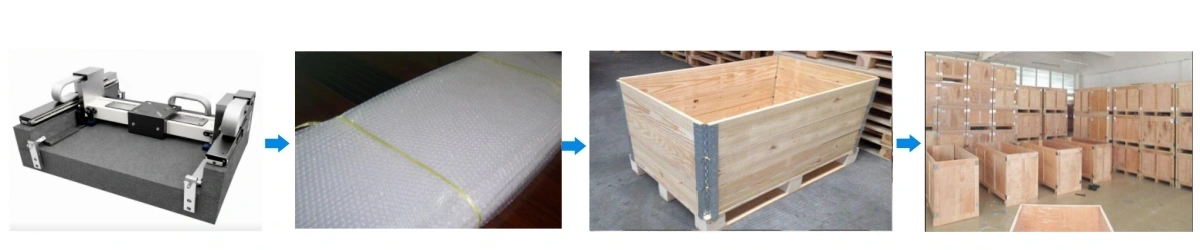
Precision Air-Bearing Multi-Axis Motion Platform Packaging

Precision Air-Bearing Multi-Axis Motion Platform Applications

  • Precision Equipment Manufacturing (Automation OEM / System Integrators)

    ✅ Key Advantages

    1. Wear-free motion: Non-contact air bearing avoids guide wear that shifts geometry over time.
    2. Multi-axis build flexibility: XY / XYZ / XYθ layouts fit pick-place, scanning, and in-line inspection cells.
    3. Commissioning-friendly references: Datum faces and mounting patterns support repeatable assembly and re-alignment.

    ✅ Problem Solved

    In precision automation, mechanical guides often introduce stick-slip at low speed and gradual accuracy drift as contact surfaces age. An air-bearing multi-axis platform keeps motion smooth during micro-stepping moves, continuous scanning, and frequent start-stop cycles. The platform can be configured with alignment datums, hard stops, and service zones so technicians can re-install the stage without reworking the machine base. For production lines, this reduces unplanned adjustments caused by guide wear, and helps maintain consistent part-to-part positioning during long runs.

  • Optical & Photonics Systems (Beam Alignment / Scanning / Interferometry)

    ✅Key Advantages

    1. Low motion ripple: Smooth travel supports stable beam paths and repeatable scan trajectories.
    2. Vibration-sensitive readiness: Air film decouples micro-contact disturbances that can affect optics alignment.
    3. Clean integration: No rolling-element lubrication at the bearing interface, reducing contamination risk.

    ✅ Problem Solved

    Optical alignment and photonics scanning are sensitive to micro-vibration, velocity non-uniformity, and small angular errors that shift the beam or measurement axis. A precision air-bearing multi-axis motion platform supports controlled, repeatable scanning while maintaining stable pitch/yaw/roll behavior defined by your metrology targets. The stage can be designed around encoder mounting surfaces, cable routing, and sensor brackets so feedback components remain mechanically stable during acceleration. For optical OEMs, this improves setup repeatability between builds and reduces re-calibration effort after maintenance.

  • Metrology & Semiconductor-Adjacent Testing (CMM Modules / Precision Inspection / Probe Systems)

    ✅Key Advantages

    1. Geometry control focus: Supports acceptance targets such as flatness, straightness, parallelism, and squareness.
    2. Stable payload behavior: Designed for off-center loads like probes, fixtures, and measurement heads.
    3. Feedback compatibility: Prepared interfaces for linear encoders, home/limit sensors, and calibration references.

    ✅ Problem Solved

    Metrology workflows depend on repeatable geometry and predictable stage behavior under changing payloads and cable forces. An air-bearing multi-axis platform reduces friction-driven hysteresis, helping measurement systems keep consistent approach-and-retract motion during probing and scanning routines. The design can include datum schemes, reference edges, and calibration features so the stage aligns to your measurement coordinate system without ambiguity. For test and inspection equipment, this supports tighter measurement repeatability and reduces sensitivity to wear-related drift over long service intervals.

Usage Guide – Precision Air-Bearing Multi-Axis Motion Platform

  • Installation

    1. Mount the platform on a flat, stiff, vibration-isolated base; verify base flatness before final tightening.
    2. Use the defined datum faces/edges to set X/Y orientation; confirm squareness with a dial indicator or laser alignment tool.
    3. Torque fasteners in a cross pattern to avoid introducing twist; re-check level and flatness after tightening.
    4. Connect air supply, filtration, and regulator according to the stage port layout; confirm correct flow direction and clean connections.
    5. Install feedback components (encoder scales, readheads, home/limit sensors) using the provided reference surfaces to prevent misalignment.

  • Usage

    1. Start air first, then enable drives; confirm the stage floats freely without contact before motion commands.
    2. Maintain stable air pressure during operation; large pressure changes can affect stiffness and motion stability.
    3. Run a short warm-up motion routine to stabilize system temperature and repeatability before measurement or production.
    4. Keep acceleration and jerk within your tuning limits, especially with off-center payloads or tall fixtures.
    5. Avoid side loading from hoses/cables; route utilities through cable chains or service zones to reduce drag forces.

  • Storage

    1. Depressurise and power down in a controlled stop position; protect bearing faces and precision surfaces.
    2. Store in a dry, dust-free enclosure; use anti-dust covers and desiccant for long storage intervals.
    3. Do not stack heavy objects on top of the crate; keep the platform supported at defined lifting points.

  • Cleaning & Maintenance

    1. Clean air-bearing and datum surfaces using lint-free wipes and approved non-residue solvents when required.
    2. Use filtered, dry compressed air to remove particles; do not blow debris into air ports or manifolds.
    3. Inspect air lines, filters, and regulators on a schedule; replace filters when differential pressure rises or flow drops.
    4. Periodically verify repeatability and straightness with your in-house measurement method to catch drift early.

  • Common Issues & Solutions (Operator-Facing)

    1. Drift in positioning – Confirm stable air pressure, check payload CG and cable forces, then re-zero datums and home routine.
    2. Surface contamination – Stop motion, vent air safely, clean bearing surfaces and inspect filters; restart with a float check.
    3. Reduced repeatability – Verify encoder alignment and sensor mounting, confirm base flatness and fastener torque, then re-tune motion parameters.

FAQ – Precision Air-Bearing Multi-Axis Motion Platform

  1. What accuracy metrics should I specify for a Precision Air-Bearing Multi-Axis Motion Platform?
    You should define repeatability, straightness (µm/m), flatness, squareness, and angular errors (pitch/yaw/roll). These metrics determine whether the platform meets scanning and alignment acceptance criteria.
  2. What is the difference between repeatability and absolute positioning accuracy on an air-bearing stage?
    Repeatability describes how consistently the stage returns to the same point, while absolute accuracy depends on encoder scale accuracy, calibration, and controller compensation. Many systems achieve strong repeatability first, then improve absolute accuracy through mapping.
  3. How do I choose between XY, XYZ, XYθ, and XYZθ configurations?
    Choose the axis stack based on your process: XY for planar scanning, XYZ for height control, XYθ for alignment/rotation tasks, and XYZθ when both focus control and rotational alignment are required. Your payload height and stiffness targets also affect the best layout.
  4. What air supply requirements does a Precision Air-Bearing Multi-Axis Motion Platform typically need?
    Most air-bearing systems require clean, dry air with stable pressure and filtration. You should specify available plant air pressure, allowable pressure variation, flow capacity, and filtration level to match bearing stiffness and contamination control targets.
  5. Can the platform run in cleanroom or contamination-sensitive environments?
    Yes, air bearings avoid rolling-element lubrication at the bearing interface and reduce wear particle generation. Cleanroom suitability still depends on the full build plan, including air exhaust handling, cable routing, and maintenance procedures.
  6. What payload details should I provide for correct stiffness and performance design?
    Provide payload mass, footprint, centre of gravity, mounting method, and dynamic conditions (acceleration, scan speed, cable drag). Off-center loads and tall fixtures can drive higher stiffness and tighter geometry requirements.
  7. How is straightness or flatness verified for a Precision Air-Bearing Multi-Axis Motion Platform?
    Common verification methods include laser interferometry, autocollimator measurements for angular errors, and granite/indicator methods for flatness checks. You can request an inspection report format aligned with your acceptance test plan.

Customer Reviews Precision Air-Bearing Multi-Axis Motion Platform

  • ⭐️⭐️⭐️⭐️⭐️
    ADCERAX’s Precision Air-Bearing Multi-Axis Motion Platform improved our assembly line accuracy by 12%, and the sub-micron repeatability meets our high-end automation needs
    -- James R., Automation Engineer, OptiTech Systems
  • ⭐️⭐️⭐️⭐️⭐️
    The cleanroom-ready design and modular customization allowed seamless integration with our laser scanning systems
    -- Lena K., Product Manager, LaserCore Inc
  • ⭐️⭐️⭐️⭐️⭐️
    Direct sourcing from ADCERAX ensures competitive pricing and consistent quality for bulk orders of motion platforms
    -- Michael S., Procurement Lead, ADCERAX Factory Partner
  • ⭐️⭐️⭐️⭐️⭐️
    Custom dimensions and precise surface finishing made this platform ideal for our semiconductor testing equipment, reducing calibration errors by 20%
    -- Hiroshi T., R&D Engineer, PrecisionMetrix Japan
customize size

Custom Precision Air-Bearing Multi-Axis Motion Platform

ADCERAX supports drawing-based customization for platform geometry, axis stack, and integration features so the stage fits your machine envelope and metrology reference scheme. What You Can Specify:

  • Envelope & stroke: overall size, travel/stroke per axis, overhang limits, payload direction

  • Axis configuration: XY / XYZ / XYθ / XYZθ, gantry layout, stacked stage height limits

  • Precision references: datum faces, squareness/parallelism targets, alignment fiducials, reference edges

  • Bearing & air system: bearing pad layout, air port location, manifold routing, filtration interface

  • Mounting & interfaces: hole patterns, threaded inserts, dowel pins, cable chain zones, hard stops

  • Drive & feedback: linear motor mounting, encoder scale mounting surfaces, sensor brackets (home/limit)

  • Surface & protection: ground/polished finishes, edge chamfers, protective covers for handling and shipment

Related Products

ADCERAX - Your Trusted Advanced Ceramics Manufacturing Partner

Direct factory manufacturing with comprehensive ceramic materials expertise and global supply capabilities

Direct Factory Manufacturing

China-based ceramic materials production facility with state-of-the-art equipment

Engineering Team

Experienced professionals in advanced ceramics applications and custom design

Quality Control

Strict quality control standards for technical ceramics manufacturing and quality management

Global Supply Chain

Serving customers worldwide with technical ceramics and rapid response

24/7 Technical Support

Round-the-clock support for ceramic components inquiries and technical assistance

500+ Satisfied Customers

Trusted by global customers for advanced ceramic materials and precision components

Get in touch with us

Our team will be happy to respond to you in less than 24 hours.

Adcerax's factory

Quick Quotation

*Our team will answer your inquiries within 24 hours.

*Your information will be kept strictly confidential.

Ready to Solve Your Engineering Challenge?

Partner with ADCERAX for reliable, high-performance advanced ceramic solutions. Our engineers are ready to discuss your project.

E-mail

info@adcerax.com

Phone

+(86) 0731-74427743 | WhatsApp: +(86) 19311583352

Response Time

Within 24 hours

Quick Quote

The more details you provide, the faster we can quote.

*We respond within 24 hours. All inquiries are confidential.

Download Catalog

Get Your Custom Sulution

The more details you provide, the faster we can respond.

customize size

*We respond within 24 hours. All inquiries are confidential.

Download Catalog