
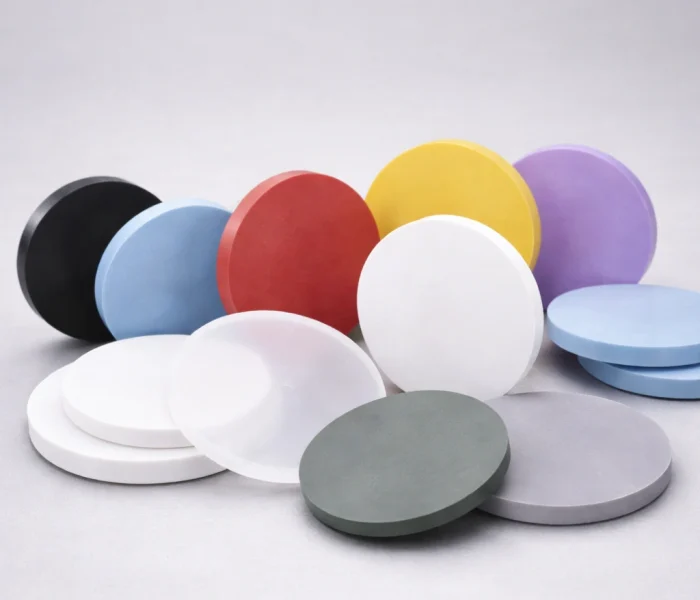
Ceramic Sputtering Targets | High-Purity Oxide, Nitride & Carbide Targets for Thin Film Deposition
ADCERAX is a factory-direct supplier of ceramic sputtering targets for thin film deposition. We provide high-purity oxide, nitride, carbide, boride, fluoride, sulfide, and other compound targets for optical coating, display coating, solar coating, and R&D applications, with custom sizes, bonded options, and fast engineering support for lab, pilot, and production needs.
From material selection to custom target delivery, ADCERAX helps turn coating requirements into reliable target solutions.
What is Ceramic Sputtering Target?
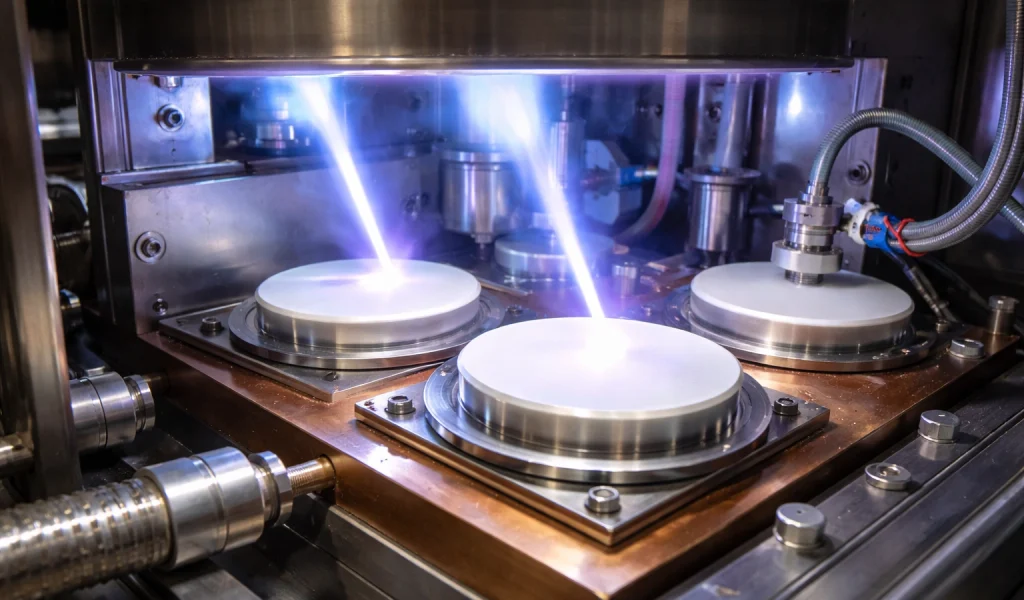
A ceramic sputtering target is a high-purity ceramic material used in Physical Vapor Deposition (PVD) processes to create thin films on substrates. When bombarded by energized ions in a vacuum chamber, atoms are ejected from the target surface and deposited onto the substrate, forming functional coatings with controlled thickness, composition, and properties.
Ceramic targets are chosen over metal targets when the deposited film requires:
Ceramic Sputtering Target Properties
Ceramic sputtering target performance depends on material composition, purity, density, and target structure. The comparison below outlines key properties of different ceramic target materials to help you choose the right option for your deposition process.
| Specification | Standard Range | Notes |
|---|---|---|
| Shape | Round, Rectangular, Custom | Planar and rotary configurations |
| Round Diameter | 1" - 14" (25mm - 355mm) | Larger sizes available on request |
| Rectangular Size | Up to 500mm × 200mm | Segmented for larger areas |
| Thickness | 3mm - 12mm (typical 6.35mm) | Thicker for longer service life |
| Purity | 99.5% - 99.99% | Higher purity for semiconductor applications |
| Density | >95% - >99% theoretical density | Higher density = fewer defects in films |
| Surface Finish | Ra <1.6 µm (ground), Ra <0.8 µm (polished) | Smooth surface for uniform sputtering |
| Grain Size | <50 µm typical | Fine grain for stable erosion |
| Material | Density (g/cm³) | Melting Point (°C) | Thermal Conductivity (W/m·K) | Typical Purity |
|---|---|---|---|---|
| Al₂O₃ | 3.95 | 2072 | 30-35 | 99.5-99.99% |
| ZrO₂ | 5.68 | 2715 | 2-3 | 99.5-99.9% |
| TiO₂ | 4.23 | 1843 | 8-12 | 99.9-99.99% |
| SiO₂ | 2.20 | 1713 | 1.4 | 99.99% |
| ITO | 7.14 | ~1800 | 10 | 99.99% |
| AZO | 5.61 | 1975 | 25-30 | 99.99% |
Ceramic Target Types and Products
ADCERAX supplies ceramic sputtering targets in multiple material categories and target formats for thin film deposition and vacuum coating applications. This product range help you identify the right material and target type for their process needs.
Oxide ceramic targets are used in thin film deposition and vacuum coating. They offer different optical, electrical, and thermal properties for a wide range of coating needs.
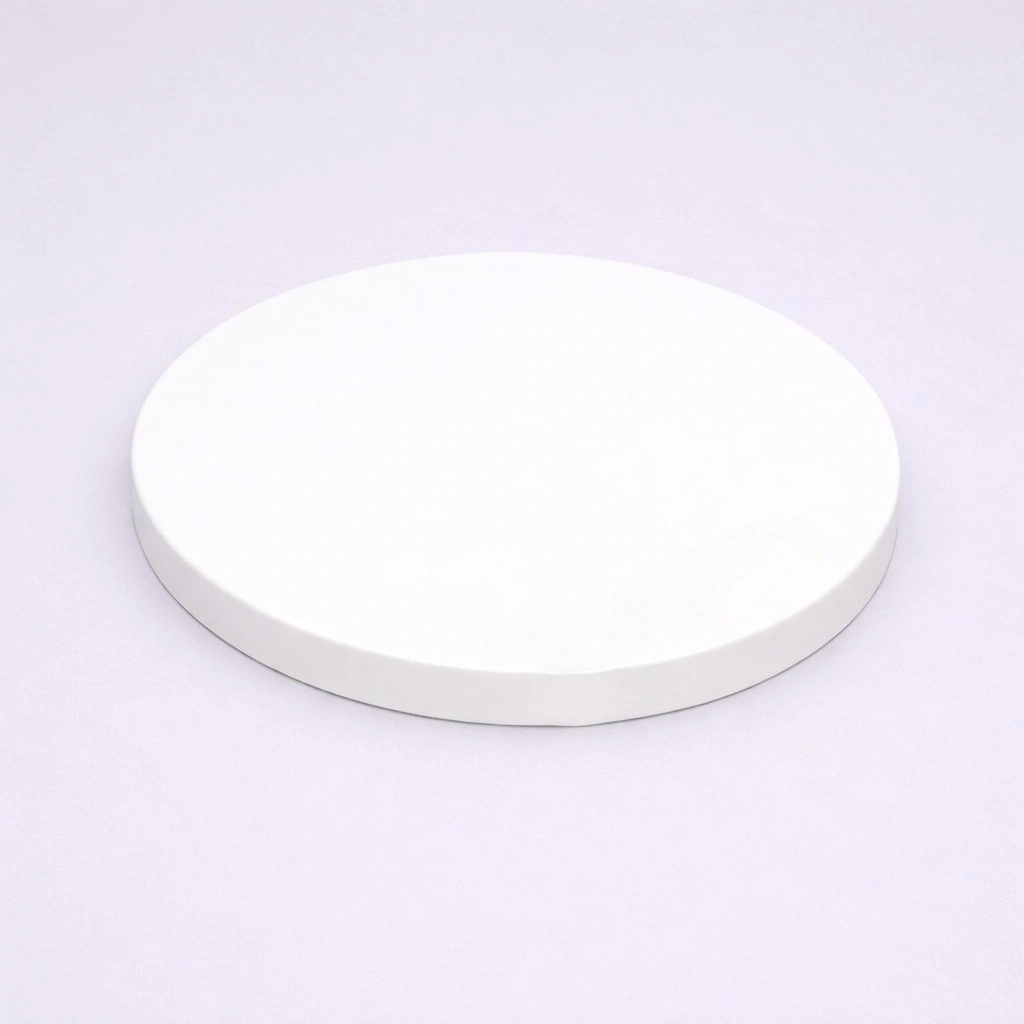
Zinc Oxide Target
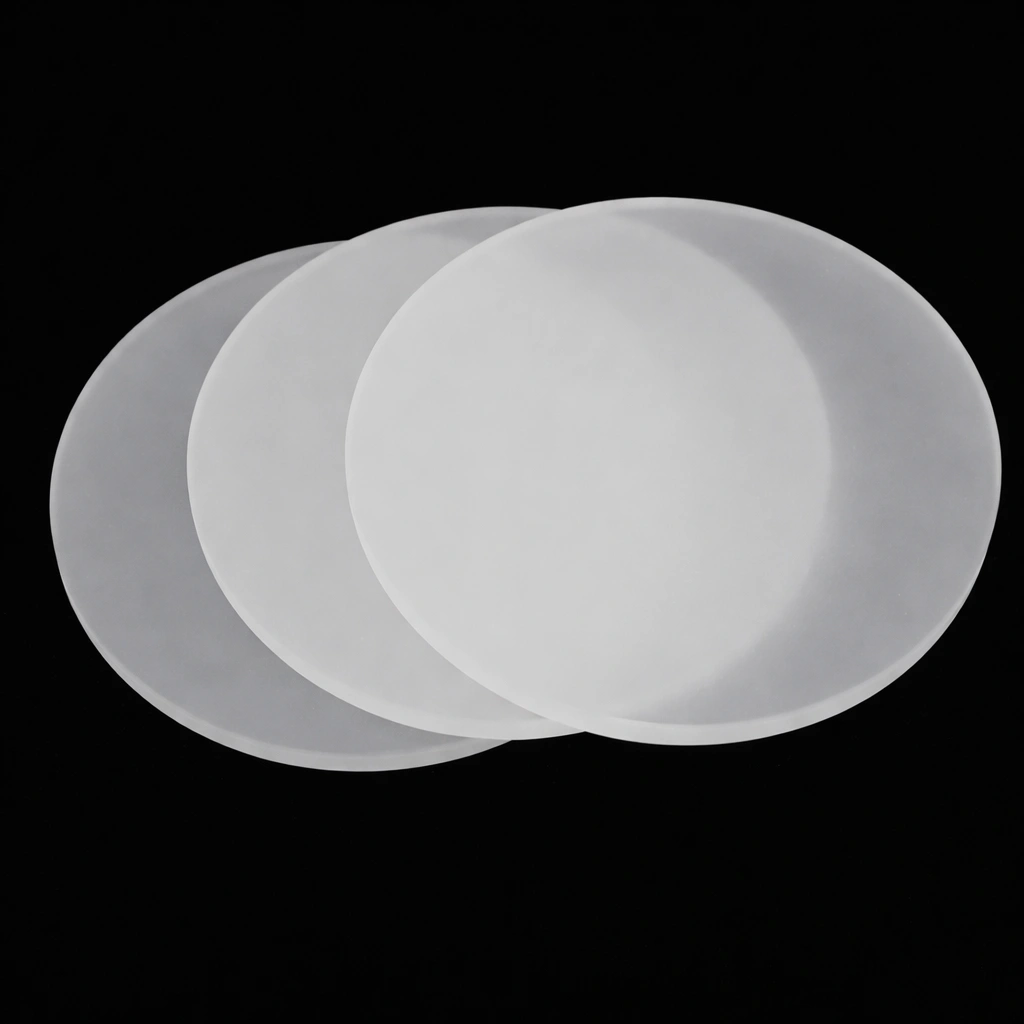
Silicon Dioxide Target
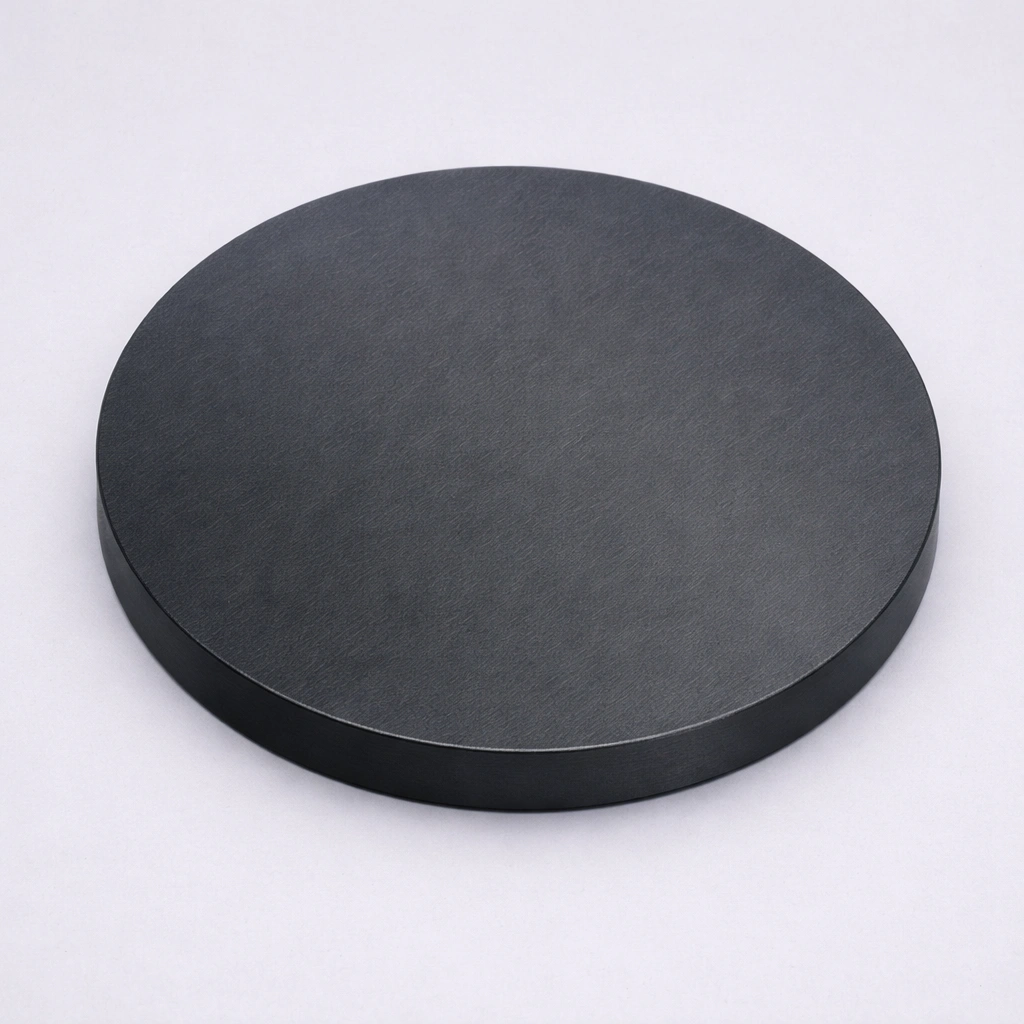
Titanium Dioxide Target
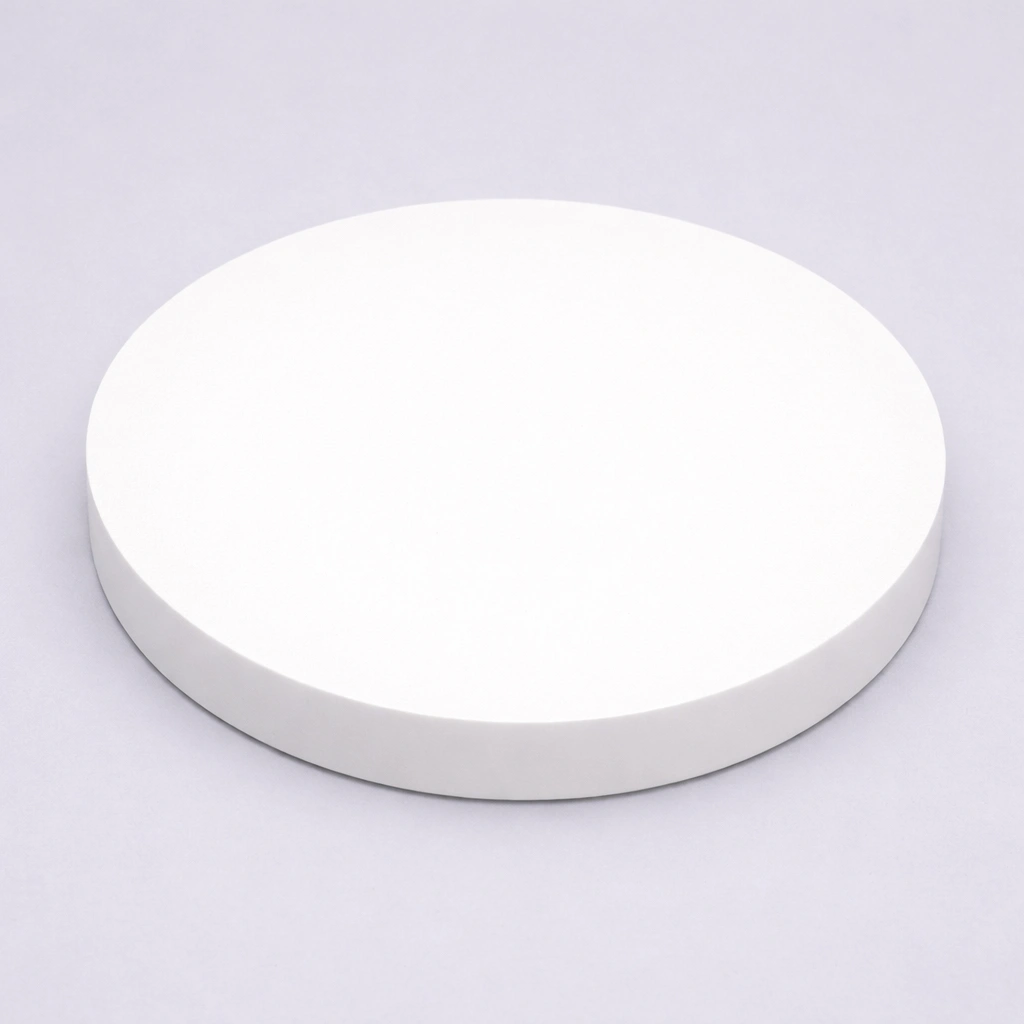
Zirconium Dioxide Target
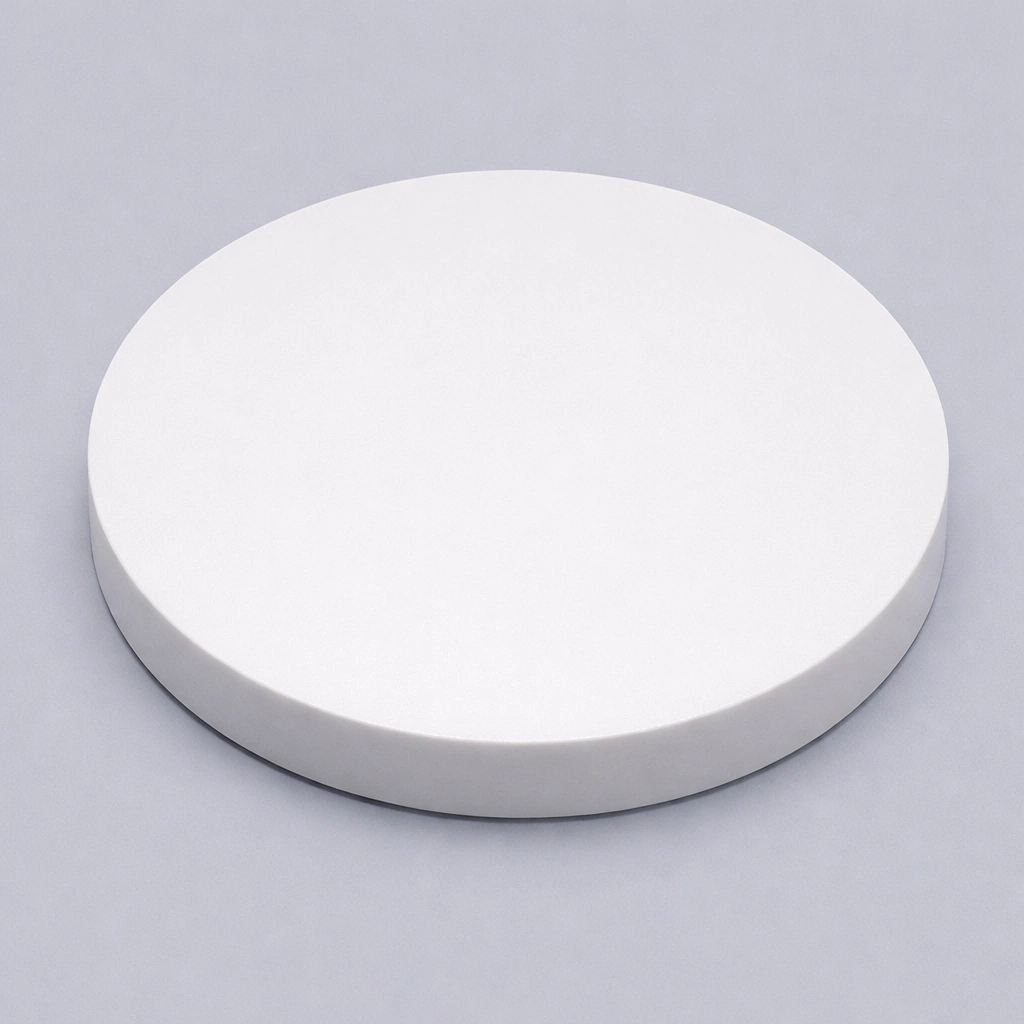
Aluminum Oxide Target
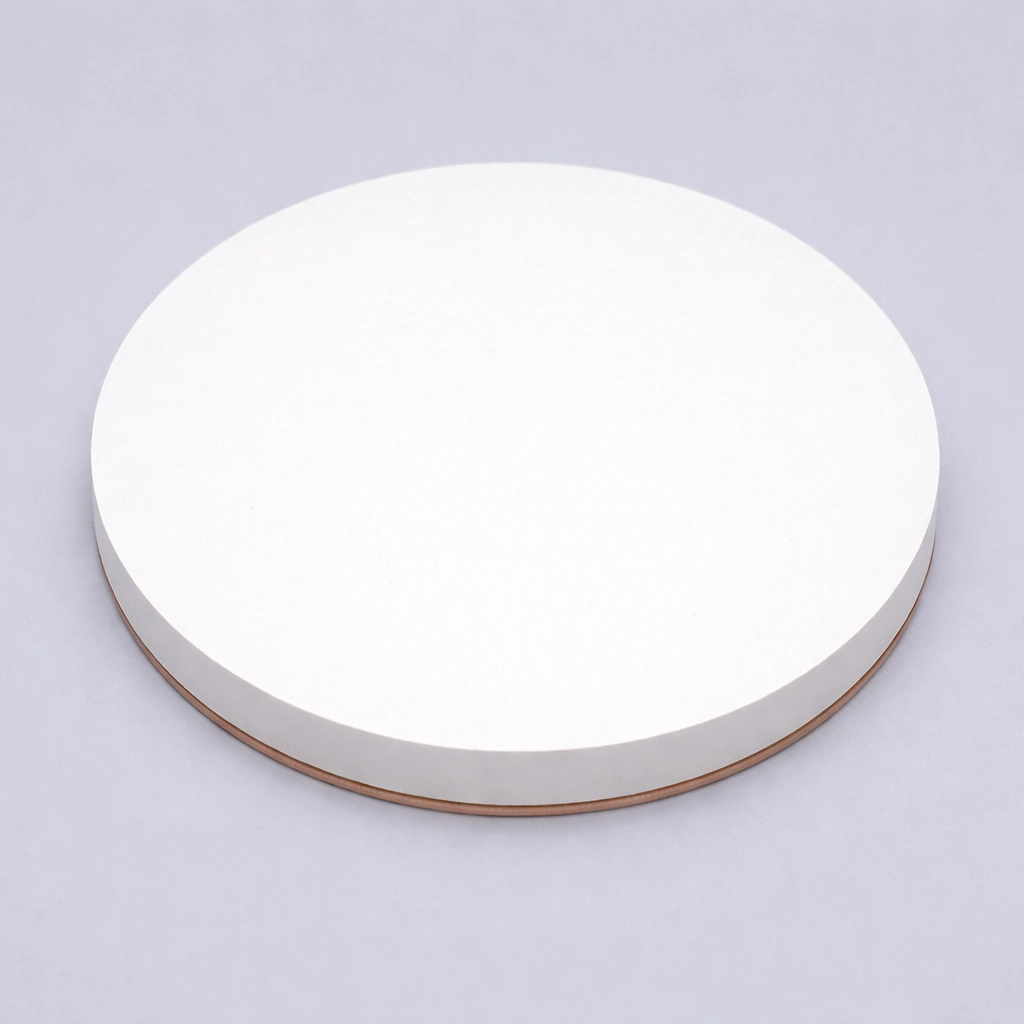
Magnesium Oxide Target
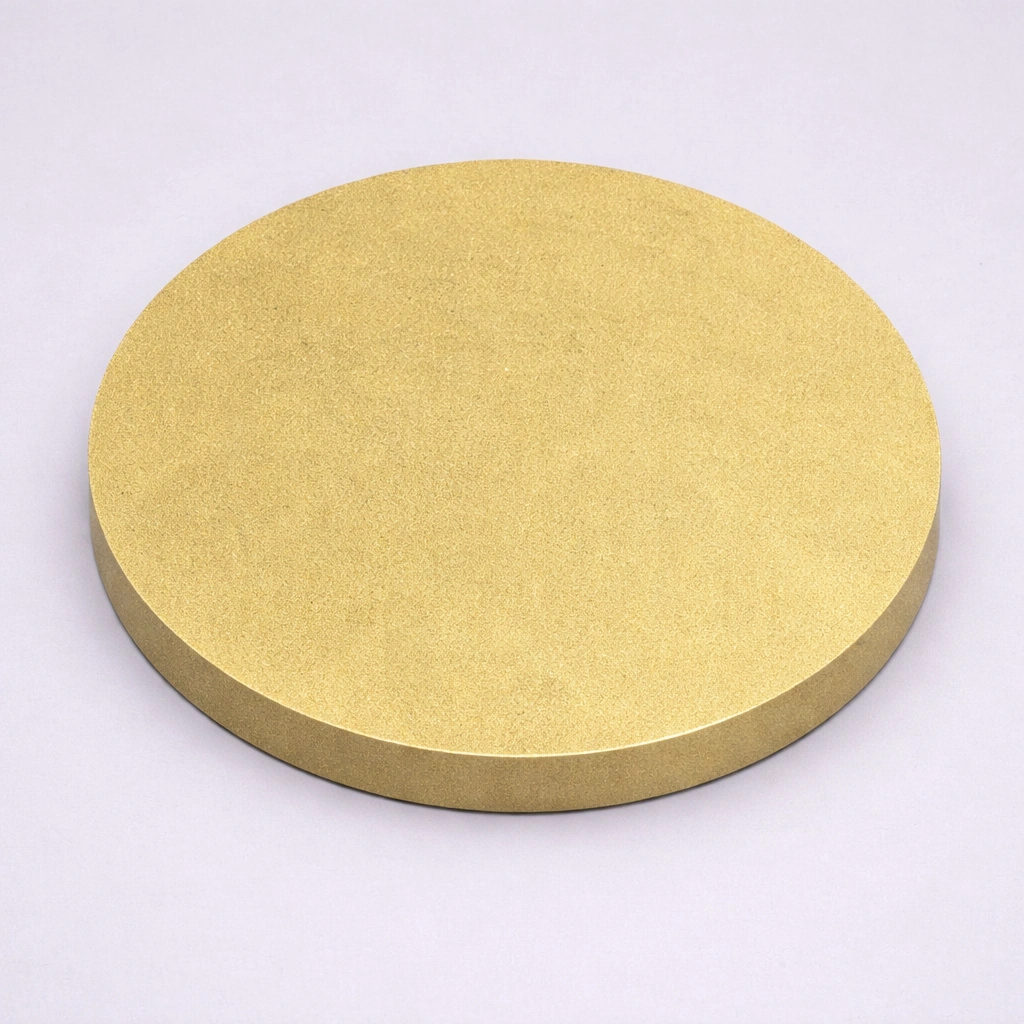
Indium Oxide Target
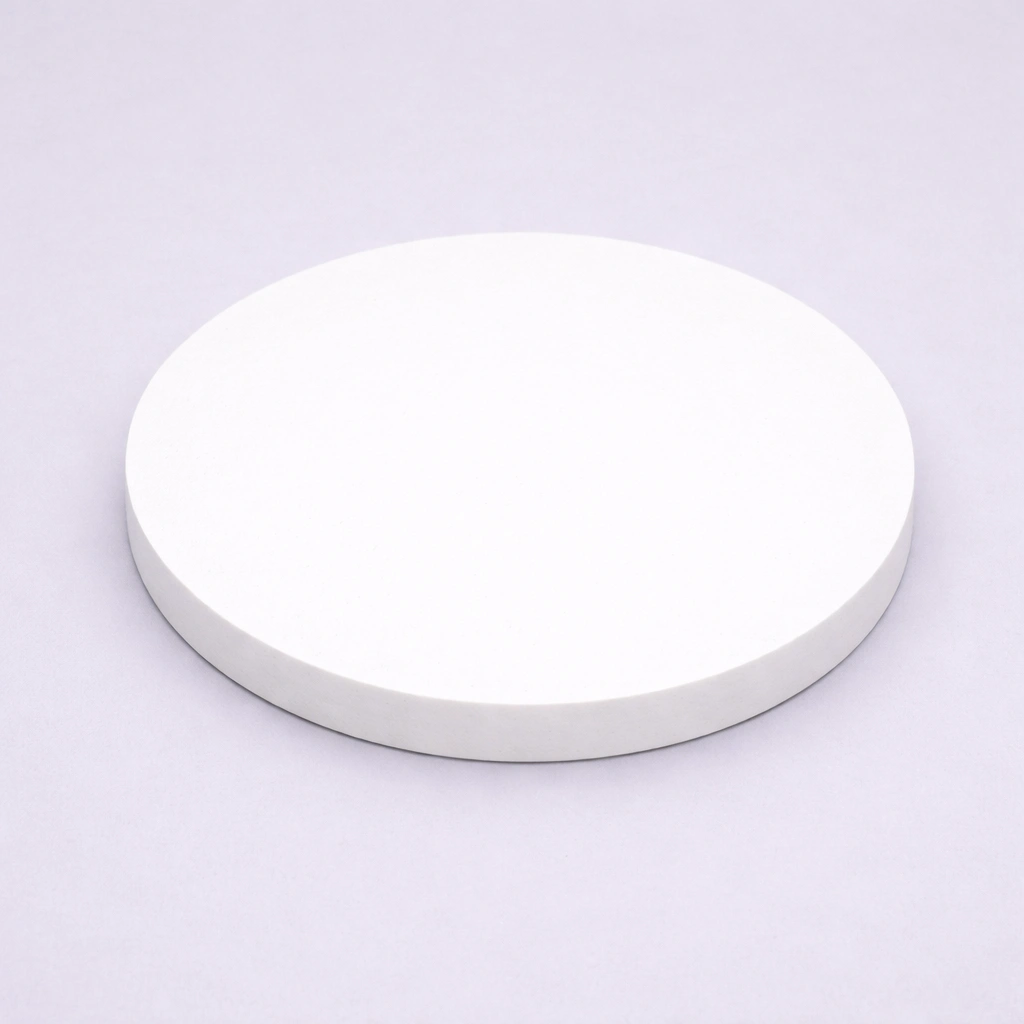
Hafnium Oxide Target
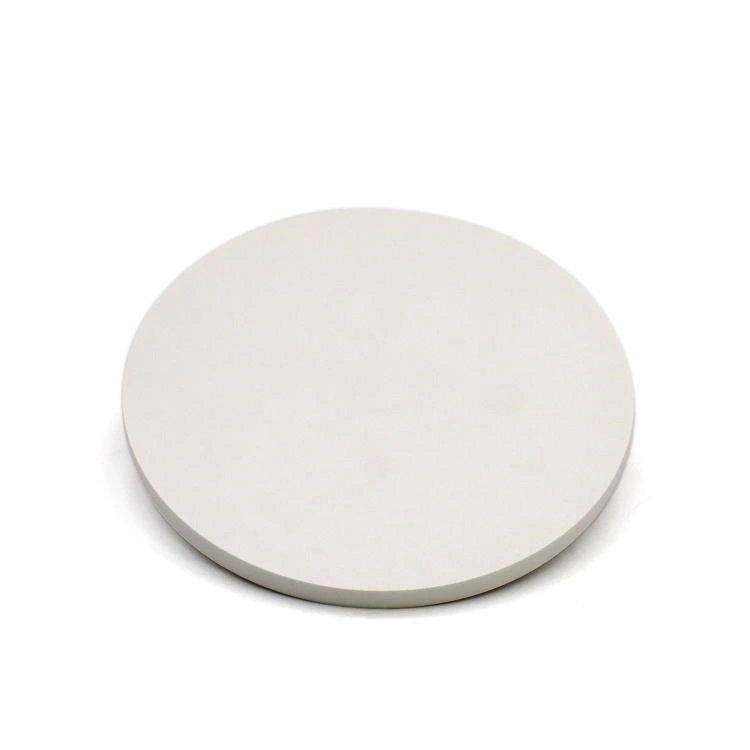
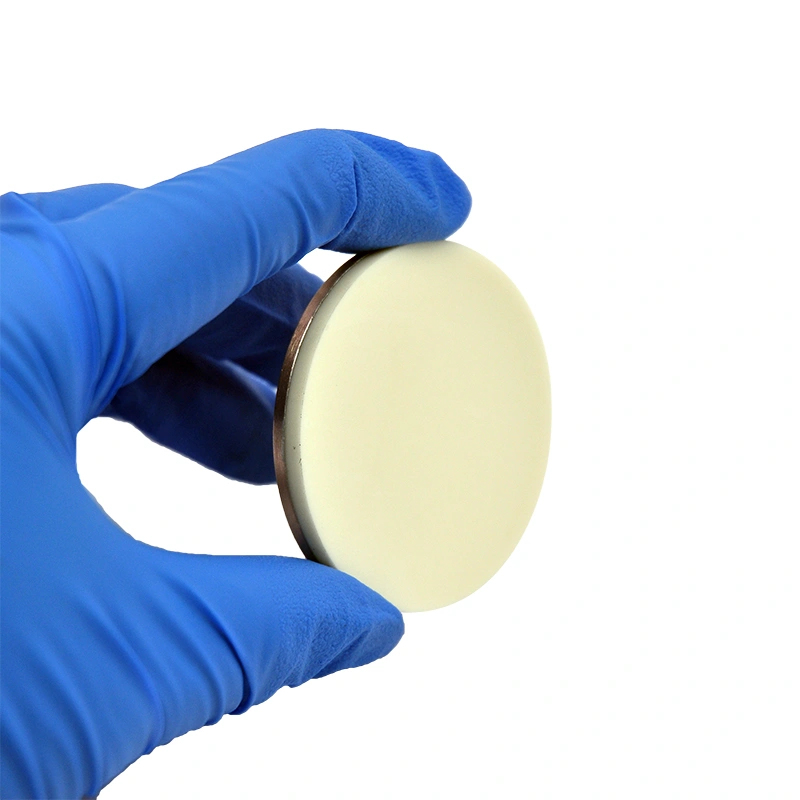
Cerium Oxide Target
Nitride targets support thin film deposition and vacuum coating. They provide strong thermal stability, hardness, and chemical resistance.
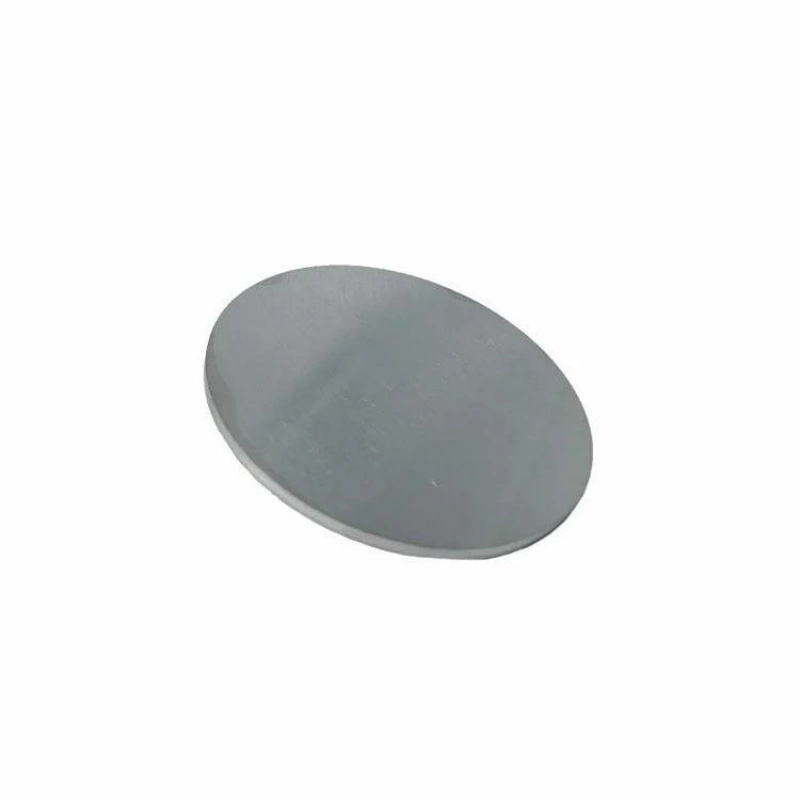
Silicon Nitride Target
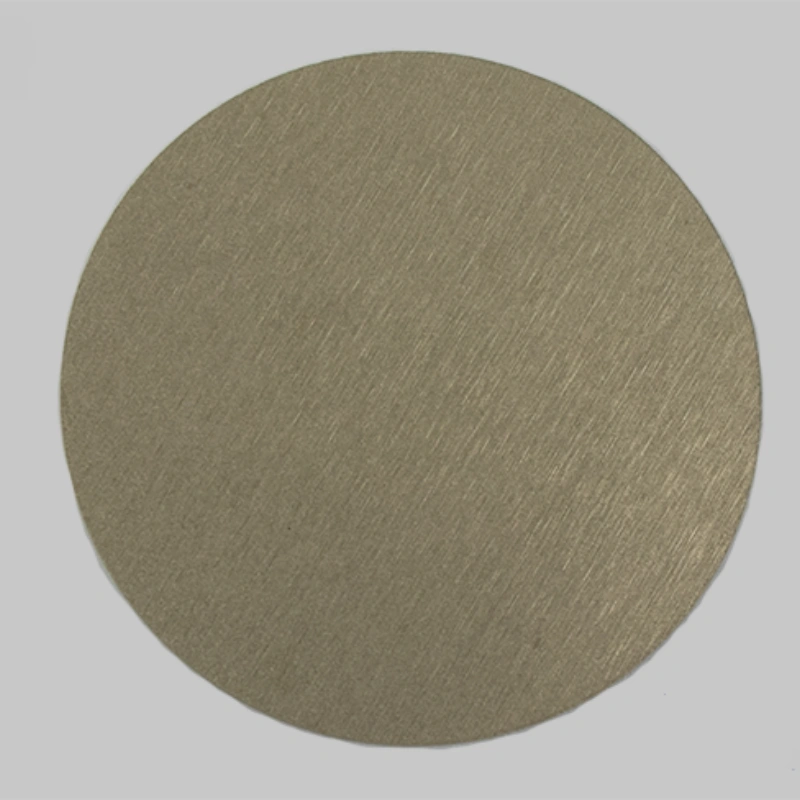
Zirconium Nitride Target
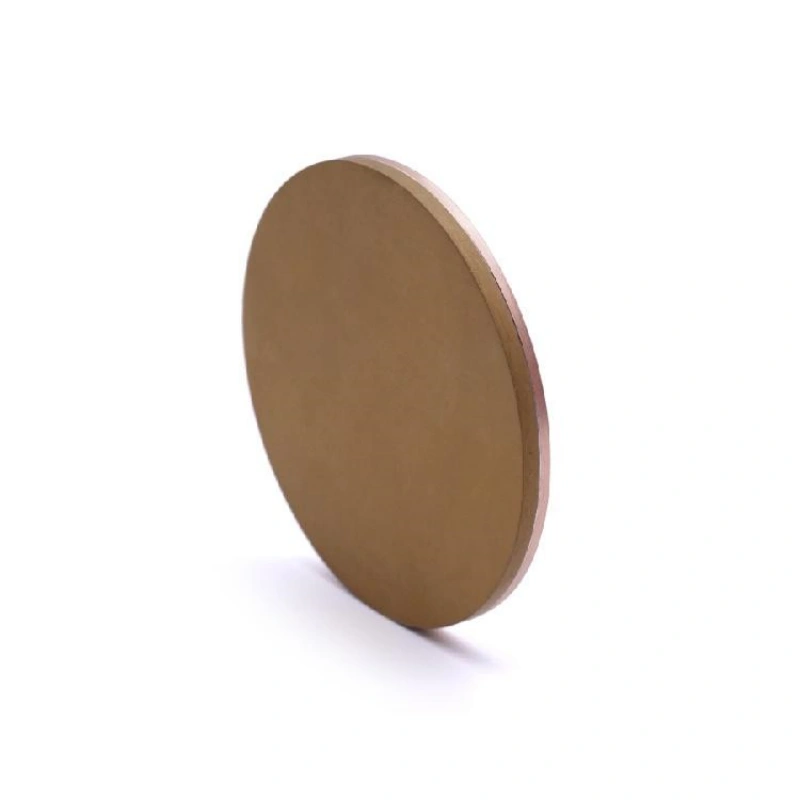
Titanium Nitride Target
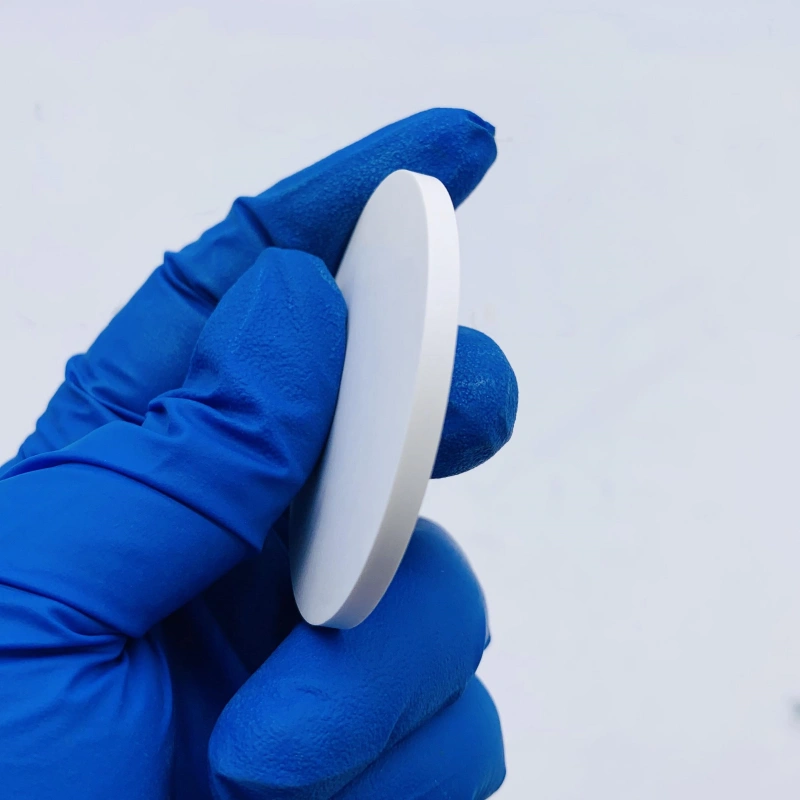
Boron Nitride Target
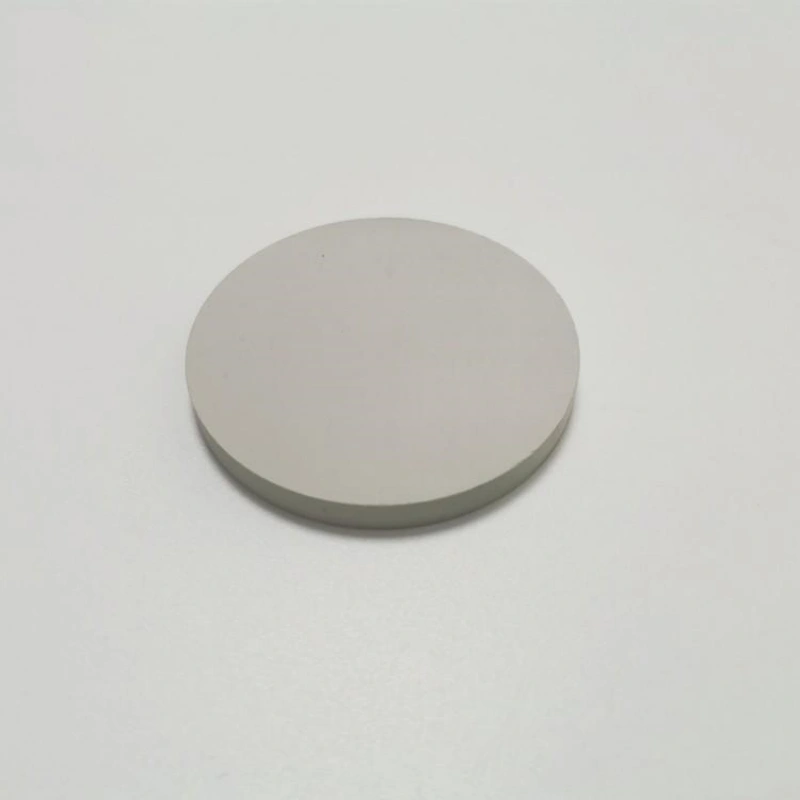
Aluminum Nitride Target
Carbide targets stand out for their hardness, wear resistance, and thermal stability. They are often chosen for coating projects that demand stronger material durability.
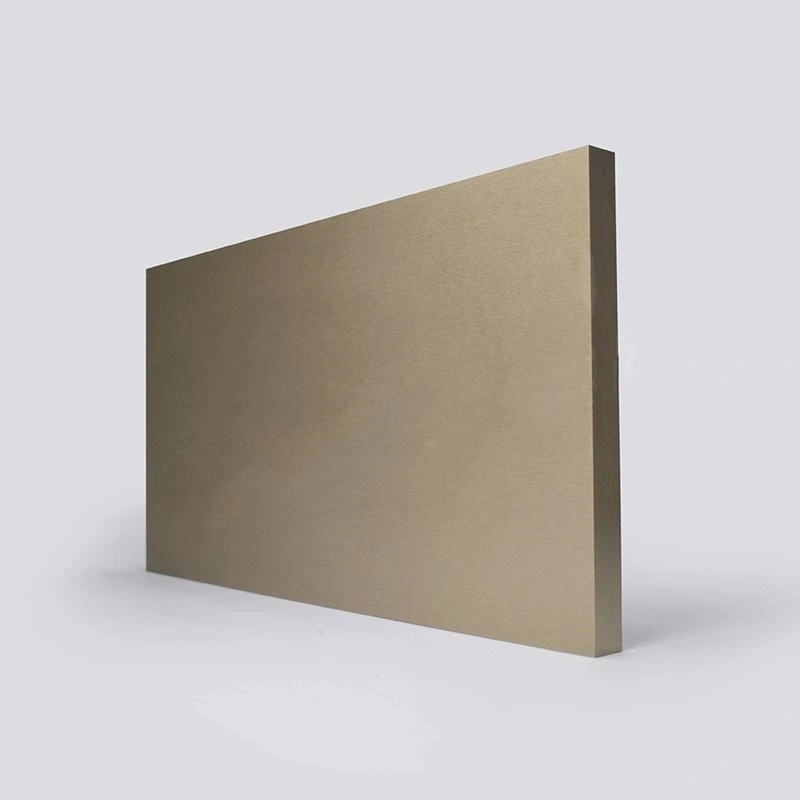
Tantalum Carbide Target
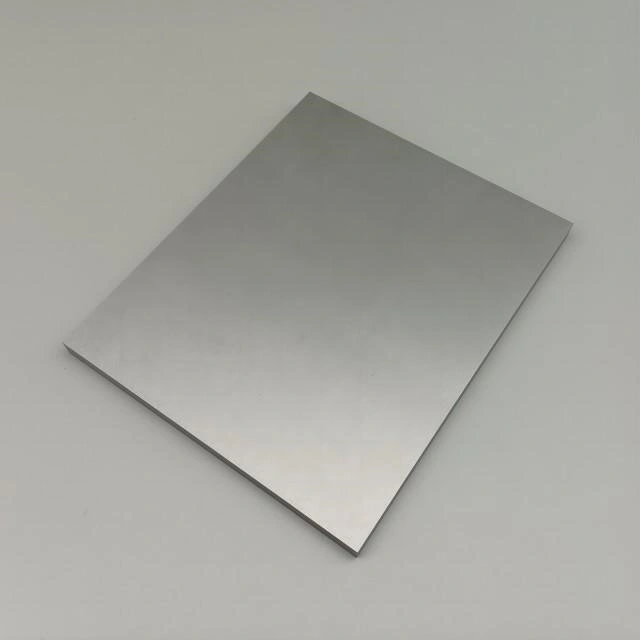
Tungsten Carbide Target
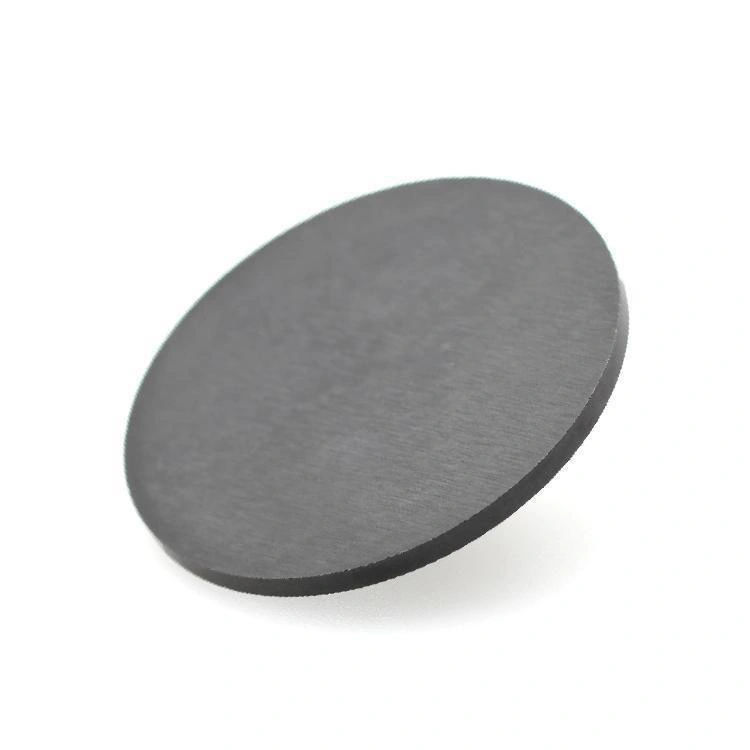
Boron Carbide Target
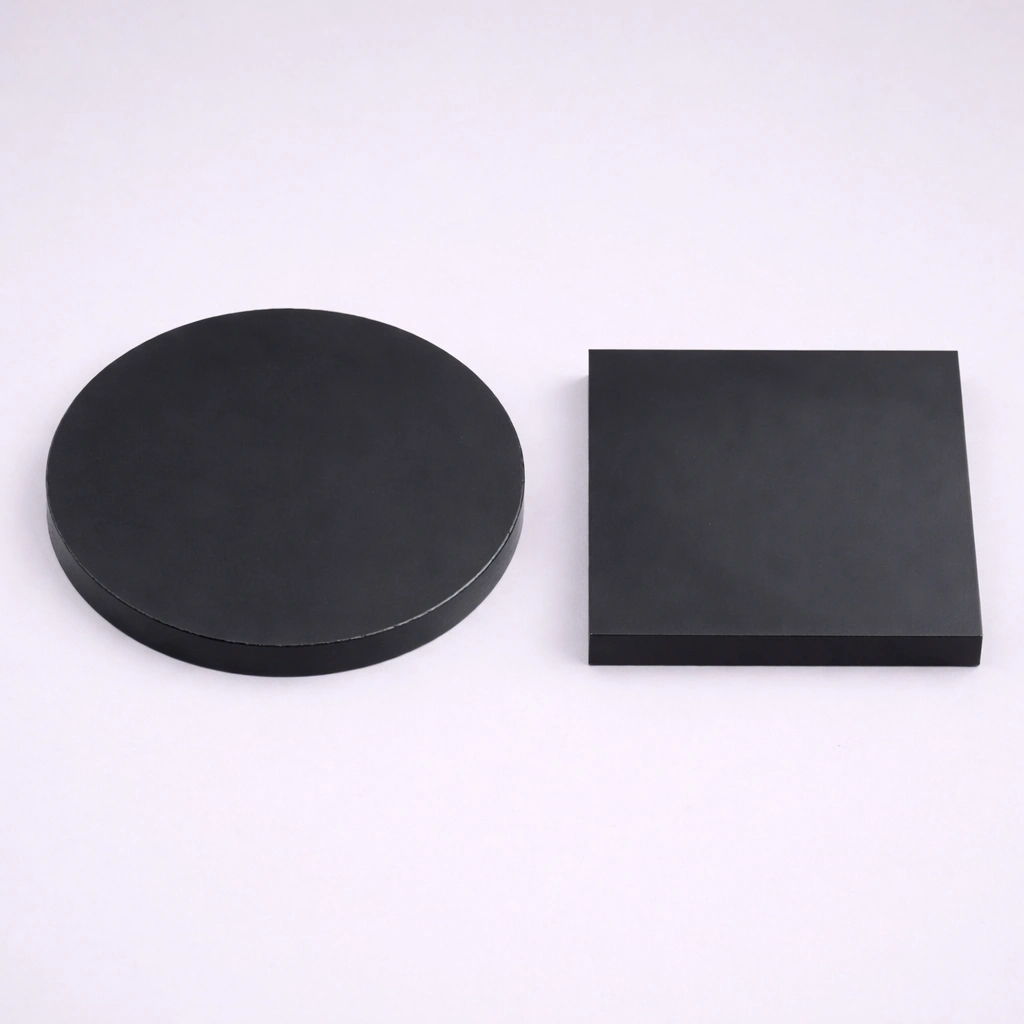
Zirconium Carbide Target
Boride targets combine hardness, conductivity, and thermal stability. They are suited to coating projects with higher performance demands.
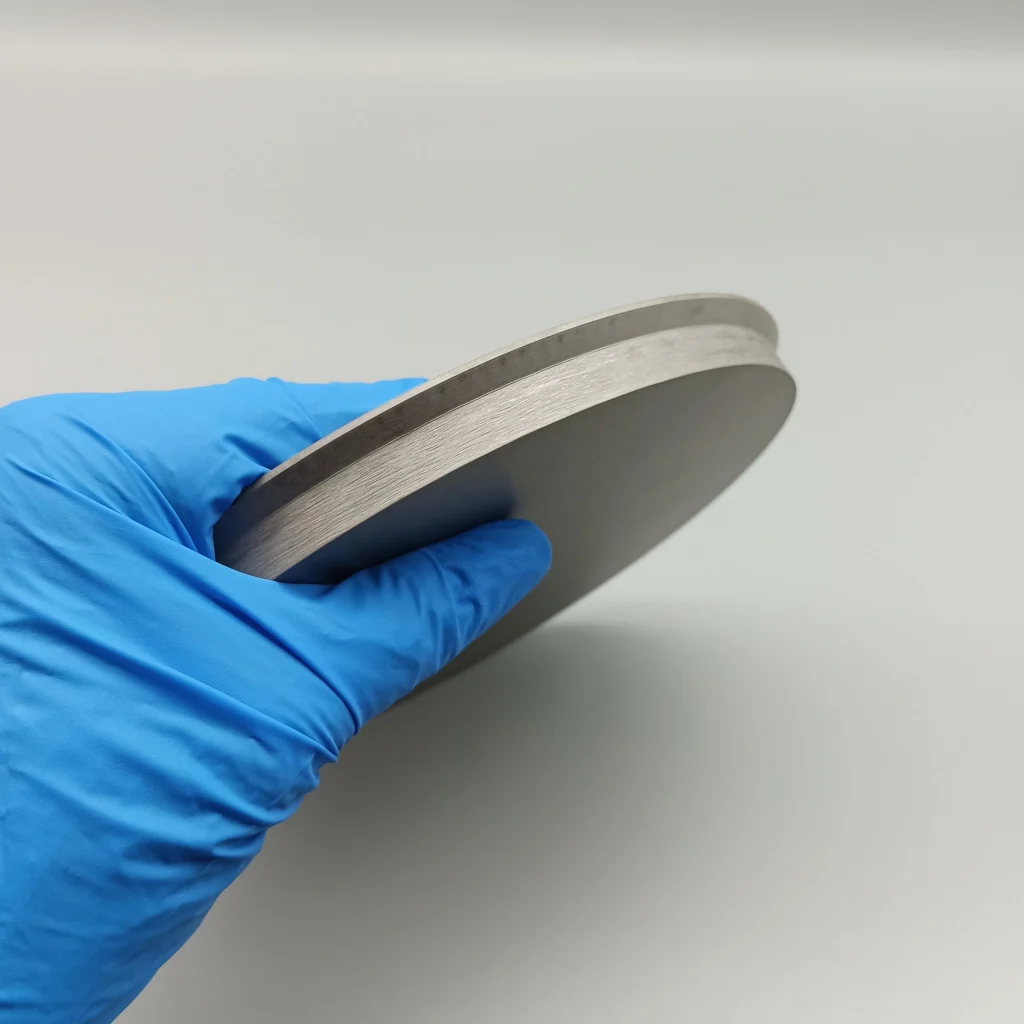
Titanium Boride Target
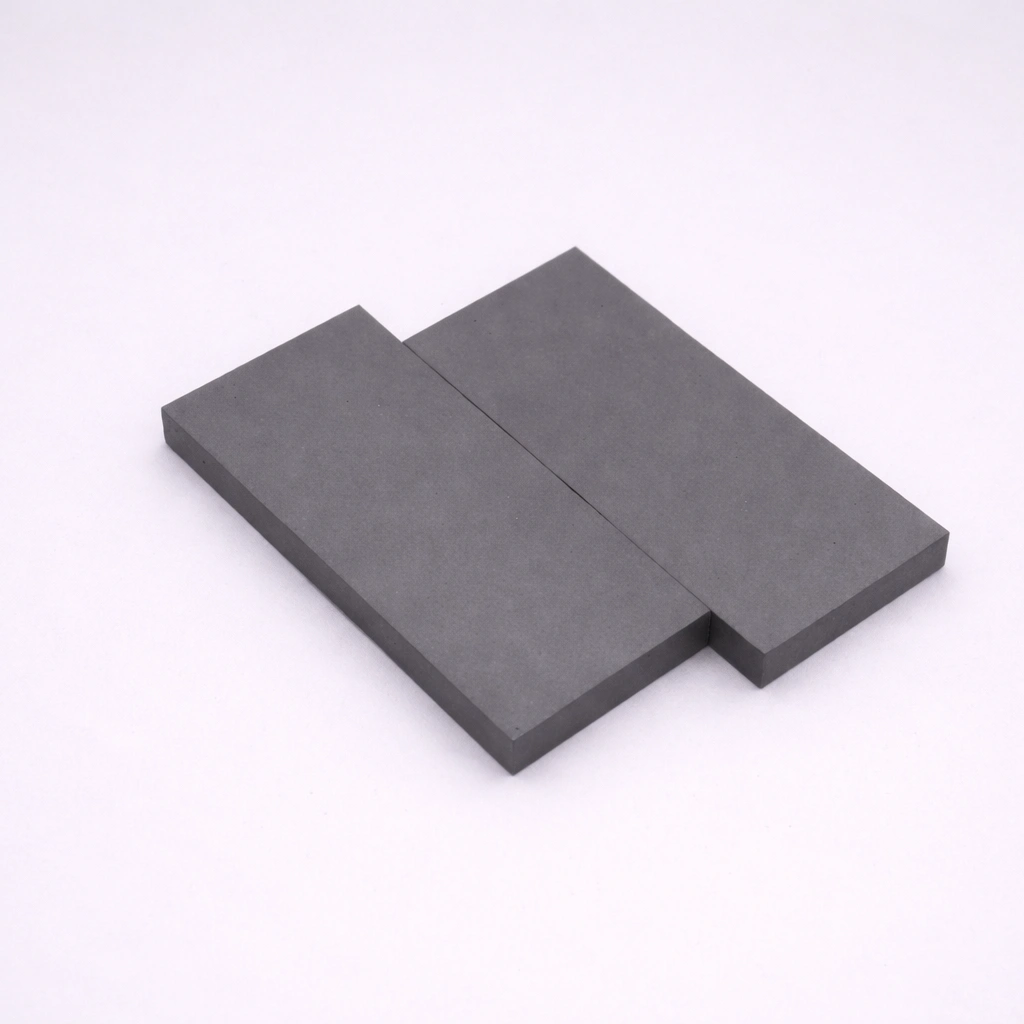
Zirconium Diboride Target
Sulfide targets are valued for their optical properties and material versatility. They are often chosen for coating projects that require specific functional film characteristics.
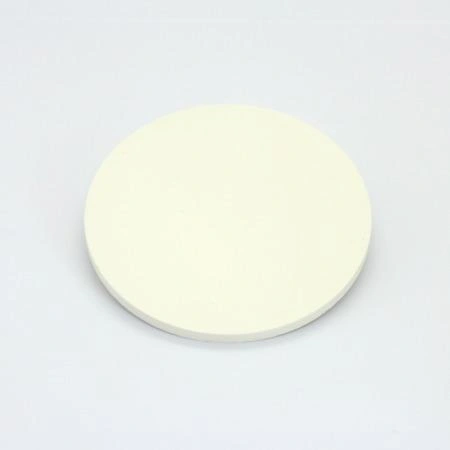
Zinc Sulfide Target
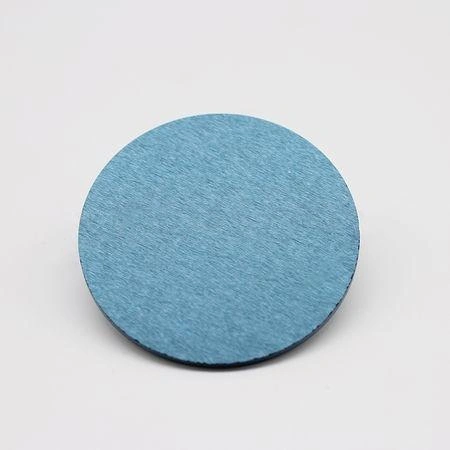
Copper Sulfide Target
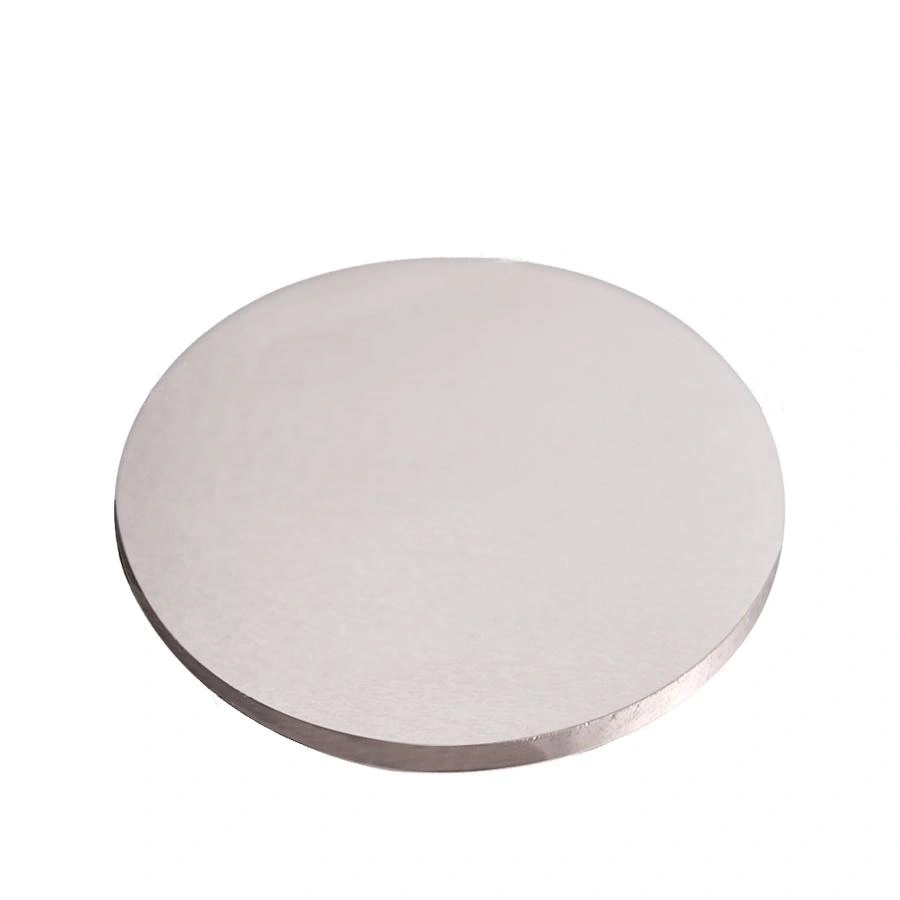
Antimony Sulfide Target
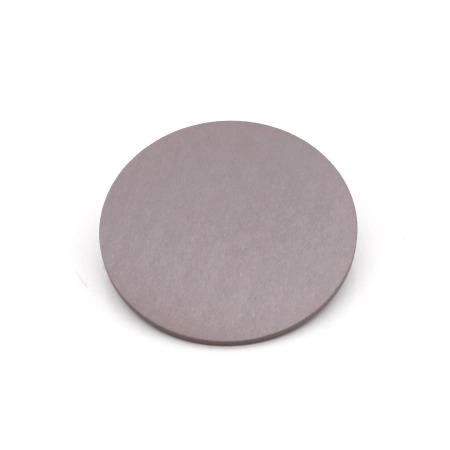
Indium Sulfide Target
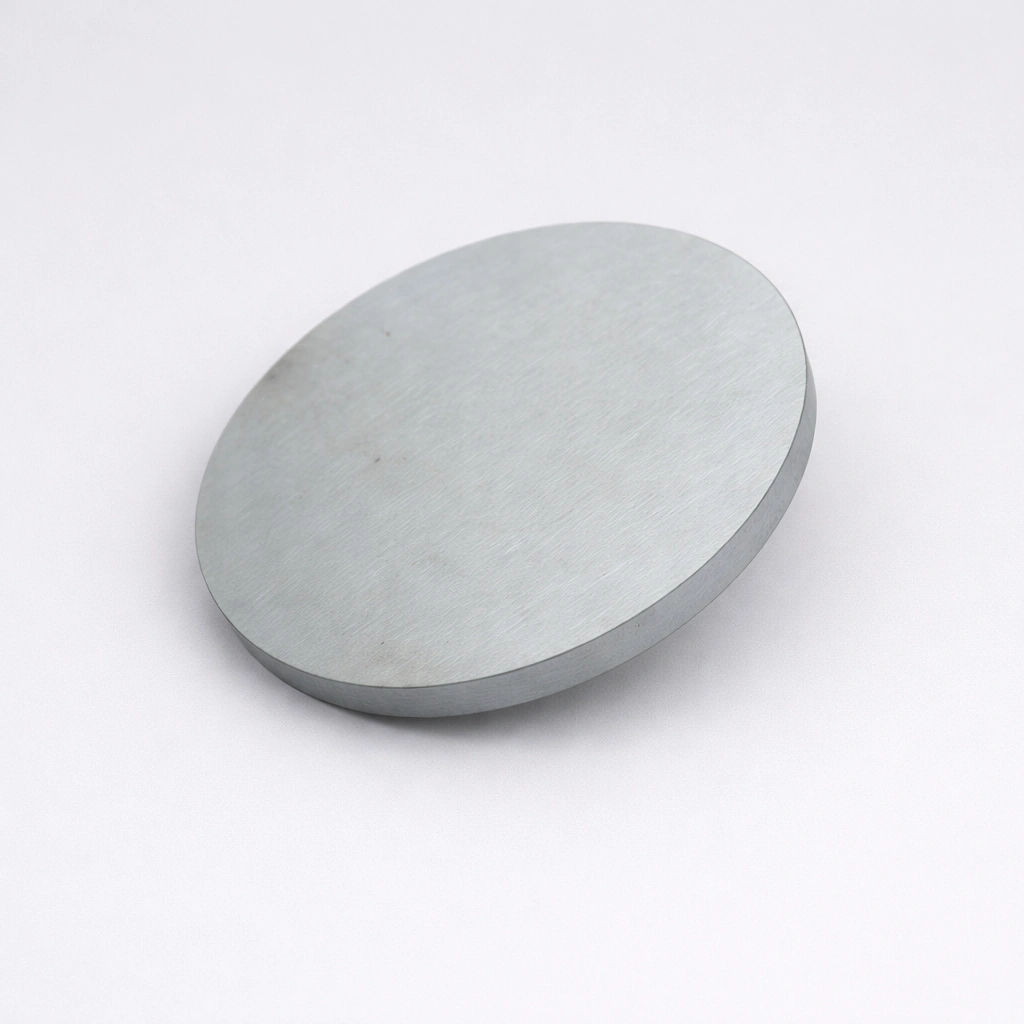
Copper(I) Sulfide Target
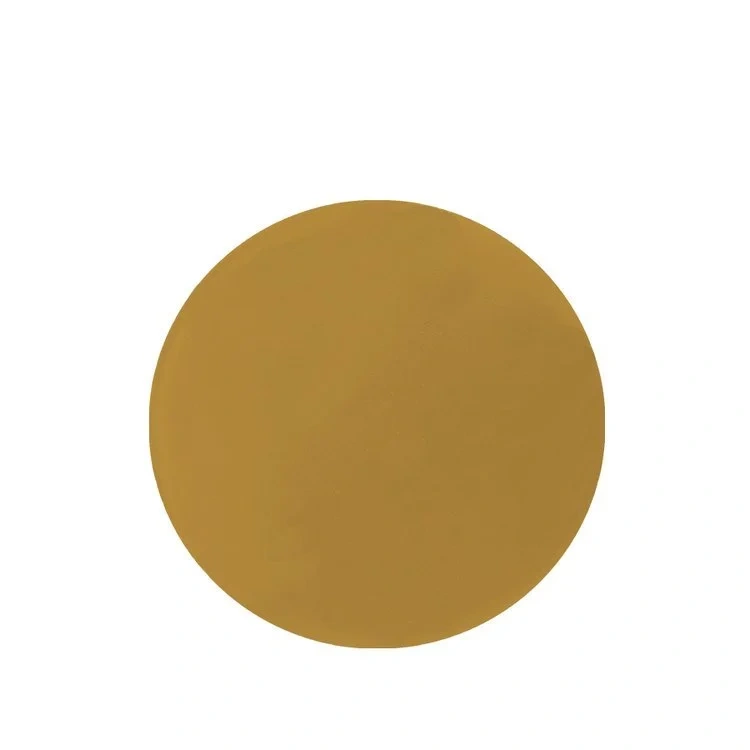
Tin Disulfide Target
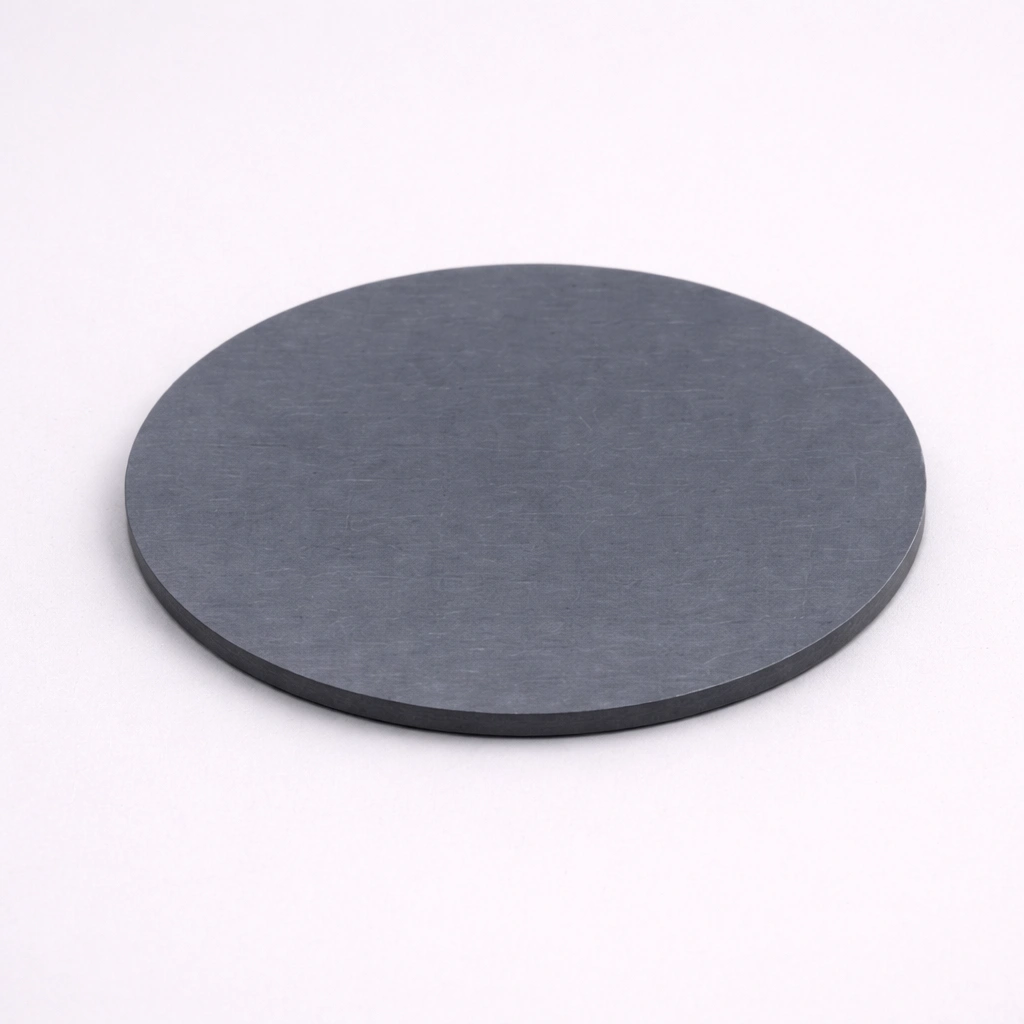
Molybdenum Disulfide Target
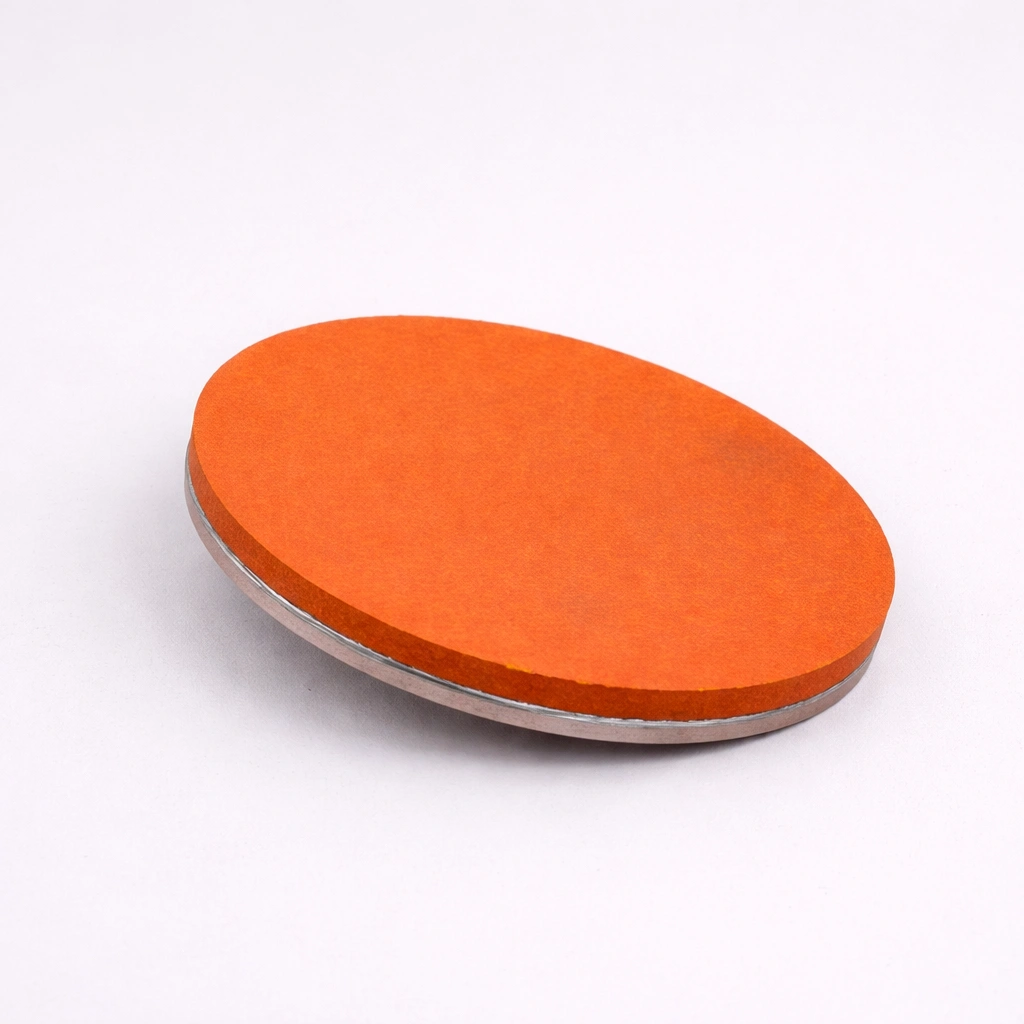
Cadmium Sulfide Target
Selenide targets are valued for their optical behavior and functional material properties. They are often selected for coating projects that require more specialized film performance.
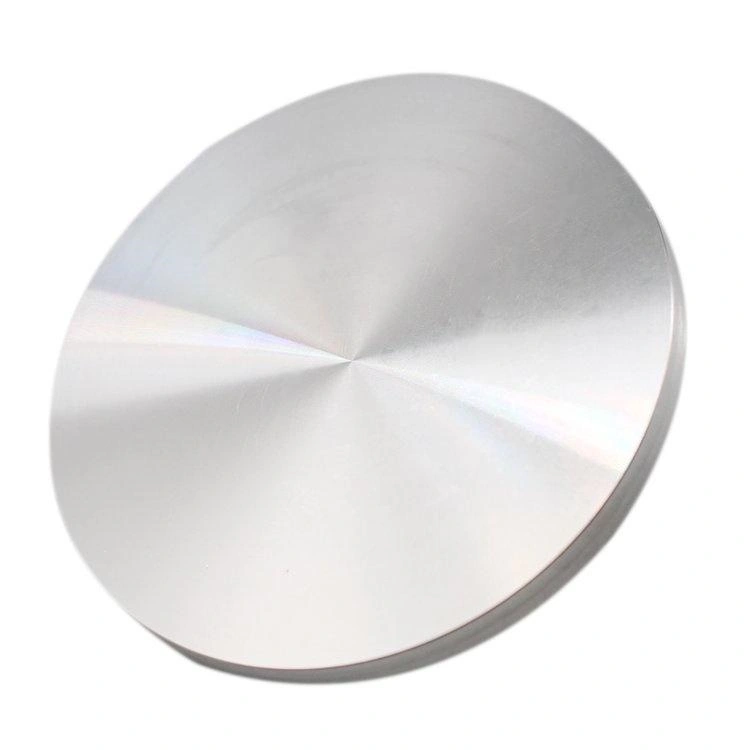
Tin Selenide Target
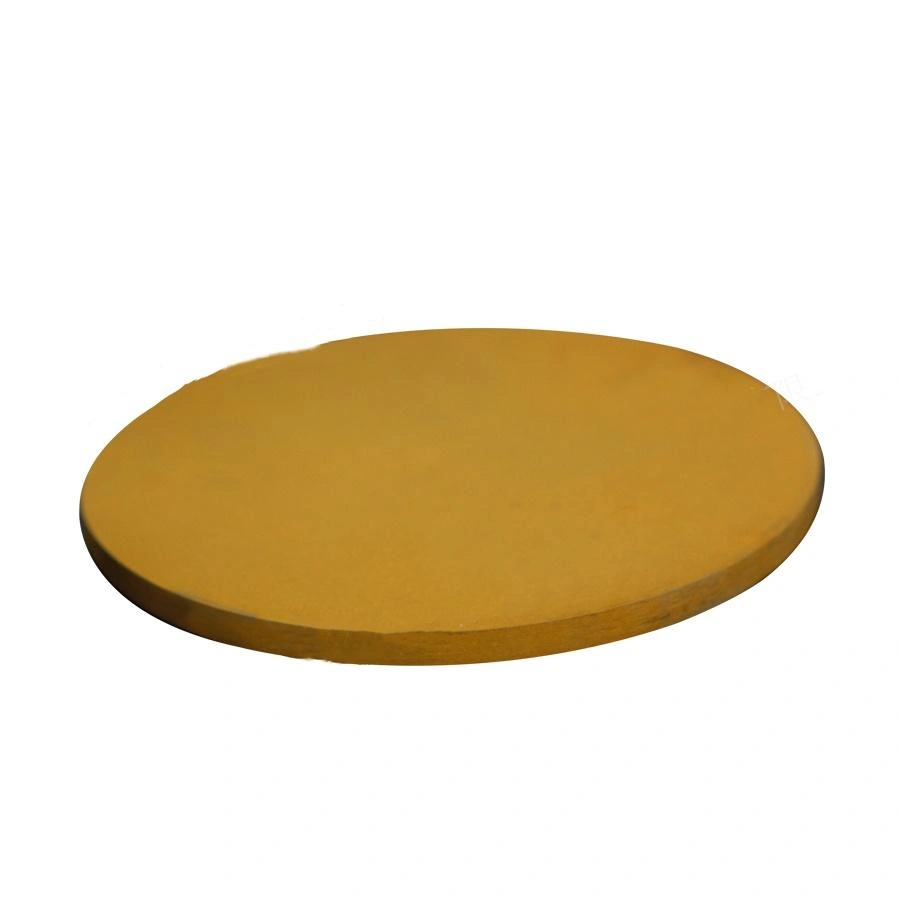
Zinc Selenide Target
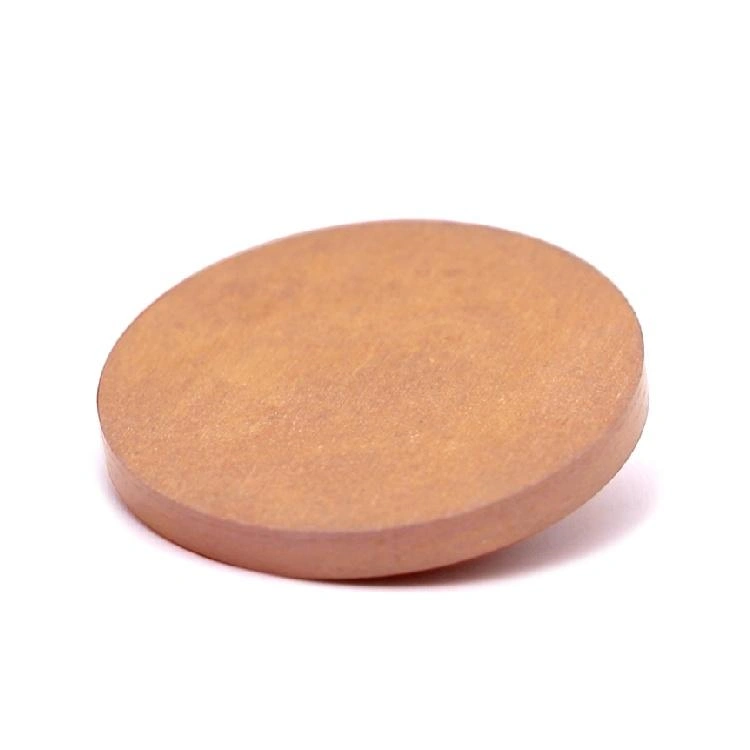
Germanium Diselenide Target
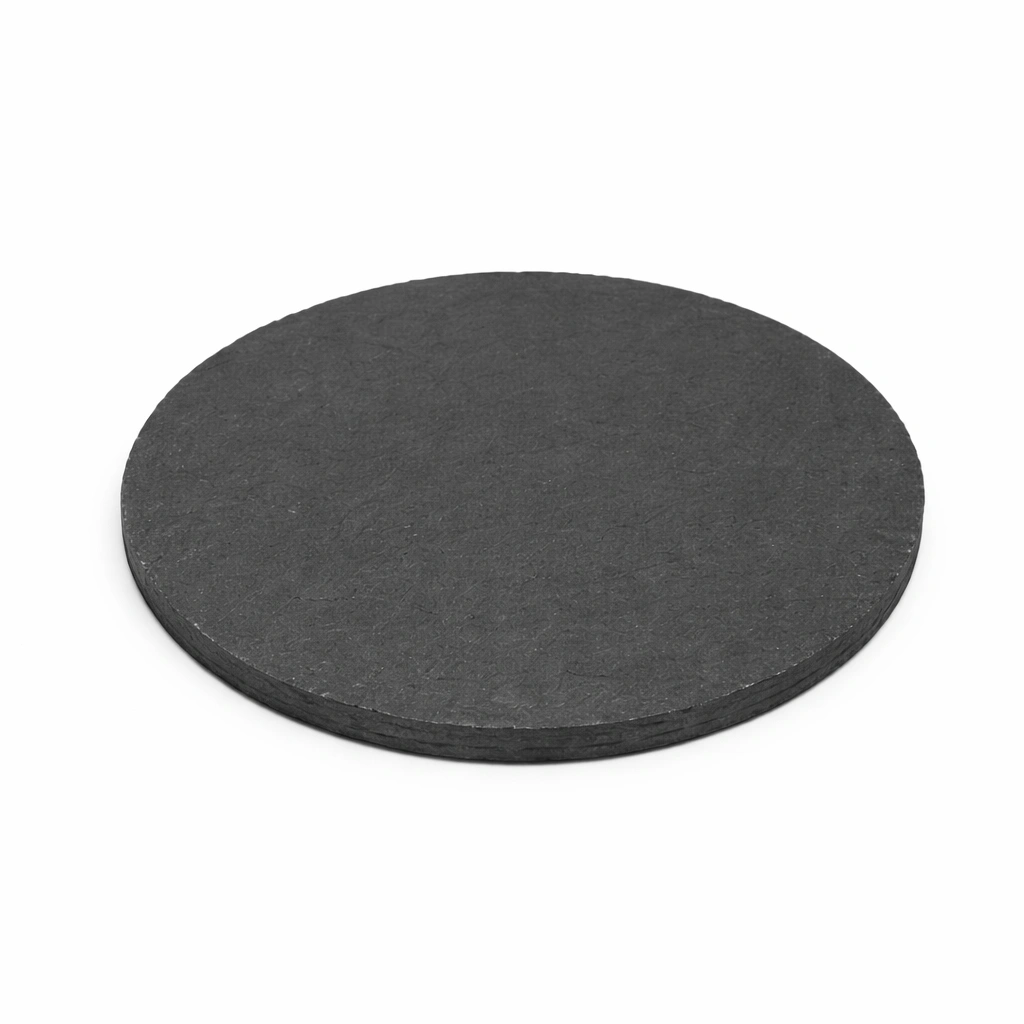
Indium Selenide Target
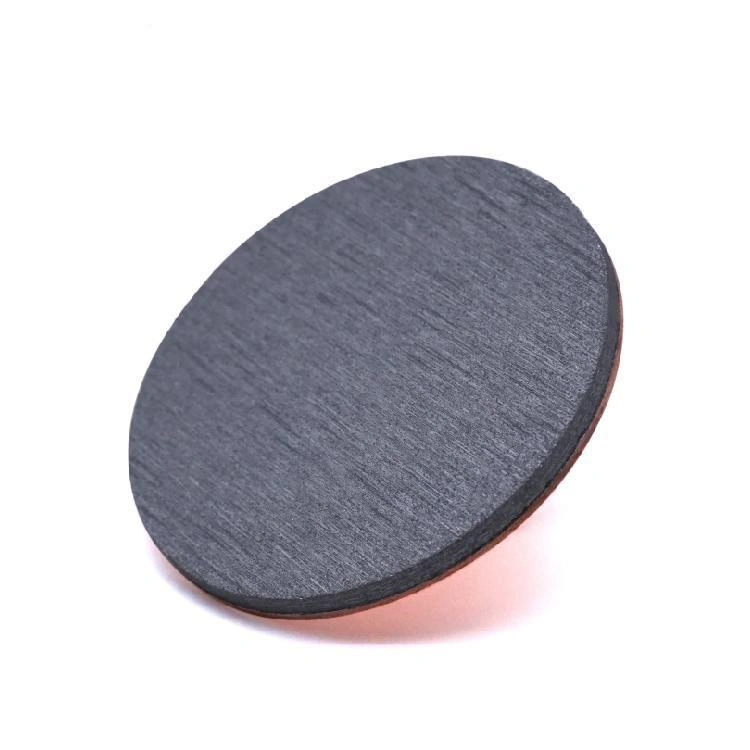
Antimony Selenide Target
Type 7: Other Special Compound Targets
Other special compound targets include fluoride, telluride, lithium-based, and other functional materials. They are used when coating projects require more specific material properties.
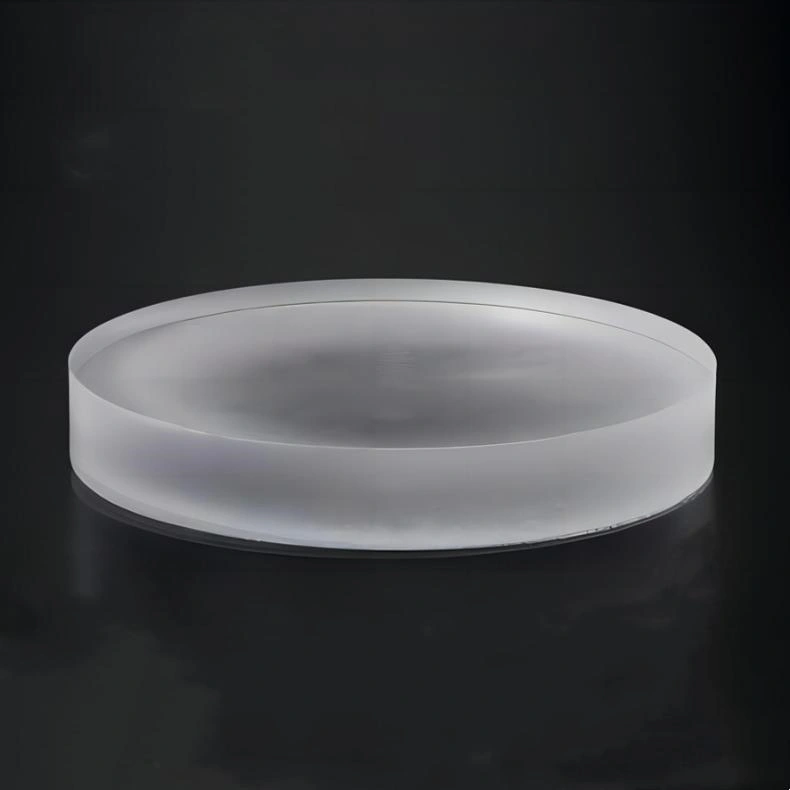
Cerium Oxide Target
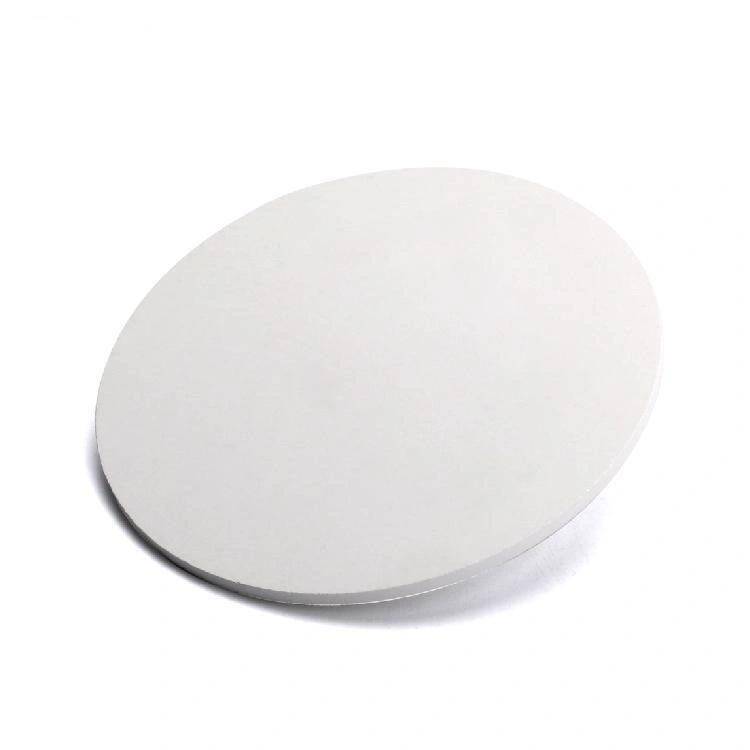
Magnesium Fluoride Target
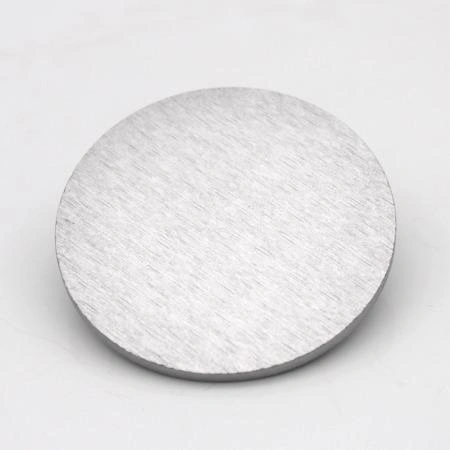
Bismuth Telluride Target
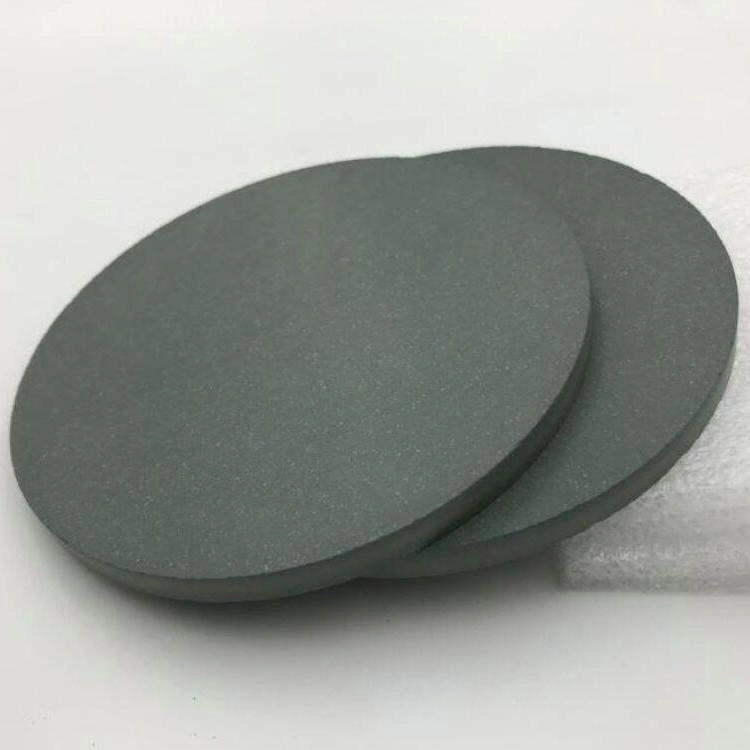
Lithium Iron Phosphate Target
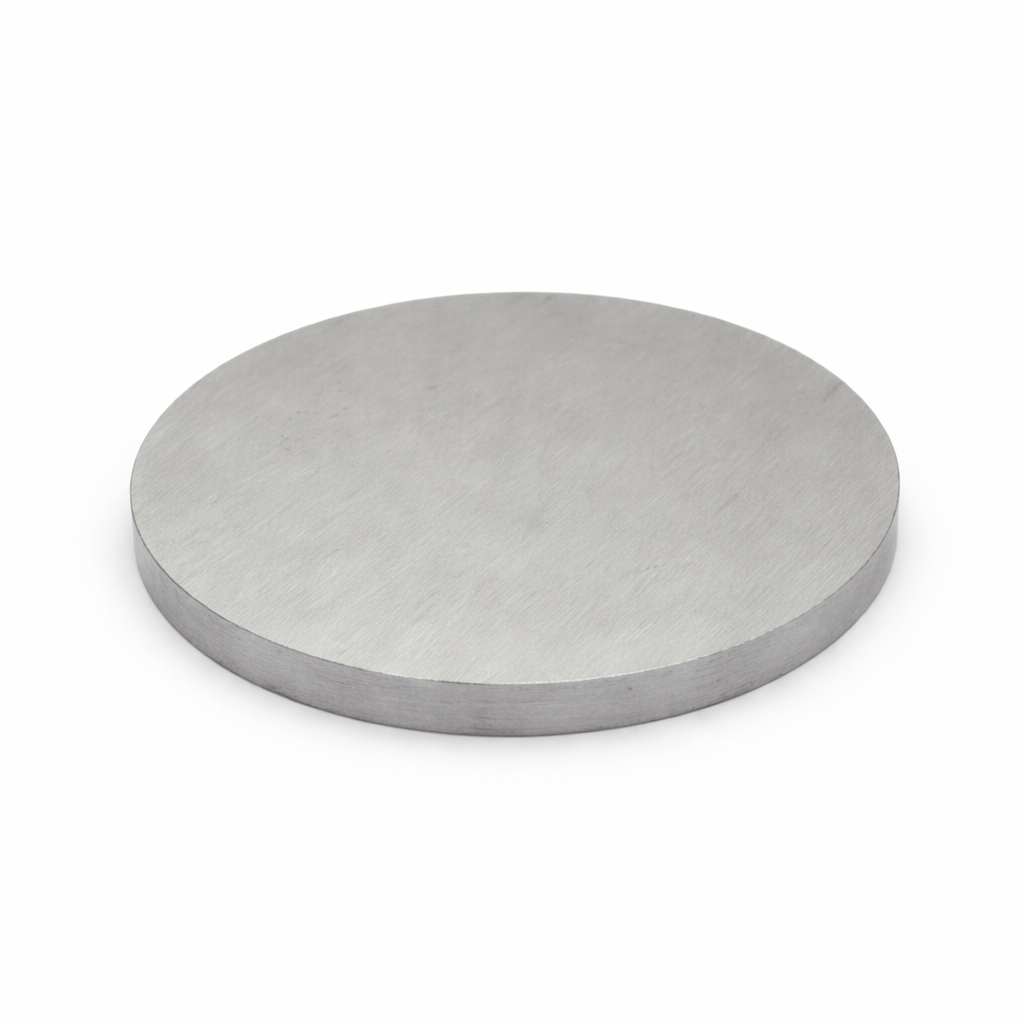
Antimony Telluride Target
How to Select the Right Ceramic Sputtering Target for Your Process?
The right ceramic sputtering target is not selected by material name alone. Process conditions, purity, density, target format, and bonding requirements all influence coating performance and operating stability.
Choose the target chemistry based on the required film function, such as oxide, nitride, carbide, boride, sulfide, or other functional compounds.
Match the target type to your equipment and process, including planar, rotary, bonded, unbonded, or backing plate options.
Review purity, density, flatness, and microstructure to support stable sputtering behavior and consistent film quality.
Selection priorities may differ for lab testing, pilot runs, and repeat production, especially in target size, utilization, and bonding structure.
Need help selecting the right target?
Send us your material, dimensions, and process requirements for technical support.
Typical Applications of Ceramic Sputtering Targets
Ceramic sputtering targets are used in thin film deposition, optical coating, display coating, solar coating, and other vacuum coating applications. They are also used in research, pilot, and production coating processes.
Optical Coating
Optical coating targets are used in functional films where composition control and stable film formation matter. They are often selected for coatings that require consistent deposition.
Display Coating
A ceramic target for display industry applications is usually evaluated for film quality, target stability, and compatibility with the required coating process.
Thin Film Deposition
A ceramic target for thin film deposition is used to provide controlled material transfer during coating formation and enable repeatable film formation with better process consistency in sputtering processes.
PVD and Magnetron Sputtering
A PVD ceramic target or magnetron sputtering ceramic target is selected according to target material, shape, and sputtering setup. This is often the main process context for industrial and R&D ceramic target inquiries.
Solar Coating
A ceramic target for solar cells may be used in functional films and energy-related coating layers where stable target material and repeatable sputtering behavior are important.
Vacuum Coating and R&D
A vacuum coating ceramic target is often requested by customers working in material development, pilot coating, or specialized industrial film applications that require custom ceramic target support.
Custom Ceramic Targets Built Around Your Process
ADCERAX supports custom ceramic sputtering targets based on your drawing, material system, dimensions, bonding needs, and deposition requirements. From lab trials to repeat production, we help match the right target structure to your process.
Send us your drawing, sample, or application requirement to discuss the most suitable ceramic insert customization options.
Custom Ceramic Target Size:
- Custom Size and Dimensions: Target size, thickness, shape, and other dimensional features can be adjusted according to drawings or specifications.
- Material Family Selection: Different ceramic target materials can be considered based on film function, process conditions, and deposition requirements.
- Purity and Density Review: Purity, density, and internal structure can be reviewed to better match sputtering stability and coating needs.
- Bonded and Backing Plate Options:Bonded targets and backing plate structures can be evaluated for better heat transfer, support, and equipment compatibility.
- Prototype to Production Support:Custom projects can begin with trial quantities before moving into stable repeat supply.
Key Information for Custom Target Review
To review a custom ceramic target project efficiently, the most useful information usually includes:
Frequently Asked Questions About Ceramic Inserts
How is ceramic sputtering target different from a metal target?
Compared with metal targets, ceramic targets are typically used when the coating requires oxide, nitride, carbide, boride, fluoride, sulfide, or other compound chemistries that cannot be achieved efficiently with a simple metallic source. Ceramic targets are often selected for functional films that need specific optical, electrical, dielectric, thermal, or chemical properties.
Why do purity and density matter so much in ceramic sputtering targets?
Purity and density both affect sputtering stability and film quality. Higher purity helps reduce contamination in the deposited film. Higher density improves consistency, reduces porosity, and supports more stable erosion. If density is too low or the structure is uneven, the target may cause particle generation, unstable sputtering, or inconsistent coating results. For demanding applications, purity and density should be evaluated together.
What causes cracking, chipping, or abnormal erosion in ceramic targets?
Cracking or abnormal erosion may result from:
1. Thermal stress
2. Improper power ramp-up
3. Poor cooling
4. Weak target bonding
5. Internal defects
6. Non-uniform density
7. Unsuitable process settings
Ceramic targets are more brittle than many metal targets, so they are more sensitive to:
1. Thermal shock
2. Mechanical stress during installation
3. Mechanical stress during operation
Other factors that can also affect cracking risk and erosion profile include:
1. Target shape
2. Target thickness
3. Backing plate design
4. Magnetron configuration
Do ceramic targets need bonding or a backing plate?
Not all ceramic targets need bonding. Bonded targets can improve heat transfer, mounting support, and operating stability in demanding applications.
Can ceramic sputtering targets be custom-made to non-standard sizes and shapes?
Yes. Ceramic sputtering targets can be made in custom sizes, thicknesses, and shapes. Common options include disc, rectangular, rotary, bonded, and backing plate targets. In custom projects, material, density, tolerance, flatness, and bonding structure should also be reviewed.
Why is target utilization important in ceramic target purchasing?
Target utilization affects real coating cost, not just target price. Poor utilization can increase waste, changeover frequency, and process cost, while good utilization helps improve efficiency and cost control.
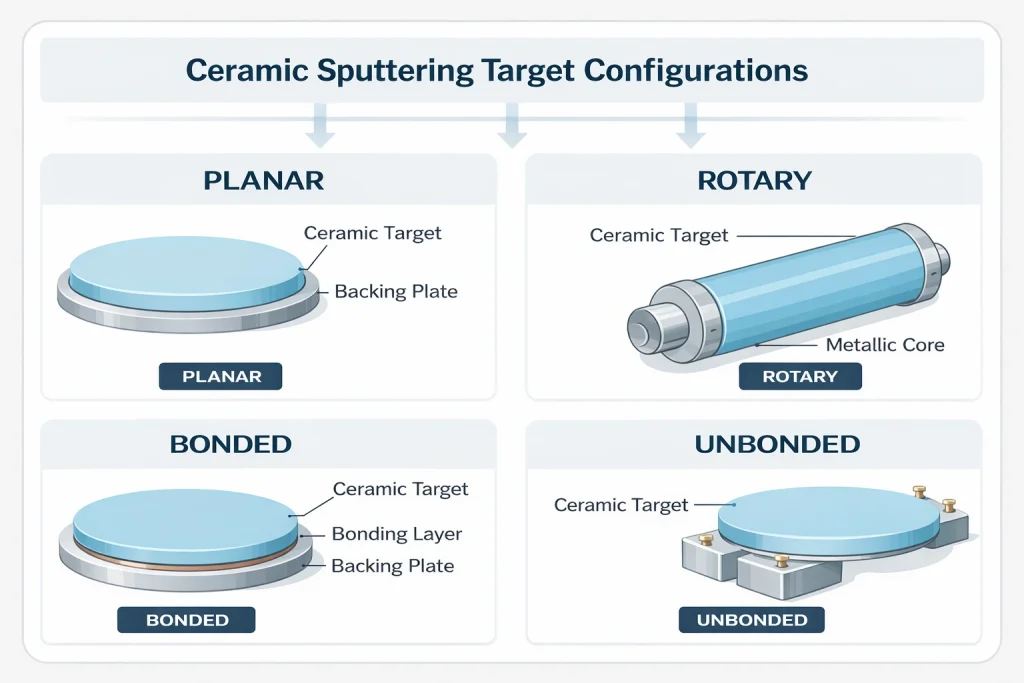
What is the difference between planar, rotary, bonded, and unbonded ceramic targets?
Common ceramic target formats include:
💠Planar targets: Flat targets commonly used in laboratory systems and standard sputtering setups.
💠Rotary targets: Cylindrical or tube-based targets designed for longer runs and higher material utilization.
💠Bonded targets: Targets attached to a backing plate or support structure for better thermal and mechanical performance.
💠Unbonded targets: Targets used directly without a backing structure.
The right format depends on:
Equipment design
Target size
Thermal load
Desired utilization
Process stability requirements
Get in touch with us
We believe that Adcerax will become your best partner!
Please fill in your contact information in the form or call us.
info@adcerax.com
Telephone: +(86) 0731-74427743
WhatsApp: +(86) 19311583352
Within 24 hours
*Our team will answer your inquiries within 24 hours.
*Your information will be kept strictly confidential.
