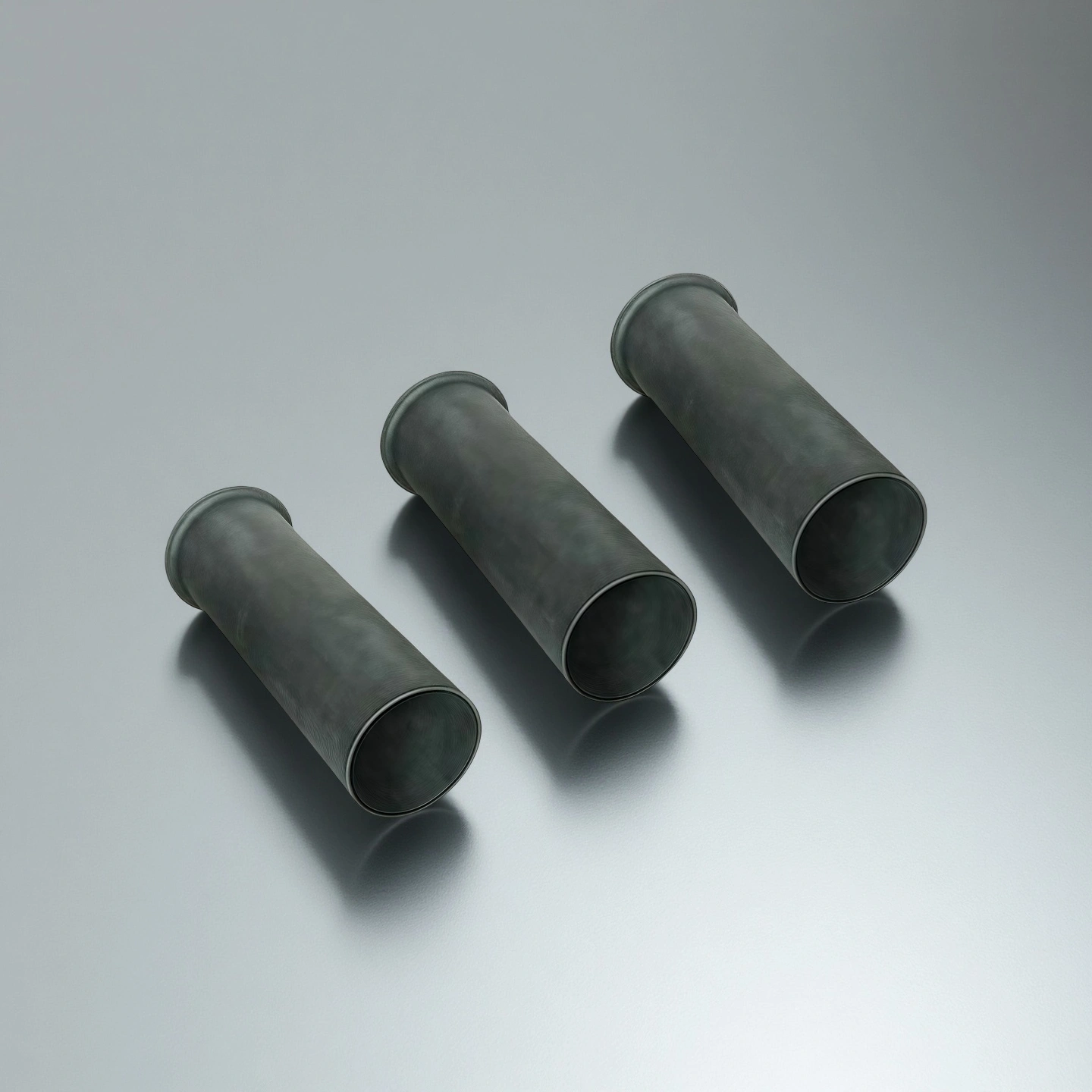
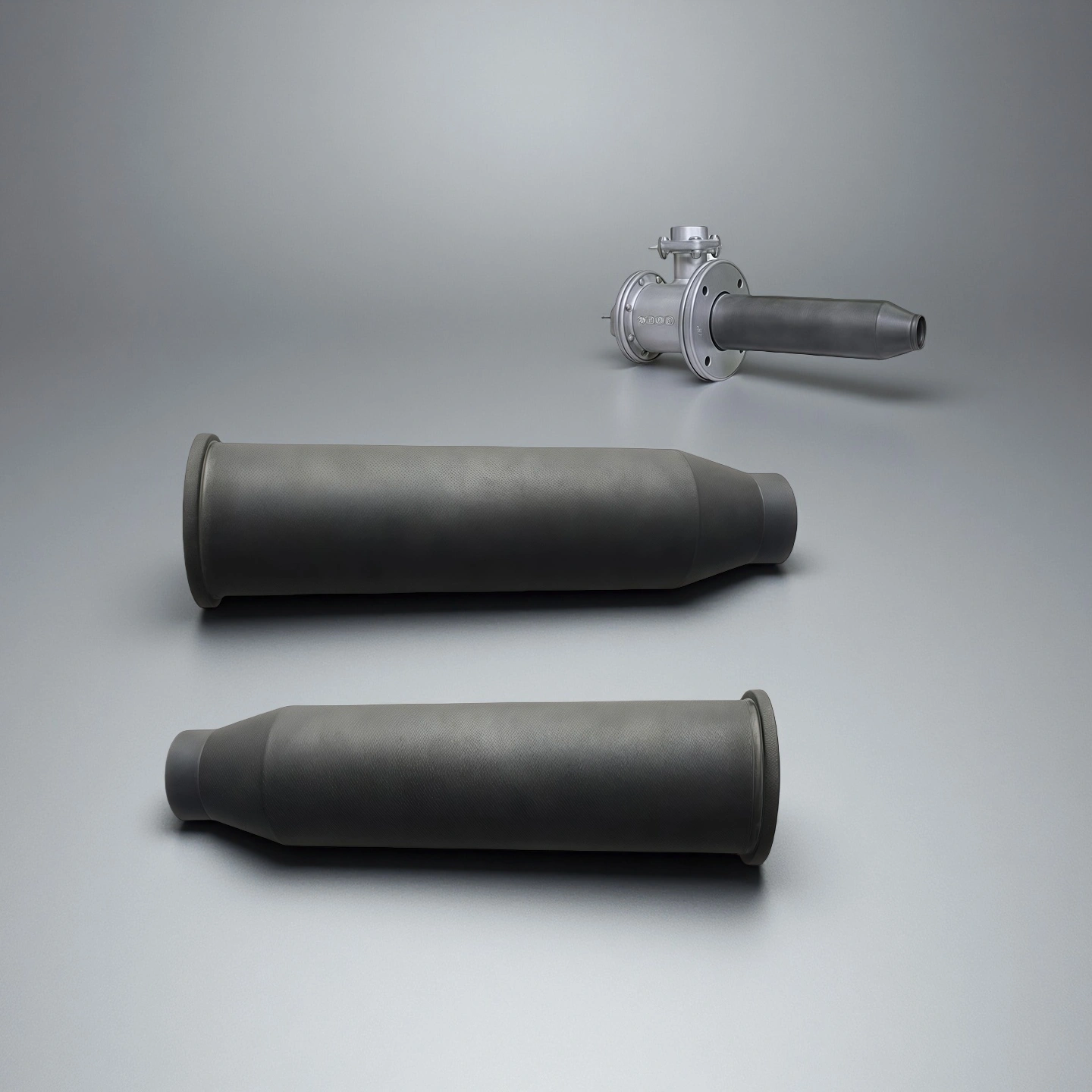
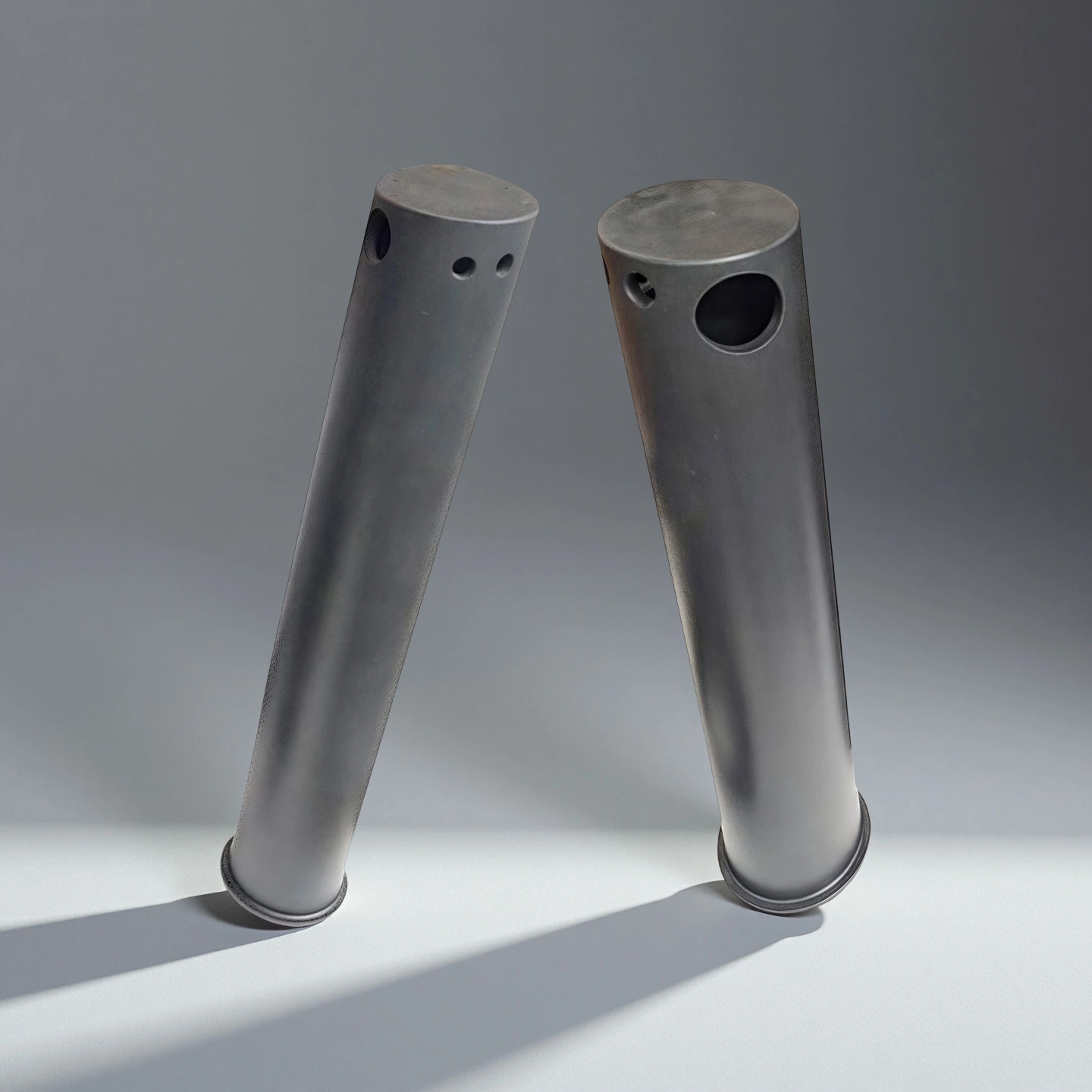
What Is a Silicon Carbide Burner Nozzle?
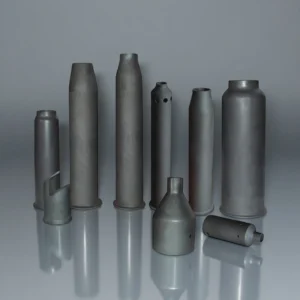
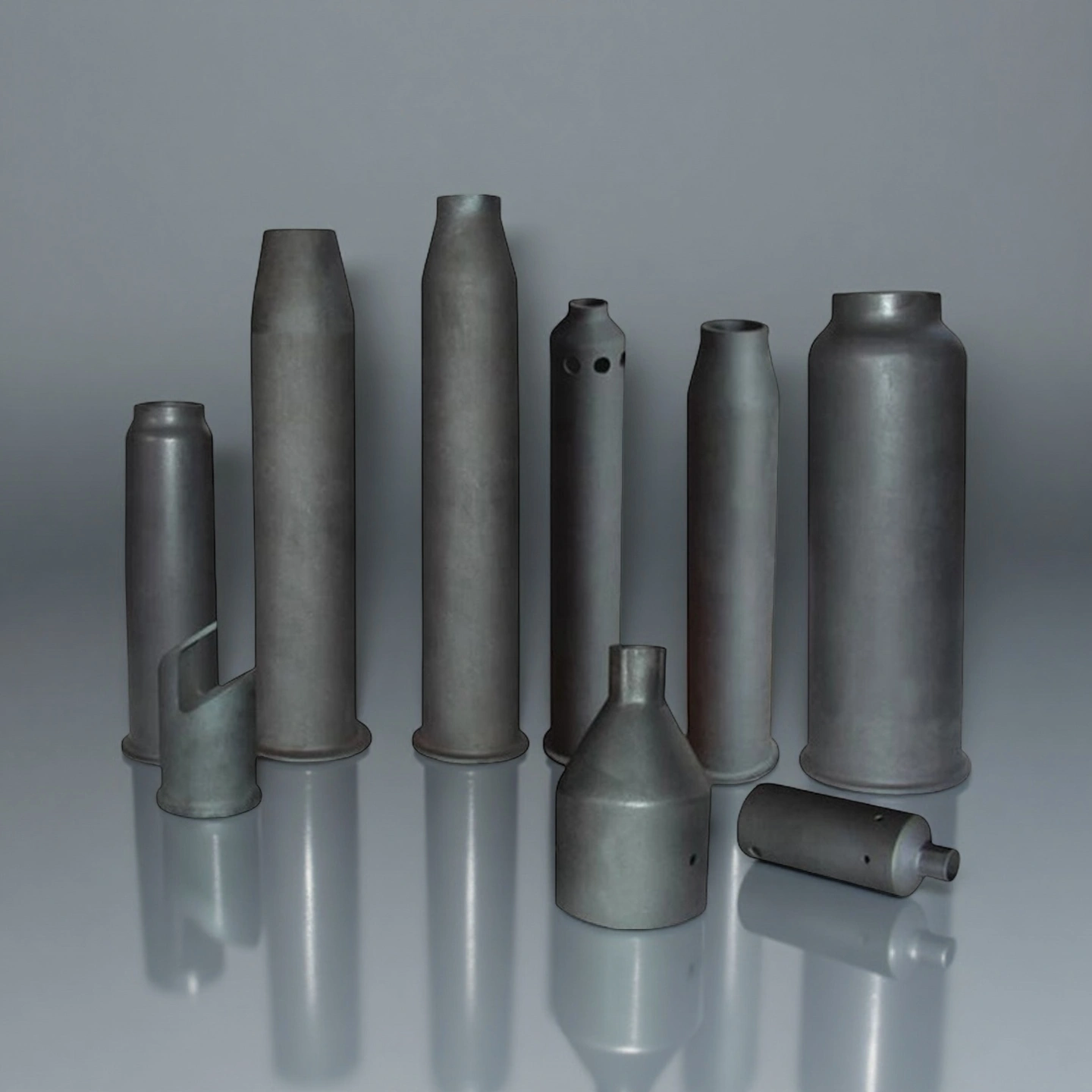
A silicon carbide burner nozzle is a ceramic combustion component installed at the burner outlet of an industrial kiln or furnace. It helps guide the fuel-air flame into the heating chamber while resisting high temperature, oxidation, thermal shock and abrasive furnace atmospheres.
Compared with conventional refractory or metal burner parts, SiSiC/RBSiC silicon carbide offers higher thermal stability, better dimensional retention and stronger resistance to erosion in demanding firing environments. ADCERAX supplies drawing-based SiC burner nozzles for replacement, retrofit and new equipment integration.
Engineering Advantages of SiC Burner Nozzles in Combustion Systems
-
High-Temperature Dimensional Stability
SiSiC/RBSiC silicon carbide helps the burner nozzle maintain its outlet geometry in high-temperature firing zones. This is important because throat deformation can change flame direction, reduce heating uniformity and increase the need for burner adjustment.
-
Thermal Shock Resistance During Heating Cycles
Kilns and furnaces often experience start-up, cooling and load-change cycles. A silicon carbide burner nozzle provides better thermal shock resistance than many conventional refractory materials, helping reduce cracking risk caused by steep temperature gradients.
-
Erosion and Oxidation Resistance
Combustion gas, dust, scale and aggressive furnace atmospheres can gradually damage burner outlet parts. Dense SiC ceramic helps resist surface erosion and oxidation, supporting more stable flame behavior over repeated operating cycles.
-
Drawing-Based Interface Matching
The nozzle geometry can be matched to the burner housing, furnace wall opening, outlet direction and installation method. This helps equipment builders and maintenance teams replace existing burner nozzles without unnecessary redesign.
Technical Parameters for Silicon Carbide Burner Nozzle Selection
The technical parameters below help buyers review whether a SiSiC/RBSiC silicon carbide burner nozzle is suitable for a specific kiln, furnace or combustion system. Final selection should consider burner interface, furnace atmosphere, heating cycle, fuel-air condition and installation geometry.
| Parameter | Recommended Page Content | Why It Matters |
|---|---|---|
| Material System | SiSiC / RBSiC silicon carbide ceramic | This confirms that the nozzle is designed for high-temperature burner outlets, kiln combustion zones and industrial furnace environments rather than general ceramic use. |
| SiC Content | > 90% | Higher silicon carbide content supports better thermal stability, oxidation resistance and wear resistance in demanding combustion conditions. |
| Bulk Density | 2.95–3.05 g/cm³ | Higher density helps improve mechanical strength, erosion resistance and dimensional stability during repeated heating cycles. |
| Open Porosity | < 1% | Low porosity helps reduce gas penetration, oxidation attack and surface degradation in hot combustion atmospheres. |
| Application Environment | Burner outlet zones in kilns, furnaces and thermal processing systems | This helps buyers confirm that the product is intended for flame guidance, heat distribution and burner interface protection, not spray or fluid nozzle applications. |
| Operating Temperature | Application-dependent; typical reference range is 1350–1600°C | Temperature capability must be reviewed according to material grade, furnace atmosphere, heating cycle and burner design to avoid unsafe fixed-use assumptions. |
| Thermal Shock Resistance | Suitable for repeated heating and cooling cycles; final performance depends on furnace conditions | Thermal shock resistance is important because burner nozzles often face rapid start-up, cooling, flame fluctuation and temperature gradient stress. |
| Thermal Conductivity | 120–160 W/m·K | High thermal conductivity helps transfer heat more evenly through the nozzle body and reduces localized thermal stress around the burner outlet. |
| Flexural Strength | > 100 MPa at room temperature | Flexural strength helps the nozzle resist bending stress, handling load and installation stress during assembly or replacement. |
| Compressive Strength | > 900 MPa | High compressive strength helps the nozzle maintain structural integrity when mounted into burner housings or furnace wall interfaces. |
| Oxidation Resistance | Stable in high-temperature oxidizing environments, depending on atmosphere and duty cycle | Oxidation resistance helps maintain outlet geometry and surface condition during long firing cycles in kiln and furnace combustion systems. |
| Chemical Resistance | Acid, alkali and chloride-tolerant under suitable conditions | Chemical resistance is useful when combustion gases, process vapors, dust or furnace atmospheres may attack conventional refractory or metal burner parts. |
| Creep and Dimensional Stability | Low deformation under high-temperature soaking conditions | Dimensional stability helps maintain the nozzle throat, flame direction and burner alignment during prolonged high-temperature operation. |
| Hardness / Erosion Resistance | Approx. 22–25 GPa | High hardness helps resist abrasion from dust, scale, particles and high-velocity combustion gas passing through or around the nozzle. |
Standard Size Reference and Custom Burner Nozzle Options
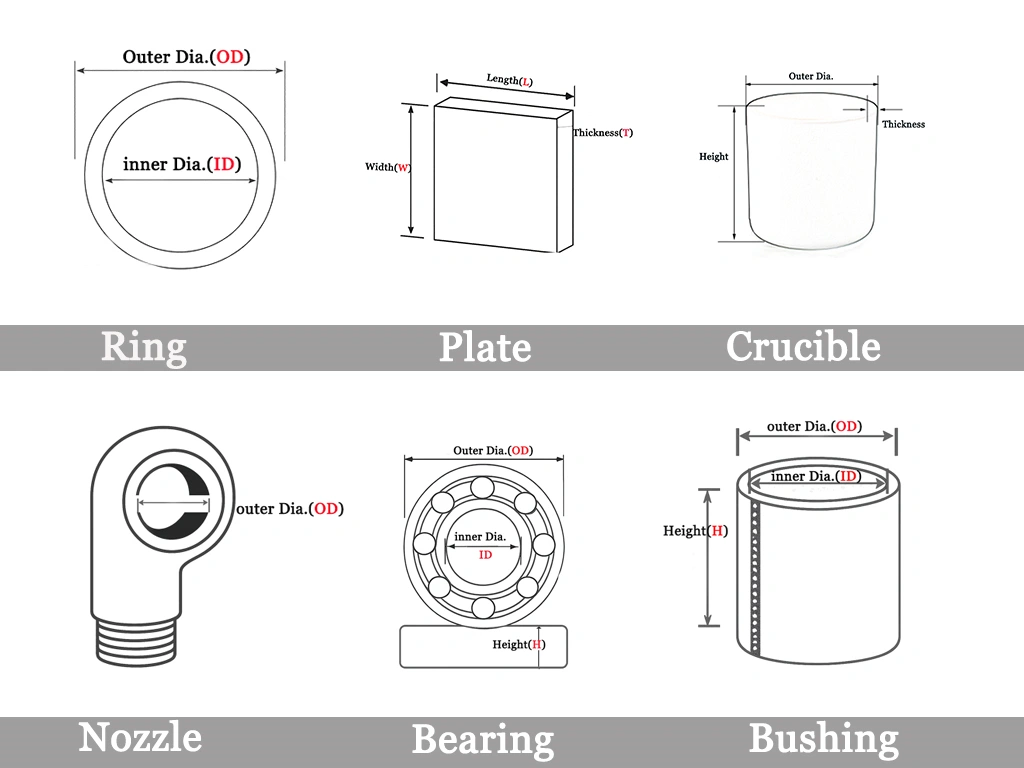
The following dimensions are reference options for early selection. Final size should be confirmed according to burner housing, furnace wall thickness, outlet position, flame direction and installation drawings. ADCERAX can also produce non-standard SiC burner nozzles based on samples or technical drawings.
| Item | Inner Diameter(mm) | Outer Diameter(mm) | Length(mm) | Application Note |
| AT-THG-P1001 | 30 | 50 | 100-2000 | Suitable as a small burner outlet reference size. |
| AT-THG-P1002 | 35 | 55 | 100-2000 | Used when a slightly larger flow passage is required. |
| AT-THG-P1003 | 40 | 65 | 100-2000 | Suitable for medium burner housing designs. |
| AT-THG-P1004 | 45 | 70 | 100-2000 | Used where stronger wall thickness is required. |
| AT-THG-P1005 | 50 | 70 | 100-2000 | Suitable for larger flame passage requirements. |
| AT-THG-P1006 | 55 | 75 | 100-2000 | Used for higher combustion flow designs. |
| AT-THG-P1007 | 60 | 78 | 100-2000 | Suitable for larger kiln burner systems. |
| AT-THG-P1008 | 65 | 80 | 100-2000 | Used where larger flame outlet geometry is required. |
| AT-THG-P1009 | 70 | 80 | 100-2000 | Suitable for thin-wall large-bore nozzle designs after review. |
| AT-THG-P1010 | 80 | 105 | 100-2000 | Used for large industrial furnace burner interfaces. |
Packaging Process for Silicon Carbide Burner Nozzle
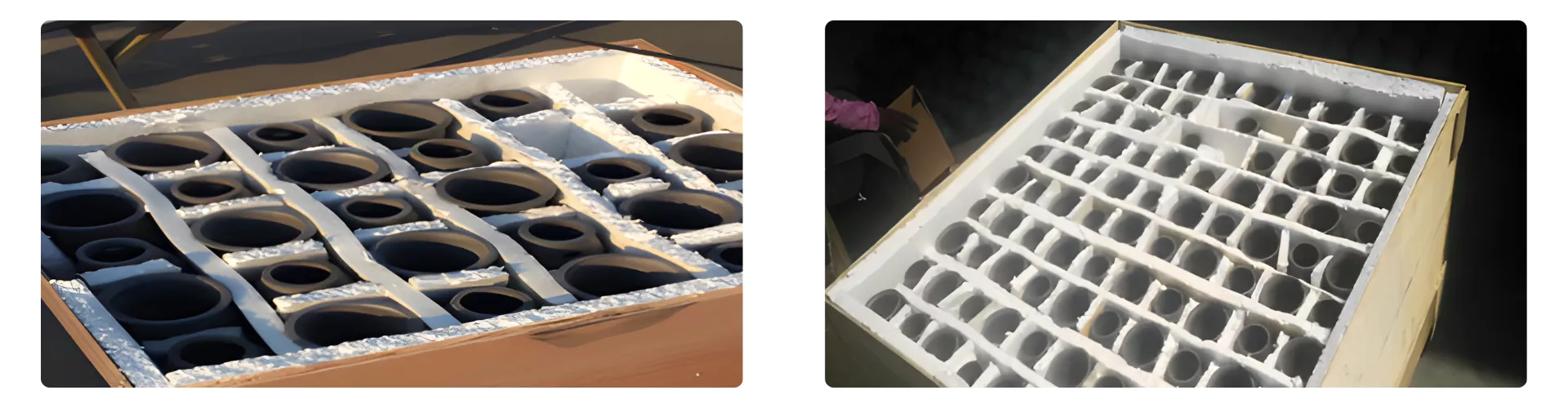
ADCERAX packs silicon carbide burner nozzles with protective cushioning and reinforced outer packaging according to part size, weight and shipping route. Before shipment, each nozzle can be checked for visible surface condition, key dimensions, outlet geometry and packaging stability to reduce transportation and installation risk.