High Insulation Relay Alumina Ceramic Housing for High Voltage DC Relays

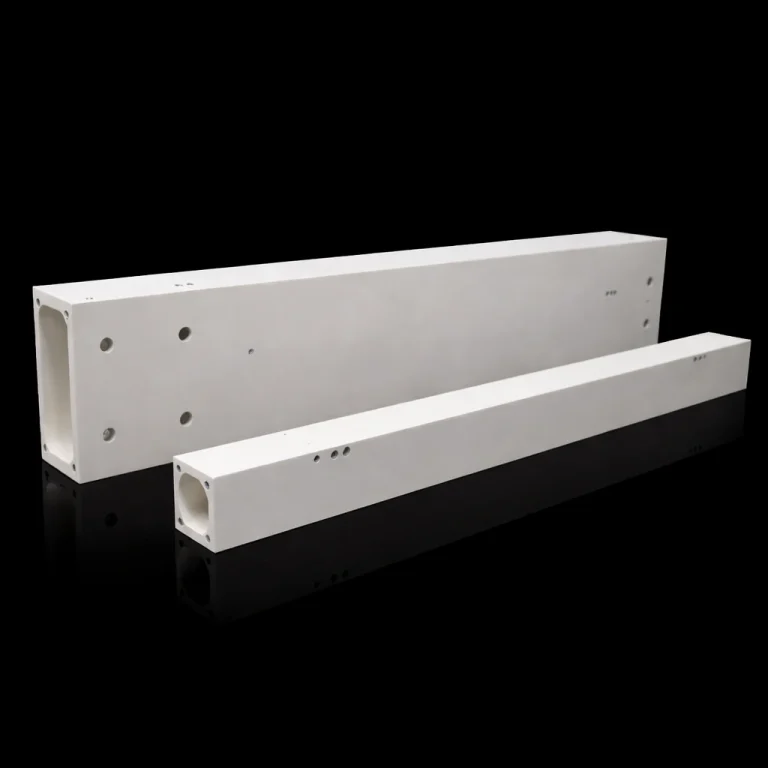
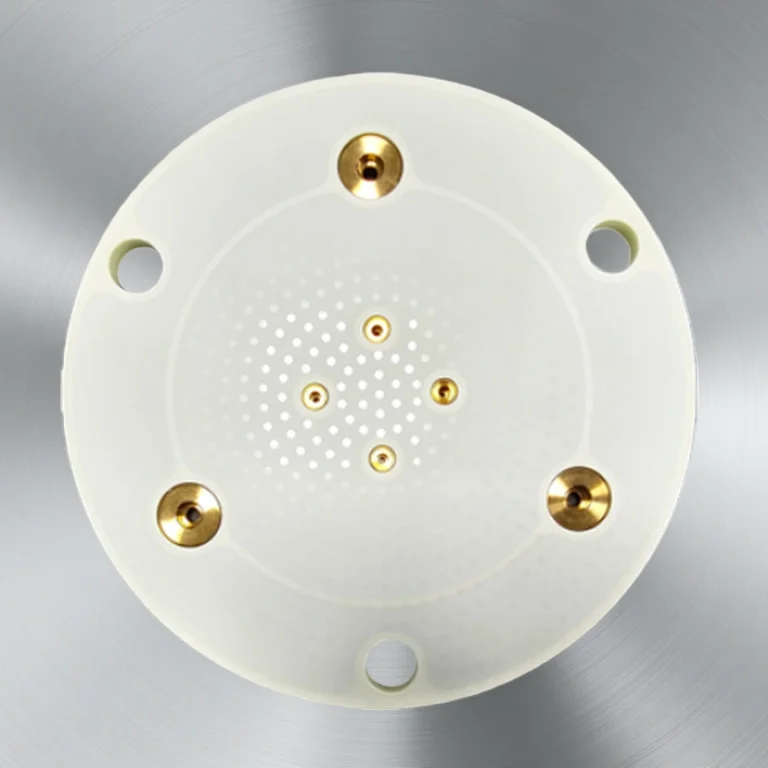
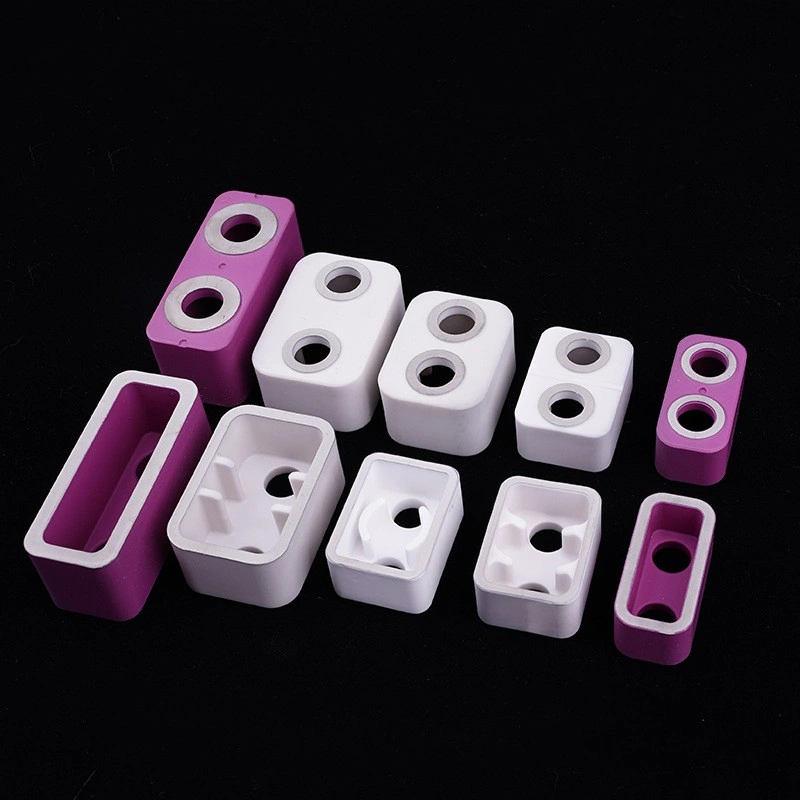
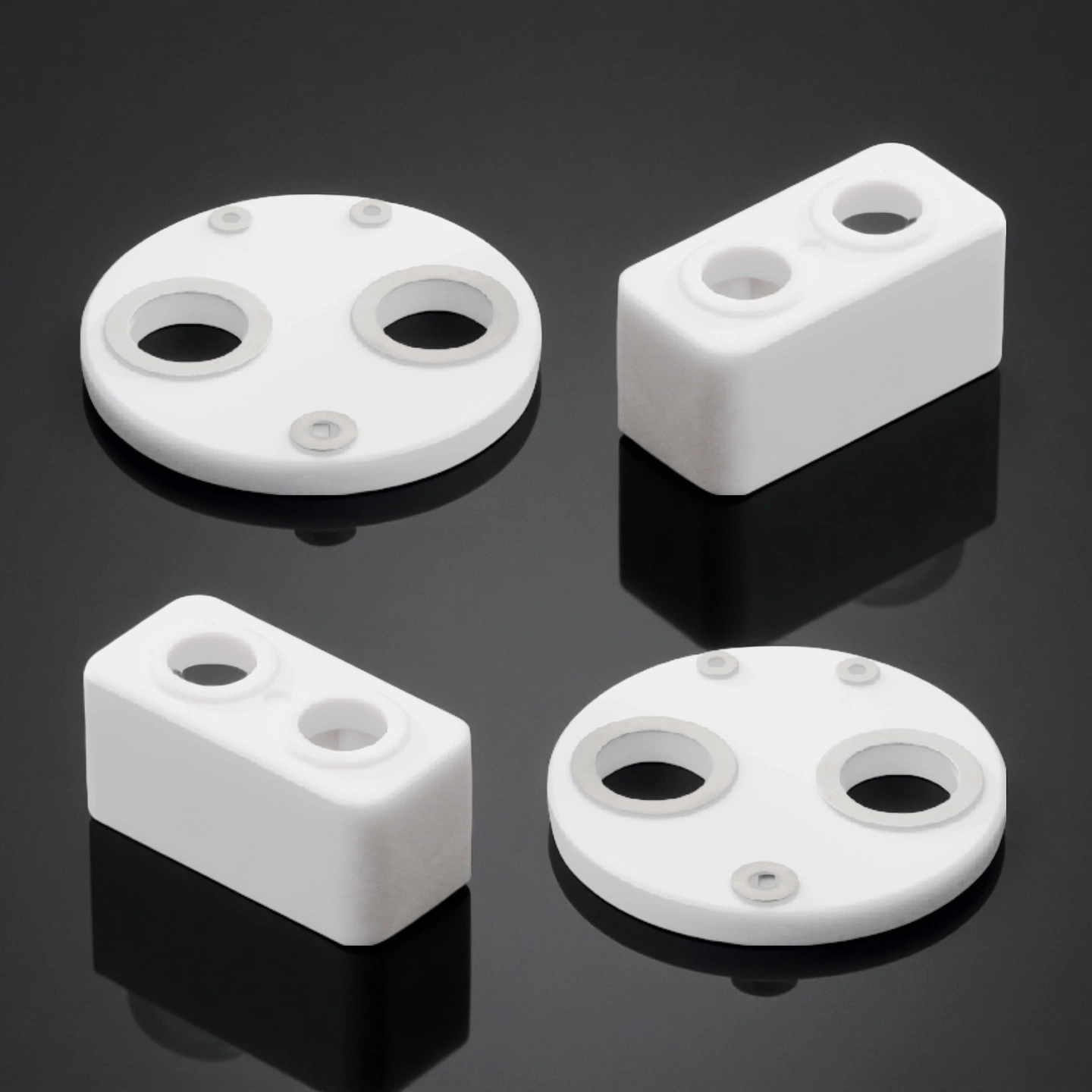
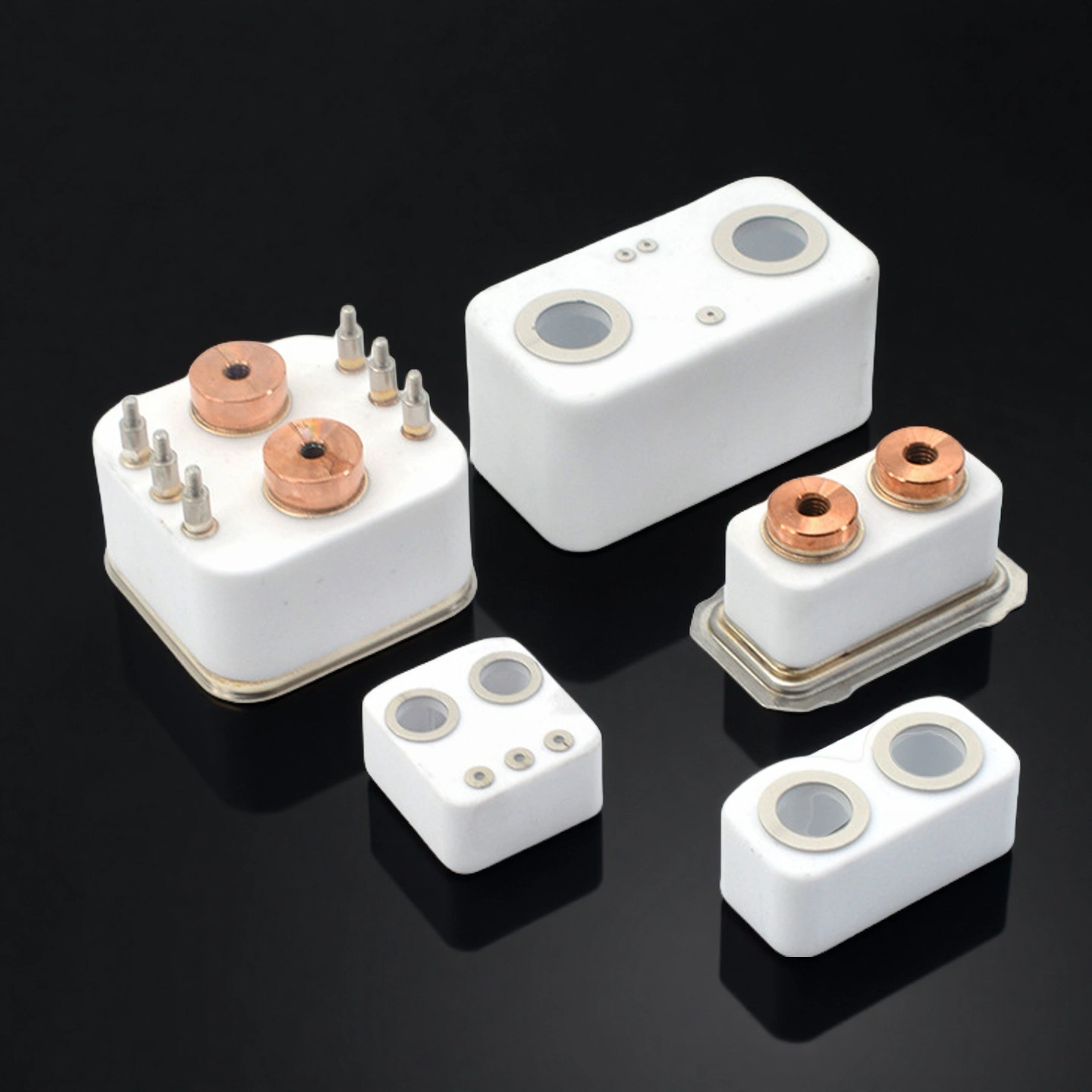
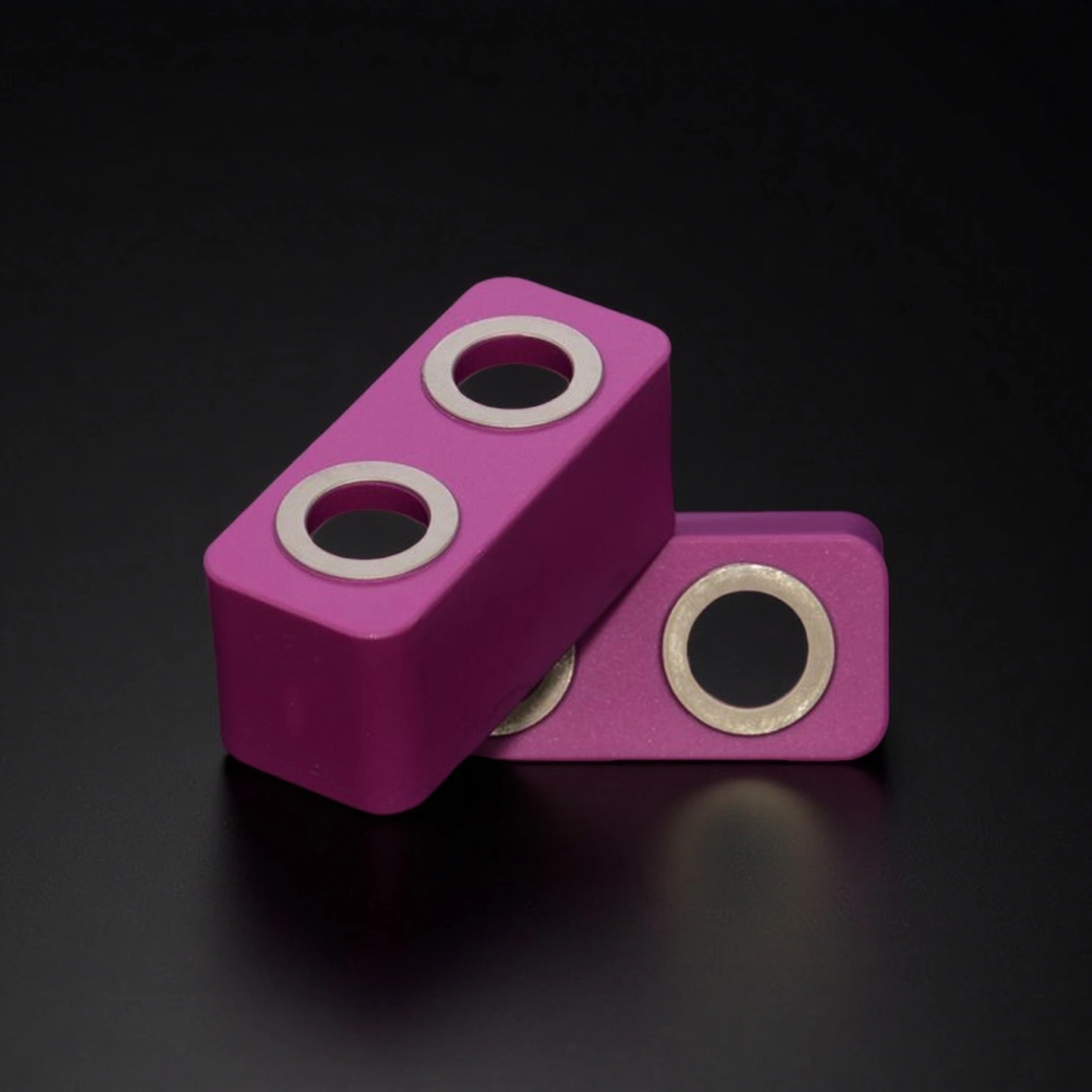
Relay alumina ceramic housing components are metallized Al₂O₃ bodies used as the primary insulation and mechanical support for high-voltage DC relays and contactors. ADCERAX supplies relay alumina ceramic housing parts in standard footprints and custom dimensions, with controlled wall thickness and metallized areas tailored to EV, energy storage and industrial relay platforms.

Catalog No. AT-AO-JD1001
Material ≥ 95% Al2O3
Bulk density 3.7–3.9 g/cm³
Dimensional Tolerance ±0.1 mm standard, ±0.05 mm available on request
Dielectric strength (AC, 1 MHz) approx. 8–9 kV/mm (6.35 mm thickness)
24H Standard Dispatch
Small Batch Support OEM
Factory Direct
Expert Engineering Support

Relay alumina ceramic housing is a shaped alumina (Al₂O₃) ceramic body used as the insulating and structural shell of a relay, especially in high-voltage DC (HVDC), EV contactors, vacuum relays and other high-energy switching devices.

Relay Alumina Ceramic Housing Benefits

  • High insulation margin for compact HV designs:  95–96% alumina with dielectric strength around 8–9 kV/mm enables shorter creepage paths and compact relay envelopes while maintaining insulation safety margins.

  • Hermetic, gas-tight ceramic body for vacuum or gas-filled relays: Dense, non-porous alumina combined with metallized and brazed joints supports helium leak testing down to 10⁻⁹–10⁻¹² Pa·m³/s, meeting typical vacuum relay and HVDC contactor requirements.

  • Metallization compatible with common braze alloys: Mo–Mn metallization and nickel plating thickness in the 25 ±10 μm / 2–10 μm range aligns with standard Ag-Cu and Ag-Cu-Ti brazing systems used in high-voltage packages.

  • Dimensional precision for automated relay assembly: Dry-pressed and precision-ground alumina relay housings can achieve dimensional tolerances down to ±0.02–0.05 mm on critical features, supporting automated insertion and welding processes in relay factories.

  • Thermal and mechanical stability under DC switching stress: Alumina maintains high hardness, compressive strength and thermal shock resistance, enabling the housing to withstand contact arcing, temperature cycling and mechanical shock encountered in EV and HVDC service.


Alumina Ceramic Relay Housing Properties

Property Unit 99.5% Al₂O₃ 99.6% Al₂O₃ 99.7% Al₂O₃ 99.8% Al₂O₃ 99.9% Al₂O₃ 99.99% Al₂O₃
Alumina content % 99.5 99.6 99.7 99.8 99.9 99.99
Density g/cm³ 3.89 3.91 3.92 3.93 3.94 3.98
Open porosity % 0
Color Ivory Ivory Ivory Ivory Ivory Ivory
Water absorption % 0 0 0 0 0
Young’s modulus (Elastic modulus) GPa 375 356 357 358 359 362
Shear modulus GPa 152
Bulk modulus GPa 228
Poisson’s ratio 0.22
Compressive strength MPa 2600 2552 2554 2556 2558 2570
Flexural strength MPa 379 312 313 314 315 320
Fracture toughness MPa·m¹ᐟ² 4
Hardness GPa 14.1 (≈1440 kg/mm²) 23 24 25 26 30
Thermal conductivity W/m·K 35 32–37 33–38 34–39 35–40 36–42
Thermal shock resistance ΔT °C 222 223 224 225 228
Maximum use temperature (no load) °C ≤1750 1755 1760 1765 1770 1800
Coefficient of thermal expansion 10⁻⁶/°C 8.4
Specific heat J/kg·K 880
Volume resistivity Ω·cm >1×10¹⁴ >1×10¹⁴ >1×10¹⁴ >1×10¹⁴ >1×10¹⁴ >1×10¹⁴
Dielectric constant (relative permittivity) 9.8 9.83 9.84 9.85 9.86 9.92
Dielectric strength kV/mm 16.9 23.2 23.4 23.6 23.8 24
Dissipation factor (loss factor @ 1 kHz) 0.0002


Relay Alumina Ceramic Housing Specifications

Model AT-AO-JD1001
Product Name 35*15mm Automotive Relay Ceramic
Metallized Ceramic
Material Alumina, 96%
Silicon Dioxide, 1.6%
Strontium Carbonate, 1.0%
Kaolin, 0.5%
Others, 0.4%
Thermal Conductivity 0.4 Cal/(cm·s·°C)
Volume Resistivity 10^13 Ω·cm
Metallization Material Molybdenum-Manganese
Surface Nickel Plating
Molybdenum Wire Furnace Temperature 850°C
Metallization Layer to Ceramic Bonding Strength > 350 Mpa
Metallization Layer to Metal Part Bonding Strength > 6000N
Metallized Ceramic Insulation Resistance > 1x10^13 ohm·cm


Relay Alumina Ceramic Housing Packaging

  • Each relay alumina ceramic housing batch is separated in partitioned trays or blister plates to avoid edge chipping.
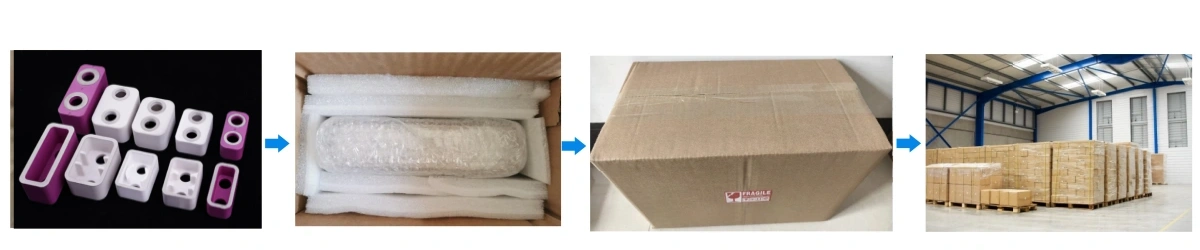
Relay Alumina Ceramic Housing Packaging

Relay Alumina Ceramic Housing Applications

  • EV High Voltage DC Relays and Contactors

    ✅Key Advantages

    1. Compact insulation envelope – relay alumina ceramic housing allows high dielectric strength around 8–9 kV/mm so designers can reduce package size while holding clearance and creepage margins.

    2. Hermetic contact chamber – gas-tight alumina with metallized seams supports vacuum or inert gas filling to manage contact erosion and arc quenching.

    3. Thermal stability in battery environments – ceramic housing maintains geometry and insulation when exposed to typical EV under-hood and battery pack temperatures.

    ✅ Problem Solved

    In EV high-voltage battery disconnect relays, plastic housings can deform, carbonize or suffer surface tracking after repeated DC switching events. By using a relay alumina ceramic housing with high dielectric strength and thermal stability, relay manufacturers can maintain contact spacing, limit surface tracking and keep leakage current within specification through the service life of the vehicle. The hermetic ceramic envelope also supports consistent gas filling and reduces variation in arc behavior across production lots, which is critical for meeting OEM endurance and safety targets.

  • Energy Storage & PV Inverters – HVDC Relays and Disconnects

    ✅Key Advantages

    1. Stable insulation for high DC bus voltages – alumina ceramic relay housing supports insulation coordination at typical DC bus levels used in utility-scale battery and PV inverters.

    2. Low leakage, low moisture uptake – gas-tight ceramics with zero water absorption help maintain low leakage currents even in humid environments.

    3. High mechanical robustness – dense alumina ceramic body tolerates vibration from power-conversion equipment and transport.

    ✅ Problem Solved

    Battery energy storage containers and PV power stations operate for many years with frequent switching cycles and a wide range of ambient conditions. Relay alumina ceramic housing components give system integrators an insulation body that is not affected by moisture, typical cabinet temperatures or chemical exposure around power equipment. Combined with proper metallization and leak-tested sealing, the ceramic relay body contributes to maintaining insulation resistance and dielectric withstand performance over the entire design life of the ESS or inverter system, reducing unplanned maintenance and replacement of HVDC relays.

  • Industrial Automation & High Voltage Test Equipment

    ✅  Key Advantages

    1. Precision geometry for instrument-grade relays – tight tolerances on relay alumina ceramic housing features support precise contact alignment needed in measurement and test relays.

    2. High insulation with low dielectric loss – alumina provides high volume resistivity and low dielectric loss, useful in sensitive high-voltage instrumentation.

    3. Resistance to chemicals and cleaning agents – alumina ceramic surfaces tolerate typical industrial cleaning processes without degradation.

    ✅  Problem Solved

    High-voltage test equipment, insulation analyzers and industrial control cabinets often require relays that switch measurement paths or apply test voltages with minimal drift. By specifying a relay alumina ceramic housing, instrument manufacturers obtain a rigid, low-loss insulation structure that maintains contact alignment and creepage distance over time. The ceramic body withstands repeated cleaning, inspection and thermal cycling in laboratories and factories, supporting consistent test results and reducing calibration drift caused by mechanical or insulation changes in the relay body.


Relay Alumina Ceramic Housing Usage Instructions

  • Installation

    1. Inspect each relay alumina ceramic housing visually for chips or cracks along edges and metallized bands before assembly.
    2. Use clean gloves or finger cots when handling to prevent oils and particles from contaminating sealing areas.
    3. Position the ceramic housing on assembly fixtures that support the base and avoid point contact on thin walls.
    4. Align metal caps, terminals and braze rings with the metallized bands according to the drawing to avoid off-center loading.

  • Use in Assembly and Brazing

    1. Keep brazing pastes and rings within the recommended thickness range for the metallized bands to maintain proper fillet geometry.
    2. Follow controlled heating and cooling ramps to limit thermal gradients through the relay alumina ceramic housing during furnace brazing.
    3. After sealing, perform helium leak testing or equivalent to verify that leak rates meet the specified threshold for the relay design.

  • Storage

    1. Store finished and semi-finished relay alumina ceramic housing parts in closed trays or boxes to prevent dust contamination.
    2. Keep storage areas dry and within the temperature range recommended for other ceramic and metallized components.
    3. Avoid stacking heavy loads directly on top of trays that contain thin-wall housings.

  • Cleaning

    1. For unassembled housings, use dry compressed air or filtered nitrogen to remove loose particles before assembly.
    2. When stronger cleaning is required, use compatible solvents or ultrasonic cleaning processes that do not attack metallization or nickel plating.
    3. Dry parts completely before brazing or hermetic testing to avoid trapped moisture.

  • Typical Misuse Points and How to Address Them

    1. Problem: Chipping on edges after several assembly cycles

    Cause: Contact with metal jigs or dropping trays.
    Solution: Add soft interlayers in trays, increase edge chamfers in the relay alumina ceramic housing drawing and revise handling instructions for operators.

    2. Problem: Local cracking near metallized band after brazing

    Cause: Excessive thermal gradients or uneven braze ring thickness.
    Solution: Review furnace profile, limit temperature ramp rate and control braze ring dimensions; check that the housing sits flat and is not constrained at one corner.

    3. Problem: Helium leak failures at the ceramic-to-metal interface

    Cause: Contaminated metallization, incorrect braze alloy or insufficient wetting.
    Solution: Clean metallized areas, verify braze alloy compatibility with Mo–Mn / Ni system and adjust brazing parameters according to OEM recommendations.

FAQ About Relay Alumina Ceramic Housing

  1. Q: Which alumina purity is typically used for relay alumina ceramic housing parts?
    A: Most EV and HVDC relay housings use 95–96% alumina, while some designs adopt higher purity grades when additional dielectric strength or chemical resistance is needed.
  2. Q: How does alumina ceramic relay housing improve dielectric performance compared with plastic housings?
    A: Alumina ceramic relay housing offers dielectric strength around 8–9 kV/mm, low dielectric loss and high surface resistance, which together support higher insulation margins and lower leakage currents at high DC voltages.
  3. Q: Can the relay alumina ceramic housing be customized for my relay footprint?
    A: Yes, the housing geometry, cavity layout, wall thickness, metallization pattern and nickel plating thickness can all be customized based on your relay drawings and insulation requirements.
  4. Q: Is a relay alumina ceramic housing suitable for both vacuum and gas-filled relays?
    A: Yes, the gas-tight alumina body and hermetic metal-ceramic seals make the relay alumina ceramic housing suitable for vacuum relays and relays filled with inert or specific arc-control gases.
  5. Q: What tolerances can be achieved on critical dimensions of alumina ceramic relay housing?
    A: For high-volume dry-pressed housings, critical dimensions such as sealing faces and locating features can typically be controlled in the ±0.02–0.05 mm range after grinding, subject to part geometry and process capability.

Relay Alumina Ceramic Housing Reviews

  • ⭐️⭐️⭐️⭐️⭐️
    We changed several DC contactor platforms to relay alumina ceramic housing from ADCERAX. Dimensional consistency has been good, and the metallized bands fit directly into our existing brazing process without requalifying the alloy
    -- Michael R., Purchasing Manager, HV Switchgear GmbH (Germany)
  • ⭐️⭐️⭐️⭐️⭐️
    The alumina ceramic relay housing samples matched our drawings closely, including the internal cavities and tolerances. It helped our team finalize the EV HVDC relay package without redesigning the coil and contact layout.
    -- Yuki S., Design Engineer, EV Components Co. (Japan)
  • ⭐️⭐️⭐️⭐️⭐️
    For our high-voltage test relays, alumina ceramic relay housing has kept leakage current within spec across multiple environmental tests. The ceramic body aligns well with our instrument-grade insulation targets.
    -- David L., Product Manager, Power Test Instruments Ltd. (UK)
  • ⭐️⭐️⭐️⭐️⭐️
    ADCERAX provided relay alumina ceramic housing prototypes fast enough for our energy storage cabinet pilot build. The ceramic bodies passed helium leak checks and integrated with our existing contact stack without major changes.
    -- Chen Wei, Sourcing Engineer, ESS Integrator Inc. (USA)
customize size

Custom Relay Alumina Ceramic Housing Supplier

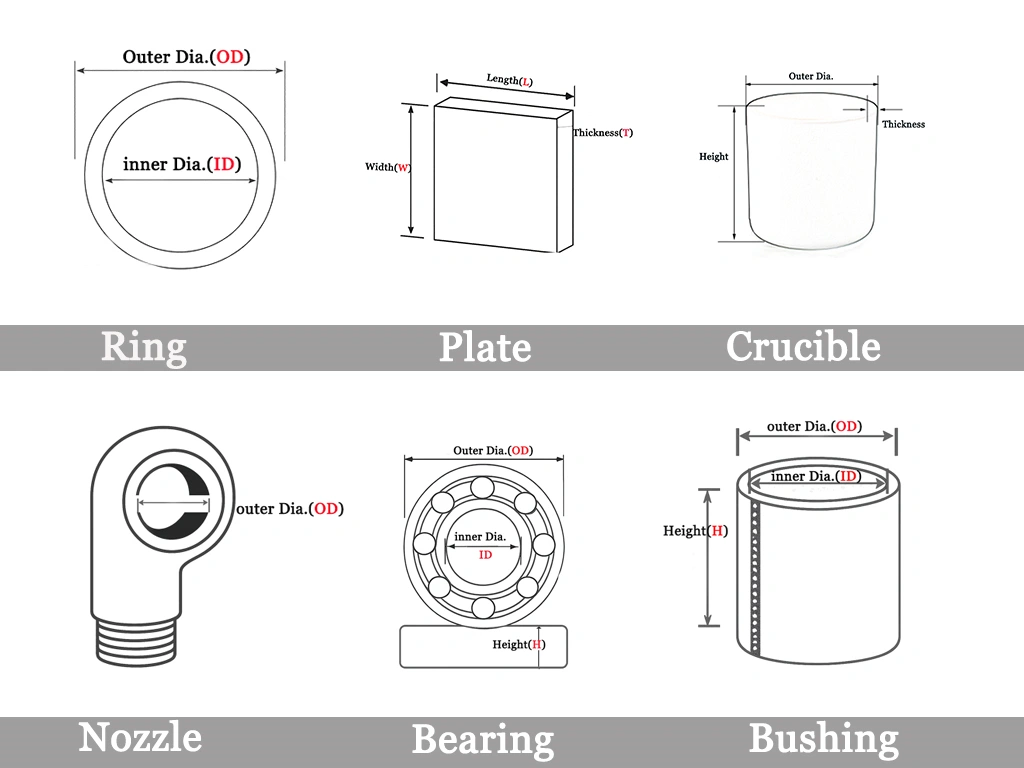
Relay alumina ceramic housing parts are primarily drawing-based components. For each relay platform, design teams can specify geometry, metallization and sealing interfaces so that the ceramic housing integrates reliably with contacts, springs and magnetic circuits.

1. Core geometry

  • Overall length, width and height of the relay ceramic housing
  • Inner cavity layout for coil and contact chambers
  • Wall thickness and ribs in mechanically stressed zones

2. Dimensional tolerances

  • General tolerances for non-critical surfaces
  • Tight tolerances (for example ±0.02–0.05 mm) on sealing faces and locating features

3. Mounting and interface features

  • Position and diameter of through-holes and slots for terminals
  • Locating pins, steps or shoulders for automated assembly
  • Chamfers, radii and edge breaks to reduce chipping during handling

4. Metallization pattern

  • Mo–Mn metallization bands for brazing to Kovar or stainless steel caps
  • Nickel plating thickness ranges suited to your brazing process 2–10 μm
  • Masking areas without metallization to maintain high surface resistance

5. Material options

  • 95% alumina for cost-sensitive HVDC relay housing
  • 96% or higher purity alumina for elevated dielectric and chemical resistance

6. Surface finish & post-processing

  • As-fired, ground, lapped or polished sealing surfaces
  • Glazed or unglazed external surfaces depending on creepage design

Related Products

ADCERAX - Your Trusted Advanced Ceramics Manufacturing Partner

Direct factory manufacturing with comprehensive ceramic materials expertise and global supply capabilities

Direct Factory Manufacturing

China-based ceramic materials production facility with state-of-the-art equipment

Engineering Team

Experienced professionals in advanced ceramics applications and custom design

Quality Control

Strict quality control standards for technical ceramics manufacturing and quality management

Global Supply Chain

Serving customers worldwide with technical ceramics and rapid response

24/7 Technical Support

Round-the-clock support for ceramic components inquiries and technical assistance

500+ Satisfied Customers

Trusted by global customers for advanced ceramic materials and precision components

Get in touch with us

Our team will be happy to respond to you in less than 24 hours.

Adcerax's factory

Quick Quotation

*Our team will answer your inquiries within 24 hours.

*Your information will be kept strictly confidential.

Ready to Solve Your Engineering Challenge?

Partner with ADCERAX for reliable, high-performance advanced ceramic solutions. Our engineers are ready to discuss your project.

E-mail

info@adcerax.com

Phone

+(86) 0731-74427743 | WhatsApp: +(86) 19311583352

Response Time

Within 24 hours

Quick Quote

The more details you provide, the faster we can quote.

*We respond within 24 hours. All inquiries are confidential.

Download Catalog

Get Your Custom Sulution

The more details you provide, the faster we can respond.

customize size

*We respond within 24 hours. All inquiries are confidential.

Download Catalog