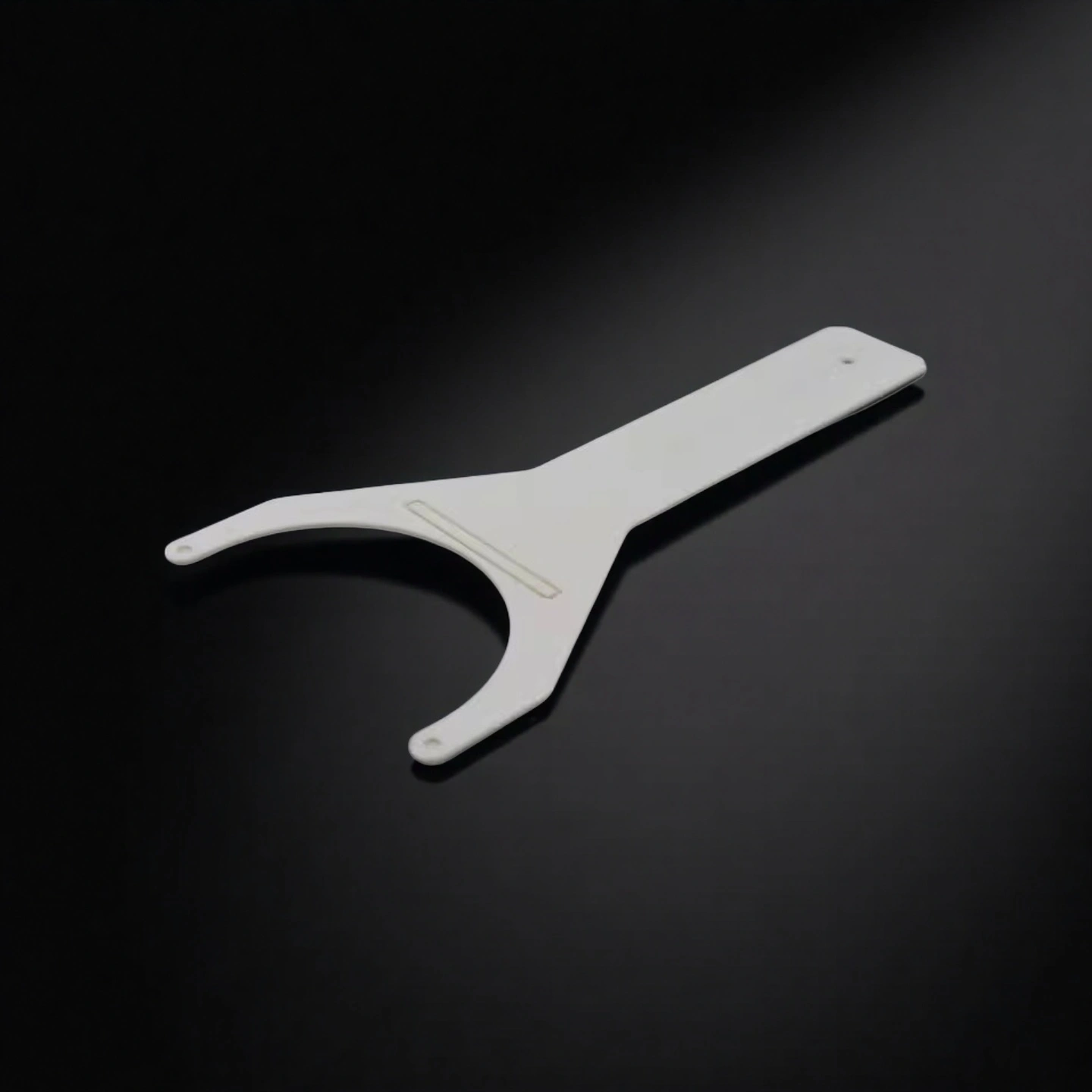
Custom Precision Alumina Ceramic Robot Arm | Drawings & Interface Matching

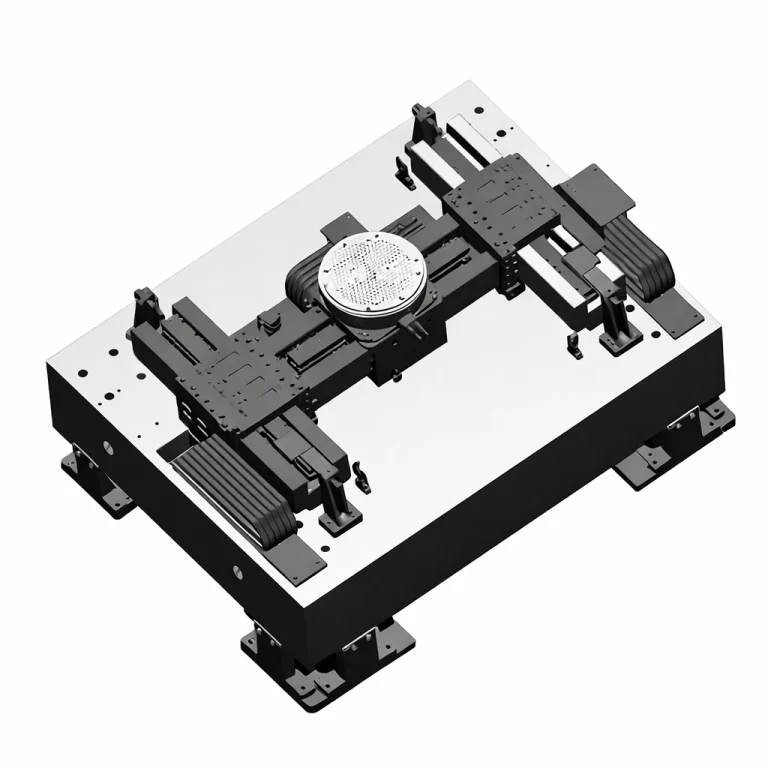
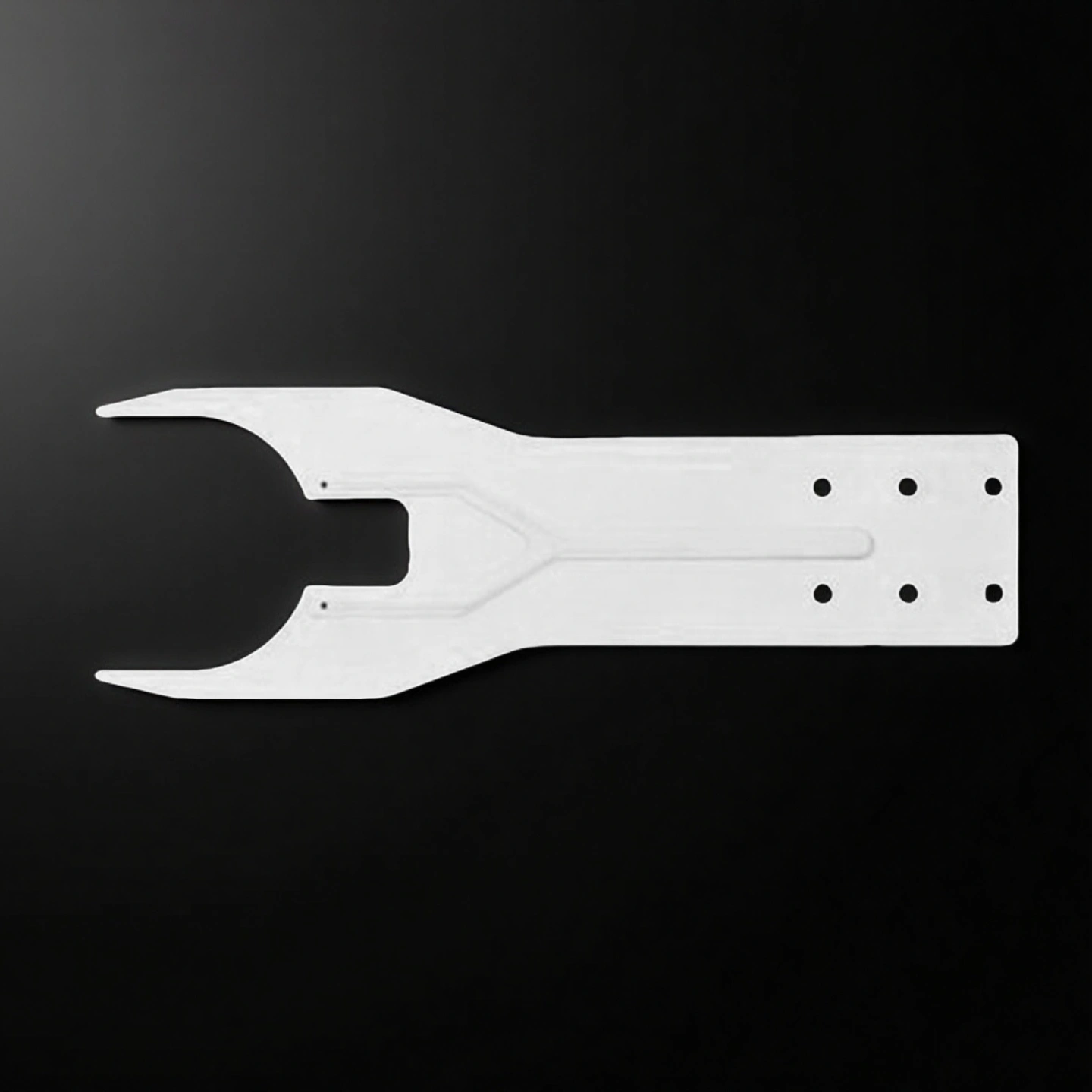
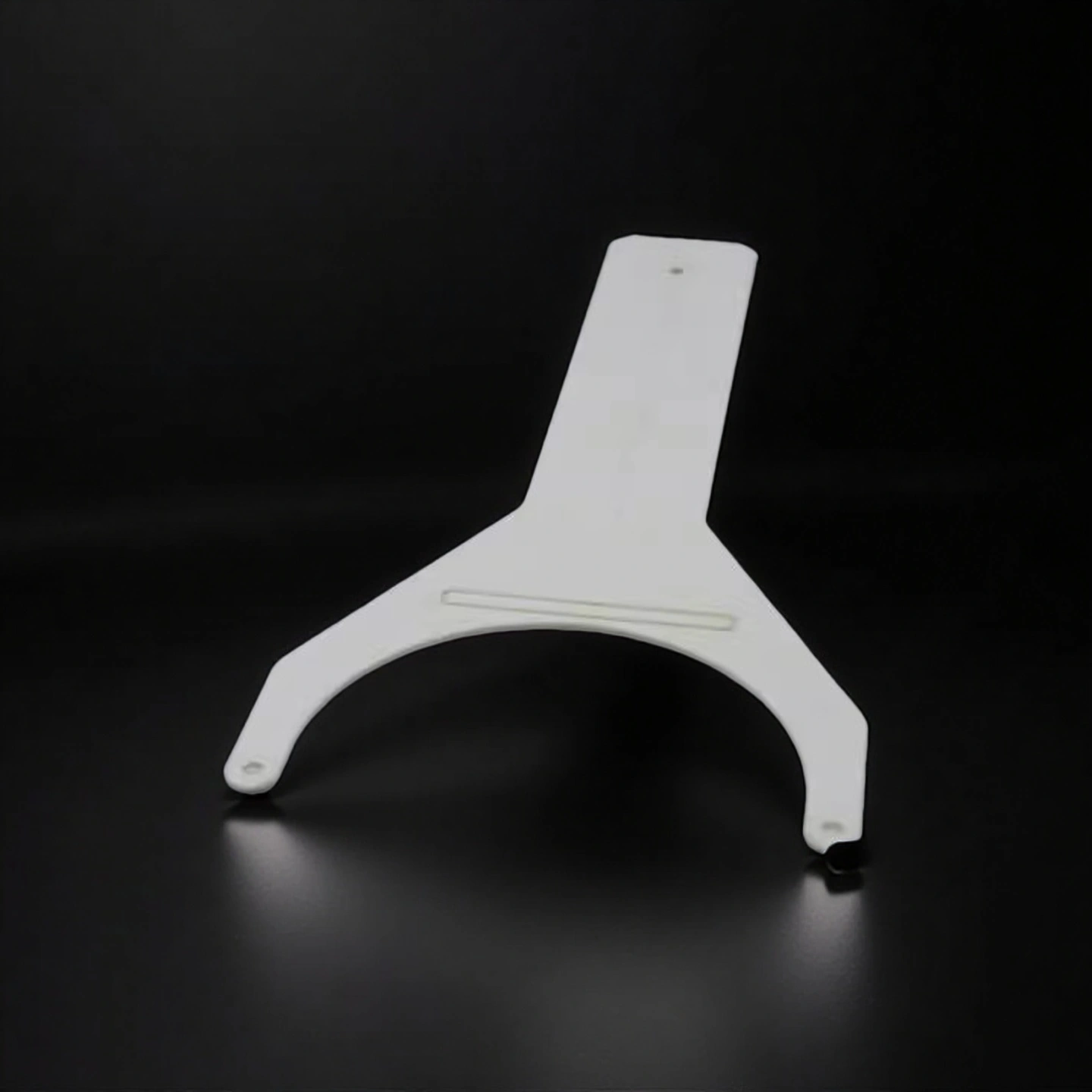
The Alumina Ceramic Robot Arm is a customizable end-effector that combines low-particle surfaces, insulation, and high-flatness geometry to support reliable pick-and-place on sensitive substrates in clean or hot environments.

Catalog No. AT-YHL-RA001
Material ≥ 96% Al2O3
Vacuum Holding Force Adjustable by channel diameter and hole pattern
Dielectric Strength 8–15 kV/mm typical for alumina ceramic robot arm
Dimensions/Sizes Download PDF
24H Standard Dispatch
Small Batch Support OEM
Factory Direct
Expert Engineering Support

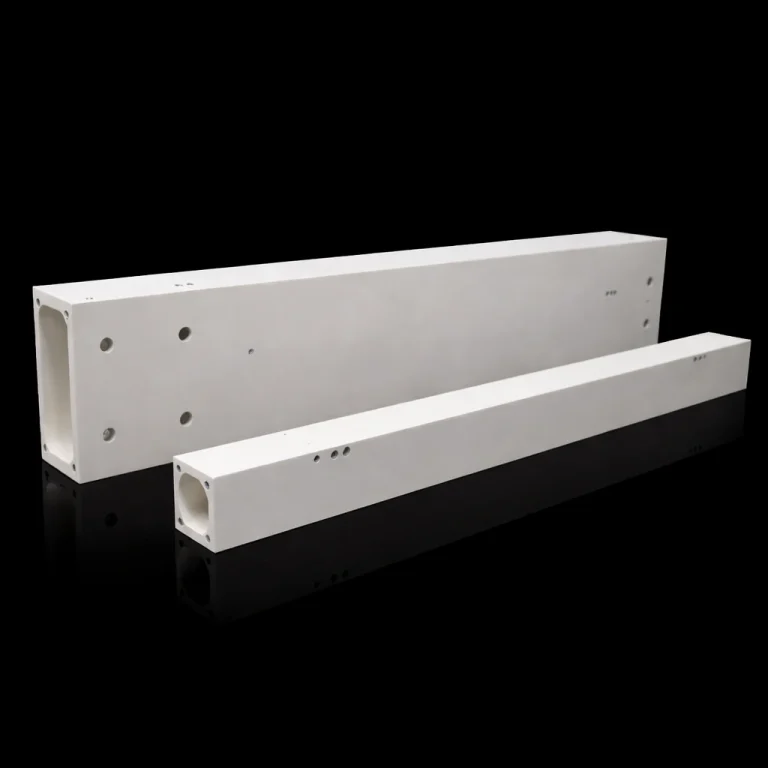
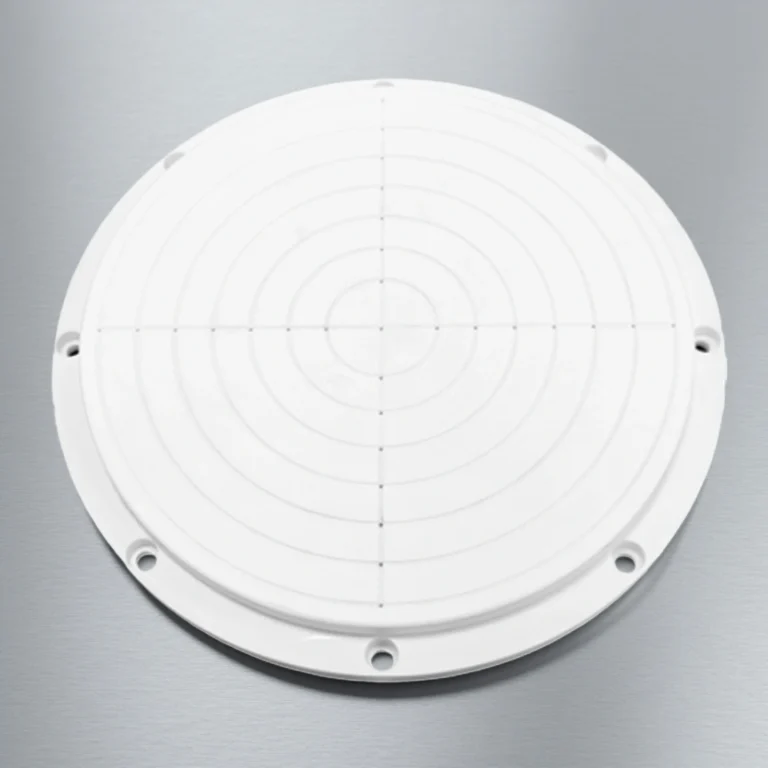
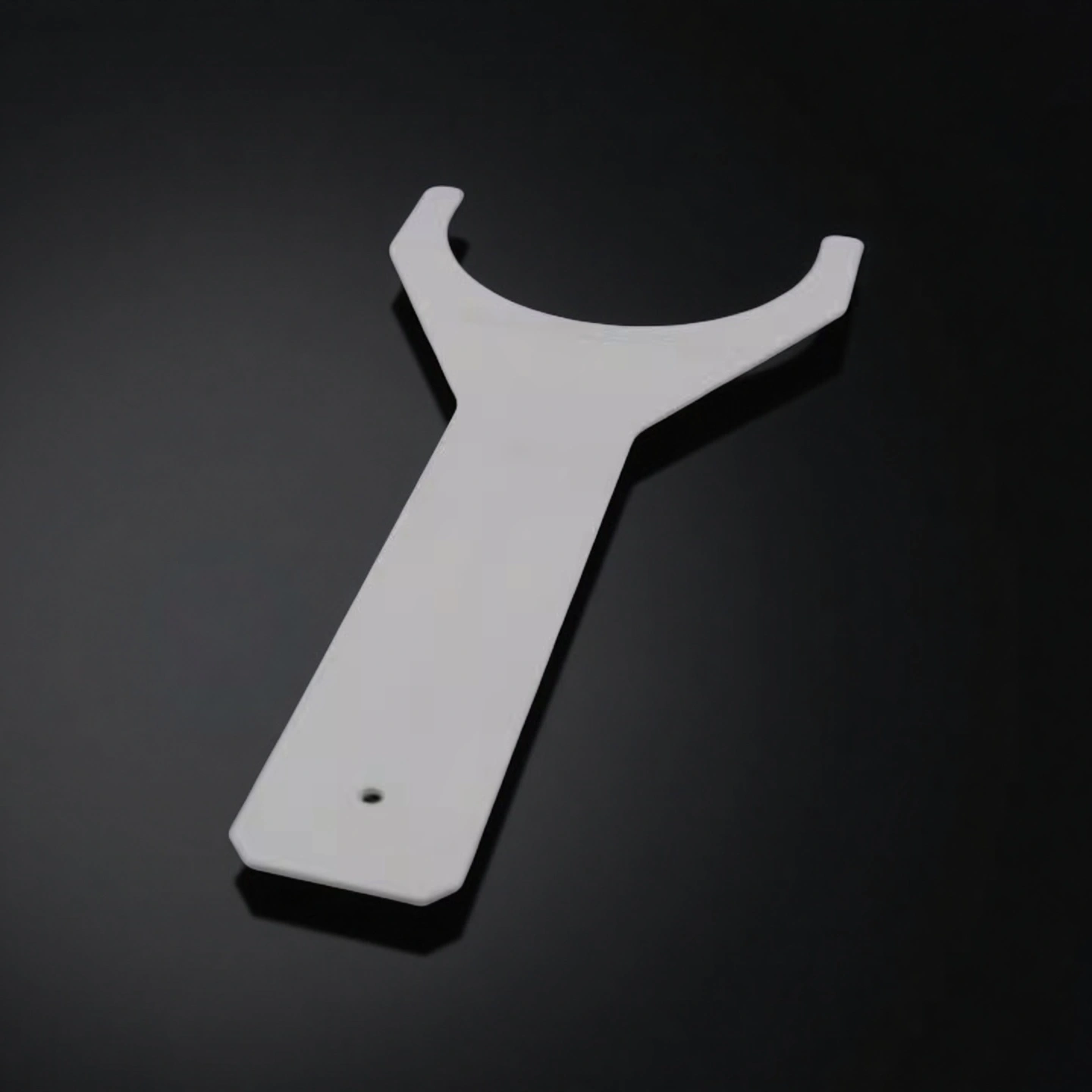
The Alumina Ceramic Robot Arm is a high-purity Al₂O₃ end-effector for clean handling, electrical insulation, and wear resistance. Available as clamping fingers, plate-type arms, or vacuum forks with internal channels, it features Ra-polished surfaces and ground planes for accurate placement with low scratch risk.

Alumina Ceramic Robot Arm Benefits

  • Clean-contact surfaces — Ra-polished functional planes lower particle transfer and surface marks during handling.
  • Electrical insulation — Alumina body prevents stray currents where metal claws can be risky.
  • Heat-adjacent stability — Geometry remains stable near hot zones; no softening of pads or backing plates.
  • Edge durability — Ground edges and optional chamfers increase resistance to chipping in repetitive cycles.
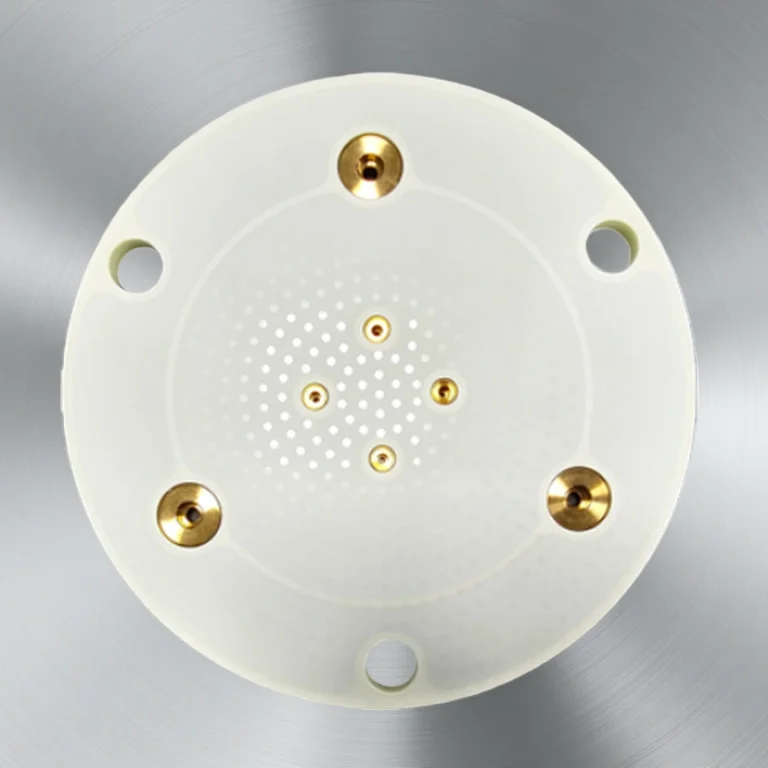
  • Vacuum capability — Integrated vacuum channels can be tuned for panel size, hole pattern, and holding force.


Alumina Ceramic Robot Arm Properties

Property Unit 99.5% Al₂O₃ 99.6% Al₂O₃ 99.7% Al₂O₃ 99.8% Al₂O₃ 99.9% Al₂O₃ 99.99% Al₂O₃
Alumina content % 99.5 99.6 99.7 99.8 99.9 99.99
Density g/cm³ 3.89 3.91 3.92 3.93 3.94 3.98
Open porosity % 0
Color Ivory Ivory Ivory Ivory Ivory Ivory
Water absorption % 0 0 0 0 0
Young’s modulus (Elastic modulus) GPa 375 356 357 358 359 362
Shear modulus GPa 152
Bulk modulus GPa 228
Poisson’s ratio 0.22
Compressive strength MPa 2600 2552 2554 2556 2558 2570
Flexural strength MPa 379 312 313 314 315 320
Fracture toughness MPa·m¹ᐟ² 4
Hardness GPa 14.1 (≈1440 kg/mm²) 23 24 25 26 30
Thermal conductivity W/m·K 35 32–37 33–38 34–39 35–40 36–42
Thermal shock resistance ΔT °C 222 223 224 225 228
Maximum use temperature (no load) °C ≤1750 1755 1760 1765 1770 1800
Coefficient of thermal expansion 10⁻⁶/°C 8.4
Specific heat J/kg·K 880
Volume resistivity Ω·cm >1×10¹⁴ >1×10¹⁴ >1×10¹⁴ >1×10¹⁴ >1×10¹⁴ >1×10¹⁴
Dielectric constant (relative permittivity) 9.8 9.83 9.84 9.85 9.86 9.92
Dielectric strength kV/mm 16.9 23.2 23.4 23.6 23.8 24
Dissipation factor (loss factor @ 1 kHz) 0.0002


Alumina Ceramic Robot Arm Size

Item No. Diameter (mm) Thickness (mm) Purity
AT-YHL-RA001 Customize


Alumina Ceramic Robot Arm Packaging

  • Protection: multi-layer foam cradles, corner guards, and dust-proof bags for polished faces
  • Stability: anti-vibration inserts to prevent micro-chipping in transit
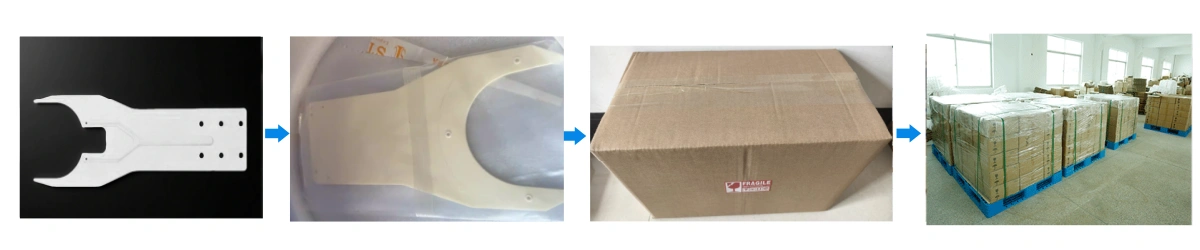
Alumina Ceramic Robot Arm Packaging

Alumina Ceramic Robot Arm Applications

  • Display & Large Glass Handling

    ✅Key Advantages

    1. Low-particle contact — Polished functional faces help reduce surface marking on glass panels.
    2. High-flatness support — Stable placement and alignment for wide formats.
    3. Vacuum tuning — Hole pattern and channel layout matched to panel mass and stiffness.

    ✅ Problem Solved

    A glass module line replaced metal-pad grippers with alumina vacuum forks. With tuned hole patterns and polished surfaces, edge marks decreased and rework dropped on thin panels. After drawing validation, the arm interface was standardized across stations to simplify spares and setup.

  • Photovoltaic Substrates & Cleaning Lines

    ✅Key Advantages

    1. Chemical-resistant body — Alumina contact zones compatible with common wash chemistries.
    2. Insulating structure — Minimizes stray current paths during process steps.
    3. Geometry retention — Maintains rigidity near thermal steps and dryers.

    ✅ Problem Solved

    A PV integrator adopted ceramic end-effectors for wet-process exits. Dimensional consistency and insulating bodies stabilized transfer after dryers, reducing substrate slip events and unplanned stops tied to soft pad deformation.

  • Thermal Processing & Sintering Logistics

    ✅Key Advantages

    1. Hot-zone adjacency — Handles parts near furnaces without softening or warping.
    2. Edge strength — Ground edges resist micro-chips from repeated cycles.
    3. Interface fidelity — Flange and pin patterns matched to tool changers for quick swaps.

    ✅ Problem Solved

    A heat-treatment cell moved to plate-type alumina arms at the unload station. With reinforced edges and matched flanges, changeover time decreased and arm replacements became scheduled maintenance instead of reactive downtime.

Alumina Ceramic Robot Arm Usage Instructions

  • Installation

    1. Before installation, inspect all functional surfaces of the alumina ceramic robot arm for scratches, cracks, or contamination. Ensure the Ra-polished faces meet visual quality standards under bright light.
    2. Confirm flange PCD, pin fit, and fastener lengths according to the mounting drawing. Improper alignment can cause uneven stress or edge chipping.
    3. For vacuum-type arms, dry-fit vacuum lines and perform an air-leakage test at each port and channel joint before operation.
    4. Apply uniform torque on all mounting screws to avoid bending the ceramic body; use torque-limited tools where possible.
    5. When installing multiple end-effectors, ensure consistent tool-center-point calibration in the robot controller to maintain pick-and-place accuracy.

  • Operation

    1. Validate the gripping or suction force at both nominal and tolerance extremes of the target workpiece thickness or mass.
    2. Adjust approach speed and acceleration to protect polished Ra≤0.2 µm surfaces from impact or sliding friction.
    3. Avoid using excessive gripping pressure; let the precision flatness and vacuum distribution maintain contact stability.
    4. Monitor temperature variation near hot zones—alumina maintains stability up to 1600 °C, but ensure other connected hardware (gaskets, flanges, bolts) remain within their rated limits.
    5. Recheck vacuum pressure and channel integrity after every 500–1000 operating cycles, especially in dusty or high-humidity environments.

  • Storage

    1. Store each alumina ceramic robot arm in a foam cradle or padded case, separated by soft spacers to prevent contact between parts.
    2. Keep the arm in a low-dust, low-humidity environment (relative humidity < 60%) and away from direct sunlight.
    3. Do not stack multiple arms vertically; point loads on edges may induce micro-cracks.
    4. For long-term storage, seal the arm in a poly bag with desiccant to avoid moisture absorption.

  • Cleaning

    1. Use lint-free microfiber cloths and neutral pH solvents to wipe down the functional planes. Avoid acidic or alkaline detergents.
    2. Never use abrasive pads, steel wool, or rough paper towels on polished areas.
    3. Blow through all vacuum channels with dry, filtered compressed air (≤ 0.6 MPa) to remove trapped dust or residue.
    4. If the arm has been used in a chemical or vapour environment, rinse the contact zone with deionized water, then air-dry completely before reuse.
    5. Schedule routine cleaning every 100–200 operation hours, or more frequently if the line runs in a high-particle process.

  • Common Pitfalls & Fixes

    1. Edge nicks after tool change → Use protective corner guards during maintenance and verify fixture clearance before re-clamping. Apply soft liners between the metal jigs and the ceramic body to absorb impact.
    2. Vacuum suction variability → Inspect all channel seals and port O-rings; confirm hole diameters match the intended flow design. Replace worn sealing gaskets or O-rings after ~2000 cycles.
    3. Micro-marks on sensitive parts → Lower robot approach velocity, verify workpiece cleanliness, and re-polish or replace the contact insert if Ra or flatness exceeds tolerance.
    4. Alignment drift or repeated mis-picks → Recalibrate the robot TCP after any tool replacement or maintenance, and confirm that the flange seating surfaces are free from debris or burrs.

Alumina Ceramic Robot Arm FAQ

  1. Q: What is an alumina ceramic robot arm used for?
    A: The alumina ceramic robot arm is a precision end-effector—available in fork, plate, or finger designs—used for clean handling, gripping, and transferring components in display, photovoltaic, and high-temperature production lines.
  2. Q: Why choose an alumina ceramic robot arm instead of metal or plastic types?
    A: Unlike metal or polymer claws, alumina provides electrical insulation, thermal stability, and extremely low particle generation. This prevents scratches, ion contamination, and deformation during heat-adjacent operations.
  3. Q: Can the alumina ceramic robot arm include a vacuum channel system?
    A: Yes. Internal vacuum channels, port holes, and suction layouts can be customized according to the required holding force, panel size, and robot interface configuration.
  4. Q: What flatness and surface finish can be achieved on the ceramic arm?
    A: Functional planes can reach high flatness (±0.01 mm) and surface roughness Ra ≤ 0.2 µm, depending on your drawing specifications. These ensure stable pick-and-place precision and reduce micro-scratches on glass or wafers.
  5. Q: Is the alumina ceramic robot arm suitable for high-temperature or hot-zone applications?
    A: Yes. Alumina maintains geometric stability and insulation at temperatures up to 1600 °C, making it ideal for stations close to heating or sintering processes.

  6. Q: Can the alumina ceramic robot arm be customized to fit my existing flange or robot tool changer?
    A: Absolutely. You can specify flange PCD, bolt size, pin location, and alignment holes. Our engineers provide a drawing review to ensure perfect compatibility with your robot interface.
  7. Q: How long does an alumina ceramic robot arm typically last in production?
    A: Service life varies with handling frequency and process environment. In cleanroom or display applications, ceramic arms often last 3–5× longer than metal or plastic alternatives before surface refurbishment is required.

Alumina Ceramic Robot Arm Reviews

  • ⭐️⭐️⭐️⭐️⭐️
    We specified an alumina ceramic robot arm with a polished contact zone and vacuum ports matched to our panel. The alumina ceramic robot arm arrived to drawing and solved our surface mark issue on thin glass
    -- James Porter — Senior Automation Engineer, ClearView Displays (USA)
  • ⭐️⭐️⭐️⭐️⭐️
    The alumina robot arm holds substrates consistently after dryers. Interface holes and pins lined up with our changer, which made installation straightforward.
    -- Mika Tanaka — Equipment Manager, SolarNext Integration (Japan)
  • ⭐️⭐️⭐️⭐️⭐️
    ADCERAX, as a China factory supplier, supported small-lot prototypes before volume. Pricing was clear, and the ceramic gripper fingers matched our flange pattern.
    -- Luis Romero — Procurement Lead, AxisMotion Systems (Spain)
  • ⭐️⭐️⭐️⭐️⭐️
    We adopted plate-type alumina ceramic robot arms near the furnace unload. Edge reinforcement has held up over long cycles, and the polished face keeps parts clean.
    -- Evelyn Chen — Process Engineer, ThermalCore Industries (Germany)
customize size

Customize Alumina Ceramic Robot Arm

You can specify the arm you need; we engineer the interface and functional faces to your line. What you can specify:

  • Overall geometry: length/width/thickness; fork-type or plate-type; single or multi-finger
  • Dimensional targets: functional flatness and parallelism per drawing; critical edge radii; chamfer profiles
  • Vacuum design: internal channels, port positions, hole diameters and patterns, target holding force range
  • Interface & mounting: flange PCD and hole diameters, locating pins, transitional plates, anti-rotation features
  • Surface finish: as-fired, ground, or low-Ra polished on functional planes; optional mirror finish on contact zones
  • Edge options: edge grinding, micro-chamfering, and corner reinforcement for chip resistance
  • Material options: ≥99% / 99.5% Al₂O₃ according to environment and insulation needs

Related Products

ADCERAX - Your Trusted Advanced Ceramics Manufacturing Partner

Direct factory manufacturing with comprehensive ceramic materials expertise and global supply capabilities

Direct Factory Manufacturing

China-based ceramic materials production facility with state-of-the-art equipment

Engineering Team

Experienced professionals in advanced ceramics applications and custom design

Quality Control

Strict quality control standards for technical ceramics manufacturing and quality management

Global Supply Chain

Serving customers worldwide with technical ceramics and rapid response

24/7 Technical Support

Round-the-clock support for ceramic components inquiries and technical assistance

500+ Satisfied Customers

Trusted by global customers for advanced ceramic materials and precision components

Get in touch with us

Our team will be happy to respond to you in less than 24 hours.

Adcerax's factory

Quick Quotation

*Our team will answer your inquiries within 24 hours.

*Your information will be kept strictly confidential.

Ready to Solve Your Engineering Challenge?

Partner with ADCERAX for reliable, high-performance advanced ceramic solutions. Our engineers are ready to discuss your project.

E-mail

info@adcerax.com

Phone

+(86) 0731-74427743 | WhatsApp: +(86) 19311583352

Response Time

Within 24 hours

Quick Quote

The more details you provide, the faster we can quote.

*We respond within 24 hours. All inquiries are confidential.

Download Catalog

Get Your Custom Sulution

The more details you provide, the faster we can respond.

customize size

*We respond within 24 hours. All inquiries are confidential.

Download Catalog