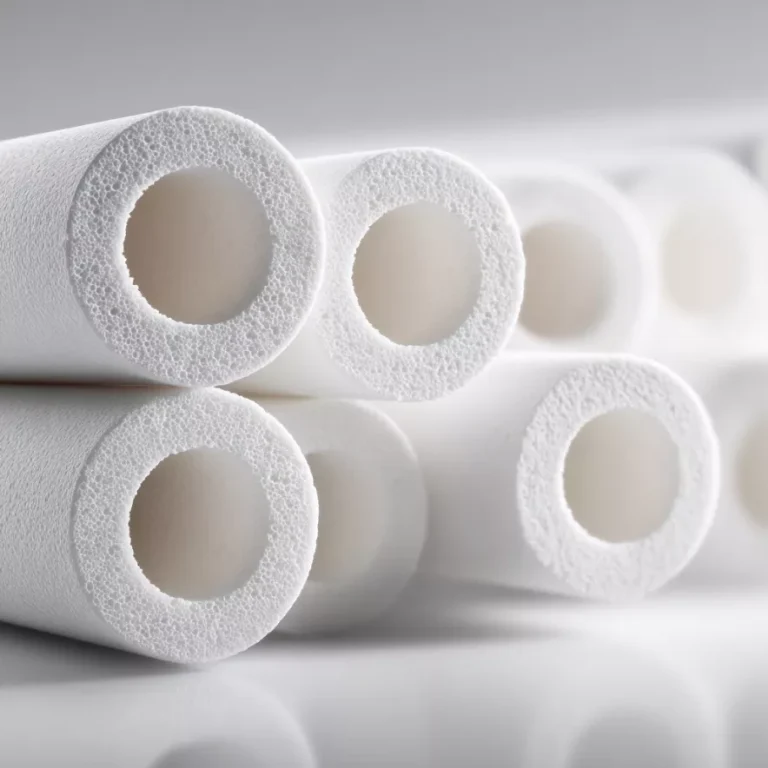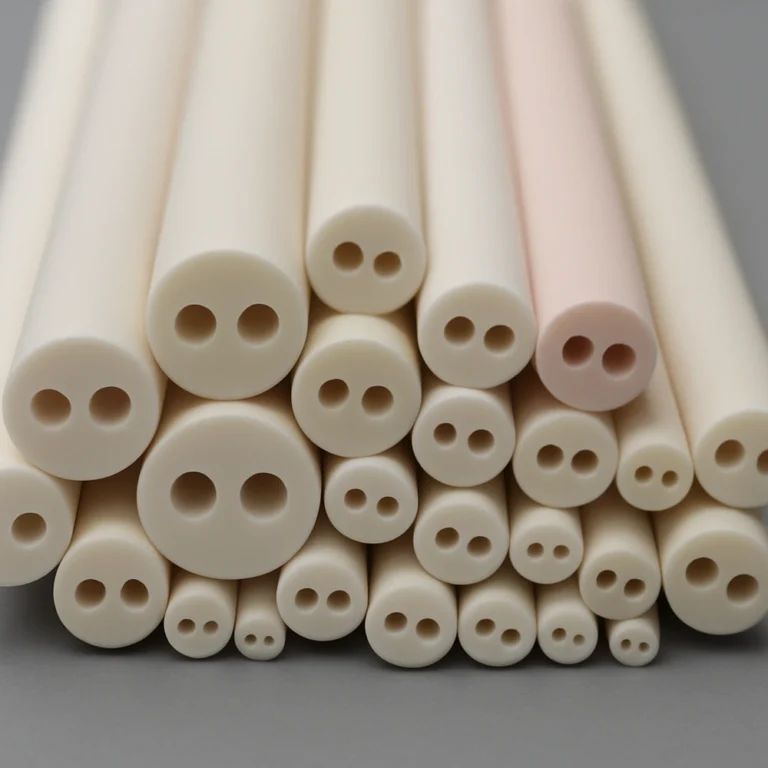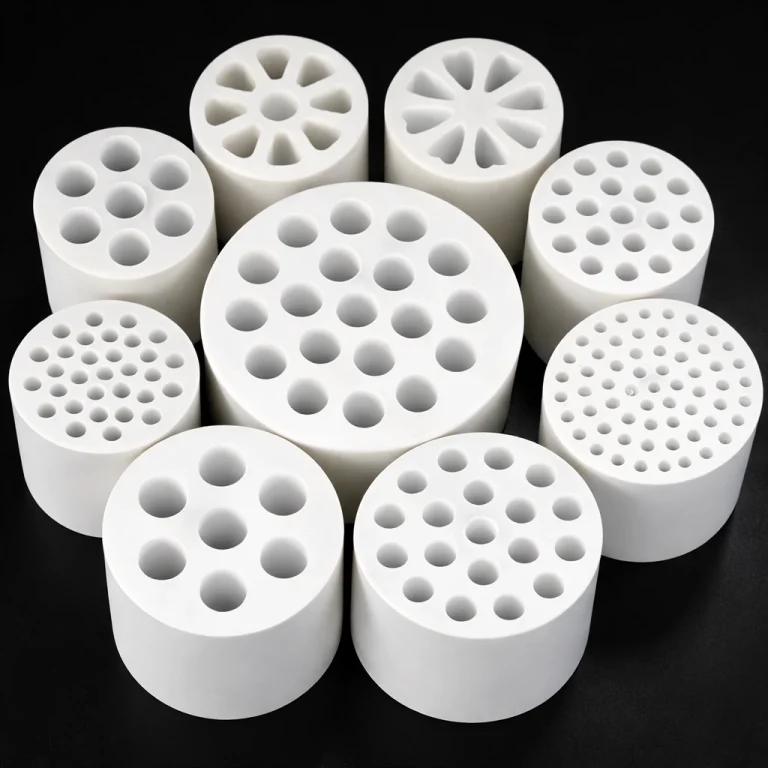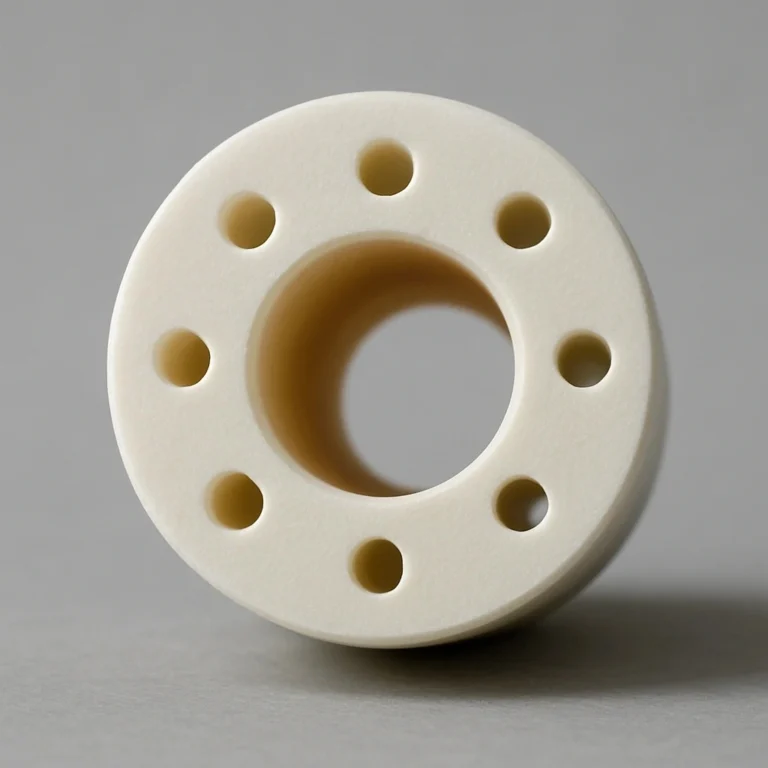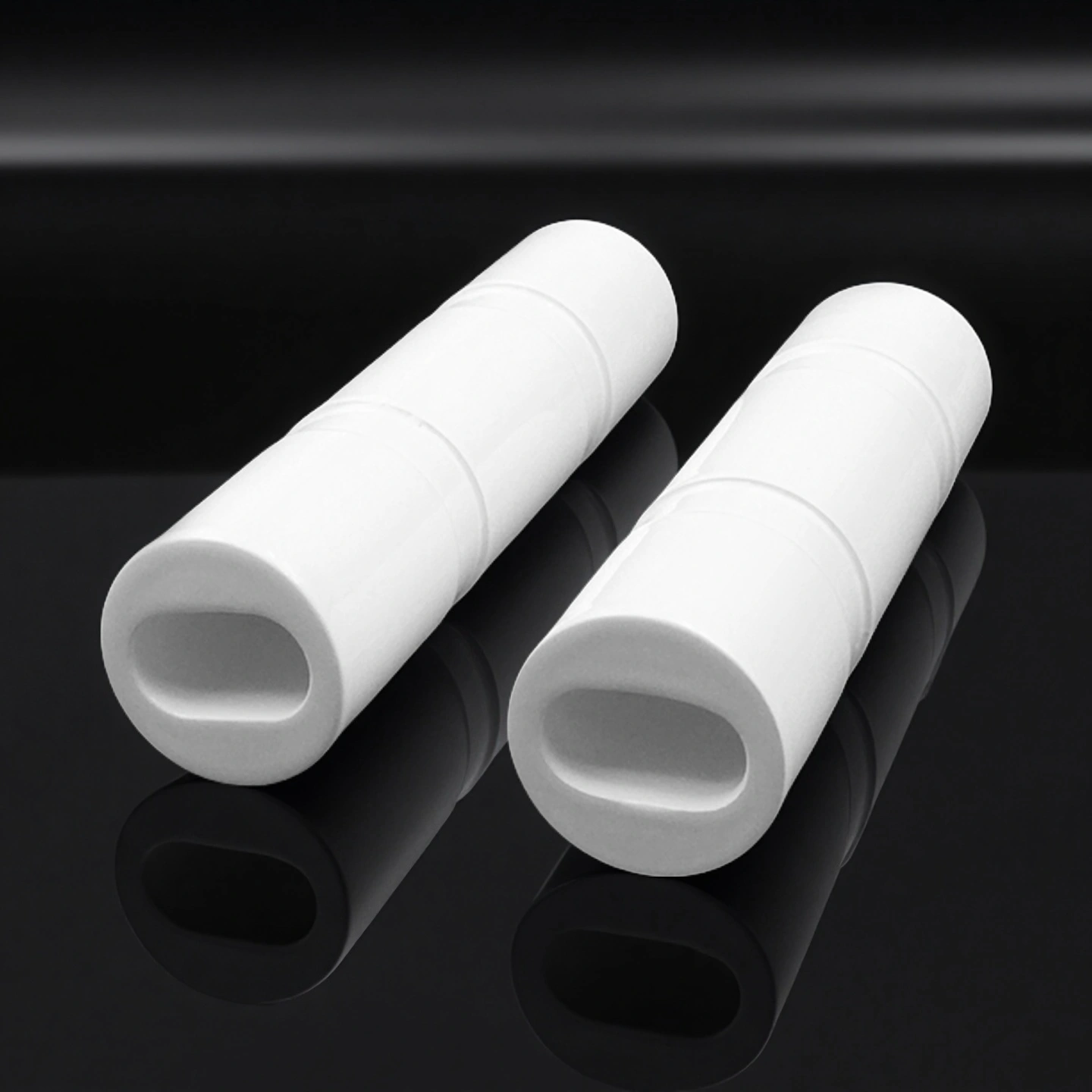
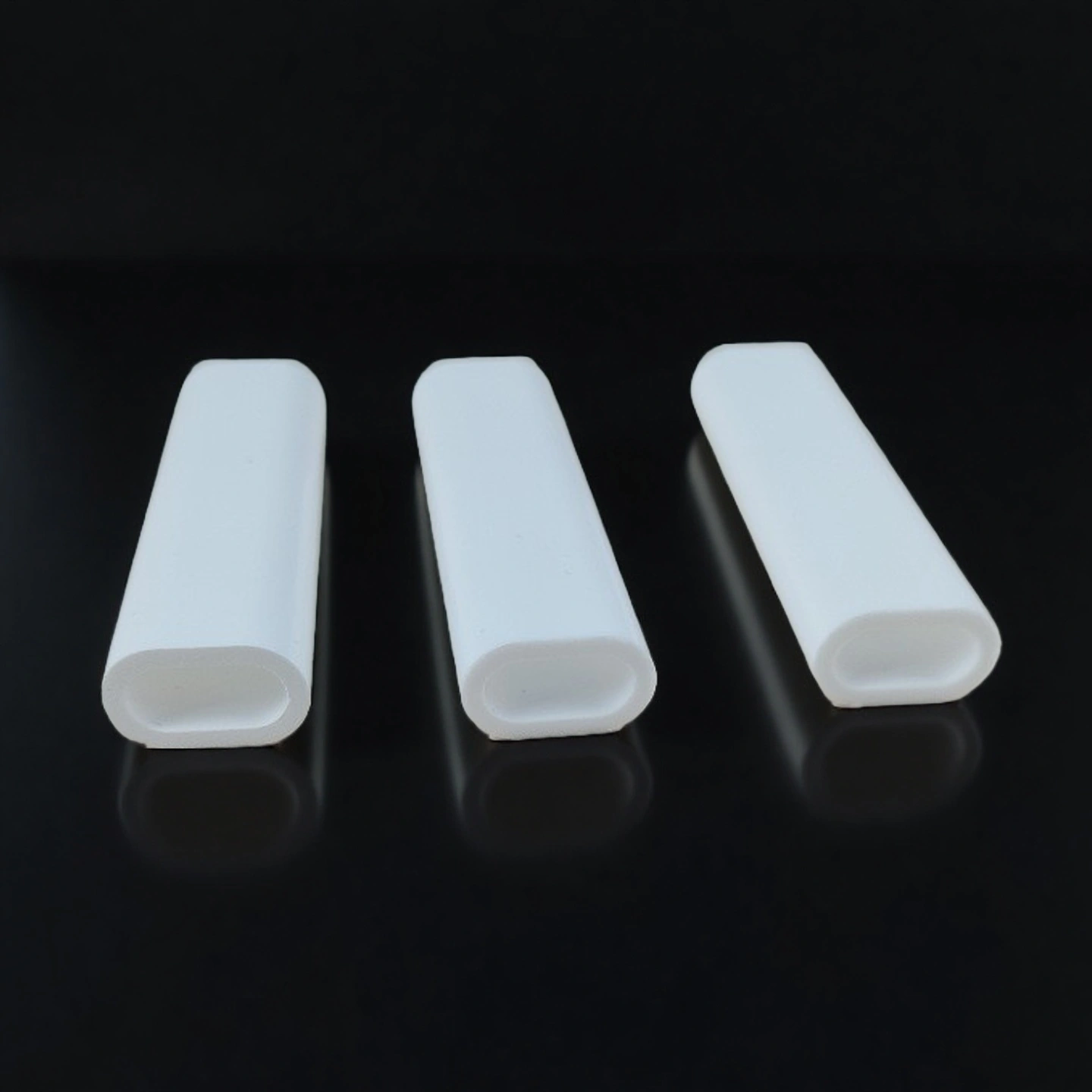
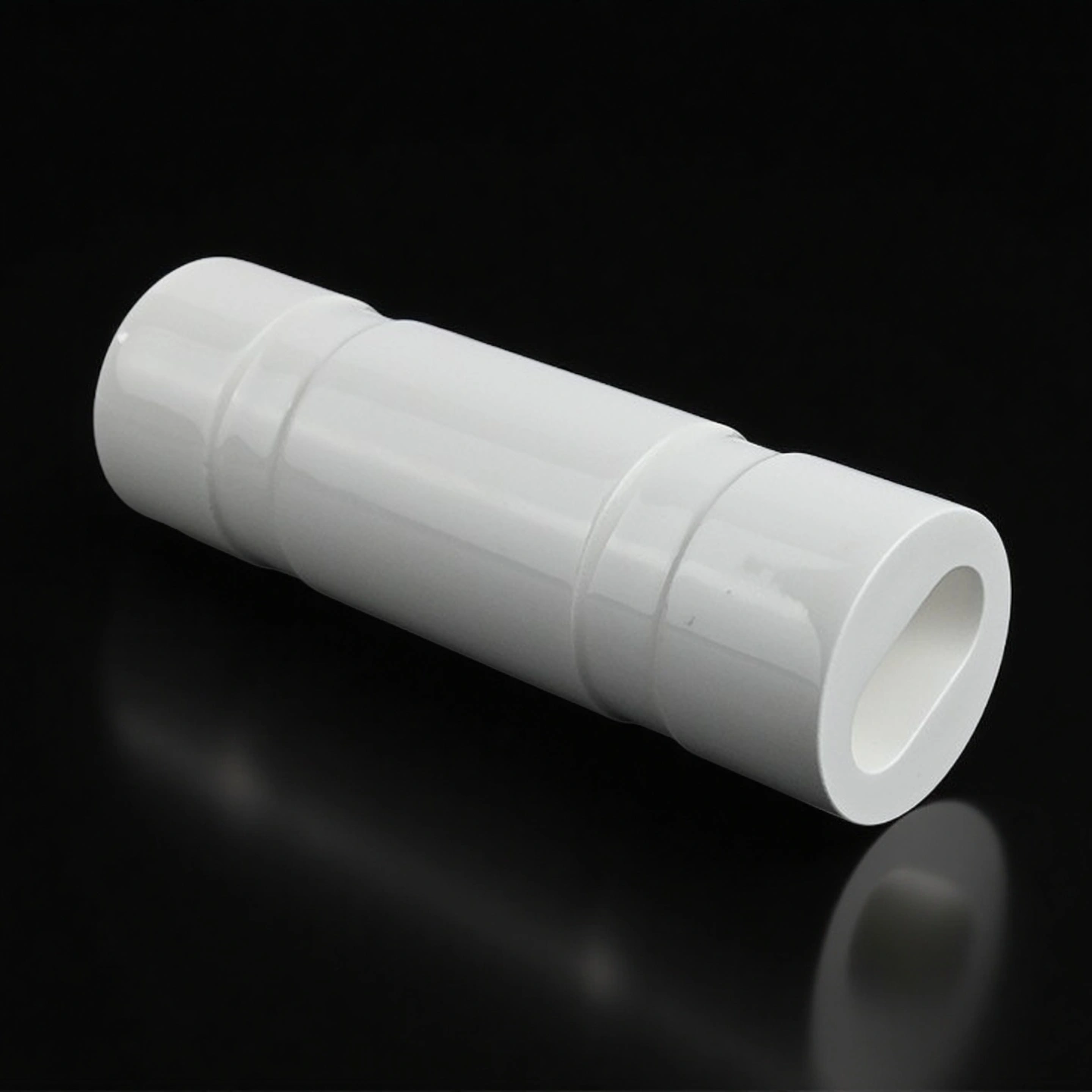
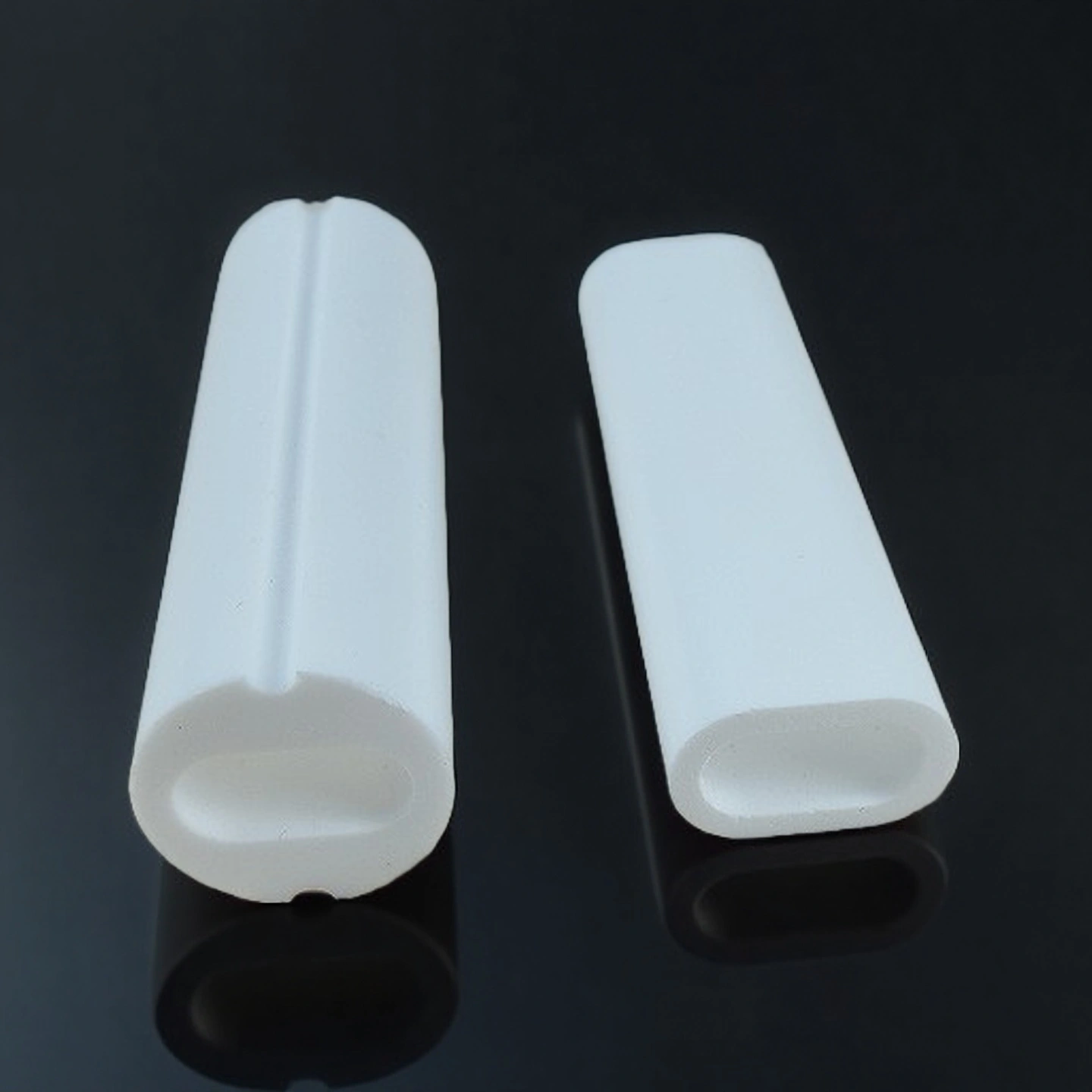
Custom Alumina Ceramic Laser Reflector & Cavity Liner with Ported Geometry & Polished Datum Faces

Alumina ceramic laser reflectors are available as elliptical or cylindrical liners with IDs matched to rods and lamp bores; standard lengths cover common chambers, while custom slots, ports, datum faces, and chamfers are made to drawing for precise assembly.

Catalog No. AT-YHL-FS001
Material ≥ 96% Al2O3
Dimensional Tolerance (ID/OD, hole pitch) ±0.2 mm (tighter on request)
Surface Type (Diffuse Grade) Controlled roughness for 600–1100 nm
Dimensions/Sizes Download PDF
24H Standard Dispatch
Small Batch Support OEM
Factory Direct
Expert Engineering Support

An alumina ceramic laser reflector is a diffuse, high-purity Al₂O₃ liner or insert used inside a lamp-pumped or diode-pumped solid-state (DPSS) laser pump chamber to redistribute pump light uniformly around the gain medium (e.g., Nd:YAG rod). Instead of relying on a polished metal mirror or delicate reflective coating, the alumina’s controlled micro-texture provides stable diffuse reflectance, helping suppress hot spots, improve coupling uniformity, and maintain output over long duty cycles.


Alumina Ceramic Laser Reflector Benefits

  • High Alumina Density: Enhances thermal mass stability under beam exposure
  • Laser Reflectivity Surface: Finished or raw ceramic surfaces, depending on application
  • Custom Machining Capability: Available in plate, block, or tubular geometries
  • Corrosion Resistance: Ensures durability in chemically aggressive zones within closed optics systems


Alumina Laser Cavity Liner Properties

Property Unit 99.5% Al₂O₃ 99.6% Al₂O₃ 99.7% Al₂O₃ 99.8% Al₂O₃ 99.9% Al₂O₃ 99.99% Al₂O₃
Alumina content % 99.5 99.6 99.7 99.8 99.9 99.99
Density g/cm³ 3.89 3.91 3.92 3.93 3.94 3.98
Open porosity % 0
Color Ivory Ivory Ivory Ivory Ivory Ivory
Water absorption % 0 0 0 0 0
Young’s modulus (Elastic modulus) GPa 375 356 357 358 359 362
Shear modulus GPa 152
Bulk modulus GPa 228
Poisson’s ratio 0.22
Compressive strength MPa 2600 2552 2554 2556 2558 2570
Flexural strength MPa 379 312 313 314 315 320
Fracture toughness MPa·m¹ᐟ² 4
Hardness GPa 14.1 (≈1440 kg/mm²) 23 24 25 26 30
Thermal conductivity W/m·K 35 32–37 33–38 34–39 35–40 36–42
Thermal shock resistance ΔT °C 222 223 224 225 228
Maximum use temperature (no load) °C ≤1750 1755 1760 1765 1770 1800
Coefficient of thermal expansion 10⁻⁶/°C 8.4
Specific heat J/kg·K 880
Volume resistivity Ω·cm >1×10¹⁴ >1×10¹⁴ >1×10¹⁴ >1×10¹⁴ >1×10¹⁴ >1×10¹⁴
Dielectric constant (relative permittivity) 9.8 9.83 9.84 9.85 9.86 9.92
Dielectric strength kV/mm 16.9 23.2 23.4 23.6 23.8 24
Dissipation factor (loss factor @ 1 kHz) 0.0002


Alumina Ceramic Laser Reflector Specifications

Type 1: Elliptical Alumina Laser Reflector
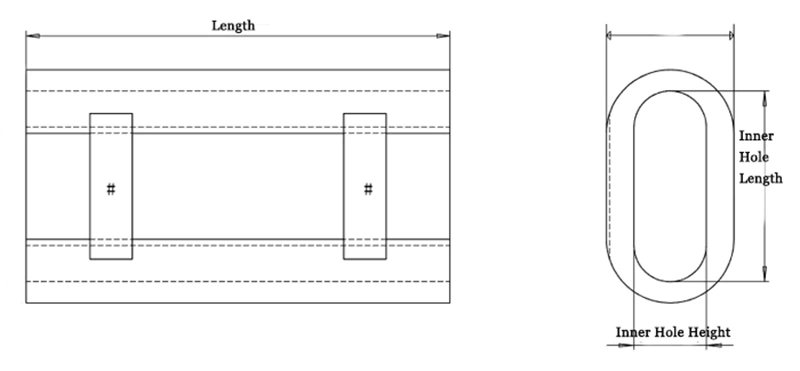
 size of Alumina Ceramic Laser Reflector-Ovail Shaped2

Elliptical Alumina Laser Reflector
Item No. Length(mm) Inner Hole Height (mm) Inner Hole Length (mm) Notes
AT-YHL-FS001 71.5 / / Elliptical cavity
AT-YHL-FS002 92 / / Elliptical cavity
AT-YHL-FS003 101 14.5 30 Elliptical with Single lamp single rod
AT-YHL-FS004 100 17 45 Elliptical with Double lamp single rod
AT-YHL-FS005 130 17 45 Elliptical with Double lamp single rod
AT-YHL-FS006 150 17 45 Elliptical with Double lamp single rod
AT-YHL-FS007 160 17 45 Elliptical with Double lamp single rod
AT-YHL-FS008 170 17 45 Elliptical with Double lamp single rod


Type 2: Cylindrical alumina laser cavity liner
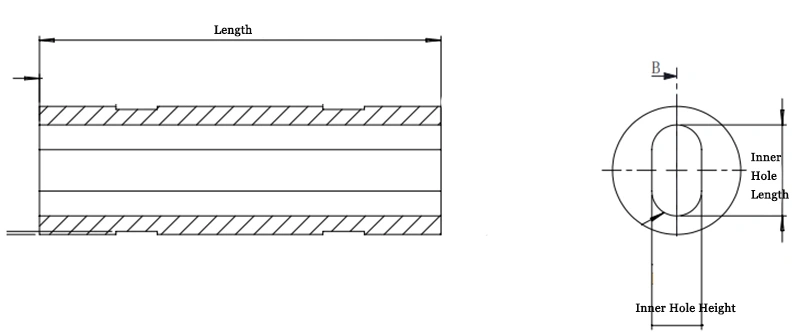
size of Alumina Ceramic Laser Reflector-Ovail Shaped

Cylindrical alumina laser cavity liner
Item No. Length(mm) Inner Hole Height (mm) Inner Hole Length (mm) Notes
AT-YHL-FS009 64 8 16.5 Cylinder with Single lamp single rod
AT-YHL-FS010 89 9.3 19.3 Cylinder with Single lamp single rod
AT-YHL-FS011 97 12 22 Cylinder with Single lamp single rod
AT-YHL-FS012 97 15 27.7 Cylinder with Single lamp single rod
AT-YHL-FS013 97 12 22 Cylinder with Single lamp single rod
AT-YHL-FS014 100 14.4 28.4 Cylinder with Single lamp single rod
AT-YHL-FS015 100 17 32 Cylinder with Single lamp single rod
AT-YHL-FS016 100 18 34 Cylinder with Single lamp single rod
AT-YHL-FS017 115 12 22 Cylinder with Single lamp single rod
AT-YHL-FS018 117 12 22 Cylinder with Single lamp single rod
AT-YHL-FS019 120 14.4 28.4 Cylinder with Single lamp single rod
AT-YHL-FS020 120 16 43 Cylinder with Double lamp single rod


Alumina Ceramic Laser Reflector Packaging

  • Foam-in-box with cavity protection; individual dust-free pouches.
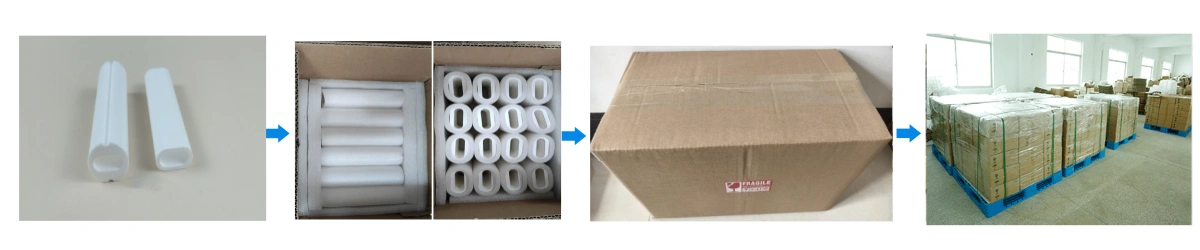
Alumina Ceramic Laser Reflector Packaging

Alumina Ceramic Laser Reflector Applications

  • Industrial Laser Processing (welding, cutting, marking)

    ✅Key Advantages

    1. Uniform Optical Coupling — Diffuse alumina surface maintains ±5% beam uniformity along the gain rod under 1 kW continuous load, improving weld consistency and cut-edge stability.

    2. Alignment Stability — Tolerance-controlled cavity geometry (≤ ±0.2 mm ID deviation) ensures beam axis repeatability during reflector replacement without realignment.

    3. Surface Endurance Under Cycling — Reflective performance loss < 3% after 1000 thermal on/off cycles, verified under 800 °C transient conditions, extending maintenance intervals.

    ✅ Problem Solved

    A German laser OEM replaced electroplated copper cavities with alumina ceramic laser reflectors in their 800 W welding modules.Post-upgrade testing showed 12% higher optical efficiency stability across a 500-hour duty cycle and a 40% reduction in beam-axis drift after lamp replacement. Maintenance downtime per unit fell from 6 hours to 3.5 hours, and reflector lifespan exceeded 18 months of continuous industrial operation without measurable surface degradation.

  • UV Curing / Exposure Systems

    ✅Key Advantages

    1. Enhanced Energy Uniformity — Diffuse alumina cavity delivers ±7% irradiance uniformity across 300 mm curing width, improving polymer crosslinking and print coating consistency.

    2. Heat-Resistant Optical Stability — Reflectance drop remains below 2.5% after 800 °C heat exposure for 100 hours, maintaining stable output intensity under frequent on/off cycles.

    3. Contamination Resistance — Glazed alumina surface resists UV-ozone oxidation and ink vapor deposits, reducing reflector replacement frequency by over 30%.

    ✅ Problem Solved

    An Italian UV printing equipment manufacturer replaced anodised aluminium reflectors with alumina ceramic laser reflectors in its curing head assemblies. After six months of production testing, irradiance uniformity improved from ±12% to ±6.8%, enabling faster curing at the same lamp power. Maintenance intervals were extended from 8 weeks to 12 weeks, and the cavity surface showed no yellowing or microcracking even after repeated 600 °C duty cycles.

  • Medical / IPL Aesthetic Platforms

    ✅Key Advantages

    1. Electrical Insulation Safety — High-purity alumina (99.7% Al₂O₃) provides dielectric strength above 12 kV/mm, ensuring safe isolation between lamp electrodes and patient-contact surfaces.

    2. Thermal Fatigue Resistance — Maintains structural integrity after >1500 pulsed cycles at 700 °C peak, preventing microcracks and ensuring consistent optical alignment.

    3. Stable Reflectance Over Lifespan — Diffuse surface reflectivity remains above 95% after 1,000 cleaning and sterilization cycles, preserving energy delivery precision in IPL treatments.

    ✅ Problem Solved

    A Korean IPL handpiece manufacturer adopted alumina ceramic laser reflectors to replace silver-coated cavities that degraded under repetitive flash exposure.  After 1,200 treatment cycles, optical output uniformity improved by 18%, and no dielectric breakdown or arcing occurred near electrode housings. Service intervals extended from 4 months to over 10 months, while device temperature near the lamp base dropped by 15 °C, enhancing operator and patient safety compliance.

Alumina Ceramic Laser Reflector Usage Instructions

  • Installation

    1. Carefully inspect ID/OD, bores, and datum faces for chips, burrs, or contamination before assembly.
    2. Always align using machined datums or reference flats; do not force-fit the liner into the metal cavity.
    3. Torque clamps or fasteners uniformly according to the assembly specification to avoid point loading or stress concentration.
    4. Keep lamp and rod seating zones free of particles; use lint-free gloves, soft pads, and dedicated ceramic handling tools.
    5. For elliptical cavities, confirm lamp–rod spacing and orientation marks before final tightening.

  • Operation

    1. Ramp up the lamp current or optical power gradually to avoid sudden thermal shock; follow your system’s start-up sequence.
    2. Verify temperature rise within design limits (typically ≤800 °C at the inner cavity surface).
    3. After lamp or rod replacement, measure output stability; if fluctuation exceeds ±5%, check seating and alignment.
    4. Avoid operating the laser if the cooling flow or air circulation around the cavity is blocked.

  • Storage

    1. Store the reflector in its original foam packaging inside a dust-tight polyethene bag or hard box.
    2. Avoid stacking multiple liners directly; use spacers or dividers to prevent edge chipping.
    3. Keep the storage area dry (RH < 60%), stable in temperature, and free from vibration or chemical vapours.
    4. Long-term storage (>6 months): inspect before use for surface oxidation, microcracks, or glaze dulling.

  • Cleaning

    1. Use approved non-abrasive cleaners such as alcohol, neutral detergent, or DI water with lint-free wipes.
    2. Avoid abrasive powders, brushes, or ultrasonic agitation that may change the diffuse surface texture.
    3. Rinse thoroughly and dry completely with filtered warm air or oven (<120 °C) before reassembly.
    4. Inspect under strong light; ensure no residue, fingerprints, or solvent streaks remain on lamp or rod contact areas.
    5. If reflectance loss > 5% is observed after cleaning, evaluate for re-polishing or replacement.

  • Cautions / Common Misuse & Fix

    1. Over-tightening Clamps→ Causes localized stress or micro-cracks on the reflector wall.
    Fix: Use calibrated torque tools; apply uniform load on opposite sides; use compliant spacers if necessary.

    2. Abrasive Cleaning→ Alters surface roughness and diffuse reflectivity, leading to uneven pump distribution.
    Fix: Switch to soft, non-abrasive cleaning chemistry; if the surface is visibly shiny or roughened, replace the liner.

    3. Misaligned Bores or Datum Contact→ Lamp-to-rod offset increases thermal hotspots and beam asymmetry.
    Fix: Use alignment pins or jigs; verify all datum faces sit flush; re-check lamp centerline offset (< 0.1 mm).

    4. Rapid Power Cycling→ Excessive on/off cycling without thermal stabilization may create internal stress.
    Fix: Maintain a minimum cooldown period between high-power runs; ensure adequate cooling airflow or liquid flow.

    5. Contaminant Deposition→ Dust, coolant residue, or lamp vapour can reduce reflectance.
    Fix: Clean surfaces periodically; use HEPA filtration in the optical chamber; inspect every 500–1000 hours of operation.

Alumina Ceramic Laser Reflector FAQ

  1. Q: Can the alumina ceramic laser reflector be customized to my chamber design?
    A: Yes. We support custom ID/OD dimensions, bore pitch, elliptical or cylindrical geometry, ports, and diffuse surface grades, all machined to your drawings with tolerances as tight as ±0.2 mm.
  2. Q: How does diffuse reflectance affect laser performance?
    A: Diffuse reflection eliminates localized intensity peaks, producing a ±5–7% beam uniformity across the gain rod, which improves cutting or welding consistency and reduces thermal lensing.
  3. Q: What is the typical lifetime of an alumina ceramic reflector?
    A: When operated within design temperature limits (≤ 800 °C) and cleaned properly, the reflector can last 12–24 months in industrial lasers or over 1,000 thermal cycles before replacement.

  4. Q: What information is needed for an alumina ceramic laser reflector quotation?
    A: Please provide your drawing or sample with detailed dimensions (ID/OD/length), bore layout, and desired diffuse grade. Include the quantity, operating wavelength range, and any custom geometry or surface finish requirements for your alumina ceramic laser reflector. Once received, we’ll review the specifications, confirm feasibility, and prepare a detailed technical quotation.
  5. Q: What is the maximum temperature the alumina ceramic laser reflector can withstand?
    A: The alumina ceramic laser reflector can safely operate up to 1,000 °C continuous or 1,200 °C peak temperature, depending on the cavity design and wall thickness. Its low thermal expansion ensures minimal deformation during repeated heating cycles.
  6. Q: How long does it take to produce a custom alumina ceramic laser reflector?
    A: Typical production for a custom alumina ceramic laser reflector sample takes 2–3 weeks, while small-batch orders require 4–6 weeks depending on geometry complexity and surface-grade specifications. Urgent delivery can be arranged for standard shapes in stock.

What our Clients Say about Alumina Ceramic Laser Reflector

  • ⭐️⭐️⭐️⭐️⭐️
    We moved to a diffuse alumina ceramic laser reflector in our retrofit kit. The fit matched our legacy chamber, and the alignment time dropped. Output uniformity holds steady after lamp changes.
    -- Michael Grant — Engineering Manager, LaserFab Systems (USA)
  • ⭐️⭐️⭐️⭐️⭐️
    For MRO spares, we ordered alumina laser reflector inserts from ADCERAX. Pricing was transparent, and the bores matched our drawings, which simplified field service.
    -- Hiroshi Tanaka — Purchasing Lead, Kōei Optics (Japan)
  • ⭐️⭐️⭐️⭐️⭐️
    Our UV head upgrade used a custom alumina ceramic laser cavity liner with ports. Cure uniformity improved across the web, and cleaning is straightforward.
    -- Elena Rossi — Product Owner, UVPack Converting (Italy)
  • ⭐️⭐️⭐️⭐️⭐️
    We requested a tight bore pitch on the alumina laser reflector. ADCERAX held the tolerance and provided datum grinding that reduced our re-tune steps.
    -- David Kim — Mechanical Lead, Axiom LightTech (Korea)
customize size

Customize Alumina Laser Reflector

For OEM fit and performance, we manufacture to drawing and provide surface-grade options to meet your optical distribution targets. What you can specify:

1.Outer / Inner Dimensions

  • Define ID, OD, wall thickness, and step shoulders.
  • Tolerance ±0.2 mm, tighter to ±0.1 mm if needed.
  • Supports asymmetric wall layouts and diameters up to 150 mm OD.

2. Length & Form

  • Short or long inserts for single or multi-lamp chambers.
  • Options: straight, stepped, conical, or segmented forms.

3. Geometry

  • Shapes: elliptical, cylindrical, or D-type.
  • Includes lamp and rod bores, ports for cooling or sensors.

4. Datum Surfaces

  • Ground or lapped functional planes for alignment.
  • Optional orientation flats or keyed slots for assembly.

5. End Details

  • Square, chamfered, or radiused ends with O-ring or sealing grooves.
  • Smooth edge finish prevents chipping during installation.

6. Holes & Slots

  • Alignment and mounting holes, vent or sensor slots on request.
  • Optional threaded inserts or cable pass-throughs.

7. Surface Finish

  • Diffuse grades for 600–1100 nm band, reflectance up to 98%.
  • Local polished datums optional; protective glaze available.

Related Products

ADCERAX - Your Trusted Advanced Ceramics Manufacturing Partner

Direct factory manufacturing with comprehensive ceramic materials expertise and global supply capabilities

Direct Factory Manufacturing

China-based ceramic materials production facility with state-of-the-art equipment

Engineering Team

Experienced professionals in advanced ceramics applications and custom design

Quality Control

Strict quality control standards for technical ceramics manufacturing and quality management

Global Supply Chain

Serving customers worldwide with technical ceramics and rapid response

24/7 Technical Support

Round-the-clock support for ceramic components inquiries and technical assistance

500+ Satisfied Customers

Trusted by global customers for advanced ceramic materials and precision components

Get in touch with us

Our team will be happy to respond to you in less than 24 hours.

Adcerax's factory

Quick Quotation

*Our team will answer your inquiries within 24 hours.

*Your information will be kept strictly confidential.

Ready to Solve Your Engineering Challenge?

Partner with ADCERAX for reliable, high-performance advanced ceramic solutions. Our engineers are ready to discuss your project.

E-mail

info@adcerax.com

Phone

+(86) 0731-74427743 | WhatsApp: +(86) 19311583352

Response Time

Within 24 hours

Quick Quote

The more details you provide, the faster we can quote.

*We respond within 24 hours. All inquiries are confidential.

Download Catalog

Get Your Custom Sulution

The more details you provide, the faster we can respond.

customize size

*We respond within 24 hours. All inquiries are confidential.

Download Catalog