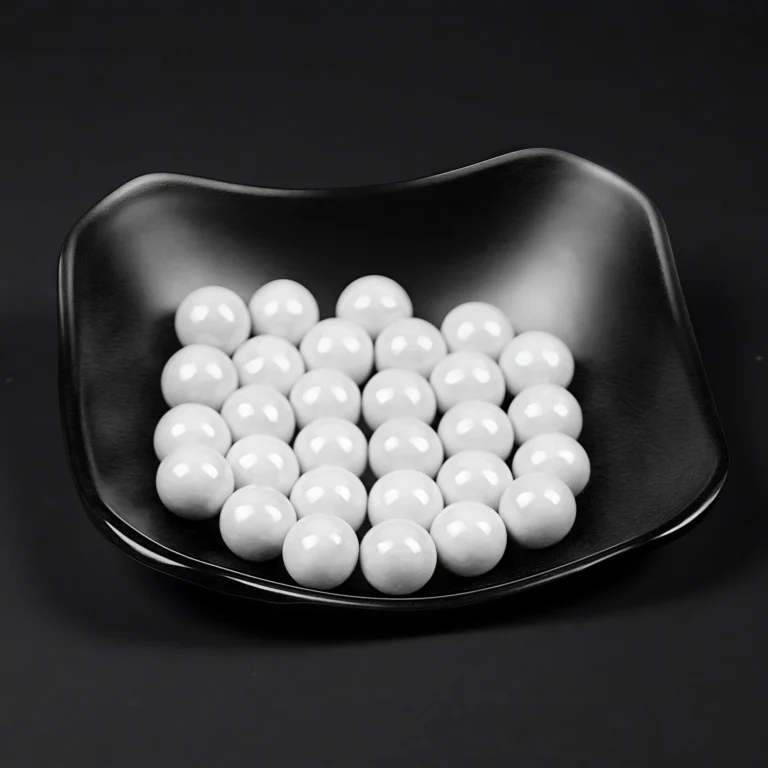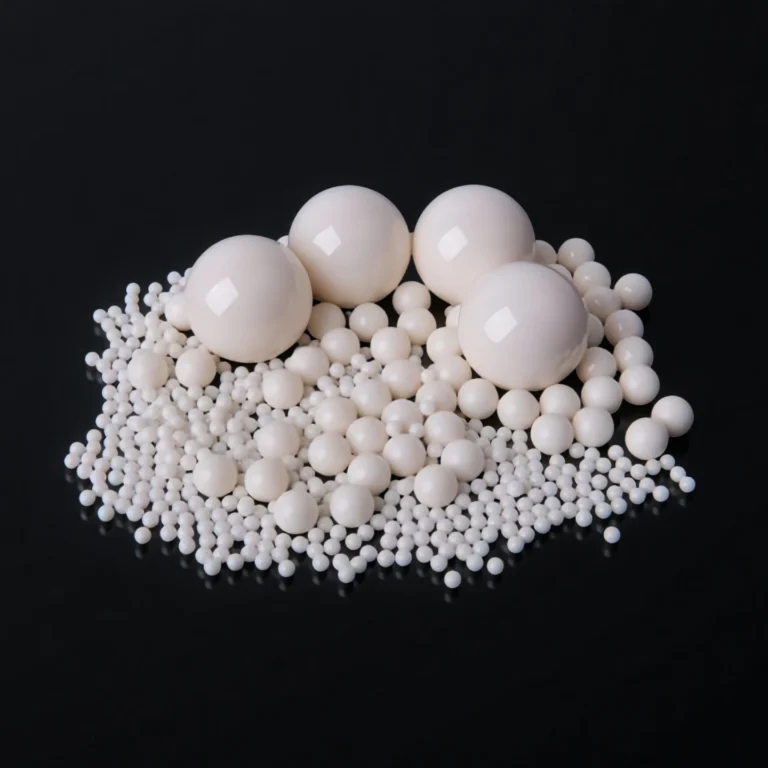
Zirconia Alumina Grinding Beads (ZTA/ATZ Composite Media)——High Roundness, Low Metal Contamination

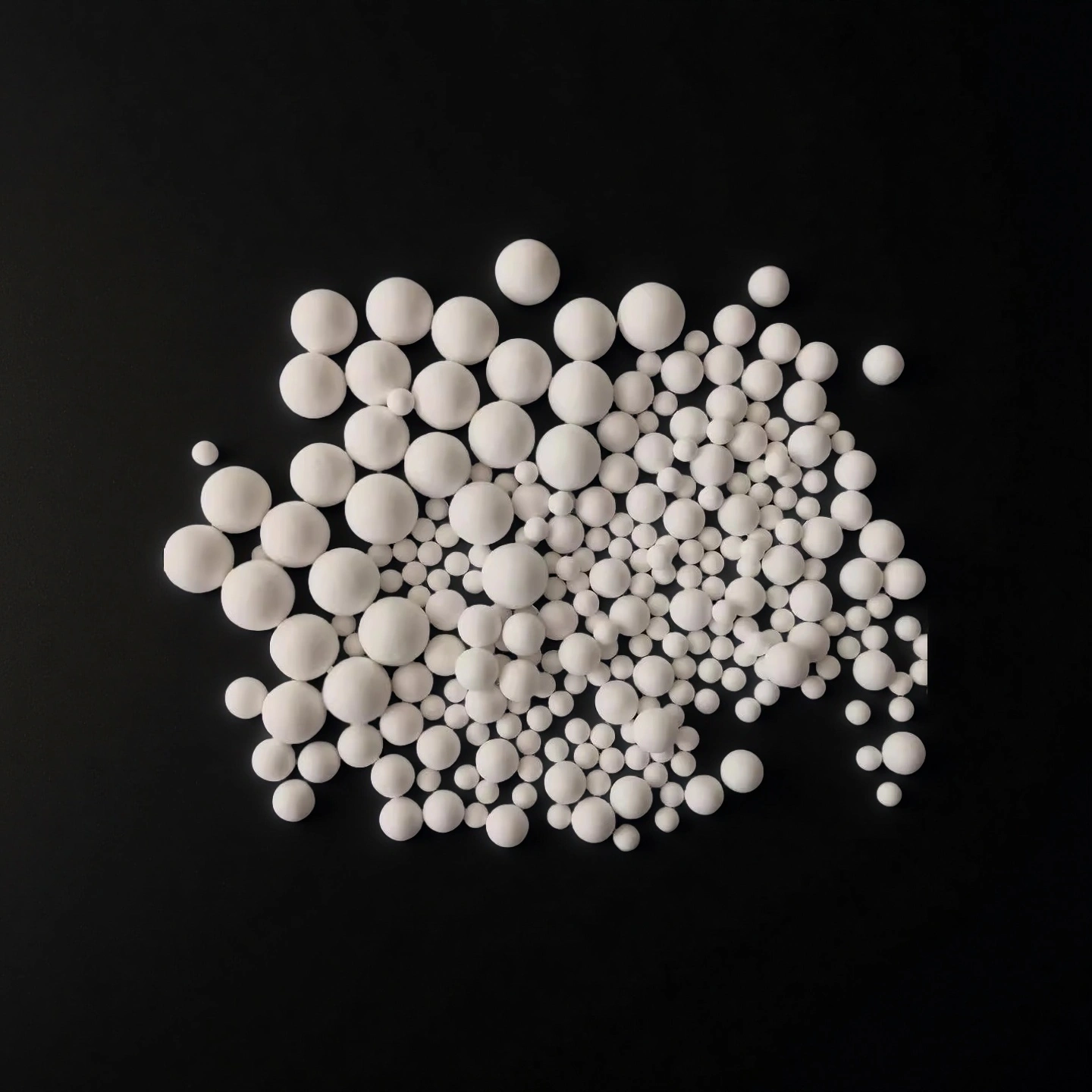
Zirconia alumina grinding beads supplied in standard sizes (0.1–3.0 mm) and custom gradations; mixed-charge recommendations available for specific PSD targets and screen apertures.

Catalog No. AT-NZC8-001
Material  Al2O3 +ZrO2
Bulk Density 3.9 – 4.2 g/cm³
Standard Size Range 0.1 mm – 3.0 mm (±0.05 mm tolerance)
Dimensions/Sizes Download PDF
24H Standard Dispatch
Small Batch Support OEM
Factory Direct
Expert Engineering Support

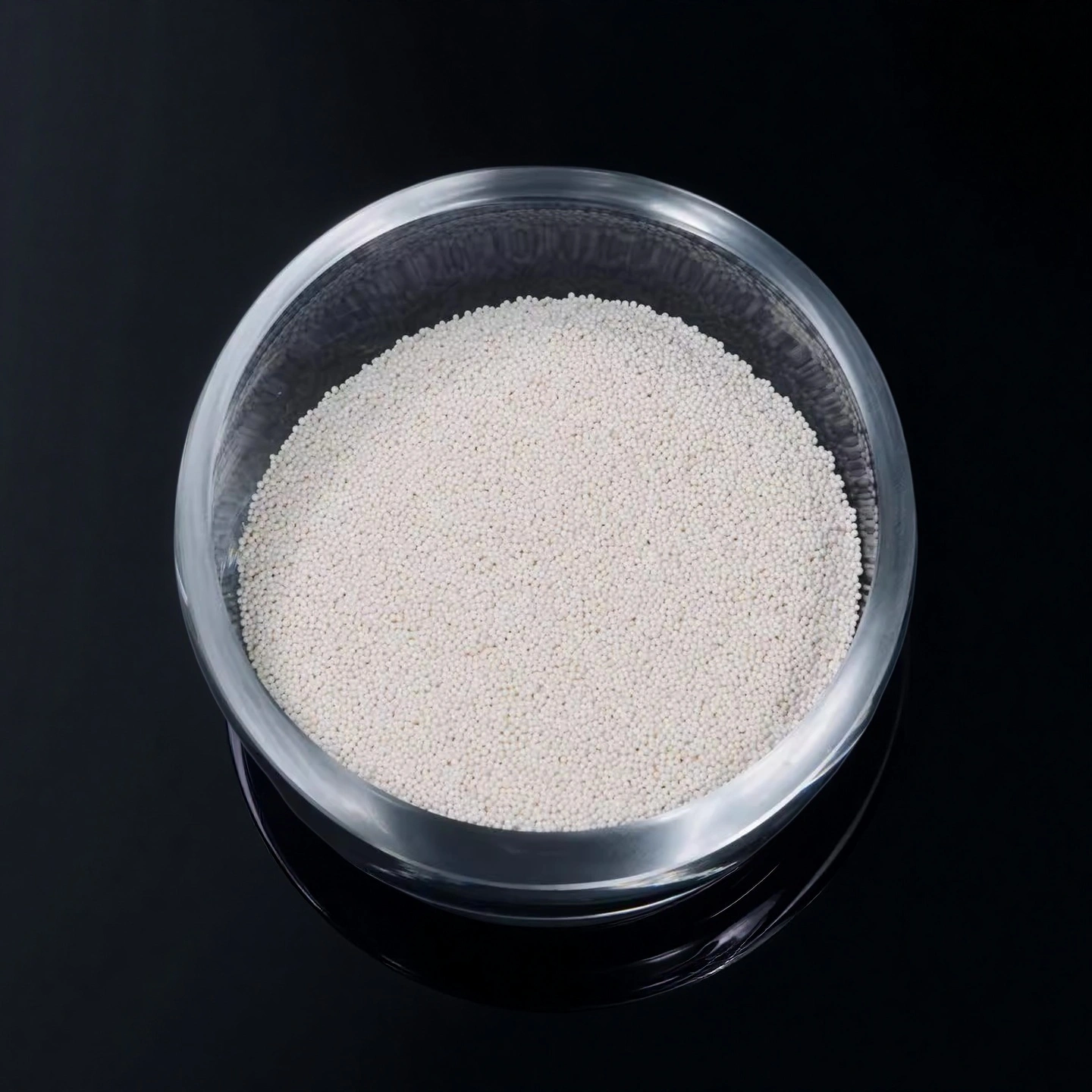
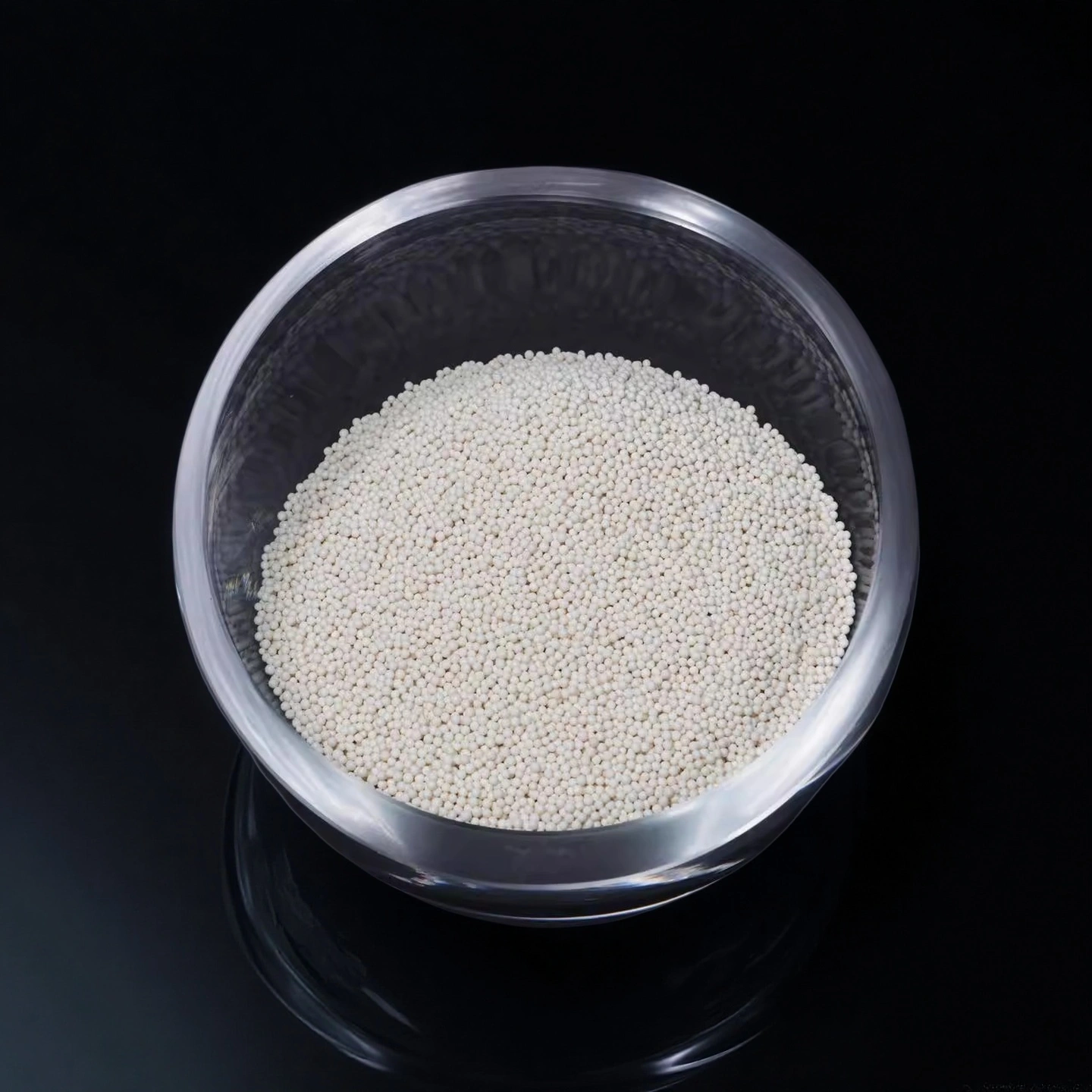
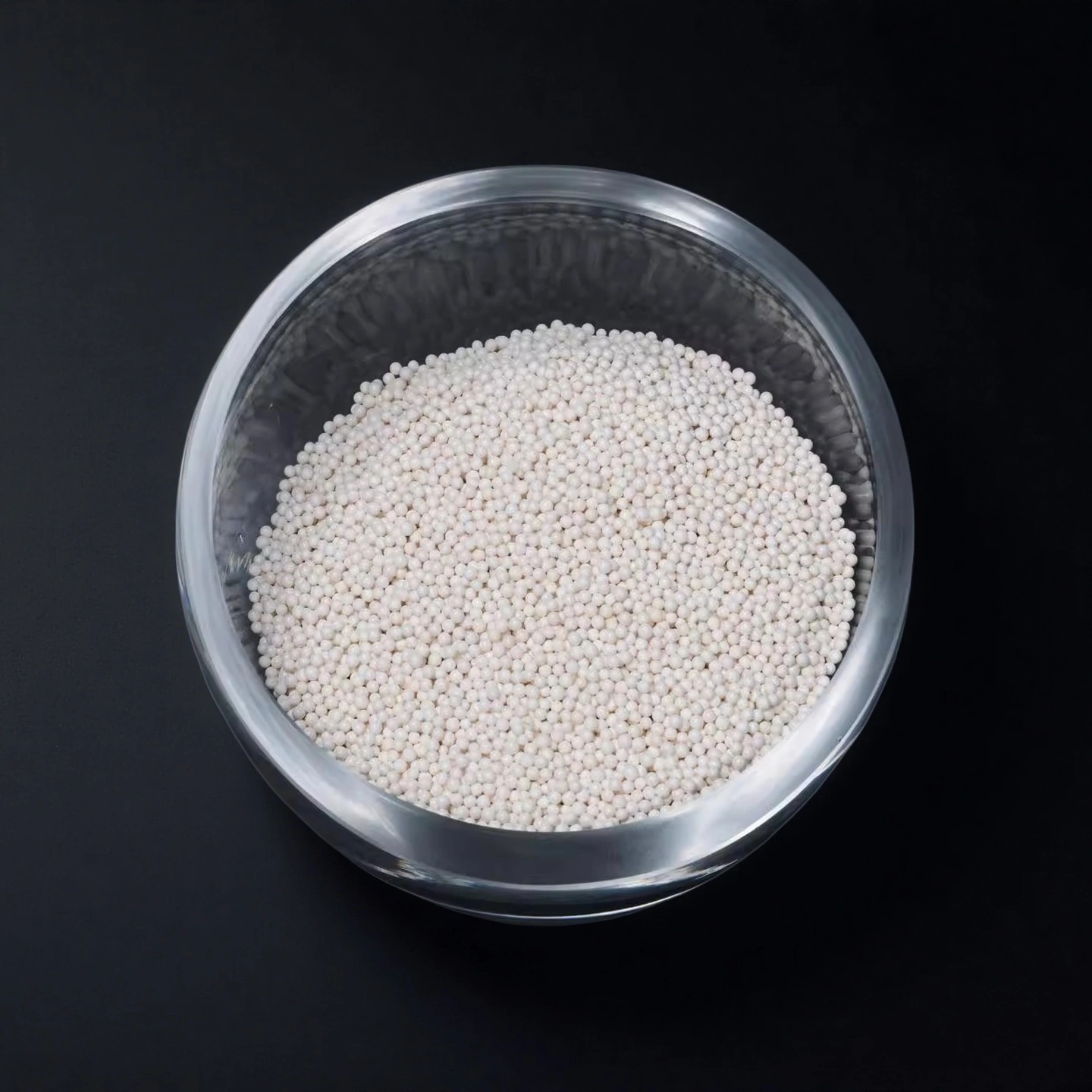
Zirconia Toughened Alumina (ZTA) grinding beads—also called  ZTA composite media—are ceramic beads made by dispersing fine zirconia (ZrO₂) within an alumina (Al₂O₃) matrix. The zirconia phase “toughens” the alumina through transformation-toughening and crack-deflection, giving the beads higher fracture resistance than pure alumina while keeping density and contamination lower than fully-stabilized zirconia. The result is a balanced grinding media for wet milling and dispersion where you need narrow PSD, stable throughput, and controlled wear.


ZTA Grinding Beads Benefits

  • Balanced efficiency/contamination — composite density delivers throughput without excessive metallic wear.
  • Low breakage & fines — toughened microstructure reduces fracture under high shear.
  • High roundness surface — smooth circulation, predictable residence time, stable PSD.
  • Tight size tolerance — improved screen compatibility and repeatable scale-up.
  • Cleanliness managed — controlled extractables for sensitive formulations.


Zirconia Alumina Grinding Beads Properties

Physical Properties
Specific Gravity Bulk Density Mohs Hardness Vickers Hardness Compressive Strength Wear per Ton Sphericity Packaging
>3.6kg/dm³ >2.1kg/L 8 >1100kg/mm² 900N (2mm) ≈0.08kg/T 96% 25kg/barrel

ZTA Grinding Beads Specifications

ZTA Grading Beads
Item No. Diameter (mm)
AT-NZC8-001 1.0-1.3
AT-NZC10-002 1.3-1.7
AT-NZC12-003 1.5-2.0
AT-NZC20-004 2.0-2.5
AT-NZC25-005 2.5-3.0
AT-NZC30-006 3.0-3.5
AT-NZC35-007 3.5-4.0
AT-NZC40-008 4.0-4.5
AT-NZC45-009 4.5-5.0


Zirconia alumina grinding beads Packaging

  • Moisture-barrier inner bags in pails or drums with tamper-evident seals.
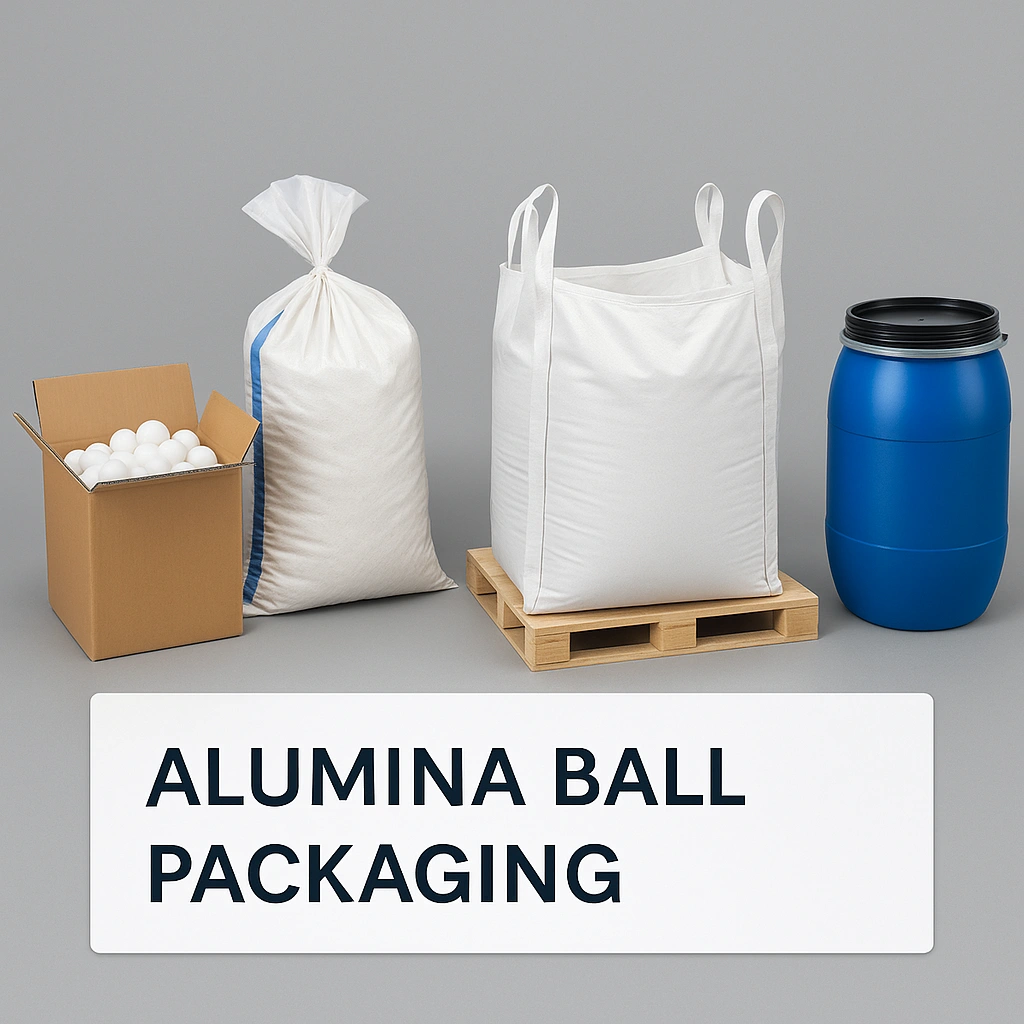
 

Zirconia alumina grinding beads Packaging

Zirconia Alumina Grinding Beads Applications

  • Digital Inks & Pigment Concentrates

    ✅Key Advantages

    1. Narrow PSD at moderate energy — maintains stable color strength, high gloss, and low viscosity drift during long production cycles.
    2. High roundness & smooth surface — reduces screen differential pressure, ensuring continuous flow without clogging.
    3. Low extractables & minimal metal contamination — preserves pigment brightness and long-term ink stability.

    ✅ Problem Solved

    A digital ink producer targeting D90 ≤ 1.2 µm replaced glass media with zirconia alumina grinding beads. Using a mixed charge (0.3–0.5 mm + 0.8–1.2 mm) reduced milling time by 18%, while maintaining stable ΔP over 72-hour runs. Color deviation (ΔE) dropped below 0.6, minimizing rework and cleaning frequency. Overall line yield improved by 12% with no observed metallic contamination over one month of continuous operation.

  • Battery Slurries & Functional Coatings

    ✅Key Advantages

    1. Medium density (3.7–3.9 g/cm³) — efficient energy transfer without overheating binder systems.
    2. Reduced metallic wear — prolongs screen and rotor life, lowering maintenance costs.
    3. Tight sizing tolerance (±0.02 mm) — ensures uniform viscosity and pumpability across batch runs.

    ✅ Problem Solved

    During cathode slurry scale-up, a cell materials plant switched from alumina to ZTA beads (0.6–1.0 mm). Bead fracture rate fell by 70%, and screen service life extended from 3 to 5 weeks. The line achieved stable PSD and consistent rheology, reducing material waste during electrode coating. Operators reported smoother start-up torque and fewer mill shutdowns, enhancing uptime during campaign production.

  • Electronic Pastes & Speciality Additives

    ✅Key Advantages

    1. Ultra-clean surface condition — supports formulations sensitive to ionic or metallic contamination.
    2. High mechanical integrity — maintains bead shape under shear, ensuring steady throughput in small-chamber mills.
    3. Predictable residence time — minimizes over-grinding and viscosity drift in precision dispersion.

    ✅ Problem Solved

    A conductive paste manufacturer experienced variable viscosity using standard alumina beads. After transitioning to ZTA grinding beads (0.2–0.5 mm, high-clean grade), throughput increased by 22%, and PSD D90 narrowed from 2.3 µm to 1.6 µm. The improved uniformity reduced silver loss during screen printing and enhanced final layer smoothness. This consistency allowed stable production scheduling and reduced batch QA failures by over 40%.

ZTA Grinding Beads Usage Instructions

  • Install

    1. Check mill geometry and bead compatibility:
    2. Verify chamber fill percentage (typically 70–85% effective volume) and ensure screen aperture clearance > 1.5× the mean bead diameter to prevent clogging or pressure spikes.
    3. Proper charging method:
    4. Load beads gradually with the mill idle. Level the bed evenly before adding slurry to avoid air pockets or localized pressure zones.
    5. Initial commissioning:
    6. Begin operation at 70–80% of the target tip speed. Ramp speed while monitoring pressure differential (ΔP) and temperature rise across the screen.
    7. Calibration step: Record baseline motor current, outlet temperature, and flow rate for future performance benchmarking.

  • Use

    1. Bead size strategy:
    2. Adopt mixed-size charges (e.g., 0.3–0.5 mm + 0.8–1.2 mm) to balance impact energy and surface contact area, improving throughput and reducing screen wear.
    3. Process monitoring:
    4. Continuously track ΔP, outlet temperature, torque, and PSD trend. Rising ΔP or viscosity indicates bead wear, improper charge ratio, or excessive fines.
    5. Energy optimization: Target stable PSD vs. kWh/kg correlation. If PSD flattens, adjust bead size ratio or replace aged media.
    6. Cycle consistency: Establish and log a repeatable Standard Operating Procedure (SOP) for each product type, documenting slurry solids, viscosity, and tip-speed.

  • Store

    1. Proper storage conditions: Keep beads in dry, sealed containers and off concrete floors to avoid moisture absorption. Ideal storage humidity: < 50% RH.
    2. Batch tracking: Label drums or pails with lot number, bead size, and open date. Use FIFO (first-in-first-out) rotation to ensure consistent performance.
    3. Downtime procedure: After production shutdowns, drain slurry, rinse with compatible solvent, and recirculate at low speed for 5–10 minutes to prevent agglomeration or hard packing.

  • Clean

    1. Compatible cleaning media: Use neutral solvents such as water, ethanol, or process-compatible organic carriers. Avoid acids, caustics, or abrasive compounds that etch surfaces.
    2. Routine maintenance cleaning: Flush systems between batches to remove residual fines and prevent cross-contamination. For critical applications, conduct particle count (<100 ppm) verification.
    3. Post-wash drying: Allow beads to air-dry completely before reuse. Residual solvent or water can alter slurry viscosity and PSD uniformity.

  • Cautions & Frequent Misuse / Fixes

    1. Screen Blinding
    Cause: Excessive fines or undersized beads clog screen apertures.
    Fix: Refresh or upsize bead mix; confirm sorting tolerance (±0.02 mm typical). Increase back-flush frequency or switch to tighter-graded beads.

    2. Heat Buildup
    Cause: High viscosity or overfilled chamber raises outlet temperature (>45 °C).
    Fix: Reduce tip-speed or use mixed charge with a smaller fraction for improved flow. Check cooling jacket flow rate and energy input (kWh/kg).

    3. Premature Bead Breakage
    Cause: Dry starts or rapid acceleration before wetting.
    Fix: Always prefill slurry; ensure complete wetting and slow ramp-up to target speed. Avoid contact between dry beads and rotor tips.

    4. Inconsistent PSD
    Cause: Ageing beads or excessive wear.
    Fix: Replace 10–20% of charge every 300–500 operational hours; recalibrate bead-to-screen ratio after replacement.

    5. High ΔP Spikes During Operation
    Cause: Oversized beads or poor circulation in narrow chambers.
    Fix: Rebalance charge ratio (smaller fraction 40–50%) and maintain proper bead-bed porosity.

Zirconia Alumina Grinding Beads FAQ

  1. Q: What is the density of zirconia alumina grinding beads?
    A: Typical bulk density ranges from 3.7 – 4.0 g/cm³, providing a balance between energy efficiency and low heat buildup.
  2. Q: Which ZTA ceramic grinding bead sizes are available?
    A: Standard sizes range from 0.1 mm to 3.0 mm, supplied as single-size or mixed-charge combinations (e.g., 0.3–0.5 mm + 0.8–1.2 mm). Custom distributions can be produced for specific chamber geometries.
  3. Q: Can zirconia alumina grinding beads be mixed with other bead types?
    A: Mixing with other chemistries is not recommended, as differences in density and hardness can cause segregation and inconsistent milling performance.
  4. Q: What slurry viscosity range suits ZTA beads best?
    A: They perform well in medium- to high-viscosity dispersions (0.5–5 Pa·s), such as pigment concentrates, functional coatings, and ceramic slurries.
  5. Q: Do zirconia alumina grinding beads cause metal contamination?
    A: No, ZTA beads are non-metallic and exhibit very low extractables (<10 ppm Fe) when cleaned correctly—ideal for electronic, optical, or pigment systems sensitive to trace metals.
  6. Q: How long do ZTA grinding beads typically last?
    A: Service life depends on mill design and slurry abrasiveness, but is generally 2–3 times longer than alumina beads under comparable operating energy.
  7. Q: Are zirconia alumina grinding beads suitable for nano-scale dispersions?
    A: Yes, for D90 targets around 200 nm–1 µm, ZTA beads offer a good balance of efficiency and low contamination. For sub-100 nm dispersions, fully stabilized zirconia may be preferred.

What our Clients Say about Zirconia Alumina Grinding Beads

  • ⭐️⭐️⭐️⭐️
    We ordered customized ZTA grinding beads with tighter size tolerance for our precision coating paste. ADCERAX’s documentation was clear, and the surface finish quality exceeded our inspection criteria. Repeat orders are now part of our quarterly plan.
    -- Elena Sato – Technical Buyer, Fuji Fine Chemicals (Japan)
  • ⭐️⭐️⭐️⭐️⭐️
    The zirconia toughened alumina beads gave us a clean, predictable grind with fewer contamination issues than the alumina media we used before. Even at high solids, motor load stayed stable, and the ΔP curve remained smooth through multiple campaigns.
    -- Thomas Reed – Process Engineer, OptiColor Inks Inc. (USA)
  • ⭐️⭐️⭐️⭐️⭐️
    After switching to ADCERAX zirconia alumina grinding beads, our pigment mill downtime dropped noticeably. The ZTA beads handled long 72-hour shifts without visible wear, and screen cleaning intervals extended from 3 days to almost a full week.
    -- Mark B., Procurement Lead, ADCERAX customer (EU)
  • ⭐️⭐️⭐️⭐️⭐️
    Pricing was transparent and batch labeling made replenishment simple. The ZTA bead spec matched our mill screens from the first trial.
    -- David Klein – Production Supervisor, VarioCoat GmbH (Germany)
customize size

Customize Zirconia Alumina Grinding Beads

We support configuration for bead sizing strategy, cleanliness level, and packaging traceability to match your formulation and equipment window. What you can specify:

  • Bead Sizes & Gradations:
    Available from 0.1 mm to 3.0 mm, covering fine-dispersion through high-throughput ranges.
    Offered as single-size or mixed-charge configurations (e.g., 60/40 ratio) to balance impact reduction and finish milling.
    Custom size distributions can be specified for different chamber geometries or target PSD windows.
  • Size Tolerance Bands:
    Standard precision sorting is within ±0.02 mm; tighter ±0.01 mm sorting is available for screen-critical or high-shear micro-mills.
    Each batch is optical-sorted and rechecked for consistent roundness and smooth circulation.
  • Surface Condition:
    Delivered in as-fired smooth finish for general dispersion use or pre-cleaned/conditioned form for high-purity ink and battery applications.
    Optional polished or plasma-treated surfaces improve flow uniformity and reduce slurry contamination risk.
  • Cleanliness Level:
    Controlled under low-extractables / low-metal-signature protocols suitable for inks, electronic pastes, and fine chemical dispersions.
    Optional enhanced cleaning process (< 10 ppm Fe contamination target) for formulations sensitive to trace metals or ions.

Related Products

ADCERAX - Your Trusted Advanced Ceramics Manufacturing Partner

Direct factory manufacturing with comprehensive ceramic materials expertise and global supply capabilities

Direct Factory Manufacturing

China-based ceramic materials production facility with state-of-the-art equipment

Engineering Team

Experienced professionals in advanced ceramics applications and custom design

Quality Control

Strict quality control standards for technical ceramics manufacturing and quality management

Global Supply Chain

Serving customers worldwide with technical ceramics and rapid response

24/7 Technical Support

Round-the-clock support for ceramic components inquiries and technical assistance

500+ Satisfied Customers

Trusted by global customers for advanced ceramic materials and precision components

Get in touch with us

Our team will be happy to respond to you in less than 24 hours.

Adcerax's factory

Quick Quotation

*Our team will answer your inquiries within 24 hours.

*Your information will be kept strictly confidential.

Ready to Solve Your Engineering Challenge?

Partner with ADCERAX for reliable, high-performance advanced ceramic solutions. Our engineers are ready to discuss your project.

E-mail

info@adcerax.com

Phone

+(86) 0731-74427743 | WhatsApp: +(86) 19311583352

Response Time

Within 24 hours

Quick Quote

The more details you provide, the faster we can quote.

*We respond within 24 hours. All inquiries are confidential.

Download Catalog

Get Your Custom Sulution

The more details you provide, the faster we can respond.

customize size

*We respond within 24 hours. All inquiries are confidential.

Download Catalog