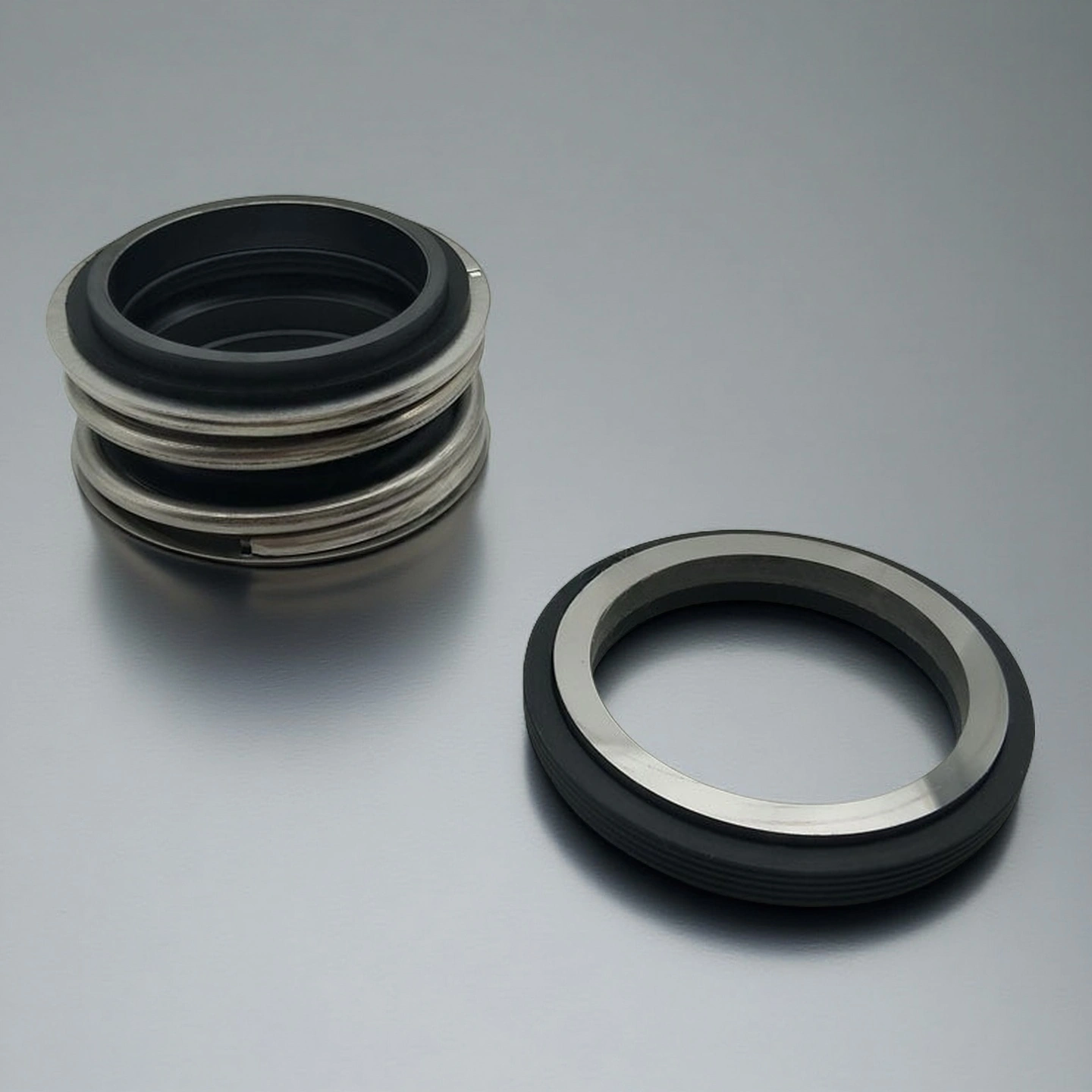


Silicon Carbide Mechanical Seal is a high-performance sealing solution designed for the most demanding industrial applications. Known for its exceptional resistance to wear, corrosion, and high temperatures, it ensures reliable operation in fluid handling systems across industries like chemical processing, oil and gas, and power generation. Engineered to withstand harsh environments, this seal significantly reduces downtime and maintenance costs, offering an extended operational lifespan.
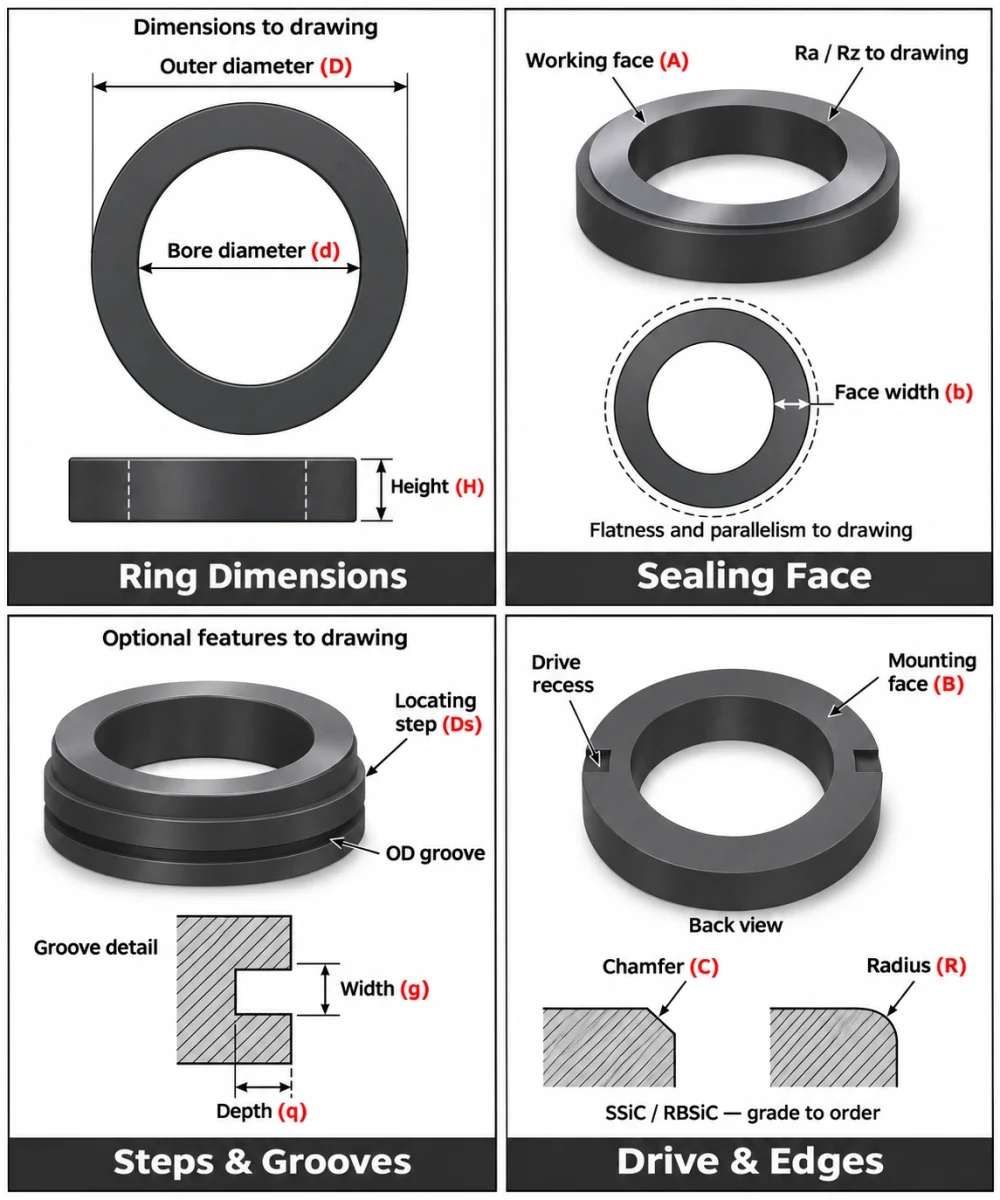
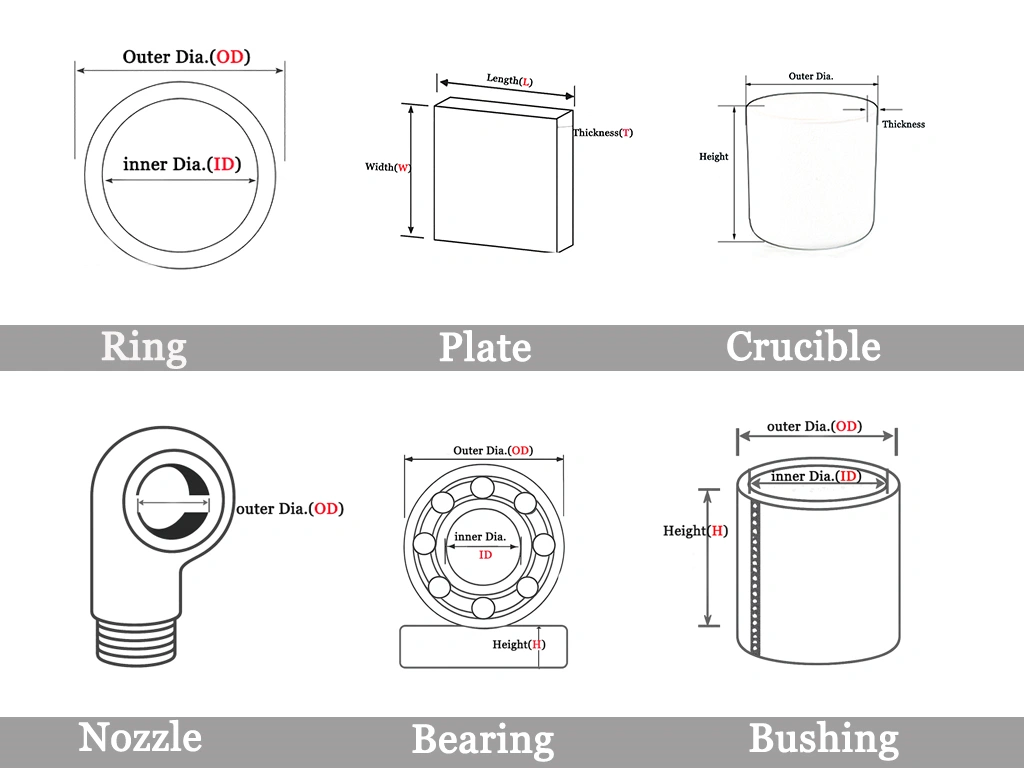
Dimensions of Silicon Carbide Mechanical Seal
| SiC Mechanical Seal | ||||
| Item No. | Outer Diameter (mm) | Inner Diameter (mm) | Height (mm) | Purity % |
| AT-SC-H001 | 10.0 | 5.0 | 2.1 | 99 |
| AT-SC-H002 | 10.0 | 6.0 | 3.5 | 99 |
| AT-SC-H003 | 11.0 | 6.0 | 3.0 | 99 |
| AT-SC-H004 | 11.5 | 4.0 | 3.5 | 99 |
| AT-SC-H005 | 11.9 | 6.0 | 4.5 | 99 |
| AT-SC-H006 | 12.0 | 6.0 | 4.0 | 99 |
| AT-SC-H007 | 12.9 | 8.5 | 3.0 | 99 |
| AT-SC-H008 | 14.5 | 8.5 | 3.5 | 99 |
| AT-SC-H009 | 14.5 | 8.0 | 4.0 | 99 |
| AT-SC-H010 | 14.5 | 9.0 | 3.5 | 99 |
| AT-SC-H011 | 14.5 | 9.0 | 4.0 | 99 |
| AT-SC-H012 | 14.5 | 10.0 | 4.0 | 99 |
| AT-SC-H013 | 14.5 | 8.5 | 3.5 | 99 |
| AT-SC-H014 | 18.0 | 12.0 | 4.0 | 99 |
| AT-SC-H015 | 20.0 | 6.0 | 4.0 | 99 |
| AT-SC-H016 | 22.3 | 15.2 | 11.0 | 99 |
| AT-SC-H017 | 25.0 | 16.0 | 6.0 | 99 |
| AT-SC-H018 | 25.0 | 18.0 | 6.0 | 99 |
| AT-SC-H019 | 26.0 | 14.0 | 4.0 | 99 |
| AT-SC-H020 | 26.0 | 20.0 | 5.0 | 99 |
| AT-SC-H021 | 28.0 | 12.0 | 4.0 | 99 |
| AT-SC-H022 | 28.0 | 22.0 | 7.0 | 99 |
| AT-SC-H023 | 28.0 | 21.0 | 4.0 | 99 |
| AT-SC-H024 | 31.0 | 18.0 | 10.0 | 99 |
| AT-SC-H025 | 32.0 | 20.0 | 3.0 | 99 |
| AT-SC-H026 | 32.8 | 22.6 | 11.0 | 99 |
| AT-SC-H027 | 34.0 | 23.0 | 4.5 | 99 |
| AT-SC-H028 | 34.5 | 28.0 | 5.0 | 99 |
| AT-SC-H029 | 36.0 | 20.0 | 10.0 | 99 |
| AT-SC-H030 | 36.0 | 26.0 | 14.0 | 99 |
| AT-SC-H031 | 37.0 | 30.0 | 7.0 | 99 |
RBSiC and SSiC Material Data for Seal Faces
Seal face components are supplied in one of two dense silicon carbide routes. Values below apply only after the route and grade are fixed on your order; neither column is a blanket guarantee for every face we supply.
| Property (selection value) | RBSiC · reaction-bonded | SSiC · sintered |
|---|---|---|
| SiC content | 85 wt% nominal, with a residual silicon phase | ≥99 wt% |
| Bulk density | ≥3.02 g/cm³ | 3.10 g/cm³ typical |
| Open porosity | ≤0.1 vol% | <0.1 vol% |
| Flexural strength at 20 °C | 250 MPa | 380 MPa |
| Compressive strength | Not listed in the current grade table | ≥2600 MPa |
| Young's modulus at 20 °C | 330 GPa | 420 GPa |
| Application-temperature ceiling | 1380 °C | 1600 °C |
| Flexural strength at 1200 °C | 280 MPa | Not listed in the current grade table |
Match the Face Component to the Procurement Task
| Project | Selection focus | Decision supported |
|---|---|---|
| Mechanical seal OEM design | Rotating or stationary face, component geometry, material and mating interface | Specify the face, drive and mating interfaces together |
| Pump or seal repair | Existing face profile, complete assembly version, mounting features and failure condition | Match the component role, face band and seating profile |
| Chemical process-fluid projects | Material route, actual chemical exposure, mating face and flushing | Compare the material route with the actual fluid and mating face |
| Slurry and particle-containing duty | Particle exposure, working-face geometry, lubrication and wear endpoint | Align face-material and geometry selection with particle and flushing conditions |
| Water and utility-pump maintenance | Seal configuration, fluid condition, interfaces and sample acceptance | Confirm the selected face and its sample-approval basis |
Common Seal Face Failures and How Selection Addresses Them
1. Face Wear and Abrasive Tracking
What happens: Particles in the sealed fluid can score the working face, leaving visible grooves or a frosted band.
Selection response: SSiC offers strong hardness for abrasive duty. Select the working-face geometry and flushing arrangement together, and include particle material, size, and concentration in the inquiry.
2. Thermal Stress Cracking
What happens: Rapid temperature changes or dry running can create thermal gradients that crack the face.
Selection response: Match the material route and lubrication or flushing plan to the actual duty. SSiC and RBSiC have different thermal conductivity behavior, so define the seal-chamber temperature and start-stop profile for the order.
3. Chemical Attack on the Face or Residual Phase
What happens: The sealed fluid, cleaning media, or flushing agent may react with the ceramic or its residual phase. Certain chemicals can affect the free silicon in RBSiC.
Selection response: Confirm the fluid identity, concentration, and cleaning cycle against the material route before specifying the component.
4. Chipping and Edge Damage
What happens: Working-face edges and drive features are especially vulnerable during handling and installation.
Selection response: Specify proper edge preparation on the drawing and use protective handling procedures. Include edge-acceptance requirements in the component specification.
5. Mating-Face Mismatch
What happens: Incompatible mating-face hardness, surface finish, or flatness can cause uneven wear or leakage.
Selection response: Specify the mating-face material and condition together with the replacement ring so the full sliding interface can be evaluated.
Packaging Method for Silicon Carbide Mechanical Seal
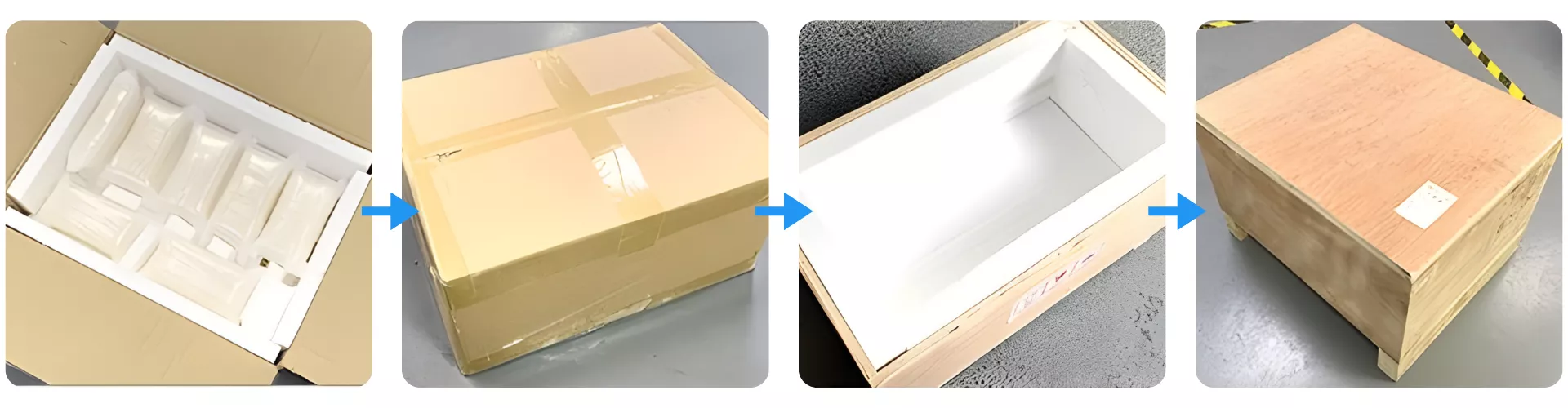
The Silicon Carbide Mechanical Seal is carefully packed to ensure safe and secure transportation. The packaging includes custom foam inserts to prevent damage during transit, ensuring that the seal arrives in perfect condition. Each unit is placed in a sturdy, sealed cardboard box, which is then reinforced with wooden crates for added protection.