Custom Silicon Nitride Wire Drawing Dies for Metal Wire Lines

ADCERAX manufactures custom SSN and GPSN silicon nitride wire drawing dies for metal-wire lines. We customize bore, approach, bearing and exit geometry for welding, copper, aluminum, steel, spring, steel-cord and alloy wire based on your wire size, reduction, speed, lubricant and current failure mode.

Catalogue No. AT-SN-LX001
Material Silicon Nitride
Maximum Operating Temperature 1200°C
Thermal Expansion Coefficient 3.2 × 10⁻⁶ /K
Flexural Strength 700–900 MPa
Engineering RFQ Review
Small-Batch Custom Support
Factory-Direct Manufacturing
Drawing & Process Review

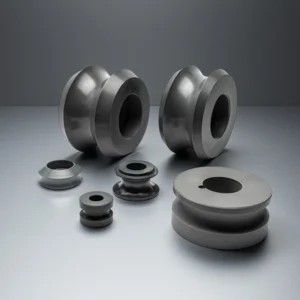
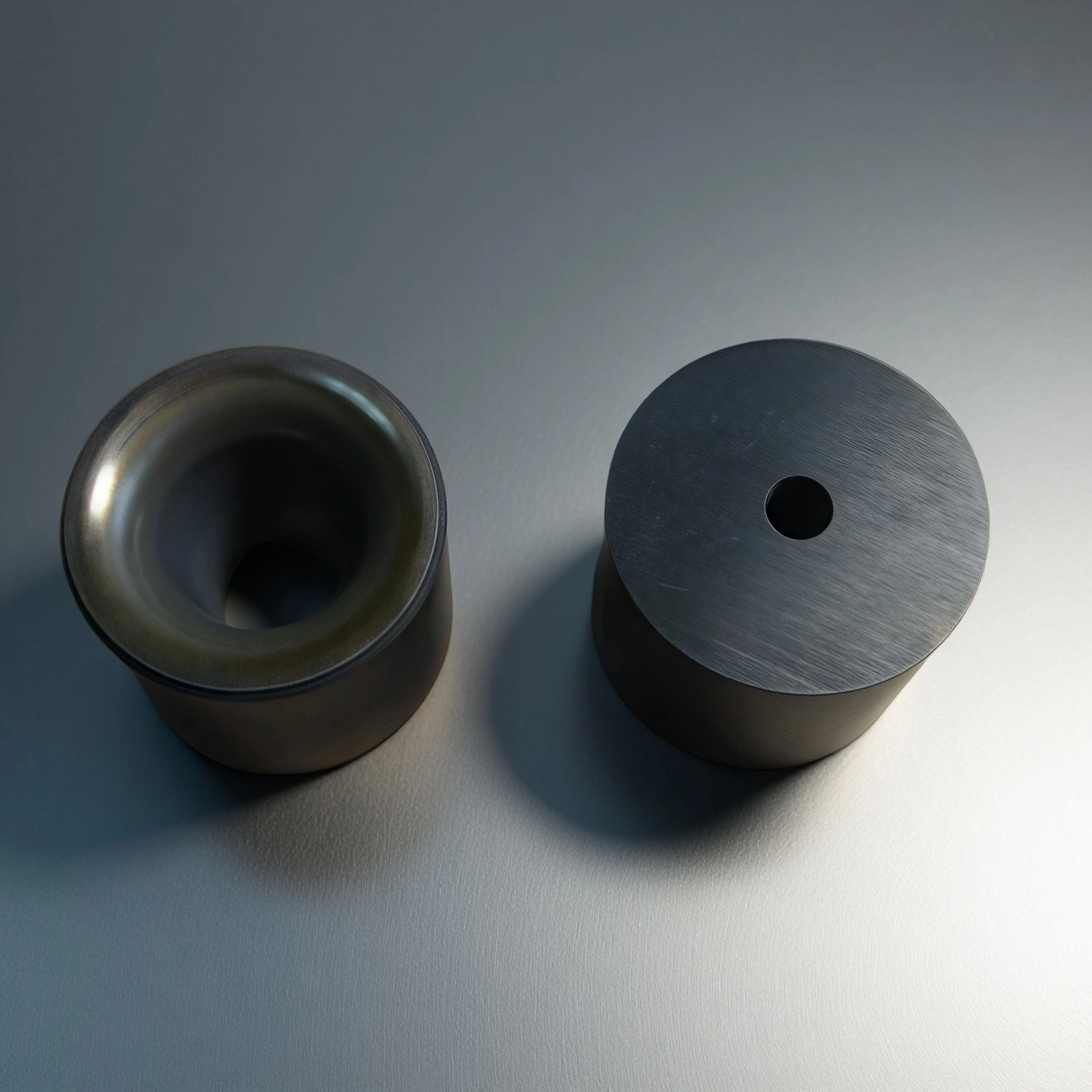
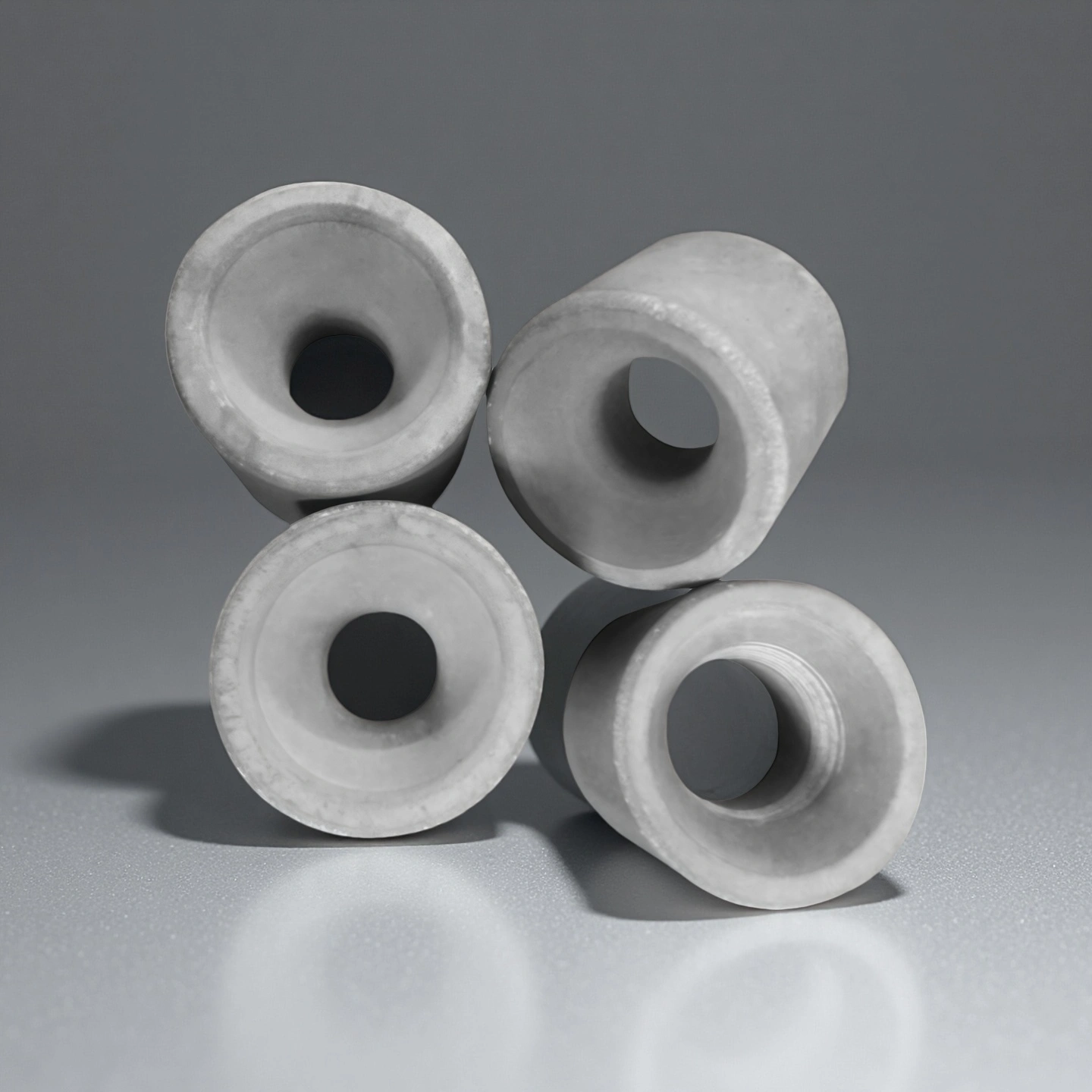
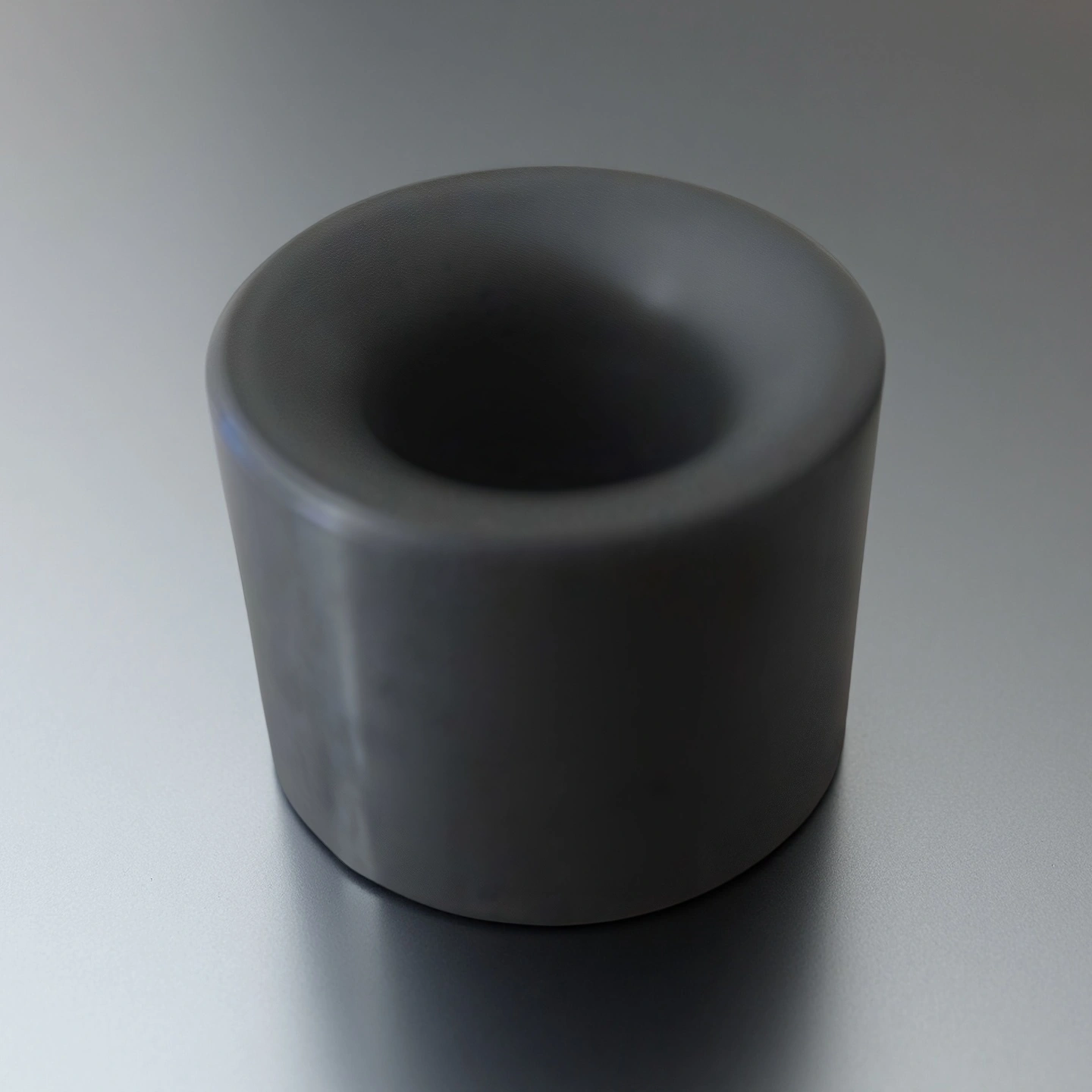
Silicon nitride ceramic wire drawing die is a precision die insert made from Si₃N₄ engineered ceramic, used to reduce the diameter of metal wire and optical fiber during drawing. The die controls wire size through a tapered approach zone, a calibrated bearing section, and an exit profile that shapes and stabilizes the drawn material.

Silicon Nitride Ceramic Wire Drawing Die Benefits

  • Stable Bore Geometry under Load
    The high flexural strength of Si3N4 keeps the bore shape stable during drawing, which helps maintain consistent wire diameter over longer production runs.
  • Reduced Metal Pickup on Wire Surface
    Silicon nitride has no metallic binder phase, which reduces adhesion of copper, brass, or steel to the die and lowers the risk of scoring, scratches, and streaks on the wire surface.
  • Extended Service Life versus Steel Dies
    In comparable applications, silicon nitride ceramic wire drawing dies can reach several times the life of hardened steel dies, which helps reduce changeover frequency and unplanned stops.
  • Suitable for High-Speed Drawing
    The combination of high hardness, good thermal shock resistance, and moderate thermal conductivity supports stable performance in high-speed drawing with modern lubricants.
  • Dimensional Precision for Downstream Processes
    Tight bore tolerances and good roundness help keep wire ovality low, which reduces adjustments in downstream annealing, coating, or spooling operations.

Silicon Nitride Wire Drawing Die Properties

Si3N4 Type Gas pressure sintering Si3N4 Hot pressing sintering Si3N4 High thermal conductivity Si3N4
Density (g/cm3) 3.2 3.3 3.25
Flexural Strength (MPa) 700 900 600~800
Young Modulus (GPa) 300 300 300~320
Poisson's ratio 0.25 0.28 0.25
Compressive strength (MPa) 2500 3000 2500
Hardness (GPa) 15 16 15
Fracture toughness (MPa*m1/2) 5~7 6~8 6~7
Maximum working temperature (℃) 1100 1300 1100
Thermal conductivity (W/m*K) 20 25 80~100
Thermal expansion coefficient (/℃) 3*10-6 3.1*10-6 3*10-6
Thermal shock resistance (ΔT ℃) 550 800 /

Si3N4 Ceramic Wire Drawing Die Specifications

Si3N4 Ceramic Wire Drawing Die
Item No. Outer Diameter * Inner Diameter *Height (mm)
AT-SN-LX001 45*8*40
AT-SN-LX002 45*10*40
AT-SN-LX003 45*12*40
AT-SN-LX004 45*14*40
AT-SN-LX005 45*16*40
AT-SN-LX006 45*17*40
AT-SN-LX007 45*18*40
AT-SN-LX008 45*20*40
AT-SN-LX009 45*22*40

How to Select a Silicon Nitride Wire Drawing Die

Select a silicon nitride drawing die when metal pickup, wire scratches, bore wear, diameter variation, thermal cycling or ceramic chipping affects the drawing process. ADCERAX reviews the material route together with the wire, reduction schedule, speed, lubricant, die geometry and current failure mode.

Application Condition Why Review Silicon Nitride What to Confirm
Metal pickup or wire scratches Relatively low adhesion tendency and polishable wire-contact surfaces Wire material, lubricant, surface requirement and current die condition
Bore wear or diameter variation Hardness and wear resistance help maintain bore geometry Inlet and outlet diameters, reduction per pass, bearing length and inspection requirement
High speed or thermal cycling Toughness and thermal-shock resistance support demanding drawing conditions Drawing speed, cooling method, lubricant, wire grade and housing support
Chipping of oxide ceramic dies Higher toughness than more brittle oxide ceramics Impact, alignment, edge geometry, press fit and handling conditions
Custom die geometry Bore, approach, bearing, exit and insert interface can be customized Drawing or sample, housing dimensions and critical tolerances

SSN or GPSN?

  • SSN is suitable for initial review when the application requires a balanced combination of wear resistance, toughness and custom geometry.
  • GPSN should be reviewed first for harsher conditions, higher drawing speeds, harder wire materials or greater chipping risk.

Silicon Nitride Ceramic Wire Drawing Die Packaging

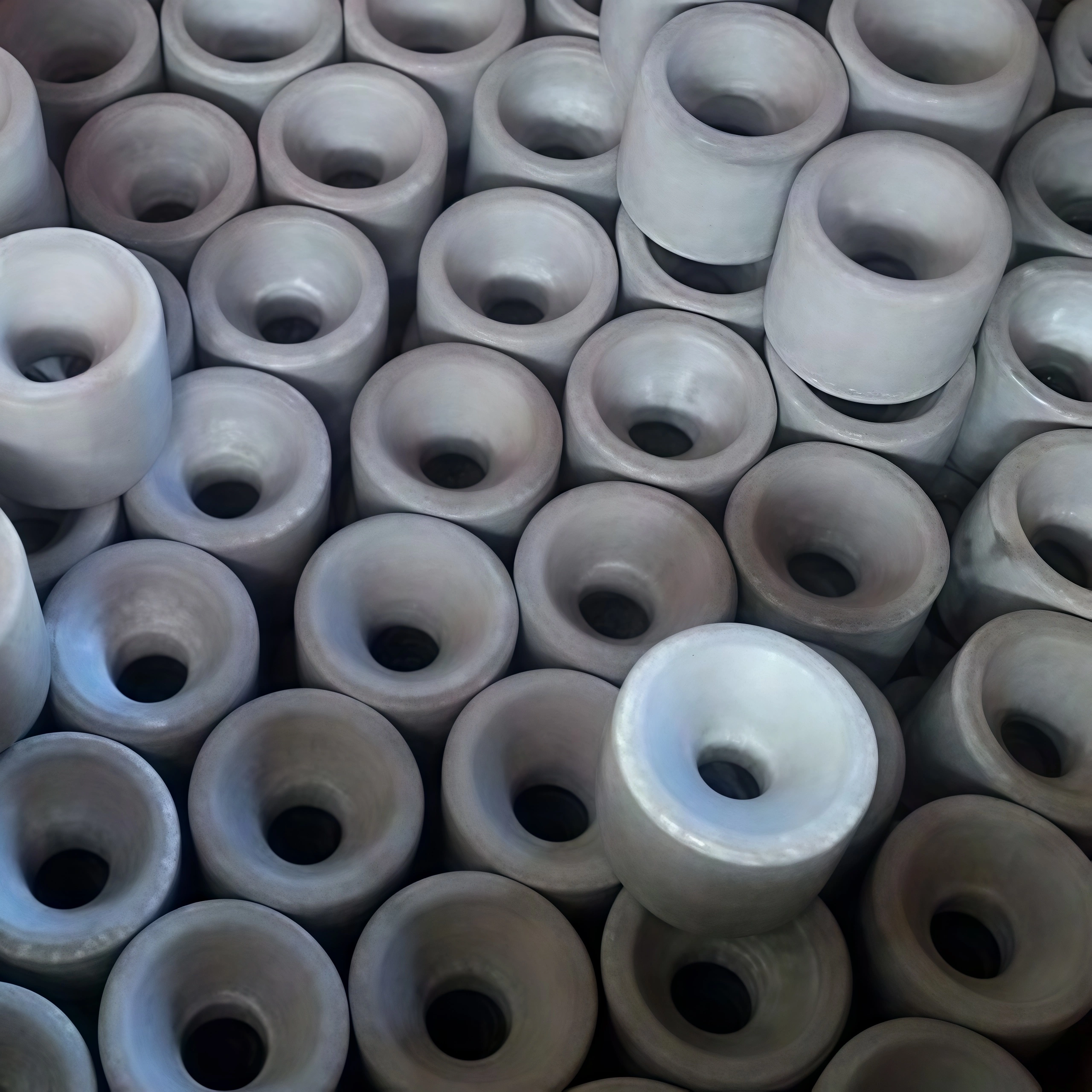
  • Each silicon nitride ceramic wire drawing die is packed in a separate cushioned box or foam slot to prevent chipping of the ceramic edges during transport.
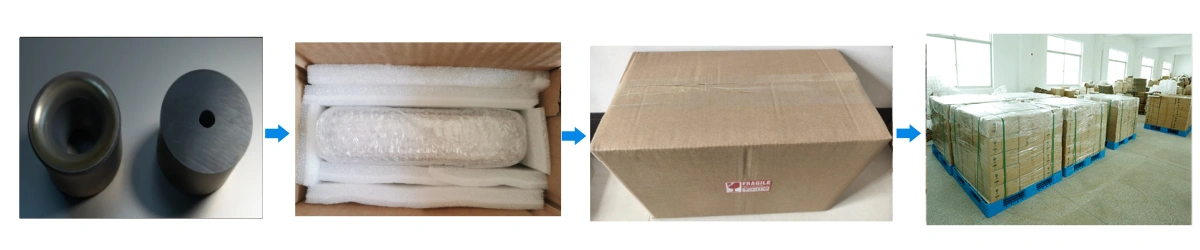

Silicon Nitride Ceramic Wire Drawing Die Packaging

Silicon Nitride Wire Drawing Die Applications

Silicon nitride wire drawing dies can be evaluated for selected metal-wire passes where bore wear, metal pickup, wire scratches, diameter variation, thermal cycling or ceramic chipping affects production stability.

  • Welding Wire and Spring Wire

    For welding and spring wire production, silicon nitride dies can be used in selected intermediate or finishing passes affected by bore wear, metal pickup and surface scratches. Their balance of wear resistance, toughness and polishable bore surfaces supports continuous drawing of carbon steel, stainless steel and alloy wire.

  • Copper, Aluminum and Alloy Wire

    Soft metals may adhere to conventional die surfaces and cause streaking or wire marking. The relatively low adhesion tendency of silicon nitride makes it suitable for evaluating copper, aluminum, brass and other alloy-wire processes where surface condition and bore cleanliness are important.

  • Steel Wire, Wire Rope and Steel Cord

    Drawing harder steel wire can create abrasive wear, higher contact stress and edge-chipping risks. Silicon nitride provides a useful combination of hardness, fracture toughness and thermal-shock resistance for selected high-wear passes in steel wire, rope wire and steel-cord production.

  • High-Speed Multi-Pass Drawing Lines

    In high-speed drawing lines, repeated friction, lubrication changes and heat buildup can affect bore geometry and wire quality. SSN or GPSN silicon nitride dies can be reviewed according to the wire grade, reduction schedule, line speed and failure conditions at each pass.

Si3N4 Ceramic Wire Drawing Die Usage Instructions

  • Installation

    1. Check that the die holder or cassette seat matches the outer geometry of the silicon nitride die insert, with clean and flat seating surfaces.
    2. Avoid metal-to-ceramic impacts; push the Si3N4 wire drawing die into the holder using a controlled press fit rather than hammering.
    3. Align the bore with the wire path; even small misalignment can raise contact stress and shorten service life.

  • Operation

    1. Confirm that the drawing schedule (reduction per pass, line speed, lubricant type) falls within the agreed parameters for the silicon nitride ceramic wire drawing die.
    2. Regularly monitor drawing force, line current, or other available process indicators; unusual increases can signal lubrication or alignment issues.
    3. For multi-pass lines, consider starting trials on selected passes to compare wear patterns and surface results.

  • Storage

    1. Store spare silicon nitride wire drawing dies in dry, clean cabinets or drawers, separated by compartments or foam layers to avoid ceramic-to-ceramic contact.
    2. Keep dies in labeled boxes or trays indicating bore size, cone geometry, and last inspection date.
    3. Avoid stacking loose dies in metal bins where impacts or vibration could cause chipping.

  • Cleaning

    1. Use non-aggressive cleaning methods for the bore, such as soft brushes or mild ultrasonic cleaning with compatible agents.
    2. Avoid steel tools or abrasive rods that can scratch the bore; if mechanical cleaning is necessary, use tools specified by engineering.
    3. After cleaning, dry dies completely before storage and avoid residue that could interfere with lubricant.

  • Precautions and Typical Misuse Points

    1. Overloading the Die
    Issue: Using a silicon nitride ceramic wire drawing die at higher reductions per pass than planned can accelerate wear or risk cracking.
    Handling: Keep reduction per pass within the agreed schedule; if higher reduction is needed, consult engineering to adjust pass design.
    Improper Lubrication

    2. Issue: Running with insufficient or unsuitable lubricant can cause rapid temperature rise and surface defects on both wire and die.
    Handling: Check lubricant flow, type, and cleanliness; follow recommendations for the specific material and line speed.
    Mechanical Impact during Handling

    3. Issue: Dropping or striking the die against metal fixtures can chip edges or induce hidden damage that leads to later cracking.
    Handling: Use trays and padded surfaces when transporting dies; train operators to handle ceramic inserts as precision components.

Silicon Nitride Ceramic Wire Drawing Die FAQ

  1. Q: What is the difference between a drawing die, a guide pulley and a guide ring?
    A: A drawing die reduces the wire diameter through its approach and bearing zones. A guide pulley redirects or supports moving wire, while a guide ring controls wire position without performing the primary reduction.
  2. Q: How does a silicon nitride drawing die compare with a tungsten carbide die?
    A: Neither material is universally better. Tungsten carbide remains a proven and economical option for many passes, while silicon nitride can be evaluated where metal pickup, thermal cycling, bore wear or chipping requires a different balance of material properties.
  3. Q: Can a Si3N4 drawing die replace a PCD or diamond die?
    A: Not in every application. PCD or diamond may remain preferable for extremely fine wire, severe abrasive wear or demanding finishing passes. Silicon nitride should be evaluated as a separate option rather than a universal replacement.
  4. Q: Can a silicon nitride drawing die chip or crack?
    A: Yes. Silicon nitride has relatively high fracture toughness for a technical ceramic, but it remains brittle. Impact, wire jamming, misalignment, unsupported edges, excessive reduction or an unstable press fit can cause chipping or cracking.
  5. Q: Why can wire scratches still occur after installing a new die?
    A: Wire scratches may be caused by metal pickup, lubricant breakdown, contamination, bore damage, excessive reduction or upstream misalignment. The complete drawing system should be checked before attributing the problem only to the die material.
  6. Q: Can silicon nitride dies be used in both wet and dry drawing?
    A: Both processes can be reviewed. Suitability depends on the wire material, lubricant or cooling method, reduction schedule, line speed and die geometry. Lubricant compatibility and cleanliness should be confirmed for each application.
  7. Q: Can ADCERAX replace an existing steel or carbide die with a Si3N4 insert?
    A: ADCERAX can review an existing drawing, sample, photograph or measured dimensions and develop a silicon nitride insert for selected passes. Holder fit, die geometry, alignment and installation method must be confirmed before replacement.
  8. Q: How should a silicon nitride drawing die be validated before wider use?
    A: Begin with selected passes where the current failure mode is clearly documented. Compare bore condition, wire surface, dimensional stability and handling requirements under the same drawing schedule before expanding the material to additional passes.
  9. Q: What information is required for a quotation?
    A: Provide the wire material, inlet and outlet sizes, reduction per pass, line speed, lubricant, current die material, failure mode, die or holder drawing, required quantity and any inspection requirements. A sample or clear photograph can also support the initial review.
customize size

Custom Silicon Nitride Wire Drawing Dies

We design and manufacture silicon nitride wire drawing dies to match existing lines and new projects, from small-bore fine wire to medium-bore welding wire and steel wire. Customization allows you to keep your process window while upgrading to Si3N4 material.

  • Bore Diameter Range:
    Standard drawing bores can be specified from 0.20 mm to 5.00 mm. Smaller or larger bores are also available when matched to your drawing schedule and reduction plan.
  • Bore Tolerance & Roundness:
    Depending on bore size, achievable tolerances typically fall between ±0.003 mm to ±0.01 mm, with controlled roundness to support consistent wire diameter and ovality.
  • Approach / Working Cone Angle:
    The inlet and approach cone can be tailored to match wire material (copper, welding wire, steel, alloy), reduction ratio, lubricant type, and intended line speed.
  • Bearing Length:
    Short, medium, or long bearing sections can be selected based on desired contact length, heat input, and wear profile for each pass in the drawing schedule.
  • Exit Cone Geometry:
    Options include straight, relieved, or optimized outlet geometry to support stable lubricant flow and smooth wire exit, reducing surface friction and marking.
  • Outer Dimensions:
    Insert outer diameter, total length, seating angle, and shoulder geometry can be matched to existing die holders, cassette systems, or OEM specifications.
  • Surface Finish of the Bore:
    As-ground or polished finishes are available; target bore roughness can be set according to wire type and downstream surface quality requirements.
  • Material Variant:
    Die inserts can be produced in standard silicon nitride or in Si₃N₄/SiAlON formulations selected for wear resistance, thermal shock behavior, and compatibility with the intended drawing environment.
  • Pass Position & Draw Schedule Fit:
    Dies can be assigned for specific passes (initial, intermediate, or finishing), with geometry coordinated to your reduction sequence and tooling plan.

Related Products

ADCERAX - Your Trusted Advanced Ceramics Manufacturing Partner

Direct factory manufacturing with comprehensive ceramic materials expertise and global supply capabilities

China-Based Manufacturer

ADCERAX supplies ceramic components for overseas OEMs, equipment builders, and labs.

Custom Drawing Support

We review drawings, dimensions, materials, and application conditions before quotation.

Ceramic Process Control

Forming, sintering, machining, grinding, and finishing are arranged by part requirements.

Pre-Shipment Inspection

Dimensional checks, visual inspection, and packaging review help reduce procurement risk.

Get in Touch with Us

Our team will be happy to respond to you in less than 24 hours.

Pingxiang Factory — Silicon carbide, silicon nitride, high-temperature ceramics

Quick Quotation

*Our team will answer your inquiries within 24 hours.

*Your information will be kept strictly confidential.

Ready to Solve Your Engineering Challenge?

Partner with ADCERAX for reliable, high-performance advanced ceramic solutions. Our engineers are ready to discuss your project.

E-mail

info@adcerax.com

Phone

Tel: +86-0731-84428843 WhatsApp: +86 19311583352

Response Time

Within 24 hours

Silicon nitride ceramic wire drawing die is a precision die insert made from Si₃N₄ engineered ceramic, used to reduce the diameter of metal wire and optical fiber during drawing. The die controls wire size through a tapered approach zone, a calibrated bearing section, and an exit profile that shapes and stabilizes the drawn material.

Silicon Nitride Ceramic Wire Drawing Die Benefits

  • Stable Bore Geometry under Load
    The high flexural strength of Si3N4 keeps the bore shape stable during drawing, which helps maintain consistent wire diameter over longer production runs.
  • Reduced Metal Pickup on Wire Surface
    Silicon nitride has no metallic binder phase, which reduces adhesion of copper, brass, or steel to the die and lowers the risk of scoring, scratches, and streaks on the wire surface.
  • Extended Service Life versus Steel Dies
    In comparable applications, silicon nitride ceramic wire drawing dies can reach several times the life of hardened steel dies, which helps reduce changeover frequency and unplanned stops.
  • Suitable for High-Speed Drawing
    The combination of high hardness, good thermal shock resistance, and moderate thermal conductivity supports stable performance in high-speed drawing with modern lubricants.
  • Dimensional Precision for Downstream Processes
    Tight bore tolerances and good roundness help keep wire ovality low, which reduces adjustments in downstream annealing, coating, or spooling operations.

Silicon Nitride Wire Drawing Die Properties

Si3N4 Type Gas pressure sintering Si3N4 Hot pressing sintering Si3N4 High thermal conductivity Si3N4
Density (g/cm3) 3.2 3.3 3.25
Flexural Strength (MPa) 700 900 600~800
Young Modulus (GPa) 300 300 300~320
Poisson's ratio 0.25 0.28 0.25
Compressive strength (MPa) 2500 3000 2500
Hardness (GPa) 15 16 15
Fracture toughness (MPa*m1/2) 5~7 6~8 6~7
Maximum working temperature (℃) 1100 1300 1100
Thermal conductivity (W/m*K) 20 25 80~100
Thermal expansion coefficient (/℃) 3*10-6 3.1*10-6 3*10-6
Thermal shock resistance (ΔT ℃) 550 800 /

Si3N4 Ceramic Wire Drawing Die Specifications

Si3N4 Ceramic Wire Drawing Die
Item No. Outer Diameter * Inner Diameter *Height (mm)
AT-SN-LX001 45*8*40
AT-SN-LX002 45*10*40
AT-SN-LX003 45*12*40
AT-SN-LX004 45*14*40
AT-SN-LX005 45*16*40
AT-SN-LX006 45*17*40
AT-SN-LX007 45*18*40
AT-SN-LX008 45*20*40
AT-SN-LX009 45*22*40

How to Select a Silicon Nitride Wire Drawing Die

Select a silicon nitride drawing die when metal pickup, wire scratches, bore wear, diameter variation, thermal cycling or ceramic chipping affects the drawing process. ADCERAX reviews the material route together with the wire, reduction schedule, speed, lubricant, die geometry and current failure mode.

Application Condition Why Review Silicon Nitride What to Confirm
Metal pickup or wire scratches Relatively low adhesion tendency and polishable wire-contact surfaces Wire material, lubricant, surface requirement and current die condition
Bore wear or diameter variation Hardness and wear resistance help maintain bore geometry Inlet and outlet diameters, reduction per pass, bearing length and inspection requirement
High speed or thermal cycling Toughness and thermal-shock resistance support demanding drawing conditions Drawing speed, cooling method, lubricant, wire grade and housing support
Chipping of oxide ceramic dies Higher toughness than more brittle oxide ceramics Impact, alignment, edge geometry, press fit and handling conditions
Custom die geometry Bore, approach, bearing, exit and insert interface can be customized Drawing or sample, housing dimensions and critical tolerances

SSN or GPSN?

  • SSN is suitable for initial review when the application requires a balanced combination of wear resistance, toughness and custom geometry.
  • GPSN should be reviewed first for harsher conditions, higher drawing speeds, harder wire materials or greater chipping risk.

Silicon Nitride Ceramic Wire Drawing Die Packaging

  • Each silicon nitride ceramic wire drawing die is packed in a separate cushioned box or foam slot to prevent chipping of the ceramic edges during transport.
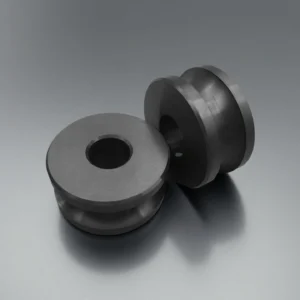
Silicon Nitride Ceramic Wire Drawing Die Packaging

Quick Quote

The more details you provide, the faster we can quote.

*All inquiries are confidential.

Get Your Custom Solution

The more details you provide, the faster we can respond.

customize size

*We respond within 24 hours. All inquiries are confidential.

Download Catalog