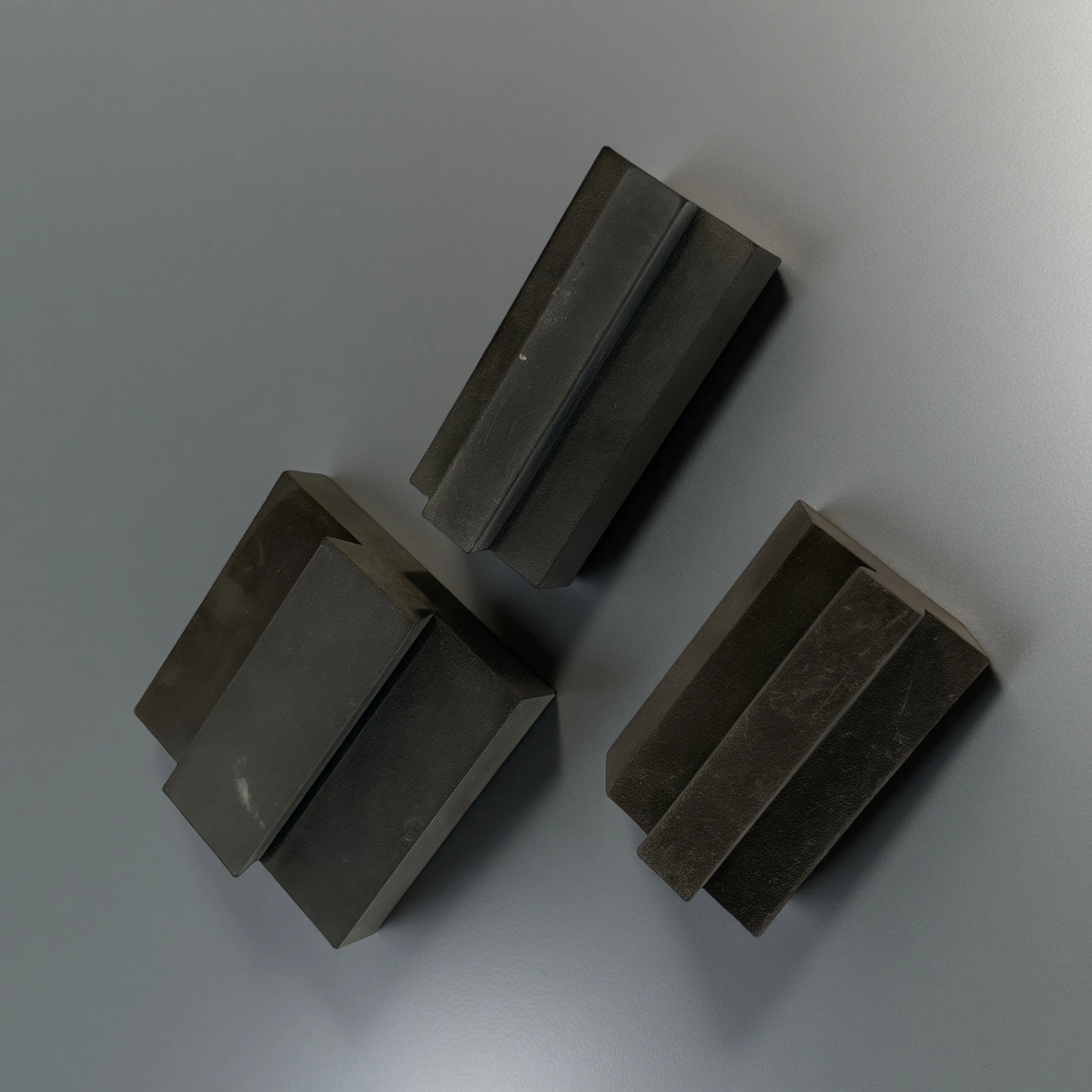
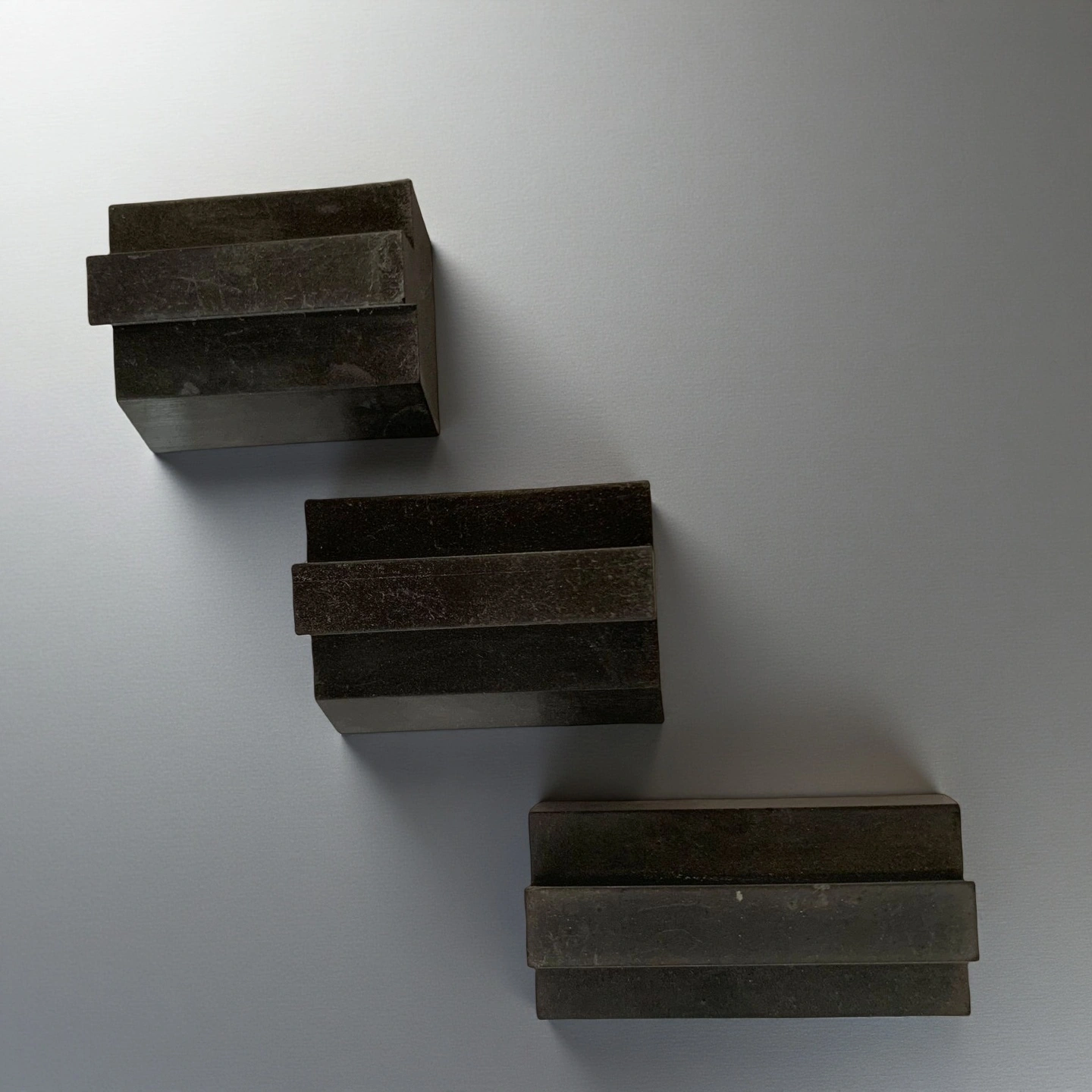
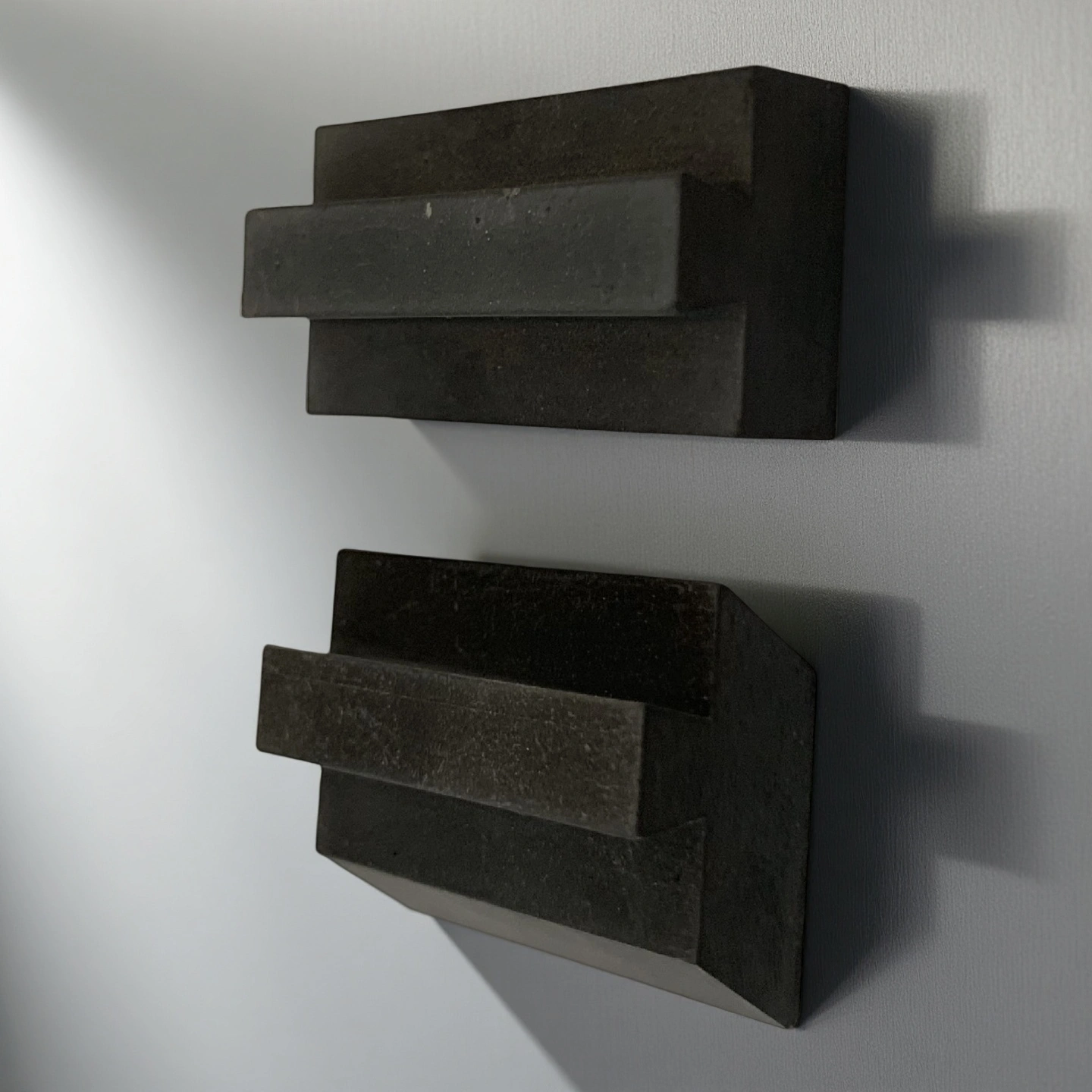
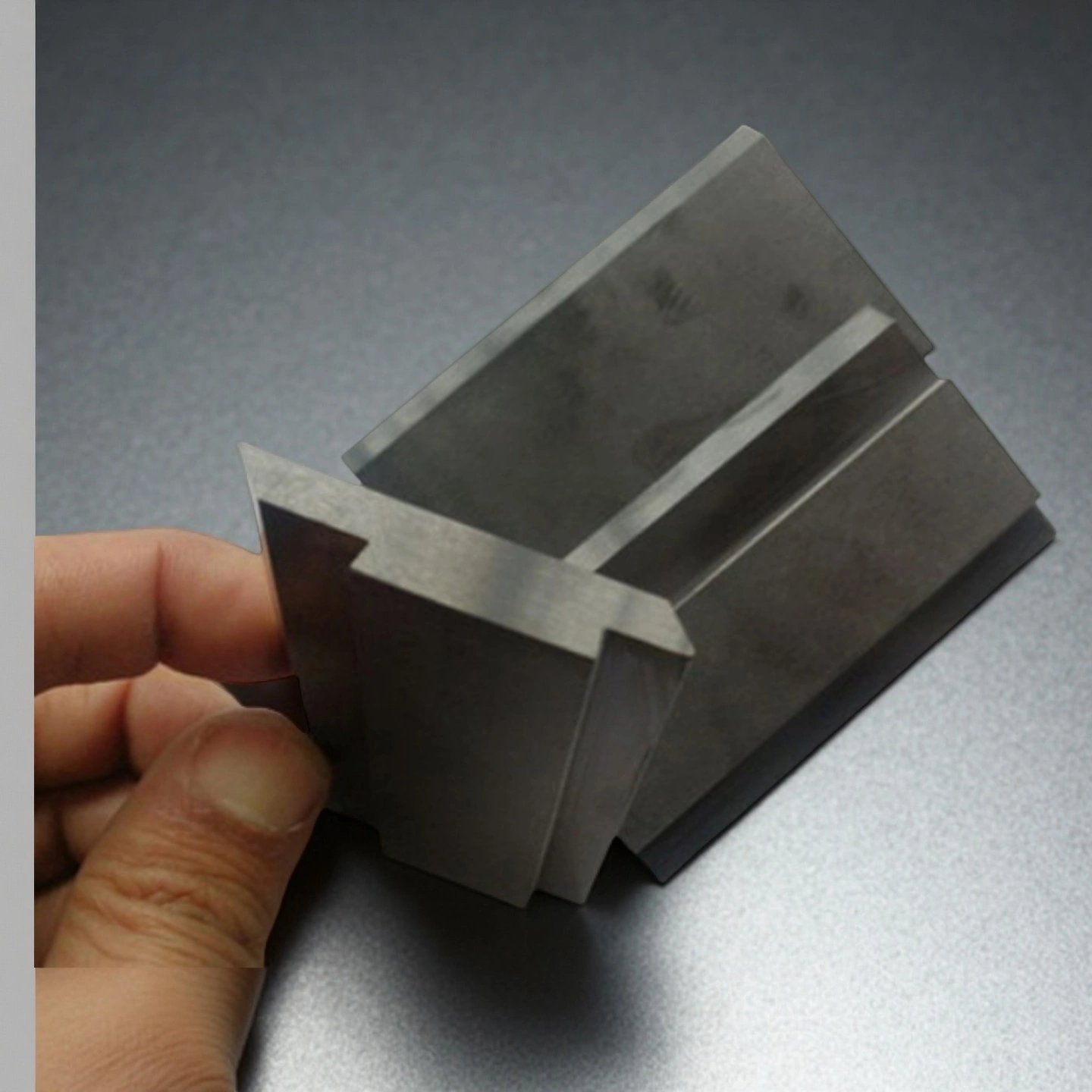
What Is a Silicon Nitride Dewatering Element?
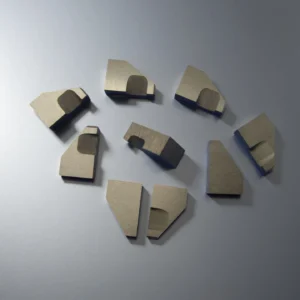
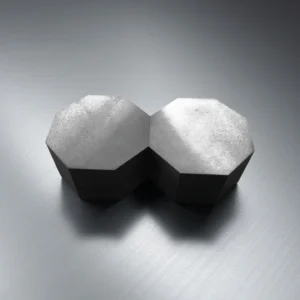
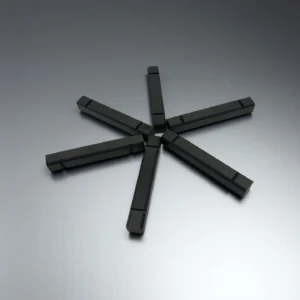
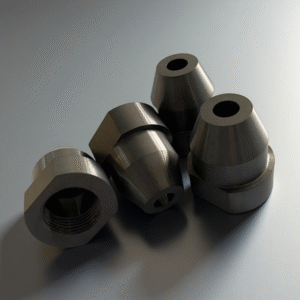
A silicon nitride dewatering element is a precision-machined Si3N4 ceramic wear component used in the wet end of paper machines to support the forming fabric and control water removal. It is commonly installed on forming boards, hydrofoils, low-vacuum boxes, high-vacuum suction boxes, felt suction boxes and transfer positions.
The main purpose is to keep drainage geometry stable while reducing fabric-side friction and surface wear. For paper mills running abrasive furnish, high machine speed, frequent cleaning cycles or tight formation requirements, Si3N4 ceramic helps maintain slot profiles, drilled holes and foil edges more consistently than plastic or softer ceramic covers.
Silicon Nitride Dewatering Element Benefits
- Extended Wear Resistance in Wet-End Positions
Silicon nitride combines high hardness with good fracture toughness, helping reduce wear on high-speed forming boards, hydrofoils and suction box covers compared with many plastic or softer ceramic materials.
- Low-Friction Fabric Contact Surface
A ground or polished Si₃N₄ surface can help reduce fabric-side friction and support smoother contact between the forming fabric and dewatering cover.
- Stable Slot and Edge Geometry
High wear resistance helps maintain slot depth, drilled-hole edges and foil profiles more consistently during long production runs.
- Resistance to Wet-End Water and Cleaning Conditions
Si₃N₄ ceramic provides good resistance to process water, abrasive furnish and common wet-end cleaning exposure when material selection and surface finishing are properly matched.
- Suitable for Demanding Machine Positions
Silicon nitride is especially suitable for high-contact, abrasive or precision drainage positions where plastic covers may wear quickly or standard ceramic covers may be more impact-sensitive.
Silicon Nitride Dewatering Element Properties
|
Si3N4 Type |
Gas pressure sintering Si3N4 |
Hot pressing sintering Si3N4 |
High thermal conductivity Si3N4 |
|
Density (g/cm3) |
3.2 |
3.3 |
3.25 |
|
Flexural Strength (MPa) |
700 |
900 |
600~800 |
|
Young Modulus (GPa) |
300 |
300 |
300~320 |
|
Poisson's ratio |
0.25 |
0.28 |
0.25 |
|
Compressive strength (MPa) |
2500 |
3000 |
2500 |
|
Hardness (GPa) |
15 |
16 |
15 |
|
Fracture toughness (MPa*m1/2) |
5~7 |
6~8 |
6~7 |
|
Maximum working temperature (℃) |
1100 |
1300 |
1100 |
|
Thermal conductivity (W/m*K) |
20 |
25 |
80~100 |
|
Thermal expansion coefficient (/℃) |
3*10-6 |
3.1*10-6 |
3*10-6 |
|
Thermal shock resistance (ΔT ℃) |
550 |
800 |
/ |
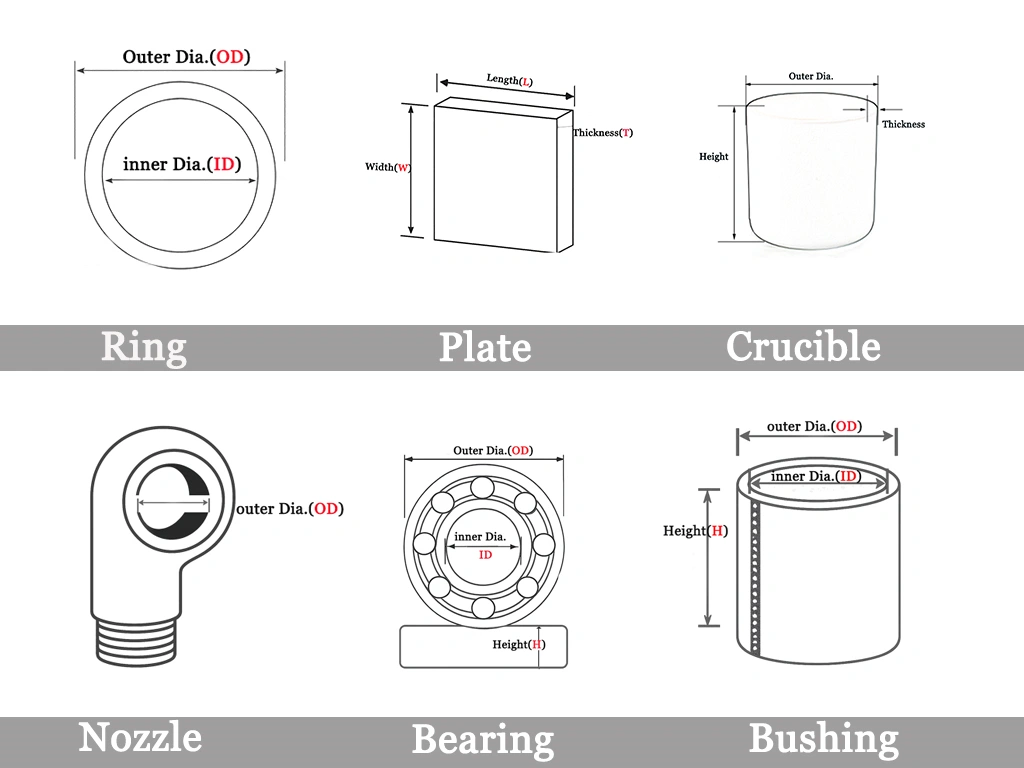
Si3N4 Dewatering Element Specifications
|
Si3N4 Dewatering Element |
|
Item No. |
Diameter (mm) |
Thickness (mm) |
|
AT-SIN-MB1001 |
Customize |
Silicon Nitride vs Plastic, Alumina and Silicon Carbide Dewatering Elements
| Material Option |
Best Fit |
Main Advantage |
Limitation |
| UHMWPE / Plastic |
Lower-speed machines, less abrasive furnish and budget-sensitive rebuilds. |
Lower initial cost and easier machining. |
Faster wear in high-speed or abrasive wet-end positions. |
| Alumina Ceramic |
Standard ceramic covers and moderate-to-high wear positions. |
Good hardness and wear resistance at reasonable cost. |
More brittle than Si3N4 and less suitable for impact-sensitive edges. |
| Silicon Nitride |
High-speed forming sections, suction boxes, abrasive furnish and precision drainage control. |
High toughness, strong wear resistance and low fabric-side friction. |
Higher initial cost and requires careful installation. |
| Silicon Carbide |
Highly abrasive positions and special chemical environments. |
Very high hardness and corrosion resistance. |
Material selection must consider brittleness, mounting method and fabric contact conditions. |
Silicon Nitride Dewatering Element Packaging
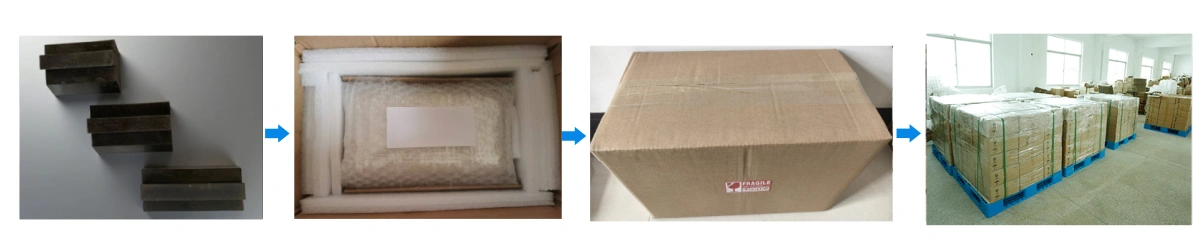
- Each silicon nitride dewatering element is individually wrapped in soft protective material to avoid surface scratches and edge chipping.
Silicon Nitride Dewatering Element Applications
Silicon nitride dewatering elements are used in paper machine wet-end sections to support stable drainage, low fabric friction and wear resistance. ADCERAX supplies custom Si₃N₄ covers, foils and suction box components made to drawings or existing parts.
-
Board and Packaging Paper Machines – Forming and Vacuum Sections
Application Fit
In board and packaging paper machines, dewatering elements are often exposed to heavy furnish, higher basis weight, abrasive fillers and strong vacuum loads. Plastic covers may wear quickly in high-vacuum positions, while worn slot edges can disturb drainage balance and increase fabric-side friction.
Silicon nitride dewatering elements are suitable for forming boards, hydrofoils, low-vacuum boxes and high-vacuum suction box covers where stable slot geometry and smooth fabric contact are required during long production campaigns.
Key Advantages
| Buyer Concern |
How Si₃N₄ Dewatering Elements Help |
| Heavy board grades require stable drainage. |
Silicon nitride helps maintain slot edges, drilled holes and foil profiles with less wear over time. |
| Fabric drag can increase drive load. |
A smooth ceramic contact surface helps reduce friction between the forming fabric and dewatering cover. |
| Vacuum box covers wear unevenly. |
Better wear resistance supports more consistent cross-machine drainage performance. |
| Rebuild downtime is costly. |
Drawing-based ceramic replacement parts can be matched to existing frames and mounting layouts. |
-
Tissue and Towel Machines – High-Speed Forming Section
Application Fit
Tissue and towel machines run at high speed and require gentle fabric contact, stable water removal and clean surface conditions. In these positions, even small changes in foil wear, surface roughness or fabric tracking can affect formation quality and fabric service condition.
Silicon nitride dewatering elements are suitable for high-speed forming sections, forming roll-side foils, hydrofoil covers and selected suction box positions where low friction, smooth surface finish and dimensional stability are important.
Key Advantages
| Buyer Concern |
How Si₃N₄ Dewatering Elements Help |
| High-speed fabric contact creates wear. |
Silicon nitride combines high hardness with good toughness for demanding wet-end contact conditions. |
| Thin forming fabrics are sensitive to surface defects. |
A controlled ground or polished surface can reduce sharp contact points and local fabric stress. |
| Spray water and cleaning cycles affect components. |
Si₃N₄ ceramic offers strong resistance to wet-end water chemistry and repeated cleaning exposure. |
| Formation quality needs stable drainage. |
Stable foil and slot geometry helps maintain more predictable water removal behavior. |
-
Specialty and Technical Paper Machines – Controlled Drainage for High-Value Grades
Application Fit
Specialty and technical paper grades often require tighter drainage control than standard packaging or tissue products. Filter paper, release paper, insulation paper, battery separator base paper and other high-value grades may be sensitive to cross-direction drainage differences, surface marks and small geometry changes in the forming section.
Silicon nitride dewatering elements are suitable for specialty paper machines where the customer needs custom slot design, drilled-hole patterns, controlled surface finish and stable geometry over long production runs.
Key Advantages
| Buyer Concern |
How Si₃N₄ Dewatering Elements Help |
| High-value grades need controlled drainage. |
Custom slot and hole patterns can be designed around the machine position and product grade. |
| Uneven wear affects formation stability. |
Silicon nitride helps reduce geometry change caused by long-term abrasive contact. |
| Process water may include additives or fillers. |
Si₃N₄ ceramic provides good resistance to wet-end chemical and abrasive conditions. |
| Existing covers may not meet process requirements. |
Custom machining allows the element to match special profiles, mounting holes and drainage layouts. |