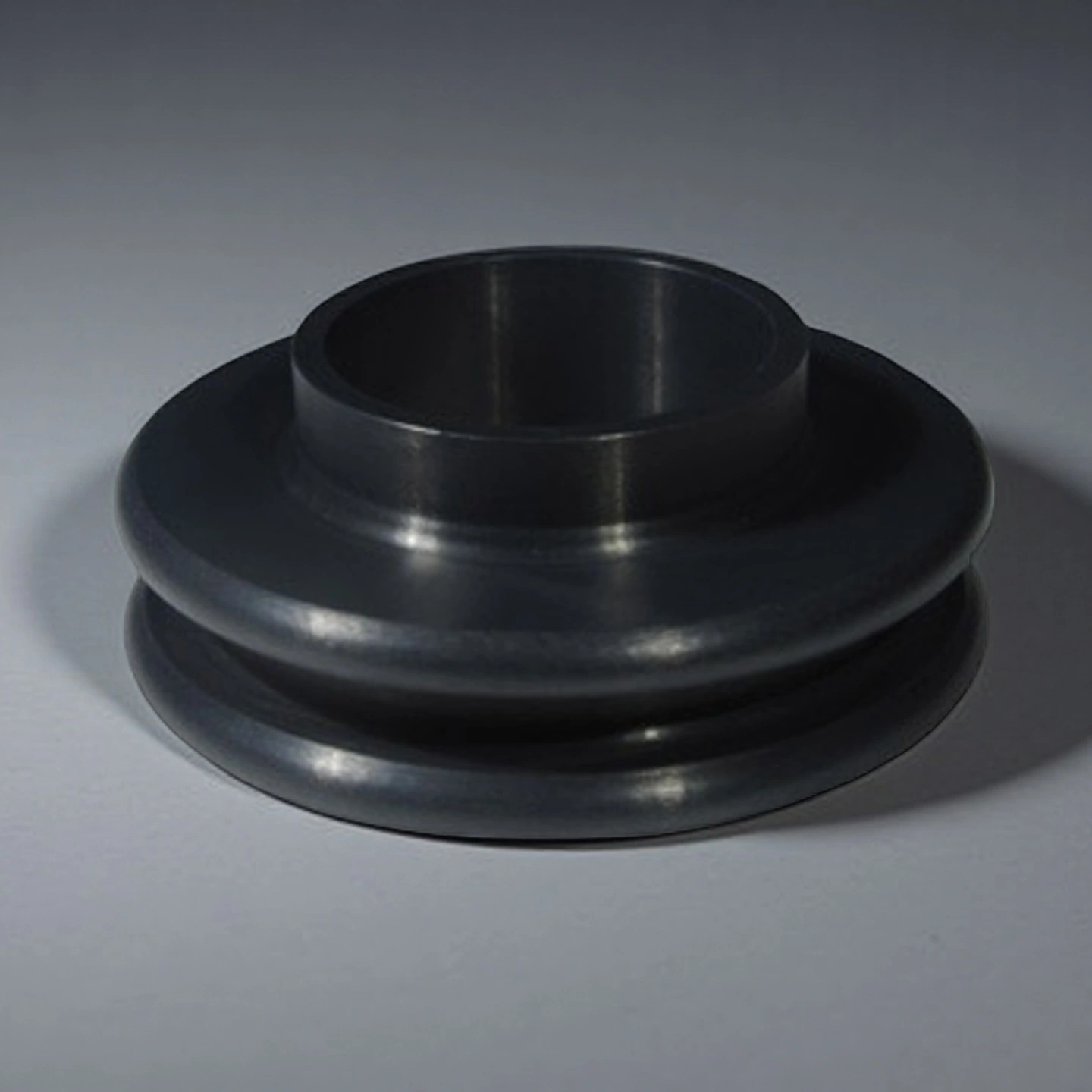
Silicon Nitride Exhaust Hood for Polysilicon and Hydrogen Furnaces

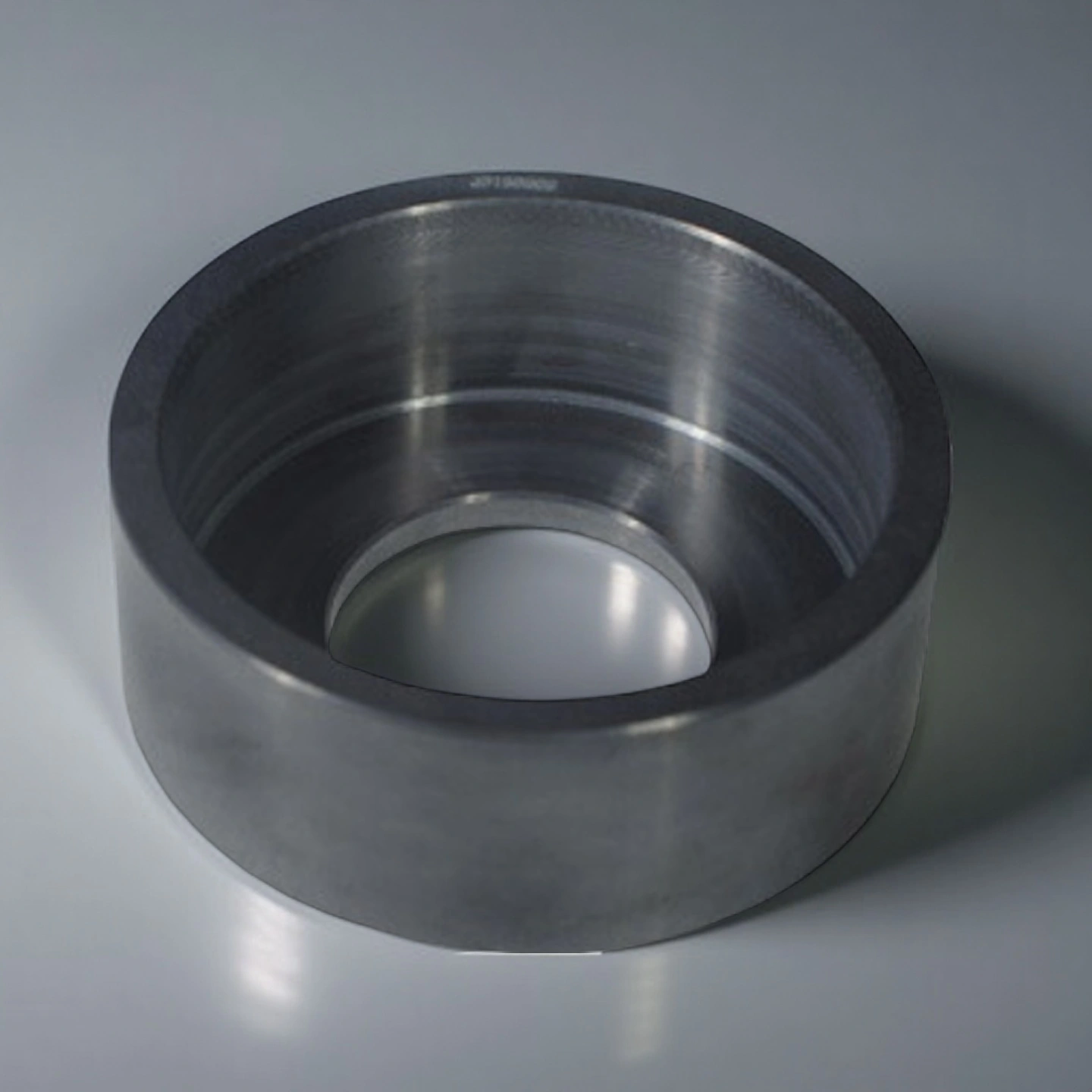
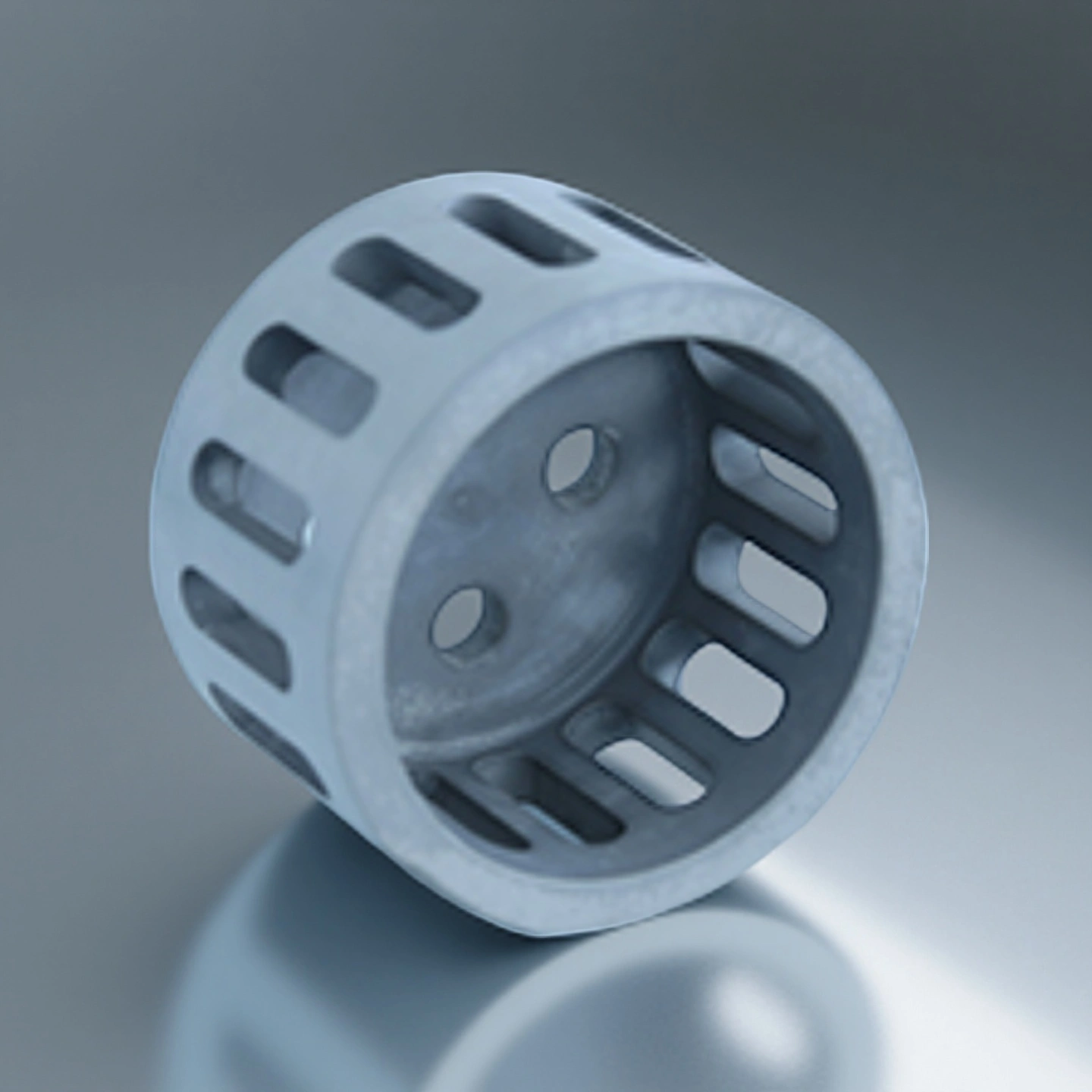
Silicon nitride exhaust hoods are high-performance ceramic components designed for use in high-temperature gas exhaust systems, offering excellent thermal shock resistance and dimensional stability. Custom sizes and shapes are available for integration into sintering furnaces, battery production lines, and controlled atmosphere systems.

Catalogue No. AT-SIN-WZ1001
Material Silicon Nitride
Maximum Operating Temperature 1200°C
Coefficient of thermal expansion ~3.0 × 10⁻⁶ /K (20–1,000 °C)
Flexural strength (room temp.) 700–900 MPa
24H Standard Dispatch
Small Batch Support OEM
Factory Direct
Expert Engineering Support

The silicon nitride exhaust hood is a custom-machined Si₃N₄ ceramic exhaust cover for polysilicon reduction furnaces, hydrogenation furnaces, and high-temperature reduction reactors. Standard and custom geometries are available for different furnace tops and exhaust ducts, with wall thickness and flange details tailored to match the existing steel structure.


Silicon Nitride Exhaust Hood Benefits

  • Geometry matched to furnace exhaust and electrode layout
    The silicon nitride exhaust hood can be produced with integrated exhaust channels, baffles, and cut-outs so that it fits directly around electrode assemblies and gas outlets without separate adapters.

  • High strength in thin-wall design
    Gas-pressure sintered Si₃N₄ allows thin walls in the exhaust hood while maintaining flexural strength above 700 MPa, which reduces weight on metal frames and simplifies handling.

  • Stable performance under rapid thermal cycling
    The low thermal expansion of the Si₃N₄ exhaust hood limits thermal stress during hot–cold cycles in polysilicon reactors, which lowers crack initiation risk during start-ups and shutdowns.

  • Resistance to process gas and condensates
    Silicon nitride shows low wettability to molten silicon and good resistance to hydrogen and halogen-containing exhaust, so the exhaust hood surface stays cleaner and less prone to build-up over multiple campaigns.

  • Electrical insulation in high-voltage electrode zones
    The Si₃N₄ exhaust hood acts as an insulating barrier near electrodes and bus bars, which helps to maintain creepage distance and reduce unintended flashover risk at the furnace top.

Si3N4 Ceramic Exhaust Hood Properties

Si3N4 Type Gas pressure sintering Si3N4 Hot pressing sintering Si3N4 High thermal conductivity Si3N4
Density (g/cm3) 3.2 3.3 3.25
Flexture strength (MPa) 700 900 600~800
Young Modulus (GPa) 300 300 300~320
Poisson's ratio 0.25 0.28 0.25
Compressive strength (MPa) 2500 3000 2500
Hardness (GPa) 15 16 15
Fracture toughness (MPa*m1/2) 5~7 6~8 6~7
Maximum working temperature (℃) 1100 1300 1100
Thermal conductivity (W/m*K) 20 25 80~100
Thermal expansion coefficient (/℃) 3*10-6 3.1*10-6 3*10-6
Thermal shock resistance (ΔT ℃) 550 800 /


Si3N4 Ceramic Exhaust Hood Specifications

Silicon Nitride Exhaust Hood
Item No. Diameter (mm) Thickness (mm)
AT-SIN-WZ1001 Customize
Silicon Nitride Protective Cover
Item No. Diameter (mm) Thickness (mm)
AT-SIN-QZ1001 Customize
Silicon Nitride Heat Shield
Item No. Diameter (mm) Thickness (mm)
AT-SIN-GZ1001 Customize


Si3N4 Exhaust Hood Packaging

  • Each Si₃N₄ exhaust hood is wrapped in soft foam or bubble material to protect machined surfaces.
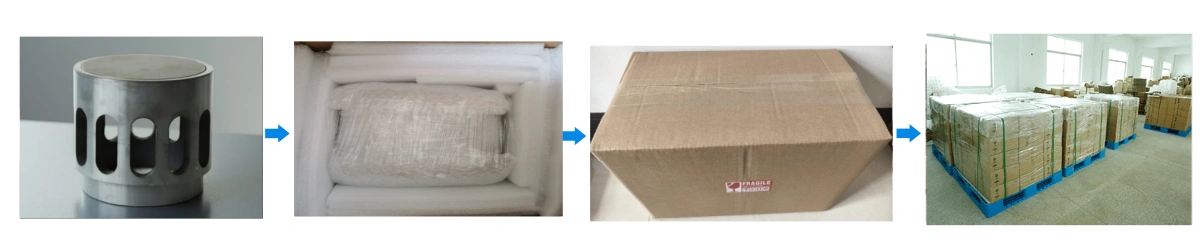
Si3N4 Exhaust Hood Packaging

Applications of Si3N4 Exhaust Hood

  • Polysilicon Reduction Furnace

    ✅Key Advantages

    1. Longer exhaust hood campaign life — Service intervals can extend from a few months with metal or alumina covers to 18–24 months with silicon nitride exhaust hoods in stable operation.
    2. Lower unplanned shutdown frequency — Plants that replace cracked exhaust covers with Si₃N₄ exhaust hoods often report a reduction in exhaust-related unplanned stoppages to fewer than one per year per line.
    3. Cleaner furnace top environment — The low wettability of silicon nitride helps to reduce silicon dust and condensate build-up on the exhaust hood surface, which decreases manual cleaning time during scheduled shutdowns.

    ✅ Problem Solved

    A polysilicon plant running a Siemens-type reduction furnace experienced four exhaust-related unplanned shutdowns per year due to cracked metal covers and deposits blocking the exhaust passage. After switching to a silicon nitride exhaust hood with matched flange and throat geometry, exhaust cover life extended to more than 18 months, and unplanned exhaust-related shutdowns dropped to one or none per year. The plant kept the same maintenance window but reduced emergency maintenance overtime and avoided several days of lost product output over the campaign.

  • Polysilicon Hydrogenation Furnace

    ✅Key Advantages

    1. High strength under hydrogen atmosphere — The Si₃N₄ exhaust hood maintains mechanical strength above 700 MPa at typical hydrogenation temperatures and does not rely on oxidation for surface protection.
    2. Dimensional stability in repeated start-up cycles — Low thermal expansion of silicon nitride reduces distortion at the furnace roof, which keeps sealing surfaces flat and tight after many hot–cold cycles.
    3. Integrated protection of electrodes and sensors — The exhaust hood can include insulating barriers and slots that define safe creepage distances between electrodes, bus bars, and temperature sensors in the exhaust zone.

    ✅ Problem Solved

    In a hydrogenation furnace, leakage around the exhaust cover and local hot spots near the electrode arms caused repeated adjustment work after each major shutdown. A custom silicon nitride exhaust hood with integrated baffles and reinforced flange was introduced. After installation, the furnace top leakage rate dropped, electrode insulation clearance remained within specified limits after more than 100 thermal cycles, and the operator reduced top-side rework time during planned shutdowns by several hours per event.

  • High-Temperature Reduction Reactors in Chemical Plants

    ✅Key Advantages

    1. Resistance to corrosive exhaust gas — The silicon nitride exhaust hood maintains its structure in gas streams containing hydrogen and halogen compounds at 900–1,050 °C where metal covers may corrode or warp.
    2. Stable gas flow channel — The machined exhaust hood throat preserves its cross-section over time, which stabilizes reactor backpressure and gas residence time.
    3. Reduced maintenance on reactor roof — Longer life of the Si₃N₄ exhaust cover lowers the frequency of opening the reactor top, which reduces maintenance hours and exposure to hot and corrosive deposits.

    ✅ Problem Solved

    A chemical plant running a reduction reactor in a halogen-containing atmosphere used metal exhaust covers that needed replacement every six months due to corrosion and deformation. After replacing them with silicon nitride exhaust hoods machined to the same throat geometry, the replacement interval extended to about 18 months, and the plant reduced roof-top maintenance interventions from twice a year to once in three campaigns. This lowered maintenance labor hours and improved reactor availability over the operating year.

Si3N4 Exhaust Hood Usage Instructions

  • Installation

    1. Verify that the silicon nitride exhaust hood dimensions and orientation match the furnace roof drawing before lifting to the installation position.
    2. Use lifting points or soft slings at the designated support locations; avoid contact between slings and sealing faces.
    3. Place the Si₃N₄ exhaust hood gently onto the metal frame or refractory seat, checking that all support points are in full contact without rocking.
    4. Align bolt holes or clamp positions and tighten fasteners to the recommended torque in a cross pattern to avoid bending stress in the hood.
    5. Install matching silicon nitride insulation rings, electrode protection tubes, or thermocouple protection tubes according to the agreed assembly drawing.

  • Operation

    1. When heating from cold, follow the recommended ramp rate for silicon nitride exhaust components to minimize thermal gradients, particularly during the first start-up of a new hood.
    2. Avoid sudden exposure of the hot exhaust hood to cold air or cold purge gas streams; adjust purge flows gradually when changing recipes.
    3. Monitor exhaust backpressure and gas temperature near the hood; unusual fluctuations can indicate unexpected build-up or partial blockage.

  • Storage

    1. Store spare silicon nitride exhaust hoods on flat, padded surfaces with support under the main body and flange; do not rest the part only on thin edges.
    2. Protect sealing faces and machined surfaces with soft spacers or cardboard sheets between stacked parts.
    3. Keep the storage area dry and free of vibration; avoid contact with steel tools or other hard components that can chip edges.

  • Cleaning and Inspection

    1. During planned shutdowns, inspect the silicon nitride exhaust hood for visible cracks, spalls, or heavy build-up on the inner surface.
    2. Remove loose deposits using non-metallic scrapers and soft brushes; avoid impact tools that could induce microcracks.
    3. If localized build-up is thicker than the design allowance, plan a controlled removal and check that wall thickness at the thinnest location remains within safe limits.
    4. Record crack or chip locations on a simple sketch; if the same zone shows repeated damage, consider adjusting local geometry in the next custom Si₃N₄ exhaust hood design.

  • Common Misuse Points and How to Avoid Them

    1. Rapid cold air impingement on a hot exhaust hood
    Problem: Opening large covers or doors directly above the hot silicon nitride exhaust hood can cause rapid cooling and thermal shock.
    Solution: Use gradual ventilation where possible and avoid directing cold air directly onto the hood; allow a controlled cool-down period.
    Point loading during installation or storage

    2. Problem: Supporting the exhaust hood only at two narrow points or on bolts can introduce bending stress and lead to hidden cracks.
    Solution: Use flat, continuous supports under the main body and flange; check that no fastener or protrusion carries the full weight alone.
    Over-tightening metal clamps or bolts

    3. Problem: Excessive tightening can deform the metal frame and pinch the silicon nitride exhaust hood, leading to stress concentrations.
    Solution: Use torque-controlled tightening and recheck torque after the first thermal cycle; follow the torque values defined in the installation procedure.

Silicon Nitride Ceramic Exhaust Hood FAQ

  1. Q: What is a silicon nitride exhaust hood and where is it installed?
    A: A silicon nitride exhaust hood is a Si₃N₄ ceramic exhaust cover mounted at the furnace roof or side exhaust opening of polysilicon reduction furnaces, hydrogenation furnaces, and high-temperature reduction reactors. It defines the exhaust gas passage and shields electrodes and surrounding components from hot gas and deposits.
  2. Q: How does a silicon nitride exhaust hood compare with an alumina exhaust cover?
    A: Compared with alumina exhaust covers, a silicon nitride exhaust hood offers higher flexural strength, lower thermal expansion, and better thermal shock resistance, so it can operate safely through more start-up and shutdown cycles before replacement is required.
  3. Q: What is the typical service temperature range for a Si₃N₄ exhaust hood?
    A: A silicon nitride exhaust hood typically operates in the 900–1,100 °C range in hydrogen or inert gases, with short-term excursions up to about 1,200 °C when the furnace design and process allow this.
  4. Q: Can the silicon nitride exhaust hood be customized for my existing furnace?
    A: Yes. The Si₃N₄ exhaust hood can be custom-machined to match existing furnace roof openings, exhaust duct interfaces, electrode layouts, and seal arrangements based on your drawings or measured dimensions.
  5. Q: How do I define the dimensions for a custom silicon nitride exhaust hood?
    A: For a custom Si₃N₄ exhaust hood, you should provide the outer envelope, throat diameter or width, flange dimensions and bolt circle, wall thickness targets, and any openings for electrode arms or sensors. Tolerance requirements on sealing faces and fit diameters should also be specified.
  6. Q: What is the expected lifetime of a silicon nitride exhaust hood in a polysilicon furnace?
    A: Lifetime depends on the process, gas chemistry, and thermal cycling, but in many polysilicon reduction furnaces a silicon nitride exhaust hood can run for several campaigns, often 18–24 months or more, whereas metal or alumina covers may need replacement after a few months.

Customer Reviews — Silicon Nitride Exhaust Hood

  • ⭐️⭐️⭐️⭐️⭐️
    We installed silicon nitride exhaust hoods on two polysilicon reduction lines to replace welded steel covers. After one year of operation, the Si₃N₄ exhaust hood showed no visible cracking, and we have not had an exhaust-related unplanned shutdown on these lines.
    -- Michael R., Maintenance Manager, SolarSilicon Corp.
  • ⭐️⭐️⭐️⭐️⭐️
    Our team worked with ADCERAX to design a custom silicon nitride exhaust hood and matching insulation ring set for a new hydrogenation furnace. The parts matched the roof interface on the first try, and the exhaust hood has kept the furnace top cleaner between maintenance stops.
    -- Elena G., Process Engineer, EuroPV Equipment GmbH
  • ⭐️⭐️⭐️⭐️⭐️
    Switching from alumina exhaust covers to silicon nitride exhaust hoods increased the unit price of the part, but we saw a clear reduction in replacement frequency and man-hours during shutdowns. For us the Si₃N₄ exhaust hood is a cost-effective component over the campaign.
    -- David L., Purchasing Director, AsiaChem Reduction Plant
  • ⭐️⭐️⭐️⭐️⭐️
    For a polysilicon equipment project we needed a large diameter Si₃N₄ exhaust hood with tight tolerances on the flange face. ADCERAX provided samples and then a full batch where all silicon nitride exhaust hoods bolted into the steel structure without rework.
    -- Soo-jin K., Project Engineer, HanTech Furnace Systems
customize size

Custom Silicon Nitride Exhaust Hood

You can match the silicon nitride exhaust hood to your furnace roof, exhaust channel, and electrode layout. A brief drawing review is enough to confirm the key dimensions and tolerances before selecting the details listed below.

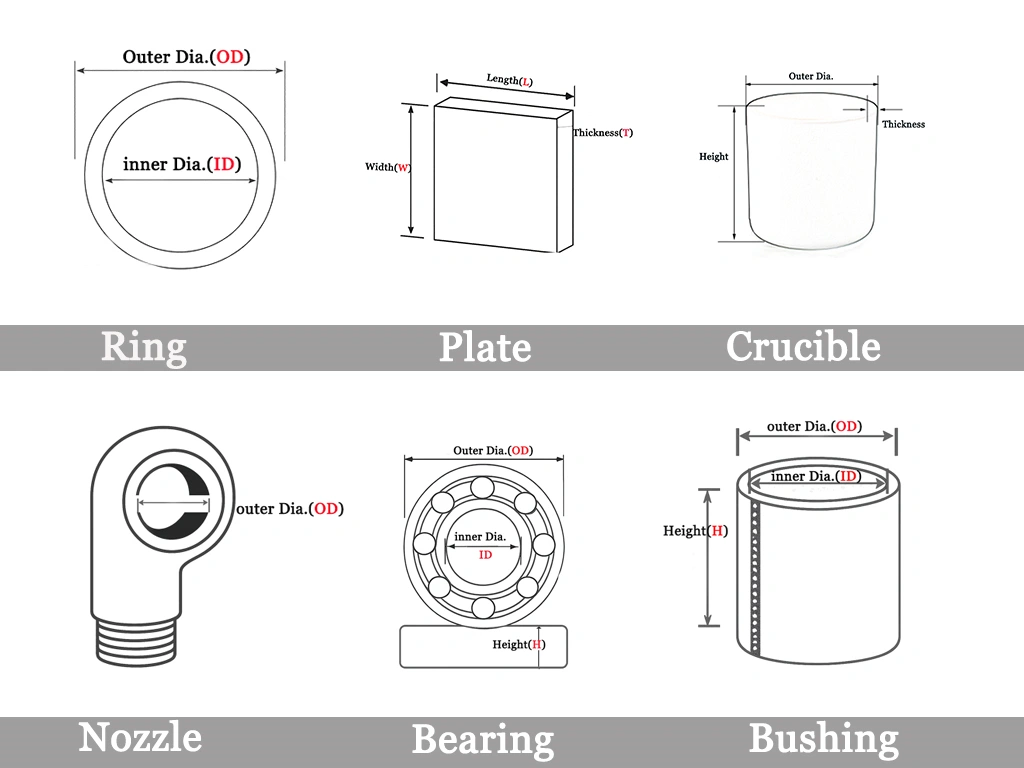
1. Outer dimensions

  • Overall diameter or width/length of the exhaust hood
  • Overall height to match furnace roof and exhaust duct interface

2. Inner geometry and passages

  • Inner bore diameter, throat diameter, and flow cross-section
  • Internal baffles or deflectors for gas distribution
  • Slots or openings for electrode arms and sensors

3. Wall thickness and tolerances

  • Wall thickness in the main body and flange region
  • Tight tolerances on fit surfaces; ±0.2 mm is possible on critical diameters

4. End and interface details

  • Flat or stepped flanges for bolted joints
  • Chamfers or radii at seal surfaces to protect gaskets
  • Alignment features or keyways for repeatable positioning

5. Cross-section shape

  • Round, oval, square, or rectangular outer envelope
  • Asymmetric shapes for congested furnace tops

6. Surface finish

  • As-fired surface for general exhaust duty
  • Light ground surfaces on sealing faces
  • Local polishing in zones that must resist build-up

7. Connection to other Si₃N₄ parts

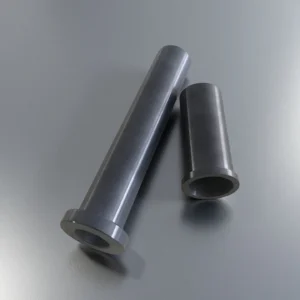
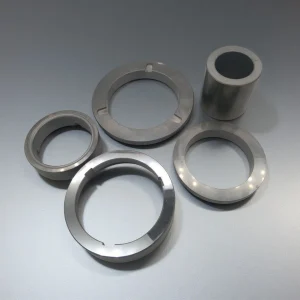
  • Matching dimensions with silicon nitride insulation rings, electrode protection tubes, or thermocouple protection tubes
  • Shared interface dimensions for simplified spare part management

Related Products

ADCERAX - Your Trusted Advanced Ceramics Manufacturing Partner

Direct factory manufacturing with comprehensive ceramic materials expertise and global supply capabilities

Direct Factory Manufacturing

China-based ceramic materials production facility with state-of-the-art equipment

Engineering Team

Experienced professionals in advanced ceramics applications and custom design

Quality Control

Strict quality control standards for technical ceramics manufacturing and quality management

Global Supply Chain

Serving customers worldwide with technical ceramics and rapid response

24/7 Technical Support

Round-the-clock support for ceramic components inquiries and technical assistance

500+ Satisfied Customers

Trusted by global customers for advanced ceramic materials and precision components

Get in touch with us

Our team will be happy to respond to you in less than 24 hours.

Adcerax's factory

Quick Quotation

*Our team will answer your inquiries within 24 hours.

*Your information will be kept strictly confidential.

Ready to Solve Your Engineering Challenge?

Partner with ADCERAX for reliable, high-performance advanced ceramic solutions. Our engineers are ready to discuss your project.

E-mail

info@adcerax.com

Phone

+(86) 0731-74427743 | WhatsApp: +(86) 19311583352

Response Time

Within 24 hours

Quick Quote

The more details you provide, the faster we can quote.

*We respond within 24 hours. All inquiries are confidential.

Download Catalog

Get Your Custom Sulution

The more details you provide, the faster we can respond.

customize size

*We respond within 24 hours. All inquiries are confidential.

Download Catalog