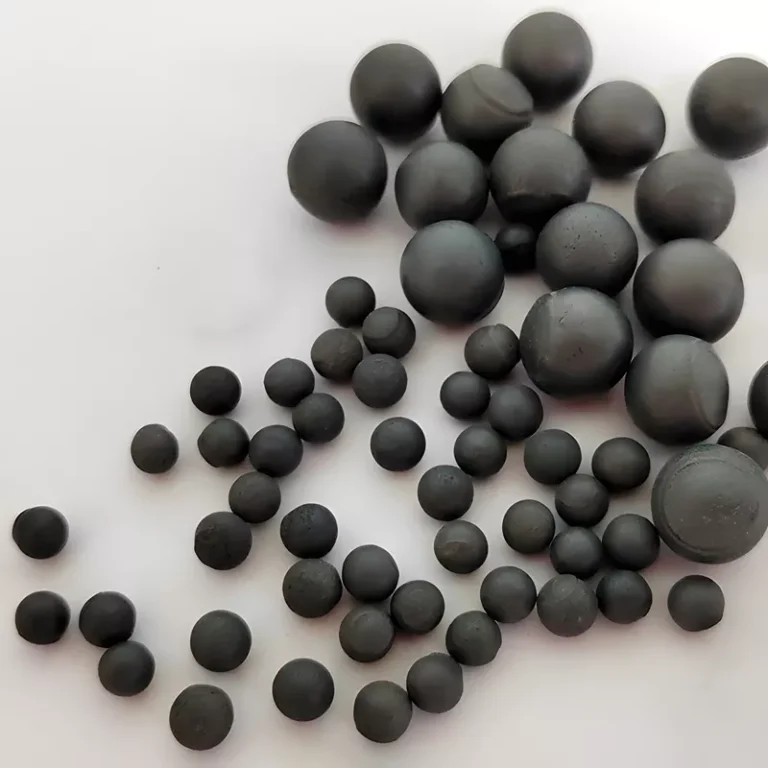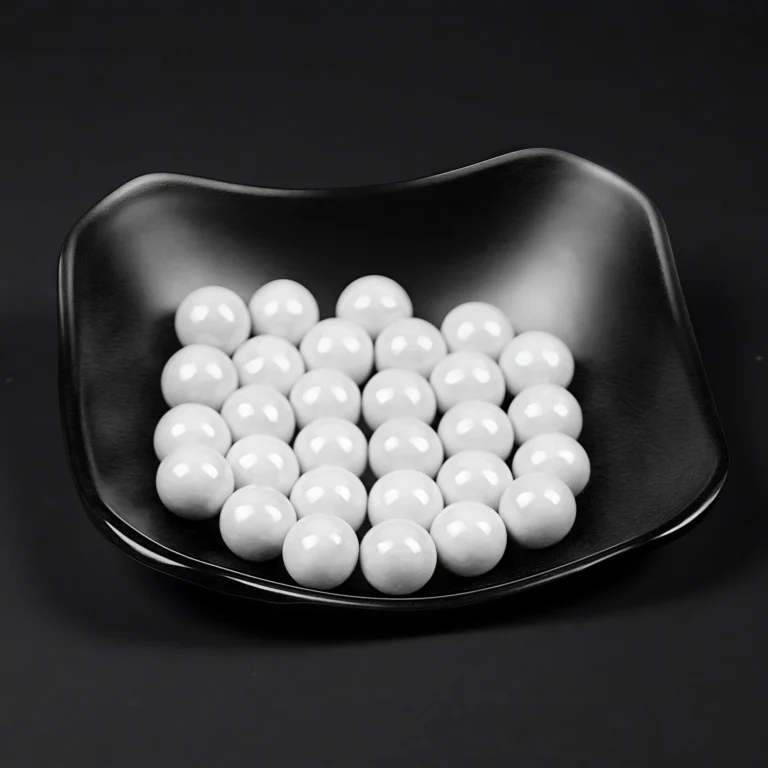
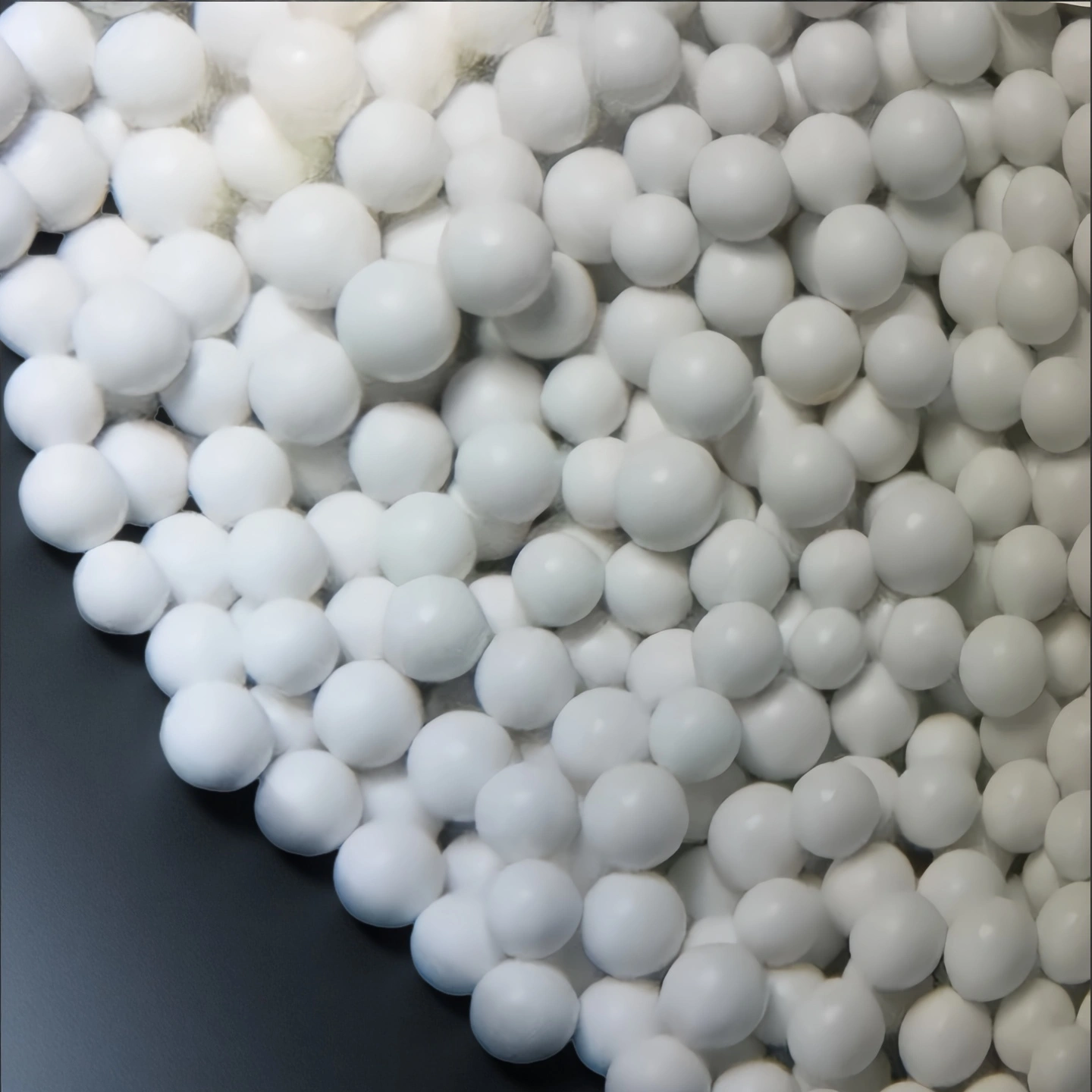
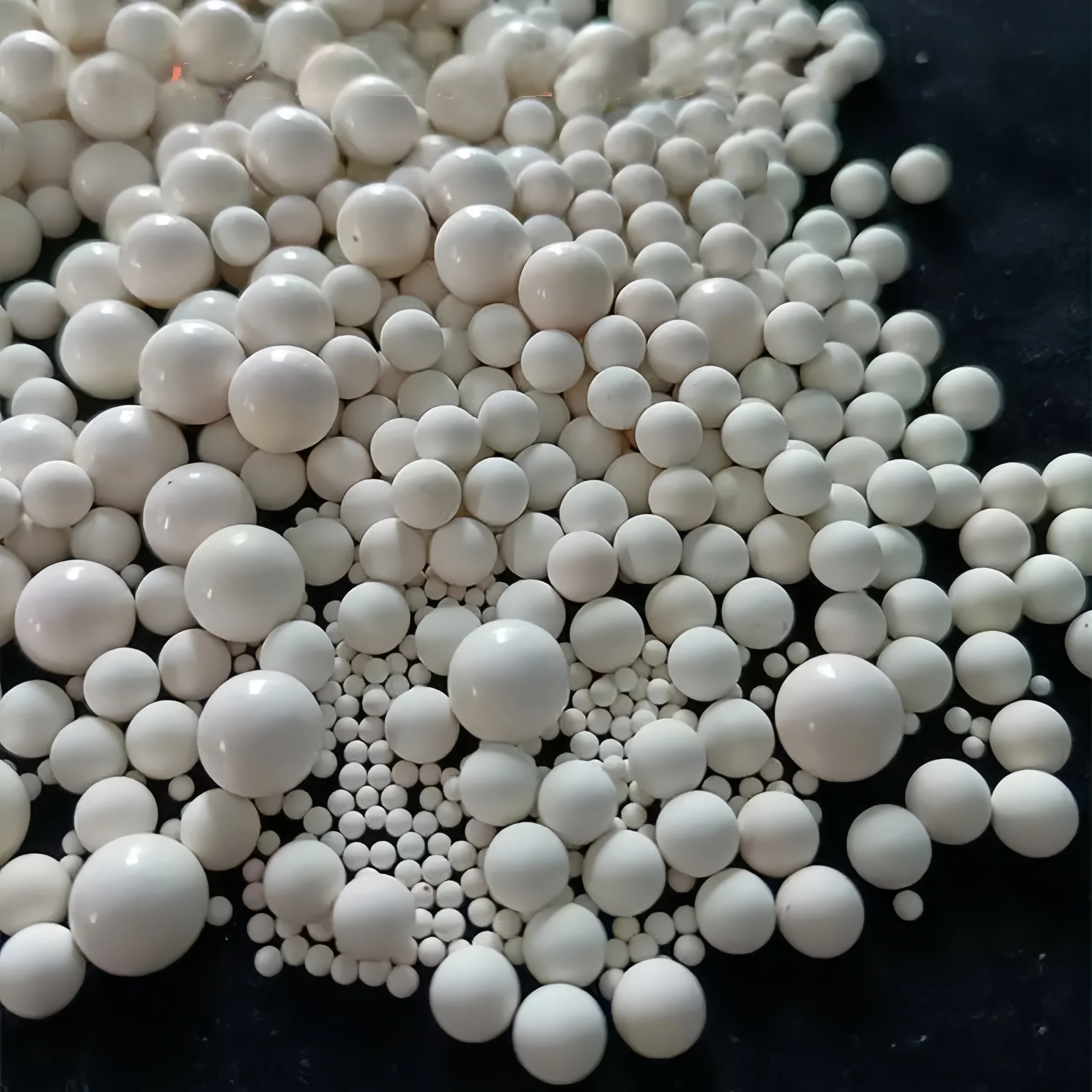
Zirconia Toughened Alumina (ZTA) Ceramic Grinding Balls — High-Efficiency, Low-Contamination Media

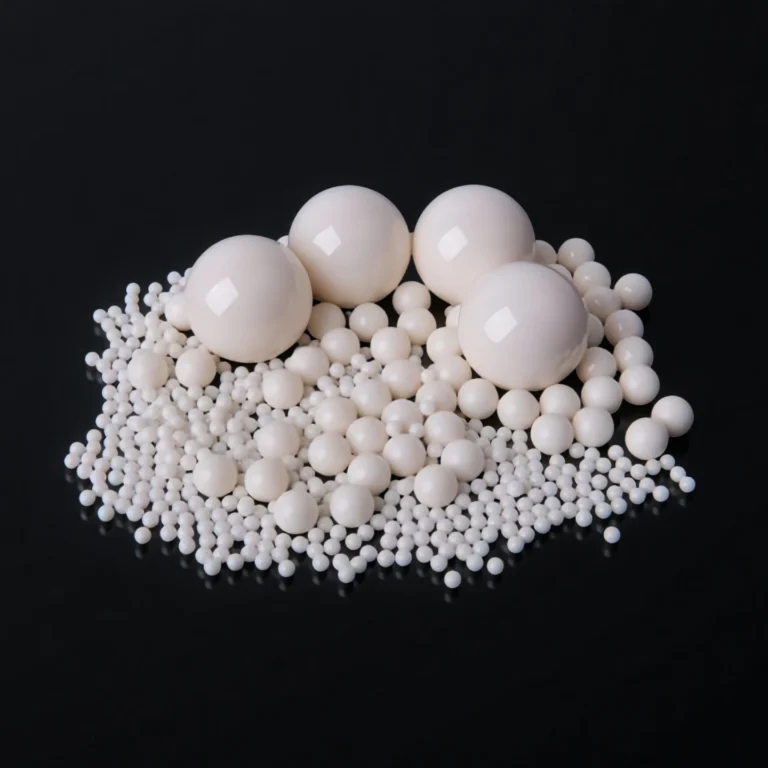
ZTA Ceramic Grinding Balls combine alumina’s purity with zirconia’s strength, delivering medium-density, low-wear grinding media suited for continuous wet or dry milling. Available diameters: Ø 0.3 – 3.0 mm for high-energy bead mills and Ø 5 – 30 mm for planetary or traditional ball mills. Custom diameters and tolerance control are available upon request.

Catalog No. AT-ZTA-Q1001
Material Al2O3 + ZrO2
Density (Specific Gravity) 3.5 – 3.9 g/cm³
Fracture Toughness 3–4 MPa·m¹ᐟ²
Dimensions/Sizes Download PDF
24H Standard Dispatch
Small Batch Support OEM
Factory Direct
Expert Engineering Support

Zirconia Toughened Alumina (ZTA) Ceramic Grinding Balls are advanced composite grinding media made by combining alumina (Al₂O₃) with a controlled percentage of zirconia (ZrO₂). The zirconia phase acts as a toughening agent, significantly enhancing the material’s fracture toughness, wear resistance, and impact strength while maintaining alumina’s chemical stability and low contamination characteristics.


ZTA Ceramic Grinding Balls Benefits

  • Low wear rate vs. 90–92% alumina → longer run time, fewer additions.
  • Composite toughness → reduced micro-fracture/fragment risk in high-shear mills.
  • Mid-density efficiency → effective energy transfer without full-zirconia pump penalty.
  • Clean grinding → minimized metallic/ceramic contamination for color/electrical specs.
  • Size-to-target linkage → media size rules enable predictable D50/D90 outcomes.


Zirconia Toughened Alumina Ceramic Grinding Balls Properties

Property Unit Alumina (99%) ZTA (Zirconia Toughened Alumina) Y-TZP Zirconia
Fracture Toughness (KIC) MPa·m¹⁄² 5 7 – 9 6 – 10
Hardness (HV10) GPa 8.9 9 – 10 (≈ 90 HV) 12 – 14
Flexural Strength MPa 400 650 – 800 800 – 1200
Density g/cm³ 3.9 4.0 – 4.3 6.0
Relative Wear Rate 1.0 0.45 – 0.55 0.2
Thermal Expansion Coefficient (RT – 800 °C) ×10⁻⁶ /K 8.0 8.5 – 9.0 10 – 11
Thermal Conductivity (RT) W/m·K 25 22 – 24 2 – 3
Maximum Working Temperature °C 1600 1450 – 1500 1000 – 1200
Dielectric Strength kV/mm 12 11 – 13 9 – 11
Surface Roughness (Ground face) µm Ra 0.4 – 1.2 0.3 – 0.8 0.2 – 0.6
Flatness (after grinding) mm/300 mm ≤ 0.4 ≤ 0.3 ≤ 0.2


ZTA Ceramic Grinding Balls Specifications

ZTA Ceramic Grinding Balls
Item No. Diameter(mm) AL203+Zr02(Purity)
AT-ZTA-Q1001 0.5-1 26%+70%
AT-ZTA-Q1002 1-1.5 26%+70%
AT-ZTA-Q1003 2 26%+70%
AT-ZTA-Q1004 2.5 26%+70%
AT-ZTA-Q1005 3 26%+70%
AT-ZTA-Q1006 3.5 26%+70%
AT-ZTA-Q1007 4 26%+70%
AT-ZTA-Q1008 5.5 26%+70%
AT-ZTA-Q1009 6 26%+70%
AT-ZTA-Q1010 8 26%+70%
AT-ZTA-Q1011 9 26%+70%
AT-ZTA-Q1012 10 26%+70%
AT-ZTA-Q1013 13 26%+70%
AT-ZTA-Q1014 15 26%+70%
AT-ZTA-Q1015 20 26%+70%
AT-ZTA-Q1016 25 26%+70%
AT-ZTA-Q1017 30 26%+70%


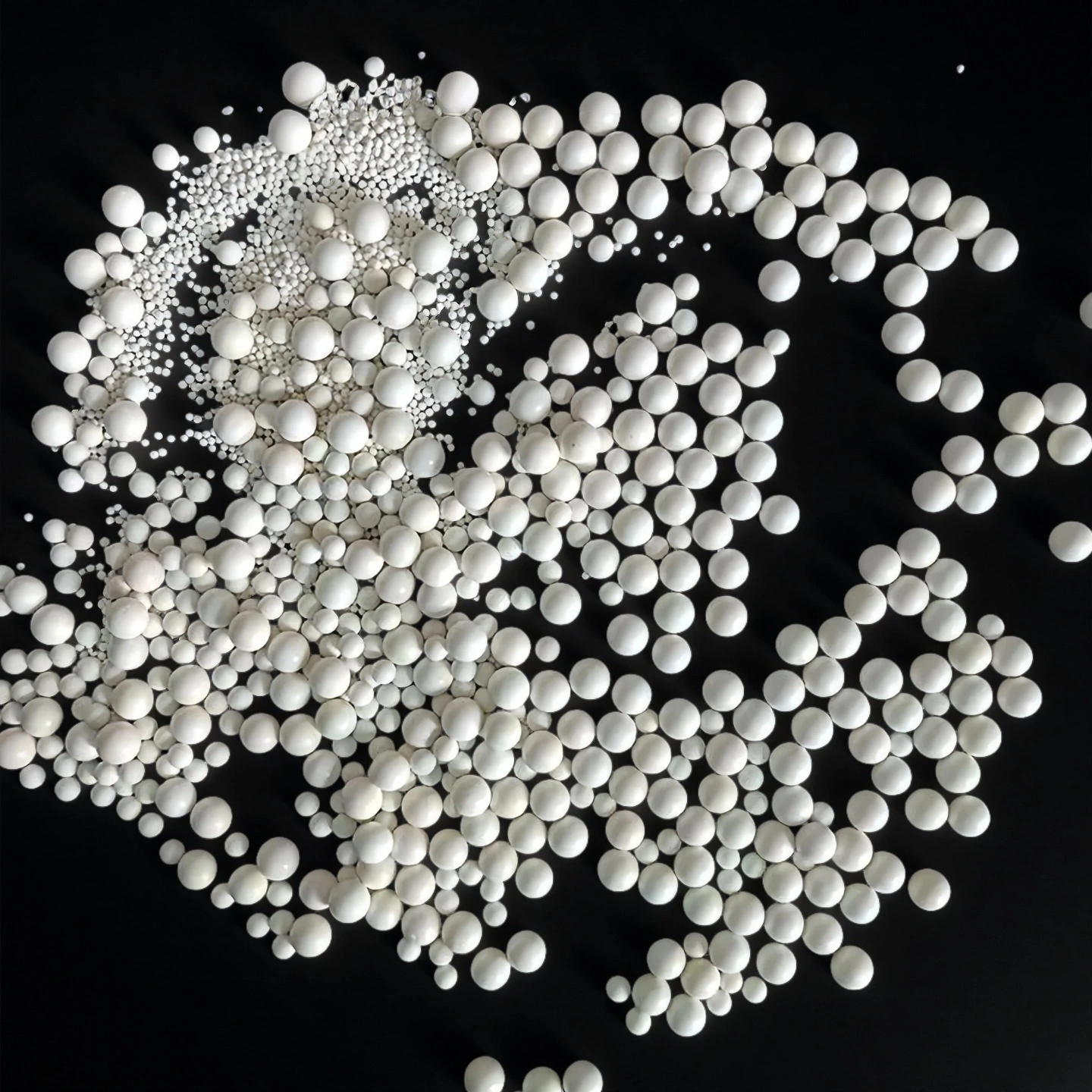
Zirconia-toughened Alumina Ball Packaging

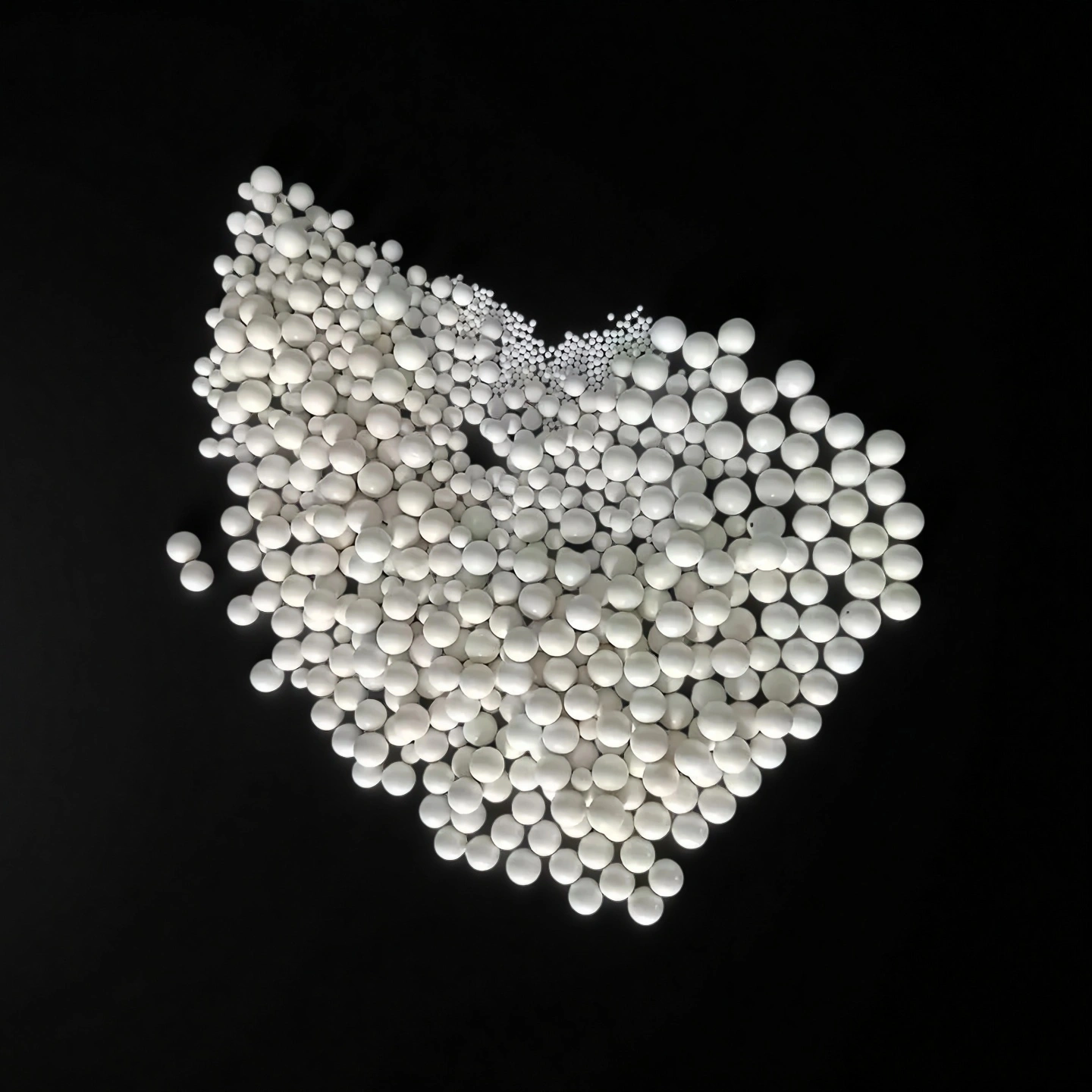
  • Double-lined inner bags in sealed drums or heavy-duty cartons.
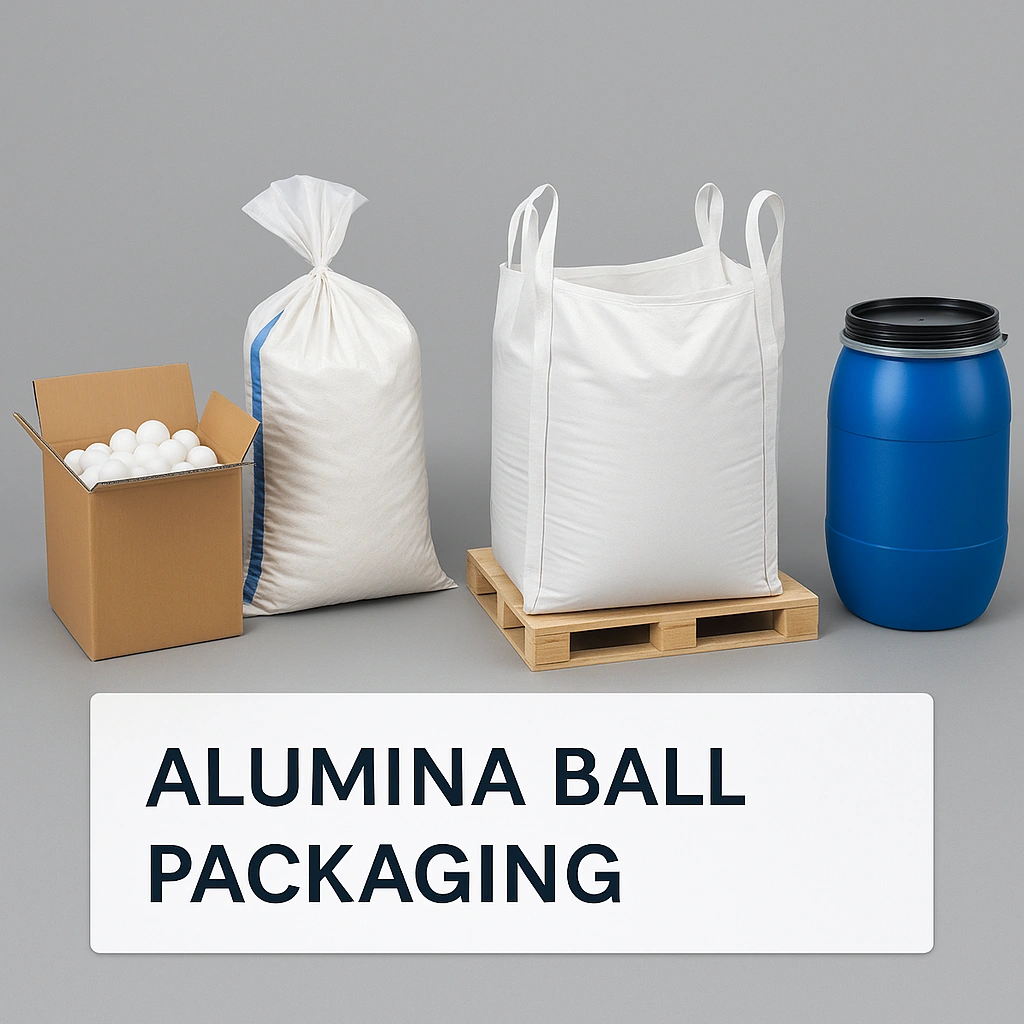
Zirconia-toughened Alumina Ball Packaging

Zirconia Toughened Alumina Grinding Balls  Applications

  • Battery Materials (Cathode & Anode Slurries)

    ✅Key Advantages

    1. Low contamination preserves electrode conductivity.
    2. Enhanced density enables faster particle size reduction.
    3. Extended bead life lowers changeover downtime.

    ✅ Problem Solved

    In a 1 m³ NMP-based cathode slurry production line, the customer replaced 92 % Al₂O₃ beads with ZTA Ceramic Grinding Balls (Ø 0.6 mm) to improve throughput and reduce contamination. After implementation, the cycle time decreased by 18 %, and the media replacement frequency dropped by 40 % over a three-month trial. The slurry achieved a tighter D90 particle size of 0.78 µm, enhancing coating uniformity and electrode density stability.

  • Ceramic Inks & Pigments

    ✅Key Advantages

    1. Smooth surfaces eliminate micro-chips and screen clogging.
    2. Colour purity remains stable through long runs.
    3. Consistent bead geometry ensures uniform shear energy.

    ✅ Problem Solved

    An inkjet ink manufacturer replaced 99 % Al₂O₃ beads with ZTA Ø 0.5 mm media in its pigment dispersion line. After a two-month validation, screen changeover frequency dropped by 50 %, while tint variation decreased by 12 %, improving both batch yield and color accuracy. The smoother bead surface reduced agglomerate formation and stabilized particle distribution across multiple shifts. As a result, overall milling time per batch was shortened by 15 %, and maintenance intervals were extended from weekly to bi-weekly, demonstrating ZTA’s superior consistency in high-shear pigment systems.

  • Technical & Electronic Ceramics Powders

    ✅Key Advantages

    1. Composite structure resists cracking and abrasion under sustained load.
    2. Medium SG (~3.6 g/cm³) optimizes torque and energy efficiency.
    3. Stable hardness protects mill liners and ensures consistent throughput.

    ✅ Problem Solved

    A technical ceramic substrate producer switched from 92 % Al₂O₃ media to Ø 1.0 mm ZTA beads in an attritor mill for alumina–zirconia powder preparation. The process achieved an 8 % reduction in specific energy consumption and a 9 % decrease in off-spec particle lots, improving PSD control and reducing batch rework. After six months of production, the ZTA media exhibited less than 0.03 % volumetric wear, maintaining consistent bead load and preventing torque spikes. These improvements translated to shorter milling cycles, lower downtime, and more uniform sintering performance in the final ceramic components.

ZTA Ceramic Grinding Balls Usage Instructions

  • Installation

    1. Verify screen openings are at least 2× bead diameter to prevent clogging and back pressure.
    2. Maintain a typical fill rate of 70–85 %, depending on mill type and viscosity level.
    3. Ensure mill and chamber are clean before loading new media to avoid contamination.
    4. Pre-condition fresh ZTA beads at low rotational speed for 10–15 minutes to allow uniform fluidization and eliminate trapped air.
    5. For multi-chamber systems, fill each stage sequentially to balance flow resistance.

  • Operation

    1. Select bead size using the rule of thumb: target particle size ≈ bead size ÷ 1000.
    2. Keep viscosity and temperature stable (fluctuations < ±5 °C) to avoid micro-cracking of beads and changes in slurry rheology.
    3. Monitor mill torque and outlet pressure; a steady profile indicates optimal energy transfer.
    4. Periodically sample PSD (D50/D90) to confirm steady-state performance and prevent over-grinding.
    5. When switching materials, flush the circuit completely to avoid cross-contamination.

  • Storage

    1. Store ZTA media in a sealed, dry area; avoid high humidity or temperature extremes.
    2. Keep containers off the floor and away from vibration sources to prevent micro-abrasion.
    3. Clearly label batch number, opening date, and intended material for traceability.
    4. For long-term storage, consider nitrogen-sealed or vacuum-packed containers for moisture-sensitive applications.

  • Cleaning

    1. Wash media in compatible solvent or deionized water, depending on process chemistry.
    2. Use ultrasonic agitation or mild mechanical stirring for complete residue removal.
    3. Dry thoroughly at ≤ 120 °C before reuse to prevent agglomeration or steam damage.
    4. Do not mix used and new beads in the same charge — differences in density and size may affect milling uniformity.
    5. For critical applications (e.g., battery or electronic ceramics), perform final alcohol rinse and vacuum drying before reuse.

  • Common Issues & Fixes

    1. Screen Blinding: Replace undersized beads, increase mesh size, or lower flow rate to prevent pressure spikes.

    2. Overheating: Reduce fill ratio or install an external cooling loop. Maintain slurry temperature below 50 °C for NMP- or solvent-based systems.

    3. PSD Drift / Instability: Re-screen media every 200–300 operating hours, replenish with the same lot size, and inspect bead integrity under magnification.

    4. Bead Fracture: Often caused by sudden load changes or foreign particles. Filter feed materials and ramp up speed gradually after shutdowns.

    5. Color or Conductivity Contamination: Perform periodic solvent flushing and use pre-cleaned or polished media grades for color-sensitive dispersions.

Zirconia Toughened Alumina Grinding Balls FAQ

  1. Q: How do ZTA grinding media differ from pure alumina or zirconia balls?
    A: Compared with alumina balls, ZTA media have 2–3× higher fracture toughness and longer lifespan. Compared with zirconia balls, they offer similar grinding efficiency but at 30–40 % lower cost and reduced contamination risk.
  2. Q: What size range is available for ZTA grinding balls?
    A: Standard diameters range from Ø 0.3 mm to Ø 30 mm, suitable for bead mills, agitator mills, and planetary ball mills. Custom sizes and narrow particle distributions are available on request.
  3. Q: In what industries are ZTA Ceramic Grinding Balls most commonly used?
    A: They are widely used in battery materials (NCM, LFP, Si–C), technical ceramics, ceramic inks & pigments, pharmaceutical dispersions, and fine chemical powders where high purity and consistency are critical.
  4. Q: What mill types are compatible with ZTA grinding balls?
    A: They can be used in agitator mills, attritor mills, bead mills, planetary ball mills, and horizontal sand mills. The optimal bead size and fill ratio depend on mill design and slurry viscosity.
  5. Q: How long is the service life of ZTA Ceramic Grinding Balls?
    A: Under normal conditions, ZTA beads last 3–10× longer than 92 % alumina balls. Actual lifespan depends on slurry abrasiveness, mill speed, and operation time.
  6. Q: What support does ADCERAX offer for custom or trial orders?
    A: ADCERAX provides engineering assistance for bead selection, trial samples for laboratory validation, and custom production based on drawings or required D50/viscosity data. Small-quantity sampling and rapid lead times are available for new process verification.

Customer Reviews about Zirconia Toughened Alumina Grinding Balls

  • ⭐️⭐️⭐️⭐️⭐️
    Switching to ZTA Ceramic Grinding Balls cut media loss by 40 % and improved D90 consistency to under 0.8 µm
    -- Laura Chen, Process Engineer, VoltMat Co. (USA)
  • ⭐️⭐️⭐️⭐️⭐️
    Our ZTA grinding media reduced screen clogging by half and color variance across batches by 12 %
    -- Martin Keller, Operations Manager, InkForm GmbH (Germany)
  • ⭐️⭐️⭐️⭐️⭐️
    ADCERAX zirconia toughened alumina grinding balls arrived on-time with precise size data and consistent COA values — excellent for scale-up
    -- Akira Sato, Procurement Lead, Advanced Ceramics KK (Japan)
  • ⭐️⭐️⭐️⭐️⭐️
    Custom Ø 0.6 mm ZTA ceramic grinding ball ADCERAX ran three months without re-screening — exactly the stability we needed
    -- Sofia Rivera, Plant Director, Nortech Materials (Spain)
customize size

Customize Zirconia Toughened Alumina Grinding balls

What You Can Specify:

1. Diameter & Distribution

  • Sizes available: Ø 0.3 – 3.0 mm (bead/agitator mills) or Ø 5 – 30 mm (ball/planetary mills).
  • Narrow particle-size distribution ensures uniform filling, steady shear, and reproducible PSD results.
  • Custom diameters and blended bead curves are available to match different grinding energy levels.

2. Tolerance & Roundness

  • Dimensional accuracy: ± 0.02 – 0.10 mm with ≥ 96 % sphericity.
  • High roundness minimizes friction and wear on mill liners, improving media circulation and energy efficiency.

3. Density & Grade

  • Standard specific gravity: ≈ 3.6 g/cm³.
  • Optional grades: medium (≈ 3.5 g/cm³) for low-viscosity dispersions, high (≈ 3.8 g/cm³) for dense or high-energy slurries.
  • Zirconia ratio adjustable to balance hardness, impact strength, and cost.

4. Surface Finish

  • Available finishes: as-sintered, polished, or pre-cleaned for clean-room use.
  • Smooth or solvent-washed surfaces reduce contamination and ease cleaning.
  • All media are packed in sealed, low-residue containers for immediate industrial use.

Related Products

ADCERAX - Your Trusted Advanced Ceramics Manufacturing Partner

Direct factory manufacturing with comprehensive ceramic materials expertise and global supply capabilities

Direct Factory Manufacturing

China-based ceramic materials production facility with state-of-the-art equipment

Engineering Team

Experienced professionals in advanced ceramics applications and custom design

Quality Control

Strict quality control standards for technical ceramics manufacturing and quality management

Global Supply Chain

Serving customers worldwide with technical ceramics and rapid response

24/7 Technical Support

Round-the-clock support for ceramic components inquiries and technical assistance

500+ Satisfied Customers

Trusted by global customers for advanced ceramic materials and precision components

Get in touch with us

Our team will be happy to respond to you in less than 24 hours.

Adcerax's factory

Quick Quotation

*Our team will answer your inquiries within 24 hours.

*Your information will be kept strictly confidential.

Ready to Solve Your Engineering Challenge?

Partner with ADCERAX for reliable, high-performance advanced ceramic solutions. Our engineers are ready to discuss your project.

E-mail

info@adcerax.com

Phone

+(86) 0731-74427743 | WhatsApp: +(86) 19311583352

Response Time

Within 24 hours

Quick Quote

The more details you provide, the faster we can quote.

*We respond within 24 hours. All inquiries are confidential.

Download Catalog

Get Your Custom Sulution

The more details you provide, the faster we can respond.

customize size

*We respond within 24 hours. All inquiries are confidential.

Download Catalog