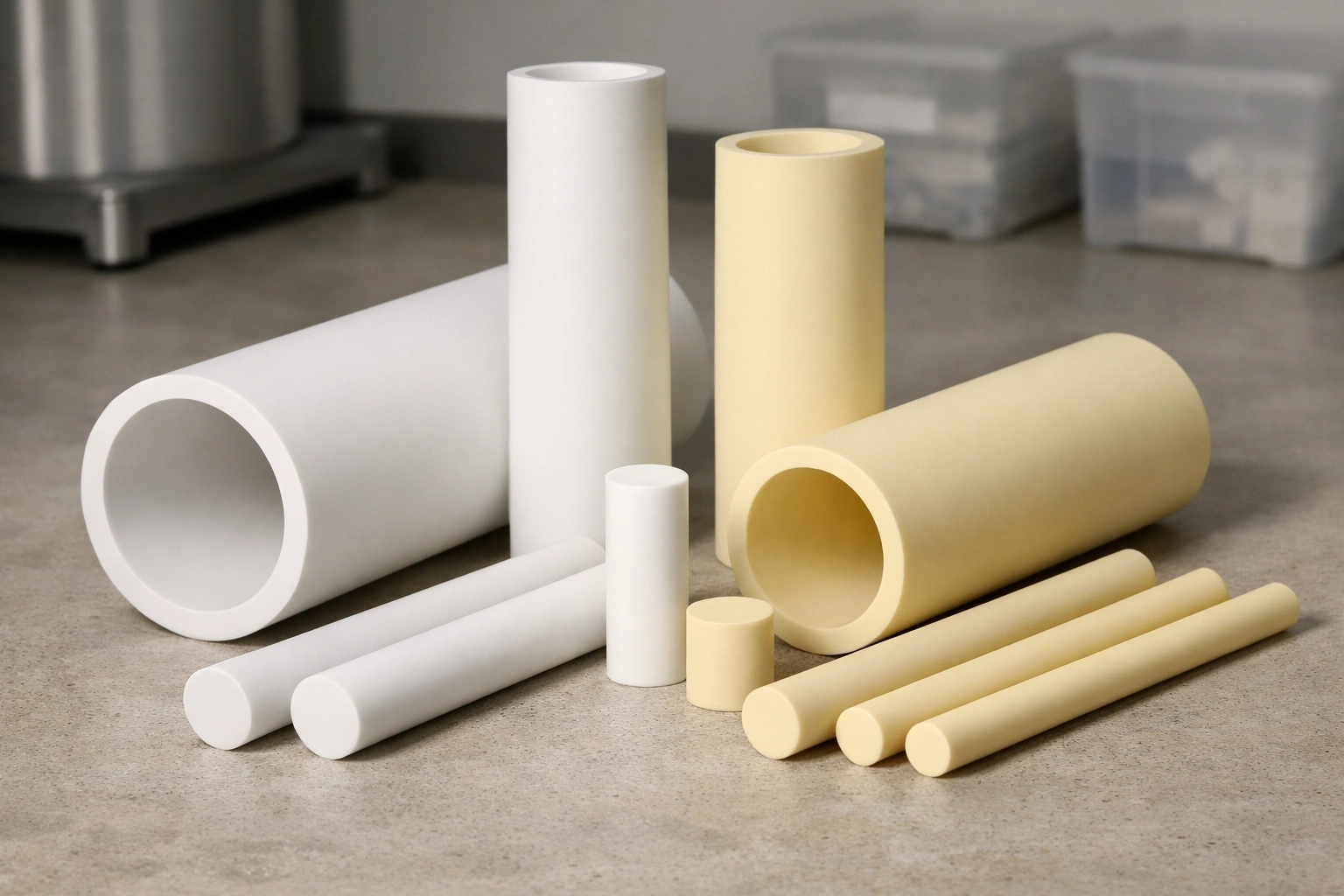
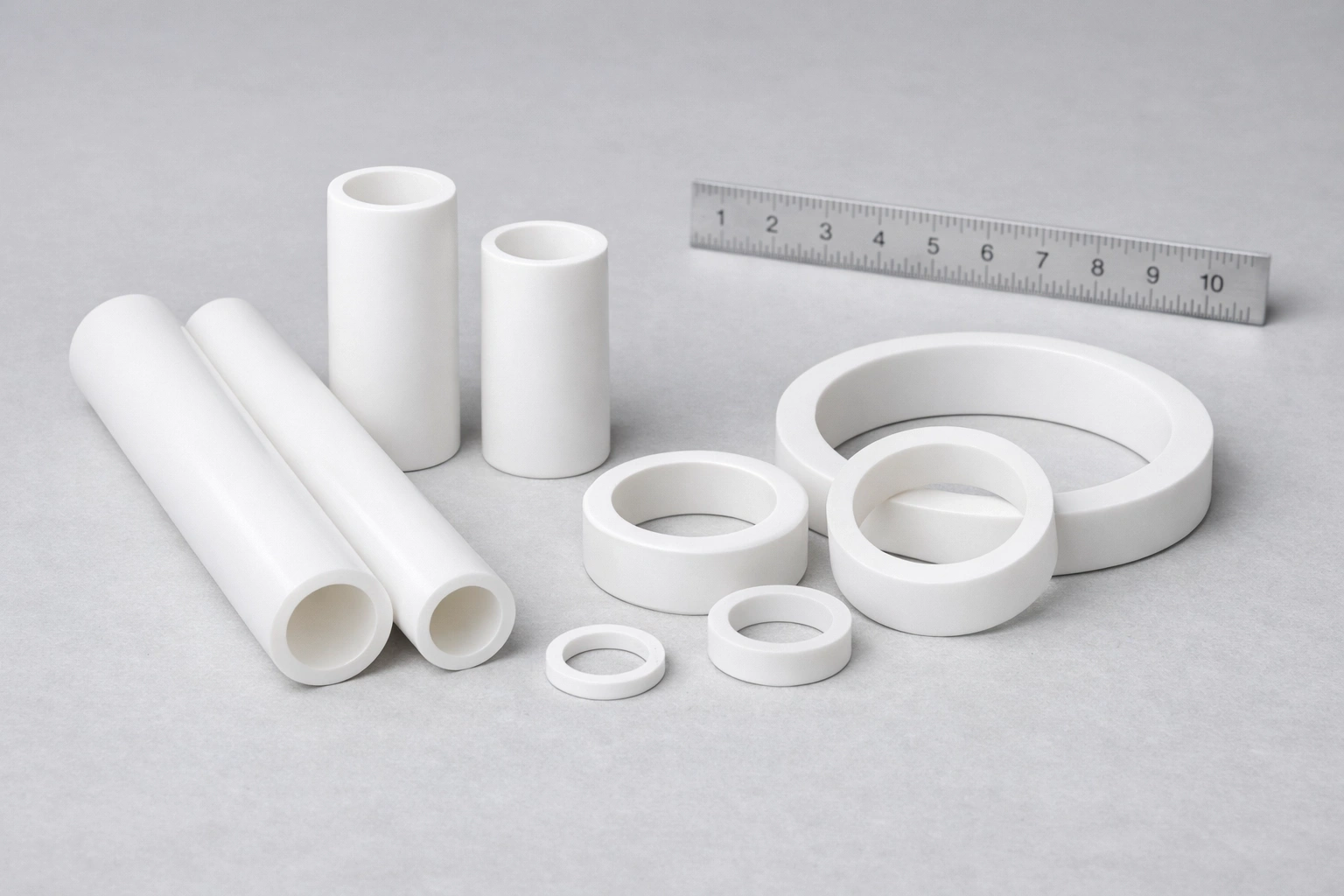
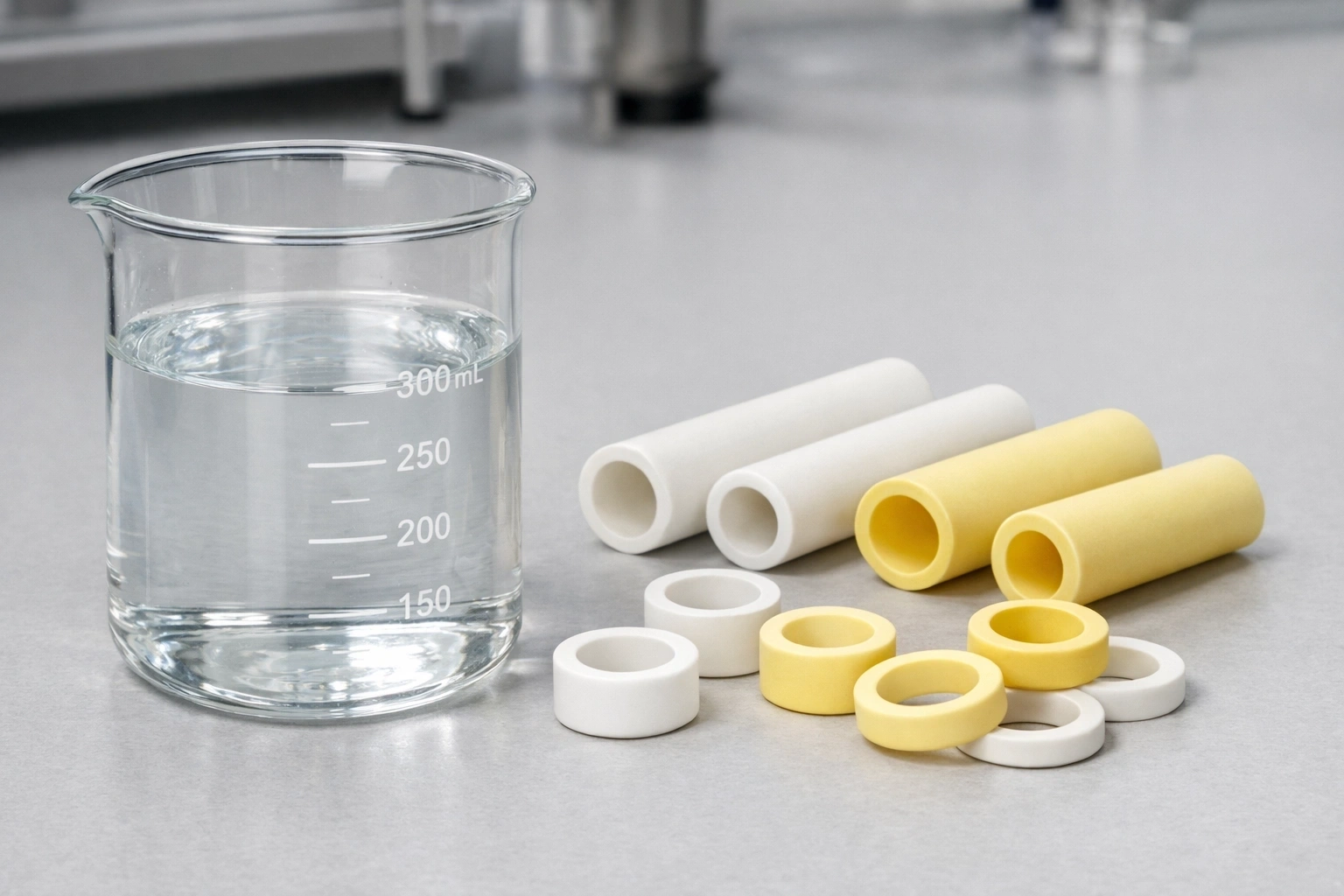
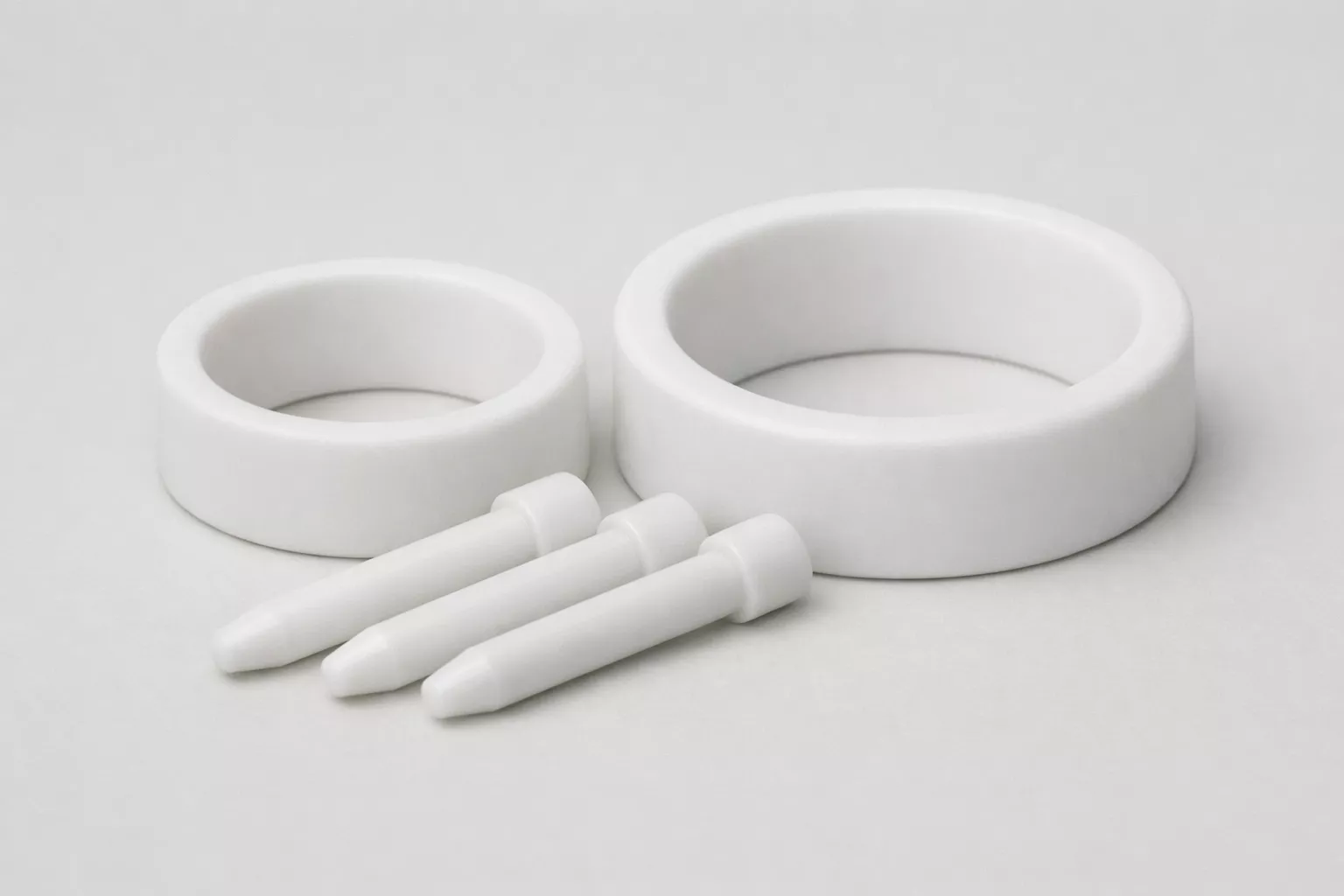
Advanced ceramics are densified through sintering, hot pressing, HIP, and SPS, depending on needs in semiconductors, energy systems, aerospace, medical, and tooling applications.

Understanding Ceramic Densification in Engineering Contexts
Densification is central to improving the strength and reliability of ceramic components. Engineers use this process to reduce porosity and enhance performance. A clear understanding of its principles is essential for advanced applications.
What Densification Means in Materials Engineering
Densification refers to the reduction of porosity in a ceramic body through the application of heat, pressure, or both. It increases particle contact, grain boundary area, and shrinkage. This process transforms porous green bodies into mechanically strong and functionally stable components.
Why Porosity Matters in Functional Ceramics
Porosity directly impacts thermal conductivity, mechanical strength, and chemical resistance. Excess porosity reduces structural reliability and can lead to premature failure. For advanced ceramics, minimizing residual pores is critical in demanding environments.
Strength, Conductivity, and Microstructure Correlations
Microstructure, including grain size and pore distribution, affects bulk properties. Densified ceramics show enhanced hardness, better wear resistance, and superior dielectric performance. Engineering applications require tight microstructural control for predictable outcomes.
Standard Techniques Used to Densify Advanced Ceramics
Engineers apply various densification methods depending on design constraints and end-use performance. Each method offers specific benefits in terms of density, cost, and grain control. Selection depends on material composition and part geometry.
Pressureless and Liquid-Phase Sintering
Pressureless sintering1 is one of the most common techniques in ceramic processing. It involves heating a compacted powder to just below its melting point in a controlled atmosphere. No external pressure is applied; densification occurs through atomic diffusion. This method is simple and cost-effective for mass production.
However, pressureless sintering often results in residual porosity. Engineers sometimes add sintering aids or secondary phases to promote densification. In liquid-phase sintering, a small amount of liquid forms during heating to assist particle rearrangement. This improves particle packing and lowers the final porosity level.
These sintering methods are suitable for parts with simple geometries and moderate strength requirements. They are widely used in structural ceramics, tiles, and insulators. While not ideal for complex or ultra-dense applications, they remain foundational techniques in ceramic processing. Engineers value their scalability and ease of automation.
Hot Pressing and Hot Isostatic Pressing (HIP)
Hot pressing2 combines high temperature and uniaxial pressure to densify ceramic materials. It enhances particle rearrangement and reduces pore size more effectively than pressureless sintering. The process is conducted in a die, which restricts shape flexibility. Still, it produces highly dense components with improved mechanical properties.
Hot isostatic pressing3 (HIP) uses gas pressure applied equally from all directions. This isotropic pressure ensures uniform densification, especially in complex shapes. HIP is often used after pre-sintering to eliminate residual porosity. It is particularly useful for critical components in aerospace, nuclear, and medical fields.
Both methods require expensive equipment and careful process control. Engineers must consider factors like pressing temperature, dwell time, and pressure uniformity. Despite the cost, these methods deliver superior results in terms of strength and reliability. They are chosen when performance cannot be compromised.
Spark Plasma and Field-Assisted Sintering (SPS/FAS)
Spark plasma sintering (SPS)4, also called field-assisted sintering, is a newer technique with unique advantages. It applies a pulsed electric current directly through the die or sample. This generates rapid internal heating and accelerates the sintering process. Engineers can achieve near-theoretical densities in shorter times.
SPS allows better control over grain growth, which is essential for preserving fine microstructures. The process is especially useful for nanoceramics and materials prone to coarsening. Because of the short dwell times, energy usage is often lower than traditional methods. This makes it both efficient and microstructure-friendly.
However, SPS is limited in scalability and tooling size. The process requires special conductive tooling and tight electrical controls. Engineers must also manage potential issues like current inhomogeneity. Still, SPS is valuable for research, prototyping, and high-end applications requiring fine-grained structures.
Densification Practices in Semiconductor Manufacturing
Semiconductor-grade ceramics demand ultra-pure, defect-free microstructures. Densification processes must meet strict thermal and dimensional stability requirements. Specialized techniques ensure consistency in high-volume, high-precision environments.
Requirements for Purity and Micro-Defect Control
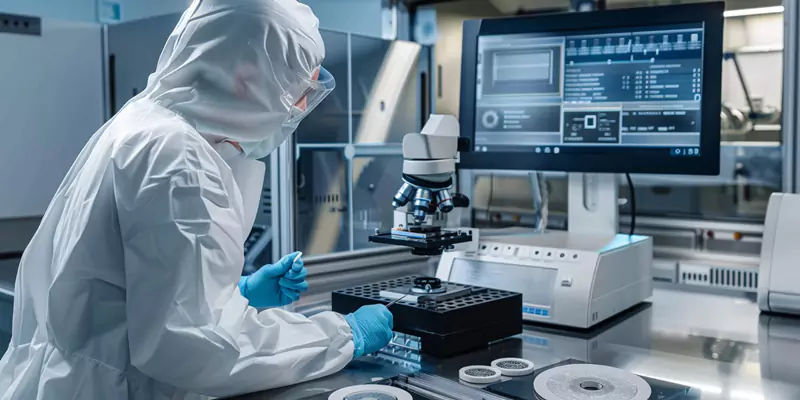
Semiconductor ceramics must meet stringent purity requirements to avoid contamination. Even trace impurities can interfere with photolithography or etching processes. Engineers must start with ultra-pure powders and maintain cleanroom-level controls during densification. This ensures compatibility with highly sensitive electronic environments.
Low-defect structures are equally critical for reliability. Microcracks, voids, or inclusions can cause particle shedding or mechanical failure. Densification must be thorough and controlled to eliminate these flaws. High-performance sintering and post-processing help achieve this level of precision.
Achieving both high purity and defect minimization is technically demanding. Each step, from powder preparation to final sintering, must be tightly monitored. Engineers often integrate inspection tools like SEM or X-ray CT to confirm internal quality. These measures are essential in semiconductor production lines.
Preferred Densification Techniques for Lithography and Etching Tools
Hot isostatic pressing (HIP) is commonly used for semiconductor ceramics requiring high density. It helps achieve full densification while preserving complex shapes. For some components, pressureless sintering is acceptable if followed by rigorous quality control. The choice depends on purity, shape, and strength requirements.
Spark plasma sintering is useful when grain size must be tightly controlled. Fine grains help prevent chipping or microfractures during tool operation. SPS also reduces processing time, which can be critical in prototyping or small-batch fabrication. However, scalability remains a limitation.
Etching chambers, wafer chucks, and lithography fixtures demand surface uniformity and low outgassing. These properties depend on consistent internal microstructure. Engineers must match densification methods to these performance needs. Process selection is a balance of technical demands and economic constraints.
Quality Verification in Semiconductor Components
After densification, ceramic components for semiconductor tools undergo strict testing. Helium leak tests are used to ensure gas tightness in vacuum environments. Density and porosity are checked using Archimedes’ method or X-ray imaging. These tests confirm that internal flaws have been eliminated.
Microstructural analysis helps identify unwanted phases or grain boundary issues. Engineers use scanning electron microscopy to inspect the ceramic’s surface and core. Any irregularities may indicate problems in the sintering cycle or powder quality. Early detection prevents downstream failures.
Thermal and mechanical tests verify resistance to stress and temperature cycling. Components must survive plasma exposure and rapid temperature shifts. This requires validation beyond standard bulk property tests. All results are documented for quality assurance and customer compliance.

Ceramic Densification for Energy Applications
Energy systems such as fuel cells and batteries rely on dense ceramics for ion transport and thermal stability. Engineers must choose methods that ensure structural integrity under operational stress. Each application calls for specific densification outcomes.
Performance Demands in SOFCs and Batteries
Solid oxide fuel cells (SOFCs) and ceramic-based batteries require dense electrolytes to function properly. High density ensures minimal gas permeability and maximizes ionic conductivity. Any remaining porosity can lead to internal short circuits or performance loss. Engineers must prioritize full densification in these cases.
The operating environment of SOFCs involves high temperatures and corrosive gases. Ceramics used here must also resist thermal shock and chemical degradation. These dual demands make material selection and processing more complex. Densification methods must maintain phase stability throughout.
Battery ceramics often require thin, flat geometries with fine grain structures. This improves cycle life and response time. However, thin parts are more prone to warping or cracking. Engineers must balance densification pressure with geometric precision.
HIP and SPS for Energy-Grade Ceramics
Hot isostatic pressing (HIP) is preferred for bulk ceramic parts in energy systems. It eliminates internal pores that would otherwise reduce conductivity or strength. HIP also supports complex shapes used in cell housings and thermal barriers. Its isotropic pressure ensures uniform densification.
Spark plasma sintering (SPS) is useful for thin or layered ceramic structures. It shortens processing time while minimizing grain growth. This maintains high ionic conductivity, which is crucial in electrolyte materials. SPS also allows better control over composite interfaces.
Both methods require precise control of temperature and atmosphere. Engineers must prevent secondary phases or oxygen loss during sintering. Process optimization includes ramp rates, dwell times, and cooling profiles. These factors are tuned to meet the exact demands of energy applications.
Testing Density and Ionic Conductivity
After densification, ceramic electrolytes are tested for bulk density using Archimedes’ principle. This helps confirm whether full sintering has occurred. Any deviation in density could signal trapped pores or incomplete grain bonding. Engineers use these tests as a baseline for performance expectations.
Ionic conductivity is measured using impedance spectroscopy. This test reveals how easily ions move through the ceramic under applied voltage. High conductivity indicates effective densification and grain boundary integrity. Lower results may suggest microstructural defects.
Mechanical strength and thermal stability are also tested. Energy devices undergo repeated cycles of heating and cooling. Ceramics must remain structurally sound under these stresses. Engineers use flexural strength and thermal shock tests to verify long-term reliability.
Aerospace Demands for Densified Ceramics
Aerospace ceramics must withstand extreme heat, oxidation, and mechanical load. Densification enhances performance in turbines, thermal barriers, and structural parts. Method selection influences resistance to creep and thermal fatigue.
Mechanical and Thermal Stress Challenges
Aerospace components face simultaneous mechanical loading and extreme heat. Ceramics used in turbines or heat shields must resist both. Any residual porosity or microcracks can lead to failure during operation. Densification is critical to minimize these risks.
Thermal cycling introduces expansion and contraction stresses. These can initiate cracks in porous or weak zones. Engineers must densify ceramics to a level that prevents such crack initiation. Proper grain size control also improves resistance to thermal shock.
Mechanical stresses arise from high-speed rotation and vibration. Ceramic turbine parts must maintain structural integrity under repeated loading. Engineers select densification methods that yield high fracture toughness and minimal flaws. This ensures durability in real-flight environments.
Application of Liquid-Phase Sintering and HIP
Liquid-phase sintering allows densification at lower temperatures. This is helpful for materials prone to decomposition. It promotes particle rearrangement and rapid pore closure. Engineers apply this method when complex geometries need gentle densification.
Hot isostatic pressing (HIP) remains a key technique in aerospace ceramics. It achieves high-density parts without damaging the internal microstructure. HIP is ideal for parts with intricate shapes or high mechanical load requirements. Its uniform pressure eliminates directional weaknesses.
The combination of sintering and HIP is also used in some workflows. First, parts are pre-sintered to shape. Then HIP removes residual pores and strengthens the component. Engineers use this hybrid approach to optimize both cost and performance.
Validation of Oxidation and Thermal Shock Resistance
Ceramic components for aerospace must resist oxidation at high temperatures. Engineers test materials in oxidizing atmospheres to simulate real conditions. These tests verify the chemical stability of sintered ceramics. Any surface reactions or phase changes are noted.
Thermal shock resistance is evaluated through repeated heat–quench cycles. This checks the material’s ability to survive rapid temperature swings. Successful densification improves the result by eliminating stress concentration points. Fine-grained, pore-free ceramics perform better in these tests.
Engineers also use long-term aging tests in simulated engine environments. These verify that the ceramic will perform consistently over time. Cracking, delamination, or weight changes are tracked. The results confirm whether the densification method was appropriate.
Biocompatibility and Safety in Medical Ceramics
Medical ceramics require high density to ensure patient safety and functional durability. Densification impacts both microstructural uniformity and mechanical properties. Engineers must follow strict regulatory and validation standards.
Requirements for Bioinert and Biocompatible Implants
Medical ceramics must be chemically stable inside the human body. This requires materials that do not release ions or react with tissues. Bioinert ceramics like zirconia or alumina are commonly used. Engineers must ensure these materials are densified to prevent fluid infiltration.
Porosity control is essential in medical implants. Open pores can trap bacteria or body fluids, leading to infection. Fully densified ceramics minimize these risks and offer a smooth, clean surface. Surface finish after densification is often refined for implant-grade use.
Implants must also match mechanical properties of surrounding tissues. Bone-like stiffness is often needed for load-bearing components. The densification process is adjusted to control microstructure and modulus. This ensures mechanical compatibility and long-term stability in the body.
Use of Hot Pressing in Dental and Orthopedic Ceramics
Dental crowns and orthopedic spacers require complex shapes and precise fits. Hot pressing allows the formation of near-net shapes with minimal machining. Engineers prefer it for small-batch, high-precision medical parts. It also delivers good mechanical properties and surface quality.
The pressure during hot pressing reduces porosity effectively. This ensures the final part has high density and strength. For dental ceramics, aesthetics also benefit from uniform microstructure. Color consistency is improved when the material is fully densified.
In orthopedic devices, fracture resistance is critical. Hot pressing produces fine-grained, tough ceramics that meet these demands. Post-sintering treatments may be applied for surface polishing. Overall, hot pressing is a reliable method in the medical field.
Microstructural Evaluation for Patient Safety
After densification, engineers must inspect the internal structure. Microscopy and X-ray imaging reveal flaws or voids that could cause failure. High-resolution analysis confirms the ceramic meets safety thresholds. This is especially important for load-bearing implants.
Porosity, grain size, and phase distribution are key parameters. Any inconsistencies may affect biocompatibility or mechanical behavior. Engineers document these metrics to support regulatory approval. Repeatable densification ensures predictable microstructural outcomes.
Fatigue resistance testing simulates long-term use in the body. Implants are subjected to cyclic loading in wet environments. Results help engineers refine their densification method. Ensuring patient safety starts with a well-controlled ceramic microstructure.
Densification for Industrial Cutting Tools and Wear-Resistant Parts
Cutting tools and wear parts rely on dense ceramics to achieve fracture toughness and dimensional precision. Densification improves hardness, edge stability, and lifespan. Engineers must match methods to production volume and tooling requirements.
High Fracture Toughness Needs in Tooling
Industrial cutting tools are exposed to repetitive mechanical impacts. To prevent premature failure, ceramics used in tooling must have high fracture toughness. This is achieved by eliminating porosity and controlling grain boundaries. Engineers tailor densification to enhance crack resistance.
Grain boundary design is essential for toughness. A fine, uniform microstructure can help arrest crack propagation. Densification must be sufficient to remove weak points without over-growing grains. Engineers monitor this balance throughout the process.
Residual stresses from incomplete sintering can cause spontaneous failure. Proper densification eliminates these internal stresses. Engineers validate the toughness using notched-beam or indentation tests. These results guide adjustments in sintering profiles and post-treatment.
Spark Plasma Sintering for Fine-Grained Tool Ceramics
Spark plasma sintering (SPS) is often used for fine-grained ceramics. It applies pulsed electrical currents and uniaxial pressure simultaneously. This technique limits grain growth and accelerates densification. Engineers choose SPS to preserve mechanical precision in tools.
Fine grain size improves both hardness and toughness. SPS can achieve dense structures in shorter cycles than traditional sintering. This reduces energy cost and thermal exposure. Engineers must still carefully control temperature profiles during the process.
SPS is particularly suited for composite or multi-phase ceramics. It allows good phase distribution and tight microstructural control. Tooling applications benefit from these properties in demanding environments. Engineers verify densification quality via SEM and hardness testing.
Hardness and Wear Testing Protocols
After densification, engineers evaluate surface hardness using Vickers or Knoop tests. These tests apply controlled force to the ceramic and measure the impression. High hardness ensures cutting edge durability. It also reflects proper grain and phase bonding.
Wear resistance is assessed through abrasion or tribological testing. Engineers simulate cutting or sliding conditions to measure mass loss. Lower wear rates indicate successful densification. Surface polish and micro-crack resistance are also monitored.
Long-term reliability is verified under cyclic mechanical loading. This mimics the stress patterns seen in machining operations. Tools must retain their properties through repeated use. Engineers use this data to confirm the suitability of densification methods for tooling applications.
Comparing Sintering, HIP, and SPS for Different Engineering Needs
Different densification methods offer trade-offs in performance, cycle time, and cost. Engineers must compare these methods to align with material constraints and production goals. A systematic comparison supports better decision-making.
Process Temperature and Pressure Ranges
Each densification method operates within a distinct temperature and pressure window. Pressureless sintering typically requires the highest temperatures, often exceeding 1600°C. In contrast, HIP and SPS can achieve full density at lower temperatures due to applied pressure. Engineers consider these differences when choosing equipment and materials.
HIP applies uniform gas pressure in all directions, usually between 100 to 200 MPa. SPS, on the other hand, uses moderate uniaxial pressure and high pulsed electric currents. These conditions allow faster densification cycles. Engineers must align material compatibility with process conditions.
Thermal gradients during processing affect grain growth and residual stress. Sintering creates broader gradients, while HIP and SPS provide more uniform heat distribution. These differences influence the final microstructure. Engineers adjust cycle time and temperature ramps to avoid unwanted phases.
Cost, Time, and Scalability Trade-offs
Cost analysis begins with equipment investment. HIP systems are expensive but offer excellent uniformity. SPS is compact and energy-efficient, though less suited for large-scale production. Sintering furnaces are cost-effective but require longer cycles and higher temperatures.
Time-to-process also varies by method. SPS can complete cycles in under an hour. HIP typically takes several hours due to slow heating and cooling. Traditional sintering may run even longer. Engineers balance time savings against operational cost and product throughput.
Scalability impacts production planning. Pressureless sintering scales easily for large parts or batches. HIP supports batch processing but has size limits due to chamber constraints. SPS is ideal for small, high-precision parts. Engineers select the method that matches production volume and part complexity.
Suitability Across Industrial Applications
Sintering is suitable for simple shapes and materials with good sinterability. It is widely used in electronics, abrasives, and general structural ceramics. HIP is favored for critical aerospace or energy components where defect-free interiors are essential. SPS fits best where fine grains and phase uniformity are key.
Engineers also consider surface finish requirements. HIP can maintain complex contours without distortion. SPS offers minimal post-processing due to tight control. Sintered parts may require secondary machining to meet precision needs.
Each application has specific mechanical or thermal demands. Engineers map these demands to process outputs. Selecting the optimal densification method improves product reliability and reduces lifecycle cost. This match is critical in regulated industries like medical or aerospace.
Limitations of Specific Ceramic Densification Methods
Each densification process comes with engineering limitations and trade-offs. Constraints include shape complexity, scalability, and cost. Engineers must be aware of these issues to avoid design bottlenecks.
Constraints of Pressureless Sintering
Pressureless sintering requires extremely high temperatures. This limits the types of ceramics that can be processed without melting or degrading. Some advanced materials may decompose or change phase. Engineers must ensure the material system is thermally stable.
Achieving full density is difficult without external pressure. The process may leave residual porosity, especially in complex geometries. This reduces mechanical performance. Engineers often need post-processing like infiltration or hot isostatic pressing.
Shrinkage during sintering is hard to control. It can vary with part shape, powder size, and heating rate. Dimensional accuracy may suffer as a result. Engineers must compensate with design tolerances and careful thermal profiles.
Challenges of HIP for Complex Shapes
HIP applies pressure through an inert gas in a sealed chamber. While uniform, this method limits the ability to shape parts during densification. Complex internal features or fine details may collapse under pressure. Engineers must use preforms with support or protective coatings.
The cycle time is long and energy-intensive. Heating and cooling large masses inside pressure vessels takes hours. This raises cost and slows production speed. Engineers often reserve HIP for high-value parts only.
Chamber size imposes strict limits on part dimensions. Larger components require larger vessels, which are expensive and rare. This restricts the method’s use in some industrial sectors. Engineers must plan around these physical constraints early in the design phase.
SPS Equipment and Scale Restrictions
SPS systems are usually small and lab-scale. The tooling and pressing dies must fit inside compact chambers. This restricts part size and limits industrial throughput. Engineers using SPS must accept low volume output.
Tooling wear is another challenge. The high currents and pressure cycles degrade punches and dies over time. Replacement and calibration are frequent. This adds to maintenance and cost.
The process is also sensitive to material type. Not all ceramic powders respond well to pulsed current. Conductive phases may cause arcing or uneven heating. Engineers must test each formulation for compatibility with SPS conditions.
Cost Drivers in Ceramic Densification Projects
Cost control is critical in ceramic engineering projects involving densification. Equipment, energy, and process yield all influence the final price. Understanding these factors enables more accurate project budgeting.
Energy Consumption and Equipment Investment
HIP and SPS consume high power and require specialized machinery. Long cycle times in HIP add operational cost. Pre-processing steps like powder granulation also affect total expenditure.
Process Yield and Scrap Rate Considerations
Defects during debinding or sintering increase scrap. High rejection rates are common for medical and aerospace ceramics. Engineers must balance tight specs with economic feasibility.
Application-Specific Cost Benchmarks
Dental implants: $50–$200 per piece. SOFC electrolytes: $0.5–$2/cm². Tooling inserts: $10–$80 depending on size. Costs vary by purity, geometry, and post-processing needs.
Supplier Evaluation Criteria for Ceramic Densification Services
Choosing the right densification service provider is crucial for engineering consistency. Suppliers must meet technical, regulatory, and quality requirements. Evaluation should focus on capabilities and past performance in similar projects.
Technical Capabilities and Equipment Portfolio
Qualified suppliers offer HIP, SPS, and sintering under one roof. Capabilities include CAD-to-part workflows, in-house QC, and cleanroom packaging. Equipment age and brand matter for reliability.
Certification and Process Control Standards
Look for ISO 9001, AS9100, or medical ISO 13485. Process repeatability and SPC logs should be available. Material traceability from raw powder to final part is essential.
Track Record in Industry-Specific Projects
Suppliers must demonstrate experience with similar part types. Reference projects in medical, energy, or aerospace improve trust. IP protection and documentation support are often required.
Quality Assurance and Testing After Densification
Post-process testing ensures that densified ceramics meet engineering specifications. Quality checks validate density, strength, and structural reliability. These assessments are essential before components enter service.
Density Measurement and Microstructural Analysis
Use Archimedes, mercury intrusion, and image analysis. SEM and EBSD confirm grain size and bonding. Consistency of densification is validated through statistical batch analysis.
Mechanical Property Verification
Tensile, flexural, and fracture toughness testing is required. Impact resistance, thermal cycling, and hardness testing follow ISO/ASTM protocols. Certifications are included with delivery.
Reliability Testing Under Service Conditions
Ceramics are tested under simulated application stress: plasma exposure, thermal shock, biological corrosion. Long-term aging tests identify performance degradation before release.
Typical Lead Times and Order Requirements for Densification Services
Lead times and order conditions vary widely between densification providers. Engineers must account for production cycles, MOQs, and logistics. Early planning improves delivery coordination and reduces delays.
Production Cycle Ranges by Process Type
Pressureless sintering: 24–48 hrs. HIP: 1–2 weeks including canning. SPS: <1 day but with limited capacity. Lead times also depend on tool setup and validation requirements.
Minimum Order Quantities and Customization
MOQs vary: some providers support low-batch prototyping. Customization includes size, tolerances, and surface finish. Fixture design may be charged separately.
Logistics and Delivery Coordination
Global suppliers offer door-to-door DDP shipping. Export licenses for high-performance ceramics may be required. Secure packaging ensures no damage in transit.
Conclusion
Advanced ceramics require precise densification strategies tailored to each engineering application. Whether used in semiconductors, energy systems, or aerospace, selecting the right method ensures performance and reliability. Sintering, HIP, and SPS each offer distinct advantages depending on density, geometry, and cost targets. Engineers must balance material constraints, equipment capabilities, and operational goals when defining their densification approach.
FAQs
Q1: What is the difference between sintering and hot isostatic pressing (HIP)?
Sintering uses heat alone, while HIP combines heat with isostatic gas pressure. HIP typically results in higher final densities and fewer internal defects. It is often used for critical parts needing uniform strength.
Q2: Can spark plasma sintering (SPS) be scaled for mass production?
SPS is effective for small parts and R&D but has scalability limitations. Its equipment cost and part-size constraints limit its use in large-scale manufacturing. Hybrid solutions are emerging to address this gap.
Q3: How do I choose a densification method for fuel cell ceramics?
For SOFCs and batteries, high density and ionic conductivity are key. HIP and SPS are often selected due to their ability to meet these performance requirements. Testing must confirm structural and electrochemical properties.
Q4: What is the typical cost driver in ceramic densification?
Major cost factors include energy consumption, equipment depreciation, and processing time. HIP and SPS tend to be more expensive than pressureless sintering. Yield and material scrap rates also impact cost efficiency.
Q5: How is quality tested after ceramic densification?
Common methods include density measurement, SEM imaging, and mechanical testing. These ensure the part meets strength, hardness, and porosity specifications. Testing is often tailored to the end-use application.
Q6: What certifications should I look for in a ceramic supplier?
Key certifications include ISO 9001 for quality management and material-specific standards. Supplier should demonstrate process control and application experience. Past success in industry-specific projects is also important.
References:
-
Explore this link to understand the significance and applications of pressureless sintering in ceramics. ↩
-
Explore this link to understand the hot pressing process and its significance in ceramic material densification. ↩
-
Explore this link to understand the process and benefits of Hot isostatic pressing in manufacturing. ↩
-
Discover the unique benefits of SPS, a cutting-edge technique that enhances material properties and processing efficiency. ↩