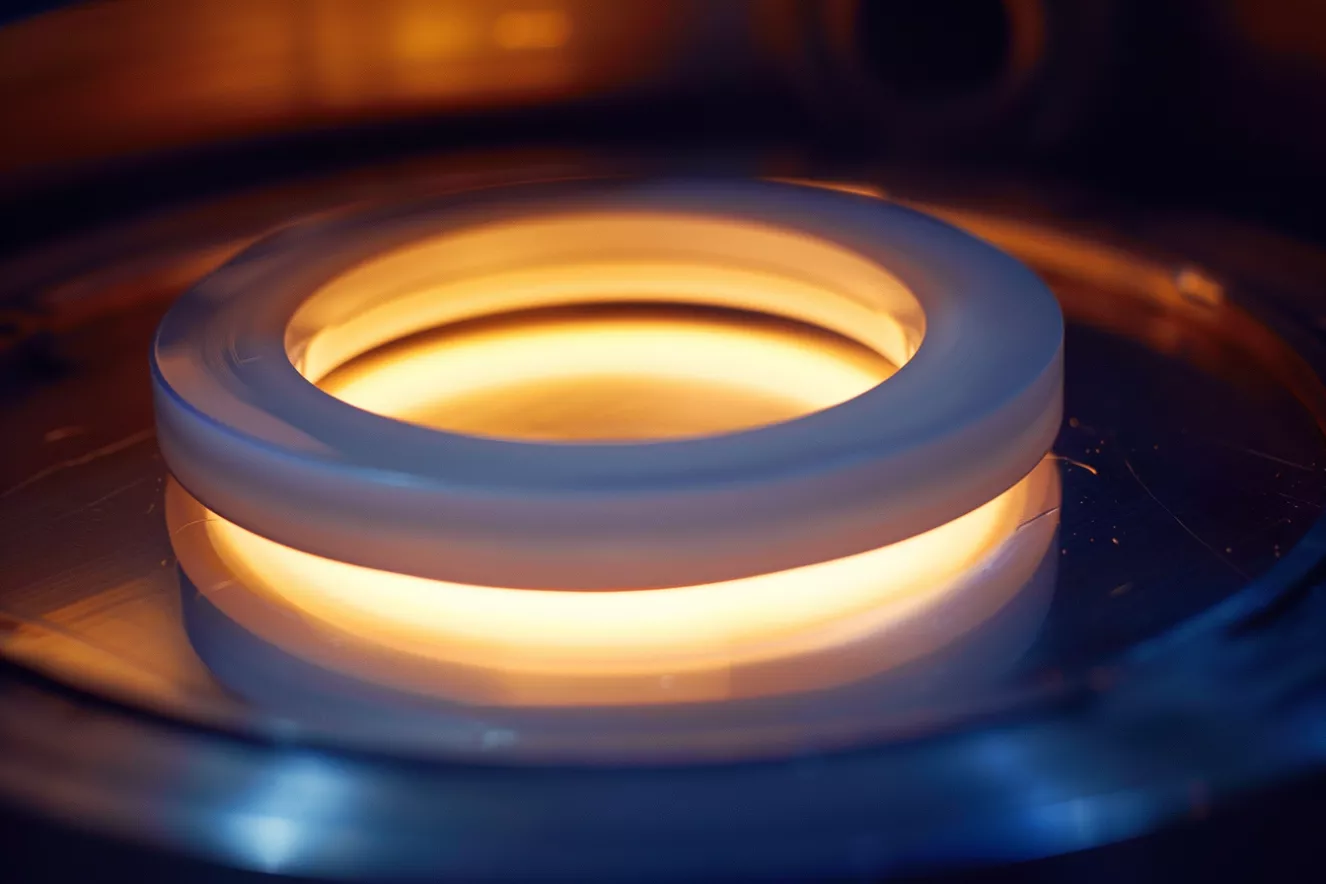
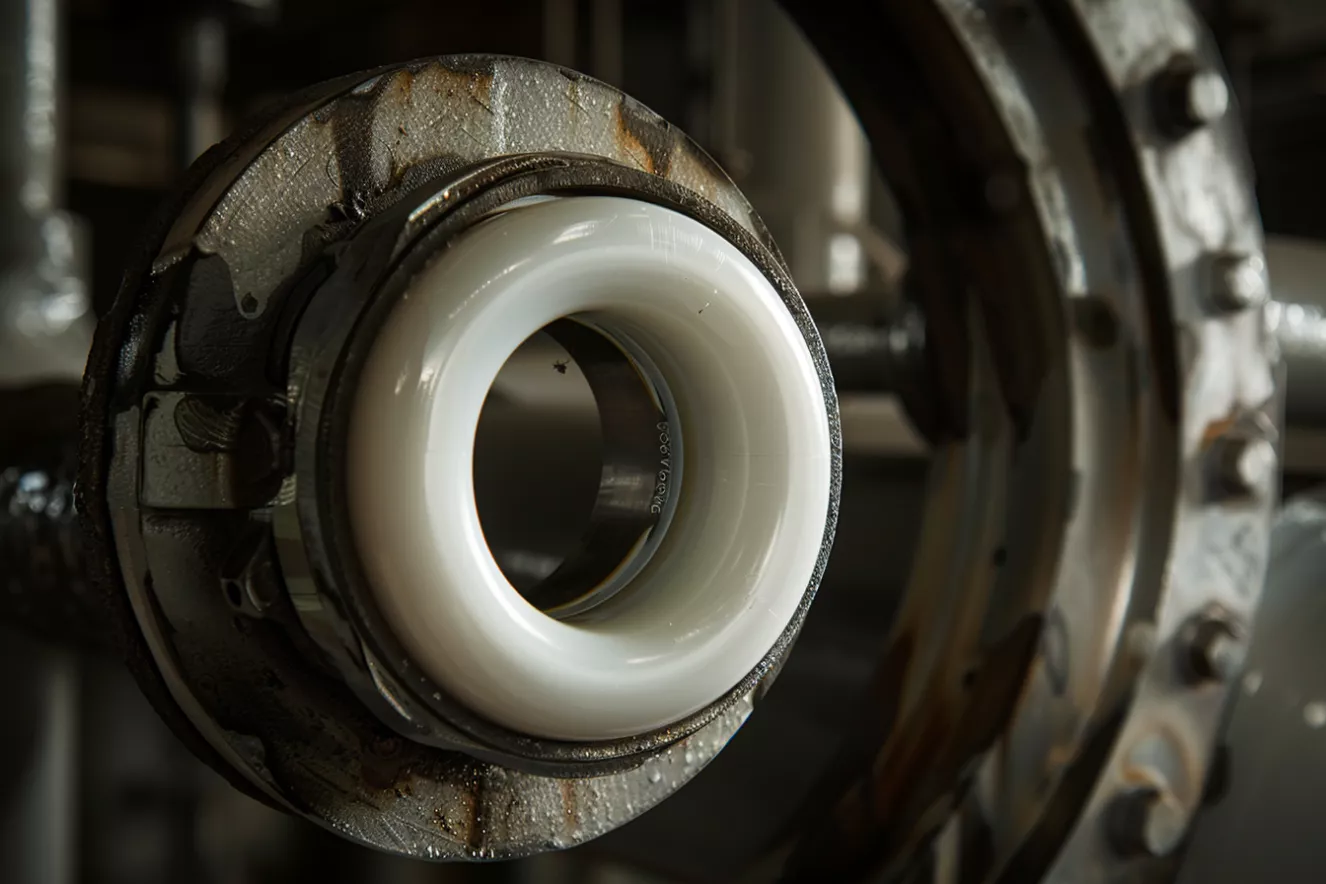
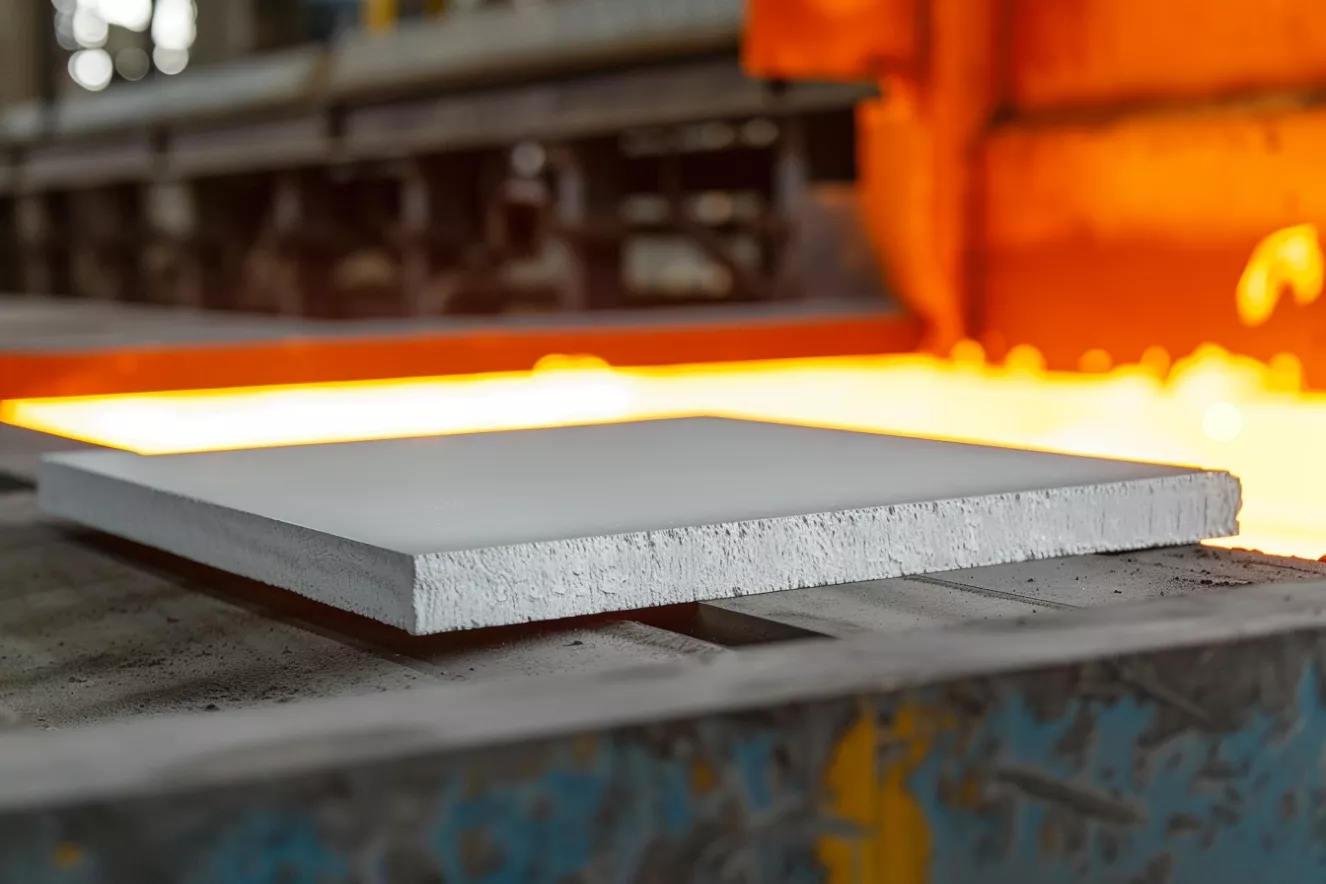
Selecting materials for extreme heat is a critical engineering challenge. The choice directly affects equipment durability and operational efficiency.
Engineers in 2026 should choose alumina ceramic tubes based on thermal performance, creep resistance, microstructure quality, dimensional stability, and purity grade—all of which directly determine long-term reliability in high-temperature systems.
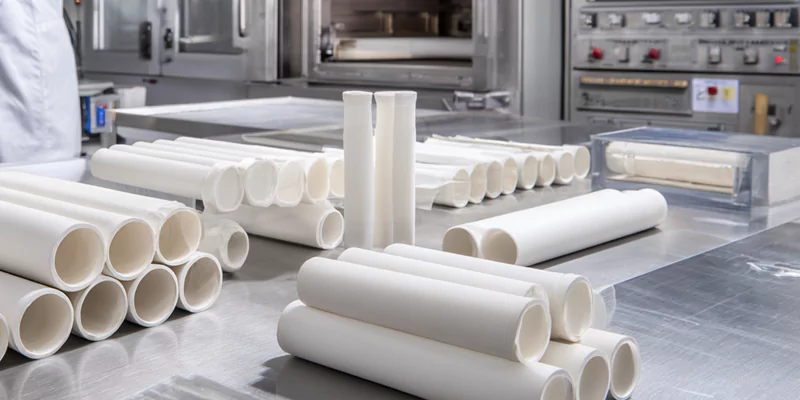
Demand for highly reliable high-temperature components continues to grow in 2026. This enhanced version includes thermal shock parameters, creep data, grain-size thresholds, purity-temperature mapping, and selection frameworks to support real engineering decision-making. This alumina ceramic tube selection guide also strengthens understanding of structural behavior under continuous heat.
Key Factors in Alumina Ceramic Tube Selection for High-Temperature Applications
What Defines an Alumina Ceramic Tube in High-Temperature Engineering?
Alumina tubes are engineered for stability under severe thermal stress. Their performance in 2026 is defined by:
- Purity (95%, 99%, 99.5%, 99.8%)
- Microstructure density (porosity <1–5%)
- Grain size (3–15 μm)
- Thermal shock resistance (R = 150–250 MPa·√m)
- Creep resistance at 1400–1600 °C
- Dimensional drift over long exposure
This alumina ceramic tube selection framework helps engineers compare purity, microstructure, and long-term reliability in harsh furnace conditions.
Material Composition and Structural Purity
Typically composed of 95–99.8% Al₂O₃, alumina ceramic tubes deliver high mechanical strength and excellent thermal resistance. Purity directly affects:
- Creep rate
- Thermal shock tolerance
- Chemical resistance
- Grain growth behavior under heat
| Purity Level | Max Temp | Creep @1500°C | Thermal Shock | Engineering Use |
|---|---|---|---|---|
| 95% | 1400–1500°C | 0.5–0.8% | Moderate | Standard furnaces |
| 99% | 1550–1600°C | 0.3–0.5% | High | Corrosive / cyclic |
| 99.8% | 1650–1700°C | <0.3% | Very High | Analytical / precision |
Dense microstructure strengthens thermal stability and reduces microcrack initiation, a major factor in cyclic heating failures.
Manufacturing Processes and Reliability
Manufacturing controls microstructure evolution and final performance:
| Process Method | Reliability Impact | Key Parameter |
|---|---|---|
| Extrusion | Uniform bore & straightness | Ovality <0.5% |
| Isostatic Pressing | Highest density, minimal porosity | Porosity <1% |
| High-Temp Sintering | Grain bonding & creep resistance | 1600–1750°C |
Fine grains (3–10 μm) reduce thermal shock failures, while low porosity improves creep life and dimensional stability.
Distinct Properties Compared with General Ceramics
Compared to silicates and general ceramics, alumina exhibits:
- Higher flexural strength
- Superior thermal shock resistance
- Lower creep deformation
- Higher chemical inertness
These properties support long-term performance in furnaces, reactors, analytical equipment, and controlled-atmosphere systems.
Why Alumina Ceramic Tubes Are Indispensable for High-Temperature Applications?
Thermal Shock Resistance in Cyclic Heating
Alumina tubes endure rapid temperature swings due to:
- Low thermal expansion (7–8×10⁻⁶/K)
- High thermal shock parameter (R = 150–250 MPa·√m)
- Fine microstructure that suppresses crack propagation
| Parameter | Value | Engineering Impact |
|---|---|---|
| CTE | 7–8×10⁻⁶/K | Prevents thermal stress cracking |
| Thermal Shock R | 150–250 | Withstands rapid cycles |
This alumina ceramic tube selection insight is essential for systems operating under frequent thermal ramps.
Dimensional Stability at Continuous Heat
Dimensional drift is critical for sensors and thermocouples:
| Temp | Drift per 100 hrs |
|---|---|
| 1400°C | 0.01–0.03 mm |
| 1600°C | 0.03–0.06 mm |
Stable geometry ensures:
- leak-free sealing
- reliable alignment
- calibration accuracy
Service Life in Harsh Environments
Alumina’s inertness protects against:
- molten salts
- corrosive gases
- oxidation
- abrasive particulates
Long service life lowers maintenance cycles and improves uptime.
How Thermal and Mechanical Properties Guide Alumina Ceramic Tube Selection?
Flexural Strength and Structural Safety
Flexural strength influences installation reliability and in-service safety:
| Temperature | Flexural Strength |
|---|---|
| 25°C | 250–400 MPa |
| 1200°C | 120–180 MPa |
Higher purity tubes show reduced fracture probability under handling and thermal stress.
Thermal Expansion and Heat Transfer Control
Engineers prefer alumina for:
- predictable thermal behavior
- uniform heat distribution
- stable interfaces with metal housings
Thermal conductivity: 18–25 W/m·K @ 25°C
Supports thermal uniformity in furnace zones.
Resistance to Wear and Chemical Attack
Alumina exhibits:
- excellent abrasion resistance
- strong chemical inertness
- creep deformation <0.3% (99.8% @1500°C)
Ensuring durability in chemically aggressive and abrasive environments.
How Engineers Select Alumina Ceramic Tubes for Furnace and Kiln Use?
Temperature Thresholds in Furnace Linings
Purity must align with temperature load:
- 95% → ≤1500°C
- 99% → 1500–1600°C
- 99.8% → 1600–1700°C
Correct alumina ceramic tube selection prevents premature failure.
Tube Longevity in Continuous Kiln Operation
99% alumina lasts 20–30% longer than 95% due to:
- lower porosity
- better creep resistance
- higher shock tolerance
Cost vs Performance in Industrial Furnaces
Proper grade selection avoids:
- overspecification
- unnecessary cost
- premature failures
How Different Alumina Ceramic Tube Types Address Specific Engineering Needs?
Open-Ended Tubes for Gas Flow Management
Open-ended tubes allow controlled atmosphere flow for reactors and furnaces.
Closed-End Tubes for Sensor and Thermocouple Protection
Closed-end tubes shield sensors under corrosive and cyclic loads. Suitable for temperatures ≥1500°C.
Multi-Bore Tubes for Electrical and Thermal Isolation
Multi-bore tubes provide:
- electrical isolation ≥10¹¹ Ω·cm
- 15–25% reduced stress concentration
- thermally separated pathways
How Purity Grades of Alumina Tubes Influence High-Temperature Applications?
95% Grade
Suitable for general furnace environments up to 1500°C.
99% Grade
Improved creep resistance and chemical inertness.
99.8% Grade
Used in precision systems requiring:
- minimal contamination
- dimensional accuracy
- stable high-temperature gradients
Comparing Alumina Ceramic Tube Grades and Their High-Temperature Suitability
| Grade | Max Temp | Engineering Benefit |
|---|---|---|
| 95% | 1500°C | Standard heating |
| 99% | 1600°C | Corrosive environments |
| 99.8% | 1700°C | Precision measurement |
How Structural Designs of Alumina Ceramic Tubes Impact High-Temperature Reliability?
Stress Distribution in Multi-Bore Configurations
Multi-bore tubes lower peak stresses by 15–25%, improving fatigue life.
Closed-End Designs Under Thermal Cycling
Closed-end tubes prevent gas infiltration and thermal fatigue.
Influence of Tube Geometry on Heat Management
| Wall Thickness | Thermal Behavior |
|---|---|
| <2 mm | Quick response, lower strength |
| 2–4 mm | Balanced |
| >4 mm | Maximum stability |
How Engineers Should Evaluate Alumina Ceramic Tube Suppliers for High-Temperature Applications?
Engineers evaluate suppliers based on:
- furnace-grade application history
- ISO 9001 system quality
- ASTM test compliance (C20, C1161, C1525)
- engineering drawing support
- small-batch prototyping capability
Quality Tests That Ensure Alumina Ceramic Tube Performance Under Heat?
Thermal Shock and Cycling Validation
Key verification points:
- cycle survivability
- microcrack inspection
- retained strength after cycling
Microstructure and Porosity Examination
| Test | Standard | Requirement |
|---|---|---|
| Porosity | ASTM C20 | <5% |
| Density | — | 3.85–3.92 g/cm³ |
Dimensional Accuracy and Tolerance Checks
Engineering-grade tolerances: ±0.01–0.05 mm
Key Ordering Considerations for Alumina Ceramic Tubes in High-Temperature Use?
Important procurement factors include:
- stock vs custom lead-time
- required tolerances
- packaging to prevent microcracks
- small-batch flexibility
Conclusion
Selecting the correct alumina tube in 2026 requires understanding:
- purity-performance mapping
- thermal shock limits
- creep behavior
- microstructure quality
- geometry and tolerance requirements
ADCERAX provides factory-direct alumina tubes, high-purity customization, and small-batch prototyping for high-temperature engineering applications.
FAQ
Q1: How do alumina ceramic tubes resist thermal shock in furnaces?
Alumina maintains low thermal expansion and high flexural strength, minimizing crack formation during rapid heating and cooling cycles.
Q2: What purity grade of alumina ceramic tube should be used for continuous kiln operation?
99% alumina is recommended due to its superior creep resistance and higher chemical stability compared to 95% grades.
Q3: What should engineers evaluate when choosing a supplier for alumina ceramic tubes?
Engineers review furnace application records, ASTM compliance, customization capability, dimensional tolerance control, and material testing reports.
Q4: How are alumina ceramic tubes packaged for international shipping?
Tubes are packed in shock-resistant foam or reinforced cartons to prevent cracking during long-distance transportation.