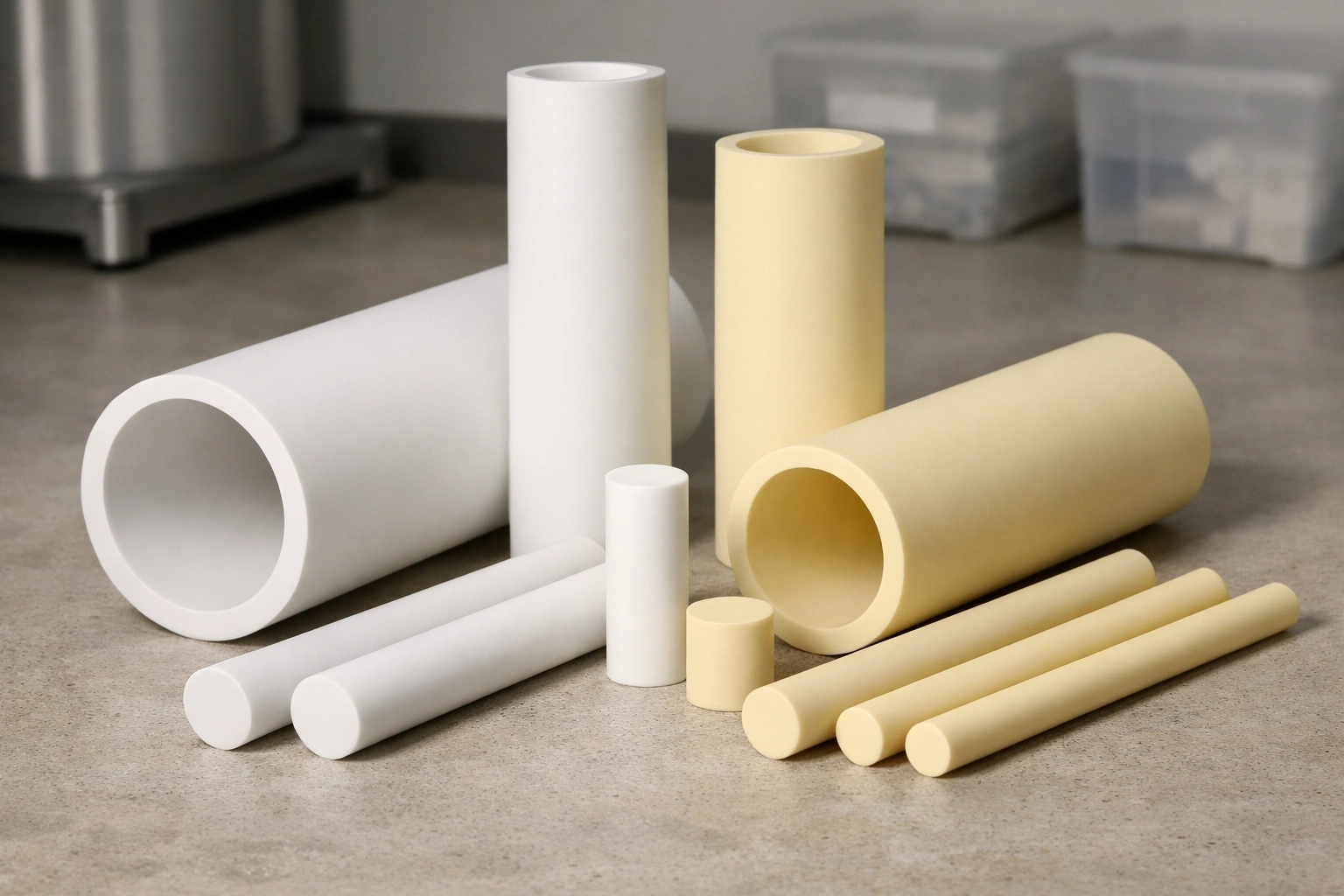
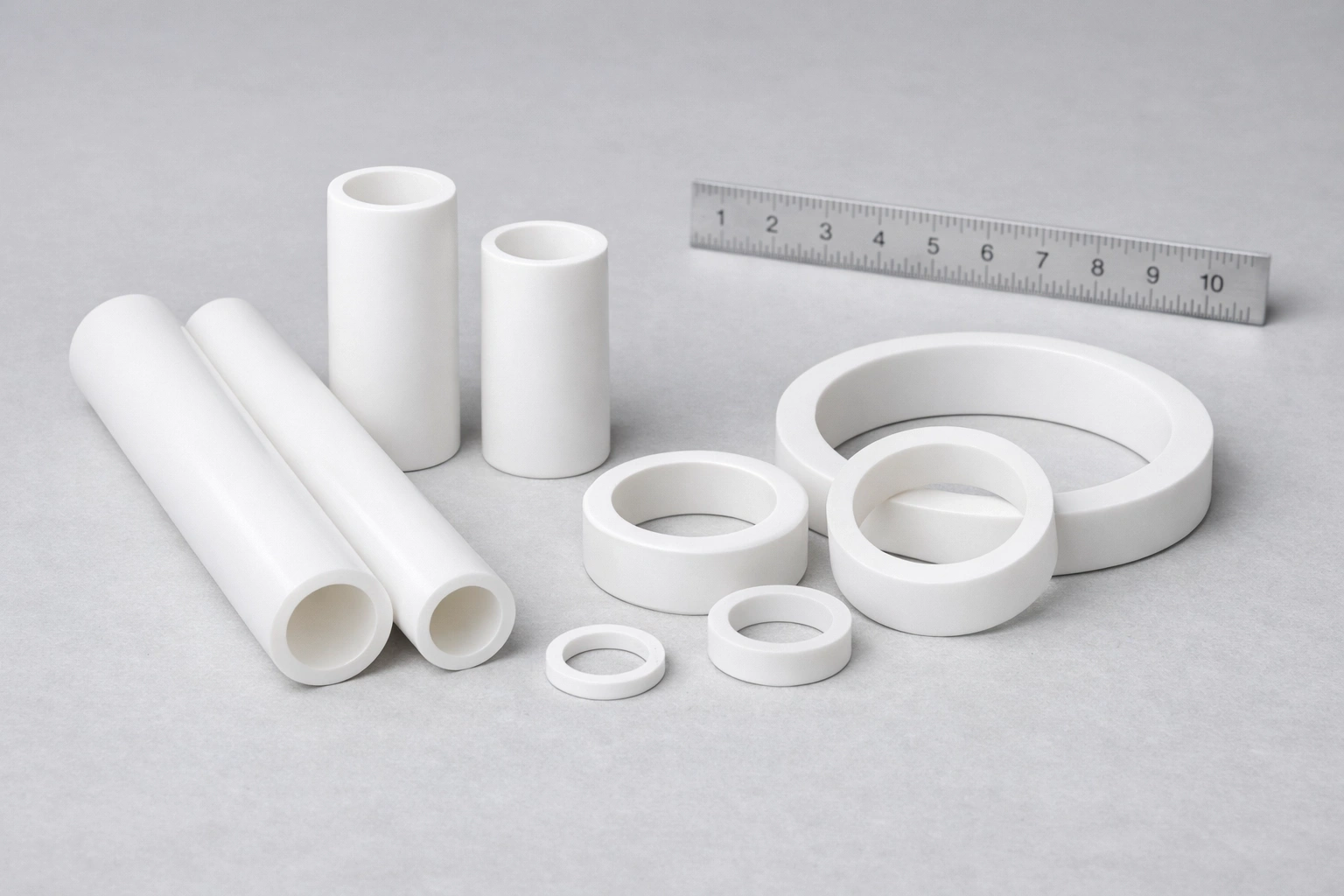
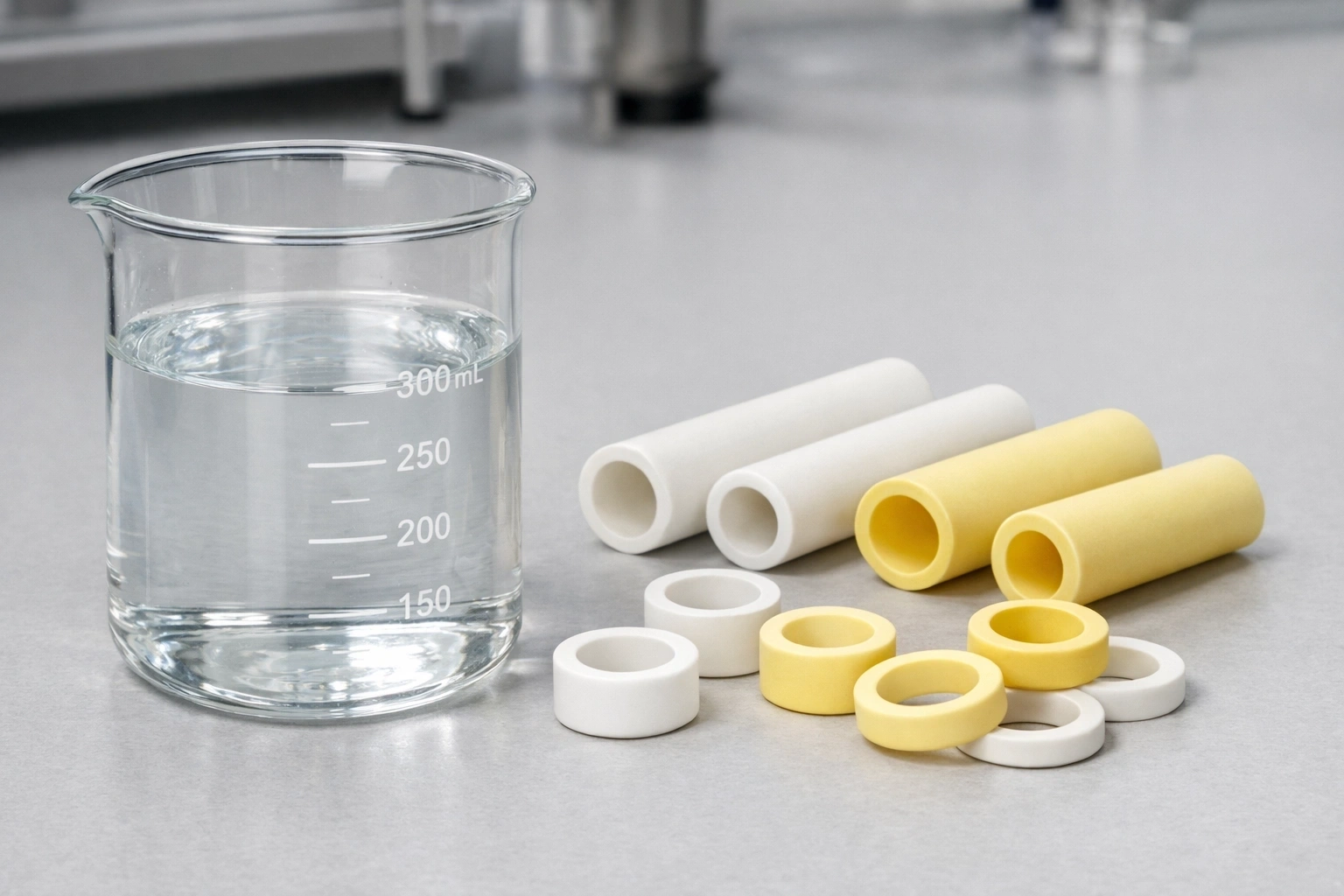
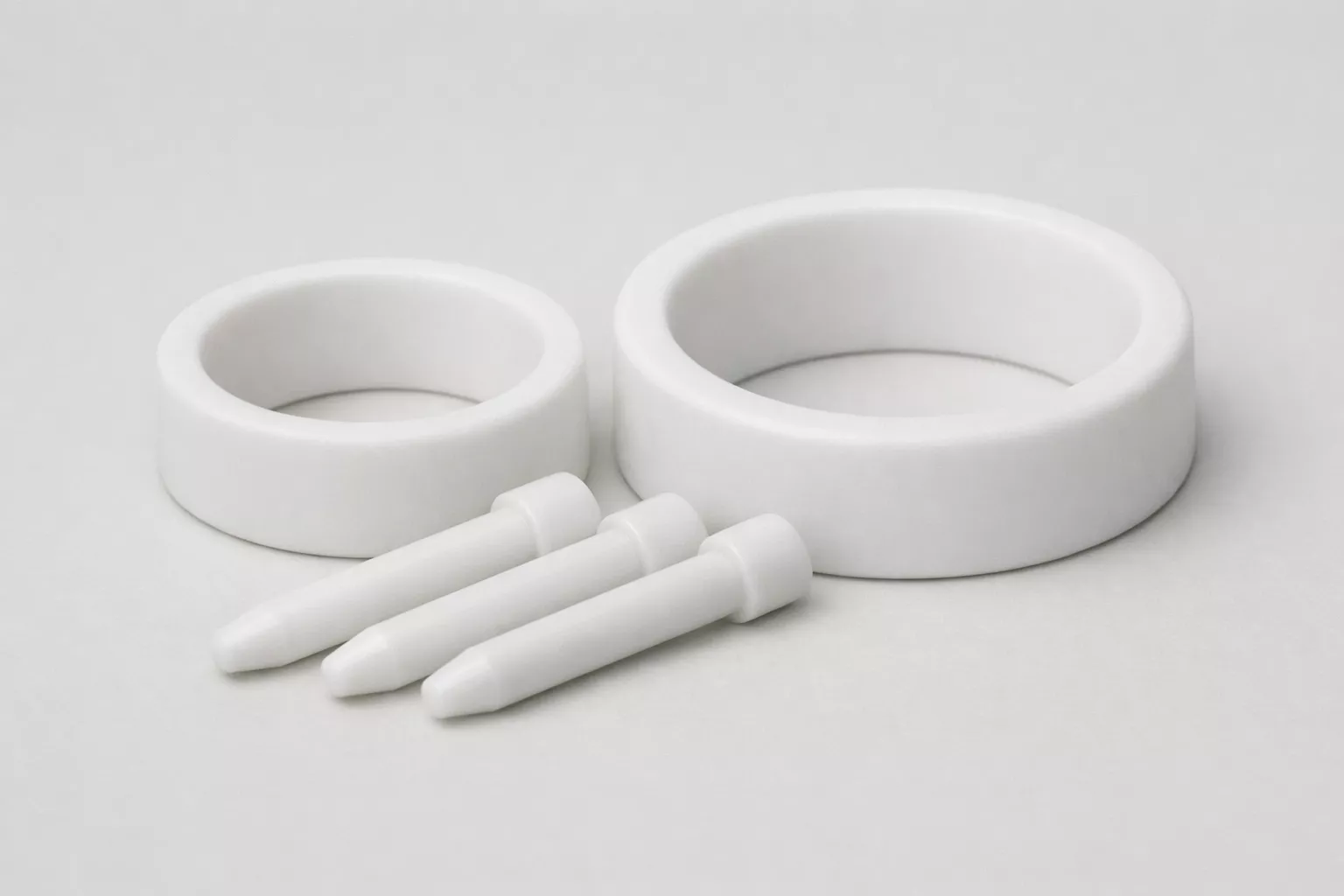
Alumina Plate linings often fail too early; consequently, abrasion, impact, and corrosion accelerate downtime, while maintenance teams struggle with recurring replacements and unstable service intervals.
This article consolidates how Alumina Plate performs in mining, cement, power plants, steel, and chemical systems, focusing on wear physics, installation discipline, and life-cycle reliability under harsh operating loads.
Accordingly, the discussion progresses from real operating pressures to material fundamentals, then moves through wear and corrosion mechanisms, thermal cycling behavior, fixation methods, and specification strategy used in project execution.
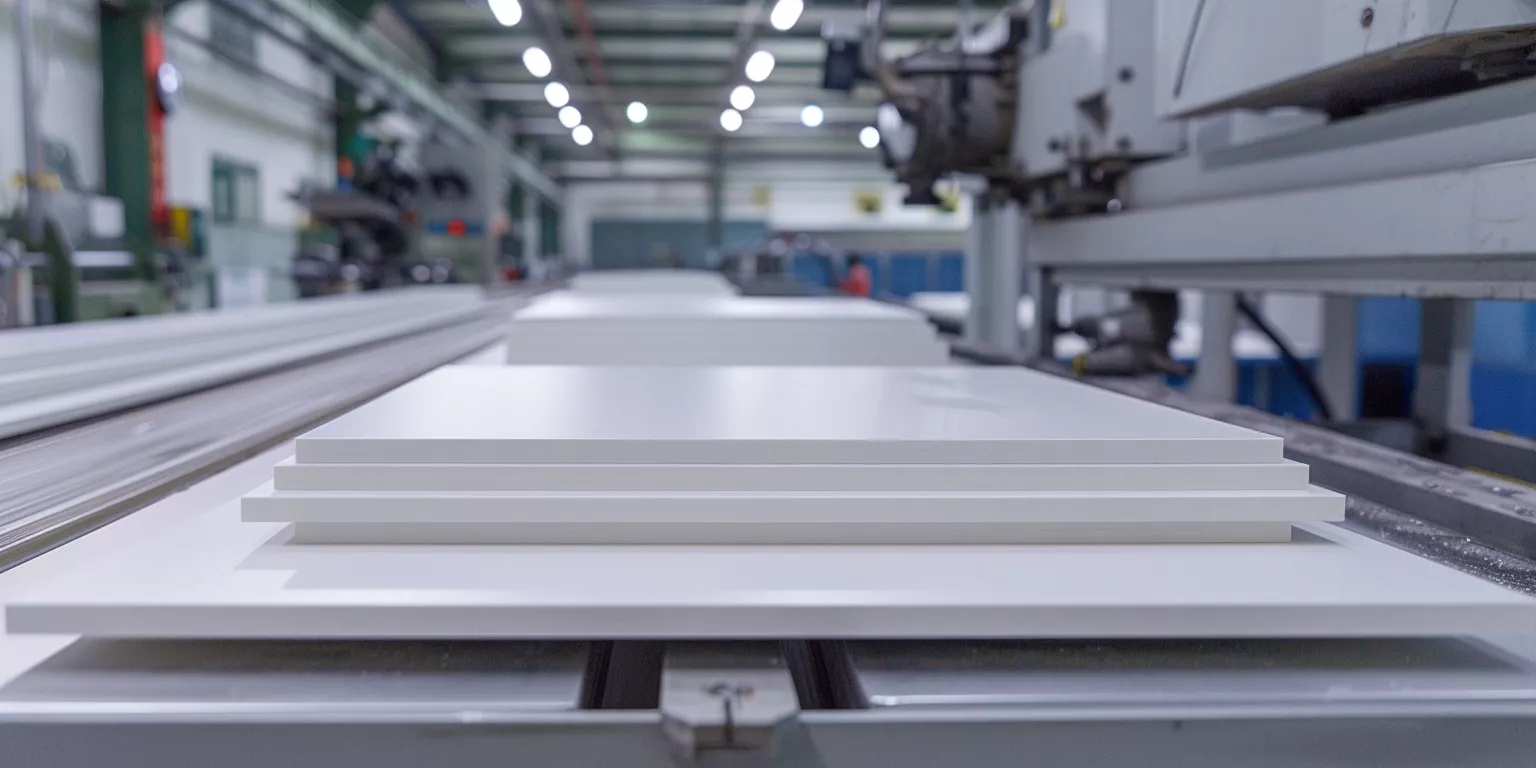
The fastest path to stable performance is to match Alumina Plate to the dominant failure pressure at each location, so the next section anchors the industrial stresses that drive premature lining loss.
Industrial Operating Conditions and Failure Pressures
Heavy industrial equipment concentrates abrasion, impact, temperature, and chemistry into the same few zones; consequently, lining failures usually arise where multiple stresses overlap rather than where any one stress peaks.
-
High-abrasion particulate flow environments
In mining chutes and cement transfer points, sharp particles continuously scour surfaces, while fine dust also accelerates three-body abrasion. For instance, ore and clinker streams commonly operate at bulk velocities of 2–6 m/s, which steadily elevates wear rate when particle hardness exceeds typical steel matrices. Therefore, even robust metal liners can lose dimensional stability as wear becomes uneven across the flow profile.
Accordingly, lining choices must account for both particle hardness and velocity, because the combined effect is what drives service life. -
Impact dominated zones with intermittent shock loading
At crusher discharge points, screen decks, and drop boxes, impact loads dominate, yet sliding abrasion still persists downstream. In practice, localized impact events can exceed steady-state contact stress by 3–8× during large lump collisions, which produces microcracks and spalling in brittle materials when installation is not stress-buffered. Consequently, a high-hardness Alumina Plate can still fail early if the backing layer and fixation do not dissipate shock energy.
Hence, impact zones demand a fixation strategy that reduces peak stress rather than simply maximizing hardness. -
Thermal gradients and chemical exposure in process systems
In power plants and chemical units, slurry erosion and chemical attack often occur simultaneously, while thermal gradients amplify stress at joints and corners. For example, flue gas desulfurization slurries can introduce continuous erosive loading with solids content commonly around 5–20 wt%, while local temperature shifts across steel shells can exceed 40–80 °C during start-up transitions. Therefore, liners must resist both chemical weakening and thermally induced debonding.
Subsequently, once these operating pressures are mapped, material selection can focus on mechanisms rather than generic product categories.
Summary of Dominant Operating Pressures
| Operating pressure | Typical industrial location | Representative intensity | Primary failure pattern |
|---|---|---|---|
| Abrasion from particulates | Chutes, hoppers, cyclones | Velocity 2–6 m/s | Thickness loss and grooving |
| Impact shock loading | Drop boxes, crusher discharge | Peak stress 3–8× steady | Spalling and corner cracking |
| Slurry erosion | FGD, tailings lines, ash slurry | Solids 5–20 wt% | Local thinning and pitting |
| Thermal gradients | Kilns, hot ducts, steel shells | ΔT 40–80 °C | Debonding and stress cracks |
| Chemical exposure | Acidic or alkaline circuits | pH-dependent | Surface weakening and drift |
Material Fundamentals of Alumina Plate
Once operating pressures are clearly identified, material fundamentals explain why Alumina Plate consistently outperforms metals and polymers in heavy industrial wear systems under compounded stress conditions.
Alumina Plate does not rely on toughness or ductility to survive. Instead, its hardness-dominated wear resistance, chemical inertness, and thermal stability address the dominant degradation mechanisms found in mining, cement, power, steel, and chemical equipment.
Alumina Purity Grades and Phase Structure
First, alumina purity directly controls phase composition and long-term stability. Industrial Alumina Plate typically ranges from 92% to 99.5% Al₂O₃, with remaining phases forming glassy or mixed oxides at grain boundaries.
In lower-purity grades, higher glass-phase content promotes easier sintering but reduces resistance to chemical penetration and high-temperature creep. For instance, plates below 95% Al₂O₃ may gradually soften at grain boundaries when exposed to continuous temperatures above 250–300 °C, especially in alkaline environments. By contrast, alumina plates at 96–99% purity significantly reduce glass-phase continuity, improving resistance to corrosive slurries and thermal drift.
In field retrofits of cement transfer chutes, engineers frequently report that upgrading from 92% to 96% Alumina Plate extends lining life by 1.5–2.2×, even when thickness remains unchanged. Therefore, purity selection should be aligned with chemical and thermal exposure duration rather than abrasion alone.
Hardness Density and Microstructural Stability
Next, hardness and density govern abrasion resistance more reliably than nominal strength. Dense Alumina Plate typically exhibits Vickers hardness values between 1200 and 1800 HV, far exceeding hardened wear steels.
In abrasive flow systems, high hardness prevents particle embedding and micro-ploughing, which are the primary wear mechanisms in metals. However, density is equally critical. Plates with bulk density below 3.7 g/cm³ often contain residual porosity that acts as initiation sites for micro-fracture under impact or slurry erosion. In contrast, fully dense plates approaching 3.85–3.9 g/cm³ maintain stable surfaces even after millions of particle contacts.
From maintenance observations in ash handling systems, liners with inadequate density show accelerated edge chipping within 3–6 months, while higher-density Alumina Plate maintains dimensional integrity beyond 18 months under similar flow conditions. Accordingly, density must be treated as a performance parameter, not a manufacturing afterthought.
Thermal and Chemical Stability Boundaries
Finally, Alumina Plate performance depends on respecting its thermal and chemical operating boundaries. Continuous service temperatures for industrial alumina plates typically reach 800–1000 °C, while short-term excursions can exceed 1200 °C depending on purity and mechanical constraint.
Chemically, alumina exhibits excellent resistance to most acids and neutral slurries, while strong alkalis at elevated temperatures gradually attack grain boundaries. For example, sodium-rich environments above 60–70 °C can reduce surface integrity over extended exposure periods. Nevertheless, compared with metals that corrode rapidly or polymers that soften, Alumina Plate maintains structural stability across a wider envelope.
Therefore, material fundamentals clarify that Alumina Plate succeeds when its hardness, density, and chemical stability are leveraged within realistic service limits. Ignoring these boundaries often leads to misapplied designs rather than material failure.
Summary of Alumina Plate Material Fundamentals
| Parameter | Typical Range | Engineering relevance | Industrial outcome |
|---|---|---|---|
| Alumina purity (%) | 92–99.5 | Phase stability and corrosion resistance | Service life consistency |
| Bulk density (g/cm³) | 3.7–3.9 | Porosity and wear resistance | Edge and surface durability |
| Vickers hardness (HV) | 1200–1800 | Abrasion resistance | Reduced material loss |
| Continuous service temperature (°C) | 800–1000 | Thermal endurance | Structural stability |
| Chemical resistance | Acidic to neutral | Process compatibility | Lower corrosion-driven wear |
Wear Mechanisms in Heavy Industrial Equipment
Once material fundamentals are understood, wear behavior in heavy industrial systems can be analyzed with greater precision, because Alumina Plate wear is governed by contact physics rather than simple material loss.
In mining, cement, power, steel, and chemical equipment, wear rarely occurs in isolation. Instead, abrasive, impact, and sliding mechanisms interact continuously, shaping how Alumina Plate degrades over extended service intervals.
Abrasive Wear From Particulate Flow
First, abrasive wear dominates in systems transporting bulk solids such as ore, clinker, ash, or raw meal. Typical particle hardness in these systems often exceeds Mohs 6–7, which rapidly ploughs metallic liners through micro-cutting and deformation.
By contrast, Alumina Plate resists abrasive penetration due to its high hardness and elastic modulus, forcing particles to slide rather than embed. Field measurements in cement plant transfer chutes show that alumina-lined sections exhibit wear rates below 0.1 mm per 10,000 operating hours, while carbon steel liners may exceed 1.0–1.5 mm under identical flow velocity. Consequently, wear progression becomes predictable and uniform instead of localized and runaway.
From maintenance inspections, engineers often note that Alumina Plate surfaces polish gradually rather than roughen, indicating stable sliding abrasion rather than destructive gouging. Therefore, abrasive wear control relies on maintaining surface integrity rather than sacrificial thickness.
Impact and Sliding Combined Wear
Next, combined impact and sliding wear introduces more complex stress states. In drop boxes, crusher outlets, and mill feed chutes, material impact generates transient contact stresses that can exceed steady sliding loads by several multiples, followed immediately by sliding abrasion.
In these environments, Alumina Plate performance depends on thickness selection and backing compliance. Plates thinner than 15–20 mm may crack under repeated impact even if abrasion resistance is excellent. Conversely, properly supported plates distribute impact energy across the backing structure, reducing peak tensile stress at the ceramic surface. Field retrofits in mining discharge zones frequently demonstrate service life extensions of 2–3× when thickness and backing stiffness are jointly optimized.
Thus, combined wear conditions require system-level design. Alumina Plate must be integrated with shock-absorbing layers rather than exposed directly to unmitigated impact energy.
Wear Rate Versus Operating Velocity
Finally, operating velocity exerts a nonlinear influence on wear rate. Particle velocity increases from 2 m/s to 5 m/s can raise kinetic energy by more than 6×, significantly accelerating wear if material response is inadequate.
In Alumina Plate-lined pipelines and chutes, however, wear rate increases more gradually with velocity because sliding dominates over cutting. Operational data from ash slurry transport systems indicate that increasing flow velocity from 2.5 to 4.0 m/s raises alumina wear rate by approximately 30–40%, whereas steel liners may experience over 100% increase. Consequently, Alumina Plate provides a wider operating window for throughput optimization.
Therefore, wear analysis should correlate velocity, particle size, and liner hardness rather than relying on linear scaling assumptions. Alumina Plate excels precisely because it dampens velocity-driven wear escalation.
Summary of Wear Mechanisms and Performance
| Wear mechanism | Dominant condition | Quantitative indicator | Alumina Plate response |
|---|---|---|---|
| Sliding abrasion | Fine to medium particles | <0.1 mm / 10,000 h | Stable polishing wear |
| Impact loading | Large lump drop zones | Peak stress 3–8× | Thickness-dependent resistance |
| Combined wear | Impact + sliding | Repeated transient loads | Requires compliant backing |
| Velocity-driven wear | High flow speed | Energy ∝ velocity² | Gradual wear rate increase |
| Metal liner comparison | Steel reference | >1.0 mm / 10,000 h | Order-of-magnitude reduction |
Corrosion and Chemical Resistance in Process Systems
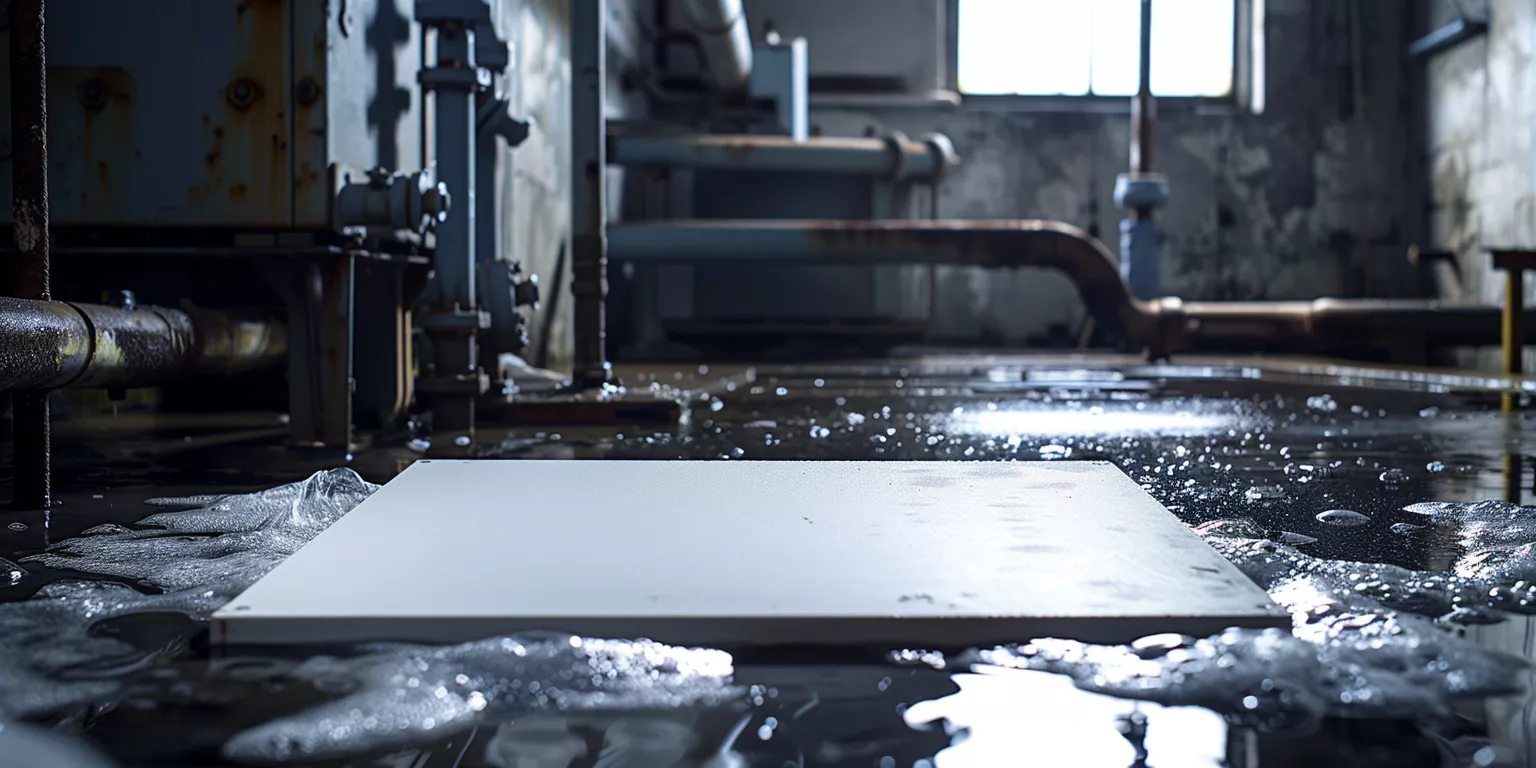
After mechanical wear mechanisms are clarified, chemical exposure must be addressed, because corrosion frequently accelerates wear rather than acting as an isolated degradation mode in heavy industrial systems.
In chemical plants, power stations, steel mills, and slurry-handling circuits, Alumina Plate is often selected not only for hardness but also for its ability to remain chemically inert while subjected to continuous flow and temperature variation.
Acid and Alkali Resistance of Alumina Plate
First, alumina exhibits strong resistance to most inorganic acids and neutral process fluids. Alumina Plate maintains structural stability across pH ranges from approximately 3 to 10 at ambient conditions, making it suitable for acidic slurries, flue gas desulfurization systems, and mineral processing circuits.
However, strong alkalis introduce different constraints. In sodium-rich or caustic environments, alumina grain boundaries can undergo slow dissolution, particularly when operating temperatures exceed 60–80 °C. Field observations in alkaline slurry pipelines show that surface softening begins gradually, often detectable only after 12–18 months of continuous exposure. Nevertheless, this degradation remains significantly slower than corrosion rates observed in carbon steel or low-alloy steels.
Therefore, chemical compatibility should be evaluated over exposure duration and temperature rather than initial resistance alone. Alumina Plate performs reliably when alkali concentration and thermal conditions remain within conservative limits.
Slurry Erosion Corrosion Synergy
Next, erosion–corrosion1 synergy frequently dominates material loss in wet process2 systems. In such cases, mechanical abrasion3 continuously removes protective surface layers, exposing fresh material to chemical attack.
In power plant ash handling and tailings transport, solids concentrations of 5–20 wt% combined with flow velocities above 2.5 m/s produce persistent surface renewal. Under these conditions, metals experience accelerated corrosion due to oxide film disruption. Alumina Plate, by contrast, lacks a metallic corrosion layer and instead resists both abrasion and chemical interaction simultaneously.
Operational data from flue gas desulfurization pipelines indicate that Alumina Plate-lined sections retain over 85–90% of original thickness after 24 months, whereas rubber-lined steel pipes often show localized thinning and blistering within 6–9 months. Consequently, alumina provides stability where erosion and corrosion coexist.
Long-Term Chemical Exposure Effects
Finally, long-term chemical exposure influences microstructural integrity rather than causing immediate failure. Extended immersion in chemically aggressive slurries can gradually alter grain-boundary chemistry, particularly in lower-purity alumina grades.
In chemical reactors operating continuously above 80 °C, engineers have observed subtle increases in surface roughness after 2–3 years, which marginally elevates wear rate but does not compromise structural integrity. This behavior contrasts with polymer linings that embrittle or swell under similar conditions. Therefore, Alumina Plate offers predictable, gradual aging rather than sudden degradation.
Accordingly, corrosion resistance should be considered as a time-dependent property. Alumina Plate excels by slowing chemical-driven deterioration to manageable rates within industrial maintenance cycles.
Summary of Chemical Resistance Characteristics
| Chemical condition | Typical exposure range | Observed behavior | Service implication |
|---|---|---|---|
| Acidic slurries | pH 3–6 | Stable surface integrity | Long-term reliability |
| Neutral process fluids | pH 6–8 | Minimal interaction | Predictable wear |
| Alkaline environments | pH >10, >60 °C | Gradual boundary attack | Controlled aging |
| Slurry erosion corrosion | 5–20 wt% solids | Thickness retention >85% | Extended service intervals |
| Long-term exposure | >24 months | Slight roughness increase | Maintenance planning |
Thermal Loads and Temperature Cycling Effects
Moreover, after chemical stability is addressed, thermal loading becomes a decisive factor, because temperature gradients and cycling often dictate whether Alumina Plate remains bonded and crack-free in heavy industrial equipment.
In cement kilns, steel plants, power stations, and chemical reactors, Alumina Plate rarely experiences uniform heating. Instead, repeated heating, cooling, and localized hot spots introduce stresses that accumulate over time rather than causing immediate failure.
Maximum Service Temperature and Creep Resistance
First, maximum service temperature must be interpreted as a continuous operating limit, not a short-term survival threshold. Industrial Alumina Plate commonly sustains continuous service between 800 and 1000 °C, depending on purity and mechanical constraint.
At these temperatures, alumina exhibits negligible creep compared with metallic liners, which progressively deform under load. For example, in cement preheater ducts operating near 850 °C, steel liners often show measurable distortion within 6–9 months, while alumina plates retain dimensional stability over multi-year service. This stability preserves flow geometry and prevents secondary wear caused by misalignment.
Therefore, alumina’s thermal advantage lies in dimensional constancy rather than heat tolerance alone. Exceeding continuous temperature limits may not cause immediate failure but gradually weakens interfaces and fixation systems.
Thermal Shock Resistance in Industrial Cycles
Next, thermal shock resistance governs survival during start-up, shutdown, and process upset events. Typical industrial thermal shocks involve ΔT values of 60–120 °C within minutes, especially in kiln and boiler environments.
Alumina Plate tolerates such shocks when temperature gradients are moderated through backing layers and controlled heating rates. However, rapid quenching or direct flame impingement can generate tensile stresses exceeding the ceramic’s fracture strength. Field experience shows that plates subjected to uncontrolled cold air ingress during hot shutdown are significantly more prone to edge cracking.
Consequently, thermal shock resistance should be engineered through system design. Gradual ramp rates, insulation continuity, and compliant backing materials often contribute more to shock survival than changes in alumina grade.
Interaction With Steel Structures Under Heat
Finally, interaction with steel support structures introduces thermal expansion mismatch. Alumina’s coefficient of thermal expansion is approximately 7–8 × 10⁻⁶ /°C, whereas carbon steel expands at roughly 11–13 × 10⁻⁶ /°C.
During heating cycles, steel shells expand more than alumina linings, generating shear stress at interfaces. If fixation systems are overly rigid, this mismatch concentrates stress at plate edges and corners. In steel ducts exceeding 6–8 m in length, differential expansion can accumulate several millimeters, amplifying debonding risk.
Accordingly, successful high-temperature installations incorporate expansion allowances and segmented plate layouts. Managing thermal mismatch is essential for long-term reliability, regardless of alumina purity.
Summary of Thermal Load Considerations
| Thermal factor | Typical industrial range | Engineering significance | Performance impact |
|---|---|---|---|
| Continuous service temperature (°C) | 800–1000 | Dimensional stability | Shape retention |
| Thermal shock magnitude (ΔT °C) | 60–120 | Crack initiation risk | Edge integrity |
| Alumina CTE (×10⁻⁶ /°C) | 7–8 | Expansion mismatch | Interface stress |
| Steel CTE (×10⁻⁶ /°C) | 11–13 | Relative movement | Debonding tendency |
| Uncontrolled cooling events | Shutdown upsets | Stress amplification | Early failure risk |
Mechanical Strength and Structural Integrity
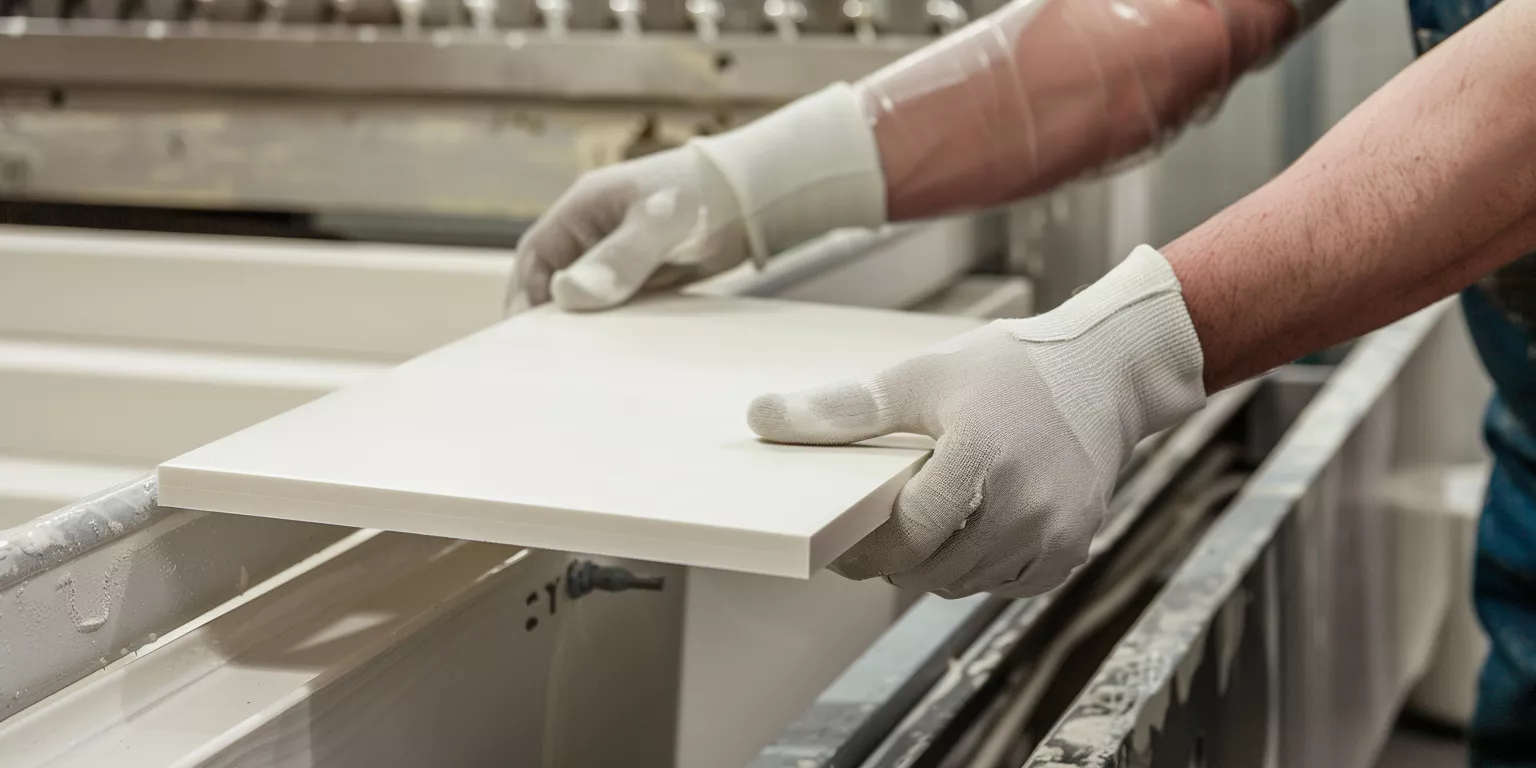
Furthermore, after thermal behavior is addressed, mechanical strength defines whether Alumina Plate can survive real industrial loading without catastrophic fracture or progressive damage.
In mining, cement, power, steel, and chemical systems, mechanical failure rarely results from static overload. Instead, it emerges from repeated compressive loading, localized bending, and stress concentration introduced by installation and backing conditions.
Compressive Strength Versus Flexural Limitation
First, Alumina Plate performs exceptionally well under compression but remains sensitive to tensile and bending stresses. Typical compressive strength of industrial alumina exceeds 2000 MPa, while flexural strength generally ranges between 250 and 400 MPa, depending on purity and thickness.
In bulk material chutes and pipelines, compressive loading dominates as material presses against the liner surface. Under these conditions, alumina remains stable and resists deformation indefinitely. However, when unsupported spans or uneven backing introduce bending, tensile stress develops at the ceramic surface. Field inspections in cement transfer systems frequently show that cracks initiate not from abrasion but from flexural stress caused by voids behind the plate.
Therefore, structural integrity depends more on load distribution than on nominal strength values. Alumina Plate should always be designed to remain in compression during service.
Thickness Selection for Load Distribution
Next, thickness directly controls stress distribution and impact tolerance. Common industrial Alumina Plate thicknesses range from 10 to 30 mm, selected according to particle size, drop height, and backing rigidity.
In mining drop zones handling lump sizes above 50–80 mm, plates thinner than 12–15 mm often fracture within months due to localized bending. Conversely, increasing thickness to 20–25 mm reduces maximum tensile stress by more than 40–60%, significantly extending service life. However, excessive thickness without proper backing can transfer stress to fixation points, creating new failure modes.
Accordingly, thickness must be selected together with support conditions. Optimal designs balance plate thickness and backing stiffness rather than maximizing either independently.
Crack Initiation and Propagation Control
Finally, crack initiation is governed by stress concentration at edges, corners, and fixation interfaces. Microcracks typically initiate at locations where tensile stress exceeds 30–40% of flexural strength, even if average stress remains low.
In steel-lined chutes, improper cutting or sharp internal corners often act as crack starters. Maintenance records show that rounding internal corners to radii above 10–15 mm and segmenting plates reduces crack initiation frequency by more than 50% under similar loading conditions. Once initiated, cracks propagate slowly under cyclic loading until sudden fracture occurs.
Thus, mechanical reliability depends on geometric discipline and stress-aware layout. Alumina Plate fails predictably when tensile stress paths are ignored.
Summary of Mechanical Strength Considerations
| Mechanical factor | Typical value | Engineering implication | Reliability outcome |
|---|---|---|---|
| Compressive strength (MPa) | >2000 | Load-bearing capacity | Stable under pressure |
| Flexural strength (MPa) | 250–400 | Bending sensitivity | Crack risk if unsupported |
| Common thickness range (mm) | 10–30 | Impact and stress control | Service life extension |
| Tensile stress threshold (%) | 30–40 of flexural | Crack initiation | Predictable failure zones |
| Edge radius recommendation (mm) | ≥10–15 | Stress concentration reduction | Lower fracture incidence |
Alumina Plate Installation and Fixation Methods
Moreover, even when material selection and mechanical design are sound, improper installation and fixation frequently negate theoretical performance advantages in heavy industrial systems.
In mining, cement, power, steel, and chemical plants, Alumina Plate failures are often traced to fixation errors rather than intrinsic material weakness. Therefore, installation strategy must be treated as an engineering discipline rather than a purely construction task.
Adhesive Bonding in Wear Linings
First, adhesive bonding is widely used where continuous surfaces and moderate temperatures dominate. Industrial ceramic adhesives typically operate reliably below 200–250 °C, depending on formulation and cure quality.
In slurry pipelines and chutes, adhesive bonding provides uniform load transfer and avoids stress concentration from mechanical fasteners. However, bonding thickness must be controlled. Field experience shows that adhesive layers thinner than 2–3 mm transmit excessive tensile stress to the ceramic, while layers thicker than 6–8 mm permit creep and debonding under sustained load. Consequently, optimal adhesive thickness typically falls between 3 and 5 mm.
Therefore, adhesive bonding succeeds only when surface preparation, thickness control, and cure conditions are rigorously managed. Deviations in any of these parameters commonly result in early delamination rather than gradual wear.
Mechanical Fixation and Hybrid Solutions
Next, mechanical fixation becomes necessary in high-temperature zones or where impact loading is severe. Stud welding, bolted retainers, and steel frames are commonly combined with alumina plates to prevent displacement.
However, rigid fixation introduces thermal expansion mismatch. In high-temperature cement and steel applications, fully constrained plates experience shear stress as steel structures expand. Hybrid solutions mitigate this risk by combining mechanical restraint with compliant layers, allowing limited movement. Field retrofits demonstrate that hybrid fixation can reduce edge cracking incidents by 40–60% compared with rigid bolting alone.
Accordingly, mechanical fixation must accommodate thermal and mechanical movement rather than eliminate it. Over-constraining Alumina Plate often shifts failure from wear to fracture.
Installation Errors and Field Failures
Finally, installation quality directly determines service life. Common field errors include uneven backing, trapped debris, insufficient curing time, and misaligned plates, each introducing localized stress.
Maintenance audits across cement plants reveal that plates installed on uneven backing surfaces exceeding ±2 mm flatness deviation show crack initiation within 3–6 months, regardless of material grade. By contrast, plates installed with controlled backing flatness and proper alignment frequently exceed 24 months of service without structural damage.
Thus, installation discipline is as critical as material selection. Alumina Plate performs predictably only when fixation systems and workmanship respect ceramic stress limitations.
Summary of Installation and Fixation Parameters
| Fixation method | Typical operating limit | Key control parameter | Common failure mode |
|---|---|---|---|
| Adhesive bonding | <250 °C | Adhesive thickness 3–5 mm | Debonding |
| Mechanical fixation | High impact or heat | Expansion allowance | Edge cracking |
| Hybrid fixation | Variable conditions | Compliance layer | Reduced fracture |
| Backing flatness tolerance | ±2 mm | Load distribution | Crack initiation |
| Cure and alignment control | Installation phase | Stress uniformity | Early-life failure |
Typical Applications Across Heavy Industries
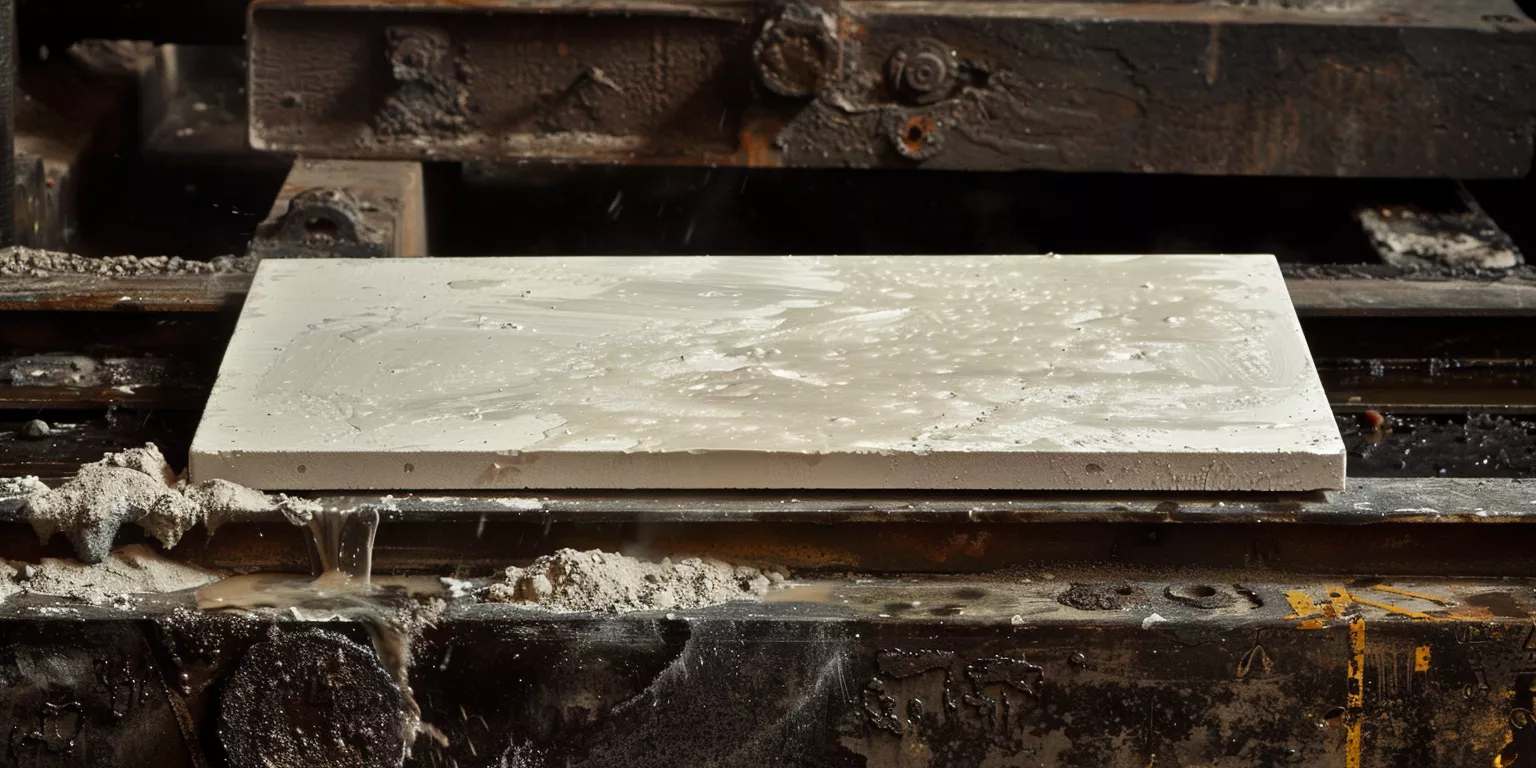
Furthermore, once installation methods are aligned with mechanical and thermal realities, Alumina Plate performance can be evaluated across specific heavy industrial applications, where operating patterns and failure priorities differ by sector.
Although the same Alumina Plate material may be used, its geometry, thickness, and fixation strategy must adapt to each industry’s dominant wear and load profile to achieve predictable service life.
Mining and Bulk Material Handling Systems
First, mining systems expose Alumina Plate to continuous abrasive flow combined with intermittent impact. Ore handling chutes, transfer points, and hopper liners commonly operate with particle velocities of 2–6 m/s, while lump sizes may exceed 50 mm.
In these locations, Alumina Plate primarily functions as a wear barrier rather than a structural element. Field installations show that segmented plates of 15–25 mm thickness bonded over compliant backing layers reduce localized stress and accommodate uneven flow. Maintenance teams frequently report service life extensions of 2–4× compared with hardened steel liners, especially where fine abrasive content dominates.
Accordingly, mining applications favor modular layouts that allow selective replacement. Alumina Plate excels when abrasion is continuous and predictable rather than violently chaotic.
Cement and Power Plant Applications
Next, cement plants and power stations impose combined abrasion, temperature, and chemical exposure. Cyclones, kiln feed chutes, ash hoppers, and flue gas desulfurization systems represent common alumina-lined zones.
In cement preheater cyclones, operating temperatures often range from 300 to 600 °C, while dust-laden gas streams generate high-velocity erosion. Alumina Plate-lined cyclones typically show uniform wear patterns, allowing planned maintenance intervals beyond 18–24 months. In power plants, ash slurry systems with solids concentrations of 5–15 wt% benefit from alumina’s resistance to erosion–corrosion synergy, maintaining liner integrity long after rubber linings soften or blister.
Therefore, these sectors value Alumina Plate for stability across multiple stressors rather than peak resistance to a single one.
Steel and Chemical Process Equipment
Finally, steel and chemical industries emphasize thermal endurance and chemical compatibility. Sinter plants, coke handling systems, chemical reactors, and slurry transfer lines often expose liners to aggressive environments for extended durations.
In steel sinter lines operating above 700 °C, Alumina Plate retains shape and hardness where metallic liners distort. Chemical reactors handling acidic or neutral slurries rely on alumina’s inertness to prevent contamination and corrosion-driven failure. Operational data indicate that alumina-lined chemical equipment often exceeds 3 years of service before requiring intervention, provided fixation systems accommodate thermal expansion.
Thus, Alumina Plate supports long-term process stability where reliability outweighs ease of replacement.
Summary of Application-Specific Deployment
| Industry sector | Typical application zone | Dominant stress | Alumina Plate advantage |
|---|---|---|---|
| Mining | Chutes, hoppers, transfer points | Abrasion and impact | Extended wear life |
| Cement | Cyclones, feed chutes | Abrasion and heat | Uniform wear pattern |
| Power plants | Ash hoppers, FGD systems | Erosion–corrosion | Thickness retention |
| Steel | Sinter lines, hot ducts | High temperature | Dimensional stability |
| Chemical | Reactors, slurry lines | Chemical exposure | Inert surface behavior |
Comparison With Alternative Wear Materials
Moreover, once application performance is observed in service, engineers inevitably compare Alumina Plate with alternative wear materials to justify material selection over the full operating lifecycle.
In heavy industrial systems, these comparisons are rarely theoretical. Instead, they are driven by downtime records, maintenance frequency, and the stability of wear behavior under compounded stress.
Alumina Plate Versus Wear Steel
First, wear steel is the most common baseline material due to its toughness and ease of fabrication. Typical hardened wear steels exhibit hardness levels around 450–700 HB, which provides moderate abrasion resistance under sliding conditions.
However, in high-abrasion environments, steel relies on sacrificial material loss. Field measurements in mining and cement chutes frequently record steel wear rates exceeding 1.0–1.5 mm per 10,000 operating hours, particularly when silica-rich particles dominate. By contrast, Alumina Plate wear rates under similar flow conditions often remain below 0.1 mm per 10,000 hours, producing a substantially flatter wear curve.
Consequently, although steel tolerates impact more gracefully, it requires frequent replacement once abrasion becomes dominant. Alumina Plate shifts the maintenance model from frequent intervention to predictable long-term stability.
Alumina Plate Versus Rubber and Polymer Linings
Next, rubber and polymer linings are widely used where noise reduction and impact absorption are priorities. Elastomeric liners typically operate below 80–120 °C, beyond which softening and creep accelerate material loss.
In slurry and ash handling systems, rubber linings initially absorb impact effectively; however, abrasive particles progressively cut and tear the surface. Operational audits in power plants often show rubber liner degradation within 6–9 months when solids content exceeds 10 wt%. Alumina Plate, by contrast, resists cutting and chemical swelling, maintaining shape and thickness even under continuous slurry exposure.
Therefore, polymer linings perform best in low-temperature, low-abrasion environments. Alumina Plate becomes the preferred solution when abrasion and temperature rise beyond polymer stability limits.
Life Cycle Cost Considerations
Finally, life cycle performance differentiates materials more clearly than initial installation metrics. Alumina Plate typically demands higher upfront engineering discipline, including backing preparation and precise installation.
Nevertheless, maintenance logs across mining and cement plants consistently show that alumina-lined zones experience 2–4× longer service intervals than steel-lined equivalents. Reduced replacement frequency lowers shutdown events, stabilizes throughput, and minimizes emergency maintenance exposure. These operational gains accumulate steadily over multi-year operation.
Accordingly, material selection should consider cumulative operating hours rather than initial installation simplicity. Alumina Plate delivers value through consistency and longevity rather than ease of replacement.
Summary of Wear Material Comparison
| Material type | Typical operating limit | Wear behavior | Maintenance profile |
|---|---|---|---|
| Wear steel | Moderate temperature | Sacrificial abrasion | Frequent replacement |
| Rubber lining | <120 °C | Cutting and tearing | Short service intervals |
| Polymer composite | <150 °C | Softening under load | Temperature-limited |
| Alumina Plate | Up to 800–1000 °C | Minimal thickness loss | Predictable long life |
| Hybrid systems | Application-specific | Balanced response | Optimized intervals |
Engineering Design and Specification Strategy
Moreover, after material comparison clarifies why Alumina Plate is selected, engineering success depends on how precisely design intent is translated into specifications that installers and suppliers can execute without ambiguity.
In heavy industrial projects, premature lining failure frequently originates from incomplete drawings rather than incorrect material choice. Therefore, specification strategy must prioritize stress control, installation realism, and long-term maintainability.
Key Parameters for Industrial Drawings
First, industrial drawings should highlight parameters that directly govern wear and fracture risk. Plate thickness, panel size, edge treatment, and backing flatness tolerance consistently outweigh secondary dimensional details in performance impact.
From EPC project reviews in cement and mining plants, drawings that clearly specify thickness ranges such as 15–25 mm for high-impact zones demonstrate markedly lower revision rates during installation. In contrast, drawings emphasizing overall length tolerances while omitting backing preparation requirements often lead to uneven support and early cracking. Accordingly, functional parameters must be elevated to primary callouts.
Therefore, effective drawings communicate how the Alumina Plate is expected to carry load, dissipate impact, and remain constrained during thermal expansion, not merely its nominal geometry.
Avoiding Overdesign and Underdesign
Next, both overdesign and underdesign introduce hidden risks. Overdesign typically manifests as excessive thickness or overly rigid fixation, which increases ceramic stiffness but amplifies thermal and mechanical stress transfer.
Field experience shows that increasing plate thickness beyond 30 mm in moderate-abrasion zones rarely improves service life, yet it raises fracture risk when backing compliance is insufficient. Conversely, underdesign appears when thin plates are applied to impact zones, leading to cracking within weeks or months rather than gradual wear. In both cases, service life shortens because stress is redistributed unfavorably.
Thus, optimal specification balances abrasion resistance with stress accommodation. Alumina Plate performs best when thickness and support are matched to dominant loading modes rather than maximized indiscriminately.
Standardization Versus Custom Geometry
Finally, engineers must decide when standard plate formats suffice and when custom geometry is justified. Standard rectangular plates simplify procurement and installation, particularly in straight chutes and pipelines.
However, complex geometries such as elbows, bifurcations, and transition zones often generate uneven flow and localized impact. In these locations, custom-shaped Alumina Plates reduce stress concentration and eliminate exposed steel edges. Project data from slurry transport retrofits indicate that custom geometry reduces localized failure frequency by 40–60% compared with trimmed standard plates.
Accordingly, standardization should govern low-risk zones, while customization targets high-stress transitions. This selective approach optimizes both cost and reliability.
Summary of Engineering Specification Priorities
| Specification focus | Typical industrial range | Engineering objective | Performance result |
|---|---|---|---|
| Plate thickness (mm) | 15–25 | Impact and abrasion balance | Extended service life |
| Backing flatness (mm) | ≤±2 | Uniform load transfer | Crack prevention |
| Edge treatment radius (mm) | ≥10–15 | Stress concentration reduction | Lower fracture risk |
| Fixation allowance | Thermal movement | Expansion accommodation | Interface stability |
| Geometry approach | Standard vs custom | Flow and stress control | Reduced localized failure |
Inspection Maintenance and Service Life Management
Furthermore, once Alumina Plate systems are correctly designed and installed, inspection and maintenance practices determine whether their theoretical service life is actually realized in continuous operation.
In heavy industrial environments, Alumina Plate rarely fails without warning. Instead, gradual indicators emerge that allow maintenance teams to intervene proactively rather than react to unplanned shutdowns.
-
Routine inspection focus areas
In service, visual inspection should concentrate on edge integrity, joint lines, and fixation interfaces, because these locations experience the highest stress concentration. Hairline cracks, surface discoloration, or localized polishing patterns often appear months before structural failure. For example, maintenance teams in cement plants report that early edge cracking typically becomes visible after 6–9 months of operation in high-impact zones.
Therefore, inspection intervals should be aligned with known stress locations rather than uniform schedules across all lined areas. -
Predictable wear progression patterns
Alumina Plate exhibits gradual and largely uniform wear when operating within design limits. Thickness reduction tends to remain linear over long periods, allowing remaining life estimation based on periodic measurement. In mining transfer systems, plates losing less than 0.2 mm per year often remain serviceable for multiple maintenance cycles.
Consequently, tracking wear rate trends enables maintenance planning without disruptive emergency replacement. -
Planned replacement and shutdown coordination
Service life management succeeds when replacement aligns with scheduled shutdowns. Alumina Plate-lined zones that are replaced proactively at 70–80% of estimated life minimize the risk of sudden fracture and secondary equipment damage. In power plant ash handling systems, such planning reduces unplanned outages and stabilizes annual maintenance workload.
Accordingly, Alumina Plate supports predictive maintenance strategies rather than reactive interventions.
Ultimately, disciplined inspection and service life management convert Alumina Plate from a wear solution into a reliability asset across heavy industrial operations.
Summary of Inspection and Maintenance Indicators
| Inspection parameter | Typical observation window | Maintenance implication | Action priority |
|---|---|---|---|
| Edge and joint condition | 6–9 months | Early crack detection | High |
| Surface wear rate (mm/year) | <0.2 | Remaining life estimation | Medium |
| Fixation integrity | Annual checks | Debonding prevention | High |
| Uniform wear pattern | Continuous | Predictable service | Medium |
| Planned replacement ratio (%) | 70–80 of life | Shutdown optimization | High |
Custom Alumina Plate Solutions With ADCERAX
Moreover, after inspection and maintenance strategies are established, long-term reliability increasingly depends on whether Alumina Plate solutions are adapted to site-specific stresses rather than applied as generic components.
ADCERAX approaches Alumina Plate projects through application-driven customization, ensuring geometry, thickness, fixation, and material grade align with dominant wear, impact, thermal, and chemical conditions across heavy industrial systems.
ADCERAX begins each project by reviewing operating parameters such as particle size distribution, flow velocity, impact frequency, temperature range, and chemical exposure. Based on these inputs, engineering recommendations are provided for plate thickness ranges, segmentation strategy, edge treatment radii, and backing compatibility, rather than default catalog formats. This upfront alignment reduces trial-and-error during installation and early operation.
In practice, customized Alumina Plate layouts often reduce localized failure incidents by 30–50% compared with standardized plates trimmed on-site. EPC teams benefit from clearer drawings and reduced installation ambiguity, while maintenance managers gain predictable wear behavior that aligns with shutdown planning.
Additionally, ADCERAX supports small-batch verification and pilot installations before full-scale deployment. This staged approach allows field feedback to refine plate geometry and fixation details, typically converging on stable configurations within one to two maintenance cycles. Once validated, consistent production and supply ensure repeatability across identical equipment units.
Consequently, ADCERAX functions as an engineering partner rather than a component vendor. By integrating material selection, customization, and service coordination, Alumina Plate installations transition from reactive wear protection to managed reliability assets.
Summary of ADCERAX Customization Capabilities
| Customization focus | Typical engineering action | Measurable benefit | Operational impact |
|---|---|---|---|
| Thickness optimization (mm) | Site-specific load matching | 30–50% stress reduction | Extended service life |
| Geometry and segmentation | Flow-aligned layouts | Fewer localized failures | Stable wear patterns |
| Edge treatment (mm radius) | ≥10–15 | Crack initiation control | Lower fracture risk |
| Pilot batch validation | Small-scale installation | Faster design convergence | Reduced project risk |
| One-stop supply support | Design to delivery | Consistent repeatability | Simplified maintenance |
Long-Term Performance and Economic Impact
Moreover, once customized Alumina Plate solutions are stabilized in operation, their long-term value becomes evident through consistent performance rather than short-term material metrics.
-
Downtime reduction through wear predictability
In heavy industrial plants, unplanned shutdowns often originate from sudden liner failure rather than scheduled maintenance. Alumina Plate installations typically exhibit linear, measurable wear rates, allowing maintenance teams to forecast replacement windows with reasonable accuracy. For instance, mining and cement operators commonly report service intervals extending beyond 24–36 months in high-abrasion zones when plate thickness and fixation are properly engineered.
Consequently, predictable wear behavior reduces emergency interventions and stabilizes production schedules. -
Maintenance workload stabilization
Traditional wear materials demand frequent inspection and replacement, creating uneven maintenance peaks. Alumina Plate systems, by contrast, shift maintenance toward planned, batch-based replacement during scheduled outages. In power and chemical plants, this approach has reduced liner-related maintenance events by 30–50%, enabling teams to reallocate resources toward higher-value reliability tasks.
Accordingly, Alumina Plate supports a transition from reactive to planned maintenance models. -
Lifecycle optimization across equipment assets
Over multi-year operation, consistent liner performance preserves equipment geometry, protects steel shells, and reduces secondary damage. Steel structures behind Alumina Plate linings often show minimal thinning even after several service cycles, extending overall equipment lifespan.
Therefore, long-term economic impact emerges through asset protection and operational stability rather than immediate material cost considerations.
Ultimately, Alumina Plate delivers value by compressing uncertainty across maintenance, scheduling, and equipment longevity into a manageable and predictable framework.
Summary of Long-Term Performance Indicators
| Performance indicator | Typical observation | Operational benefit | Strategic outcome |
|---|---|---|---|
| Service interval (months) | 24–36 | Fewer shutdowns | Stable production |
| Maintenance event reduction (%) | 30–50 | Lower workload volatility | Improved planning |
| Wear rate behavior | Linear, predictable | Accurate life forecasting | Proactive replacement |
| Steel shell protection | Minimal thinning | Asset preservation | Extended equipment life |
| Replacement planning | Scheduled outages | Reduced emergency risk | Operational continuity |
Conclusion
In conclusion, Alumina Plate succeeds in heavy industrial systems when wear physics, thermal behavior, fixation discipline, and maintenance planning are addressed as a unified engineering problem rather than isolated material choices.
For mining, cement, power, steel, and chemical projects seeking stable wear performance, ADCERAX provides application-driven Alumina Plate customization and engineering support aligned with real operating conditions.
FAQ
Where is Alumina Plate most effective in heavy industrial equipment
Alumina Plate performs best in high-abrasion zones such as chutes, hoppers, cyclones, ash handling systems, and slurry pipelines where hardness-driven wear resistance dominates.
How thick should Alumina Plate be for impact-heavy applications
In mining and cement impact zones, thicknesses between 15 and 25 mm are commonly effective when supported by compliant backing layers.
Can Alumina Plate handle both wear and chemical exposure
Yes. Alumina Plate resists abrasive wear while remaining chemically stable in most acidic and neutral environments, with controlled aging in alkaline systems.
What causes premature Alumina Plate failure in practice
Most early failures result from improper fixation, uneven backing, or unmitigated thermal expansion rather than insufficient material hardness.
References:
-
Learn how erosion–corrosion accelerates material degradation and why understanding this process is crucial for preventing costly equipment failures. ↩
-
Learn how wet process systems contribute to erosion–corrosion, helping you understand material degradation in industrial environments. ↩
-
Exploring mechanical abrasion's role can help in developing strategies to protect materials and improve system efficiency. ↩