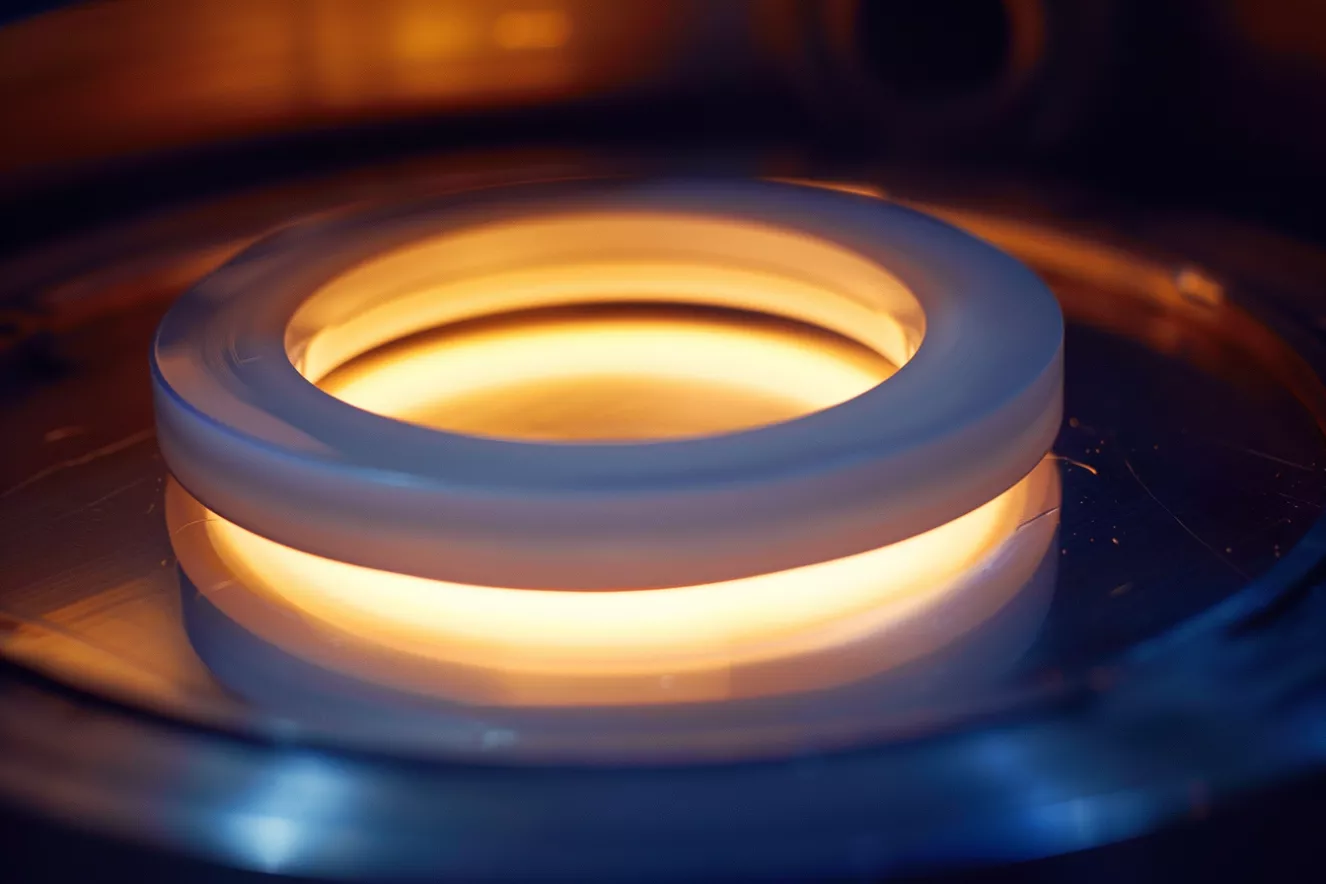
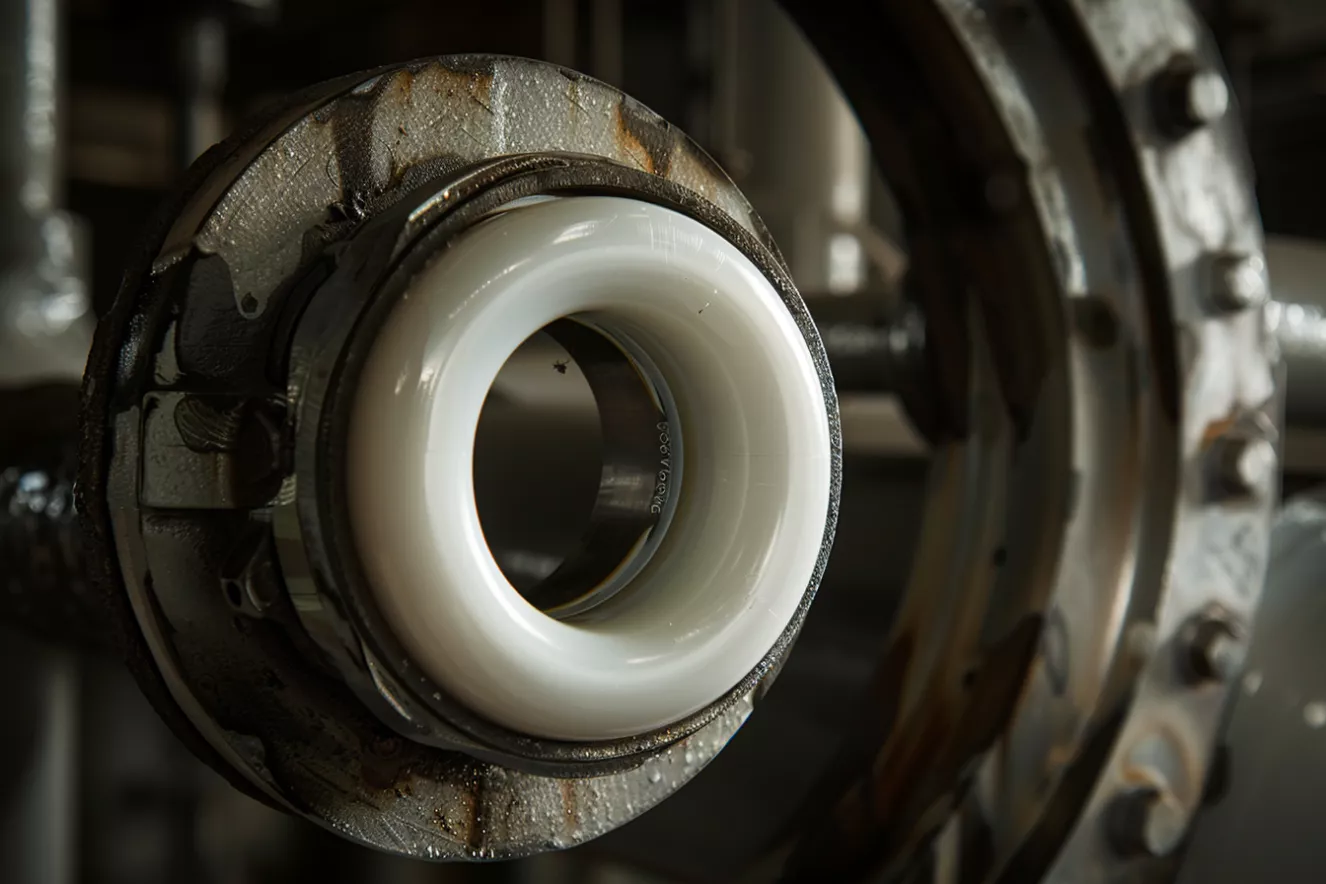
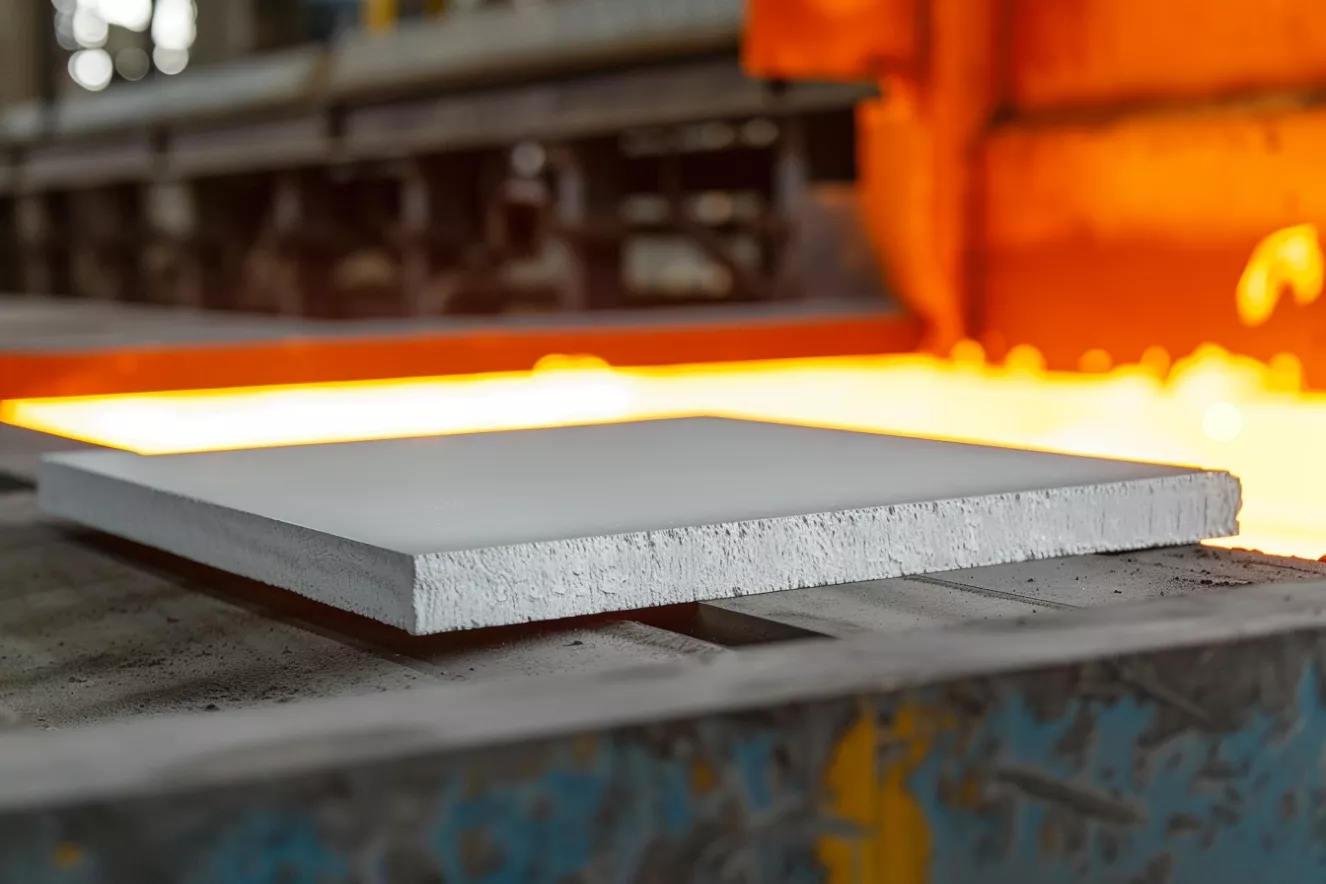
Selecting materials for demanding environments is an engineering challenge that requires clarity.
Alumina ceramic tubes open both ends are selected for high temperature, insulation, and chemical resistance in industrial and research systems.
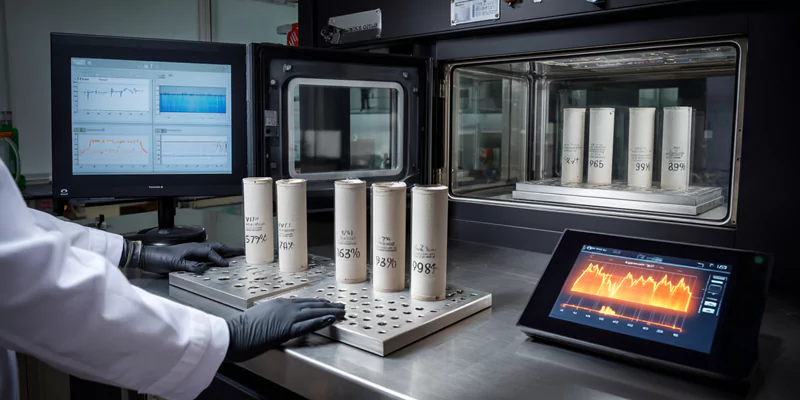
Understanding why these tubes excel under specific conditions helps engineers justify their decisions and reduce risks. This article specifically examines high-temperature, insulating, and chemical-resistant applications related to alumina ceramic tubes open both ends.
Defining Alumina Ceramic Tubes Open Both Ends
A clear definition of the material is essential before evaluating its suitability. Alumina ceramic tubes open both ends combine structure, purity, and dimensions that serve diverse engineering needs. This section explains the foundation on which their performance is built.
Structural Characteristics of Open Ends
The open-end configuration distinguishes these tubes from closed-end alternatives. It enables gas or liquid to flow freely, simplifying integration in reactors and laboratories. This design also improves adaptability during experimental setups.
When assessing this feature, engineers emphasize how unrestricted passage reduces back pressure. It also ensures simpler maintenance and adaptability across thermal and electrical installations. Thus, structural openness translates into operational versatility.
In practice, structural performance means that:
- Unrestricted flow supports controlled atmospheres
- Adaptability reduces mechanical stress during integration
- Simplified maintenance enhances long-term reliability
Material Composition and Purity Levels
Typical alumina ceramic tubes open both ends contain 95–99.8% Al₂O₃. Higher purity correlates with better thermal stability and lower ionic conductivity. This range aligns with industrial and laboratory demands.
The difference between 95% and 99.8% purity becomes evident at elevated temperatures. Lower grades may degrade earlier, while higher-purity options maintain dimensional stability in aggressive atmospheres. Engineers align purity with specific system requirements.
To clarify purity effects:
- 95% purity balances cost with acceptable stability
- 99% purity supports standard high-temperature tasks
- 99.8% purity ensures top resistance in extreme conditions
Dimensional Considerations for Engineering Use
Dimensions define how tubes perform under physical and thermal stress. Wall thickness, length, and inner diameter influence insulation levels and thermal uniformity. Engineers align these factors with application constraints.
In continuous heating systems, thicker walls improve thermal durability. However, thinner walls support faster heating and cooling cycles, preventing delays in experimental work. Engineers balance these factors according to system design.
| Dimensional Factor | Engineering Effect | Optimal Application |
|---|---|---|
| Wall Thickness | Stronger stability | Continuous furnace use |
| Inner Diameter | Influences flow | Gas analysis systems |
| Length | Affects placement | Laboratory setups |
High-Temperature Capability of Alumina Ceramic Tubes Open Both Ends
High-temperature resistance is one of the most decisive properties for engineers. Alumina ceramic tubes open both ends are engineered to tolerate extreme conditions with predictable outcomes. The following subsections explain why this feature makes them reliable in long-term service.
Maximum Service Temperatures in Industrial Furnaces
Continuous operating temperatures typically reach 1600–1700 °C. For short periods, peaks close to 1800 °C are manageable. These benchmarks explain their adoption in industrial furnaces.
Elevated temperature stability reduces the frequency of replacement. It also supports experiments requiring constant exposure to high heat, such as sintering or calcination. This property sets them apart from metals and glass, which soften or deform earlier.
From an engineering view:
- Continuous service supports metallurgical processes
- Short-term peaks allow experimental flexibility
- High stability minimizes downtime risks
Resistance to Thermal Shock Events
Thermal shock is a risk when temperatures shift abruptly. Alumina ceramic tubes tolerate gradients of about 200–250 °C, depending on wall thickness and heating rate. This stability prevents catastrophic cracking in many applications.
Engineers mitigate risks by applying controlled heating and cooling ramps. When managed carefully, alumina tubes survive repeated cycles, providing both durability and safety in furnace environments. These practices extend their operational life.
| Shock Factor | Tolerance Range | Engineering Approach |
|---|---|---|
| Temperature Gradient | 200–250 °C | Gradual heating/cooling |
| Wall Thickness | Influences limit | Select based on furnace size |
| Cycle Repetition | Stable under tests | Adjust ramp rate |
Stability in Continuous Heating Cycles
Long-term reliability matters as much as short-term limits. Alumina tubes retain strength and structure across thousands of operational hours. Dimensional creep is minimal under standard loads.
Engineers trust this material in controlled environments because continuous cycles do not compromise performance. Reports confirm predictable outcomes in pilot furnaces and industrial reactors. This confidence drives repeated use.
Key operational impacts include:
- Dimensional stability supports calibration precision
- Long cycles reduce replacement frequency
- Proven reliability ensures confidence in research
Insulating Properties of Alumina Ceramic Tubes Open Both Ends
Insulation defines the safety and stability of many applications. Alumina ceramic tubes open both ends maintain high resistivity even under elevated temperatures. These characteristics make them indispensable in testing and power systems.
Electrical Resistivity at Elevated Temperatures
At 25 °C, resistivity exceeds 10¹² Ω·cm. Even at 1000 °C, levels remain above 10⁷ Ω·cm, preventing leakage. This protects circuits and experimental accuracy.
Compared to alternative insulators, alumina retains performance under heat without significant degradation. As a result, engineers prefer it for voltage-sensitive installations exposed to thermal gradients.
| Temperature (°C) | Resistivity (Ω·cm) | Effect on Insulation |
|---|---|---|
| 25 | ≥10¹² | Full insulation |
| 1000 | ≥10⁷ | Safe for HV systems |
Role in Preventing Current Leakage
Leakage currents1 disrupt system reliability and cause hazards. Alumina’s insulating ability blocks unintended current paths.
Its mechanical strength further ensures stability under stress.
By maintaining dielectric strength, tubes protect high-voltage setups from short-circuit risks. They also stabilize experimental environments, where measurement integrity is critical. Engineers value this dependability.
Consider how this role plays out:
- Leakage prevention enhances operator safety
- Dielectric stability secures repeatable data
- Mechanical strength reinforces reliability
Applications in High-Voltage Testing and Power Systems
High-voltage testing demands materials that resist breakdown. Alumina tubes provide insulation while also enduring mechanical loads. Their role extends into housing components for transformers and generators.
In practice, they also function in laboratory dielectric testing, where controlled performance is critical. This dual purpose explains their widespread acceptance in both research and industry.
| Application Type | Function of Tube | Performance Outcome |
|---|---|---|
| Testing Chambers | Insulation sleeve | Prevents current leakage |
| Power Transformers | Housing material | Maintains voltage stability |
| Lab Experiments | Support element | Reliable measurement results |
Chemical Resistance of Alumina Ceramic Tubes Open Both Ends
Chemical resistance supports durability in aggressive settings. Alumina ceramic tubes open both ends remain stable against acids, alkalis, and salts. Their reliability reduces replacement frequency and supports process safety.
Behavior in Acidic Environments
In dilute hydrochloric, nitric, or sulfuric acids below 50% concentration, alumina demonstrates high resistance. This stability supports research and chemical processing.
At higher concentrations, slow surface etching occurs, but structure remains functional. This ensures safe and extended use, even under partial attack.
| Acid Type | Resistance Level | Notes |
|---|---|---|
| HCl (≤50%) | High | Surface intact |
| H₂SO₄ (≤50%) | High | Stable structure |
| HNO₃ (≤50%) | High | Minimal effect |
Resistance to Alkalis and Salts
Exposure to sodium hydroxide and alkali salts challenges stability above 1000 °C. Alumina maintains dimensional integrity better than silica-based alternatives. This characteristic extends service life in chemical plants.
Engineers design systems to account for potential surface reactions. In doing so, they retain confidence in operational performance over extended durations.
From practical use:
- Resistance limits reduce unplanned downtime
- Dimensional integrity ensures consistent fits
- Performance surpasses silica under alkalis
Longevity in Corrosive Gas Atmospheres
Alumina tubes withstand SO₂, CO₂, and chlorine-rich atmospheres. Their bonds remain stable in oxidizing conditions, securing predictable long-term results.
In energy and chemical facilities, this property avoids premature material degradation. The advantage is particularly clear in catalytic and flue gas processes.
| Gas Atmosphere | Resistance Result | Service Effect |
|---|---|---|
| SO₂ | Stable | Reliable furnace function |
| CO₂ | Stable | No dimensional change |
| Cl₂ | High stability | Safe in chemical reactors |
Industrial Applications of Alumina Ceramic Tubes Open Both Ends
Engineering decisions ultimately connect material properties with industrial uses. Alumina ceramic tubes open both ends offer solutions for high-temperature, electrical, and chemical systems. Their adaptability explains their relevance across industries.
Roles in High-Temperature Furnace Linings
Alumina tubes protect sensors, control gas channels, and withstand continuous heating. Their open-end design improves placement within furnace zones.
Metallurgical and material science industries rely on them for steady thermal distribution. Without this stability, experimental and production outcomes would be compromised.
Key takeaways include:
- Thermal protection ensures measurement accuracy
- Open ends simplify furnace integration
- High strength reduces unexpected failures
Use in Analytical and Laboratory Equipment
Analytical systems depend on controlled environments. Alumina tubes support chromatography, spectroscopy, and other precision studies. Open ends allow flexible sample insertion.
Researchers benefit from repeatability when using stable ceramics. Their predictable behavior under stress reduces experiment errors and enhances trust in outcomes.
| Application Area | Functionality Provided | Outcome |
|---|---|---|
| Chromatography | Gas flow path | Stable atmosphere |
| Spectroscopy | Sample housing | Reliable data |
| Research Labs | Probe sleeve | Precise measurements |
Integration in Energy and Power Systems
Alumina tubes act as insulating housings in energy distribution. Their high dielectric strength protects against breakdown.
In long-term service, these tubes provide security in transformers and advanced power modules. Their resistance against combined stress factors maintains operational stability.
| Energy Sector Use | Function | Engineering Result |
|---|---|---|
| Transformers | Insulation pass-through | Prevents arcing |
| Generators | Housing component | Maintains structural safety |
| HV Modules | Dielectric barrier | Supports stable operation |
How Engineers Decide Between Different Alumina Ceramic Tubes Open Both Ends Configurations
Decision-making involves aligning multiple parameters. Engineers must weigh thermal, electrical, and chemical factors to ensure long-term performance. These trade-offs determine system stability.
Evaluating Thermal, Electrical, and Chemical Trade-Offs
Balancing multiple performance requirements defines the selection process. High-temperature demands may favor higher purity, while insulation may require optimized geometry.
Chemical durability also plays a role, particularly in corrosive environments. The most reliable outcomes occur when trade-offs are analyzed systematically.
Key evaluation practices include:
- Thermal performance aligned with cycle conditions
- Electrical strength verified by dielectric needs
- Chemical durability matched to environment
Matching Tubes to Specific Application Environments
Different industries impose unique requirements. Furnaces require thermal durability, while labs emphasize precision. Engineers align tube features with operational settings.
This alignment avoids overspecification and ensures efficient performance. Each configuration must balance durability with cost-effectiveness in real scenarios.
| Environment Type | Required Feature | Operational Reason |
|---|---|---|
| Furnaces | Thermal strength | Continuous cycles |
| Laboratories | Precision size | Consistent testing |
| Energy Units | Dielectric stability | Safe transmission |
Criteria for Long-Term Reliability in Service
Long-term success requires predicting material life under real conditions. Engineers evaluate microstructure, dimensional accuracy, and operational environment.
Reports confirm that properly chosen tubes maintain serviceability over thousands of hours. This durability reduces replacement costs and improves workflow stability.
Key decision standards include:
- Microstructure stability supports extended life
- Dimensional precision ensures consistent fits
- Service data validates material reliability
Conclusion
Alumina ceramic tubes open both ends combine high temperature, insulation, and chemical resistance for diverse applications.
Navigating performance requirements demands reliable data and precise guidance. Leverage ADCERAX engineering expertise, supported by factory-direct supply and custom processing, to secure the right alumina ceramic tubes for your project.
FAQ (Frequently Asked Questions)
Q1: What is the maximum temperature rating of alumina ceramic tubes open both ends?
They typically withstand 1600–1700 °C in continuous service and can handle short-term exposure up to 1800 °C.
Q2: Why are alumina ceramic tubes open both ends suitable for power systems?
Their high electrical resistivity prevents current leakage, ensuring stable insulation in high-voltage environments.
Q3: Can alumina ceramic tubes open both ends be customized for specific equipment?
Yes, dimensions such as inner diameter, wall thickness, and length can be tailored to meet system integration needs.
Q4: How do alumina ceramic tubes open both ends compare to glass tubes in corrosive environments?
Alumina offers superior resistance to acids, alkalis, and gases, outperforming glass in high-temperature chemical applications.
References:
-
Understanding leakage currents is crucial for maintaining system reliability and preventing hazards. ↩