Selecting the correct ceramic tube parameters presents a major engineering challenge.
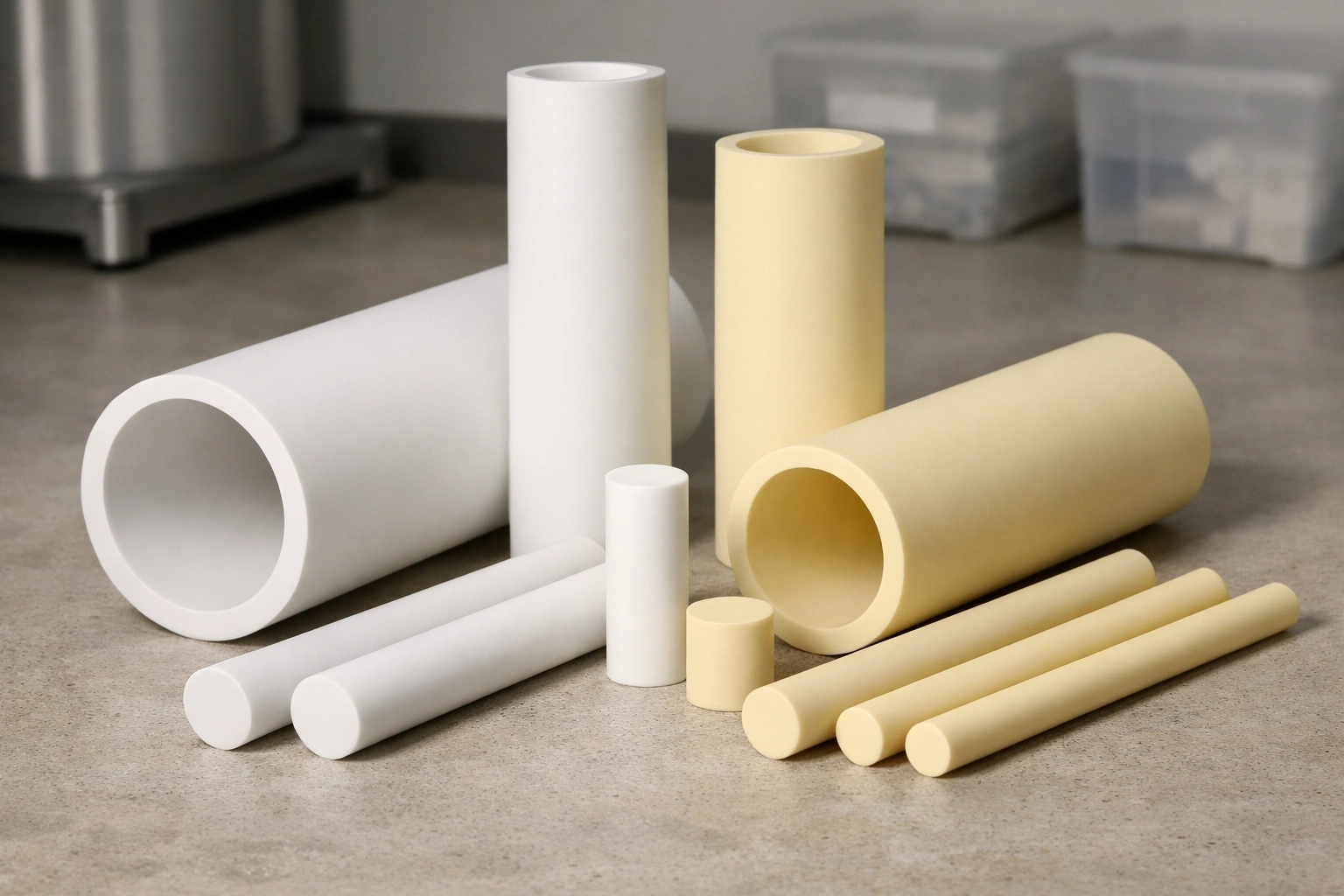
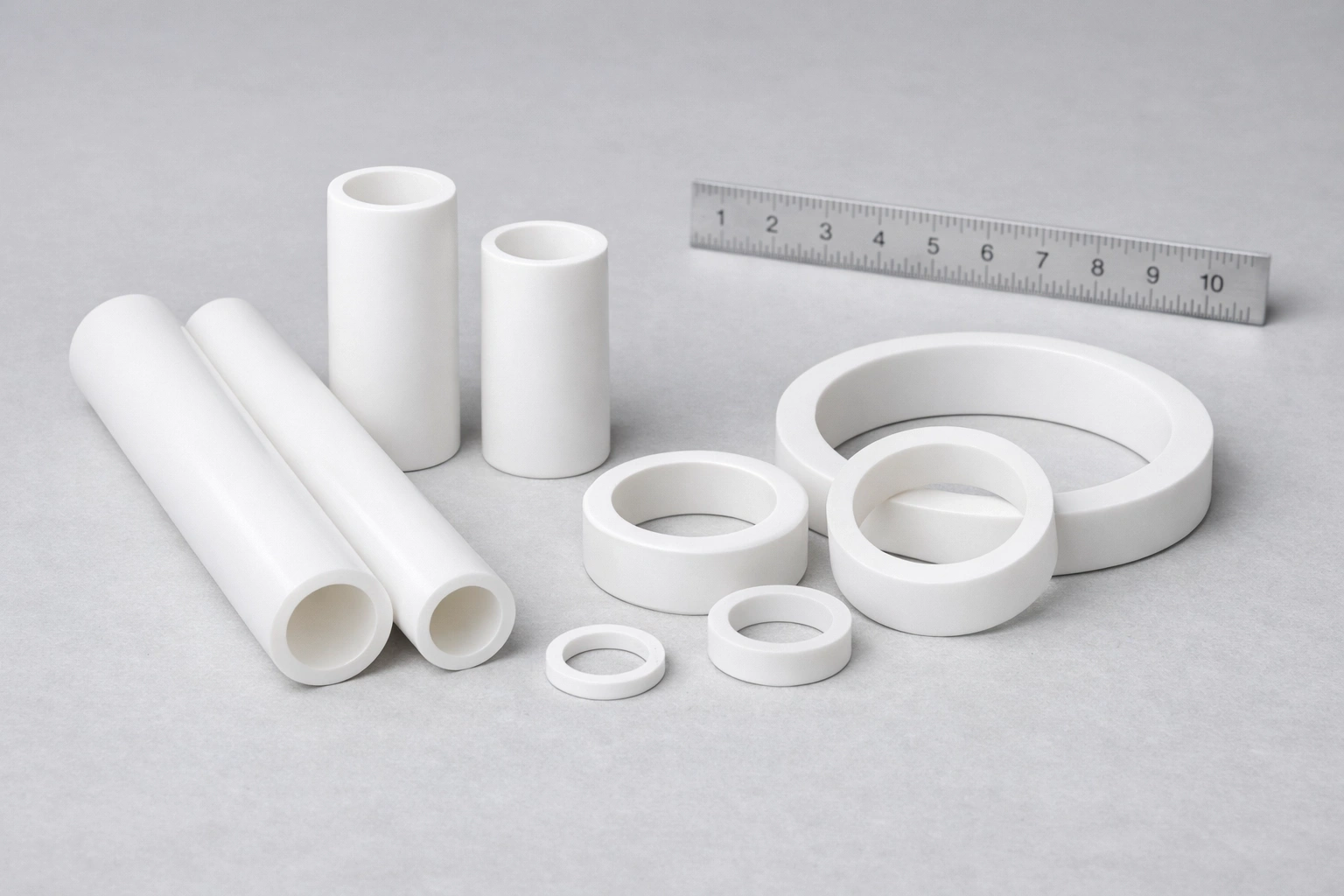
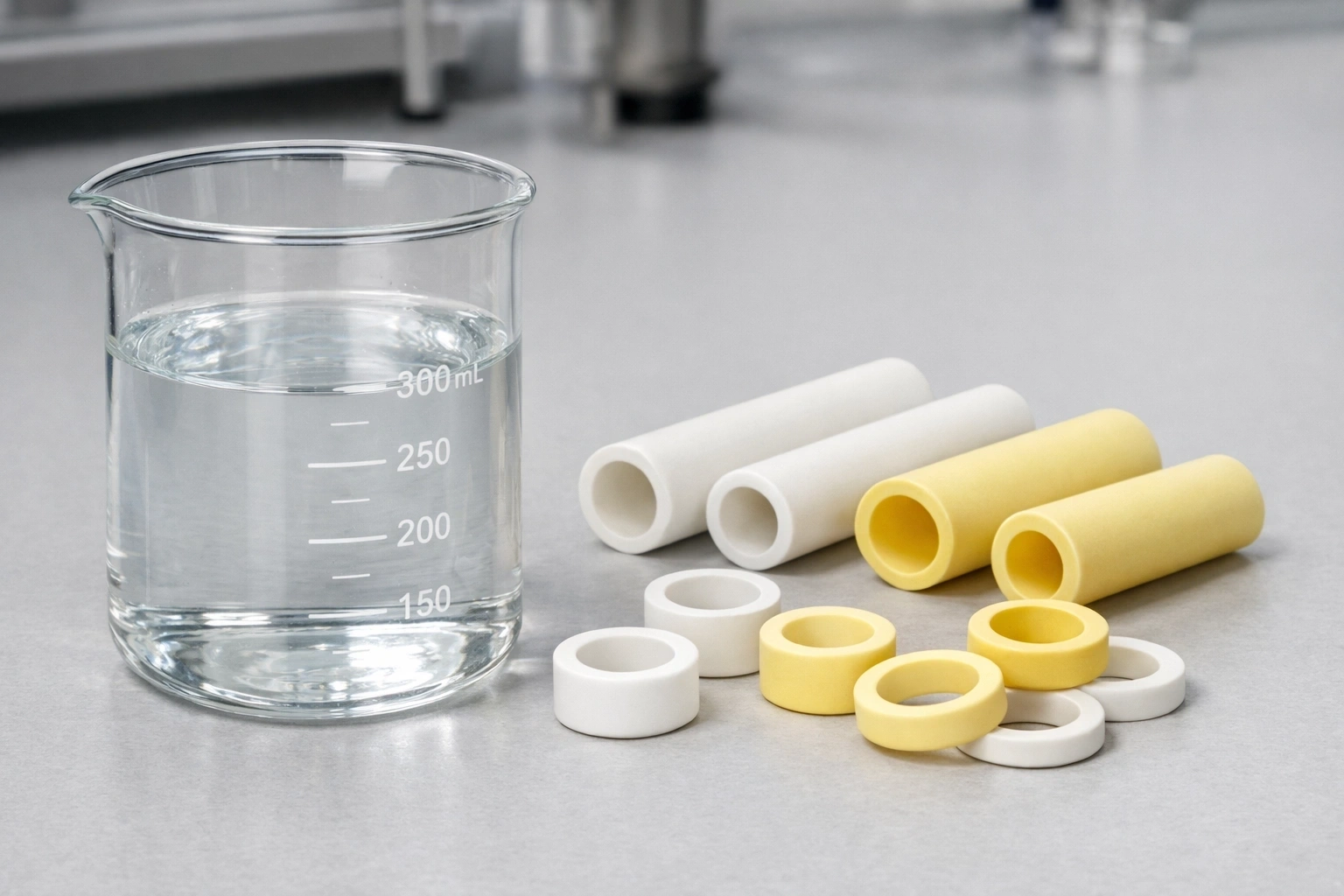
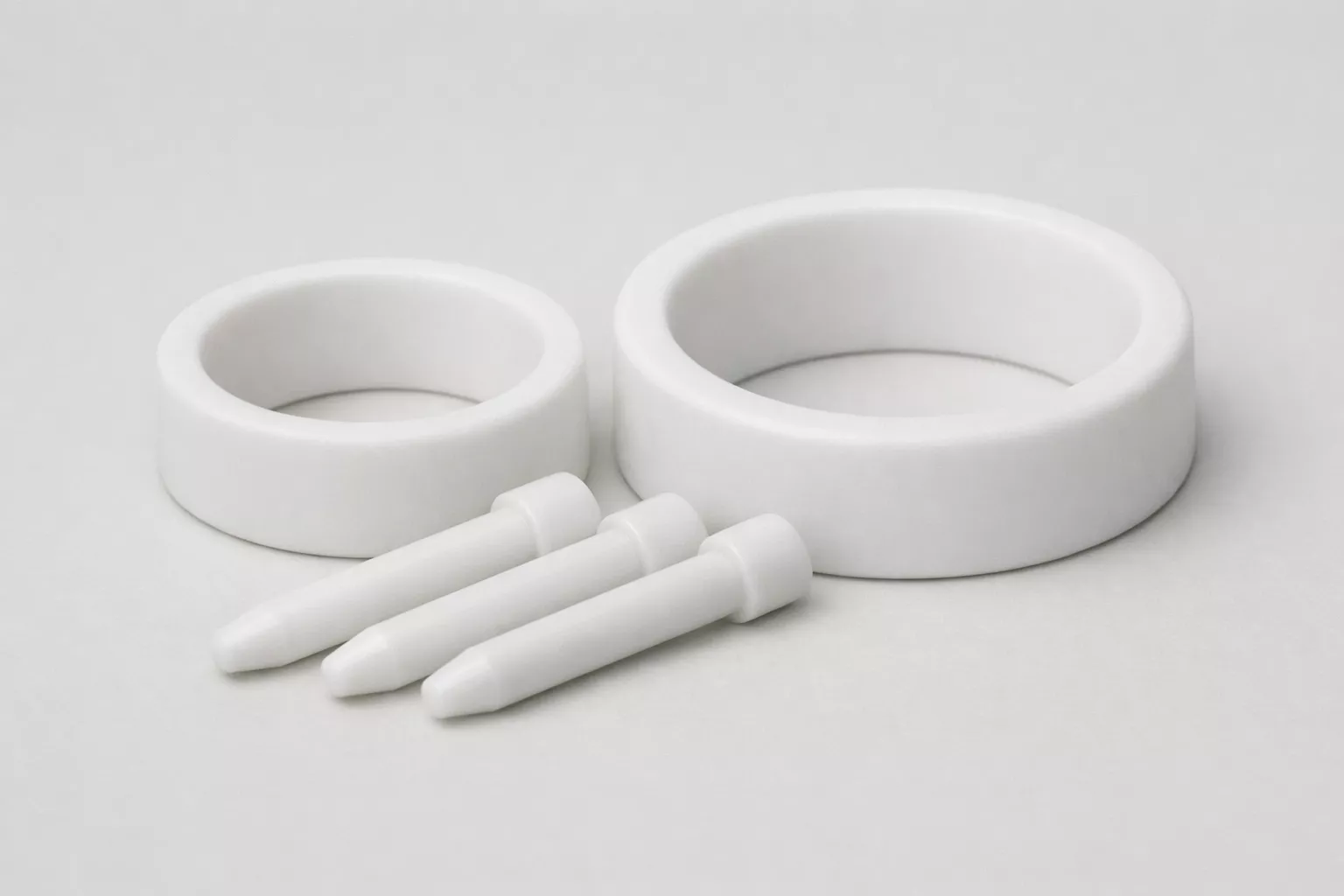
Engineers customize high purity alumina ceramic tubes by defining purity, size, wall thickness, and operating temperature. Each industrial application requires tailored decisions to ensure stability, efficiency, and reliability.
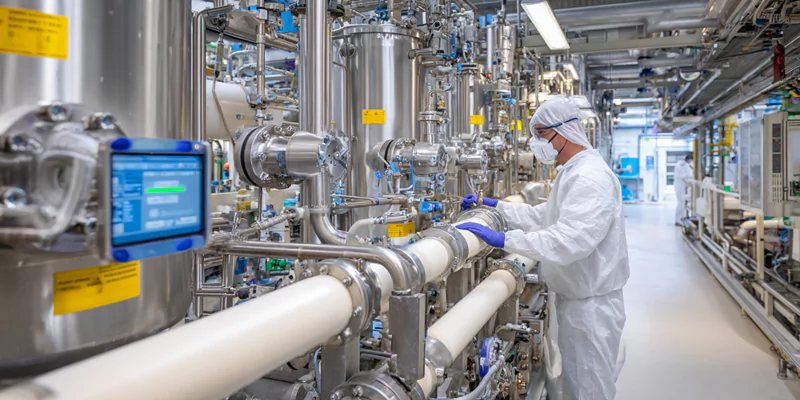
Engineering applications demand more than material availability. They require parameter-driven decisions that align with thermal, mechanical, and chemical conditions. The following sections present application-focused customization guidance for engineers in 2025, covering semiconductor furnace linings, metallurgical material processing, chemical processing equipment, and high-temperature laboratory furnaces as the four key use cases.
What Defines High Purity Alumina Ceramic Tubes in Industrial Engineering?
Understanding how alumina tubes are defined in engineering contexts helps engineers align material properties with project requirements. These tubes are evaluated by purity, dimensional stability, wall thickness, and thermal limits, which together dictate overall performance. Without precise definition, material risks increase under demanding industrial environments.
Purity Levels and Their Technical Implications
Purity determines the extent to which alumina tubes can resist contamination during industrial processes. High purity above 99.5% Al₂O₃ minimizes impurities that could otherwise compromise chemical or semiconductor applications. Engineers rely on strict specifications to safeguard sensitive processes.
Such purity levels influence electrical insulation, corrosion resistance, and thermal stability. By selecting tubes of the right grade, engineers directly reduce risks of contamination and achieve higher operational reliability. This alignment between purity and process outcome provides the strongest justification for demanding high percentages.
From these details, several practical implications arise:
- Purity above 99.5% ensures stable process control.
- Lower purity grades risk structural degradation.
- Verified specifications prevent performance inconsistency.
Dimensional Control and Wall Thickness Requirements
Dimensional accuracy supports compatibility with furnaces, reactors, and lab setups. If wall thickness or diameter is misaligned, thermal stresses concentrate unevenly, raising failure risk. Engineers must therefore evaluate design tolerances in advance.
Maintaining dimensional consistency reduces stress fractures during thermal cycling. Wall thickness in the range of 2–5 mm often balances strength with efficient heating performance. Uniform size also simplifies installation and integration into equipment.
| Parameter Focus | Typical Range | Engineering Benefit |
|---|---|---|
| Wall Thickness (mm) | 2–5 | Improved thermal shock resistance |
| Diameter Control | ±0.1 mm | Reliable installation fit |
| Length Consistency | ≤1% variation | Uniform heating behavior |
Thermal Limits Relevant to Industrial Processes
Thermal resistance is a decisive property of alumina tubes. Continuous operation typically sustains 1,500–1,700°C, while short-term peaks reach 1,800°C. Exceeding limits risks microstructural instability.
By working within these thermal windows, engineers preserve integrity and extend lifespan. Accurate thermal specification avoids unforeseen failures and supports safe scaling of industrial operations. With data-backed limits, tubes are positioned as reliable industrial enablers.
Engineers can therefore note key takeaways:
- Continuous use should not exceed 1,700°C.
- Short-term peaks must remain below 1,800°C.
- Thermal cycling stability ensures longevity.
Why Engineers Must Align Tube Parameters With Application Demands
Effective use of alumina tubes depends on precise alignment between parameters and operating environments. Engineers face different thermal, mechanical, and chemical stresses, making generic specifications inadequate. Only application-specific alignment secures reliable outcomes.
The Role of Purity in Process Stability
Purity has direct consequences on process repeatability. Semiconductor and chemical applications often require ≥99% Al₂O₃ to prevent ionic contamination[^1]. Without strict control, processes yield unpredictable results.
This requirement links purity to stability across industrial workflows. Engineers who select high-grade tubes benefit from consistent measurements and safe production outputs. The logical decision is clear: purity cannot be compromised.
Several guiding observations emerge here:
- High purity protects against ionic contamination.
- Process accuracy depends on stable material inputs.
- Reproducibility requires strict purity control.
Wall Thickness and Its Impact on Thermal Shock Resistance
Wall thickness moderates how tubes endure rapid heating and cooling cycles. Thicker walls resist cracking, but they increase energy costs due to slower heating. Thin walls improve thermal efficiency but raise fracture risk.
Balancing these extremes allows engineers to design safe yet efficient systems. For furnace operations, wall thickness between 3–6 mm often represents the optimal compromise. Context determines whether energy efficiency or safety dominates.
| Wall Thickness (mm) | Advantage | Trade-Off |
|---|---|---|
| 2–3 mm | Faster heat transfer | Higher risk of cracking |
| 3–6 mm | Better thermal shock resistance | Moderate energy cost |
| >6 mm | Maximum durability | Reduced efficiency |
Balancing Tube Size With Mechanical Strength
Tube size influences throughput but introduces structural concerns. Larger diameters can carry higher loads but are vulnerable to bending and fracture. Engineers need to pair size with thickness for safety.
This interplay ensures mechanical strength without sacrificing performance. Smaller tubes resist external stresses better, whereas larger tubes require reinforcement. Reliable customization depends on balancing these opposing constraints.
From practical assessment, engineers should consider:
- Large diameters require structural reinforcement.
- Small sizes resist stress but limit throughput.
- Balanced design supports both flow and strength.
Customized Alumina Tubes for Semiconductor Furnace Linings
Semiconductor furnace conditions expose tubes to extreme heat and strict contamination control. Engineers must therefore define parameters that balance chemical stability and precise tolerance. Success depends on securing ultra-high purity and precise geometry.
Recommended Purity Level and Its Justification
Wafer integrity requires contamination-free environments. For this reason, 99.8% Al₂O₃ tubes are standard, eliminating ionic interference. Using lower grades risks reducing yield and product reliability.
The link between purity and yield is supported by industry data. Contaminants at even 0.1% can affect silicon doping uniformity. Engineers select purity levels to directly preserve production quality.
Key lessons stand out in this context:
- ≥99.8% purity eliminates ionic contamination risks.
- Higher grades preserve wafer yield rates.
- Purity is non-negotiable in semiconductor use.
Critical Size and Wall Thickness Considerations
Semiconductor furnaces rely on precise size for uniform heating. Wall thickness between 2–5 mm provides balance, enabling heat transfer while resisting cracks. Dimensional uniformity ensures reproducible processing cycles.
When parameters deviate, wafers may receive uneven heat exposure. This creates non-uniform structures in microelectronics. Precision dimensions therefore become mandatory, not optional.
| Parameter | Recommended Range | Purpose |
|---|---|---|
| Wall Thickness | 2–5 mm | Thermal balance and crack resistance |
| Inner Diameter | Custom tolerance | Wafer batch compatibility |
| Length Uniformity | ≤0.5% variation | Reproducible heating |
Operating Temperature Range for Continuous Processing
Semiconductor furnaces run for long hours. Tubes must handle 1,600–1,700°C continuous operation without degradation. Shorter exposures may rise higher, but reliability declines if limits are exceeded.
Engineers plan furnace cycles within these ranges. Respecting limits safeguards wafer integrity while extending tube lifespan. Controlled operation is therefore both a technical and economic priority.
Customized Alumina Tubes for Metallurgical Material Processing
Metallurgy demands durability under molten alloy exposure and mechanical handling. Engineers must define purity, size, and thermal parameters suited to aggressive environments. Structural resilience dominates customization choices here.
Purity Requirements Under Aggressive Chemical Exposure
Chemical exposure during alloy melting requires ≥95% Al₂O₃ tubes. This grade resists attack from corrosive slags and molten metals. Lower purities degrade rapidly under exposure.
High-purity structures resist long-term degradation, reducing replacement frequency. Metallurgical engineers select purity to protect process continuity and equipment lifespan. The correlation between grade and durability is well documented.
Points of consideration include:
- ≥95% purity minimizes chemical degradation.
- Low purity accelerates wear in slag exposure.
- Proper grade selection sustains equipment cycles.
Structural Dimensions to Resist Mechanical Stress
Metallurgical tubes face heavy handling and stress from molten flows. Walls ≥5 mm thick ensure survival in these conditions. Thin-walled tubes would fracture under comparable stress.
Engineers choose robust dimensions to manage both mechanical and thermal challenges. With correct sizing, tubes maintain structural integrity even during intensive use. Dimensional strategy thus underpins safe metallurgy operations.
| Dimension Focus | Recommended Value | Effect |
|---|---|---|
| Wall Thickness | ≥5 mm | Resistance to handling stress |
| Tube Diameter | Application-based | Fluid dynamics control |
| Length Robustness | ≤1% deviation | Mechanical stability |
Temperature Windows for Alloy Melting and Refining
Alloy melting requires sustained temperatures of 1,450–1,650°C. Tubes customized for this range provide long-term stability. Exceeding limits risks microfracture and tube failure.
By respecting thermal windows, metallurgical engineers guarantee repeatability. Proper design extends the operating cycle and reduces downtime. Such careful planning improves both safety and productivity.
Customized Alumina Tubes for Chemical Processing Equipment
Chemical reactors expose tubes to corrosive fluids and high pressures. Parameters must reflect resistance to both chemical and mechanical stresses. Precision customization preserves system efficiency.
Importance of High Purity to Avoid Contamination
Chemical production requires uncontaminated output. Tubes of ≥99% Al₂O₃ ensure stability against aggressive solvents. Impure grades risk leaching unwanted ions into the process.
Purity safeguards both fluid composition and reactor outcomes. By specifying correct grades, engineers minimize contamination incidents. This design step is fundamental to maintaining consistent production quality.
Engineers should therefore focus on:
- ≥99% purity prevents fluid contamination.
- Contaminants disrupt chemical yield consistency.
- Purity ensures stable reactor operation.
Tube Dimensions for Fluid Flow and Corrosion Resistance
Flow dynamics depend on accurate tube sizing. Narrow diameters ensure controlled laminar flow, while internal uniformity reduces erosion from fluid contact. Proper sizing enhances corrosion resistance in harsh environments.
Dimensional design secures optimal fluid performance while minimizing structural stress. Engineers use tight tolerance specifications to meet these dual requirements. Application-specific dimensions are always necessary.
| Parameter | Range | Function |
|---|---|---|
| Inner Diameter | Application-based | Controls fluid velocity |
| Wall Smoothness | Polished | Reduces erosion risk |
| Length Control | ±0.5% | Maintains process uniformity |
Wall Thickness for Pressure and Temperature Stability
High pressures demand robust wall designs. Thickness in the 3–6 mm range balances resistance to both pressure and thermal load. Insufficient walls fail under combined stress.
Engineers use calculations to match tube thickness with system requirements. Correct design ensures reactor safety and operational continuity. The combination of purity and wall thickness preserves process outcomes.
Customized Alumina Tubes for High-Temperature Laboratory Furnaces
Research conditions require frequent heating cycles and strict repeatability. Engineers customizing for laboratories must prioritize purity and endurance. Design choices directly affect research accuracy.
Purity Specifications for Research Accuracy
Experiments demand ≥99.5% purity. This level prevents contamination that skews analytical outcomes. Low purity undermines research validity.
Maintaining these standards ensures reproducible and credible data. Purity becomes a prerequisite for academic and industrial labs alike. In this context, specifying correct grade protects research credibility.
Key emphasis should be given to:
- ≥99.5% purity ensures valid results.
- Research accuracy depends on contamination-free tubes.
- Purity safeguards experimental reproducibility.
Size and Wall Thickness in Controlled Experiments
Lab experiments often require narrow tubes of 5–20 mm ID. Thin walls accelerate heating response, aiding controlled experiments. Overly thick walls slow reaction times and distort results.
Dimensional accuracy improves both reliability and safety in lab setups. Engineers rely on tight tolerances to maintain control. Design must match the intended research procedure.
| Parameter | Range | Benefit |
|---|---|---|
| Inner Diameter | 5–20 mm | Supports lab-scale experiments |
| Wall Thickness | 2–3 mm | Fast heating response |
| Tolerance | ±0.05 mm | Ensures repeatability |
Thermal Endurance for Repeated Heating Cycles
Research furnaces operate under intense cycles. Tubes must resist heating rates of up to 250°C/min. Without this, fracture risk rises rapidly.
By designing with endurance in mind, engineers secure tube reliability. This capability extends experimental consistency. Parameter-driven selection here ensures long-term research success.
Engineering Rationale for Parameter-Driven Customization
Engineering accountability requires parameterized customization. Parameters connect performance outcomes with predictable results. Properly defined tubes extend operational lifespan and minimize risk.
Linking Parameter Choices to Process Reliability
Purity, size, and thickness decisions directly prevent premature failure. By aligning specifications, engineers improve industrial reliability. This clarity transforms customization into a preventive strategy.
The following considerations summarize this link:
- Correct purity maintains process stability.
- Dimensions preserve compatibility and integrity.
- Thickness decisions resist environmental stresses.
Mitigating Risks Through Proper Tube Selection
Misalignment between design and environment generates risk. Failures increase downtime and operational cost. Engineers prevent this through proactive specification.
Matching tubes to application demands reduces accidents and ensures consistency. This provides measurable risk reduction across sectors. Prevention, therefore, is always cheaper than correction.
| Risk Factor | Preventive Parameter | Result |
|---|---|---|
| Thermal Stress | Proper wall thickness | Reduced fracture risk |
| Chemical Attack | High purity | Lower contamination incidents |
| Mechanical Load | Correct size | Stable long-term use |
Maximizing Operational Lifespan in Industrial Settings
Durable customization enhances tube service life. Service cycles extend by 20–30% when specifications are correct. Engineers benefit from fewer replacements and higher uptime.
Practical impacts justify parameter-driven design. Equipment cycles operate more smoothly when reliability is embedded. This confirms the economic and technical advantages of correct tube customization.
Conclusion: Enabling Engineers to Achieve Reliable Industrial Implementation
Customization transforms alumina tubes into reliability enablers. Engineers who align purity, size, thickness, and temperature achieve consistent and safe results. Industrial projects in 2025 depend on parameter-driven decisions for success.
Navigating parameter selection requires evidence-based engineering. Leverage ADCERAX expertise—factory-direct supply, fast response, and flexible customization—to secure reliable alumina ceramic tube solutions for your next project.
FAQ (Frequently Asked Questions)
Q1. What purity level is typically recommended for alumina tubes in semiconductor furnaces?
99.8% purity ensures contamination-free performance in wafer fabrication environments.
Q2. How do engineers determine the correct wall thickness for metallurgical applications?
Wall thickness above 5 mm provides durability against thermal stress and abrasion in alloy processing.
Q3. What are the main customization steps when ordering alumina tubes for chemical reactors?
Engineers must specify purity, size, and wall thickness based on fluid type, flow rate, and operating temperature.
Q4. How do alumina ceramic tubes compare with quartz tubes in high-temperature laboratory experiments?
Alumina tubes endure higher temperatures (up to 1,800°C) compared to quartz (~1,200°C), making them superior for long-term furnace use.
References:[^1]: Learn about the impact of ionic contamination on processes, which is vital for maintaining product quality in these industries.