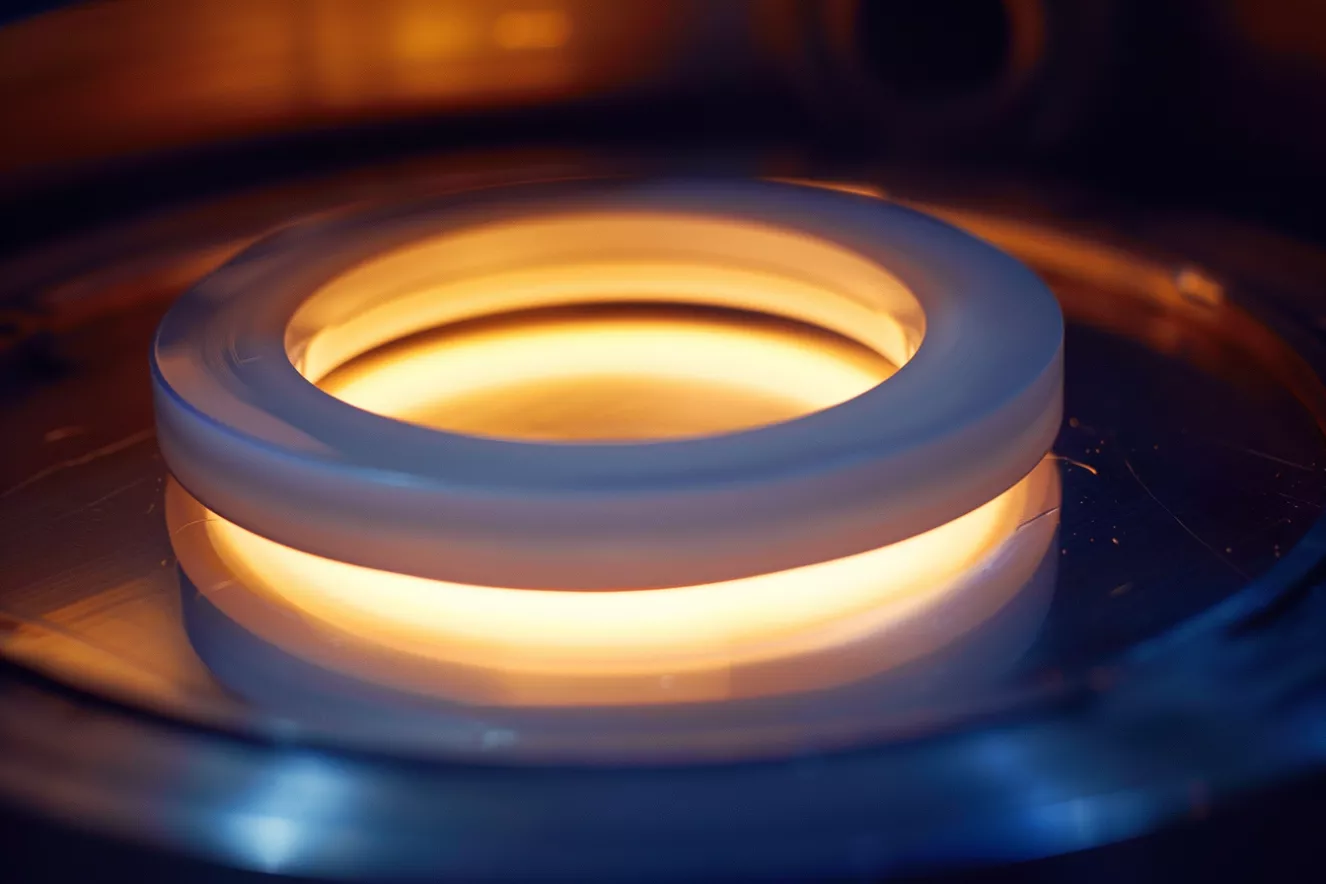
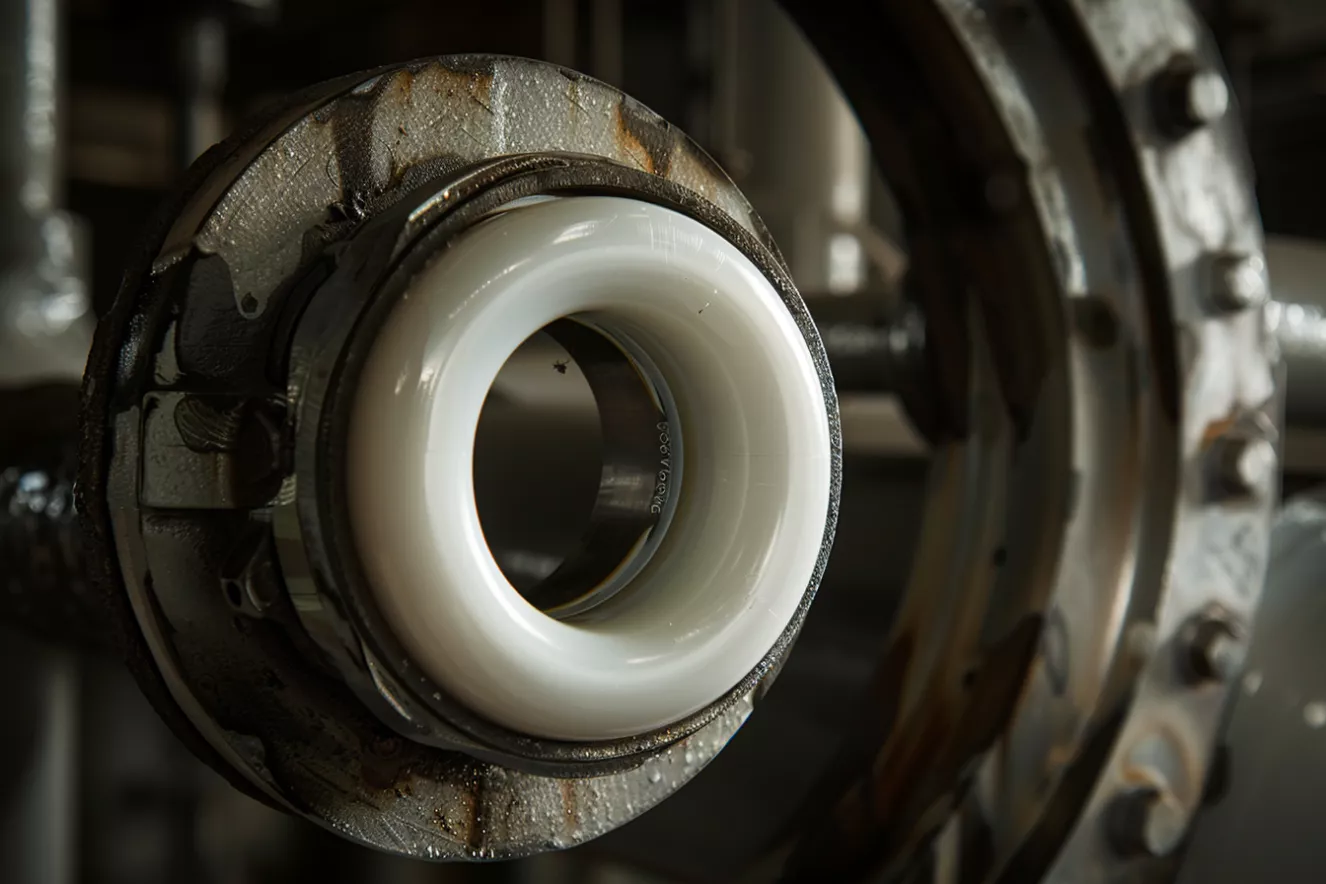
Cutting dense ceramics requires accuracy and safety awareness.
Alumina ceramic tubes can be cut by scoring, snapping, diamond wheel cutting, or with precision equipment, each requiring protective measures and proper preparation.
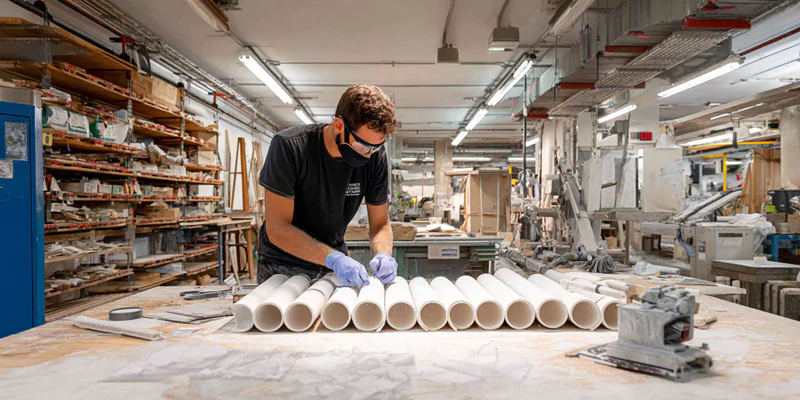
Understanding material properties and correct cutting methods ensures both safety and precision.
Understanding Alumina Ceramic Tubes and Cutting Challenges
Alumina ceramic tubes are widely used in laboratories and industries because of their excellent mechanical strength and high-temperature stability. However, cutting them is not straightforward due to their extreme hardness and brittle nature. Engineers and technicians must carefully evaluate their properties before deciding on an appropriate cutting method.
The cutting challenges come mainly from the material’s structural composition, which resists standard machining techniques. This resistance leads to rapid wear of conventional tools and increases the risk of microcracking. Therefore, adopting specialized tools and controlled techniques is essential for effective cutting.
Knowledge of these material limitations in alumina ceramic tubes ensures safer processes and reduces waste. By focusing on hardness, fracture toughness, and flexural strength, it becomes easier to predict possible outcomes and plan preventive measures in advance.
Material composition and hardness
Alumina ceramic tubes are made of highly crystalline aluminum oxide, which accounts for their outstanding hardness1. This property makes them resistant to abrasion and suitable for high-stress applications. Their hardness is typically measured at 15–20 GPa (Vickers).
The crystalline nature of alumina provides chemical stability but significantly complicates mechanical cutting. While this advantage benefits end use, it also requires diamond-based tools. Standard steel or carbide blades cannot withstand repeated contact.
Because of this, hardness directly defines cutting strategies. Professionals must adopt tools rated for ceramics and plan consistent cooling techniques to avoid thermal stress.
- High hardness requires diamond abrasives
- Crystalline structure resists conventional blades
- Cutting strategy must prevent thermal stress
Why conventional tools fail
Traditional machining tools are designed for metals or polymers, which are relatively softer. When used on alumina ceramic tubes, these tools dull quickly and may generate cracks. The mismatch between tool hardness and material hardness causes failure.
This rapid wear creates uneven edges and produces dangerous debris. Overheated surfaces further weaken the tube, making cracks propagate under minimal force. Tool inefficiency leads to poor results and potential accidents.
As a result, conventional methods are unsuitable for industrial applications. Substituting them with diamond wheels or water jet systems ensures efficiency and reduces long-term costs.
| Tool Type | Performance on Alumina | Limitation |
|---|---|---|
| HSS Blade | Ineffective | Dulls instantly |
| Carbide Drill | Poor | Generates cracks |
| Diamond Wheel | Effective | Requires cooling |
| Water Jet | Effective | Wider kerf |
Risks of improper cutting
Improper cutting of alumina tubes results in microstructural damage that compromises performance. The risks include uneven fractures, edge chipping, and internal cracking. These defects may remain invisible at first.
Under operational stress, such as thermal cycling or pressure loads, these defects expand. This reduces component life and may cause sudden failures in applications like high-temperature reactors. Long-term reliability is thus undermined.
For these reasons, careful attention to cutting parameters is essential. Reducing vibration, ensuring even support, and verifying edge quality all reduce operational risks.
Preparing for Cutting Alumina Ceramic Tubes
Preparation is a critical stage that sets the foundation for success. Without proper planning, even advanced tools cannot guarantee clean results. Measuring, stabilizing, and protecting the operator are the three core preparation steps.
A controlled environment ensures that external vibrations and dust do not interfere with cutting. Similarly, accurate marking reduces errors and minimizes waste. Personal safety equipment adds another layer of protection.
Through preparation, overall efficiency improves, and risks of tube breakage decline. This step, though often overlooked, has direct impact on both safety and quality.
Measuring and marking accurately
Accurate marking ensures the cut length matches required specifications. Engineers often use digital calipers to measure within ±0.1 mm. A diamond-tipped scribe creates a visible groove.
The groove serves as a guide for cutting, reducing misalignment. If marking is skipped or imprecise, errors compound in later stages. The risk of uneven edges becomes unavoidable.
Precision in measurement increases cutting yield and lowers material waste. Consistency in this phase is non-negotiable for quality assurance.
- Calipers ensure dimensional accuracy
- Diamond scribes provide reliable guides
- Accurate marking reduces waste
Selecting the right workspace
Workspace setup influences cut quality. A stable bench with anti-vibration pads minimizes stress on the tube. Soft clamps distribute force evenly.
When vibration is not controlled, fractures form spontaneously. This creates irregular edges that cannot be polished easily. Secure workholding is therefore indispensable.
Ultimately, a safe workspace enhances operator confidence and preserves tube integrity. It reduces downtime from failed attempts and equipment wear.
| Workspace Factor | Importance | Consequence if Ignored |
|---|---|---|
| Stability | High | Tube cracking |
| Even Clamping | Critical | Stress points |
| Padding | Useful | Reduced surface damage |
Personal protective equipment
Operators cutting alumina tubes face airborne dust and sharp fragments. Goggles, gloves, and respirators are standard requirements. A dust extraction system further enhances safety.
When PPE is not used, fine particles may cause respiratory issues. Injuries from sharp edges are also more likely. Thus, PPE mitigates both long-term and immediate hazards.
Safety compliance builds professional reliability. It also reduces workplace accidents and ensures productivity remains uninterrupted.
Scoring and Snapping Method for Small Alumina Ceramic Tubes
For small diameters, scoring and snapping is the simplest method. It is cost-effective, requiring minimal equipment, and works well for quick tasks. However, precision depends on skill and preparation.
This technique exploits the brittle nature of alumina to create controlled fractures. By aligning a groove with applied pressure, the tube breaks along the intended path. Clean results require even force and patience.
The method remains popular in laboratory environments where tube diameters are under 10 mm. Its limitations lie in edge finishing, which often requires further processing.
Required hand tools
The method requires a diamond scribe, padded clamps, and a stable support edge. A rotary hand tool with a fine burr may assist deeper scoring. Tools must be kept clean and sharp.
Unmaintained scribes create inconsistent grooves. This weakens fracture guidance, leading to irregular breaks. Proper tool condition is therefore essential.
Effective tool use ensures both speed and repeatability. By maintaining readiness, the risk of breakage lowers significantly.
- Diamond scribes provide controlled scoring
- Clamps reduce unwanted stress
- Clean tools enhance repeatability
Step-by-step scoring process
The scoring process involves sequential actions. The operator first marks the desired length with a caliper and scribe. The tube is then secured in padded clamps.
Once secured, the scribe is rotated around the tube’s circumference. Consistent pressure maintains groove uniformity. This groove becomes the fracture guide.
After scoring, the tube is aligned with a sharp edge for snapping. This ensures the fracture follows the intended line.
| Step | Description | Purpose |
|---|---|---|
| 1 | Mark with caliper | Accuracy |
| 2 | Secure with clamps | Stability |
| 3 | Score circumference | Groove guide |
| 4 | Snap along edge | Controlled fracture |
Applying controlled snapping force
Breaking the tube requires gradual force. Sudden pressure causes angled fractures. The operator must press evenly on both sides.
Consistent pressure ensures a straight break. Inconsistent application creates multiple cracks that damage structural integrity. Such cracks reduce service life.
Proper snapping achieves both efficiency and safety. It is an essential part of maintaining reliable outcomes.
Diamond Cutting Wheel Method for Larger Alumina Ceramic Tubes
Large-diameter tubes need powered cutting for clean edges. Diamond wheels grind material gradually, reducing fracture risk. This method produces consistent results when supported with cooling.
Using diamond wheels balances precision with practicality. Proper setup allows operators to cut tubes above 10 mm in diameter with acceptable tolerances. However, neglect of feed rate or cooling leads to microcracks.
Laboratories and industrial plants often prefer this method due to its balance of cost and reliability. Proper training is required to maximize efficiency.
Suitable power tools and blade types
Bench-mounted diamond saws or handheld rotary tools are suitable. Continuous rim blades outperform segmented types because they reduce edge chipping. Blade thickness should match tube wall size.
Using inappropriate blades increases vibration. This leads to uneven cutting and premature blade wear. Long-term, it increases costs.
Matching tool to material is thus critical. A correct blade delivers both durability and accuracy.
- Continuous rim blades minimize chipping
- Thickness must suit wall size
- Correct selection reduces vibration
Adjusting feed speed and pressure
Feed speed should be carefully managed. Exceeding 100 mm/min creates cracks in walls. Too much pressure stresses both blade and tube.
Balanced speed improves efficiency. Operators should monitor vibrations and adjust pressure accordingly. Smooth cutting ensures consistent edge quality.
Feed control directly impacts blade life and tube yield. Optimal adjustment maximizes both safety and productivity.
| Parameter | Recommendation | Effect |
|---|---|---|
| Feed Speed | <100 mm/min | Clean edges |
| Pressure | Moderate | Avoid cracks |
| Vibration | Low | Consistent results |
Cooling and dust control measures
Cooling prevents overheating. Water-fed systems are ideal for extending blade life. At the same time, wet cutting reduces airborne dust.
Dry cutting creates dust hazards. Dust extraction with HEPA filters becomes mandatory in such cases. Neglecting this aspect harms both health and equipment.
Integrating cooling and dust management supports sustainable operations. It lowers risks and enhances overall efficiency.
Precision Cutting with Specialized Equipment
When tolerances are tight, advanced equipment provides solutions. CNC diamond saws and abrasive water jets are the most reliable. These technologies improve consistency but involve higher costs.
In industrial applications, precision equipment allows parts to meet demanding specifications. This is especially important for components used in analytical instruments and high-tech assemblies.
Though cost-intensive, specialized machines pay off in terms of reduced waste and higher repeatability. Their efficiency is unmatched when batch consistency is critical.
Using CNC diamond saws
CNC saws automate cutting paths. Feed rates are adjusted automatically, ensuring clean edges. This reduces human error.
High precision is achieved at ±0.05 mm tolerances. For parts requiring identical dimensions, CNC systems outperform manual methods. Programming ensures repeatability.
Automation makes production scalable. It is especially useful for industries with strict dimensional requirements.
- Automation reduces operator error
- High tolerances are achievable
- Repeatability suits production needs
Water jet cutting considerations
Water jets cut without significant thermal impact. Garnet particles mixed in high-pressure streams abrade the ceramic. This minimizes thermal cracking.
However, kerf width is generally wider than diamond saw cuts. Fixturing must be secure to prevent tube displacement. Costs are also higher.
Despite these challenges, water jets excel for complex cuts. They maintain material integrity and reduce secondary finishing.
| Factor | Water Jet | CNC Saw |
|---|---|---|
| Heat Effect | Minimal | Low |
| Kerf Width | Wider | Narrow |
| Cost | Higher | Moderate |
| Precision | Good | Excellent |
Advantages and limitations
Precision equipment ensures reliable results. Yet the cost of machines and training remains a challenge. Regular calibration is required.
For high-volume production, this investment is worthwhile. However, small-scale operations may prefer simpler methods. Equipment selection depends on workload scale.
Ensuring Safety While Cutting Alumina Ceramic Tubes
Safety is central to all cutting stages. Hazards include dust inhalation, blade overheating, and flying fragments. Addressing them requires protective systems and operator awareness.
Well-structured safety routines lower risks significantly. Integrating ventilation, PPE, and waste handling secures working environments. Safety is not optional but mandatory.
The outcome of safety protocols is twofold: protecting health and prolonging equipment life. Both benefits justify strict compliance.
Protecting against airborne particles
Alumina dust, while inert, irritates lungs and eyes. Local exhaust ventilation or water cooling reduces airborne particles. PPE completes the protective layer.
Neglect of dust control results in poor air quality. Long exposure can damage health. This risk necessitates stringent measures.
Protecting staff preserves workplace productivity. It also avoids compliance violations in regulated industries.
- Dust extraction ensures air safety
- Water cooling reduces dust spread
- Respirators protect individuals
Preventing tool overheating
Diamond wheels degrade when overheated. Controlled speeds and regular cooling cycles keep blades functional.
Excessive heat not only damages tools but also induces microcracks in the ceramic. Operators must monitor blade temperature continuously. Cooling fluids are mandatory.
Prevention extends equipment service life. It also keeps cutting efficiency consistent.
| Cause of Overheating | Impact | Preventive Measure |
|---|---|---|
| Excessive Speed | Blade damage | Control RPM |
| Dry Cutting | Cracks | Use water feed |
| High Pressure | Stress | Adjust load |
Handling fragments and waste safely
Broken pieces have sharp edges. Collecting them immediately prevents injury. Disposal bins should be used.
Negligence results in scattered fragments, creating hazards. Safe disposal methods must be institutionalized. Waste management also protects the environment.
Safe handling practices contribute to a sustainable workplace. They reinforce both health and operational standards.
Minimizing Edge Chipping in Alumina Ceramic Tubes
Edge quality determines usability. Chipped edges compromise sealing functions and create weak points. Preventive techniques ensure longer lifespan.
By controlling scoring depth and providing edge support, damage risk decreases. Post-cut polishing smooths residual microcracks. Together, these steps deliver reliable performance.
This focus improves overall precision and saves time otherwise spent on rework.
Correct scoring depth
The scoring groove should penetrate 10–20% of wall thickness. Shallower grooves fail to guide fractures, while deeper ones weaken structure.
Following this principle directs fractures cleanly. It avoids irregular splits that lead to rejection. Scoring must balance control and stability.
When applied properly, depth control achieves smooth and predictable outcomes. It directly impacts production yield.
- Optimal groove = 10–20% wall thickness
- Shallow grooves misguide fractures
- Deep grooves cause structural weakness
Edge support during cutting
Supporting both sides of the cut distributes stress evenly. Foam pads or soft jaws prevent localized strain. This reduces spalling.
Without support, edges chip more easily. The absence of stability often leads to rejected pieces. Edge protection is thus necessary.
Support systems safeguard both operator and material. They represent a simple yet effective improvement.
| Support Type | Benefit | Limitation |
|---|---|---|
| Foam Pads | Even stress | Limited durability |
| Soft Jaws | Surface safety | Setup time |
| Vise with Padding | Secure hold | Space needed |
Post-cut smoothing techniques
After cutting, smoothing removes microcracks. Diamond lapping films and polishing paste produce uniform edges.
Without this step, residual defects grow under stress. Over time, they cause failures in thermal cycling. Finishing therefore strengthens reliability.
Smooth surfaces also enhance sealing capabilities. This improves integration with fittings.
Post-Processing After Cutting Alumina Ceramic Tubes
Post-processing confirms that cuts meet functional standards. Polishing, cleaning, and inspection are mandatory for reliable use. Skipping these steps reduces confidence in final parts.
The purpose is to verify both mechanical and dimensional quality. This verification ensures service life matches design expectations. In critical applications, it is indispensable.
Every step adds measurable value to the finished product. This makes post-processing as important as cutting itself.
Polishing cut edges
Polishing with diamond abrasives smooths edges. It removes sharp corners and residual stress points.
Edges left rough weaken under mechanical load. Smoother surfaces distribute stress uniformly. This leads to longer durability.
Polishing therefore improves both safety and efficiency. It reduces risks of breakage during handling.
- Diamond abrasives remove microcracks
- Smooth edges resist stress
- Finishing reduces breakage risks
Cleaning and inspection
Cleaning removes fine dust from cutting. Deionized water baths eliminate residues. Microscopic inspection verifies edge integrity.
If residues remain, they interfere with sealing. Invisible flaws also shorten service life. Proper inspection avoids these risks.
The process assures quality for end users. It also demonstrates adherence to best practices.
| Step | Purpose | Benefit |
|---|---|---|
| Cleaning | Remove dust | Clear surfaces |
| Inspection | Check defects | Reliability |
| Verification | Confirm fit | Accuracy |
Dimensional verification
Accurate length must be confirmed with calibrated calipers. Any deviation compromises assembly. Verification is critical for tight tolerance parts.
Without measurement, mismatched lengths lead to costly rework. Dimensional accuracy is non-negotiable in high-tech applications. Operators must prioritize this stage.
Reliable verification confirms readiness for integration. It ensures no surprises during assembly.
Common Mistakes to Avoid in Cutting Alumina Ceramic Tubes
Mistakes cost both time and resources. Understanding common errors helps professionals refine techniques. They also prevent safety risks.
The most frequent issues include wrong tool use, uneven force, and ignoring protective measures. Recognizing these errors in advance increases success rates.
Preventive awareness directly improves consistency. It supports both safety and product integrity.
Using incorrect tools
Incorrect tools cannot withstand alumina hardness. They dull instantly, leaving rough edges. This produces low-quality parts.
Over time, reliance on such tools raises costs. Blades must be replaced frequently. Inconsistent results cause rejections.
Switching to ceramic-rated tools resolves this challenge. Correct tool use increases efficiency.
- HSS and carbide tools fail quickly
- Diamond tools maintain accuracy
- Tool choice impacts costs
Applying uneven force
Uneven snapping pressure creates unpredictable breaks. Angled fractures result in wasted material. Consistency is essential.
Correct application distributes stress evenly. This guides fractures cleanly. Uniform handling improves yields.
Applying force systematically reduces error margins. It ensures predictable outcomes.
| Error | Effect | Correction |
|---|---|---|
| Uneven Force | Irregular breaks | Apply steadily |
| Sudden Pressure | Cracks | Use gradual load |
| Off-Center Load | Waste | Distribute evenly |
Ignoring safety measures
Disregard for safety exposes operators to hazards. Flying fragments and dust are primary concerns. Injuries and contamination are likely.
Compliance with safety protocols is non-negotiable. PPE, ventilation, and cooling must be enforced. Safe environments prevent costly incidents.
Safety observance supports long-term productivity. It also reassures clients about quality standards.
Frequently Asked Questions on Cutting Alumina Ceramic Tubes
How to choose between manual and machine cutting?
Manual methods like scoring and snapping are suitable for small diameters. Machine methods using diamond wheels or CNC systems handle larger sizes and tighter tolerances. The choice depends on tube size, accuracy needs, and available resources.
What blade life can be expected?
Diamond blades typically last for several hundred cuts under controlled cooling. Blade wear increases with higher pressure and poor dust management. Consistent maintenance extends usable life and reduces costs.
How to maintain cutting equipment?
Equipment should be cleaned after each use, with blades inspected for cracks or uneven wear. Cooling systems must be flushed regularly to prevent clogging. Scheduled calibration ensures accuracy over time.
How does alumina compare with other ceramics in cutting difficulty?
Alumina is harder than glass but less tough than zirconia. Cutting alumina requires diamond tools, whereas softer ceramics may allow carbide tooling. Its unique balance of hardness and brittleness makes preparation and safety critical.
Conclusion
Safe and precise cutting of alumina ceramic tubes requires controlled methods and strict safety measures.
Navigating the challenges of brittle ceramic cutting requires structured steps and reliable expertise. Leverage the ADCERAX engineering team’s factory-direct support and flexible small-batch customization to ensure your alumina ceramic tubes meet technical requirements—contact us today for tailored assistance.
References:
-
Discover how the exceptional hardness of alumina ceramic tubes is quantified and why it matters for industrial and scientific applications. ↩