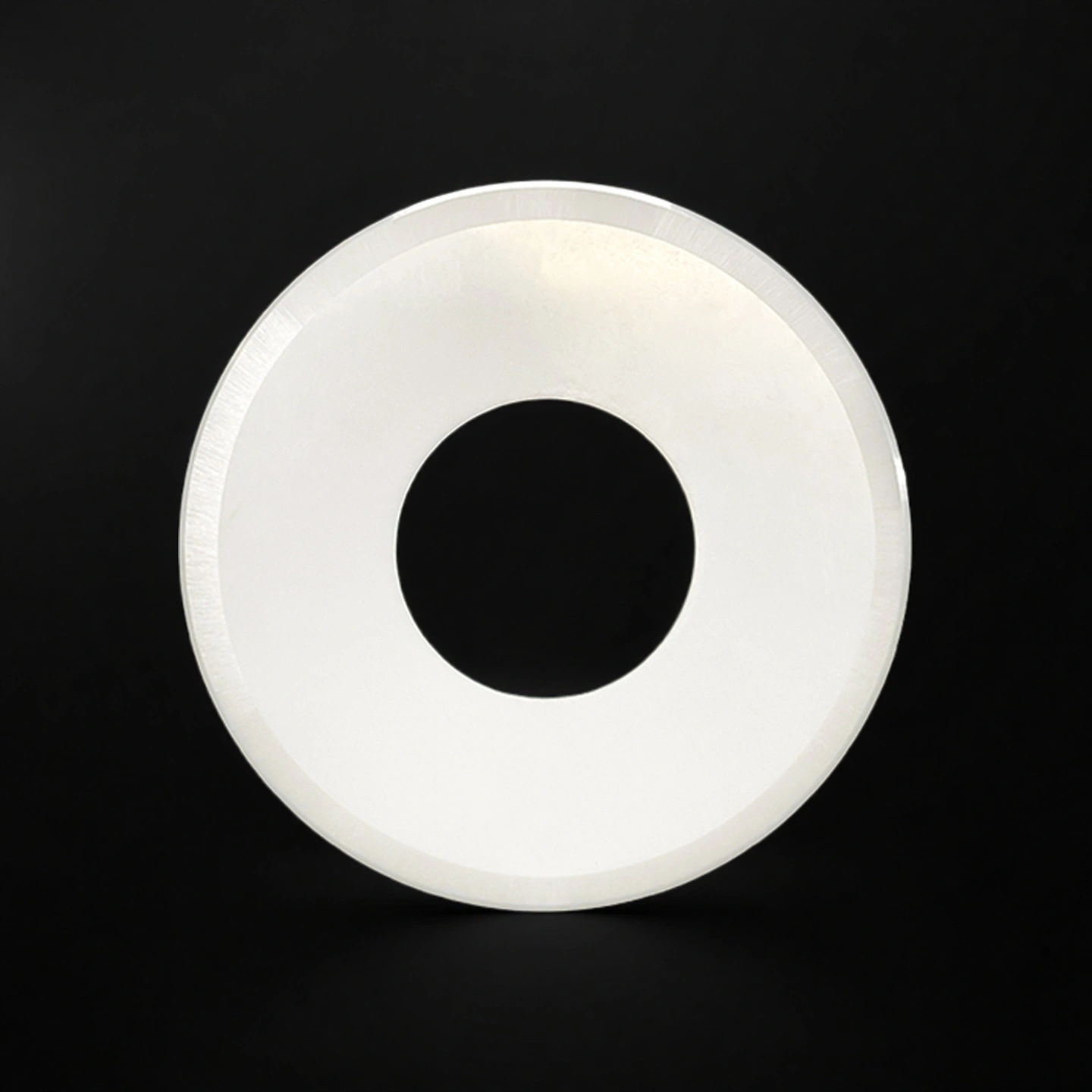
Alumina Ceramic Blade for Chemical and Food-Grade Nonmetal Cutting – Wear-Resistant, Non-Magnetic

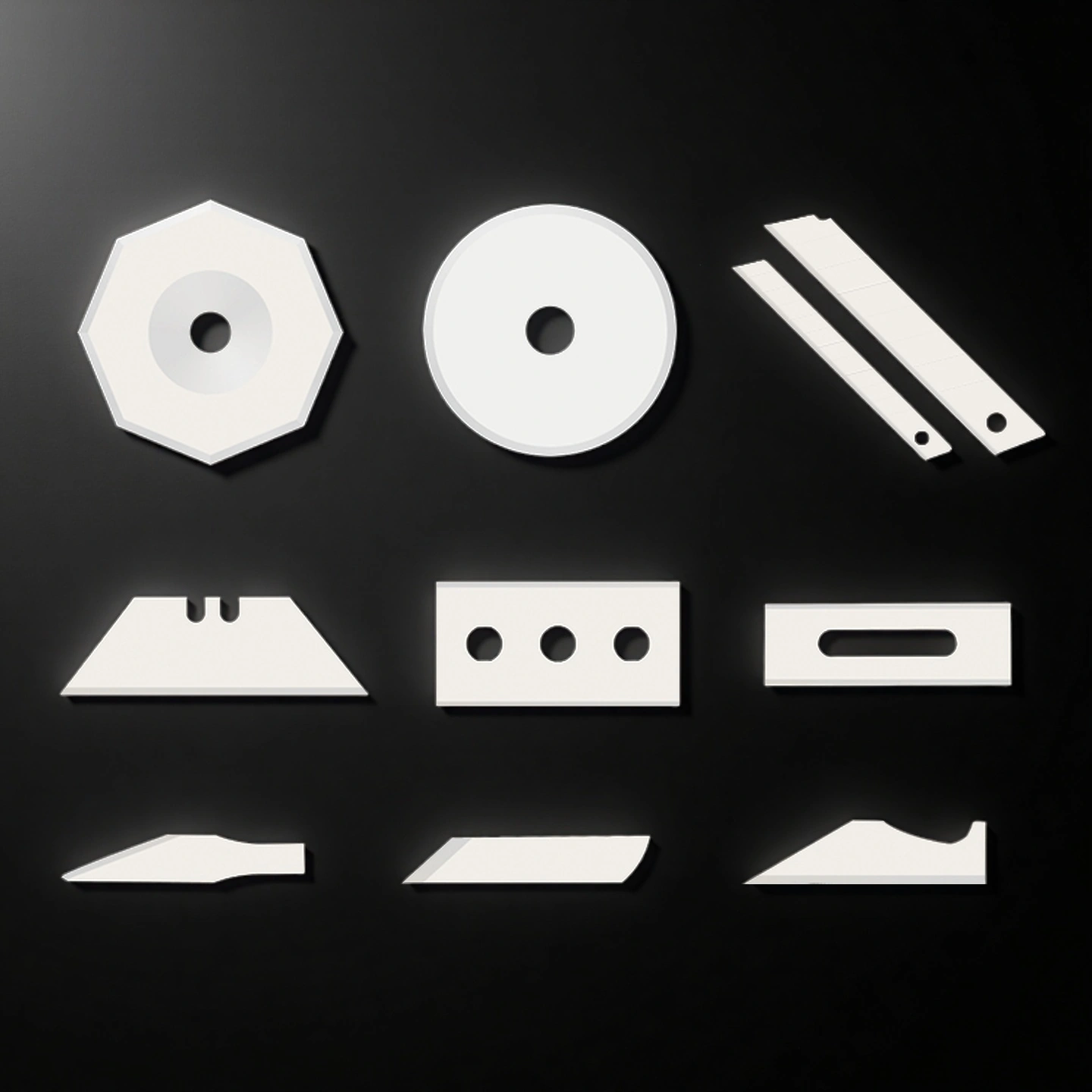
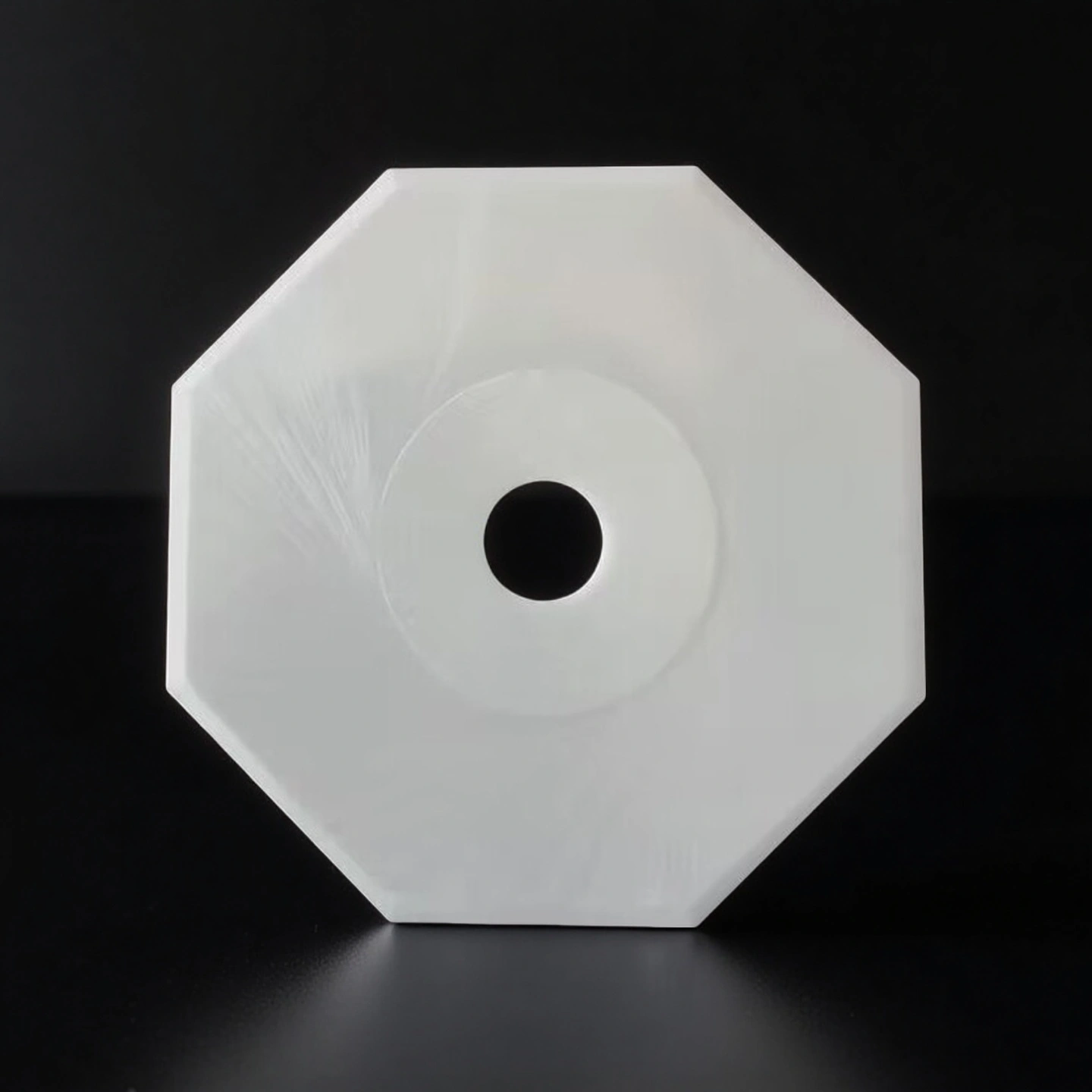
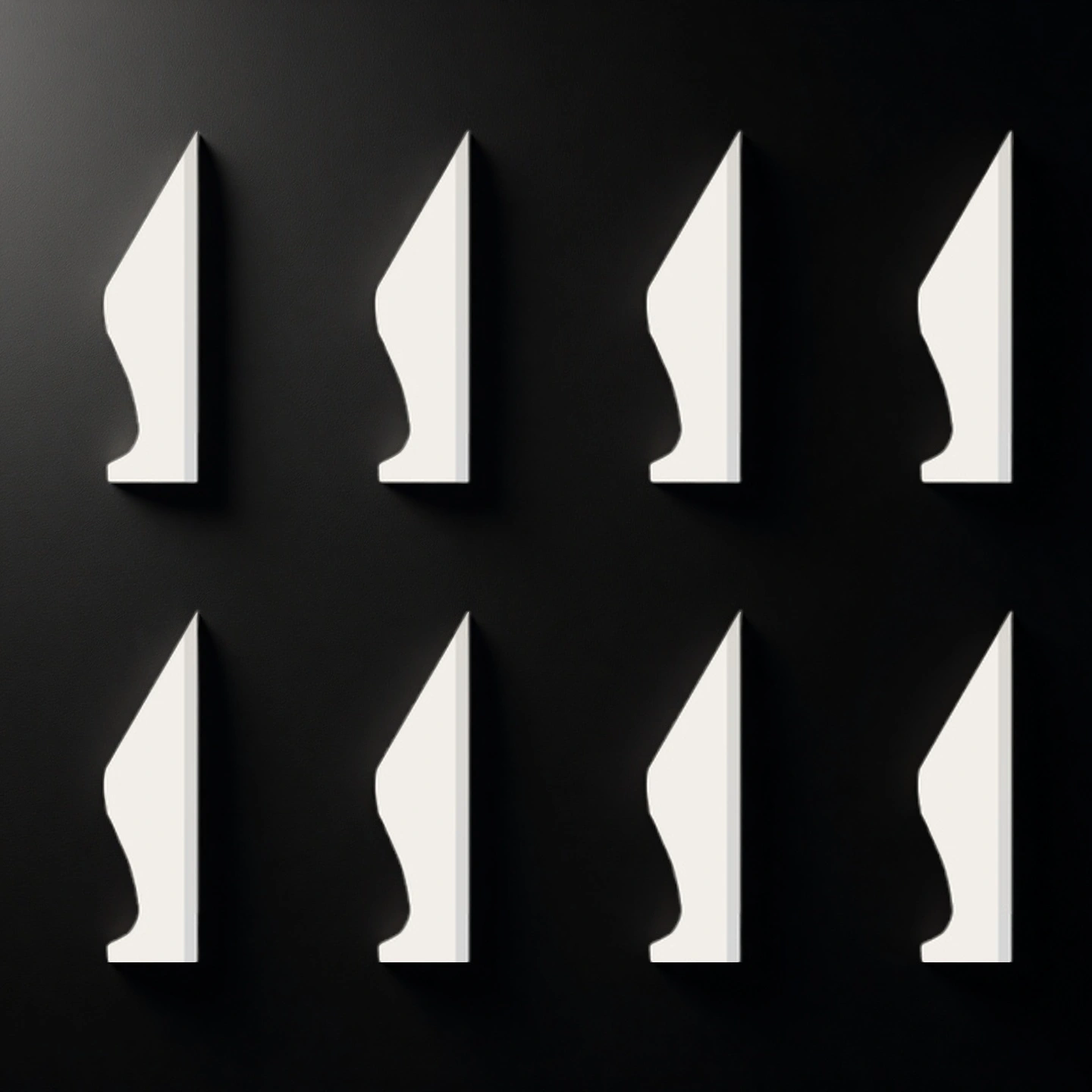
ADCERAX supplies alumina ceramic blades in straight and special shapes with typical thickness from 4.5 to 6 mm and edge lengths around 10–20 mm. Standard sizes can be produced in batches, and customized alumina ceramic blades with specific dimensions, hole patterns and edge geometries are available according to your drawings or samples.

Catalog No. AT-YHA-CMB01
Material ≥ 96% Al2O3
Density 3.8–3.9 g/cm³
Tolerance (length/edge) ±0.1 mm
Typical Blade Dimensions blade thickness around 4.5–6 mm
with an edge length of about 10–20 mm
24H Standard Dispatch
Small Batch Support OEM
Factory Direct
Expert Engineering Support

Made of technical-grade alumina ceramic, this blade is specifically designed for processing fiber, film, and composite materials. It offers high wear resistance, thermal stability, and a non-metallic, clean-cutting surface suitable for use across food processing, electronics, and textile machinery.

Alumina Ceramic Blade Benefits

  • Extremely High Wear Resistance
    The ultrafine-grain alumina ceramic blade has very high hardness and abrasion resistance. Under appropriate cutting conditions, its service life can reach more than ten times that of carbide blades and more than one hundred times that of high-speed steel blades, which significantly reduces blade change frequency and saves cutting costs.

  • Wide Chemical Corrosion Resistance
    Alumina ceramic cutting blades show excellent stability when in contact with acids, alkalis, salts and many chemical reagents, so they can work directly in corrosive environments without corrosion risk and without contaminating the workpiece.

  • High-Temperature Capability
    Alumina ceramic blades can be used at very high temperature, with maximum application temperature reaching above 1500°C in suitable designs. This allows dry cutting or hot cutting of specific nonmetal materials in thermal or high-temperature processes.

  • Non-Magnetic and Electrically Insulating
    Alumina ceramic blades are non-conductive and non-magnetic. The smooth surface does not attract fine dust or particles easily, which is helpful in applications where magnetic fields, stray currents or particle adsorption must be minimized.

  • Chemical and Biological Inertness
    Alumina ceramic material is chemically inert and does not react with most cutting targets. It does not release metallic ions and has good biocompatibility, so it can be used in medical device manufacturing, biopharmaceutical processing and food-related cutting zones where clean surfaces are required.

Al2O3 Ceramic Blade Properties

Property Unit 99.7% Al₂O₃ 99.5% Al₂O₃ 99% Al₂O₃ 96% Al₂O₃
Color   Ivory White Ivory White Ivory White Ivory White
Density g/cm³ 3.94 3.9 3.83 3.6-3.75
Water Absorption % 0 0 0 0
Hardness Mohs Hardness 9.1 9 9 8.8
Flexural Strength (20°C) Mpa 330 320 300 260
Compressive Strength (20°C) Mpa 2300 2300 2210 1910
Maximum Operating Temperature °C 1730 1700 1680 1450
Thermal Expansion Coefficient(25°C to 800°C) 10⁻⁶/°C 7.6 7.6 7.6 7.6
Thermal Conductivity (25°C) W/(m·K) 29 27 24 22
Dielectric Strength (5mm thickness) AC-kv/mm 22 21 19 15
Dielectric Loss at 25°C@1MHz --- < 0.0001 < 0.0001 0.0003 0.0004
Dielectric Constant at 25°C@1MHz --- 9.8 9.7 9.5 9.2
Volume Resistivity (20°C) Ω·cm³ >10¹⁴ >10¹⁴ >10¹⁴ >10¹⁴
Volume Resistivity (300°C) Ω·cm³ 2*10¹² 2*10¹² 4*10¹¹ 2*10¹¹


Alumina Blade Specifications

Alumina Ceramic Blade
Item No. Diameter (mm) Thickness (mm)
AT-YHA-CMB01 Customize


Alumina Ceramic Blade Packaging

  • The alumina ceramic blade is individually protected in soft material or a molded tray to prevent edge chipping and surface damage during transport.
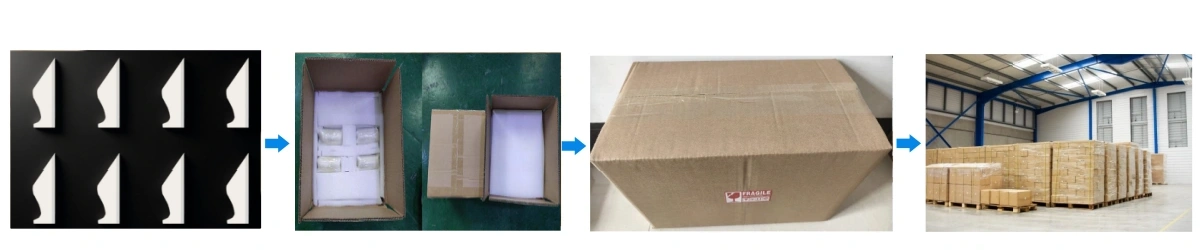

Alumina Ceramic Blade Packaging

Alumina Ceramic Blades Applications

  • Chemical and Process Industries – Cutting High-Strength Nonmetals

    ✅Key Advantages

    1. Stable Edge in Corrosive Environments
    Alumina ceramic blades maintain edge integrity when cutting nonmetal components that contact acids, alkalis or salt solutions, avoiding corrosion and metallic contamination.

    2. High-Temperature Nonmetal Cutting
    With usable temperatures above 1000°C and design potential beyond 1500°C, alumina blades can work in hot cutting or near high-temperature process sections without losing structural stability.

    3. Extended Life in Abrasive Media
    The ultrafine-grain microstructure and high-density Al₂O₃ provide long life when cutting fiber-reinforced plastics, filled polymers and other abrasive nonmetal parts used in chemical equipment.

    ✅ Problem Solved

    In process plants where nonmetal components and liners must be trimmed or cut after exposure to chemical media, conventional metal blades may corrode or transfer metallic residues onto the product. Using alumina ceramic blades allows the maintenance team or OEM to cut these high-strength nonmetal parts without corrosion, while the extended edge life reduces blade change frequency and the associated downtime on cutting and assembly operations.

  • Medical Devices, Biopharmaceutical and Food Processing – Clean Cutting of Nonmetals

    ✅Key Advantages

    1. Chemically and Biologically Inert Cutting Edge
    Alumina blades do not release metallic ions and have good biocompatibility, making them suitable for cutting nonmetal parts used around medical devices, biopharma equipment and food-contact assemblies.

    2. Non-Magnetic and Insulating
    Non-magnetic and electrically insulating blades avoid interference with sensitive devices and do not attract metal particles or magnetic dust in clean manufacturing zones.

    3. Smooth, Low-Contamination Surface
    The polished ceramic surface is easy to clean and does not rust, helping maintain a clean cutting environment for process components and consumable nonmetal parts.

    ✅ Problem Solved

    When cutting high-strength polymer parts, seals or disposable nonmetal components for medical, biopharma or food processing installations, conventional metal knives may introduce metal particles or corrosion spots. Alumina ceramic blades provide a sharp, inert and corrosion-free cutting edge, helping users preserve the cleanliness level of the final parts and reducing the risk of contamination linked to the cutting operation.

  • Photovoltaic, Electronics and Paper Industries – Precision Nonmetal Cutting

    ✅Key Advantages

    1. Dimensional Stability for Precision Cutting
    High-density alumina ceramic blades with controlled dimensions and flatness support stable cutting of nonmetal substrates used in PV, electronic and paper applications.

    2. High Wear Resistance for Abrasive Layers
    Filled or coated nonmetal materials, such as coated papers or composite electronic insulation layers, benefit from the high wear resistance of the Al₂O₃ edge.

    3. Non-Conductive Cutting Tool
    The insulating nature of alumina ceramic blades helps avoid conductive paths or stray currents in electronic component manufacturing and handling.

    ✅ Problem Solved

    In photovoltaic and electronic component supply chains, nonmetal substrates, insulating parts and special papers often require precise cutting to dimensions. Traditional steel blades may wear quickly when cutting coated or filled layers and can introduce metal contamination. By using alumina ceramic blades, users can maintain stable dimensions over longer runs, reduce blade wear, and avoid conductive contaminants in the production of these functional nonmetal components.

Alumina Ceramic Blades Usage Instructions

  • Safety and Handling

    1. Alumina ceramic blades are extremely sharp and must be stored and handled carefully; do not place them loosely on benches where they may cut operators or damage other parts.
    2. During handling and installation, avoid dropping, hitting or knocking the blade body, as ceramic materials are sensitive to impact and may crack or chip under shock.

  • Pre-Use Preparation

    1. Before use, clean off surface dust and other contaminants with a suitable cleaning method, and dry the blade fully to avoid introducing foreign particles into the cutting zone.
    2. Inspect the edge and body for visible chips, cracks or other defects; any blade with edge notches or cracks should be removed from service and replaced.

  • Installation

    1. Mount the alumina ceramic blade on a clean, flat and correctly machined holder; avoid uneven clamping surfaces that could create local stress.
    2. Tighten fasteners uniformly to the recommended torque level and ensure that the blade is correctly aligned with the cutting path.

  • Operation

    1. Operate within the recommended cutting speed and load range for your material; rapid thermal shock or severe impact should be avoided to protect the edge.
    2. In high-temperature use, raise and lower the temperature gradually to reduce thermal shock to the ceramic blade.

  • Storage and Maintenance

    1. Store blades in dedicated racks, trays or sleeves that protect the edges from contact with hard objects.
    2. Periodically review blade performance; if you see a trend of shortened life or edge damage, check the process parameters and installation conditions before reuse.

FAQ – Alumina Ceramic Blade

  1. Q: What materials are alumina ceramic blades mainly used to cut?
    A: Alumina ceramic blades are mainly used for cutting high-strength non-metal materials, such as engineering polymers, composite components, seals, insulating parts and other nonmetal pieces used in chemical, medical, biopharma, food, photovoltaic, electronic and paper industries.
  2. Q: Why choose an alumina ceramic blade instead of a metal cutting blade?
    A: Compared with metal blades, alumina ceramic blades provide much higher wear resistance, excellent corrosion resistance, high-temperature capability and chemical inertness, which together extend blade life and reduce the risk of metallic contamination in sensitive applications.
  3. Q: What is special about the ultrafine-grain alumina ceramic blade structure?
    A: The ultrafine-grain microstructure with small and uniform crystal size helps improve mechanical performance, delays crack growth and slows grain pull-out during cutting, which contributes directly to higher wear resistance and longer blade life.
  4. Q: Can alumina ceramic blades really last longer than carbide and high-speed steel blades?
    A: In suitable cutting conditions, alumina ceramic blades can reach service life several times longer than carbide blades and far beyond the life of high-speed steel blades, because of their higher hardness and better abrasion resistance; the actual improvement depends on material, speed and setup.
  5. Q: Are alumina ceramic blades suitable for dry cutting at high temperatures?
    A: Yes, alumina ceramic blades can be used in high-temperature and dry cutting processes, with maximum use temperatures above 1500°C when designed correctly. You should still avoid extreme thermal shock and follow a controlled heating and cooling profile.
  6. Q: What information should I provide to order a custom alumina ceramic cutting blade?
    A: For a custom alumina ceramic blade you should provide the blade shape, length, width and thickness, any holes or mounting features, edge design requirements, tolerance levels and a description of the cutting material and process conditions.

Alumina Ceramic Blade Reviews

  • ⭐️⭐️⭐️⭐️⭐️
    We introduced alumina ceramic cutting blades from ADCERAX on our non-metal component lines and saw a clear drop in blade-related stoppages. The long-life Al₂O₃ blades reduced our changeover time and kept edge quality stable throughout longer production runs.
    -- James R., Operations Director, EuroChem Equipment Solutions
  • ⭐️⭐️⭐️⭐️⭐️
    The alumina ceramic blade solution fits our biopharma-grade non-metal cutting requirements very well. The non-magnetic, chemically inert Al₂O₃ cutting edge helps us keep the process area clean while maintaining accurate dimensions on each batch of components.
    -- Hanna L., Process Engineer, Nordic Biopharma Systems
  • ⭐️⭐️⭐️⭐️⭐️
    After replacing conventional metal knives with alumina ceramic cutting blades, our maintenance team reports less wear, fewer adjustments and more predictable performance. ADCERAX supported us with blade drawings and tolerances that match our existing holders, which made the changeover straightforward.
    -- Roberto M., Technical Manager, VistaPack Food Processing Technologies
  • ⭐️⭐️⭐️⭐️⭐️
    We source alumina ceramic blades from the ADCERAX factory for trimming high-strength non-metal parts used in PV and electronic assemblies. The combination of stable pricing, consistent Al₂O₃ blade quality and reliable lead time has helped us standardize this cutting tool across several production lines.
    -- Yuki S., Purchasing Supervisor, Sunbright PV & Electronics Components
customize size

Custom Alumina Ceramic Blade 

ADCERAX provides custom alumina ceramic blade solutions that combine high-purity Al₂O₃ ceramics with ultrafine-grain microstructure. We support both standard and drawings-based blades for different cutting heads and process lines.

1. Blade Geometry and Size Range

  • Straight cutting blades with a thickness of around 4.5–6 mm and edge lengths around 10–20 mm
  • Possibility to design other geometries within our forming and grinding capacity based on your cutting head

2. Dimensional Requirements and Tolerances

  • Overall length, width and thickness of the blade
  • Edge length and effective cutting width
  • Tolerance requirements for thickness, straightness and parallelism to match your clamping and guiding design

3. Edge Design and Cutting Profile

  • Single-bevel or double-bevel edges for different cutting loads
  • Edge angle optimization for high-strength polymer, rubber, composite or fiber materials
  • Micro-chamfer or straight edge, depending on whether you need maximum sharpness or more robust edge stability

4. Mounting Details

  • Mounting holes, slots or notches
  • Reference surfaces for positioning and clamping
  • Compatibility with your existing metal blade holders

5. Material Options and Microstructure Level

  • Alumina purity levels and density requirements
  • Ultrafine grain design is used when high mechanical performance and extended life are required
  • Matching microstructure to your cutting speed and load level

Related Products

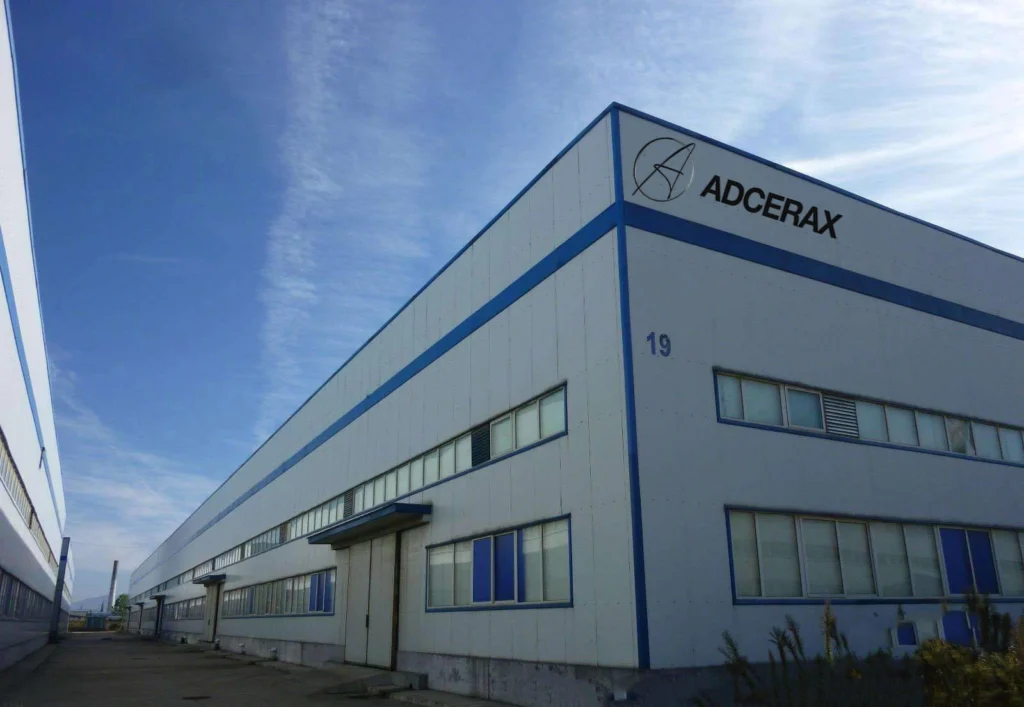
ADCERAX - Your Trusted Advanced Ceramics Manufacturing Partner

Direct factory manufacturing with comprehensive ceramic materials expertise and global supply capabilities

Direct Factory Manufacturing

China-based ceramic materials production facility with state-of-the-art equipment

Engineering Team

Experienced professionals in advanced ceramics applications and custom design

Quality Control

Strict quality control standards for technical ceramics manufacturing and quality management

Global Supply Chain

Serving customers worldwide with technical ceramics and rapid response

24/7 Technical Support

Round-the-clock support for ceramic components inquiries and technical assistance

500+ Satisfied Customers

Trusted by global customers for advanced ceramic materials and precision components

Get in touch with us

Our team will be happy to respond to you in less than 24 hours.

Adcerax's factory

Quick Quotation

*Our team will answer your inquiries within 24 hours.

*Your information will be kept strictly confidential.

Ready to Solve Your Engineering Challenge?

Partner with ADCERAX for reliable, high-performance advanced ceramic solutions. Our engineers are ready to discuss your project.

E-mail

info@adcerax.com

Phone

+(86) 0731-74427743 | WhatsApp: +(86) 19311583352

Response Time

Within 24 hours

Quick Quote

The more details you provide, the faster we can quote.

*We respond within 24 hours. All inquiries are confidential.

Download Catalog

Get Your Custom Sulution

The more details you provide, the faster we can respond.

customize size

*We respond within 24 hours. All inquiries are confidential.

Download Catalog