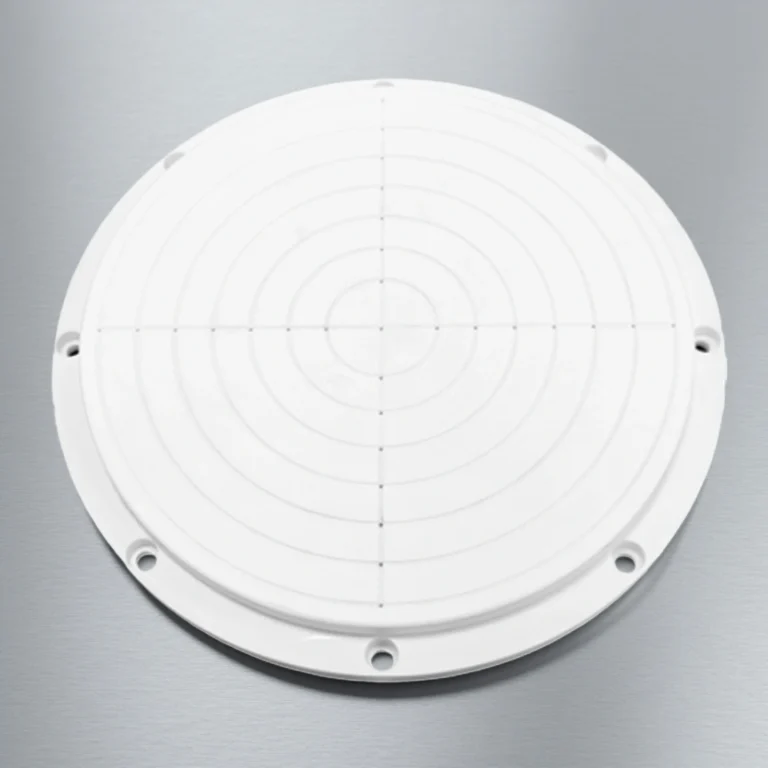
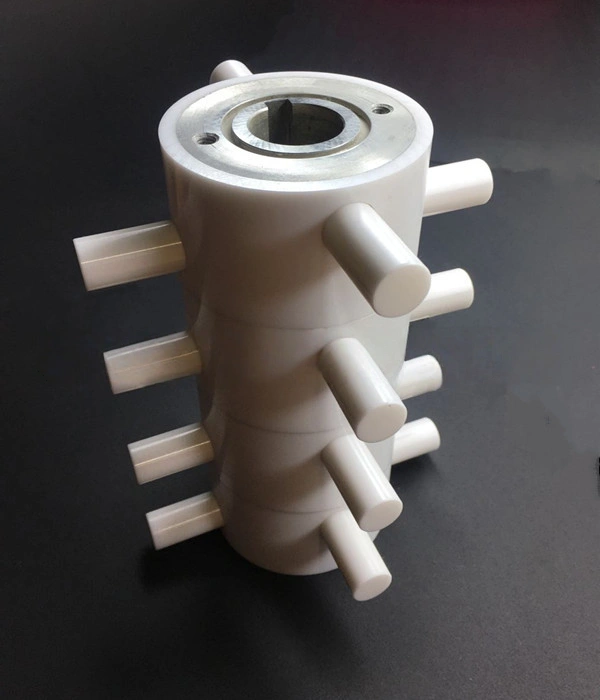
High-Purity Alumina Ceramic Dispersion Rotor for Horizontal Sand Mills

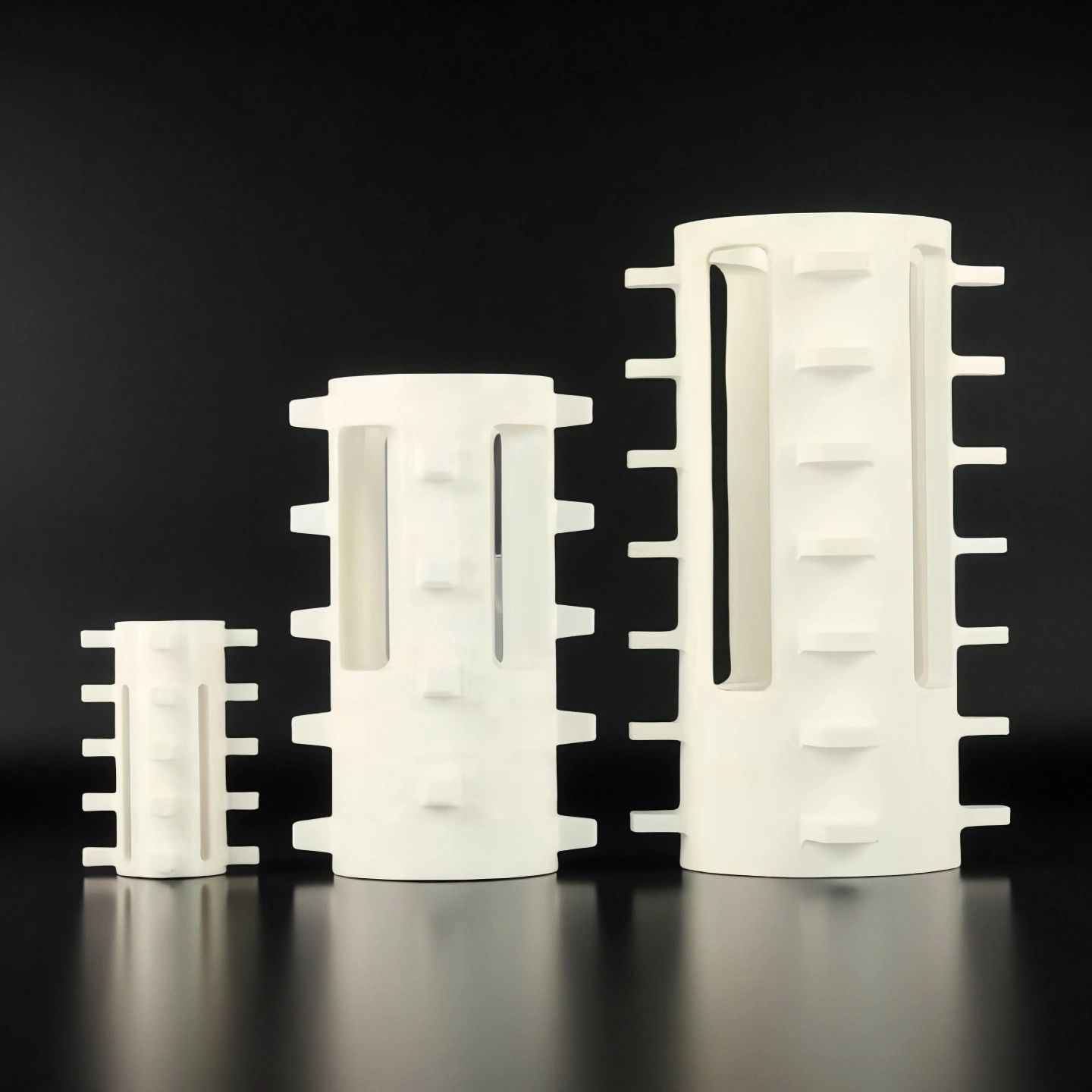
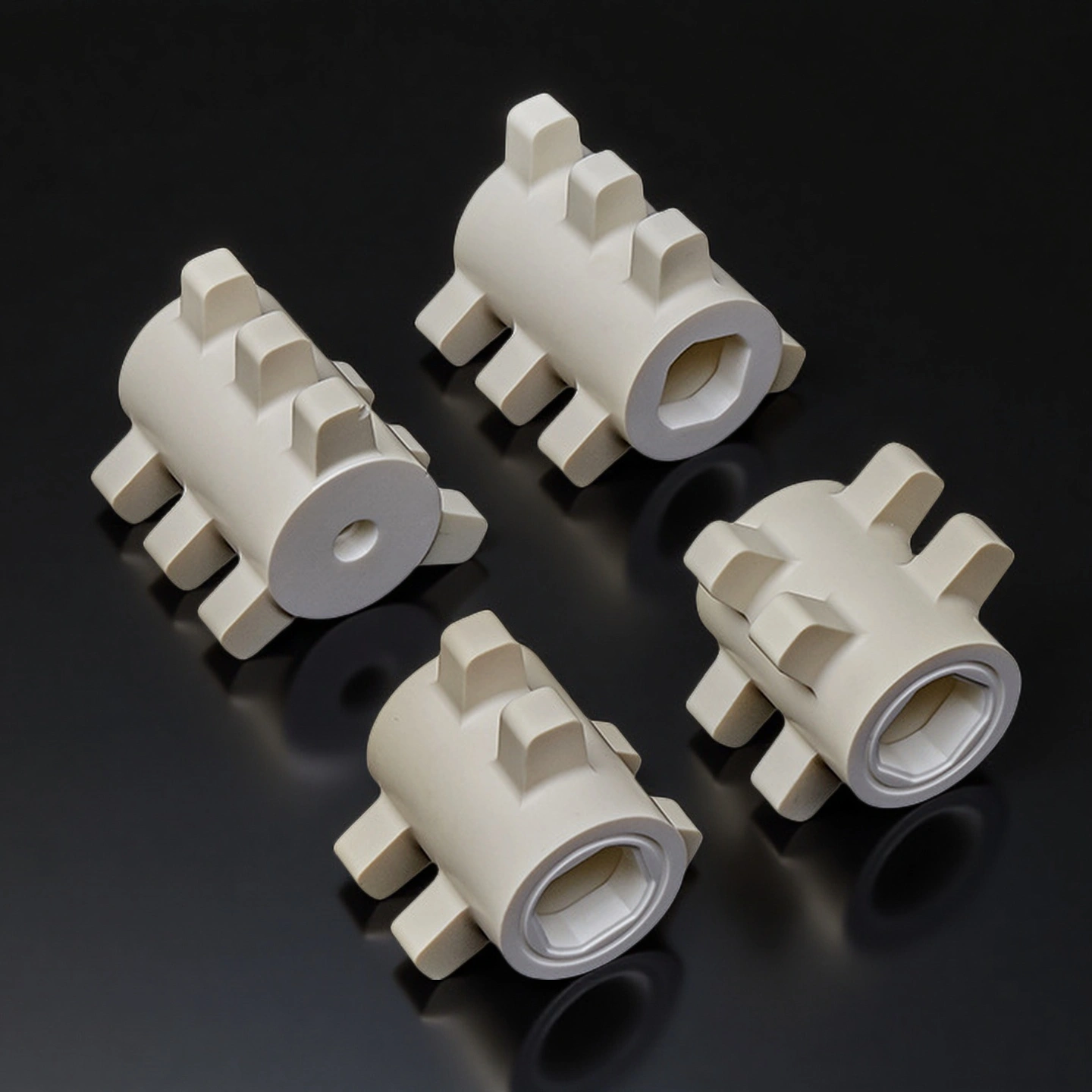
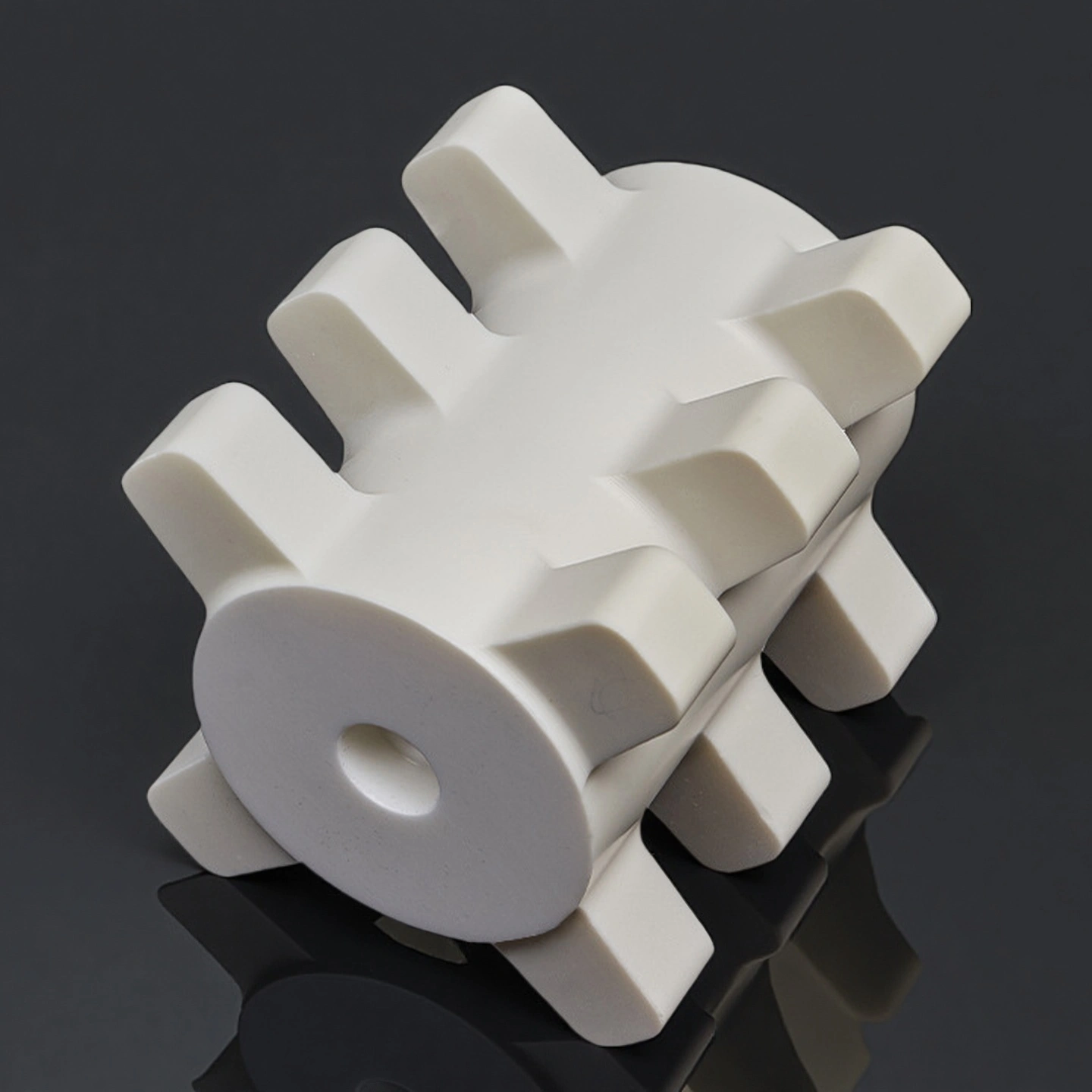
ADCERAX supplies alumina ceramic dispersion rotors for both laboratory and production-scale sand mills, covering common rotor geometries used by mainstream equipment brands. Outer diameter, hub design, slot pattern and bore size can be matched to existing metal parts or designed around new process requirements, with custom alumina ceramic dispersion rotors manufactured from customer drawings or samples.

Catalog No. AT-SM-Z001
Material ≥ 96% Al2O3
Dimensional Tolerance ±0.05 mm in outer diameter
Density  ≈ 3.85 g/cm³
Flexural strength (modulus of rupture) approx. 310–400 MPa
24H Standard Dispatch
Small Batch Support OEM
Factory Direct
Expert Engineering Support

Alumina ceramic dispersion rotor is a high-purity Al₂O₃ (alumina) rotating element used as the core wear part in horizontal sand mills and bead mills. Driven by the motor, it spins at high speed to generate centrifugal force and shear, accelerating grinding beads (such as zirconia beads) so they continuously impact and disperse the slurry, achieving fine and uniform particle size.

Alumina Ceramic Dispersion Rotor Advantages

  • High wear resistance under high bead load
    The alumina ceramic dispersion rotor uses high-purity Al₂O₃ with very high hardness and flexural strength, supporting long service life in high-energy grinding zones where beads and slurry continuously impact the rotor surface.

  • Low metal contamination in sensitive formulations
    The rotor’s fully ceramic construction prevents direct exposure of steel surfaces to the slurry, helping to reduce iron and chromium pickup in battery materials, electronic inks and functional fillers where metal contamination is critical.

  • Stable performance at process temperature
    High-temperature stability and low water absorption of alumina ceramics help maintain rotor dimensions and mechanical strength during continuous operation, supporting consistent gap control and dispersion efficiency in long production runs.

  • Ceramic surface with good cleanability
    The fine, dense alumina surface offers low porosity, which reduces material adhesion and makes cleaning between color changes or product campaigns easier, limiting cross-contamination.

  • Compatible with zirconia beads and ceramic liners
    The alumina ceramic dispersion rotor works with zirconia grinding media and ceramic liners used in many sand mills for heat-sensitive or chemically aggressive products, supporting a fully non-metal contact zone.


Alumina Dispersion Rotor Properties

Property Unit 99.5% Al₂O₃ 99.6% Al₂O₃ 99.7% Al₂O₃ 99.8% Al₂O₃ 99.9% Al₂O₃ 99.99% Al₂O₃
Alumina content % 99.5 99.6 99.7 99.8 99.9 99.99
Density g/cm³ 3.89 3.91 3.92 3.93 3.94 3.98
Open porosity % 0
Color Ivory Ivory Ivory Ivory Ivory Ivory
Water absorption % 0 0 0 0 0
Young’s modulus (Elastic modulus) GPa 375 356 357 358 359 362
Shear modulus GPa 152
Bulk modulus GPa 228
Poisson’s ratio 0.22
Compressive strength MPa 2600 2552 2554 2556 2558 2570
Flexural strength MPa 379 312 313 314 315 320
Fracture toughness MPa·m¹ᐟ² 4
Hardness GPa 14.1 (≈1440 kg/mm²) 23 24 25 26 30
Thermal conductivity W/m·K 35 32–37 33–38 34–39 35–40 36–42
Thermal shock resistance ΔT °C 222 223 224 225 228
Maximum use temperature (no load) °C ≤1750 1755 1760 1765 1770 1800
Coefficient of thermal expansion 10⁻⁶/°C 8.4
Specific heat J/kg·K 880
Volume resistivity Ω·cm >1×10¹⁴ >1×10¹⁴ >1×10¹⁴ >1×10¹⁴ >1×10¹⁴ >1×10¹⁴
Dielectric constant (relative permittivity) 9.8 9.83 9.84 9.85 9.86 9.92
Dielectric strength kV/mm 16.9 23.2 23.4 23.6 23.8 24
Dissipation factor (loss factor @ 1 kHz) 0.0002


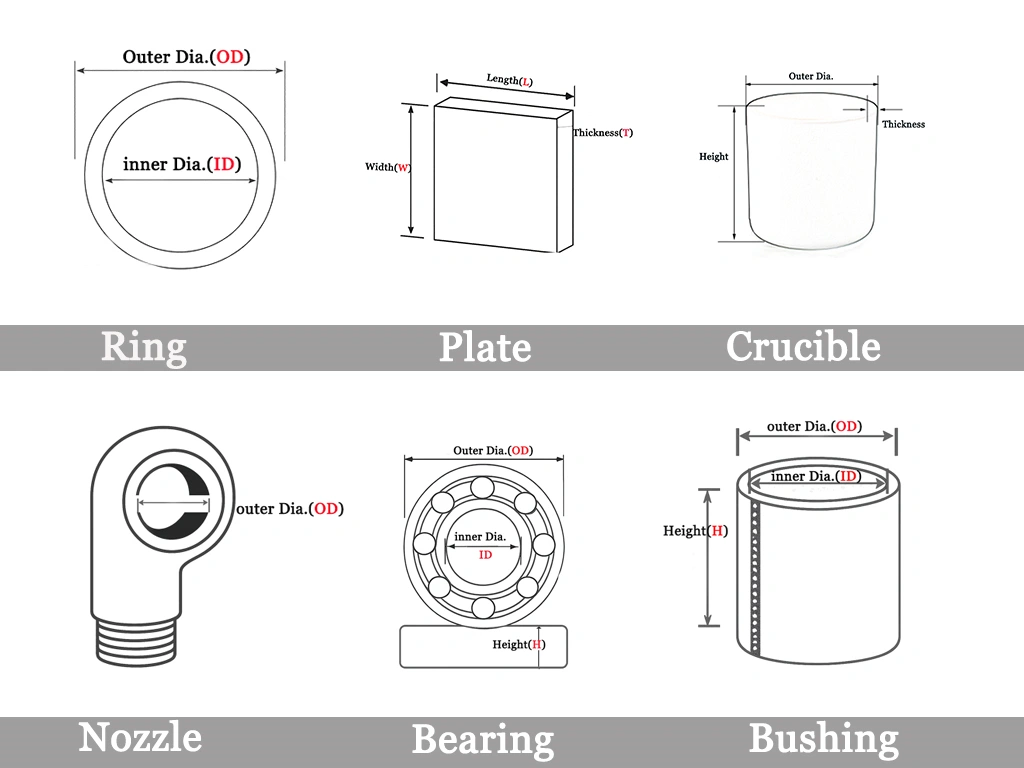
Alumina Ceramic Dispersion Rotor Specifications

Alumina Ceramic Dispersion Rotor
Item No. Outer Diameter(mm) Inner Diameter  (mm) Height (mm) Purity
AT-SM-Z001 45 28 400 95%-99%
AT-SM-Z002 60 40 400 95%-99%
AT-SM-Z003 84 64 400 95%-99%
AT-SM-Z004 95 75 500 95%-99%
AT-SM-Z005 125 100 630 95%-99%
AT-SM-Z006 155 130 700 95%-99%
AT-SM-Z007 160 140 750 95%-99%
AT-SM-Z008 180 150 800 95%-99%


Alumina Dispersion Rotor Packaging

  • Each alumina ceramic dispersion rotor is first wrapped in a soft protective film to protect the working surfaces from abrasion.
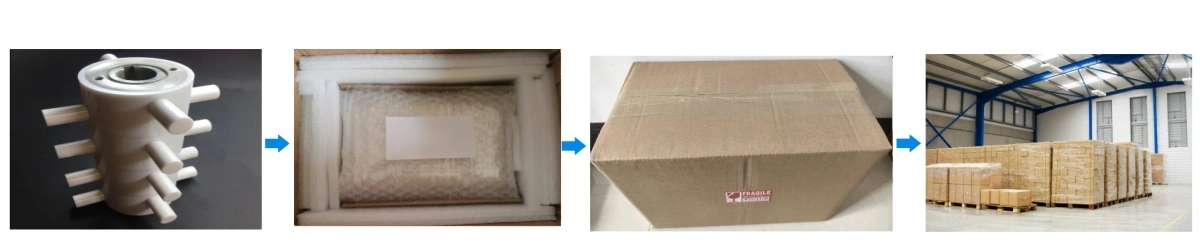
Alumina Dispersion Rotor Packaging

Alumina Ceramic Dispersion Rotor Applications

  • Battery Materials – Cathode/Anode Slurries

    ✅Key Advantages

    1. Stable dispersion for high-solids cathode slurry
    The alumina ceramic dispersion rotor supports high bead loading and high shear rates in sand mills, helping achieve sub-micron particle sizes and narrow distribution for cathode and anode slurries prepared in bead mills.

    2. Low metal ion contamination in active materials
    By replacing metal rotors in the grinding zone, alumina ceramics help limit Fe and Cr contamination from wear, which is a concern for high-energy battery materials exposed to repeated cycling.

    3. Support for long production runs with reduced downtime
    The high hardness and mechanical strength of alumina help maintain rotor integrity over extended operating hours, which supports longer campaigns between planned maintenance windows.

    ✅ Problem Solved

    A battery materials plant operating several sand mills for cathode slurry grinding faces high costs whenever an unplanned stoppage occurs. Industry data indicate that unplanned downtime in manufacturing can reach USD 125,000–260,000 per hour for large plants, and can represent around 11 % of annual revenue in some sectors. By switching to alumina ceramic dispersion rotors in the wet grinding zone, the plant aims to reduce rotor-related failures and extend planned replacement intervals. Even a reduction of two unplanned stoppages per year, with several hours saved each time, can translate into large avoided downtime costs compared with the incremental price of the Al₂O₃ rotor.

  • Industrial Coatings and Automotive Paints

    ✅Key Advantages

    1. Consistent pigment dispersion in high-energy sand mills
    The alumina ceramic dispersion rotor helps the sand mill reach the fine particle sizes and stable dispersion needed in coatings and automotive paint production.

    2. Reduced risk of discoloration from metal wear
    For light-colored or sensitive coatings, the ceramic rotor limits dark particles from metallic wear entering the product stream.

    3. Durability in solvent and waterborne systems
    Alumina ceramics maintain strength and stability in many coatings solvents and waterborne formulations encountered in bead mills.

    ✅ Problem Solved

    A coatings plant with multiple horizontal sand mills uses them for color pastes and base paints. Each unplanned stoppage for rotor repair or replacement leads to a combination of lost production and cleaning work. Studies report that unscheduled downtime can significantly affect output and profitability across manufacturing, with per-hour losses in large operations extending into six-figure amounts. By adopting alumina ceramic dispersion rotors in the most demanding grinding lines, the plant aims for more predictable maintenance intervals, less cleaning due to metal debris and more stable color results batch after batch.

  • Printing Inks and Digital Inkjet Inks

    ✅Key Advantages

    1. Fine grinding for sub-micron pigment dispersions
    Bead mills equipped with alumina ceramic dispersion rotors can support the sub-micron particle size and narrow distribution required in high-resolution printing inks.

    2. Low contamination for nozzle-friendly inks
    Ceramic rotors, in combination with zirconia beads, help reduce foreign particles from wear, which is important for protecting tight inkjet nozzles.

    3. Compatibility with both solvent and water-based ink systems
    The chemical resistance of alumina supports use in a range of ink chemistries without corrosion-related degradation.

    ✅ Problem Solved

    An ink manufacturer running bead mills to prepare digital inkjet inks needs to maintain stable viscosity and particle size to avoid nozzle blockage. Replacing the original metal rotor with an alumina ceramic dispersion rotor reduces metal abrasion sources in the mill. Combined with appropriate grinding media, this helps maintain consistent dispersion quality over multiple production batches and supports longer intervals between nozzle maintenance and ink filtration changes.

Al2O3 Ceramic Dispersion Rotor Usage Instructions

  • Installation

    1. Inspect the alumina ceramic dispersion rotor for visible chips or cracks before installation. Do not install damaged parts.
    2. Clean the shaft and keyway and check that the bore and key fit properly without excessive play.
    3. Align the key and gently slide the rotor onto the shaft without hammering the ceramic surfaces.
    4. Tighten shaft nuts or clamping devices evenly to avoid bending forces on the rotor hub.

  • Operation

    1. Fill the sand mill with the specified volume of grinding beads before starting the alumina ceramic dispersion rotor.
    2. Start the mill at low speed and gradually increase to operating speed to avoid shock loading on the ceramic rotor.
    3. Monitor pressure, power draw and temperature; abnormal changes may indicate bead packing or foreign objects in the grinding chamber.
    4. Avoid dry running and ensure continuous slurry feed to keep the rotor, beads and stator properly wetted.

  • Storage

    1. Store spare alumina ceramic dispersion rotors in their protective packaging in a dry, clean area.
    2. Do not stack rotors directly on each other without padding between ceramic surfaces.
    3. Avoid exposure to heavy vibration or impact during warehouse handling.

  • Cleaning and Maintenance

    1. After production, flush the sand mill with compatible cleaning fluid to remove slurry from the rotor surfaces and slots.
    2. Use plastic or wooden tools rather than metal scrapers when removing residual deposits from the alumina surface.
    3. For color changes, plan sufficient cleaning cycles to prevent cross-contamination between products.
    4. Periodically check the rotor for wear, erosion of slot edges, and any micro-cracks. Replace parts that show significant damage.

  • Common misuse points and solutions

    1. Installing with hammer impacts on ceramic surfaces

    Issue: Impact can create hidden cracks that later grow in operation.
    Solution: Use lifting tools and slow, controlled mounting; apply force only on the hub through proper fixtures.

    2. Operating at full speed with insufficient beads or slurry
    Issue: Dry running increases the impact on the alumina ceramic dispersion rotor and can accelerate wear.
    Solution: Always check bead load and slurry flow before ramping up speed.

    3. Thermal shock from a sudden cold flush after hot operation
    Issue: Rapid temperature change stresses the ceramic material.
    Solution: Allow the sand mill to cool gradually and use cleaning fluids at a moderate temperature closer to the process temperature.

FAQ – Alumina Ceramic Dispersion Rotor

  1. Q: What is an alumina ceramic dispersion rotor used for in a sand mill?
    A: An alumina ceramic dispersion rotor is the rotating component in a sand or bead mill that accelerates the grinding beads and generates shear and impact forces, enabling fine dispersion and grinding of slurries such as coatings, inks, battery materials and fine chemicals.
  2. Q: How does an alumina ceramic dispersion rotor differ from a metal rotor?
    A: A metal rotor is typically made from hardened steel or alloy and can introduce metal wear particles into the slurry. An alumina ceramic dispersion rotor uses high-purity Al₂O₃ with high hardness and corrosion resistance, which helps reduce metal contamination and can offer longer wear life in abrasive or chemically aggressive products.
  3. Q: Which materials benefit most from an alumina ceramic dispersion rotor?
    A: Materials sensitive to metal contamination, such as battery cathode and anode slurries, electronic inks, high-purity pigment dispersions and certain functional fillers, benefit from the non-metallic contact surface and wear resistance of an alumina rotor.
  4. Q: Can an alumina ceramic dispersion rotor be installed in an existing sand mill?
    A: Yes. The alumina ceramic dispersion rotor can be manufactured to match the geometry of an existing metal rotor, including bore, keyway, outer diameter and disc arrangement, so that it fits the original shaft and grinding chamber layout.
  5. Q: What lifetime can be expected from an alumina ceramic dispersion rotor?
    A: Lifetime depends on slurry abrasiveness, bead type, mill speed and operating conditions. Due to the high hardness and strength of alumina ceramics, many users see significantly longer service intervals compared with comparable metal rotors under similar load.
  6. Q: Is the alumina ceramic dispersion rotor compatible with zirconia grinding beads?
    A: Yes. The alumina ceramic dispersion rotor is commonly used together with zirconia beads and ceramic liners in sand mills designed for high-energy, low-contamination grinding.

Alumina Ceramic Dispersion Rotor Reviews

  • ⭐️⭐️⭐️⭐️⭐️
    We replaced the original steel rotors in two horizontal sand mills with alumina ceramic dispersion rotors. Bead wear remained stable, and we see more consistent color strength in our high-solid coatings.
    -- Michael R., Process Engineer – EuroCoat Systems GmbH
  • ⭐️⭐️⭐️⭐️⭐️
    ADCERAX supplied custom alumina ceramic dispersion rotors matched to our existing bead mills. The parts arrived well packed, dimensions were within our tolerances, and installation on the slurry line was straightforward.
    -- Sara K., Purchasing Manager – NorthRiver Battery Materials Inc.
  • ⭐️⭐️⭐️⭐️⭐️
    After switching to alumina sand mill rotors and zirconia beads, the filter load dropped and we have fewer nozzle-related complaints on our digital inks.
    -- Hiroshi T., Production Supervisor – Nippon Inkjet Technologies
  • ⭐️⭐️⭐️⭐️⭐️
    The alumina ceramic dispersion rotor from ADCERAX helped us extend maintenance intervals on our wet grinding system. The ceramic surfaces clean easily, which simplifies product changeovers.
    -- Luis A., Maintenance Lead – Andean Functional Materials S.A.
customize size

Custom Alumina Ceramic Dispersion Rotor

ADCERAX manufactures alumina ceramic dispersion rotors tailored for new sand mill platforms, process upgrades, or one-to-one replacement of existing metal and ceramic rotors. Customization is based on the customer’s mill chamber layout, drawing package, or a worn sample provided for reverse engineering.

1. Core Geometry & Interfaces

  • Rotor outer diameter, hub diameter and overall footprint matched to your mill housing
  • Inner bore diameter, tolerance class, keyway/spline geometry and shaft engagement profile
  • Rotor length, hub length, and stacking height for multi-disc or single-disc assemblies
  • Disc quantity, disc pitch, thickness uniformity and spacing control

2. Working Disc & Slot Design

  • Slot geometry options: straight, curved, staggered, tapered; adjustable slot width/depth
  • Disc perimeter design: flat edge, chamfered, wave-shaped or turbulence-enhanced edges
  • Slurry flow path design: optimized for axial circulation, radial circulation, or hybrid patterns

3. Material Grade & Mechanical Requirements

  • Alumina grade selection: 95% Al₂O₃, 99% Al₂O₃ or higher-purity formulations depending on slurry sensitivity
  • Mechanical performance target: hardness, flexural strength, impact tolerance level
  • Wear zone reinforcement or thickened structural sections for high-load applications

4. Surface Engineering & Balance Control

  • Surface finish levels for working faces: as-fired, ground, lapped or polished
  • Localized finish options for slot edges to enhance bead movement
  • Dynamic balancing specifications according to the desired RPM operating window

5. Integration With Other Ceramic Wear Parts

  • Matching alumina or zirconia stator rings, sleeves, chamber inserts and spacers
  • Dimension matching for full ceramic-contact grinding chambers
  • Optional redesign service for improving bead flow, reducing pressure spikes, or decreasing heat buildup

6. Reverse Engineering & Special Requests

  • Fabrication based on damaged metal or ceramic samples
  • 2D/3D drawing reconstruction, tolerance definition and design optimization
  • Support for specific mill brands’ legacy rotor geometries

Related Products

ADCERAX - Your Trusted Advanced Ceramics Manufacturing Partner

Direct factory manufacturing with comprehensive ceramic materials expertise and global supply capabilities

Direct Factory Manufacturing

China-based ceramic materials production facility with state-of-the-art equipment

Engineering Team

Experienced professionals in advanced ceramics applications and custom design

Quality Control

Strict quality control standards for technical ceramics manufacturing and quality management

Global Supply Chain

Serving customers worldwide with technical ceramics and rapid response

24/7 Technical Support

Round-the-clock support for ceramic components inquiries and technical assistance

500+ Satisfied Customers

Trusted by global customers for advanced ceramic materials and precision components

Get in touch with us

Our team will be happy to respond to you in less than 24 hours.

Adcerax's factory

Quick Quotation

*Our team will answer your inquiries within 24 hours.

*Your information will be kept strictly confidential.

Ready to Solve Your Engineering Challenge?

Partner with ADCERAX for reliable, high-performance advanced ceramic solutions. Our engineers are ready to discuss your project.

E-mail

info@adcerax.com

Phone

+(86) 0731-74427743 | WhatsApp: +(86) 19311583352

Response Time

Within 24 hours

Quick Quote

The more details you provide, the faster we can quote.

*We respond within 24 hours. All inquiries are confidential.

Download Catalog

Get Your Custom Sulution

The more details you provide, the faster we can respond.

customize size

*We respond within 24 hours. All inquiries are confidential.

Download Catalog