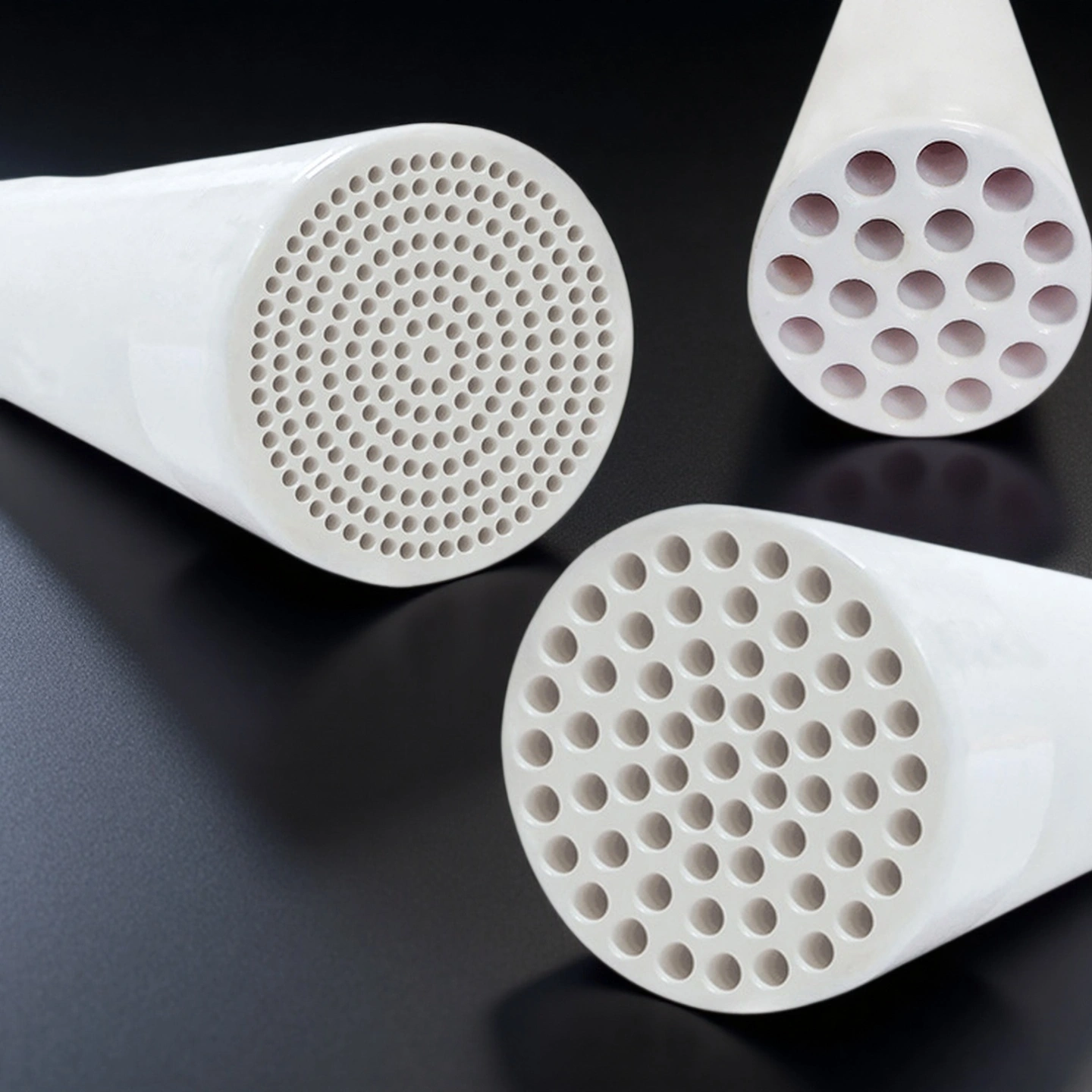
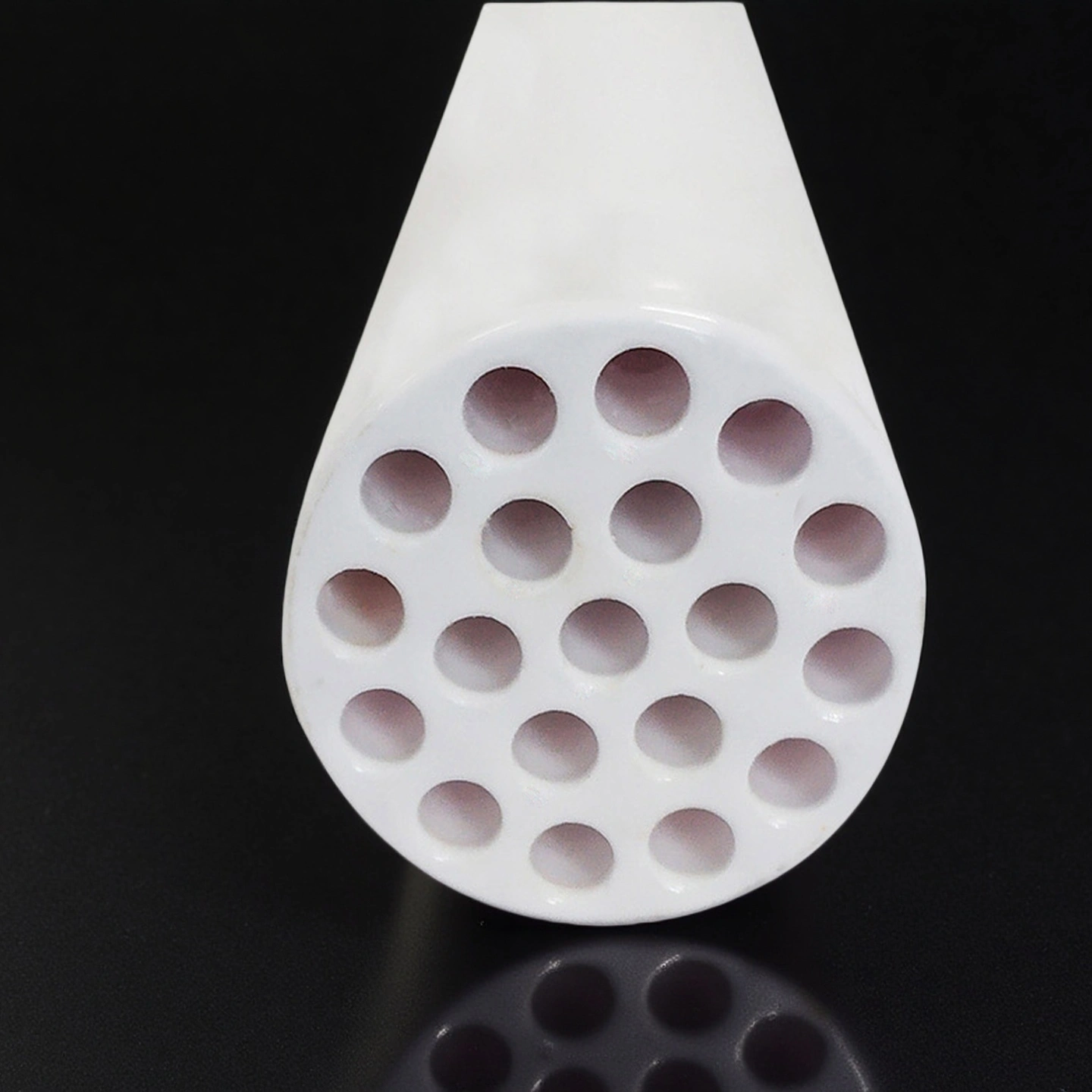
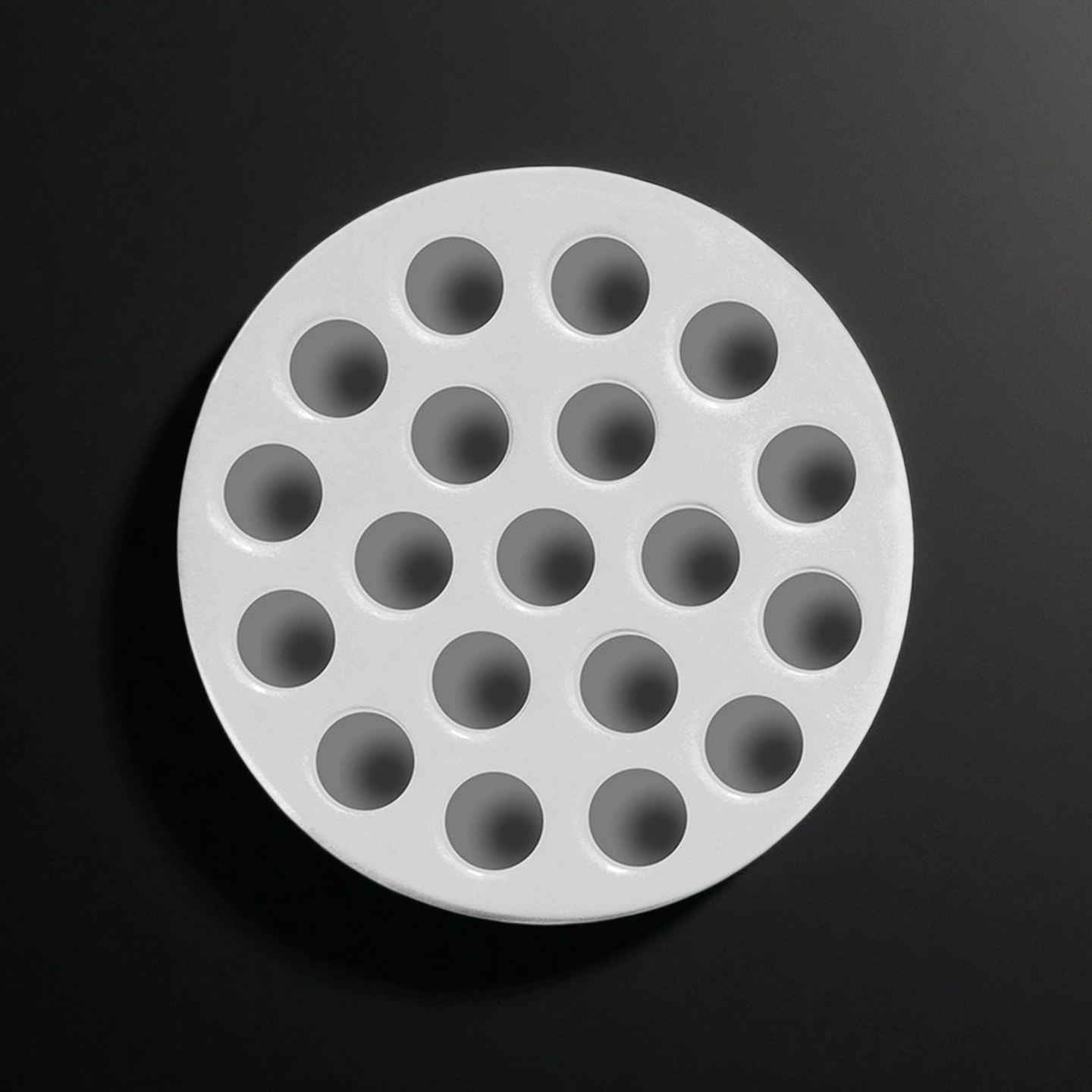
Alumina Membrane Tube for Crossflow Filtration in Water Reuse and Process Separation

ADCERAX supplies alumina membrane tubes in standard multi-channel formats and supports custom OD, channel layout, and effective length to match your module housing and end-seal design.

Catalogue No. AT-FT-9001
Material of support α-Al2O3
Material of the membrane ZrO₂ / TiO₂ /Sic/ α-Al₂O₃
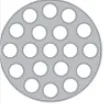
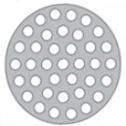
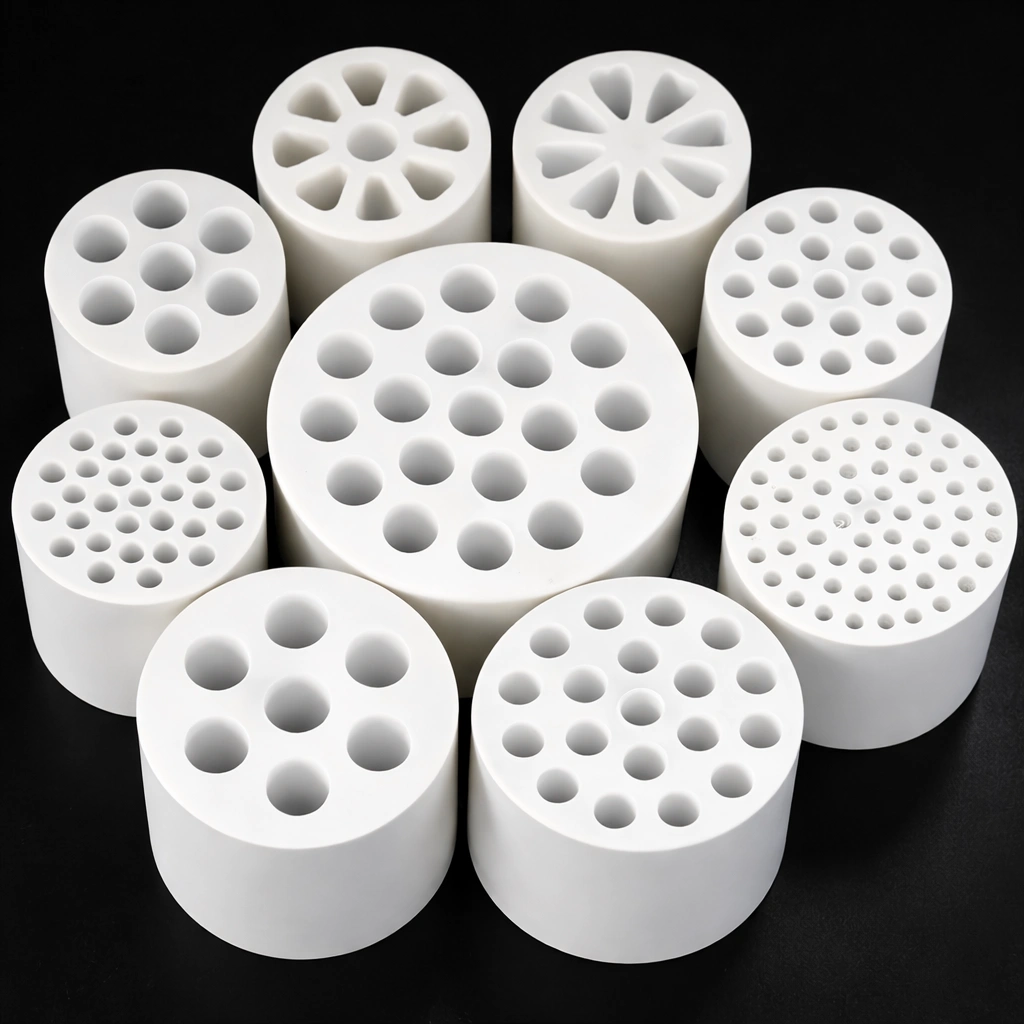
Number of Channels 1..37
Length (mm) 200 – 1200
24H Standard Dispatch
Small Batch Support OEM
Factory Direct
Expert Engineering Support

An alumina membrane tube is a multi-channel ceramic filtration element used in crossflow systems for microfiltration/ultrafiltration-style separation, where stable operation and repeatable cleaning are required.


Alumina Membrane Tube Advantages

  • Channel-to-channel consistency to reduce uneven loading and early fouling in crossflow operation.

  • End-face and sealing-zone controllability to support stable potting or gasket sealing designs.

  • Geometry options for pressure-drop control, enabling higher crossflow velocity without oversizing pumps.

  • Compatibility with frequent CIP cycles where cleaning strength and thermal exposure are part of normal operation.

  • Stable integration into skid-scale modules to support repeatable scale-up from pilot to production.


Alumina Membrane Tube Properties

Property Unit 99.5% Al₂O₃ 99.6% Al₂O₃ 99.7% Al₂O₃ 99.8% Al₂O₃ 99.9% Al₂O₃ 99.99% Al₂O₃
Alumina content % 99.5 99.6 99.7 99.8 99.9 99.99
Density g/cm³ 3.89 3.91 3.92 3.93 3.94 3.98
Open porosity % 0
Color Ivory Ivory Ivory Ivory Ivory Ivory
Water absorption % 0 0 0 0 0
Young’s modulus (Elastic modulus) GPa 375 356 357 358 359 362
Shear modulus GPa 152
Bulk modulus GPa 228
Poisson’s ratio 0.22
Compressive strength MPa 2600 2552 2554 2556 2558 2570
Flexural strength MPa 379 312 313 314 315 320
Fracture toughness MPa·m¹ᐟ² 4
Hardness GPa 14.1 (≈1440 kg/mm²) 23 24 25 26 30
Thermal conductivity W/m·K 35 32–37 33–38 34–39 35–40 36–42
Thermal shock resistance ΔT °C 222 223 224 225 228
Maximum use temperature (no load) °C ≤1750 1755 1760 1765 1770 1800
Coefficient of thermal expansion 10⁻⁶/°C 8.4
Specific heat J/kg·K 880
Volume resistivity Ω·cm >1×10¹⁴ >1×10¹⁴ >1×10¹⁴ >1×10¹⁴ >1×10¹⁴ >1×10¹⁴
Dielectric constant (relative permittivity) 9.8 9.83 9.84 9.85 9.86 9.92
Dielectric strength kV/mm 16.9 23.2 23.4 23.6 23.8 24
Dissipation factor (loss factor @ 1 kHz) 0.0002


Alumina Membrane Tube Specifications

Parameter Specification
Material of Support α-Al₂O₃
Material of Membrane ZrO₂ / TiO₂ / SiC / α-Al₂O₃
Pore Size (nm) 10 – 1200
Length (mm) 200 – 1200
Outer Diameter (OD, mm) 14.0 – 53.0
Inner Diameter (ID, mm) 3.3 – 8.0
Number of Channels 1 / 3 / 7
Membrane Area per Element (m²) 0.025 – 0.075
Max. Operating Pressure (bar) 10
pH Range 0 – 14
Flux (m³/m²·h·bar) 715 – 2500
No. Number of Channels Outer Diameter (mm) Sealing End Outer Diameter (mm) Single Channel Diameter (mm) Flow Cross-Sectional Area (cm²) Membrane Area per 1 m Length (m²) Membrane Area per 1.2 m Length (m²) Picture
AT-FT-9001 7 25.5 25 6 1.98 0.14 0.158
AT-FT-9002 19 25.5 25 3.5 1.62 0.2 0.246
AT-FT-9003 19 30.5 30 3.8 2.55 0.227 0.272
AT-FT-9004 19 41 40 6 5.37 0.36 0.43
AT-FT-9005 37 41 40 3.8 4.19 0.442 0.53


Alumina Membrane Tube Packing

  • Each alumina membrane tube is individually sleeved to prevent edge chipping on ends.
  • Tubes are fixed in foam channels with end protection to limit impact during transit.
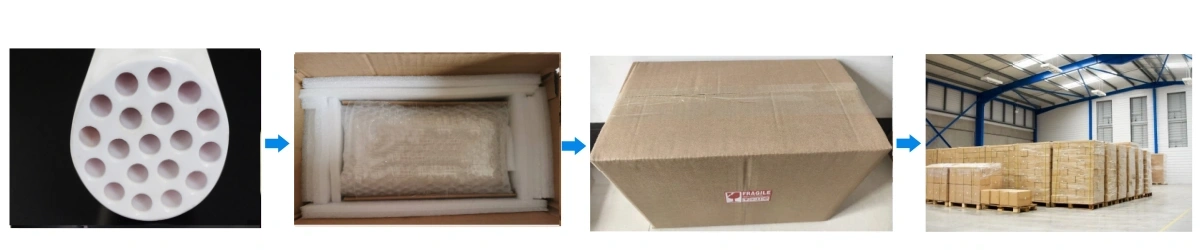
Alumina Membrane Tube Packing

Alumina Membrane Tube Applications

  • Water Reuse & Industrial Wastewater

    ✅Key Advantages

    1. Handles high-solids variability; public ceramic-membrane references include up to 80,000 ppm TSS in backwash water recovery implementations.

    2. CIP planning with long service-life expectations; published reviews often describe 10–20 years in suitable ceramic-membrane service.

    3. Module scale feasibility; public examples include ceramic-membrane drinking-water plants around 120,000 m³/day scale.

    ✅ Problem Solved

    A reuse plant that runs variable solids loads typically sees performance swings when channel loading is uneven or when cleaning intensity is limited. An alumina membrane tube is often selected to keep operation stable under higher solids swings and repeated CIP cycles. Public references for ceramic membranes include high-solids backwash water around 80,000 ppm TSS and very large drinking-water installations around 120,000 m³/day scale, which reflects where downtime and replacement logistics become operational risks.

  • Beverage Clarification & Byproduct Recovery

    ✅Key Advantages

    1. Stable crossflow operation across batches by controlling channel geometry and pressure drop.

    2. CIP recoverability focus: repeatable cleaning cycles matter more than short-term peak flux.

    3. Scale-up path from pilot tubes to production modules using consistent effective length.

    ✅ Problem Solved

    Beverage lines often change recipes, temperatures, and solids content, which makes fouling behavior unpredictable. Customers typically choose an alumina membrane tube to keep separation performance stable across campaign changes, while supporting frequent CIP without needing frequent element replacement. The practical requirement is a tube that integrates cleanly into an OEM module so that scale-up does not change channel loading or sealing behavior.

  • Chemical Process Separation & Solvent-Exposed Streams

    ✅Key Advantages

    1. Geometry control for shear management, helping keep crossflow velocity in a usable range.

    2. Sealing-interface definition for solvent-tolerant module designs and controlled potting windows.

    3. Repeatable element replacement without redesigning the housing.

    ✅ Problem Solved

    Chemical separation lines often have strict uptime targets and cleaning cycles that can be aggressive. The common failure is not only membrane fouling but also seal degradation and inconsistent replacement parts. A well-specified alumina membrane tube reduces module-to-module variability by controlling OD fit, channel geometry, and end details, which simplifies maintenance planning and reduces revalidation time after replacements.

Alumina Membrane Tube Handling and Operation Guide

  • Installation

    a. Inspect tube ends for chips before assembly; reject parts with end-face damage in sealing zones.
    b. Verify housing alignment; misalignment can overload one side and cause seal stress.
    c. Use a controlled compression or potting process; record torque or potting depth for repeatability.
    d. Confirm flow direction and distributor placement to avoid channel starvation.

  • Operation

    a. Start with a controlled ramp to target crossflow velocity to avoid sudden pressure spikes.
    b. Keep transmembrane pressure within your membrane-cut and module design window.
    c. Use consistent backpulse/backwash logic only if your skid design supports it.

  • Storage

    a. Store tubes horizontally with end supports to avoid point loading on ends.
    b. Keep sealing zones clean and protected; avoid abrasive contact in storage bins.

  • Cleaning (CIP)

    a. Use staged cleaning: rinse → alkaline/enzymatic (if applicable) → rinse → acid (if applicable) → final rinse.
    b. Track flux recovery after each CIP; declining recovery is an early indicator of irreversible fouling or channel damage.
    c. Avoid thermal shock during cleaning by controlling temperature transitions.

Alumina Membrane Tube FAQs

  1. What is an alumina membrane tube used for in crossflow filtration systems?
    An alumina membrane tube is used as a multi-channel ceramic element for continuous crossflow separation where cleaning frequency, uptime, and module repeatability are key constraints.
  2. How do I choose channel count for an alumina membrane tube?
    Channel count is chosen to balance membrane area and pressure drop; more channels increase area but may require more careful flow distribution.
  3. What is the difference between an alumina membrane tube and a porous alumina support tube?
    An alumina membrane tube typically includes a defined separation layer or specified cut, while a support tube may be a structural porous body used as a substrate
  4. Can an alumina membrane tube handle high-solids streams?
    Ceramic-membrane implementations have been publicly referenced in high-solids contexts, including backwash water around 80,000 ppm TSS in specific applications.
  5. What end details should I specify for an alumina membrane tube in a module?
    Specify sealing land, chamfer/lead-in, potting length window, and any dimensional control needed for your gasket compression or potting fixture.
  6. How do I reduce pressure drop when using an alumina membrane tube?
    Adjust channel diameter and effective length, and optimize distributor design to avoid channel starvation and localized high velocity.
  7. How long can an alumina membrane tube last in industrial service?
    Published reviews often describe ceramic-membrane longevity in the 10–20 year range when operating conditions and cleaning control are suitable.
  8. What information should I send for a quote on an alumina membrane tube?
    Send OD, channel count and diameter, effective membrane length, end detail requirements, and your housing/seal concept (gasket vs potting).

Alumina Membrane Tube Reviews

  • ⭐️⭐️⭐️⭐️⭐️
    We replaced a polymer element in a pilot line with an alumina membrane tube because the CIP frequency was high. The tube-to-housing fit and end sealing details were the deciding factors. ADCERAX shared a clear drawing revision workflow and the samples matched the assembly fixture.
    -- Mark Jensen, Engineering Manager, Crossflow Skid OEM
  • ⭐️⭐️⭐️⭐️⭐️
    Our feed swings in solids. The alumina membrane tube specification focused on channel layout and effective length so we could keep pressure drop predictable. The parts arrived with end protection that reduced handling damage during installation.
    -- Claire Dubois, Process Engineer, Industrial Water Reuse Plant
  • ⭐️⭐️⭐️⭐️⭐️
    We buy from multiple suppliers, but we prefer factories that can hold geometry consistently and quote quickly from a sketch. ADCERAX was straightforward on pricing and provided stable repeat orders for standard formats.
    -- David Romero, Purchasing Manager, Filtration Components Distributor
  • ⭐️⭐️⭐️⭐️⭐️
    The main risk for us is downtime from sealing leaks and replacement mismatches. The alumina membrane tube we sourced had controlled end details, which reduced leak-related rework during maintenance.
    -- Hannah Lee, Technical Buyer, Speciality Chemicals Producer
customize size

Custom Alumina Membrane Tube Specifications

If your module uses a specific housing, seal design, or flow distributor, the alumina membrane tube is typically specified as a controlled geometry part rather than a generic tube. What You Can Specify :

  • Outer/inner dimensions (OD/ID targets and fit strategy for your housing)

  • Channel layout: 7 / 19 / 37 / 61 channels (or custom)

  • Channel diameter and channel spacing to balance shear vs pressure drop

  • Effective membrane length and overall length for your skid envelope

  • End details: open ends, lead-in chamfer, sealing land definition, potting length window

  • Cross-section options (when required by proprietary housings)

  • Surface finish for sealing zones: as-fired / ground / polished (interface dependent)

  • Straightness and coaxiality targets for long housings or multi-element bundles

Related Products

ADCERAX - Your Trusted Advanced Ceramics Manufacturing Partner

Direct factory manufacturing with comprehensive ceramic materials expertise and global supply capabilities

Direct Factory Manufacturing

China-based ceramic materials production facility with state-of-the-art equipment

Engineering Team

Experienced professionals in advanced ceramics applications and custom design

Quality Control

Strict quality control standards for technical ceramics manufacturing and quality management

Global Supply Chain

Serving customers worldwide with technical ceramics and rapid response

24/7 Technical Support

Round-the-clock support for ceramic components inquiries and technical assistance

500+ Satisfied Customers

Trusted by global customers for advanced ceramic materials and precision components

Get in Touch with Us

Our team will be happy to respond to you in less than 24 hours.

Adcerax's factory

Quick Quotation

*Our team will answer your inquiries within 24 hours.

*Your information will be kept strictly confidential.

Ready to Solve Your Engineering Challenge?

Partner with ADCERAX for reliable, high-performance advanced ceramic solutions. Our engineers are ready to discuss your project.

E-mail

info@adcerax.com

Phone

+(86) 0731-74427743 | WhatsApp: +(86) 19311583352

Response Time

Within 24 hours

Quick Quote

The more details you provide, the faster we can quote.

*We respond within 24 hours. All inquiries are confidential.

Download Catalog

Get Your Custom Sulution

The more details you provide, the faster we can respond.

customize size

*We respond within 24 hours. All inquiries are confidential.

Download Catalog