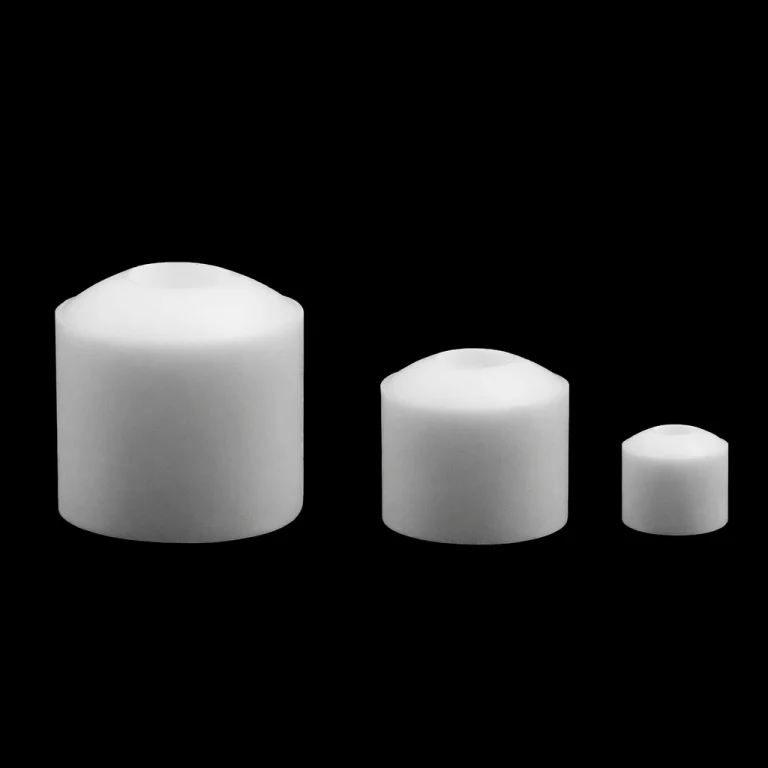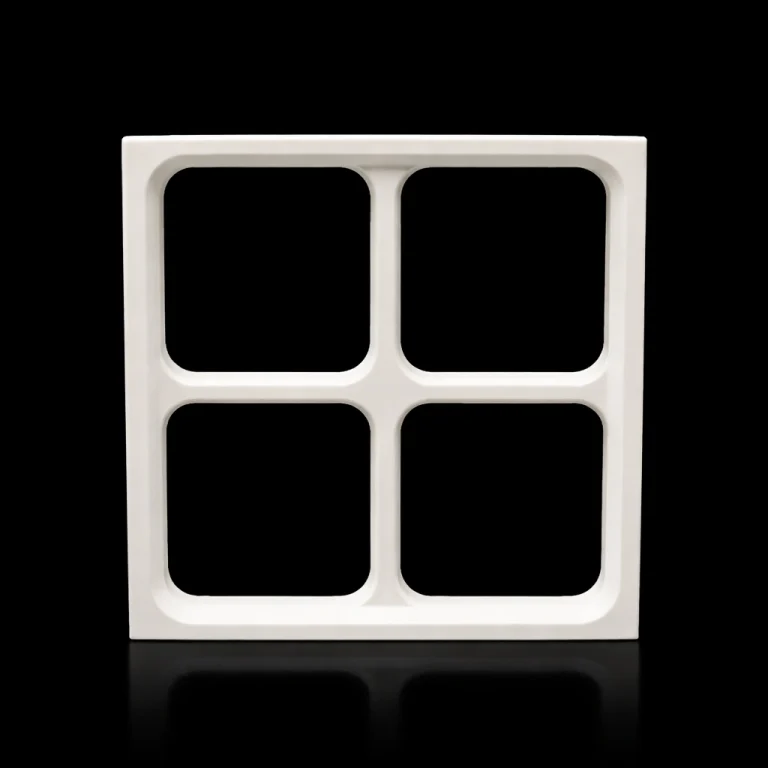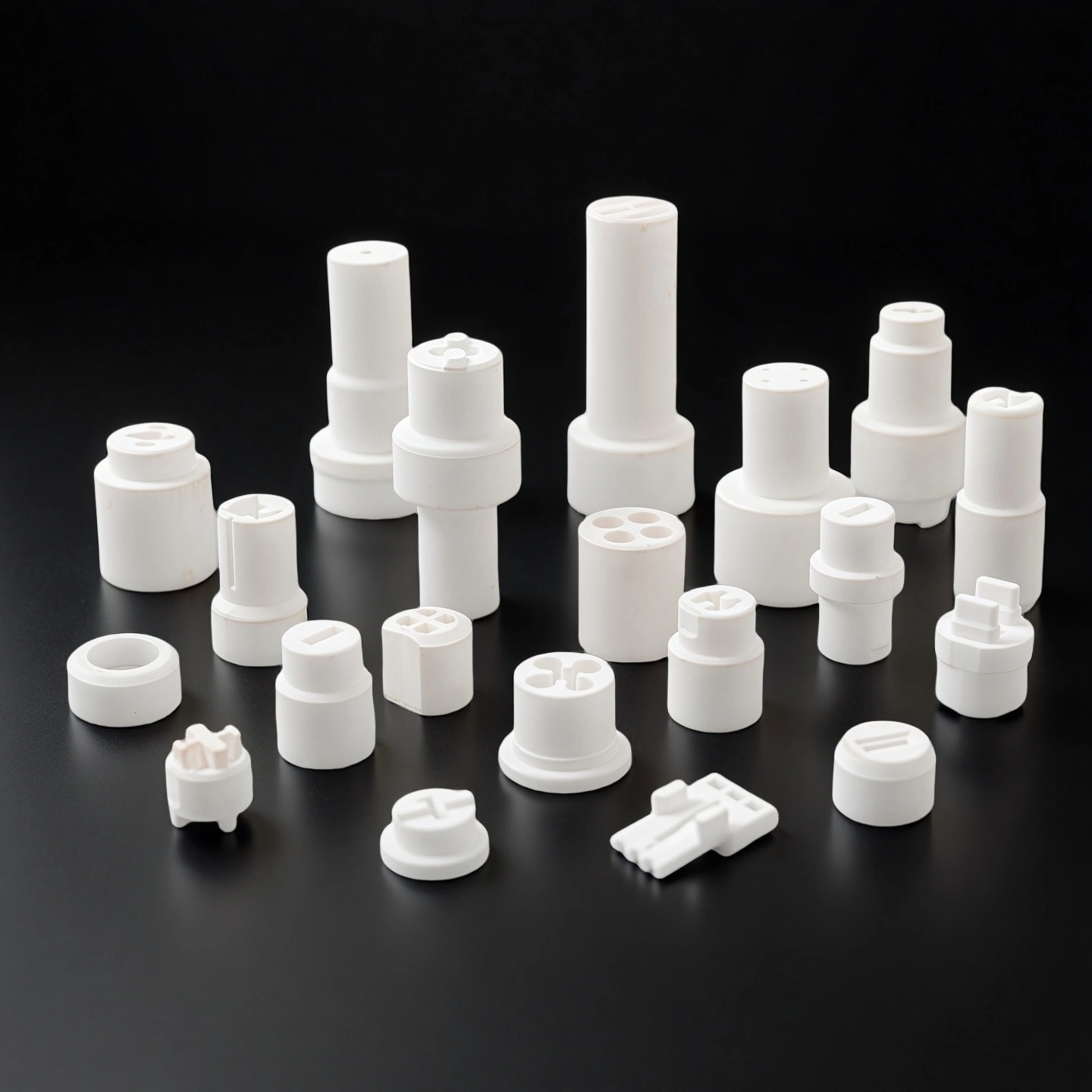
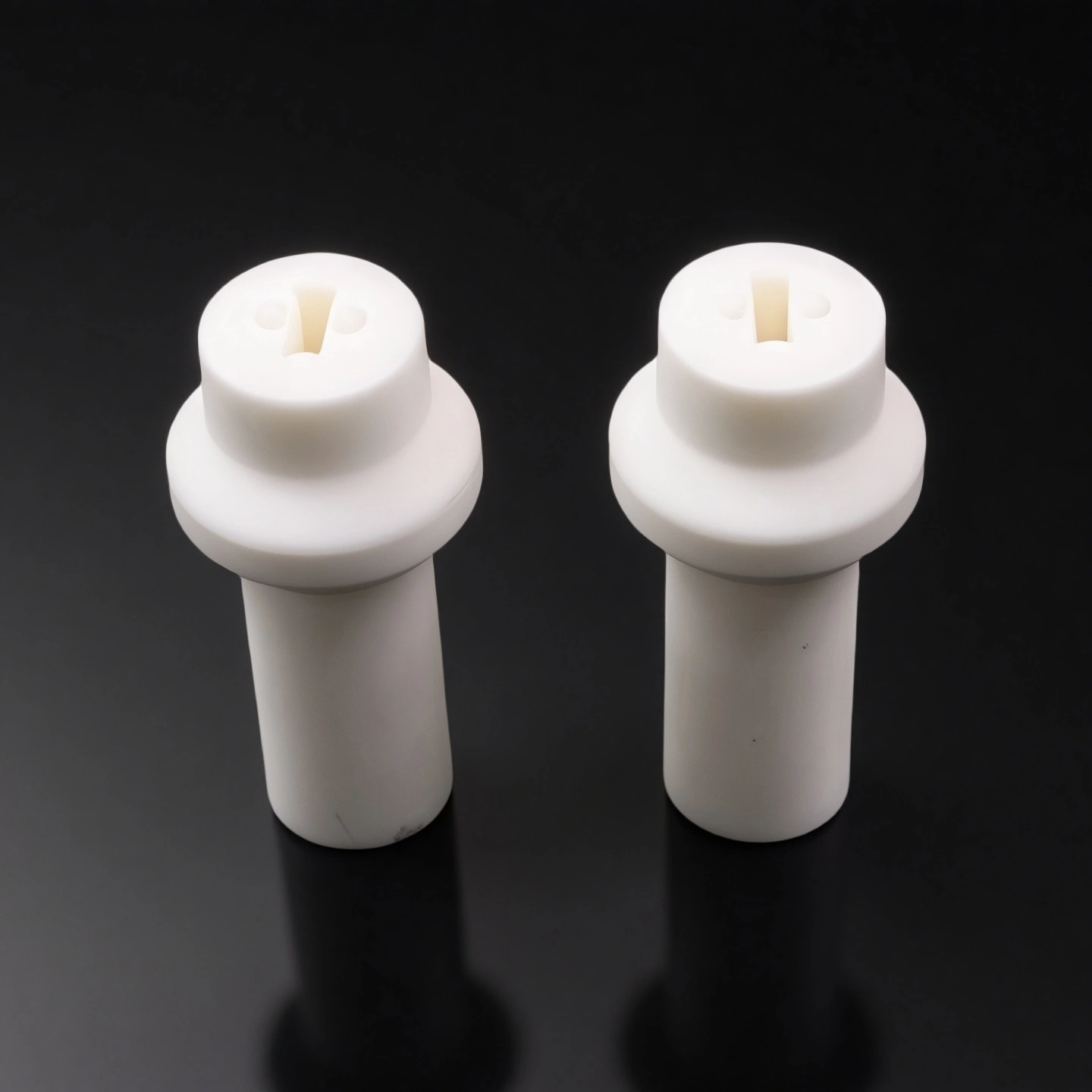
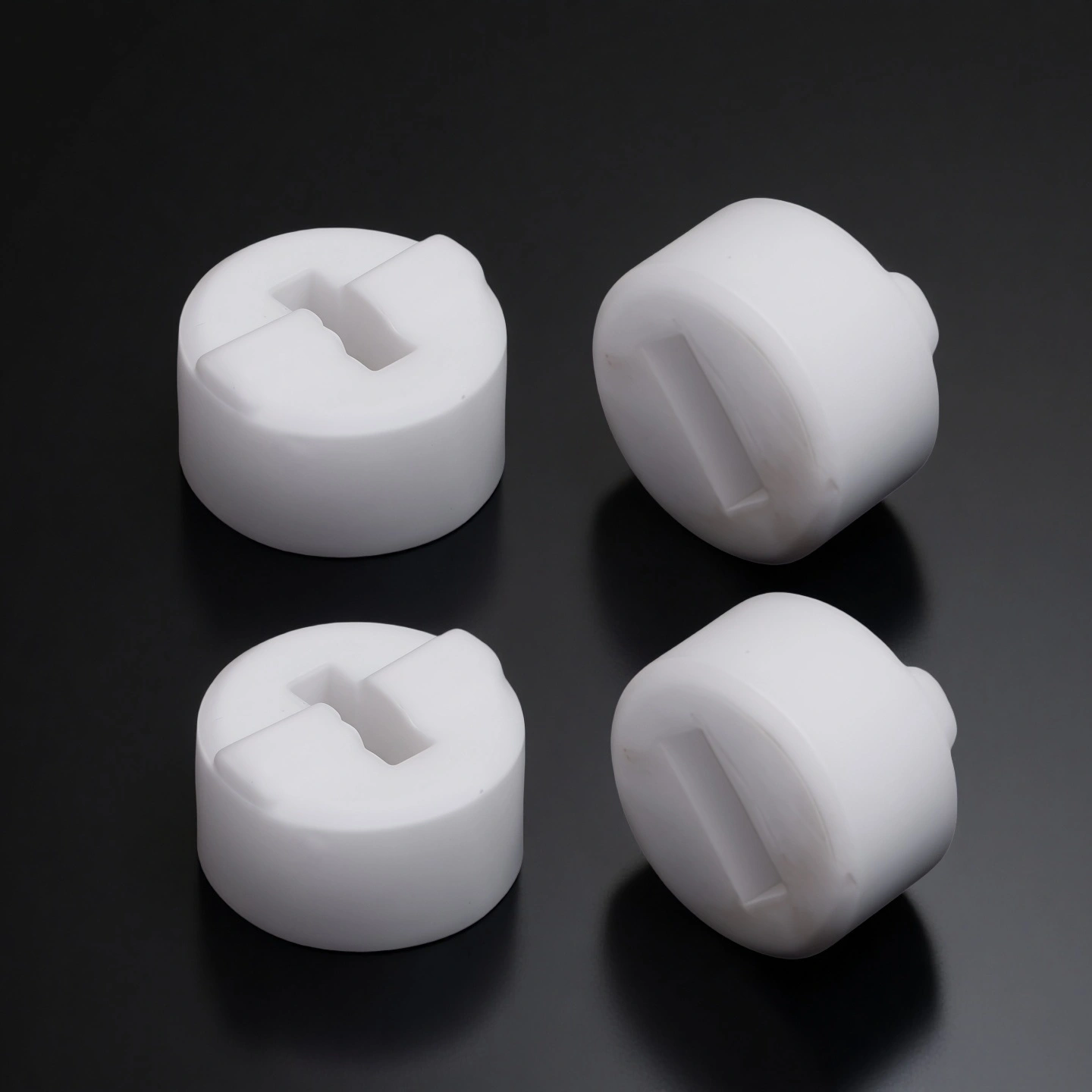
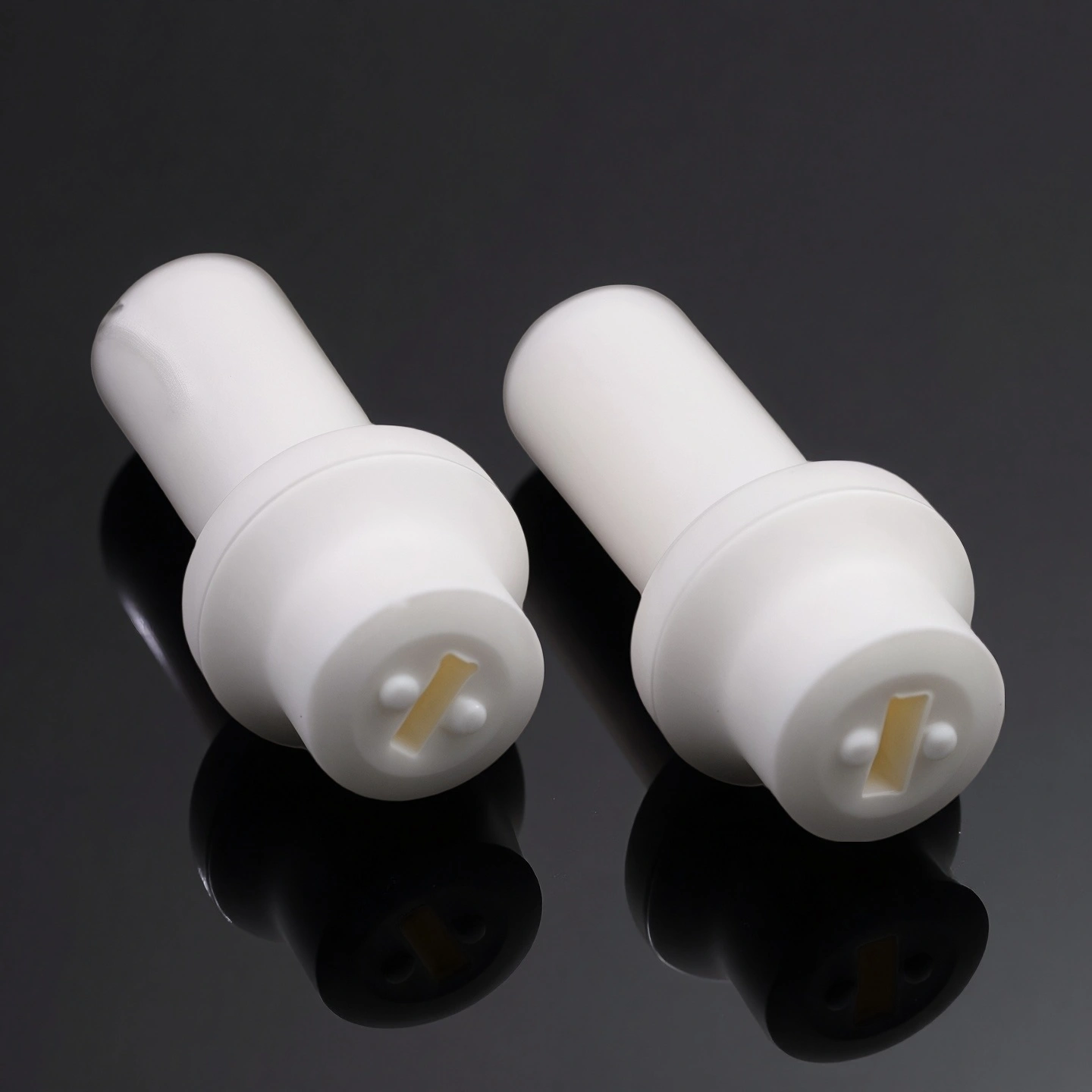
Custom Alumina Oxygen Sensor Housing with Shoulder, Slots and Multi-Step Bore Geometry

Alumina oxygen sensor housing is a precision ceramic body that supports and insulates zirconia oxygen sensing elements in exhaust and flue gas analyzers. ADCERAX offers cylindrical and stepped housings with inner diameters typically from 2 to 8 mm, outer diameters from about 4 to 15 mm, and lengths up to 150 mm, and can manufacture custom alumina oxygen sensor housings according to customer drawings.

Catalogue No. AT-AO-CG01
Material 99% Al2O3
Maximum Operating Temperature  1300°C
Dimensional Tolerance ±0.1mm
Standard dimensional tolerances ID/OD typically ±0.05–0.10 mm,
length ±0.10–0.30 mm
24H Standard Dispatch
Small Batch Support OEM
Factory Direct
Expert Engineering Support

Alumina oxygen sensor housing is a high-temperature ceramic body made from high-purity Al₂O₃ that supports and insulates the zirconia sensing element, heater and electrodes inside an oxygen sensor. It defines the internal geometry of the sensor stack, keeps the gas path and reference gap stable, and provides electrical insulation between conductive parts while working in hot exhaust or flue gas.


Alumina Oxygen Sensor Housing Benefits

  • Stable oxygen measurement geometry
    The alumina oxygen sensor housing holds zirconia elements, heaters, and electrodes in a fixed position so the sensing gap and gas path remain consistent throughout the service life of the sensor.

  • High electrical insulation at elevated temperature
    High-purity alumina maintains high dielectric strength and volume resistivity even at several hundred degrees Celsius, protecting measurement circuits from leakage and short circuits inside compact sensor stacks.

  • Thermal cycling resistance in exhaust and flue gas
    The dense alumina oxygen sensor housing tolerates repeated heating and cooling cycles between ambient and exhaust gas temperatures typical for automotive engines and combustion systems, reducing risk of cracking around sealing lines and through-holes.

  • Chemical resistance in combustion atmospheres
    Alumina provides high resistance to oxidation, most combustion by-products, and many corrosive species found in exhaust gas, which helps protect the zirconia cell from particulate contamination and condensate attack.

  • Geometric flexibility for different sensor architectures
    The ceramic body can incorporate multi-step bores, slots for leads, side ports, chamfers, and sealing shoulders, allowing engineers to adapt the housing to narrowband, wideband, or diffusion-limited oxygen sensor designs.


Alumina Oxygen Sensor Housing Properties

Property Unit 99.5% Al₂O₃ 99.6% Al₂O₃ 99.7% Al₂O₃ 99.8% Al₂O₃ 99.9% Al₂O₃ 99.99% Al₂O₃
Alumina content % 99.5 99.6 99.7 99.8 99.9 99.99
Density g/cm³ 3.89 3.91 3.92 3.93 3.94 3.98
Open porosity % 0
Color Ivory Ivory Ivory Ivory Ivory Ivory
Water absorption % 0 0 0 0 0
Young’s modulus (Elastic modulus) GPa 375 356 357 358 359 362
Shear modulus GPa 152
Bulk modulus GPa 228
Poisson’s ratio 0.22
Compressive strength MPa 2600 2552 2554 2556 2558 2570
Flexural strength MPa 379 312 313 314 315 320
Fracture toughness MPa·m¹ᐟ² 4
Hardness GPa 14.1 (≈1440 kg/mm²) 23 24 25 26 30
Thermal conductivity W/m·K 35 32–37 33–38 34–39 35–40 36–42
Thermal shock resistance ΔT °C 222 223 224 225 228
Maximum use temperature (no load) °C ≤1750 1755 1760 1765 1770 1800
Coefficient of thermal expansion 10⁻⁶/°C 8.4
Specific heat J/kg·K 880
Volume resistivity Ω·cm >1×10¹⁴ >1×10¹⁴ >1×10¹⁴ >1×10¹⁴ >1×10¹⁴ >1×10¹⁴
Dielectric constant (relative permittivity) 9.8 9.83 9.84 9.85 9.86 9.92
Dielectric strength kV/mm 16.9 23.2 23.4 23.6 23.8 24
Dissipation factor (loss factor @ 1 kHz) 0.0002


Specifications of Al2O3 Oxygen Sensor Housing

Item No. Diameter (mm) Thickness (mm) Purity
AT-AO-CG01 Customize


Alumina Oxygen Sensor Housing Packaging

  • Each batch of alumina oxygen sensor housings is separated with soft, non-abrasive layers to avoid ceramic-to-ceramic contact during transit.
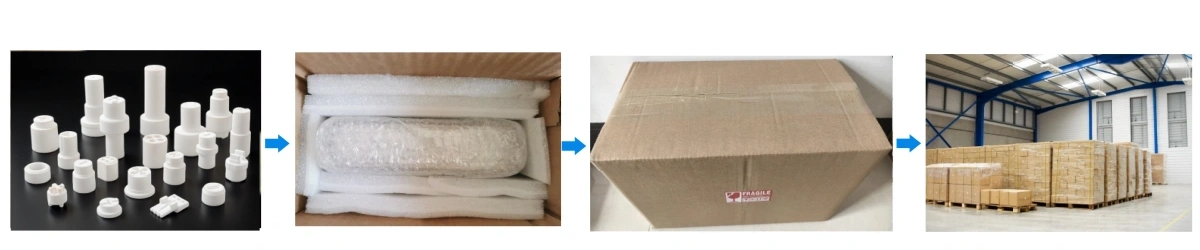

Alumina Oxygen Sensor Housing Packaging

Application  for Alumina Oxygen Sensor Housing

  • Automotive Exhaust Oxygen Sensors

    ✅Key Advantages

    1. Consistent lambda measurement at exhaust temperatures
    Alumina oxygen sensor housing helps maintain stable internal geometry and electrical insulation while zirconia lambda sensors operate in exhaust gas typically between about 400 and 900°C.

    2. Dimensional stability for high-volume assembly
    Tight ID/OD tolerances and stable alumina dimensions help reduce stack-up variation in high-volume sensor assembly, supporting low defect rates in automotive production lines.

    3. Protection against particulate and condensate contamination
    The ceramic housing shields the zirconia cell from particulates and unburned gas components, supporting consistent sensor output and reducing early-life drift.

    ✅ Problem Solved

    An aftermarket lambda sensor producer experienced internal short circuits and signal drift in roughly 3–4% of sensors during hot-cold cycling tests. Investigation traced the issue to plastic deformation and micro-movement of a mixed metal/ceramic carrier inside the sensor body. After switching to a high-purity alumina oxygen sensor housing with controlled ID tolerance and higher dielectric strength, the test failure rate reduced to below 1%, and the number of field returns for sensor drift decreased over the first 12 months of sales.

  • Industrial Boilers and Furnaces – Combustion Control

    ✅Key Advantages

    1. Support for continuous oxygen trim in high-temperature flue gas
    Alumina oxygen sensor housing enables zirconia probes to work reliably in flue gas conditions up to around 1300°C, which allows continuous measurement for oxygen trim control.

    2. Long service life in corrosive combustion atmospheres
    Alumina’s resistance to oxidation and many combustion by-products supports long probe lifetimes in boilers and furnaces that operate with varying fuels and excess air levels.

    3. Contribution to fuel savings through stable O₂ measurement
    Stable probe performance helps keep oxygen trim systems within target excess O₂, and studies show that optimizing air-fuel ratio can reduce fuel use by roughly 2–5% in industrial boilers.

    ✅ Problem Solved

    A heat-treatment furnace operator with online oxygen trim control documented that improving O₂ probe reliability allowed them to maintain tighter excess oxygen levels. When O₂ measurement quality improved and control targets were adjusted, the facility recorded gas consumption reductions in the low single-digit percentage range, consistent with independent boiler efficiency studies that report about 2–5% fuel savings from improved combustion control. For a furnace consuming several hundred thousand therms per year, this translated to annual fuel cost reductions measured in tens of thousands of dollars.

  • Emissions Monitoring & Flue Gas Analysers

    ✅Key Advantages

    1. Compact housing for O₂ modules in flue gas analysers
    Alumina oxygen sensor housing allows integration of zirconia O₂ modules in compact flue gas analysers used for stack testing and continuous emissions monitoring.

    2. High insulation for low-level signal integrity
    High dielectric strength in the housing reduces leakage currents, helping preserve small millivolt-level signals used in oxygen concentration calculation.

    3. Stable performance across a wide gas temperature range
    The housing works with zirconia cells that can measure oxygen over gas temperature ranges covering several hundred degrees Celsius, supporting both portable and stationary analyzers.

    ✅ Problem Solved

    An emissions analyzer OEM faced intermittent drift in portable analyzers when used on high-temperature stacks. After replacing mixed polymer/metal support parts with alumina oxygen sensor housings, the internal insulation resistance at elevated temperature increased significantly and the number of returned analyzers due to unstable O₂ readings decreased during the next annual maintenance cycle. This improvement aligns with published data showing zirconia oxygen sensors can provide stable measurements in gas streams spanning from several hundred up to around 1500°C when mounted in appropriate ceramic supports.

Alumina Oxygen Sensor Housing Usage Instructions

  • Installation

    1. Ensure the alumina oxygen sensor housing and the zirconia element are clean and free of chips before assembly.
    2. Align the internal steps and bores with the designated locations for the zirconia cell, heater, and electrodes according to the sensor design drawing.
    3. Use the recommended sealing compounds, glass seals, or metallic crimps only on the specified seating faces to avoid generating uncontrolled stresses in the ceramic body.

  • Operation

    1. Operate the assembled sensor within the specified gas temperature and ramp rate for the zirconia sensing element and the alumina housing.
    2. Avoid sudden exposure to cold liquids such as water jets on hot exhaust components, which can cause thermal shock in sensor ceramics.
    3. Maintain gas flow and sampling arrangements so condensate does not pool around the housing or occupy gas access paths.

  • Storage

    1. Store unused alumina oxygen sensor housings in dry conditions with minimal dust.
    2. Keep original packaging to protect machined faces from chipping and to maintain identification labels.
    3. Avoid stacking heavy metallic components directly on top of ceramic parts.

  • Cleaning

    1. If cleaning is required, use non-abrasive brushes and compatible solvents; avoid aggressive HF-containing agents that can attack alumina.
    2. Do not mechanically scrape sealing faces or finely ground bores with hard metal tools; use soft tools to avoid introducing surface defects.

  • Use-Related Issues and How to Address Them

    1. Issue: Cracking during assembly

    Possible causes: Excessive press-fit, point loading on small areas, or misalignment.
    Mitigation: Check fixture design, reduce interference fits, use controlled pressing forces, and verify chamfer and radii on mating parts.

    2. Issue: Sensor signal drift after thermal cycling

    Possible causes: Micro-movement of internal parts due to loose fit in the housing or change in sealing glass volume.
    Mitigation: Review clearance between housing bore and insert components; adjust tolerances and sealing process to improve positional stability.

    3. Issue: Surface contamination inside housing bore

    Possible causes: Handling with contaminated gloves, overspray from sealants, or condensate deposits.
    Mitigation: Implement clean assembly procedures, protect bores during sealing operations, and keep sensor orientation to allow condensate drainage in service.

FAQ – Alumina Oxygen Sensor Housing

  1. Q: Why is alumina used for oxygen sensor housings instead of metals?
    A: Alumina provides high electrical insulation, high service temperature capability, and resistance to combustion atmospheres, which are difficult to achieve at the same level with metal housings in the immediate vicinity of the zirconia sensing element.
  2. Q: What temperature range can alumina oxygen sensor housings withstand?
    A: High-purity alumina ceramics can tolerate very high temperatures, frequently up to around 1700–1900°C in suitable atmospheres. Still, oxygen sensor designs usually specify continuous operation at lower temperatures around or below 1300°C.
  3. Q: Which oxygen sensor types typically use alumina housings?
    A: Alumina oxygen sensor housings are used in many narrowband and wideband zirconia automotive lambda sensors, industrial zirconia oxygen probes, and O₂ modules integrated into flue gas analysers.
  4. Q: What inner diameter and length range is common for alumina oxygen sensor housings?
    A: Many sensor housings fall into an inner diameter range of about 2–8 mm and lengths from roughly 10–150 mm for compact designs, although longer bodies are used for probe-style sensors. Exact ranges depend on the sensor architecture.
  5. Q: Can alumina oxygen sensor housings be glazed or polished?
    A: Yes, some applications use glazed outer surfaces or polished sealing faces on alumina oxygen sensor housings to improve cleanability and sealing performance, while other areas may remain as-fired or ground.
  6. Q: How does an alumina oxygen sensor housing contribute to combustion efficiency projects?
    A: By helping the zirconia oxygen sensor operate reliably in high-temperature flue gas, the alumina housing supports oxygen trim systems that are documented to improve boiler and furnace efficiency by several percentage points when properly applied.

Alumina Oxygen Sensor Housing Reviews

  • ⭐️⭐️⭐️⭐️⭐️
    We moved several aftermarket lambda sensor lines to alumina oxygen sensor housings from ADCERAX and saw a clear reduction in internal rework related to ceramic fit and insulation performance.
    -- Michael H., Purchasing Manager, ExhaustTech Sensors (Germany)
  • ⭐️⭐️⭐️⭐️⭐️
    The custom alumina oxygen sensor housing allowed us to integrate our zirconia cell and heater into a shorter probe body while keeping the bore tolerances we needed for stable calibration.
    -- Sarah L., R&D Engineer, Combustion Control Systems Ltd. (UK)
  • ⭐️⭐️⭐️⭐️⭐️
    For our furnace O₂ probes, the alumina oxygen sensor housing has handled years of thermal cycling in high-temperature gas without dimensional issues, which helped us keep trim control stable.
    -- Kenji S., Process Engineer, Fuji Thermal Equipment Co. (Japan)
  • ⭐️⭐️⭐️⭐️⭐️
    Using oxygen probes built around alumina oxygen sensor housings, we have been able to keep our excess O₂ targets tighter, which supports the fuel savings we expect from our combustion optimization projects.
    -- Carlos R., Maintenance Supervisor, Norte Energia Boiler Plant (Brazil)
customize size

Custom Al2O3 Oxygen Sensor Housing

ADCERAX manufactures alumina oxygen sensor housings to catalogue dimensions or to customer drawings for automotive, boiler, and industrial furnace oxygen probes.

1. Material and grade

  • 95%, 96%, 99% alumina for different cost and performance levels
  • Option for higher-purity alumina for more aggressive atmospheres

2. Geometry and dimensions

  • Inner diameter (ID) range: approx. 2–10 mm (others on request)
  • Outer diameter (OD) range: approx. 4–18 mm
  • Length: from about 10 mm up to 150 mm for compact housings, longer for probe-style bodies
  • ID/OD tolerances: typically ±0.05–0.10 mm depending on size and grinding requirement
  • Length tolerance: typically ±0.10–0.30 mm

3. End configurations

  • Straight bore both ends open
  • One end stepped for a metallic crimp or a weld ring
  • One end with a shoulder or flange seating face
  • Chamfered or radiused edges at the gas entry side

4. Internal features

  • Multi-step bore to locate the zirconia cell and heater
  • Counterbores for sealing rings or glass seals
  • Locating grooves and small slots for lead routing

5. External features

  • Flats for orientation and anti-rotation
  • External grooves for sealing compounds
  • Optional alignment marks or reference faces

6. Surface condition

  • As-fired matte surface for high-friction contact
  • Ground and lapped surfaces on critical faces and bores
  • Optional glazed sections were required for easier cleaning or specific sealing concepts


Related Products

ADCERAX - Your Trusted Advanced Ceramics Manufacturing Partner

Direct factory manufacturing with comprehensive ceramic materials expertise and global supply capabilities

Direct Factory Manufacturing

China-based ceramic materials production facility with state-of-the-art equipment

Engineering Team

Experienced professionals in advanced ceramics applications and custom design

Quality Control

Strict quality control standards for technical ceramics manufacturing and quality management

Global Supply Chain

Serving customers worldwide with technical ceramics and rapid response

24/7 Technical Support

Round-the-clock support for ceramic components inquiries and technical assistance

500+ Satisfied Customers

Trusted by global customers for advanced ceramic materials and precision components

Get in touch with us

Our team will be happy to respond to you in less than 24 hours.

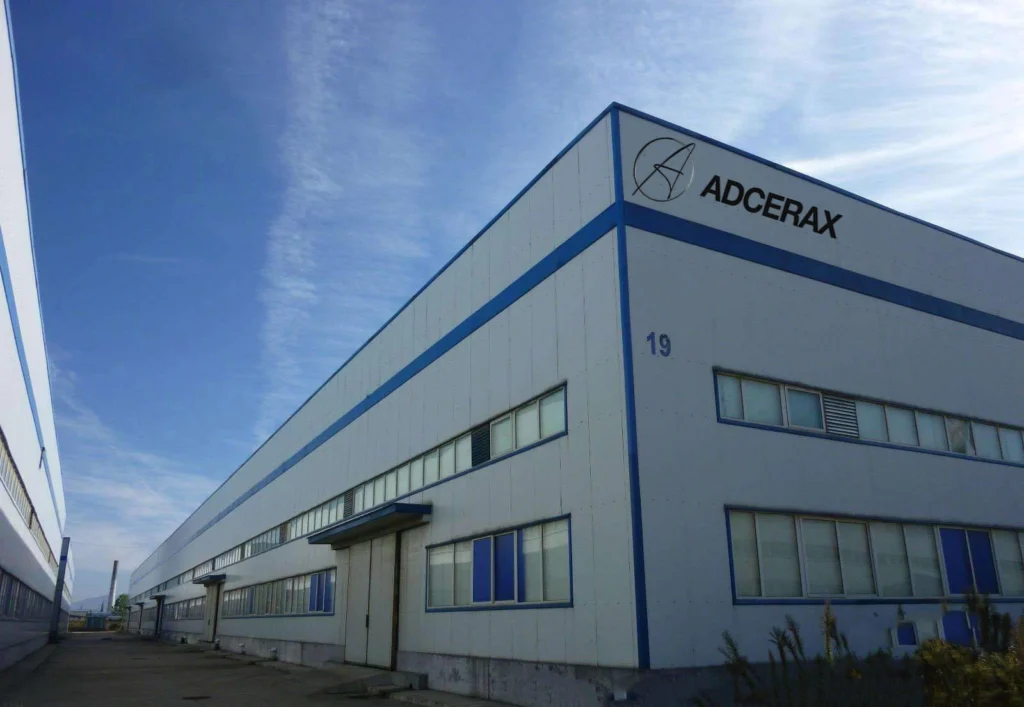
Adcerax's factory

Quick Quotation

*Our team will answer your inquiries within 24 hours.

*Your information will be kept strictly confidential.

Ready to Solve Your Engineering Challenge?

Partner with ADCERAX for reliable, high-performance advanced ceramic solutions. Our engineers are ready to discuss your project.

E-mail

info@adcerax.com

Phone

+(86) 0731-74427743 | WhatsApp: +(86) 19311583352

Response Time

Within 24 hours

Quick Quote

The more details you provide, the faster we can quote.

*We respond within 24 hours. All inquiries are confidential.

Download Catalog

Get Your Custom Sulution

The more details you provide, the faster we can respond.

customize size

*We respond within 24 hours. All inquiries are confidential.

Download Catalog