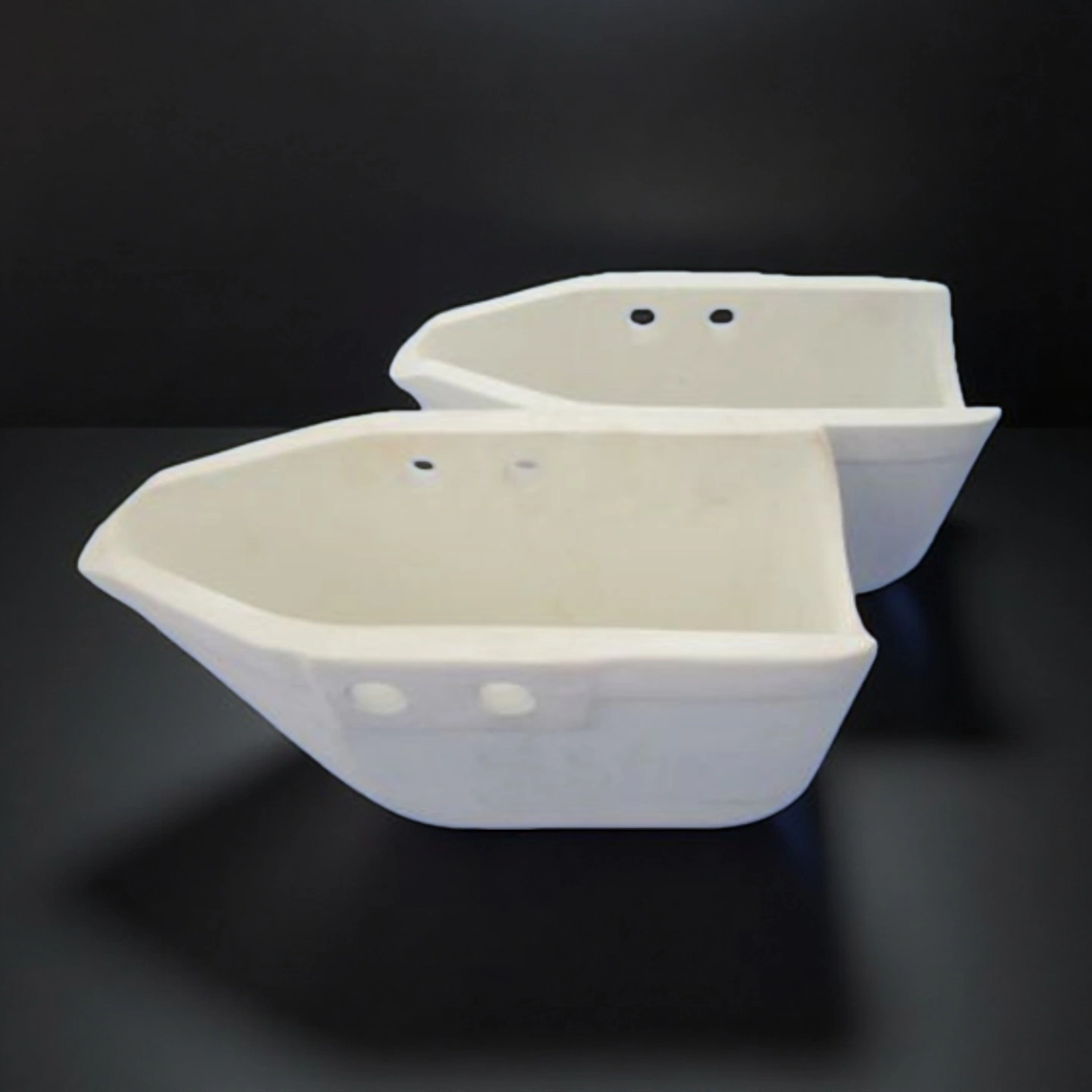
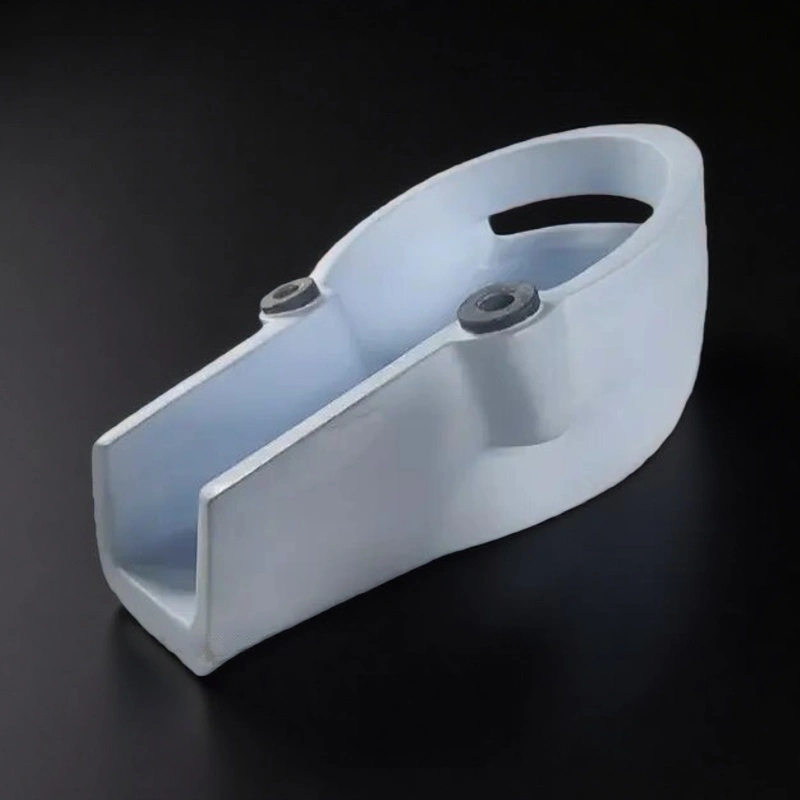
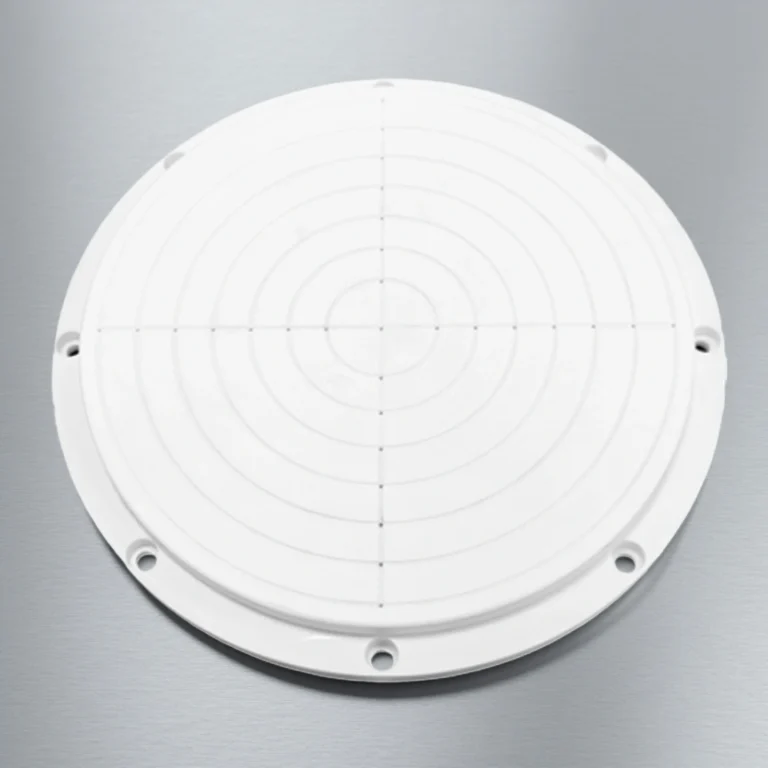
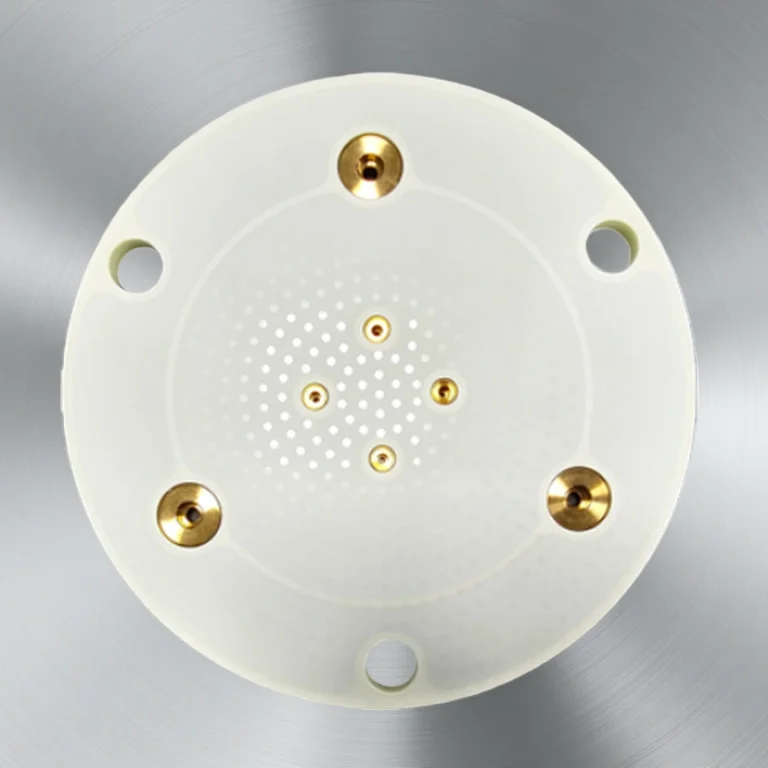
Aluminum titanate pouring ladles are ceramic ladles engineered for molten aluminum transfer and controlled pouring in foundry environments. The ladles combine low thermal expansion, low thermal conductivity and low wettability to aluminum, which helps reduce thermal shock failures and metal contamination while keeping pouring temperature more stable.
Aluminum Titanate Pouring Ladles Benefits
-
Stable pouring geometry
Bowl depth, lip profile and spout design are tailored to give repeatable metal stream height and flow direction, helping to stabilize manual or automated pouring cycles.
-
Reduced aluminum adhesion
Aluminum titanate shows low wettability to molten aluminum, which helps lower build-up on the ladle surface and keeps the metal contact area cleaner during its service life.
-
Improved thermal shock behavior
The combination of low thermal expansion and low modulus of elasticity allows the ladle to withstand rapid immersion into molten aluminum and repeated heating–cooling cycles with minimized cracking risk.
-
Better temperature control
Low thermal conductivity reduces heat loss during transfer, which supports more consistent metal temperature at the moment of pouring and can reduce superheat requirements.
-
Compatibility with non-ferrous alloys
Aluminum titanate is suitable for aluminum and selected non-ferrous alloys, allowing foundries with mixed production to standardize on one ladle material in many cells.
Aluminum Titanate Pouring Ladle Properties
|
Parameter |
Typical Value |
Description |
|
Coefficient of Thermal Expansion (CTE) |
0.5–1.5 ×10⁻⁶ /K |
Extremely low expansion that maintains dimensional stability under molten aluminum temperatures. |
|
Thermal Shock Resistance |
Very high |
Withstands rapid temperature fluctuations without cracking during casting cycles. |
|
Density |
2.8–3.0 g/cm³ |
Medium-density ceramic structure suitable for molten aluminum system components. |
|
Thermal Conductivity |
1.5–3.0 W/m·K |
Helps reduce heat loss along riser tubes, spouts and transfer components. |
|
Maximum Service Temperature |
900–1100°C |
Suitable for typical molten-aluminum environments and transfer systems. |
|
Flexural Strength (MOR) |
10–25 MPa |
Provides sufficient strength for handling, installation and operational load. |
|
Elastic Modulus |
20–40 GPa |
Lower stiffness contributes to excellent thermal shock tolerance. |
|
Porosity |
12–25% |
Supports insulation and limits internal thermal stress accumulation. |
|
Chemical Compatibility |
Non-wetting to molten aluminum |
Prevents adhesion, oxide buildup and contamination in casting processes. |
|
Dimensional Stability |
Stable through long cycles |
Maintains geometry during prolonged molten-aluminum exposure and thermal cycling. |
Aluminum Titanate Pouring Ladle Specifications
|
Item No. |
Diameter (mm) |
Thickness (mm) |
Purity |
|
AT-TSL-LS1001 |
Customize |
Aluminum Titanate Ceramic Pouring Ladle Packaging
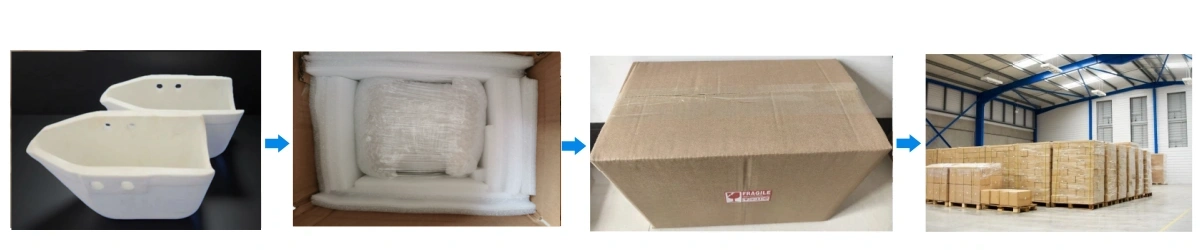
- Each aluminum titanate pouring ladle is wrapped in shock-absorbing material to protect the ceramic bowl and lip.
Aluminum Titanate Pouring Ladle – Usage Guide
To achieve stable performance from an aluminum titanate pouring ladle, installation, operation and maintenance should follow some basic rules.
-
Installation
1. Inspect the aluminum titanate pouring ladle visually before installation and check for visible cracks, chips or impact damage on the bowl and lip.
2. Mount the ladle securely in the shank, manipulator or robot gripper so that clamping forces are distributed over designed contact surfaces, avoiding concentrated loads on thin ceramic sections.
3. Verify alignment between the ladle lip and the mold, launder or pouring cup to ensure a smooth metal stream without splashing.
-
Operation
1. Pre-heat the ladle according to the foundry’s standard procedure if required by the process; some aluminum titanate ladles can enter service with minimal pre-heating, but local practice should be followed.
2. Avoid sudden contact between the cold ladle and full-temperature molten aluminum; bring the ladle gradually into service for the first few cycles.
3. Keep the metal level within the ladle inside the specified capacity range to prevent overfilling, which can increase thermal stress and spill risk.
4. Maintain a consistent pouring angle and stroke so that the lip geometry performs as designed and the metal stream remains stable.
-
Storage
1. Store idle aluminum titanate pouring ladles in a dry area, protected from impact and contact with steel tools or scrap.
2. Avoid stacking ladles directly on the ceramic surfaces; use soft pads, wooden supports or dedicated racks.
3. Do not expose stored ladles to water or liquids that can freeze inside surface pores in cold environments.
-
Cleaning
1. Remove residual solidified aluminum mechanically with non-aggressive tools that do not gouge the ceramic surface.
2. Avoid thermal shock cleaning methods such as sudden quenching with water.
3. If release agents or coatings are used, apply them according to the supplier’s instructions and avoid thick, uneven layers that can spall and contaminate the melt.
-
Common Misuse and How to Correct It
1. Problem: Cracks at the lip after a short period of use
Possible cause: Sudden immersion of a cold ladle into full-temperature metal or impact on the lip during handling.
Corrective action: Introduce a controlled warm-up routine, check handling practices and avoid striking the lip against furnace rims or molds.
2. Problem: Excessive metal build-up inside the bowl
Possible cause: Operation outside the designed metal temperature range or use of incompatible coatings.
Corrective action: Verify melt temperature, review coating products and cleaning methods, and adjust process if aluminum titanate’s non-wettability is being masked by residues.
3. Problem: Ladle does not fit correctly in the existing shank or robot gripper
Possible cause: Dimensional mismatch between supplied ladle interface and local hardware.
Corrective action: Provide updated drawings or a sample hardware interface for adjustment; refine the interface dimensions in the next batch.