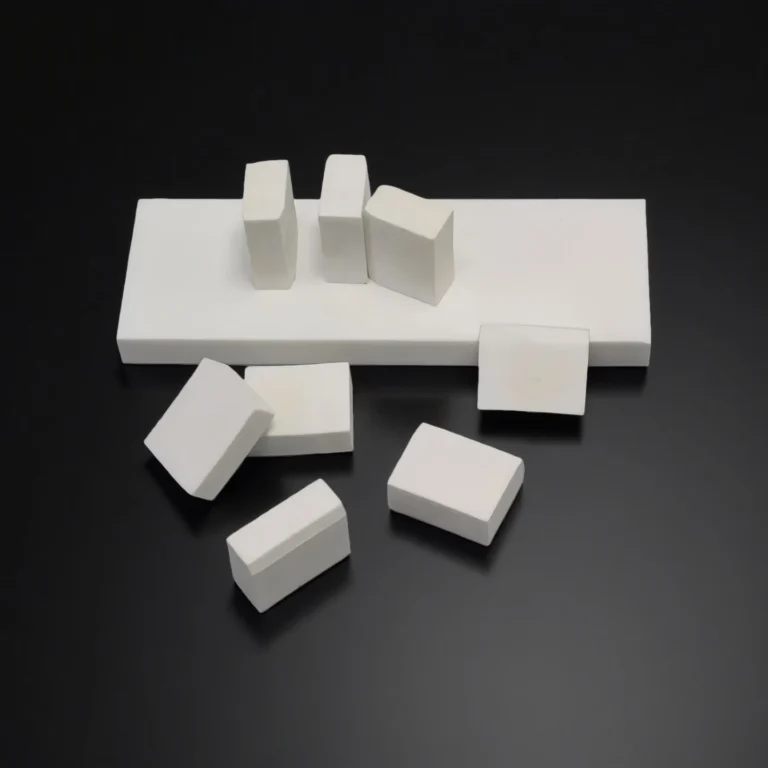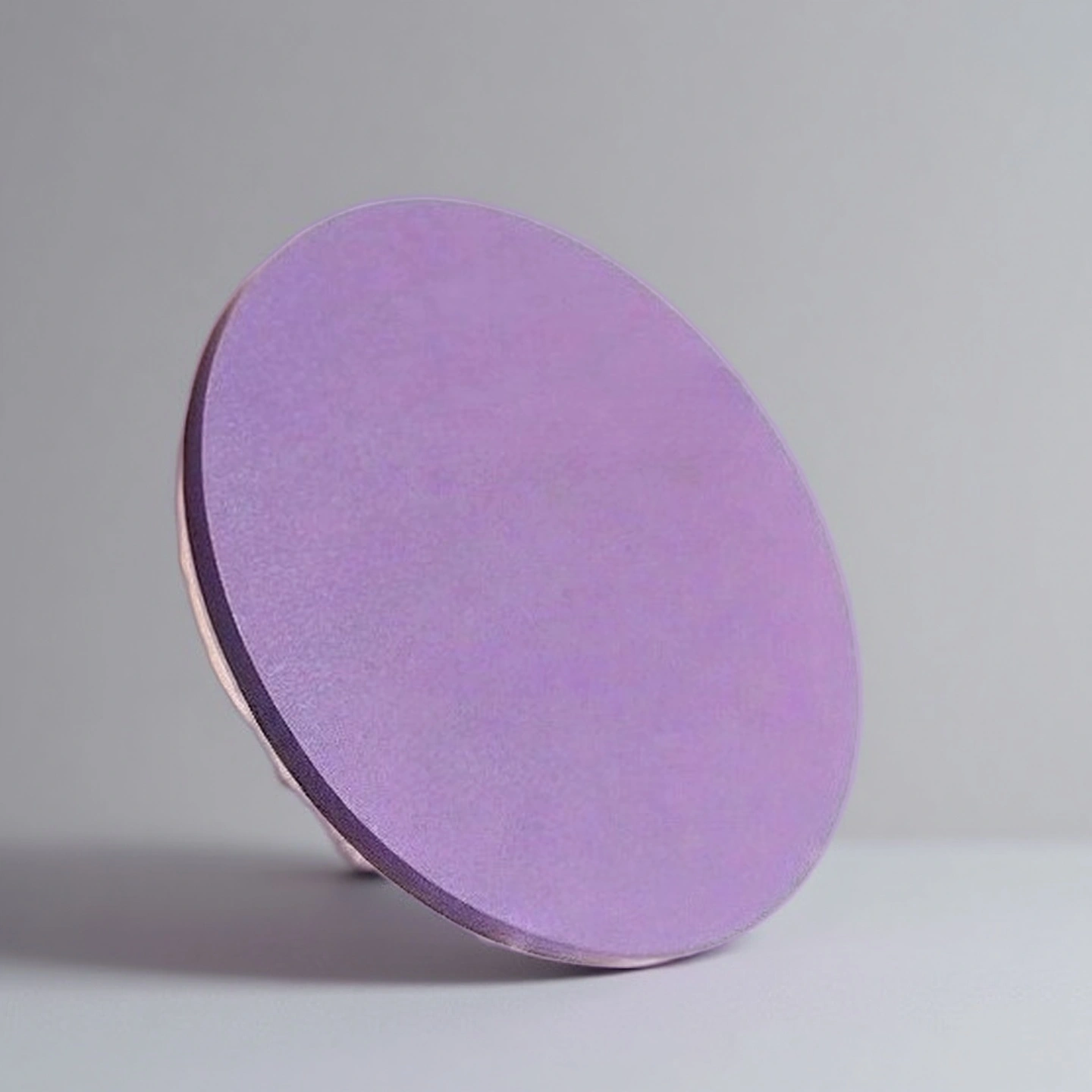
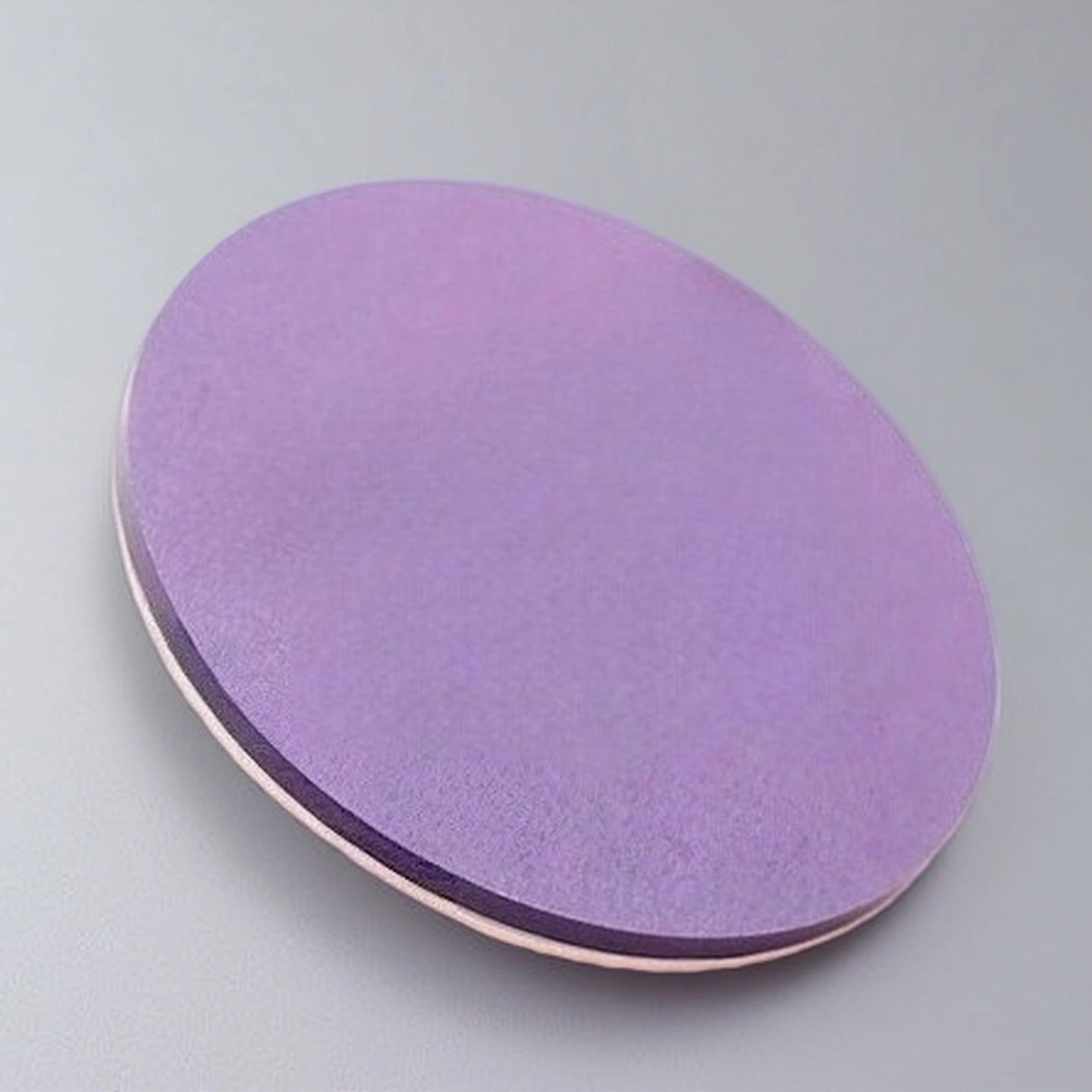
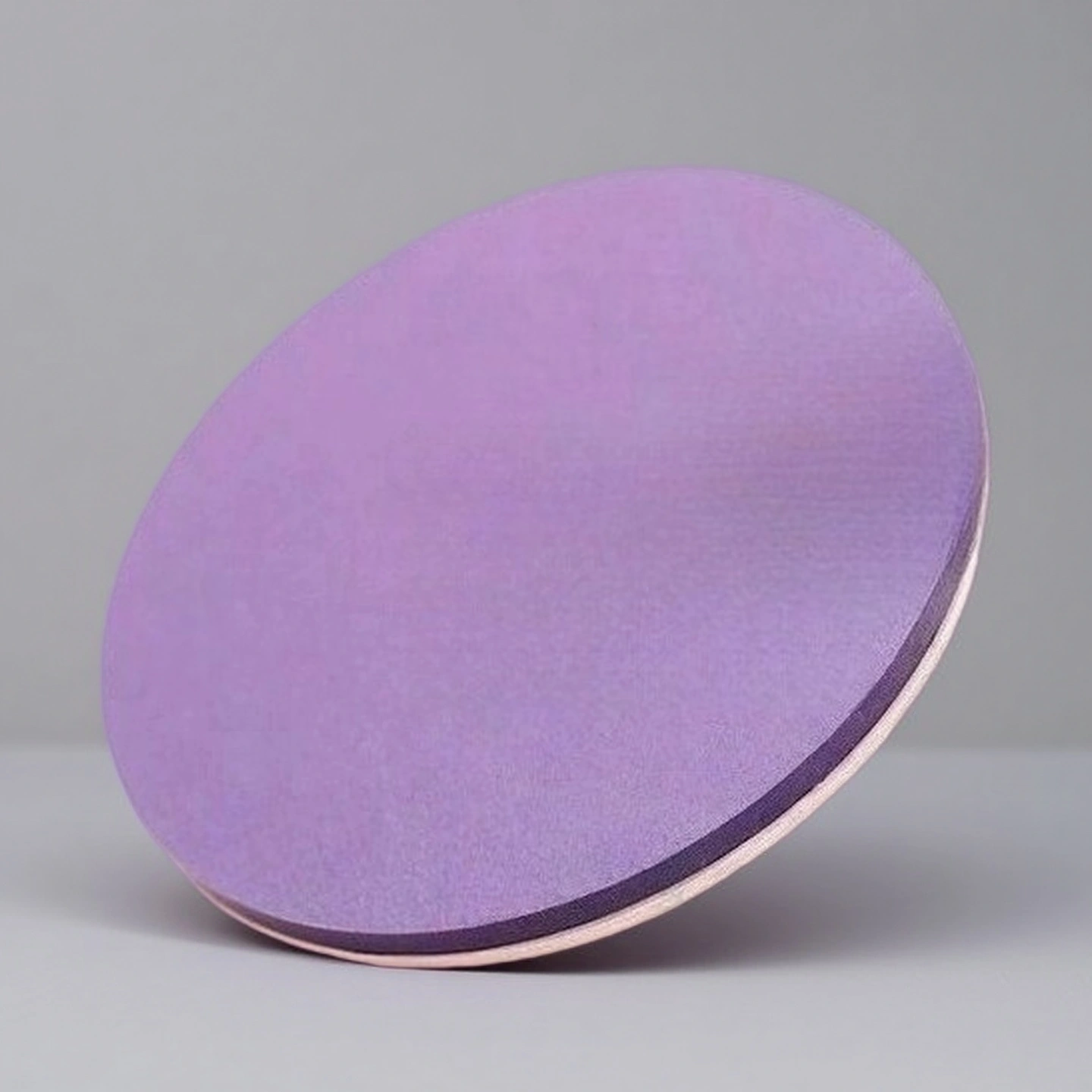
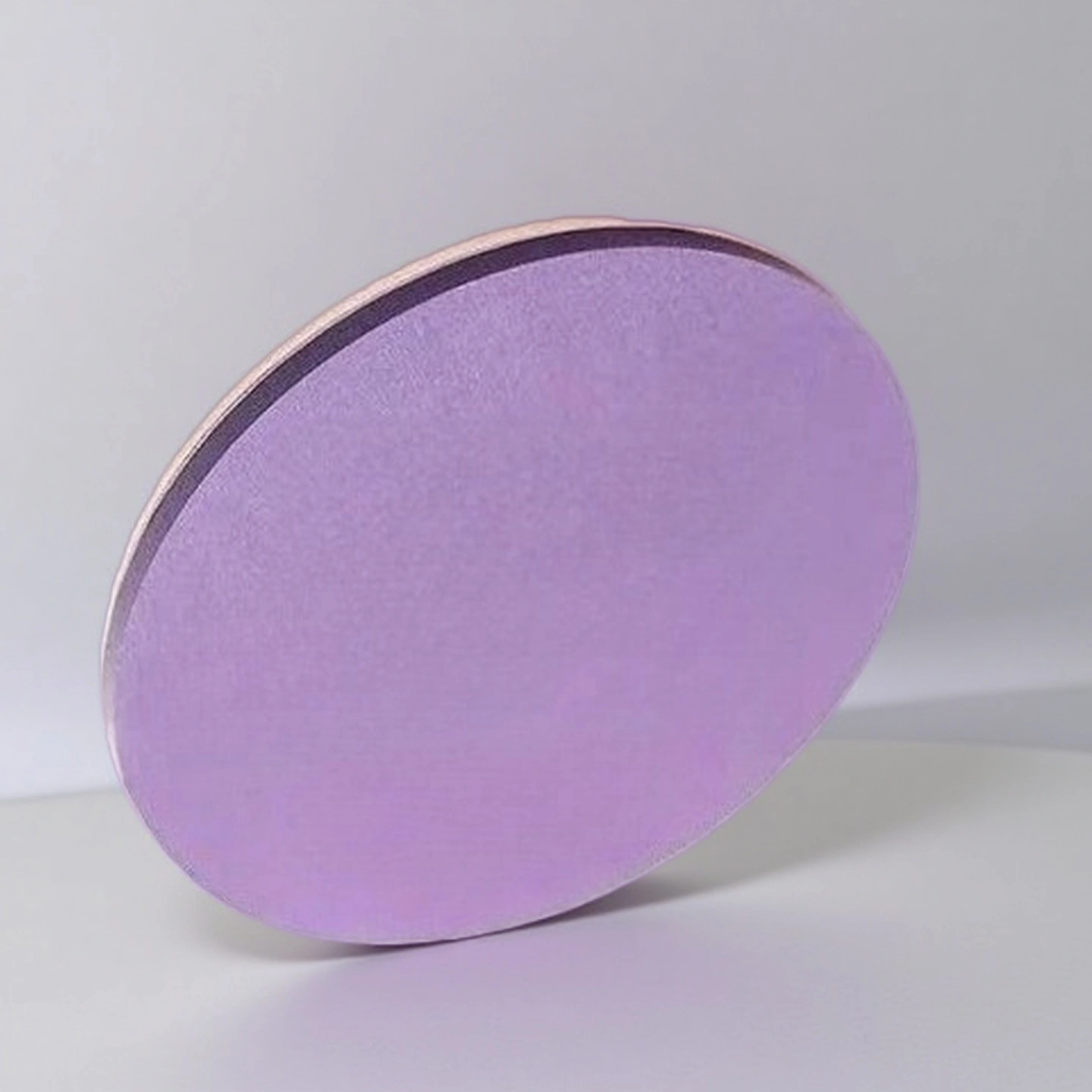
Custom Machined Lanthanum Hexaboride Plate (LaB6 Plate) with Tight Thickness Control

ADCERAX offers standard LaB6 plate blanks in common thickness bands and can customize the Lanthanum Hexaboride Plate to your drawing, including length/width/thickness targets, functional faces, and edge treatments for your holder and heating layout.

Catalogue No. AT-LB-A2001
Material LaB6
Melting Point ~2715 °C
Work Function ~2.6–2.8 eV
Density ~4.7 g/cm³
24H Standard Dispatch
Small Batch Support OEM
Factory Direct
Expert Engineering Support

A Lanthanum Hexaboride Plate (LaB6 plate) is a dense boride-ceramic plate used as a machinable blank or functional component in thermionic electron emission assemblies. It is machined into electron-gun cathode/emitter parts, where controlled thickness, flatness, surface finish, and edge integrity support stable emission in high-vacuum, high-temperature operation.

LaB6 Plate Benefits

✅Plate geometry built for machining:
Lanthanum Hexaboride Plate is supplied with controlled thickness and flatness, giving enough usable stock for precision cutting, grinding, and polishing into defined emitter faces without excessive material loss.

✅Edge integrity control:
Edges can be specified with chamfer or radius, limiting micro-chipping during handling and clamping and reducing the risk of stress concentrations that can lead to cracking in service.

✅Functional surface options:
Working faces of the LaB6 plate can be delivered as ground or polished surfaces, supporting stable mechanical contact, predictable thermal coupling, and consistent positioning inside the electron-source assembly.

Orientation-specified options (when required):
Single-crystal Lanthanum Hexaboride Plate can be supplied with defined crystal orientation such as <100>, with clear marking to keep emitter geometry and emission behavior aligned with the original design intent.

Batch repeatability:
Plate-to-plate dimensional and surface consistency is controlled across a batch, helping keep refurbishment builds, lifetime tests, and multi-system maintenance programs aligned to the same Lanthanum Hexaboride Plate baseline.

Lanthanum Hexaboride Plate Properties

Lanthanum Hexaboride Ceramics (LaB6)
Property Typical Value / Range Performance Highlights / Notes
Melting Point ≈ 2528 K (about 2250 °C) Refractory ceramic that remains structurally stable at very high temperatures.
Density ~4.7 g/cm³ Compact, robust ceramic body suitable for small high-power cathodes and inserts.
Thermal Conductivity ~47–60 W/m·K at 20 °C Efficiently spreads heat across the emitter, reducing local hot spots.
Thermal Expansion (CTE) ~6.2–6.5 ×10⁻⁶ /K (20–900 °C) Good thermal shock resistance and predictable expansion for brazed or clamped assemblies.
Electrical Resistivity ~15 μΩ·cm at 20 °C High electrical conductivity, ideal for thermionic cathodes and other electron-emitting parts.
Typical Operating Temperature (Cathode) ~1400–1800 °C in vacuum Provides strong electron emission while maintaining long-term structural stability.
Emission Current Density ~20–50 A/cm² at 1400–1800 °C Delivers high beam brightness for electron microscopes, X-ray sources and plasma devices.
Work Function ≈ 2.6–2.7 eV Low work function enables high emission at lower temperatures than conventional tungsten cathodes.


LaB6 Plate Packaging

  • Individual compartment protection to prevent plate-to-plate contact
  • Cushioned shock isolation around corners/edges (highest chip-risk area)
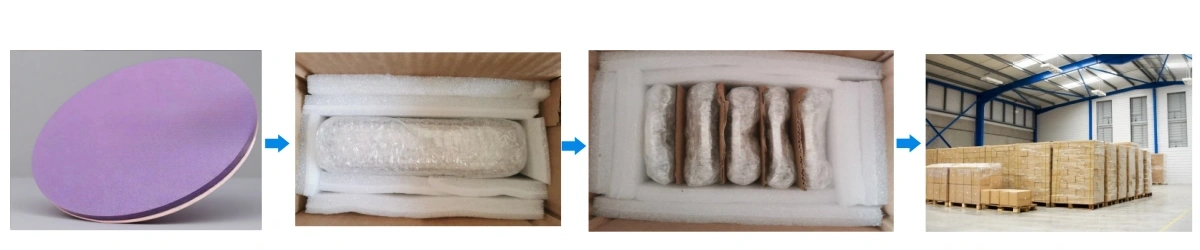
LaB6 Plate Packaging

Lanthanum Hexaboride Plate Applications

  • Microscopy & Microanalysis Labs (SEM/TEM/EPMA Service and Refurbishment)

    ✅Key Advantages

    1. Emission baseline: LaB6 work function is commonly reported around ~2.6–2.8 eV, supporting efficient thermionic emission (supplier technical notes / academic references).

    2. Lifetime planning: LaB6 cathode life is often cited around ~3000–4000 hours in clean vacuum conditions (industry technical notes).

    3. Vacuum sensitivity control: technical notes commonly recommend high vacuum levels around 10⁻⁷ Torr class before applying full power (emitter operation notes).

    ✅ Problem Solved

    A microscopy service team replaces a worn emitter during a scheduled maintenance window and needs the new LaB6 plate-derived emitter to stabilize without repeated adjustments. Published operating notes indicate stabilization can take hours and that vacuum quality near 10⁻⁷ Torr class is a practical baseline before applying power, otherwise drift and contamination risk increases. By specifying plate thickness, functional-face finish, and edge limits up front, the team reduces rework cycles and avoids repeated venting that can add several hours to downtime per incident.

  • Electron Beam Equipment Maintenance (Industrial EB Systems, Non-sensitive Programs)

    ✅Key Advantages

    1. Wear predictability: published LaB6 erosion discussions include quantified wear rates under defined temperature conditions (technical literature).

    2. Fit-first refurbishment: plate format supports repeatable machining for holder interface matching.

    3. Spare strategy: standardized plate blanks enable quick rebuild of common geometries without redesign.

    ✅ Problem Solved

    A maintenance contractor supports multiple machines that share similar cathode holders but differ in small alignment features. When a replacement part cannot be fitted immediately, the machine can miss its planned production slot, and re-venting plus pump-down can consume hours depending on system volume and cleanliness. Using a LaB6 plate with controlled thickness and defined datum faces allows the contractor to machine the interface to match existing tooling and reduce trial fitting. Engineering references also document that LaB6 performance is closely tied to vacuum cleanliness, so reducing repeated handling cycles lowers the probability of emission instability.

  • Instrument OEMs & Electron-Source Developers (Vacuum Electron Source Prototypes)

    ✅Key Advantages

    1. Thermal headroom: LaB6 melting point is commonly listed at ~2715 °C, supporting high-temperature emitter designs (material references).

    2. Design control: plate geometry supports custom thickness + flatness to stabilize mechanical alignment.

    3. Surface specification: defined ground/polished faces support repeatable assembly contact conditions.

    ✅ Problem Solved

    An instrument developer iterates emitter geometry to achieve consistent output across prototype builds. Published references commonly cite LaB6 work function around ~2.6–2.8 eV, but the developer’s variability is often dominated by geometry, surface condition, and contamination rather than chemistry alone. By locking down plate thickness, flatness, and a defined working-face finish, the team reduces build-to-build spread and avoids losing test days to reconditioning cycles that can extend for hours. Clear drawing-based tolerances also reduce incoming inspection rejects and shorten iteration loops.

Use Guide — Lanthanum Hexaboride Plate (LaB6 Plate)

A Lanthanum Hexaboride Plate works in a mechanically and thermally demanding environment. Correct handling and operation help stabilize emission performance and extend service life.

  • Installation

    1. Handle the LaB6 plate only with clean gloves or dedicated tweezers; avoid touching functional faces or edges directly.
    2. Verify all key dimensions (thickness, length/width, flatness) against the drawing before mounting to prevent over-constraint.
    3. Support the plate on defined contact areas of the holder; avoid point contacts or sharp metal edges against the ceramic.
    4. Tighten screws or clamps gradually and symmetrically so that clamping force is distributed instead of concentrated on one corner.
    5. Confirm orientation marks for single-crystal LaB6 plates and align the marked face or edge according to your assembly procedure.

  • Operation

    1. Follow the equipment manufacturer’s recommended vacuum sequence before applying heater power to the LaB6 plate.
    2. Ramp temperature in controlled steps; large, sudden power changes can trigger thermal shock and cracking.
    3. Monitor emission current and heater power during initial conditioning; unexpected spikes or drops may indicate contamination or misalignment.
    4. Avoid mechanical shocks or vibration while the LaB6 plate is hot, especially when the assembly is partially constrained.
    5. Record basic operating parameters (heater power, emission level, vacuum reading) for each plate so that later replacements can be compared.

  • Storage

    1. Keep unused Lanthanum Hexaboride Plates in their individual compartments or trays; do not stack plates directly together.
    2. Store in a clean, dry cabinet away from oils, solvents, cleaning agents, and strong vapors.
    3. Label storage boxes with material type, batch code, and thickness range to simplify later selection for specific holders.
    4. Avoid long-term exposure to strong light and temperature cycling that may stress packaging materials and allow dust ingress.

  • Cleaning

    1. Use clean, lint-free materials and appropriate dust-removal tools; avoid abrasive wiping of the functional face unless rework is intended.
    2. If a process allows solvent cleaning, use high-purity solvent and make sure the LaB6 plate is fully dried before it enters the vacuum chamber.
    3. Do not use metal scrapers or aggressive mechanical tools on the working surface; such marks can act as emission hot spots or crack starters.
    4. After any cleaning step, visually inspect edges and corners under magnification to confirm that no new chips were created.

  • Common Misuse and How to Avoid It

    1. Over-tightening the holder: leads to micro-cracks or sudden fracture. Use torque control or tightening sequence instructions for the LaB6 plate assembly.
    2. Mounting on a dirty or rough seat: traps particles under the plate, distorts flatness, and causes uneven heating; always clean the holder contact surface first.
    3. Skipping vacuum conditioning: powering the LaB6 plate at full level in a contaminated or insufficiently pumped chamber increases risk of unstable emission and early failure.

Lanthanum Hexaboride Plate FAQ

  1. Q: What factors should I consider when choosing a Lanthanum Hexaboride Plate for my electron gun design?
    A: Key points are plate type (single crystal vs polycrystalline), required thickness and flatness, crystal orientation, surface finish of the working face, and how the LaB6 plate will be clamped or supported in the cathode assembly.
  2. Q: When is a single-crystal LaB6 plate preferred over a polycrystalline Lanthanum Hexaboride Plate?
    A: Single-crystal LaB6 plate is usually selected when emission uniformity, reproducible conditioning behaviour, or orientation-sensitive optical/electrical design is important, while polycrystalline plates are often acceptable for general refurbishment or non-orientation-critical emitters.
  3. Q: Which dimensional tolerances are most critical for a Lanthanum Hexaboride Plate in practice?
    A: Thickness tolerance and flatness/parallelism affect the thermal path and mechanical alignment, while edge geometry and corner integrity influence handling damage and stress concentration during clamping.
  4. Q: How does surface finish influence the performance of a LaB6 plate-based emitter?
    A: A controlled ground or polished surface on the working face improves contact to the holder or heater, stabilizes temperature distribution, and helps achieve more predictable emission conditioning compared with a rough, uncontrolled surface.
  5. Q: What are common failure modes for a LaB6 plate in an electron source assembly?
    A: Typical issues include edge chipping from improper handling, cracking from point loading or thermal shock, and emission instability caused by contamination introduced during assembly or from insufficient vacuum conditions.
  6. Q: How should Lanthanum Hexaboride Plates be stored before installation?
    A: LaB6 plates should be kept in their individual compartments, in a clean and dry environment away from oils, solvents, and dust; packaging should protect edges and corners from impact to avoid micro-cracks that may propagate under heat.

 Lanthanum Hexaboride Plate Reviews

  • ⭐️⭐️⭐️⭐️⭐️
    We source the LaB6 plate as a consumable item for multiple maintenance clients. ADCERAX supplier support on finish definition and edge break notes reduced back-and-forth with our engineers.
    -- Daniel K., Technical Buyer, Vacuum Systems Trading GmbH
  • ⭐️⭐️⭐️⭐️⭐️
    We switched to an ADCERAX Lanthanum Hexaboride Plate for our refurbishment workflow and reduced edge-chip scrap during receiving. The LaB6 plate thickness matched our holder shims without rework.
    -- Michael R., Service Manager, MicroProbe Solutions
  • ⭐️⭐️⭐️⭐️⭐️
    As a supplier evaluation, ADCERAX factory communication was clear on the Lanthanum Hexaboride Plate spec points that affect fit. Price was workable for stocking LaB6 plate blanks and the part ID labeling helped receiving.
    -- Daniel K., Technical Buyer, Vacuum Systems Trading GmbH
  • ⭐️⭐️⭐️⭐️⭐️
    Our custom LaB6 plate required a polished functional face and a specific edge rule to protect assembly handling. The Lanthanum Hexaboride Plate arrived consistent with the drawing and assembled without corner touch-up.
    -- Hassan A., R&D Engineer, Electron Source Development Lab
customize size

Custom Lanthanum Hexaboride Plate

ADCERAX provides drawing-based customization for Lanthanum Hexaboride Plate / LaB6 plate, matching geometry, crystal type, and surface condition to your electron-source assemblies and fixtures. Custom work focuses on the details that affect fit, conditioning behaviour, and repeatability.

  • Length /width/thickness:
    Clear finished dimensions, stock allowance if required, and global or local thickness tolerances for the LaB6 plate.

  • Plate type:
    Single crystal LaB6 plate or polycrystalline LaB6 plate, with options to note density level or porosity limits when these influence emission design.

  • Crystal orientation & marking:
    Orientation such as <100> and the way it is referenced on the Lanthanum Hexaboride Plate (engraved symbol, edge mark, or drawing-based orientation mark).

  • Profile machining:
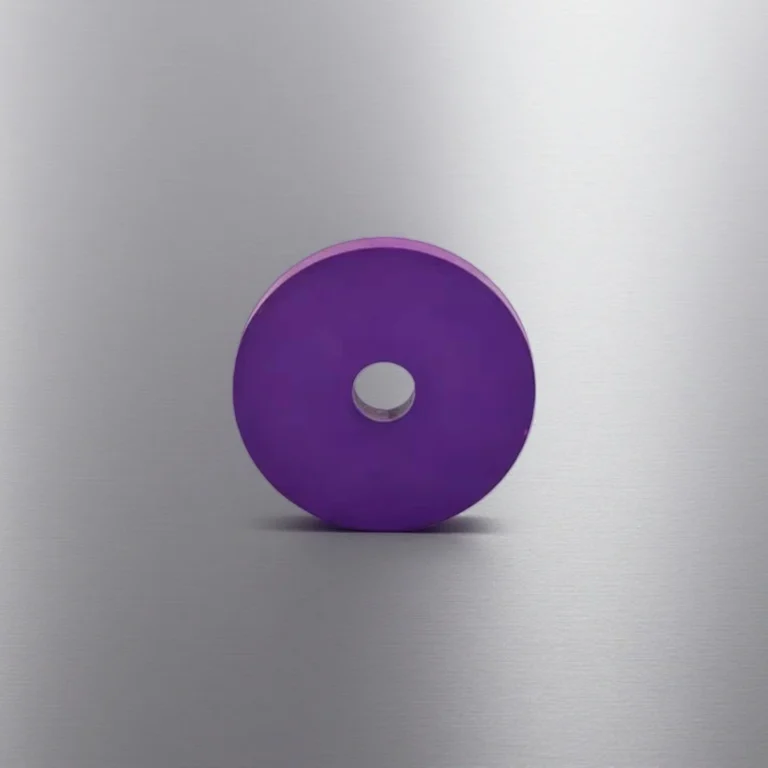
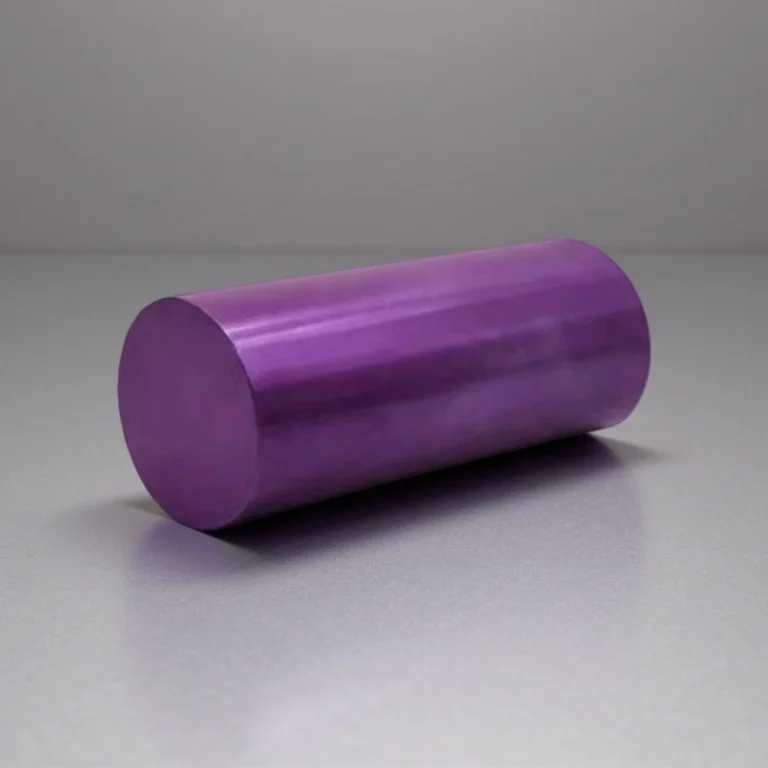
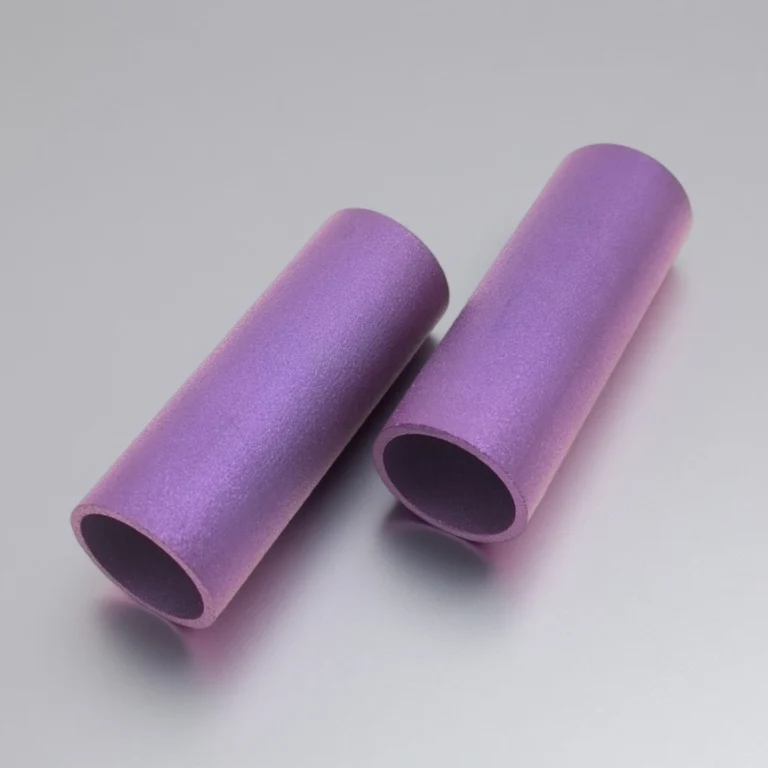
    Rectangular plates, discs, stepped profiles, alignment flats, notches, keyways, tabs and other outline features defined in your LaB6 plate drawing.

  • Holes/slots/ recesses:
    Mounting holes, relief slots, countersinks, shallow pockets, and alignment features positioned to match your existing cathode holder or fixture.

  • Surface finish:
    Ground, fine-ground, or polished working faces with optional Ra target; opposing faces can be specified separately when only one side is functional.

  • Edge and corner details:
    Chamfer size, corner radius, edge break requirement, chip allowance limit, and any edges that must remain sharp for location purposes.

  • Geometric control:
    Flatness, parallelism, edge squareness, run-out against a defined datum, and any functional datums used for assembly alignment.

  • Inspection & documentation:
    Dimensional inspection report for critical features, visual inspection criteria, incoming QC photos, and part identification rules linked to your print number.

Related Products

ADCERAX - Your Trusted Advanced Ceramics Manufacturing Partner

Direct factory manufacturing with comprehensive ceramic materials expertise and global supply capabilities

Direct Factory Manufacturing

China-based ceramic materials production facility with state-of-the-art equipment

Engineering Team

Experienced professionals in advanced ceramics applications and custom design

Quality Control

Strict quality control standards for technical ceramics manufacturing and quality management

Global Supply Chain

Serving customers worldwide with technical ceramics and rapid response

24/7 Technical Support

Round-the-clock support for ceramic components inquiries and technical assistance

500+ Satisfied Customers

Trusted by global customers for advanced ceramic materials and precision components

Get in touch with us

Our team will be happy to respond to you in less than 24 hours.

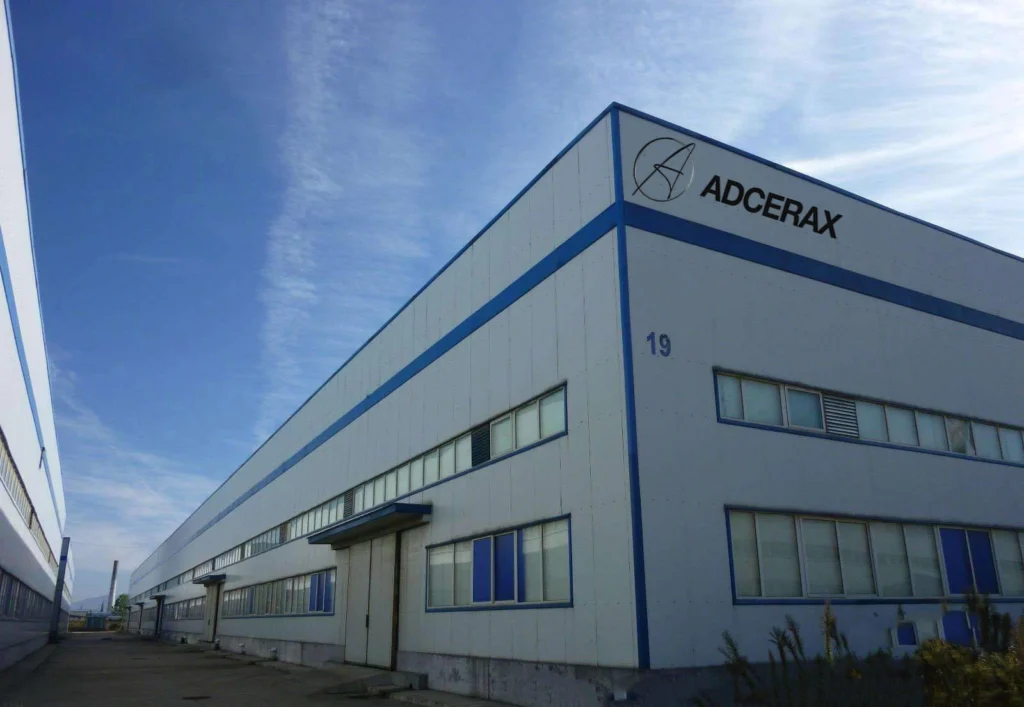
Adcerax's factory

Quick Quotation

*Our team will answer your inquiries within 24 hours.

*Your information will be kept strictly confidential.

Ready to Solve Your Engineering Challenge?

Partner with ADCERAX for reliable, high-performance advanced ceramic solutions. Our engineers are ready to discuss your project.

E-mail

info@adcerax.com

Phone

+(86) 0731-74427743 | WhatsApp: +(86) 19311583352

Response Time

Within 24 hours

Quick Quote

The more details you provide, the faster we can quote.

*We respond within 24 hours. All inquiries are confidential.

Download Catalog

Get Your Custom Sulution

The more details you provide, the faster we can respond.

customize size

*We respond within 24 hours. All inquiries are confidential.

Download Catalog