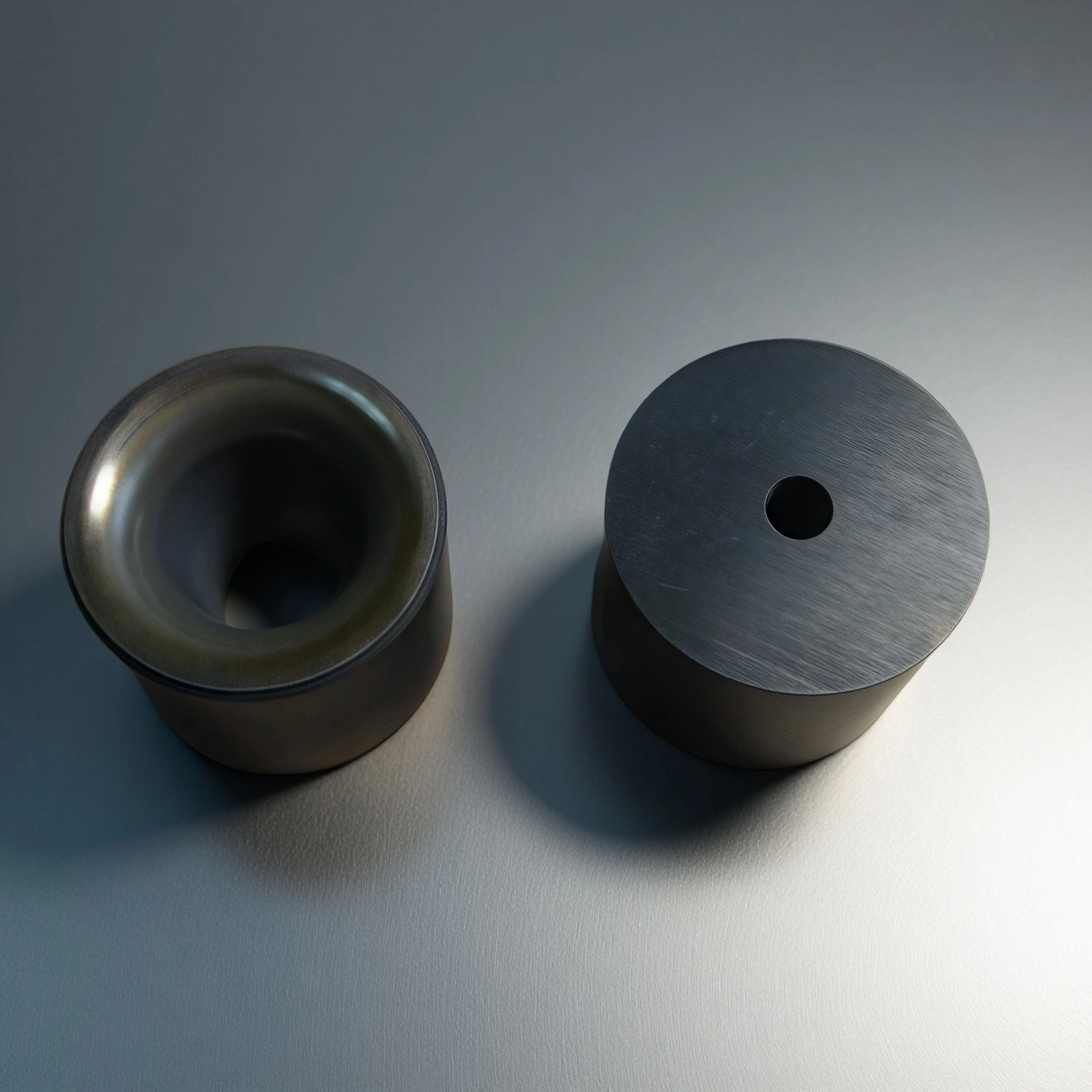
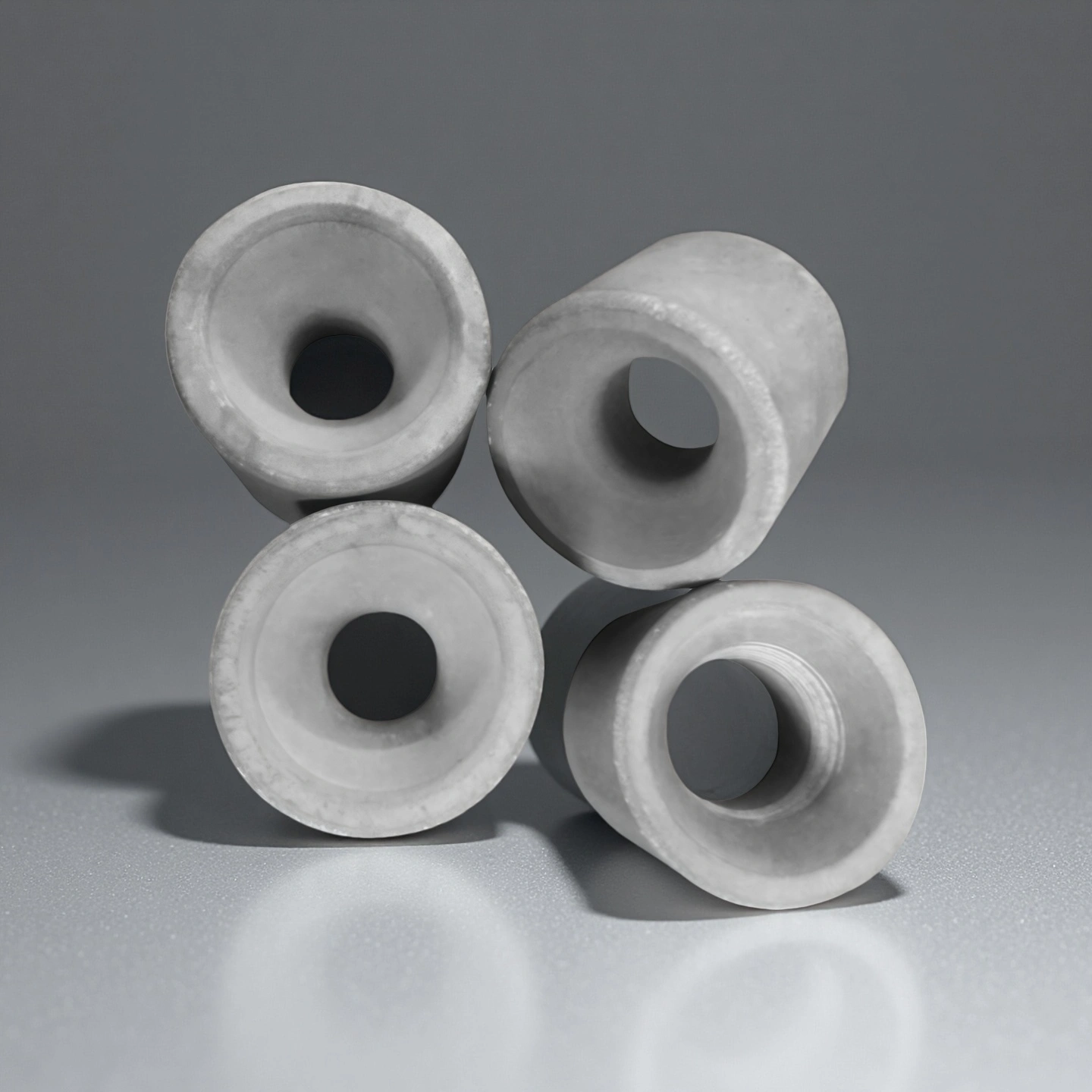
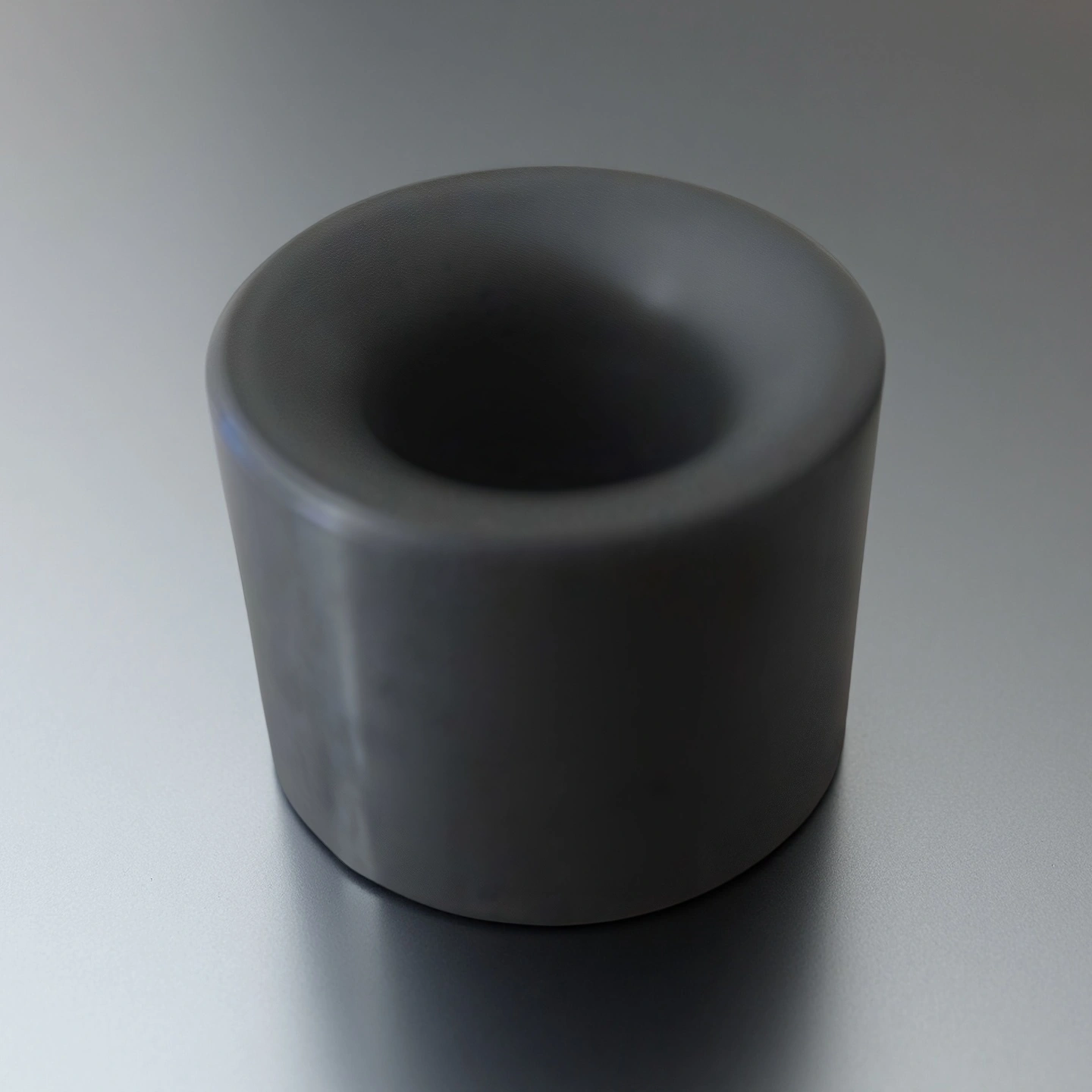
Silicon Nitride Ceramic Wire Drawing Die for Metal Wire and Optical Fiber Drawing

ADCERAX supplies silicon nitride ceramic wire drawing dies in common bore sizes for 0.2–5.0 mm wire and custom dimensions on request; bore geometry, approach angle, bearing length, and outlet profile can all be tailored, so each silicon nitride ceramic wire drawing die matches the customer’s existing drawing schedule and line speed.

Catalogue No. AT-SN-LX001
Material Silicon Nitride
Maximum Operating Temperature 1200°C
Thermal Expansion Coefficient 3.2 × 10⁻⁶ /K
Flexural Strength 700–900 MPa
24H Standard Dispatch
Small Batch Support OEM
Factory Direct
Expert Engineering Support

Silicon nitride ceramic wire drawing die is a precision die insert made from Si₃N₄ engineered ceramic, used to reduce the diameter of metal wire and optical fiber during drawing. The die controls wire size through a tapered approach zone, a calibrated bearing section, and an exit profile that shapes and stabilizes the drawn material.

Silicon Nitride Ceramic Wire Drawing Die Benefits

  • Stable Bore Geometry under Load
    The high flexural strength of Si3N4 keeps the bore shape stable during drawing, which helps maintain consistent wire diameter over longer production runs.

  • Reduced Metal Pickup on Wire Surface
    Silicon nitride has no metallic binder phase, which reduces adhesion of copper, brass, or steel to the die and lowers the risk of scoring, scratches, and streaks on the wire surface.

  • Extended Service Life versus Steel Dies
    In comparable applications, silicon nitride ceramic wire drawing dies can reach several times the life of hardened steel dies, which helps reduce changeover frequency and unplanned stops.

  • Suitable for High-Speed Drawing
    The combination of high hardness, good thermal shock resistance, and moderate thermal conductivity supports stable performance in high-speed drawing with modern lubricants.

  • Dimensional Precision for Downstream Processes
    Tight bore tolerances and good roundness help keep wire ovality low, which reduces adjustments in downstream annealing, coating, or spooling operations.


Silicon Nitride Wire Drawing Die Properties

Si3N4 Type Gas pressure sintering Si3N4 Hot pressing sintering Si3N4 High thermal conductivity Si3N4
Density (g/cm3) 3.2 3.3 3.25
Flexture strength (MPa) 700 900 600~800
Young Modulus (GPa) 300 300 300~320
Poisson's ratio 0.25 0.28 0.25
Compressive strength (MPa) 2500 3000 2500
Hardness (GPa) 15 16 15
Fracture toughness (MPa*m1/2) 5~7 6~8 6~7
Maximum working temperature (℃) 1100 1300 1100
Thermal conductivity (W/m*K) 20 25 80~100
Thermal expansion coefficient (/℃) 3*10-6 3.1*10-6 3*10-6
Thermal shock resistance (ΔT ℃) 550 800 /


Si3N4 Ceramic Wire Drawing Die Specifications

Si3N4 Ceramic Wire Drawing Die
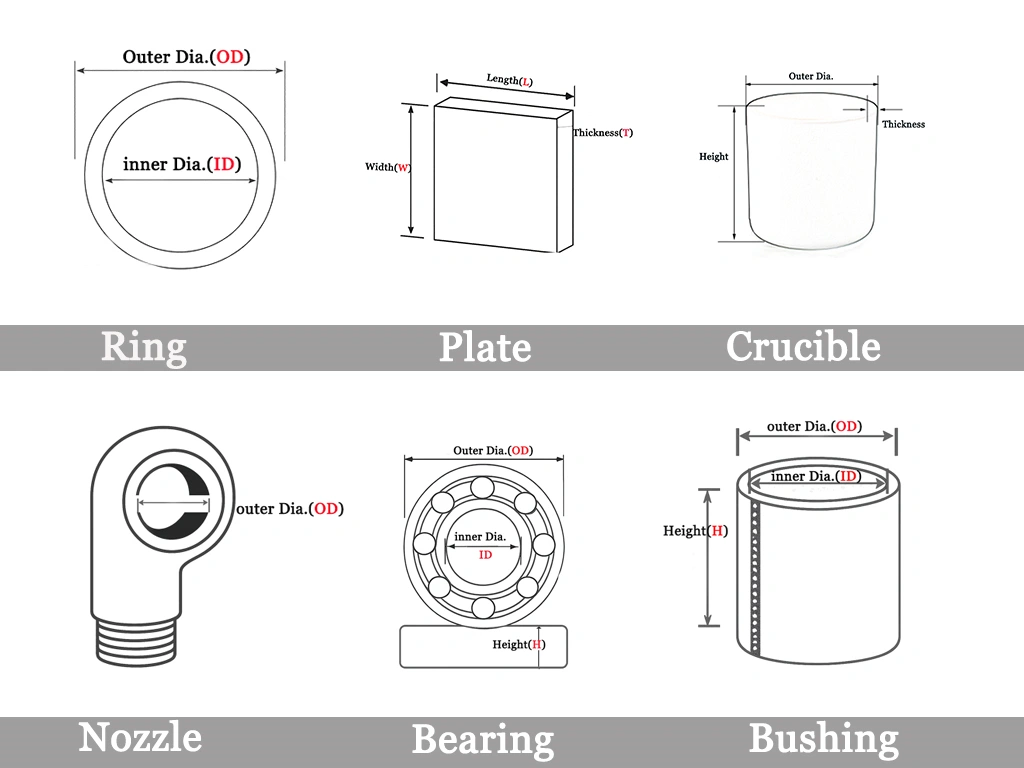
Item No. Outer Diameter * Inner Diameter *Height (mm)
AT-SN-LX001 45*8*40
AT-SN-LX002 45*10*40
AT-SN-LX003 45*12*40
AT-SN-LX004 45*14*40
AT-SN-LX005 45*16*40
AT-SN-LX006 45*17*40
AT-SN-LX007 45*18*40
AT-SN-LX008 45*20*40
AT-SN-LX009 45*22*40


Silicon Nitride Ceramic Wire Drawing Die Packaging

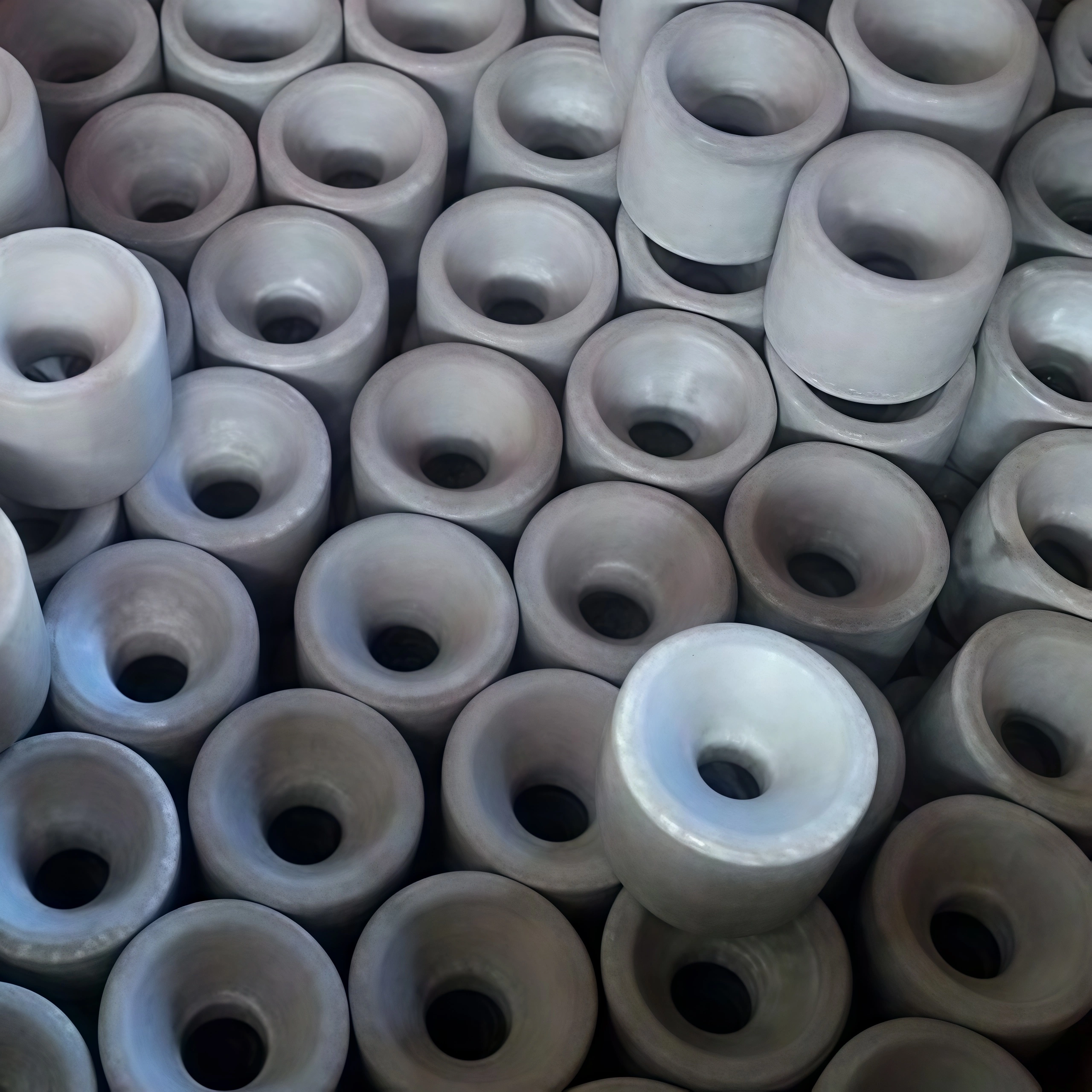
  • Each silicon nitride ceramic wire drawing die is packed in a separate cushioned box or foam slot to prevent chipping of the ceramic edges during transport.
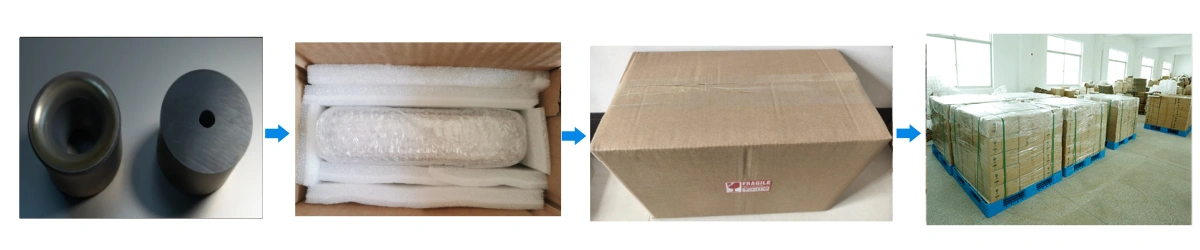
Silicon Nitride Ceramic Wire Drawing Die Packaging

Silicon Nitride Wire Drawing Die Applications

  • Welding Wire Production

    ✅Key Advantages

    1. Longer Runs between Die Changes
    In MIG and flux-cored welding wire lines, silicon nitride wire drawing dies can extend intervals between die changes compared with hardened steel, which helps keep arc stability and feeding consistency.
    2. Cleaner Copper-Coated Surface
    Reduced metal pickup in the die bore supports smoother copper-coated surfaces, which contributes to stable feeding and reduced spatter during welding.
    3. Stable Diameter for Wire Feed Systems
    Tight wire diameter control helps keep feeding resistance predictable in torches and liners, which reduces feeding-related stoppages at the end user.

    ✅ Problem Solved

    A welding wire plant producing 0.8–1.2 mm solid wire replaced steel dies on selected passes with silicon nitride ceramic wire drawing dies. Before the change, typical die change intervals were less than three days per line, and surface-related scrap on some SKUs was around 3–4%. After trial and rollout, die change intervals on the upgraded passes roughly doubled, and surface-defect scrap on the same SKUs dropped by about one percentage point. The change reduced downtime hours and scrap tonnage while keeping the existing drawing schedule and lubricant.

  • Copper and Alloy Wire Drawing

    ✅Key Advantages

    1. Low Adhesion to Copper and Brass
    Silicon nitride’s non-metallic microstructure lowers adhesion of copper and brass to the bore surface, which reduces streaking and surface scoring.
    2. Support for High Line Speed
    Good thermal shock resistance and hardness help maintain bore integrity under higher line speeds, where metal temperature and contact stress increase.
    3. Improved Dimensional Stability
    Stable bore geometry and roundness help maintain wire diameter and ovality within narrow limits, which supports uniform electrical performance and cable assembly.

    ✅ Problem Solved

    A copper wire plant drawing wire for automotive cable experienced frequent adjustments in downstream stranding and insulation due to diameter fluctuation. On a selected line section, the plant introduced silicon nitride ceramic wire drawing dies for key passes. Over several weeks of production, measured wire diameter variation was reduced within the same nominal size range, and the frequency of downstream process adjustments was reduced. Operators reported fewer occurrences of visible surface lines and defects, supporting more stable downstream operations.

  • Steel Wire and Wire Rope Production

    ✅Key Advantages

    1. Enhanced Wear Resistance with Hard Steel
    For certain steel grades and intermediate passes, Si3N4 wire drawing dies can reduce abrasive wear compared with some steel-based dies.
    2. Reduced Downtime on Critical Passes
    By applying silicon nitride dies on selected high-load or high-wear passes, plants can reduce the number of unscheduled stops for die changes.
    3. Consistent Geometry for Rope and Strand Quality
    More consistent wire size supports tighter control of strand lay and rope geometry, which is important in load-bearing applications.

    ✅ Problem Solved

    In a steel wire rope plant, some intermediate passes used conventional dies that wore quickly when drawing high tensile wire, leading to frequent diameter drift and more frequent die changes. After introducing silicon nitride ceramic wire drawing dies on those passes, operators observed a reduction in the rate of bore wear and longer intervals between geometry checks. This reduced unplanned stoppages for tool replacement and helped keep wire input to stranding machines closer to the target size band.

Si3N4 Ceramic Wire Drawing Die Usage Instructions

  • Installation

    1. Check that the die holder or cassette seat matches the outer geometry of the silicon nitride die insert, with clean and flat seating surfaces.
    2. Avoid metal-to-ceramic impacts; push the Si3N4 wire drawing die into the holder using a controlled press fit rather than hammering.
    3. Align the bore with the wire path; even small misalignment can raise contact stress and shorten service life.

  • Operation

    1. Confirm that the drawing schedule (reduction per pass, line speed, lubricant type) falls within the agreed parameters for the silicon nitride ceramic wire drawing die.
    2. Regularly monitor drawing force, line current, or other available process indicators; unusual increases can signal lubrication or alignment issues.
    3. For multi-pass lines, consider starting trials on selected passes to compare wear patterns and surface results.

  • Storage

    1. Store spare silicon nitride wire drawing dies in dry, clean cabinets or drawers, separated by compartments or foam layers to avoid ceramic-to-ceramic contact.
    2. Keep dies in labeled boxes or trays indicating bore size, cone geometry, and last inspection date.
    3. Avoid stacking loose dies in metal bins where impacts or vibration could cause chipping.

  • Cleaning

    1. Use non-aggressive cleaning methods for the bore, such as soft brushes or mild ultrasonic cleaning with compatible agents.
    2. Avoid steel tools or abrasive rods that can scratch the bore; if mechanical cleaning is necessary, use tools specified by engineering.
    3. After cleaning, dry dies completely before storage and avoid residue that could interfere with lubricant.

  • Precautions and Typical Misuse Points

    1. Overloading the Die
    Issue: Using a silicon nitride ceramic wire drawing die at higher reductions per pass than planned can accelerate wear or risk cracking.
    Handling: Keep reduction per pass within the agreed schedule; if higher reduction is needed, consult engineering to adjust pass design.
    Improper Lubrication

    2. Issue: Running with insufficient or unsuitable lubricant can cause rapid temperature rise and surface defects on both wire and die.
    Handling: Check lubricant flow, type, and cleanliness; follow recommendations for the specific material and line speed.
    Mechanical Impact during Handling

    3. Issue: Dropping or striking the die against metal fixtures can chip edges or induce hidden damage that leads to later cracking.
    Handling: Use trays and padded surfaces when transporting dies; train operators to handle ceramic inserts as precision components.

Silicon Nitride Ceramic Wire Drawing Die FAQ

  1. Q: What is a silicon nitride ceramic wire drawing die used for?
    A: A silicon nitride ceramic wire drawing die is used to draw welding wire, copper wire, steel wire, and alloy wire where extended die life, stable diameter, and improved surface quality are required compared with conventional steel dies.
  2. Q: How does a silicon nitride wire drawing die compare to a tungsten carbide die in wear resistance?
    A: In many applications, a silicon nitride wire drawing die offers higher wear resistance than hardened steel and can be competitive with some tungsten carbide dies, especially where metal pickup and thermal shock are challenges. Actual life depends on wire material, reduction per pass, lubrication, and line speed.
  3. Q: Can a Si3N4 wire drawing die replace a PCD or diamond die?
    A: A Si3N4 wire drawing die does not fully replace PCD or diamond dies in ultra-fine or extreme-duty applications, but it can serve as an intermediate solution where improved life is needed over steel or carbide, while cost and handling remain more manageable than diamond.
  4. Q: What wire sizes are suitable for silicon nitride ceramic wire drawing dies?
    A: Typical use covers wire sizes from about 0.2 mm up to 5.0 mm, with many welding wire and copper wire applications around 0.6–1.6 mm; the feasible range depends on line design and required tolerances.
  5. Q: What tolerances can ADCERAX supply on Si3N4 ceramic wire drawing dies?
    A: For many bore sizes, ADCERAX can target bore tolerances from ±0.003 mm to ±0.01 mm, subject to drawing size, geometry, and inspection requirements agreed with the customer.
  6. Q: Can silicon nitride ceramic wire drawing dies handle high-speed drawing?
    A: Yes, silicon nitride ceramic wire drawing dies are suitable for high-speed drawing when reduction, lubrication, and cooling are set up correctly; the material’s thermal shock resistance and hardness support stable performance at elevated speeds.

Silicon Nitride Ceramic Wire Drawing Die Reviews

  • ⭐️⭐️⭐️⭐️⭐️
    We introduced silicon nitride ceramic wire drawing dies from ADCERAX on two MIG welding wire lines. The new dies allowed us to run longer between changes and reduced the number of surface-related complaints on specific wire sizes. The changeover effort was limited to die holders and process checks, and the results were measurable in downtime statistics.
    -- Michael R., Production Manager, EuroWeld Wire GmbH (Germany)
  • ⭐️⭐️⭐️⭐️⭐️
    Our goal was to stabilize the diameter on a high-speed copper wire line feeding automotive cable production. The Si3N4 wire drawing dies gave us more consistent diameter output, and operators reported fewer marks on the copper surface. For our team, the value came from more predictable downstream processing rather than just the die life itself.
    -- Laura S., Plant Engineer, NorthRiver Copper Cable Inc. (USA)
  • ⭐️⭐️⭐️⭐️⭐️
    On selected steel wire passes we tested silicon nitride wire drawing die inserts alongside carbide tools. The wear pattern on the Si3N4 dies was slower in those positions, and we saw fewer unplanned stoppages for tool replacement. The trial helped us understand where ceramic dies fit best in our pass schedule.
    -- Kenji T., Tooling Supervisor, Osaka Steel Rope Works (Japan)
  • ⭐️⭐️⭐️⭐️⭐️
    ADCERAX supported us with custom silicon nitride ceramic wire drawing die designs based on our existing welding wire schedule. The combination of technical drawings, clear tolerances, and sample delivery allowed us to evaluate performance step by step. Once we confirmed the gains on scrap and stoppage hours, we expanded orders for more sizes
    -- Carlos M., Technical Director, LatAm Welding Consumables S.A. (Mexico)
customize size

Custom Silicon Nitride Wire Drawing Dies 

We design and manufacture silicon nitride wire drawing dies to match existing lines and new projects, from small-bore fine wire to medium-bore welding wire and steel wire. Customization allows you to keep your process window while upgrading to Si3N4 material.

  • Bore Diameter Range
    Standard drawing bores can be specified from 0.20 mm to 5.00 mm. Smaller or larger bores are also available when matched to your drawing schedule and reduction plan.

  • Bore Tolerance & Roundness
    Depending on bore size, achievable tolerances typically fall between ±0.003 mm to ±0.01 mm, with controlled roundness to support consistent wire diameter and ovality.

  • Approach / Working Cone Angle
    The inlet and approach cone can be tailored to match wire material (copper, welding wire, steel, alloy), reduction ratio, lubricant type, and intended line speed.

  • Bearing Length
    Short, medium, or long bearing sections can be selected based on desired contact length, heat input, and wear profile for each pass in the drawing schedule.

  • Exit Cone Geometry
    Options include straight, relieved, or optimized outlet geometry to support stable lubricant flow and smooth wire exit, reducing surface friction and marking.

  • Outer Dimensions
    Insert outer diameter, total length, seating angle, and shoulder geometry can be matched to existing die holders, cassette systems, or OEM specifications.

  • Surface Finish of the Bore
    As-ground or polished finishes are available; target bore roughness can be set according to wire type and downstream surface quality requirements.

  • Material Variant
    Die inserts can be produced in standard silicon nitride or in Si₃N₄/SiAlON formulations selected for wear resistance, thermal shock behavior, and compatibility with the intended drawing environment.

  • Pass Position & Draw Schedule Fit
    Dies can be assigned for specific passes (initial, intermediate, or finishing), with geometry coordinated to your reduction sequence and tooling plan.

Related Products

ADCERAX - Your Trusted Advanced Ceramics Manufacturing Partner

Direct factory manufacturing with comprehensive ceramic materials expertise and global supply capabilities

Direct Factory Manufacturing

China-based ceramic materials production facility with state-of-the-art equipment

Engineering Team

Experienced professionals in advanced ceramics applications and custom design

Quality Control

Strict quality control standards for technical ceramics manufacturing and quality management

Global Supply Chain

Serving customers worldwide with technical ceramics and rapid response

24/7 Technical Support

Round-the-clock support for ceramic components inquiries and technical assistance

500+ Satisfied Customers

Trusted by global customers for advanced ceramic materials and precision components

Get in touch with us

Our team will be happy to respond to you in less than 24 hours.

Adcerax's factory

Quick Quotation

*Our team will answer your inquiries within 24 hours.

*Your information will be kept strictly confidential.

Ready to Solve Your Engineering Challenge?

Partner with ADCERAX for reliable, high-performance advanced ceramic solutions. Our engineers are ready to discuss your project.

E-mail

info@adcerax.com

Phone

+(86) 0731-74427743 | WhatsApp: +(86) 19311583352

Response Time

Within 24 hours

Quick Quote

The more details you provide, the faster we can quote.

*We respond within 24 hours. All inquiries are confidential.

Download Catalog

Get Your Custom Sulution

The more details you provide, the faster we can respond.

customize size

*We respond within 24 hours. All inquiries are confidential.

Download Catalog