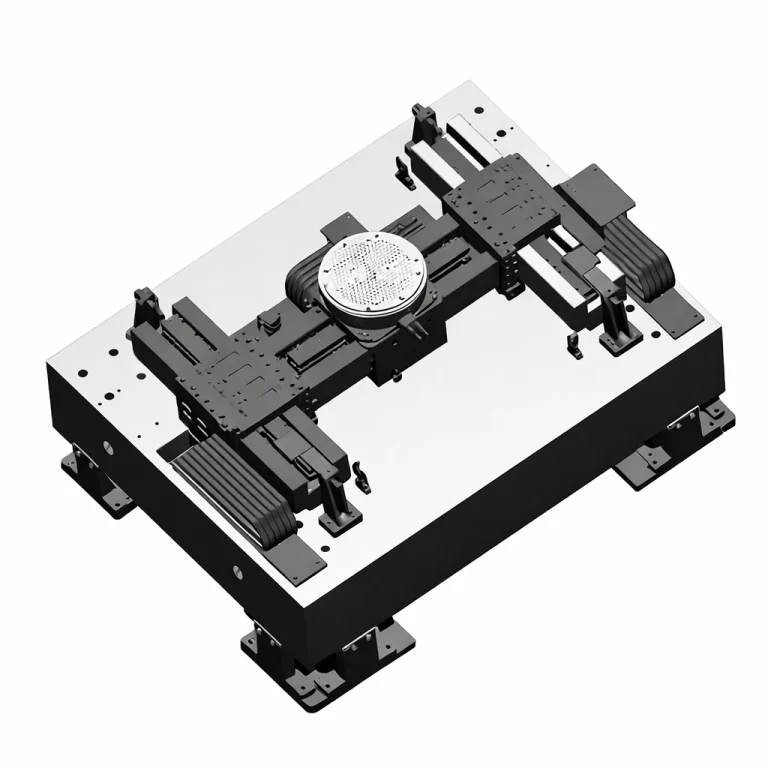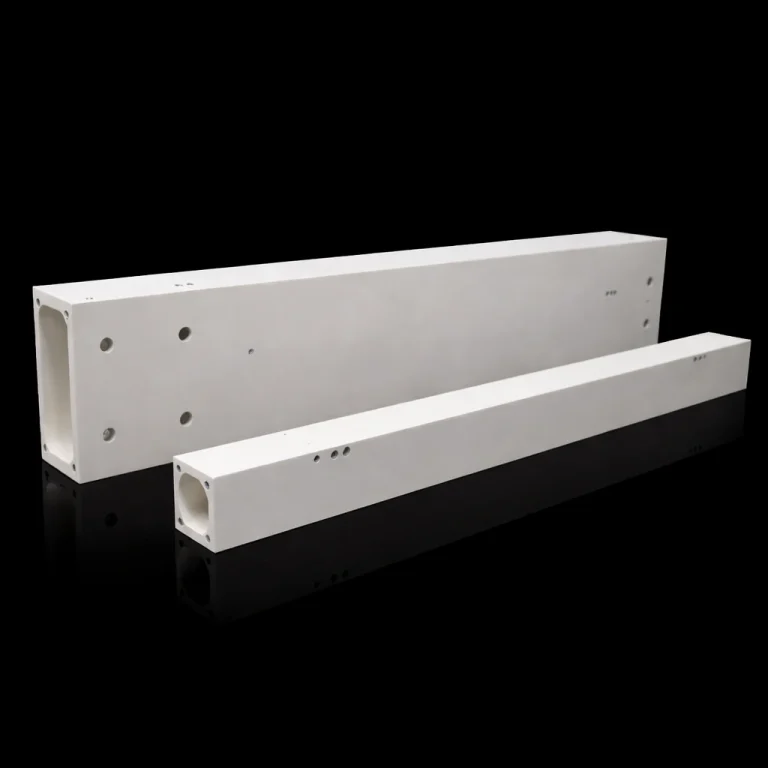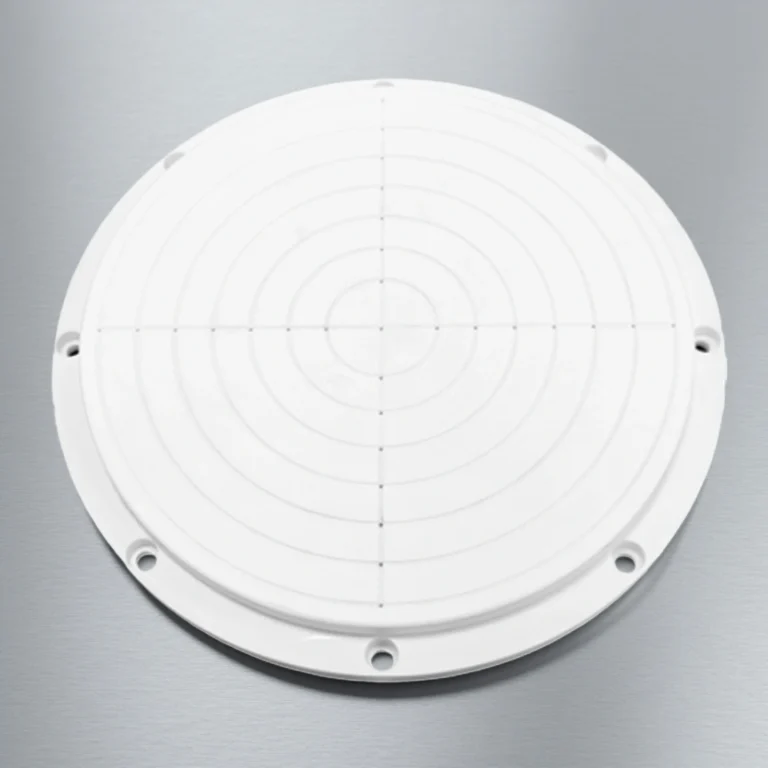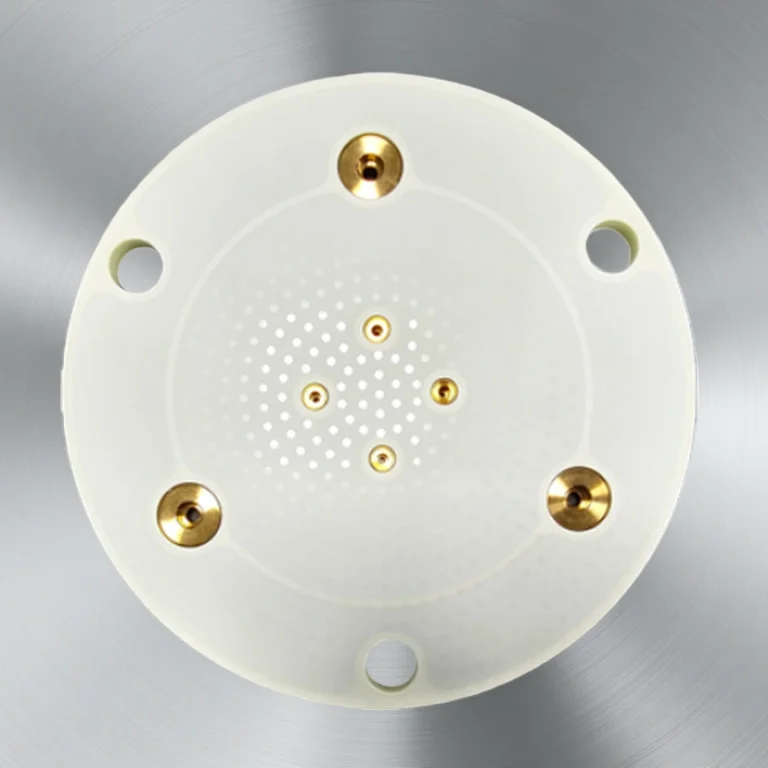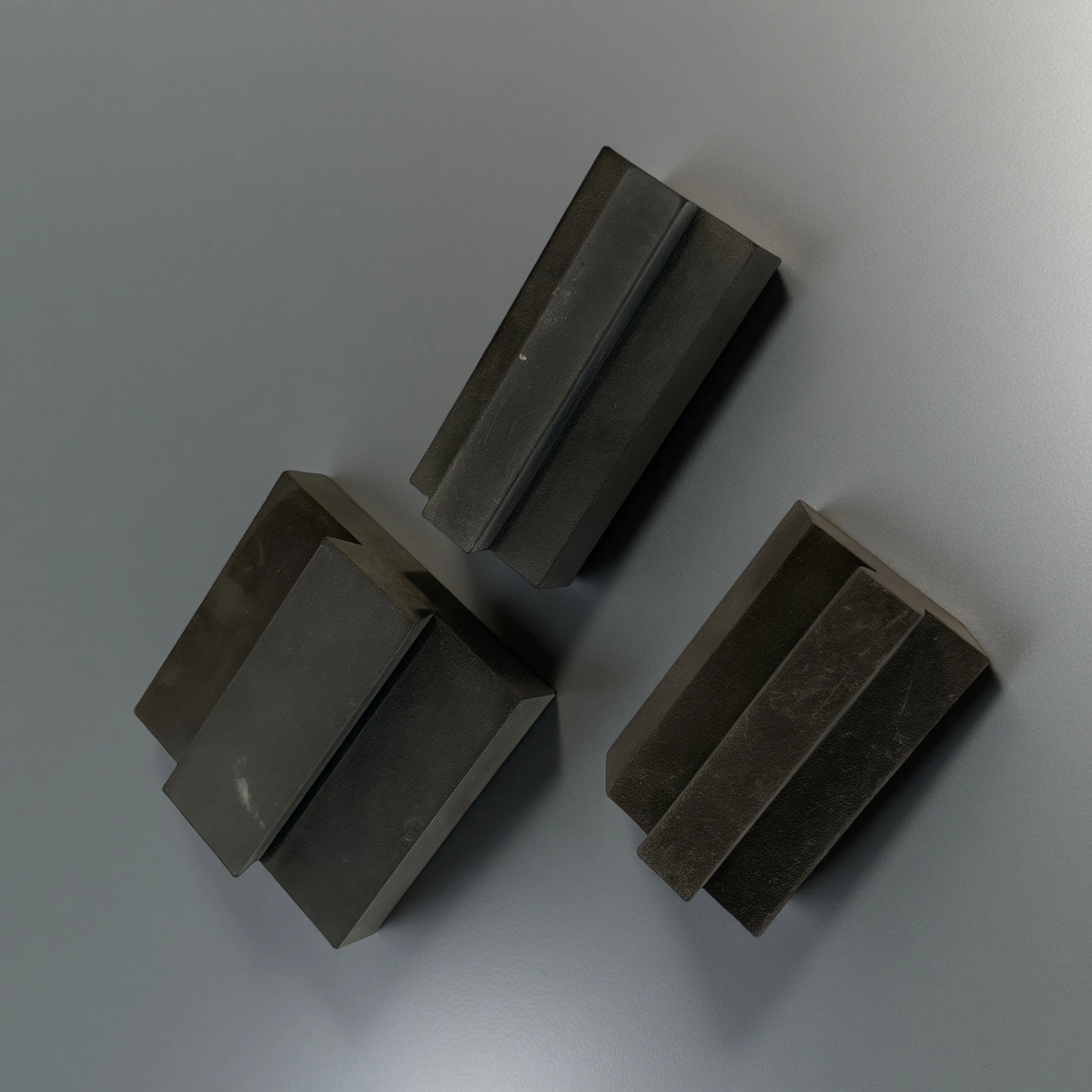
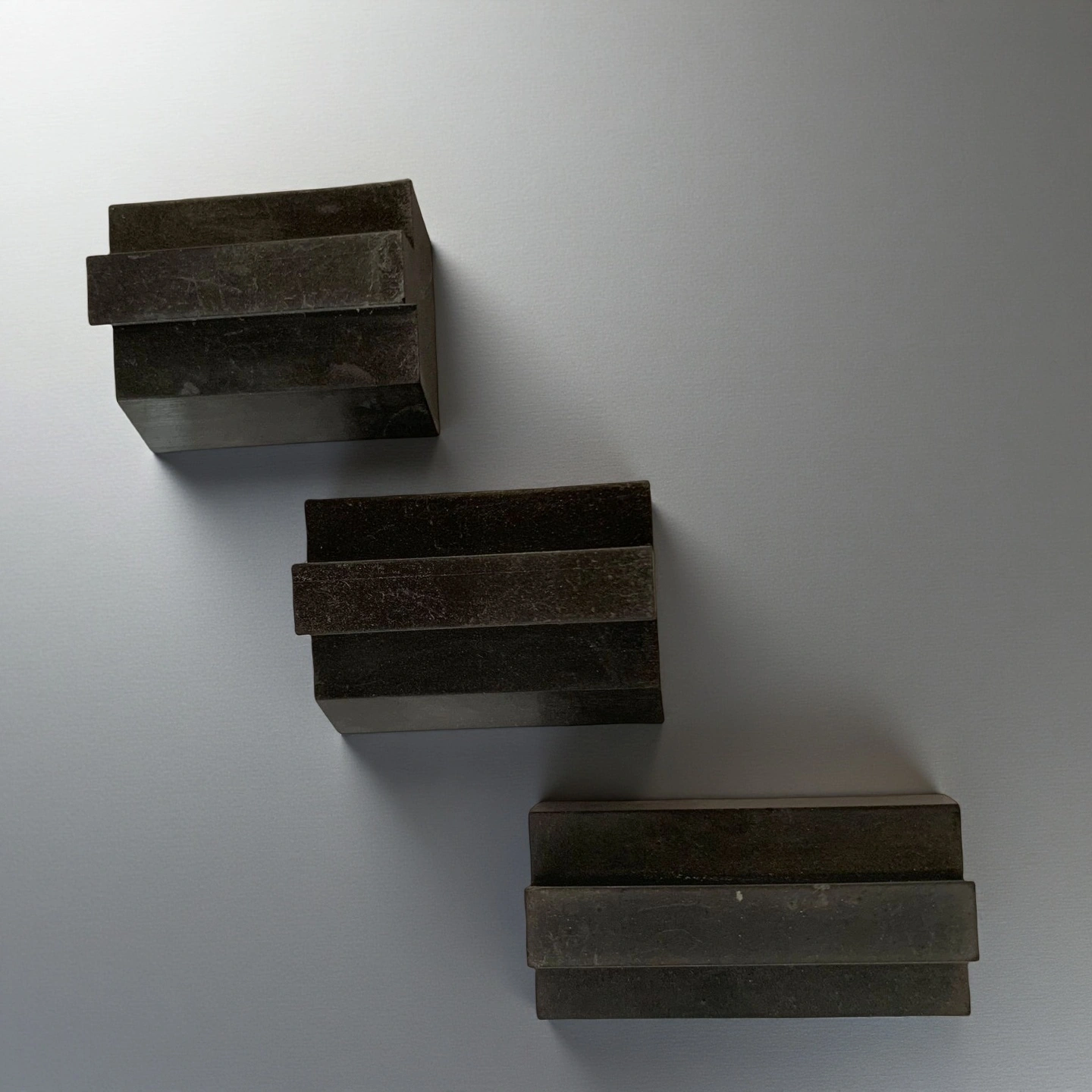
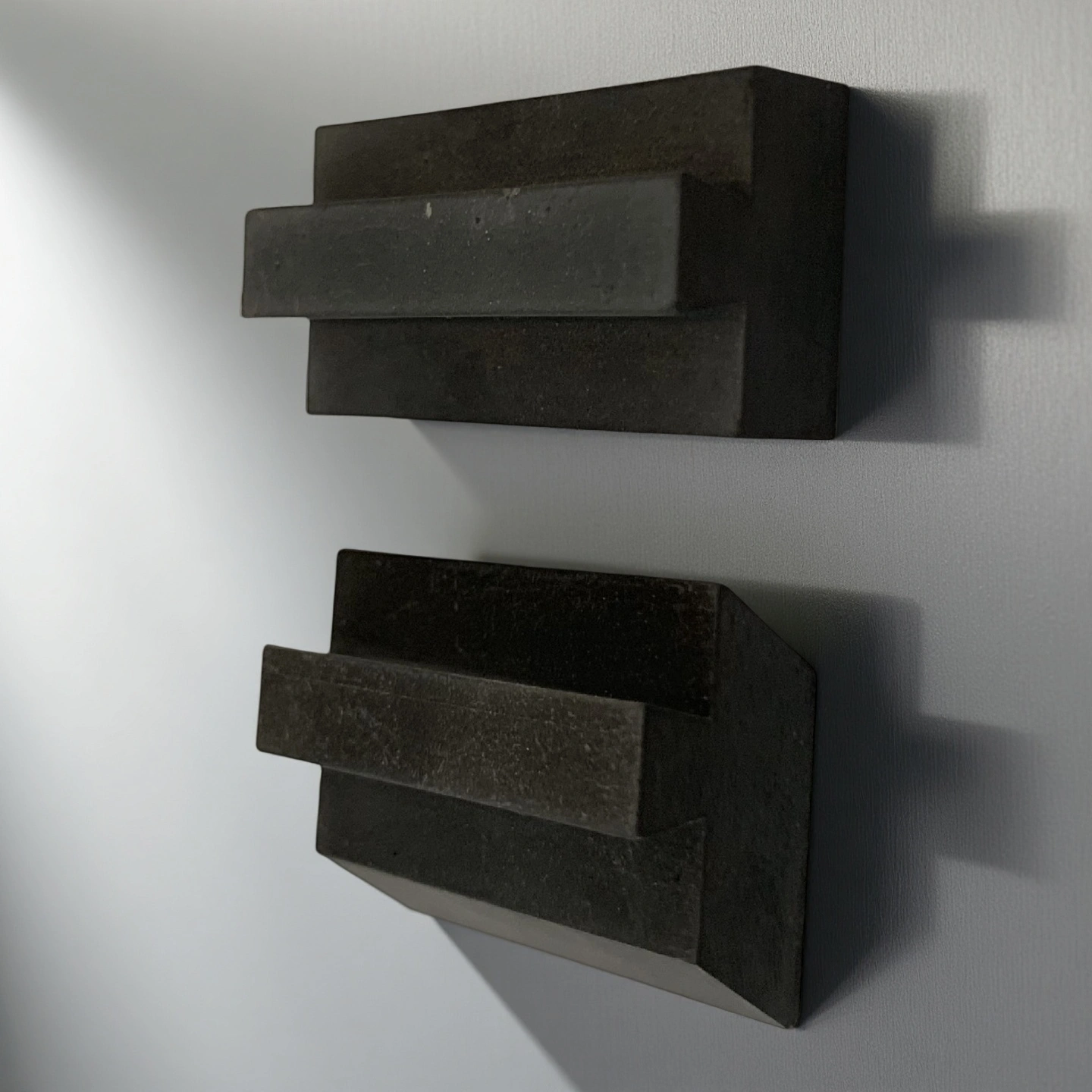
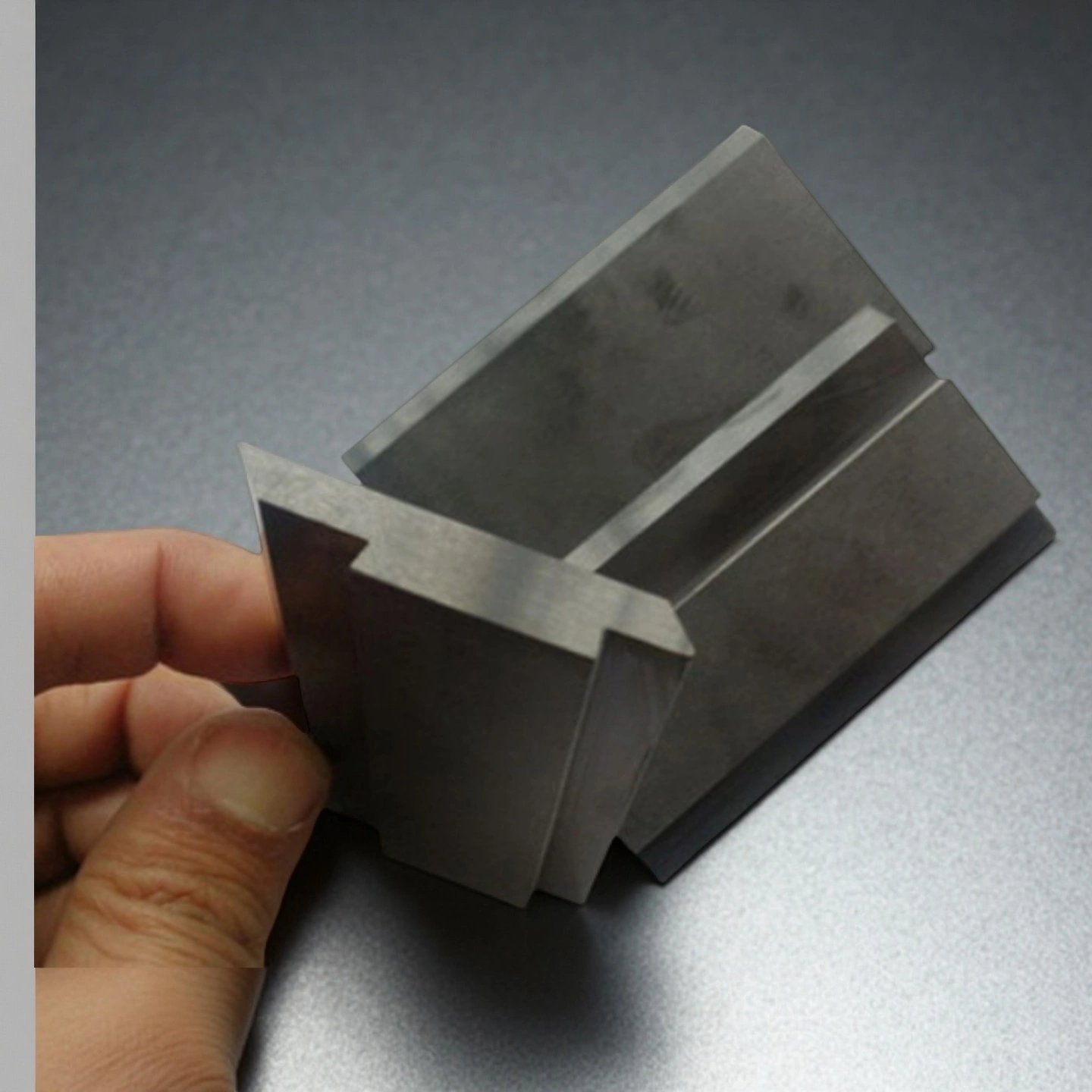
Silicon Nitride Dewatering Element for Board, Paper and Tissue Machines

This silicon nitride dewatering element is engineered for paper machine forming sections, offering high wear resistance, low friction, and dimensional stability. Custom sizes and surface finishes are available to meet specific machine configurations.

Catalogue No. AT-SIN-MB1001
Material Silicon Nitride
Flexural Strength ≥ 800 MPa
Surface Roughness (Ra) ≤ 0.8 μm
Vickers Hardness 14 – 18 GPa
24H Standard Dispatch
Small Batch Support OEM
Factory Direct
Expert Engineering Support

A silicon nitride dewatering element is a precision-machined Si₃N₄ ceramic plate or foil used under the forming fabric of board, paper and tissue machines—typically on forming boards, hydrofoils and vacuum or felt suction boxes—to support the fabric and control water removal from the pulp. It combines the high hardness, strength and wear resistance of silicon nitride with a smooth, low-friction surface, so it maintains drainage slots or drilled patterns accurately over long running times, reduces fabric drag and energy use, and provides stable, efficient dewatering in high-speed wet-end positions.

Silicon Nitride Dewatering Element Benefits

  • Extended wear life in high-speed wet ends
    Silicon nitride combines high hardness with good fracture toughness, giving significantly longer service life than plastic covers or lower-grade ceramics on high-speed forming and vacuum positions.

  • Low-friction surface for reduced drive load
    A finely ground Si₃N₄ surface forms a stable water film under the forming fabric, reducing friction and related drive power consumption in vacuum boxes and foils.

  • Stable drainage geometry over the full service life
    High wear resistance keeps slot depth, edge profiles and drilled patterns stable, helping to keep drainage curves and formation quality consistent over months of operation.

  • Resistant to chemical cleaning and white water conditions
    Silicon nitride shows good resistance to process water chemistry and common cleaning agents in the forming section, limiting surface degradation and micro-pitting.

  • Suitable for all machine speed ranges
    The combination of high strength, thermal stability and low thermal expansion allows the same material class to be used from conventional speeds up to modern high-speed lines.


Silicon Nitride Dewatering Element Properties

Si3N4 Type Gas pressure sintering Si3N4 Hot pressing sintering Si3N4 High thermal conductivity Si3N4
Density (g/cm3) 3.2 3.3 3.25
Flexture strength (MPa) 700 900 600~800
Young Modulus (GPa) 300 300 300~320
Poisson's ratio 0.25 0.28 0.25
Compressive strength (MPa) 2500 3000 2500
Hardness (GPa) 15 16 15
Fracture toughness (MPa*m1/2) 5~7 6~8 6~7
Maximum working temperature (℃) 1100 1300 1100
Thermal conductivity (W/m*K) 20 25 80~100
Thermal expansion coefficient (/℃) 3*10-6 3.1*10-6 3*10-6
Thermal shock resistance (ΔT ℃) 550 800 /


 Si3N4 Dewatering Element Specifications

Si3N4 Dewatering Element
Item No. Diameter (mm) Thickness (mm)
AT-SIN-MB1001 Customize


Silicon Nitride Dewatering Element Packaging

  • Each silicon nitride dewatering element is individually wrapped in soft protective material to avoid surface scratches and edge chipping.
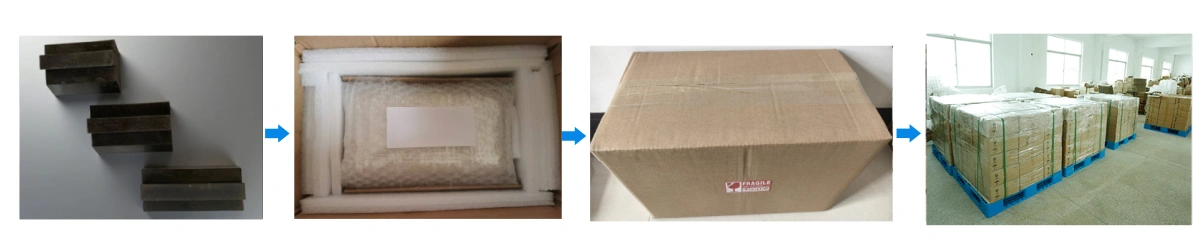

Silicon Nitride Dewatering Element Packaging

Silicon Nitride Dewatering Element Applications

  • Board and packaging paper machines – forming and vacuum section

    ✅Key Advantages

    1. Stable drainage under high basis weight – Maintains slot and edge geometry to keep dewatering curves repeatable across heavy board grades.
    2. Lower friction for reduced vacuum energy – Smooth Si₃N₄ surfaces help reduce fabric drag over vacuum boxes, lowering drive and vacuum power.
    3. Longer forming fabric life – Uniform contact surfaces reduce local pressure peaks, cutting fabric wear and unplanned fabric changes.

    ✅ Problem Solved

    A packaging paper mill operating a 6.5 m wide board machine at 900 m/min replaced plastic vacuum box covers on the high-vacuum zone with silicon nitride dewatering elements. After one full year of operation, the line recorded a reduction of approximately 18% in vacuum and drive energy on the forming section, a drop from six to three unplanned fabric-related shutdowns per year, and an average forming fabric life extension from 75 days to around 110 days. The initial investment in Si₃N₄ elements was offset within roughly 12–15 months through lower energy use and reduced fabric and downtime costs.

  • Tissue and towel machines – high-speed forming section

    ✅Key Advantages

    1. Low wear at very high fabric speeds – High hardness and toughness remain effective where peripheral speeds exceed 1800 m/min.
    2. Smooth water film for gentle tissue formation – Smooth Si₃N₄ surfaces support a controlled water film that helps protect thin forming fabrics.
    3. Chemically robust with spray and cleaning cycles – Material resists common machine clothing cleaning chemicals and white water chemistry.

    ✅ Problem Solved

    A modern tissue machine running at 1900 m/min experienced frequent hydrofoil wear and localized fabric damage on the forming roll side. After switching to silicon nitride dewatering elements at the critical foil positions, foil life increased from roughly 6–8 months to 18–20 months, while tissue quality complaints related to formation streaks dropped by about 40%. Fabric budget was reduced by approximately 12% per year and the number of emergency slow-downs linked to hydrofoil problems decreased from eight to three per year.

  • Speciality and technical paper machines – controlled drainage for high-value grades

    ✅Key Advantages

    1. Precise drainage pattern for critical formation – Slot and hole layouts can be engineered to support narrow operating windows in filter paper or technical grades.
    2. Dimensional stability over long campaigns – Limited wear keeps drainage geometry and cross-direction profiles stable over extended runs.
    3. Resistance to aggressive process water – Good corrosion resistance helps where high conductivity, additives or pigments are present.

    ✅ Problem Solved

    A speciality paper producer making filter base paper on a 3.8 m machine had issues with cross-direction basis weight variation linked to uneven wear on mixed plastic and alumina dewatering covers. By redesigning the forming board and high-vacuum box with custom silicon nitride dewatering elements, the mill reduced 2-sigma CD basis weight deviation by around 25%, scrap related to filter performance failures by 30%, and the frequency of profile grinding from every 6 months to once per year. This directly improved order fulfillment stability and reduced quality claim costs.

Si3N4 Dewatering Element Usage Instructions

  • Installation

    1. Check each silicon nitride dewatering element against the machine position drawing before installation.
    2. Clean and inspect the supporting frame or box top for flatness, corrosion and contamination.
    3. Use specified torque and tightening sequence for mounting bolts to avoid inducing stress into the ceramic element.
    4. Verify that joints between elements are flush with minimal height difference along the cross-machine direction.
    5. Confirm fabric run-in clearance and contact conditions with low-speed roll-around checks before ramping up to full speed.

  • Operation

    1. Maintain recommended vacuum levels and differential across forming and suction boxes to avoid excessive local loads.
    2. Monitor fabric tension and drive loads; unexpected increases can indicate misalignment or contamination on the dewatering elements.
    3. Record operating hours and grade mix by position to build a realistic life-expectancy profile for each silicon nitride dewatering element.

  • Storage

    1. Store spare silicon nitride dewatering elements horizontally on flat, padded supports, never directly on concrete or steel.
    2. Avoid stacking heavy objects on top of stored elements; keep them away from impact zones in the warehouse.
    3. Maintain a dry, clean storage area to reduce corrosion of mounting hardware and support frames shipped with the elements.

  • Cleaning

    1. Use low-pressure water or approved showers to remove deposits from the fabric-side surface during operation.
    2. When offline, use non-metallic tools and pads to clean any residual scale or filling, avoiding sharp impact or concentrated point loads.
    3. Avoid aggressive mechanical grinding on the Si₃N₄ surface unless carried out with suitable equipment and procedures.

  • Typical misuse points and corrective actions

    1. Misuse: Over-tightening bolts under the element ends, causing local stress and later chipping.
    Action: Apply torque according to installation instructions, use calibrated tools, and check for even contact with feeler gauges.

    2. Misuse: Using metal scrapers directly on the fabric-side surface to remove build-up.
    Action: Replace with plastic or composite scrapers and adapt shower configuration to keep the silicon nitride dewatering element surface clean.

    3. Misuse: Running the machine at full speed after a major rebuild without verifying fabric tracking over the new elements.
    Action: Run at reduced speed with visual checks on fabric contact, adjust guide and tension settings, then gradually increase speed when contact is stable.

FAQ – Silicon Nitride Dewatering Element

  1. Q: Where are silicon nitride dewatering elements typically installed?
    A: They are commonly installed on forming boards, hydrofoils, low-vacuum and high-vacuum suction boxes, felt suction boxes and transfer boxes in board, paper and tissue machines.
  2. Q: How does a silicon nitride dewatering element differ from plastic covers?
    A: Compared with plastic covers, a silicon nitride dewatering element offers much higher hardness and better wear resistance, so drainage geometry and surface quality remain stable for a longer time and are better suited to high-speed machines.
  3. Q: Can silicon nitride dewatering elements be used on older, lower-speed machines?
    A: Yes, silicon nitride dewatering elements can be used on lower-speed or rebuilt machines where mills want to extend replacement intervals, reduce energy consumption or stabilize formation, even if the original design used plastic or alumina covers.
  4. Q: What information is needed to design a custom silicon nitride dewatering element?
    A: For a custom silicon nitride dewatering element, the supplier typically needs machine position, length and width, slot or drilled pattern, mounting bolt layout, fabric type, operating speed and target vacuum levels.
  5. Q: How long does a silicon nitride dewatering element usually last in operation?
    A: Service life depends on machine speed, furnish, cleaning practices and position, but in many cases silicon nitride dewatering elements run several times longer than equivalent plastic covers and significantly longer than softer ceramic grades in high-wear positions.
  6. Q: Do silicon nitride dewatering elements reduce energy consumption?
    A: A well-finished silicon nitride dewatering element surface can reduce fabric drag over vacuum boxes and forming boards, which helps lower drive and vacuum energy demand in the wet end, where vacuum boxes alone can account for a significant share of paper machine electricity use.

Silicon Nitride Dewatering Element Reviews

  • ⭐️⭐️⭐️⭐️⭐️
    We installed silicon nitride dewatering elements on the high-vacuum boxes of our main board machine. After two rebuild cycles we see much less wear on the covers and a noticeable reduction in fabric-related stoppages. Working with ADCERAX as a ceramic supplier gave us the flexibility to match our existing frames without major structural changes.
    --Michael Braun – Maintenance Manager, NordPack Board Mill
  • ⭐️⭐️⭐️⭐️⭐️
    The silicon nitride dewatering elements on our new tissue line helped stabilize wet-end drainage when we pushed speed above 1800 m/min. Energy data also showed a reduction in forming section drive load compared with the old plastic covers. The price level was reasonable for a high-performance ceramic solution.
    -- Laura Chen – Process Engineer, EuroTissue Converting Group
  • ⭐️⭐️⭐️⭐️⭐️
    For a recent forming section rebuild we selected silicon nitride dewatering elements for the forming board and felt suction boxes. The Si₃N₄ covers from ADCERAX arrived to drawing, with accurate slot patterns and very good surface quality. Installation was straightforward and early operating results from the mill are positive.
    -- Jussi Lehtinen – Project Director, Nordic Paper Machine Services Oy
  • ⭐️⭐️⭐️⭐️⭐️
    Our technical paper grades are very sensitive to drainage and formation changes. After switching to custom silicon nitride dewatering elements on two key suction boxes, basis weight variation decreased and we reduced geometry-related complaints. The ability to fine-tune slot and hole patterns in the Si₃N₄ elements has been important for our product development.
    -- Patricia Gómez – Technical Director, IberFilter Speciality Papers
customize size

Silicon Nitride Dewatering Element Customized

This product is supplied mainly as a custom-engineered component, matched to each paper machine’s forming and vacuum layout.

1. Overall geometry

  • Lengths for forming boards and suction boxes (typically 300–4000 mm)
  • Widths to match frame and fabric support layouts
  • Thickness and internal ribbing where applicable

2. Cross-section and profile

  • Flat, single-slope or multi-slope hydrofoil profiles
  • Straight, stepped or curved leading and trailing edges
  • Chamfers and radii on fabric-side edges for specific fabrics

3. Drainage features

  • Open slots: width, depth, spacing and angle
  • Drilled hole patterns for flat and high-vacuum boxes (hole diameter, pitch and row layout)
  • Combined slot + drilled configurations for special grades

4. Mounting and interface details

  • Counter-sunk or counter-bored holes, slot holes and pin locations
  • Interface grooves to existing stainless or composite support beams
  • Alignment features between multiple elements in one suction box

5. Surface condition

  • Ground surface for low-friction fabric contact
  • Optional fine polishing in critical high-speed positions
  • Defined surface roughness range suitable for specific paper grades

Related Products

ADCERAX - Your Trusted Advanced Ceramics Manufacturing Partner

Direct factory manufacturing with comprehensive ceramic materials expertise and global supply capabilities

Direct Factory Manufacturing

China-based ceramic materials production facility with state-of-the-art equipment

Engineering Team

Experienced professionals in advanced ceramics applications and custom design

Quality Control

Strict quality control standards for technical ceramics manufacturing and quality management

Global Supply Chain

Serving customers worldwide with technical ceramics and rapid response

24/7 Technical Support

Round-the-clock support for ceramic components inquiries and technical assistance

500+ Satisfied Customers

Trusted by global customers for advanced ceramic materials and precision components

Get in touch with us

Our team will be happy to respond to you in less than 24 hours.

Adcerax's factory

Quick Quotation

*Our team will answer your inquiries within 24 hours.

*Your information will be kept strictly confidential.

Ready to Solve Your Engineering Challenge?

Partner with ADCERAX for reliable, high-performance advanced ceramic solutions. Our engineers are ready to discuss your project.

E-mail

info@adcerax.com

Phone

+(86) 0731-74427743 | WhatsApp: +(86) 19311583352

Response Time

Within 24 hours

Quick Quote

The more details you provide, the faster we can quote.

*We respond within 24 hours. All inquiries are confidential.

Download Catalog

Get Your Custom Sulution

The more details you provide, the faster we can respond.

customize size

*We respond within 24 hours. All inquiries are confidential.

Download Catalog