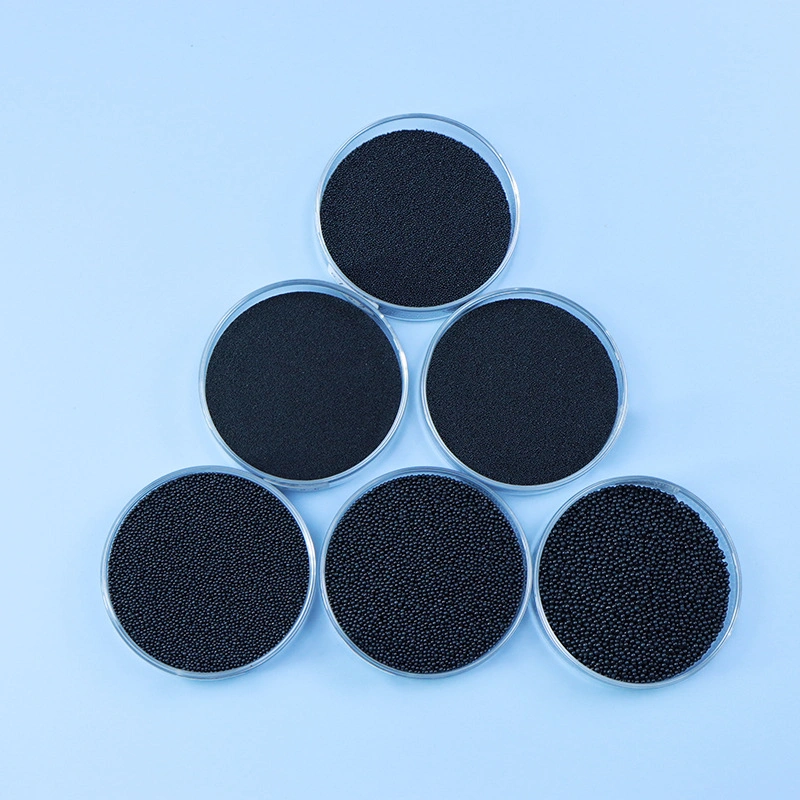
Silicon Nitride (Si₃N₄) Grinding Beads for Battery Slurries (Ø0.2–3.0 mm, Low-Contamination)

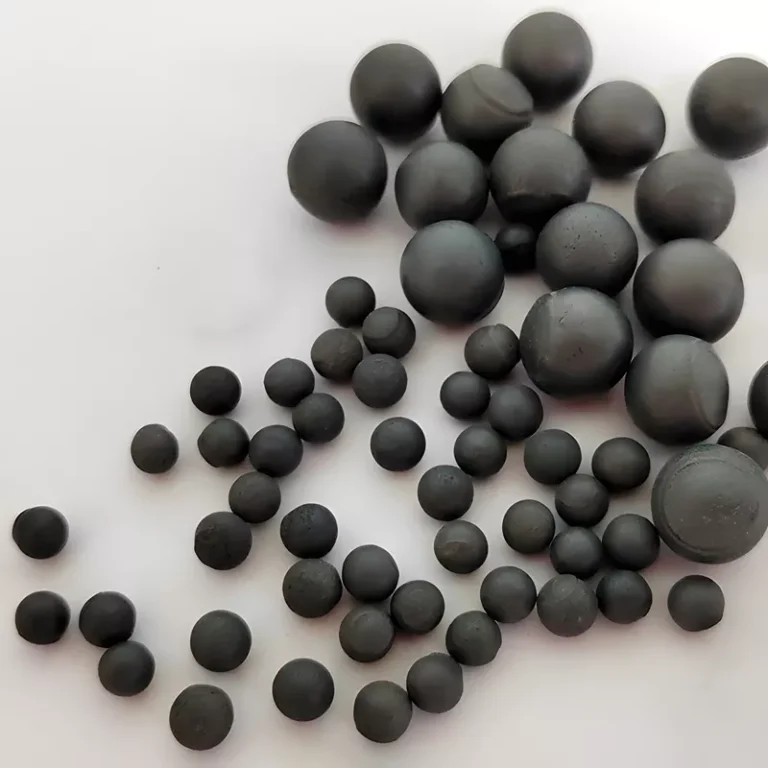
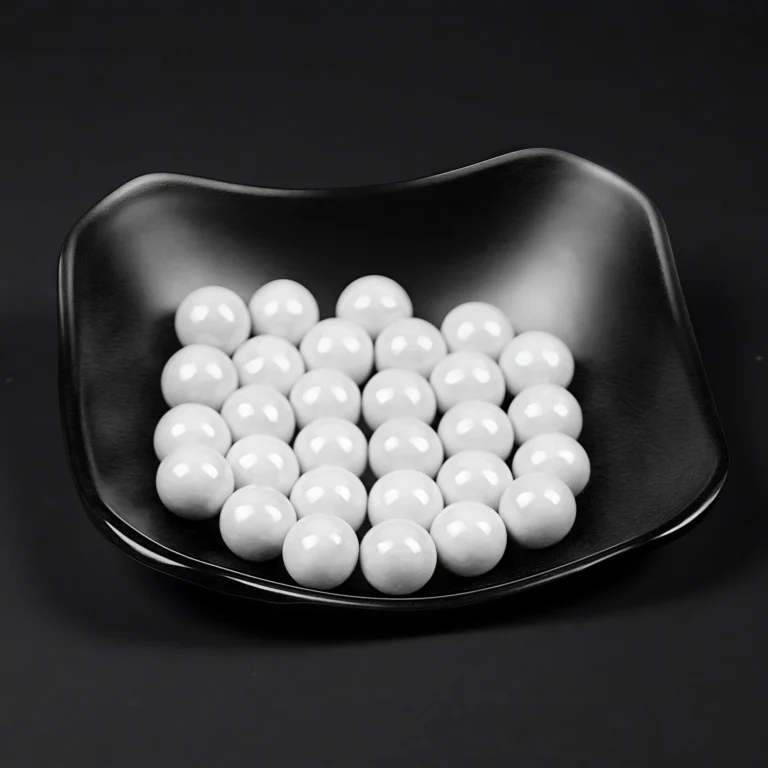
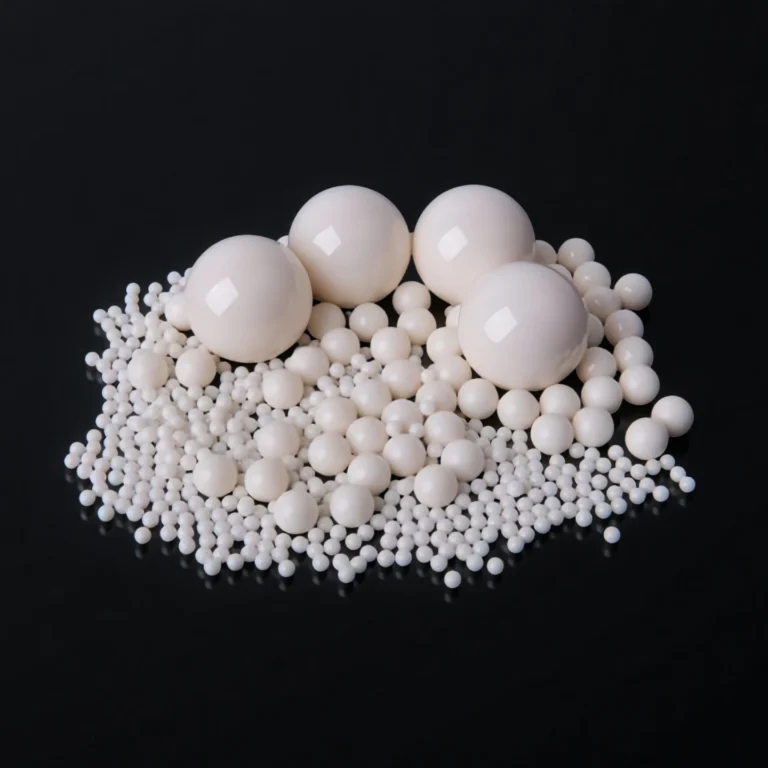
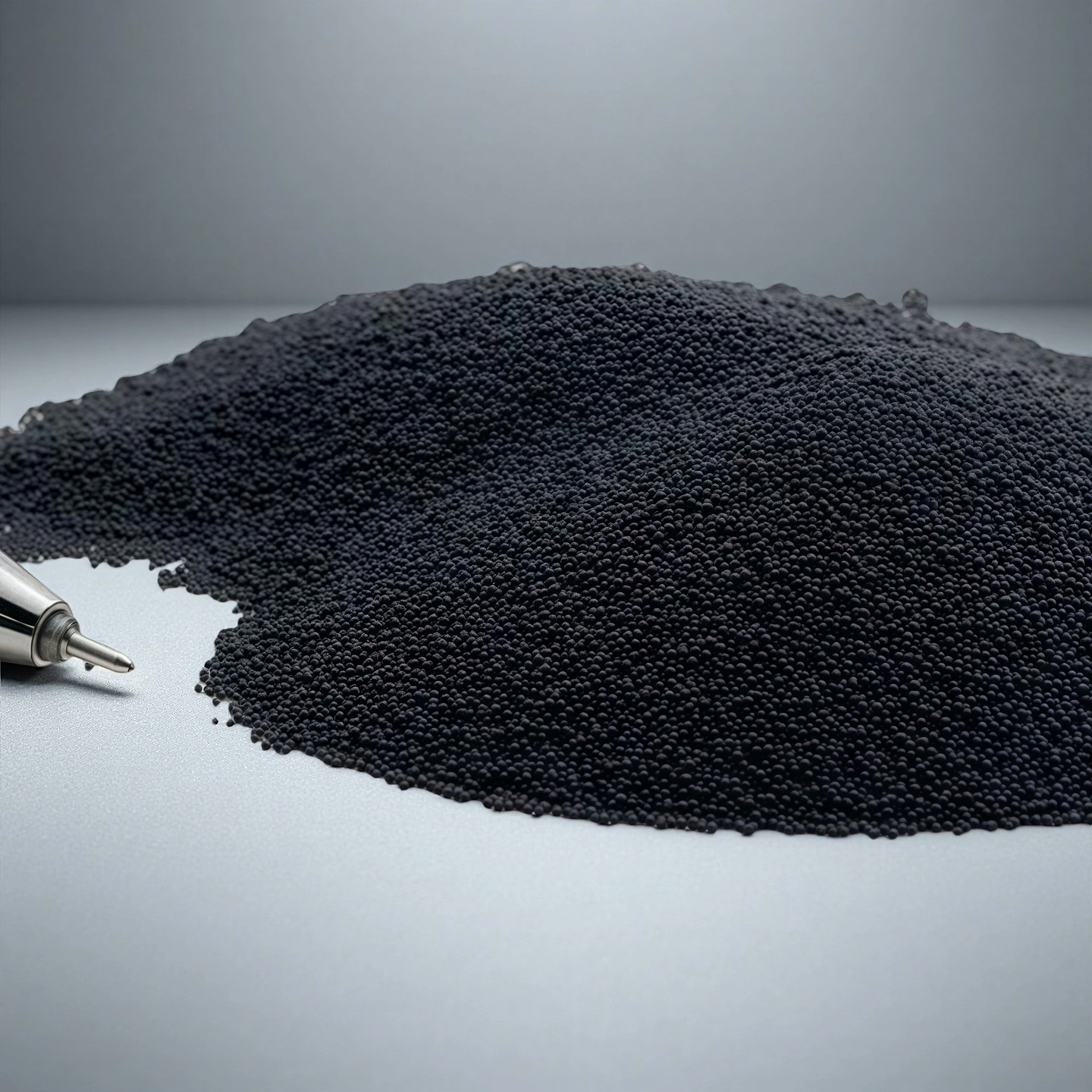
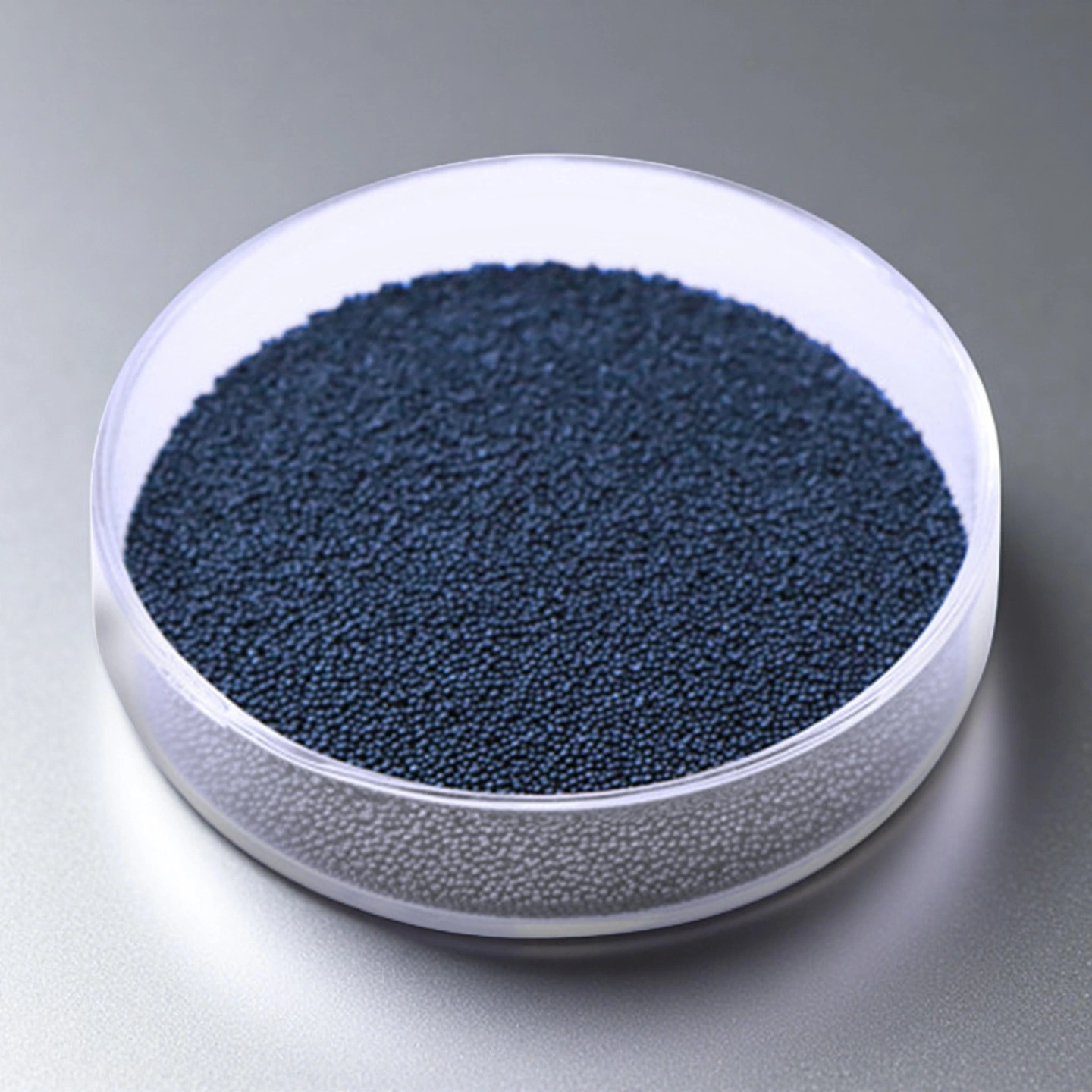
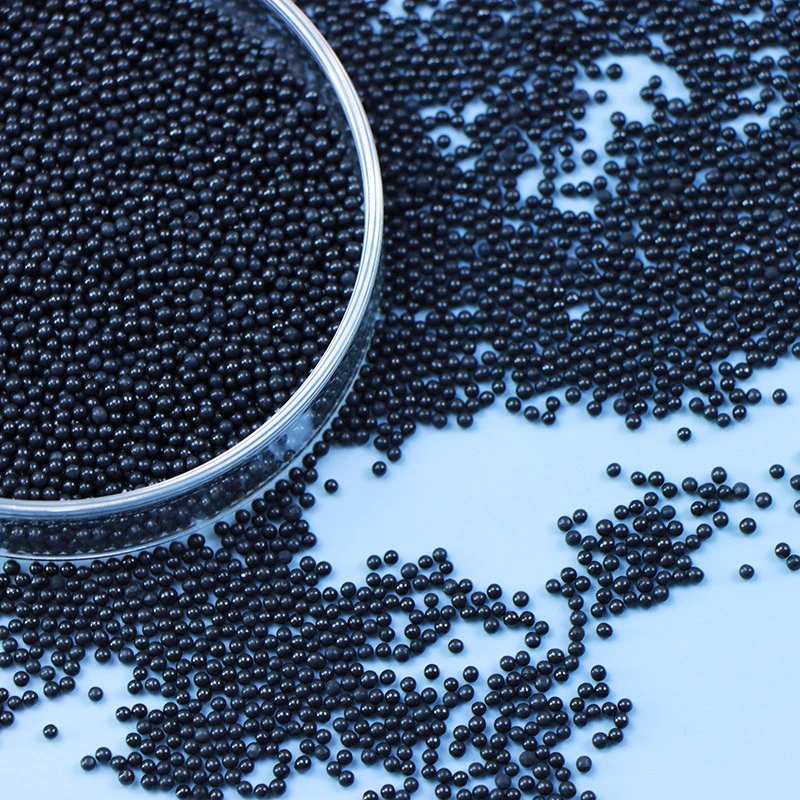
Silicon nitride grinding beads provide stable, low-contamination dispersion for battery slurries, inks/coatings, and ceramic powders, balancing impact strength with controlled wear in high-energy bead mills. Available in Ø0.2–20 mm standard sizes with custom grading and roundness control; special screening, pre-cleaning, and clean-pack options are offered for sensitive formulations.

Catalogue No. AT-DHG-WZ001
Material Silicon Nitride
Density ≥3.2 g/cm³
Hardness ≥HV 1500
Thermal Expansion (25–800 °C) ~3.3 × 10⁻⁶ /K
24H Standard Dispatch
Small Batch Support OEM
Factory Direct
Expert Engineering Support

Silicon nitride grinding beads are advanced ceramic media made primarily from silicon nitride (Si₃N₄) powder, sintered under high temperature to achieve exceptional hardness, toughness, and chemical stability. They serve as grinding and dispersion media in wet milling systems such as bead mills or sand mills, where precise particle size reduction and purity are critical.

Silicon Nitride Grinding Bead Benefits

  • Low Contamination Pathway
    The Si₃N₄ composition, with its chemically inert surface, prevents metallic ions from leaching into sensitive chemistries such as battery slurries or electronic pastes. Its non-reactive nature helps maintain product purity and consistent electrochemical performance across multiple milling cycles.

  • Stable Wear Profile
    The combination of high hardness and reliable fracture toughness ensures that each bead maintains its shape even under continuous high-energy collisions. This stability reduces fines generation and provides predictable wear rates for long-term process control and reproducibility.

  • Efficient Energy Transfer
    With a moderate density around 3.2 g/cm³, silicon nitride beads deliver optimal kinetic energy without causing excessive thermal buildup. This balance shortens milling time, stabilizes particle size distribution (PSD), and prevents temperature-induced degradation of heat-sensitive materials.

  • Tight Size Control
    Each production batch can be classified within narrow tolerance ranges (±0.02 mm), ensuring uniform packing density and steady flow in bead-mill chambers. Such precision improves energy utilization and minimizes screen wear and bead segregation during continuous operation.

  • Clean-Pack Availability
    Beads are optionally supplied pre-washed, filtered, and dried in a controlled environment, ready for immediate use. This minimizes purging and conditioning time, shortens mill startup procedures, and reduces the risk of cross-contamination between different formulations.

Si₃N₄ Grinding Bead Properties

Si3N4 Type Gas pressure sintering Si3N4 Hot pressing sintering Si3N4 High thermal conductivity Si3N4
Density (g/cm3) 3.2 3.3 3.25
Flexture strength (MPa) 700 900 600~800
Young Modulus (GPa) 300 300 300~320
Poisson's ratio 0.25 0.28 0.25
Compressive strength (MPa) 2500 3000 2500
Hardness (GPa) 15 16 15
Fracture toughness (MPa*m1/2) 5~7 6~8 6~7
Maximum working temperature (℃) 1100 1300 1100
Thermal conductivity (W/m*K) 20 25 80~100
Thermal expansion coefficient (/℃) 3*10-6 3.1*10-6 3*10-6
Thermal shock resistance (ΔT ℃) 550 800 /


Silicon Nitride Grinding Bead Specifications

Silicon Nitride Grinding Bead
Item No. Diameter(mm) Purity(%)
AT-DHG-WZ001 0.1-0.2mm 99
AT-DHG-WZ002 0.2-0.3mm 99
AT-DHG-WZ003 0.3-0.4mm 99
AT-DHG-WZ004 0.4-0.5mm 99
AT-DHG-WZ005 0.5-0.6mm 99
AT-DHG-WZ006 0.6-0.7mm 99
AT-DHG-WZ007 0.7-0.8mm 99
AT-DHG-WZ008 0.8-1.0mm 99
AT-DHG-WZ009 1.0-1.2mm 99
AT-DHG-WZ010 1.2-1.4mm 99
AT-DHG-WZ011 1.4-1.6mm 99
AT-DHG-WZ012 1.6-1.8mm 99
AT-DHG-WZ013 1.8-2.0mm 99
AT-DHG-WZ014 2.0-2.2mm 99
AT-DHG-WZ015 2.2-2.4mm 99
AT-DHG-WZ016 2.4-2.6mm 99
AT-DHG-WZ017 2.6-2.8mm 99
AT-DHG-WZ018 2.8-3.0mm 99
AT-DHG-WZ019 3.0-3.2mm 99
AT-DHG-WZ020 3.2-3.4mm 99
AT-DHG-WZ021 3.4-3.6mm 99
AT-DHG-WZ022 3.6-3.8mm 99
AT-DHG-WZ023 3.8-4.0mm 99
AT-DHG-WZ024 4.0-4.2mm 99
AT-DHG-WZ025 4.2-4.4mm 99
AT-DHG-WZ026 4.4-4.6mm 99
AT-DHG-WZ027 4.6-4.8mm 99
AT-DHG-WZ028 4.8-5.0mm 99
AT-DHG-WZ029 5.0mm 99
AT-DHG-WZ030 6.0mm 99
AT-DHG-WZ031 8.0mm 99
AT-DHG-WZ032 10mm 99
AT-DHG-WZ033 20mm 99
AT-DHG-WZ034 25mm 99
Remarks: 0.1-2.2mm micro-bead grinding medium ball, 4-25mm conventional grinding medium ball


Si₃N₄ Grinding Ceramic Bead Packaging

  • Each batch is vacuum-packed in anti-static polyethene bags.
  • 100–500 pcs per carton, filled with shock-proof foam.
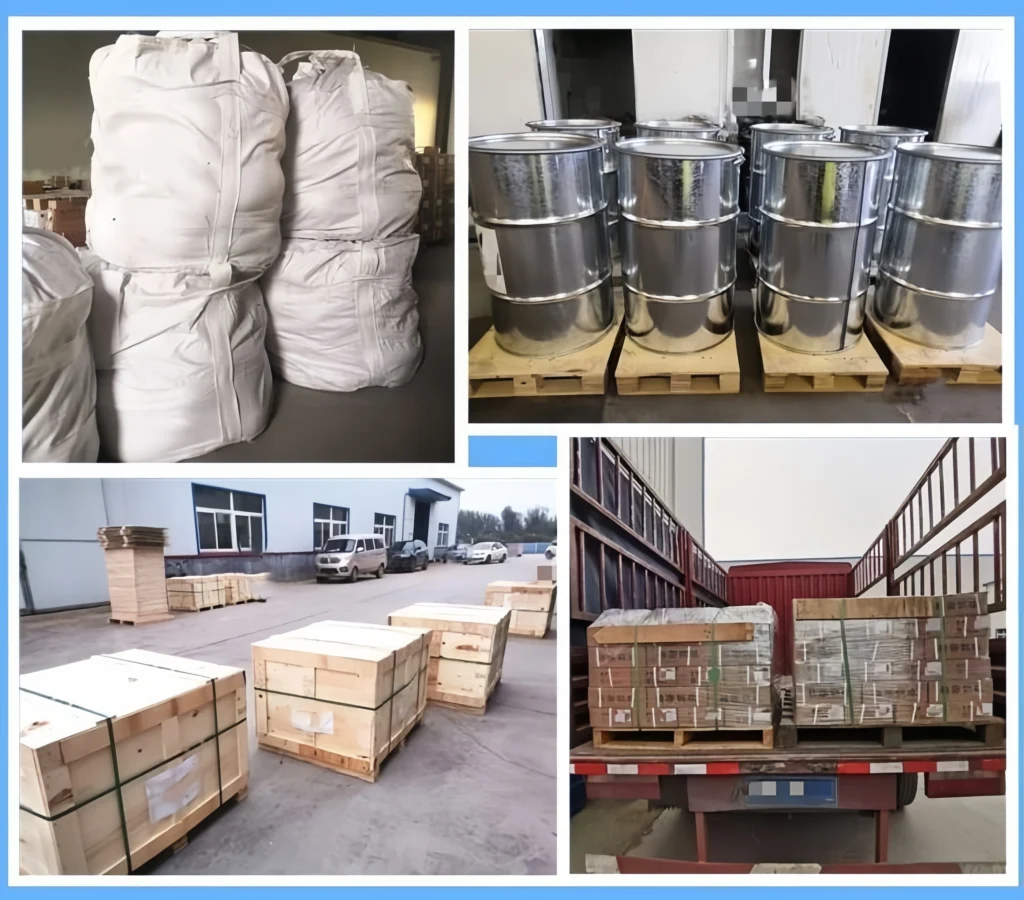
Si₃N₄ Grinding Ceramic Bead Packaging


Silicon Nitride Grinding Beads Applications

  • Battery Materials (Cathode/Anode Slurries)

    ✅Key Advantages

    1. Ion cleanliness: supports ppm-to-ppb control targets in sensitive slurries.
    2. PSD stability: enables narrow D90 at workable energy density with less fines.
    3. Cycle life: predictable wear simplifies bead charge maintenance.

    ✅ Problem Solved

    A cell materials plant replaced mixed-metal media with Si₃N₄ Ø0.8–1.0 mm. After mill tuning, D90 fell into the target band with fewer filter clogs, and bead make-up intervals stretched from weekly to bi-weekly, reducing downtime per quarter.

  • Inks & Functional Coatings

    ✅Key Advantages

    1. Sprayability/printability: fine PSD with reduced oversized tails.
    2. Colour strength consistency: controlled bead wear limits colour shift from contamination.
    3. Process thermal load: moderate density avoids excessive heat buildup in long runs.

    ✅ Problem Solved

    A packaging ink line moved from higher-density media to Si₃N₄ Ø0.5–0.8 mm; the same fineness was reached with lower energy input, and nozzle stability improved across 24-hour campaigns.

  • Aluminum Alloy Melting and Holding Furnaces

    ✅Key Advantages

    1. Agglomerate breakup: robust impacts without brittle bead failure.
    2. Clean surfaces: suitable where metal residues disrupt sintering or dielectric targets.
    3. Consistent charge behavior: steady void fraction and flow in recirculation.

    ✅ Problem Solved

    A ceramic powder processor adopted Si₃N₄ Ø2–3 mm for a high-solids slurry; milling time to target D50 dropped by ~12%, with lower screen blinding and a smoother filter cake.


Si3N4  Grinding Beads Usage Instructions

  • Installation /Charging

    1. Verify mill specifications: Confirm bead size compatibility with the mill’s agitator and screen design. Begin with 60–85% chamber fill (by volume) depending on slurry viscosity, solid loading, and mill type.
    2. Pre-conditioning: Rinse beads thoroughly with the same solvent or DI water used in your process to remove surface dust and potential ionic residues. Drain excess liquid to maintain accurate solid-to-media ratios.
    3. Loading sequence: Always load beads first, then gradually add slurry under gentle agitation to ensure even distribution. Slowly vent trapped air to prevent cavitation or agitator dry-running during start-up.
    4. Initial run-in: For new bead charges, perform a 10–15 minute low-speed circulation to stabilize the bed structure before switching to full operating parameters.

  • Operation

    1. Energy calibration: Adjust tip speed or specific energy to match bead size. Smaller beads (<1 mm) yield higher impact frequency suitable for nano-scale targets; larger beads deliver deeper stress for coarse dispersions.
    2. Torque & temperature monitoring: Continuously track torque (Nm) and ΔT (°C rise) to avoid overheating; excessive ΔT (>10–15 °C) can indicate overpacking or improper bead-to-slurry ratio.
    3. Dynamic stability: Use narrow grading (±0.02 mm tolerance) to maintain uniform bed motion and prevent segregation, which can cause uneven milling or premature screen wear.
    4. Bead life management: Inspect visually after every 500–800 operating hours; replace 10–15% of the total charge periodically to maintain consistent impact energy.

  • Storage

    1. Environmental control: Store beads dry, sealed, and away from humidity. Avoid direct contact with air-borne dust or oil vapors that may adhere to bead surfaces.
    2. Clean-pack preservation: For pre-washed or battery-grade beads, keep them in the original double-layer PE bags and re-seal immediately after sampling to preserve cleanliness.
    3. Long-term holding: For storage beyond six months, re-verify moisture content and ionic residue levels before recharging to ensure consistent purity.

  • Cleaning /Changeover

    1. Routine cleaning: After each batch, circulate a compatible process solvent until the discharge filtrate is optically clear; if possible, perform a screen-safe back-flush to release trapped fines.
    2. Deep cleaning for purity-sensitive lines: Conduct a DI rinse followed by low-lint air drying; measure final rinse conductivity (<10 µS/cm) to confirm cleanliness before re-use.
    3. Cross-formulation protocol: When switching between different product chemistries, remove all beads, ultrasonically clean in neutral detergent if permitted, rinse thoroughly, and bake-dry at 100–120 °C to eliminate residual moisture.
    4. Inspection before reuse: Check for chipped or fractured beads under magnification; discard damaged ones to prevent screen blockage or contamination carryover.

Silicon Nitride Grinding Beads Reviews

  1. Q: What are the main advantages of using silicon nitride grinding beads instead of zirconia or alumina media?
    A: Silicon nitride beads combine high hardness (HV10 ≈ 1300) with good fracture toughness (~5–6 MPa·m½), giving a balanced performance between impact resistance and low wear. Compared with zirconia, they generate less contamination and lower thermal buildup, which is ideal for battery slurry and electronic paste applications that demand low ionic leaching.
  2. Q: How do I choose the right bead size for my bead mill and slurry type?
    A: For high-viscosity battery electrode slurries, 0.2–1.0 mm beads offer efficient dispersion and tight D90 control. For ink and pigment formulations, 0.5–1.5 mm sizes provide stable color strength. Larger beads (1–3 mm) are suitable for ceramic powders or metal oxides requiring deep impact milling. Always match bead size to mill energy density and screen slot width.
  3. Q: What contamination level can be expected when using silicon nitride milling media?
    A: When operated under standard conditions, metallic contamination is typically below 10 ppm, depending on solvent and cycle duration. The Si₃N₄ composition resists chemical attack from acids, bases, and dispersants, keeping ionic residues extremely low — a key reason for its use in cathode materials and semiconductor slurries.
  4. Q: How long is the service life of silicon nitride grinding beads?
    A: In closed-loop wet milling, lifetime often exceeds 1,000–1,500 hours, depending on slurry abrasiveness and bead size. Predictable wear allows partial replacement (10–15% of charge) every few hundred hours, maintaining constant process energy and reducing downtime.
  5. Q: Can silicon nitride grinding beads be used for nano-scale milling?
    A: Yes. Their combination of hardness and toughness supports high-energy milling required for sub-micron and nano dispersion. Beads sized ≤0.5 mm are recommended for achieving D50 values under 200 nm in lithium-ion slurry and functional coating systems.

Silicon Nitride Milling Beads Reviews

  • ⭐️⭐️⭐️⭐️⭐️
    We switched to silicon nitride grinding beads at Ø0.6 mm for NCM slurry. PSD tightened and filter changes dropped. Cost per batch improved once bead make-up stabilized.
    -- Daniel K. — Process Engineer, Voltech Materials (USA)
  • ⭐️⭐️⭐️⭐️⭐️
    Our production line previously used zirconia media but faced inconsistent pigment dispersion. After adopting Si₃N₄ milling media from ADCERAX, color strength variation fell below 2 %, and contamination in QC tests was nearly undetectable. The lower thermal buildup also improved viscosity control during long milling cycles.
    -- María López — Operations Director, ColorForm Coatings (Spain)
  • ⭐️⭐️⭐️⭐️⭐️
    Custom grading arrived as specified with cleanliness data. We ordered again after the trial; the supplier handled silicon nitride milling media dimensions precisely.
    -- Hiroshi Tanaka — Purchasing Manager, Kyowa Ceramics (Japan)
  • ⭐️⭐️⭐️⭐️⭐️
    As a grinding media supplier, we integrated silicon nitride milling beads into our client trials for aluminum oxide dispersion. Results showed smoother energy transfer and less residue on mill screens. The ADCERAX team’s engineering input on bead-to-slurry ratio shortened our optimization phase and improved cycle stability.
    -- Omar R. — Plant Manager, NorthBay Energy Materials (Mexico)
customize size

Custom Silicon Nitride Grinding Bead

Customization focuses on bead size distribution, roundness, surface state, and cleanliness to match specific mill energy inputs and formulation rheology. What you can specify:

  • Bead Size & Grading
    Available as single-size batches (e.g., Ø0.5 mm ± 0.02 mm) or narrow distributions (e.g., Ø0.45–0.55 mm) to match bead mill energy density and screen specification. Each lot includes granulometry data to ensure consistent packing and predictable flow behavior in continuous or recirculating systems.

  • Roundness & Tolerance
    Controlled roundness up to ≤ 0.02 mm equivalent deviation, achieved by precision finishing and optical inspection. Uniform geometry prevents dead zones, reduces shear stress, and enhances energy transfer efficiency during milling.

  • Surface State
    Offered in raw, polished, or pre-washed conditions, with optional conductivity-controlled drying to prevent static buildup and agglomeration. Polished surfaces lower abrasion, while matte finishes improve slurry circulation in high-viscosity formulations.

  • Cleanliness Level
    Customizable according to application: ionic residue targets (< 10 ppm), TOC baseline testing, and filtered clean-pack options are available. Each batch can be supplied under controlled environment packaging to meet battery-grade or electronic-grade purity requirements.

Related Products

ADCERAX - Your Trusted Advanced Ceramics Manufacturing Partner

Direct factory manufacturing with comprehensive ceramic materials expertise and global supply capabilities

Direct Factory Manufacturing

China-based ceramic materials production facility with state-of-the-art equipment

Engineering Team

Experienced professionals in advanced ceramics applications and custom design

Quality Control

Strict quality control standards for technical ceramics manufacturing and quality management

Global Supply Chain

Serving customers worldwide with technical ceramics and rapid response

24/7 Technical Support

Round-the-clock support for ceramic components inquiries and technical assistance

500+ Satisfied Customers

Trusted by global customers for advanced ceramic materials and precision components

Get in touch with us

Our team will be happy to respond to you in less than 24 hours.

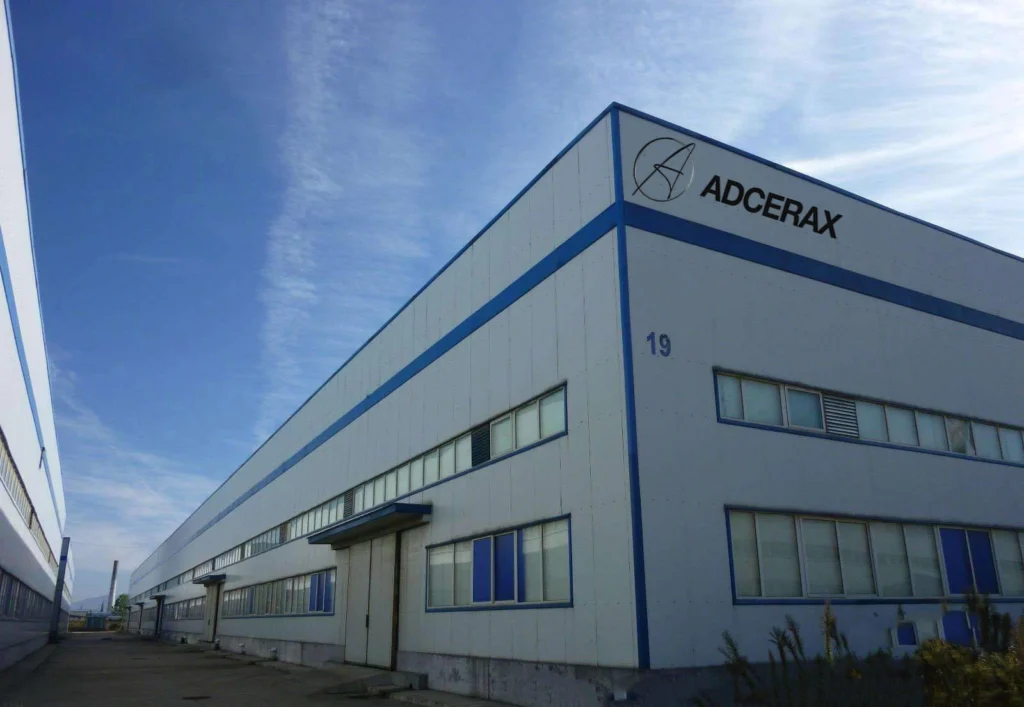
Adcerax's factory

Quick Quotation

*Our team will answer your inquiries within 24 hours.

*Your information will be kept strictly confidential.

Ready to Solve Your Engineering Challenge?

Partner with ADCERAX for reliable, high-performance advanced ceramic solutions. Our engineers are ready to discuss your project.

E-mail

info@adcerax.com

Phone

+(86) 0731-74427743 | WhatsApp: +(86) 19311583352

Response Time

Within 24 hours

Quick Quote

The more details you provide, the faster we can quote.

*We respond within 24 hours. All inquiries are confidential.

Download Catalog

Get Your Custom Sulution

The more details you provide, the faster we can respond.

customize size

*We respond within 24 hours. All inquiries are confidential.

Download Catalog