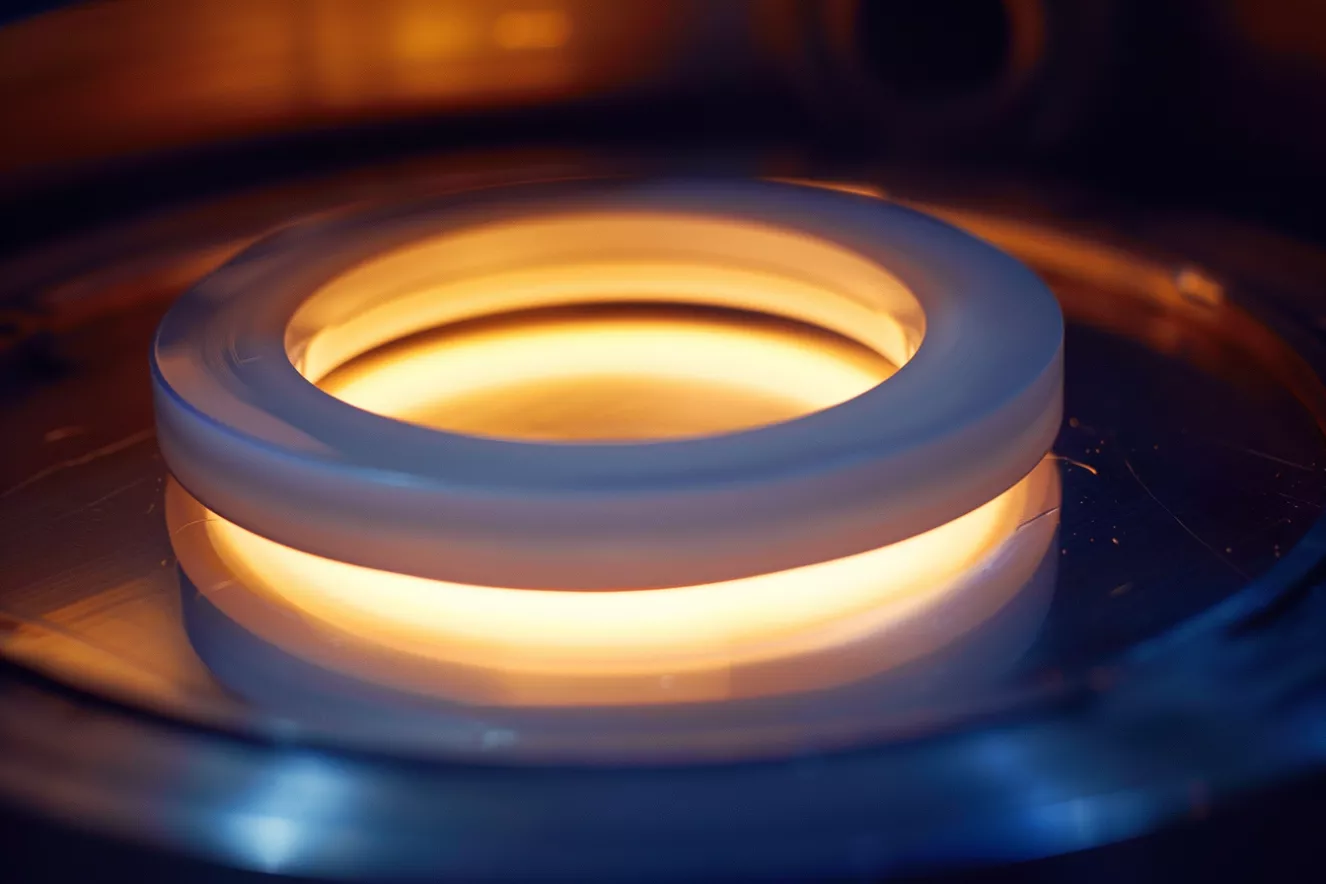
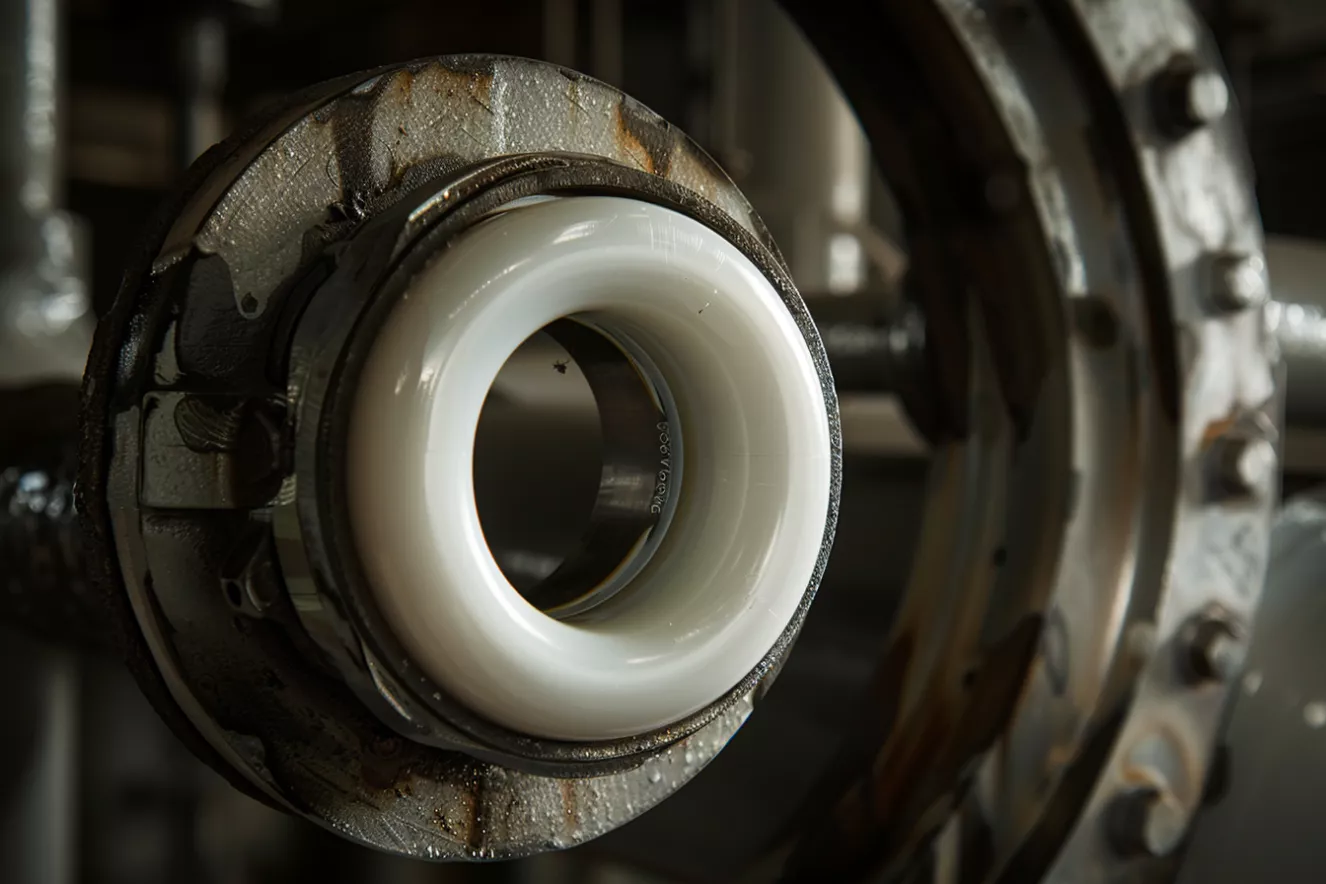
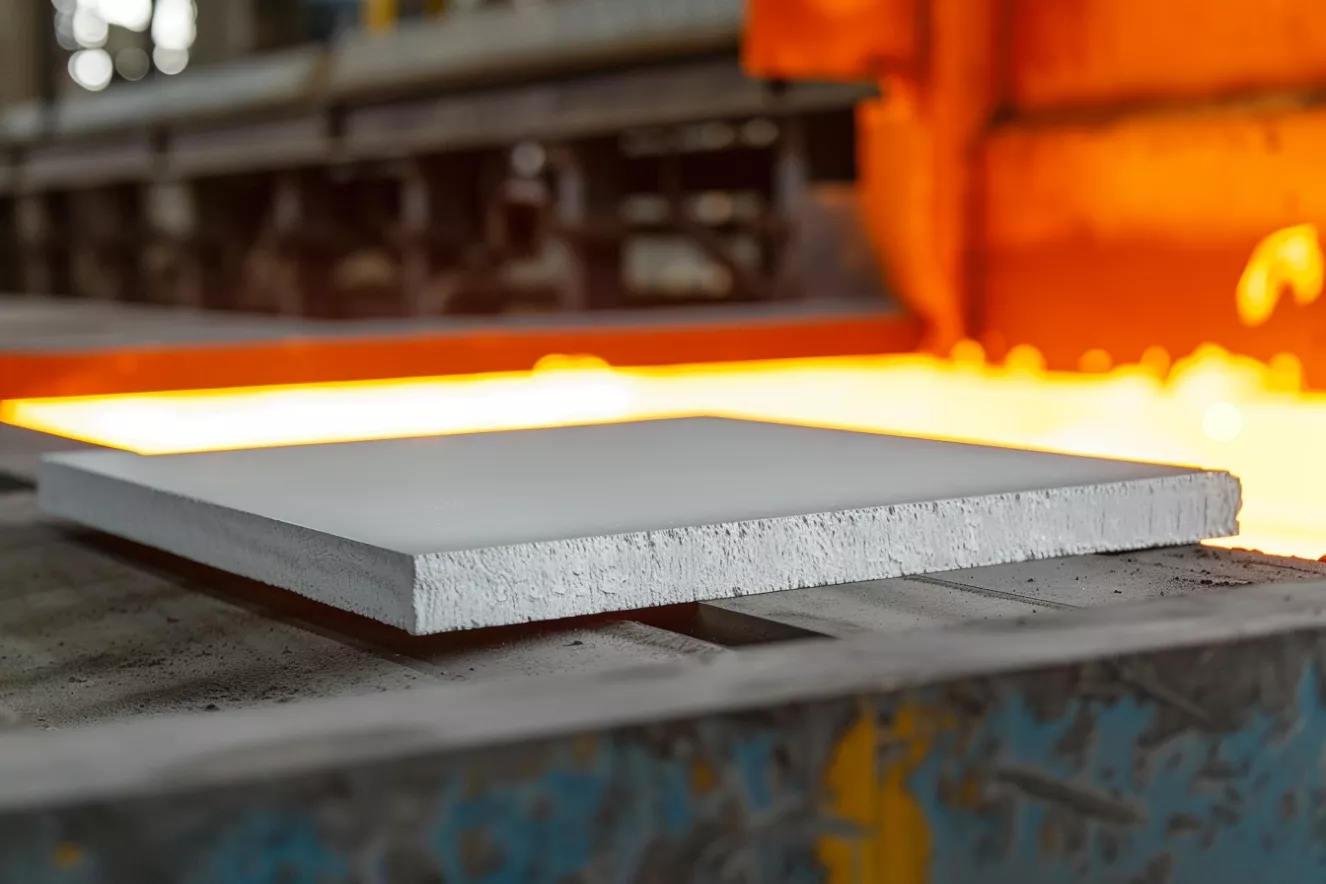
Selecting the right ceramic for high-performance engineering tasks requires clarity and structured information.
The main types of advanced engineering ceramics include oxide ceramics, non-oxide ceramics, and ceramic matrix composites, each providing unique mechanical, thermal, and chemical benefits.
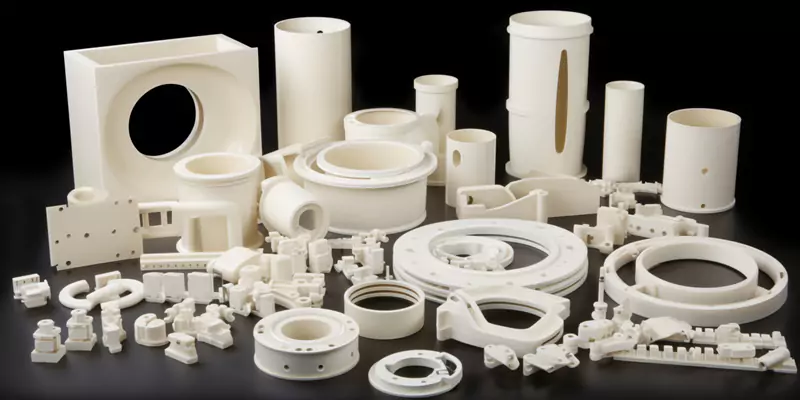
These materials play a critical role in modern industries. To understand the value of different types of advanced engineering ceramics, we need to explore definitions, categories, properties, and evaluation methods in detail.
What Are Advanced Engineering Ceramics and Their Key Characteristics?
Engineers face constant demand for materials that balance strength, weight, and resilience.
Advanced engineering ceramics are non-metallic, inorganic solids engineered for superior strength, thermal stability, and chemical resistance.
They differ from traditional ceramics because they are tailored for high-performance use. Their fine microstructures and purity levels allow predictable behavior under stress.
- High compressive strength with low density
- Excellent thermal shock resistance compared to traditional ceramics
- Wide usage in energy, aerospace, and electronics
Definition in Materials Science
Advanced engineering ceramics are non-metallic materials that are carefully designed in laboratories. They are usually produced from pure powders that are processed into fine and uniform grains. This controlled microstructure makes the material more predictable in mechanical performance. Engineers rely on this predictability when designing parts for demanding environments.
The field of materials science explains how grain boundaries and crystal phases affect ceramic behavior. By minimizing defects, manufacturers reduce the risk of cracks during use. This process allows ceramics to maintain their strength under high stress. It also gives designers confidence when selecting ceramics for critical applications.
In practice, the scientific definition sets advanced ceramics apart from traditional forms. These materials are not simply natural clays fired at high temperature. They are engineered with precision at each step of production. This foundation provides the basis for their modern industrial importance.
Distinctive Properties vs Traditional Ceramics
Traditional ceramics such as porcelain or earthenware have limited mechanical strength. They are suitable for household or decorative use but not for industrial systems. Advanced ceramics, by contrast, achieve tensile strengths greater than 300 MPa. They can also maintain their function at continuous temperatures above 1000 °C.
Another distinction is chemical stability. Advanced ceramics resist acids, alkalis, and gases that would damage conventional ceramics. This makes them reliable in harsh operating environments like furnaces or reactors. Engineers benefit from their ability to maintain clean surfaces without corrosion.
Thermal properties also highlight the difference. While traditional ceramics may crack under rapid heating and cooling, advanced ceramics resist thermal shock. Their low thermal expansion coefficient helps them endure these cycles. This resilience explains why they are selected for advanced engineering systems.
Importance in Modern Engineering
Modern industries demand materials that can withstand extreme conditions. Advanced ceramics meet this demand by offering a balance of strength, durability, and resistance. They are now used in turbines where components face high temperatures and strong forces. They also support reactors that require stable materials under chemical stress.
In electronics, ceramics act as insulators and substrates. Their stability ensures that microchips and circuits operate without failure. Zirconia and alumina are commonly used in these roles due to their reliability. This integration supports progress in computing and communication technologies.
Their role continues to expand as engineering challenges increase. Energy systems, aerospace designs, and medical devices all require better materials. Advanced ceramics provide solutions that metals or polymers cannot match. This ensures they remain central to innovation in engineering fields.
How Are Oxide Ceramics Classified in Advanced Engineering Applications?
Industrial design often starts with oxide ceramics due to their versatility.
Oxide ceramics such as alumina and zirconia dominate engineering use because of their stability and adaptability.
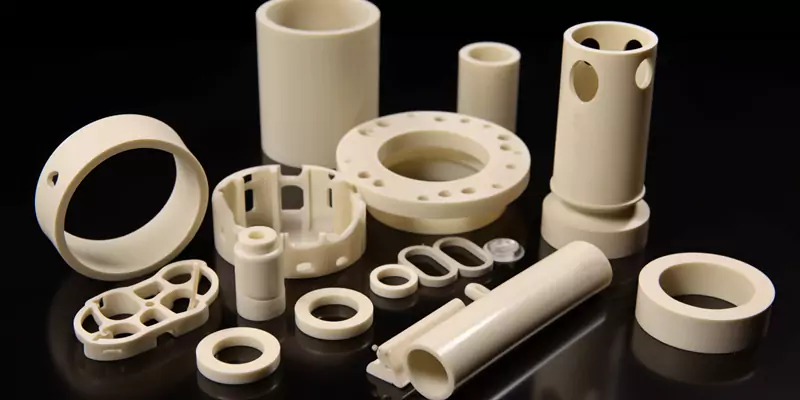
Oxide ceramics provide insulation, wear resistance, and corrosion resistance. Their established processing routes make them widely available.
Alumina (Al2O3): Mechanical Strength and Industrial Applications
Alumina is one of the most widely used oxide ceramics because it combines high hardness, strength, and stability. Its hardness value can exceed 15 GPa, which makes it suitable for wear-resistant parts. The material also maintains mechanical reliability at temperatures up to 1500 °C in continuous service. This thermal stability is important in furnaces and reactors that operate under high heat. In addition, alumina has excellent electrical insulation, which allows it to be used in high-voltage systems. Its low dielectric loss helps electronic devices maintain efficiency during operation. These combined features ensure alumina remains a cornerstone in advanced engineering ceramics.
The mechanical properties of alumina ceramic make it an ideal choice for cutting tools and abrasive components. In industries where metals cannot withstand heavy friction, alumina provides a harder surface. Its toughness may not match zirconia, but its resistance to wear makes it cost-effective. Seals and valve components made from alumina resist deformation and extend service life in fluid systems. Because of its stability, alumina is also used for substrates in electronic circuits. Its ability to maintain flatness and resist chemical attack allows reliable bonding of microelectronic components. These qualities explain why alumina is present in both heavy industry and electronics.
In laboratory and research settings, alumina is used for crucibles, tubes, and plates. These items must endure repeated heating and cooling cycles without structural failure. Alumina is resistant to most acids and alkalis, which makes it suitable for chemical analysis equipment. The material’s transparency at specific wavelengths also allows it to be applied in optical instruments. By adjusting purity levels, manufacturers can optimize alumina for different uses. For example, high-purity alumina supports semiconductor processing, while standard grades are common in structural applications. This flexibility demonstrates how alumina serves across many technical fields.
Zirconia (ZrO2): Fracture Toughness and High-Performance Uses
Zirconia is unique among oxide ceramics because of its high fracture toughness, which can reach 7–10 MPa·m½. This value is two to three times higher than that of alumina, making zirconia less prone to catastrophic failure. Its toughness is enhanced by a mechanism known as transformation toughening, where crystal phases shift under stress. This mechanism allows zirconia ceramic products to resist crack growth more effectively than other ceramics. In addition, zirconia maintains strong compressive strength, which provides further durability. These characteristics make zirconia suitable for high-performance mechanical applications. Engineers select zirconia when reliability under stress is more important than maximum hardness.
One of the most important uses of zirconia is in precision bearings. Its toughness and wear resistance allow bearings to operate at high speeds with low friction. Zirconia bearings are also resistant to corrosion, which makes them suitable in chemical or marine environments. Dental implants are another major application, as zirconia is biocompatible and resistant to body fluids. Patients benefit from implants that are durable, aesthetically white, and chemically stable inside the mouth. Zirconia oxygen sensors are widely used in automotive and industrial combustion systems. These sensors rely on zirconia’s ability to conduct oxygen ions at elevated temperatures. The result is accurate monitoring of air-to-fuel ratios in engines and furnaces.
Beyond these applications, zirconia is also used in cutting blades, pumps, and medical instruments. Its combination of toughness and chemical resistance makes it suitable for contact with both fluids and tissues. Stabilized zirconia variants, such as yttria-stabilized zirconia, provide even greater performance. These stabilized forms maintain structural integrity over wider temperature ranges. In industrial furnaces, zirconia linings can withstand aggressive slags and thermal cycling. In electronics, zirconia is applied in solid oxide fuel cells, where its ionic conductivity supports energy generation. Each of these uses shows zirconia’s ability to function where alumina and other oxides may fail.
Other Oxide Ceramics: Specialized Roles in Engineering Systems
Other oxide ceramics, while less common than alumina and zirconia, play important roles in specialized applications. Magnesia (MgO) ceramic is known for its high melting point, which exceeds 2800 °C. This property makes it suitable for crucibles and furnace linings that operate under extreme heat. Its thermal conductivity also allows for efficient heat transfer in these systems. However, magnesia is less resistant to water and carbon dioxide, which limits its long-term stability in some environments. Engineers select magnesia primarily when high-temperature performance is critical. Its use remains focused on metallurgical and refractory industries.
Titania (TiO2) is another oxide with distinct benefits. It is valued for its photocatalytic activity, which enables surface cleaning and air purification applications. In coatings, titania1 provides durability and resistance to UV light. This makes it useful in architectural and environmental engineering projects. Titania also exhibits a high refractive index, which supports its role in optical devices. While its mechanical strength is not as high as alumina or zirconia, its functional properties give it unique niches. Manufacturers often apply titania as thin films or coatings rather than bulk components. Its role highlights how oxide ceramics can serve beyond mechanical uses.
Other less common oxides include mullite2 and spinel3. Mullite offers good thermal shock resistance, which makes it useful in kiln furniture and thermal insulation. Spinel provides both thermal stability and transparency in specific optical ranges. These materials are not as widely used as alumina or zirconia but remain important in their domains. Their performance depends on balancing properties such as cost, availability, and stability. By combining them with other materials, engineers can achieve targeted performance in complex systems. These variants show how oxide ceramics extend far beyond a single group of properties.
What Are the Main Types of Non-Oxide Advanced Ceramics?
When resistance to extreme conditions is essential, non-oxides are chosen.
Non-oxide ceramics include silicon carbide, silicon nitride, and others that withstand high stress and harsh environments.
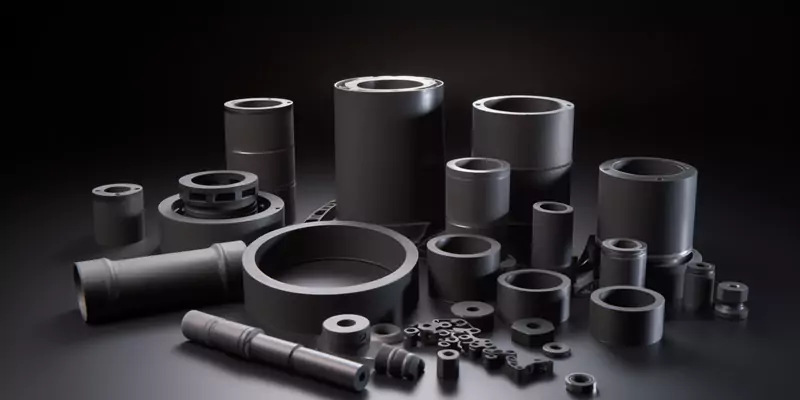
Their covalent bonding yields high hardness and corrosion resistance against molten metals.
Silicon Carbide (SiC): Properties and Industrial Applications
Silicon carbide is recognized as one of the hardest known ceramic materials, with hardness values near 25 GPa. Its thermal conductivity ranges from 120 to 270 W/m·K depending on grain structure and purity. This allows it to manage high heat loads without distortion. The maximum continuous service temperature reaches around 1600 °C, making it suitable for furnaces and thermal exchangers. Its chemical inertness ensures resistance to most acids and alkalis. Engineers often prefer SiC when combining strength, hardness, and thermal reliability. This balance explains its wide use in both mechanical and electronic fields.
SiC is extensively used in abrasives due to its hardness and wear resistance. Grinding wheels and cutting tools often employ SiC grains to maintain performance over time. In refractory applications, SiC is shaped into kiln shelves, crucibles, and liners. These components handle high thermal cycling without significant wear. Heat exchangers also benefit from its thermal conductivity and resistance to oxidation. In electronics, SiC wafers are used as substrates for high-power devices. Their ability to withstand high voltages and temperatures provides efficiency improvements in power systems.
Another valuable feature of SiC is its environmental resistance. It maintains mechanical integrity in corrosive and oxidative atmospheres. This property makes it suitable for chemical plants and energy systems. Aerospace components also adopt SiC for thermal shields and hot structures. Emerging applications include electric vehicles where SiC semiconductors increase efficiency. The versatility of SiC demonstrates its importance across multiple sectors. As industries demand materials that manage heat, stress, and wear, SiC remains a leading option.
Silicon Nitride (Si3N4): Mechanical Reliability and Thermal Resistance
Silicon nitride exhibits a unique combination of strength, toughness, and thermal stability. Its flexural strength remains high above 1000 °C, which is higher than most oxide ceramics. This makes it reliable in load-bearing applications under thermal stress. Unlike alumina, it resists rapid heating and cooling cycles with minimal damage. This thermal shock resistance is one of its most valuable attributes. Its fracture toughness values are higher than many traditional ceramics. These features make Si3N4 ceramic a trusted material for advanced mechanical systems.
One of the key applications of Si3N4 is in ball bearings. Its rolling contact fatigue resistance is significantly better than steel in high-speed conditions. This reduces wear and extends service life in demanding machinery. Gas turbines also incorporate Si3N4 components for strength at high operating temperatures. Cutting tools employ Si3N4 due to its balance between hardness and toughness. The material also finds use in automotive engines where durability is required. Its ability to operate in severe environments makes it a strong alternative to metals.
Si3N4’s low density provides further advantages in weight-sensitive applications. Aerospace components benefit from lighter parts without compromising mechanical integrity. Electrical insulation is another property that supports its use in electronics. Si3N4 substrates ensure stability in high-power systems. The combination of light weight, thermal resistance, and toughness sets it apart from other ceramics. Engineers increasingly adopt Si3N4 as operating conditions become harsher. This adoption reflects its versatility and reliability across multiple industries.
Other Non-Oxide Ceramics: Specialized Roles and Applications
Non-oxide ceramics also include borides and carbides with unique properties. Titanium diboride (TiB₂)4, for instance, provides exceptional hardness and high melting point. This combination makes it suitable for armor materials where protection is required. Boron carbide is another non-oxide that offers high hardness with relatively low density. It is frequently used in body armor and abrasive powders. These materials extend the performance envelope of engineering ceramics beyond oxides. Their resistance to chemical attack further strengthens their utility.
Specialized applications often dictate the choice of these non-oxides. Cutting tools for machining metals employ borides and carbides for extended tool life. Armor systems in defense applications rely on boron carbide for its energy absorption. Titanium diboride is used in crucibles for aluminum smelting due to its conductivity and corrosion resistance. Each of these examples highlights how niche materials solve specific engineering challenges. By matching properties to application, industries gain safety and efficiency benefits. Their specialized role supports broader use of ceramics in advanced engineering.
These ceramics are not as widely used as alumina, zirconia, or silicon carbide. However, they play critical roles where extreme hardness or unique chemical resistance is needed. Their higher production costs and processing difficulties limit wider adoption. Despite this, research continues to explore their potential in aerospace and energy systems. Engineers often evaluate them when standard ceramics cannot meet requirements. Their contribution shows the depth of options available within the non-oxide category. In critical systems, their specialized performance can make a significant difference.
What Are Ceramic Matrix Composites and Why Are They Used?
As industries demand toughness, composites extend ceramic performance.
Ceramic matrix composites (CMCs) combine ceramics with fibers or particulates to enhance toughness and thermal resistance.
They mitigate brittleness and expand applications into aerospace engines and energy turbines.

Structure and Manufacturing Approaches of CMCs
Ceramic matrix composites are formed by embedding strong fibers such as silicon carbide or carbon into a ceramic matrix. This structure prevents cracks from spreading and improves toughness.
Manufacturing processes include slurry infiltration, where ceramic particles fill the fiber framework. Chemical vapor infiltration is also used to deposit ceramic material around fibers.
These processes create a composite that combines strength with reduced brittleness.
Mechanical and Thermal Properties of CMCs
Compared to monolithic ceramics, CMCs offer fracture toughness three to five times higher. Their fiber reinforcement allows the material to deform slightly under stress.
They also maintain low density, which reduces overall component weight. Thermal shock resistance is significantly better due to controlled crack deflection.
This combination of properties makes CMCs suitable for demanding systems.
Applications of CMCs in Aerospace and Energy
In aerospace, CMCs are used for turbine blades and combustor liners that face extreme heat. Their ability to withstand above 1400 °C reduces cooling system needs.
Energy plants employ CMCs in combustion chambers and hot gas ducts. The materials extend service life while cutting maintenance costs.
These applications show why CMCs are central to next-generation engineering.
How Do Different Types of Advanced Engineering Ceramics Compare in Mechanical and Thermal Properties?
Direct comparison helps engineers decide optimal materials.
Oxide ceramics provide chemical stability, non-oxides offer extreme thermal capacity, and CMCs balance toughness with heat resistance.
Comparison reveals trade-offs that dictate application suitability.
Comparative Strength and Toughness of Advanced Ceramics
Alumina provides high compressive strength but fractures easily under sudden stress. Zirconia offers higher toughness, allowing it to resist crack growth.
Silicon carbide is extremely hard, yet its toughness is limited compared to zirconia. Silicon nitride balances hardness with resistance to shock loading.
Ceramic matrix composites provide the best toughness across all advanced ceramic types.
Thermal Resistance and Shock Behavior of Ceramics
Silicon carbide operates reliably at continuous temperatures above 1600 °C. Silicon nitride performs better under rapid temperature shifts than alumina.
Zirconia endures around 1000 °C in oxidizing conditions, though it degrades at higher ranges. Alumina is stable up to about 1500 °C but less tolerant of fast changes.
Each ceramic demonstrates strengths and weaknesses depending on its thermal environment.
Cost and Supply Considerations for Ceramic Materials
Alumina is inexpensive to produce and widely available for many industries. Zirconia and silicon nitride are more costly due to complex processing steps.
Silicon carbide sits between these extremes, offering good availability at moderate cost. CMCs remain the most expensive but provide unmatched reliability.
Cost and supply factors are critical in selecting materials for specific applications.
Conclusion
Advanced engineering ceramics offer diverse categories suited to demanding industrial environments.
Navigating the complexities of selecting advanced ceramics presents a significant engineering challenge. Leverage the expertise of ADCERAX engineering team, backed by factory-direct supply and small-batch customization, for a consultation tailored to your specific quartz glass requirements.
FAQ (Frequently Asked Questions)
Q1: What properties make zirconia ceramics suitable for mechanical components?
Zirconia ceramics have high fracture toughness and wear resistance. They withstand mechanical stress better than alumina, making them useful in bearings and dental implants.
Q2: How do cost factors differ between alumina and silicon carbide ceramics?
Alumina is inexpensive due to abundant raw materials and simpler processing. Silicon carbide requires advanced sintering, leading to higher costs despite superior performance.
Q3: What practical steps should engineers follow when sourcing advanced ceramics?
Engineers should request mechanical data sheets, confirm lead times, and clarify tolerances. These steps reduce procurement risks and improve project reliability.
Q4: How do oxide ceramics compare with non-oxides in thermal applications?
Oxide ceramics are chemically stable but limited in thermal shock resistance. Non-oxides like SiC and Si3N4 offer higher heat tolerance and better shock resistance in extreme conditions.
References:
-
Explore this link to understand how titania enhances durability and UV resistance in coatings. ↩
-
Exploring this link will provide insights into mullite's unique properties and its applications in high-performance ceramics. ↩
-
This resource will help you understand spinel's significance in various industries and its role in material innovations. ↩
-
Exploring this link will provide insights into the unique properties and various applications of Titanium diboride, enhancing your understanding of this material. ↩