Industrial downtime, costly repairs, and material failures threaten operational efficiency. Discover how advanced ceramics solve these persistent challenges.
Advanced ceramics are essential in industries requiring high durability, corrosion resistance, and precision, enabling reliable performance where metals and polymers fail.
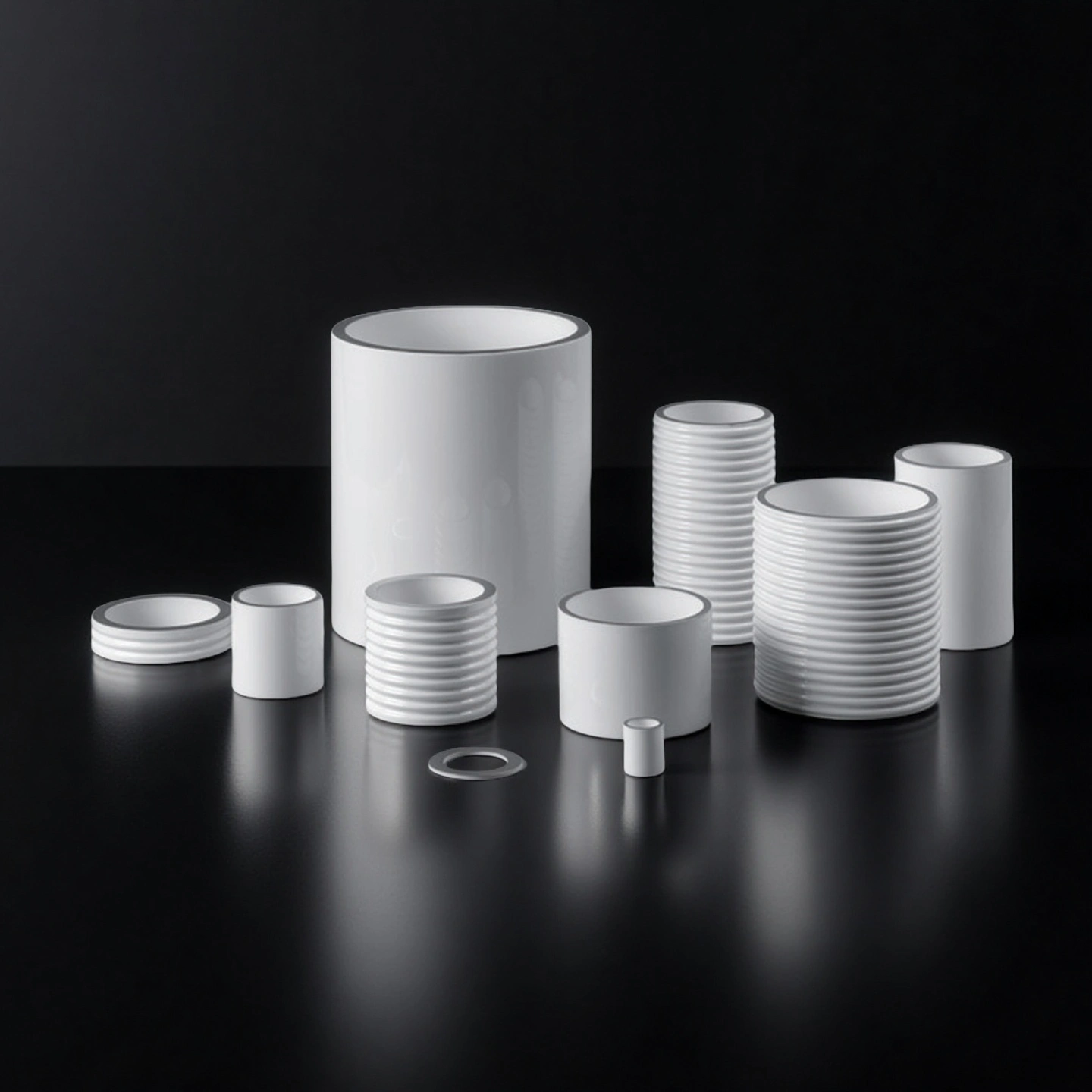
From chemical processing to analytical instruments, advanced ceramics are transforming industrial performance. Read on to see how these materials deliver unmatched value in demanding environments.
How do ceramics improve chemical processing equipment?
Corrosion, abrasion, and chemical attack often cause premature equipment failure. This leads to frequent shutdowns and high replacement costs.
Ceramics improve chemical processing equipment by providing superior corrosion and wear resistance, extending service life and reducing maintenance.
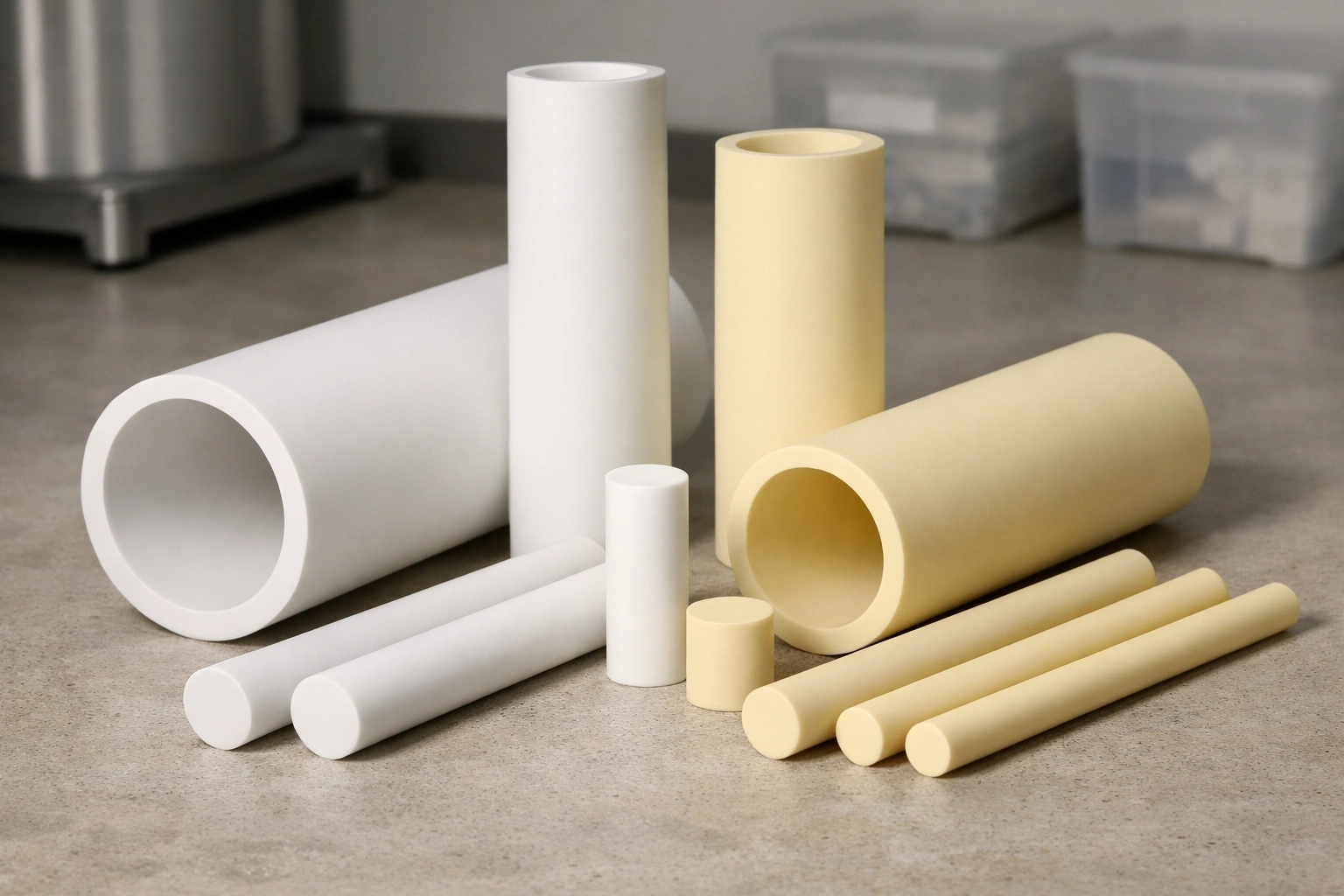
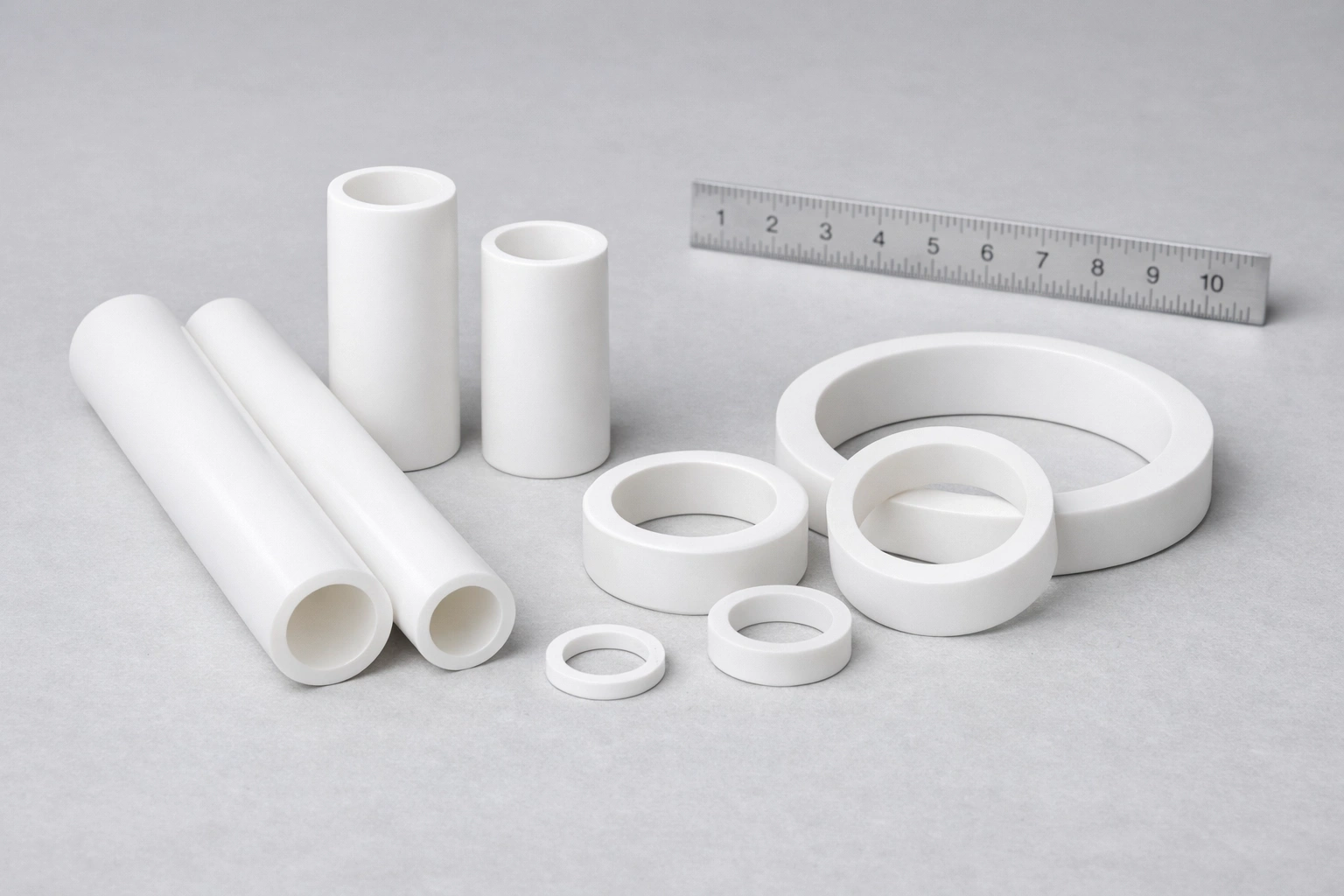
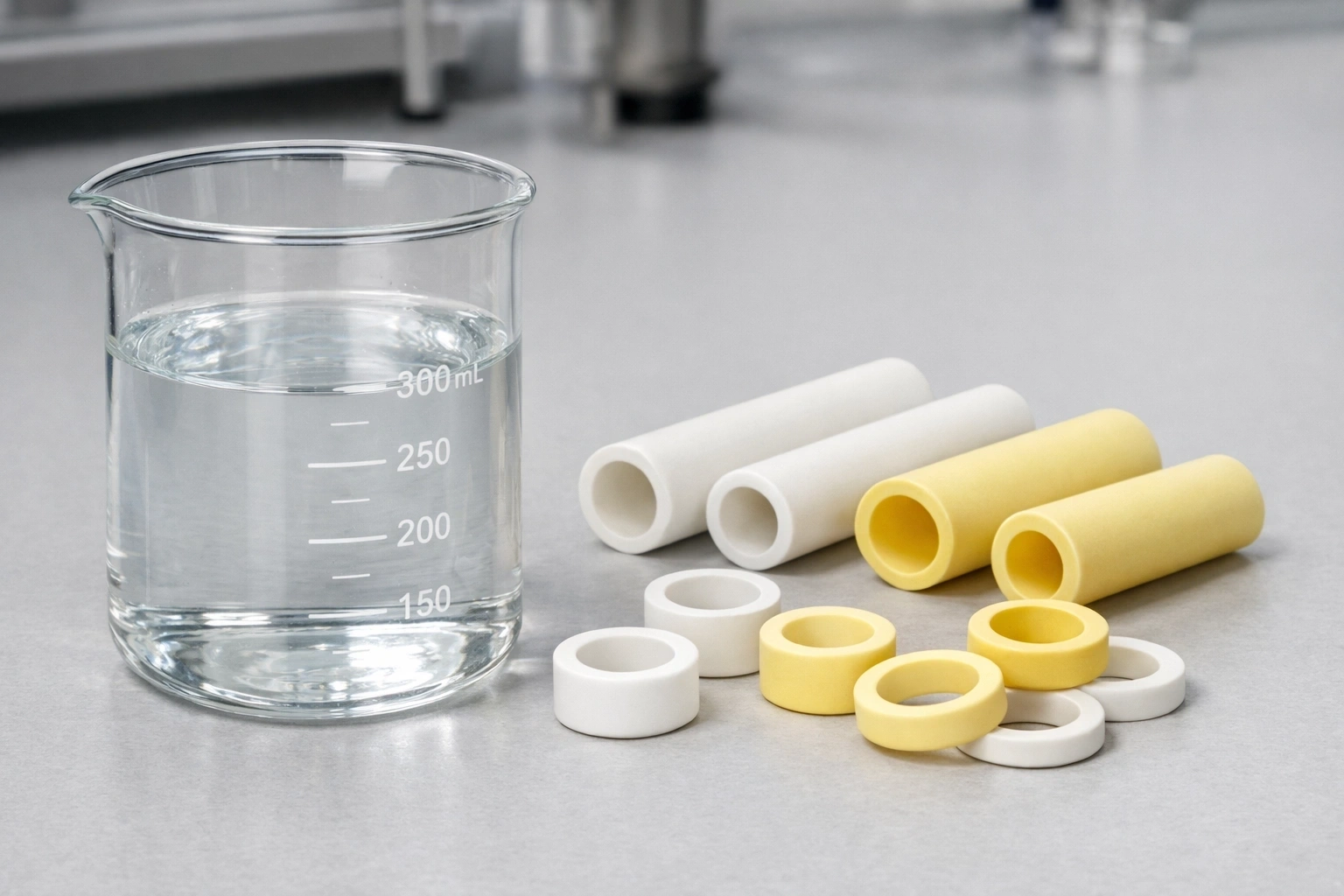
Ceramic components such as tubes, liners, and valves are widely used in chemical plants due to their exceptional resistance to acids, alkalis, and solvents. Unlike metals, which may corrode or degrade, ceramics maintain structural integrity even in aggressive environments. For example, alumina and silicon carbide ceramics are commonly used for reactor linings and pump parts, significantly reducing downtime. The chemical inertness of these materials ensures minimal contamination and consistent process quality. As a result, plants benefit from lower maintenance costs and improved operational reliability.
Common Ceramic Materials in Chemical Processing
| Material | Corrosion Resistance | Max Temp (°C) | Typical Use Cases |
|---|---|---|---|
| Alumina (Al₂O₃) | Excellent | 1700 | Liners, tubes, valves |
| Silicon Carbide | Outstanding | 1600 | Pump parts, seals, nozzles |
| Zirconia (ZrO₂) | Very Good | 1200 | Valve seats, plungers |
What makes ceramics essential for analytical instruments?
Precision and purity are critical in analytical instruments. Even minor contamination or dimensional drift can compromise results.
Ceramics are essential for analytical instruments due to their high purity, dimensional stability, and electrical insulation properties.
Instruments such as spectrometers, chromatographs, and electron microscopes rely on ceramic components for sample holders, insulators, and precision fixtures. Advanced ceramics like alumina and zirconia offer exceptional dielectric strength, ensuring accurate signal transmission and minimal interference. Their low thermal expansion and high hardness maintain calibration over time, reducing the need for frequent recalibration. This reliability is crucial for laboratories and manufacturers demanding consistent, high-precision measurements.
Key Ceramic Properties for Analytical Instruments
| Property | Benefit | Typical Application |
|---|---|---|
| High Purity | Prevents contamination | Sample holders, crucibles |
| Dimensional Stability | Maintains calibration | Fixtures, guides |
| Electrical Insulation | Reduces signal interference | Substrates, insulators |
Why choose ceramics for high-temperature industrial applications?
Extreme heat degrades most materials, causing warping, oxidation, and failure. This disrupts production and increases costs.
Ceramics are chosen for high-temperature applications because they retain strength, resist oxidation, and maintain stability above 1000°C.
Which ceramic materials excel above 1000°C?
Materials like alumina, silicon carbide, and silicon nitride are engineered to withstand temperatures exceeding 1000°C. Their thermal shock resistance and low thermal conductivity make them ideal for furnace components, kiln furniture, and heat shields. These ceramics do not deform or degrade, ensuring consistent performance in continuous high-heat cycles.
| Material | Max Operating Temp (°C) | Key Application |
|---|---|---|
| Alumina (Al₂O₃) | 1700 | Furnace tubes, plates |
| Silicon Carbide | 1600 | Kiln furniture, burners |
| Silicon Nitride | 1400 | Heater tubes, nozzles |
How do ceramics outperform metals at extreme temperatures?
Unlike metals, ceramics do not suffer from oxidation or creep at elevated temperatures. Their covalent bonding structure provides inherent stability, while metals may soften or oxidize. For instance, creep resistance in ceramics ensures dimensional accuracy and longevity in thermal processing equipment, reducing the frequency of part replacement and unplanned downtime.
| Property | Ceramics | Metals |
|---|---|---|
| Oxidation | Excellent resistance | Prone to scaling |
| Creep Resistance | High | Moderate to low |
| Thermal Expansion | Low | High |
How do ceramics enhance fluid handling systems?
Erosion, corrosion, and leakage in pumps and valves lead to costly repairs and process interruptions.
Ceramics enhance fluid handling systems by providing wear resistance, chemical stability, and leak-proof sealing in pumps, valves, and seals.
What ceramic pump components reduce maintenance costs?
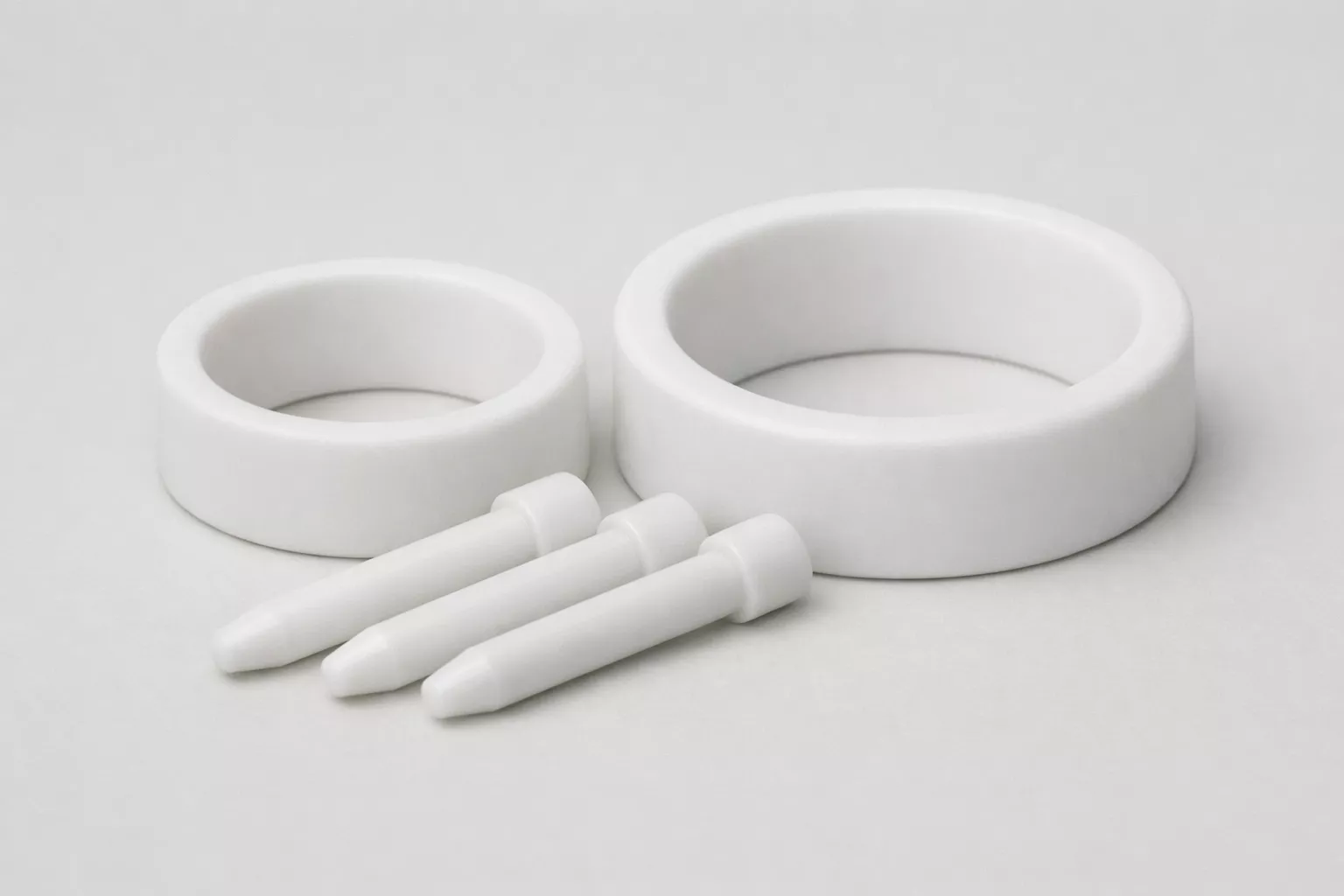
Ceramic plungers, pistons, and liners are widely used in pumps handling abrasive or corrosive fluids. Their hardness and chemical inertness minimize wear, extending service intervals and reducing total cost of ownership.
| Component | Ceramic Material | Maintenance Benefit |
|---|---|---|
| Plunger | Zirconia | Extended lifespan |
| Liner | Alumina | Reduced abrasion |
| Piston | Silicon Carbide | Lower replacement rate |
How do ceramic valve seats extend service life?
Valve seats made from advanced ceramics resist both chemical attack and mechanical wear. This ensures tight sealing and consistent operation, even in aggressive media. The hardness of ceramics prevents deformation, reducing leakage and improving process reliability.
| Valve Type | Ceramic Used | Service Life Improvement |
|---|---|---|
| Ball Valve | Zirconia | 3–5x longer |
| Gate Valve | Silicon Carbide | 2–4x longer |
| Globe Valve | Alumina | 2–3x longer |
Which ceramic seals prevent contamination issues?
Ceramic mechanical seals are ideal for applications where purity is critical, such as pharmaceuticals or food processing. Their non-porous structure prevents fluid ingress and bacterial growth, ensuring product integrity.
| Seal Type | Ceramic Material | Contamination Risk |
|---|---|---|
| Mechanical Seal | Alumina | Minimal |
| Shaft Seal | Silicon Carbide | Very low |
| Face Seal | Zirconia | Negligible |
What advantages do ceramics offer in corrosive environments?
Corrosive chemicals rapidly degrade metals and polymers, leading to frequent part replacement and contamination risks.
Ceramics offer unmatched corrosion resistance, ensuring long-term reliability and purity in harsh chemical environments.
Advanced ceramics such as alumina, silicon carbide, and zirconia are chemically inert, making them ideal for acid, alkali, and solvent exposure. Their corrosion resistance reduces the risk of leaching or structural failure, which is critical in chemical processing, mining, and water treatment. This durability translates to fewer shutdowns, lower maintenance costs, and improved product quality.
| Environment | Ceramic Material | Expected Lifespan |
|---|---|---|
| Acidic | Alumina | 5–10 years |
| Alkaline | Silicon Carbide | 8–12 years |
| Solvent-rich | Zirconia | 6–10 years |
Which industries benefit most from custom ceramic parts?
Standard components often fail to meet unique operational requirements, limiting performance and flexibility.
Industries with demanding environments—such as chemical, energy, and research—benefit most from custom ceramic parts.
Custom ceramics are engineered to precise specifications, enabling solutions for complex geometries, tight tolerances, and unique material properties. Sectors like chemical processing, analytical instrumentation, and renewable energy rely on custom advanced ceramics for critical components that standard materials cannot match. This customization supports innovation, system upgrades, and process optimization.
| Industry | Typical Custom Ceramic Part | Key Benefit |
|---|---|---|
| Chemical Processing | Reactor liners, pump parts | Corrosion resistance |
| Analytical Instruments | Precision fixtures, insulators | Dimensional accuracy |
| Energy & Renewables | Heat shields, insulators | High-temperature stability |
How do precision ceramics enable reliable equipment performance?
Equipment failures due to dimensional drift or material fatigue disrupt production and increase costs.
Precision ceramics enable reliable performance by maintaining tight tolerances, high strength, and stability under stress.
Advanced ceramics are manufactured to exacting standards, with tolerances as tight as ±0.01mm. Their mechanical strength and resistance to wear ensure consistent operation in demanding applications. For example, precision ceramic bearings and guides are used in automation and robotics, where reliability and repeatability are paramount. This results in fewer breakdowns, longer service intervals, and higher productivity.
| Application | Precision Requirement | Ceramic Used |
|---|---|---|
| Robotics | ±0.01mm | Zirconia |
| Semiconductor Equipment | High flatness | Alumina |
| Analytical Devices | Dimensional stability | Silicon Nitride |
Conclusion
Advanced ceramics deliver unmatched durability, precision, and reliability across critical industrial applications.
Unlock higher efficiency and lower maintenance costs by integrating advanced ceramics into your operations. For tailored solutions and expert engineering support, contact ADCERAX today.